Category: Research

Retail News Asia is committed to providing both local and global retailers with the latest Research throughout the Asian market. This on a daily base.

  • Mobile payment race intensifies

    Mobile payment race intensifies

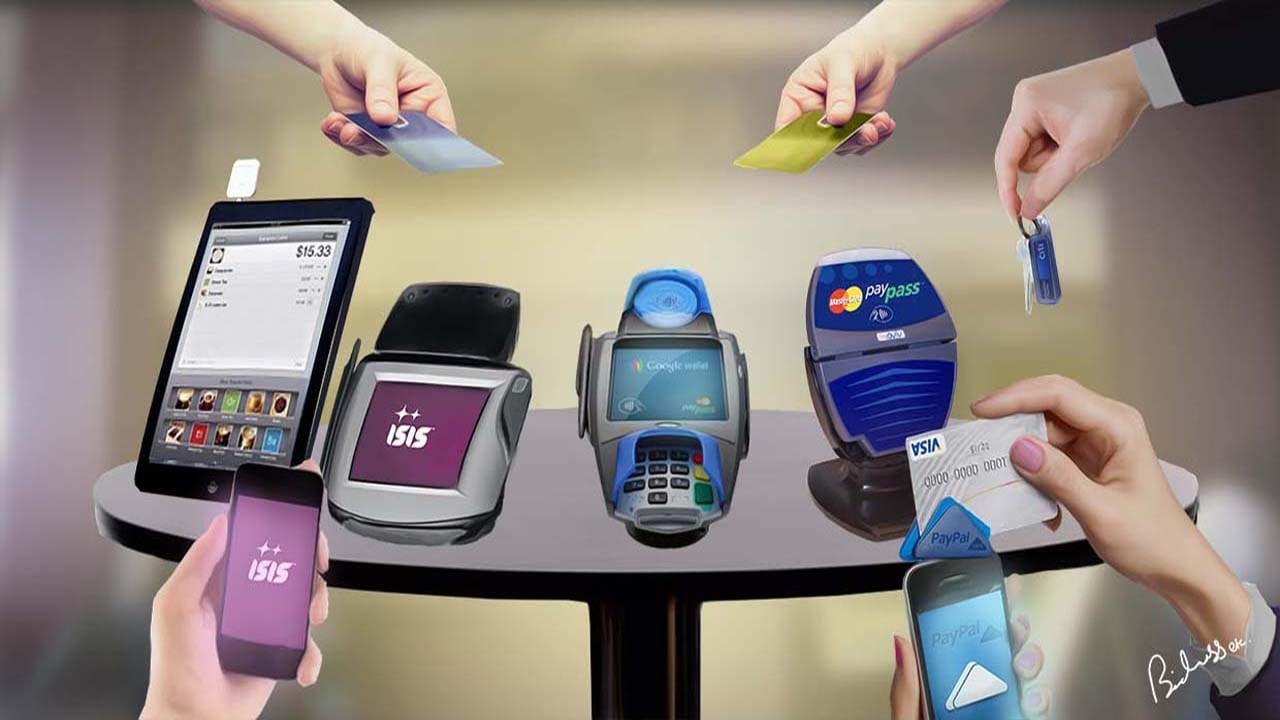
    From smartphone-makers to retail firms, more companies are jumping on the mobile payment bandwagon in a bid to take the initiative for hassle-free digital payments.

    As there is no single dominant player or set of standards yet, the mushrooming mobile payment market is flooded with more than 20 related applications in Korea and may look like a hodgepodge of technologies for some.

    Many industry officials, however, had a positive outlook on the fledgling market, anticipating that the mobile payment systems would further proliferate and one day kill plastic cards.

    “There will be a tenfold increase in the mobile payment services next year, and it is highly likely considering the great growth potential with most websites requiring online payment solutions,” forecast Park So-yeong, chief executive of electronics payment PayGate and chairperson of the Korea Fintech Forum, an organization for the financial technology sector.

    She added that the market needs a set of standards in order to enhance convenience for consumers, and small retailers that may want to adopt the contactless payment technology in the coming years.
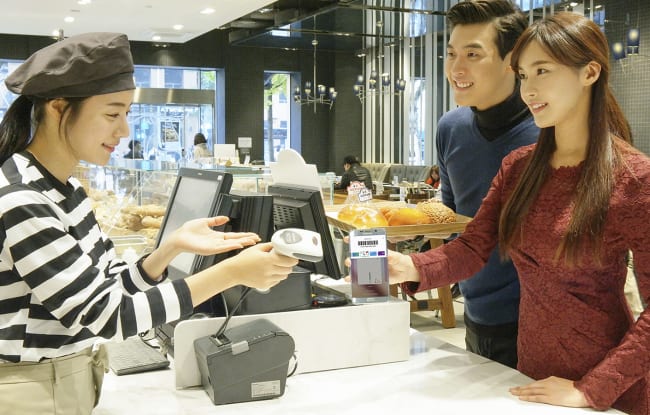
    Users try to use mobile payment system Samsung Pay. (Samsung)

    Some said that the growing number of mobile payment apps ironically cause inconvenience due to the lack of standardized technologies, arguing new payment services will come and go until the emergence of strong market leaders.

    “Even Kakao, operator of Korea’s most used mobile messenger, has not been able to rule the mobile payment market,” said an industry source, adding that the firm’s KakaoPay takes up less than 10 percent of payments on Baedal Minjok, the largest food ordering app in Korea.

    Other mobile payment services providers include retail colossuses Shinsegae and Lotte, as also Internet giant Naver and LG Electronics.

    The Korean mobile payment market more than quintupled to 5.7 trillion won ($4.9 billion) in the second quarter this year from 1.1 trillion won in the first quarter of 2013, according to state-run statistics organization Statistics Korea.

    Highly considered as one of the potential market leaders, Samsung is gaining momentum to win the mobile payment race.

    After U.S. tech giant Apple launched contactless mobile payment system Apple Pay last year, Seoul-headquartered Samsung Electronics rolled out its own system in August.

    Despite its somewhat belated start, Samsung Pay has been garnering quite an upbeat response from reviewers and users around the world.

    Accumulative payments crossed the 100 billion won mark with the number of Samsung Pay subscribers exceeding 1 million in two months since its launch in Korea.

    Samsung Pay is often said to have a competitive edge over Apple Pay thanks largely to its better compatibility with the Magnetic Secure Transmission and Near Field Communications technologies.

    Apple Pay allows users to make purchases only with NFC terminals while Samsung Pay is compatible with both magnetic swipe and NFC terminals.

    “Some even say Samsung Pay is the last hope for the Korean tech giant’s mobile business unit, which is being squeezed hard between Apple in the premium handset segment and Chinese upstarts in the low end,” a market official said.

    The tech behemoth is also beefing up partnerships with credit card firms and banks to allow Samsung Pay users to use ATMs with the mobile service.

    Some of the global financial firms include Chase, Visa, American Express and MasterCard.

    Local investment firm BNK Securities anticipated the shipment of Samsung smartphones equipped with Samsung Pay worldwide will reach 22.5 million units — 11.4 million in Asia and 11.1 in North America — next year.

    The increasing popularity of the Samsung payment solution and the expanding mobile payment ecosystem has become a boon for Samsung’s partners and component makers for biometric sensors — used in smartphones to authenticate users.

    Among the beneficiaries are the Korea Information Certificate Authority, which develops user authentication solutions, and Amotech.

    KICA provides fingerprint identification solutions for Samsung Pay and the latter supplies chip modules used for the payment system.

    KICA’s share price doubled to 21,000 won in the two months that Samsung Pay was released, and is now hovering between 12,000 won and 14,000 won.

    It is also expected that Samsung would install its payment solutions in a variety of its products, including smart TVs, mid-range and low-end smartphones, running on the Tizen operating system.

    The Tizen OS has been jointly developed by a group of global tech firms including Intel.

    Fingerprint scanners will be more widely deployed in budget Samsung smartphones to beef up security of the mobile payment app.

  • Singapore businesses embracing analytics tools

    Singapore businesses embracing analytics tools

    According to Gartner, more than 75 percent of companies globally are investing or planning to invest big data in the next two years. In 2015, SAS saw an increased adoption in analytics solutions across various industries – a clear indication that Singaporean businesses are also recognizing the value of analytics in driving business outcomes.

    “We’ve seen an uptake in the adoption of analytics solutions by companies spanning across several verticals, including retail, transport and hospitality. We also see more non-technical employees embracing analytics, and this is largely driven by tools like SAS Visual Analytics, which has interactive, self-serving capabilities to allow anyone to explore and discover insights on their own,” said Francis Fong, Managing Director, SAS.

    Regardless of the size of an organization, its data or the complexity of its services, businesses are now able to take charge of its data quickly and easily. SAS Visual Analytics, uses an interactive interface that works to identify relationships, explore options and uncover hidden opportunities, allowing businesses to make precise decisions faster than ever before.

    Key customer wins in 2015:

    •    Club 21: a global luxury retail company, was looking to get a more holistic understanding of customer spending and shopping behaviors online and offline. With SAS Visual Analytics, they were able to discover insights to move them closer to surfacing omnichannel shopping patterns and merchandising affinity trends. This led to the retail brand integrating their point-of-sale and membership data to gain a more holistic understanding of sales patterns and member performances and habits.

    “The SAS VA tool is new to our organization.  Our goal is to use this tool to enable our teams to move beyond data collection to surface patterns and associations through visualization.  This tool allows our teams to extract insights faster and more strategically because we can finally see and understand data in a way that is custom to our businesses, marketing channels and customer segmentations.” Mei Lee, Senior Vice President, Digital, CRM & e-Commerce.

    •    SMRT: is Singapore’s premier multi-modal land transport operator. Like other large organizations which have a range of business functions and, correspondingly, a number of business units, SMRT had the challenge of collecting data from disparate sources, and synthesizing and analysing it. In 2013, SMRT invested in an Information Fusion capability and SAS Visual Analytics provided the platform through which a strategic dashboard view was built, allowing, among other things, for individual business units and the Group as a whole to track, trend and analyse operational performance.

    Henry Cheng, Head, Information Fusion Center, SMRT, said, “We required a tool that would allow us to have a single dashboard view across the entire Group to guide our decision making, and SAS Visual Analytics was able to provide that. The solution’s easy-to-use, self-service environment has allowed us to run data models across different business units to gain useful insights.”

    •    Far East Hospitality: Singapore’s largest hotels and serviced residences operator, tapped on SAS to help them consolidate and analyze information in a single source. The availability of decision trees and path analyses, in particular, helped Far East Hospitality develop a better data view and make more informed decisions, improving their tracking of flight details and finance data, and strengthening their risk management strategies. Taking into account the higher proportion of nontechnical experts compared to data experts in a typical organization, solutions like SAS Visual Analytics enabled employees to easily grasp the basics on data analytics, with its easy deployment and user friendly interface.

    “There are many strategic and tactical components that goes into a price.  Like most hotels, we have many data variables in our decision making of the price.  It is difficult to pull all this data together, and statistically interpret which factors contribute to success.  We want to become more forward looking, and make this process more intentional and proactive by using tools that can help us visualize the data quickly, and streamline the data access and analysis. We chose SAS Visual Analytics as it fulfilled the requirements: the ability to quickly visually analyse our various data in one single platform, the ability to build analytical models, and the ability to share the analytics and reports in different formats and devices,” Malcolm Leong, Far East Hospitality Management.

  • Echelon Thailand addresses the unique struggles of women in business

    Echelon Thailand addresses the unique struggles of women in business

    It may come as a surprise that Thailand not only boasts one of the world’s largest number of women entrepreneurs. It is also one of the few countries in the world where there are as many female business owners as there are male.

    At Echelon Thailand 2015, we are dedicating a panel solely to female entrepreneurs — their struggles, their drive, their rise in participation in business and why female entrepreneurs are here to stay. The discussion will include, but is not limited to, female entrepreneurship in different cultures around the world, existing policies and their issues and more.

    Araya Noo Hutasuwan is currently Vice President at Ardent Capital, an operator VC based in Bangkok with 15 companies in portfolio across Southeast Asia and Hong Kong. She is focussed on advising current portfolio companies on their business strategies, helping drive subsequent funding rounds and potential M&As, sourcing potential deals, due diligence and making investment recommendations.

    Prior to working at Ardent, Araya co-founded several fashion retail brands with a presence in the US and Thailand, spent time setting up a factory in Myanmar and spent four years in Investment Banking at Phatra Securities with a focus on M&A.

    EDIT_Panel4

    Shannon Kalyanmitr is superwoman: Entrepreneur, women’s advocate, World Connector, Thai-American and Mother of Siamese-Viking Twins. She is also the Founder and Group CMO of MOXY, the shopping destination in Southeast Asia focussed on women.

    Coming from a long line of business development roles from Investment Banking (Lehman Brothers and PwC) to Television and Media (Singha Beer & Building a Digital TV Station from Scratch) – to Social Development (Tsunami Humanitarian work) and now Tech, Shannon has been able to marry the best of all her global experiences into MOXY, along with carrying on her passion for women’s development and entrepreneurship.

    An international marketing and communications professional with over 20 years experience, Pacharee Pantoomano-Pfirsch delivers winning solutions for some of the world’s most influential brands. From brand management to direct marketing to internal communications and community relations, her proven expertise and solid grasp of market communications come together with stellar results for leading-edge marketing strategies for her clients around the globe.

    Today, in addition to serving her clients at Brandnow, she is also the Chairwoman for the Bangkok Now, an organisation she founded in 2003.

    Juliette Gimenez, is highly passionate, a serial entrepreneur and currently Co-founder of Goxip, the mobile-first app that allows users to search, discover and shop fashion by image recognition and celebrity stylefeed. Gimenez has extensive experience in starting up companies and driving multi-million dollars sales growth in e-commerce, particularly from an early stage level onwards in Southeast Asia and Hong Kong at companies such as Cdiscount Thailand and LivingSocial. Previously, she was a VP at ubuyibuy, which got acquired by Groupon.

    Linh Thai is Founder and CEO of Stitch Appeal, an online fashion brand that creates custom tailored women’s fashion.

    Prior to this, she was a Director at DFJ VinaCapital, a leading venture capital fund based in Ho Chi Minh City. Before that, she was an Investment Banking Associate at Bank of America Securities in New York City, where she worked on equity, debt and M&A deals. Her experiences also include roles in marketing and operations at Internet startups in the US.

  • Ecommerce offers a cheaper and faster way to market in China

    Ecommerce offers a cheaper and faster way to market in China

    Todd Fryhover, president of the Washington Apple Commission, joined China’s Singles Day celebration for the first time, hoping to sell 1.2m apples from Washington State in 24 hours.

    To help him out was the marketing juggernaut of Alibaba, the Chinese ecommerce company, where Washington apples are sold through branded website Tmall, one of a number of foreign food brands that are finding a ready market in China amid health scares over domestic produce.

    Singles Day, which began as a student celebration of singledom in the early 1990s, was reinvented by Alibaba in 2009 as a mass festival of conspicuous consumption, and more and more foreign companies are joining, hoping to use the holiday as a marketing exercise to get their brands out to the Chinese public.

    Mr Fryhover wants everyone in China to have “a repeatable, wonderful experience on Washington apples”. China is number six on the list of 60 countries that import apples from Washington’s 450 growers, but he thinks it will be number one by next year.

    He may be right. By midnight, as a video billboard in Alibaba’s Beijing auditorium showed, $14.3bn of merchandise had been bought via Alibaba’s platforms in 24 hours.

    Western companies are increasingly turning to online commerce, a cheaper and faster way to get to market than setting up store chains or penetrating the opaque retail market in China.

    To do this they are learning to love China’s internet conglomerates, informally known as BAT — Baidu, the search company, Alibaba and Tencent, the social media and gaming company. The three have begun to dominate economic life in China with amazing speed, doing everything from retail to finance to transportation, and moving into healthcare and even agriculture.

    In just a few years, the BAT conglomerates has been able to monopolise every aspect of daily life that could conceivably be put on the web and sold to the public. “They all want to own the customer, they want to be with them every second of the day, when they watch a video, chat to their friends, buy groceries, or go to a restaurant” says Chris DeAngelis from the Beijing-based Alliance Development Group.

    China’s internet giants are becoming what analyst Anne Stevenson-Yang of J Capital Research calls “tech Keiretsu”, referring to the national champions that dominated the Japanese economy in the 20th century with interests in multiple industries. “When companies are this big in China, the difference between public and private is not that important,” she says. “For all intents and purposes these companies have become the ministry of the internet.”

    But fierce competition means foreign sellers have many options for courting Chinese middle class buyers who are looking to buy imported goods abroad due to concerns about home-made counterfeit goods.

    Alibaba offers a number of options for sellers, including the free eBay-like platform Taobao, which is basically an online flea market. Most big brands set up on Tmall, which resembles an Amazon market place, a platform where big brands can set up stores and have more control over their sales and supply chains. Tmall’s first store from a fortune 500 company was Procter & Gamble, launched in 2008, which has grown 100 times since then, according to P&G vice-president Jasmine Xu.

    This year on Singles Day Ms Xu says that P&G made its first Rmb100m ($16m) in six minutes, compared with eight hours last year. “[Tmall] is a key platform to drive brand building in addition to sales,” she says.

    Some merchants have been loath to list on Alibaba, however. It gets vast online traffic, but the pressure to discount and the prevalence of fakes means it is “hard to protect a brand on Tmall,” says one consultant.

    But there are plenty of alternatives. JD.com, Alibaba’s rival, which is increasing its market share, has attracted a number of brands to its online store.

    China in many ways is more switched on to the internet than other countries which have had it for longer– Jim James

    Meanwhile, waiting in the wings is Tencent’s social media app WeChat, which has more than 500m users and is growing rapidly. Fearful of flooding the app with advertising and products, Tencent has been holding back on “monetising” WeChat.

    But advertising on WeChat is just one way of getting attention, and many companies have found they can win huge marketing success simply by using WeChat for word-of-mouth marketing.

    Fans of English country living, for example, can join a WeChat group devoted to Aga cookers, the iconic English oven brand, watch videos about cooking on an Aga, swap messages about it, and, thanks to the software which embeds the store in the chatroom, even buy one on impulse.

    “WeChat is unusually versatile; its better than Facebook, better than WhatsApp for marketing,” says Jim James, head of EastWest Public Relations in Beijing, which designed the Aga WeChat group.

    “China in many ways is more switched on to the internet than other countries which have had it for longer.”

  • Warehouse Managers Must Get Mobile

    Warehouse Managers Must Get Mobile

    Today’s warehouse managers face many challenges, not the least of which are meeting higher service levels and operational cost constraints. In this environment, it’s more important than ever that managers spend time on the floor, managing associates to drive optimal levels of productivity and monitoring work throughout the warehouse. This represents a difficult balancing act, however, as distribution centre managers and supervisors traditionally lack access to critical real-time data anywhere but the office.

    With this issue in mind, Manhattan Associates recently conducted a survey of supply chain executives and managers to better understand their struggle—and how mobile tools may be able to alleviate the challenges. The findings underscore that legacy, PC-based labour management systems (LMS) are effectively chaining managers to their desks, and preventing them from spending valuable time with associates. For example, 63 percent of respondents said lack of access to a computer keeps them from the warehouse floor, and 58 percent pointed to the need to review reports as another barrier against more associate engagement.

    Numerous studies have documented that employees are more productive when given frequent, real-time feedback on their performance, and how their work aligns with broader company goals. As such, it’s essential that distribution centre managers break out of the back-office for good, or risk poor morale and warehouse throughput.

    According to Manhattan Associates’ survey, increased mobility could address these challenges. Thirty-three percent of respondents said a mobile solution would increase their floor time by 50 percent or more, and an additional 28 percent indicated that mobile would free up at least 25 percent more time for on-site activities. In keeping with these findings, respondents reported that greater engagement is the chief benefit of providing managers with mobile tools. Additional advantages include:

    • Increased oversight (42 percent)
    • Real-time data (33 percent)
    • Supervisor productivity (21 percent)
    • Exception management (19 percent)

    In addition to recognising the benefits of mobility, our survey results indicate that warehouse managers are well on their way to implementing these solutions. Eighty-one percent of respondents said they either currently have mobile capabilities for managers, or have plans to deploy them in the near-term. Among the most desired functions in a mobile app were:

    • Employee productivity (85 percent)
    • Work management (85 percent)
    • Exception management (66 percent)
    • Labour requirements (49 percent)

    It’s evident that mobile solutions enable warehouse managers to spend much-needed time engaging with employees without sacrificing reporting requirements or other equally critical responsibilities.

    To help distribution managers and staff alike break away from their desktops and be more engaged and effective in the warehouse, Manhattan Associates launched its own Mobile Distribution Management solution earlier this year. The Manhattan solution provides everything warehouse managers need to interact and effect change among employees and execute tasks out on the warehouse floor. Combining data and functionality from Manhattan’s Warehouse Management and Labour Management solutions, Mobile Distribution Management allows warehouse and distribution managers to:

    • Systematically record active interactions with employees, including observations and performance measurements
    • Review work in the warehouse by wave, job function and task/activity
    • Put a task on hold, re-prioritise a task, assign a task to an employee or release a set of tasks to be completed
    • Monitor, plan and forecast work in real-time
    • Track the status for a particular customer, including order look-ups and wave progress

    While Labour Management and Warehouse Management Solutions have long been integrated, sharing performance data in person with employees was limited to static reports run at infrequent intervals. Mobile management, however, improves the manager/employee interaction by connecting both parties to performance reports in real time.

    Intelligent decision

    With mobile solutions, managers can also update information while an operational change is being made, and potentially reverse changes quickly to avoid work stoppages. Examples of active capabilities include task reprioritisation, release and reassignment. Outbound tasks in particular have the potential to benefit the most due to their high complexity and rapid pace.

    Supervisors can send real-time metrics (e.g., picking and packing rates by team or individual members; rankings; actual versus goal performance) via display screens and desktop dashboards to employees on the warehouse floor. This enables them to make better decisions in real time. The data also can be pushed to mobile devices, enabling management to monitor activity from any location or through pre-set, threshold alert notifications.

    What is the market’s understanding of mobile supply chain management?

    Engagement and communication techniques in the warehouse were traditionally centred around decidedly low-tech items, like bulletin boards and newsletters. With the increasing adoption of technology in the warehouse, big screen TVs for example, companies are introducing some great new ways to facilitate informational flow with minimal work. Large screens broadcast details like top performers on the floor and the most current KPIs, so that everyone is on the same page. This enables managers to make information available anywhere and anytime while integrating both quantitative and qualitative data.

    With mobile phones and tablets entering the scene also and showing up on the warehouse floor, mobility is having a huge impact on warehouse management. With a continuous drive for greater efficiency, improved productivity and enhanced service levels by companies in the Southeast Asia region, mobile is becoming a major focus for supply chain infrastructure upgrades and we expect this to remain the case for many years to come.


  • Indonesia through the eyes of local startups

    Indonesia through the eyes of local startups

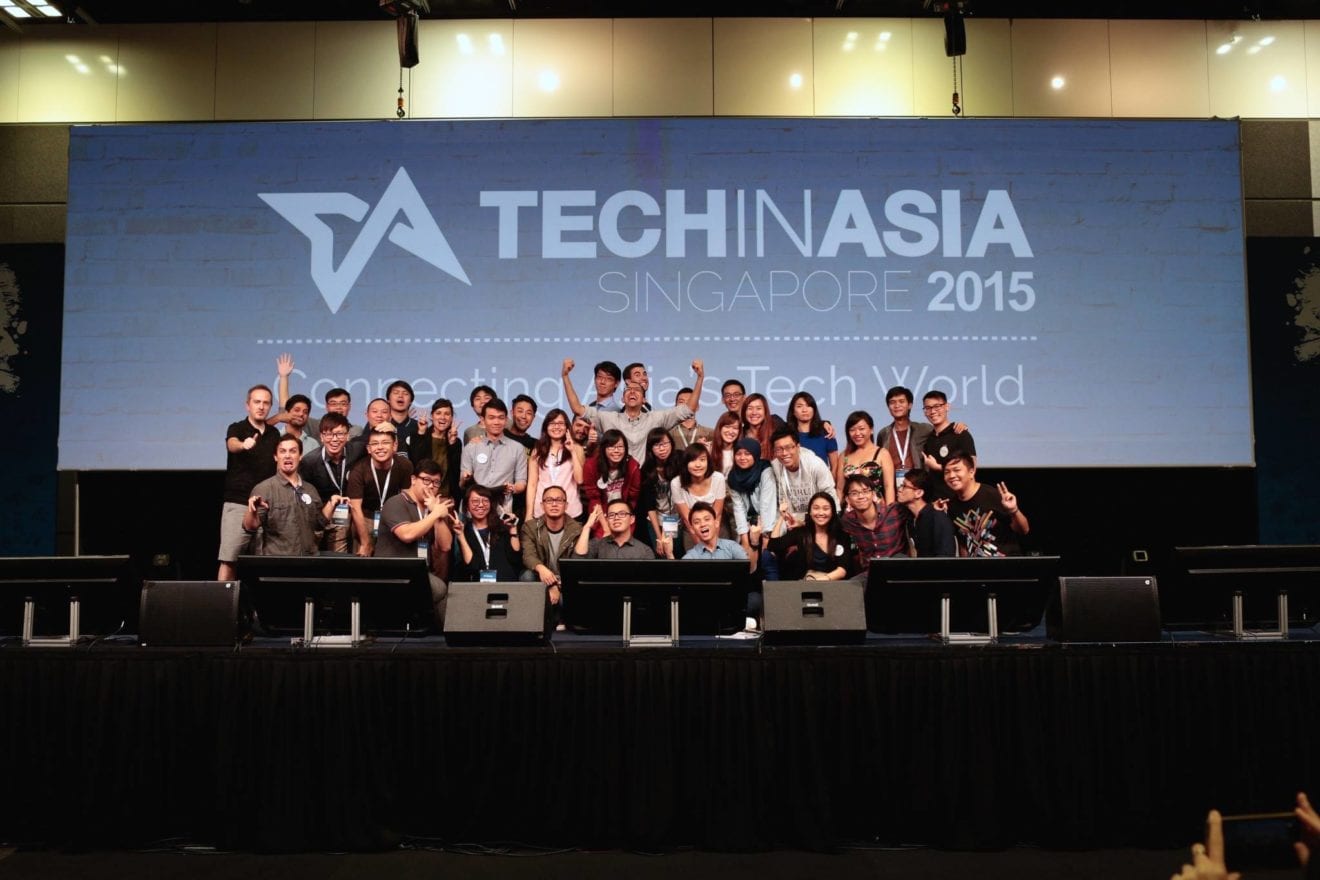
    11 and 12 November were two days of highly intensive activity at the Tech in Asia Jakarta 2015 held at Balai Kartini. From my sources at TIA, it was a whopping 4123 attendees, the largest turnout for a TIA event.

    The sheer crowd was a testament to Indonesia’s importance as a major South-East Asian consumer market. 142 of 184 startups hail from the host nation Indonesia at the Bootstrap Alley, the startup exhibition area.

    I have read many news sources about the Indonesian market, spoken to many people involved in Indonesian businesses, but my access to the local startup community has been limited, until now.

    tech in asia jakarta 2015 bootstrap alley featured image

    Intrigued to know Indonesia through the eyes of local startups, I told my investment team to spread out and take different alleys and speak to as many Indonesian startups as possible to learn more about the scene.

    At the end of the trip, we compared our notes and came up with some interesting observations. Due to the sensitivities of information being shared here, all names have been removed.

    New tech, same old way of business

    You would have expected a cultural shift of Indonesians adopting mobile technology as a new way of doing business, but the business scene is still dominated by very powerful and connected people who dictate the speed and direction of the technological adoption.

    “These powerful people have many companies under the guise of proxies and the company ownership structure is complex. Information is very scarce on who is the ultimate owner. Many of these companies own approved permits for various projects, which are awarded to them from their connections to the government. You have to work with these companies in order to gain access to a larger slice of the market,” says a startup founder working on an ecommerce platform selling a restricted good.

    For my business, I need to do four things to get it moving. Funding my operations is one. Next is to get access to a company which owns a permit to import these restricted goods. In this industry, there are only eight such companies holding permits. I have access to two.”

    “Supplies and funding,” I thought to myself. What else can there be? “Next, I have to be on very good terms with the police, to ensure they won’t cause trouble for me. There is no bribing, just ensure we are in communication and having good relations. Next is the mafia, to ensure they also won’t cause trouble for me,” he explains. What a balancing act he has to do. He didn’t mention about whether he needs to pay off the mafia though.

    He explains that Indonesia is a place where you have to identify first the right people in power and to connect with them to gain access to a certain market. He claims his market is niche, but I feel that he is hiding the real huge potential of the market. By having two of eight suppliers working with him, he is effectively addressing an estimated 25% market share of this vertical, assuming equal market share per supplier.

    Complimentary, not disruptive

    Another founder, who reads many articles on US entrepreneurs, says the US founders tend to claim their business model is disruptive and changes the way people work and live.

    “But here in Indonesia, remember that the economy is run by many powerful people. If you mention the word disruptive technologies, these people will regard you as a threat and go all out to block you. Rather, always say you are here to compliment their existing businesses and help them earn more money. Never go head-on with the incumbents. You might just get yourself ‘disrupted’,” he gives a shiver for dramatization.

    Mobile ecommerce is a huge size available for all

    Despite the dominant ecommerce players in Indonesia, the sheer market size makes it available to all, even the small-time businesses. An Indonesian investor who invests in hyper-local startups mentions:

    “Take Jakarta for example, there are many hyper-local ecommerce startups serving neighbourhoods. With the population density so high in the cities, many small-time startups are able to tap into these places and build their customer base and grow from there. It is not a nationwide expansion like the large players, but you can earn a decent living serving a small area. And don’t bother to build an ecommerce website. Everyone is on a smartphone. Going mobile is the easiest to start.”

    But for B2B businesses, it seems that web is still the way to go. I spoke with another startup that is an Alibaba me-too, focusing on very specific categories like fashion clothing. They connect wholesalers to distributors in Indonesia via their website.

    Despite being only in the market for a few months, they have already transacted a good number of B2B deals online. But given that the founder’s family is already in the trade, it might be their own existing orders going online that is creating the traction.

    Split-founder personalities

    Given space constraints, only 90 or so startups could exhibit on the first day, and the remainder presented on the second day. But it was an irony that the founders on day one came back on day two as founders of another startup!

    It is apparent in the Indonesian culture not to dabble in one startup but rather to try as many. “The opportunities are just so many that it would be stupid not to have multiple businesses,” quips a founder.

    He himself has four startups, working with various partners across the three cities of Jakarta, Bandung and Surabaya. “We have friends everywhere who have good connections for different businesses. We have our own connections and thus connecting all the dots from various cities to build a business together makes sense.”

    When I asked him how he manages his time, he smiles and says, “I wear different hats, just sometimes, I have to put on all hats. It is fun!”

    Ending thoughts

    As I took off from Soekarno-Hatta airport, I have been left with an impression that Indonesia’s tech startups are still basic in nature and not cutting edge. Founders have shared that the consumer market is still very much in its infancy stages and focused on bread and butter issues.

    However, there is no need for disruptive technologies yet as enabling technologies like transportation, ecommerce and communications need to be established first. Having strong existing cultural business norms of working with the bourgeoisie shows that running a big business requires a long-term plan.

    Further adding to the complication is the government’s many 87 regulations that prevent effective foreign investments and the creation of startups. But for those who are willing to slog it out, Indonesia’s huge population size is one attraction with its might and potential that entrepreneurs cannot ignore.

  • Asia luxury retail revival ahead

    Asia luxury retail revival ahead

    While Asia Pacific may be experiencing a slowdown in luxury retailing right now, three key trends will fuel a renaissance in coming years.

    That’s the core finding of a research report by property specialist CBRE, The Future of Luxury Retail in Asia Pacific: New Demand Drivers and Shifting Occupier Requirements, which promises property owners can expect “a solid new stimulus for demand” in the coming years.

    Most major luxury retailers are now well established in Asia Pacific – their with China and Hong Kong penetrations already at 89 per cent and 81 per cent, respectively. And after several years of rapid expansion, these markets are approaching saturation point.

    “Accounting for one-third of personal luxury goods sales globally in 2014, Asia Pacific is a key region for international luxury brands with key markets including China, Hong Kong, Japan, Singapore, South Korea and Taiwan. However, the high growth period for luxury retailers in the region is gradually coming to an end,” commented Dr Henry Chin, head of research, CBRE Asia Pacific.

    ”Over-saturation, surging operational costs and weaker retail sales – especially in Hong Kong due to the slowing mainland China economy – have prompted retailers to consolidate their existing store networks and slow their rate of entry into new markets focusing on operational efficiency,” said Chin.

    But here is where there is hope: CBRE has identified three emerging trends which will partially offset some of the negative effects arising from the slowdown and compensate for the loss of demand.

    • The Emergence of Affordable Luxury

    Often referred to as bridge brands, affordable luxury retailers – for example Michael Kors – provide high quality branded goods at a lower price tag than top-tier luxury retailers. Several top-tier luxury brands are already so well established in the region that they are at risk of overexposure, a trend which is prompting many consumers to look for differentiation.

    • Inclusion of F&B

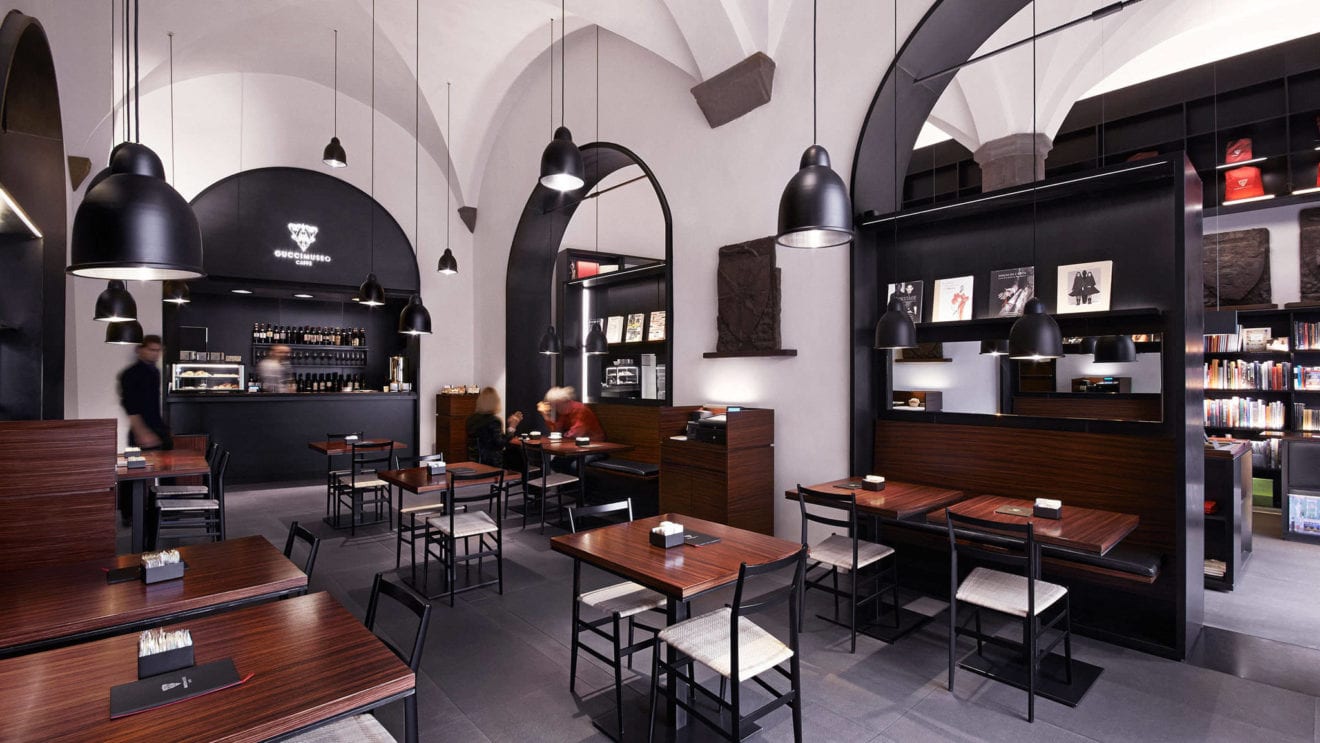
    Recent years have seen luxury brands begin to expand beyond their core fashion businesses into the F&B sector – examples include 1921 Gucci in Shanghai iAPM and Cafe Dior by Pierre Hermé on the top floor of Christian Dior’s flagship store in Seoul – transitioning their brand from being totally fashion-oriented to more lifestyle-driven. Including an F&B component in stores enables luxury retailers to provide their consumers with a more complete experience in which they can shop, relax and socialise.

    • Growth of Luxury Childrenswear

    As of 2014, Asia Pacific was home to 807 million people aged below 14, representing more than 20 per cent of the total population, offering an enormous opportunity for growth in this segment. The emergence of luxury childrenswear brands has been welcomed by landlords as many of them are looking to expand their offering into toys, bookstores and playrooms in order to attract and retain foot traffic amid competition from online retail.

    “With the momentum behind these trends, this will account for a bigger slice of leasing demand for prime retail space,” says Joel Stephen, senior director, head of retailer representation, CBRE Asia.

    “Retailers and landlords can benefit from the projected growth in these market segments.”

    Changes in Luxury Retailers’ Real Estate Requirements

    The emerging retail trends – combined with changing tourism patterns and the ongoing slowdown of the region’s luxury retail sector – are already impacting luxury retailers’ real estate requirements, resulting in new, and in some cases, weaker demand for different types of retail property.

    “The change in shopping behavior among mainland Chinese tourists – who are demonstrating a stronger preference for shopping in Europe and Japan – has prompted luxury brands to review their expansion and rationalise their real estate portfolios, strategies and requirements. Since most luxury retailers remain cautious towards expansion, especially in China, retailers are now focusing on consolidating their footprint into a solid network of stores in high quality locations, as opposed to expanding rapidly and opening many smaller stores, in order to extract the highest value from their sales network,” says Chin.

    Some of the key trends that CBRE have identified include:

    • Weaker interest in department stores despite continued interest in prime locations;
    • Stronger focus on flagship stores, displaying more product lines, thus making a stronger statement in the market;
    • Increased popularity in short-term opportunities for brands to set up exhibitions, pop-up and concept stores, and workshops, to generate greater consumer awareness;
    • Affordable luxury brands continuing to drive demand, encouraging more shopping center landlords to offer them anchor tenant space; and
    • More interest in upper floor retail space, but limited to top-tier malls and driven by F&B and childrenswear segments.

    Says Stephen: “Driven by the emergence of affluent consumers and the rise of the number of millionaires in the region, Asia Pacific will remain a hugely important market for international luxury brands with new names entering the region.

    “Even though leasing demand will slow to a more sustainable level, prime space in core areas will continue to be keenly sought after.”

    Penetration of luxury retailers into Asia-Pacific.

  • Four trends to shape food retailing future

    Four trends to shape food retailing future

    “Genuine revolutions in food retailing are rare, but we’re living through one now.”

    That’s the view of Joanne Denney-Finch, CEO of the food and grocery researcher IGD, speaking who addressed last week’s Asia Pacific Retailers Convention and Exhibition (APRCE) conference in Manila.

    She believes the drivers of change are based on increasing population growth, especially in Asia and Africa, and urbanisation as well as rapid technological changes, and outlined four big trends that will shape the future of global food retailing:

    • The reinvention of stores.
    • The link between the online and offline world.
    • New ways of marketing.
    • Changing supply chains.

    “Change is sweeping through every part of international food retailing. The revolution is so big and powerful, that no-one knows exactly what the future will look like,” said Denney-Finch.

    “While this is creating the most challenging conditions for food retailers I’ve ever seen, there are many opportunities too. Retailers around the world are responding creatively and starting to build a new future.”

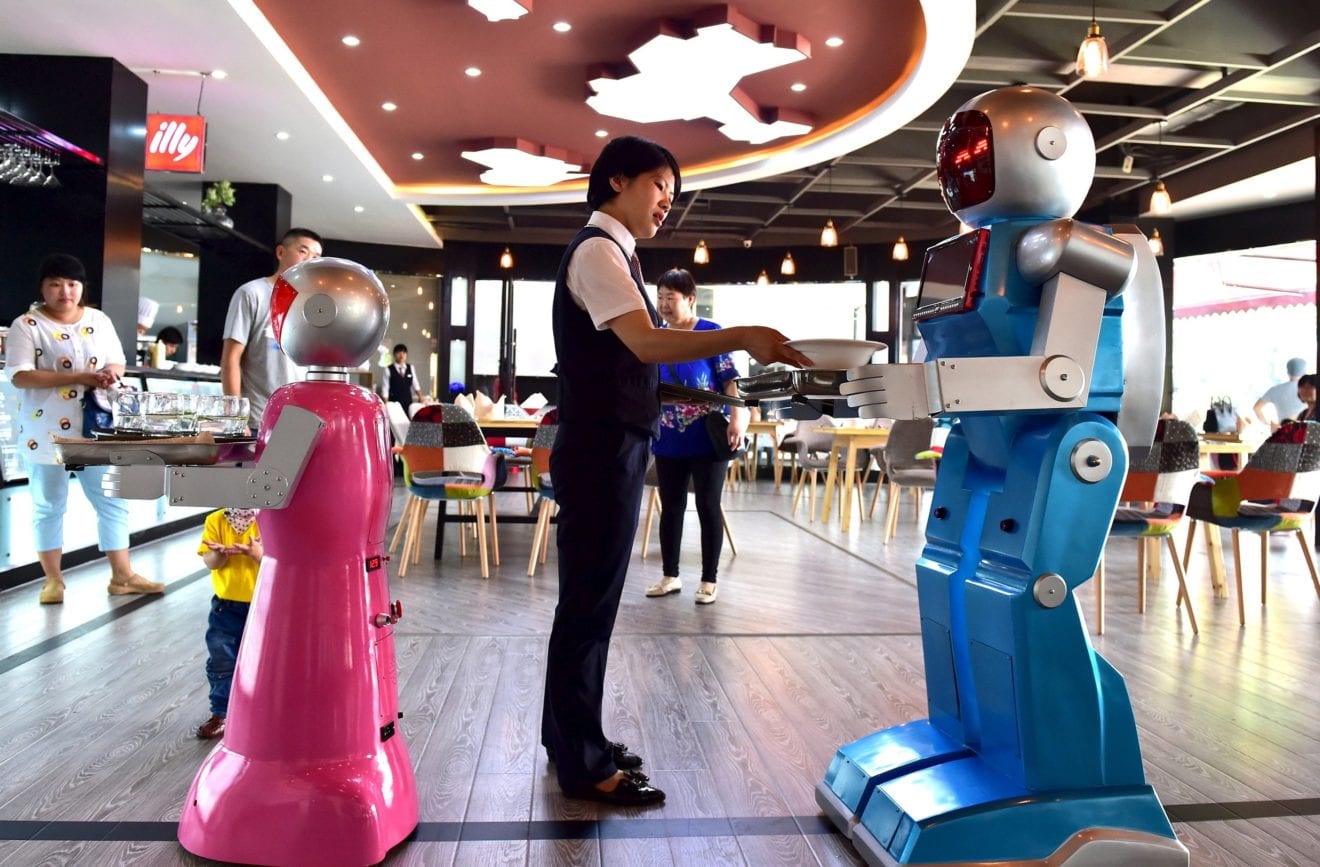
    On the reinvention of stores, Denney-Finch, said: “Technology is making a big difference to help improve the customer experience. Robots are starting to appear in stores around the world. In some Japanese shops, they meet and greet shoppers and give them advice on where to find products, while in Spain they are being used to give nutrition advice. They are a novelty at the moment, but robots will be a common sight in the future and we can expect them to patrol stores, looking for gaps on shelves and replenishing them.

    “Beyond technology, retailers are finding various ways to make shopping easier, more exciting and informative. Various British retailers have set up convenience sections within their largest stores where everyday items like bread and milk are grouped together to save time for top-up shoppers. Thailand’s Central Food Group has an expert Australian butcher to give shoppers advice on international product that they’re not familiar with.”

    On the merger of the online and offline worlds, Denney-Finch said: “Many retailers are viewing online and offline as two complementary ways to help shoppers buy whatever they want, anytime, anywhere and in the most convenient way to them. It’s what’s known as ‘omnichannel retailing’ and gives retailers the opportunity to regain loyalty. Phone apps are one way to link the online and offline worlds. People using the Walmart app, for example, shop there twice as often and buy 40 per cent more than other shoppers. Alliances are another way to utilise omnichannel shopping. The Chinese online platform Yihaodian, now owned by Walmart, has partnered with Family Mart stores to offer product collection.”

    On new ways of marketing, Denney-Finch, said: “In my view the most important role of marketing is to help build consumer trust and that requires a commitment to transparency and traceability. Stew Leonards stores have a live ‘web cam’ where you can watch their suppliers fishing. Some companies are also using computer game techniques to make promotions more exciting. In Singapore, McDonald’s provides an alarm clock phone app that wakes people up and delivers a new surprise each morning such as a discount or a game.”

    On changing supplying chains, Denney-Finch, said: “For many years, big food retailers were able to buy everything their customers wanted, at short notice and at a good price. However, with demand growing so quickly, as well as climate change and many other factors there’s more uncertainty about food supplies. So many retailers are thinking further ahead and building longer-term relationships with suppliers. For instance, Tesco has agreed to buy the whole banana crop every year from some regions of South America.”

    To conclude, Denney-Finch, said: shopper expectations will continue to rise in the future.

    “In response, retailing will become more flexible, personalised and exciting than ever before. New solutions are emerging every day from every part of the world. So the challenge for retailers is not just to reach the world class standards of today, but to set and deliver new standards for tomorrow.

    “Retailing in Asia is exceptionally dynamic, building on all the energy that comes naturally from such fast growing economies. So I confidentially predict that many Asian companies will be amongst the leaders of the retail revolution for the next 20 years and beyond.”

  • Singapore Targeted By Cybercriminals with Banking Trojans

    Singapore Targeted By Cybercriminals with Banking Trojans

    IT Threat Evolution report of Kaspersky for the third quarter of 2015 reveals that Singapore suffered maximum attacks from banking Trojans during second quarter of 2015 with 496 individuals reporting attacks.

    It is not a coincidence that Singapore is one of the ASEAN countries with the highest rates of digital banking.

    According to an A.T.Kearney and EFMA global retail banking study, Singapore has the highest inclination for digital banking in the global arena.

    Computerweekly.com published news during the last week of October, 2015, quoting Jimmy Fong, Channel Sales Director Southeast Asia, at Kaspersky Lab, as saying “The nation was also placed among the top three in banking capabilities which included technological developments, a strong financial environment and digital infrastructure”.

    Computerweekly.com published news during last week of October 2015 quoting Michael Yeo, Senior Market Analyst at market research firm IDC, as saying “Singapore is a magnet for such banking Trojans because of combination of the country’s general wealth levels and growing use of associated services like e-commerce and mobile commerce”.

    Yeo added that Singapore is one of the nations which use maximum online banking services with 74% of the population using it.

    The statistics also reveal that patrons in Austria were targeted by banking Trojans excessively than in any other region: Around 5% of all Kaspersky Lab patrons in Austria faced this malware during the quarter. Turkey (3%) was placed at number three.

    Geographically most of countries in the top ten lists of information-stealing malware attacks during Q3 have a large number of users of online banking. Trojan-Downloader.Win32.Update was the most rampant malware used to target users of online banking, as it is being employed in 63.1% of attempted assaults to embezzle payment credentials of users.

    In third quarter, the Kaspersky Lab Global Research and Analysis Team (GReAT) identified a number of advanced cyber-espionage operations. Amongst others, comprising of the infamous Turla gang that employs satellite communications to administer traffic of its command-and-control server for subsequent operations known as Darkhotel APT, which penetrates Wi-Fi networks of hotel to put backdoors on target systems and fresh activity of the Blue Termite APT focusing on embezzling information from establishments in Japan.

  • Study Shows Popular Fish Consumed in Hong Kong under Serious Threat

    Study Shows Popular Fish Consumed in Hong Kong under Serious Threat

    A new study on the future of fish in the South China Sea reveals that key species consumed in Hong Kong are under serious threat from overfishing and habitat destruction, and unless immediate action is taken it will be too late.

    Some of the topline findings of the study, Boom or Bust, The Future of Fish in the South China Sea, show that some marine resources have been fished down to as low as 5 per cent compared to the 1950s, with others reduced to just 10 percent of their populations since the mid-1990s. Even in more remote fishing locations, catch rates have declined 3 to 4 times over the past two decades. Conducted by the University of British Columbia (UBC) Economic Research Unit and funded by Hong Kong-based ADM Capital Foundation and RS Group, the study offers a pathway to a more sustainable future.

    “The study shows that to rebuild biomass of key groups to a healthy level, fishing efforts of all fishing fleets have to be substantially reduced,” said UBC’s Rashid Sumaila, principal investigator for the project.

    Species under threat include the Napoleon Wrasse and the Coral Grouper, both highly prized in Hong Kong.  Relative abundance of these two reef fish has declined by 80 percent in the past eight years alone.

    While pollution and water quality is partly responsible, overfishing is the main culprit, and fishing methods play a key role in impacts on the environment.

    “One of the findings of the study demonstrates that the way fish are caught is no longer sustainable,” said Doug Woodring, Co-Founder of Hong Kong’s Ocean Recovery Alliance. “Not only are species being over-fished but the current fishing methods are destroying some coral reef habitats at a rate of 16 percent per decade. It is time to take action before it is too late.”

    The study also contains projections through to 2045, with dire consequences for our future if action is not taken.

    If nothing is done, by 2045, relative to 2015 fish stocks, all species studied will experience a decrease in biomass (quantity of fish in the ocean) ranging from 9 to 59 percent as a result of overfishing, ocean warming, ocean acidification and changes in primary productivity.  We must urgently improve fisheries management and consider our impact on the ocean via CO2 emissions.

    “The most vulnerable groups include grouper, large sharks, threadfin bream and large croaker, which are projected to drop by 50 percent or more during this period,” said UBC’s William Cheung, a co-author of the report.

    The good news is that it is not too late to take action. The UBC scientists also conducted a best case scenario analysis under a sustainable management fishing regime with lowered global CO2 emissions. This indicates that efforts to improve fisheries management and reduce carbon emissions would have a positive impact on the wild population biomass of all species except crabs (due to their predators).

    Either way, there are economic implications to these scenarios, both potentially with a loss of income and livelihood for fisherman, and an increase in the cost of fish to the consumer. If we engage in better resource management, however, there is a chance to modify practices and sustain stock levels, so that fisheries can still be productive for those who rely on them today.

    “This study should be of interest to anybody who likes to eat seafood and cares about society,” said Yvonne Sadovy, a professor at Hong Kong University’s School of Biological Sciences. “Major urban centres like Hong Kong depend heavily on importing seafood, while hundreds of thousands of people in developing countries need wild fish for food and to support their families.”

    The stress on regional fishing resources is a reason that November also marks the start of the Kin Hong “Healthy” Seafood Festival.

    Organised by Ocean Recovery Alliance and ADM Capital Foundation, the aim of the festival is to raise public awareness through education and increased variety from our restaurant and catering industries, giving people the option to consume sustainable seafood.

    It also aims to help restaurateurs access sustainable seafood, with the intention of increasing availability and visibility in the market place. A selection of prominent Hong Kong restaurants, hotels and organisations have already pledged their support, including Four Seasons Hotel Hong Kong, Grand Hyatt Hong Kong, Café Gray, Sohofama, Café Deco, Ocean Park, the University of Hong Kong and the Hong Kong Jockey Club.

    The full report, Boom or Bust, the Future of Fish in the South China Sea, can be downloaded here: https://oceancanada.org/wp-content/uploads/2015/03/FCWP_2015_99_Witter.pdf

    For more information on the Kin Hong “Healthy” Seafood Festival, visit: https://www.oceanrecov.org/activities/events/kin-hong-seafood-festival.html

    List of Restaurants, Hotels and Organizations Participating in Kin Hong Seafood Festival:

    1. Cafe Gray
    2. Cali-Mex
    3. Chinese University of Hong Kong
    4. City University of Hong Kong
    5. East Hotel Hong Kong
    6. Fishful Season
    7. Four Seasons Hotel Hong Kong
    8. Gitone
    9. Grand Central
    10. Grand Hyatt Hong Kong
    11. Holy Crab
    12. Hotel ICON
    13. Locofama
    14. Ocean Park Hong Kong
    15. Scirocco
    16. Sohofama
    17. Table Seafood
    18. The American Club Hong Kong
    19. The Continental
    20. The Foreign Correspondents’ Club, Hong Kong
    21. The Hong Kong Jockey Club
    22. The Landmark- Mandarin Oriental
    23. The University of Hong Kong
    24. Wilfred Catering Limited
    25. Yorkshire Pudding

    ADM Capital Foundation

    ADM Capital Foundation (www.ADMCF.org) was established in 2006 by the partners of Hong Kong-based investment advisor, ADM Capital www.admcap.com to fund innovative approaches to promoting equity and environmental conservation in Asia. The Foundation helps organisations in Asia achieve positive social and environmental impact and aims to foster sustainable growth in its local partners by providing not only funding but also specific and relevant organisational support.

    Ocean Recovery Alliance

    Registered in Hong Kong and California, Ocean Recovery Alliance forges new ways of thinking, technologies, creativity and collaborations to introduce innovative projects and initiatives that will help improving our ocean environment. This includes creating business opportunities for local communities when applicable, and addressing some of the pressing issues that our ocean faces today. It is one of the first the NGO’s to work with both the United Nations Environment Programme (UNEP) and the World Bank on their respective ocean programmes related to plastic pollution. It also runs the Ocean in Motion Film Festival each year, the only annual ocean film festival in Asia.

  • China’s Singles Are Big Spenders

    China’s Singles Are Big Spenders

    The U.S. has holidays like Valentine’s Day and Christmas when couples are expected to exchange gifts, but China’s Singles’ Day proves even lonely hearts can get in on the retail action — and according to a recent Nielsen study, China’s lone wolves plan to do just that.

    In a study conducted by Nielsen and released to Reuters, 56 percent of 1,000 Internet users in China said that they planned on spending more on Singles’ Day than they had in 2014. Nearly 33 percent indicated they would purchase roughly the same amount, and only 6 percent said that they planned on pulling back on Singles’ Day spending.

    “It’s not a huge surprise that consumers are planning to spend more during this year’s [Singles’ Day],” Yan Xuan, president of Nielsen Greater China, told Reuters. “Income levels and Internet penetration continue to rise throughout China, so this is a natural progression.”

    Greater spending totals in 2015 could push Singles’ Day into unprecedented territory for retail holiday traffic. MarketWatch reported that Alibaba, China’s largest eCommerce marketplace, processed more than $2 billion in sales in the first hour, 11 seconds of Singles’ Day 2014 alone. By the time the day drew to a close, the site had surpassed $9 billion, 43 percent of which was due to mobile purchases.

    Since the first “official” Singles’ Day in 2009, Alibaba’s sales alone have skyrocketed by more than 5,740 percent, and it appears that trend will continue. According to Reuters, the average Singles’ Day shopper is projected to spend about $277.76 in 2015, 22 percent more than the average shopper spent in 2014.

    MarketWatch explained that Alibaba CEO Jack Ma has expressed a desire to turn China’s Singles’ Day into a global retail holiday on the same level as Black Friday and Cyber Monday, and if these sales numbers continue, retailers in other countries might have no choice but to follow China’s lead.

  • South Korea Online Retail Market Outlook to 2019

    South Korea Online Retail Market Outlook to 2019

    Ken Research announced its latest publication on “South Korea Online Retail Market Outlook to 2019” which provides a comprehensive analysis of the retail market in South Korea. The report covers various aspects such as market size of South Korea online retail market, segmentation on the basis of product type and modes of distribution. The report is useful for government, industry consultants, online retailers, offline retailers, food and grocery stores, online electronic chains, apparel and footwear manufacturers, other stakeholders and new players venturing in the market.

    The demand in online retail market of South Korea has inclined at a substantial growth rate even after the economic slowdown in 2008. This demand has enhanced due to the increased usage of high speed internet, rising smart phone penetration and high proportion of old aged people in the country. These factors are expected to lead the growth in online retail backed by the improvements in the payment gateways, better packaging and delivering options. During the period 2009-2014, online retail market in South Korea has expanded at a substantial CAGR of 17.7%, which has marked the gross merchandise value at USD ~ billion during 2014.

    According to the research report, the South Korea online retail market will grow at a considerable CAGR rate thus exceeding USD 66.2 billion by 2019 due to the rising income level and growing influence of social media with increasing demand for clothing, fashion products, electronics and beauty products by a large number of middle aged people in the country who wish to upkeep with the trends and stay up-to-date in line with developments in the country.

    “While, rising disposable income, hike in middle aged population and increasing number of internet and smartphone users in the country will result in increased revenue from online retail in South Korea, Cyber crimes and frauds, higher competition and customers’ reluctance to pay high amounts online are few of the major challenges which will affect the growth of this industry in the future”, according to the Research Analyst, Ken Research.

    Key Topics Covered in the Report:

    South Korea Online Retail Market

    Market Size by Gross Merchandise Value, Number of Orders by Product Type, Average Order Size by Product Type Market Segmentation by Product Type Mode of Distribution Trends and Development SWOT Competition and Market Share Important Mergers and Acquisitions Important Investments Growth Drivers Government Rules and Regulations Pre-Requisites to Enter the Market Analyst Recommendation Cause and Effect Relationship Future Outlook Macro Economic Parameters

    Key Products Mentioned in the Report

    Online Clothing, Footwear and Fashion Products

    Online Books and Stationery

    Online Electronics

    Online Beauty Products

    Online Sports, Music and Entertainment Products

    Online Food and Grocery

    Online Baby Products, Household Goods, Motor Parts & Accessories and Garden Products

    Companies Covered in the Report

    eBay, GMarket, eBay Auction, 11 Street, Interpark, Lotte, Emart, GS Home Shopping, CJ O Shopping, Hyundai Home, Shopping, Lotte Home Shopping, Home and Shopping, NS Home Shopping, Fashion Plus, Dahong, Yesstyle.Com, Bershka.Com, Musinsa.Com, Fashionstart.Net, Elf Fashion, Hiphoper.Com, Etude House, Pore Lab, Thefaceshop, Missha, Roseroseshop, Moonshot-Cosmetics.Com, Naturerepublic.Com, Theskinfood.Com, Sokoglam.Com, Kyobo, Yes24, Aladin, Ypbooks.Co.Kr, Bandinlunis.Com, Libro.Co.Kr, Heyeonni.Com, Compuzone, Himart, Icoda, LG Electronics, B-Store.Co.Kr, Lots Etland, Hello Nature, KGC shop, Highstreet, Expatmart.Co.Kr, Fatbag.Co.Kr, Ezshopkorea.Com

  • 5 cutting-edge retail technology trends

    5 cutting-edge retail technology trends

    You may not think of your local department store as a hub of innovation. But technology drives almost every step of the retail experience. Here are five ways some companies are tapping emerging to provide ever more value to their customers.

    retail ecomm thinkstock

    As retailers rev up for their busiest shopping season, they know some things never change: Holiday deal-seekers will race like mad through store aisles for the best Black Friday deals. Last-minute shoppers will wait until December 24 to make their purchases. Crowds will swarm stores the day after Christmas in a whirlwind of gift returns.

    The shopping experience itself, however, has undergone massive changes over the past two decades, especially as ecommerce has won over consumers and smartphones have become the must-have accessory. These days, retailers work around the clock to navigate a digital world that continues to evolve at a dizzying pace, while tech-savvy consumers have increased their demands for seamless experiences and personalized touches, wherever and however they shop.

    “In today’s increasingly connected world, brands and retailers are struggling to find ways to appeal to omnichannel shoppers,” says Mike Paley, executive vice president of shopper marketing at agency The Marketing Arm. “Technology advances have created an environment in which the line between brick-and-mortar and e-commerce is blurred and fading fast.”

    Here are five cutting-edge technology trends taking retail to the next level:

    1. Beacons

    With millions of shoppers toting smartphones in their pocket or purse, it’s no surprise that proximity marketing, through the use of location-based technologies such as Bluetooth-connected beacons, is becoming more than a flash-in-the-pan – as retailers look for ways to provide more personalized, real-time messages, offers and promotions. Macy’s, for example, recently rolled out beacons to 4,000 stores using Shopkick’s offering, and Swirl’s platform and hardware is being used by clients including Lord & Taylor and Urban Outfitters. According to Business Insider, beacons will directly influence over $4 billion in U.S. retail sales this year and climb 10 times that next year.

    “Beacons were a novelty 15 months ago, but this year retailers are starting to take them more seriously,” says Scott Bauer, U.S. Retail & Consumer Partner at consulting firm PwC. “There’s more experimentation about how to treat users in their stores with mobile phones.” The question is how to use them, he cautions, “so it doesn’t seem creepy or annoy customers.”

    2. Biometrics

    Biometrics, which uses technologies like fingerprint systems, facial recognition, iris scanning and voice identification, seems like a natural fit for retailers. Brands and banks that want to improve targeted marketing efforts and boost security. Biometrics Research Group predicts the global biometrics market to soar to $15 billion this year, up from an estimated $7 just three years ago. And, technology consulting firm Frost & Sullivan forecast that nearly a half-billion people will be using a smartphone equipped with biometric technology by 2017.

  • Indonesia ICT sector assessment

    Indonesia ICT sector assessment

    Information and communications technology (ICT) connectivity in Indonesia as a growing economy faces huge challenges in preparing for the future.

    The world’s largest archipelago consisting of more than 17,500 islands with a population of nearly 250 million requires substantial investments in domestic ICT infrastructure and international connectivity to meet the strong growing demand from the private and public sectors.

    New technologies require an ICT infrastructure with sufficient capacity. Reliable interconnection with other ASEAN member countries to remain competitive in the interconnected world is another aspect of why ICT should be considered a priority sector.

    In October 2014 the Indonesian government unveiled a Rp 278 trillion broadband connectivity plan in order to boost economic growth. The plan defines broadband development in Indonesia and sets the strategy and major milestones for the coming five years.

    The main purposes of broadband development are to encourage economic growth and increase the competitiveness of the nation, to support the improvement of human development and to safeguard the sovereignty of the nation.

    The Networked Readiness Index (NRI) 2015, published by the World Economic Forum, includes 143 countries and measures the propensity for the countries to exploit the opportunities offered by information and communications technology.

    The NRI considers several indicators, such as the political and regulatory environment, the business and innovation environment, infrastructure and digital content, affordability, skills, individual usage, business usage, government usage, economic impacts and social impact.

    In the last assessment in 2014, in which 146 countries were covered, Indonesia dropped 15 places to 79th, while Singapore claimed first, Australia 16th, Malaysia 32nd, China 62nd, Thailand 67th, the Philippines 76th, Vietnam 85th, Lao PDR 97th, Cambodia, Timor-Leste 134th and Myanmar 139th.

    To attract local and foreign investments a more business friendly environment is required in Indonesia. The business society in particular is demanding a fight against corruption, the cutting of red tape, infrastructure development and the improvement of the tax system. The same applies, of course, for the Indonesian ICT sector.

    To meet the requirements and keep pace with international developments, including connectivity to other ASEAN member countries, the broadband connectivity plan, which describes the path to the right direction, should be implemented in the given timeframe. Further considerations, recommendations and implications related to ICT development in Indonesia are pointed out in the following:

    As addressed in the broadband connectivity plan, educational and training skills, including English language skills, should be enhanced by connecting schools to the Internet and implementing e-Education and e-Learning programs. Competence centers consisting of experts from academia and the private sector should be established to boost research and development (R&D) in Indonesia.

    World Bank data shows that Indonesia spent the equivalent of 0.07 percent of its gross domestic product (GDP) on R&D in 2010. Meanwhile, Malaysia spent 0.63 percent, Singapore 2.2 percent and Thailand 0.25 percent in the same period.

    For a modern technology infrastructure, state-of-the-art data centers for public use (e.g. national and international telecommunications operators and companies) are required in major cities and business centers, taking into consideration environmental risks (e.g. earthquakes, floods, landslides and volcanos), redundancy aspects (backups and disaster recovery), security (access, surveillance and stable power) and professional operations.

    Cross-sector infrastructure sharing reduces costs. Ducts, towers, masts, power grids, facilities, etc. can be shared between the telecommunications, the energy and the transportation sectors.

    For public-private partnership (PPP) opportunities identify and classify infrastructure development and new public service provisions that will improve ICT usage and convergence in Indonesia (e.g. increased Internet penetration, improved mobile services, improved opportunities for convergence, content development, etc.).

    Beside manufacturing of ICT products, promoting niche markets or new technologies and trends like mobile applications, IT outsourcing, hosting services, enterprise private clouds, 4G/5G, Internet of Things (IoT), Machine to Machine (M2M) communications, Green ICT, Call Centers, etc. shall be considered.

    International development and trends in the ICT sector should be observed to ensure harmonization of policies and regulations including cross-sector regulation.

    For international connectivity, Indonesia is depending on international submarine cables, most of them currently routed via Singaporean and Malaysian waters. New submarine cables with diverse routes are planned for the coming years. For example, the Southeast Asia-US submarine cable will connect Manado in Indonesia as the new eastern Indonesian gateway and Davao in the southern Philippines via Guam to the United States’ west coast.

    When completed in 2017 at an approximate cost of US$250 million, the approximately 15,000-kilometer cable system will provide an additional 20 terabits per second (tbps) capacity, connecting Indonesia and the Philippines to the US with state-of-the-art 100G technology.

    Redundancy and diverse routing of submarine cables is important to protect connectivity against terrorist attacks, sabotage and cable cuts by natural disasters such as seaquakes or by anchors.

    The announcement of the Indonesian government for the formation of the National Cyber Agency (NCA) is a step in the right direction. With regard to cyber-attacks, Indonesia is ranked as one of the world’s top three targets. The NCA should develop and implement strategies for the defense against rising cyber-attacks to protect Internet users, the government, financial services institutions and other businesses, including sensitive sectors like the transportation and the energy sectors.

    Strengthening the awareness of the public about privacy and cybercrime committed through e-mail scams, SMS or social media should be another focus area of the NCA.

    On behalf of consumers, the government of Indonesia shall ensure that the service quality of telecommunications operators improves and minimum international accepted quality of service (QoS) standards shall be enforced and regular monitored for all segments (fixed, mobile, Internet and broadcasting services). With currently more than 280 million SIM cards issued to users, mobile is the main access to the Internet.

    “Last mile” and campus/in-house cabling are very often bottlenecks for high speed landline data connections. Even if the fiber optic backbones of the telecommunications operators allow high speed data, cable connections between the exchanges of the operators and campuses or buildings (“the last mile”) of the consumers are often old and faulty copper cables that do not allow high speed data transfer. The telecommunications cabling on campuses and in buildings (“in-house cabling”) is mostly the sole responsibility of the landlords.

    With its young population, Indonesia has a market potential of about 250 million consumers. Taking the right measures, considering the actual international development and best practice experiences in the global ICT sector, Indonesia has a realistic chance to strengthen its national ICT sector in the coming years and so play an equal role in the very competitive Asian and global markets.

  • E-commerce startups: a wild card for the industrial market?

    E-commerce startups: a wild card for the industrial market?

    THE bulls and bears of Singapore’s industrial property market often reflect the pace of economic growth and the composition of the manufacturing sector. Since its post-independence days, the manufacturing sector in Singapore has evolved to be a key contributor to gross domestic product (GDP) at approximately 20 per cent with strong support stemming from the chemicals, electronics and precision engineering clusters in 2014.

    In recent times, however, the Republic’s manufacturing activities have slowed down due to the external and internal headwinds which this export-reliant nation is highly susceptible to.

    The government has long recognised the need to boost the island’s overall productivity and export competitiveness in the region to maintain economic growth. To this end, Singapore’s manufacturing sector has been undergoing economic restructuring to shift the value-chain upwards to focus on higher value-added industries. More emphasis is placed on higher automation and less labour-intensive manufacturing activities as firms grapple with rising labour costs and lean manpower.

    Post-Global Financial Crisis, the rapid recovery in GDP in 2010 was accompanied by a spike in manufacturing output. As one of the underlying demand drivers for industrial space, the increase in manufacturing activities propelled the demand for industrial space, as indicated by the positive net absorption islandwide. On the back of limited net supply, this translated to occupancy rates hovering above the range of 93 per cent until 2011.

    Subsequently, demand for space began to soften from 2012. The softening is primarily attributed to three key factors – the hike in labour costs, rising competition from neighbouring countries that offer an alternative cheaper manufacturing base and weakening external demand from Asian economies, especially China. Cost containment became a top priority, which led to existing demand being mainly driven by renewals and consolidations.

    On the back of rental and capital value escalations in 2011, the government introduced a slew of industrial property measures such as tighter occupation requirements for industrial space, seller’s stamp duty, shortened land tenures, and ramped up supply through the Industrial Government Land Sales (IGLS) Programme to cool the market. This eventually resulted in a surge of supply which far surpassed demand from 2013 onwards.

    Furthermore, a strong supply of industrial space is expected to be completed in 2015 and 2016. In the face of decelerating economic growth and contracting industrial output, it is likely that demand for industrial space will remain subdued in the near term, as the surge in supply corresponds to twice the amount of the 10-year average demand of 10.42 million square feet (see chart).

    Given this supply overhang situation and less favourable economic conditions, it is imperative to explore other complementary uses for industrial space while adhering to existing JTC Corporation and Urban Redevelopment Authority (URA) guidelines.

    ANCILLARY USE

    Under URA guidelines, industrial properties are segregated for use by a 60 per cent-40 per cent quantum, where 60 per cent is predominantly used for core industrial activities and 40 per cent for ancillary uses. To obtain Written Permission for the 40 per cent ancillary use such as industrial canteens, showrooms and selected commercial uses, occupiers have to comply with the following requirements:

    • Capping industrial canteens at 5 per cent of total proposed gross floor area (GFA) or 700 square metres, whichever is lower.
    • Showrooms are only allowed to display products which are typically not transacted over the counter and are predominately delivered and installed off-site.
    • Selected commercial uses include clinics, banking hall/ATMs, minimarts and fitness centres and are capped at 10 per cent of total proposed GFA per development or 200 sq metres, whichever is lower, on the first storey of the building only.

    As long as the proposed ancillary uses conform to the above guidelines, it provides landlords with the flexibility to revamp the use of existing industrial space and widen the pool of potential occupiers.

    In the past, industrial spaces were primarily used for core industrial activities namely, manufacturing and warehousing. However in 2004, the Economic Development Board (EDB) introduced the Warehouse Retail Scheme – an initiative which ended in 2007 – which led to megastores such as Ikea, Giant, Courts and Big Box operating in industrial locations.

    Notwithstanding the short-lived three-year tenure of this initiative, in 2015, Gain City and NTUC FairPrice incorporated retail components into their industrial developments under the 40 per cent ancillary use.

    While adhering to the 60 per cent allocation for warehousing, Gain City’s Sungei Kadut development, for instance, sets aside 20 per cent for retail, and incorporates other uses such as offices, café, sky terraces, a children’s play area and a diesel pump area. Consolidation of uses into one location enables industrialists to enjoy cost-saving benefits, which have been passed on to consumers. Gain City, in fact, reported 20 per cent in cost savings with its consolidation exercise.

    Through a similar re-adaptation of industrial spaces, it is plausible to extend the same cost-saving benefits to entrepreneurs. For one, e-retailers could potentially benefit from a re-think on warehouse space usage. By designating 60 per cent to store e-retailers’ inventories in self-storage, the remaining 40 per cent can be further proportioned to develop an all-encompassing pro-business environment with courier services, serviced offices, Wi-Fi-equipped cafés and showrooms.

    A development that has adopted a similar concept is the Entrepreneur Business Centre, a self-storage and serviced office facility with ancillary uses, namely baby-care retail and delicatessen.

    The purpose of incorporating Wi-Fi-equipped cafes and showrooms in industrial developments is to transform industrial estates into a one- stop e-commerce hub for startups.

    Firstly, business operations and logistics are supported through having 24/7 wireless access, storing inventories in self-storage and having shared in-built courier services. Secondly, it attracts clientele as displaying products in showrooms creates an experiential retailing concept for consumers to touch and feel e-retailers’ products prior to purchasing them online.

    One retailer that offers this omni- channel retailing experience through the online-to-offline (O-2-O) concept is Decathlon, a sporting goods firm which only had an online presence in Singapore. The introduction of the Decathlon eXperience showroom has encouraged customers to have more hands-on interaction with the products before proceeding to purchase them online. Undeniably, this creates a cost-friendly working environment as it promotes the growth of e-commerce by compressing e-retailers’ risks through reduction of overhead costs and lock-in periods.

    GATEWAY FOR E-COMMERCE

    There is strong support for Singapore to grow as an entrepreneurial hub. Firstly, more industrial spaces are being slated for entrepreneurial activities such as at JTC Launchpad @ one-north, and secondly, there is rising investment interest in Singapore’s startups, especially in the e-commerce sector.

    According to Techlist, 80 per cent of venture funds raised by Internet companies are being invested in Singapore where the beneficiaries are predominantly e-commerce players such as Lazada, Zalora and Reebonz.

    This is not surprising as Singapore is ranked 14th on the 2015 Global Retail E-commerce Index, indicating the strong fundamentals which have established Singapore as the gateway for e-commerce.

    According to Euromonitor International’s June 2015 study on retailing in Singapore, Internet retail sales grew 12.5 per cent year-on-year to S$1.08 billion, while mobile Internet retail sales expanded even more significantly by 53.9 per cent to S$280.9 million.

    All these indicate that Singapore’s e-commerce sector is poised to expand further, which could potentially be the next underlying demand driver for the industrial market.

    Leveraging on the aforementioned opportunities, the pool of end-users for industrial space may be extended further to include e-commerce startups. Previously, this group of users was hindered by barriers of entry such as high occupancy costs and inability to occupy the minimum GFA requirement in industrial developments. However, by consolidating uses and re-adapting the 40 per cent ancillary use, this creates a win-win situation for landlords, consumers and entrepreneurs.

    In addition to injecting fresh demand for a muted industrial market, it creates a viable operating business environment for startups, thus promoting the development of the e-commerce scene.

    Instead of depending on external trade and manufacturing to propel demand for the industrial market, widening the list of potential occupiers to startups may potentially inject life into industrial estates. That may be the solution to cost containment which businesses are seeking.