Category: Research

Retail News Asia is committed to providing both local and global retailers with the latest Research throughout the Asian market. This on a daily base.

  • Star Wars: A force to be reckoned with on social media

    Star Wars: A force to be reckoned with on social media

    The force has hit Singapore shores and Star Wars: The Force Awakens fans in Singapore could not be more excited. Whether you’re a hardcore Rebel or an Empire henchman, let’s see what’s been going down on social media in the month leading up to this year’s most highly anticipated movie.

    Already, social media is abuzz with anticipation of Star Wars, whether it’s seeing the droids or the Stormtroopers in action.

    Based on conversations from 1 November to 14 December, Digimind Social’s conversation clusters showed immense interest in the merchandise display at VivoCity, as well as the Battlefront game – good news for Star Wars retailers out there.

    StarWars

    The top hashtags feature also showed the ongoing #starwarsatchangi campaign, which features a life-sized T-70 X-wing and TIE fighter, as well as character appearances at Changi Airport, among the top 10 Star Wars related hashtags in Singapore.

    hashtag SW

    The Force awakens on social media

    Conversations about the 7th installment of Star Wars spiked on 16 November, at more than half a thousand mentions. We suspected it had something to do with it being the day movie tickets went on sale.

    Trend

    Who’s ruling the galaxy on social media?

    Out of the ensemble of characters, it was supervillain Darth Vader, droids R2-D2 and BB-8 and newcomer Kylo Ren that garnered the most traction online. Most of the conversations about Darth Vader were related to games and merchandise.

    SW characters

    A new generation comes to the Force

    While the Star Wars series has been around for decades, most of the conversations online belonged to the 18-25 age group. But it looks like this one belongs to the boys, with 71% of the conversations.

    Social medi sw

    War continues in the online shopping arena

    In the online shopping arena, there has been an­­­other type of lightsaber combat for a share of the SG$4 billion Retail Empire in Singapore.

    Thousands of e-retailers such as ZALORA, Taobao, Expedia, Lazada, and Groupon have recently fought for sales on specific days known as the Retail Holidays. ShopBack has observed some interesting numerical movement this Star Wars season and has pitted it  and has decided to pit the three Retail Holidays – Singles Day, Cyber Monday, and 12.12 against each other in an infographic.

    Take a look on which day came out on top:

    INFOGRAPHIC - Stat Wars_Retail Holidays

    May the Force be with you!

  • Are physical stores on their way out?

    Are physical stores on their way out?

    The signs are alarming for brick-and-mortar stores. Recent trends have shown shoppers here are increasingly taking care of their shopping needs online, drawn to the increasing convenience (especially during the dreaded festive seasons).

    Retailers such as Qoo10 and Lazada are a hit because of their wide variety of goods at relatively low cost and reliable delivery services. In fact, a recent survey by Blackbox Research of 800 Singaporeans and permanent residents aged 15 years and above revealed that the majority prefer shopping online.

    As far as this year’s Christmas shopping is concerned, 56 per cent of them said they preferred to do their shopping with online retailers versus the 44 per cent who opted for shopping at physical stores.

    Nevertheless, Retail News spoke to remain upbeat and confident about the value of physical stores, stressing that they have a place in the market, providing a human touch and at atmosphere that websites cannot rival.

    Katie Page, chief executive officer of Harvey Norman, agrees and scoffs at the idea of online stores eventually surpassing physical ones. “You can get information about the product online and the price, but that’s it,” she said, adding how physical contact with the product is crucial, especially with women shoppers. “Women like to see that physical aspect, they will go to the shops to see the product.”

    Stenders fills its store with colourful fresh flowers and prides itself on handcrafted body scrubs and soaps with real natural ingredients such as Lavender. — TODAY pic

    Page also stressed the importance of delivering a great shopping experience, pointing out how some retailers forget that. She added: “You need to invest in the brand, and for that, you need space. Some online stores are now opening brick-and-mortar outlets, right?”

    Agreeing, Christophe Cann, group chief executive officer of Robinsons Group (Asia), said although the company has plans to have an e-commerce function in the future, online shopping is “just another avenue for customers to make their purchase”.

    “We are not worried about the trend as we believe that brick-and-mortar business will remain relevant to customers,” he affirmed.

    “As long as Robinsons continues to entertain our customers and provide an enjoyable shopping experience … I believe we are here to stay.”

    This, he added, is achieved through initiatives such as designer trunk shows, exclusive beauty launches and meet-the-designer events that complement ongoing efforts to constantly bring in new brands and products.

    All about atmosphere and service

    Retailers are confident that nothing beats being at a physical store, as good experiences will ensure customers return.

    “We cultivate a friendly ambiance and treat our customers as friends,” said a spokesperson for skincare and cosmetics store Stenders, which prides itself on handcrafted body scrubs and soaps made with natural ingredients. “Most of our customers love coming back to test, try, and smell and feel the product, and interact with our store associates,” he continued.

    (To boot, customers will also receive a kaleidoscope, as part of its A Kaledoscopic Christmas campaign.)

    The obvious physical connection cannot be overemphasised, as much of the joy of retail, said Darellyn Lau, managing director of candy and gift store Sophisca Singapore, is in touching and feeling the merchandise.

    “The desire for instant gratification is still key with some buyers, who appreciate the ability to touch, feel and buy an item all in the same moment, which is only possible at a physical store.”

    Still, aware that online shopping is time-saving for people with busy schedules, she added that the company is offering free delivery services for purchases above S$250 (RM 760).

    Robinsons, too, said it has had to rethink its strategies to improve its services and in-store experiences.

    “It has motivated us, as brick-and-mortar retailers, to sit up and listen, to observe, learn and adapt … This new platform sheds light on what consumers are looking for, as well as the services they desire,” said Cann.

    Consequently, the company has made arrangements for delivery services with every S$200 nett spend and complimentary personal shopper services at its flagship store at The Heeren.

    “In this day and age … customers need a good reason to visit you,” he added.

    “Retail is not just about transactions but experiences. Hence, we constantly remind our staff from all departments about the company’s vision and mission to ensure that as an organisation, we always put the customer at the centre of everything we do.”

    Online complements, not threatens

    Some retailers say their online stores serve more as a complementary service to give consumers more options.

    Dominic Wong, chief operating officer of beauty-care chain Watsons, said while its new eStore (launched this year) is a quick and convenient option for busy customers, its physical stores “serve as a good platform for customers to discover and try new products, especially for make-up and beauty items”.

    Its in-house pharmacies also provide another touch point for customers who need health consultation and recommendations on supplements.

    This Christmas, it is also offering a free gift-wrapping service for purchases made.

    While the online store’s performance is “growing strongly”, the company “see(s) physical stores flourishing alongside online channels”, he continued, adding that it will continue to be on the lookout for new ways to improve and engage customers better.

    Its recently revamped Ngee Ann City and Bugis outlets, for instance, cater better to the demographics and buying patterns of customers in the area, and give clearer demarcation of the different product categories, said Wong.

    A Uniqlo spokesman, too, said the fast-fashion brand’s online store is an extension of its physical store, giving customers the option of shopping from home and on-the-go.

    However, its staff has been specially trained to provide assistance and recommendations by catering to the needs and queries its customers may have in store, she added.

    “We believe this personal touch is key to create an enhanced shopping experience and will keep customers coming back despite the convenience of online shopping.”

    Clearly, though, the advantages of both platforms remain complementary. “Shoppers are still basing their decision by checking online for reviews and information before stepping into the stores and vice versa. The relationship between off-line and online is, in fact, a symbiotic one … ,” said Publicist PR’s director, Cecilia Tan.

    Pointing out that physical retailers should focus efforts on creating a stronger in-store experience, Tan added: “As a PR and brand consultancy, we recommend that clients focus on their core group of customers … It is important to keep them close through customer perks and in-store activities.”

    She stressed that “retailers need to integrate their communication campaigns through both traditional PR and digital PR; that is the best way to ensure customers will want to visit a physical store, validate their choices, and ultimately (make a) purchase after researching about their brand online”.

    For other stores, online sales serve as a platform to reach out to more people. Men’s Grooming Store WhatHeWants has seen online sales more than double compared with three years ago. Online sales currently make up 30 per cent of its total sales.

    Its founder Tan Seng Hwee said he is excited about the online trend.

    “The online space is not limited to the space it occupies, unlike a physical store. Besides Singapore, my sales revenue comes from Malaysia, Australia and Indonesia,” he noted.

    “The trend of buying online is definitely making big waves with the increasingly tech-savvy crowd, and the widespread use of tablets and mobile phones. Coupled with lower prices and deliveries right to one’s doorstep, buying online definitely has many plus points,” he added.

    Pointing out that physical shops need to maintain a higher margin in order to cover rental and staff costs, he said prices in physical shops “can never be cheaper than online stores”.

    “In the past, retail businesses expanded by opening more physical shops.

    “However, in Singapore, the high rentals and labour crunch limits scalability. For a company to grow further, moving online is the only way to go,” he explained.

    “While retail stores are still important, the retail industry in Singapore has to learn how to adapt to the  new online world.”

  • Hong Kong must step up support for the tech sector

    Hong Kong must step up support for the tech sector

    Hong Kong has established the Innovation and Technology Bureau in a bid to bolster technology and innovation development.

    The IT workforce in the city has jumped nearly four-fold from 3,000 two decades ago, according to a survey from the Vocational Training Council. However, the talent availability for jobs such as program development has been falling while IT managerial jobs have been stagnant over the years.

    IT jobs in Hong Kong are mostly sales, support and after-sales service positions, as product development positions have been contracting over last one or two decades. Simply speaking, Hong Kong’s IT industry focuses more on technical support rather than technology innovation.

    The city’s economic structure is one of the underlying reasons. Hong Kong relies heavily on property, finance and retail sectors which require only technical support services from the industry. As a result, the IT sector has lagged behind in development of high-end technology products.

    Local universities have been trying to nurture talents for the industry. However, secondary school students have very limited interest in either IT or electronic engineering.

    Secondary students who apply for these programs had relatively lower scores in the Hong Kong Diploma of Secondary Education Examination since the 2000 dotcom bubble.

    Why has Hong Kong made little progress in developing the IT industry? Let’s take a look at some places where the IT industry has flourished — Israel and Singapore.

    Many of Israel’s industries are closely tied to its national defense. The Jewish state’s internal and external security work involves national interests. Hence, the country finds it necessary to promote the high-tech sector.

    Its modern national defense industry involves high-technology such as communication, electronics, materials and auto control technology. As technologies are sought to be upgraded continuously, talents have been nurtured, resulting in a huge pool of skilled professionals.

    Also, military enterprises usually have a long supply chain, including upstream and downstream technology and products supply. That creates a spillover effect. Some of the talents might quit their jobs and start up their own companies.

    Meanwhile, technology talents in other sectors might be inspired to become entrepreneurs themselves. They have much more experience and knowledge than young graduates.

    A “visible hand”, or government support, is a key element for nurturing hi-tech companies.

    Park Chung-hee, who led South Korea from 1961 to 1979, had hammered out preferential policies for large tech companies. That has helped create a number of tech giants like Samsung and LG.

    Singapore is even smaller than Hong Kong. However, the city state has managed to become a leading player in recycling used water, thanks to government incentives.

    Favorable government policies are essential for development of hi-tech industry.

    Authorities should provide some protection for the sector in the early stage before it can stand on its own feet. The government needs to take care of the interests of various stakeholders.

  • Meet the man behind EZ-Link cards in Singapore

    Meet the man behind EZ-Link cards in Singapore

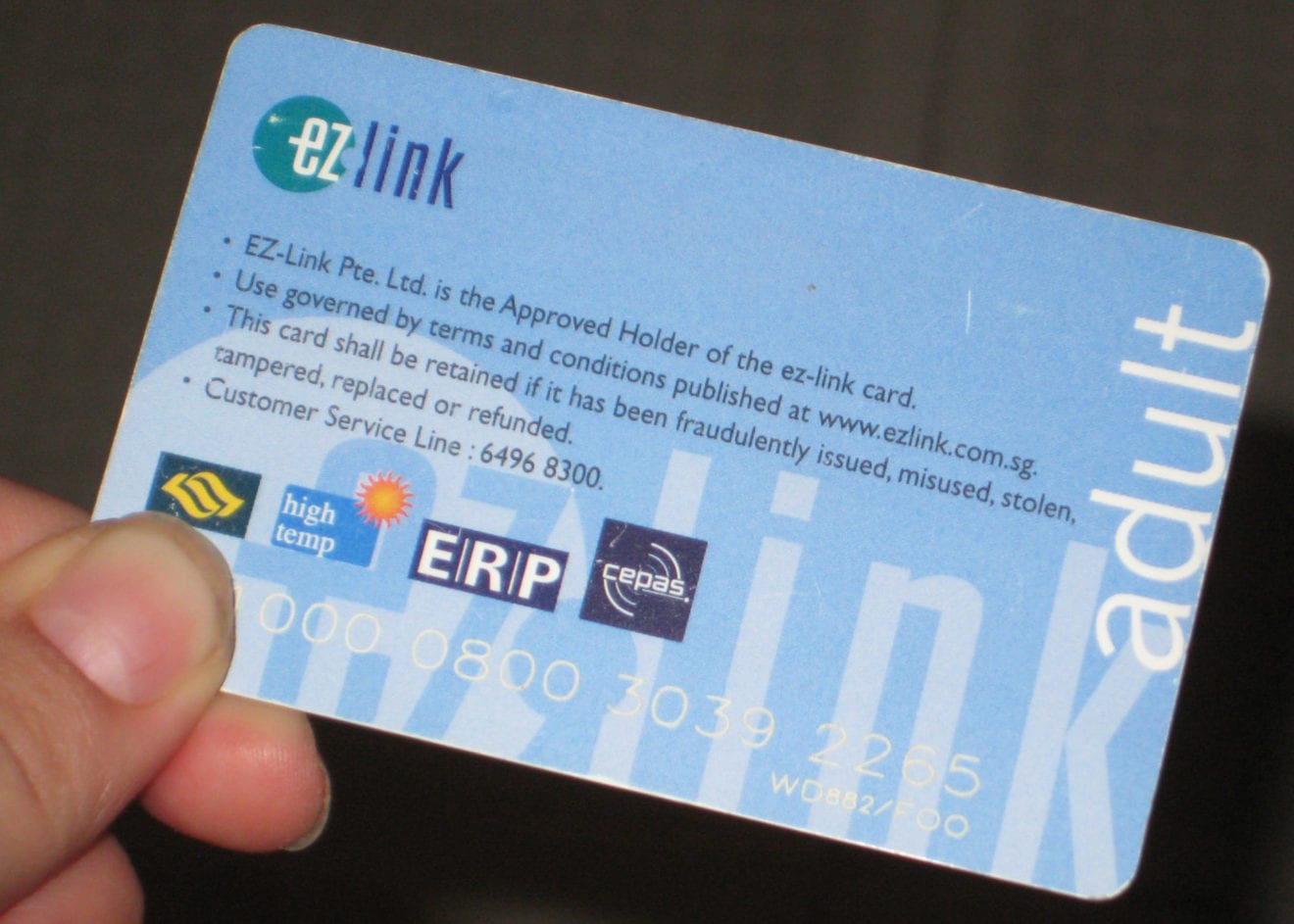
    Nicholas shared his strategies to displace cash totally. Always try and do not be afraid of failure. Every failure is part of our learning experience and must help us improve.This is so that we do not stagnate nor remain in the status quo while the environment around us continues to evolve. Those are the words from Nicholas Lee Tat Meng, the man behind Singapore’s EZ-Link cards, a contactless smart card used for the payment of public transportation fares in the city, with limited use in the small payments retail sector.

    Nicholas started his engineering career as a systems engineer in a local systems integration company prior to joining the Land Transport Authority of Singapore (LTA) in early 1997. In the LTA, he held various engineering portfolios before being seconded to its Policy Division to work on international relations and the development of business models for new transportation projects.

    In 2000, Nicholas was assigned to manage the island-wide implementation of the EZ-Link card. This included the design, development and implementation of a clearing-settlement backend system and the rollout of acceptance terminals across all mass rapid transit and bus transport systems in Singapore.

    Following the launch of the EZ-Link card in 2002, Nicholas then moved on to EZ-Link Pte Ltd, a wholly owned subsidiary of the Land Transport Authority. Over the years, he held several portfolios from developing business models and operating structure to supervising the company’s marketing efforts and corporate communications. On 1 October 2011, he was appointed as CEO of EZ-Link to lead the company to greater growth in adoption, transactions and applications of cashless payments.

    EZ-Link’s humble beginning

    EZ-Link was formed on January 8, 2002 with its core business of clearing and settlement of all EZ-Link card transactions generated in transit and non-transit (retail/merchant) environments, as well as the sale, distribution and overall management of EZ-Link cards. In 2009, EZ-Link became the first card issuer in Singapore to launch the CEPAS-compliant EZ-Link card. Thereby extending the company’s influence beyond the local public transport sector and into the retail and food and beverage industries.

    These new EZ-Link cards are also accepted as a mode of payment for Electronic Road Pricing (ERP) and at carparks fitted with the Electronic Payment System (EPS) when used in the dual-mode in-vehicle unit. To date, more than 17 million new CEPAS-compliant EZ-Link cards have been issued.

    “Over the years, we have been working towards the vision of a cashless society with the launch of several ground-breaking products and services such as the My EZ-Link Mobile, the world’s first and award-winning mobile application for EZ-Link card top-ups; EZ-Charms, the first EZ-Link non-card form factor in Singapore; and EZ-Link Rewards with Perx, the first-in-Singapore rewards scheme for public transport EZ-Link users,” said Nicholas.

    Apart from benefitting the consumers and commuters, EZ-Link is also looking to help businesses in Singapore to enjoy the benefit of cashless transactions through their services. Currently, there are over 30,000 acceptance points island-wide tapping on the EZ-Link card payment system which provides quicker customer service and lower costs related to cash handling.

    According to Nicholas, EZ-Link has the privilege of serving more than 3 million customers using their products and services daily. “This is a huge responsibility for us to undertake as we have to ensure that customers’ expectations are met when they interact with the cards, and the availability of sufficient infrastructure and capability to assist them in using our services,” he said.

    The biggest challenge

    However, the task of transforming Singapore into a cashless society was not that easy. Nicholas shared that their biggest challenge has been in the area of cash or in other words, how they can displace cash and encourage greater use of electronic money via the EZ-Link card. “Of course, our scope is not just limited to usage of the EZ-Link card, but also on topping it up as well. For instance, more than 40% of top-ups of the EZ-Link card are still done via cash.”

    To address this challenge, Nicholas shared that they have introduced schemes such as EZ-Reload to link an EZ-Link card to a bank account or credit/debit card account. In the event when the card runs out of stored value, it will automatically top itself up so that the cardholder will never have to go to a device to do a top-up.

    “We initially charged a $0.25 fee for this service, but have been progressively making it free for all DBS/POSB and Citibank card holders. With EZ-Reload, our customers are able to rely less on physical top-up points, and save themselves from the hassle of queuing up at Ticketing Offices and General Ticketing Machines,” said Nicholas.

    Nicholas shared that the next challenge is displacing cash in the retail/F&B area for small sum payments meaning those less than $20. In the past, the firm have invested into infrastructure to enable merchants to accept the EZ-Link card as a means of payment. However, Nicholas shared that there has been much resistance to this change by consumers and eventually, cash still prevailed.

    The journey ahead

    Moving forward, Nicholas said that they have partnered with various industry players to create a more open and efficient payment infrastructure that will accept all means of payment including the EZ-Link card. This means a collaborative approach with other industry players to enable multiple modes of payment so that consumers have more choice and flexibility in choosing the right electronic payment method to use, as opposed to cash payment. “Hopefully, the EZ-Link card will be the preferred choice of payment for consumers. In doing this, we are working together with the industry to tackle a challenge instead of facing it alone,” he said.

    Furthermore, Nicholas said they are gradually transforming into a new organisation, in terms of how they operate, how they engage with their customers and how their services are delivered.

    “We are looking at new digital services, increased personalisation of services to fit individual consumers, more exciting EZ-Link products that may come in different shapes and sizes and capable of interacting with individuals. With the rapid advancement of technology, we have an opportunity to evolve EZ-Link to another level,” Nicholas adds.

    Nicholas’ guiding principles

    Apart from not being afraid to fail, Nicholas believes that it is important to always question themselves why and how should they remain relevant to their customers and stakeholders. This, he said, ensures continual renewal of practices and business to keep up with the rapid changes in the environment, which is especially important given the rise of various disruptive business models.
    Secondly, he emphasised on the need to stay focused on their core business and do what they do best. “We innovate by collaborating with industry partners through win-win relationships and are always mindful of doing things beyond our capabilities,” he said.

    Meanwhile, in his journey building a cashless Singapore, Nicholas is focused in three goals:

    • To transform the EZ-Link card into a lifestyle product (beyond public transport but also in cars, taxis, private buses, identity card) and make it the preferred choice of consumers in their everyday lives
    • To be a consumer-centric company whereby services and innovation are developed around consumer needs and expectations
    • To contribute substantially towards Singapore’s goal of becoming a cashless society
  • APAC tops retail e-commerce

    APAC tops retail e-commerce

    Retail e-commerce sales in Asia-Pacific will reach $877.61bn in 2015, up 35.7% from 2014, as mobile adoption and the rising middle classes in China, India and Indonesia fuel rapid growth, according to a new forecast.

    Research firm eMarketer said that, for the first time, the region will not only have the largest digital market in the world, but its share of global retail spend will reach a majority of 52.5%.

    China alone will account for more than 40% of global retail e-commerce sales this year, up nearly five percentage points from 2014, and the country is expected to continue growing its share of the worldwide market to more than 50% in 2018.

    By then, the value of retail e-commerce sales in China is forecast to be a massive $1.568 trillion compared to a worldwide total of $3.015 trillion. Meanwhile, Asia-Pacific (including China) will account for $1.892 trillion in three years’ time.

    Online retail sales in China are expected to account for 15.9% of the country’s total retail sales in 2015, compared to a global average of 7.4% and 10.2% in Asia-Pacific.

    Although China dwarfs other Asian nations in terms of online sales volumes – for example, $672bn in 2015 compared with just $14bn in India – the report also highlighted India and Indonesia as other key drivers of growth in the region.

    The latter two markets saw growth of 129.5% and 65.6% respectively in 2015, the report said.

    Monica Peart, eMarketer’s director of forecasting, said rapid online growth in Asia-Pacific, coupled with faster internet service and greater mobile uptake is heating up the competitive landscape.

    “Large local players are increasingly vying for market share by improving their logistics and mobile platforms, and in some cases moving entirely to an app-only service,” she said.

    Finally, eMarketer forecast that overall retail sales in Asia-Pacific would reach $8.57 trillion this year, rising to $11.46 trillion by 2019, or representing 20.4% of worldwide retail sales. Data sourced from eMarketer; additional content by Warc staff

  • How to choose the right smartphone in India

    How to choose the right smartphone in India

    In this modern era, mobile phone is an important thing for every person and its importance cannot be ignored because of the latest technology by which an individual can use the internet on it and can stay in contact with the dear ones. It is obvious that a mobile phone is an expensive product which cannot be changed after a short period of time, so a person should select the mobile phone carefully. Given below are some points which can assist in making a good decision of choosing the best mobile phone in India.

    Know your requirements:

    A person should list down the requirements because it makes the decision making process and selection easy. He or she should figure out what matters most to him/her like if the person uses the mobile for a lot of texting then the focus should be on the keyboard. Some individuals like physical keyboard while others like to use touch keyboard, so it should also be kept in mind that which keyboard he or she finds easy for texting because some people like to use QWERTY keyboard.

    If the person is fond of taking selfies or clicking random pictures then the attention should be paid on the camera. Nowadays, individuals mostly use mobile phones for using social media platforms or for checking E-mails so, if the person wants it for using the internet then he or she should focus on the internet capabilities. One should not ignore the deciding the size of the mobile and the screen size.

    Prior to making the final decision of purchasing the mobile phone, a person should not ignore listing the personal preferences because not paying attention to the desired choices can result in a wrong purchase.

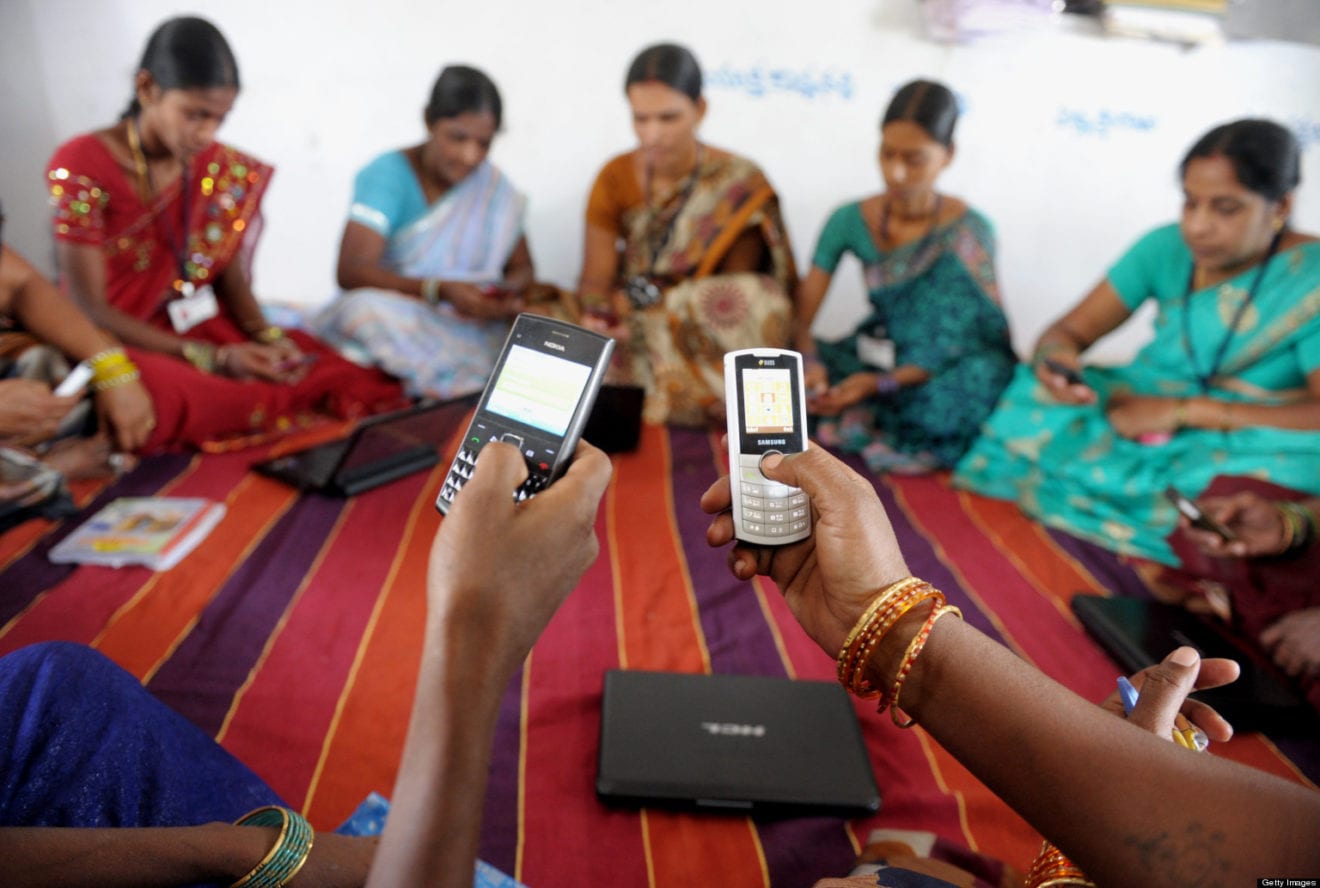
    A vendor speaks on his mobile phone as he waits for customers at his roadside shop selling clothes in Mumbai

    Choose the brand:

    There are many famous brands available in India so, a person should choose the brand before he/she starts looking for the mobile model.

    Find the right design:

    Mobile also reflects the sense of style of the person holding it so one should find the right design that not only looks great when a person carries it, but a person should also be comfortable with the way it looks so a person should pay attention on its design.

    Browse through search engines:

    A person can browse through the search engines to know about the specifications of different models of different brands, which is the best way of selecting the best mobile fulfilling the requirements. One can also see the looks of the mobile phone on the mobile selling websites which he or she has decided to purchase.

    Read reviews:

    Reading reviews on different mobile selling websites is a great way of getting information about the mobile functioning and it is the best way of purchasing the right mobile because one can avoid purchasing a mobile which he or she has selected if the reviews of the individuals using it are not good. Feedbacks of the mobile users assist a lot in making the final decision and helps in preventing the wrong purchase which saves the hard earned money.

  • Thailand among top 10 investors in Vietnam

    Thailand among top 10 investors in Vietnam

    The new face from Thailand on the Vietnam stock market is Ton Poh Thai Fund – an investment fund that purchases shares through transactions on the bourse.

    As of October 31, Ton Poh Thai Fund had net assets of about $135 million. Last year, the profitability ratio of this fund reached 25% and 20% on average during the past 10 years.

    Ton Poh currently owns 2.5 million shares of Cotec Construction JSC (5.79%); 1.2 million shares of Kien Giang – Superdong Speedboat JSC (5.02%) and 11.37 million shares of Hoang Huy Services Investment JSC (4.88% of capital).

    The number of shares held by Ton Poh is not large, but the fund has potential and is expected to continue disbursing capital on Vietnam’s stock market in the coming time.

    Thai businessman Chatikavanij established this fund in 2005, expecting to capture investment opportunities following the 1997-1998 financial crisis in Thailand. The fund with over $130 million has invested in 10 to 15 types of shares for the medium- and long-term.

    If Ton Poh is getting “acquainted” with investment in Vietnam, many Thai corporations have targeted Vietnamese businesses through direct and indirect investment forms.

    In the retail sector, Berli Jucker of Thaibev, which is owned by the second richest man in Thailand, billionaire Charoen Sirivadhanabhakdi, now takes a controlling share in Vietnamese firm Thai An, thereby controlling 99% stake in Phu Thai Group.

    BJC Thailand has bought Metro Vietnam while Central Group through Power Buy bought 49% shares of NTK, the owner of Nguyen Kim Trading Company, a big name in electronic product distribution in Vietnam.

    In the food industry, Thaibev has obtained ownership of Fraser & Neave (F & N) – the largest drink group in Singapore, which currently holds 11% stake in Vinamilk, Vietnam’s largest dairy product producer. CP Group has set a firm foothold in the Vietnamese livestock market.

    In the industrial sector, Thailand’s SCG has acquired Prime Corporation, through The Nawaplastic Industries. SCG also owns more than 20.4% of the shares in Binh Minh Plastics JSC and 23.84% stake in Tien Phong Plastic JSC.

    PTT, Thailand’s oil and gas corporation, has recently expressed its intention to invest in Nhon Hoi petrochemical project in Binh Dinh province.

    In the field of logistics, Kan Air of Thailand is now part of a joint venture with Vietjet Air of Vietnam that will establish ThaiVietjet Airlines with 51% of capital from Air Kan and 49% from Vietjet Air.

    This joint venture was licensed in late 2014 and began operating on March 29, 2015. Thai Vietjet will operate domestic flights in Thailand as well as international routes from Thailand to destinations in the region like Myanmar, Laos and Cambodia, to expand the flight network from Vietnam exploited by Vietjet Air.

    Later this year, the ASEAN Economic Community (AEC) will be formally established. AEC will become a single market. Accordingly, goods, services, investment, capital and skilled labor will flow freely between countries in the bloc. Thai capital flow into Vietnam will skyrocket.

  • Ho Chi Minh City is the second most expensive retail location in Southeast Asia

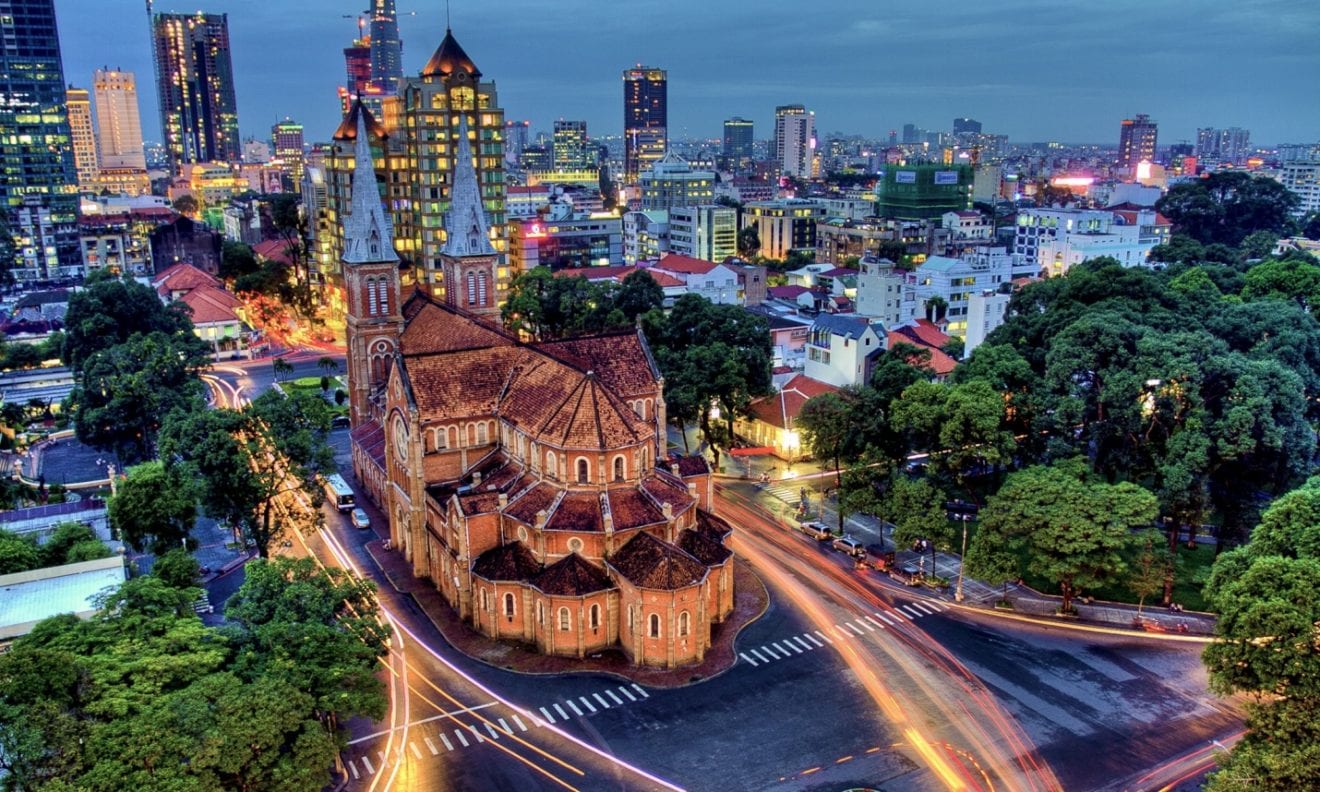
    Ho Chi Minh City is the second most expensive retail location in Southeast Asia

    A downtown spot costs $150 a square feet a year, even more than prime locations in Bangkok. A global property survey has named Ho Chi Minh City downtown as one of the most expensive retail locations worldwide.

    The southern metropolis, which is the largest commercial center in Vietnam, ranks 32 out of 65 cities featured in the latest version of Cushman & Wakefield’s annual research “Main Streets Across the World.”

    Locations on a “prime high street” in the city, such as Le Loi, Nguyen Hue or Dong Khoi, cost an average of US$150 a square feet a year. In Southeast Asia, that rate is after Singapore’s $336.8.

    That compares to $125.4 in Bangkok, $111.3 in Kuala Lumpur and only $56.4 in Metro Manila.

    It is equal to the rent in Israel’s Tel Aviv, whose GDP per capital in 2014 was $42,614 and more than eight times that of Ho Chi Minh City.

    The world’s most expensive road, according to the research, is Upper 5th Avenue in New York, followed by main streets in Hong Kong, Paris and London.

    Streets in Tokyo and Seoul are also in the top ten.

  • Thai e-commerce poised to touch $58b in 2015; rise in online shopping, 4G services to push growth

    Thai e-commerce poised to touch $58b in 2015; rise in online shopping, 4G services to push growth

    The ETDA’s survey cites that top three verticals that account for the highest income from e-commerce in 2015 are accommodation and food services worth 658.9 billion baht ($18.39 billion), followed by manufacturing 350.29 billion baht ($9.78 billion) and retail and wholesale 325.08 billion baht ($9.07 billion).

    The B2C e-commerce in 2015 will rise 15.29 per cent from 410 billion baht ($11.44 billion) in 2014, and the B2G will surge 3.96 per cent from 390 billion baht ($10.88 billion) last year. However, the B2B e-commerce is expected to slightly shrink by 0.34 per cent from 1.23 trillion baht ($34.33 billion) in 2014.

    “Thai e-commerce market remains highly attractive as more people open up to online shopping. Also, 4G will drive the growth of the e-commerce market in Thailand,” ETDA’s chief executive officer Surangkana Wayuparb said.

    In early November, Ascend Group announced to invest 5.3 billion baht ($147.92 million) to expand its e-commerce businesses, iTrueMart and ‘Weloveshopping’, into ASEAN countries.

    It plans to invest in warehouses, logistics and marketing activities in the Philippines this year, followed by six other countries – Indonesia, Malaysia, Vietnam, Singapore, Myanmar and Cambodia – in 2016.

    “We aim to be the e-commerce market leader in ASEAN by 2018,” Punnamas Vichikulwongsa, president of Ascend Group, told local media.

    A report by Euromonitor International states that the B2C e-commerce market for retail in the AEC will surge by 20 per cent per year from nearly $5 billion this year to $7 billion in the next two years.

    Considering Thailand as a centre of the ASEAN, foreign investors have eyed on the opportunities to use Thai e-commerce market as a springboard to other countries.

    Japan’s e-commerce solution provider Transcomos, for example, recently made a joint venture with Ookbee, a Thailand-based leading e-bookstore platform, to tap into the e-commerce business under Ookbee Mall.

    Even the world’s top e-commerce site Alibaba is in talks with Thailand’s Crown Tech Advance to co-invest in both logistics and e-commerce in Thailand. However, both companies have not finalised the deal yet.

  • Baby Food Market is would reach $72.7 Billion, globally, by 2020

    Baby Food Market is would reach $72.7 Billion, globally, by 2020

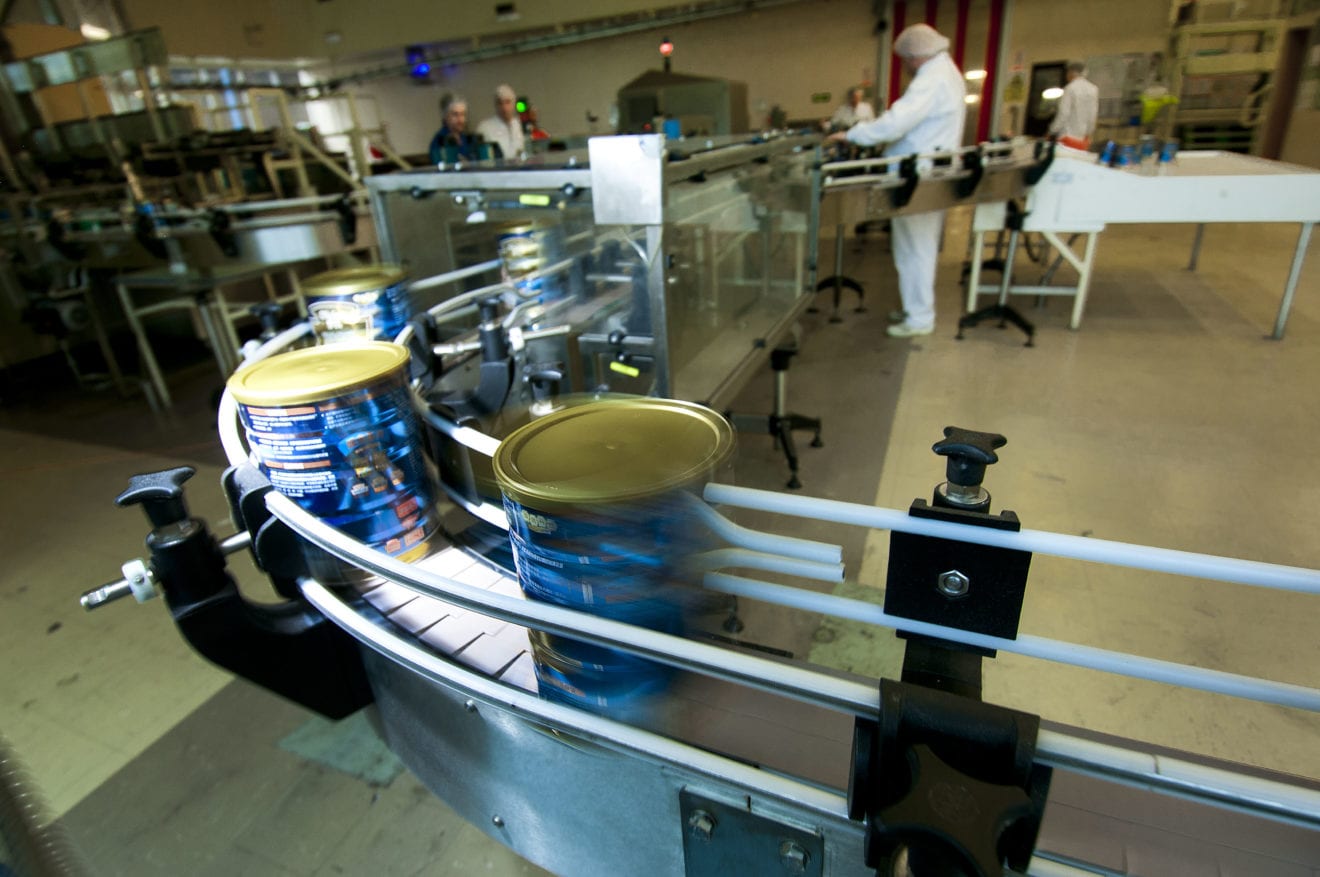
    Big Market Research has added a report titled “Baby Food Market – Opportunities and Forecasts, 2014 -2020)”. As per the report, global baby food market would garner a revenue of $72.7 billion by 2020, growing at 6.4 % CAGR during the forecast period 2015 – 2020. The report offers in-depth industry insights in terms of current and future market trends, key drivers and restraints along with their impact analysis, growth opportunities and profitable trends, detailed market segmentation and forecast.

    Increasing awareness for nutrition, growing activities in organized retail marketing, urbanization along with rapidly increasing count of working women are the key factors that would drive the baby food market growth. The report segments the market on the basis of product type, type of distribution channel used and geographical regions.

    Asia Pacific region generates the maximum revenue and is expected to register highest 7.7% CAGR amid 2015 – 2020.

    On the basis of types, the report further segments the market majorly into dried baby food, milk formula, and prepared baby food. Among these segments, the milk formula contributes a major market share of nearly about 2/3rd of the market, in terms of value. This is primarily due to rising global demand for milk formula, increasing rate of urbanization, rising disposable incomes and the changing lifestyles. Cow milk based formulas witness prominence among emerging economies.

    Based on types, prepared baby food is the second largest market globally and would grow at the fastest CAGR amid the forecast period. Time constraints faced by the parents fueled by changing lifestyle are the key factors driving the market demand. Developed countries majorly contribute to the demand for prepared baby food, however, the segment will witness significant adoption across developing countries along the forecast period. On the basis of distribution channels, the global baby food market is segmented into supermarkets, hypermarkets, small grocery retails, beauty and health retails. Vendors prefer the supermarket channels as the primary distribution channel, and followed health and beauty retailers segment. Asia-Pacific dominates the global baby food market, followed by European, North American and LAMEA region

    Asia Pacific region is the largest market in terms of the market demand for milk formula, contributing over 50% of the total global market share, driven largely due to improving economic condition and changing lifestyles of individuals across this region. Presence of multi nutrition along with the market availability of balanced nutrition in one pack is a major factor propelling the demand in North America.

    Key market players operating in this market are adopting acquisition as dominant strategy to consolidate their market presence. Acquisition is one of the primary strategies adopted by companies operating in this market. Companies like Abbott Laboratories and Nestle are adopting competitive branding strategies in order to expand their customer base.


  • A Short Overview of Malaysian Shopping Trends

    A Short Overview of Malaysian Shopping Trends

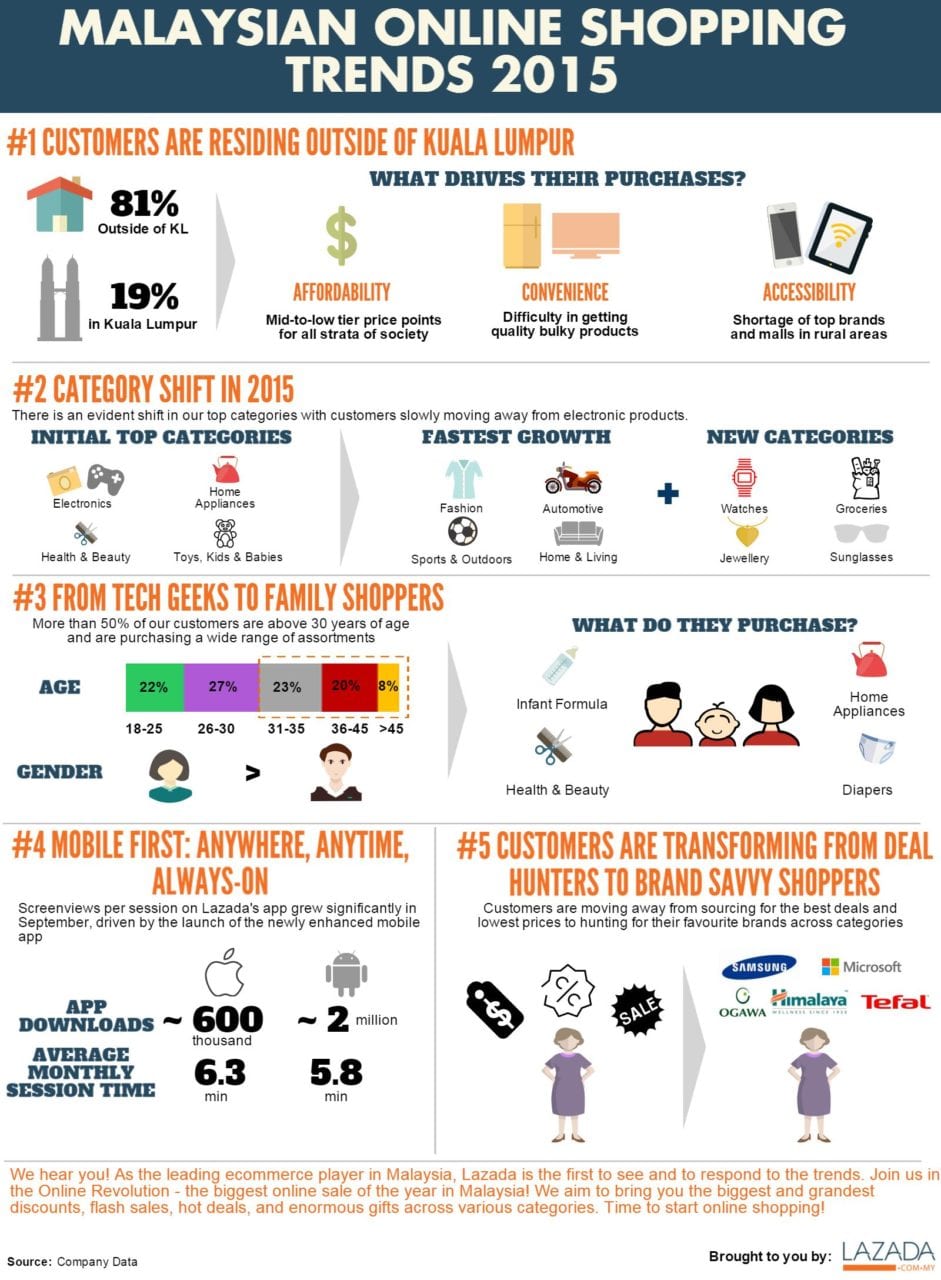
    #1 Majority of our customers are residing outside of Kuala Lumpur

    – There is an evident shift of customers shopping on Lazada with 81% of them residing outside of Kuala Lumpur

    –  Reasons behind this shift include 

        a) Affordability of products – Consumers from various backgrounds are able to purchase products from a wide price-range ( mid to low-tier)

        b) Convenience  – Consumer located outside of KL are able to purchase high- quality bulky products delivered to their location of choice            without having the need to locate these products at the shopping mall and sourcing for delivery trucks

       c) Accessibility – Consumers outside of KL now have access to purchase a variety of top brands online which were previously unavailable 

          at their area. This ensures that they are kept abreast on the best deals and promotions despite their geographical location.

    #2 Category shift in 2015

    – Previously our top selling categories were electronics, home appliances and toys kids and babies. However, there has been a surge in        

      demand in other categories ranging from sports and outdoor, fashion and groceries

    #3 From tech geek to family shoppers

    – Online shopping is commonly associated with the Gen Ys as they are presumed to be tech- savvy and are more comfortable shopping 

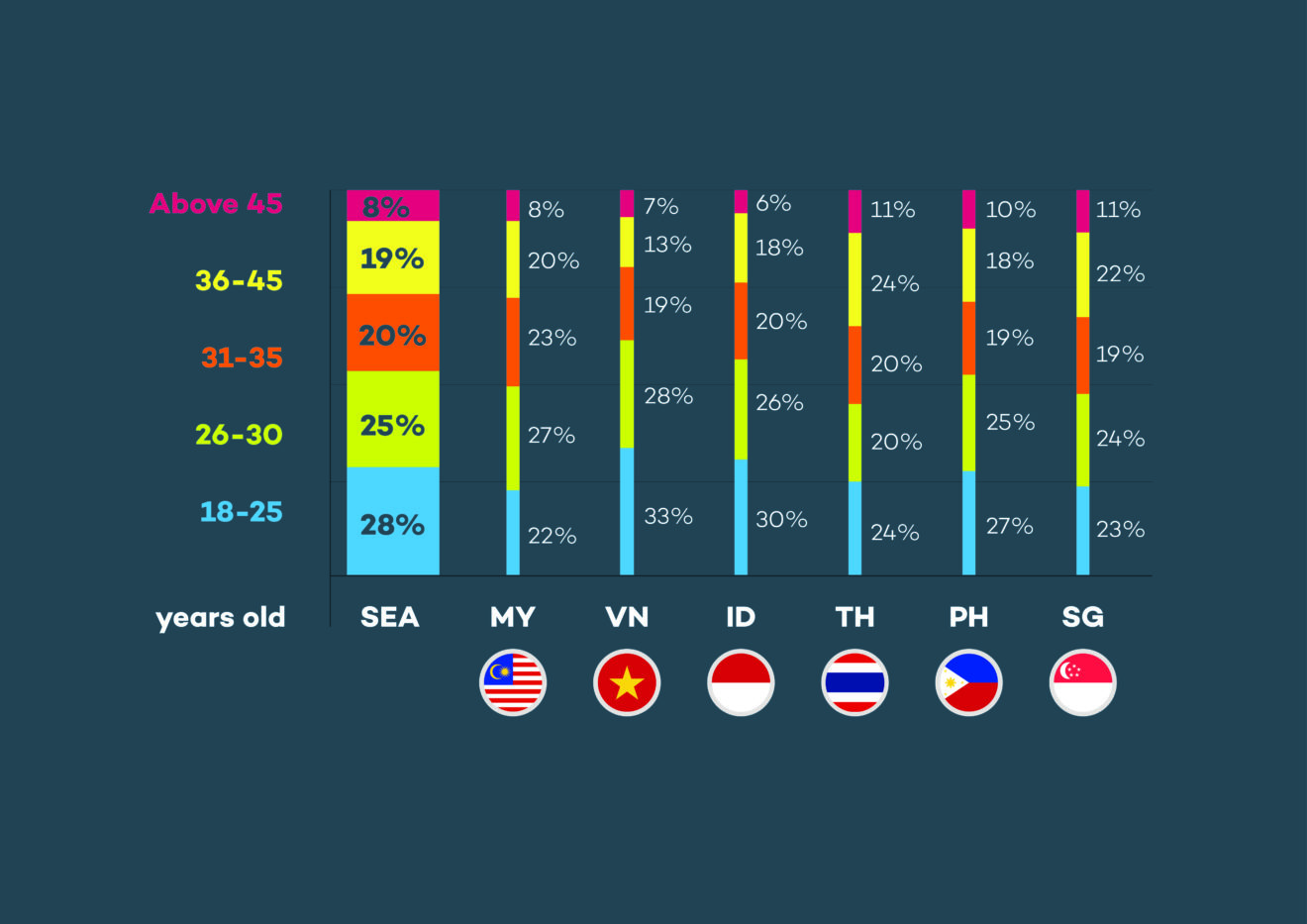
      online compared to the older generations. There has been a change in trend whereby majority of the online shoppers now are aged 30   years and above and are sourcing for a wide range of household related products ( home appliances, baby products etc)

    #4 Mobile-First: Anywhere, Anytime, Always – On

    –  Malaysia is transforming into a digital nation with high mobile penetration across the country. Hence, it comes to no surprise that majority of Malaysians are hooked to their mobile devices to obtain further information on a particular product/ source for the best online deals via mobile platforms.

    #5 Customers are moving away from deal hunter to brand savvy shoppers

    –  Consumers are no longer exclusively shopping online only during sales or are constantly on a lookout for special deals or promotions before purchasing a product. Instead, consumers now have high-brand loyalty whereby they source products from their favourite brands across categories when shopping online.

    Lazada_Infographic-06_age range

    LZD Trends v1

  • Innovation is not an issue in Indonesia: Ideosource’s Andrias Ekoyuono

    Innovation is not an issue in Indonesia: Ideosource’s Andrias Ekoyuono

    Prior to his current work, he spent years at Indonesia’s major online media Detik.com, followed by a stint at Hewlett-Packard and XL Axiata.

    “Back in Detik.com, my work involved setting up new businesses, business models, and monetisation models. I also did some marketing,” he explains. “There is actually a continuation between what I am doing then and now.”

    As an Indonesian VC, Ideosource’s portfolio ranges from gaming with Touchten, media with Female Daily Network, e-commerce with Bhinneka, and innovative companies for niche markets such as Stockbit and e-Fishery.

    Its latest investment is a sports wearables company called Turing Sense, a Silicon Valley-based startup founded by Indonesians.

    Dividing time between mentoring and looking for new business, as well as writing and speaking about entrepreneurship, Ekoyuono discusses startup and innovation in Indonesia – and why, despite challenges here and there, there is progress to celebrate.

    Can you tell us how the tech startup landscape in the country is?

    There is a significant difference with when we began in 2011. At that time, [the tech industry] was still in its early stage, we even had to make our own incubation programme, since incubators were basically non-existent. But lately, there have been more and more incubators, both from telco [companies] and campuses. There is definitely progress.

    We are starting to get used to hearing news about funding, and founders are getting more diverse. When we began, most founders were university graduates … But now, we have begun to see Internet industry veterans and diaspora – Indonesians who have been living and working abroad.

    There are also founders who have already run a conventional business, migrating to the digital side.

    Up until two years ago, people thought the Internet industry was cool, but [it was] still something for the distant future. No sense of urgency. But Tokopedia’s funding last year really got people to wonder … What is this company and why is US$100 million given to them?(laughs)

    Especially since they also advertise heavily on conventional media such as TV and newspaper. People began to see the Internet as ‘something’.

    But the most phenomenal is Go-Jek. Once it got to the level of the ojek drivers, it strengthened the message that technology is indeed for everybody.

    Speaking of business types, does e-commerce remain a primadonna in Indonesia?

    If we are looking with a top-down approach, there are some industries with strong visibility. First is media, then e-commerce, then fintech … The others are transportation. These are the ones with the biggest market. Consumers are starting to evolve.

    What founders need to consider is how to bridge between a digitised consumer and the industry itself, which might be run by conventional business and transaction model.

    Will this sector grow? I believe it will, followed by other sectors. Fashion and electronic goods still play a crucial role. But groceries are also starting to grow.

    What are the greatest challenges for investors in Indonesia, especially in terms of scouting for new talents and business?

    If you read my writing, you might notice that the main idea is about sharing knowledge to Indonesian startups to prepare for their pitch. Informing them what sets them apart from traditional entrepreneurs.

    The issue that we often see in Indonesian startups is that many founders do not have a deep understanding of the problem they are trying to solve. They often shoot something that may not be that big of a problem; that consumers do not even care about … It is advisable to start from the problems you encounter yourself.

    Second, often, founders do not have enough knowledge about building a sustainable business. For example, selling durian online is certainly not sustainable as you can only do it during durian season! (laughs)

    There is also a problem of scalability. How to balance between cost and business model.

    Does this mean that investors only sit around and wait? No. Especially for Ideosource, since we are local, we have been spending our time to build the ecosystem. Doing campus visits, building communities, writing in the media …

    Is innovation dead in Indonesia? Do founders tend to play it safe with businesses with great revenue?

    Oh, I’d say it’s not even an issue! Many people believe so because they are looking at Facebook and Twitter, which, at the beginning, might seem to not have a clear mechanism for monetisation. There is a misconception. I believe they did [consider monetisation], but it is just not [as] exposed.

    Our main problem is not innovation itself, our main problem is not fully understanding which problem to tackle. “We want to gather users first!” Yes, but what do you want these users to do?

    When it comes to innovation… Every year, we meet with 300-500 startups and guess what — I cannot mention names yet — but many of them are doing something very advanced. We are starting to get there.

    But, in terms of ecosystem, we are still like China and India at their early stage. IoT is still sitting at the back seat. Which is why founders in that subsector tend to be more quiet compared to those in e-commerce. They are still hiding in their labs.

    Generally, we need to dream bigger.If you want to create a startup, you should visualise ‘how big will the animal be?’

  • Indonesia Emerging as New Battlefield for ICT Companies

    Indonesia Emerging as New Battlefield for ICT Companies

    Korean mobile companies are making inroads into the Indonesian market one after another. The Korean mobile industry anticipate that Indonesia will rise as a new mobile market since the nation has the world’s fourth largest population and its many islands gave rise to the creation of a mobile service-friendly culture.

    According to the Ministry of Science, ICT and Future Planning on Nov. 19, the number of mobile service subscribers stood at 303.69 million as of the end of 2013. This figure was up 7.3 percent from a year before. Its penetration rate was staying at 121.5 percent. The Asian Mobile Consumer Report says that about 15 percent of all of Indonesia’s mobile service users were using two or more cell phones as of Sept. 2013.

    The report added that 24 percent of them were using smartphones, so the penetration rate of smartphones is expected to rise. Two Korean internet business leaders –- Naver and Kakao – began to preempt the Indonesian mobile platform while focusing on messenger services since Indonesia has a mobile market with great growth potential. In particular, the nation is planning to transform its 2G mobile telecommunication infrastructure into 4G long-term revolution (LTE) before hosting the Asian Games in 2018.

    At the moment, the 2G service accounts for 75% of the mobile service infrastructure in Indonesia. With the opening of a big mobile market momentum, Korean mobile messengers began to enter the market ahead of other foreign companies.

    Naver is ranked second in the Indonesian messenger market after its global messenger “Line’ took the Indonesian market in 2012. The number of monthly average users of Line grew to 26 million in the first quarter of this year from eight million in the first quarter of last year.

    Kakao is spurring its expansion in the Indonesian market by taking over assets of Indonesian SNS Path and Path Talk for 22 billion won. Path is the third biggest SNS after Facebook and Instagram in Indonesia. Its monthly average users add up to ten million. Three years ago, Kakao Talk made a foray into Indonesia and has been inking 18 million downloads. The company is aiming at taking Indonesia as a springboard to the global market by expanding synergies with Path.

    Pantech is planning all-around strategies to invade the Indonesian mobile market such as smartphones, communication equipment and the internet of things (IoT). The company already announced its plan to take Indonesia as a toehold for its revival when it exchanged hands. First of all, Pantech is planning to export a total of 300,000 units of mid- to low-priced smartphones to Indonesia within the second half of next year. It is said that the company will produce the products in the OEM system at factories in Southeast Asian countries for price competitiveness.

  • What Are The Key Drivers Of Growth For Estee Lauder?

    What Are The Key Drivers Of Growth For Estee Lauder?

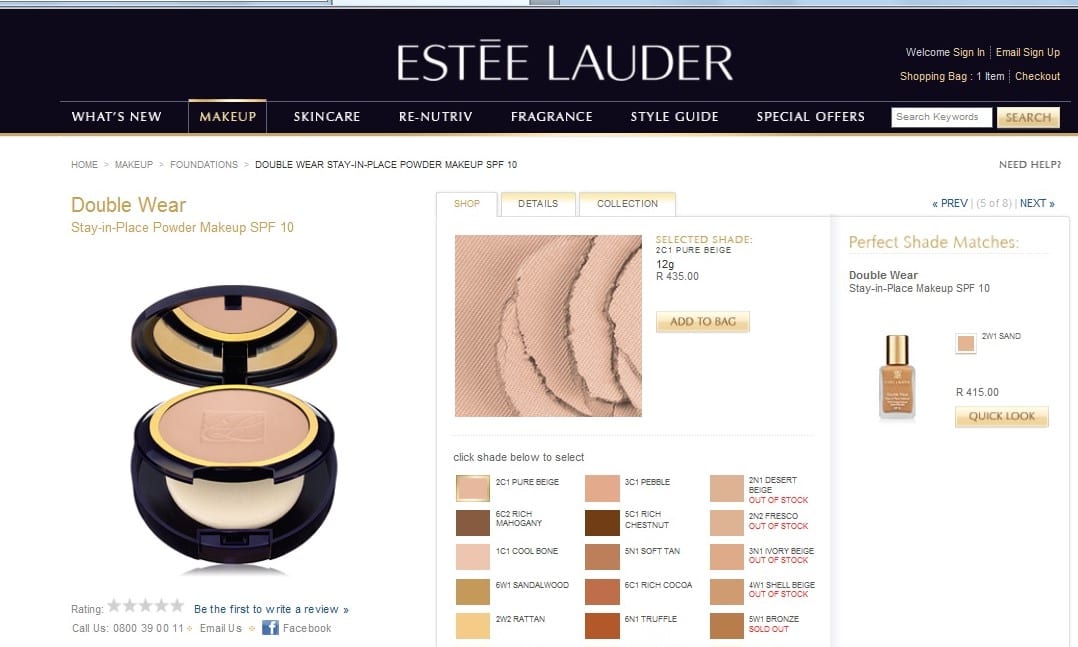
    Focus on the online sales channel, digital initiatives, and revival of its travel retail channel, will be the key drivers for Estee Lauder‘s (NYSE:EL)  growth in the future.  While travel retail showed tremendous growth in 2014, the slowdown in China and natural calamities had a negative impact in 2015.  Estee Lauder feels this setback is temporary and we believe new product launches and initiatives in this segment will boost its revival, and will be a key driver of growth for the company. With booming e-commerce and mobile internet penetration, we believe focus on online sales will be another driver of growth for the company, especially in emerging economies such as China.

    Revival Of The Travel Retail Channel

    In the fiscal year 2014, Travel Retail was one of the highest growth channels for Estee Lauder contributing to 13% of its product distribution. Global Airport retailing information reveals that by 2016, airport retail spending will be $23.2 billion for Asia Pacific, whereas for the Americas and Europe the figures will be $10.1 billion and $12.4 billion. Estee Lauder is leveraging this trend primarily to capture the Asian market. In May 2014, the company launched a flagship boutique at the Detroit Metro Airport, a primary gateway to Asia, via Delta Airlines. This boutique offers a collection of all its luxury brands, High-Touch services, along with other facilities such as a first-class lounge area, free Wi-Fi, and updated information on the flights. Growth in the travel retail channel slowed down in Q4 2015 due to the macroeconomic slowdown in China and spread of MERS virus in Korea, but the company believes this setback is temporary. It is continuing to emphasize  skincare, its most profitable product category, to boost travel retail sales. Estee Lauder recently launched a vast array of products under several brands including Clinique, Bobbi Brown, Jo Malone, Tom Ford, and M.A.C., at the Tax-Free World Association (TFWA) Exhibition, held at Cannes in October. The products include face contouring, eye makeup, lipstick, serums, treatment creams, and fragrances. These new products will be available across Estee Lauder’s travel retail channel. [].We believe revival of the travel retail channel will be a key driver of Estee Lauder’s revenues in the future.

    Focus on Online Channels And Digital Initiatives

    The shift towards online shopping is evident from the tremendous growth in e-commerce.  New York based research agency, L2 ThinkTank.com found that while the global beauty industry grew at 6% in 2013, sales through the e-commerce channel witnessed a 29.1% growth during the same period. To leverage this trend, Estee Lauder is selling 14 of its brands directly to consumers online through approximately 120 of its own e-commerce and mobile commerce sites.  The company also launched  “Forecast,” a mobile application under its Clinique brand, which provides weather information and skin care tips based on weather conditions.  To expand in the Chinese market, Clinique opened its  flagship store on Alibaba’s Tmall. According to the National Bureau of Statistics cited in Statista, the online transaction value of cosmetics retailing in China is forecast to grow by 123% in 2015. Given the market potential, we believe Estee Lauder’s focus on online sales and digital initiatives, around the use of social media and mobile apps for promotion, will be key drivers of its revenue in the future.


  • Asia’s new shopping hotspots (and their must-have products)

    Asia’s new shopping hotspots (and their must-have products)

    Cashed-up Asian shoppers are switching their retail allegiances from long-time favorites Hong Kong and Singapore, and it’s not just for a change of scenery.

    Japan, South Korea and Taiwan are the new regional hotspots for selective shoppers, experts say, because they offer a mix of attractive exchange rates and must-have products.

    The Americas and Europe are still the world’s two largest luxury hubs, with 34 and 33 percent of the market respectively, according to the Altagamma 2015 Worldwide Markets Monitor report by Bain & Company. The report calculates market-share based on the value of the luxury goods purchased.

    Asia holds 28 per cent of the global personal luxury goods market, but the regional distribution is changing.

    “Hong Kong, mainland China and Macau have taken a hit, losing spend to Japan and Europe,” Joel Stephen, senior director and head of retailer representation for Asia at commercial real-estate player CBRE, said, adding that China’s corruption crackdown had also hurt the level of spending.

    “Singapore and Taiwan have also seen a drop in mainland Chinese luxury spend. There is still tourism, but a lot of the HNWI’s [high net worth individuals] from mainland China are traveling further afield.”

    While still largely driven by local shoppers, Taipei’s retail sector got a boost when the government eased visa restrictions and brought in a more consumer-friendly tax system. High-end department stores such as The Breeze Centre in the Taipei 101 area are an example of the stores capitalizing on the trend.

    Shoppers are also taking advantage of the weak yen, which is giving them greater purchasing power in Japan.

    “Chinese and, to a certain extent, Singaporean shoppers prefer to buy luxury goods when travelling where there are more opportunities to purchase them at lower prices,” said Amrita Banta, managing director at luxury-focused adviser Agility Research & Strategy.

    Japan is more popular with mature customers, while younger shoppers are heading to South Korean capital Seoul, Banta said.

    Seoul’s famous TV dramas and K-pop stars have as much, or more, influence on shoppers as traditional advertising campaigns for luxury brands. A recent example: Jimmy Choo shoes worn by Gianna Jun on the TV show “My Love from Another Star” sold out in stores across Asia.

    But Banta said old favorites Hong Kong and Singapore could make a comeback as Europe becomes more expensive, and Asians grow increasingly wealthy.

    “We see the Asia Pacific retail environment becoming increasingly competitive as shoppers will head back into stores in the region due to the price changes in Europe,” Banta says.

    Here’s what cashed-up shoppers are hunting for:

    Sulwhasoo ‘Timetreasure’ Renovating Serum – Seoul

    A price tag of hundreds of dollars for a 50ml bottle of anti-aging serum doesn’t stop moisturizer addicts from flocking to South Korea. Beauty products are a serious business for the country, with the rest of the world taking notice of all the products Korea has to offer.

    Moynat boutique – Hong Kong

    The trunk-maker’s first boutique outside of France sits in Central’s Landmark in a 400-square foot space. One of its prized offerings is the limited edition mini Réjane, a crocodile bag with diamonds on its clasp priced at $124,300.

    Café Dior – Seoul

    This year, the French designer fashion brand set up shop in Gangnam, offering a six-floor experience called House of Dior. The boutique has a glass-walled café upstairs – Café Dior is a culinary representation of the label, with a menu designed by French pastry chef Pierre Hermé.

    Hermès Petit H – Tokyo

    Works created from upcycled parts makes for a unique Hermès piece. Using leathers and textiles known in their products to create something new, Petit H is a pop-up series that lasts only a few weeks in locations such as Japan’s Ginza store, designed to promote recycling in a very high-fashion way – offering bags, wallets, necklaces and even a life-size fawn. This limited time offering drew design fanatics to Tokyo. It’s now set up in London.

    Taipei 101 – Taipei

    What once was the tallest building in the world still has one of the most highly regarded retail spaces on its first five floors. The sixth floor is where the VIP club is, which requires a purchase of over $44,000 in the one day to gain entry. Once in, you’ll have access to a private showroom with the latest in luxury items, private dressing rooms and Chanel spa products.

    Three Michelin stars – Tokyo

    Culinary experiences and Japan go hand-in-hand, from imported chefs such as Joël Robuchon gaining widespread appeal for modern French cuisine, to local chef Yoshihiro Narisawa’s fusion of European cooking styles with local ingredients.