Category: Retail TV

Retail News Asia is committed to providing both local and global retailers with the latest TV Interviews throughout the Asian market. This on a daily base.

  • Fruit, vegetable exports decline as China raises quality bar

    Fruit, vegetable exports decline as China raises quality bar

    Vietnam exported US$417 million worth of fruits and vegetables in January, down 5.2% year-on-year and 11.3% from the previous month as China tightened safety requirements.

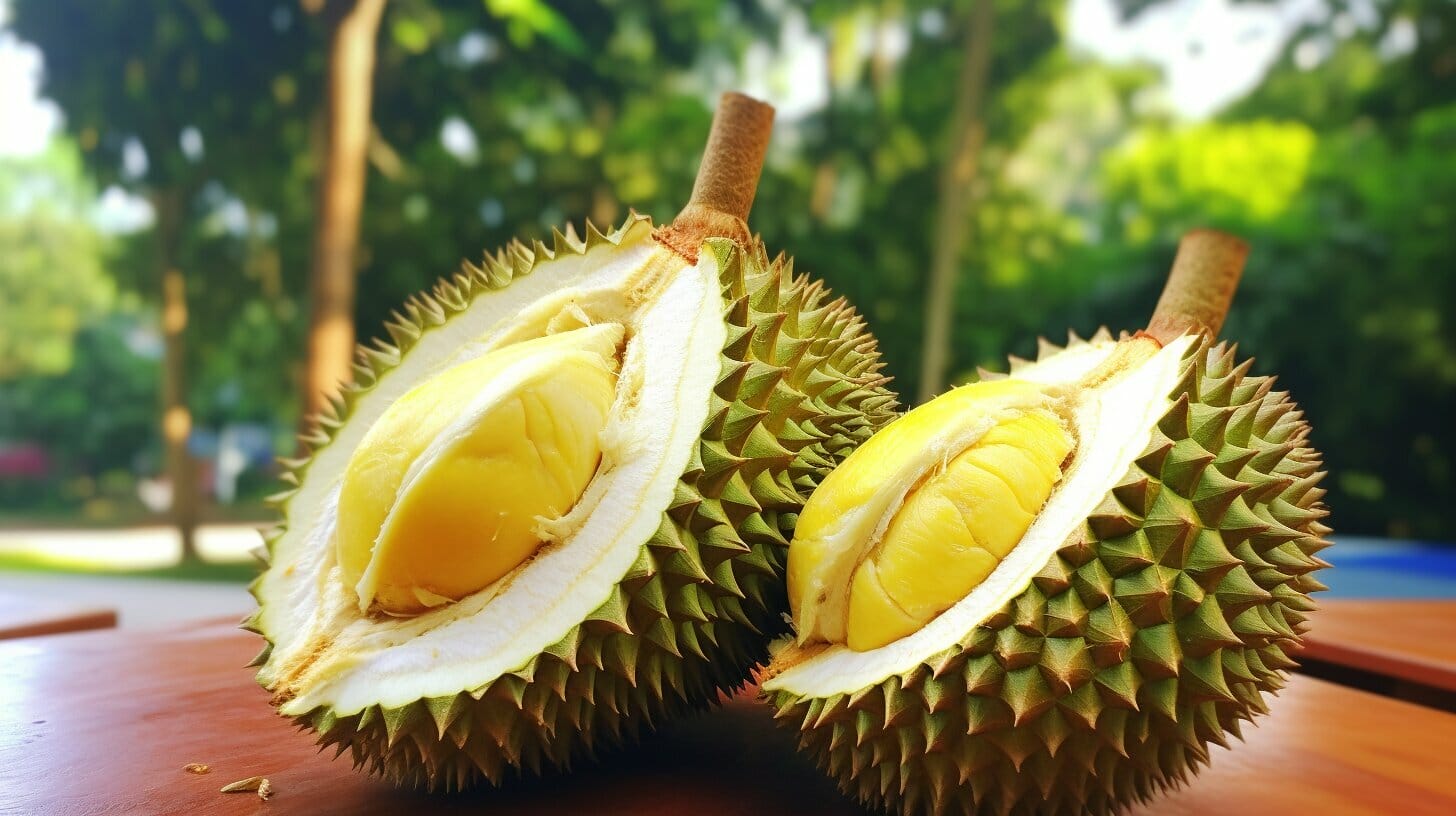
    It now requires testing for a potentially carcinogenic chemical called auramine O, or basic yellow 2, causing many shipments of durian, a key item, to be held up at customs, according to the Vietnam Fruit and Vegetable Association.

    This requirement was introduced after the chemical was found in several Thai durian shipments in late 2024.

    Some Vietnamese exporters have had to redirect their durian shipments to the domestic market and sell them at distress prices, with many temporarily halting exports to China.

    Businesses are now completing the required tests at the nine centers in Vietnam recognized by China.

    An executive at an export company in the Mekong Delta province of Tien Giang said: “Nine is a rather small number. Vietnam needs to push for more [centers] to avoid bottlenecks during peak times.”

    Dang Phuc Nguyen, the association’s general secretary, warned that fruit and vegetable exports may fail to reach this year’s target of $8 billion if these inspection hurdles are not promptly overcome.

    Several other markets have also raised their import standards, including the U.S., which now requires plantation and packaging codes issued by its Department of Agriculture, and the EU, which has doubled the rate of Vietnamese fruits screened for pesticides to 20%.

    Ongoing geopolitical instability, such as the Russia-Ukraine conflict and tensions in the Red Sea, continues to impact maritime transport, also potentially hampering exports this year.

    Vietnam’s fruit and vegetable exports hit a record $7.15 billion in 2024, up 27.6% from the previous year, with shipments to most key markets growing by 10-80%.

    The Ministry of Industry and Trade’s import-export department recommends that farmers, cooperatives and businesses should collaborate to improve product quality and enhance the presence of Vietnamese brands on the global market.
  • Cherries imported from New Zealand, Australia rise 35% to $80 per kilo ahead of Tet

    Cherries imported from New Zealand, Australia rise 35% to $80 per kilo ahead of Tet

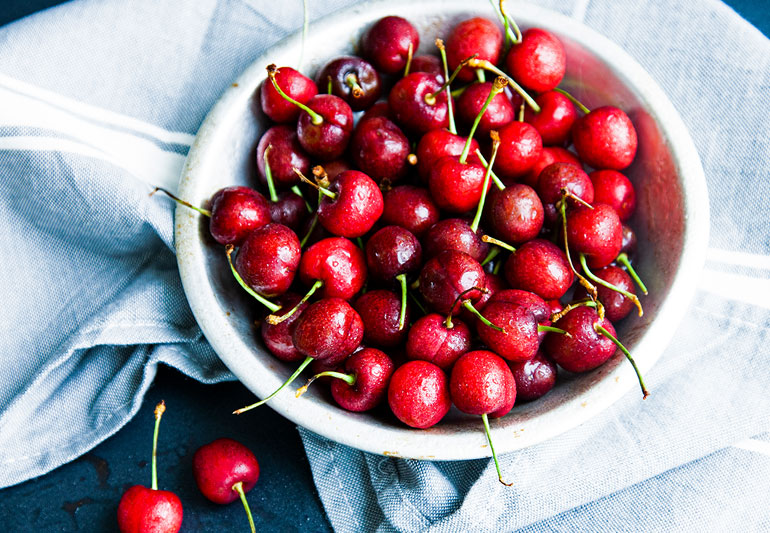
    As the Lunar New Year (Tet) approaches, cherry prices have surged, with imported varieties from New Zealand and Australia reaching nearly VND2 million (US$79.7) per kilogram, 35% higher than the same period last year.

    Despite the sharp increase, demand remains high, especially for premium varieties from New Zealand and Australia.

    At a fruit shop on Le Van Sy Street in Ho Chi Minh City’s District 3, New Zealand cherries sized 32-34 mm are priced at nearly VND2 million per kilogram, while smaller-sized cherries cost between VND900,000 and VND1 million per kilogram.

    Similarly, Australian cherries, priced in the same range, have sold out since Jan. 25, just days before the holiday.

    Chilean cherries, a more affordable option at VND200,000-250,000 per kilogram, are also being ordered in bulk. The owner of a shop on Quang Trung Street in Go Vap District reported that premium cherry varieties sold out several days ago, with prices up 20-35% compared to last year, depending on size and type.

    “Cherries are a popular Tet gift, especially the premium lines. Many customers pre-ordered weeks in advance to ensure they have stock during Tet,” the shop owner said. The nine-day New Year break begins Saturday.

    On online platforms, many shops have announced sold-out stocks, with some customers waiting 2-3 extra days for their orders due to delayed import shipments.

    Hanh, a fruit trader specializing in Australian imports, shared that Jan. 26 was the last day she accepted orders for air-shipped cherries. However, demand has been so high that traders like her have had to source from more remote markets to find fresh, high-quality goods.

    “The key to cherries is freshness. I’ve sourced the newest stock for my customers, but prices are higher,” Hanh said, noting that a 2-kg box of cherries sized 30-32 mm costs around VND1.5-1.6 million.

    Hundreds of tons of Chilean cherries have been imported by supermarkets to meet Tet shopping demand, with consumption reaching up to 80%. Supermarkets in HCMC continue to restock as the holiday, which lasts nine days until Feb. 2, draws near.

    The market currently offers cherries imported from Canada, Chile, Australia, and New Zealand in a range of sizes. Organic cherries, a limited and sought-after variety, are also available this year.

    Cherry prices have risen this year due to reduced supply and increased demand. Australian cherries sold out quickly as production in the country decreased, with many farmers scaling back planting areas.

    U.S. cherries, which typically compete with Australian and New Zealand varieties, have been out of season since late last year, further driving up prices.

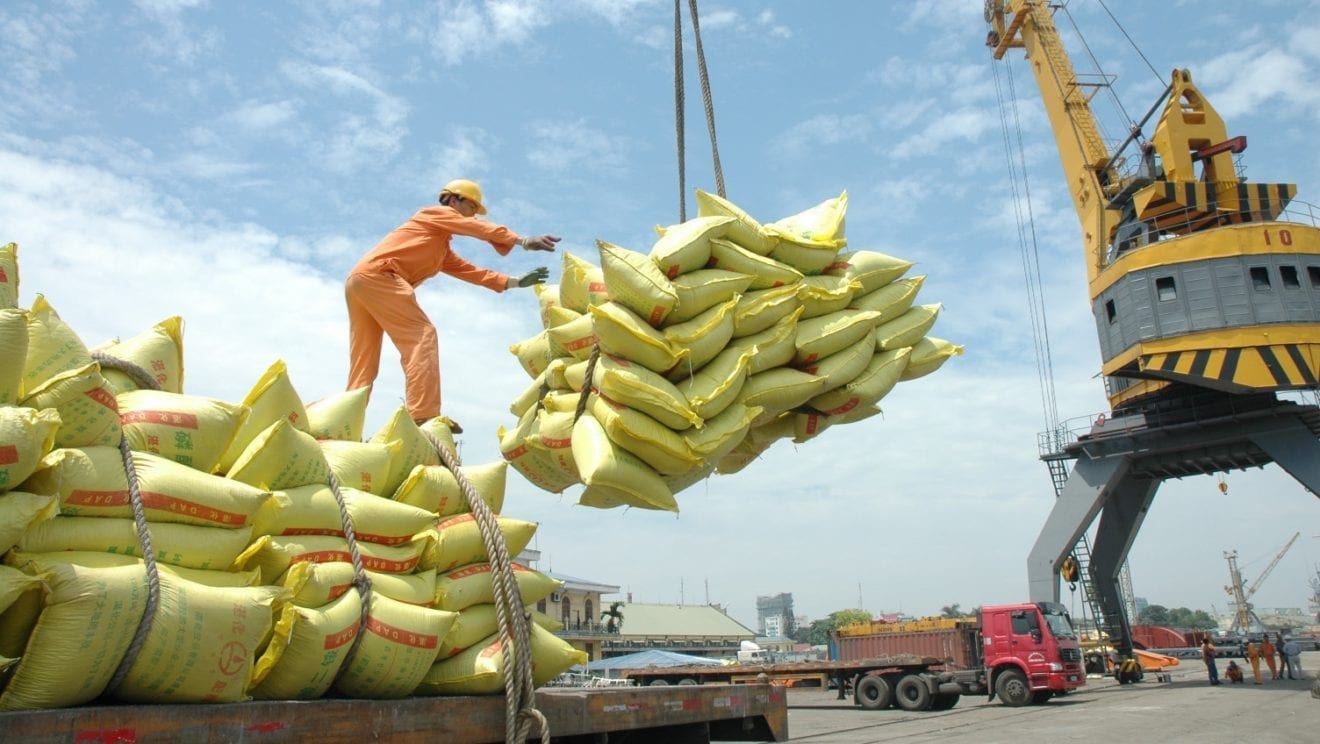
  • Rice exports grow by over 23%

    Rice exports grow by over 23%

    Vietnam’s rice exports from Jan. 1-15 reached 268,700 tons worth nearly US$165.7 million, up 38.7% in volume and 23.28% in value year-on-year, according to the Vietnam Food Association.

    However, export prices for 5% broken rice fell to $413 per ton, with 25% broken rice at $387 per ton.

    Despite the positive start, the VFA predicts a challenging year for rice exports, citing global competition and India’s return to the export market. The projected annual export volume for 2025 is 7.5 million tons, down from the record 9.04 million tons in 2024.

    In the domestic market, farmers in the Mekong Delta are facing slower demand and lower prices for rice. Key varieties like IR 50404 and OM 5451 are trading at VND5,500–5,700 (US$0.22-0.23) and VND5,800–6,000 per kilogram, respectively. The decline is attributed to ample global supply, particularly from competitors such as India and Thailand.

    Retail rice prices in An Giang are at VND15,000-22,000 per kg, depending on the variety. Meanwhile, by-products like rice bran and broken rice fetch between VND5,600–7,300 per kg.

    As of January 20, Mekong Delta provinces have sown over 1.46 million hectares of the winter-spring crop, with 85,000 hectares already harvested.

    However, erratic weather, including alternating rain and sunshine, has heightened risks of diseases such as leaf blight and pests like gall midges, particularly in provinces such as Dong Thap and Kien Giang.

    The agriculture sector advises farmers to closely monitor their fields and take preventive measures to minimize potential losses early in the season.

  • Korean sandwich brand Eggdrop lands in the Philippines

    Korean sandwich brand Eggdrop lands in the Philippines

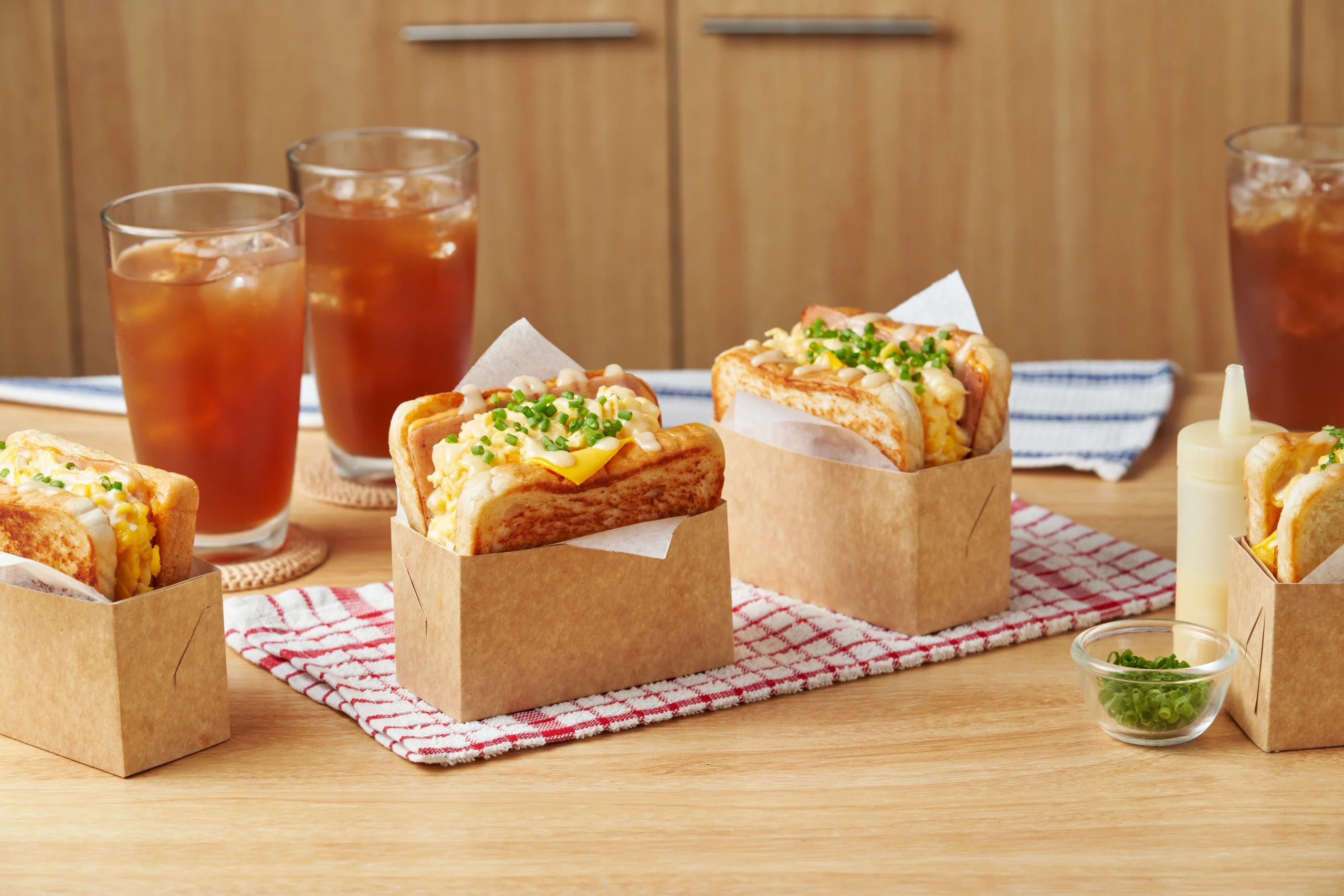
    Korean sandwich brand Eggdrop has opened its first store in the Philippines, located in the SM Mall of Asia.

    The brand is known for making egg sandwiches using brioche buns, organic eggs, and other fresh ingredients. Some of its signature offerings are Garlic Bacon Cheese, Avo Holic, and Mr Egg.

    Eggdrop said to maintain its standards; the company uses a local supply chain to guarantee freshness while supporting Filipino farmers.

    Stuart Wong, head of Eggdrop Philippines, said he was inspired by seeing Eggdrop in the Korean drama Hospital Playlist.

    “It made me want to share this experience with Filipinos,” he added.

    “The joy of taking that first bite of an Eggdrop sandwich is unforgettable.”

    The company plans to open a second store in Bonifacio Global City (BGC) early this year to advance its expansion across Asia.

  • Thailand resumes durian exports to China after temporary ban due to carcinogen detection

    Thailand resumes durian exports to China after temporary ban due to carcinogen detection

    Thailand has resumed exporting durians to China following a temporary ban due to the latter’s stricter requirement regarding Basic Yellow 2, a carcinogen.

    Itthi Sirilathayakorn, deputy minister of Thailand’s Ministry of Agriculture and Cooperatives, said exports were resumed on Monday, with 96 tons of durian worth 7.8 million baht (US$228,900) to be shipped to China on Monday and Tuesday via border channels in Nakhon Phanom and Chiang Rai.

    The shipments underwent stringent screening and certification to comply with China’s tougher import standards, The Bangkok Post quoted Itthi as saying.

    Basic Yellow 2, also known as Auramine O, is a coloring chemical typically used in fabrics, paper, leather, and house paint. It is classified as possibly carcinogenic to humans.

    Traces of the chemical were detected in some Thai durian shipments in late 2024, prompting China to enforce tougher import requirements earlier this month, including the newly added testing for the chemical.

    At the time, customs checkpoints across China were instructed to reject durian shipments lacking the lab test results certifying that the fruit was free of the chemical.

    Itthi said the ministry has since enhanced screening measures. As of Jan. 17, On January 17, six laboratories in Thailand were authorized by China customs to conduct Basic Yellow 2 testing, according to the Department of Agriculture. Four more labs are expected to be approved next week, increasing testing capacity to 1,300 samples per day.

    Some 100 durian containers from Thailand were reportedly sent back due to the increased scrutiny.

    These fruits were being sold at local markets for just 110-120 baht per kilogram, down from their initial prices of 230-240 baht, due to being overripe.

    The abrupt shift in import standards similarly left many Vietnamese businesses unable to adapt quickly, leading to delays or returns of durian shipments at the border.

    Some companies in Vietnam also had to redirect the durians to the local market, selling them at massive discounts instead of waiting for customs clearance.

    China imported 1.53 million tons of durian worth US$6.83 billion in the first 11 months of 2024, up 9.4% in volume and 3.9% in value from a year ago, according to customs data reported by Vietnam Agriculture News.

    Thailand accounted for 52% of the shipments, down from 65% a year earlier, while Vietnam’s share grew from 35% to 47% during the same period.

  • Mt Yengo Wines gains momentum with international expansion

    Mt Yengo Wines gains momentum with international expansion

    Mt Yengo Wines – Australia’s first indigenous-owned wine brand – has reported a tenfold increase in growth over the past three months, attributed to expanded retail partnerships and entry into the international market.

    The company’s expansion includes adding three new wines into Vintage Cellars and First Choice Liquor stores, part of the Coles Liquor network. These retail partnerships have introduced Mt Yengo to 93 Vintage Cellars locations and 102 First Choice Liquor stores nationwide.

    In addition to domestic retail, Mt Yengo said it has been active in the US for four years and is set to enter the Chinese market this year. The company plans to expand further globally, including Europe.

    Mt Yengo has also entered a supply agreement with Carnival Cruises, including P&O and Princess Cruises. The wines are now served on cruise ships alongside existing placements in venues such as Rockpool Sydney and Midden by Mark Olive at the Sydney Opera House.

    Wayne Quilliam, a Palawa man, artist, and co-owner, expressed his enthusiasm as the company sees its hard work pay off as it reaches more consumers.

    “Our people are proud to see an Indigenous-owned brand thriving,” Quilliam said. “We aim to celebrate our culture while offering a premium product that resonates globally.”

  • Kellogg’s launches master brand campaign for ‘healthier’ cereals

    Kellogg’s launches master brand campaign for ‘healthier’ cereals

    Kellogg’s is launching its first master brand campaign featuring its popular sub-brands, including Nutri-Grain, Coco Pops, and others.

    The ‘For Real’ campaign, in collaboration with marketing agency Bastion and comedian Celeste Barber, objects to unrealistic eating trends and misinformation promoted on social media.

    According to Kellogg’s, its new healthy cereals represent a simpler, more realistic method to get real nutrition for breakfast.

    The commercial highlights Kellogg’s latest ‘healthier’ varieties, including Nutri-Grain High Protein Crunch and multigrain Coco Pops Chocos, emphasising the brand’s commitment to providing healthier breakfast options.

    “There are so many mixed messages, myths, and mistruths about breakfast out there that people don’t know what to believe. It leaves them questioning the nutritional value of cereal,” said Bastion national chief strategy officer, Angela Morris.

    Last year, confectionary company Darrell Lea partnered with cereal and snack brand Kellogg’s to create the Darrell Lea Crunchy Nut Corn Flakes Chocolate Block, which is made from 100 per cent sustainably sourced cocoa.

  • Record number of ramen shops shutter in Japan amid rising costs

    Record number of ramen shops shutter in Japan amid rising costs

    A record number of ramen shop operators in Japan went bankrupt in 2024 as many hesitated to hike prices above 1,000 yen (US$6.4) despite surging costs.

    Some 72 of them shuttered with over 10 million yen (US$64,400) in liabilities last year, a 30% increase from 2023, Kyodo News reported, citing research firm Teikoku Databank.

    Around 34% of the 350 ramen businesses surveyed by the firm reported operating at a loss during the 2023 fiscal year, which ran from April 1, 2023, to March 31, 2024.

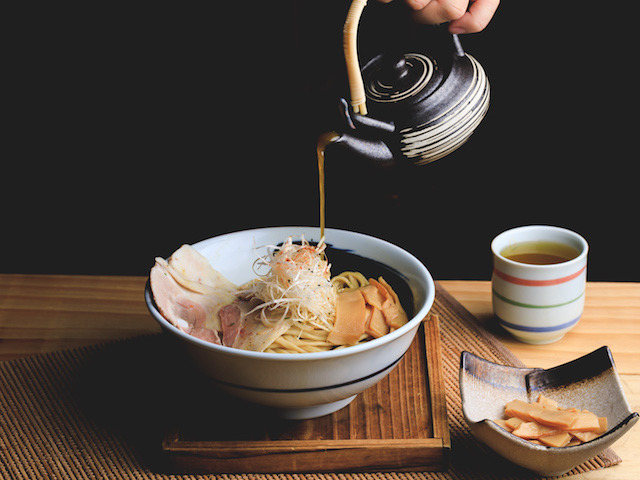
    Ramen, a beloved Japanese noodle soup, is regarded as a low-cost meal especially popular among individuals with lower income, students and young people, whether enjoyed as a quick lunch or a late-night treat.

    But the cost of making these affordable bowls of noodles has been going up, with ramen shop owners reporting that the prices of nearly every ingredient, including meat, seaweed, green onions, and even soy sauce, have increased.

    Energy costs have also been a challenge, as ramen shops need to simmer the broth for extended hours to develop its rich flavors, often requiring them to keep power running at all times.

    With over 90% of Japan’s energy supply imported, global disruptions, such as those caused by the ongoing conflict between Russia and Ukraine, have had a large impact on energy costs.

    “Not only the gas costs for cooking but electricity costs. Keeping the air conditioner on is essential, since it’s so hot in the summer. So we are using a lot of energy,” Tetsuya Kaneko, the 44-year-old owner of the Mendokoro Isshou ramen restaurant in Tokyo, told The Washington Post.

    “I think everyone in the industry is struggling,” he said, noting that the rise in prices in the last few years has been “unbelievable.”

    Despite rising costs, Teikoku Databank reported that the average price of a bowl of ramen remains below 700 yen.

    A number of ramen eateries have been raising their prices, but the average customer spending at these establishments remains lower than at other restaurants.

    The average spending per customer at ramen shops was estimated at 880 yen in 2023, as against 1,360 yen for family restaurants and 1,190 yen for conveyor belt sushi restaurants, according to Fuji Keizai, another research firm.

    However, businesses are hesitant to raise prices closer to or above 1,000 yen, a move that they believe could damage ramen’s reputation as an affordable option and potentially drive customers away.

    Some restaurants that hiked prices reported that their customers did not respond positively.

    Takatoyo Sato, 52, manager of Menkoi Dokoro Kiraku noodle shop in Tokyo’s Shimbashi business district, said customer numbers dropped after the price of shoyu ramen went up from 780 yen in 2021 to 950 yen last May. “People don’t say it, but they think it’s just ramen — that view is going to change,” he said.

    Some shop owners decided to raise prices above 1,000 yen and maintained high quality to attract returning customers, while others have relocated to suburban areas, where profitability has increased over urban locations with expensive rents.

    As for ramen enthusiasts, some have adapted to the 1,000-yen price tag.

    Yuya Henmi, a 28-year-old IT worker from Tokyo, said he would accept higher prices for tasty ramen and would even spend up to 2,000 yen for an exceptional one. “But for a normal ramen without toppings, I think 1,500 yen is the max,” he added.

    Teikoku Databank has predicted that ramen shop closures in Japan could persist this year, with smaller businesses more hesitant to adjust their menu prices than larger chains.

    Sato hopes costs do not rise any further this year as customers are not ready to accept higher prices yet.

    Meanwhile, Mendokoro Isshou’s Kaneko wants to hold on to ramen’s traditional appeal. “Ramen has always been a staple for people with lower income or students and young people so I don’t necessarily want ramen to become something out of reach for them.”

  • Paris Baguette appoints Belinda Remaczyk as UK franchise director

    Paris Baguette appoints Belinda Remaczyk as UK franchise director

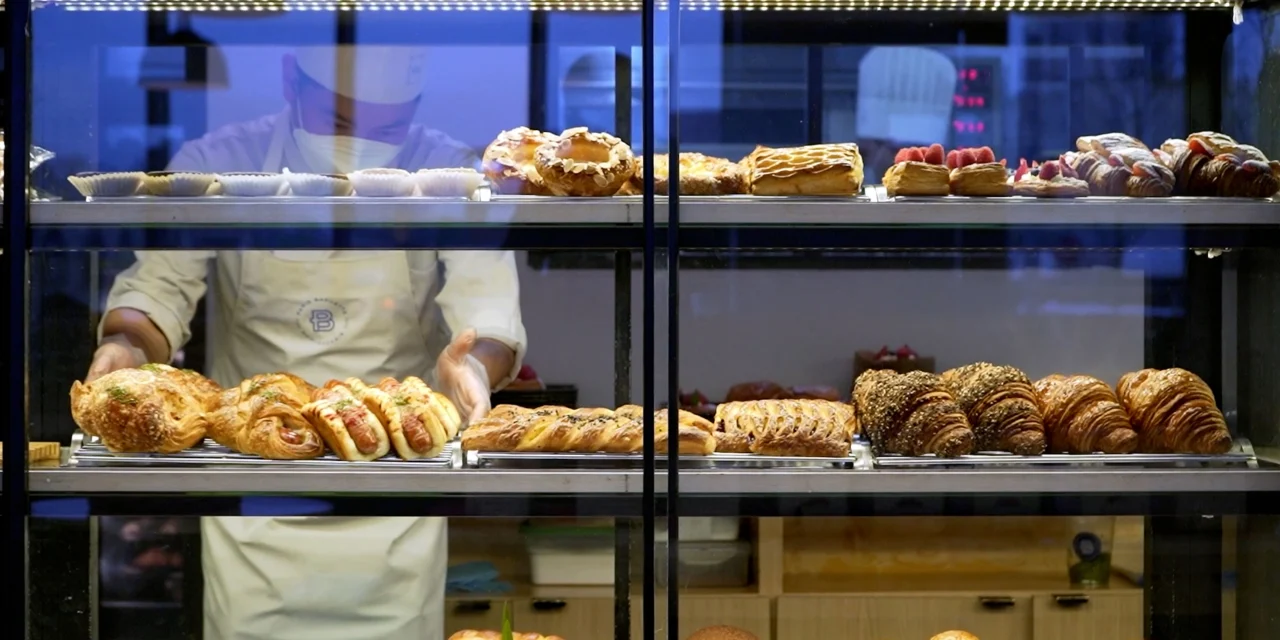
    South Korean bakery cafe Paris Baguette has named Belinda Remaczyk as franchise director for its UK arm.

    Remaczyk joined the company a month after the cafe opened its first UK store in Canary Wharf, London. She will lead franchise strategy in the country, where it currently operates three stores.

    Prior to joining Paris Baguette, Remaczyk was the head of the European franchise recruiting for Wendy’s.

    Nico Gaillot, MD of Paris Baguette UK, said Remaczyk will be pivotal in driving the brand’s growth and success.

    “Her dedication to fostering strong relationships and her passion for strategic growth make her the perfect fit for this role. We are excited to see the positive impact she will bring as we expand our footprint in the UK,” said Gaillot.

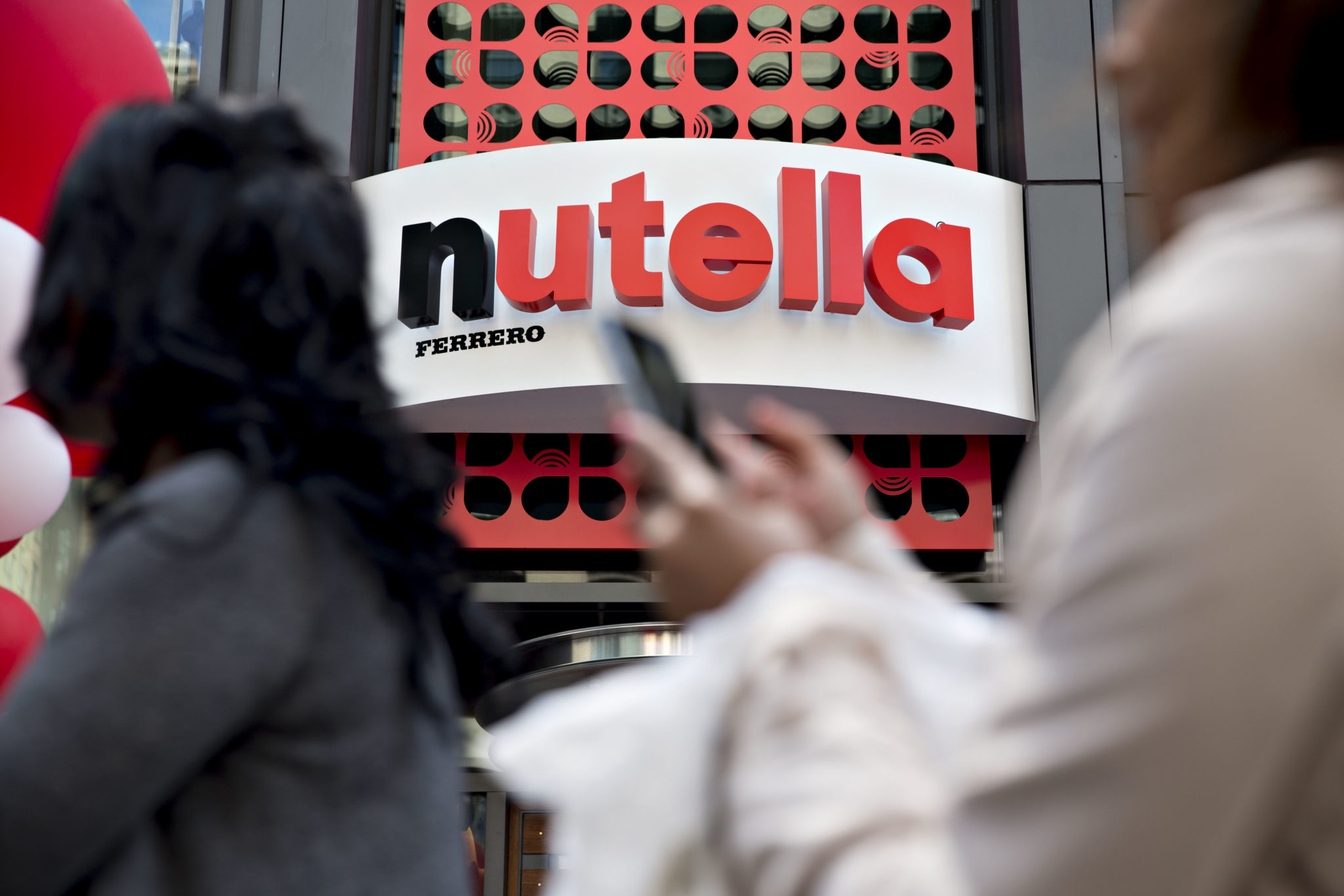
  • Ferrero launches Nutella bakery range in Australia

    Ferrero launches Nutella bakery range in Australia

    Ferrero has debuted its frozen bakery range, the Nutella Croissant and Nutella Muffin, which are now available to food service partners across Australia.

    The Nutella Croissant is a flaky, buttery pastry filled with Nutella chocolate hazelnut spread for breakfast or a sweet snack. The Nutella Muffin uses sourdough and yoghurt to create a soft texture and is filled with Nutella.

    The Nutella Bakery Range is frozen to maintain freshness, with the Nutella Muffin ready to consume after only two hours at room temperature and the Nutella croissant frozen right after rising and ready to bake straight from the freezer.

    “We are incredibly excited to introduce the Nutella Croissant and Nutella Muffin to the Australian market,” said Azzurra Puricelli, head of new business at Ferrero.

    “These products not only showcase the versatility of Nutella but also meet the growing demand for convenient, high-quality bakery items. We believe our new range will delight consumers and give our food service partners a delicious new way to serve Nutella.”

    The Nutella Croissant and Nutella Muffin are now available through Campbells Wholesale and PFD Foods.

    Ferrero Rocher launched two products for Christmas through retail chains with back limited-edition chocolates.

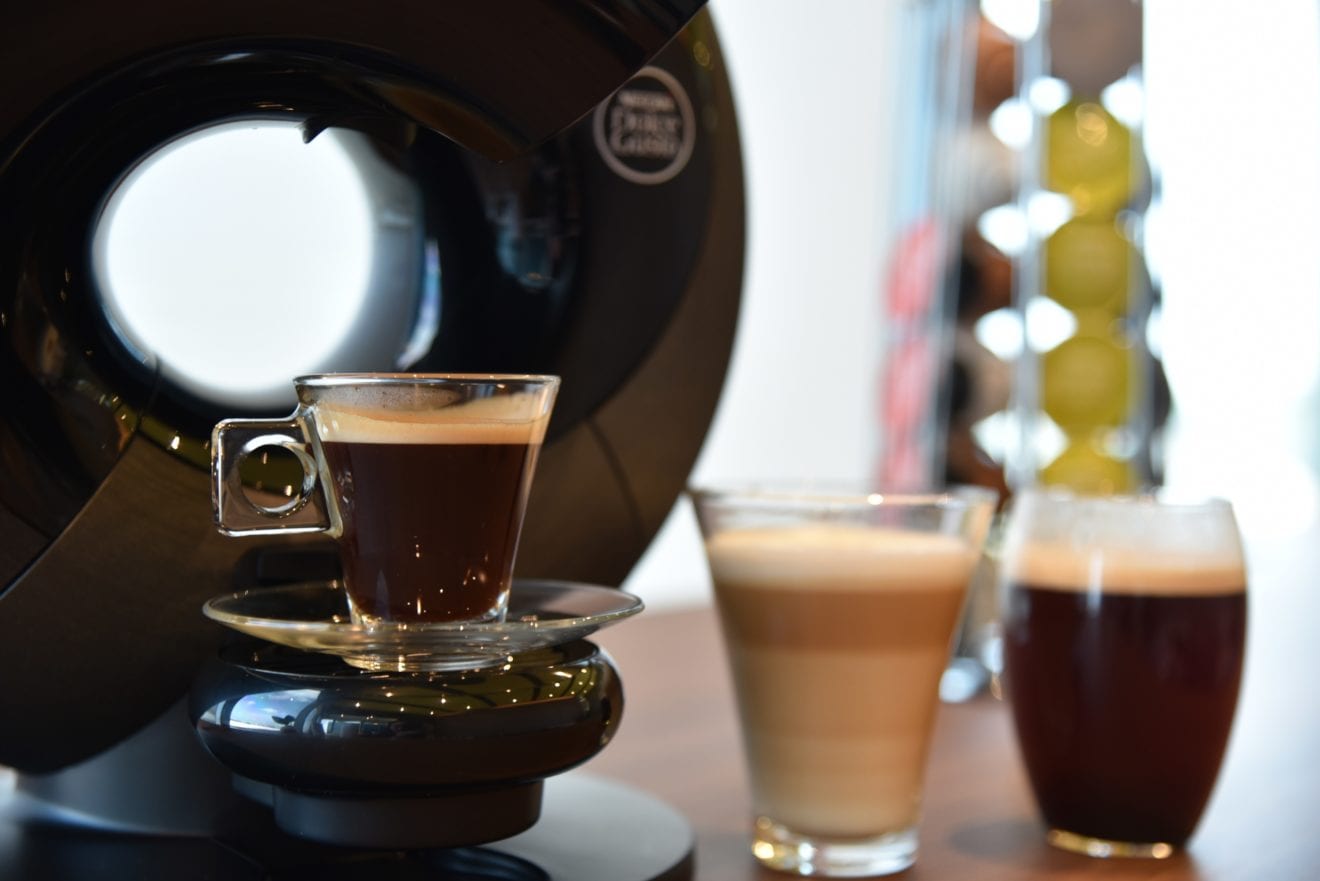
  • Nescafe USA launches coffee concentrate concept

    Nescafe USA launches coffee concentrate concept

    Nescafe USA has expanded its product range with the launch of its first-ever liquid coffee concentrate, Nescafe Espresso Concentrate.

    Made from 100 per cent Arabica beans, the coffee concentrate is available in two flavours: Black and Sweet Vanilla. It can be served over ice or mixed with milk or water.

    The Nescafe Espresso Concentrate was successfully launched last year in Australia and China.

    Felipe Acosta, the senior brand manager for Nescafe, said the new format is designed to provide consumers with an easier way to create cafe-style drinks at home.

    “While the tastes of Gen Z and millennial consumers are constantly evolving, the demand for cold, convenient, customisable, and cafe-quality coffee remains strong,” said Acosta.

    The company says two out of three youth globally regularly drink cold coffee drinks.

    “The brand’s first-ever liquid espresso empowers consumer creativity, allowing adventurous coffee lovers to make beverages in an instant – without the need for any extra machinery, all from the comfort of their own homes.”

    Nescafe Espresso Concentrate comes in a 300ml bottle – enough for about 20 cups of espresso when prepared as directed – and has an RRP of US$9.49.

  • Rice export prices drop to 4-year low

    Rice export prices drop to 4-year low

    Vietnam’s 5% broken rice price has fallen to US$434 per ton, the lowest in four years, posing challenges for businesses and farmers.

    The price of the country’s 5% broken rice is now lower than that of its major competitors such as Thailand ($479), India ($440), and Pakistan ($448) per ton, according to the Vietnam Food Association.

    Hoang, a rice farmer in Can Tho City, expressed concerns about the winter-spring rice crop, which will be harvested after Lunar New Year (Tet) that peaks on Jan 29.

    He worries that continued price declines could result in losses for his family due to high input costs.

    “The sharp fall in rice prices has made traders hesitant to sign new contracts with farmers,” Hoang said.

    “Last year, at this time, traders were placing high deposits continuously, but now, no one is asking to buy rice. Many traders have already started their Tet holiday early.”

    A leader of a rice exporting enterprise in An Giang revealed that his company is focusing on fulfilling previously signed contracts. New contracts for the first and second quarters of 2025 have been delayed.

    “Rice prices are fluctuating continuously, and enterprises are wary of potential losses if they buy rice at high prices,” he explained. “We are closely monitoring the market and actual demand to make reasonable purchasing decisions.”

    The sharp decline in Vietnam’s rice export prices is attributed to several factors, including major rice-importing countries adopting policies to reduce imports, avoid high-priced purchases, and, in some cases, even announcing plans to halt rice imports in 2025.

    A representative of the food association, said the Philippines and Indonesia, two of Vietnam’s key rice buyers, increased their imports in 2024 to secure short-term inventories for food security. As a result, they are currently not rushing to buy Vietnam’s rice and are waiting for prices to drop further.

    India’s recent decision to resume rice exports, coupled with its abundant supply and competitive pricing, has also significantly impacted the global market, including Vietnam.

    Reports revealed that the Philippines is negotiating a contract to import more rice from India.

    Private buyers in the Philippines often purchase Vietnamese rice with limited quantities because of financial balance, capital turnover or bank debt repayment, further cooling down the market.

    In the coming time, as the 2024–2025 winter-spring crop reaches its peak harvest, rice prices are expected to face further downward pressure.

    According to the U.S. Department of Agriculture, global rice supply is expected to increase significantly this year, with production projected to hit a record high of over 530 million tons, up 3.1 million tons from the previous forecast.

    The rise in supply is largely attributed to India lifting its ban on non-Basmati white rice exports and expecting to export 21–22 million tons of rice in 2025, an increase of 5 million tons compared to 2024.

    In addition to India, other countries such as Egypt, Guyana, Japan, and Venezuela are also contributing to the increased production. However, the Philippines stands out as an exception, with its output forecast to decline.

    To maintain and expand market share, rice-exporting countries will need to adopt flexible market access strategies, focus on improving product quality, and explore new markets.

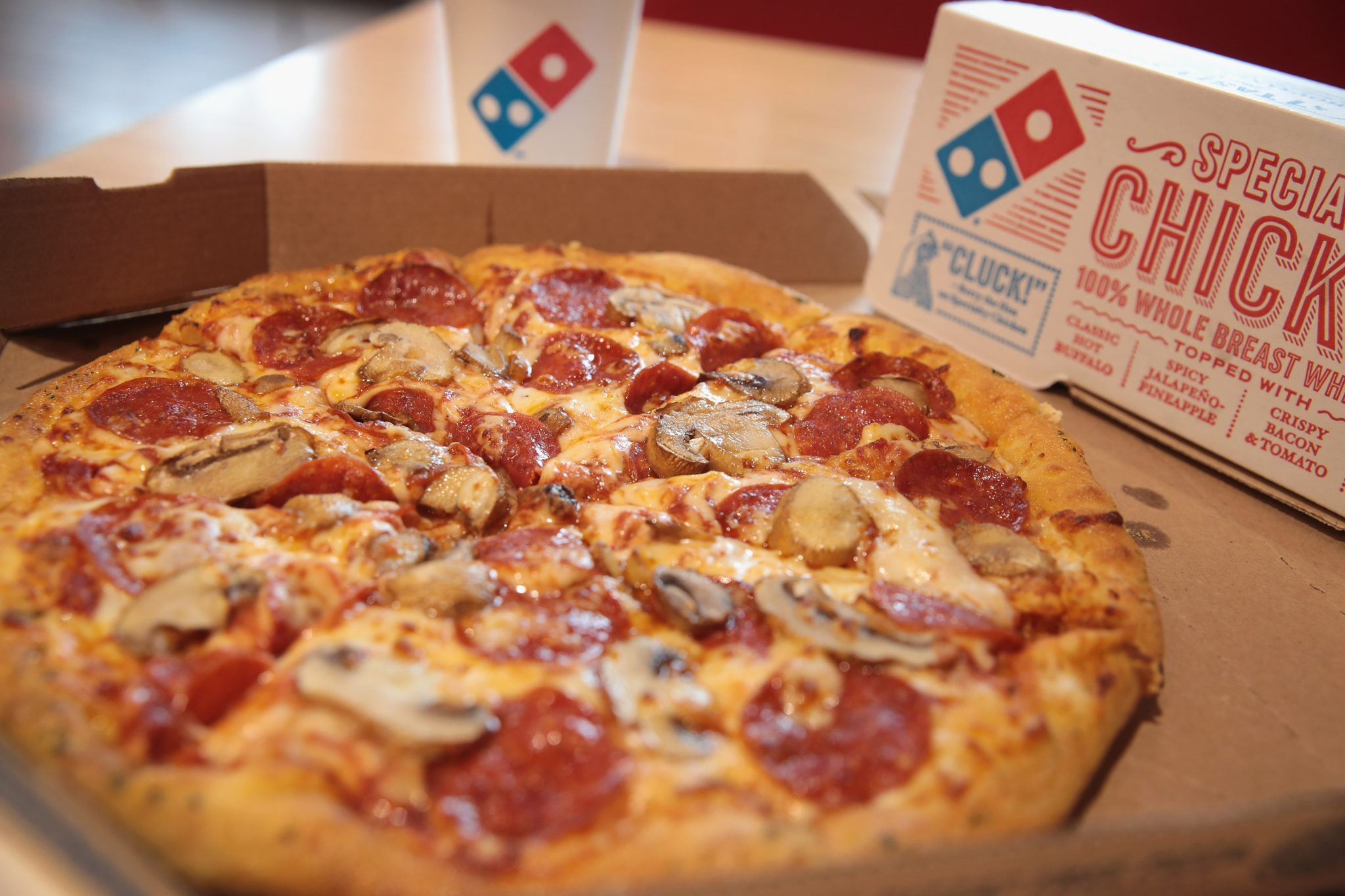
  • Domino’s Pizza China crosses 1000-store milestone, eyes 300 more this year

    Domino’s Pizza China crosses 1000-store milestone, eyes 300 more this year

    Domino’s Pizza China (DPC Dash) plans to open about 300 new locations this year after its store count reached 1000 late last year.

    The company opened its 1000th store in Chengdu in November. As of December 31, it raised its network to 1008 and became Domino’s third-largest international market by store count.

    DPC Dash recorded 240 net new stores last year, meeting its annual target as part of the “Go Deeper, Go Broader” strategy. In 2025 and 2026, the chain plans to open approximately 300 and 350 new stores, respectively.

    Store performance was also encouraging, with same-store sales growth remaining positive in the fourth quarter. This also marked the 30th consecutive quarter of positive comparables since the current management took over in 2017.

    Loyalty program members reached 24.5 million and 11.7 million new customers were recorded last year.

    In terms of product innovation, the company said it had launched a series of new dishes and will introduce several more this year.

    Looking ahead, DPC Dash said it will continue to advance its expansion plans and improve operational efficiency for sustainable development. The firm also aims to provide consumers with higher-quality products and services and create long-term value for shareholders.

    DPC Dash is Domino’s Pizza’s exclusive master franchisee in Mainland China, Hong Kong, and Macau.

  • Growing demand for durian ignites culinary boom in China

    Growing demand for durian ignites culinary boom in China

    Durian-themed restaurants, ranging from buffets and hotpots to drinks and desserts, have been mushrooming in Chinese cities as the durian craze extends beyond just fresh fruit.

    The catering industry in China is jumping on the durian bandwagon, offering “everything + durian” promotions to cash in on the fruit’s growing popularity among young consumers.

    A restaurant in Shenzhen, China’s Guangdong Province, has gone viral with a buffet offering over 200 durian-inspired dishes, from porridge to pancakes and cakes, for 199 yuan (US$27.26) per person

    Su Yuru, a white-collar worker in Shenzhen, said durians are sweet and filling, making it difficult to eat 199 yuan’s worth. “But my friends and I are eager to try.”

    “I often buy a durian to share with my family on weekends, usually priced at about 150 yuan, and durian is also a regular at local companies’ afternoon teas and annual parties for their employees.”

    Topics related to durian-themed food, like “durian barbecue” and “durian buffet,” have racked up over 1.24 billion views on Douyin, as TikTok is known in China.

    Despite the middle class tightening their belts, their craving for durian has increased, extending beyond fresh fruit to include durian-infused food and beverages.

    Sales of durian-flavored cakes by Guangxi Xuan Ma Food, a producer of packaged snacks and baked goods, surged from 800,000 yuan in 2019, when they were launched, to over 10 million yuan in 2023.

    The fruit has even become a trendy addition to milk tea, a popular beverage in China.

    “Milk tea with durian pulp is our hottest-selling product,” Jariya Unthong, the Thai owner of a street stall selling Thai milk tea in Nanning, the capital of the Guangxi region.

    Hotpots and chicken soups featuring durian introduced by upscale restaurants in the region have also gained widespread popularity.

    To satisfy its growing appetite for the fruit, China, the world’s largest durian consumer, has been ramping up imports, mostly from a host of Southeast Asian suppliers.

    The market purchased 1.38 million tons of durians for $6.2 billion in the first nine months of 2024, up 11% in volume and a 5.6% rise in value from a year ago, which cited Chinese customs data.

    Of these, Thailand accounted for nearly 755,000 tons, or 54.7%, of the fruit worth $3.73 billion while Vietnam shipped 618,000 tons worth $2.45 billion.

    While Thailand pulled ahead, its figures marked year-on-year declines of 14.1% in volume and 13.3% in value, while Vietnam’s rose 72.2% in volume and 57.3% in value.

    To boost its competitiveness, Thailand’s Digital Economy Promotion Agency launched project One Tambon, One Digital in November that aims to enhance durian farmers’ productivity, strengthen consumer trust in Thai durians, and promote high-value products on a global scale, particularly amid competition from China and nearby nations.

    China also imports fresh durians from Malaysia and the Philippines, though in relatively small volumes. The Philippines supplied 6,260 tons in the first three quarters, while Malaysia shipped 215 tons valued at $3.65 million between June, when it received approval for fresh durian exports, and September.

    But even as current suppliers make efforts to boost durian shipments, the Chinese market still has plenty of room for growth as, according to a report by Beijing-based consultancy Guanyan Tianxia, less than one in 100 Chinese people has tasted durian.

    The untapped potential is drawing new players into the market, including Indonesia, which has been traditionally exporting the fruit as paste to China.

    The country is ramping up efforts to ship fresh durians to China, its coordinating minister for food affairs, Zulkifli Hasan, said last month.

    Laos, whose durian industry has only been gaining traction recently, is also vying for a share of the Chinese durian market, Nikkei Asia reported in late October.

    Bounchanh Kombounyasith, director general of the country’s Department of Agriculture, said market access documents were being prepared and Lao durians will soon be exported to China.

  • Pizza 4P’s launches in Indonesia

    Pizza 4P’s launches in Indonesia

    After entering Japan last year, Vietnam-based chain Pizza 4P’s has opened its first location in Indonesia, accelerating the brand’s international expansion.

    The store, located in Jakarta’s Mori Tower, features nature-friendly materials including handwoven water hyacinth wallpaper, indigo-dyed handwoven cotton cushions and terrazzo flooring embedded with seashells.

    According to Masuko Yosuke, Pizza 4Ps’ founder and CEO, the company also collaborates with a local Jakarta bakery to impart its culture of making sourdough dough.

    “Our Jakarta store is built around the theme of “Biodiversity”, honouring the rich natural diversity of Indonesia,” said Yosuke.

    “From the interior design to the menu, every aspect reflects this theme, aiming to create a space where you can feel the interconnectedness of all living things—a sense of Oneness.”

    Pizza 4P’s, headquartered in Ho Chi Minh City, was founded in 2011 by Japanese couple Yosuke and Sanae Masuko as a single restaurant selling wood-fired gourmet pizzas.

    The chain quickly established a cult following among expats and locals, and by the time Mekong Capital invested in 2018, it had expanded to eight locations.