Retail News CRM

Category: Retail TV

Retail News Asia is committed to providing both local and global retailers with the latest TV Interviews throughout the Asian market. This on a daily base.

  • Japanese restaurant chain Pepper Lunch to launch in Mongolia

    Japanese restaurant chain Pepper Lunch to launch in Mongolia

    Japanese restaurant chain Pepper Lunch plans to open its first store in Mongolia next year, as part of its global expansion strategy.

    The brand has signed a franchise deal with local distributor Bluemon Group, making Mongolia its 17th country.

    “We signed a master franchise agreement with our Mongolian franchise partner yesterday,” Yuto Tago, global CEO of Pepper Lunch wrote on his LinkedIn account.

    “I cannot wait to see the first restaurant opening next year!”

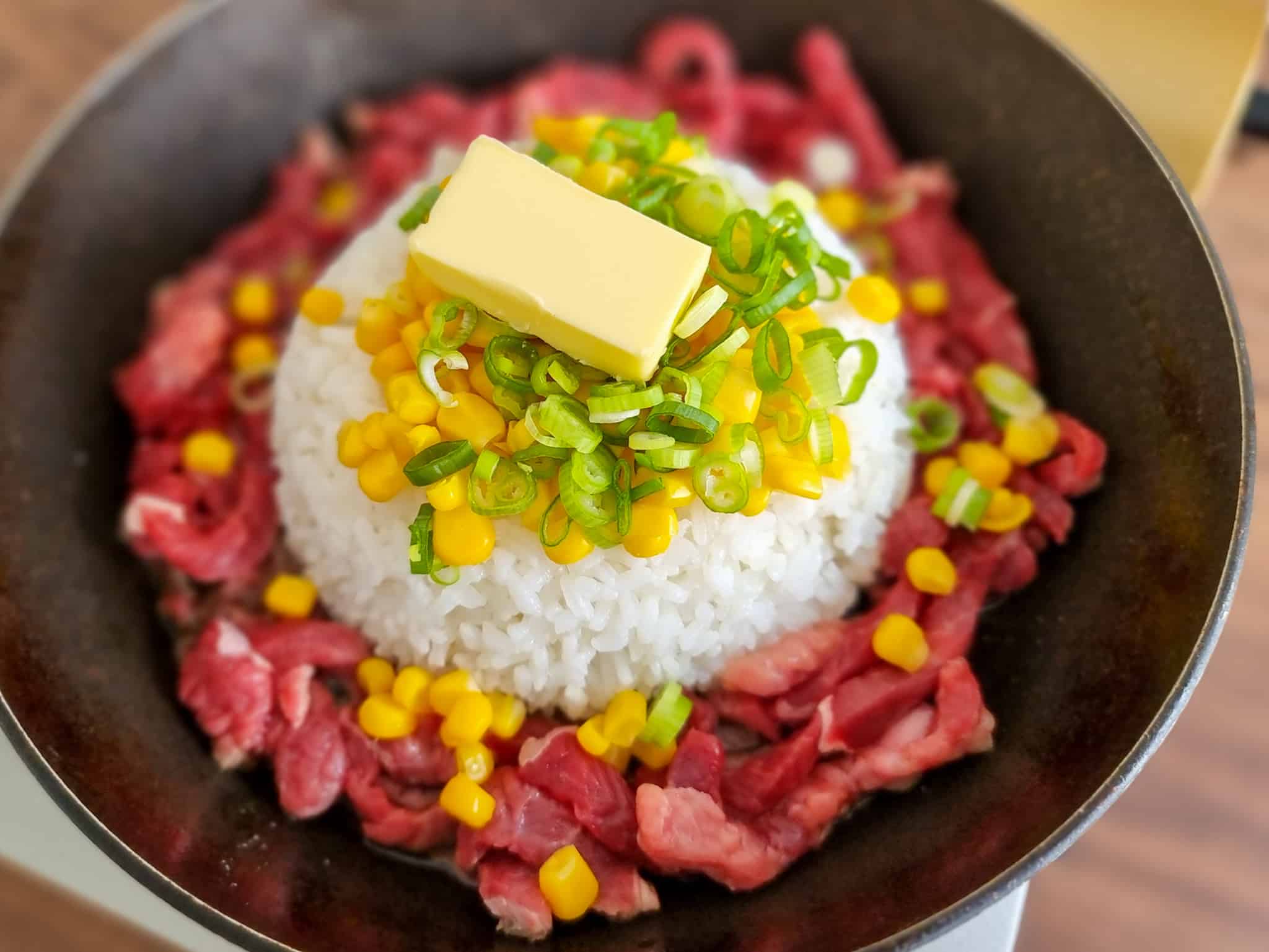
    Pepper Lunch is a DIY casual eating concept with more than 400 locations around Japan, Asia, and Australia. Founded by a trained chef, Kunio Ichinose, the restaurant focuses on premium steaks, pasta, and cheese curry rice.

    Pepper Food Service sold the Pepper Lunch franchise to J-Star Investment Fund for US$79 million in 2020.

  • Vietnam’s coconut industry eyes billion-dollar markets

    Vietnam’s coconut industry eyes billion-dollar markets

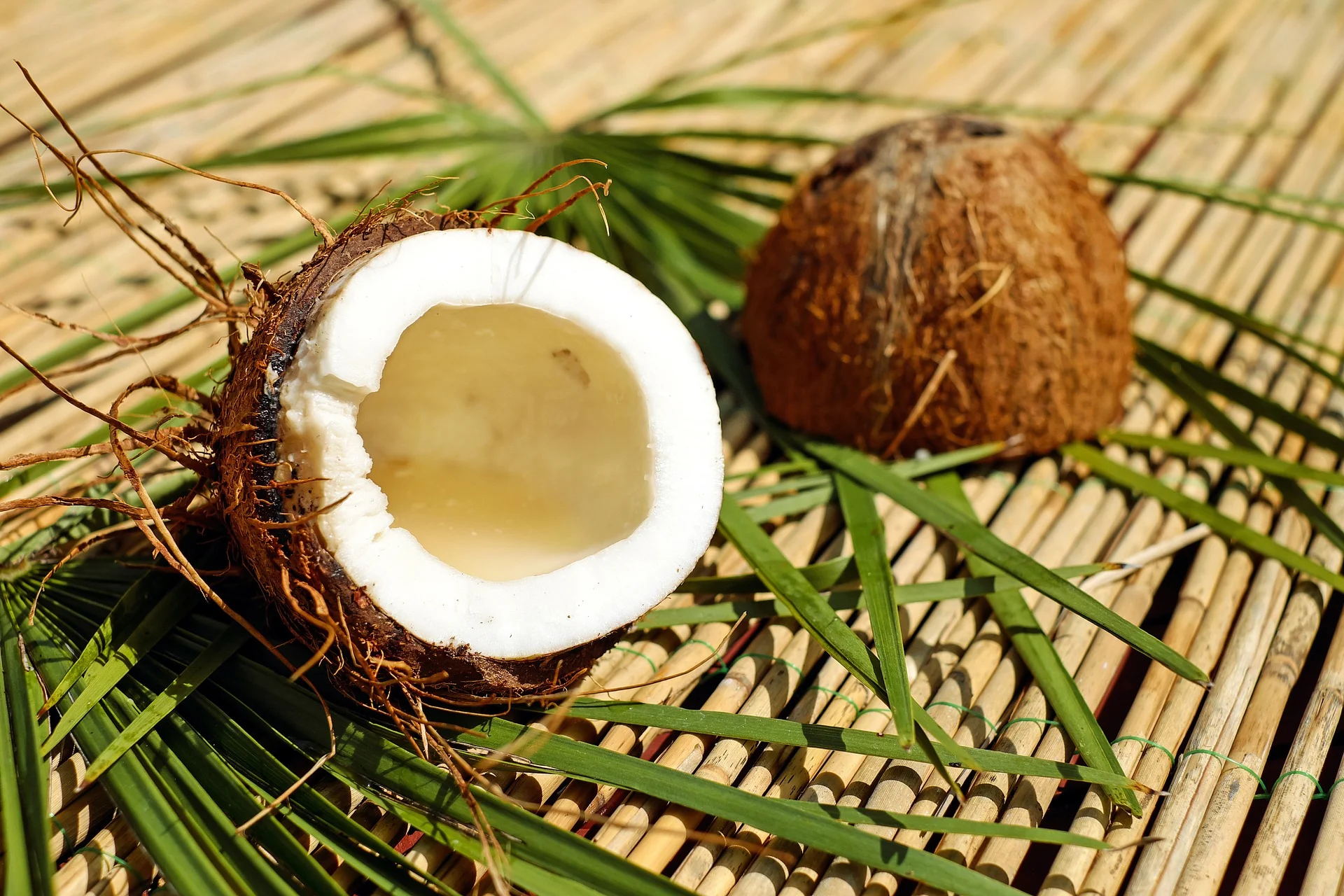
    Coconut has emerged as a key economic driver for the Mekong Delta and south-central coastal regions as it gains entry into billion-dollar markets such as the U.S. and China.

    According to the Ministry of Agriculture and Rural Development, Vietnam currently boasts over 200,000 hectares of coconut cultivation. Coconut is now one of the six key crops included in the national program for industrial crop development by 2030. From generating US$180 million in export revenue in 2010, coconut exports reached $900 million in 2023, and the sector is expected to surpass the billion-dollar mark in 2024. With this trajectory, the ministry aims to enhance the scale and quality of the coconut industry for further global expansion.

    On the global map of coconut production and exports, Vietnam ranks sixth among the top ten coconut-producing countries, with an annual output of nearly 2 million tons. The country’s coconut quality and yield place it among the global leaders, with coconut meat making up 35% and coconut water 27%, both surpassing the global average by 5%. Dr. Tran Thi My Hanh, from the Southern Horticultural Research Institute (SOFRI), highlighted these exceptional figures.

    In terms of coconut cultivation, the Mekong Delta province of Ben Tre is the largest producer, with over 80,000 hectares dedicated to the crop. Huynh Quang Duc, Deputy Director of the Ben Tre Department of Agriculture and Rural Development, noted that the province is the coconut capital of the nation, accounting for 42% of Vietnam’s total coconut area. Coconut farming is a vital source of income for over 200,000 rural households in the province. In recent years, many farmers have switched from less profitable rice farming to coconut cultivation, boosting incomes and providing a sustainable livelihood. Ben Tre’s coconut products are expected to generate $500 million in export revenue in 2024, contributing over 50% of the nation’s total coconut export value.

    The Chinese market is seen as a significant opportunity for Vietnamese coconuts. China, with its large population, has a high demand for coconut-based products, including fresh coconuts, coconut water, coconut oil, and processed coconut products. With its proximity to Vietnam, the country enjoys a competitive advantage in shipping costs compared to Southeast Asian and African competitors. Additionally, free trade agreements between ASEAN and China have facilitated easier access to this lucrative market. Vietnam’s large coconut production capacity, particularly from Ben Tre and the Mekong Delta, ensures a stable supply for China.

    It is estimated that China consumes around 4 billion coconuts annually, with approximately 2.6 billion being fresh. Despite the high demand, China’s domestic production is insufficient, presenting an opportunity for Vietnam’s coconut exports to fill this gap.

    Maximizing the value of coconut

    While the Vietnamese coconut sector has several advantages, experts in the coconut processing industry warn that strict management of production and exports is crucial to sustaining growth. Nguyen Phong Phu, technical director of Vina T&T Group, emphasized that the approval of Vietnam’s fresh coconut exports to China has opened up significant economic opportunities. However, to maintain this success, both government authorities and producers must work together to manage production standards and combat fraudulent practices. The government must implement digital systems for managing export regions and enforce strict penalties against fraudulent activities to protect the reputation of Vietnamese coconut products.

    Coconuts offer high economic value not only through the export of fresh fruits to markets like the US, Australia, and China, but also through by-products such as coir, activated carbon, and coconut-based handicrafts. Nguyen Thi Kim Thanh, chairwoman of the Vietnam Coconut Association, pointed out that of the 200,000 hectares of coconut plantations across the country, 120,000 are dedicated to the processing industry. To increase coconut value, Vietnam must invest in quality coconut varieties while also focusing on maintaining a strong processing industry.

    Currently, Vietnam is emerging as a supplier of raw coconut materials to global processing markets. However, infrastructure improvements are needed in rural coconut-growing areas to reduce intermediaries and shorten the supply chain. This would allow farmers to access the market more directly, enhancing their income and creating incentives to continue growing coconuts.

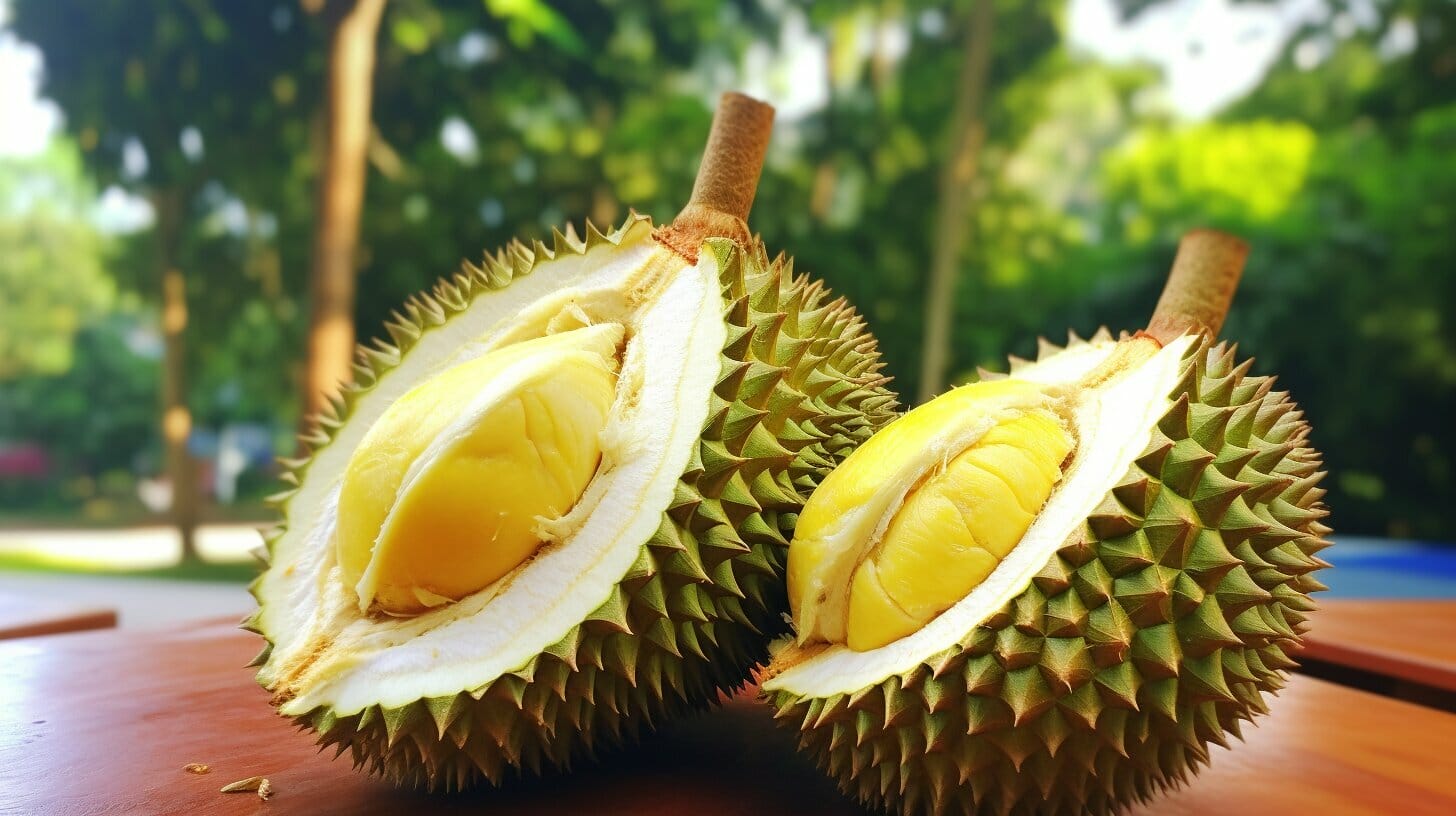
  • Durian exports surge by 44% to $3.1B

    Durian exports surge by 44% to $3.1B

    Durian exports in the first 11 months of this year fetched US$3.1 billion, 44% up from a year earlier, customs data shows.

    China was the biggest market, accounting for $2.8 billion, or 90% of all exports, a 43% year-on-year increase.

    Thailand followed with $177 million, up 82%, while Hong Kong and Japan stepped up purchases by 16% and 85%. Shipments to Cambodia rose by 139 times to $3 million.

    Dang Phuc Nguyen, general secretary of the Vietnam Fruit and Vegetable Association, said 2024 has been a bumper year for exports, especially of durian.

    The association estimated fruit and vegetable exports would hit $7.1 billion for the year, up 27% from 2023, with durian accounting for half the value.

    Durian exports are expected to rise next year as Vietnam begins to ship durian pulp and puree to China.

    These products will bring more value than fresh durian, helping farmers make use of fruits that meet quality standards but are misshapen.

    Vietnam has around 154,000 hectares under durian and produces 1.2 million tons of the fruit annually.

    Exports of other fruits such as banana, jackfruit, mango, and coconut have also seen year-on-year increases of 20-400% in the first 11 months.

  • Nestle launches protein shots for US weight-loss drug users

    Nestle launches protein shots for US weight-loss drug users

    Nestle is launching protein shots in the United States which it says help suppress appetite for people looking to shed pounds, the latest effort by the world’s biggest packaged food maker to tap the booming market for weight-loss products.

    The manufacturer of Kit Kat chocolate bars and Nesquik shakes says its drink sparks a natural reaction in the body which is similar to, but far less powerful than, highly in-demand drugs for weight loss like Novo Nordisk’s Wegovy and Eli Lilly’s Zepbound.

    The weekly weight-loss injections mimic an intestinal hormone called GLP-1 and curb people’s appetite, promoting a feeling of fullness.

    The shake, called Boost Pre-Meal Hunger Support, is to be consumed up to 30 minutes before a meal and is aimed at people taking GLP-1 drugs or other weight-loss medications. The roll-out started last month.

    “You get an increase in natural GLP-1 which helps in controlling the feeling of hunger. So this dose has a significant effect on satiety,” Stefan Palzer, chief technology officer at Nestle, told Reuters.

    The shots, sold for US$10.99 for a pack of four on Amazon.com and at some CVS stores, contain 10 grams of whey protein, 45 calories, 1 gram of sugar, and are fat-free. They are advertised as promoting a “Natural GLP-1 response to a meal.”

    Palzer said they could also help people maintain their reduced weight.

    Lora Heisler, chair in human nutrition and director of research at the Rowett Institute, said it was unclear if the shot could make a real long-term difference for people trying to lose weight.

    “I believe that this protein shot can help release a bit more GLP-1, but you can also possibly have a similar sort of release with a glass of milk,” she said.

    Earlier this year, Nestle started selling a new, $5 line of frozen pizzas and protein-enriched pastas in the United States designed for people taking weight-loss drugs.

    Analysts estimate the obesity drug market could be worth as much as $150 billion per year globally within a decade.

    When US retail giant Walmart said last year it saw a slight pullback in food consumption when people took the medication, it sparked a selloff in shares of companies including Nestle.

    The shot, whose formula Nestle has patented, is not intended to replace weight loss drugs and is less powerful than them, Palzer said.

    Nestle says the product is based on a mix of peptides which are digested quickly, giving the consumer an amino acid spike that then controls hunger.

    Whey protein micro-gels help people digest more slowly, meaning they interact much longer with receptors in the intestine that are releasing the GLP-1 hormone.

    In 2021, Nestle said 26 people with type-2 diabetes participated in a randomised study, consuming either a low-dose whey protein microgel or a placebo of water, followed by a meal designed to produce an adequate spike in glucose.

    One week into the study, participants who had been taking the whey protein were given the placebo, and those who had been taking the placebo were given the whey protein.

    Results showed that during the two hours after the meal, glucose levels were reduced by 22 percent in the whey-protein group compared with the placebo group. There was also a positive effect on the hormone GLP-1.
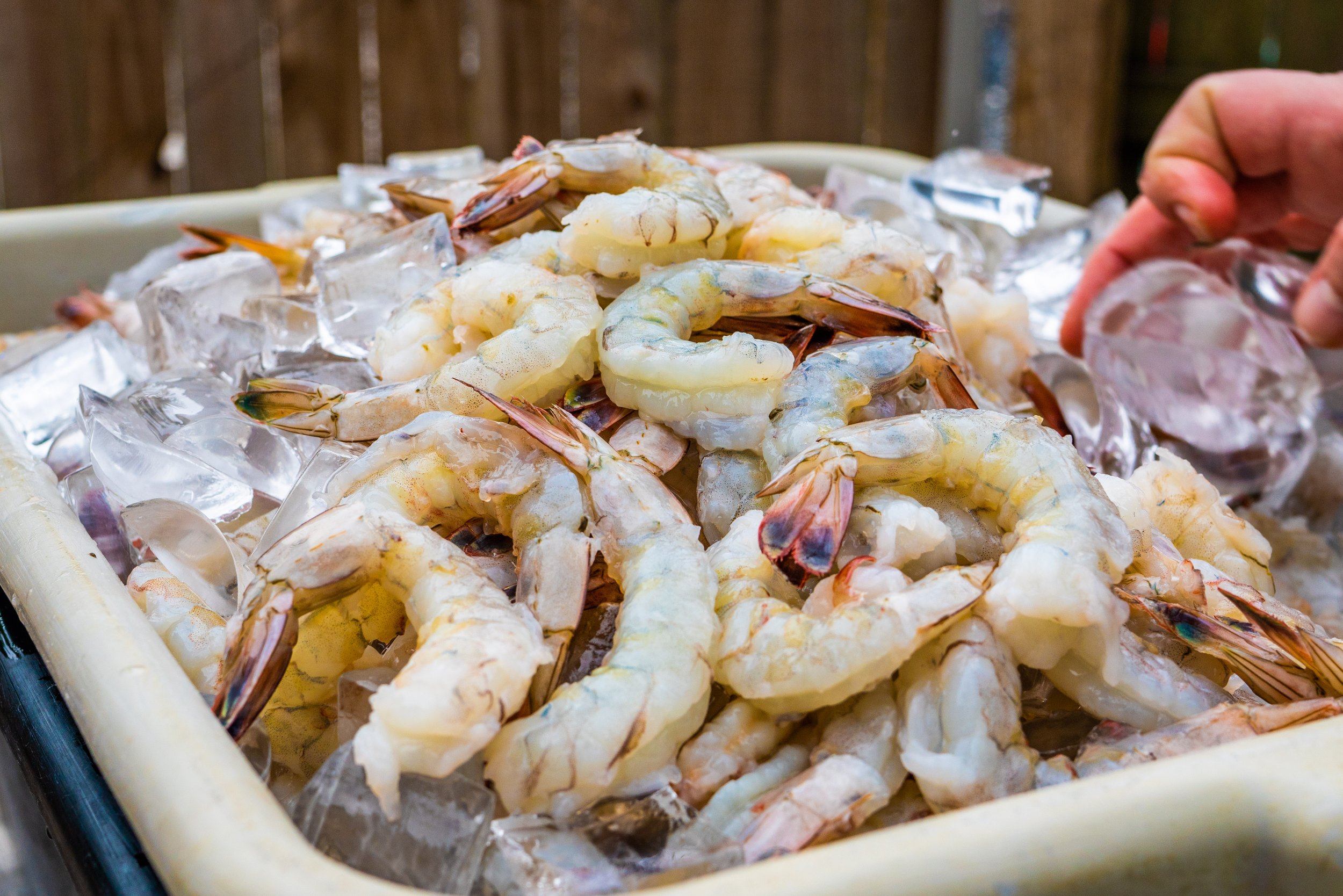
  • Shrimp exports expected to hit $4B in 2024

    Shrimp exports expected to hit $4B in 2024

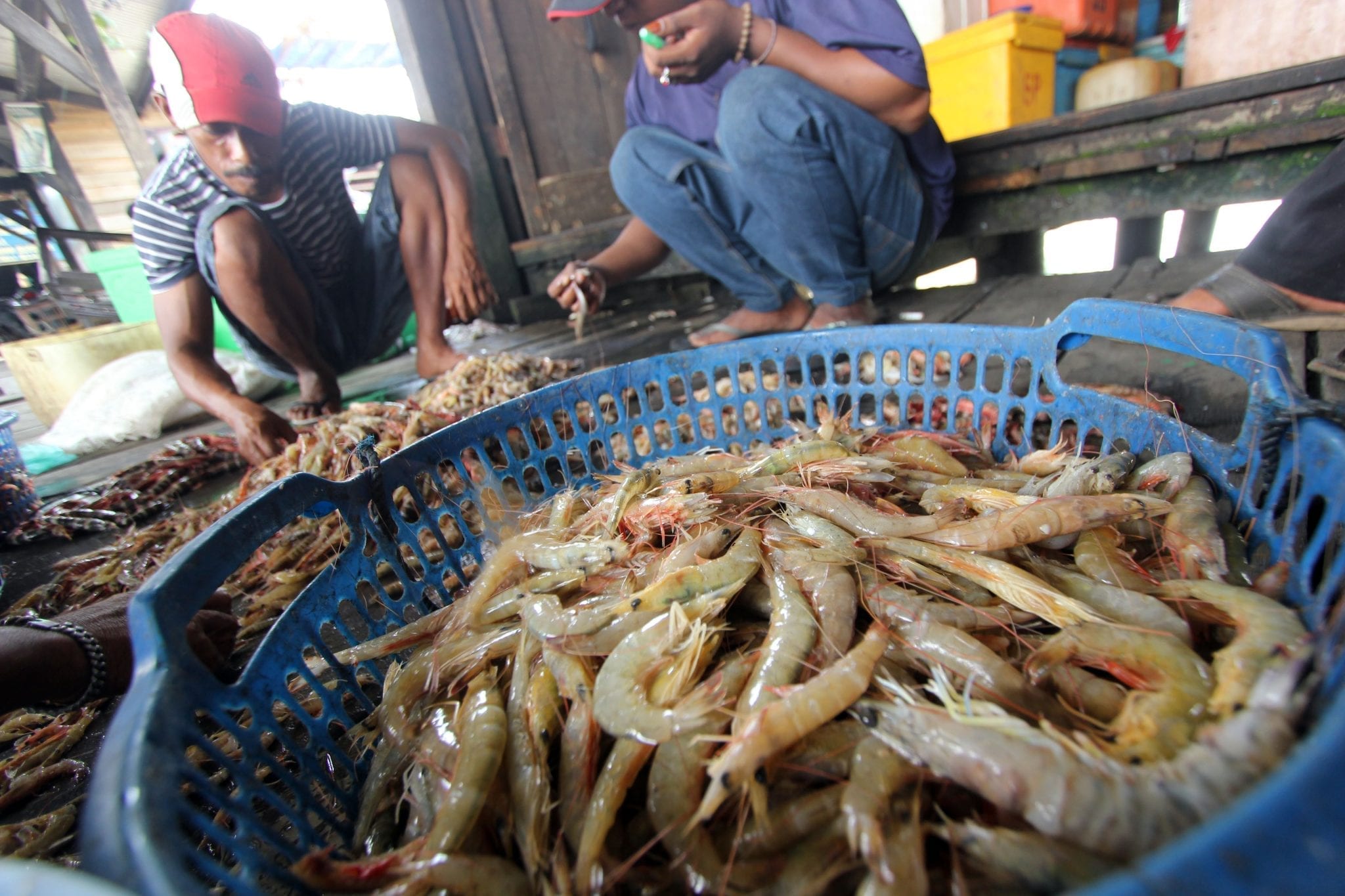
    With double-digit growth in key markets, Vietnam’s shrimp exports are projected to rake in $4 billion in 2024, according to insiders.

    While this figure is lower than the record of $4.3 billion achieved in 2022, it marks a strong recovery compared to 2023, when shrimp exports totalled only $3.4 billion. This recovery highlights the resilience of the shrimp industry as it continues to regain momentum.Vietnam’s shrimp exports showed impressive growth in the first 11 months of 2024, reaching nearly $3.6 billion, a 22% increase compared to the same period last year.

    According to the Vietnam Association of Seafood Exporters and Producers (VASEP), the shrimp sector is performing well in several key markets. Exports to both US and European Union have shown consistent growth, while China’s recent policies to stimulate domestic consumption could further drive demand for Vietnamese shrimp.

    Along with an uptrend in shrimp export prices, the processed shrimp sector is growing rapidly, marking a shift towards higher value-added products.

    However, experts held that the Vietnamese shrimp industry faces significant challenges that need to be addressed to ensure sustainable growth.

    Tran Dinh Luan, Director of the Fisheries Department under the Ministry of Agriculture and Rural Development, stressed that, to compete on the international market, Vietnam must improve shrimp quality and reduce production costs. Key issues include enhancing the quality of shrimplets, managing breeding cycles, controlling diseases, lowering production costs, and accurately forecasting the consumption patterns of importing markets. Addressing these challenges is vital to improving the shrimp value chain and boosting farmers’ incomes.

    Meanwhile, diseases on shrimps are considered a threat to the production and quality of shrimp products, he said.

    Phan Thanh Lam at the Research Institute for Aquaculture No. 2 noted that upgrading the shrimp industry’s value chain is a significant challenge, noting the industry’s poor linkages between production and consumption, and small scale of the majority of shrimp producers.

    Tran Ngoc Hai at the Can Tho University highlighted the importance of adopting high-tech, environmentally friendly shrimp farming practices that are resilient to climate change. The industry must also focus on meeting international standards and linking production across the value chain to better serve market demands.

    Despite environmental, disease, and production challenges, Luan highlighted that Vietnamese shrimp businesses have introduced many innovative solutions, such as applying new technologies and improving infrastructure. These efforts are helping to reduce emissions, extend the value

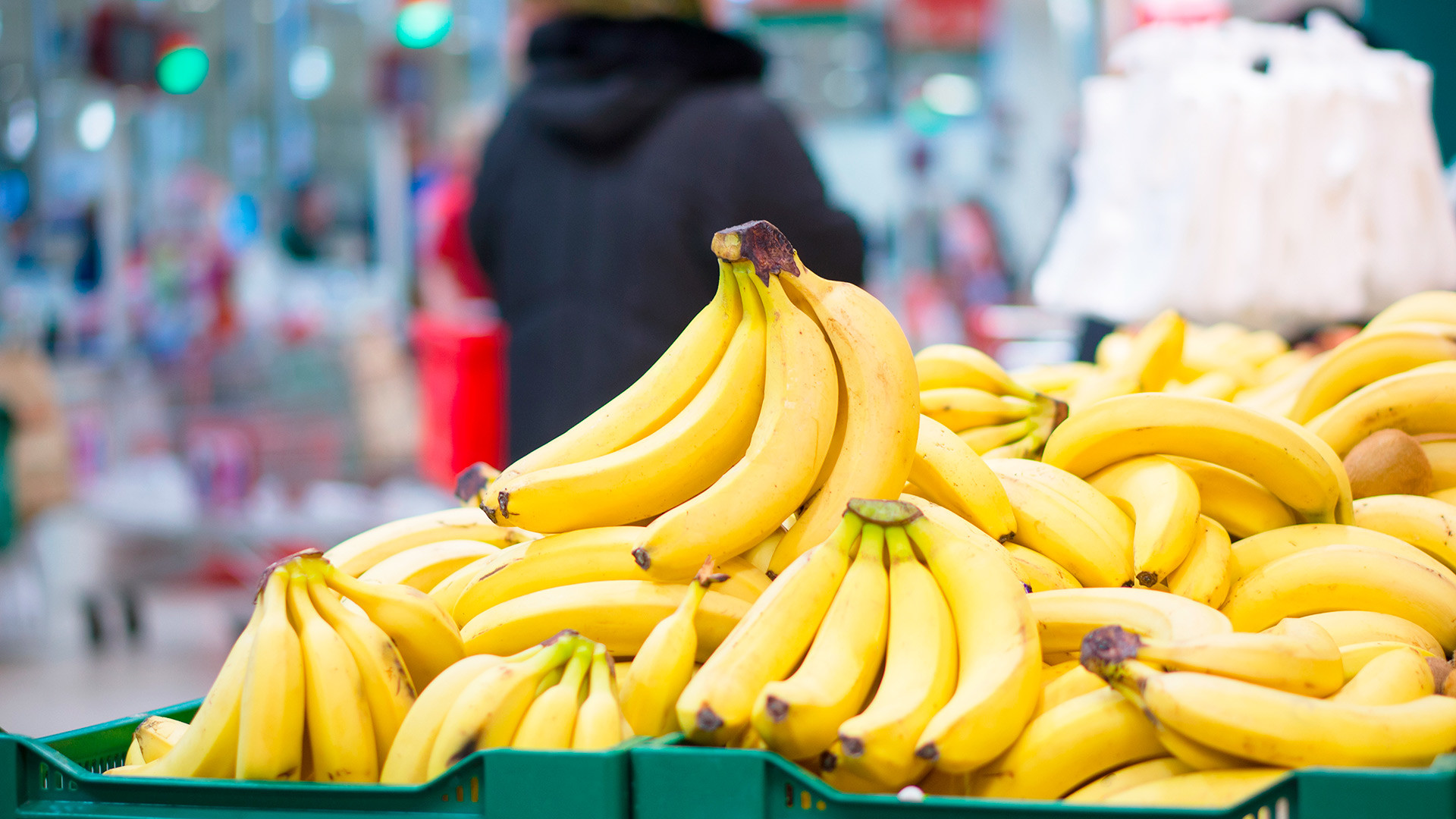
  • Vietnam becomes top banana supplier to China

    Vietnam becomes top banana supplier to China

    Vietnam has surpassed the Philippines to become the largest banana supplier to China with a 40.7% market share in the first eight months.

    China increased its imports from Vietnam by 19.6%, according to data from its customs department, while cutting its imports from the Philippines by 39.2%. Unfavorable weather and diseases reduced the Philippines’ banana output this year and pushed up prices, according to its Ministry of Industry and Trade.

    This allowed Vietnamese exporters to claim a bigger share.

    Aeon supermarkets in China earlier this year began selling only Vietnamese bananas and stopped stocking imports from the Philippines and Taiwan.

    Some other retailers have also followed suit.

    Exporters say Vietnamese bananas have reliable quality and quantity and competitive prices, with the country’s proximity to China helping reduce logistics costs.

    Vietnamese companies have been trying to meet China’s strict quarantine standards, resulting in higher exports.

    But there are also challenges in selling in China.

    Vo Quan Huy, CEO of agriculture export firm Huy Long An, said banana prices there sometimes fluctuate hugely, with local produce flooding the market during harvest season and sending prices tumbling.

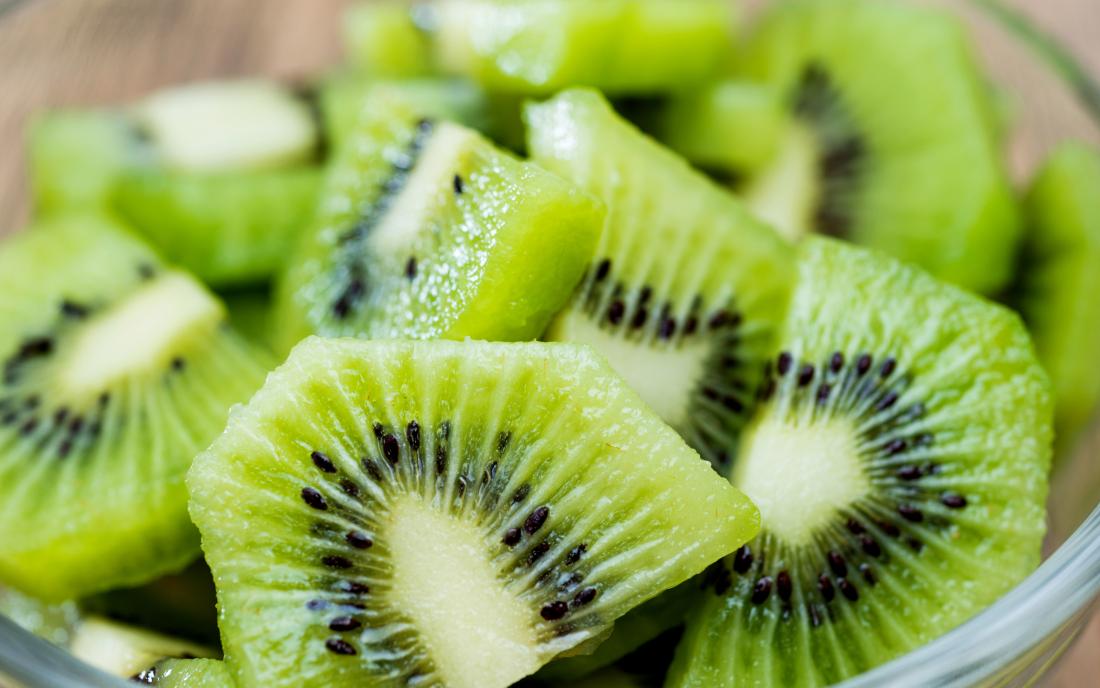
  • Chinese kiwi prices in Vietnam start at $0.8/kg

    Chinese kiwi prices in Vietnam start at $0.8/kg

    Chinese green kiwi is being sold at VND20,000 (US$0.79) per kilogram onwards by wholesalers in Vietnam, a third of the prices of imports from Australia and New Zealand.

    Australian and New Zealand wholesale prices start at VND60,000 and go up to VND120,000. But the VND20,000 price is unusually low for a fruit considered an upmarket item in Vietnam.

    Thanh Hoa, a fruit wholesaler in HCMC, said these are the lowest prices in years. “I import thousands of boxes at a time to get the best prices.”

    Retailers are selling the fruit at VND50,000-80,000 per kilogram. In China, green kiwi is primarily grown in provinces with a temperate climate such as Sichuan, Shaanxi and Henan.

    Thanks to advanced breeding technologies and large scale of production, China is able to produce large quantities of the fruit and maintain low prices.

    Vietnamese importers say Chinese kiwi is able to enter Vietnam at current rates because logistic costs have been optimized.

    Dang Phuc Nguyen, general secretary of the Vietnam Fruits & Vegetables Association, said China has acquired kiwi varieties from other countries and breeds them with low labor costs.

    Vietnam’s imports of Chinese agriculture produce in the first 10 months were worth $800 million, a 24% increase year-on-year, according to the customs department. The main fruits it imported were apple, grape, persimmon, and kiwi.

  • Former Starbucks Vietnam head becomes Phuc Long beverage chain CEO

    Former Starbucks Vietnam head becomes Phuc Long beverage chain CEO

    Patricia Marques, formerly the chief of Starbucks Vietnam for over 11 years, has been named the CEO of beverage chain operator Phuc Long Heritage.

    Marques has made an appearance at of Phuc Long’s recent events, and is introduced on the website of Masan Group, the parent company of Phuc Long Heritage, as “a seasoned food and beverage executive with a proven track record of success in the Vietnamese market.”

    Prior to joining Phuc Long, she served as general manager of Starbucks Vietnam, where she oversaw all aspects of the business and maintained a close relationship with its partner, Maxims HK.

    Before that she had spearheaded the establishment of international operations for companies such as Saks Fifth Avenue, Panera Bread and Highlands Coffee.

    Marques has lived in Vietnam for the past 14 years and considers HCMC her home, according to Masan.

    “We believe that Patricia will write the next chapter for Phuc Long Heritage and build a tea brand to represent Vietnamese culture.”

    Phuc Long has 176 stores nationwide. In the third quarter its net revenues rose nearly 13% year-on-year to VND425 billion (US$16.75 million).

  • Singapore McDonald’s faces backlash over new extra sauce charge starting 2025

    Singapore McDonald’s faces backlash over new extra sauce charge starting 2025

    Singapore McDonald’s has faced online criticism after announcing a new charge for extra sauce tubs, set to take effect on Jan. 2, 2025.

    Customers will be charged up to 70 S$cents (US$0.52) for additional sauces beyond the standard portion for certain menu items.

    “What a horrid start to 2025,” said a commenter. “Outrageous,” said another.

    McDonald’s explained on its website that the “nominal charge” is meant to manage food waste and rising food costs

    While ketchup and garlic chilli sauce will remain free, additional charges will apply to other sauces. For example, sauces for Chicken McNuggets (barbecue, curry, honey mustard), hotcakes syrup, and whipped butter pads will cost 50 S$ cents per tub. Japanese roasted sesame dressing will be priced at 70 S$ cents per packet.

    This change follows a similar policy from 2012, when McDonald’s began charging 30 S$cents for extra sauce with nugget meals.

  • How ZUS Coffee become Malaysia’s largest coffee chain in 4 years

    How ZUS Coffee become Malaysia’s largest coffee chain in 4 years

    ZUS Coffee, a Malaysian firm that began as a small kiosk in Kuala Lumpur, took just over four years to become the biggest coffee chain operator in the country.

    The firm quickly expanded to surpass U.S. giant Starbucks in a market with over 3,300 branded coffee outlets, a figure expected to grow 4-5% this year, according to global coffee industry research platform World Coffee Portal.

    It launched at the end of 2019 with a 200-square-foot (18-square-meter) kiosk in the Kuala Lumpur City Center area.

    The brand positioned itself in the mid-priced segment, which was largely untapped at the time, aiming to make specialty coffee a daily necessity rather than a luxury.

    One of its main draws is its frequently updated menu, which features unique drinks like the Ice Shaken Osmanthus Orange Espresso, Sakura Rose Frappe, and Cheese Crème Latté.

    But this was not the only factor setting it apart from other options in Malaysia’s coffee market as it is also known for its tech-driven approach.

    The company digitized its operations and had an app at launch that facilitates online ordering, pick-up and delivery, with the aim to shake up the market by focusing on digital orders and fast service.

    The app also collects data on customers’ tastes and preferences, which is used to develop new products or improve existing items.

    The company had a rough start as cashless payments and online coffee ordering were slow to catch on in Malaysia.

    However, the Covid-19 pandemic hit a few months after the startup launched, transforming the local coffee landscape. Delivery services and contactless payments quickly became standard, making ZUS’ focus on technology highly successful.

    “We became profitable just 10 months after we launched. Timing was crucial – it is not just the product or the team, but being in the right place at the right time,” Venon Tian, the firm’s COO and co-founder, told Nikkei Asia.

    Tian’s ambitious plans for his business would see it challenge international brands in the local market.

    “Hopefully we will be able to surpass the bigger boys in town soon and be something for Malaysians to be proud of as well,” Tian told The CEO Magazine in 2022, when the chain had just over 150 stores.

    As its popularity and presence grew over the years, the firm became the largest coffee chain operator in Malaysia. It has 566 stores as of September 2024, surpassing Starbucks, which is in second place with 411 outlets.

    Its revenues jumped from 15.7 million ringgit (US$3.5 million) in 2021 to over 200 million ringgit in the fiscal year ending June 30, 2023, while its net profit surged from 134,000 ringgit to 10.2 million ringgit during the same period.

    The chain is now looking to expand into the international market. It has already opened more than 40 stores in the Philippines since entering the market last year after Filipino billionaire Frank Lao acquired a 30% stake in the company.

    It opened its first store in Singapore in October and launched in Brunei late last month with an outlet at the Setia Point shopping center in the capital city of Bandar Seri Begawan.

    Tian said at a conference hosted by Tech in Asia earlier this year that ZUS would be expanding to Pakistan by the first half of 2025. He expects its revenues and net profit to reach 600 million ringgit and 30 million ringgit, respectively, this year.

    He told Nikkei Asia that the firm aims to become a “national champion,” comparing it to Malaysian airline AirAsia. “Who knows, we could be the AirAsia of coffee – a Southeast Asian brand recognized globally.”

  • Starbucks employees to receive 60% bonus amid firm’s worst year since 2020

    Starbucks employees to receive 60% bonus amid firm’s worst year since 2020

    Many corporate workers at U.S. coffee chain Starbucks will get just 60% of their total bonuses for the 2024 fiscal year amid the company’s first annual sales decline since 2020.

    The coffee giant’s poor performance in the fiscal year, which ended on September 29, cut into the overall bonus for employees who met their personal goals, a source familiar with the matter said.

    Bonuses for most employees are determined based on both individual performance and company results, with the latter calculated from revenue and operating income, a separate document shows.

    They are typically paid in December and, in the U.S., range from 5% of base pay for non-managerial employees to 45% for senior vice presidents.

    The reduced bonuses reflect the challenges Starbucks has faced this year as consumers, hit by widespread inflation, scaled back on their lattes.

    Its quarterly and yearly performances, reported late last month, show disappointing sales in its two largest markets, the U.S. and China, which fell short of analysts’ expectations.

    For the third consecutive quarter, Starbucks saw a decline in same-store sales, with a 7% drop this quarter—the steepest since the Covid-19 pandemic, according to CNBC.

    Net income attributable to the company for the fourth quarter was US$909.3 million, or 80 cents per share, down from $1.22 billion, or $1.06 per share, a year earlier. Net sales also decreased by 3% year-on-year to $9.07 billion.

    This was Starbucks’ first quarter under new CEO Brian Niccol, who joined the company in September to turn the business around.

    “It is clear we need to change our strategy to win back customers fundamentally,” he said in the report. “We have a clear plan and are moving quickly to return Starbucks to growth.”

    For the full fiscal year, global comparable store sales dropped by 2%, largely due to a 4% decline in comparable transactions, as shown in the firm’s report.

    This marked the second drop in the last 15 years, with the first occurring in 2020 due to Covid-19 restrictions.

  • Shrimp exports surge 13% in 10 months

    Shrimp exports surge 13% in 10 months

    Vietnam’s shrimp exports soared by 13% year-on-year to US$3.2 billion in the first 10 months of 2024.

    They reached $394 million in October alone, a 24% increase from a year earlier, according to the Vietnam Association of Seafood Exporters and Producers.

    Shipments to major markets saw double-digit growth in the first 10 months, signaling a strong recovery in demand.

    Notably, shrimp exports to mainland China and Hong Kong totaled $676 million during the period, a year-on-year growth of 31%.

    Lobster exports surged by an extraordinary 157% to $298 million in the same period as China’s consumer stimulus policies have increased its imports of this product.

    Shrimp exports to the EU rose by 32% to $408 million, a 17% year-on-year increase. Demand from this market has experienced consistent growth since April.

    The U.S. imported $646 million worth of shrimp from Vietnam in the first 10 months, up 10% from a year ago.

    A decline in supply from the three largest producing nations, improved market sentiment and reduced inventories have boosted the U.S.’ shrimp imports.

    Prices are expected to rise with U.S. President-elect Donald Trump’s proposed import tax increases, so businesses there are in a rush to increase imports before the new tariffs take effect.

    Shrimp exports to Japan and the Republic of Korea also showed significant recovery in October, growing by 18% and 28% year-on-year, respectively, after a period of instability.

    Export shrimp prices, especially for white-leg shrimp, are on an upward trend, significantly improving profit margins for businesses.

    Additionally, processed shrimp products are experiencing robust growth, highlighting Vietnamese enterprises’ focus on high-value products.

    With this growth trajectory, shrimp exports are likely to reach $4 billion this year.

  • Milk tea chain Chagee sparks outcry in Malaysia over alleged lucky draw tampering

    Milk tea chain Chagee sparks outcry in Malaysia over alleged lucky draw tampering

    Chinese milk tea chain Chagee has sparked anger among many Malaysian internet users by demanding them to remove videos allegedly showing their employees tampering with a lucky draw.

    The chain last week attracted large crowds at its over 100 outlets in Malaysia by offering luxury prizes such as handbags from Louis Vuitton and Gucci and Apple smartphones.

    Customers were required to find coupons hidden inside Chagee cups to determine if they had won.

    But on Monday an online video went viral, showing a staff member going through the empty cups and putting aside the ones with the top prizes, according to the South China Morning Post.

    People alleged that the staff’s action indicated that the lucky draw was rigged.

    Chagee responded by telling social media users to remove the video “immediately”, which further fueled public outrage.

    “Chagee asked delete the video or else I will be cited for legal action,” X user Naquib said in a post seen by almost 6 million people.

    The chain’s Malaysia social media page was seen with hundreds of comments, with some calling to boycott the brand, same as they had done earlier with other U.S. chains such as Starbucks or McDonald’s for believing that they were connected to Israel in the Middle East conflict.

    Facing backlash, the milk tea chain decided to apologize to defuse the tension, saying that it “deeply regret any negative experience” over the incident.

    It said the behavior shown did not reflect the standards that the brand holds itself to. “We are currently conducting a detailed investigation to better understand the situation and, if necessary, will take appropriate action in line with our values,” Chagee said in a statement.

    It changed the lucky draw mechanism to using QR codes instead of physical coupons.

    Established in Yunnan, China, in 2017, Chagee has experienced rapid growth in Malaysia, thriving despite stiff competition from Taiwanese brands like Chatime, Gong Cha, and local favorite Tealive.

  • Fruit, vegetable exports soar 27%

    Fruit, vegetable exports soar 27%

    Exports of fruits and vegetables were worth an estimated US$6.6 billion in the first 11 months of 2024, a 27% increase from a year earlier.

    The Vietnam Fruit and Vegetable Association came up with the estimate based on customs data, which shows exports to major markets growing at double-digit rates.

    In the first 10 months, for which official data is available, shipments to China rose by 30% year-on-year to $4.1 billion, while exports to the U.S., South Korea and Thailand jumped by 35%, 41% and 70%.

    Durian was the best-selling item, making up more than $3 billion worth of fruit and vegetable exports in the period, with China accounting for $3 billion.

    Vietnam has been the second largest supplier with a 39% market share, trailing Thailand’s 60.2%.

    Dang Phuc Nguyen, general secretary of the association, said China has very high demand for fruits and vegetables, especially Vietnamese durian.

    If exports to the country continue to grow at current rates, Vietnam could surpass Thailand as China’s top durian supplier in the next year or two, he said.

    He expected fruit and vegetable exports to touch a record $7 billion this year.

    Vietnam gained approval to export frozen durian and fresh coconut to China in August,and many exporters have since reported signing large contracts to supply them. One company said it has a deal to ship up to 1,500 containers of coconut.

    Coconut, passion fruit and some other agricultural products are growing in popularity in the U.S, while Thailand has increased imports of fruits from Vietnam this year as its own production has been hit by unfavorable weather.

  • The world’s largest ‘hands-on’ interactive product launch

    The world’s largest ‘hands-on’ interactive product launch

    Ksubaka today revealed the results of the world’s largest hands-on experiential product launch for Milka chocolate brand. In just one month more than 12.4 million consumers had a physical interaction with Milka, learning about the product, its ethos and forming an emotional connection.

    As part of its launch Mondelez China appointed Ksubaka to devise, create and execute a campaign that would get noticed on a scale never seen before. Ksubaka’s media network of 7000+ touch screen playSpots located in over 130 cities across China were used to deliver an in store interactive branded mini game. Consumers were encouraged to learn about the key attributes and history of Milka chocolate through the power of play. To complete the experience shoppers were invited to interlock fingers with a friend (or stranger) to make a Milka chocolate bar, this created a special moment of ‘Tenderness’. Consumers were then encouraged to take a picture and share their moment of tenderness through social channels (and 5,700 did on Weibo) for a chance to visit the origin of Milka – The Alps.

    In just 30 days (October 1st 2016 – October 31st 2016), the campaign has delivered astonishing results;

    • 12.4 Million Shoppers Engaged with the game
    • 299 Million Milka Brand Exposures
    • 81,309 WeChat/Weibo codes scans and shares

    “Ksubaka’s unique experiential campaign, at massive scale, has delivered amazing brand emotion and physical interaction, perfectly fitting with Milka’s brand ethos, that Tenderness is Inside,” said, Stephen Maher, President of Mondelez, China.

    “Brands have always struggled to engage with consumers at the point of purchase, combine that with the pressure online advertising faces to justify its self administered metrics and the opportunity for a new platform that addresses these issues is vast. Our rapidly growing media network is the first to deliver real-time results at the point of purchase at massive scale. Working with Mondelez we have significantly moved the bar to what is expected from a consumer experiential engagement campaign – in just one month millions of consumers have had a physical interaction with Milka, this is the benchmark!” said Julian Corbett, CEO and founder, Ksubaka.

    As one of the billion dollar brands of the Mondelēz International family, Milka chocolate, which originated in the European Alpine area in 1901, is widely popular among customers in more than 30 countries. It is Milka’s insistence on using pure milk sourced from the Alpine areas that has enabled Milka chocolate’s tender taste to last for over a hundred years. Mondelēz China has attached great importance to Milka chocolate as a brand new category in the China market.