Category: Startups

Retail News Asia is committed to providing both local and global retailers with the latest Startup news throughout the Asian market. This on a daily base.

  • Great Wrap Collapses Under Debt: Unfortunate End For Sustainable Plastics Innovator

    Great Wrap Collapses Under Debt: Unfortunate End For Sustainable Plastics Innovator

    Great Wrap, an emerging leader in the alternative plastics industry, has unfortunately been forced to cease operations due to mounting debts. The company has reportedly accumulated about $39 million in debts, culminating in an unexpected end almost six years after its inception.

    Company Shutdown

    The Australian Securities and Investments Commission (ASIC) has confirmed that administrators were named to handle the insolvency proceedings on September 17. The shutdown has led to a complete halt in the company’s operations and the dismissal of all employees.

    Jordy Kay, co-founder and CEO of Great Wrap, verified the company’s closure in a professional networking platform post. He acknowledged the end of the company’s journey and expressed his gratitude to all supporters. Kay affirmed his commitment to work with the administrators to liquidate all company assets and repay the creditors in full.

    Innovation and Challenges

    Great Wrap, which Jordy and Julia Kay established in 2020, enjoyed recognition for its compostable cling film and pallet wrap manufactured from potato waste and other organic materials. The business had positioned itself as a sustainable substitute to petrochemical-based plastics. Their target customers were retailers and fast-moving consumer goods (FMCG) companies as well as logistics providers aiming to decrease plastic waste.

    Regrettably, changing market situations and a decrease in demand for compostable packaging were key factors in the company’s downfall. Kay explained that retailers and FMCG companies had started to transition from using compostable alternatives to establishing their own plastic recycling operations. This shift led to a slow-down in their business and a weakening demand for their products.

    While the company had plans to expand into the US market, the persistent struggle to make the Australian plant profitable left them without adequate time or capital to continue. The inability to turn a profit from the Australian plant, combined with a depletion of time and capital for US expansion, ultimately led to the company’s collapse.

    Despite the unfortunate development, Kay remains hopeful that their journey would inspire others to continue exploring opportunities in the challenging domain of alternative plastics.

    Questions & Answers

    Why did Great Wrap cease operations?
    Great Wrap was forced to shut down due to financial struggles, including a reported $39 million in debt.

    Who were the primary customers of Great Wrap?
    Great Wrap’s primary customers were retailers, FMCG companies, and logistics service providers looking to reduce plastic waste.

    What led to the reduction in demand for Great Wrap’s products?
    A shift in strategy from retailers and FMCG companies led to a decline in demand. These companies transitioned from using compostable alternatives to setting up their own plastic recycling operations.

  • Ho Chi Minh City’s Ambitious Plan: Complete Transition To Electric Motorcycles By 2029 Amidst Infrastructure Challenges

    Ho Chi Minh City’s Ambitious Plan: Complete Transition To Electric Motorcycles By 2029 Amidst Infrastructure Challenges

    In Ho Chi Minh City (HCMC), approximately 14,000 ride-hailing motorbike drivers have transitioned from gasoline-powered vehicles to electric versions. This represents about 3.5% of the total fleet. Ngo Hai Duong, Head of the Road Transport Management Department of the city’s Department of Construction, revealed at a recent forum that HCMC aims to completely transition its 400,000-strong ride-hailing motorbike fleet to electric vehicles (EVs) by 2029.

    Reducing Registrations for Gasoline-Powered Bikes

    The city has plans to decrease the number of registered gasoline-powered motorbikes for ride-hailing platforms starting next year. Duong revealed that out of the city’s 21,300 taxis, over 68% are now electric. He clarified that this transition was primarily driven by the businesses themselves rather than any city ordinances.

    Challenges in the Transition to Electric Vehicles

    However, one of the main obstacles to the successful transition to EVs is the limited availability of charging stations. The growing demand from electric motorbikes, cars, and buses is starkly in contrast to the city’s fewer than 1,000 charging stations with 15,000 ports. Duong acknowledged that the growth of charging infrastructure has not kept up with the rise in electric vehicle numbers.

    Hoang Anh Tuan, Director of the Transport and Traffic Safety Department of the Ministry of Construction, suggested that priority should be given to a city-wide plan for charging stations, akin to the existing network of gasoline stations. This would require setting criteria for locations and technical standards, along with a commitment to universal charging for all vehicles.

    The Vietnam Automobile, Motorcycle and Bicycle Association echoed this sentiment and urged the government to implement “non-monopoly” regulations for charging infrastructure. This means that charging stations should be open to all electric vehicles.

    Recycling Electric Vehicles and Batteries

    Analysts have proposed the establishment of a system for recycling electric vehicles and their batteries. There is also a proposal being considered by the city to give households up to VND20 million (approximately US$800) to trade their gasoline motorbikes for electric ones. This move is part of the city’s concerted efforts to reduce pollution and create low-emission zones.

    Questions & Answers

    What is the percentage of the total fleet that has transitioned to electric vehicles in HCMC?
    Approximately 3.5% of the total fleet in HCMC has transitioned to electric vehicles.

    What obstacles are being faced in the transition to electric vehicles?
    One of the main challenges is the lack of sufficient charging stations to meet the growing demand from electric motorbikes, cars, and buses.

    What initiatives are being considered to encourage the transition to electric vehicles?
    The city is considering a proposal to provide households with up to VND20 million (approximately US$800) to swap their gasoline motorbikes for electric ones. This initiative is part of the city’s broader efforts to reduce pollution and create low-emission zones.

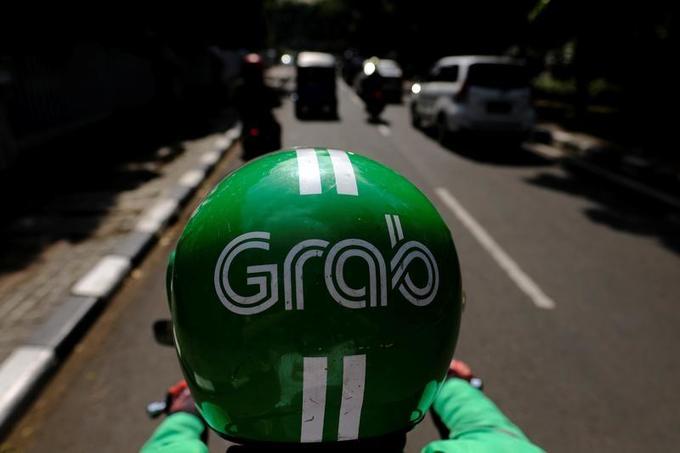
  • Grab Introduces Electric Car Service In Hanoi, Challenging Xanh Sm’s Market Dominance

    Grab Introduces Electric Car Service In Hanoi, Challenging Xanh Sm’s Market Dominance

    Grab, the renowned ride-hailing company, has launched its electric car service in Hanoi, marking a significant entry into the predominantly electric taxi market, primarily controlled by Xanh SM. This move is a strategic approach by Grab to expand their customer base and champion sustainable transportation options.

    Strategies and Goals

    Nguyen Hanh Linh, the director of Grab Vietnam’s mobility division, revealed that the newly introduced service aims to diversify income opportunities for their driver-partners. This strategy is expected to boost their confidence to make a shift toward electric vehicles. After its launch in Hanoi, Grab has ambitious plans to roll out the service in HCMC.

    The current ride-hailing market in Vietnam is mainly controlled by three major players: Grab, Be, and Xanh SM. Xanh SM stands out by exclusively using electric cars constructed by its sister company, VinFast.

    Customer Choices

    It is noteworthy that Grab users do not have the option to specifically request electric cars. Whether the customer gets a VinFast or BYD electric car is a matter of chance. Grab’s decision to launch the electric vehicle service was influenced by the rising number of electric vehicles on its platform, a trend which has been encouraged by driver incentives in recent years.

    Market Trends and Predictions

    A 2024 report estimated Vietnam’s ride-hailing and food delivery market to be valued at US$4 billion, with the potential to reach up to $9 billion by 2030. A survey conducted in May indicated that 55% of users in major cities chose Grab for ride-hailing services, compared to 32% for Xanh SM and 9% for Be.

    A report by Mordor Intelligence stated that Xanh SM took the lead in the ride-hailing market in the last quarter of 2024, holding a 44.68% share in the second quarter of this year. Grab Vietnam, however, disputed these figures, claiming that the research methods used and data sources were unverifiable and misleading.

    Questions & Answers

    What was the strategic aim behind Grab launching its electric car service in Hanoi?
    The launch aimed to expand Grab’s user base and promote environmentally friendly transportation.

    What is the next city where Grab plans to roll out its electric car service?
    After Hanoi, Grab plans to introduce the service in HCMC.

    How did Grab respond to Mordor Intelligence’s report about Xanh SM’s market lead?
    Grab disputed the findings, claiming that the data sources were unverifiable and the research methods were inadequate, leading to misleading conclusions.

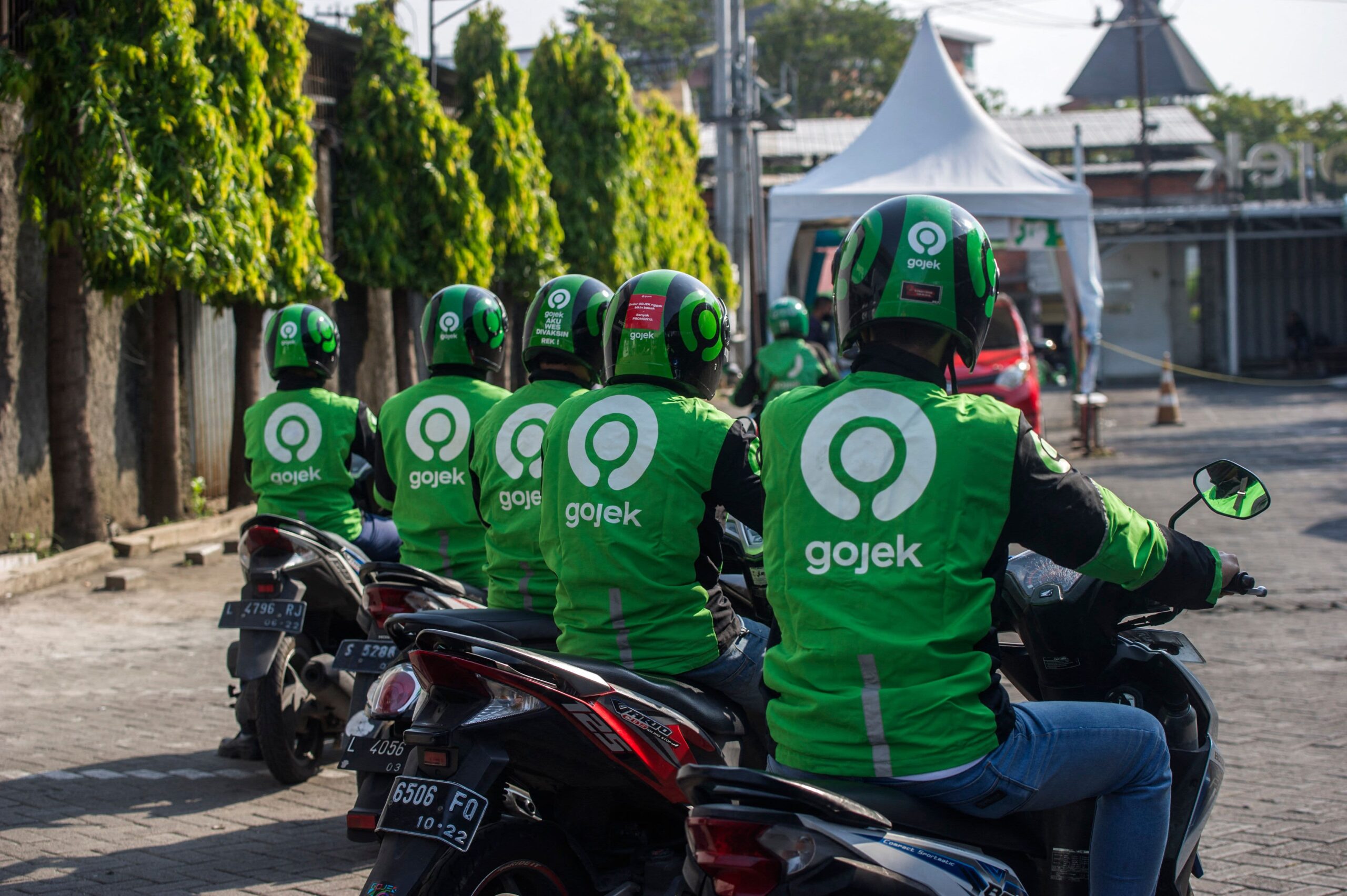
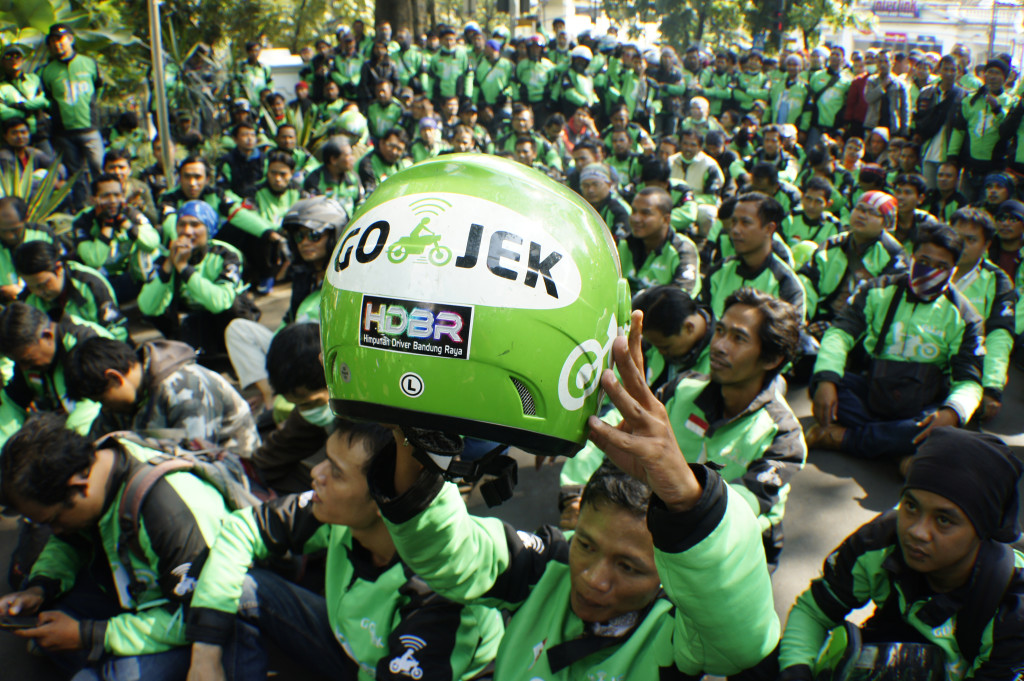
  • Gojek Co-founder And Ex-education Minister, Nadiem Makarim, Detained In $121 Million Corruption Probe

    Gojek Co-founder And Ex-education Minister, Nadiem Makarim, Detained In $121 Million Corruption Probe

    Former Indonesian Education Minister and co-founder of the ride-hailing company Gojek, Nadiem Makarim, has been detained and named a suspect in a corruption case. The case involves allegations of malfeasance concerning laptop procurement. Makarim will be held for 20 days while the investigation progresses.

    Makarim’s Role in the Alleged Corruption

    Makarim served as the Education Minister from 2019 to 2024 and is accused of misconduct in the procurement of Google’s Chromebook laptops for his ministry and students. According to Nurcahyo Jungkung Madyo, the lead investigator, Makarim is believed to have misused his ministerial authority for personal enrichment or the benefit of a company, in violation of Indonesia’s anti-corruption laws. The damages from this case are estimated to have cost the state around 1.98 trillion rupiah (US$121.85 million).

    Before his detention, local media reported that Makarim stated, “I did not do anything. God will protect me, the truth will come out,” as he was leaving the prosecutor’s office for the detention house. No comment has been received from his legal representative.

    Procurement Specifications and Meetings with Google

    Prosecutors claim that Makarim had issued a directive in 2021, specifying procurement conditions that only the Chromebook laptop could meet. Furthermore, it is alleged that Makarim had six meetings with representatives from Google Indonesia prior to the selection of the Chromebook. Google Indonesia, however, declined to comment on the case involving Makarim, emphasizing that it operates with resellers and partners to provide its technology, and government agencies transact with them, not directly with Google.

    Gojek and the Investigation

    In July, the attorney general’s office conducted a search at the offices of Indonesian tech firm GoTo Gojek Tokopedia as part of the investigation. GoTo’s director of public affairs and communications, Ade Mulya, clarified that Makarim’s duties as education minister, including the procurement of Chromebooks for the ministry, were never related to GoTo’s operations. Makarim had withdrawn from Gojek in 2019 when he was appointed minister. In 2021, Gojek merged with the e-commerce startup Tokopedia to form GoTo Gojek Tokopedia, becoming Indonesia’s largest tech company.

    Questions & Answers

    Who is Nadiem Makarim?
    Nadiem Makarim is the co-founder of ride-hailing company Gojek and former Indonesian Education Minister.

    What are the allegations against Makarim?
    Makarim is accused of corrupt practices in the procurement of Google’s Chromebook laptops for his ministry and students. He is alleged to have misused his ministerial authority for personal or company enrichment.

    What is the potential cost of the alleged corruption?
    The estimated damages from the case are around 1.98 trillion rupiah (US$121.85 million).

  • Meituan’s Profit Plummets Amid Intense Competition In China’s ‘instant Retail’ Sector

    Meituan’s Profit Plummets Amid Intense Competition In China’s ‘instant Retail’ Sector

    Meituan, China’s top food delivery company, has reported an 89 per cent decrease in its net profit during the second quarter. The company attributes this major drop to escalating competition in the ‘instant retail’ sector, which specializes in delivering goods within an hour.

    Meituan boasts almost 70 per cent of China’s delivery market. However, the company has expressed concerns that maintaining this dominance will prove costly. The fierce competition is putting the company’s profit margins under significant pressure, at least in the short term. This has led to a fall in the company’s shares, which have declined by over 20 per cent this year.

    The Battle for Market Dominance

    According to analysts, the food delivery sector in China is now in the middle of a full-blown delivery war in which Meituan cannot afford to be defeated. They expect the intensity of the subsidy to gradually decrease after the third quarter. The focus will then shift towards unit economic discipline in the coming year.

    In addition to delivering food, Meituan offers services ranging from bike-sharing to ticket-booking and map services. The company’s CEO, Wang Xing, acknowledges the intense competition, emphasizing that the company will continue to prioritize doing the right things such as ensuring quality selection, competitive pricing, superior service, and prompt delivery.

    New Competitors and Regulatory Challenges

    This year, online retailer JD made its move against Meituan’s attempt to expand beyond meals by aggressively entering the food delivery business, which is Meituan’s core operation. Alibaba, which operates Ele.me, the second-largest food delivery app, also increased its investment in instant retail. Both JD and Alibaba have promised billions of yuan in subsidies to increase sales.

    Future challenges may arise from regulatory adjustments. Chinese authorities are planning to implement new rules for pricing following complaints from merchants and customers about misleading or unfair pricing on major internet platforms. Meituan, alongside Alibaba and JD, released statements last month committing to end price wars. However, Wang Xing has stated that they will stand their ground and defend their market position as the competition becomes even more intense.

    Despite the heightened competition in China, Meituan is broadening its horizons with overseas expansion. The company has boosted the global presence of its Keeta app in Hong Kong, Qatar, and Saudi Arabia. They have also made a significant investment of US$1 billion in Brazil.

    Questions & Answers

    What factors contributed to Meituan’s drop in net profit during the second quarter?
    The 89 per cent drop in Meituan’s net profit was primarily due to increased competition in China’s ‘instant retail’ sector.

    How is Meituan responding to the increasing competition in the market?
    Meituan’s strategy focuses on doing the right things such as ensuring quality selection, competitive pricing, superior service, and prompt delivery. They have also committed to ending price wars.

    What plans does Meituan have for international expansion?
    Meituan has expanded its Keeta app to markets in Hong Kong, Qatar, and Saudi Arabia. The company has also invested US$1 billion in Brazil.

  • My Food Bag Group Sees Profit Surge, Launches Innovative Non-subscription Platform Amid Continued Growth

    My Food Bag Group Sees Profit Surge, Launches Innovative Non-subscription Platform Amid Continued Growth

    My Food Bag Group, a prominent meal kit company, has experienced a favorable upward trend in growth during the second half of the fiscal year 2025 (FY25). This positive trajectory is reflected in the company’s increased profitability and the successful launch of its innovative non-subscription sales platform.

    For the financial year ending on March 31, the company reported a steady revenue of $162.1 million, mirroring the previous year’s figures. The second half of the financial year, however, saw a 5% growth in revenue compared to FY24, and an uptick of 1.9% from the first half of FY25.

    The company’s annual net profit surged by 5%, totaling $6.3 million. The Earnings Before Interest, Taxes, Depreciation, and Amortization (EBITDA) also experienced a slight increase, reaching $16.1 million. Concurrently, the margins improved and the net debt plunged from $11.8 million to $6.9 million.

    Strategic Developments and Partnerships

    The company’s CEO, Mark Winter, expressed his optimism about the company’s efforts translating into sustained business performance and renewed growth.

    A primary strategic progression was the launch of My Food Bag Shop in November, an online platform offering one-time meals and gift boxes catering to non-subscribers.

    The company also enhanced its primary brands, namely My Food Bag, Fresh Start, and Bargain Box, by relaunching its Gluten-Free range and incorporating new specialized options. These new offerings include Low Carb, High Protein, and a Diabetes Plan, which was designed through a collaboration with Diabetes New Zealand.

    FY25 marked digital advancements, such as a revamped website and application to augment user experience. The company joined forces with the NZ Olympic Team and Auckland FC to enhance brand engagement.

    According to Winter, the enhanced user experience on the web and app facilitates an easier navigation for customers to find suitable meals. The partnerships with the NZ Olympic Team and Auckland FC have strengthened the company’s local foothold and boosted its relevance among New Zealanders.

    Future Focus

    The company reported a positive start to the early FY26 trading. Its focus remains on personalization, expanding its Bargain Box offering, and broadening the Shop platform to cater to cost-conscious and flexible consumers.

    Questions & Answers

    What was a significant strategic move by My Food Bag Group in FY25?
    In FY25, My Food Bag Group launched My Food Bag Shop, an online platform that provides one-time meals and gift boxes to non-subscribers.

    How did My Food Bag Group enhance its brand offerings?
    The company reintroduced its Gluten-Free range and added new specialized options including Low Carb, High Protein, and a Diabetes Plan, which was developed in collaboration with Diabetes New Zealand.

    What are the company’s plans for FY26?
    The company plans to focus on personalization, expand its Bargain Box offering, and broaden the Shop platform to meet the demands of cost-conscious and flexible consumers.

  • Ninja Van Streamlines Operations with 12% Workforce Reduction in Singapore

    Ninja Van Streamlines Operations with 12% Workforce Reduction in Singapore

    Ninja Van is making headlines this week with a significant restructuring aimed at sharpening its focus on business growth. A company spokesperson announced on Tuesday that recent layoffs form part of a broader strategy to enhance its business model, emphasizing the difficult nature of these decisions, as reported by The Straits Times.

    Streamlining for Growth: Ninja Van’s Strategic Realignment

    “By streamlining our headquarter functions, we are also aligning resources to support our critical growth areas of tech-enabled business-to-business restock and cold chain, while ensuring seamless operations across all services,” the spokesperson stated, underlining a commitment to fortify the company’s core offerings.

    While the exact size of Ninja Van’s workforce in Singapore remains undisclosed, the company is actively seeking to fill more than ten positions based in the Lion City, ranging from operations roles to service delivery. This mixed message might leave some guessing: are they in hot water or just reshuffling the deck?

    Last year, Ninja Van implemented some painful cuts, slashing 10% of its tech team in April, followed by a 5% reduction in its Singapore workforce by July, when it employed approximately 450 people at its corporate headquarters in the country.

    To support those affected by the latest layoffs, Ninja Van is offering a severance package that includes benefits for employees with less than two years of service, as detailed by Channel News Asia. The support doesn’t stop there; the company is extending medical insurance and mental health resources for impacted employees through the end of this year, providing a safety net during this transition. Furthermore, employees will have a full year to exercise vested stock options, a notable extension from the previous 30-day deadline.

    Ninja Van Eyes New Funding Amidst Restructuring

    In a move that underscores its ambition, Ninja Van is reportedly in negotiations to secure US$80 million in a new funding round, which is expected to value the company around $1 billion— a figure that marks a significant drop from its previous valuation. This news, brought to light by Bloomberg, comes as part of the company’s efforts to stabilize and grow following tumultuous times.

    In 2021, Ninja Van had achieved a remarkable feat, raising US$578 million in a Series E funding round featuring high-profile investors such as Alibaba and B Capital, the venture firm co-founded by Meta Platforms’ Eduardo Saverin. This funding not only bolstered its services across Southeast Asia but also propelled Ninja Van into unicorn status with a valuation surpassing $1 billion.

    Today, Ninja Van continues to carve its niche in the logistics sector, with operations spanning Singapore, Malaysia, Indonesia, Vietnam, the Philippines, and Thailand, despite the headwinds it currently faces.

    Questions & Answers

    What prompted Ninja Van to initiate layoffs?
    The layoffs are part of a strategic effort by Ninja Van to realign resources and bolster its business model, particularly focusing on growth areas such as tech-enabled services and cold chain solutions.

    How will affected employees be supported?
    Ninja Van is offering severance packages, extending medical insurance, and providing mental health support for impacted employees until the end of the year, along with an extended deadline for exercising stock options from 30 days to one year.

    What is the company’s current valuation and funding situation?
    Ninja Van is in talks to raise US$80 million, which would value the company at approximately $1 billion, a significant reduction from its previous valuation after securing US$578 million in 2021.

  • Swiggy’s Losses Double Amid Marketing Surge And Delivery Challenges

    Swiggy’s Losses Double Amid Marketing Surge And Delivery Challenges

    Swiggy, one of India’s leading online food delivery platforms, has reported a near-doubling of its quarterly loss compared to the same period last year. This increase in losses is attributed to a significant rise in marketing expenditures aimed at securing a larger customer base in an intensely competitive market.

    Growth Strategies and Challenges

    In its decade-long presence in the market, Swiggy has maintained its position among the top contenders in the food delivery industry through continuous investments in marketing, platform enhancements, and customer loyalty programs. The company is also directing funds into its rapid retail division, Instamart, as part of efforts to expand its network of stores, fortify logistics, and provide enticing discounts.

    However, the company’s operations have been affected by issues relating to a shortage of delivery partners, a situation exacerbated by unanticipated monsoon rains in India. Concurrently, the need for sustained, high levels of marketing investments has been necessitated by persistent competition.

    The competition is not just limited to the food delivery sector. The rapid retail sector in India is becoming increasingly crowded, with competitors such as the Tata-backed BigBasket and Amazon vying for market share. Furthermore, Swiggy faces additional competition in the food delivery space from the ride-hailing platform, Rapido, where Swiggy holds a 12 per cent stake.

    Financial Performance

    Despite these challenges, Swiggy’s total revenue for the quarter ending June 30 increased by 54 per cent, amounting to 49.61 billion rupees (US$566.2 million). However, consolidated expenses also saw a significant jump, up by around 60 per cent to 62.44 billion rupees, with sales promotions more than doubling. Consequently, the company’s consolidated net loss for the quarter rose to 11.97 billion rupees, a significant increase from the 6.11 billion rupees loss reported in the same period last year.

    Expansion and Order Value

    Despite these financial setbacks, Swiggy continued to expand its geographical reach, adding three new cities to its network to stand at a total of 127. The company also added 41 stores and increased the size of existing ones. The gross order value from its food delivery segment climbed by approximately 19 per cent to 80.86 billion rupees in the June quarter. Meanwhile, Instamart’s gross order value saw a massive surge of nearly 108 per cent, reaching 56.55 billion rupees.

    Questions & Answers

    What factors contributed to Swiggy’s increased quarterly losses?
    Increased marketing spend to attract customers in a fiercely competitive market, along with the expansion of its quick-commerce arm, Instamart, significantly contributed to Swiggy’s increased losses.

    What challenges did the company face recently?
    Swiggy experienced a shortage of delivery partners due to earlier than anticipated monsoons in India. Additionally, the company faced stiff competition, necessitating high marketing investments.

    Did Swiggy see any growth despite these challenges?
    Yes, Swiggy reported a 54 per cent surge in total revenue for the quarter ending June 30. The company also expanded its services to three new cities, added 41 stores, and saw a substantial rise in gross order value from both its food delivery segment and Instamart.

  • Grab Holdings Surpasses Wall Street Expectations With Multi-service Superapp Strategy Amid Global Economic Uncertainties

    Grab Holdings Surpasses Wall Street Expectations With Multi-service Superapp Strategy Amid Global Economic Uncertainties

    Grab Holdings, a Singapore-based tech company, surpassed Wall Street’s revenue expectations in Q2, with a surge in consumption across its ride-hailing and food delivery services, seemingly unaffected by global economic uncertainties.

    Superapp Drive Pays Off

    The company’s robust growth can be attributed to its strategic efforts to transform its platform into a multi-functional, superapp. This expansive integration of various digital services, including ride-hailing, food, and grocery delivery, continues to entice a growing number of users, who are increasingly investing in the offered subscription plans.

    Despite the unease in global economic stability induced by ongoing US trade negotiations, resulting in worries over tariffs and heightened costs, particularly in Southeast Asia, the Singaporean economy remains robust. In Q2, it witnessed a growth rate of 4.3%, successfully averting a technical recession.

    According to Peter Oey, Grab’s CFO, the company’s growth strategy focuses on affordability, which not only encourages growth but also serves as a protective shield against global macroeconomic factors. In a bid to attract price-conscious consumers, the company has been simultaneously working on expanding its driver base to keep up with the rising user demand.

    Financial Performance

    Grab reported an impressive revenue of US$819 million for Q2, surpassing analyst predictions of $811.3 million. The company attributed a significant portion of this success to its robust performance in Indonesia. Previously identified as a market with potential for deeper penetration, the company is now striving to capitalize on the country’s vast population and expand its market share.

    According to Oey, Indonesia has proved to be a profitable market for the company, prompting increased investment efforts in the region.

    Market Consolidation

    The online service market in Southeast Asia is witnessing a phase of consolidation, with larger entities acquiring smaller firms to diversify their service offerings. Though rumors of Grab’s potential acquisition of smaller Indonesian competitor GoTo were circulating earlier this year, Oey confirmed that no such discussions are underway.

    The company’s Q2 financials indicate a remarkable turnaround, with a profit of $20 million, in stark contrast to a $68 million loss in the same period the previous year.

    Questions & Answers

    How has Grab Holdings managed to exceed Wall Street’s revenue expectations in Q2?
    Grab Holdings has successfully surpassed revenue projections by transforming its platform into a superapp, integrating various digital services and appealing to a growing number of users.

    How is the company responding to global economic uncertainties?
    Grab Holdings is focusing on affordability as a protective shield against global macroeconomic factors. It is also endeavoring to keep up with increasing user demand by expanding its driver base.

    What is Grab Holdings’ strategy for the Indonesian market?
    Considering the robust performance and profitability in Indonesia, Grab Holdings is aiming to capitalize on the country’s vast population and increase its market share by investing more in the region.

  • Pony, the Chinese Robotaxi Innovator, Gears Up for Exciting Mass Production Launch!

    Pony, the Chinese Robotaxi Innovator, Gears Up for Exciting Mass Production Launch!

    Pony.ai, the Guangzhou-based autonomous driving company, is taking bold steps toward a new era of transportation by collaborating with state-owned giants Guangzhou Automobile Group and Beijing Automotive Group, alongside Japan’s Toyota. The ambitious goal? To roll out a fleet of 1,000 robotaxis by the end of the year, as revealed by Lou Tiancheng, co-founder and chief technology officer.

    “We are anticipating a pickup in production of robotaxis,” Tiancheng stated confidently, adding that the company has reinforced its partnerships with car manufacturers to validate the feasibility of scaling up driverless cab production.

    The Nasdaq-listed startup recently secured a significant milestone by obtaining a permit to operate its robotaxis in Shanghai’s Pudong New Area, enabling it to charge fares—a first for China’s bustling financial hub. This strategic move places Pony.ai at the forefront of the nation’s race toward autonomous urban mobility.

    The company’s fleet will initially cover the Jinqiao and Huamu districts, enveloping a span of 40 square kilometers, with ambitious plans to extend service into broader areas of Pudong. This region stands as a testing ground for modern technological advancements in a socialist framework, making it a critical area for innovation.

    “Advances in technology and favorable regulatory conditions have transformed the landscape for our expansion,” noted Leo Haojun Wang, the company’s chief financial officer. “The vehicle production is becoming more streamlined, and current regulations in both the U.S. and China now permit us to charge fares publicly.”

    Founded in 2016, Pony.ai has rapidly broadened its footprint, offering services in major cities including Beijing, Guangzhou, and Shenzhen. Recently, the company transitioned to a 24/7 service model, increasing accessibility from its previous operational hours of 7 a.m. to 11 p.m.

    Despite boasting a 4.3% rise in revenue to $75 million last year, Pony.ai is also contending with challenges, as its net loss has more than doubled to $275 million. It seems that while robotic dreams might be within reach, navigating the profitability maze remains a tricky endeavor.

    Questions & Answers

    What new partnerships has Pony.ai formed for its robotaxi production?
    Pony.ai is collaborating with state-owned Guangzhou Automobile Group and Beijing Automotive Group, as well as Japan’s Toyota, in a bid to produce 1,000 robotaxis by the end of the year.

    What recent milestone did Pony.ai achieve in Shanghai?
    Pony.ai secured a permit to operate its robotaxis in Shanghai’s Pudong New Area, allowing it to charge fares for the first time in China’s commercial heart.

    How has Pony.ai expanded its service hours recently?
    The company has transitioned to a 24/7 operating model, moving away from its previous hours of 7 a.m. to 11 p.m., thus enhancing accessibility for riders.

  • Ride-hailing platform Emddi raises $2 mln

    Ride-hailing platform Emddi raises $2 mln

    Vietnamese ride-hailing platform Emddi has raised $2 million at online fundraising event Virtual Investment Day hosted by venture capitalist ThinkZone Ventures.

    The fund will be used to invest in human resources and expand its market share, Emddi spokesperson said.

    The company had completed last year its Series A funding round, led by ThinkZone Venture. The amount of investment raised was undisclosed.

    It also reached a cooperation agreement with ride-hailing firm Be Group and Vietnam Taxi Alliance in April as part of efforts to increase its market share.

    Emddi is a ride-hailing application developed in 2016 by scientists of Vietnam National University’s Centre for Information Technology. It provides a ride-hailing platform for transporting companies, allowing them to set their own prices and types of services. The platform receives ride requests from both ride-hailing orders on the application and phone calls to the transporting firms’ switchboard.

    It allows customers to access the services of various transporting firms with one application.

    Emddi currently operates in over 40 cities and provinces in Vietnam and Laos with 30,000 drivers. It provides car-hailing services and two additional services in Hanoi – ride-hailing service to airports and round-trip transport between Hanoi and other provinces.

    The application allows cashless payment through e-wallets like VNPay, MoMo, Viettel Pay and Mobile Banking.

    It plans to expand to motorbike-hailing service once its car-hailing has developed its market position, said its representative Le Van Nam. It is currently focusing on car-hailing since it does not have enough resources, he added.

    Emddi expects Vietnam’s ride-hailing industry to grow by 16 percent to $4 billion in the next five years.

  • Indonesia’s GoTo narrows losses and on track

    Indonesia’s GoTo narrows losses and on track

    Indonesia’s biggest tech firm GoTo on Tuesday said it had slashed underlying losses in the second quarter to US$78.25 million, down from $280 billion a year earlier, helped by intense cost-cutting measures.

    GoTo, backed by Japan’s SoftBank Group and Singapore’s sovereign wealth fund GIC, has implemented various cost-cutting measures including layoffs this year, as it lost three-quarters of its market valuation since it went public in April last year.

    Group CEO Patrick Walujo said that GoTo, which offers ride-hailing, e-commerce, and financial services, will continue its “cost discipline” measures while expanding its customer base.

    “We are developing a long-term strategy for achieving this, and in the meantime we will continue to operate with absolute cost discipline as we pivot our product mix towards the mass market,” Walujo, who took the top job in June, said in a statement.

    The company kept its target to swing to a profit by the end of this year.

    Following positive results for the first half, GoTo revised its 2023 adjusted EBITDA outlook to a loss of between $293.8 billion and $248.1 billion, from a previously forecast loss of between $346 billion and $300.3 billion.

    Net revenues for the second quarter of 2023 rose to $236 million, up 86.7 percent from 2022, with the company’s overall gross transaction value reaching $9.3 trillion, it said.

    The company said it had slashed losses by 48 percent for the first half compared to a year earlier.

    Its e-commerce business Tokopedia was Indonesia’s second-largest online marketplace last year, according to industry data, but faces intensifying competition as smaller rivals, led by TikTok, doubles down in the Southeast Asia’s biggest economy.

    Shares in GoTo, shorthand for GoTo Gojek Tokopedia, closed up 6.59 percent to $0.0067 per share before the earnings announcement.

  • Hexnode Unveils Major Upgrade To Automate Module, Enhancing Endpoint Management And Patch Deployment

    Hexnode Unveils Major Upgrade To Automate Module, Enhancing Endpoint Management And Patch Deployment

    Hexnode, the award-winning Unified Endpoint Management (UEM) solution by Mitsogo Inc., has announced a major upgrade to Hexnode Automate, its built-in automation module. This significant update expands Hexnode’s Endpoint Management capabilities, introducing more powerful and customizable automation capabilities that enable IT teams to create tailored workflows for managing everyday device tasks across their entire fleet. 

    Automate helps reduce repetitive work by simplifying the planning, triggering, and monitoring of routine actions from a centralized, user-friendly interface. The module also supports scheduled patch deployments, helping IT teams ensure timely updates across their device fleet while retaining control with manual patching options when necessary. 

    “Much of what we’ve developed in Automate is a direct reflection of the needs voiced by our customers, particularly IT seeking control over time-based actions and compliance-oriented workflows,” said Sahad M, Chief Technology Officer at Hexnode. “Our goal is to help teams offload the routine, so they can focus on what truly drives value.”  

    Optimizing Patch Management with Hexnode Automate 

    Keeping devices secure and updated is a continuous responsibility for IT teams, particularly when managing a large, diverse fleet. Relying solely on manual patching can be resource-intensive and may lead to delays or missed updates, increasing the risk of vulnerabilities and compliance gaps. 

    Hexnode Automate offers a more streamlined approach by letting IT schedule and deploy updates in alignment with their operational needs.     

    Key Patch Management Features in Hexnode Automate: 

    • Flexible Deployment Options 

    Hexnode Automate offers both manual and automatic patch rollouts. IT teams can schedule updates during designated maintenance windows, ensuring timely updates that preserves system integrity while easing day-to-day workload.  

    • Granular Targeting
      Admins can target patch deployments based on specific attributes like device type, user role, network, or compliance status, or based on the patch criticality, ensuring updates reach only the intended endpoints. 
    • Centralized Patch Visibility and Reporting 

    Monitor patch status through a unified dashboard showing missing updates, reboot requirements, and vulnerability insights. Generate detailed reports and receive failure alerts when scheduled patch actions don’t go as planned. 

    • Failsafe Deployment Options 

    Organizations can choose between forced, deferred, or manual patch rollouts, without missing critical updates. In the event of unexpected issues, rollback support enables swift reversion to a stable state, minimizing potential disruptions. 

    Enhancing Workflow Efficiency with Hexnode Automate 

    As organizations scale, IT often find themselves bogged down by repetitive tasks like running compliance checks, pushing updates, or rebooting unresponsive devices. While essential, these routine tasks can become time-consuming and limit the bandwidth for more strategic work. 

    Hexnode’s Automate simplifies this by allowing IT admins to schedule and execute routine tasks across platforms, ensuring devices remain compliant, secure, and optimized, without constant manual oversight. 

    • Rule-Based Triggers: Automate triggers actions based on predefined conditions tied to a device’s compliance status, such as its location, password settings etc. 
    • Preset Workflow Triggers: Create predefined workflows for common scenarios such as offboarding or lost devices. These workflows can be pushed on demand, ensuring a swift, standardized response.      

    With the introduction of Automate, Hexnode brings powerful task automation to all major platforms, including Windows, Android, Linux, ChromeOS, iOS, iPadOS, macOS, and tvOS. This cross-platform automation capability enables IT teams to streamline device management at scale – automating routine actions, reducing response times, and ensuring devices stay compliant and secure. 

  • NAVER Unveils NAVER Ventures in Silicon Valley to Elevate Global Startup Investments

    NAVER Unveils NAVER Ventures in Silicon Valley to Elevate Global Startup Investments

    South Korea’s NAVER Corp. is making waves in the tech world with the launch of NAVER Ventures, its new global investment arm based in Silicon Valley. This initiative aims to support early-stage startups in North America and turbocharge the company’s global innovation strategy.

    Expanding Horizons with Innovation

    This venture builds on NAVER’s prior experience through its successful D2 Startup Factory (D2SF), which has already nurtured numerous tech startups, enabling them to scale their operations internationally. The formation of NAVER Ventures comes hot on the heels of the company’s 2023 acquisition of Poshmark, a U.S.-based social commerce platform, reinforcing its ambition to stretch its reach beyond Asia.

    Investing in the Future

    Focusing on strategic investments in artificial intelligence, digital content, and next-generation technologies, NAVER Ventures has already made headlines with its debut investment in TwelveLabs, a video AI startup celebrated for its cutting-edge machine learning capabilities in video understanding and search. This move is part of NAVER’s broader strategy to sharpen its competitive edge in the AI arena.

    Face-to-Face with Innovation

    NAVER’s founder and chairman, Lee Hae-jin, CEO Choi Soo-yeon, and President of Investments Kim Namsun recently ventured to Silicon Valley for crucial meetings with investors, engineers, and entrepreneurs. On June 5, the company hosted an engaging networking event titled “Venturing NAVER’s Next Chapter” to unveil its vision for global collaboration and innovative growth.

    A Bright Future Ahead

    Under Kim Namsun’s leadership, NAVER Ventures is set to finalize its setup by the end of June. The new unit will not only provide valuable capital but also strategic guidance to high-potential startups striving to enhance their global footprint. As a titan of the internet, NAVER boasts impressive sales of KRW 10.74 trillion (USD 7.5 billion) in 2024 and ranks among Korea’s top 15 companies by market capitalization. With a global portfolio that includes LINE, Webtoon, SNOW, and ZEPETO, NAVER’s operations extend across North America, Japan, and Europe. It seems this company isn’t just surfing the wave of innovation—it’s riding it to new heights!

    Questions & Answers

    What is NAVER Ventures? NAVER Ventures is a global investment arm based in Silicon Valley, designed to support early-stage startups and accelerate NAVER’s global innovation strategy.

    What areas are NAVER Ventures focusing on for investments? The new investment arm will primarily focus on artificial intelligence, digital content, and next-generation technologies.

    Who is overseeing NAVER Ventures? Kim Namsun, the President of Investments, will oversee NAVER Ventures as it aims to empower startups aiming for global expansion.

  • Grab Set to Roll Out Exciting New Taxi Service, GrabCab, in Singapore Next Month

    Grab Set to Roll Out Exciting New Taxi Service, GrabCab, in Singapore Next Month

    GrabCab, a new player in Singapore’s taxi market, is gearing up to launch next month, becoming the sixth taxi operator in the bustling city-state with an initial fleet of 40 electric hybrid vehicles. The move comes from Grab’s subsidiary, GrabRentals, which is poised to challenge existing operators with a focus on sustainability.

    Driving Into a Green Future

    According to reports from The Straits Times, GrabCab’s debut will feature the eco-friendly Toyota Prius, with plans to roll out additional hybrid models, including the Hyundai Kona, starting in August. The company is on a mission to transition to a fully electric fleet within the year, aligning with a growing trend towards greener transportation solutions.

    GrabCab is setting its sights high: it aims to meet the minimum fleet requirement of 800 taxis needed to obtain a street-hail operator license before reaching its third anniversary. Victor Sim, director of GrabRentals, shared exciting news, stating that, as of June 4, the company has received between 700 to 800 registration applications from potential drivers eager to join the GrabCab team. From this pool, around 400 to 500 qualified applicants have been selected for the inaugural fleet.

    Competitive Rates with a Tech Twist

    When it comes to financials, rental rates for GrabCab vehicles can soar up to SGD117 (US$91) per day. However, the first 100 drivers who come aboard will enjoy a slightly reduced rate of SGD112 per day—a welcome incentive. To put that into perspective, other operators like ComfortDelGro offer their Toyota Prius rentals at approximately SGD110 per day, while Prime Taxi sets their rate at SGD109.80.

    Sim has assured that GrabCab’s passenger fare structure will be on par with competitors, and the integration of the taxi meter with the Grab platform allows drivers to conveniently switch between ride-hail and street-hail jobs by simply scanning a QR code via the Grab driver app.

    GrabCab’s edge? Sim highlighted the company’s cutting-edge technology and robust partnerships in the industry, including collaborations with charging point operators and fuel stations. These alliances promise discounts of up to 25% at select charging and fuel providers, making it financially appealing alongside its eco-friendly aspirations.

    While GrabCab is racing onto the scene, one can’t help but think: How many electric cars can a fleet hold before they start competing with online car rentals for the grand title of Asia’s ultimate ride-sharing service?

    Questions & Answers

    What vehicles will GrabCab initially use?
    GrabCab will start with the electric hybrid Toyota Prius and plans to add more hybrid options like the Hyundai Kona later this summer.

    How many applicants have shown interest in becoming GrabCab drivers?
    As of June 4, GrabCab received approximately 700 to 800 applications, with around 400 to 500 chosen for initial onboarding.

    What is the rental rate for GrabCab vehicles compared to other operators?
    Refunding to the competition, GrabCab’s rates can reach SGD117 daily, while ComfortDelGro and Prime Taxi offer similar vehicles at around SGD110 and SGD109.80, respectively.