Retail News CRM

Category: Startups

Retail News Asia is committed to providing both local and global retailers with the latest Startup news throughout the Asian market. This on a daily base.

  • Indonesia’s antitrust body looking into risks from reported Grab-GoTo merger

    Indonesia’s antitrust body looking into risks from reported Grab-GoTo merger

    The Indonesian competition authority has initiated an investigation to identify potential risks associated with a potential merger between tech behemoths Grab and GoTo, according to the head of the agency.

    Muhammad Fanshurullah Asa, the head of the agency, stated that a comprehensive review could be carried out once the merger occurs and both firms officially notify them of their actions.

    Although there is no official confirmation from either company about the speculated merger, recent months have seen an increase in speculation about this potential merger.

    It was suggested by individuals familiar with the situation last week that the two companies were aiming to finalize a deal within the second quarter of this year.

    Questions & Answers

    What is the nature of the investigation being conducted by the Indonesian competition authority?
    The investigation is designed to identify any potential risks that could arise from a possible merger between tech giants Grab and GoTo.

    Have Grab and GoTo confirmed their plans for a merger?
    No, both companies have yet to officially confirm their plans for a merger, though speculation has been rife in recent months.

    When are the two companies expected to finalize their deal?
    Sources familiar with the matter suggested that the companies are aiming to finalize the deal in the second quarter of this year.

  • HCMC Ranked Among Southeast Asia’s Top 5 Most Innovative Startup Ecosystems

    HCMC Ranked Among Southeast Asia’s Top 5 Most Innovative Startup Ecosystems

    Ho Chi Minh City is lighting up the entrepreneurial landscape as it secures a spot among the top five leading innovative startup ecosystems in Southeast Asia for the first time. This remarkable achievement highlights the city’s journey into becoming a powerhouse for startups and innovation.

    Rapid Rise in the Rankings

    A recent report from StartupBlink, a globally recognized benchmark for assessing startup ecosystems, reveals that Ho Chi Minh City has steadily climbed the global rankings for four straight years, particularly showing impressive growth in the Fintech sector. The city has now earned a spot in the global Top 30 for Blockchain technology, ranking second in Southeast Asia—a feat that certainly adds a dash of excitement to its entrepreneurial reputation.

    Vibrancy at Its Core

    Known as Vietnam’s most dynamic startup hub, Ho Chi Minh City is enhancing its support infrastructure, fostering creativity, and building a robust startup community. The strong backing from local authorities and a progressively improving business climate have transformed the city into a magnet for innovators and entrepreneurs alike.

    Lam Dinh Thang, Director of the municipal Department of Science and Technology, emphasized that the city’s commendable rise in the StartupBlink rankings is a testament to the collective efforts of its political framework and the innovative spirit of its startup ecosystem. According to him, Ho Chi Minh City aims to place its startup and innovation framework within the Top 100 most dynamic ecosystems globally by 2030. He pointed out that the city is concentrating on key areas such as policy, infrastructure, and human resources to achieve this ambitious goal.

    A Bright Future Ahead

    This year’s rankings not only showcase Ho Chi Minh City’s relentless drive to refine its startup environment but also offer a chance for the metropolis to realign itself within the global startup landscape. Underlining this commitment, the city plans to work with experts to develop a roadmap for advancing its innovation-driven startup ecosystem from 2025 to 2030. This strategic preparation aligns with the targets set by the Politburo, steering Ho Chi Minh City toward its goal of joining the ranks of the Top 100 most dynamic global startup ecosystems.

    Why did the startup cross the road? To get to Ho Chi Minh City, of course!

    Questions & Answers

    What factors contributed to Ho Chi Minh City’s rise in startup rankings?
    The city’s growth can be attributed to its vibrant startup community, strong support from municipal authorities, and improvements in its business environment.

    What sectors are driving Ho Chi Minh City’s startup growth?
    The Fintech sector, particularly in Blockchain technology, is at the forefront of the city’s entrepreneurial boom, propelling it into the global Top 30.

    What are Ho Chi Minh City’s goals for its startup ecosystem by 2030?
    The city aims to be among the Top 100 most dynamic global startup ecosystems by focusing on policy, infrastructure, and human resources development.

  • Singapore Shines Bright: Ranked 4th Globally in Thriving Startup Ecosystem

    Singapore Shines Bright: Ranked 4th Globally in Thriving Startup Ecosystem

    The latest index from StartupBlink ranks Singapore as a vibrant player in the global startup arena, trailing behind Israel, Britain, and the United States. Since 2020, Singapore’s ascent has been remarkable, jumping 12 spots to become one of the fastest-growing startup ecosystems worldwide.

    StartupBlink attributes this progress to Singapore’s business-friendly atmosphere and robust support structures for startups. The city-state shines in crucial areas such as investor presence, startup opportunities, and a concentration of global tech firms, all bolstered by a skilled local workforce.

    Evaluating 118 countries, the index underscores Singapore’s strategic commitment to leading sectors like deep tech, fintech, food tech, artificial intelligence, and advanced manufacturing. Its universities play a pivotal role, training a highly competent workforce, linking startups with academic initiatives, and fostering an entrepreneurial spirit on campus.

    Aiming to further enhance this ecosystem, the Singapore government, through Enterprise Singapore, is on a mission to attract innovation. “Enterprise Singapore will continue to strengthen the ecosystem and we welcome global startups with strong science-based solutions to leverage Singapore as a launchpad to grow and scale their business in the region and beyond,” said Emily Liew, assistant managing director of innovation at Enterprise Singapore, as reported by The Straits Times.

    Liew emphasizes Singapore’s open ecosystem, nurturing talent and collaboration that offers stability and access to growth resources, all while navigating global startup challenges. This uptick in ranking coincides with an impressive funding year and substantial government backing.

    A report released in April 2025 by Enterprise Singapore and PitchBook revealed that in 2024, Singapore captured nearly 60% of ASEAN’s venture capital deal volume, totaling US$4.8 billion. Additionally, in October 2024, the government pledged an extra SGD440 million (US$341 million) to attract venture capital firms towards local deep tech startups, raising the total government funding for this initiative to over SGD1 billion.

    Could this be Singapore’s ticket to tech supremacy? Only time will tell!

    Questions & Answers

    What notable achievements has Singapore made in the startup ecosystem?
    Singapore has jumped 12 spots in startup rankings since 2020, making it one of the fastest-growing ecosystems globally, thanks to its business-friendly environment.

    How much venture capital did Singapore secure in 2024?
    In 2024, Singapore captured nearly 60% of ASEAN’s venture capital deal volume, amounting to a total deal value of US$4.8 billion.

    What steps is the Singapore government taking to attract startups?
    The government, through Enterprise Singapore, is investing an additional SGD440 million to draw venture capital firms to local deep tech startups, totaling over SGD1 billion in funding for this initiative.

  • Lalamove Expands Horizons: Launches Into the Ride-Hailing Market

    Lalamove Expands Horizons: Launches Into the Ride-Hailing Market

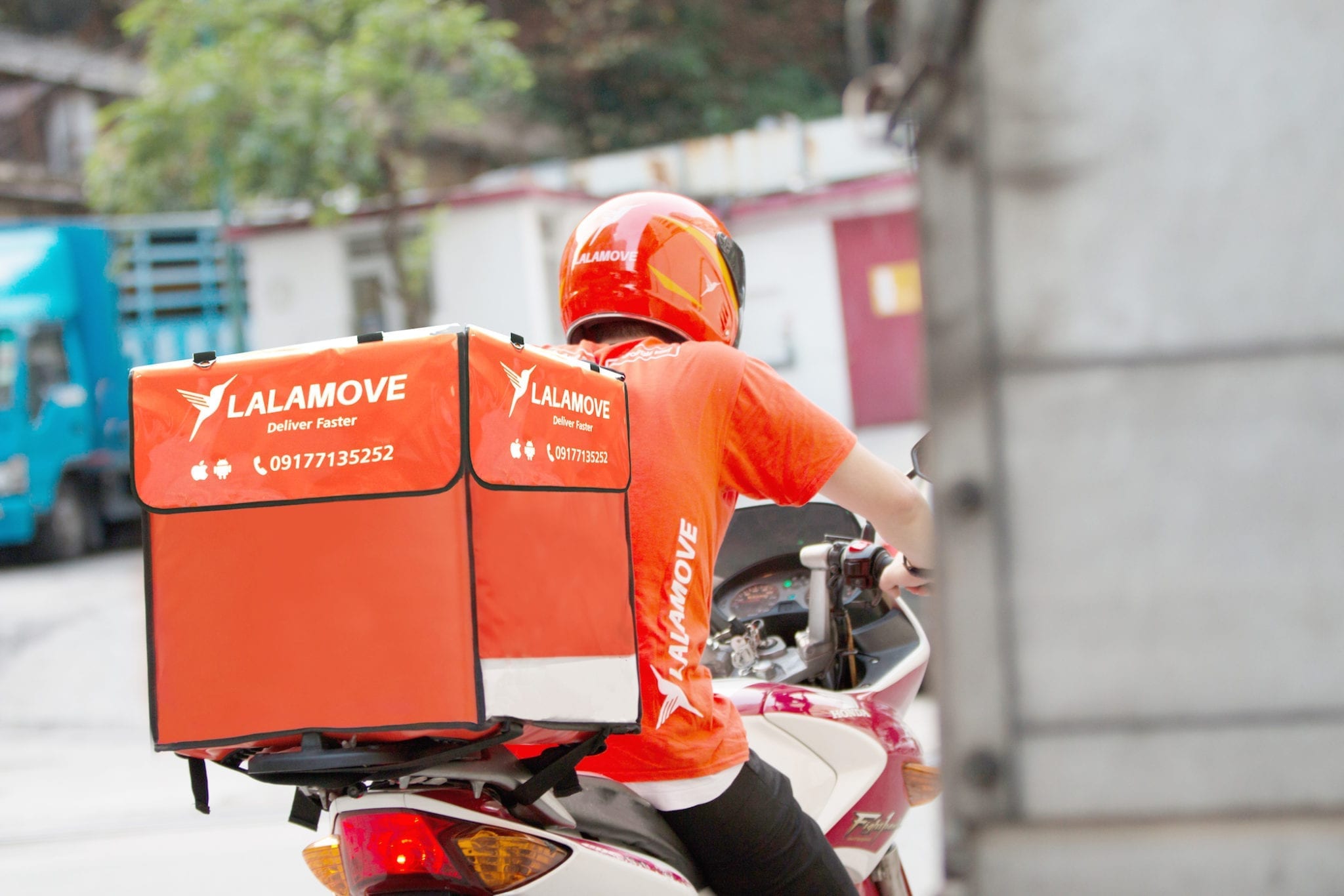
    The exciting landscape of ride-hailing in Vietnam just got a little more dynamic. Lalamove, a Hong Kong-based logistics company, recently launched its ride-hailing services in Ho Chi Minh City, which are available for both motorbike and car rides (four- and seven-seaters) through the Lalamove app.

    Nguyen Hai Dang, CEO of Lalamove Vietnam, expressed the company’s commitment to meeting consumer demand for more affordable travel options while simultaneously enhancing driver incomes. Although he remained tight-lipped about the fleet size, he did hint at plans to expand these services to other regions shortly.

    Founded in Hong Kong in 2013, Lalamove has established a strong footprint across 14 markets, including Asia, Europe, and beyond. Since its entry into the Vietnamese market in 2017, the company has primarily focused on round-the-clock delivery services catering to both individuals and businesses, particularly in Ho Chi Minh City. Lalamove also boasts ride-hailing services in countries like Indonesia, Thailand, and the Philippines.

    The growth potential in Vietnam’s ride-hailing and delivery markets is impressive. According to the “e-Conomy SEA 2024” report from Google, Temasek, and Bain & Company, the market is expected to soar from US$4 billion in 2024 to a whopping $9 billion by 2030. Furthermore, Mordor Intelligence predicts that the passenger transport market alone will grow from $1.05 billion this year to $2.56 billion by 2030.

    The competitive landscape is rapidly evolving, with established players such as Grab, Xanh SM, be, and Tada jostling for market share. Xanh SM currently leads the ride-hailing segment with a commanding 39.85% market share, closely followed by Grab at 35.57%. As Mordor Intelligence points out, this growth can be attributed to factors such as rapid urbanization, the demand for convenient mobility solutions, and a tech-savvy younger generation, all amidst an influx of tourists in Vietnam.

    Yet the competition is fierce. The Google report highlights how local companies are making significant strides, impacting even Gojek’s decision to exit Vietnam in September 2024. “Competition is expected to heat up, potentially transforming the industry and speeding up the transition to electric vehicles,” it notes.

    Safety and affordability are vital in users’ service preferences, especially for motorbike rides, according to a survey by Q&Me, an online market research platform. Other factors that weigh in include respectful drivers, quick response times, ease of booking, and overall vehicle quality.

    As Lalamove gears up to make waves in this vibrant market, the question arises: will it be smooth sailing or a bumpy ride ahead?

    Questions & Answers

    What services is Lalamove launching in Ho Chi Minh City?
    Lalamove is introducing ride-hailing services for motorbikes and four- and seven-seat cars, available for booking via the Lalamove app.

    What are the growth projections for Vietnam’s ride-hailing market?
    The ride-hailing and delivery market in Vietnam is anticipated to grow from US$4 billion in 2024 to $9 billion by 2030, while the passenger transport market is expected to expand from $1.05 billion to $2.56 billion in the same timeframe.

    Which companies are the major players in Vietnam’s ride-hailing market?
    Key participants include Grab, Xanh SM, be, and Tada, with Xanh SM currently leading the market share, closely followed by Grab.

  • Grab Aims for Strategic Acquisition of Indonesia’s GoTo by Q2

    Grab Aims for Strategic Acquisition of Indonesia’s GoTo by Q2

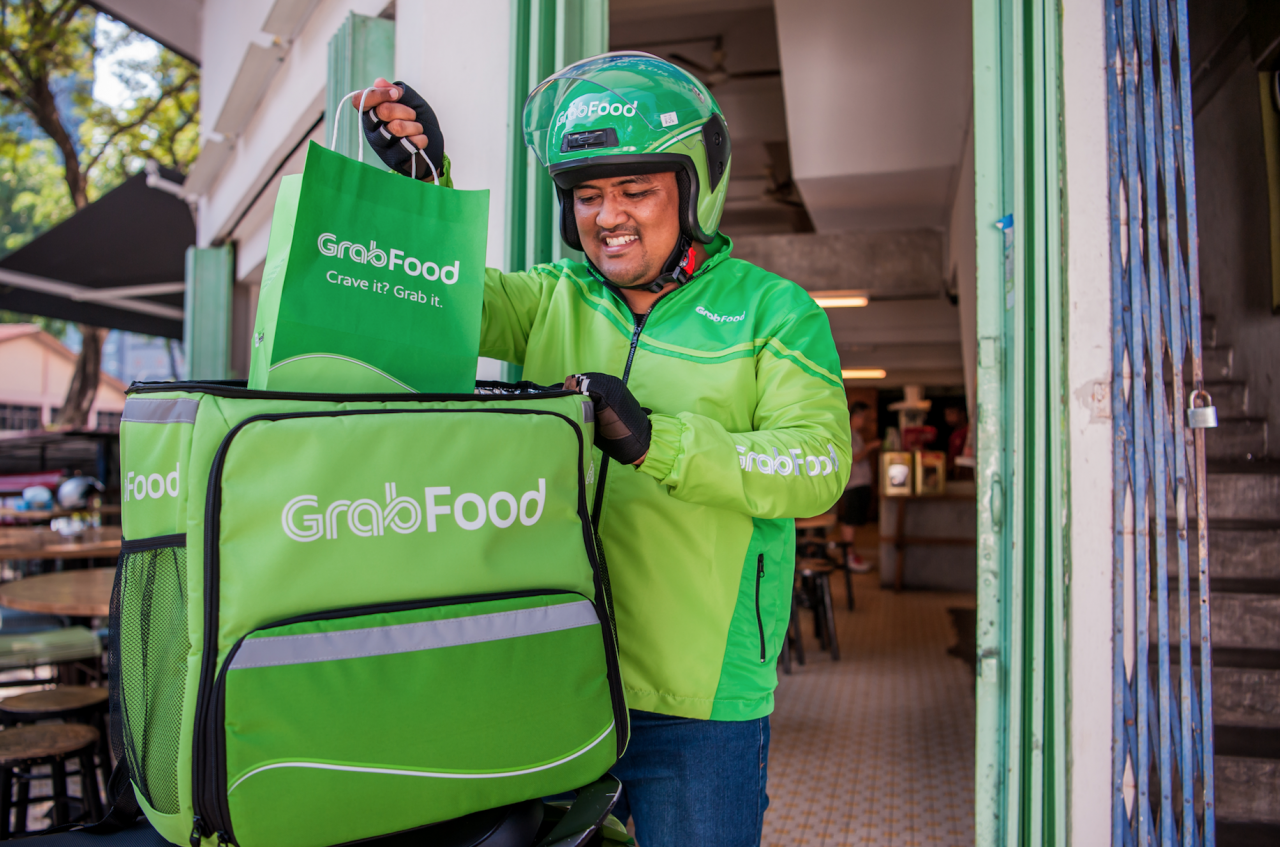
    Grab is stepping into the spotlight with plans to acquire GoTo, Indonesia’s dynamic tech giant, in a deal tantalizingly pegged around $7 billion. According to sources, the Singaporean-based company has enlisted advisors to navigate the intricacies of this potentially groundbreaking merger, with financial discussions currently underway with top banks. Both companies, however, have opted for silence amidst the buzz surrounding this significant transaction.

    The market response to GoTo has been notably positive, as its shares surged 20% year-to-date, bringing the company’s market value to approximately $5.8 billion. Meanwhile, Grab, which trades on Nasdaq, is enjoying a recent uptick, with shares climbing 2.4%, resulting in a valuation nearing $20 billion.

    As part of the deal, GoTo plans to divest its international operations in Singapore to Grab, while also transferring its entire Indonesian business to Grab, excluding its finance division. Such a strategic move may reinforce Grab’s position in a competitive landscape.

    Analyst Niko Margaronis from BRI Danareksa Sekuritas, who keeps a close eye on GoTo, hinted that the Indonesian government might take a more lenient stance on this proposed merger. He suggests that regulators could consider the positive implications of strengthening key players, ultimately aiming for long-term economic growth.

    However, potential antitrust concerns loom large against the backdrop of rising living costs stirred by an unpredictable global economy. A recent case that looms in the collective memory was Uber’s aborted $950 million bid for Delivery Hero’s Foodpanda in Taiwan last March, a move quashed by regulatory fears over anti-competitive practices.

    As the market prepares for what could be a transformative shift in the tech landscape of Southeast Asia, all eyes remain fixed on Grab and GoTo. What other surprises might be lurking around the corner?

    Questions & Answers

    **What is Grab looking to acquire from GoTo?**
    Grab is interested in acquiring GoTo’s international unit in Singapore along with its Indonesian operations, excluding its finance arm, for around $7 billion.

    How have GoTo’s shares performed this year?
    GoTo’s shares have risen approximately 20% year-to-date, boosting its market value to about $5.8 billion.

    What might affect the approval of this merger?
    Potential antitrust scrutiny could play a significant role, especially amid increasing concerns over living costs and the impact of market consolidation.

  • HelloFresh New Zealand faces court for misleading consumers

    HelloFresh New Zealand faces court for misleading consumers

    Criminal charges have been filed against global food-delivery platform HelloFresh’s New Zealand business for misleading customers about the subscriptions to its service.

    The Commerce Commission alleges that between February 2022 and July 2023, HelloFresh offered customers a discount voucher without making clear that accepting it would reactivate their cancelled subscriptions.

    Commerce Commission deputy chair Anne Callinan said the conduct breached the Fair Trading Act as it resulted in some cancelled subscriptions being reactivated without the customers’ consent.

    “We’re concerned some consumers have been misled into paying for services from HelloFresh they didn’t want through the use of misleading wording and processes in cold calls,” Callinan continued.

    “Buying products online is increasingly a way of life for Kiwi consumers and so the commission is prioritising action against illegal online sales conduct. This includes subscription traps, which come in many forms and include situations where consumers are misled into signing up for a paid subscription without knowing,” she added.

    The commission started an investigation into HelloFresh after receiving customer complaints about its sign-up, cancellation, and reactivation processes. The charges were filed in the Wellington District Court.

    In December, the agency filed charges against Woolworths New Zealand, Pak’nSave Silverdale, and Pak’nSave Mill Street over inaccurate pricing.

  • Dufour Aerospace achieves drone milestone

    Dufour Aerospace achieves drone milestone

    Dufour Aerospace, the pioneering Swiss drone manufacturer, announced a major milestone: the completion of its first flight test campaign with a hybrid-electric system designed in-house for its Aero2 drone. The Aero2 flew several test flights in Zurich, with the hybrid system self-charging its batteries in flight.

    The news is significant as it completes Dufour’s vision of a hybrid-electric powertrain, with an innovative tilt-wing design, and autonomous flight. This is believed to be the first-ever successful flight of a large-scale serial hybrid-electric aircraft, transitioning from vertical takeoff to forward flight.

    “Dufour Aerospace achieved a major milestone with these flights,” said Sascha Hardegger, CEO of Dufour Aerospace. “All of Dufour’s in-house developments — the Flight Control System and Control Software, Power Management System, and the integrated Powertrain — must work together seamlessly to achieve this.”

    “The beauty of the Aero2 is mission-efficiency and a simpler system for charging aircraft. Our customers do not need to plug in the Aero2 for hours to run their next mission. Recharging is accomplished in the air, not on the ground, enabling back-to-back missions. It can land, exchange the payload, and restart the next mission immediately.”

    In takeoff, the Aero2 is fully powered by high-performance batteries. Upon transition to forward flight, the Aero2 hybrid-electric system is engaged to produce electricity on board, which powers the electric motors and recharges the batteries. At present, the hybrid system uses conventional gasoline but is being readied for heavier fuels such as sustainable aviation fuel and kerosene. In all cases, its carbon footprint and operating costs are dramatically lower than helicopters or the conventionally fuelled helicopter style drones of today.

    “Dufour has proven the critical systems on the aircraft. It demonstrates that our aircraft will be mission-ready for all of the use cases we envision,” Hardegger said. “Initially, we are focusing on the delivery of critical cargo such as medical goods or urgently needed spare parts, where we are seeing a lot of operators and end-users waiting for efficient transport solutions. Additionally, we are closely looking into supporting various remote-sensing applications.”

  • Uber competitor Bolt starts recruiting Vietnamese drivers

    Uber competitor Bolt starts recruiting Vietnamese drivers

    Bolt, Europe’s first homegrown ride-hailing company and Uber’s main competitor in the continent, is now recruiting management staff and drivers in HCMC.

    The company’s website, which now offers Vietnamese as a language option, allows candidates to register as drivers for a weekly income running into millions of dong (VND1 million = US$39.40).

    Founded in 2013 in Estonia, Bolt now operates in over 50 countries with services ranging from ride-hailing and car rentals to food and grocery delivery.

    It claims to have 4.6 million drivers and delivery partners serving over 200 million users globally.

    Vietnam’s ride-hailing market is projected to reach $880 million in 2024 and grow at a compounded annual rate of 19.5%, hitting $2.16 billion by 2029, according to Indian market research firm Mordor Intelligence.

    Its major competitors now include Grab, Xanh SM and Be.

    Last year Indonesia’s Gojek exited Vietnam after six years in the country, while Uber had pulled out in 2018.

  • Grab, Gojek to hike fees in Singapore by up to 37 cents

    Grab, Gojek to hike fees in Singapore by up to 37 cents

    Ride-hailing operators Grab, Gojek, TADA and CDG Zig in Singapore will hike their platform fees by up to 50 Singapore cents (37 U.S. cents) starting Jan. 1, 2025.

    Grab, the largest ride-hailing firm, will raise its platform fee from 70 cents to 90 cents per trip. For its food, groceries and parcel delivery services, fees will go up from 40 cents to 60 cents.

    It said the new “platform & partner fee” will support Central Provident Fund contributions, work injury compensation coverage and other welfare initiatives for its platform workers, as well as platform maintenance and service improvements.

    Similarly, Gojek will raise its platform fee from 30 cents to 50 cents per trip, saying these changes are to “protect drivers and their earnings in support of the Bill” on top of improving and maintaining its services.

    ComfortDelGro, the largest taxi operator in Singapore, will follow suit and raise its platform fee from the current rate of 70 cents to S$1-1.2, based on factors such as distance and travel time.

    As for TADA, fees per ride will go up by 50 cents, excluding goods and services tax. It noted that besides maintaining current features and developing new ones to provide a better ride-hailing experience, this adjustment is also essential to support the implementation of the government’s Platform Workers Bill.

  • Singapore-based fintech startup Tyme raises $250M

    Singapore-based fintech startup Tyme raises $250M

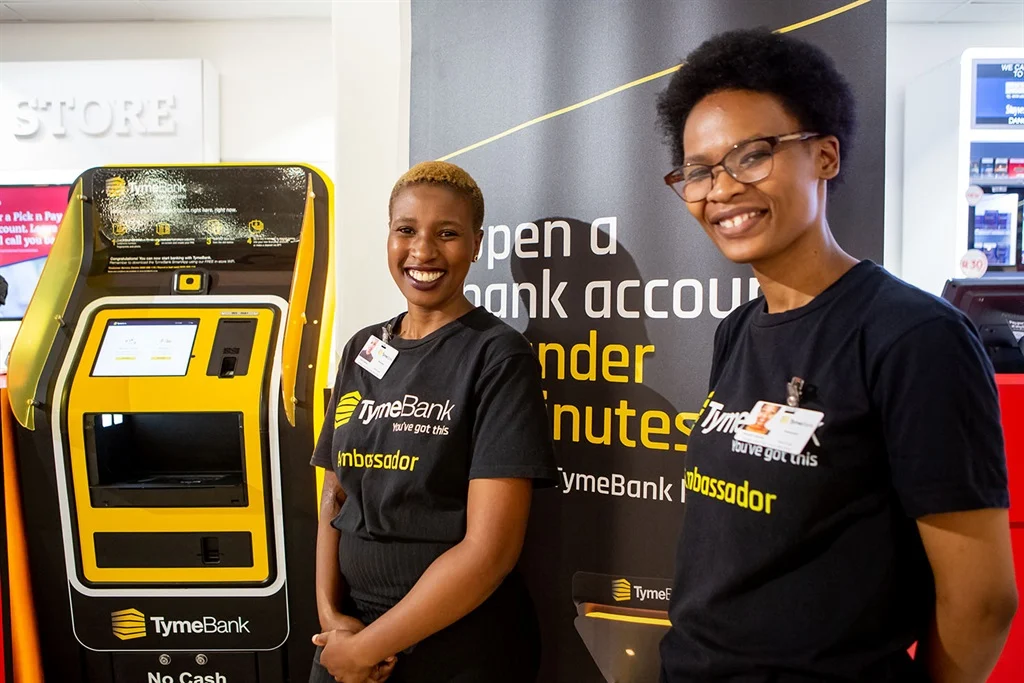
    Singapore fintech startup Tyme Group has secured a US$250 million investment, which it calls the “largest fintech raise this year in Southeast Asia,” giving it a valuation of $1.5 billion.

    The company received the investment from Brazil-headquartered lender Nubank and other investors, it said in a news release Tuesday

    With established operations in South Africa and Philippines, Tyme now gears up for expansion into Vietnam and Indonesia as it eyes to expand its presence in Southeast Asia.

    Tyme, backed by South African billionaire Patrice Motsepe’s African Rainbow Capital Investments, has been developing and operating digital banks since 2019.

    The company entered the Philippines in 2022 in a joint venture with a local company.

    Southeast Asia’s loan book balance is expected to reach up to $300 billion by 2030, quadrupling from an estimated $71 billion this year.

    Startup investment in Southeast Asia remains weak this year, with 474 equity deals taking place in the first three quarters, the lowest level since 2020.

  • Nvidia looking to hire engineers and managers in Hanoi

    Nvidia looking to hire engineers and managers in Hanoi

    Chipmaker Nvidia is recruiting engineers and managers for its operations in Hanoi, where it seems set to design and produce graphic processing units.

    It is seeking to fill nine positions, including those of IT, senior production support and system test design engineers and two senior managers, according to job posts on recruitment platform LinkedIn.

    One position is in a factory in Bac Ninh, an industrial province next to Hanoi. The senior manager for manufacturing operations requires the candidate to “spearhead the development of an impactful team in Vietnam from the ground up.”

    Applicants for this position need a bachelor’s or master’s degree in engineering, business or equivalent experience along with 15 years of overall experience and five years of specific management experience.

    Hanoi HR professional Dam Trang said Nvidia’s moves indicate that it is in the process of starting operations in Hanoi.

    As Nvidia is a chip designer and does not own factories, the fact that it is looking for manufacturing personnel shows it wants its own people to supervise suppliers’ production, she said.

    Though most of the requirements for the candidates are typical for a large company, finding individuals with more than 10 years’ experience in semiconductors would be challenging as the industry has only seen significant growth in Vietnam in the last few years, she said.

    During his visit to Vietnam on Dec. 5, Nvidia CEO Jensen Huang signed an agreement with the government to establish an AI research and development center and an AI data center.

    He praised Vietnam’s strengths in STEM and its potential to produce AI talent.

    He also vowed to promote the local AI industry through infrastructure development, training and fostering an AI startup ecosystem.

  • Apple is expanding its presence in the Middle East

    Apple is expanding its presence in the Middle East

    So much is happening in the Middle East right now and the other thing is that Apple is expanding in Saudi Arabia.

    The Cupertino giant is set to launch its first online store in Saudi Arabia in summer 2025, followed by multiple flagship physical stores beginning in 2026. The expansion includes plans for a notable retail location in Diriyah, a UNESCO World Heritage site.

    Apple will also provide customer service and support in Arabic for the first time, offering its full product range through online and physical channels. CEO Tim Cook emphasized the compay’s commitment to supporting local customers, businesses, and innovators.

    This expansion builds on Apple’s existing investments in the country, particularly its Apple Developer Academy in Riyadh, which was established in 2021 through partnerships with local institutions. The all-women academy has trained nearly 2,000 students in programming, enabling them to publish apps on the App Store.

    Apple is also expanding its educational programs, having recently hosted the country’s first coed Apple Foundation Program. The monthlong course focused on coding and app development, with an emphasis on gaming. Future programs are planned for spring 2025.

    Apple says its investment has significantly impacted the local tech ecosystem. Saudi developer earnings have increased by over 1,750% since 2019. Apple has spent more than 10 billion SAR (over $2,6 bln) with local companies over the past five years and continues to support technological innovation.

    Additional technological integrations include Apple Pay’s expansion in Riyadh, where users can now use Express Mode to pay for metro and bus transit by simply holding an iPhone or Apple Watch near a reader. Since its 2019 launch, many Saudi customers have transitioned from traditional payment methods to Apple Pay, the US company notes.

  • Apple plans $1B manufacturing plant investment in Indonesia

    Apple plans $1B manufacturing plant investment in Indonesia

    Tech giant Apple plans to invest $1 billion in a manufacturing plant in Indonesia that produces components for smartphones and other products, Indonesia’s investment minister said on Thursday.

    In October, Indonesia banned sales of the iPhone 16 because it said Apple had not adhered to rules that require phones sold domestically to have at least 40% locally made parts. And this week, the government said it would increase the local content requirement.

    Investment minister Rosan Roeslani told reporters that details of the planned investment were still being ironed out, but when asked confirmed it was the expected $1 billion investment he had flagged earlier this week.

    “We will discuss with them some more … our hope is for everything to be announced in the next week after receiving a written commitment from them,” he said.

    Last week, the government had rejected a $100 million investment proposal from Apple to build an accessory and component plant as not enough to reverse the iPhone 16 ban.

    Apple did not immediately respond to a request for comment.

    Apple currently has no manufacturing facilities in Indonesia, a country of about 280 million people, but since 2018 it has set up application developer academies.

    Indonesia considers that strategy an attempt to meet local content requirements for the sale of older iPhone models.

    Companies typically increase the local composition through local partnerships or by sourcing parts domestically.

  • Indonesia says Apple’s $100M investment proposal inadequate

    Indonesia says Apple’s $100M investment proposal inadequate

    Indonesia said a $100 million investment proposal from Apple to build an accessory and component plant was not enough for the country to allow the tech giant to sell its latest iPhone model, its industry ministry said on Monday.

    Indonesia in November banned sales of Apple’s iPhone 16 after it failed to meet requirements that smartphones sold domestically should comprise at least 40% locally-made parts.

    Indonesia has also banned the sale of Alphabet’s Google Pixel phones over a similar lack of use of local components.

    Indonesian authorities last week said Apple had put forward the investment proposal to lift the sales ban.

    Apple did not immediately respond to a request for comment.

    “We have done an assessment and this (proposal) has not met principles of fairness,” Industry Minister Agus Gumiwang Kartasasmita told a press conference, comparing the proposal to Apple’s bigger investments in neighboring Vietnam and Thailand.

    Apple has no manufacturing facilities in Indonesia, but has since 2018 set up application-developer academies, which Jakarta considers a way for the company to meet local content requirement for the sale of older iPhone models.

    Companies usually increase the use of domestic components to meet such rules through partnerships with local suppliers or by sourcing parts domestically.

    Agus said Apple had an outstanding investment commitment of $10 million it should have carried out before 2023. He also wanted Apple to commit to new investment until 2026.

    The ministry would invite Apple to visit Indonesia to negotiate further, Agus said.

  • Singapore man uses fake Grab receipts and timesheets to defraud employers $18,000

    Singapore man uses fake Grab receipts and timesheets to defraud employers $18,000

    A 33-year-old man, Muhammad Fariz Shaik Sha Marican, scammed his employer out of more than SGD24,000 (US$17,950) by forging over 460 Grab receipts and false timesheets.

    On Tuesday, he pleaded guilty to two charges of forgery, with two additional charges to be considered during sentencing. Deputy Public Prosecutor Kelly Ng stated that Fariz was employed by the recruitment agency Persolkelly (PSK), which partnered with Ministry of Health (MOH) to provide staffing.

    In November 2021, PSK assigned Fariz as temporary support staff for MOH’s Covid-19 operations. By April 2023, as MOH considered making him a permanent staff member, they reviewed his annual leave balance.

    Following this review, both PSK and MOH filed police reports, leading to an investigation that revealed Fariz had forged Grab receipts on 228 occasions from July 2022 to April 2023.

    He digitally altered dates and times on existing receipts for rides he never took, submitting them to PSK and obtaining over SGD9,500 in fraudulent reimbursements.

    Additionally, between July 2022 and April 2023, he forged his supervisor’s signature on timesheets, falsely claiming overtime, resulting in SGD7,700 in fraudulent payments.

    The fraud was exposed in April 2023 during MOH’s review of his leave records, which revealed discrepancies between PSK and MOH in timesheets and transport claims. Fariz confessed in a letter and resigned before his arrest in July 2023.

    The prosecutor requested a six to eight-month jail term, highlighting the calculated nature of his actions.

    “Each time the accused forged a receipt or timesheet, he had to put in the deliberate effort of altering it digitally or filling it up with extra days or hours, and each time he did this, he had the opportunity to stop his offending. Instead, he did not do so,” said the prosecutor.