Retail News CRM

Category: Startups

Retail News Asia is committed to providing both local and global retailers with the latest Startup news throughout the Asian market. This on a daily base.

  • Grab posts strong profit, raises revenue forecast as food demand rebounds

    Grab posts strong profit, raises revenue forecast as food demand rebounds

    Singapore’s Grab Holdings raised its forecast for fiscal 2024 revenue on Monday, as the Southeast Asian tech firm anticipates robust growth in its food delivery and ride-hailing businesses during the busy holiday season.

    US-listed shares of the company jumped more than 10 percent in extended trading.

    Grab’s mainstay food delivery business has been recovering from a post-pandemic slump in demand as consumers increase their discretionary spending budgets in a sign of economic easing.

    “We remain bullish on the long-term growth outlook of Southeast Asia, and are firing on all cylinders to capture the strong user demand trends,” Grab CEO Anthony Tan said.

    The company expects revenue in the range of US$2.76 billion to $2.78 billion, compared with its prior projection of between $2.70 billion and $2.75 billion.

    Grab has been attempting to introduce cheaper options for its ride-hailing services to woo price-wary customers. On the other hand, the firm has been trying to promote its premium offerings as well to boost its earnings.

    The margins for the more premium rides are 1.2 times higher than the standard rides offered by the company, CFO Peter Oey told Reuters.

    Grab reported third-quarter revenue of $716 million, exceeding Visible Alpha estimates of $700.8 million.

    Oey said transactions made by customers were up 22 per cent in the third quarter and subscribers of the company’s services spend four times that of non-subscribers.

    The firm also raised its annual core profit forecast to between $308 million and $313 million, from $250 million and $270 million.

    Revenue in the deliveries segment increased 16 per cent to $380 million, surpassing estimates of $374.2 million.

    The company left its annual adjusted free cash flow forecast unchanged and beat estimates in its financial segment.

    On an adjusted basis, the company earned 1 cent per share, compared with estimates of a break-even quarter, as per data compiled by LSEG.
  • Grab Vietnam chief says company ‘stronger than ever’

    Grab Vietnam chief says company ‘stronger than ever’

    Grab is now “stronger than ever” after 10 years of operations in Vietnam, its country chief said in the wake of competitor Gojek’s exit from the market.

    It now has more users and partners than ever, Alejandro Osorio, managing director of Grab Vietnam, said at the company’s recent 10th year celebration.

    They number in the millions, and tens of millions of transactions are conducted each month, he said. The Singaporean company entered Vietnam in 2014 as GrabTaxi, and has since grown to offer 15 services in 50 localities.

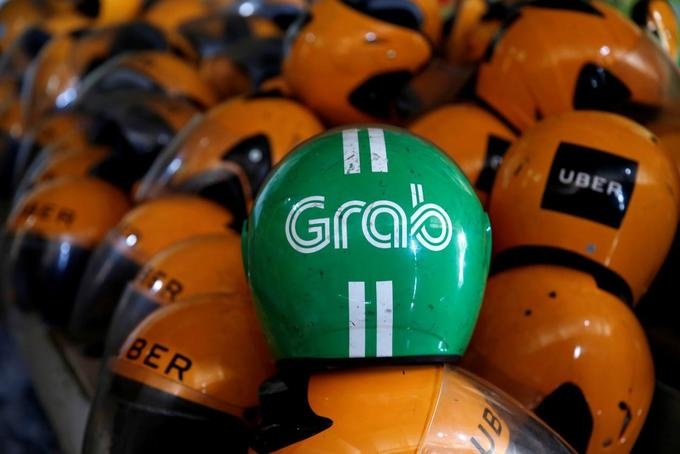
    The ride-hailing market has also seen many other competitors like Uber, Tada and Baemin come and go and now only Be and Xanh SM remain.

    Grab remains the predominant player with a two-third market share, according to research firm Q&Me. In the food delivery business, Grab faces competition from Be and ShopeeFood.

    Many competitors entered the market and spent a great deal of resources on discounts, but did not achieve sustainability, Osorio said referring to their exit.

    Grab on the other hand focused on giving users a number of reasons to open its app, not just for booking a ride, he said.

    Food, delivery, shopping, and other services help maintain a loyal group of customers and reduce the cost of acquiring new ones, he said.

    This complicated network of services helps create success and is difficult to duplicate, he said.

    Grab has also changed its discount strategy, and only has promotions when necessary instead of offering many, he said.

    It also works with partners such as restaurants and payment companies, and so the discounts come from them and not its pockets, allowing it to maintain a price advantage, he explained.

    However, it continues to pour “large investments and efforts” into improving tech solutions, he said, pointing to the new features it has been offering such as personalizing users’ experience and allowing them to order as a group as examples of this.

    But what competitors remain are not making things easy.

    ShopeeFood is backed by e-commerce giant Shopee, while Be and Xanh SM are widely supported since they are Vietnamese businesses.

    Xanh SM’s all-electric fleet also aligns with the government’s plans for future development.

    Le Hong Hiep, a fellow at the ISEAS – Yusof Ishak Institute in Singapore, told the Vietnamese media in June that Xanh SM has the potential to threaten the dominance of Grab if it maintains current growth rates.

    But Osorio said Grab believes competition is positive and fosters development.

    The company is considering helping drivers switch to environment-friendly vehicles, and combining food delivery orders to reduce travel for drivers, he added.

    Vietnam’s ride-hailing and food delivery market was estimated at US$3 billion last year and is expected to reach $10 billion by 2030, according to a 2023 report by Google, Temasek and Bain & Co.

  • Philippines probes Grab over alleged sexual assault of Vietnamese passenger

    Philippines probes Grab over alleged sexual assault of Vietnamese passenger

    Philippine regulators have launched an investigation into the alleged robbery and sexual assault of a Vietnamese woman who booked a ride using the Grab ride-hailing app.

    The Philippines’ Land Transportation Franchising and Regulatory Board has requested the firm to explain the incident and given it five days to comply, quoting the agency’s chair Teofilo Guadiz III as saying on Wednesday. If found to be negligent, the firm could be suspended for at least 30 days and face fines.

    The robbery and sexual assault allegedly occurred on Sept. 5 when a Vietnamese woman booked a ride in Parañaque City.

    During the ride, the driver reportedly allowed another passenger to board the car.

    This passenger then reportedly took the woman’s phone and cash, which amounted to 35,000 Philippine pesos (US$623), before raping her inside the vehicle. The driver was arrested by the police on Sept. 7.

    Grab’s Philippine unit said on Thursday that the driver involved in the case has been permanently banned from the platform.

    It has reached out to the victim to offer assistance and will fully cooperate with the Philippine police in the investigation.

  • Gojek to exit Vietnam

    Gojek to exit Vietnam

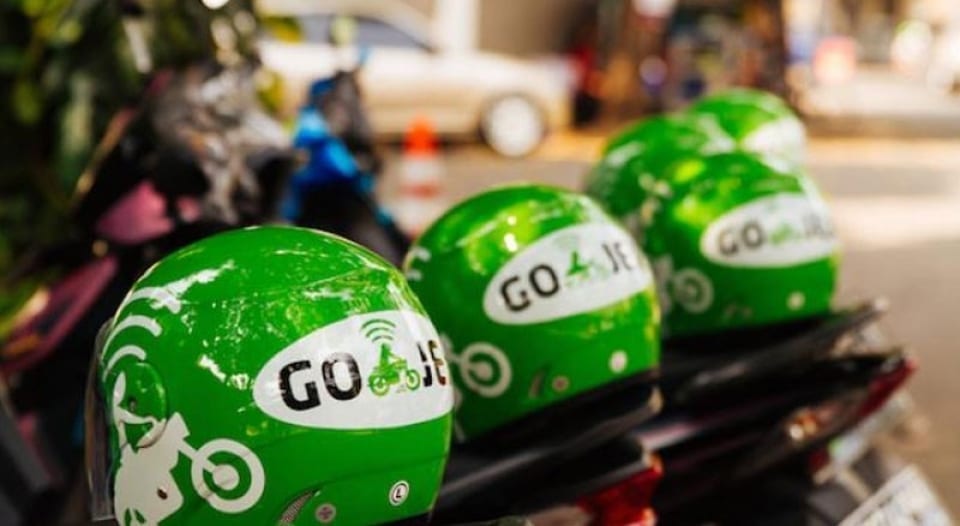
    Indonesian ride-hailing and delivery company Gojek has announced it will stop operating in Vietnam starting Sept. 16 after 6 years in the market.

    It said the decision, made by its parent company GoTo after assessing its market presence in Vietnam, aims to strengthen business operations and aligns with the company’s long-term growth strategy.

    “We will provide the necessary support to all affected parties and comply with current regulations and laws throughout this transition.”

    Gojek was founded in 2010 with a focus on delivery and ride-hailing services, and its app was launched in January 2015 in Indonesia.

    Since then it has grown to become that country’s leading on-demand service platform.

    It entered Vietnam in 2018 as GoViet, which merged with the Gojek brand in 2020.

    It offers two-wheel (GoRide) and car (GoCar) rides, food delivery (GoFood) and parcel delivery (GoSend), and operates in HCMC and Hanoi and Binh Duong and Dong Nai provinces.

    According to market research company Mordor Intelligence, Vietnam’s ride-hailing market is expected to be worth US$880 million in 2024 and grow to $2.16 billion by 2029.

    Another market research company, Q&Me, found that 42% of users in Vietnam favor Grab for motorbike rides followed by Be with 32% and Xanh SM with 19%. Only 7% said they frequently use Gojek.

    With the Vietnamese operations accounting for less than 1% of GoTo’s gross transactions in the second quarter of this year, the exit from the market is expected to have little impact on its financial situation.

    Gojek previously pulled out of Thailand in 2021 and is focusing on its home market and Singapore.

    In Indonesia, Gojek’s gross transaction value increased by 18% year-on-year in the second quarter of this year while its number of completed orders rose 24% to reach record levels. It also saw a 3 percentage point increase in market share in Singapore.

  • Grab no longer buying Trans-cab, Singapore watchdog says

    Grab no longer buying Trans-cab, Singapore watchdog says

    Grab, Southeast Asia’s biggest ride-hailing and food delivery firm, has called off its proposed acquisition of Singapore’s third-largest taxi operator, Trans-cab, according to a statement from Singapore’s competition watchdog.

    The Competition and Consumer Commission of Singapore (CCCS) said in the statement on Thursday evening that both Grab and Trans-cab had notified it on July 22 that they would no longer be proceeding with the proposed acquisition.

    “With the termination of the proposed acquisition, the parties have withdrawn their application to CCCS for a decision, and CCCS has accordingly ended its assessment of the proposed acquisition,” CCCS said in the statement.

    Trans-cab did not immediately respond to a request for comment after working hours.

    “(The) ruling does not change our determination to do everything that we can to offer affordable, reliable transport options to passengers in Singapore,” Yee Wee Tang, managing director at Grab Singapore.

    The commission added that it encourages businesses with acquisition plans to engage CCCS at an early stage if they think there are likely to be competition concerns.

    The commission first raised concerns about the taxi deal in October 2023 before asking Grab and Trans-cab for solutions to address competition concerns earlier this month.

    Grab is one of the city-state’s top ride-hailing companies, with the deal for Trans-cab reported to be worth around S$100 million ($74.55 million).

  • Singapore’s ride-hailing platform Tada sets sight on Hong Kong

    Singapore’s ride-hailing platform Tada sets sight on Hong Kong

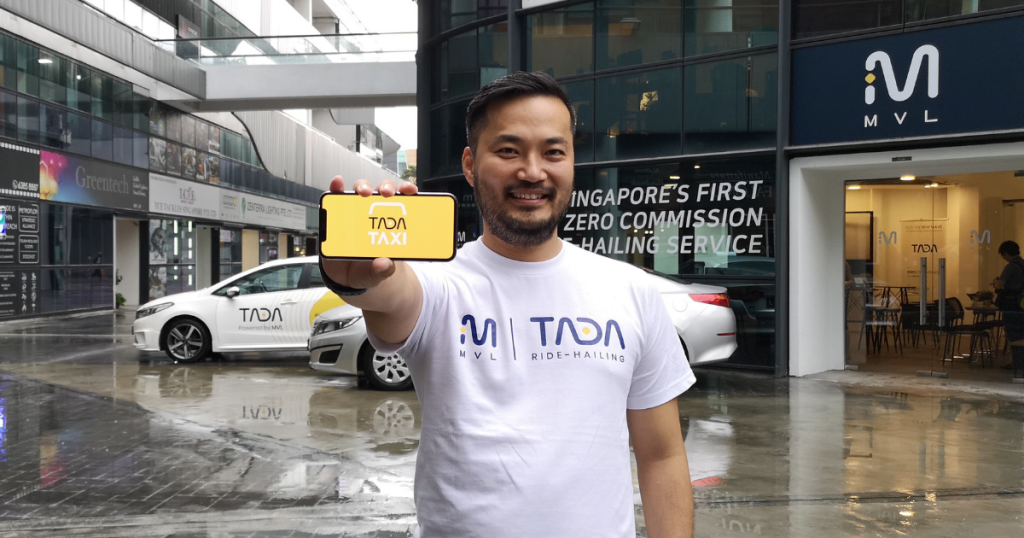
    Singapore-based ride-hailing company Tada will expand to Hong Kong in November with up to 4,000 vehicles as part of a collaboration with local taxi firms.

    “Singapore and Hong Kong share many similarities, which allows us to bring what we have learnt from our success in Singapore over to Hong Kong,” Tada’s chief executive officer Sean Kim said.

    As Hong Kong does not allow drivers to operate transport services without a taxi or car-hire permit, ride-hailing firms such as Uber have been focusing on partnering with taxi drivers.

    Tada charges a fixed platform fee per ride instead of a flexible commission as other ride-hailing apps.

    This policy appeals to drivers as it allows them to keep more of their earnings and will result in better service, Kim said.

    Tada was established in 2018 and is one of five ride-hailing platforms licensed in Singapore.

    Hong Kong has three services currently operating in the city, including U.S.-based Uber, Beijing-based Didi.

  • Only 25% of Vietnamese firms have website

    Only 25% of Vietnamese firms have website

    According to the Vietnam Internet Network Information Center, only 25% of businesses in Vietnam have a website with a national domain, compared to over 70% in Europe.

    Amid a growing trend of omnichannel commerce, many retailers invest only in social media and e-commerce platforms, and do not build websites, causing many shoppers to worry about the legitimacy of the shops they encounter, thus detracting the shopping experience, VNNIC director Nguyen Hong Thang said. “Many entities are not fully aware of the importance of a legitimate online presence.”

    He said a website is like the home or headquarters of a retail store on the Internet, and could integrate and link to other sales platforms without being dependent on the policies and algorithms of social networks and e-commerce platforms.

    According to the Ministry of Information and Communications, there are 14 million grocery stores and over 9,000 traditional markets in the country, accounting for 75% of the retail market and meeting 85% of consumer needs.

    If their digital transformation is not ensured, the business activities of small traders would be affected and have social consequences, it warned.

    To encourage businesses to go digital and promote e-commerce, it has launched a program to support their online presence with digital services using the national domain “.vn.”

    The program offers free domain names and accompanying digital services for two years, including email and website services for their “.vn” domain for new businesses and individuals aged 18-23, and support for creating a website within one hour.

    The government seeks to have 350,000 id.vn domain names and 50,000 biz.vn domain names by 2025.

  • GoTo, TikTok will be wholly compliant with Indonesia’s trade regulation

    GoTo, TikTok will be wholly compliant with Indonesia’s trade regulation

    Indonesian tech firm GoTo and Chinese-owned partner TikTok will be wholly compliant in a month and a half with the Southeast Asian nation’s regulation that bans in-app transactions on social media, GoTo’s CEO said on Wednesday.

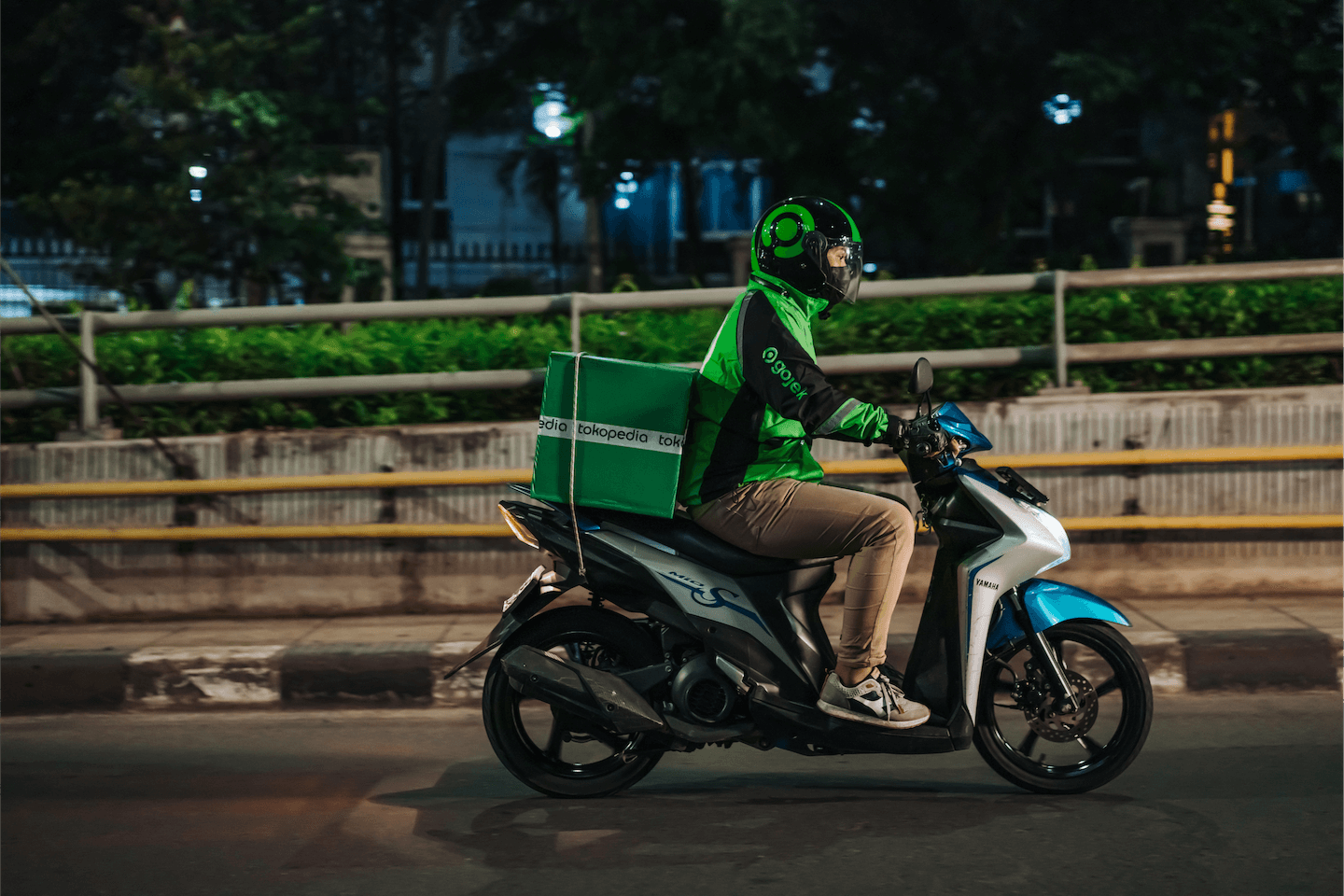
    Short video app TikTok acquired in December majority shares in GoTo’s e-commerce unit Tokopedia after the Indonesian trade ministry banned transactions on its TikTok Shop e-commerce unit.

    “Integration process is going well. All parties continue to communicate with the related ministries and as far as we know the process is nearing completion,” CEO Patrick Walujo said in an online briefing.

    Indonesian minister for small and medium enterprises Teten Masduki said last week TikTok had yet to comply with the regulation.

    TikTok, owned by Chinese company ByteDance, did not immediately respond to a request for comment. Following December’s deal, TikTok has reopened its e-commerce services, which are now facilitated by Tokopedia.

    GoTo’s management said in the briefing that it will receive a quarterly e-commerce fee from Tokopedia, with the sum being dependent on Tokopedia’s gross merchandise value.

    Based on a GMV of $2.9 billion recorded in the third quarter of last year, the e-commerce service fee for GoTo will be $11.4 million, GoTo said.

    GoTo also expects its partnership with TikTok will benefit not only its e-commerce business but also its financial services segment as it will be able to offer digital payments and “buy now, pay later” credit schemes on TikTok.

  • Grab chalks up first profitable quarter, but clouds loom

    Grab chalks up first profitable quarter, but clouds loom

    Grab Holdings reported its first quarterly profit on Thursday and unveiled a maiden share repurchase program, but the ride-share and food-delivery firm’s weak annual sales forecast fanned growth worries and weighed on its shares.

    While the Singapore-based company’s ride-share growth hit pre-pandemic levels in 2023, its food-delivery services is rebounding from a slowdown following a boom during the lockdown.

    “There will be revenue acceleration in the years beyond 2024 as investments in our new products bear fruit,” CFO Peter Oey told Reuters.

    He said Grab was building premium offerings in its mobility and delivery services that could generate high-value transactions.

    US-listed shares of Grab, which also said it expects an annual adjusted core profit, were down 2 percent at $3.38 in early trading.

    The company forecast fiscal 2024 revenue between $2.70 billion and $2.75 billion, compared with analysts’ average estimate of $2.80 billion, according to LSEG data.

    Grab said on Thursday it would repurchase $500 million worth of class A ordinary shares, and announced an early payment of the remainder of a term loan. This followed global peer Uber announcing its first-ever share buyback last week.

    Grab also projected full-year adjusted core profit of $180 million to $200 million, compared with estimates of $135.2 million.

    The company’s fourth-quarter revenue of $653 million beat estimates of $629 million. Revenue rose 26 percent in its mobility business on holiday quarter travel demand, while it increased 20 percent in its delivery unit.

    Grab posted a net income of $11 million in the fourth quarter, helped in part by a “reversal of an accounting accrual”.

    The company delivered its first adjusted core profit in its fiscal third quarter, aided by workforce reduction and cut to some incentives and technology costs over the past two years.

  • Deliveroo announces the appointment of Nick Price as General Manager for their Hong Kong operations

    Deliveroo announces the appointment of Nick Price as General Manager for their Hong Kong operations

    Deliveroo today announced the appointment of Nick Price as General Manager for Deliveroo’s operations in Hong Kong. In his role, Nick will oversee Deliveroo’s business in Hong Kong, with a focus on growing the business and further establishing Deliveroo in the Hong Kong market.

    Nick joined Deliveroo as Finance and Strategy Director in May 2021, since then, Nick has played a pivotal role in accelerating Deliveroo’s growth in Asia. After stepping into the role of Interim General Manager for Deliveroo Hong Kong in July 2023, Nick assumed responsibility for strategic planning, operations, marketing, commercial development, and staff development, as well as being tasked with building relationships with restaurants, riders and customers.

    Nick Price, General Manager, Deliveroo Hong Kong, said, “Deliveroo has established ourselves as a household name in Hong Kong by delivering Hong Kong people with what they need, helping our merchant partners to grow and enabling our rider partners to have more earning opportunities. I am excited about the journey ahead, and thrilled to work closely with the amazing team to realise our vision.”

    Eric French, Chief Operating Officer, Deliveroo, said, “Nick’s breadth of knowledge about the Hong Kong market and leadership skills have been instrumental to our development and success in Hong Kong. We celebrated our 8th anniversary in Hong Kong in November, and we saw record breaking orders with our anniversary campaigns. 2024 is sure to be an exciting year for Deliveroo Hong Kong with Nick at the helm.”

  • Vietnamese billionaire’s taxi firm to expand to Laos

    Vietnamese billionaire’s taxi firm to expand to Laos

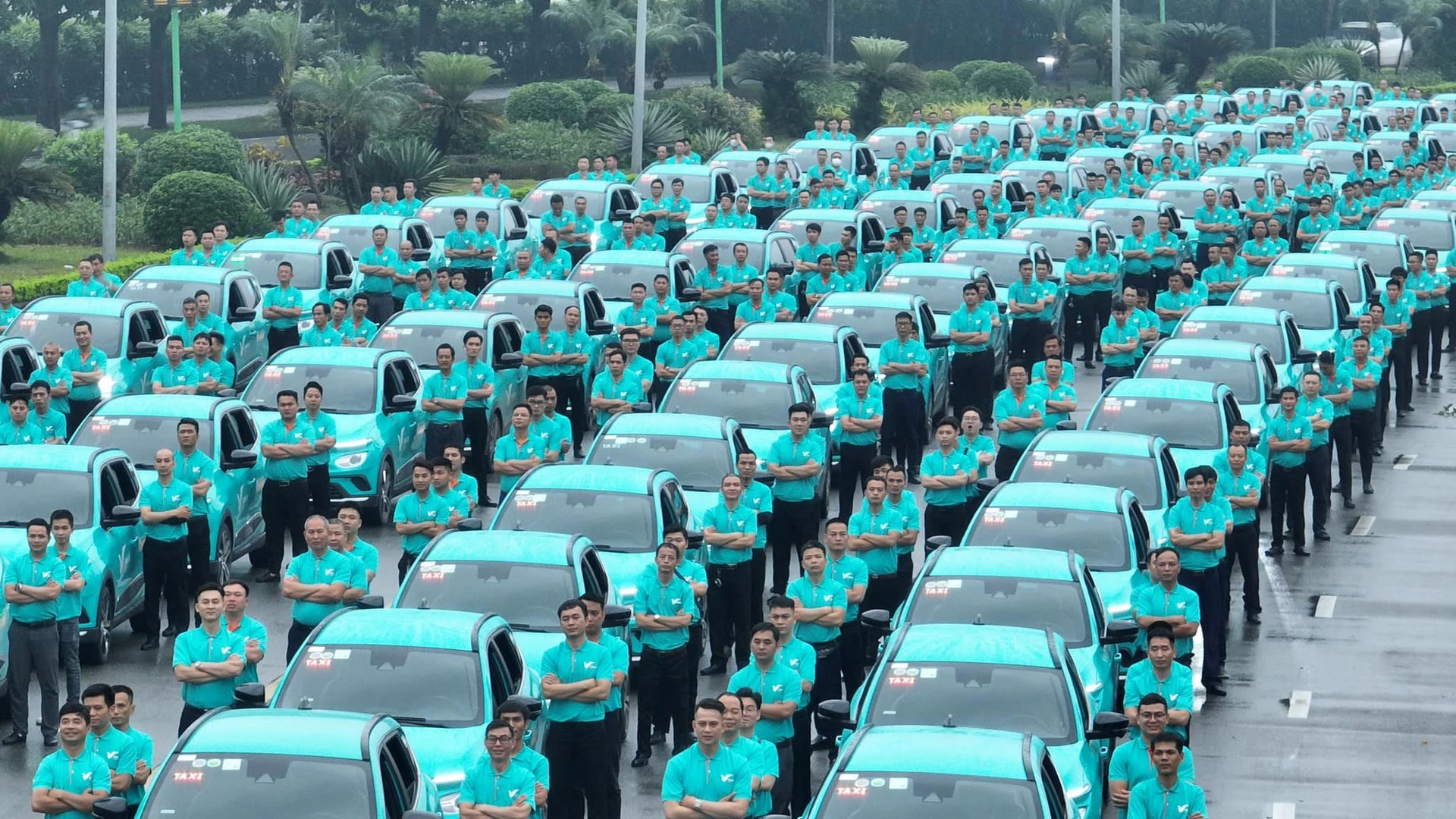
    GSM, an exclusively all-electric taxi company owned by Vietnam’s richest man Pham Nhat Vuong, plans to open services in Laos this year.

    The company, which uses only VinFast electric vehicles, aims to ship 150 electric cars to Laos first, and then increase the number to 1,000 by the end of the year. The cars will be the VF 5 Plus and VF e34 models.

    It will eventually sell and lease VinFast electric cars, similar to its services in Vietnam.

    “This is the first step in GSM’s plan to go overseas, giving it a place in the regional and global markets, is to help introduce electric vehicles to users,” GSM CEO Nguyen Van Thanh wrote on his personal social media page.

    GSM was established in March by Vingroup chairman Pham Nhat Vuong, who owns a 95% stake. It offers taxi and motorbike ride-hailing services.

    The company has partnered with ride-hailing Be Group to incorporate VinFast vehicles in the taxi service.

    GSM is the largest buyer of VinFast cars, according to a report VinFast sent to the U.S. Securities and Exchange Commission in the second quarter.

    GSM had received 7,100 electric cars from VinFast by the end of the second quarter. It had earlier signed a deal with VinFast to buy 200,000 electric bikes and 30,000 electric cars.

  • Airasia Superapp extends partnership with foodpanda to Thailand

    Airasia Superapp extends partnership with foodpanda to Thailand

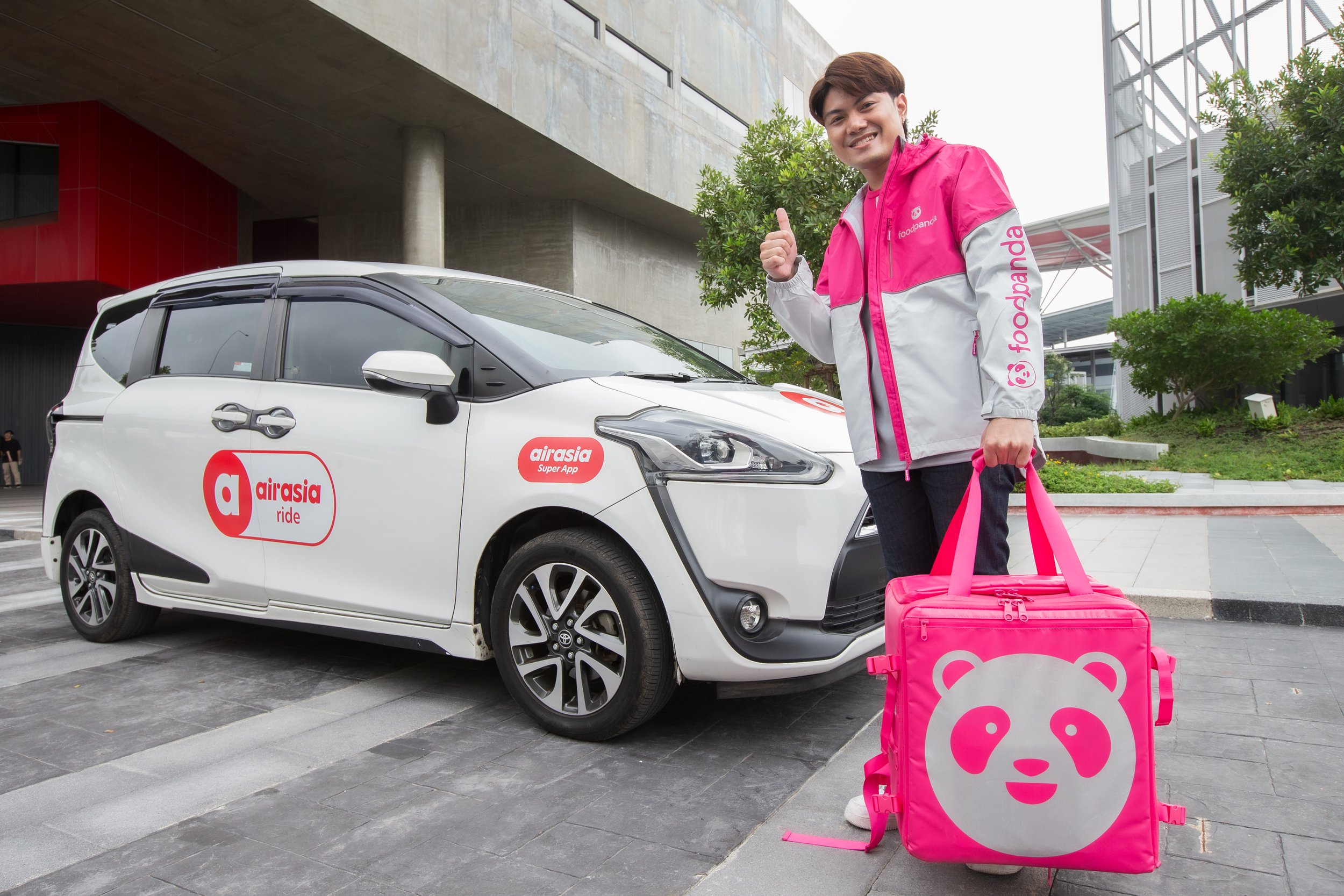
    AirAsia Superapp is extending its partnership with Foodpanda, the region’s food and grocery delivery platform to Thailand, following its initial announcement regarding this collaboration back in May.

    As airasia Superapp focuses on its vision as a one-stop travel platform, providing the market with all things travel, from flights, hotels, ride-hailing, duty-free shopping and even dining experiences, this collaboration with foodpanda Thailand continues to emphasize on the strengths of both platforms.

    Through this collaboration, airasia Superapp users can access foodpanda’s  food delivery services, showcasing a diverse array of delightful menus from restaurant partners nationwide. Irrespective of your location, you can effortlessly order delicious cuisine to savor anytime, anywhere. Concurrently, foodpanda customers will venture beyond food delivery, enjoying access to airasia ride’s budget-friendly and reliable ride-hailing service.

    Whether you’re near or far, traveling becomes hassle-free, further complemented by the option for advance car reservations, streamlining travel planning for Thai customers and foreign tourists. Notably, both services empower users to accumulate airasia points, which can be utilized instead of cash for various purposes, including airfare on airasia and other airlines, hotel accommodations, and other exclusive deals via airasia Superapp.

    Ben-Jie Lim, Head of Partnerships & Global Markets, airasia Superapp, expressed his enthusiasm, stating, “We’re excited to collaborate with a distinguished food delivery service provider in Thailand like foodpanda. This partnership bolsters both applications, introducing users to innovative services catering to diverse needs, and enhancing overall convenience. foodpanda users can seamlessly access ride-hailing services directly through the app, facilitating more convenient and efficient travel within Bangkok, all at an appealing price point. Moreover, for every 15 baht spent on the airasia ride service in foodpanda app, users will earn 1 airasia point, which can be redeemed for a variety of products and services across airasia Superapp.

    Siripa Jungsawat, CEO of foodpanda Thailand, emphasized, “Leveraging over 11 years of expertise in food and grocery delivery services, foodpanda is delighted to join forces with airasia Superapp, an one-stop travel platform in the region. This partnership will strengthen foodpanda to offer a more comprehensive experience to customers. We have 2 main objectives for this partnership. The first is to deliver a complete and seamless service experience to our existing customers of both airasia Superapp and foodpanda. The second is to expand to a new customer base. This partnership will, of course, result in a more comprehensive and sustainable business ecosystem. Apart from foodpanda Thailand, airasia Superapp also collaborated with foodpanda Malaysia earlier in May this year.”

    To celebrate the collaboration, customers of both airasia Superapp and foodpanda can now avail of special promotional offers for ride-hailing and food delivery from both the foodpanda and airasia Superapp platforms starting today.

  • Delivery Hero could sell part of Asian business for $1 billion

    Delivery Hero is in advanced talks on a partial sale of its Asia business, the Wirtschaftswoche business magazine reported, saying Singapore’s Grab could pay a little more than US$1.07 billion.

    The Berlin-based company could sell its activities under the Foodpanda brand in Singapore, Cambodia, Malaysia, Myanmar, the Philippines and Thailand, according to Wirtschaftswoche, which cited sources familiar with the matter.

    Investors in the online takeaway food company welcomed the report, lifting its shares as much as 13.5 per cent.

    Delivery Hero and Grab did not immediately reply to emailed requests for comment.

    Delivery Hero has been focusing on reaching profitability while maintaining growth as investor confidence in the company started to wane after a pandemic-driven boost.

    The group has said that it reached an adjusted profit before interest, tax, depreciation and amortisation (EBITDA) in the first six months of the year, although it did not quantify it, after a loss of US$343.6 million in the same period a year earlier.

    Last month, CEO Niklas Oestberg said that Asia was the segment where the company saw the most opportunity to invest.

    Singapore internet firm Grab posted $567 million in revenue in the quarter that ended June 30 and expects to break even on an adjusted core earnings basis in the current quarter. Grab makes most of its sales from its food delivery business and has recently seen strong growth in its ride-share business.

  • Singapore sneaker platform Novelship secures US$9.5 million in Series B

    Singapore sneaker platform Novelship secures US$9.5 million in Series B

    Singapore-based sneaker marketplace Novelship has bagged US$9.5 million in its Series B funding round led by East Ventures, iGlobe Partners, and GSR Ventures.

    The company said the new funds will be used to accelerate its expansion plans in Southeast Asia, including enhancing its logistics capabilities, refining authentication processes, expanding its slew of in-house collections, and optimizing its environmentally-conscious delivery process.

    “As collectors’ priorities shift towards accessibility, efficiency, and integrity, Novelship stands firm in our dedication to enhance these aspects on our platform,” said Richard Xia, co-founder and CEO of Novelship.

    The company was founded in 2018 as a platform for buyers and sellers to trade authentic sneakers, limited-edition apparel, and exclusive physical and digital collectibles.

    The funding round came after Novelship’s recent collaboration with Snoop Dogg. The marketplace also introduced new in-house products, including Novelty-branded T-shirts, socks, shoelaces, and Shoe Sole Protectors.

    “Our recent expansion of collections and the introduction of new in-house products reflect our commitment to providing broader accessibility for all collectors,” Xia said.

    Novelship reported a compound annual growth rate (CAGR) of 37 percent in revenue and 55 percent in transactions.

    “Novelship has been proven as a one-stop marketplace to fulfill the desires of collectors,” said Willson Cuaca, co-founder and MD at East Ventures. “We also take great pride in witnessing how Novelship incorporates sustainable practices into its operations.”

    Further reading, Asics says its new sneaker offers the lowest CO2 emissions of any brand.

  • Deliveroo Launches New Advertising Platform

    Deliveroo Launches New Advertising Platform

    Deliveroo today announced the launch of its new advertising platform, Deliveroo Media and Ecommerce, in Hong Kong. From now, brands will be able to advertise to Deliveroo customers with relevant offers across its app, on Deliveroo’s website and as part of social media, email and push notification campaigns.

    For the first time, advertising is planned for Deliveroo’s order tracker page, with new formats to launch over the coming months, alongside sponsored search listings.

    Currently Deliveroo partners are able to make use of Deliveroo’s advertising services, with sponsored positioning for restaurant or grocery partners for example. The new advertising platform means consumer FMCG brands will be able to advertise to millions of highly engaged Deliveroo customers.

    Deliveroo’s network of delivery-only ‘Editions’ kitchens and rapid grocery delivery ‘HOP’ stores are also part of Deliveroo’s new advertising proposition, enabling brands to get relevant content or samples into consumers’ hands as their meals and groceries are delivered to their door. 

    Nick Price, Interim General Manager of Deliveroo Hong Kong, said “Deliveroo has over seven million monthly active consumers globally, so we have an engaged and valuable audience for brands to connect with. Our new advertising platform will enable restaurant and grocery partners to tell their story emotionally and effectively whilst ensuring Deliveroo customers continue to receive a food-first experience. Done in the right way, both of our advertising activities can improve the customer experience by helping consumers to discover content they want in an engaging way, as well as helping merchants to drive incremental demand.”

    Advertising on Deliveroo will include partnerships with restaurant partners as well as FMCG companies. This will be done in a way that is mindful of the consumer experience, which is Deliveroo’s priority. Consumers will continue to receive a food-first experience in-app and Deliveroo intends to provide more space to enable restaurant and grocery partners to tell their story emotionally and effectively to Deliveroo consumers via the platform. The advertising solutions will sit within this context.

    With a food delivery marketplace in 10 markets, and with over 162,000 restaurants and 20,000 grocers on the platform, Deliveroo Media and Ecommerce is well positioned to connect brands with over seven million monthly active consumers.

    Deliveroo Media and Ecommerce was launched in the UK last Summer and has made an encouraging start, with advertising revenue reaching an annualised run-rate of £55 million or 0.8% of GTV in Q2 2023, reflecting that this is an effective way for merchants to drive incremental demand. Some of the popular brands that successfully utilised the advertising platform in the UK include Coca-Cola, Unilever, Reckitt and PepsiCo.

    Deliveroo is working with Criteo, the Commerce Media company, who will supply the advertising technology and media sales services.