Retail News CRM

Category: Startups

Retail News Asia is committed to providing both local and global retailers with the latest Startup news throughout the Asian market. This on a daily base.

  • Foreign startups eye Vietnam’s young population

    Foreign startups eye Vietnam’s young population

    Foreign startups are eyeing Vietnam as one of their main markets thanks to the country’s large and young population, low costs and cheap and abundant labor force abundant.

    Vietnam has been among the top markets in terms of revenue for Singapore’s insurance startup Igloo ever since the company was launched in 2021.

    “Vietnam is becoming one of our key markets,” Nguyen Huu Tu Tri, CEO of Igloo Vietnam. “The country’s insurance industry is set to reach $3.5 billion in 2026, but only 2-3% of that goes to tech insurance,” he said, adding that this means there is a large room for tech insurance growth.

    In its two years of operation, Igloo has sold 13 million insurance policies in Vietnam,10 million in last year alone. The target customers are people with low incomes who are not yet insured.

    The company also chose Vietnam as a site to launch its first insurance policy aimed at protecting rice farmers using weather data and blockchain.

    Igloo hopes to become the top insurtech company in Vietnam.

    For India’s car rental startup Zoomcar, the market in Vietnam is promising as the country has a population of nearly 100 million people and a growing demand for cars.

    Zoomcar connects unused car owners with renters and has recorded over 100,000 registered users, including 3,000 car owners.

    “We are approaching the breakeven point on each trip and expect to grow 200%-300% this year,” said Kiet Pham, national manager of Zoomcar Vietnam.

    Vietnam’s advantage lies in its young and tech-savvy population and its rising middle-class, the two startup leaders said.

    Tri said that after the Covid-19 pandemic people are starting to be more interested in insurance products, with a surge in the number of those who are ready to make purchases.

    Zoomcar sees a large demand for car usage in Vietnam. However, the company says that the cost of owning a vehicle is high, which means there will be a large demand for rental services.

    Vietnam’s car rental market is set to reach $884 million by 2027 with a compound annual growth rate of nearly 14%, according to market researcher Mordor Intelligence.

    “Vietnam is the fastest growing market for Zoomcar in Southeast Asia,” Kiet Pham said.

    The number of start-ups from Singapore venturing overseas through Enterprise Singapore’s Global Innovation Alliance (GIA) acceleration programs has ballooned to more than 400 in less than five years. And one of the more popular destinations is Vietnam, with its large workforce, lower labor costs and sizable market.

    From 2020 to 2022, nearly $2 billion has been poured into startups, according to the Ministry of Planning and Investment.

    The Vietnam Silicon Valley Capital Investment Fund, a partner of Lotte Ventures and Korean government agency KISED, last year introduced 14 excellent Korean startups, which plan to bring new products to Vietnam.

    Hong Sun, vice president of the Korean Chamber of Commerce and Industry, said that Korean startups tend to invest in Vietnam after they see many successful companies in the market. He also forecast that many new startups will come to Vietnam in the near future.

    Last year, a report by the World Intellectual Property Organization (WIPO) said that Vietnam ranked 48th out of 132 countries and territories in achieving the greatest progress in the past decade.

    Although Vietnam has fallen four places compared to 2021, it is still in the third position in Southeast Asia, after Singapore and Thailand. Vietnam is also ranked 54th in the global innovative startup ecosystem, up five places compared to 2021

    But startup insiders have found many challenges, especially in changing user attitudes.

    The technology insurance industry, people’s confidence in insurance in general is low and therefore people are not willing to pay for it.

    Furthermore, the lack of high-quality human resources in the technology sector will make it a struggle for Vietnam to meet the development needs of foreign startups.

  • Vietnamese delivery app on the brink of turning profitable

    Vietnamese delivery app on the brink of turning profitable

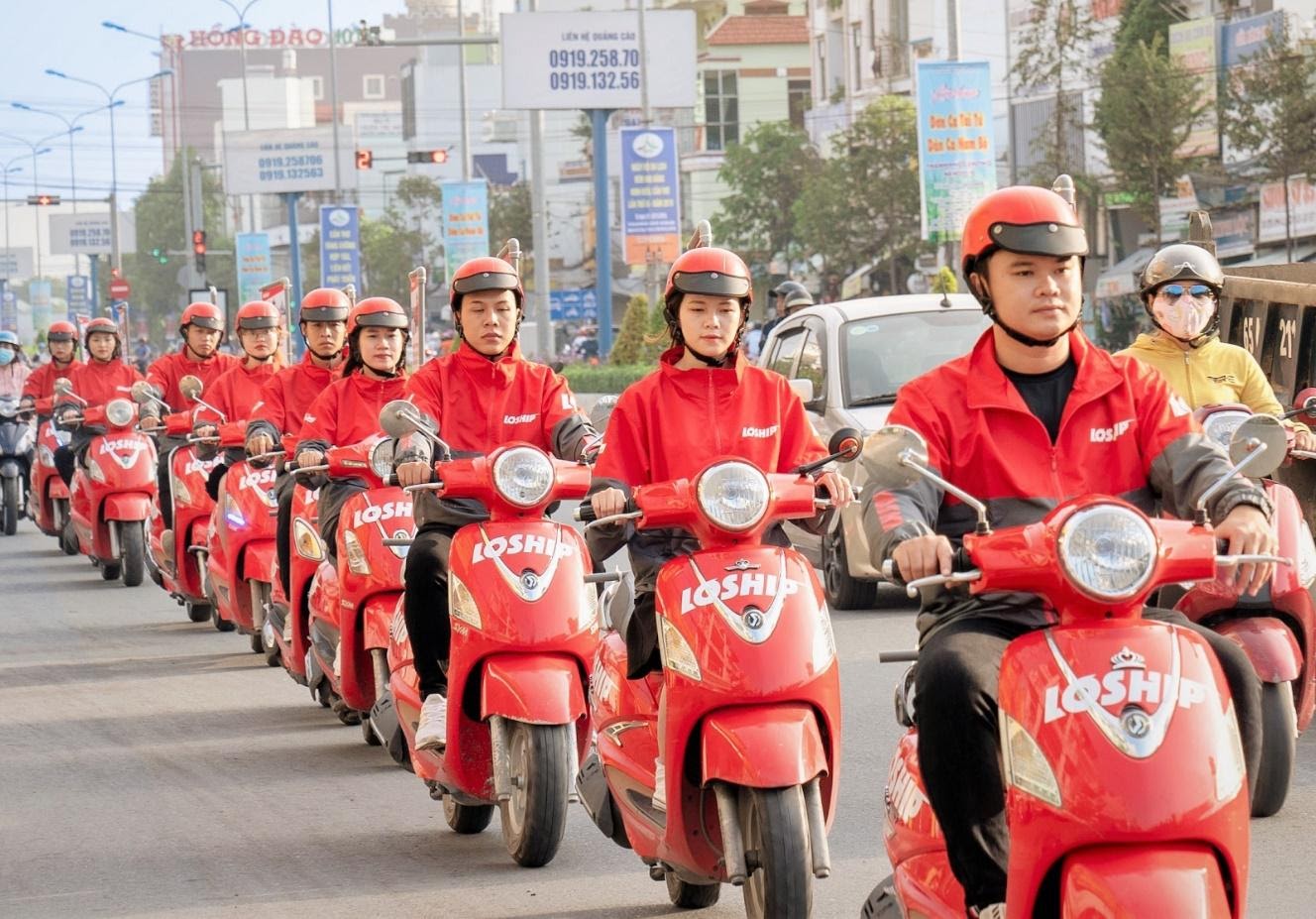
    Delivery startup Loship is confident it will make profits this year, something most of its competitors have yet to achieve.

    Nguyen Hoang Trung, CEO of one of only two delivery startups in Vietnam said that Loship suffers “very little” loss.

    Last year its revenues increased by 500% thanks to business optimization with 250,000 locations and more than five million customers.

    It expects to turn profitable this year.

    Losing money is the norm in the food delivery and ride-hailing industry.

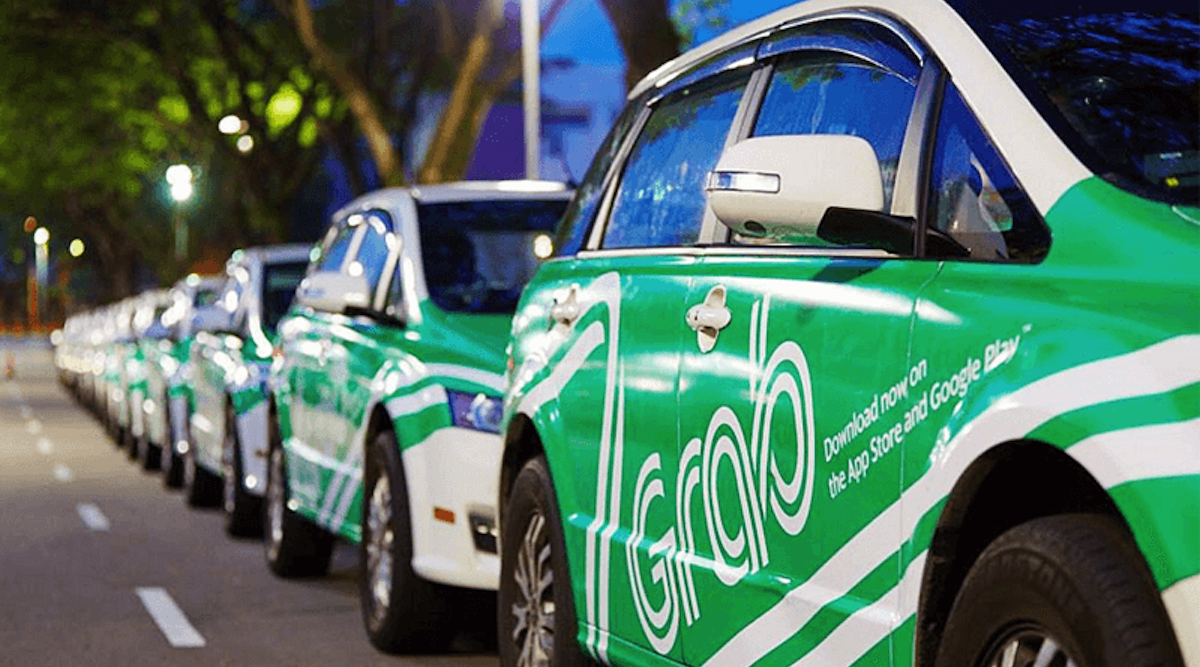
    As of 2021, Grab Vietnam had chalked up cumulative losses of VND4.365 trillion (US$186 million). Gojek is also VND4 trillion in the red.

    Both incur huge selling expenses running ino trillions of dong.

    Trung said all other apps are also affected by Regarding the increase in gasoline price, this but “honestly not too much”. When the Russia-Ukraine war took place, it was a nightmare in the beginning. But so far, the gas price has not changed too much and it’s even cheaper than at the beginning of the crisis. It shows that gas price will continue to increase and then decrease. In the short term, this affects the income of shippers, but not in the long term.

    He said gasoline price increases have a knock-on effect on all prices, including restaurants’. But when they go down, other prices do not follow suit and remain high, and this causes people to gradually stop ordering food, which affects shippers, he said.

    Over time many shippers decide to stop working for apps, as is happening in places like China, Europe, the U.S., and India.

    In 2021 and 2022 Loship spent a lot of money on acquiring new customers, and so marketing costs accounted for over 60% of its expenses. This led to some differences of Loship from others in the market that weren’t “properly recognized” by the customers. One of these differences is that Loship offers free delivery within a certain distance.

    Trung and his team wondered if Loship would be any different from its competitors if they continued to do this. Existing users are still Loship users but they can also be using other apps. Realizing the problem, Loship began to cut its promotions, reducing costs.

    Trung explained: “No matter how big you are, there is always a limit. Money doesn’t fall from the sky.

    “Each company has a long-term strategy for the amount of money it has. The better their strategy, the more money in in their account. Then, even during difficult times they can afford to be generous to their customers.”

    To achieve the goal of breaking even this year Loship is prioritizing cash flows. Last year the company cut 50% of its payroll. Besides, from the second quarter all marketing activities essential ones were frozen.

    Trung thinks the reason Loship is approaching breakeven is that it has found the balance between customers, shippers and restaurant partners, something he admitted was not easy to achieve. Any increase in price could drive customers into the arms of another platform, and any cut in payments to shippers could cause them to take out their frustration on customers, he pointed out.

    In the next three years food delivery and supermarkets would still be the markets that have great competition. Apps would also offer additional services like their own e-wallets to increase convenience for users, he said.

    But he made it clear Loship has no intention of entering the fintech industry since that would require a big investment. Instead, they want to exploit the number of restaurant partners for raw materials supply.

    A recent report by iPOS, a platform that provides sales, operations, and human resource solutions for more than 100,000 restaurants and coffee shops, shows that the food delivery market in Vietnam grew three-fold since the Covid outbreak to VND29.9 trillion last year.

    More than 12 million people ordered food delivery through online platforms, with the number growing annually at 17.5%.

    But the market is dominated by foreign enterprises with 58% of consumers choosing to order on ShopeeFood. It was followed by GrabFood, Baemin and Gojek.

    The only two homegrown players in the market, Loship and beFood, accounted for around 7%. The market still has a lot of room for competition when most of the big applications on the market recorded a reduction in percentage of users.

  • Singapore-based food-ordering platform Gobble ceases operations

    Singapore-based food-ordering platform Gobble ceases operations

    Social media-based food-ordering platform Gobble has shut down in Singapore after more than 18 months of operations.

    The company’s founders announced the closure on their LinkedIn page. One of them, Ashwin Purushottam, cited the company’s inability to raise additional funding to fuel its growth as the main cause of the company’s failure.

    “Running a group-buying marketplace in a space such as food ordering, which has seen an onslaught of disappointing IPOs, set an unfortunate precedent for our next fundraise,” said Purushottam.

    The platform reached US$350,000 in annual gross merchandise value with revenue surging by 47 per cent month-on-month. However, despite the high volume of sales, the profit margins were too low for the company to continue running.

    “As we continue to grow and develop Gobble, we realised that relying solely on a B2C model wasn’t sustainable for us,” said fellow co-founder Domenico Tan. “We failed to show a quick enough path to positive cash flow. With our current funding, we knew we would not be able to generate enough revenue just from Singapore to raise our Series A.”

    The food pick-up app for discount group orders was founded by the two entrepreneurs in 2021. The company subsequently bagged $1.3 million in a seed round led by Beenext and Flash Ventures.

    According to a report released by Grab and Euromonitor International, the Southeast Asian online food delivery gross merchandise value is estimated to grow from US$9 billion in 2020 to $28 billion in 2025.

  • Gojek Vietnam’s co-founder resigns

    Gojek Vietnam’s co-founder resigns

    Indonesian ride-hailing and delivery service company Gojek has named Sumit Rathor as the new GM of its Vietnam operations.

    Rathor has succeeded Tuan Duc Phung, former GM of Gojek Vietnam since 2020. According to a Gojek statement, Phung has decided to pursue other professional challenges outside the company.

    With over 20 years of experience in strategic planning, operations and finance, Rathor joined Gojek in 2019 as a regional manager for Indonesia, in charge of the Central and East Java areas.

    “Vietnam is an important market for Gojek, and we expect that our energy and acumen, along with our market experience, inherited from our previous triumphs, will enable us to maximize the market’s potential,” said Rathor.

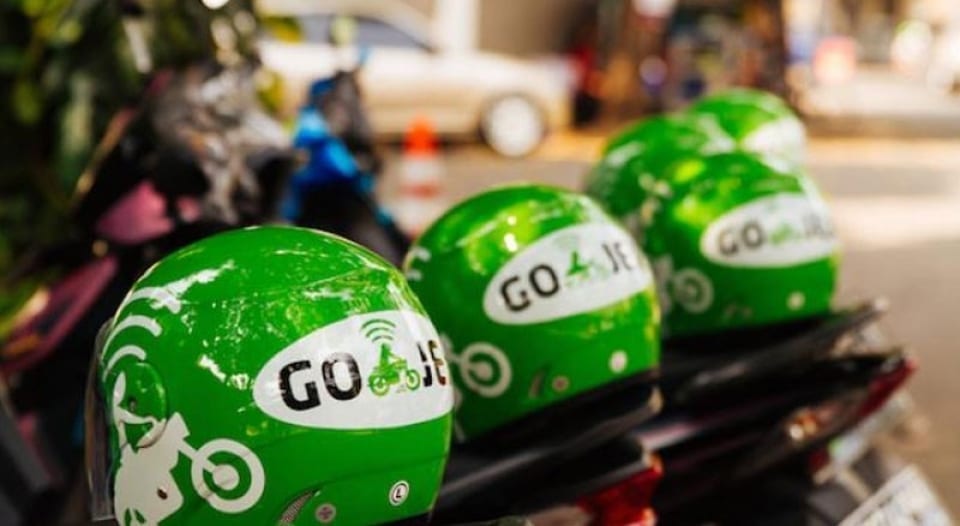
    After entering Vietnam in 2018 under the name GoViet, Gojek Vietnam rebranded in 2020 to attract more customers and grow the business. The Indonesian company provides transportation, food delivery, and logistics services and has offices in Vietnam, Thailand, Singapore, and Indonesia.

    According to local sources, this is Gojek Vietnam’s third CEO change since its establishment.

    Last month, Grab Vietnam also appointed former MD at Grab Thailand, Alejandro Osorio, as MD at Grab Vietnam, supervising overall company operations and the development of the Vietnam business.

  • Hanoi ride-hailing services struggle to cope with Tet demand

    Hanoi ride-hailing services struggle to cope with Tet demand

    Hanoians are struggling to book ride-hailing and delivery services during the runup to Tet (Lunar New Year holidays).

    Hoang Viet of Nam Tu Liem District had an interminable wait before he could get a motorbike on a ride-hailing app on January 15 evening.

    He said: “The apps kept saying all drivers nearby were busy. It took me nearly an hour for a motorbike driver to accept my trip.”

    On the morning of January 16, Nguyen Linh of Tay Ho District had to wait longer than usual to get a GrabCar and the fare had nearly doubled from just a few days ago.

    On January 15 morning, Phuong Anh, who sells Tet gifts, could not find drivers to deliver goods to her customers though fares were higher than usual amid.

    Seeing the surging demand, more ride-hailing and delivery firms have decided to apply surcharges during Tet, Vietnam’s biggest festival, which this year is celebrated from January 20-26.

    Grab has a surcharge of VND5,000 ($0.21) on motorbike rides and delivery orders and VND15,000 on taxi rides.

    Other ride-hailing companies Be and Gojek charge VND5,000-20,000 extra, and delivery service provider Baemin charges VND10,000.

  • South Korean e-grocery startup Kurly scraps IPO plan

    South Korean e-grocery startup Kurly scraps IPO plan

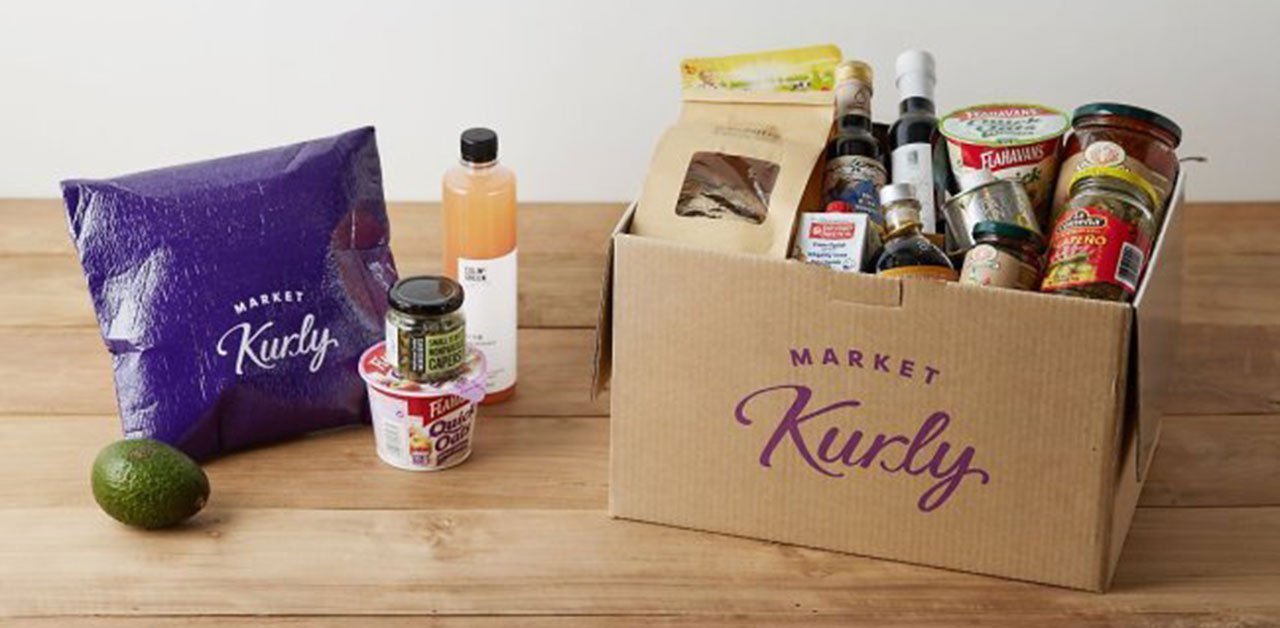
    Kurly Corp. the operator of South Korean e-grocery platform Market Kurly, said Wednesday it will postpone the initial public offering (IPO) originally planned for early this year, due to harsh market conditions.

    “We decided to push back our planned IPO with the Korea Exchange (KRX), considering the contracting investor confidence amid global economic uncertainties,” the company said in a statement.

    “Kurly will resume our public listing at an optimal moment when the company can be fully valuated for its worth.”

    Kurly received preliminary approval for its public listing in August last year.

    The e-grocery giant originally sought to complete its public listing in the second half of 2022, but the review process had been delayed amid worries over its “unstable” ownership structure in which its founder has a small stake, along with continuing losses from its business.

    The company reportedly promised in its IPO plan that its financial holders will maintain their stakes in the company for a certain period after the KOSPI debut.

    Founded in December 2014, Kurly has appealed to customers by providing early morning deliveries of fresh food through its e-grocery platform, Market Kurly.

    The company has been expanding business to other areas, such as cosmetics, ahead of its market debut originally planned for last year.

    Following its decision, Kurly will have to undergo a preliminary review again should it hope to push ahead with the public listing again in the future.

    Various companies had withdrawn their IPO plans last year due to harsh market conditions.

    CJ Olive Young, South Korea’s largest health and beauty store operator, refinery Hyundai Oil Bank Co. and SK shieldus, a securities subsidiary of SK Group, also gave up their IPO plans in 2022.

  • Airasia halts food delivery service in Singapore

    Airasia halts food delivery service in Singapore

    Airasia’s food delivery ambitions seem to have halted in Singapore. The brand’s web-based platform informed users that addresses within Singapore were outside its coverage area. This was the case for 12 consecutive days from 20 December 2022 to 31 December 2022.

    Airasia’s food app was launched in Singapore in February 2021. As part of the launch in the Singapore market, airasia food was on the hunt for F&B operators to sign up as merchants, offering a special sign-on rate as low as 8% for the month of March.

    Compared to other food delivery platforms, such as FoodPanda, Deliveroo and GrabFood, airasia’s food delivery service initially charged eateries a lower commission rate of 15% without any hidden fees or charges to the F&B operators. This allows for eateries to keep their profits favorable.

    When the app initially launched in Singapore, an airasia spokesperson said, “Our strength in technology and logistics infrastructure, plus deep insights to our customers’ preferences will allow us to remain the preferred choice for Singapore customers. We are not distracted by competitive forces and will continue to stay focused on bettering our delivery speed to under 30 minutes, product and service offerings.”

    The food delivery service was part of airasia foray into digital services and superapp ambitions. In November 2022, airasia’s parent company, Capital A enhanced the brand’s Super App by introducing airasia chat, games and the newly launched airasia gifts – allowing the community of airasia members to connect, play and share.

  • Hong Kong delivery platform Lalamove doubles growth in Vietnam

    Hong Kong delivery platform Lalamove doubles growth in Vietnam

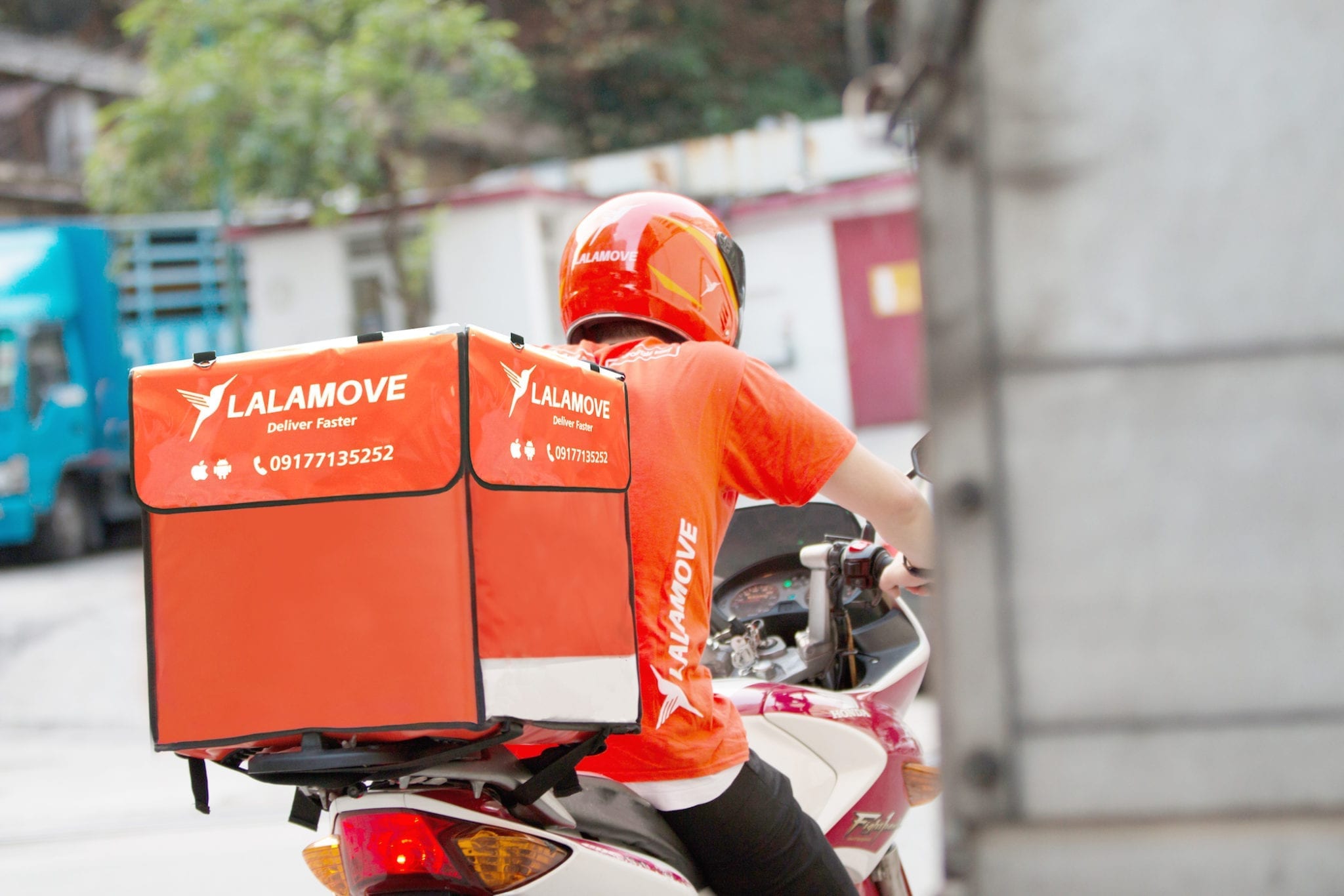
    Hong Kong delivery platform Lalamove has claimed its year-on-year growth in Vietnam doubled in the first 11 months this year.

    But it has not released figures for either year. Vietnam is a key and positive market, its CEO Paul Loo said during a recent visit to the country, and his company has seen opportunities in long-distance delivery grow.

    It now covers 40 localities.

    “Inter-province delivery still accounts for a small ratio of our revenues but it is growing very fast,” Loo said.

    The e-commerce boom has also contributed to the growth, he said.

    Vietnam’s e-commerce market is estimated at $14 billion this year, up 14% from 2021, and is set to reach $32 billion in 2025, according to a report by Google, Temasek and Bain & Company.

    The report said 85% of urban residents use online delivery services. Lalamove, which operates in over 350 cities in mainland China, has a presence in 11 global markets.

    Since entering Vietnam in 2017 it has signed up over 100,000 drivers and 20,000 business partners.

    Businesses are now reluctant to invest in their own vehicles and drivers due to fear of risks amid an uncertain future, which is why they rely on delivery services to transport their products, Loo said.

    His company is investing in technology to improve the algorithm connecting vehicles and customers, he said.

    With $700 million invested in online private transportation companies in the first half of this year, the sector is believed to have high competition.

    There is great potential to increase market share as long as a company meets the needs of its customers and increases the value of its ecosystem, Loo added.

  • Hemp-based skincare startup Hey Bud secures huge deal to supply 400 Priceline stores

    Hemp-based skincare startup Hey Bud secures huge deal to supply 400 Priceline stores

    Hemp-powered skincare brand Hey Bud has rolled into more than 400 Priceline stores nationwide, as the startup readies for Australian authorities to embrace a greater variety of cannabis and CBD-infused products.

    Hey Bud offers a range of serums, cleansers, and clay masks infused with hempseed oil, a natural product touted for its anti-inflammatory properties.

    While hemp is derived from the cannabis plant family, hempseed oil contains no psychoactive ingredients — even if the Hey Bud name does cheekily allude to the plant’s more well-known cousin.

    Officially launched in 2020 by Melbourne co-founders Alex Roslaniec, Ollie Watts, and Fedele D’Amico, Hey Bud commands its own webstore and an engaged, youthful fanbase with more than 210,000 Instagram followers.

    The company claims to have made $10 million in sales in its brief history.

    Partnering with Priceline will help the brand reach even more young customers, Roslaniec says, given the overlap between Hey Bud’s existing users and the pharmacy chain’s core customer base.

    “What we found from speaking to a few different retailers was that Priceline’s customer demographic really made a lot of sense for us,” Roslaniec said

    “So a lot of our customers do shop in the likes of Priceline, and they also have a very similar age demographic as well.”

    “We know customers have been wanting to see our products on store shelves for a while now, and we are so excited to finally make that happen,” co-founder Ollie Watts said in a statement.

    The company is also exploring international distribution opportunities, Fedele added.

    More broadly, the Priceline expansion will help Hey Bud on its mission of “actually educating our customers, and making sure that we are breaking down the stigma of cannabis because it doesn’t have this psychoactive component to it”.

    At the same time, Hey Bud is keeping a keen eye on the CBD product market.

    While doctors are free to prescribe pharmaceutical cannabis in certain circumstances, access to cannabis-based products like CBD oil is strictly regulated in Australia.

    Given the prevalence of legalised CBD-infused consumer products in the US, Canada, and the UK, Roslaniec says customers are eager to hear about legislative developments at home.

    “What we’re finding from a lot of our customers is they’re actually asking us, they’re looking to us for answers when CBD will become legal within Australia,” he said.

    “I believe that it’s only a matter of time before CBD and cannabis become more recreationally legalised here in Australia which we are keeping a very close eye on,” he added.

    The company is “talking to formulators overseas to understand what the process looks like as well so that we are ready to pivot into that space.”

  • Grab to implement cost cuts, cites uncertain macroeconomic situation

    Grab to implement cost cuts, cites uncertain macroeconomic situation

    Grab Holdings, Southeast Asia’s biggest ride-hailing and food delivery firm, is rolling out cost-cutting measures to cope with an uncertain macroeconomic situation, the Singapore-based company’s chief executive told staff in a memo.

    The measures include a freeze on most hirings, salary freezes for senior managers and cuts in travel and expense budgets, according to the memo, whose contents were confirmed by a company spokesperson.

    “None of these decisions were easy, but are meant to help us get leaner and fitter, as we accelerate even faster towards sustainable, profitable growth,” CEO Anthony Tan said in the memo sent to the staff on Wednesday and was viewed by Reuters. “More so than ever, all Grabbers need to adopt a frugal and prudent mindset as we prepare for 2023.”

    Last month, Grab raised its 2022 revenue forecast, reported a narrower adjusted operating loss and said its food and grocery delivery business broke even three quarters ahead of the company’s expectations.

    Tan said in the memo that Southeast Asia has not, and will not, be spared from rising prices and interest rates, and the consequent effects on growth.

    Grab’s new measures “will also help us avert knee-jerk reactions that may interrupt our plans down the road,” he said.

    Decade-old Grab, a household name in eight Southeast Asian countries, has been trying to stem losses by focusing on higher-paying customers and lowering spending on incentives. Grab, which operates in 480 cities in eight countries, had about 8,800 staff at the end of 2021.

    In September, Grab’s chief operating officer, Alex Hungate, said that the company did not envision having to undertake mass layoffs as some rivals, including Uber Inc have done. Instead, Hungate said, the company would selectively hire, while reining in its financial-services ambitions.

    The memo circulated on Wednesday said Grab would “freeze the majority of current open job requisitions which are not in offer stage”. Tan wrote that requests to backfill and fill critical roles would need to be approved.

    Certain leaders at the company would not be eligible for raises in their upcoming reviews, while the travel and expense budget will be reduced by another 20% from the last guidance, according to the memo.

    Grab has more than 5 million registered drivers and more than 2 million merchants on its platform. It caught global attention in 2018 when it acquired Uber’s Southeast Asian business after a costly five-year battle.

    Tan said the company has been cautious with how it has spent money over the past two years, streamlining some businesses, tapering down incentives as well as slowing down hiring. These measures, Tan said, had helped Grab get closer to its profitability goals.

  • Line Man Wongnai in talks to buy Foodpanda’s Thai unit

    Line Man Wongnai in talks to buy Foodpanda’s Thai unit

    Thailand-based food delivery platform and unicorn Line Man Wongnai is negotiating to acquire the local unit of Foodpanda.

    German online food-delivery service provider Delivery Hero owns Foodpanda Thailand.

    Citing people familiar with the matter, the news agency reported that the food delivery platform was earlier valued at $100m, but due to market headwinds, the deal amount could be reduced.

    A source familiar with the development added that the deal is yet to be finalized and talks could still fail.

    Line Man Wongnai was established in 2020 following the merger of delivery service firm Line Man and Thai restaurant review platform Wongnai.

    The food delivery platform achieved unicorn status after securing $265m in a Series B round led by GIC, a Singapore sovereign wealth fund; and Line Corporation, the operator of a Japanese messaging app, in September.

    In August, food delivery companies Foodpanda, Grab and Deliveroo agreed to launch an association in Singapore to shape guidelines to support merchants and delivery staff.

    Called Digital Platforms Industry Association (DPIA), the organisation is intended to help identify improvement areas and facilitate collaboration with the government and industry stakeholders.

    Meanwhile, Central Restaurants Group, a Thail restaurant chain operator, plans to open 30 new KFC restaurant units in 2023.

    As part of this initiative, the franchisee plans to make an investment of THB400m ($11.5m).

    The group plans to open 15 restaurants in Bangkok, while the remaining units are planned in the upcountry region.

  • Indonesia’s GoTo to sell US$96 million stake in retailer Alfamart

    Indonesia’s GoTo to sell US$96 million stake in retailer Alfamart

    Indonesia’s PT GoTo Gojek Tokopedia said on Wednesday it has sold its stake in local retailer Alfamart worth 1.5 trillion rupiah (US$96.03 million), days after the tech firm announced its strategy to focus on accelerating profitability.

    The announcement comes at a time when GoTo shares are trading at record low levels.

    The expiry of an eight-month lock-in period for pre-IPO shareholders followed by some of them deciding not to take up a secondary offering meant shares plunged nearly 55per cent in the last two weeks, wiping out nearly US$8.8 billion in market value.

    GoTo is the result of a merger between ride-hailing-to-payments company Gojek and e-commerce leader Tokopedia. Since going public in April, GoTo has lost more than US$23 billion in market value and is trading at 94 rupiah – 72per cent below the IPO value of 338 rupiah.

    GoTo, which logged a narrower loss in the third quarter, aims to prioritise profitability, consider shaving off non-core assets and investmentd, and not make any “new investments that do not contribute to acceleration of profitability”.

    “Alfamart has performed strongly, providing us with an opportunity to realise a significant gain on our minority investment,” said Jacky Lo, GoTo’s chief financial officer.

    Alfamart, which trades as Sumber Alfaria Trijaya, was down 0.4per cent as of 0718 GMT to 2,590 rupiah.

  • Grab to implement cost cuts, cites uncertain macroeconomic situation

    Grab to implement cost cuts, cites uncertain macroeconomic situation

    Grab Holdings Ltd, Southeast Asia’s biggest ride-hailing and food delivery firm, is rolling out cost-cutting measures to cope with an uncertain macroeconomic situation, the Singapore-based company’s chief executive told staff in a memo.

    The measures include a freeze on most hirings, salary freezes for senior managers and cuts in travel and expense budgets, according to the memo, whose contents were confirmed by a company spokesperson.

    “None of these decisions were easy, but are meant to help us get leaner and fitter, as we accelerate even faster towards sustainable, profitable growth,” CEO Anthony Tan said in the memo, which was sent to the staff on Wednesday and was viewed by Reuters. “More so than ever, all Grabbers need to adopt a frugal and prudent mindset as we prepare for 2023.”

    Last month, Grab raised its 2022 revenue forecast, reported a narrower adjusted operating loss and said its food and grocery delivery business broke even three quarters ahead of the company’s expectations.

    Tan said in the memo that Southeast Asia has not, and will not, be spared from rising prices and interest rates, and the consequent effects on growth.

    Grab’s new measures “will also help us avert knee-jerk reactions that may interrupt our plans down the road,” he said.

    Decade-old Grab, a household name in eight Southeast Asian countries, has been trying to stem losses by focusing on higher-paying customers and lowering spending on incentives. Grab, which operates in 480 cities in eight countries, had about 8,800 staff at the end of 2021.

    In September, Grab’s chief operating officer, Alex Hungate, told Reuters that the company did not envision having to undertake mass layoffs as some rivals, including Uber Inc have done. Instead, Hungate said, the company would selectively hire, while reining in its financial-services ambitions.

    The memo circulated on Wednesday said Grab would “freeze the majority of current open job requisitions which are not in offer stage”. Tan wrote that requests to backfill and fill critical roles would need to be approved.

    Certain leaders at the company would not be eligible for raises in their upcoming reviews, while the travel and expense budget will be reduced by another 20% from the last guidance, according to the memo.

    Grab has more than 5 million registered drivers and more than 2 million merchants on its platform. It caught global attention in 2018 when it acquired Uber’s Southeast Asian business after a costly five-year battle.

    Tan said the company has been cautious with how it has spent money over the past two years, streamlining some businesses, tapering down incentives as well as slowing down hiring. These measures, Tan said, had helped Grab get closer to its profitability goals.

  • Grab appoints new managing director for Vietnam

    Grab appoints new managing director for Vietnam

    Grab Vietnam has appointed Alejandro Osorio as its new managing director as part of its drive to achieve “robust sustainable growth” in its local operation.

    Osorio, an American who has worked for Grab for five years, previously served as director for regional strategy and planning, operations, and most recently was managing director of Grab Thailand.

    “Alejandro’s experience in building up business strategy on a regional scale and developing high-performing local teams makes him the right leader for the next phase of growth for Grab in Vietnam,” Russell Cohen, group managing director, operations of Grab, said in a statement.

    Under Osorio’s leadership, Grab Vietnam aims to leverage the power of the superapp ecosystem to strengthen its leadership in the country. The company plans to advance technology to help improve the efficiency of its partners, offering more relevant everyday services and ecosystem-wide benefits for consumers.

    Osorio’s predecessor Nguyen Thai Hai Van left the Grab Vietnam managing director chair in April after two years of service.

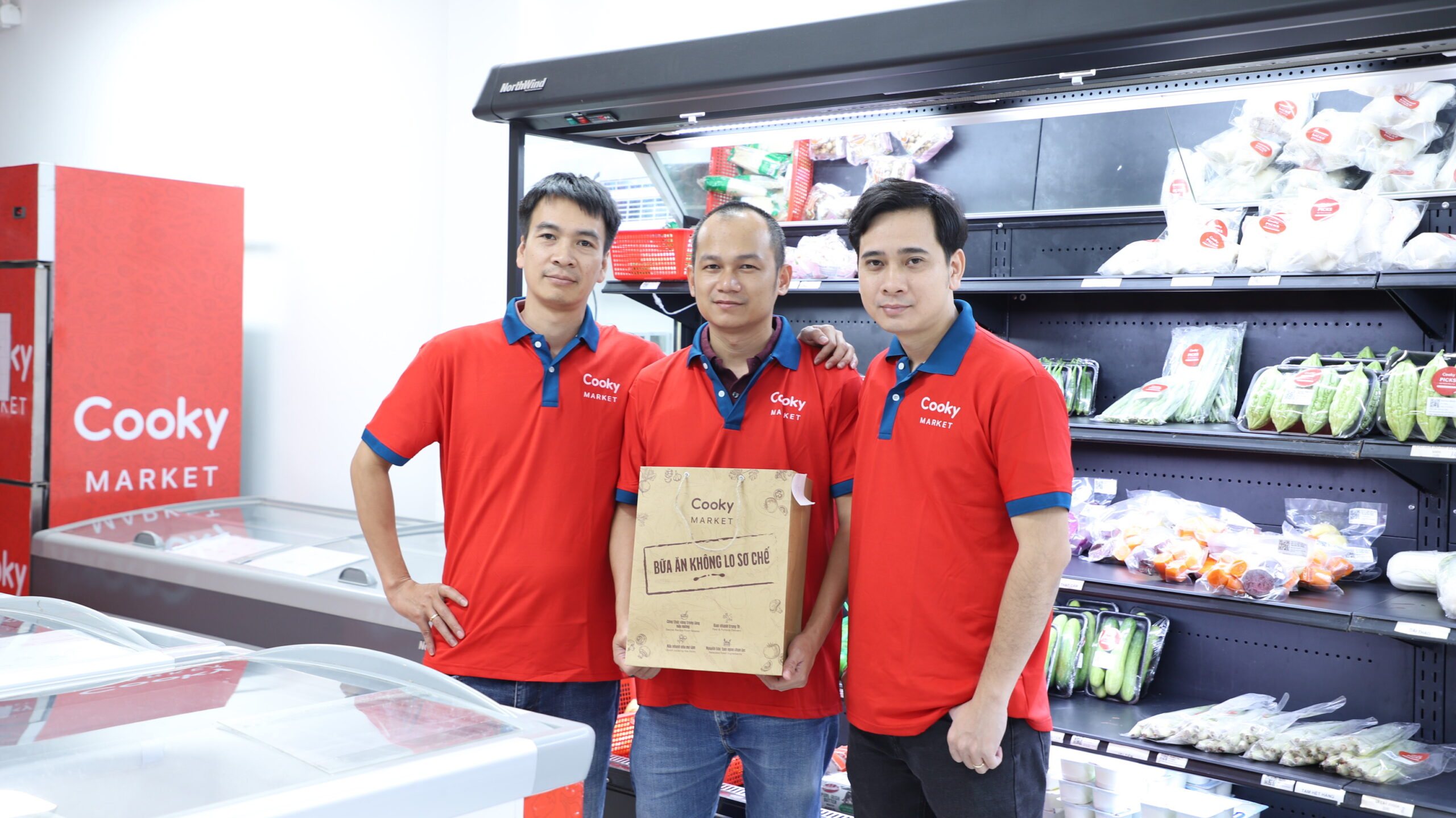
  • Online shopping startup Cooky raises $4.5mln

    Online shopping startup Cooky raises $4.5mln

    Online shopping and cooking platform Cooky has raised $4.5 million in a funding round led by Vietnam’s Do Ventures, South Korea’s Nextrans.

    The funding will be used for research and development to create more nutritious recipes at a better cost, said Cooky’s founders Dang Hoang Minh and Nguyen Thanh Dai, also founding members of food platform Foody.

    The startup aims to become a food-tech company, making shopping and cooking easier and more efficient, making both happen within 30 minutes, said Cooky CEO Minh.

    Its app is a combination of an online grocery delivery platform and a cooking delivery service, where customers can shop for ingredients individually or buy a recipe. It has been downloaded more than one million times since it was launched 1.5 years ago.

    After the Covid pandemic boosted demand for online shopping, this consumption behavior has been maintained by Vietnam’s young population. With the rapid rise in popularity of online shopping solutions, the country’s e-grocery market is expected to reach $1.5 billion by 2025, Cooky estimates.