Retail News CRM

Category: Startups

Retail News Asia is committed to providing both local and global retailers with the latest Startup news throughout the Asian market. This on a daily base.

  • Tech professionals in Vietnam prefer foreign companies

    Tech professionals in Vietnam prefer foreign companies

    Six takeaways from the most-updated nationwide report reveal what IT professional salaries and expectations in 2022-2023 look like.

    Designed to address and understand the multifaceted IT job market with tons of “rosy myths” about salary and tasks, “Salary & Job Expectation of IT Professionals in Vietnam 2022-2023” builds on a detailed analysis of 1,257 IT workers’ responses across the country.

    With an employee-based orientation, the latest report reveals, including but not limited to, IT professionals’ salaries based on positions and experiences, expectations among employers, and desired improvement areas.

    Information technology (IT) jobs have been in high demand as technology products and services become more integral to our lives. The U.S. Bureau of Labor Statistics (BLS) projects the computer science and IT industry’s employment rate to grow 21% from 2021 to 2031, much faster than the average for all occupations.

    The job market in Vietnam is not an exception, which is witnessing an expansion in the IT field regarding the number of companies and jobs. While there are still unexplored facets in the field, the report titled “Salary & Job Expectation of IT Professionals in Vietnam 2022-2023”, for the first time ever, has been released to reveal in-depth aspects of IT jobs based on 1,257 responses from IT professionals.

    Game, Data, and AI/Machine Learning positions have the highest salary compared to others with the same years of experience.

    According to self-report salaries from IT professionals in different types and years of experience, IT professionals in the field of Data and AI/Machine Learning, who have at least three working years, can earn a monthly salary of VND30,500,000.

    Meanwhile, with the same experience, Front-end Developers and Designers make only VND23,000,000VND and VND28,000,000 per month, respectively. Even professionals with more experience in the job market receive lower salaries or just slightly higher than those in Data and AI/Machine Learning positions.

    Four-year experienced Back-end and Full-stack Developers, for instance, have a median monthly salary of VND30,000,000 and VND29,000,000, correspondingly. Mobile Developers with five experienced years can make VND33,500,000 per month. In contrast, by merely acquiring two years of experience, a Game Developer can receive a monthly salary of VND27,000,000.

    Trendy and specialized programming languages like Python, TypeScript, and Go may guarantee higher pay than other skills. IT professionals mastering these languages have a monthly salary of VND30 million to VND40 million with three to five years of experience. HTML/CSS, conversely, is the lowest-paid skill, with a salary of VND16 million per month.

    With skills in Dart and C# programming languages, it may be more challenging for IT professionals to earn a competitive salary. Their monthly median salary is VND22,500,000, with four-year experience, and VND28,500,000, with five-year experience.

    JavaScript, Bash/Shell, and Ruby languages are worth keeping an eye on if IT professionals want higher earnings, thanks to their essentiality and productivity.

    The Covid-19 pandemic might impact the way employees in all professions think about their working modalities. A total 70.2% of 1,257 IT professionals participating in the research were attracted and cared more about job offers that allowed hybrid working mode. Nevertheless, it was not their top concern when applying for a job.

    The top four topics an IT professional would love to discuss during a job interview include the working style of future leaders, company culture, company/product development potentiality, and new challenges to conquer.

    Interestingly, while salaries do not appear as IT workers’ most prioritized consideration, a large number of them expected to receive at least a 20% salary increase to accept a new job offer.

    Salary is the main deciding factor for IT employees when it comes to reasons for quitting their current job. Unsatisfying salaries and rare/no chances to raise wages are the top two motives leading IT professionals to give up. Two more are no challenges in working tasks and rare/no promotion opportunities. Employees may find no conquering tasks when their assignments are too easy, on a small scale, or already in shape. Factions and politics at the workplace also contribute to employee decisions to resign.

    Regarding an ideal company, IT professionals tend to refer to corporations originating from European countries, America, or Canada. Vietnamese companies come in third place, which is moderately higher than Australian and New Zealand corporates.

    Once again, flexibility to work at home or no timekeeping required plays an important role to make employees stay loyal. Other factors concerning company culture are getting along with colleagues and reasonable workload, particularly, limited overtime tasks.

    A clear vision of prospective growth from the company, leaders and themselves is the most significant preference of IT professionals when considering staying with a company. They would love not only to know their development and promotion potential but also to have leaders who can provide explicit foresight and orientations.

    Most IT professionals want to enhance their technical skills & knowledge for short-term plans, covering 60% of responses, while switching to management skills and positions involve long-term objectives.

    The top two improvement areas that they focus on are English and technological expertise. They are looking forward to learning new programming languages including Python, Go, and TypeScript at 25,3%, 22,4%, and 15%, respectively. If you find those languages familiar, yes, you read it from the second takeaway. It is reasonable to learn skills that bring you more stipend.

    The report has been released for the very first time, conducted and published by ITviec, the leading job site for IT recruitment in Vietnam. The report’s findings aim to provide employers a better understanding of each IT position/type, thus, developing more successful job offers.

    Qualitative information was gathered via in-depth interviews with professionals in typical IT roles. An online survey was employed consisting of multiple short questions and can be completed within 20 minutes. Qualified respondents are ITviec users and from other sources that do not relate to the ITviec platform. The report does not include IT freelancers and people who do not work in IT.
  • Electric motorbike startup raises another $8 mln

    Electric motorbike startup raises another $8 mln

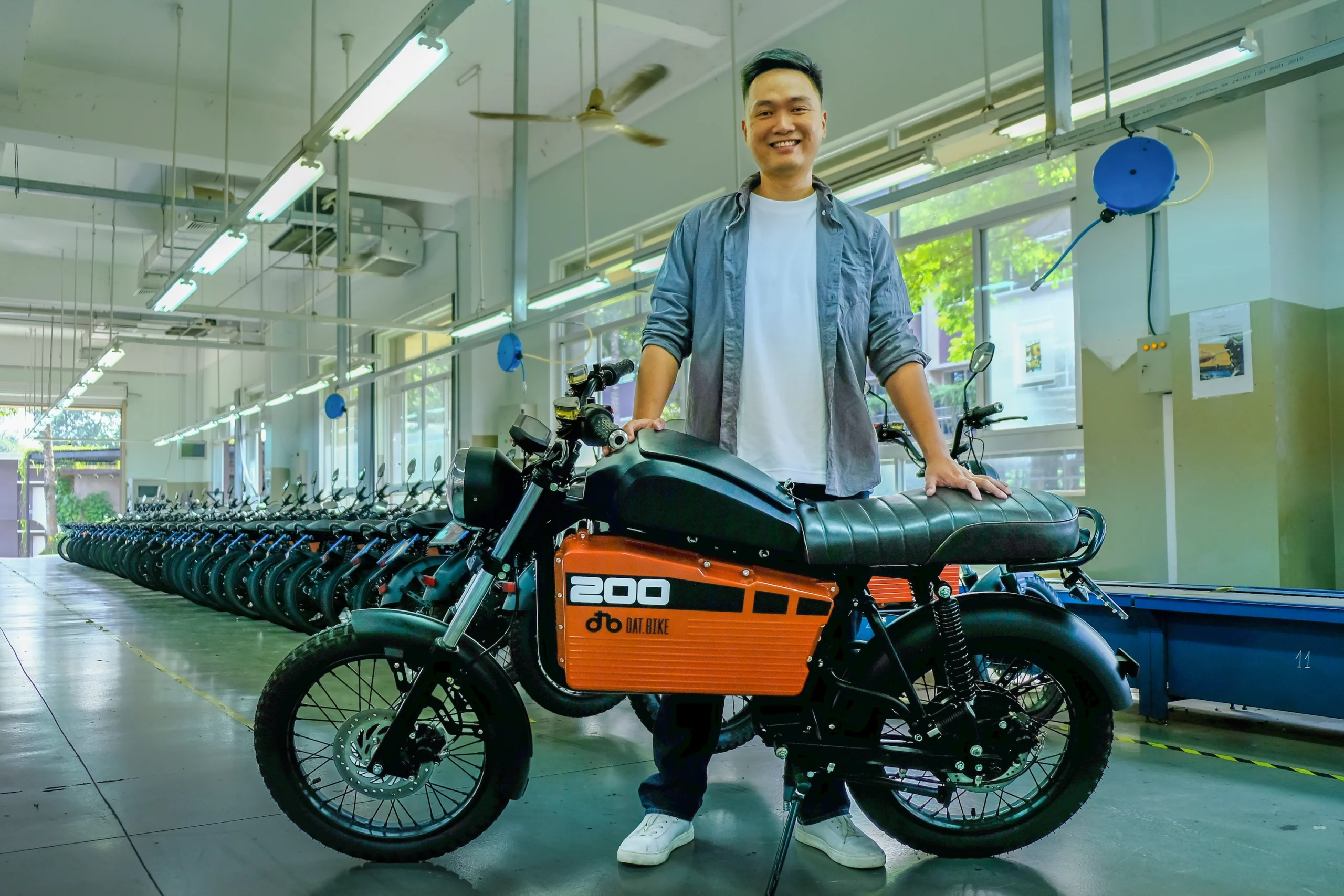
    Vietnamese electric motorbike startup Dat Bike has secured $8 million in a funding round, bringing the total since its establishment to $16.5 million.

    The round was led by returning investor, Singapore-based Jungle Ventures, with participation from GSR Ventures, Innoven Capital, Wavemaker Partners, and Delivery Hero Ventures – the investment arm of Foodpanda’s parent firm.

    The startup will use the new round of funding to invest in technology, scale production, product development and hiring talent, said Nguyen Ba Son, founder and CEO of Dat Bike.

    Founded in 2019, Dat Bike says its revenue grew 10 times over the past 12 months.

    The launch of its latest model, Weaver 200, has solved the problems of performance and range as it has a maximum capacity of 6,000W, covering 200 km with a 3-hour charge, Son said.

    The startup has also launched Dat Charge – an ultra-fast charging station for its electric bikes, which allows charge for a 100km trip in 20 minutes and 150km in 30 minutes. This is the highest electric bike charging speed in the country at present, according to the company.

    After four years of operations, Dat Bike has three stores in Ho Chi Minh City, Hanoi and Danang. It plans to enter other Tier 1 cities, including Quang Ninh, Hai Phong, Nha Trang, Binh Duong and Can Tho, soon.

  • Indonesia’s GoTo to cut 1300 jobs to step up cost cutting

    Indonesia’s GoTo to cut 1300 jobs to step up cost cutting

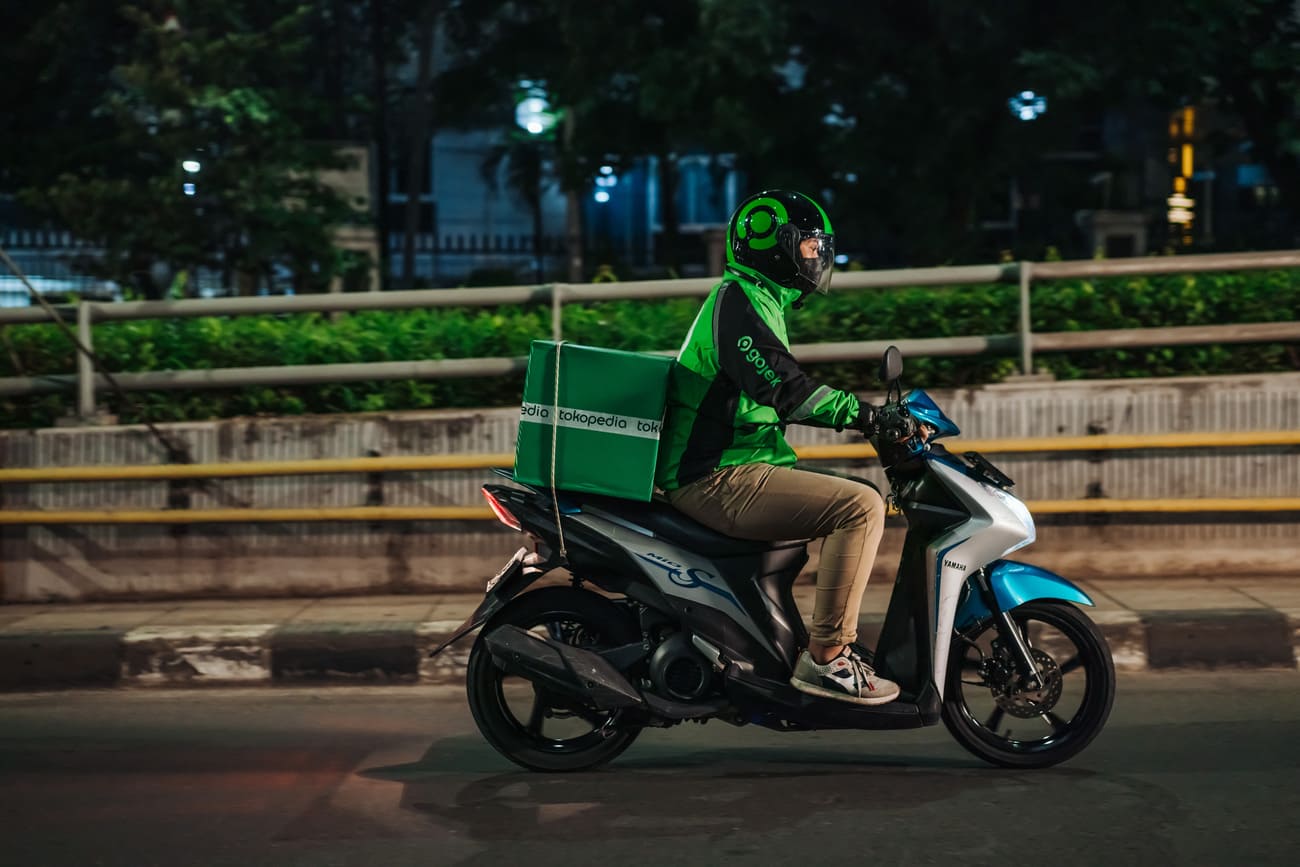
    Indonesia’s biggest tech firm PT GoTo Gojek Tokopedia Tbk said on Friday (Nov 18) it was laying off 1,300 workers, or 12 percent of its workforce, joining a wave of technology firms retrenching after years of rapid hiring due to an uncertain economic outlook.

    “Challenging global macroeconomic conditions are having a significant impact on businesses around the world and GoTo, like other prudent companies, is making adjustments to ensure it can navigate the uncertain road that lies ahead,” it said in a statement.

    GoTo said it has achieved around 800 billion rupiah (US$51 million) in cost savings in the first half of this year through efficiency measures in technology, marketing and outsourcing.

    “However, the company has determined that further measures must be taken to ensure it is equipped to navigate the challenges ahead,” it said about the job cuts.

    Affected employees will receive at least one additional month’s salary on top of what is statutory and full notice in-lieu, GoTo said in a press release.

    They will also get to keep their laptops, access online training resources, and can be added to the GoTo alumni directory through which employees will be recommended to the GoTo business network.

    Psychological, financial and career counseling will be provided to those needing it until May 2023.

    GoTo, which offers ride-hailing and financial services, went public in April with a US$1.1 billion stock sale.

    Its shares are trading 44 percent below its initial public offering price, as investor sentiment on the tech sector sours amid soaring inflation and interest rates.

    The company, backed by SoftBank Group, Alibaba Group, and Singapore sovereign wealth fund GIC, is exploring a coordinated secondary offering of shares held by pre-IPO shareholders after a lock-up period ends on Nov 30.

    It reported in August that its half-year net loss more than doubled to nearly US$1 billion.

    In recent months, Southeast Asia’s largest-e-commerce firm Shopee cut jobs in various countries and shut some overseas operations as parent Sea struggled with losses.

  • Deliveroo Australia collapses, enters administration

    Deliveroo Australia collapses, enters administration

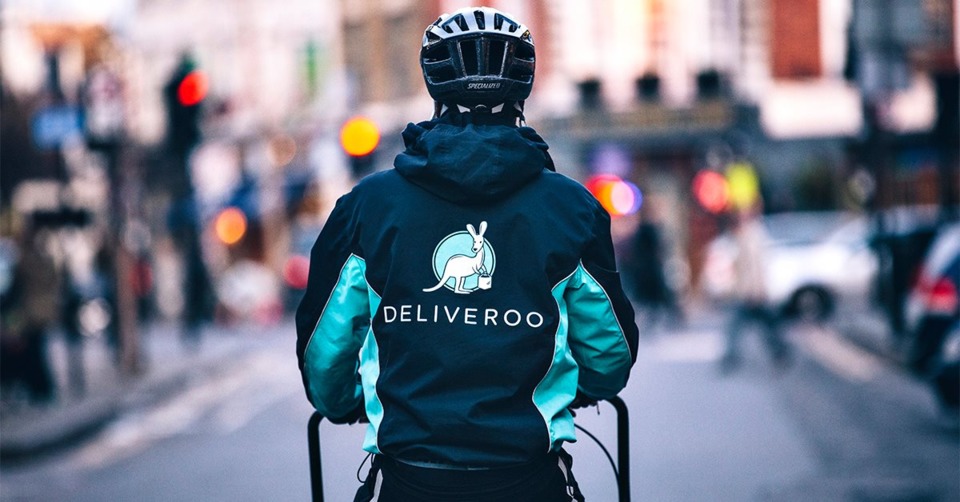
    Delivery service provider Deliveroo has ceased trading in Australia, entering voluntary administration after about seven years of operation in the country.

    The British-headquartered multinational announced the closure to customers and online on Wednesday evening and said the decision was effective immediately, with the app disconnected.

    The company said Deliveroo’s “disciplined approach drove the decision to capital allocation”. Having failed to reach a sustainable and profitable scale in Australia without considerable financial investment, it closed the business.

    “The expected return on such investment is not commensurate with Deliveroo’s risk/reward thresholds,” the company said.

    Deliveroo started its business in Australia in 2015 and was the country’s longest-standing online food delivery platform. During the past few years, the market has experienced fierce competition from global major players, including DoorDash, Menulog and Uber Eats.

    During the first half of this year, the Australian unit only accounted for 3 per cent of Deliveroo’s global gross transaction value and negatively impacted the company’s adjusted EBITDA margin by approximately 30 basis points.

    “This was a difficult decision and not one we have taken lightly,” said Eric French, COO of Deliveroo. “Our focus is now on making sure our employees, riders and partners are supported throughout this process.”

    Michael Korda, Andrew Knight and Craig Shepard of KordaMentha have been appointed as voluntary administrators of Deliveroo Australia.

    Deliveroo said it will set out the appropriate compensation packages it intends to provide for its creditors. This includes guaranteed enhanced severance payments for employees as well as compensation for riders and certain restaurant partners.

  • First made-in-Vietnam flying car to hit market in 2024

    First made-in-Vietnam flying car to hit market in 2024

    Hanoi company Airlios has demonstrated a flying electric car which it plans to sell commercially in 2024.

    The single seater, also called Airlios, could fly vertically to reach 10 meters within 10 seconds and then fly at speeds of 100 kilometers per hour, the company said at a recent exhibition.

    It can rise to as high as 120 meters, the same height as a 44-story building. It has eight batteries that are fully charged in seven to nine minutes at 30-kilowatt charging stations.

    It is mostly made of aluminum alloy and carbon fiber, and can fly both automatically and manually.

    A prototype has successfully flown 33 kilometers in 20 minutes at a height of below 120 meters. It has been tested for 100 hours and 1,000 kilometers.

    “The project is now 70-80% complete,” Mai Thien Vu, the company’s chief technology officer, told VnExpress.

    “We plan to launch the maiden flight of the commercial version of Airlios by the end of 2023.”

    Managers and engineers at Airlios began thinking about making flying cars five years ago, he added.

    If it is launched as scheduled, Airlios could become the first flying car in Southeast Asia.

    The standard version will cost around $81,000 compared to, for instance, $92,000 for Swedish brand Jetson.

    Airlios will also offer other models costing up to $99,000.

    Many startups in a number of countries have started working on flying cars though there have been few commercial launches yet.

    Singapore, Malaysia and Indonesia plan to launch flying taxi services in future.

  • Indonesian F&B startup Dailybox enters Singapore

    Indonesian F&B startup Dailybox enters Singapore

    An Indonesian-based online restaurant startup, Dailybox, opened a new kitchen in Singapore. Various Indonesian dishes can now be ordered through GrabFood delivery service in Singapura.

    Dailybox Group CEO Kelvin Subowo explained that they decided to expand business to Singapore due to dependence of the SIngporean toward food delivery services. Survey showed that nearly half of the Singapore population, or around 2.5 million people, used food delivery services in the country in 2021.

    The number is expected to increase to 3.6 million in 2025. In additio, consumers in the west area of the city-state reportedly want more variations of non-local food.

    “Jurong is one of the densely populated areas. Unfortunately, F&B merchant in this location does not vary. To meet the consumers need, Dailybox joins and becomes one of the  F&B merchants in Supply Chain City area,” Kelvin said Friday, Oct. 21.

    Dailybox Group head of product, Arcad Fadillah, said that through the new opening, his side could introduce to the Singaporean public that Indonesian dishes are not only nasi goreng or sate ayam (chicken satay). “A number of best Indonesian cuisines from Padang, Manado, Bali, Lombok, and Java areas have become featured dishes at Dailybox Jurong,” he said.

    Dailybox is available in Supply Chain City, Jurong. It offers more than 20 menus from various Indonesian regions, namely tongseng kambing of Central Java, ayam woku and rica-rica from Manado, gulai ikan from Sumatra, until bakwan sayur and tempe mendoan with various traditional sambals.

    “For the people of Singapore who like vegetables, we introduce Pecel dish with Javanese peanut sauce. We also have Ayam Taliwang from Lombok that will definitely be favored by spicy food lovers,” Arcad said.

    Established in 2018, Dailybox created rice menu with Indonesian and international dishes. It debuted as a rice box provider before adopting a cloud kitchen business and partnering with food delivery service providers.

  • JustKitchen enters Thailand via GrabKitchen deal

    JustKitchen enters Thailand via GrabKitchen deal

    Just Kitchen, an operator of ghost kitchens specializing in the development of delivery-only food brands, announces the expansion of JustKitchen’s in-house brands to Thailand (the ” Thailand Location “) via GrabKitchen. For the Thailand Location in the Phayathai area of Bangkok GrabKitchen provides the physical kitchen on a Kitchen-as-a-Service (” KaaS “) basis. The Thailand Location is situated near a busy commuter rail hub that is supplemented by a steady flow of other traffic. As previously announced in April, the Company hasa partnership with GrabExpress Inc. (” Grab “) in the Philippines that enables it to access GrabKitchen and GrabFood resources.

    Immediately upon opening, the Thailand Location will serve JustKtichen’s Master Don food brand, followed shortly after that by the K.Bao brand, featuring a customized menu with a local twist, as well as the Bodyfit brand. The Southeast Asian on-demand food delivery market is experiencing a high annual growth rate of 14%, which implies that the market will eventually reach a total value of $49.7 billion by 2030.

    Grab is Southeast Asia’s leading ‘super app’ based on gross merchandise value in 2021 in each of food delivers, mobility, and the e-wallets segment of financial services, according to Euromonitor.

    Management Commentary

    “International expansion is critical to our company’s growth plan, but it is also an opportunity to learn from the locals in each new market. In Thailand , the food delivery market is mainstream and growing, which is something we plan to study very carefully and hopefully master as well,” said Jason Chen , Co-Founder and Chief Executive Officer of JustKitchen. “People in Thailand want access to new and exciting foods that are affordable and convenient. We aim to provide exactly that to them,” added Mr. Chen.

  • Thai food delivery app Lineman Wongnai bags $265 million

    Thai food delivery app Lineman Wongnai bags $265 million

    hai food delivery app Lineman Wongnai on Monday said it has raised US$265 million from Singapore’s GIC, PTT Oil and Retail Business, Taiwan Mobile, and other investors.

    The startup said the investment round puts the company’s value at over US$1 billion, making it a ‘unicorn’ firm.

    The announcement comes as competition heats up among food delivery apps in Thailand, including the homegrown Robinhood, which is backed by Thai lender Siam Commercial Bank Pcl, and AirAsia Superapp.

    The capital injection will help Lineman grow from “a local Thai start-up to a regional tech platform,” said chief financial officer, In Young Chung.

    He added the company plans to have an initial public offer (IPO) but did not provide a timeframe.

    The company was formed last year after Lineman and restaurant aggregator Wongnai formed a joint venture and raised US$110 million from BRV Capital.

  • Grab sees no big layoffs despite weak market

    Grab sees no big layoffs despite weak market

    Grab , Southeast Asia’s biggest ride-hailing and food delivery firm, does not envisage having to undertake mass layoffs as some rivals have done, and is selectively hiring, while reining in its financial service ambitions.

    Chief Operating Officer Alex Hungate said that earlier in the year, Grab had been worried about a global recession and was “very careful and judicious about any hiring”, and as a result, it had not got to the “desperate” point of a hiring freeze or mass layoffs.

    “Around mid-year, we did some kind of specific reorganisations, but I know other companies have been doing mass layoffs, so we don’t see ourselves in that category,” Hungate, 56, told Reuters in his first interview since joining Singapore-based Grab Holdings Ltd in January.

    The company was hiring for roles in data science, mapping technology and other specialised areas though every hire was a much bigger decision than it used to be, he said.

    “You want to make sure that we’re conserving capital. The hurdle for making a hire has definitely been raised.”

    Decade-old Grab, a household name in Southeast Asia, had about 8,800 staff at the end of 2021. Like its rivals, it has benefited from a boom in food services during the COVID-19 pandemic, while ride-hailing suffered.

    As economies open up, food delivery demand is softening while ride-hailing has yet to recover fully. Tech valuations have also fallen dramatically and inflation, slower growth and rising interest rates have emerged as risks.

    In recent weeks, Southeast Asia’s largest e-commerce firm Shopee cut jobs in various countries and shut some overseas operations after parent Sea reported widening losses and scrapped its annual e-commerce forecast.

    Hungate, a veteran of the financial services, logistics and food sectors, has spearheaded a push away from low-margin business lines as Grab races to turn profitable.

    Second-quarter loss narrowed to $572 million from $801 million a year earlier. But last month, it cut its gross merchandise volume outlook for the year, blaming a strong dollar and ebbing food delivery demand.

    Last month, Grab said it was shutting dozens of so-called dark stores – distribution hubs for on-demand groceries and slowing the roll-out of its “cloud kitchen” centralised facilities for deliveries.

    “The other area where we’ve really tightened our strategic intent is in financial services where we were growing payments, wallets and non-bank financial lending quite significantly off-platform and on our platform,” said Hungate.

    Grab reorganised its fintech unit this year to focus on more lucrative areas and Reuters reported on the exit of some senior executives.

    Grab is now mainly focussing on selling its lending products and insurance on its platform to merchants and drivers who often repay from their income streams on the platform.

    “As we make this shift, the business mix will move towards higher margins,” said Hungate.

    Grab, which operates in 480 cities in eight countries, has more than five million registered drivers and more than two million merchants on its platform.

    It caught global attention in 2018 when it acquired Uber’s Southeast Asian business after a costly five-year battle.

    Grab is betting on growing financial services by offering banking and other products with partner Singapore Telecommunications in key markets.

    It listed on the Nasdaq in December after a record $40 billion merger with a blank-check company.

    Hungate said it was “good timing” for the company to look again at how it spends money, given the increased scrutiny of finances and the need to respond to shareholders.

    “Maybe we were lucky in a sense that the discipline of being a public company came at just the right time,” he said, adding that Grab’s $7.7 billion cash liquidity meant it was one of the best capitalised industry players in Southeast Asia.

    Grab’s shares have tumbled about 60% this year to give it a market value of $10.6 billion.

    Reuters reported last month that Grab’s Indonesian rival GoTo was seeking to raise about $1 billion through a convertible bond issue.

    Hungate said Grab would provide details of its progress towards profitability and other metrics at its first investor day on Tuesday.

  • Foodpanda starts delivering Lego kitsets in Asia in quickcommerce move

    Foodpanda starts delivering Lego kitsets in Asia in quickcommerce move

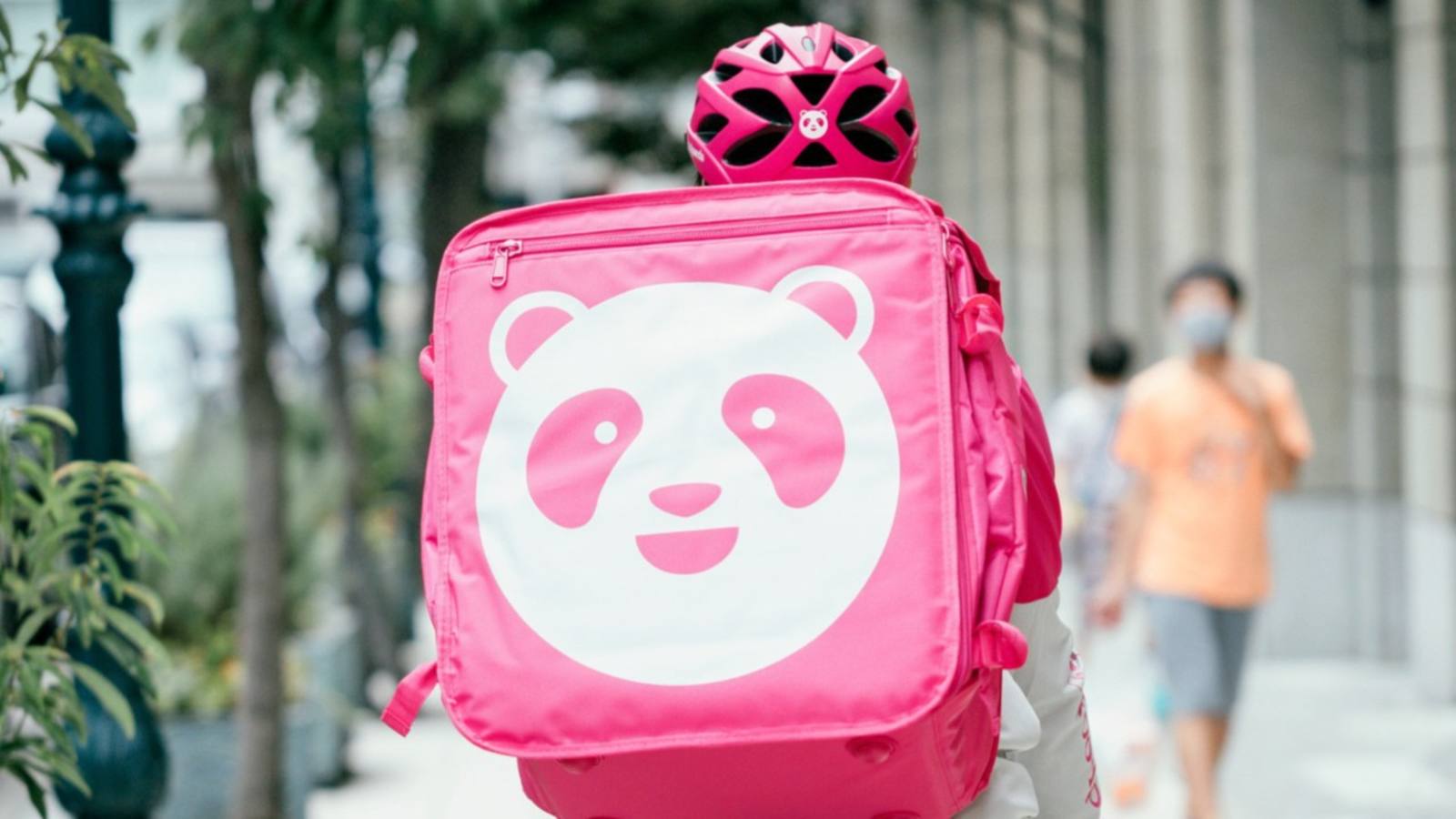
    Singapore-based e-commerce platform Foodpanda has partnered with the toy giant Lego to expand the region’s q-commerce marketplace.

    Lego says the partnership signifies the company’s entry into the q-commerce sector, which enables users to purchase Lego sets and have them delivered to their doorstep within 30 minutes.

    Customers in Malaysia and Singapore can buy Lego products through Foodpanda in the initial phase, with other markets likely to follow.

    “Entering the quick commerce market will make it more convenient for our customers to get Lego products and bring new opportunities for people to build and play together whenever and wherever they feel like,” said U-Fong Chua, SEA e-commerce head at Lego.

    With its own custom in-app storefront in Singapore, the Lego store will be highlighted on Foodpanda shops. At the same time, buyers in Malaysia can purchase Lego sets at a few Pandamart Cloud locations in Klang Valley and Seremban.

    Foodpanda stated that it had reached the milestone of digitalising 50,000 merchants around Asia, including supermarket chains, quick-service restaurants, drug stores, and fashion retailers. Through this agreement, Foodpand has opportunities for non-grocery categories to better meet the needs of customers for their everyday needs.

  • First electric bike delivery service launched in Vietnam

    First electric bike delivery service launched in Vietnam

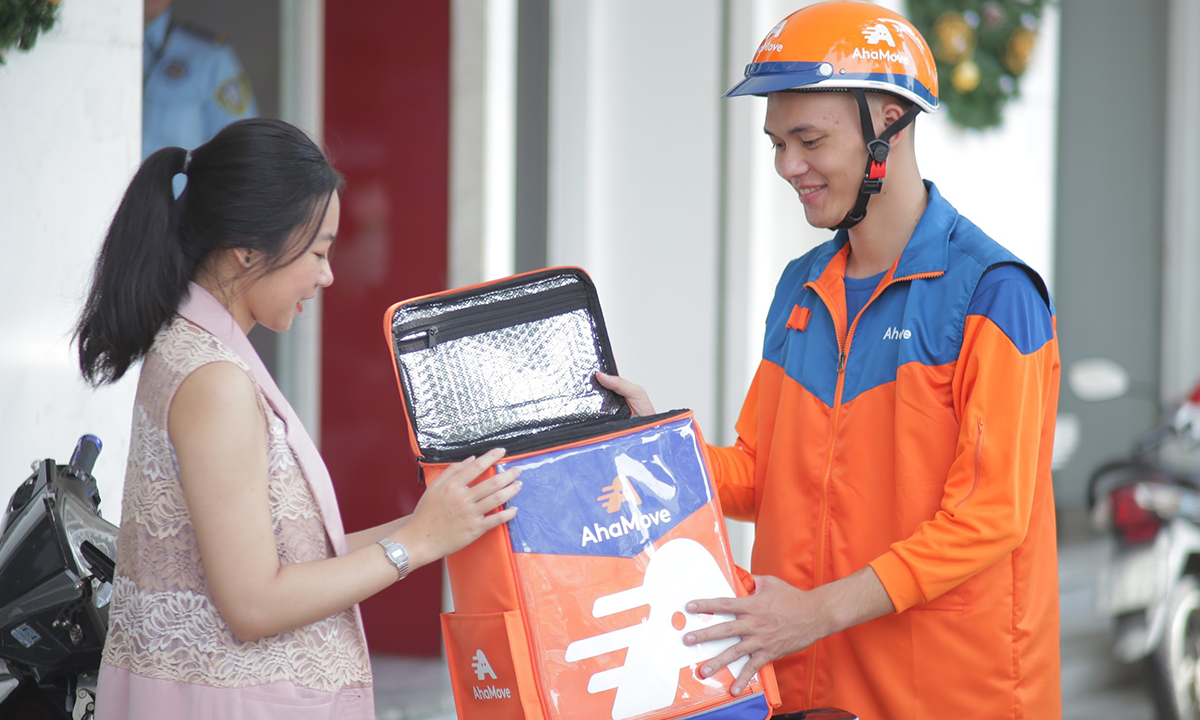
    Delivery company Ahamove has partnered with automaker VinFast to launch AhaFast, the first delivery service in Vietnam to use only electric bikes.

    AhaFast began operation Thursday in Da Nang City with 100 electric Feliz S motorbikes provided by VinFast.

    The electric bike service will be expanded to Hanoi, Ho Chi Minh City, Hai Phong and Nha Trang in the future.

    Ahamove plans to put 10,000 electric bikes into operation by 2025, gradually replacing gasoline-powered motorbikes.

    VinFast says its electric bike can run 200 kilometers on a full charge, and has an IP67 waterproof standard that allows it to operate in heavy rain and flooding.

  • Singapore-based 99 Group considers buying Vietnam’s Propzy

    Singapore-based 99 Group considers buying Vietnam’s Propzy

    Singapore-based property platform 99 Group is reported to be exploring options to purchase Vietnamese proptech startup Propzy.

    Propzy is one of a dozen potential targets in Southeast Asia for the group, signaling its intention to expand after raising $37 million in a round led by Gaw Capital.

    But the deal is currently in “very early stages” and carries “a lot of uncertainties,” Tech in Asia quoted an insider source.

    Any acquisition would require a detailed processes and due diligence, one of the sources told StreetDealAsia.

    In June, Propzy dissolved a Vietnamese legal entity related to its direct sales staff and laid off 50% of its employees to restructure its business model following the Covid-19 pandemic.

    It has raised a total of $33 million from 11 investors, according to data from startup database Crunchbase. In 2020, it closed a $25 million series A round led by Softbank Ventures Asia and Gaw Capital Partners.

    Founded in 2016, Propzy’s technology covers almost every stage of a real estate transaction, from brick-and-mortar sales centers to an online marketplace for listings, as well as enterprise software for property managers and tenants.

    99 Group was founded in 2019, and is operating four property platforms across Singapore and Indonesia: 99.co, Rumah123, iProperty, and SRX.

  • SoftBank Plans $35 Million Bet On India’s GoMechanic

    SoftBank Plans $35 Million Bet On India’s GoMechanic

    SoftBank Group is in talks to invest $35 million in Indian car service and repair firm GoMechanic, in what would be one of the Japanese investor’s smallest bets in India by its Vision Fund, which typically signs bigger cheques, two sources told Reuters.

    SoftBank has for years been a prominent backer of Indian startups, investing close to $4 billion last year alone, according to data from Venture Intelligence. Its big-ticket investments include digital payments firm Paytm and online education firm Unacademy.

    But investment industry executives say SoftBank has started taking a more measured approach to its investments after a global tech rout. Last month, its boss Masayoshi Son said SoftBank would invest much less this year than in 2021, following a record $26.2 billion quarterly loss at its Vision Fund on falling tech valuations.

    Vision Fund’s early-stage talks with GoMechanic are being held around a valuation of $600-700 million, with Malaysian sovereign fund Khazanah and existing investor Tiger Global also planning to invest in the $100 million funding round, said the two sources familiar with the matter, who declined to be named as the talks are private.

    GoMechanic and SoftBank declined to comment, while Khazanah and Tiger Global did not respond to requests for comment. Bloomberg News has previously reported Khazanah’s interest in the funding round.

    Founded in 2016, GoMechanic has serviced and repaired more than two million cars in India through its service centers, and says it costs 40% less than automakers’ own offerings.

    SoftBank has been in discussions with GoMechanic for more than nine months and was initially uncomfortable with the Indian firm’s valuation request of $1 billion, said the first source.

    GoMechanic was valued at $300 million last year, and currently has a gross annual revenue of around $40 million, the person added.

    In May, two sources told Reuters that SoftBank’s Son had started telling executives to invest smaller sums at earlier stages and spend more time on due diligence.

    SoftBank executives began focusing in early 2022 on early-stage investments, with deals around $50 million or less, a change in strategy from before when it typically did larger late-stage deals, the sources added.

    SoftBank’s second Vision Fund of $40 billion is smaller than its first $100 billion vehicle. It announced in August it would limit the second fund to managing its current portfolio of investments.

  • Menswear startup raises $2.3 mln

    Menswear startup raises $2.3 mln

    Coolmate, a Vietnamese menswear brand sold online, has raised $2.3 million from GSR Ventures and Do Ventures as an addition to its series A round.

    This brings the round’s total size to $4.3 million. Coolmate said the funding will be used to “accelerate the completion of the supply chain” for its products, upgrade its operating system, and employ more manpower.

    In May, Coolmate had raised $2 million in a round led by Access Ventures with participation from Do Ventures, CyberAgent Capital and DSG Consumer Partners.

    The funding marks GSR Ventures’ first investment in Vietnam. The U.S.-based venture firm has backed some unicorns including Didi, Ele.me, and Xiaohongshu.

    “We are impressed by how [co-founder and CEO] Nhu Pham and the Coolmate team are leveraging technology to transform the traditional retail industry and delight consumers with high-quality yet affordable products,” Asian tech-focused platform Tech in Asia quoted GSR Ventures Managing Director Allen Zhu.

    Founded in 2019, the startup operates no physical store to date. It reportedly gets 10,000 orders a day now compared to 2,000 in the first year of operation.

    It claimed revenues of $6 million last year, and expects to collect $19 million this year.

  • Indonesia’s GoTo posts net loss, warns of volatile market

    Indonesia’s GoTo posts net loss, warns of volatile market

    PT GoTo Gojek Tokopedia – whose businesses straddle e-commerce, on-demand apps and finance – saw its losses between January and June more than double from the same period the previous year.

    “2022 has been a volatile year in our market and the macro conditions driving this may persist for some time,” CEO Andre Soelistyo said in a webcast on their latest results.

    “We will remain watchful on how geopolitical tension, rising fuel cost, inflation and high interest rates will unfold,” he added.

    GoTo, which went public earlier this year, posted a net revenue of 3.4 trillion rupiah for the first half. It set a gross revenue guidance of 5.7 trillion to 6 trillion rupiah for its July – September period.

    GoTo debuted on April 11 after raising $1.1 billion in an initial public offering by selling around 4% of its shares at 338 rupiah per piece.

    Shares of GoTo closed at 324 rupiah per share on Tuesday, up 1.25% from its opening price. The financial results were made public after market closed.

    GoTo is seeking to raise about $1 billion through a convertible bond issue. The deal is expected to be launched in the fourth quarter.