Retail News CRM

Category: Startups

Retail News Asia is committed to providing both local and global retailers with the latest Startup news throughout the Asian market. This on a daily base.

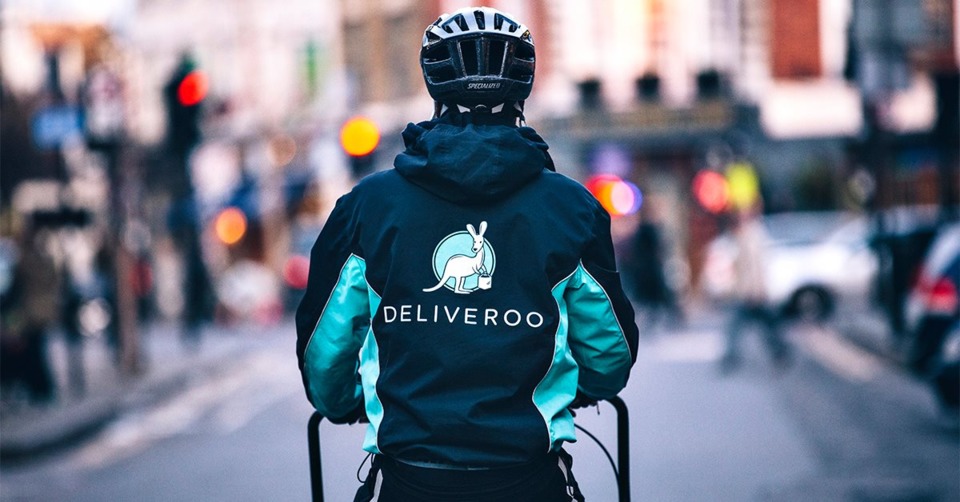
  • Deliveroo Partners with “A Plastic Ocean Foundation” to Tackle Environmental Pollution in Hong Kong

    Deliveroo Partners with “A Plastic Ocean Foundation” to Tackle Environmental Pollution in Hong Kong

    Deliveroo today announces its partnership with A Plastic Ocean Foundation (APOF), a local charitable organisation dedicated to stopping plastic pollution and initiating ocean recovery from human impacts, to safeguard and preserve Hong Kong’s precious wetland region, Ha Pak Lai, from plastic pollution and soil erosion through beach clean-ups and planting local bamboo trees. The company has committed to a series of clean-up operations in the wetland from this month through the end of 2023 as part of APOF’s #OneTonneLess programme.

    Rallying the Deliveroo Community for Coastal Cleanups

    As one of Hong Kong’s richest biodiverse areas, Ha Pak Lai is home to many rare species. The commitment from Deliveroo will see over 250 of the company’s staff, riders, and their families participating in beach clean-ups at Ha Pak Lai to protect the beachfront from plastic waste. As a result, at least one tonne of ocean garbage is projected to be collected by the end of 2023. The initiative also strives to raise public awareness of environmental preservation while teaching the next generation about the necessity of sustainability.

    Protecting Hong Kong’s Endangered Species from Habitat Destruction

    As Ha Pak Lai is one of the most important habitats for horseshoe crabs, an endangered species under the IUCN Red List of Endangered Species in Hong Kong, it is crucial to prevent habitat destruction. In recent years, onshore human activities have created water pollution and soil contamination, accounting for up to 70% of the loss of young horseshoe crabs. In addition, abandoned farm activities cause severe soil erosion, which washes contaminated soil into streams and the sea. Deliveroo intends to help to restore the ecosystem at Ha Pak Lai by planting new bamboo plants and using the plant’s characteristics. With fresh bamboo grown under this initiative, over 2,500kg of CO2 will be absorbed by the bamboo stems. Additionally, the initiative will see that elemental pollutants are eliminated by phytoremediation, and prevent habitat loss as the new bamboo plants will establish a natural barrier to prevent land-based plastic garbage from being washed into the sea by rainwater and wind.

    Andrew Hui, General Manager of Deliveroo Hong Kong, said, “Deliveroo is committed to being a part of the communities by taking steps to drive sustainability. With this collaboration initiative, we hope to stimulate and accelerate new eco-friendly behaviours that will contribute to long-term, sustainable change across generations. We believe that the solution to climate change is a communal effort, and so we’re excited to collaborate with APOF to take another step toward environmental preservation by contributing to ocean conservation, repairing the local ecology, and developing sustainable economies that benefit everyone. In addition, we’re excited to work with like-minded riders and their families to promote environmental conservation, resulting in a cleaner, more sustainable environment for everybody.”

    Willy Kwong, Director of A Plastic Ocean Foundation, said, “We’re delighted to have Deliveroo come on board and join us for this important initiative. Hong Kong lies on the eastern edge of the Pearl River Estuary surrounded by the South China Sea, the healthiness of the sea has a direct impact on everyone’s living quality. We are obligated to do everything we can to protect and preserve it for the wildlife that calls it home, and of course, for the people of the city too. Together we aim to collect over one tonne of pollutants, and I am confident that with more companies like Deliveroo by our side, we can achieve our goal in creating a necessary momentum in advancing towards a healthier, more beautiful and sustainable ocean.”

    Mr Tsui, a Deliveroo Rider who attended the session with his wife and son, said,“I’m grateful to be a part of this important endeavour alongside my family. Giving back to the environment that makes Hong Kong such a wonderful place to live is always a satisfying feeling for me, because I firmly believe that we can all make a difference, no matter how small our efforts appear to be. Today, all three of us learned a lot, and thanks to Deliveroo and A Plastic Ocean Foundation, our family understands the importance of environmental protection. I look forward to taking part in future sustainability-driven Deliveroo programmes with my family and giving back to our city’s beaches and trails, and after today, I wouldn’t hesitate to recommend these initiatives to my   rider peers as well!”

    The partnership with APOF comes as Deliveroo pledged in 2020 to make imperative sustainable development goals. In early March, Deliveroo announced a major sustainability partnership programme with zero-waste packaging company, Sustainabl., which enables Deliveroo’s restaurant partners to adopt sustainable food containers at an affordable price under Deliveroo’s HK$2 million restaurant subsidy scheme. This programme aims to incentivise restaurant partners to go green in their delivery operations. The latest CSR effort with APOF, is among the many unique initiatives created by Deliveroo to support the community. Last year, two impactful initiatives were run to create compostable, eco-friendly food wrap packing for World Food Day with Cali-Mex, offering collection sites for Hong Kongers to drop off their mooncake boxes to be recycled – which saw over 500kg of packaging donated. The company has also launched cutlery opt-out globally since 2018.
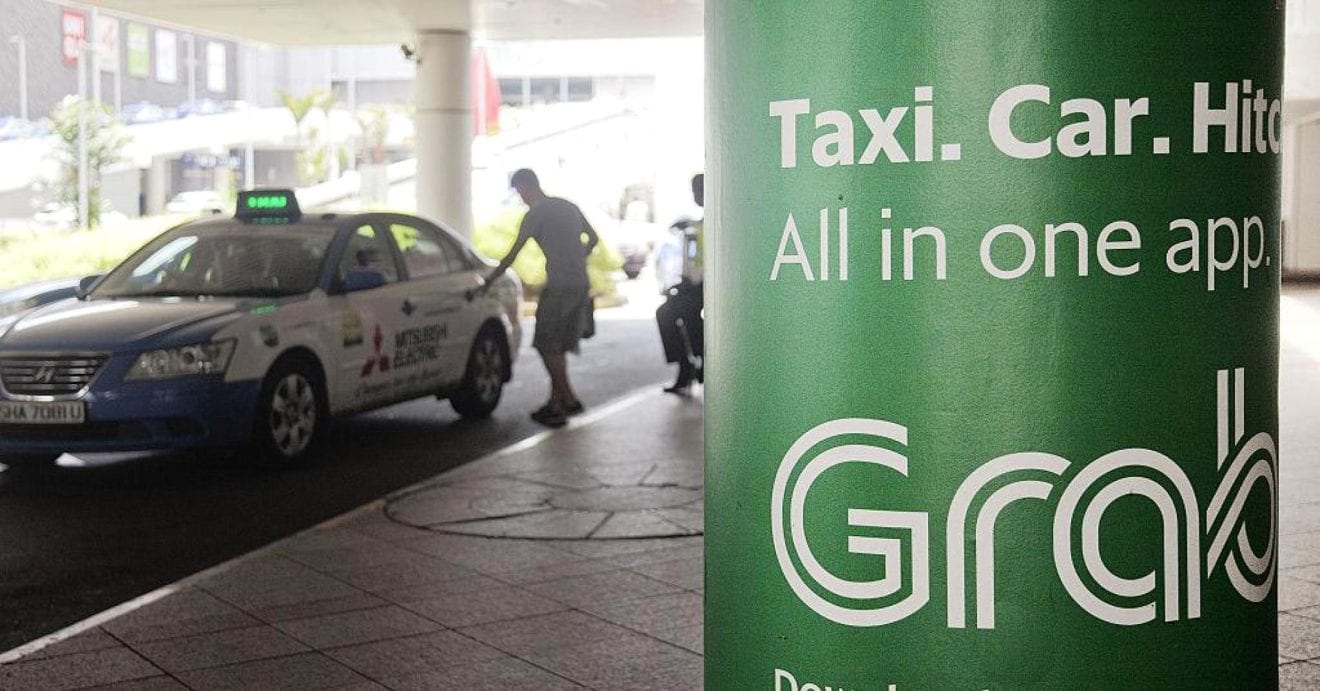
  • Grab says delivery business softening, still ‘laser-focused’ on profitability

    Grab says delivery business softening, still ‘laser-focused’ on profitability

    Singapore’s Grab Holdings Ltd on Thursday slashed its gross merchandise volume (GMV) outlook for the year, blaming a strong dollar and cooling demand for food delivery services as consumers return to dining outdoors.

    U.S.-listed shares of Grab fell 16% in early trading.

    Grab and its peers recorded surging revenues during the pandemic as consumers stuck at home relied on ordering food. But as restrictions ease in most parts of Southeast Asia, consumers are heading out to grab their meals.

    “What we are seeing with some of the growth trends and consumer behavior is dining out has taken place,” Chief Executive Officer Anthony Tan told analysts.

    “Customers want to save money… they may actually show a preference to order groceries to cook for themselves.” Tan added, indicating Grab may stand to benefit from its grocery delivery business.

    The company, which operates in 480 cities in eight countries in Southeast Asia, lifted the lower end of its revenue forecast for the year and said it was “laser-focused” on profitability as demand for rideshare across Southeast Asia peaks.

    Tan said the company now plans to focus on launching new products that will help Grab focus on “profitable loyal customers” and lower the cost of serving users.

    He also expects the rideshare business to rebound as economies reopen.

    To cut costs, Grab said it would roll back incentives and promotions to lure drivers and users, exit unprofitable businesses such as its “dark stores” in some countries, and slow hiring.

    The company forecast revenue between $1.25 billion and $1.3 billion for the year, compared with its prior range of $1.2 billion and $1.3 billion.

    Grab forecast GMV growth between 21% and 25% for the year. On a constant currency basis, GMV is expected to grow between 25% and 29%, compared with its prior range of 30% and 35%.

  • South Korean grocery-delivery startup Kurly wins IPO nod

    South Korean grocery-delivery startup Kurly wins IPO nod

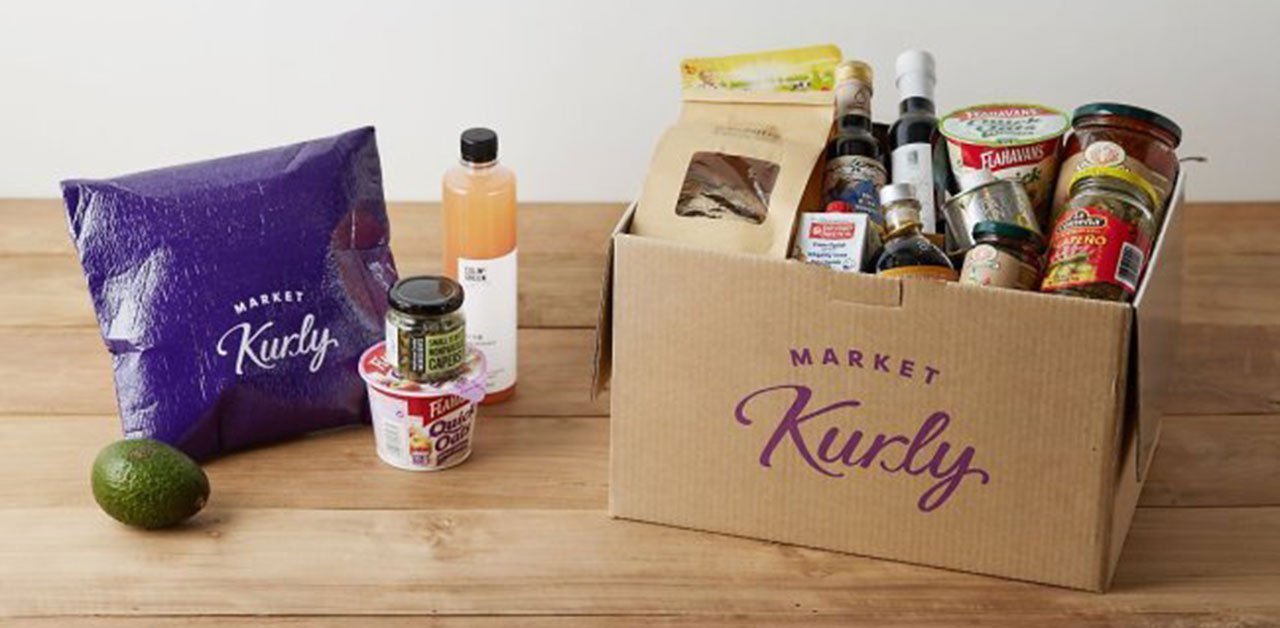
    Kurly Corp., the operator of South Korean e-grocery platform Market Kurly, received preliminary approval for its push for an initial public offering (IPO) Monday.

    The approval by the Korea Exchange (KRX) came about five months after Kurly filed for a preliminary review of its IPO plan in late March.

    Kurly earlier sought to complete its stock listing in the first half, but the review process has been delayed apparently due to worries over its “unstable” ownership structure in which its founder has a small stake, along with continuing losses from its business.

    Kurly reportedly included in its IPO plan with the KRX the promises from its financial investors to maintain their holdings in the company for a certain period.

    Launched in December 2014, Kurly has appealed to customers by providing early morning deliveries of fresh foods through its e-grocery platform, Market Kurly.

    Last year, Kurly posted sales of 1.56 trillion won (US$1.16 billion) and an operating loss of 213.9 billion won. But it reported a net loss of around 1.28 trillion won.

    Concerns are high over its IPO process, as the stock market conditions remain unfavorable. Some experts say Kurly could have trouble in the process of setting the IPO price it sees as satisfactory.

  • India Offers Free 5G Test Bed to Startups and MSMEs

    India Offers Free 5G Test Bed to Startups and MSMEs

    With an objective to boost the 5G ecosystem within India and to achieve the objectives of Aatmanirbhar Bharat and Make in India initiatives, the Government of India has decided to offer the use of Indigenous 5G Test Bed free of cost to the Indian government-recognized start-ups and MSMEs for the next six months up to January 2023.

    It will be available at a very nominal rate to all other stakeholders. The Department of Telecommunications, Government of India has strongly urged all 5G stakeholders – i.e. industry, academia, service providers, R&D institutions, government bodies and equipment manufacturers – to utilize the 5G testbed facilities and expertise to test and facilitate the speedy development and deployment of their products in the network.

    In keeping sight of India’s specific requirements and to take lead in 5G deployment, the Department of Telecommunications (DoT) approved a financial grant for the multi-institute collaborative project to set up an “Indigenous 5G Test Bed” in India in March 2018 with a total cost of Rs 224 crore.  The eight collaborating institutes in the project are IIT (Indian Institute of Technology) Madras, IIT Delhi, IIT Hyderabad, IIT Bombay, IIT Kanpur, IISc Bangalore, Society for Applied Microwave Electronics Engineering & Research (SAMEER) and Centre of Excellence in Wireless Technology (CEWiT).

    The Indigenous 5G Test Bed was dedicated to the nation by the Hon. Prime Minster Shri. Narendra Modi on 17 May 2022.

    The end-to-end test bed is compliant with the global 3GPP standard and the ORAN standard.  Indigenous 5G Test Bed provides an open 5G test bed that enables R&D teams of Indian academia and industry to validate their products, prototypes and algorithms, and demonstrate various services. Further, it provides complete access for research teams to work on novel concepts/ideas holding potential for standardization in India and on a global scale. It provides the facilities of 5G networks for experimenting and demonstrating applications/use cases of importance to Indian society like rural broadband, smart city applications and intelligent transport system (ITS) and will provide help to Indian operators to better understand the working of 5G technologies and plan their future networks.

    The development of this Indigenous Test Bed is a key milestone for India’s becoming self-reliant in the 5G technology domain and pushing towards 5G Aatmanirbhar Bharat. This test bed is providing the indigenous capability for testing and validation of 5G products being developed and manufactured by Indian start-ups, MSME, R&D, academia and industry users. This has resulted in huge cost efficiency and reduced design time, due to which, Indian 5G products are likely to become more market competitive globally.

    The development of this test bed has also resulted in the development of many 5G technologies/IPs that are available for technology transfer to Industry players which will facilitate for Industry players the smooth and speedy deployment of 5G in India.

  • DTS launches platform for Vietnamese technology startups

    DTS launches platform for Vietnamese technology startups

    DTS Digital Transformation Alliance has supported dozens of startups in technology, and is accompanying thousands of businesses through their digital transformation and journey into the Metaverse.

    In the global context of Industry 4.0, digital transformation is the biggest opportunity and challenge for businesses. To carry out digital transformation and develop successful technology schemes, Vietnamese startups and businesses are facing many barriers in terms of mechanisms, policies, financial conditions, and human resources. In this context, DTS is implementing many activities to support SMEs, creating huge thrust to accelerate digital transformation and blockchain technology in Vietnam.

    A launchpad for blockchain technology startups

    DTS has created a series of communication channels to provide accurate and educational information on blockchain technology. Since the establishment of the Blockchain Alliance for Sustainability (BAS) in 2021, up to now, DTS has been the main organizer and partner of the Blockchain Talk show, the Blockchain news column on VnExpress.

    DTS supports nearly 20 startup projects in the blockchain field and connects to nearly 50 investment funds and KOLs (who have many voices, knowledge, and experience in the blockchain field). Currently, DTS can support technology startups in many forms, from providing legal and financial advice, and project development orientation to supporting communication and developing projects to the public, including the international community,

    “There are many startup projects in the blockchain field today, but to succeed in the international market, the project needs to combine many factors: ideas, capital, technology, people, marketing, and communication strategies. With DTS’s current network of domestic and foreign experts and partners, we can complement what you lack in your projects,” said Truong Gia Bao, chairman of DTS.

    DTS – The new ecosystem for projects

    Currently, DTS is working with strategic partners like Vietnam Financial Consultants Association, Ho Chi Minh City Industrial Park Business Association, Trade and Investment Promotion Center of Ho Chi Minh City, and Business Development and Support Center. DTS directly accompanies many businesses in the process of digital transformation and application of new technology solutions.

    DTS solves the problem of leverage and connecting the strengths of partners and member companies to exploit each other’s opportunities and strengths. In line with the business philosophy, DTS aims to work with members and the business community to build a digital transformation ecosystem to serve each unit’s business activities, that is also the business philosophy of DTS.

    In addition, DTS is working with partners and global experts to develop an ecosystem equipping projects and startups with knowledge and experience in organizing and managing projects based on Blockchain technology applications. Entering the digital era – Metaverse requires not only creativity, but also a modern technology application management system, a marketing team that understands the global community and language, along with a technical team with both passion and technical expertise.

    “DTS wishes to become a companion of technology startups and Vietnamese businesses, a bridge between domestic units and investment funds. We provide financial consulting services and optimal operational solutions according to the business model of each unit. DTS is committed to accompanying, advising, and supporting young people to step into the Metaverse by world standards to confidently succeed,” the DTS chairman stated.

  • Meal delivery startup ChefPrep buys Co-Lab Pantry

    Meal delivery startup ChefPrep buys Co-Lab Pantry

    Australian gourmet ready-meal delivery startup ChefPrep has acquired artisan food vendor Co-Lab Pantry, with the retooled venture promising to become the “Amazon for food” with next-day delivery across the country.

    Dubbed CoLab, the fresh face of Australia’s culinary delivery sector boasts ready-to-cook meals from more than 150 restaurants nationwide, spanning the fried chicken dishes of Sydney institution Butter, the comforting Italian fare of Salt Meats Cheese, to a slew of avant-garde Drumpling dumplings.

    In addition, the service offers top-shelf pantry goods from the nation’s top producers: Mount Zero olives, cold brew concentrate from Industry Beans, and even French eatery Entrecôte’s fabled herb butter sauce.

    Under the new CoLab banner, at-home diners can now enjoy Melbourne-made goods in Sydney with next-day delivery, and visa versa. The venture promises to offer same-day interstate delivery in the weeks to come.

    ChefPrep’s acquisition of Co-Lab Pantry was made possible by a successful $3 million seed funding round in April this year, led by led by Artesian Ventures and American VC firm Global Founders Capital.

    ChefPrep co-founders Elle Curran and Josh Abulafia now serve as co-CEOs of CoLab, with Avin Chadee and Natasha Buttigieg of Co-Lab Pantry’s leadership team staying on with the new combined venture.

    Speaking to SmartCompany, Abulafia says the Co-Lab Pantry acquisition was unexpected but a natural fit, given each startup’s shared ethos.

    Melbourne-based Co-Lab Pantry was already exploring its own capital raising options and the potential of a buy-out from another company, but invited the ChefPrep team to hold a conversation last last year.

    “I mean, I just thought it was such a good opportunity to bring one of those true partnerships together, but the sum of the parts would be greater than the whole,” Abulafia said. “So we were like, ‘Yep, that makes total sense.’”

    At the same time, the fact each startup offered somewhat different products proved beneficial to ChefPrep.

    “I think having both of those two elements and kind of coming from a different approach from the outset actually made it work,” Curran added.

    The fact both startups were so young meant there was no need to consolidate marketing or management teams, smoothing out the acquisition process.

    While both startups were borne of pandemic restrictions which kept diners from restaurants, the new CoLab brand will offer its wares in a minimally restrictive environment.

    As in-restaurant dining embraces its own new normal, CoLab will continue to find support among diners who aren’t looking to directly replicate the restaurant experience, Curran says.

    “I think that’s why the heat-and-eat meals that our partners do have done exceptionally well outside of lockdown,” she said.

    “Because it’s kind of cobbling both those key elements: you’re getting beautiful restaurant-produced products, but you could store them and keep them in your fridge or pantry, and actually enjoy them at your convenience, rather than having a meal kit that’s prepared by a restaurant that you have to make up on that one particular day, or in the next 24 hours, but you’re then trying to replicate a dining experience.”

    Now, the “core thesis” of the business is to become the “Amazon for food”, Abulafia says, claiming the brand offers a way for restaurant partners to become not just hospitality businesses, but food manufacturers.

    With that goal in mind, CoLab is now fielding discussions about potential expansion into the UK and the US, as it prepares to offer its domestic delivery services beyond Victoria and New South Wales.

  • Missfresh summonsed by Beijing consumer rights group after complaints

    Missfresh summonsed by Beijing consumer rights group after complaints

    A Beijing consumer rights group said on Tuesday it had asked Missfresh to work on plans to refund its customers and explain how it will rectify its business after receiving a number of complaints, adding to pressures facing the Tencent Holdings and Tiger Global-backed grocery startup.

    The government-backed Beijing Consumer Association said in a statement on its website on Tuesday that a large number of Missfresh customers had complained about the platform’s “abnormal operations”.

    Missfresh did not immediately respond to a request for comment.

    The grocery delivery firm’s troubles come as China’s tech sector grapples with slowing growth amid COVID-19 lockdowns and tightening regulatory oversight.

    The company pioneered one-hour fresh food delivery services in China, a model that is extremely popular with consumers but is labour and capital intensive. It listed on the Nasdaq in June last year, raising $273 million.

    However, the company’s stock has lost 98% of its valuation since and in late July local media reported that it had abruptly laid off hundreds of employees and had not paid salaries, triggering labour arbitration complaints.

    Missfresh has cancelled its one-hour delivery service, changing it to a next-day model, and told local media that it had conducted layoffs due to business restructuring.

  • 7 days left to register for Startup Viet 2022

    7 days left to register for Startup Viet 2022

    Startup Viet 2022, an annual event hosted by VnExpress to promote entrepreneurship, closes registration in seven days.

    The sixth edition of the competition, themed “the New Era of Innovation,” has received dozens of registrations since it opened June 13.

    The startups are from various sectors including e-commerce, logistics, fashion, manufacturing, agriculture, customer service, business management and software development.

    The contestants will be evaluated based on revenue growth, organization, sustainability and international prospects by startup experts, investors, venture fund representatives and other successful businesspeople.

    To register, click the link below:

    Startup Viet 2022 Registration

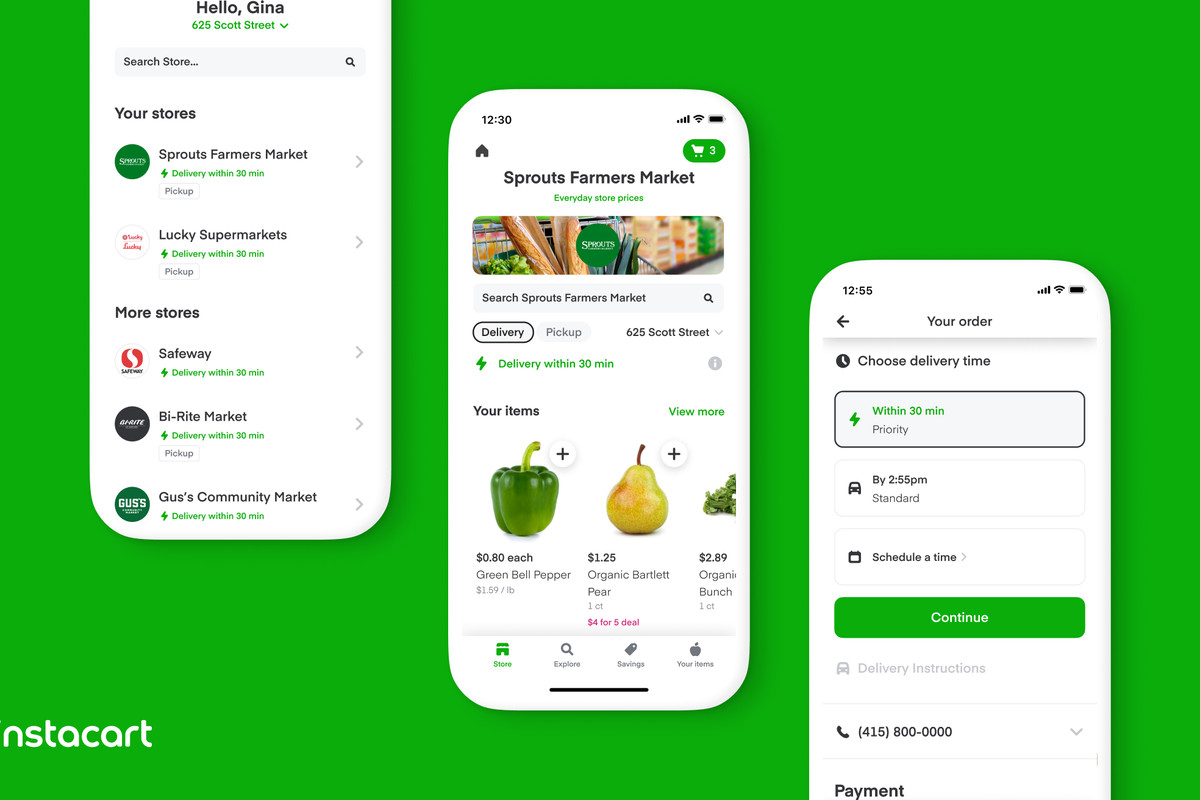
  • Grocery delivery app Instacart founder Mehta to step down as chairman

    Grocery delivery app Instacart founder Mehta to step down as chairman

    Grocery delivery app Instacart said on Friday founder Apoorva Mehta would step down from his role as chairman and leave the company once it goes public.

    Chief Executive Fidji Simo, the former head of Meta Inc’s Facebook app, will succeed Mehta. She joined Instacart as CEO in August 2021 after Mehta transitioned to executive chairman.

    Mehta said in a Twitter post that stepping down from the company’s board would allow him to pursue other opportunities.

    However, there will be no change in his ownership in the company, a source close to Instacart said.

    Instacart in May said it had confidentially filed with the US securities regulator to go public. Reuters had reported that the company was considering going public through either a direct listing or a traditional IPO.

    In March, the San Francisco-based firm slashed its valuation by nearly 40% to about $24 billion, following market turbulence that impacted leading technology companies.

    Launched in 2012, Instacart benefited from the pandemic-led boom for doorstep delivery, although it faced stiff competition from companies such as DoorDash Inc and SoftBank-backed delivery startup GoPuff, which is also gearing up for a US IPO.

  • India’s Zomato shares tumble to record low

    India’s Zomato shares tumble to record low

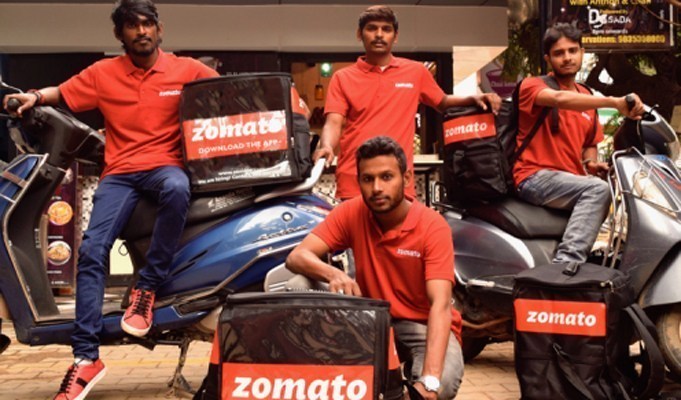
    Shares of Indian food-delivery company Zomato plunged 14.3 per cent to a record low today, as a one-year lock-in period for promoters, employees and other investors came to an end following last year’s listing.

    Zomato made a stellar debut on July 23 last year in the Mumbai market, but its shares have lost more than 60 per cent of their value since then.

    “Investors are concerned about the sell-off through employees and promoters,” said Prashanth Tapse, VP of research at Mehta Equities.

    Investors are also not comfortable with the acquisition of Blinkit, he said, adding that the fundamentals of the company were still good.

    Including Monday’s losses, Zomato shares have lost nearly 30 per cent since the company announced its deal to buy local grocery delivery startup Blinkit in June.

    Today, the stock posted its biggest intraday percentage drop since Janaury 24 in heavy-volume trade of 2.7 times the 30-day average.

    The company now has a market value of 366 billion rupees ($4.58 billion), compared with 1.29 trillion rupees at its peak in November.

    Analysts say Zomato needs to pump more money into Blinkit as the quick-commerce sector grows at a rapid clip, with rivals Swiggy, Reliance Industries-backed Dunzo, Tata-backed BigBasket and Zepto making big investments.

    Zomato is scheduled to report its first-quarter results on August 1. The company had reported a 75 per cent jump in fourth-quarter revenue in May, while gross order value – or the total value of all food delivery orders on its online platform – surged 77 per cent year-on-year to a record high.

    On Friday, Reuters reported that Domino’s Pizza’s India franchise will consider taking some of its business away from Zomato and Swiggy if their commissions rise further.

    In February, Zomato reported a smaller third-quarter loss, helped by a one-time gain from a stake sale, while revenue jumped due to increased demand for restaurant meals.

    Zomato’s dining out business, which offers customers discounts and offers when they eat out at partner restaurants, strengthened as eateries and bars reopened following a drop in Covid-19 cases during the quarter, while the company’s core food delivery business continued to grow.

    “The revival of in-restaurant dining (in the third quarter) led to some green shoots in our dining-out ad-sales business,” the Gurugram-based firm said in a regulatory filing.

  • Uber Ex-Security Chief Accused Of Hacking Coverup Must Face Fraud Charges

    Uber Ex-Security Chief Accused Of Hacking Coverup Must Face Fraud Charges

    A federal judge on Tuesday said a former Uber Technologies Inc security chief must face wire fraud charges over his alleged role in trying to cover up a 2016 hacking that exposed personal information of 57 million passengers and drivers.

    The U.S. Department of Justice had in December added the three charges against Joseph Sullivan to an earlier indictment, saying he arranged to pay money to two hackers in exchange for their silence, while trying to conceal the hacking from passengers, drivers and the U.S. Federal Trade Commission.

    U.S. District Judge William Orrick in San Francisco rejected Sullivan’s claim that prosecutors did not adequately allege he concealed the hacking to ensure that Uber drivers would not flee and would continue paying service fees.

    Orrick also rejected Sullivan’s claim that the people allegedly deceived were Uber’s then-chief executive, Travis Kalanick, and its general counsel, not drivers.

    “Those purported misrepresentations, though not made directly to Uber drivers, were part of a larger scheme to defraud them” according to the indictment, Orrick wrote.

    Lawyers for Sullivan did not immediately respond to requests for comment. Sullivan also faces two obstruction charges.

    The defendant was originally indicted in September 2020, and is believed to be the first corporate information security officer criminally charged with concealing a hacking.

    Prosecutors said Sullivan arranged to pay the hackers $100,000 in bitcoin, and have them sign nondisclosure agreements that falsely stated they had not stolen data.

    Uber had a bounty program designed to reward security researchers who report flaws, not to cover up data thefts.

    Dara Khosrowshahi, Uber’s current chief executive, fired Sullivan after learning the extent of the breach.

    In September 2018, the San Francisco-based company paid $148 million to settle claims by all 50 U.S. states and Washington, D.C. that it was too slow to reveal the hacking.

  • Uber Launches Robot Food Delivery In California

    Uber Launches Robot Food Delivery In California

    Uber Technologies on Monday said it launched pilot food delivery services with autonomous vehicles in two California cities, and said it was adding electric vehicle charging stations into its global driver app.

    The announcements are part of Uber’s annual product event where the ride-hail and food delivery company showcases the latest updates to its app.

    Uber announced one food delivery service using autonomous cars, and a separate pilot using sidewalk robots. Both services are available to Uber Eats users in Santa Monica and West Hollywood in California, and consumers will have the ability to opt out of the programs.

    The autonomous car pilot is in collaboration with Motional, the self-driving joint venture of Hyundai Motor Co and Aptiv PLC, and was initially announced in December. It launched on Monday, Uber and Motional said.

    Uber said the sidewalk robots are provided by Serve Robotics, a spin-off of delivery company Postmates, which Uber acquired in 2020.

    The vehicles in both services are actively monitored by human operators, Uber said, adding that “it will be some time before this technology is operated at scale.”

    Self-driving companies have repeatedly pushed out timelines to provide truly driverless trips at scale, with only a few limited fully autonomous programs available across the U.S.

    Uber on Monday also said it was launching a map of electric vehicle charging stations in its driver app in the U.S. this summer, and later worldwide, in an effort to promote drivers switching to a battery-powered vehicle.

    Uber, which aims to have only electric vehicles on its platform in the United States, Canada and Europe by 2030, said charging was one of drivers’ biggest obstacles to switching to EVs.

    The company also said it was launching an option this summer to rent party and coach buses, and passenger vans through its U.S. app in collaboration with rental service US Coachways.

  • Zomato boosts Blinkit delivery stake for US$568 million

    Zomato boosts Blinkit delivery stake for US$568 million

    The top brass of food delivery app Zomato are set to come together on the 17th of June to pen to paper and make the acquisition of Indian based start-up company Blinkit officially complete.

    The deal is set to be of a stock exchange type at a ratio of 1:10 where Blinkit will get a share for every 10 shares Zomato gets from Blinkit. Initially, the value of Blinkit was set at around $ 700 million USD but with this type of deal, that value set to have gone down to an extent.

    Blinkit is a company that Zomato has been eyeing for a while now as they are a business that focuses on instant deliveries. The company was founded almost a decade ago back in 2013 and its head office is situated in Gurgaon, Haryana. Blinkit is a mobile application that can be downloaded on the play store where its users can order groceries, and other items and essentials through the app from the comfort of their own home. The company even guarantees a 10 minutes delivery time.

    A 10-minute delivery time has become the new fad in the delivery business in the country with both Blinkit and Zepto basing their entire business model and marketing strategy on this feature. Zomato has also been piloting their 10-minute delivery feature called Zomato Instant but their Delhi based pilot was not a success. Naturally, delivering food within 10 minutes is much harder than groceries which is why the acquisition of Blinkit is going to be a major boost for them as it will give them crucial help in breaking the 10 minutes barrier which they have been struggling to over the past few months.

    Zomato is one of the most popular food delivery apps in India along with Swiggy and the duo have been battling to be most popular food delivery apps for years now. Swiggy however diversified their features and opened their ‘Instamart’ where they sell fruits, vegetables and groceries while Zomato stuck with just partnering up with restaurants and delivering food. But now, Zomato has also dipped their feet into the grocery delivering business with this new acquisition and it will be interesting to see how it will play out.

    It seems like this deal will be helping all parties involved as Zomato can improve their 10-minute delivery service with the help of Blinkit’s logistics while Blinkit can increase their operations with the help of Zomato.

  • Ex Grab exec launches Philippine grocery-delivery startup Supah

    Ex Grab exec launches Philippine grocery-delivery startup Supah

    Social commerce startup SariSuki has introduced a new rapid grocery delivery service called Supah that delivers groceries across select parts of Metro Manila.

    During a media round table in Pasig City on Wednesday, SariSuki Co-Founder and Chief Executive Officer Brian P. Cu said that Supah offers a delivery service for grocery items such as snacks, condiments, beverages, fresh produce, and dry and frozen goods within 15 minutes.

    Supah’s delivery services are currently available in Makati City, Bonifacio Global City in Taguig, Pasig City, Mandaluyong City, San Juan City, Binondo district in City of Manila, and both New Manila and Timog areas of Quezon City.

    “Our business puts tremendous value on our customers’ time and needs. We see doing the grocery as effortless, time-saving and economical, while still making it possible to attend to other things. Thanks to our efficient ecosystem of suppliers, vendors and riders, we are able to fulfill this commitment without a delivery fee,” Mr. Cu said.

    Supah currently has eight “dark stores” where the goods are stored, and over 100 riders that cater close to 5 million people, and categorizes under quick commerce.

    Mr. Cu, a former president of Grab Philippines, said that Supah has been “quietly tested” since March over certain areas and has garnered a positive response, adding that the company raised around $11 million last year to fund the new venture.

    “When we first started it, no one thinks they need 15 groceries until they get groceries in 15 minutes, sometimes even a little bit less. The goal of Supah is [to] help reduce the time used up by today’s busy consumers in going to the supermarket, and in spending time away from the other activities that they can use with the time that they have,” Mr. Cu said.

    Lance Y. Gokongwei, JG Summit Holdings, Inc. president and chief executive, said that the company can help Supah by making products from its Universal Robina Corp. (URC) more accessible.

    JG Summit’s corporate venture capital, JG Digital Equity Ventures (JGDEV), is an investor in SariSuki. Mr. Gokongwei is also a board director of SariSuki.

    “I think my role really is to advise and provide some experience that I can share. As far as the JG Summit resource, of course, our ecosystem, we want to help as much as possible in terms of making products, for instance, from URC as accessible as possible to the company,” Mr. Gokongwei said.

    “Supah offers great potential as it tries to address the consumers’ evolving needs in grocery shopping by finding the optimal balance among several critical factors like speed, assortment, value, and convenience. This innovative technology will help shape the future of grocery shopping in the country,” he added.

    Moving forward, Mr. Cu said that the company seeks to expand, saying that 40 dark stores is enough to cover the entirety of Metro Manila.

    “We’re looking at expansion. But we want to prove (there’s) enough demand in the existing stores that we have now before we start investing in expansion,” Mr. Cu said.

    “To cover the entire Metro Manila in 15 minutes, we need to have 40 dark stores. But we’re not saying that we’re going to go to 40 next year,” he added.

  • Financial startup Anfin raises $4.8 mln

    Financial startup Anfin raises $4.8 mln

    Financial startup Anfin, which seeks to make stock investment easy for any user, has raised funding of $4.8 million in a Pre-Series A round from a consortium of investors.

    It was led by angel investor Clement Benoit and U.S.-based startup accelerator Y Combinator. The money will be used to improve its app by building a social network in it so users can share their investment knowledge.

    Anfin was launched in October last year and has raised around $7 million to date.

    Its app allows users to invest as little as VND10,000.

    Its CEO, Phuoc Tran, said the app has over 100,000 active accounts with a total transaction value of $10 million.

    Benoit said creating a product that serves many groups of people in society is the right move in a big market such as Asia.

    He hoped the company would branch out to other countries and succeed in its social investing business model.

    Interest in stocks remains sky-high in Vietnam, with 476,300 new accounts opened in May, a new record.

    Phuoc said despite the volatility in the market, stocks remain an asset class with great prospects.

    Data from investment fund Dragon Capital Vietnam shows that in the last five years, stocks have given investors an average return of 16 percent a year, higher than real estate, bonds or gold.