Retail News CRM

Category: Startups

Retail News Asia is committed to providing both local and global retailers with the latest Startup news throughout the Asian market. This on a daily base.

  • Cleanery, eco-cleaning start-up set for Australian launch

    Cleanery, eco-cleaning start-up set for Australian launch

    Cleanery, the innovative Kiwi eco-cleaning and personal care products company, has closed an oversubscribed Seed Round of $2.34 million.

    Kiwi eco-cleaning start-up attracts big name backers for Australasian growth

    Cleanery, the innovative Kiwi eco-cleaning and personal care products company, has closed an oversubscribed Seed Round of $2.34 million.

    The raise attracted significant interest from the New Zealand business community, including Peter Cullinane, Nicola O’Rourke, and Michael Stiassny (via their company Founders Advisory), Shane Bradley (formerly GrabOne), and Lance Wiggs, via the newly minted Climate Venture Capital Fund.

    The Climate Venture Capital Fund is the largest investor in this Seed Round. Also investing is Icehouse Ventures, Angel HQ, and friends and family who have supported the company from day one.

    “This is an exciting time for us,” says Cleanery co-founder Mark Sorensen. “The size of the investment is larger than we initially anticipated and the quality of the people backing us is incredible. To have the likes of Peter Cullinane who made such a success with Lewis Road Creamery, or the Climate VC Fund, which sees our emissions reduction potential, gives us real confidence.

    “The money raised will be used to deliver an exciting New Zealand and Australian marketing plan, a USA e-commerce pilot, and resourcing the business for rapid growth,” says Sorensen.

    After a successful launch supported by Farro in October 2021, the products are already loved by many New Zealanders, with a growing direct-to-consumer offer.

    Woolworth’s launch

    The successful Seed Round coincides with Cleanery’s launch into Australia with a national rollout in Woolworths supermarkets, starting this week.

    “We have great capacity in our Auckland factory – and so it’s all about growing market share. The products work exceptionally well, and we’ve been selling online and in select outlets since last year, so we know there’s demand. It’s now about getting scale, which Woolworths and other supermarkets will bring in spades.”

    Just add water!

    Cleanery’s patented technology is revolutionising the cleaning and personal care categories by removing the water and the plastic bottle and simply using a sachet.

    “There’s no point shipping water when we’ve all got perfectly good water in our taps at home. And we all know the problem caused by packaging waste – so let’s reuse what you’ve already got under the sink,” says co-founder Ellie Brade.

    Cleanery products come in a recyclable sachet that can be mixed with water in a bottle the company supplies – or one of your own.

    “We’ll even give you a sticker to put over the old label,” she says.

    Cleanery estimates its products reduce plastic by 99%. And by not shipping water Cleanery can fit the equivalent of over 200,000 bottles in one shipping container – up to 20 times more than traditional products and at a fraction of the weight.

    Cullinane likes the disruption

    The proposition was immediately attractive to Peter Cullinane, whose former company Lewis Road Creamery shook up the dairy aisle. “The cleaning and personal care products industry is very large and very much ready for a disruption,” he says. “Cleanery is such a simple proposition: it’s the cleaner we want, not the bottle. And it works. It really does.”

    Tests demonstrate how Cleanery’s products clean more effectively than other mainstream cleaning products – eco or otherwise – while still having a safe, natural, plant and mineral based formulation.

    “So you have a cleaner that works better than any other, has such an elegant packaging solution, costs less, and has impeccable environmental credentials. What’s not to like?” says Cullinane.

    Emissions saved

    Dr Jez Weston, a partner in the Climate VC Fund says Cleanery meets its strict criteria for emissions reductions.

    “Our mission is to fund high growth companies that deliver significant emissions reductions. Cleanery means you’re not making more single use plastic bottles and spray heads and it means you’re not hauling that weight of water around the world. Every household uses cleaning products, so the emissions savings are going to be substantial.”

    This is the second investment by Climate VC Fund. Rohan MacMahon, partner of the fund, says Cleanery’s environmental credibility is matched by a strong management team. “We have huge confidence in the technical and commercial talent that Mark has attracted.”

    Born on a beach

    The investment in Cleanery is sweet reward for Sorensen, whose journey to solving plastic pollution started aged 14.

    “When we launched the company, my mother dug out an old essay I’d written in Social Studies about the urgent need to address the problems with packaging. I’d forgotten I’d even written it. I got an A+ by the way.”

    The essay was forgotten but the sentiment remained and during a three-day tramp in New Zealand’s Far North in 2017, Sorensen was surprised to find plastic on the coastline. “Here I was on remote beaches in the most remote country on Earth and I was still finding plastic. I was really motivated to do something.”

    Having worked with many of New Zealand’s most exciting science and technology companies as an advisor, he was well placed to know how to start and who to call on. But the technical challenge proved immense. “it’s one thing to slap together something that looks and smells like a cleaner – to create something that actually does the job, and can truly replace mainstream products, is another thing altogether.”

    Through a series of collaborations and explorations, the initial chemistry was developed and the real work – scaling up a factory capable of producing these novel formulations – began.

    “The timing is right. Consumers want to address the problem. China has stopped taking our so-called ‘recycling’ and the government and industry realise they need to do something.

    “And Covid helped highlight the need for scalable, local, manufacturing. The decisions we made during early Covid lockdowns, when supply chains started looking dicey, are paying off as we are now in control of our destiny with our own plant based here in Auckland and can produce product at any volume.”
  • Deliveroo set to deliver MasterChef treats in TV tie-in

    Deliveroo set to deliver MasterChef treats in TV tie-in

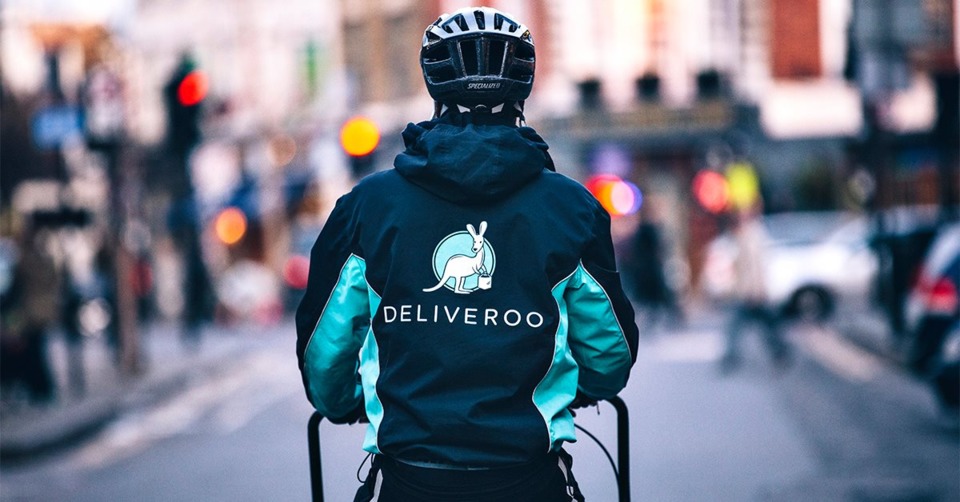
    Food delivery company, Deliveroo, in partnership with MasterChef Australia, delivers an Australian first integration campaign via Mediabrands Content Studio.

    Deliveroo will deliver 21,504 mini bacon me go nuts choc-tops – inspired by last night’s episode of MasterChef Australia – for customers to enjoy from the comfort of their couch.

    Mediabrands Content Studio handled the partnership, choc-tops production, packaging and distribution to 128 Deliveroo restaurant partners nationally.

    Olivia Warren, managing director of Mediabrands Content Studio said: “Every year clients want bigger and better integrations when sponsoring TV properties.

    “The ask to do something no other brand has done and create an amazing customer experience for Deliveroo’s 3rd year sponsoring MasterChef was just the sort of problem we love to tackle.

    “It’s always amazing when clients are not afraid of brave ideas – this has been months in the planning and it’s extremely exciting to see this partnership truly come to life and connect with the viewer like never before.”

    Laura Wilson, head of marketing at Deliveroo, said: “MasterChef’s bacon me go nuts choc-top creation is adding a delicious twist to this much-loved treat.

    “So we are very excited to partner with them and enable our customers to enjoy this exclusive experience, Deliveroo’d straight to their couch.”

    Tamar Hovagimian, head of effect at Paramount ANZ, said: “We’re excited that viewers can, for the first time ever, experience a dish inspired by what they have seen in the show immediately after the winner has been announced!

    “All without having to leave the comfort of their living room – it’s the magic of television come to life and Deliveroo and MBCS have made that possible.”

    To get your hands on the limited edition bacon me go nuts choc-tops, you’ll just need to search MasterChef on Deliveroo platforms and spend over $20 with participating restaurants from Thursday 9 June while stocks last.

  • Grab customer attention across channels with a diversified strategy

    Grab customer attention across channels with a diversified strategy

    E-commerce businesses are fighting for consumers’ attention at an extraordinary rate. In an industry that’s already heavily saturated, hundreds of emerging digital channels have made it increasingly difficult to stand out, writes Simon Kelly, solutions manager, Apac at ChannelAdvisor.

    Yet, connecting to a diverse pool of customers across multiple platforms is not impossible. Those with the right multichannel strategy will win in this volatile e-commerce climate.

    Still, it’s not a one-size-fits-all approach. It’s about knowing who your customers are and which channels they use, thoroughly understanding each channel’s requirements and streamlining consumers’ pathway to purchase.

    Let’s take a look at some of the best practices of winning brands in the multichannel e-commerce space.

    Best practices for multichannel e-commerce

    Whether you’re just starting out or optimising your existing multichannel strategy, diversifying your e-commerce presence is most successful when you:

    1. Connect to the right channels. Who do you want to reach? Which KPIs do you want to influence? Which channels will help you get there?
    2. Market at the right time. Increase visibility and put your products front and centre in the eyes of consumers. Invest in digital marketing and retail media to maximise your presence in each channel.
    3. Sell where consumers shop. Prepare your channels for sales. Whether through digital campaigns, marketplaces or social media, clarify the path to purchase so it’s easy for consumers to find you and complete their purchase.
    4. Fulfil customer expectations. Achieve automation and scale with the right fulfilment options. Many marketplaces now offer fulfilment capabilities for added compliance, increased conversion and greater expansion.
    5. Optimise with data and analytics. Test everything from assortments to ads to product descriptions. Continue what works and eliminate what doesn’t to maximise the use of your budget and fuel long-term success.

    Diversify your channel presence

    There are numerous options for diversifying your online offerings, from direct-to-consumer (D2C) sales to third-party marketplaces to social commerce. The key is deciding which option(s) make the most sense for your brand.

    Direct-to-consumer (DTC)

    Many long-time B2B companies are starting to directly engage with consumers for numerous financial, logistical and brand-related benefits. In the face of economic downtimes, D2C offers resiliency, as well as:

    • Increased revenue from new customers.
    • Consumer trust from direct brand relationships.
    • Higher quality data from first-party interactions.

    Third-party marketplace

    Marketplaces like Amazon, Ebay and Walmart now make up more than 67 per cent of global web sales. They help you reach larger audiences, test demand in new markets and try out new products. But to achieve marketplace success, you need:

    • Seamless integrations with the right marketplace(s) for your brand.
    • Product data that meets marketplace requirements.
    • Consistency across all sales channels.
    • Fulfilment and delivery plans.
    • Advertising to drive traffic and visibility.

    Even after a successful launch into a new marketplace and meeting its specific requirements, succeeding in the space means defending your position. One of the best ways to do this is by monitoring performance and conducting benchmarking.

    Wholesale channels

    Most brands use wholesale channels like retailers to sell their products online. To fulfil orders, they can either ship inventory to retailers or dropship through suppliers. Regardless of the method, it’s not something to simply “set and forget,” as changing consumer behaviours and supply can impact your brand reputation. It’s important to regularly monitor your retail partners for share of digital shelf, product availability, pricing, content quality and product reviews. If products aren’t visible on the shelf, consumers can’t purchase. If the price is incorrect or content quality is poor, conversions will go down and reviews will be negative.

    Social commerce

    Social media sites are now a very important part of the consumer journey. From Facebook and Instagram to TikTok and Snapchat, these sites are key research and discovery channels for younger audiences. In fact, 60 per cent of 18-to-25-year-olds have discovered products they’ve purchased on social media. That means brands must be there to meet them. The key to helping them convert is creating clear paths to purchase with buy now options and links to your site or preferred retailers.

    Shoppable media

    Digital marketing campaigns put your products directly in consumers’ line of sight. But if your ads send traffic to pages where shoppers can’t buy (e.g. a showcase website or out-of-stock page), you’re missing out on sales. Shoppable media makes digital campaigns shoppable, ensuring clicks go to pages with in-stock products for purchase. That way, you can increase conversions, create better consumer experiences and strengthen retailer relationships from any digital campaign on any channel.

    The fight for visibility in an increasingly crowded landscape doesn’t have to be overwhelming. ChannelAdvisor helps brands and retailers streamline the consumer path to purchase and improve digital campaigns across retail media sites from Amazon to Ebay. With ChannelAdvisor, you can streamline your e-commerce operations, expand to new channels and grow sales – all from a centralised platform.

  • eBikeGo Completes $5 Million Funding Round, Aims To Raise $25 Million Further

    eBikeGo Completes $5 Million Funding Round, Aims To Raise $25 Million Further

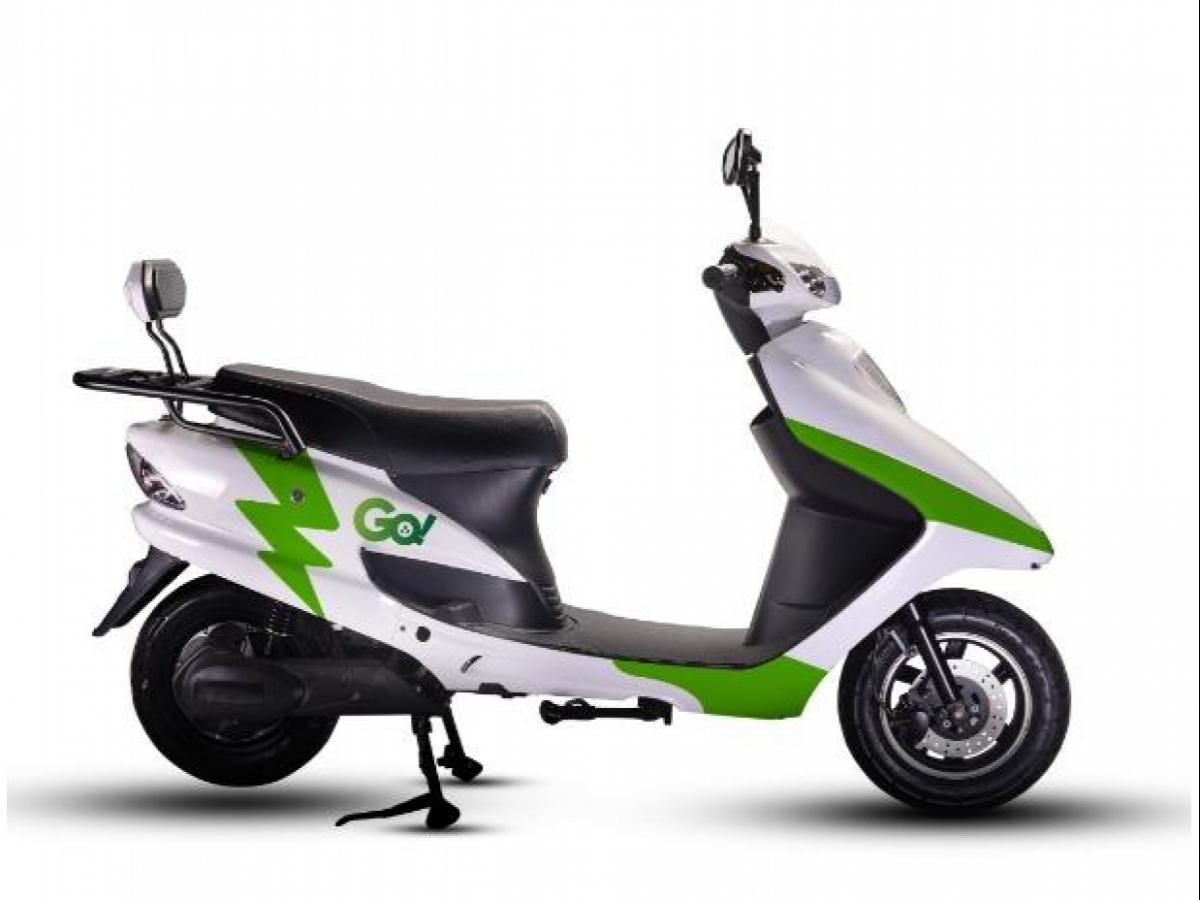
    Electric mobility start-up, eBikeGo, has announced completing a $5 million, or over ₹ 38 crore, funding round. The company recently secured $3.5 million, or over ₹ 27 crore, in a fresh round of funding, which in addition to the $1.5 million, or over ₹ 12 crore, in pre-Series A funding from a combination of overseas and Indian investors, cumulatively standing at $5 million. In fact, the company has announced that it is aiming to raise $25 million, or over ₹ 194 crore, further.

    The latest round of funding comes from Kuwaiti investor Sivaram Juvva and his company Al Tebah for Telecommunications Materials Systems & Devices Company, as well as from Omani investor, Ivor Braganza, and his company Muscat International Project Management & Services LLC. Other investors include some High Net Worth Individuals from the industry.

    Commenting on the latest round of funding, Irfan Khan, Founder & CEO of eBikeGo said, “With this investment, we hope to launch our proven EVs such as Muvi and Velocipedo and have a significant influence on the present status of electric mobility. We as a company are working towards becoming a robust OEM and thus, we aspire to drastically reduce carbon footprint not just in India but on a worldwide scale”.

    Presently active in 7 cities in India, eBikeGo is an electric two-wheeler mobility platform that provides economical and environment-friendly travelling options. To better understand the market, the company says that over the last 3 years it has deployed around 2,000 Electric 2-Wheelers on the B2B platform which were equipped with an AI-based business intelligence unit eBG Matics. With that, the company has gathered 1 Petabyte of data and claims that currently there is no ideal vehicle that caters to the immediate needs of the Indian Market, and the recent fire incidents have led to a setback in the Indian EV space.

    The company claims the solution to this is using LFP batteries, which it claims are more dependable. In fact, eBikeGo is working on a new product line-up for India and has decided to acquire an EV portfolio from Torrot, a Spain-based 70 years old Electric Vehicle Manufacturing company, which owns brands like MUVI and Velocipedo. The company is working on localizing these vehicles as per Indian conditions to produce and market them in India and Europe.

    eBikeGo has meticulously laid out an expansion strategy to set up a massive manufacturing unit, simultaneously beginning production and launching these vehicles and impacting the existing condition of electric mobility, after obtaining funding. The company hopes to launch Velocipedo and MUVI in 2023 with this funding.

  • Menswear startup raises $2 mln in Series A round

    Menswear startup raises $2 mln in Series A round

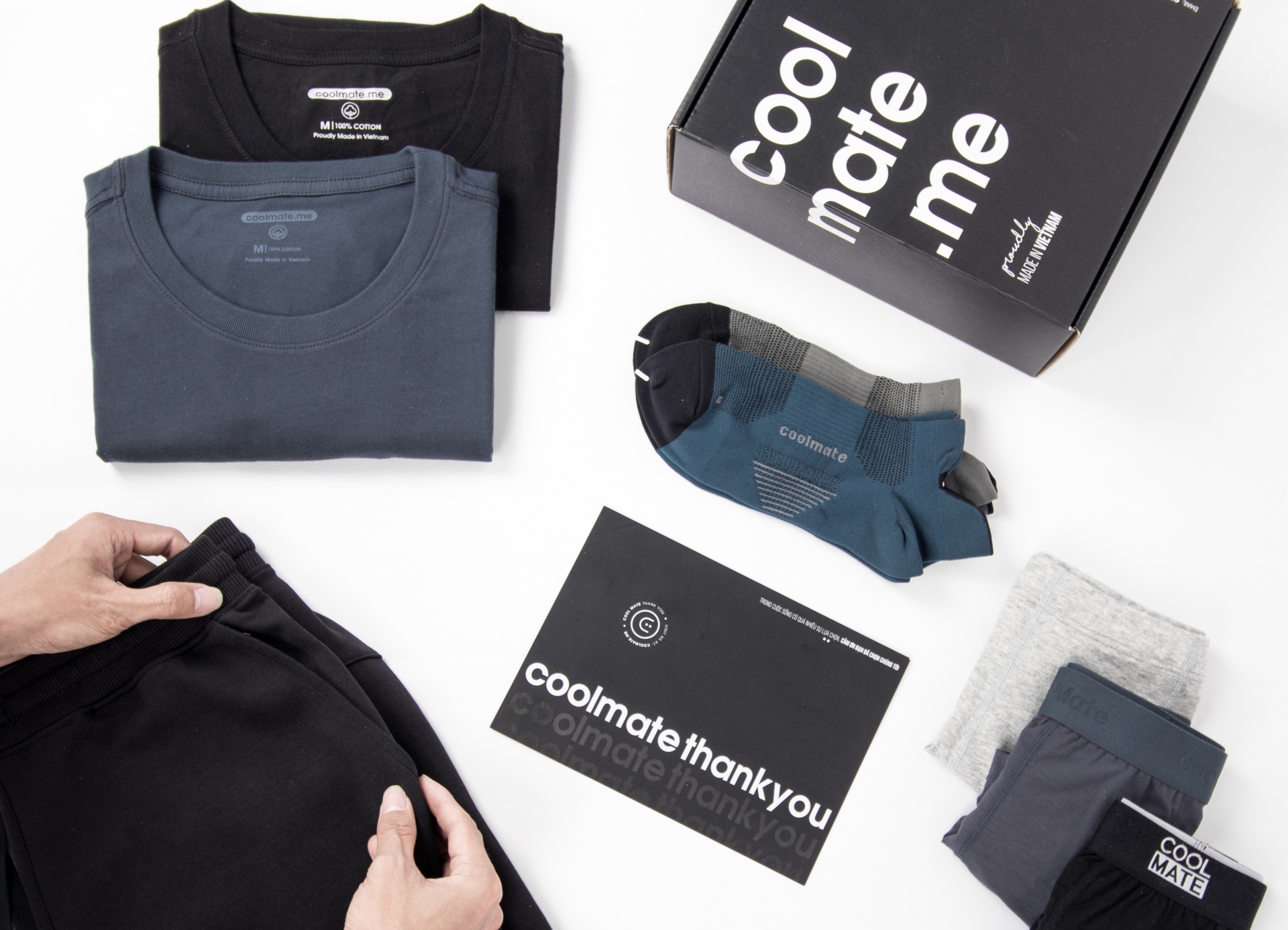
    Coolmate, a Vietnamese menswear brand that is sold online, has raised US$2 million in a Series A funding round from a group of investors.

    The round was led by Access Ventures and included Do Ventures, CyberAgent Capital and DSG Consumer Partners.

    Coolmate intends to use the money to fund research into new products, upgrade its operating system and hire more human resources, its co-founder and CEO, Pham Chi Nhu, said.

    Founded in 2019, the startup has no physical store up to date. It reportedly gets 10,000 orders a day now compared to 2,000 in the first year of operation.

    It expects to achieve $19 million in revenues this year.

  • Indian startup Zoomcar bets on Vietnam as key Southeast Asian market

    Indian startup Zoomcar bets on Vietnam as key Southeast Asian market

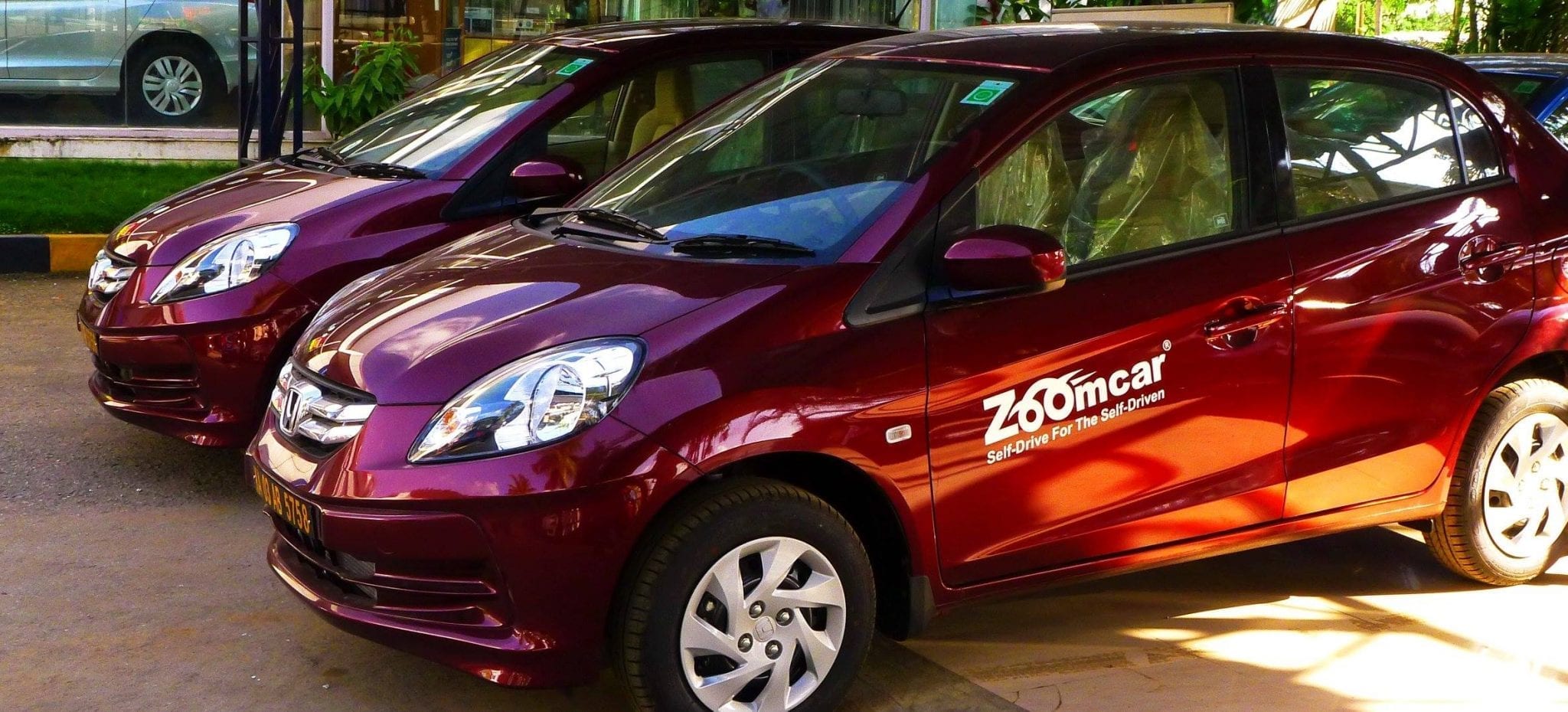
    Indian car rental startup Zoomcar eyes Vietnam as a major Southeast Asian market to take advantage of the rising demand for car ownership among its expanding middle class. Vietnam is set to account for 10 percent of Zoomcar’s revenues in the next financial year, which translates to $8 million, Kiet Pham, vice president and country director of Zoomcar Vietnam said.

    In Southeast Asia, the company is focusing on Indonesia and Vietnam, and plans to invest $100 million in the two countries. In Vietnam, it has around 1,000 cars for rent, or 10 percent of its total global number. To achieve the number, Zoomcar has been giving out large rewards to car owners to list their vehicles on its platform. An owner who listed during the four-day holiday earlier this month received VND3 million ($131).

    Zoomcar is also willing to burn cash to change Vietnamese consumers’ habit and make them familiar with renting cars.

    Kiet said the company is willing to spend $25 million to expand its presence in Vietnam. It has raised $207 million since its establishment.

    For Vietnamese users, though it is one of the top car rental companies in India, Zoomcar remains a new brand as it has only been active in HCMC for four months.

    Kiet said Zoomcar is betting big on Vietnam because the country is the fourth biggest car market (in terms of sales) in Southeast Asia and only 5.7 percent of households had a car in 2020.

    The dwindling sales of motorbikes, the expanding middle class and the development of major infrastructure projects are set to increase car usage, he added.

    Vietnam’s car rental market is set to reach $550 million this year and will grow by 10.9 percent annually in the next five years, according to data portal Statista. By 2026, it will reach $840 million with 8.7 million users.

    Kiet said: “This is the right time to enter the market. There is a lot of support for our entrance.”

    The number of trips has been doubling every month in the last four months, he said.

    “Those figures exceed our initial targets.”

    Traditionally, customers have to make a deposit of VND15-20 million, submit their household registration book, a vital identification document in Vietnam. Customers and hire a car for at least one day.

    On Zoomcar, users are not required to put down any deposit or documents, and can rent for six hours.

    But the commission of 40 percent of rental it charges discourages some car owners, who complain it is too high.

    Kiet defended it by saying it is an appropriate ratio to ensure the company has enough resources to develop the market and bear the risks of operation so that car owners only need to list their vehicles and not worry about customers’ trustworthiness.

    He also spoke about the low number of vehicles, saying only 50 percent of registered owners make them available at a time, at a time when the number of renters is increasing.

    The low rate of people with driver’s licenses (estimated to be 3 percent of the HCMC population) is also a challenge, he said.

    The company believes however that car rental would become a future trend in Vietnam as has happened in Singapore and the U.S., he said

    The company hopes to expand to Hanoi this quarter, he added.

  • Shinhan acquires 10 pct stake in Tiki

    Shinhan acquires 10 pct stake in Tiki

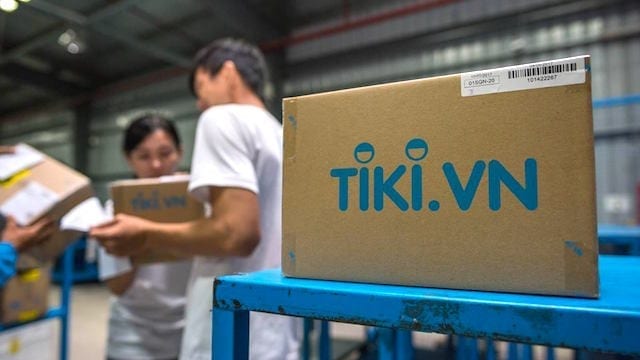
    South Korea’s Shinhan Financial Group said it has reached an agreement to acquire a 10 percent stake in Vietnam-based e-commerce company Tiki.

    The South Korean group said its two units, Shinhan Bank and Shinhan Card, will pick up 7.44 and 2.56 percent stakes in Tiki, respectively. It has invested $90 million in the e-commerce player.

    “Based on Shinhan’s financial expertise and Tiki’s database in a broad range of areas, we are expecting to build a new converged digital ecosystem in Vietnam,” a Shinhan representative said in a statement.

    The deal was first reported by DealStreetAsia in January, with initial investment of around $40 million.

    Founded in 2010, Tiki is the fifth most popular e-commerce site in Vietnam with 17.9 million monthly visitors last year, according to data portal Statista.

    It closed the Series E round last November with $258 million, which was led by insurance group AIA. The company has raised about $450.5 million in total, according to Crunchbase.

    The round brought Tiki closer to unicorn status, with a valuation of around $832 million.

    Shinhan Bank, the largest foreign lender in Vietnam in terms of assets, has around 650,000 users of its online platform, which was launched in 2018.

  • Indian grocery startup Zepto raises new funds at $900 million valuation

    Indian grocery startup Zepto raises new funds at $900 million valuation

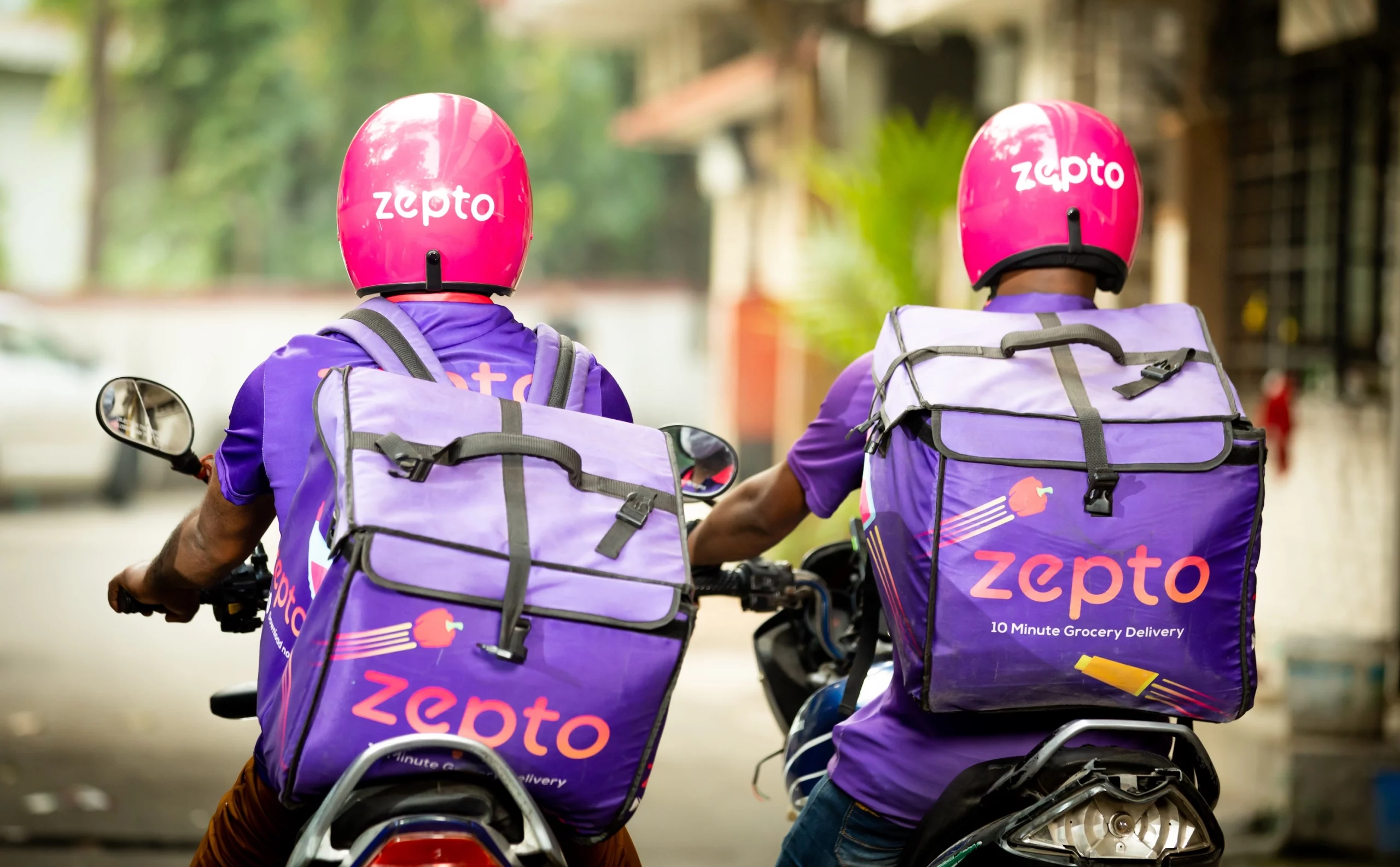
    Instant grocery startup Zepto has raised $200 million in a new financing round as it looks to expand its 10-minute delivery service to more cities in India and grow its network of dark stores.

    Existing backer Y Combinator Continuity led Zepto’s Series D round, valuing the Mumbai-headquartered startup at about $900 million, up from $570 million in its December Series C round and $225 million in a round unveiled in late October.

    Kaiser Permanente, the giant healthcare firm, which also operates a venture arm, as well as all key existing investors including Nexus Venture Partners, Glade Brook Capital, Contrary Capital and Lachy Groom, participated in the new round, the startup said Monday evening.

    There’s no secondary transaction in the new round, which brings the startup’s to-date raise to $360 million.

    At 19, Aadit Palicha and Kaivalya Vohra co-founded Zepto. The duo, who had previously worked on a number of projects, including a ride-hailing commute app for school kids, and dropped out of Stanford two years ago, took Zepto out of stealth mode in November last year.

    Its 10-minute delivery service is today operational in 11 cities across India and it processes hundreds of thousands of orders each day, Palicha, who serves as Zepto’s chief executive, told TechCrunch in an interview.

    The startup’s current annualized revenue is between $200 million to $400 million, he said, a figure he is determined to grow to “at least $1 billion” by the quarter ending March next year.

    The surge in revenue comes as the startup has consistently grown by over 50% each month in recent months, he said. In the most recent quarter, the startup grew its revenue by 800% while slashing its expenses per order by more than five times, he said.

    In India, Zepto is among the earliest startups attempting to prove the quick commerce model, a category that has taken off in several markets, including North America and Europe. However, a number of startups operating in the space have either scaled down their efforts or shut down completely, as many venture investors lose appetite for fast delivery.

    Zepto competes with Swiggy, India’s most valuable food delivery startup and one that has committed to investing more than $700 million on its quick commerce service, called Instamart.

    A number of other players, including Blinkit, formerly known as Grofers, are also attempting to win a slice of the market. The SoftBank-backed startup recently agreed to an acquisition offer by larger food delivery firm Zomato, TechCrunch reported earlier, which in recent months has expressed interest in expanding to the quick commerce category, an area where it has historically performed poorly.

    Zomato last month began a pilot of 10-minute delivery of food items in its home city of Gurugram. Zepto is also piloting a service to deliver a range of prepared food items, including hot beverages and snacks within its signature 10-minute promise in select areas in Mumbai, it said.

    At stake is a $45 billion market, according to analysts at Sanford C. Bernstein. In a report earlier this year, the firm’s analysts reported that India is leading other global markets in the adoption of quick commerce.

    The analysts said customers’ increasing willingness and ability to a pay premium for superior quality products and the growing market for home delivery have contributed to the growth of quick commerce in the country.

    The average size of an order placed on an instant delivery service is currently about $6 in India, compared to $12 to $15 for traditional online grocery orders, they said. “But recent cohorts have shown improving stickiness, with basket size increasing with increase in usage. Quick commerce models have seen improving monthly order frequency (mature cohorts at 3-4 times a week, with healthy AOV of 400-500 Indian rupees). Quick commerce players are focused on driving a high frequency basket which will drive better economics,” they added.

    For Zepto, instant grocery delivery is just the beginning in a decade-long journey ahead, said Palicha. Though he declined to reveal the startup’s audacious plans for the future, he said it’s fair to assume Zepto will expand to categories beyond grocery in the long-term, especially those that are currently underserved by giant e-commerce players.

    The startup plans to expand to an additional 12 to 20 cities in the next 12 months and set up a few hundred more dark stores, which it uses to store inventory. These dark stores are optimized for fast delivery, said Palicha. There, the startup stores the most commonly ordered items and a catalog of SKUs in different price ranges. The startup also plans to nearly double its workforce to 2,000 by the end of this year.

  • Zilingo CEO suspended amid financial probe

    Zilingo CEO suspended amid financial probe

    Zilingo Pte, one of Singapore’s highest-profile startups, has suspended Chief Executive Officer Ankiti Bose after an effort to raise new funding led to questions about the company’s accounting, according to people familiar with the matter.

    The company, which supplies technology to apparel merchants and factories, had been trying to raise $150 million to $200 million with help from Goldman Sachs Group Inc. when investors began to question its finances as part of the due diligence process, said the people, asking not to be identified because the information is confidential.

    The company began by working with small merchants that sell to consumers and then expanded into adjacent areas. As the founders started talking with small sellers, they realized many lacked access to robust technology and essential capital.

    That led them to develop software and other tools that would allow merchants to access factories in places like Vietnam or Bangalore, and would smooth the complicated process of shipping across borders. In 2018, Zilingo began to team up with financial technology firms to provide working capital to small sellers so they can buy raw materials to produce goods.

    In early 2019, Zilingo raised $226 million from investors including Sequoia and Temasek, and pushed its valuation to $970 million, almost the $1 billion mark that earns startups designation as a unicorn. Bose, then 27, was celebrated as a visionary and a sign of the entrepreneurial potential for Southeast Asia.

    “We were a bunch of twenty-somethings with nothing except this dream and we decided to chase it,” she said at the time. Bose had worked at Sequoia earlier and had said the experience helped her build the startup.

    Zilingo, which had grown into a full-blown marketplace for wholesale buyers and sellers in the fashion industry, faced growth troubles after pandemic-fueled restrictions forced many small businesses to shut their doors. To rein in its own costs, Zilingo said it cut a number of jobs in 2020 and downsized marketing, sourcing and support teams in the U.S., Australia, Singapore and Indonesia.

    The company made an aggressive pitch in its latest effort to raise fresh capital. Late last year, it forecast that core net revenue would rise from about $40 million in fiscal 2021 to roughly $60 million in fiscal 2022 and $100 million the year after, according to presentation documents reviewed by Bloomberg News. Zilingo said it anticipated breaking even on core Ebitda — or earnings before interest, taxes, depreciation and amortization — in fiscal 2023 and then reach almost $200 million in fiscal 2026.

    On March 31, Bose was called to a meeting with three board members and told about “serious” complaints about discrepancies in accounts and mismanagement, according to the correspondence reviewed by Bloomberg. She was later questioned by two people from Kroll, the investigations firm. Her suspension is scheduled to run until May 5.

    Bose, through her lawyer, has argued that the directors did not follow proper procedures during the process and questioned their right to suspend her, according to the correspondence from her attorney to Zilingo.

    “We are of the view that our client’s suspension has been procured by invalid and defective means; that the investigation commenced into her is unfair and lacking in due process, and that she has been suspended without proper and reasonable cause,” her attorney wrote.

  • Uber, BP partner in global grocery delivery partnership

    Uber, BP partner in global grocery delivery partnership

    Convenience giant bp is teaming with Uber Technologies on a new global strategic convenience delivery partnership, extending their existing local arrangements to reach more consumers across the world, the companies announced Tuesday. Together, bp and Uber Eats will offer an extensive range of quality convenience products, including fresh and prepared foods, from select retail locations in parts of the United States and globally.

    bp is the first convenience retailer to team up with Uber Eats on a global level and aims to have more than 3,000 retail locations available on the delivery platform over the next three years. The partnership supports bp’s goal of growing its access to customers and expanding its delivery footprint, in response to soaring demand for food, groceries, and everyday essentials brought to the door.

    The new partnership covers retail sites on the West Coast of the United States as well as Australia, New Zealand, Poland, and South Africa. Sites in the eastern United States and UK will be added to the app for the first time this year, with plans to launch in other European markets beginning in 2023.

    “We’re thrilled to team up with Uber Eats globally giving us the opportunity to reach many more consumers online in addition to those who currently visit our retail sites,” said Emma Delaney, executive vice president of customers & products for London-based bp. “We’ve seen how the pandemic has accelerated customer demand for delivered convenience and this partnership will allow us to scale up quickly on the Uber platform. And for the first time, we will be able to offer delivery options to existing customers on our own BPme app by the end of 2023.”

    With 20,500 bp retail sites across the world and 550 million customers living within 20 minutes of a bp retail site, bp and Uber see enormous opportunities for growth. bp sites offer a range of products tailored to local markets that include hot and cold drinks, prepared food options, grocery staples, fresh produce, as well as wine, beer, and flowers.

    As part of the agreement, Uber Eats and bp will work to introduce delivery options onto bp’s own app, BPme — initially planned to be available in the U.S., UK, and Australia by the end of 2023 — powered by Uber Direct. This new offer will allow bp to directly connect its customers to delivery riders, making Uber Eats the select partner in fulfilling these orders. Since 2019, bp has seen a three-fold increase in users of the BPme app, with 16 million active loyalty users worldwide.

    In the U.S., Uber Eats will be made available to bp’s network of independently owned retail locations with the goal of making it easy for these partners to sign up to the Uber Eats platform and access benefits based on bp’s scale.

    “With more than 20,500 locations around the world, bp’s reach is enormous — making them critical partners as we pursue our ambitions of helping consumers across the world get what they need delivered to their doorsteps,” said Pierre Dimitri Gore-Coty, Uber’s senior vice president of global delivery. “We are proud to support this next phase of the company’s convenience growth through this delivery partnership and look forward to deeper collaboration in the future.”

    bp and Uber already work together in mobility with bp providing electric vehicle charging for Uber’s ride-hail drivers. The companies will explore other areas for future cooperation in convenience, including opportunities to utilize low carbon delivery methods to fulfill orders from bp sites.

    The bp partnership falls in line with Uber Eats’ plans to add more grocery delivery options. Since launching grocery delivery in July 2020, Uber has seen consistent growth in the U.S. for the category. The San Francisco-based tech company partnered with Southeastern Grocers, operator of Winn-Dixie and Fresco y Más stores, in September 2020, and last summer expanded its home delivery reach with the addition of 1,200 Albertsons Cos. stores, began a pilot program with Costco in Texas, expanded on-demand delivery to pharmacy chains Walgreens and Rite Aid and partnered with the Smart & Final grocery warehouse chain in January of this year.

  • Vietnamese co-living startup raises $1.7 mln from Singapore fund

    Vietnamese co-living startup raises $1.7 mln from Singapore fund

    M Village, an accommodation startup in co-living spaces, has received funding of US$1.7 million led by Singaporean venture fund Simple Tech Investment.

    The money will be used for expanding the number of rooms the startup has in Ho Chi Minh City from the current 300 to 1,000 this year.

    Its founder, Nguyen Hai Ninh, is also the founder and ex-CEO of The Coffee House, a HCMC-based coffee chain that has over 140 stores across Vietnam.

    He said: “The fund-raising process started late last year and it has worked out pretty well. Simple Tech Investment agreed on investing after a month of getting to know each other”.

    Simple Tech has previously invested in digital transformation by some Vietnamese businesses, including online advertiser 24h, human resources service SieuViet Group, and leading barbershop chain 30Shine.

    M Village has also received funding from Singapore’s Vulpes Venture, Japan’s Genesia Ventures, and some angel investors.

    Founded in October 2020, M Village operates five locations in Ho Chi Minh City with their occupancy rates exceeding 90 percent.

  • Foodpanda Hong Kong donates HKD3m to Covid-19 community support

    Foodpanda Hong Kong donates HKD3m to Covid-19 community support

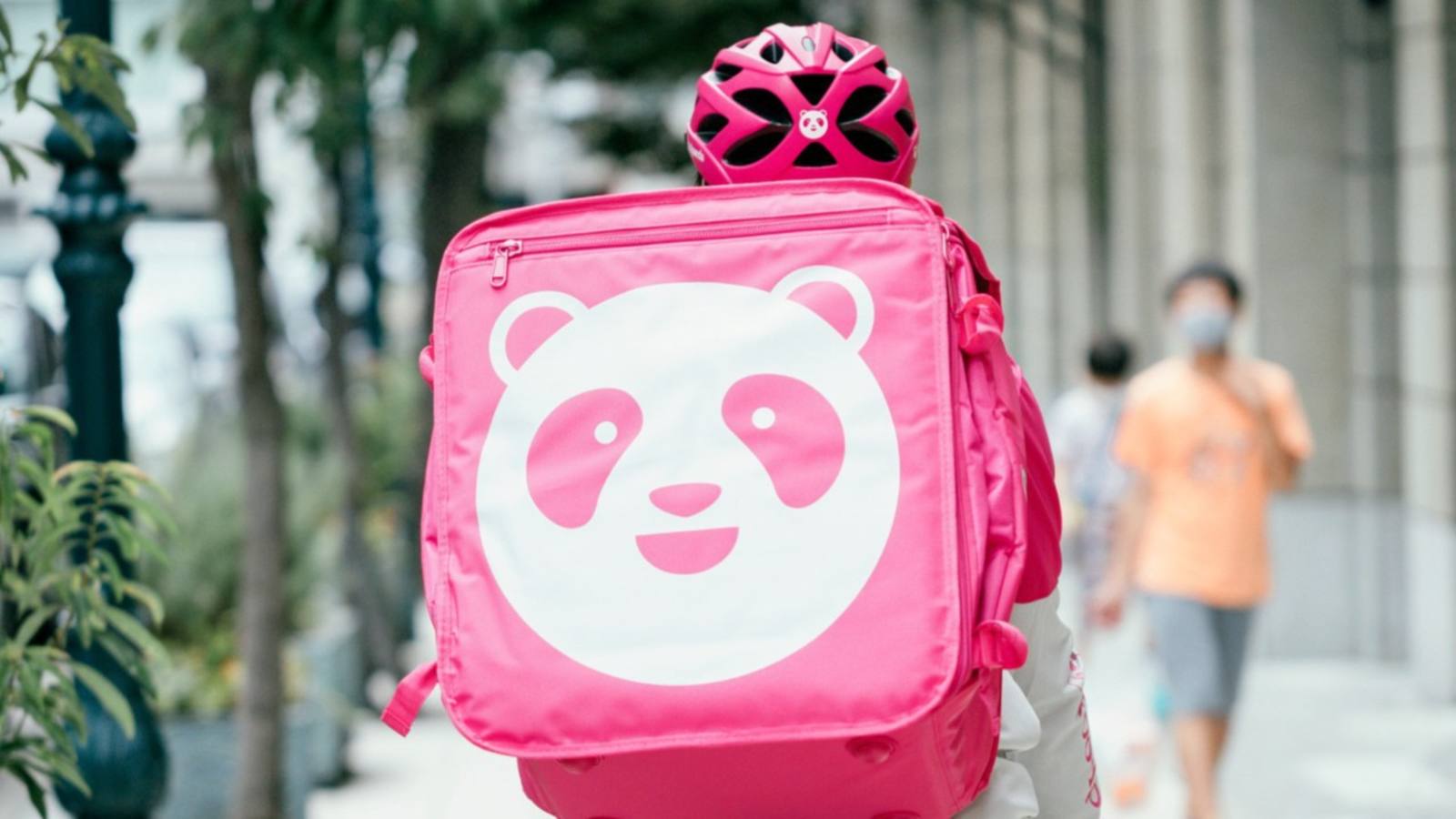
    While we all wait for the rollout of the city’s anti-pandemic fund to support residents and businesses affected by the ongoing public health crisis, some of Hong Kong’s biggest companies have also stepped up to help. In a recent announcement, foodpanda, the largest food and grocery delivery platform in Asia, is also rising up to assist those that have been affected by the pandemic.

    Foodpanda is launching a series of support measures, amounting to a total of $3 million, including a donation of 12 thousand food vouchers ($1 million worth) for people in need and investment on initiatives for their restaurant partners, shop vendors, and foodpanda fleet.

    By mid-March, foodpanda food vouchers will be donated to 15 local charities, including Food Angel, Foodlink Foundation, ImpactHK, Hong Chi Association, Concern for Grassroots Livelihood Alliance, Tuen Mun District Women’s Association, Hong Kong Single Parents Association, Hong Kong Women Worker’s Association, Hong Kong Community Network, Chain of Charity Movement, Social Development Practice and Research Centre – Family Mutual Hub, among others. These vouchers may be redeemed on the foodpanda platform for food delivery or pick-up.

    Foodpanda restaurant partners will get a waived monthly listing fee until March 31 and 50 percent discount off paper bags and foodpanda sustainable packaging. Meanwhile, their shop partners will get up to 28 percent reduced commission rate for new small-medium sized local vendors that sell locally produced fresh produce and food ingredients. New vendors to foodpanda mall will get an expedited onboarding process of seven to ten days. The company’s delivery fleet will get free access to 7,000 rapid COVID-19 rapid antigen test kits, an extension of Covid-19 insurance plan coverage, as well as free face masks, hand sanitisers, and durable medical-grade self-sanitising photocatalyst coating for couriers’ thermal bags. The platform is also setting up a dedicated express registration link for F&B staff hard hit by the pandemic who want to apply and join the foodpanda fleet as couriers to gain extra income.

    “As members of the Hong Kong community ourselves, our entire team is dedicated to rallying together to find ways to give back to the local public and support our stakeholders, providing temporary relief measures for some,” shares foodpanda Hong Kong’s managing director Ryan Lai. “Apart from providing additional support through various initiatives, we hope that we can also encourage others within the industry to roll out support measures too, as we all fight to overcome the pandemic together,” he adds.

  • Deliveroo invests HK$2m to fund sustainable plastic-free packaging

    Deliveroo invests HK$2m to fund sustainable plastic-free packaging

    Deliveroo HK is taking steps to reduce food packaging waste generated by its restaurant partners. The delivery giant is investing HK$2 million to incentivize a scheme that will encourage restaurants to use plastic-free packaging for their delivery orders. It comes as the government considers a move to ban single-use plastic tableware.

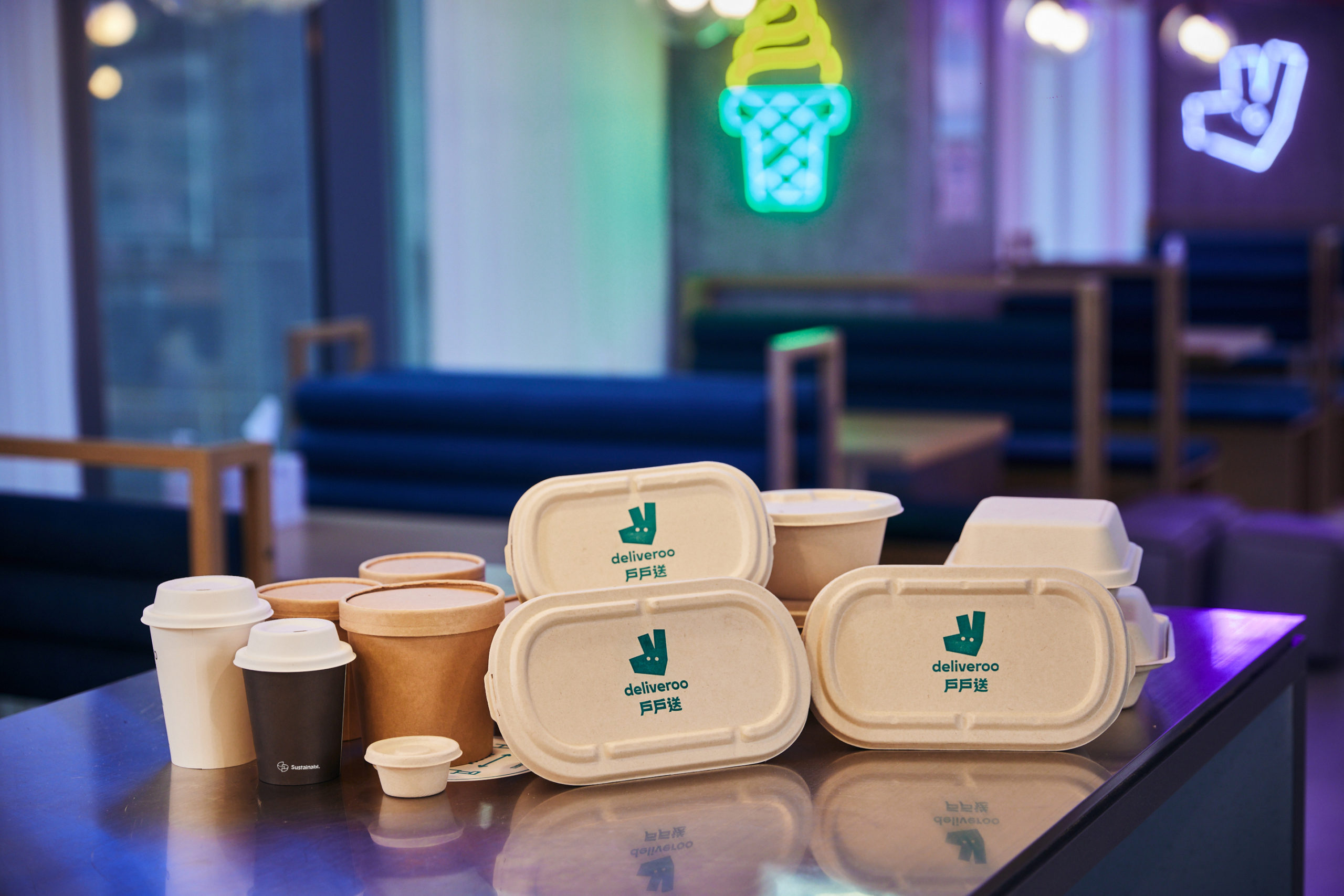
    Investment from Deliveroo HK will allow restaurants to buy suitable food containers at a discounted rate, from zero waste company Sustainable. Independent restaurants and small F&B providers will be offered a 50 percent reduction in packing prices. Large chains will receive a 30 percent discount. Both will be applicable for the first six months of the initiative.

    Deliveroo HK claims to have made sustainability a priority. Its collaboration with Sustainabl. will allow it to promote plastic-free, home-compostable, or recyclable packaging options to restaurant partners. Platform users will be able to search specifically for restaurants that offer eco-packaging solutions, in the future, making early adoption a potentially business-critical decision.

    “With sustainability being one of our priorities here at Deliveroo, we knew it was time to take the crucial step of launching a sustainable packaging scheme that would be of value to our partners in Hong Kong and make an impact to the environment and we’re thrilled to partner alongside Sustainable. to do so,” Andrew Hui, general manager of Deliveroo HK said in a statement.

    “We hope that our eco-minded steps can benefit our restaurant partners as they help create a greener future with us, and by extension, offer the same to their customers. With that said, we understand that integrating sustainable practices will come with new operational costs for our restaurant partners, especially since they are just suffering from the impact of the pandemic. That’s why we are here to provide solutions and financial support, as we leverage our community fund.”

    The HK$2 million subsidy scheme will support locations that want to make a switch to sustainable materials and, potentially, greener delivery methods. It will be the first Hong Kong initiative to be supported by the Deliveroo Global Community Fund. Subsidised packaging solutions will include around 20 products, supplied by Sustainabl., to account for the different needs of various restaurants.

    Sustainabl. is engaged in providing low-carbon, zero-waste packaging supplies that make a F&B circular economy possible. Everything supplied to Deliveroo restaurant partners will either be home compostable or recyclable, with bio-coatings for water resistance. The company uses renewable materials to create its ranges including sugarcane and wheat processing waste, bamboo and recycled paper.

    “At Sustainabl., our vision is to enable businesses and families to access ‘truly’ sustainable packaging products that do not damage the environment,” Richard Oliver, CEO of Sustainabl. said in a statement. “We have created cost-effective, functional solutions to enable F&B vendors and other businesses to stop using single-use plastics and reduce unnecessary waste and their carbon footprint. We are thrilled to partner with Deliveroo on this meaningful initiative and look forward to supplying our zero-waste packaging solutions to Deliveroo restaurant partners. With the new scheme in place, we expect to see a greener and more sustainable F&B industry in Hong Kong in 2022 and beyond.”

    Deliveroo has already witnessed the success of a similar scheme, in France. Launched in 2021, the partnership between the delivery leader and barePack saw 60 restaurants trial reusable packaging supplies, in a bid to garner a circular model. Launched in Paris,  the scheme is expected to roll out to other parts of France and possibly London.

    Tackling the grocery side of things, Dutch startup Pieter Pot bagged €9 million in December last year for its reusable container-powered home delivery service. The company aims to make zero waste shopping as competitive and convenient as regular grocery buying. New investmemt has been raised to expand into wider Europe, including the U.K.

  • Grab to increase all service fares

    Grab to increase all service fares

    Ride-hailing giant Grab will raise all fares from March 10, the first tech-based transport firm to do so amid record-high gasoline prices.

    GrabCar’s first two-kilometer fare will be raised by VND2,000 ($0.09) to VND29,000 for four-seater and VND34,000 for seven-seater vehicles in Hanoi and Ho Chi Minh City.

    That of each subsequent kilometer will be VND10,000, up VND500.

    GrabCar fares in other cities and provinces will also be increased by VND2,000-2,500 for the first two kilometers, and VND600 for each subsequent kilometer.

    For its bike ride-hailing and delivery services, the giant’s fares will go up to VND12,500-13,500 for the first two kilometers and VND4,300 for each subsequent kilometer.

    The tech-based transport firm cited surging gasoline prices as a reason for the adjustment.

    Gasoline prices in Vietnam hit the all time high of VND26,830 per liter for popular RON 95 and VND26,070 per liter for biofuel E5 RON 92 last Tuesday, after authorities adjusted them upward for the sixth time in less than three months.

    The last time Grab increased its fares was at the end of 2020, after authorities raised value-added tax for tech-based transport services from 3 percent to 10 percent.

    Taxi firms expect to increase their fares if gasoline prices stay at the current all-time high.

  • Deliveroo’s “Share of Stomach” Survey Reveals Pandemic Impact

    Deliveroo’s “Share of Stomach” Survey Reveals Pandemic Impact

    Deliveroo, Hong Kong’s leading food delivery company, today announced its first-ever Share of Stomach report for Hong Kong, following its initial launch last year in the UK. The poll examines the city’s growing interest in food delivery that has persisted throughout the pandemic, with the goal of providing Deliveroo restaurant partners with consumer data to help them make strategic and informed business decisions. After two years in lockdown, the Share of Stomach report found that mental and physical health (both at 70%) are at the top of the list of concerns for Hong Kongers, leading to increasing appetite for food delivery among consumers.

    With the city grappling with social distancing measures and dine-in restrictions for the larger part of two years, 71% of respondents agree that the food they eat plays an important role in their mental health, followed by 65% who say they wish to take control of their nutrition levels, reflecting that the pandemic has seemed to play a role in influencing more people to adapt to eting at home.

    Deliveroo has seen a surge in ordering frequency in the city, as more than half of Hong Kongers (55%) said that they have ordered more or a lot more food delivery and takeaway over the past year. With no signs of delivery slowing down, pickup and delivery options are becoming essential to restaurants’ business and operation planning, which presents more opportunities for restaurants to beef up their delivery options and help consumers set the table at home. With new habits and routines forming, 60% of Hong Kongers now see food delivery as a necessity, claiming that their primary reason for food delivery is staying indoors. However, consumers also stated that specific cravings for certain foods (53%) – prompt them to also opt for delivery rather than cooking at home or dining out. In other words, to restaurants, making food available to customers at their moments of “craving” is key to their business growth.

    When it comes to ordering food online, Hong Kongers put their tastebuds before all else, with 38% marking flavour and taste as the most important factor when choosing their delivery. Other key considerations when opting for takeaway included caring about specific dietary requirements being met (30%) and knowing that the food had been prepared with expertise (26%). However, social media buzz was among the lowest motivators, with just 20% of respondents citing that it was important to them. Among those who cared the most about the expertise from chefs were professionals and working adults, with more than a third (34%) marking it as the number one driving force for ordering delivery. With many hungry Hong Kongers placing a high value on food quality and expertise, restaurants should place greater emphasis on quality ingredients and recipes to remain competitive in the city’s market and win over not only the tastebuds but the hearts of their customers.

    Other emerging dietary preferences in Hong Kong included:

    • Physical health (34%) was the obvious and most important decision factor in selecting a vegan diet, with 37% of those surveyed describing themselves as veggie, vegan, or flexitarian or pescatarian.
    • Families in Hong Kong (60%) were the largest group adopting vegan diet in the previous one to two years, with many of the younger child-free respondents indicating that they had ‘always’ been vegan.
    • Nearly half of individual respondents (49%) reported having dietary restrictions.

    With more customers paying additional attention to their diets, restaurants across Hong Kong would be wise to revamp their menus on a regular basis and ensure that patrons have a wide variety of options that cater to the emerging dietary needs.

    Among the three markets surveyed which include the UK, France and Hong Kong, Hong Kong was home to the keenest amateur cooks, with over half (51%) of the city’s respondents agreeing or strongly agreeing that they considered cooking to be a hobby of theirs. Given that the pandemic had created more room in their schedules, 52% of Hong Kongers cited that they have more free time. Compared to just last year, over 43% of respondents also noted that they are more likely to cook for themselves, suggesting the potential growth for the local on-demand grocery market.

    Andrew Hui, General Manager, Deliveroo Hong Kong, said: “Food delivery has undoubtedly increased as a result of the epidemic, social distancing measures not only have impacted the F&B industry but also have influenced Hong Kongers to choose to dine in at home, as they prioritise their health and wellbeing. As the city’s leading provider of online food delivery services, we are committed to helping our restaurant partners to understand the latest behaviours coming from consumers. With these insights, we can help maximise business opportunities for restaurants amidst the pandemic and provide consumers with more food choices to be delivered at their door with ease.”