Category: Telecom

Retail News Asia is committed to providing both local and global retailers with the latest Telecom & Telco news throughout the Asian market. This on a daily base.

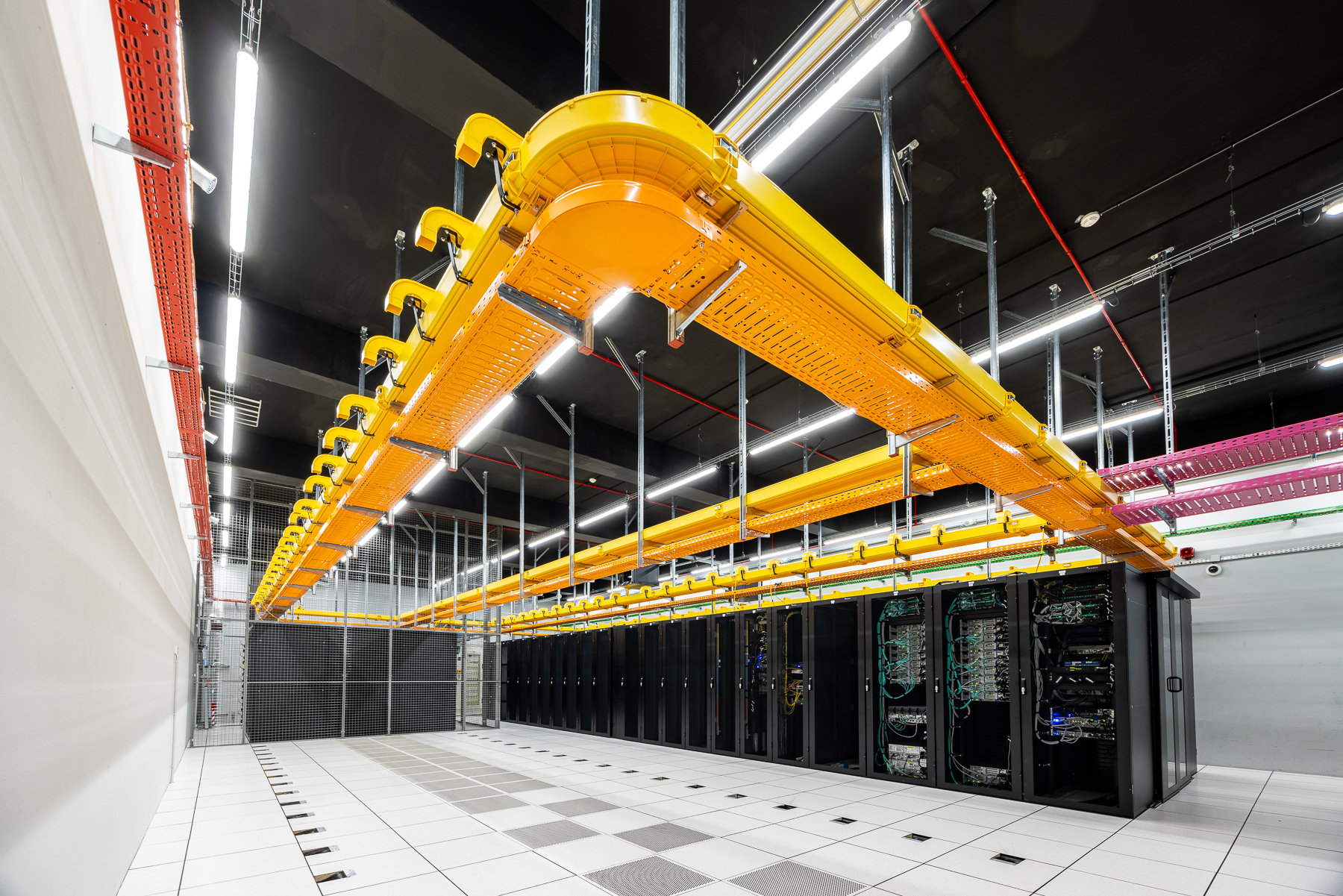
  • Alibaba Opens Brazil Data Centres to Target South American AI Demand

    Alibaba Opens Brazil Data Centres to Target South American AI Demand

    Alibaba Group launched new data centres in Brazil to provide artificial intelligence computing capacity across South America. The facility marks the Chinese tech conglomerate’s latest infrastructure push outside its domestic base.

    The investment brings Alibaba’s cloud division into direct competition with Western infrastructure providers across Latin America. Local enterprises and developers gain direct access to the group’s AI model deployment tools and cloud compute services without routing data through North American server hubs.

    Expanding Cloud Infrastructure Outside Asia

    Alibaba has focused its overseas cloud strategy on emerging markets where digital infrastructure demand outpaces local supply. While the group built its initial international presence across Southeast Asia and the Middle East, South America represents a fresh expansion corridor for its enterprise AI suite.

    Building local data centres cuts latency for enterprise clients in Brazil and neighbouring economies. It also satisfies regional data residency requirements, a critical hurdle for financial institutions, retailers, and public sector clients adopting generative AI software.

    Competition for Global AI Workloads

    For retailers and consumer platforms operating across Latin America, the facility adds capacity for real-time customer analytics, logistics routing, and automated recommendation engines. Chinese cross-border e-commerce platforms active in the region also rely on low-latency cloud infrastructure to process transactions and handle merchant inventory.

    The expansion tests whether Chinese cloud architectures can win market share in South America against entrenched US infrastructure operators. The next milestone will be client onboarding across regional enterprise accounts as the new server zones go live.

  • Southeast Asia Data Centers Secure 11.5 Billion Dollars in Equity as AI Surges

    Southeast Asia Data Centers Secure 11.5 Billion Dollars in Equity as AI Surges

    Southeast Asian data center operators raised 11.5 billion dollars in disclosed equity across 19 deals, with 85 percent of the total arriving since early 2024.

    Five Singapore-headquartered platforms secured roughly 98 percent of that capital, backed by sovereign funds, pension investors, and global private equity firms building capacity for regional artificial intelligence demand.

    Sector funding expanded sharply after years of modest activity. Between 2020 and 2023, regional data center operators raised a combined 1.68 billion dollars. Annual totals climbed to 3.2 billion dollars in 2024, 1.9 billion dollars in 2025, and 4.7 billion dollars in 2026 to date, driven by mega-rounds such as DayOne’s 4.5 billion dollar Series C.

    Capital concentrates in Singapore

    All five top-funded platforms, DayOne with 6.4 billion dollars, Princeton Digital Group with 2.2 billion dollars, ST Telemedia GDC with 1.3 billion dollars, Nxera with 806 million dollars, and Digital Edge with 640 million dollars, hold their corporate headquarters in Singapore.

    While holding companies domicile in the city-state, physical construction spreads across neighboring growth corridors. DayOne committed over 28 billion ringgit (7 billion dollars) to Malaysia through 2026 and partners with the Indonesia Investment Authority on a 72-megawatt campus in Batam. Princeton Digital Group operates a 1.1-gigawatt portfolio across six Asian markets, while Digital Edge runs sites in Japan, South Korea, India, Malaysia, Indonesia, and the Philippines.

    Mergers and acquisitions accelerated alongside greenfield development. Deal intervals compressed from over four years down to nine months. In the sector’s landmark transaction, buyers followed a June 2024 purchase of an 18.3 percent stake in ST Telemedia GDC by acquiring the remaining 82 percent 20 months later at an enterprise valuation of 13.8 billion Singapore dollars (10.86 billion dollars).

    Debt builds beside equity

    Hyperscale tenant contracts with predictable cash flows have allowed operators to layer large debt packages onto their balance sheets. Digital Edge paired its 640 million dollar equity round with 1 billion dollars in debt. Princeton Digital Group split its 2025 capital raise between 1.3 billion dollars of equity and 1.2 billion dollars of debt, following that with plans outlined in March 2026 to raise up to 5 billion dollars in additional debt facilities.

    Public market debuts remain rare, with Indonesia colocation provider Elitery’s 16 million dollar listing in January 2023 standing as the lone regional listing so far. DayOne filed confidentially for a US initial public offering in August 2026 to raise roughly 5 billion dollars at a 20 billion dollar valuation, while simultaneously seeking to expand an existing 3.4 billion dollar credit line to 7 billion dollars.

  • KDDI Launches Paid Consumer AI Assistant Buffmee in Japan

    KDDI Launches Paid Consumer AI Assistant Buffmee in Japan

    Japanese telecom operator KDDI launched Buffmee, a consumer artificial intelligence assistant that charges JPY 980 a month for verified search and study tools. The service runs on Google Cloud and restricts query answers exclusively to curated materials from licensed book publishers, magazines and specialized databases.

    Unlike general-purpose chatbots that scrape the open internet, Buffmee functions as a closed ecosystem where users can cross-check answers directly against partner citations. The platform targets daily consumer queries across education, cooking, sports, parenting, business and personal finance.

    Curated data over open web searches

    KDDI designed the app to address rising consumer frustration with unverified AI search results and hallucinations. Partner publishers provide copyrighted and premium texts to the platform, gaining a controlled digital distribution channel while KDDI secures proprietary content for its model.

    Users interact through structured shortcuts and dedicated buttons designed to reduce prompt writing. The software includes tools for text summarisation, data analysis, image generation, daily planning, test problem creation and digital flashcards.

    Freemium tiers and study tools

    The service operates on a two-tier pricing structure. The free tier caps usage at 100 chat sessions and 10 image generation requests per day, while the JPY 980 (USD 6.50) monthly subscription removes all volume limits. KDDI is offering the premium tier free for the first year to build initial consumer adoption.

    Asian telecom operators are increasingly shifting from commodity network access into branded consumer digital services to defend average revenue per user. While regional peers in Southeast Asia and South Korea have focused primarily on enterprise AI contracts and customer care automation, KDDI is taking subscription software directly to retail mobile subscribers through curated publisher partnerships.

    KDDI will track conversion rates as early adopters reach the end of their 12-month free promotional period and transition onto the standard monthly billing cycle.

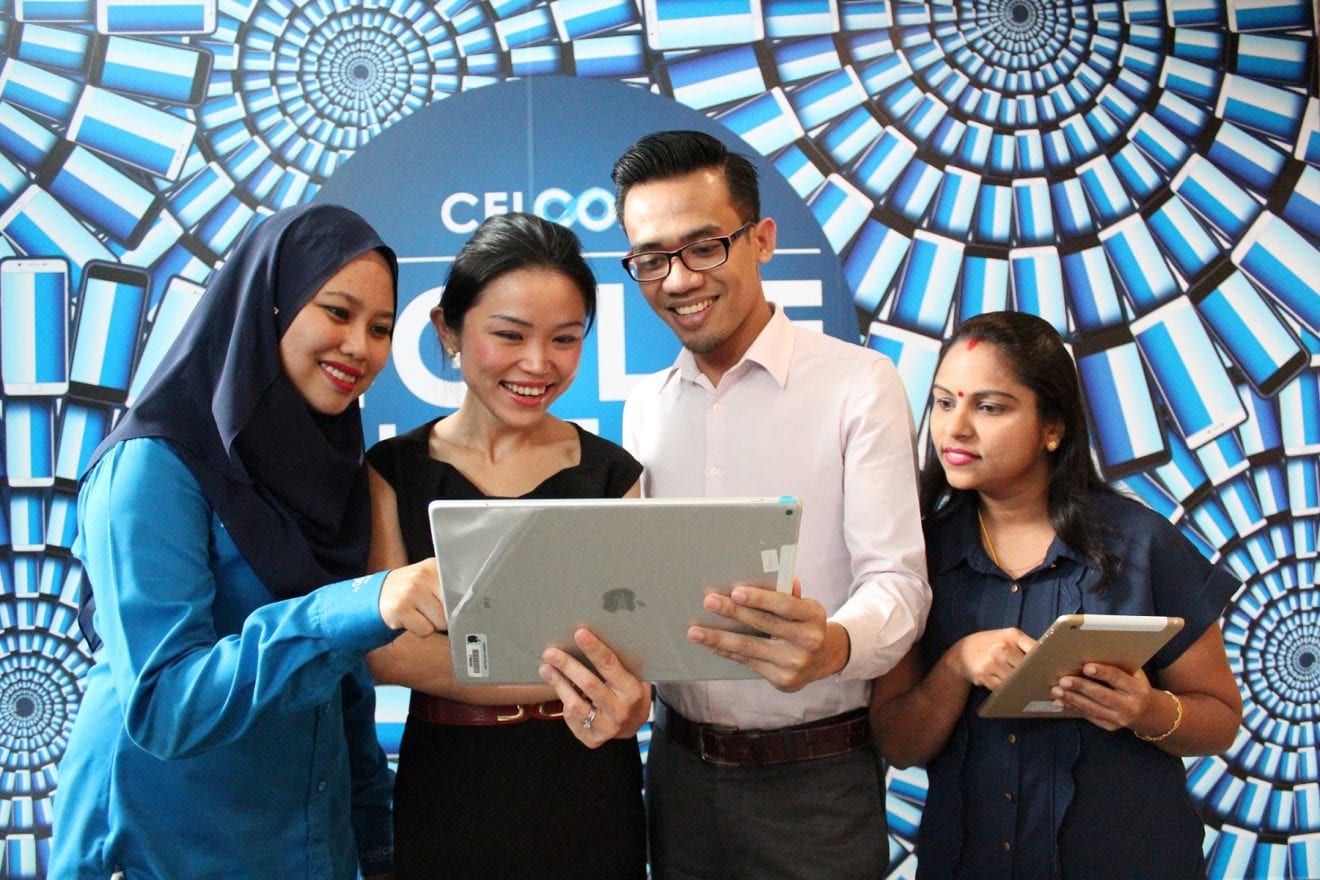
  • CelcomDigi Debuts Sophia AI to Automate SME Workflows in Malaysia

    CelcomDigi Debuts Sophia AI to Automate SME Workflows in Malaysia

    CelcomDigi rolled out an agentic artificial intelligence platform called Sophia AI in Malaysia, targeting operational bottlenecks across retail, supply chain, and small-business operations. The carrier developed the tool after testing more than 400 internal automations across its own corporate workflows.

    Unlike simple conversational bots, agentic AI operates autonomously across connected business systems. The platform executes multi-step tasks, flags processing exceptions, and updates enterprise software without requiring manual intervention from staff.

    Automating Retail and Supply Chains

    For retail and wholesale distribution networks, the platform takes over the invoice-to-payment cycle. Sophia AI reads supplier invoices, validates billing data against purchase orders, routes payment approvals, and updates accounting records across multi-store operations.

    CelcomDigi also designed the architecture to handle procurement and inventory tracking in manufacturing, appointment scheduling and claims processing in healthcare, and document verification for public sector agencies. Businesses can adjust the tool to match their existing infrastructure rather than overhauling internal software systems.

    “Our focus now is helping other organizations, particularly SMEs, achieve the same benefits,” said T. Kugan, chief enterprise business officer at CelcomDigi. “With our agentic AI solution, we can successfully eliminate repetitive administrative tasks while empowering employees to devote time on higher-value work.”

    Closing the Enterprise Adoption Gap

    Regional telecom operators are pitching automation software directly to commercial clients to grow enterprise revenue beyond standard mobile connectivity. Similar rollouts by Singtel in Singapore and HKT in Hong Kong show carriers bundling proprietary software with 5G data pipelines and cloud hosting.

    Adoption among smaller merchants remains uneven. Findings from Malaysia’s Ministry of Finance Economic Outlook 2026 report show SMEs struggle with artificial intelligence deployments because of unclear returns on investment and software tools built only for large corporations. CelcomDigi is pairing Sophia AI with its enterprise data, cloud, and cybersecurity bundles to lower onboarding friction for smaller accounts.

    Commercial rollouts for Malaysian enterprise clients begin immediately through CelcomDigi’s business division.

  • Taihan Cable Teams with Robotics Firm to Build Subsea Installation ROVs

    Taihan Cable Teams with Robotics Firm to Build Subsea Installation ROVs

    Taihan Cable partnered with a specialized marine robotics firm to develop domestic remotely operated vehicles for underwater power network installations. The project aims to eliminate reliance on foreign equipment suppliers across offshore grid contracts.

    Developing dedicated subsea machinery in-house gives the South Korean manufacturer direct control over offshore laying schedules and operating costs. Specialized subsea trenching and burial vehicles remain critical bottlenecks in regional power grid deployments, where contractor shortages routinely delay cable commissioning.

    Cutting Dependence on Foreign Marine Tech

    The joint engineering effort focuses on building specialized subsea remotely operated vehicles capable of handling deepwater cable laying, seabed trenching, and cable protection tasks. Most Asian grid developers currently lease or purchase heavy marine robotics from a small group of European and North American specialists.

    Localizing this machinery allows the company to bid on turnkey offshore wind and interconnector jobs without exposing project timelines to overseas equipment availability. The company said the project will sharpen its construction competitiveness as it targets large-scale contracts in the global power infrastructure market.

    Offshore Power Grid Expansion

    Offshore wind expansion across East Asia has triggered a race among regional cable makers to secure dedicated installation vessels and underwater trenching tools. Rival Asian manufacturers have made similar investments to vertically integrate their offshore installation divisions.

    Commercial rollout timelines for the newly developed subsea vehicles and their initial deployment sites will determine how quickly the group can challenge established European installation contractors in regional waters.

  • Uzbekistan Commits $100 Million to Subsidise AI Across 10,000 Businesses

    Uzbekistan Commits $100 Million to Subsidise AI Across 10,000 Businesses

    Uzbekistan will spend at least $100 million to subsidise artificial intelligence adoption across 10,000 enterprises, covering half the cost of software implementation for commercial operators. The state-backed program targets manufacturing and consumer supply sectors, extending automation subsidies from the textile trade into food processing, electrical engineering, and construction materials.

    President Shavkat Mirziyoyev announced the funding following consultations with business owners in the Khorezm region. Government data presented at the meeting showed that 54 per cent of domestic companies using modern management and AI systems saw product demand increase. A quarter of those businesses lowered production costs, while higher sales allowed 40 per cent to raise worker wages by more than 10 per cent.

    Subsidies for Factory Automation

    Under the initiative, the state will reimburse 50 per cent of what companies spend to introduce automated management systems and machine learning tools. Participating enterprises will also receive access to pre-built, open-platform software designed to eliminate the cost of developing proprietary applications from scratch.

    Hardware support will run through the Center for Digital Government Project Management, where authorities recently brought online Uzbekistan’s first supercomputer cluster. Companies building AI models for commercial products can process workloads on the facility without charge, with research and development bills settled directly by the state budget. Computing capacity at the cluster will triple next year.

    The push reflects how Central Asian governments are attempting to modernize domestic supply chains and bypass legacy enterprise systems. While Southeast Asian manufacturing hubs rely heavily on private capital and foreign software vendors to automate shop floors, Tashkent is using direct treasury subsidies to pull mid-tier producers into modern data workflows.

    Supercomputing and Regional Education

    Administrative processes are seeing similar investments. The Ministry of Digital Technologies signed an agreement with South Korea’s National Information Society Agency and UZINFOCOM to build an AI system that processes and manages citizen appeals to state bodies, starting with a feasibility study and pilot rollout.

    Across the border, Kazakhstan is focusing resources on technical labor. First Vice Minister of Artificial Intelligence and Digital Development Rostislav Konyashkin confirmed the establishment of Qazaq AI Research University under orders from President Kassym-Jomart Tokayev. The institution will embed machine learning coursework into outside degree programs and build research links with partner centers in China, Finland, and the United Arab Emirates.

    Uzbek authorities will open the enterprise application window in stages, with initial disbursements prioritized for food processors and light industrial plants preparing export shipments.

  • China’s Telecom and Pay-TV Revenue Set for Steady Growth, Fueled by 5G and IoT Innovations: 2030 Forecast

    China’s Telecom and Pay-TV Revenue Set for Steady Growth, Fueled by 5G and IoT Innovations: 2030 Forecast

    Revenues generated from telecommunications and pay-TV services in China are set to witness a moderate compound annual growth rate (CAGR) of 1.3% from 2025 to 2030. This growth can be primarily attributed to innovative developments in mobile data and fixed broadband sectors.

    Telecommunications Revenue Forecast

    While the revenues from mobile voice services are expected to experience a downward trend during this period, mobile data service revenues are projected to rise. The declining trend in mobile voice services can be linked to mobile operators packaging voice minutes along with their 5G data plans, a shift in consumer preferences towards Over the Top (OTT) and internet-based communication applications, and a decrease in average revenue per user (ARPU) for voice services.

    On the other hand, the revenues from mobile data services are projected to increase at a CAGR of 4.2%, driven by a constant rise in 5G subscriptions and an ensuing boost in mobile data ARPUs. This growth in mobile data revenue is also expected to benefit from an increase in mobile internet usage and the widespread use of digital and video streaming services facilitated by premium mobile data offerings from mobile network operators (MNOs).

    Subscriptions to machine-to-machine (M2M) and Internet of Things (IoT) services are anticipated to consistently grow between 2025 and 2030, driven by advancements in 5G network infrastructure, smart city projects, industrial automation, and the focus of telecom companies and the government on new M2M/IoT applications.

    Fixed Communication and Pay-TV Services

    In the fixed communication services sector, revenues from fixed voice services are likely to decrease due to a drop in circuit-switched subscriptions and lower fixed voice ARPU. Conversely, the revenues from fixed broadband services are anticipated to increase, fueled by a growing number of users adopting higher-ARPU fiber broadband services and enhancements in gigabit networks nationwide.

    While the growth in cable TV and IPTV segments is projected to be minimal, the total revenue from pay-TV services in China is expected to experience a slight decline due to falling ARPU levels as consumers increasingly turn towards OTT and on-demand streaming platforms.

    Questions & Answers

    What are the factors driving the growth of telecommunications revenues in China?
    The growth of telecommunications revenues in China is largely propelled by advancements in mobile data and fixed broadband sectors, alongside a steady rise in 5G subscriptions and mobile data ARPUs.

    How is the fixed communication services sector expected to perform between 2025 and 2030?
    While revenues from fixed voice services are forecasted to decrease, revenues from fixed broadband services are predicted to grow, driven by an increasing number of users adopting higher-ARPU fiber broadband services and nationwide gigabit network enhancements.

    What is the projected trend for the pay-TV services in China?
    The total revenue from pay-TV services in China is expected to experience a slight decline due to falling ARPU levels as consumers increasingly shift towards OTT and on-demand streaming platforms.

  • Transforming Ishikari into Japan’s Prime Data Center Hub: NTT and Allies Lead the Charge

    Transforming Ishikari into Japan’s Prime Data Center Hub: NTT and Allies Lead the Charge

    NTT East Corporation has entered into a partnership with a collection of data center, telecommunications, energy, and infrastructure businesses, with the aim of transforming Ishikari City in Hokkaido into a major data center hub.

    Building a Data Center Cluster

    The newly formed Ishikari Data Center Consortium will concentrate its efforts on enhancing the necessary infrastructure to facilitate data center development. This includes the improvement of power and telecommunications networks. In addition, working in collaboration with local government, the consortium will put in place incentives and other schemes to encourage further growth.

    The consortium comprises several industry-leading companies, such as Sakura Internet, Kyocera, Tokyu Land Corporation, Ishikari Renewable Energy Data Center No. 1 LLC, Flower Communications, Broadband Tower Inc., NTT ME Corporation, Ishikari Regional Energy LLC, Liene Inc., and Hokkaido Integrated Communications Network Co., Ltd.

    Ishikari, situated in Hokkaido’s Ishikari Subprefecture, is rapidly becoming a favored location for data centers. Thanks to the Ishikari Bay New Port area, the city has access to renewable energy sources and is relatively safe from natural disasters. The consortium’s goal is to boost Ishikari’s profile as a key domestic data center site and one of Japan’s premier data center clusters.

    NTT East has announced that the consortium will strive to ensure that local residents and businesses reap the societal benefits of data center development, while simultaneously boosting Ishikari’s national reputation as a data center cluster.

    Previous Data Center Developments

    Since 2011, Sakura Internet has been operating its data center in Ishikari. The company has since expanded the facility and has been deploying GPUs there. Meanwhile, Tokyu Land, Flower Communications, and Broadband Tower joined forces on a 15-MW data center project in Ishikari in 2024, which is set to launch in 2026.

    These ventures have added to Hokkaido’s data center landscape. Data Center Map currently lists nine data centers on the island, primarily positioned around Sapporo. Several major operators have data centers in Hokkaido, including SoftBank, Kyocera, HotNet, Sakura Internet, KDDI, and Rakuten.

    NTT East provides services from roughly 30 data center locations in Japan. These include facilities in Tokyo, Yokohama, Chiba, Saitama, Ibaraki, Tochigi, and Gunma.

    Questions & Answers

    What is the aim of the Ishikari Data Center Consortium?
    The consortium’s goal is to enhance the necessary infrastructure for data center development in Ishikari City, working with local government to put in place incentives that encourage growth in order to establish the city as a major data center hub in Japan.

    Who are the members of the Ishikari Data Center Consortium?
    The consortium is composed of several companies, including NTT East Corporation, Sakura Internet, Kyocera, Tokyu Land Corporation, Ishikari Renewable Energy Data Center No. 1 LLC, Flower Communications, Broadband Tower Inc., NTT ME Corporation, Ishikari Regional Energy LLC, Liene Inc., and Hokkaido Integrated Communications Network Co., Ltd.

    What makes Ishikari City an attractive location for data centers?
    Ishikari City has access to renewable energy sources and is relatively safe from natural disasters. Furthermore, with the support from the consortium, the city is developing the necessary infrastructure to facilitate data center operations.

  • AI Revolution Fuels Unprecedented Growth in Data Center Infrastructure Market

    AI Revolution Fuels Unprecedented Growth in Data Center Infrastructure Market

    As the race to deploy artificial intelligence (AI) intensifies, businesses are investing not just in servers but also in electrical distribution, thermal management, liquid cooling, racks, and containment systems. These components form the pivotal infrastructure of AI-ready data centers, designed to handle power-intensive computing environments.

    This trend is reflected in the recent surge in the global data center physical infrastructure (DCPI) market, which hit a revenue of $12 billion during the first quarter of 2026, marking a 28% year-on-year growth. This follows five consecutive quarters of over 20% market growth, highlighting the continued investment in power and cooling infrastructures to meet the high demand for AI.

    AI Infrastructure: A New Race Begins

    The infrastructure required for AI differs significantly from previous cloud expansions. It demands significantly greater investments in power distribution, thermal management, cooling technologies, and facility engineering. Infrastructure spending per data hall is also increasing due to the need for higher rack densities, larger GPU clusters, and more electricity.

    Major tech companies including Microsoft, Google, Amazon Web Services (AWS), Oracle, and Meta have announced substantial investments in AI infrastructure in the past two years. These initiatives include AI-optimized data centers, extended cloud regions, and dedicated GPU infrastructure to meet the growing enterprise demand for AI applications.

    NVIDIA has popularized the concept of “AI factories”; large-scale computing environments optimized for AI training and inference, where components like computing, networking, storage, power, and cooling are integrated. This concept reflects the industry-wide shift towards facilities specifically constructed for AI workloads.

    AI model training and inference require densely packed GPU clusters operating at high utilization, placing unprecedented demands on electrical systems and cooling infrastructure. In light of this, operators are rethinking traditional data center architecture.

    Power Infrastructure Moves to the Center Stage

    Thermal management grew nearly 50% year over year in the first quarter of 2026. With AI deployments driving higher rack power densities, there is an increasing demand for advanced cooling technologies such as direct liquid cooling (DLC) to maintain performance and operational efficiency.

    As rack densities increase, conventional air cooling is becoming less practical for many high-performance AI deployments. Hence, hyperscale cloud providers are increasingly deploying liquid-cooling technologies for AI infrastructure.

    Access to power is becoming increasingly critical to where new AI facilities are constructed. Grid constraints, permitting timelines, and utility capacity are now key considerations for developers. This trend is driving greater investment in electrical infrastructure, including modular power systems, intelligent energy management platforms, and grid-resilient backup solutions.

    Reflecting evolving market requirements, heat rejection has emerged as a newly tracked segment within the DCPI market, contributing approximately $1 billion to its market measurement. This shift in data center design is leading operators to integrate thermal management into the overall facility architecture to improve efficiency, reliability, and long-term scalability.

    Questions & Answers

    What is driving the increased investment in AI infrastructure?

    Increased use of AI applications is driving the need for more robust and efficient data centers to support these power-intensive operations. This is leading to significant investments in components such as power distribution, thermal management, cooling technologies, and facility engineering.

    How are major tech companies responding to the demand for advanced AI infrastructure?

    Major tech companies, including Microsoft, Google, Amazon Web Services, Oracle, and Meta, have announced significant investments in AI-optimized data centers, extended cloud regions, and dedicated GPU infrastructure.

    How is the design of data centers evolving to meet the demands of AI?

    Operators are rethinking traditional data center architecture to accommodate densely packed GPU clusters that operate at high utilization. They are also increasingly integrating thermal management into the overall facility architecture, reflecting the growing importance of energy-efficient infrastructure.

  • DayOne Data Centers Eyes $5B US IPO Amid Booming AI Infrastructure Demand

    DayOne Data Centers Eyes $5B US IPO Amid Booming AI Infrastructure Demand

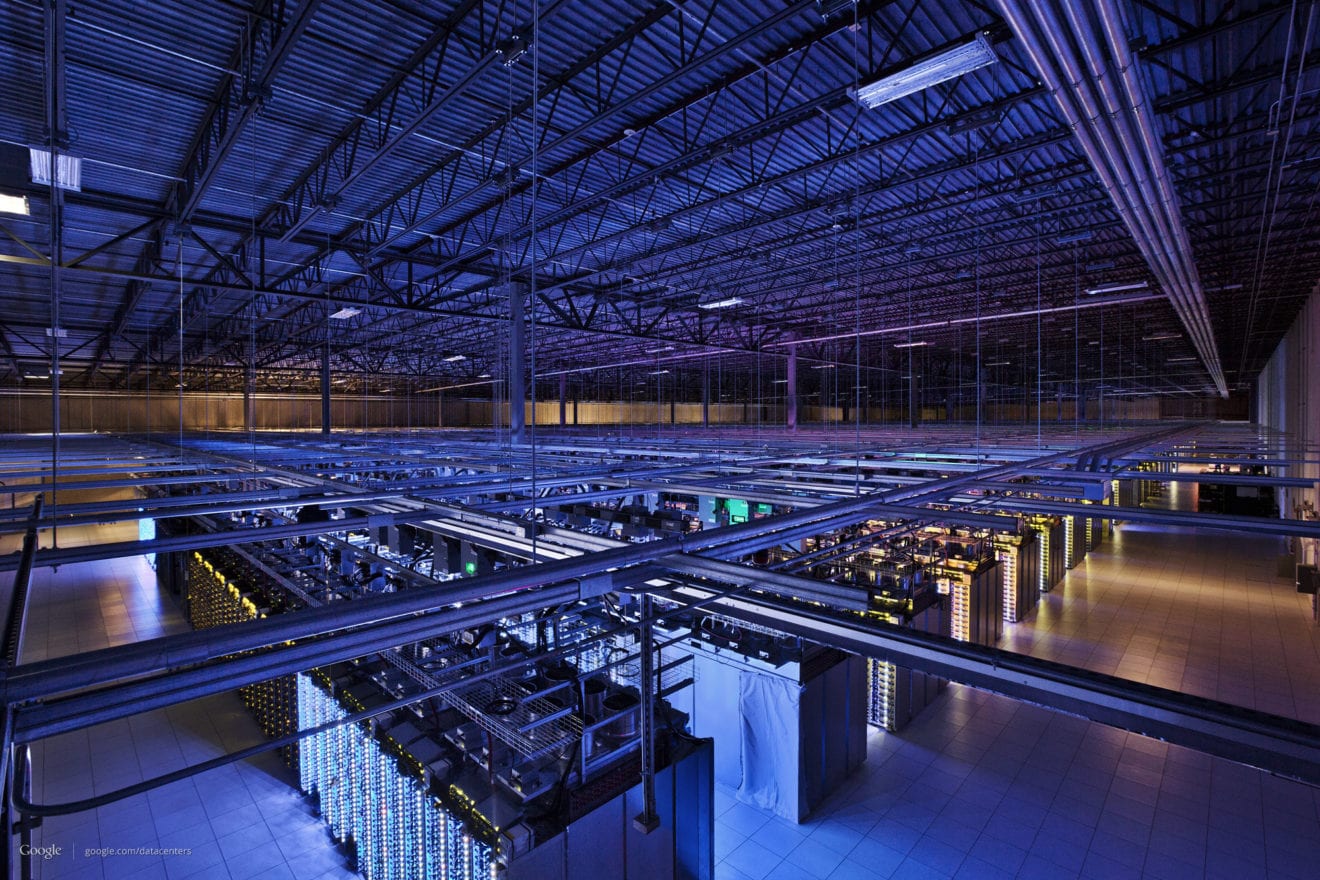
    DayOne Data Centers, the Singapore-based data center operator, has announced its plans to file for a U.S. initial public offering (IPO). The move comes as the firm aims to raise approximately $5 billion, given the increasing demand for AI infrastructure.

    Anticipated Launch and Funding

    Founded in 2022, the company intends to list its shares as early as the next quarter. This move follows the successful closure of a $4.5 billion Series C funding round in June. The round was primarily led by Coatue Management and Hillhouse, two of DayOne’s largest shareholders. Newcomers ACHI Capital Partners and the Indonesia Investment Authority also contributed to the funding round.

    The newly secured funds are expected to boost DayOne’s expansion plans in critical markets. The company is particularly keen on enhancing its presence in Singapore, Malaysia, Indonesia, Thailand, Japan, Hong Kong, Finland, and Spain.

    Assets and Future Plans

    At present, DayOne has secured over 1.5 gigawatts of bookings for capacity across Asia-Pacific and Europe. Its prominent investor base includes China’s GDS Holdings, SoftBank Vision Fund, and Citadel’s Ken Griffin.

    DayOne’s assets portfolio comprises approximately 480 megawatts of data center capacity either currently in service or under construction. It also has a further 590 MW reserved for future development across key locations in Hong Kong, Indonesia, Japan, Malaysia, and Singapore.

    The rise of artificial intelligence (AI) has sparked considerable investor interest in data centers. For instance, Australia’s Firmus Technologies recently reported receiving commitments for a $2 billion investment round.

    As the industry continues to grow, other data center operators like Switch and Nscale are also preparing for their U.S. IPOs in 2026.

    Questions & Answers

    What is the purpose of DayOne Data Centers’ IPO?
    The company is aiming to raise approximately $5 billion amid the growing demand for AI infrastructure.

    Who led the recent Series C funding round for DayOne?
    The round was led by Coatue Management and Hillhouse, two of DayOne’s largest shareholders.

    What is the current status of DayOne’s assets portfolio?
    DayOne presently has around 480 megawatts of data center capacity that are in service or under construction, with an additional 590 MW reserved for future expansion.

  • Telkom Finalizes $4.8 Billion Spinoff of InfraNexia Network Assets, Paving Way for Enhanced Connectivity Services

    Telkom Finalizes $4.8 Billion Spinoff of InfraNexia Network Assets, Paving Way for Enhanced Connectivity Services

    Telkom Indonesia has disclosed the completion of its two-step division of network infrastructure assets into its operational subsidiary, InfraNexia. The entire transaction, amounting to IDR 85.7 trillion (equivalent to USD 4.8 billion), was first proposed in September 2025 and received shareholder approval in December of the same year.

    Phase Breakdown

    The initial stage of the spinoff was settled in January 2026. This entailed transferring over half of Telkom’s fiber network infrastructure, including elements contributing to access, aggregation, backbone, and other supporting segments, to lay the groundwork for InfraNexia’s operational activity. In the second stage, InfraNexia has taken over 90% of Telkom’s network infrastructure assets and business portfolio, thus expanding its operational capacity.

    Despite the division, Telkom will maintain a 99.9% share in InfraNexia, enabling it to operate as a wholly-owned subsidiary that offers neutral wholesale connectivity services. InfraNexia will now manage approximately 112,000 km of fiber-optic networks throughout Indonesia, of which 26,000 km are domestic subsea cables spread across the archipelago.

    Future Developments

    Lukman Hakim Abd. Rauf, President Director of InfraNexia, articulated that with the growing integration of assets, the company aims to enhance its primary services, including 5G backhaul, wholesale network, and FTTx, as well as passive infrastructure sharing. Lukman also anticipates that these advancements will set up InfraNexia to back the expansion of AI, cloud services, and data centers in Indonesia.

    Dian Siswarini, President Director of Telkom, emphasized that the InfraNexia spinoff is a significant move towards expediting Telkom Group’s business transformation as part of its TLKM 30 strategy. This strategy targets the monetization of high-value infrastructure assets like data centers, towers, and fiber networks to stimulate new growth possibilities for the future. She expressed confidence that the establishment of InfraNexia would enable the company to deliver faster, more reliable, and superior quality services to enhance customer experience.

    Questions & Answers

    What is the total transaction value of the spinoff?
    The total transaction value of the spinoff is IDR 85.7 trillion, which is approximately USD 4.8 billion.

    What will InfraNexia focus on enhancing post the spinoff?
    InfraNexia plans to strengthen its primary services, such as 5G backhaul, wholesale network, and FTTx, alongside passive infrastructure sharing.

    How will InfraNexia support the growth of AI, cloud services, and data centers in Indonesia?
    With an increasingly integrated asset base and a robust network infrastructure, InfraNexia is poised to provide the necessary connectivity and infrastructure support for the growth of AI, cloud services, and data centers in Indonesia.

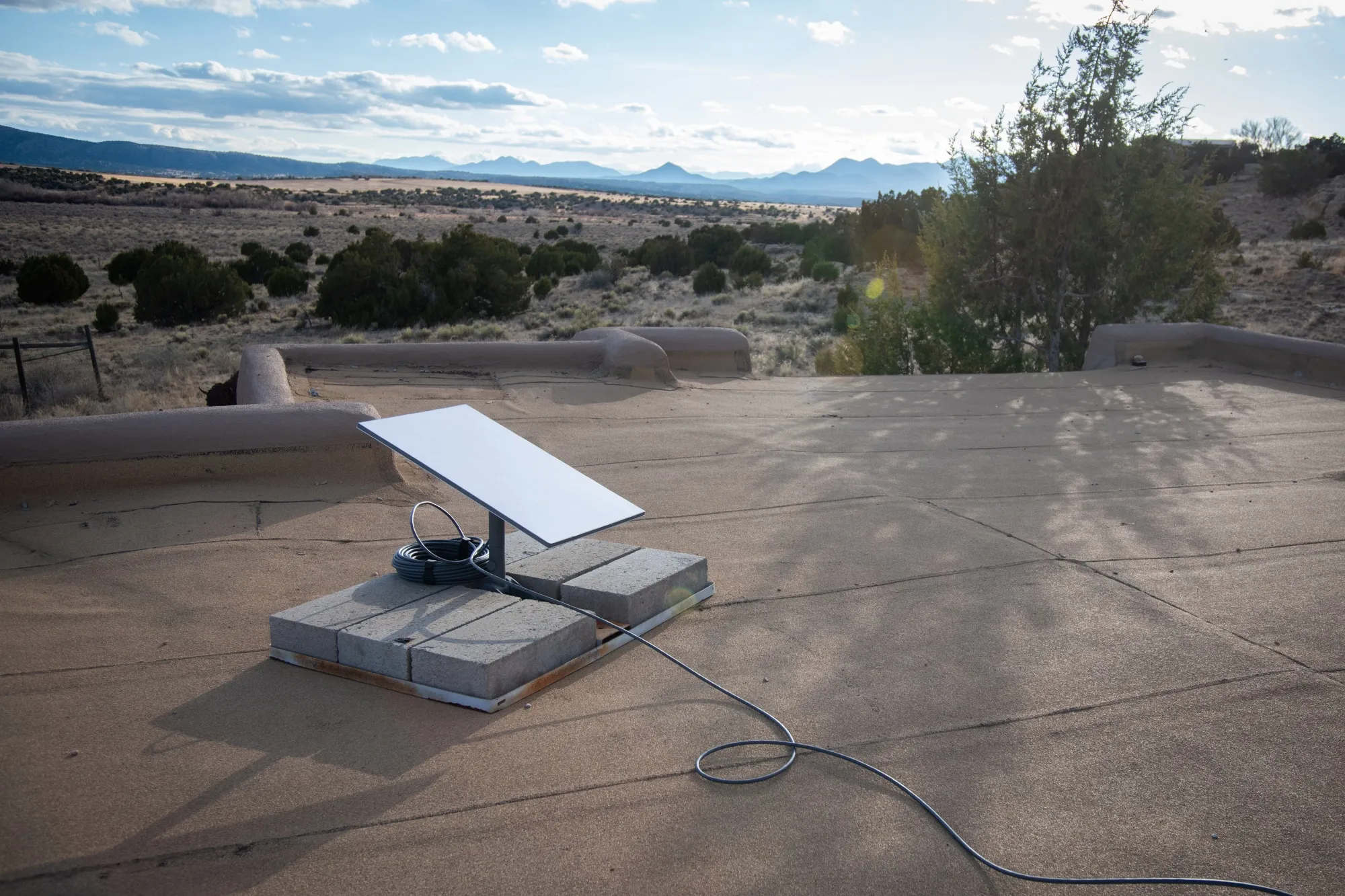
  • Starlink Pioneers Direct-to-Cell Satellite Trials in Malaysia: APAC Satellite-Mobile Connectivity Skyrockets

    Starlink Pioneers Direct-to-Cell Satellite Trials in Malaysia: APAC Satellite-Mobile Connectivity Skyrockets

    In an effort to enhance mobile coverage in remote areas, Starlink has suggested a trial of its direct-to-cell (D2C) satellite service in Malaysia. The concept of satellite-to-mobile connectivity is gathering pace in the Asia Pacific region, paving the way for better access to communication networks.

    Technological Leap for Remote Connectivity

    Malaysia’s Communications Minister, Fahmi Fadzil, elucidated on the potential benefits of this initiative. He outlined the potential for satellite-based internet connectivity in remote regions, where the establishment of telecom towers is impractical due to low population density or economic constraints. He further emphasized how D2C satellite services could complement existing terrestrial networks, presenting an alternate solution to traditional tower construction that typically spans 18 to 24 months.

    Fadzil shared that Malaysia has been scrutinizing D2C technology since 2024, with intentions to introduce the service in 2026 or 2027. The proposed trial by Starlink could potentially expedite this timeline, making it a significant technological progression for the country.

    Expansion of D2C Services in Asia Pacific

    Starlink’s proposed trial in Malaysia comes on the heels of Globe Telecom’s commercial launch of Starlink Mobile in the Philippines, marking the first commercially available Starlink D2C service in Southeast Asia.

    An analysis by Ookla highlighted a significant increase in D2C service adoption across Australia, Japan, New Zealand, and the Philippines. Between July 2025 and May 2026, the number of unique devices using D2C services in these countries grew more than fivefold. The Philippines spearheaded this growth, constituting 64% of detected D2C users across the four markets by Q2 2026.

    Furthermore, Ookla’s report indicated that six commercial D2C services, all based on Starlink, are currently operational in four APAC markets. Japan’s KDDI, SoftBank, and NTT DOCOMO provide free satellite messaging, while Australia’s Telstra incorporates satellite texting in select postpaid plans. Globe Telecom made headlines by launching Southeast Asia’s inaugural commercial D2C service in June 2026.

    Questions & Answers

    What is the potential benefit of Starlink’s proposed D2C satellite service trial in Malaysia?
    The trial could enhance internet connectivity in remote areas where the installation of telecom towers is impractical due to economic constraints or minimal population.

    How does D2C technology complement existing terrestrial networks?
    D2C technology offers an alternative solution to traditional tower construction, which typically takes between 18 and 24 months. This can ensure connectivity in areas where building new mobile towers would be impractical.

    What has been the growth trend of D2C services in the Asia Pacific region?
    An Ookla report showed a more than fivefold increase in the number of devices using D2C services across Australia, Japan, New Zealand, and the Philippines from July 2025 to May 2026. The Philippines accounted for 64% of the detected D2C users by the second quarter of 2026.

  • MegaFon Tajikistan Boosts 4G, Paves Way for 5G with Major Network Upgrade and Fiber Expansion

    MegaFon Tajikistan Boosts 4G, Paves Way for 5G with Major Network Upgrade and Fiber Expansion

    In the first half of 2026, MegaFon Tajikistan, the telecommunications operator, reported significant infrastructure upgrades. These included an upgrade of 47 base stations, expansion of LTE coverage, reinforcement of its fiber transport network, and enhancement of its core infrastructure.

    Boosting Network Capacity and Preparing for 5G

    During the months of January to June, MegaFon Tajikistan undertook the upgrade of 47 base stations, deploying additional 4G spectrum, inclusive of the 2600 MHz band. This move was aimed at increasing network capacity. The company also installed new base stations in 23 settlements and added 85 more 4G modules in existing locations.

    The operator conducted a 5G network test, achieving data speeds of 1.1 Gbps. According to MegaFon, this accomplishment illustrates the readiness of their infrastructure for 5G, although an official commercial launch date has not yet been announced.

    Strengthening Infrastructure and Expanding Capacity

    With regard to its transport network, MegaFon set its southern fiber transport ring in the Khatlon region into operation, boasting a capacity of 100 Gbps. The operator also completed the construction of the Dushanbe-Shurobod-Darvoz transport route. Both projects are expected to enhance network stability and offer more capacity to accommodate the escalating internet traffic.

    The company continued to enhance its core network, which included expanding the capacity of its Voice over LTE (VoLTE) platform. With 394,000 active VoLTE users, the platform can now accommodate up to two million subscribers.

    MegaFon stated that its network modernization projects were prioritized based on network load, growth in mobile internet usage, subscriber numbers, and regional development prospects. Majority of the upgrades were executed in the districts surrounding Dushanbe and in the Khatlon region.

    Anatoly Izyumnikov, CEO at MegaFon Tajikistan, said that the key aspect of the half-year period was a comprehensive approach: the expansion of the radio network, enhancement of the transport infrastructure, and the modernization of the network. Although many of these projects are not visible to subscribers, their collective result ensures stable mobile communication and data transmission.

    Looking ahead to the second half of 2026, MegaFon intends to continue its network expansion. This includes deploying over 100 new base stations, installing around 430 additional LTE modules, and upgrading 150 existing 4G base stations with 4T4R technology to improve network performance and capacity. The operator also has plans to build an additional 180 kilometers of fiber network by the end of the year.

    Questions & Answers

    What improvements did MegaFon Tajikistan make in the first half of 2026?
    MegaFon Tajikistan upgraded 47 base stations, expanded LTE coverage, enhanced its fiber transport network, and improved its core infrastructure.

    What does the 5G network test indicate?
    The 5G network test, which achieved data speeds of 1.1 Gbps, indicates that MegaFon’s infrastructure is ready for a transition to 5G.

    What is MegaFon’s plan for the second half of 2026?
    MegaFon plans to deploy over 100 new base stations, install around 430 additional LTE modules, upgrade 150 existing 4G base stations with 4T4R technology, and build an additional 180 kilometers of fiber network.

  • Zankore: Indosat Partners with Ooredoo, Nokia, and NVIDIA to Revolutionize AI Infrastructure in Asia-Pacific

    Zankore: Indosat Partners with Ooredoo, Nokia, and NVIDIA to Revolutionize AI Infrastructure in Asia-Pacific

    Indosat Ooredoo Hutchison (IOH) recently unveiled its newest venture, Zankore by Indosat, in a collaborative effort with Ooredoo Group, Nokia, and NVIDIA. The primary goal of the partnership is to establish the next generation of Artificial Intelligence (AI) infrastructure on a global scale, initiating from the Asia-Pacific region.

    The alliance aims to cater to the rapidly increasing requirements for secure and flexible AI computing across the region, simultaneously bolstering Indonesia’s stature as a regional AI hub. Zankore by Indosat, with an ambitious objective of deploying 1 gigawatt (GW) of NVIDIA DSX AI Factory capacity, sets the stage for one of the largest AI infrastructure platforms in the region. This will facilitate the upcoming stage of widespread AI integration in agency and enterprise operations.

    Communications and Digital Affairs Minister for the Republic of Indonesia, Meutya Hafid, highlighted Indonesia’s potential to not only cater to its domestic needs but also serve the broader region. She expressed confidence that Indonesia’s wealth of resources and talent, supplemented with global expertise and strategic partnerships, could expedite the evolution of sovereign AI infrastructure. This progression would benefit businesses and society alike, with the government fully backing initiatives that reinforce Indonesia’s digital competitiveness and ensure the equitable distribution of AI benefits across the country.

    Ooredoo Group CEO, Aziz Aluthman Fakhroo, emphasized that AI infrastructure was fast becoming the bedrock of the digital economy. He asserted that investing early, at scale, and with the right partners would unlock the most substantial opportunities. Furthermore, Vikram Sinha, President Director and CEO of IOH, stressed the importance of an integrated AI ecosystem as enterprises transition from AI experimentation to mission-critical deployment.

    Zankore by Indosat is constructing one of Southeast Asia’s largest AI factory platforms, using NVIDIA DSX as the blueprint for designing and operating AI factories. The platform is projected to deliver approximately 200 megawatts (MW) of AI capacity in the first half of 2027, powered by NVIDIA GB300 NVL72. The collaboration unites each partner’s unique expertise, combining global technology with regional scale and local execution to expedite AI innovation across the Asia-Pacific.

    The partnership combines the strengths of each entity – Ooredoo Group provides long-term capital and regional scale as the lead investor and platform sponsor, Indosat contributes market leadership and digital infrastructure, NVIDIA powers the platform with AI software and global AI ecosystem, and Nokia delivers AI-native networking for secure, high-functioning AI infrastructure.

    The project also marks the establishment of Zankore by Indosat’s Board of Directors, with Ulf Ewaldsson serving as CEO. The collective leadership is expected to offer strategic oversight, governance, and leadership as Zankore scales its AI infrastructure platform across Southeast Asia.

    Questions & Answers

    What is the goal of the collaboration between Indosat Ooredoo Hutchison, Ooredoo Group, Nokia, and NVIDIA?

    The collaboration aims to establish the next generation of Artificial Intelligence (AI) infrastructure on a global scale, initiating from the Asia-Pacific region. The alliance caters to the increasing demands for secure and scalable AI computing.

    What is the role of Zankore by Indosat in this collaboration?

    Zankore by Indosat is constructing one of Southeast Asia’s largest AI factory platforms. The platform is projected to deliver approximately 200 megawatts (MW) of AI capacity in the first half of 2027, powered by NVIDIA GB300 NVL72.

    What will the established Board of Directors do for Zankore by Indosat?

    The Board of Directors will provide strategic oversight, governance, and leadership as Zankore scales its AI infrastructure platform across Southeast Asia.

  • SmarTone Waves Goodbye to 3G, Eyes 5G Expansion in Hong Kong This October

    SmarTone Waves Goodbye to 3G, Eyes 5G Expansion in Hong Kong This October

    SmarTone Mobile Communications Limited has announced its plans to permanently halt its 3G mobile services come October 9, 2026. The move is part of the company’s proactive transition to more sophisticated mobile technologies.

    Shifting to Advanced Technologies

    The decision, according to SmarTone, will aid in the enhancement of its 5G network. This comes as the company sees a steady decrease in 3G usage within its clientele, with only about 1% of its total mobile customer base still utilizing the 3G network as of June 2026.

    In preparation for this imminent network shift, SmarTone has been informing impacted clients since last year, urging them to update their mobile devices and SIM cards prior to the shutdown of the 3G network.

    This impending shutdown comes on the heels of SmarTone’s previous discontinuation of its 2G network in 2022, a move that mirrors the wider sector’s gradual withdrawal from outdated mobile technologies.

    Established in 1992, SmarTone is a Sun Hung Kai Properties affiliate based in Hong Kong. The operator, which once had a foothold in Macau, withdrew from the market in 2024.

    Retiring Legacy Networks

    SmarTone joins the list of Hong Kong operators bidding farewell to legacy networks. China Mobile Hong Kong (CMHK) also closed its 3G services the previous year as part of a territory-wide shift to modernize infrastructure.

    On a global scale, telecom operators are ceasing operations of 2G and 3G networks to free up beneficial spectrum for 4G LTE and 5G services. This strategic move not only increases network capacity and efficiency, but also caters to the escalating demand for mobile data.

    Questions & Answers

    What is the reason behind SmarTone’s decision to stop its 3G services?
    SmarTone is discontinuing its 3G services to make way for advanced mobile technologies, specifically to strengthen its 5G network.

    When is the scheduled shutdown of SmarTone’s 3G network?
    SmarTone’s 3G network is scheduled to shut down on October 9, 2026.

    What is the industry trend concerning legacy mobile technologies?
    The industry trend is to phase out legacy mobile technologies, such as 2G and 3G networks, to free up spectrum for more advanced services such as 4G LTE and 5G.