Category: Telecom

Retail News Asia is committed to providing both local and global retailers with the latest Telecom & Telco news throughout the Asian market. This on a daily base.

  • SoftBank Innovates AI Infrastructure with Launch of Infrinia Cloud OS: A Game-Changer for GPU Cloud Services

    SoftBank Innovates AI Infrastructure with Launch of Infrinia Cloud OS: A Game-Changer for GPU Cloud Services

    SoftBank Corp., under the leadership of President and CEO Junichi Miyakawa, has unveiled a significant development from its Infrinia Team. This team, specializing in the creation of next-generation AI infrastructure architectures and systems, has designed the Infrinia AI Cloud OS. This is a robust software stack custom-built for AI data centers.

    Capabilities and Advantages of Infrinia AI Cloud OS

    The rollout of Infrinia AI Cloud OS provides AI data center operators with the ability to present kubernetes-as-a-service (KaaS) in multi-tenant environments. It also facilitates inference-as-a-service (Inf-aaS), which offers large language model inference via APIs. These features can be incorporated into operators’ individual GPU cloud services. Compared to custom-made or internally developed options, the software stack is anticipated to decrease total cost of ownership (TCO) and simplify operational intricacies. This facilitates a quicker deployment of GPU cloud services by providers while supporting the entire AI lifecycle, ranging from model training to inference, both flexibly and efficiently.

    SoftBank’s initial strategy is to incorporate Infrinia AI Cloud OS into its own GPU cloud offerings. In the future, the Infrinia Team plans to extend the deployment to overseas data centers and cloud platforms with the aim of achieving global acceptance.

    Meeting the Growing Demand

    The request for GPU-accelerated AI computing is escalating swiftly across various sectors including generative AI, autonomous robotics, simulation, drug discovery, and materials science. As a result, user prerequisites for AI computing have become diverse and complex. These encompass access to fully managed infrastructure with abstracted GPU bare-metal servers, cost-effective inference services which eradicate the need for direct GPU management, and sophisticated operational models where AI training is centralized and inference is deployed at the edge.

    Addressing these diverse needs places significant demands on GPU cloud service providers. Building and operating such environments call for in-depth technical know-how and involve complicated operational procedures. To surmount these hurdles, the Infrinia Team invented Infrinia AI Cloud OS. This solution maximizes GPU performance while easing the deployment and management of advanced GPU cloud services.

    Technical Aspects of the Software Stack

    The software stack’s KaaS capabilities automate the entire infrastructure stratum—from BIOS and RAID configurations to operating systems, GPU drivers, networking, Kubernetes controllers, and storage—on advanced GPU platforms such as NVIDIA GB200 NVL72. Additionally, it supports software-defined, on-demand reconfiguration of physical connectivity and memory, which allows clusters to be created, modified, or removed based on specific AI workload requirements. Automatic node allocation based on GPU proximity and NVIDIA NVLink domains further diminishes latency and enhances GPU-to-GPU bandwidth for large-scale, distributed workloads.

    The Inf-aaS component is crafted to empower users to deploy inference workloads with ease, providing scalable and efficient access to AI model inference via managed services.

    CEO Junichi Miyakawa emphasized SoftBank’s commitment to pioneering the AI era. The company aims to provide essential capabilities required for the large-scale deployment of AI in society through a new GPU cloud service and software business. The Infrinia AI Cloud OS software forms the core of this initiative, designed to seamlessly connect AI data centers, enterprises, service providers, and developers.

    Questions & Answers

    What is Infrinia AI Cloud OS?
    Infrinia AI Cloud OS is a robust software stack custom-built for AI data centers developed by SoftBank’s Infrinia Team.

    What features does Infrinia AI Cloud OS offer?
    It provides kubernetes-as-a-service (KaaS) and inference-as-a-service (Inf-aaS) capabilities. It can also be integrated into operators’ individual GPU cloud services.

    What are the benefits of Infrinia AI Cloud OS?
    Infrinia AI Cloud OS decreases total cost of ownership (TCO) and simplifies operational complexities. This facilitates quicker deployment of GPU cloud services by providers while supporting the entire AI lifecycle flexibly and efficiently.
  • India Ascends to Second Spot Globally with Over 400 Million 5G Users: A Story of Rapid Digital Transformation

    India Ascends to Second Spot Globally with Over 400 Million 5G Users: A Story of Rapid Digital Transformation

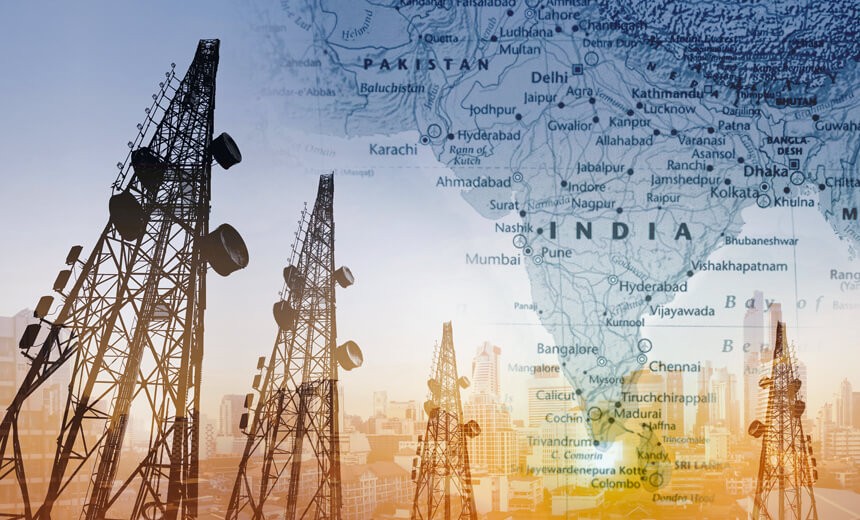
    India has solidified its position as the world’s second-largest 5G subscriber market, just after China. This achievement highlights the nation’s speedy embrace of next-generation connectivity and one of the fastest global network rollouts, as stated by the Union Minister of Communications, Jyotiraditya M. Scindia.

    Impressive Numbers in 5G Adoption

    Currently, India boasts of more than 400 million 5G users, making it home to the world’s second-largest 5G subscriber population. Data presented by the Ministry of Communications indicates that telecom service providers have installed approximately 4.69 lakh 5G base transceiver stations nationwide as of March 2025. This reflects the swift pace of 5G deployment in India, which started in October 2022 and is among the fastest rollouts globally.

    Today, 5G services encompass over 99% of India’s districts, with an estimated population coverage of around 85%. Since the initial launch, 25 crore users have migrated to 5G services, and the total subscriber base has surged past 400 million as network accessibility and device adoption have grown.

    Notable Strides in Rural Connectivity

    The Ministry also pointed out significant improvements in rural connectivity. There has been a 42.9% increase in rural telephone connections, almost twice the rate of urban growth. The number of connections has risen from 377.78 million in March 2014 to 539.83 million by September 2025.

    Digital Expansion and Internet Usage

    The digital expansion in India is further mirrored in internet usage. Total internet connections have crossed the one billion mark, reaching 1.0029 billion, compared to 251.5 million in March 2014. This represents a growth of nearly 299%.

    Progress in Telecom Self-Reliance

    In line with the Atmanirbhar Bharat vision, India has made substantial progress in telecom self-reliance. It has joined the select group of nations that have developed an end-to-end 4G stack which is upgradable to 5G. While it took other countries decades to mature similar technologies, India achieved this milestone in just two years. Additionally, there is growing momentum in indigenous 6G research and development under the ambitious Bharat 6G Mission.

    Collectively, these developments firmly establish India as a primary global player in 5G adoption and digital infrastructure. This has implications for enterprise connectivity, innovation, and long-term economic growth across the region.

    Questions & Answers

    What is India’s current rank in the global 5G subscriber market?
    India has emerged as the second-largest 5G subscriber market in the world.

    How many 5G users does India currently have?
    India currently has over 400 million 5G users.

    What has been the growth in rural telephone connections in India?
    Rural telephone connections in India have grown by 42.9%, nearly double the urban growth rate.

  • Revolutionizing Telco Strategy: The Power of Mobile-First in Asia’s Data Consumption Boom

    Revolutionizing Telco Strategy: The Power of Mobile-First in Asia’s Data Consumption Boom

    The Asia Pacific continues to be a global hotspot for mobile innovation, acting as a catalyst for change in telco strategies due to the growing data consumption rate in the region.

    According to the Ericsson Mobility Report, global mobile network data traffic grew approximately 20% annually by the end of 2025. Significantly, 5G accounted for nearly one-third of the total mobile data traffic, a percentage that is swiftly increasing in the Asia Pacific region.

    It’s not just the volume of data consumption that’s driving change. The way people use data, the timing, and the reasons for their usage are also contributing factors. The increase in video-oriented lifestyles, app-based commerce, remote work, and digital public services have transformed mobile connectivity into a basic necessity. Thus, Asia’s telcos are realizing that their success isn’t merely about pursuing traffic growth but rather managing experience, intelligence, and value.

    Asia’s Data Growth Continues Unabated

    The Asia Pacific region contributes significantly to global mobile data growth, primarily due to its size. The region makes up over half of global mobile subscribers and continues to add new users, with total mobile data traffic set to quadruple by 2030.

    While mature markets in other parts of the world begin to level off, Asia’s blend of high population density, affordable smartphones, and aggressive data pricing keeps demand on the rise. For providers, this growth presents both an opportunity and a challenge. Although traffic volumes are increasing, the economics of delivering that data are becoming more complex.

    Video’s Impact on Network Regulations

    The most noticeable change is the emergence of a video-first economy, with traffic expected to account for 76% of all mobile data by the end of 2026. Short-form video, particularly TikTok, has become the new norm for mobile usage, necessitating an evolution of providers like AIS to become a “Cognitive Tech-Co”. This new model uses real-time AI analytics to autonomously adjust network capacity while partnering with platforms to cater to the high-data demands of the burgeoning tourist sector.

    Furthermore, providers like SK Telecom in South Korea have recognized that managing these fluctuations requires more than traditional capacity upgrades. AI-driven traffic forecasting, real-time optimization, and automated network controls are becoming essential. The network must now be capable of thinking, adapting, and responding independently.

    Hyper-Personalization and AI

    Telcos are incorporating hyper-personalization and AI into their strategies to differentiate their offerings, enhance engagement, and capture greater lifetime value. For example, Reliance Jio analyzes usage patterns across its 300+ million subscribers to provide personalized plans, content bundles, and contextual offers in real time.

    Additionally, Telkomsel uses AI-driven analytics and its chatbot to personalize interactions. Similarly, Airtel uses AI-based recommendation engines to push context-aware data and retention offers, improving engagement in high-churn segments. These shifts indicate that erratic data spikes driven by social trends or large-scale gaming releases are now managed using generative AI and machine learning.

    5G as National Infrastructure

    The growth in mobile data consumption in Asia has elevated 5G to the status of national infrastructure, as governments increasingly view high-capacity, low-latency networks as crucial to economic resilience, industrial digitization, and digital inclusion. As a result, telcos are restructuring their strategies around network intelligence to position themselves as foundational platforms for digital economies.

    Monetizing Experience Rather Than Megabytes

    In more developed markets like Australia, operators are experimenting with new ways to generate value from data-hungry users. Optus, for instance, has moved towards speed-tiered broadband plans, prioritizing consistent performance during peak periods rather than data caps. This shift reflects a wider understanding that across the Asia Pacific, customers are willing to pay for quality, low latency, high reliability, and predictable performance, especially for cloud gaming, remote work, and UHD streaming.

    Looking Ahead: Towards an Intelligent, Hybrid Future

    As Asia’s mobile-first journey moves forward, the next step will likely involve a deeper integration between terrestrial networks and satellite connectivity. The ultimate aim is to redefine telco strategy across Asia, competing not just on coverage or price but on the ability to transform networks into intelligent, hybrid platforms.

    Questions & Answers

    What is the key factor driving the transformation of Asia’s telco strategies?
    The key factor is not just the volume of data people consume, but how, when, and why they use it. Trends like video-led lifestyles, app-based commerce, remote work, and digital public services have made mobile connectivity a basic utility.

    Why is the rise of a video-first economy significant for telcos?
    The rise of a video-first economy is significant because it’s projected to account for 76% of all mobile data by the end of 2026. This surge in video consumption requires telcos to adjust their network capacities and strategies to accommodate the increased traffic.

    What does the future look like for telco strategies across the Asia Pacific?
    The future of telco strategies across the Asia Pacific will involve deeper integration between terrestrial networks and satellite connectivity. Telcos will compete not just on coverage or price but on their ability to transform networks into intelligent, hybrid platforms.

  • Unlocking Vietnam’s Digital Economy: The Transformative Impact of 5G Expansion

    Unlocking Vietnam’s Digital Economy: The Transformative Impact of 5G Expansion

    Vietnam’s burgeoning 5G network is forecasted to bolster the forthcoming wave of the nation’s digital economy. This expectation comes as local telecommunications companies hasten infrastructure development and commence the expansion of commercial and public sector applications.

    5G Infrastructure Expansion

    Viettel, Vietnam’s premier operator, has established around 30,000 5G base stations, achieving approximately 90% outdoor coverage and 70% indoor coverage. This surpasses the commitments the company made to the government. As predicted by Vietnam’s Ministry of Science and Technology, by 2025, 5G services were widely commercialized throughout the nation, reaching over 90% of the population.

    Practical Economic Benefits

    Telecommunications providers affirm that the extended availability of 5G is already producing tangible economic advantages, particularly within rural commerce and agriculture. Since August 2025, Viettel Post has facilitated numerous livestream sales sessions in several provinces such as Thai Nguyen, Vinh Long, Bac Ninh, and Lai Chau, to assist farmers in reaching consumers across the nation.

    In Sin Ho commune, located in Lai Chau province, three livestream sessions led to more than 300 tons of yacon root being sold by local Mong farmers. According to Dinh Thanh Son, Deputy General Director of Viettel Post, the marriage of 5G connectivity and integrated logistics systems is aiding farmers in reducing their reliance on traditional intermediaries and managing price fluctuations. The existence of stable, high-speed connections allows farmers to livestream directly from production sites, while 5G-enabled Internet of Things applications are being trialed to monitor conditions such as temperature, humidity, and weather in agricultural production.

    5G Rollout and Development

    Nguyen Duy Lam, a Senior Telecommunications Solutions Expert at Huawei Vietnam, shared that the rollout of 5G in Vietnam has made rapid strides in areas like e-commerce. However, the establishment of smart city and smart factory applications will necessitate continued enterprise investment and supportive government policies.

    Nguyen Ha Thanh, Deputy General Director of Viettel Telecom, considers 5G as strategic national digital infrastructure, aligning with a specific national resolution. She believes the impact of 5G investments should be evaluated from a national viewpoint, taking into account improvements in governance efficiency, quality of life, and the development of novel digital business models.

    Network Coverage and Focus Shift

    With network coverage largely in place, operators are now shifting their attention towards applications and platforms. Viettel Telecom intends to launch three virtual assistant platforms for individuals, households, and enterprises over its 5G network. Concurrently, MobiFone is executing 5G-based smart city solutions in Hanoi, inclusive of AI-powered camera systems, emergency response drones, and comprehensive urban monitoring platforms that address issues like traffic congestion, flooding, environmental pollution, and food safety.

    Questions & Answers

    What is the current state of Vietnam’s 5G network?
    Vietnam’s 5G network has been extensively developed, with the country’s largest operator, Viettel, establishing approximately 30,000 base stations. This has resulted in around 90% outdoor coverage and 70% indoor coverage.

    How is 5G aiding Vietnam’s rural sectors?
    5G is proving particularly beneficial to rural commerce and agriculture, where high-speed connections allow for activities such as livestream sales sessions. This is helping farmers reach consumers nationwide without the need for traditional intermediaries.

    What future applications are being planned for Vietnam’s 5G network?
    Looking ahead, operators are shifting their focus towards applications and platforms. Viettel Telecom plans to introduce three virtual assistant platforms, while MobiFone is implementing smart city solutions in Hanoi. These advancements will further integrate 5G connectivity into everyday life and enterprise operations.

  • Arirang 6 Satellite: South Korea’s High-Tech Hope Battles New Launch Setbacks

    Arirang 6 Satellite: South Korea’s High-Tech Hope Battles New Launch Setbacks

    South Korea’s multipurpose practical satellite, Arirang 6, has experienced another postponement in its launch schedule, further emphasizing the nation’s dependence on foreign launch services and the consequential lack of control over scheduling. The Korean AeroSpace Administration (KASA) has been informed of the delay by the European launch service provider Arianespace. Initially set for launch in early 2025, the launch of Arirang 6 is now slated for the third quarter of 2026 or later.

    Arirang 6: A High-Resolution Satellite

    Arirang 6, also known as KOMPSAT-6, is a high-resolution synthetic aperture radar (SAR) Earth observation satellite that can operate irrespective of weather conditions or time of day. The satellite boasts the capability to identify objects as small as 50 centimeters in both horizontal and vertical dimensions. This has led the South Korean government to invest around KRW 370 billion in the program, acknowledging its significance in national security, disaster response, and environmental monitoring.

    Despite the completion of its development several years ago, the satellite has not yet entered orbit owing to recurring delays associated with foreign launch vehicles. The latest delay is due to problems affecting Platino-1, Italy’s high-resolution SAR satellite, slated to share the launch on Arianespace’s Vega C rocket.

    European Payloads Take Priority

    As the Vega C is a European-developed launch vehicle spearheaded by the Italian Space Agency, European payloads are given priority. This means that the launch timeline of Arirang 6 remains dependent on the progress of Platino-1’s development. In the previous year, issues related to Platino-1 resulted in an earlier delay of the Korean satellite’s launch.

    Arirang 6 finished the final assembly and space environment testing in August 2022, marking the culmination of a development effort that commenced in 2012. Since then, the satellite has been stored at the Korea Aerospace Research Institute’s satellite development facility in Daejeon, awaiting a confirmed launch window.

    Multiple Disruptions

    The mission has encountered several disruptions over the past few years. Initially, South Korea planned to launch Arirang 6 from Russia in 2020, but development delays moved the schedule to the latter half of 2022. The Russia-Ukraine conflict subsequently made Russian launch options impossible, compelling Seoul to look for an alternative provider.

    In 2023, South Korea chose Arianespace’s Vega C rocket for the launch. However, another setback occurred when Vega C had a mission failure in December 2022, leading to a suspension of flights and a thorough safety review. These concerns resulted in further postponements: first to December 2024, then to the latter half of 2025, before the most recent delay pushed the timeline to 2026.

    Industry experts caution that countries without independent launch capabilities are extremely susceptible to schedule disruptions in the international launch market. Major providers like SpaceX and Arianespace prioritize domestic or strategic payloads, often leaving foreign customers vulnerable to delays beyond their control.

    Although South Korea has improved its domestic launch capabilities through the Nuri (KSLV-II) rocket program, analysts observe that the country has not yet fully incorporated its indigenous launch systems with high-value, operational satellites like Arirang 6.

    Questions & Answers

    What is Arirang 6?
    Arirang 6, also known as KOMPSAT-6, is a high-resolution synthetic aperture radar (SAR) Earth observation satellite that can operate irrespective of weather conditions or time of day.

    Why has the launch of Arirang 6 been delayed?
    The launch of Arirang 6 has been postponed due to recurring delays related to foreign launch vehicles. The most recent delay is due to problems with Italy’s high-resolution SAR satellite, Platino-1.

    What challenges is South Korea facing in its satellite launch capabilities?
    Although South Korea has improved its domestic launch capabilities, the country has not yet fully integrated its indigenous launch systems with high-value, operational satellites. This has left it vulnerable to schedule disruptions in the international launch market, as seen with the repeated delays in the Arirang 6 launch.

  • NTT DOCOMO GLOBAL & Accenture Pioneer Universal Wallet Infrastructure: A Leap Forward in Digital Trust Services

    NTT DOCOMO GLOBAL & Accenture Pioneer Universal Wallet Infrastructure: A Leap Forward in Digital Trust Services

    NTT DOCOMO GLOBAL and Accenture, two major players in the global tech industry, have recently entered into a partnership to create and grow a Universal Wallet Infrastructure (UWI) platform. This platform is designed to bolster digital trust services across diverse sectors, governments, and geographical locations.

    The infrastructure being developed by NTT DOCOMO GLOBAL and Accenture will permit organizations to issue, verify, and manage digital credentials and tokens associated with identity, payment, assets, and documents. A key focus of the platform is interoperability and compliance, ensuring secure data transfer while adhering to user consent and regulatory norms.

    As businesses and public institutions are under increasing pressure to safely handle data in progressively digital and AI-centric environments, demands for transparency and control over personal data usage are also rising among individuals. By integrating decentralized technologies with current enterprise systems, UWI seeks to address these issues, reducing dependence on centralized data structures.

    Establishing a Trustworthy Digital Environment

    The platform is designed to foster secure, real-time data sharing between organizations, while also facilitating AI-powered services at the network edge. Through enabling users to regulate access to their data, UWI aims to bolster trust and provide organizations with access to consent-based, verifiable information to support their operations, innovation, and customer services.

    Several potential applications of the UWI platform have been identified, encompassing government services aiming to decrease fraud and administrative burdens, employers managing recruitment and workforce mobility processes, and travel and transportation systems seeking to simplify identity verification across borders and service providers.

    Leadership Commentary

    Hiroki Kuriyama, President and CEO of NTT DOCOMO GLOBAL, spoke enthusiastically about the partnership, stating that it would speed up the global implementation of UWI, creating a new basis for digital trust worldwide. He also emphasized the growing importance of effective digital IDs and electronic credentials across national borders, highlighting the platform’s objectives of providing verifiable authentication and innovative trust models on a global scale.

    Atsushi Egawa, Chairman of Accenture, Japan, and co-CEO, Asia-Pacific, Accenture, also expressed optimism about the collaboration. He highlighted the synergies created by combining Accenture’s deep expertise in technology strategy, data, and AI with NTT DOCOMO GLOBAL’s well-established strengths in network infrastructure operations and advanced internet technologies. He believes this collaboration will pave the way for new AI-powered experiences that revolutionize how businesses and customers connect.

    Questions & Answers

    What is the main aim of the Universal Wallet Infrastructure platform?

    The platform aims to establish a secure and reliable digital trust environment, allowing organizations to issue, verify, and manage digital credentials related to identity, payments, assets, and documents.

    How will the UWI platform benefit its users?

    UWI will allow users to control access to their data, thereby increasing trust while providing organizations access to consent-based, reliable information to support their operations, innovation, and customer services.

    What potential applications does the UWI platform have?

    The platform can be utilized in numerous ways, such as reducing fraud in government services, streamlining recruitment and workforce mobility processes for employers, and simplifying identity verification in travel and transportation systems across borders and service providers.

  • SpaceX’s Starlink Satellites to Descend in 2026: A Proactive Move to Minimize Cosmic Collisions

    SpaceX’s Starlink Satellites to Descend in 2026: A Proactive Move to Minimize Cosmic Collisions

    SpaceX, the prominent aerospace manufacturer and space transport services company, has announced plans to reposition about 4,400 of its satellites from their current altitude of 550 kilometers to approximately 480 kilometers above Earth over the course of the year. The decision was communicated by Michael Nicholls, SpaceX’s Vice President of Engineering. The strategic move to a lower orbital altitude is anticipated to drastically reduce the decay time of satellites at the end of their operational life.

    Reducing Satellite Decay Time

    Nicholls explained that the strategic change in altitude would mean a significant reduction in satellite decay time by over 80%. This allows obsolete satellites to withdraw from orbit more efficiently. Nicholls further pointed out that the lower orbit is relatively less congested as fewer satellites operate below the 500-kilometer mark. This, therefore, reduces the chances of collisions in an already congested orbital band.

    Mitigating Risks

    Furthermore, operating at a lower orbital altitude will assist in mitigating risks associated with “uncoordinated maneuvers and launches by other satellite operators,” according to Nicholls. The need for these strategic changes has grown as the number of satellites in space continues to increase.

    This significant move comes following an isolated incident reported by SpaceX in December. In the incident, one of the company’s satellites generated a minor amount of debris and interrupted communications momentarily with another satellite in orbit at 418 kilometers. SpaceX has stated that it is currently investigating the cause of the incident.

    Current Orbit Traffic

    Current estimates from the European Space Agency (ESA) suggest that around 40,000 objects are in Low Earth Orbit (LEO) at altitudes below 2,000 kilometers. In addition, the ESA also estimates that over 1.2 million pieces of debris larger than one centimeter are in orbit. Such objects are large enough to cause catastrophic damage if they collide with active spacecraft.

    To avoid such collisions, satellites routinely perform automated orbit adjustments using tracking data from national systems like the United States Space Command. As the number of satellites in orbit has grown, these maneuvers have significantly increased.

    SpaceX has been proactive in risk mitigation maneuvers. Hugh Lewis, Professor of Aeronautics at the University of Birmingham, noted that SpaceX conducted 144,404 conjunction risk mitigation maneuvers between December 2024 and May 2025, a 200% increase compared to the previous six months. Lewis attributed the rise to the growing Starlink fleet and the general increase in objects orbiting Earth.

    Questions & Answers

    Why is SpaceX planning to move its satellites to a lower orbit?
    To reduce the decay time of satellites at the end of their operational life and to mitigate the risk of collisions in an already crowded orbital band.

    What was the incident that prompted this decision by SpaceX?
    In December, a minor amount of debris was generated by one of SpaceX’s satellites which temporarily disrupted communications with another satellite. This incident highlighted potential risks and prompted the decision for repositioning.

    How often do satellites perform orbit adjustments to avoid collisions?
    Satellites routinely perform automated orbit adjustments using tracking data from national systems like the United States Space Command. As the number of satellites grows, these maneuvers have increased sharply.

  • Philippines Telecom and Pay-TV Eye $9.7B Revenue Boom by 2029, Fuelled by Mobile Data and Broadband Growth

    Philippines Telecom and Pay-TV Eye $9.7B Revenue Boom by 2029, Fuelled by Mobile Data and Broadband Growth

    The Philippines’ telecommunications and pay-TV service sectors are set to experience a surge in revenue, increasing from USD 8 billion in 2024 to an estimated USD 9.7 billion by 2029, representing a compound annual growth rate (CAGR) of 3.8%. The expected growth can be attributed to the expanding mobile data and fixed broadband service sectors.

    Mobile Voice Service Revenue Facing a Decline

    Despite the overall projected growth in the telecom industry, mobile voice services are anticipated to experience a decline in revenue. This is a result of a consistent drop in the average revenue per user (ARPU) levels of mobile voice services. Consumers are increasingly turning towards internet or application-based communication platforms, and operators are providing complimentary voice minutes in their service plans.

    Promising Growth in Mobile Data Service Sector

    The mobile data service sector, however, is expected to witness substantial growth, with an anticipated CAGR of 7.1% over the forecast period. This growth is driven by an increase in mobile internet subscriptions, especially the upswing in 5G subscriptions, which will significantly enhance mobile data ARPU levels.

    The adoption of 5G services is expected to escalate rapidly in the coming years, with 5G projected to become the dominant mobile technology generation by subscriber base in 2029. This growth surge in 5G adoption can be credited to the ongoing 5G network expansion initiatives by operators across the country.

    Fixed Communication Services Sector

    In the fixed communication services sector, revenue from fixed voice services is likely to reduce due to a decrease in circuit-switched subscriptions and a decline in fixed voice ARPU levels. However, the fixed broadband service revenue is projected to grow at a CAGR of 4.7% from 2024 to 2029. This growth can be linked to the rising adoption of higher ARPU fiber-to-the-home (FTTH) broadband services.

    The increased adoption of FTTH broadband services in the Philippines is a response to the growing demand for high-speed broadband services and the ongoing expansion of fiber network coverage by operators.

    Projected Growth in Pay-TV Services Revenue

    The revenue from pay-TV services in the country is also predicted to increase over the forecast period, backed by robust growth in IPTV subscriptions and a steady rise in DTH subscriptions.

    Leading Telecom Market Players

    In the mobile services sector, Globe Telecom and PLDT are expected to retain their market leader positions by subscription share throughout the forecast period. This is due to their concentrated efforts on mobile network expansion and modernization. PLDT will continue leading in the fixed broadband sector, largely driven by its extensive fiber network coverage and increasing FTTH subscriber base.

    Questions & Answers

    What is contributing to the growth in the Philippine telecommunications industry?
    The growth in the industry is primarily due to the expanding mobile data and fixed broadband service sectors.

    Why is the mobile voice services revenue expected to decline?
    The projected decline is a result of a consistent drop in mobile voice service ARPU levels as consumers increasingly prefer internet or application-based communication platforms.

    Which telecom operators are expected to remain market leaders in the Philippines?
    In the mobile services sector, Globe Telecom and PLDT are expected to maintain their market leader positions due to their focused efforts on mobile network expansion and modernization.

  • Singtel Launches Singapore’s First 50 Gbps Fiber Broadband Trial: Ushering in a New Era of Ultra-Speed Connectivity

    Singtel Launches Singapore’s First 50 Gbps Fiber Broadband Trial: Ushering in a New Era of Ultra-Speed Connectivity

    Singtel, a leading telecommunications company, has initiated Singapore’s first technical trial for 50 Gbps fiber broadband, a forward-looking step aimed at bolstering the country’s fixed connectivity. This venture is a response to the expected boom in AI-powered and data-heavy digital services.

    Next-Gen Connectivity

    The trial leverages advanced XGS-PON-based fiber technology to achieve speeds of up to 50 Gbps. This state-of-the-art connectivity is designed to facilitate the increasing demand of emerging technologies such as augmented reality (AR), virtual reality (VR), mixed reality (MR), cloud gaming, AI-enabled smart homes, and high-performance remote workspaces. Singtel’s objective with this initiative is to ensure that both residential and business consumers are equipped for the assimilation of these technologies as they transition into the mainstream over the next three to five years.

    During this technical trial, Singtel aims to assess the network’s performance and potential to support the complex, multi-device environments that AI enables. The company believes this trial signifies a critical progression towards the large-scale deployment of ultra-high-speed fiber broadband for both residential and commercial users.

    According to Ng Tian Chong, CEO of Singtel Singapore, Singapore’s everyday life is deeply intertwined with digital technologies, facilitated by near-universal internet access, high device ownership, and the widespread use of online communication and digital services across work, learning, and entertainment. He notes that this next evolution in fiber broadband connectivity is crucial to ensure that homes and businesses can continuously support increasingly immersive and AI-driven digital experiences.

    Enhancing Digital Infrastructure

    Singtel’s early adoption of the 50 Gbps fiber technology sets Singapore as a pioneer in next-generation broadband innovation. This aligns with the nation’s Digital Connectivity Blueprint that aims to construct a resilient and future-proof digital infrastructure.

    The new 50 Gbps trial offers the possibility of comprehensive, multi-gigabit connectivity. Singtel suggests that this will facilitate ultra-high-definition entertainment, including 8K and future 12K video streaming, high-quality AR, VR, and XR experiences, low-latency cloud gaming, and cloud PCs. The technology is also expected to support data-heavy workflows for home-based businesses and professionals, such as engineering simulations and secure, enterprise-grade remote connectivity.

    Moreover, advanced telemedicine and remote diagnostics stand to benefit from this ultra-high-speed broadband. This includes real-time medical imaging transmission, VR-based physiotherapy, and home-connected medical devices. AI-powered smart homes can also leverage this technology for real-time analytics across security cameras, IoT appliances, and autonomous devices. Furthermore, this technology has the potential to enhance the next generation of Wi-Fi, dense IoT ecosystems, and emerging AI-driven entertainment formats.

    Investing Ahead of Demand

    The fiber broadband trial underlines Singtel’s long-standing strategy of anticipating demand to deliver advanced connectivity. The company made history by becoming the first to democratize network slicing for everyday users to support evolving digital needs.

    In 2022, Singtel set another milestone by becoming the first operator globally to deploy nationwide standalone 5G. The company later improved coverage by integrating a 700 MHz spectrum, offering up to 40% stronger signal strength in indoor, underground, and high-density environments.

    Questions & Answers

    What is the purpose of Singtel’s 50 Gbps fiber broadband technical trial?
    The trial is meant to test the network’s performance and its capabilities to support increasingly complex, AI-enabled, multi-device environments.

    How will ultra-high-speed broadband benefit home-based businesses and professionals?
    The technology is designed to support data-heavy workflows, such as engineering simulations and secure enterprise-grade remote connectivity, which are integral to many home-based businesses and professionals.

    How will this technology improve healthcare?
    The ultra-high-speed broadband is expected to enable advanced telemedicine and remote diagnostics, such as real-time medical imaging transmission, VR-based physiotherapy, and connected at-home medical devices.

  • AI-Driven Network Optimization Boosts Indosat Data Traffic, Fuelling Digital Surge across Indonesia

    AI-Driven Network Optimization Boosts Indosat Data Traffic, Fuelling Digital Surge across Indonesia

    Indosat Ooredoo Hutchison (Indosat) saw a significant increase in data traffic throughout 2025, propelled by a rise in digital consumption across Indonesia. From December 21, 2025, to January 1, 2026, national data traffic grew by approximately 15% compared to regular days and by over 20% in comparison to the same period the previous year. This increase showcases the growing scale of digital activities across various regions. With a robust network across thousands of strategic locations and constantly improving infrastructure, Indosat ensured uninterrupted service even during the high-traffic holiday period.

    Optimizing Network Through Digital Intelligence Operations Center (DIOC)

    Indosat’s efforts were enhanced by network optimization through the Digital Intelligence Operations Center (DIOC), an artificial intelligence-based operations center that allows real-time network performance monitoring. The surge in data usage emphasizes Indosat’s dedication to improving customer experience by extending network coverage and enhancing quality, particularly for seamless video streaming and gaming in remote areas and key tourist destinations. This technology allows for adaptive capacity adjustments in areas experiencing traffic growth, ensuring customers have a reliable and high-quality digital experience across Indonesia.

    Desmond Cheung, Director and Chief Technology Officer at Indosat Ooredoo Hutchison, said that data traffic growth is not merely a technical indicator, but a tangible reflection of Indonesia’s digital economic progress. Usage surges are not restricted to major cities, but are also occurring in tourist destinations and emerging economic centers. This demonstrates the expanding impact of Indosat, and with AI-powered technology at DIOC, technical teams can more swiftly respond to potential disruptions, ensuring consistent connectivity for all customers.

    Preparing for the Digital Surge

    In anticipation of the surge in digital activity, Indosat increased network capacity at strategic locations, especially in regions with the highest traffic growth. This period also saw an increased popularity of digital services, with apps like TikTok, WhatsApp, Instagram, Facebook, and YouTube recording the highest usage growth. These efforts are supported by over 208,000 4G BTS and 1,404 5G BTS deployed nationwide, leading to an expanded service coverage for customers across Indonesia.

    Continuing Connectivity Recovery in Disaster-Affected Areas

    Connectivity remains critical for supporting community activities during post-disaster recovery. Indosat is expediting the restoration of telecommunications network services in areas affected by recent disasters. The company’s recovery effort reflects its commitment to supporting communities, ensuring connectivity remains a vital element for coordination, access to information, and daily activities.

    Indosat has also increased the number of technical personnel deployed across affected areas. Working closely with the Ministry of Communications and Digital Affairs, the Indonesian National Board for Disaster Management, and local governments, Indosat is ensuring priority fuel supplies and access to areas previously isolated due to infrastructure damage. Standby teams have been deployed at strategic locations for maximum service quality maintenance.

    Questions & Answers

    What led to the surge in Indosat’s data traffic in 2025?
    The rapid increase in digital consumption across Indonesia throughout 2025 led to a surge in Indosat’s data traffic.

    How is Indosat responding to the growth in data usage?
    Indosat is responding to the growth in data usage by optimizing its network through the AI-based Digital Intelligence Operations Center (DIOC), expanding network coverage, and enhancing service quality.

    What steps is Indosat taking to restore connectivity in disaster-stricken areas?
    Indosat is expediting the restoration of telecommunications network services, deploying more technical personnel, securing priority fuel supplies, and maintaining standby teams at strategic locations.

  • Globe and NCS Seal PHP 1.73B Joint Venture, Boosting Yondu’s Digital Services Capability in Asia Pacific

    Globe and NCS Seal PHP 1.73B Joint Venture, Boosting Yondu’s Digital Services Capability in Asia Pacific

    Globe Telecom Inc. has finalized its business arrangement with Singapore-based company, NCS Pte. Ltd., through their joint venture with Yondu Inc., valued at PHP 1.73 billion. This venture was first established on March 26, 2025, and was made public in a disclosure to the Philippine Stock Exchange by Globe.

    The Deal

    NCS, through its subsidiary NCSI Holdings Pte. Ltd, now holds a 51% majority stake in Yondu, leaving Globe with the remaining 49% shares. Concurrently, NCSI Philippines Inc. was acquired by Yondu from NCSI, making it a wholly-owned subsidiary. Yondu will be rebranded as NCS Philippines.

    Globe’s third-quarter financial report indicates the joint venture’s value sits at about PHP 1.73 billion, encompassing PHP 349.06 million in cash and cash equivalents. This figure is a 7.5% decrease from the initial estimate of PHP 1.87 billion in March 2023.

    Impact of The Joint Venture

    Post the completion of the joint venture, Globe’s President and CEO, Carl Raymond Cruz, expressed confidence in Yondu’s enhanced capability to offer superior solutions to customers. Cruz highlighted that the partnership will facilitate service expansion and help reach more customers across the Asia Pacific, leveraging NCS’s regional presence and partner networks.

    Yondu, functioning as Globe’s information and communications technology division, specializes in wireless products and digital services for clients. It concentrates on custom software development, managed security, e-commerce solutions, cloud services, and pre-built platforms. Joint venture partner NCS, owned by Singtel, views this venture as a crucial step in its regional expansion strategy.

    NCS’s CEO, Ng Kuo Pin, anticipates that the expanded team will enhance the company’s digital, cloud, and data services, including those employing artificial intelligence. The team’s size is expected to increase from roughly 150 employees last year to over 1,200.

    Expected Benefits

    In addition to regional expansion, Juan Carlo Puno, Globe’s Chief Finance Officer, stated that the joint venture will ensure more efficient capital use and provide consistent revenue growth support. He emphasized that the venture’s key objective is to create a platform with financial resilience that can deliver long-term shareholder value while ensuring investment capability for next-generation ICT solutions.

    From January to September 2025, Yondu’s non-telecom revenues were reported at PHP 1.7 billion by Globe, showing a 4% decrease from PHP 1.81 billion during the same months of 2024. During this same period, Globe’s total gross service revenues stood at PHP 121.7 billion, with net income falling to PHP 17.7 billion.

    Questions & Answers

    What is the objective of the joint venture between Globe Telecom and NCS?
    The joint venture aims to enhance Yondu’s ability to offer superior solutions to its customers and to expand services across the Asia Pacific region.

    How will the joint venture impact Yondu?
    Yondu will now become a wholly-owned subsidiary called NCS Philippines, and its workforce is expected to grow from about 150 employees to over 1,200.

    What financial impact is expected from this partnership?
    The partnership is anticipated to facilitate more efficient capital utilization, support consistent revenue growth, and offer long-term value to shareholders.

  • Singtel Pioneers Singapore’s First 50 Gbps Fiber Broadband Trial, Ushering in New Era of Ultra-High-Speed Connectivity

    Singtel Pioneers Singapore’s First 50 Gbps Fiber Broadband Trial, Ushering in New Era of Ultra-High-Speed Connectivity

    Singapore’s premier telecommunications company, Singtel, has initiated the country’s inaugural 50 Gbps fiber broadband technical trial. The aim of this groundbreaking move is to fortify the fixed connectivity infrastructure of the country, which is crucial for the delivery of emerging data-intensive digital amenities propelled by Artificial Intelligence (AI).

    Exploring the Potential of Next-Gen Technology

    This technical trial employs the cutting-edge XGS-PON-based fiber technology, which is capable of facilitating speeds of up to 50 Gbps. The trial has been conceptualised keeping in mind the anticipated use cases of the imminent future, such as ultra-realistic Augmented Reality (AR), Virtual Reality (VR), and Mixed Reality (MR), AI-powered smart homes, high-performance remote working setups, and cloud gaming. Singtel’s objective with this initiative is to prepare both residential and commercial customers for the smooth adoption of novel technologies as they become mainstream over the next three to five years.

    Through this trial, Singtel aims to assess the network performance and capabilities needed to support the increasing complexity of multi-device environments driven by AI. Singtel maintains that the trial is a significant milestone towards the future large-scale rollout of ultra-high-speed fiber broadband for diverse users, both residential and commercial.

    Preparing for a Digital Future

    Ng Tian Chong, Singtel Singapore’s CEO, emphasised that digital technologies are already a part of everyday life in Singapore, with near-universal internet access, high device ownership, and extensive use of digital services for work, learning, and entertainment. The next leap in fiber broadband connectivity, he said, will ensure that homes and businesses can keep up with increasingly immersive and AI-enabled digital experiences.

    Singtel insists that its early adoption of the 50 Gbps fiber technology places Singapore at the vanguard of next-generation broadband innovation. This aligns with the nation’s Digital Connectivity Blueprint, which prioritises the construction of a robust and future-ready digital infrastructure.

    Enabling Advanced Applications

    The 50 Gbps trial facilitates a new grade of whole-home, multi-gigabit connectivity. Singtel believes this will support ultra-high-definition entertainment, including 8K and future 12K video streaming, high-quality AR, VR, and XR experiences, and low-latency cloud gaming and cloud PCs. The technology also caters to data-heavy workflows for home-based businesses and professionals, including engineering simulations and secure enterprise-level remote connectivity.

    Moreover, the ultra-high-speed broadband is anticipated to enable advanced telemedicine and remote diagnostics, such as real-time medical imaging transmission, VR-based physiotherapy, and connected at-home medical devices. AI-driven smart homes will reap the benefits of real-time analytics across security cameras, IoT appliances, and autonomous devices. It also provides a solid foundation for next-generation Wi-Fi, dense IoT ecosystems, and emerging AI-generated entertainment formats.

    Questions & Answers

    What is the purpose of Singtel’s technical trial?

    The purpose of the technical trial is to assess the network performance and capabilities needed to support the increasingly complex multi-device environments enabled by AI. It also aims to prepare residential and commercial customers for the smooth adoption of novel technologies as they become mainstream.

    How will the 50 Gbps fiber broadband technology benefit homes and businesses?

    The technology will support ultra-high-definition entertainment, low-latency cloud gaming, high-quality AR, VR, and XR experiences, and data-heavy workflows for home-based businesses and professionals. It will also enable advanced telemedicine and remote diagnostics, as well as provide real-time analytics for AI-powered smart homes.

    How does this initiative align with Singapore’s nationwide digital strategy?

    The trial aligns with Singapore’s Digital Connectivity Blueprint, which focuses on building a robust and future-ready digital infrastructure. By positioning Singapore at the forefront of next-generation broadband innovation, it is helping prepare the nation for a rapidly evolving digital future.

  • Game-Changing Telenor Pakistan Sale Complete: PTCL Takes Reigns in Boost to Telecom Sector

    Game-Changing Telenor Pakistan Sale Complete: PTCL Takes Reigns in Boost to Telecom Sector

    The Telenor Group, a leading global telecommunications company, recently finalized its sale of Telenor Pakistan to Pakistan Telecommunication Company Limited (PTCL), a member of the international technology conglomerate e&. The transaction, first announced on December 14, 2023, saw Telenor Pakistan valued at NOK 5.3 billion on a cash-and-debt-free basis. The completion of the transaction certifies this valuation, reaching NOK 5.4 billion when factoring in currency rates from September, subject to any final adjustments to be made at year’s end.

    An Overview of the Transaction

    In addition to the finalized sale, Telenor has also acknowledged receipt of NOK 0.9 billion in cash flow from Telenor Pakistan since the announcement of the transaction. For the past two decades, Telenor Pakistan has been a crucial player in providing digital services and connectivity to over 40 million customers. A significant achievement for the company is its introduction of 4G technology in regions that had previously been underserved, thereby promoting digital inclusion throughout Pakistan.

    Telenor Pakistan’s array of products and services have played a significant role in boosting key economic sectors in Pakistan. These sectors span agriculture, banking, and technology freelancing communities. A noteworthy aspect of the company’s journey has been its commitment to empowering local communities through initiatives focused on promoting safe internet use, digital skills, and mobile identity, thereby encouraging responsible connectivity and digital inclusion across the nation.

    Leadership Remarks on the Sale

    Benedicte Schilbred Fasmer, CEO of Telenor Group, commented on the transaction’s completion:

    “Finalizing this transaction signifies Telenor Group’s strategic emphasis on being an active owner of top market positions in Asia, while simultaneously facilitating consolidation and innovation in Pakistan’s telecom sector. As we conclude this sale today, I extend my heartfelt gratitude to our customers, partners, and, particularly, our workers who have been integral to this remarkable journey. Your unwavering support and faith in our mission have brought about transformative changes in Pakistan’s economy and society.”

    Jon Omund Revhaug, Head of Telenor Asia, also expressed his sentiments:

    “Our Telenor Pakistan team members have proven themselves to be genuine trailblazers. Their resilience, innovation, and unwavering commitment have not only propelled the company’s growth but have also had a profound impact on millions of Pakistanis nationwide. Your invaluable contributions have positioned Telenor Pakistan as a model of progress and inclusion. As you embark on this new chapter, your legacy will continue to inspire and shape the future of Pakistan’s digital society.”

    In conclusion, Telenor Group extends its appreciation to the more than 40 million customers of Telenor Pakistan, the partners who collaborated to deliver services, and the employees whose commitment and innovative ideas have shaped the company’s impressive legacy.

    Questions & Answers

    What was the valuation of Telenor Pakistan at the time of the sale?
    The company was valued at NOK 5.3 billion on a cash-and-debt-free basis.

    What has been Telenor Pakistan’s impact on the country’s digital inclusion?
    Telenor Pakistan has provided essential connectivity and digital services to over 40 million customers. This includes bringing 4G technology to underserved areas, thereby promoting digital inclusion throughout Pakistan.

    What sectors has Telenor Pakistan influenced?
    Telenor Pakistan’s products and services have boosted key economic sectors in Pakistan, such as agriculture, banking, and the technology freelancing communities.

  • Indian Telecom Giants Challenge New Spectrum Plan, Push for Greater 5G and 6G Allocation

    Indian Telecom Giants Challenge New Spectrum Plan, Push for Greater 5G and 6G Allocation

    The Department of Telecommunications (DoT) in India has formally introduced its National Frequency Allocation Plan 2025 (NFAP-2025), though it has encountered opposition from mobile operators who opine it does not sufficiently address the nation’s future connectivity requirements.

    The NFAP-2025 Policy

    The NFAP-2025, operational since December 30, 2025, outlines the management and allocation of the radio frequency spectrum throughout India. The DoT states that the policy’s objective is to synchronize the national spectrum policy with international standards, while also fostering emerging technologies and next-generation connectivity.

    In line with this plan, the spectrum ranging from 8.3 kHz to 3000 GHz is designated for assorted radio communication services. The government asserts this will facilitate the deployment of 5G, 5G-Advanced, prospective 6G networks, satellite broadband services, and vehicle-to-everything (V2X) communications.

    Contention Around the Upper 6 GHz Band

    Dissent, however, has surfaced over the earmarking of the upper 6 GHz band, particularly the 6425–7125 MHz range for International Mobile Telecommunications (IMT). While increasing the mid-band spectrum availability for mobile services, the Cellular Operators Association of India (COAI) contends it’s insufficient. The COAI has reasserted its established demand that the entire 6 GHz band, spanning 5925-7125 MHz, should be allocated for IMT usage.

    This disagreement partly arises from the government’s previous decision, declared in May 2025, to deregulate 500 MHz of spectrum in the lower 6 GHz band for indoor Wi-Fi use with low power. While expected to hasten the launch of Wi-Fi 6E and Wi-Fi 7, operators maintain it diminishes the spectrum available for wide-area mobile networks.

    Future Data Demand & Spectrum Allocation

    COAI’s Director-General, Dr. SP Kochhar, has cautioned that catering to future data demand will necessitate considerably larger, continuous blocks of mid-band spectrum. He projected that every operator will require a minimum of 400 MHz of such spectrum to provide affordable, high-quality 5G and future 6G services.

    In Dr. Kochhar’s view, next-generation networks will increasingly depend on large, uninterrupted spectrum blocks to support ultra-high data throughput, low latency, immersive digital services, applications driven by artificial intelligence, smart manufacturing, and intelligent mobility.

    As India propels its digital transformation, the debate on the optimal way to balance spectrum allocation between mobile networks, Wi-Fi services, and emerging technologies in the 6 GHz band is projected to escalate.

    Questions & Answers

    What is the main aim of India’s National Frequency Allocation Plan 2025 (NFAP-2025)?
    The primary objective of NFAP-2025 is to align national spectrum policy with global standards while supporting emerging technologies and next-generation connectivity across India.

    What is the contention within the Cellular Operators Association of India (COAI) regarding the NFAP-2025?
    The COAI argues that the allocation of the upper 6 GHz band for International Mobile Telecommunications (IMT) is insufficient. They demand that the entire 6 GHz band should be allocated for IMT usage.

    What future requirements of mobile operators does Dr. SP Kochhar highlight?
    Dr. Kochhar emphasizes the need for considerably large, uninterrupted blocks of mid-band spectrum to cater to future data demand, projecting a minimum requirement of 400 MHz per operator to deliver high-quality 5G and future 6G services.

  • U Mobile Pioneers Nationwide Scam Protection, Blocks Over 265 Million Threats in Malaysia

    U Mobile Pioneers Nationwide Scam Protection, Blocks Over 265 Million Threats in Malaysia

    U Mobile, a leading telecommunications provider in Malaysia, has become the first in the country to introduce a network-level scam protection system. This groundbreaking initiative, operational since February 2025, has successfully intercepted and blocked over 265 million fraudulent phone calls and text messages, according to the company’s recent statement.

    Powered by Advanced Technology

    The scam protection system employs state-of-the-art technology provided by Cellusys, a renowned global provider of mobile operator solutions, including signaling, roaming, and analytics. This technology enables the identification and immediate blocking of suspicious calls and messages at the network level, preventing them from reaching user devices.

    Comprehensive Scam Screening

    According to U Mobile, this new deployment allows for exhaustive screening across 4G and 5G networks. It aims to combat a broad range of digital fraud activities, including scam calls posing as officials or institutions, SMS phishing attempts, spoofed caller identities, and broad fraud campaigns.

    U Mobile’s Chief Technology Officer, Woon Ooi Yuen, expressed his pride in the company’s achievement. He stated that the introduction of the nation’s first large-scale, network-level scam protection has yielded significant results, blocking hundreds of millions of fraudulent calls and messages. Yuen emphasized the company’s dedication to improving their network using the latest technology to enhance customer protection across voice, messaging, and data services. He asserted that as U Mobile expands its next-generation 5G network throughout the country, security continues to be a key priority, as reliable connectivity is crucial for a robust Malaysian digital economy.

    Brendan Cleary, CEO of Cellusys, expressed his company’s pride in providing the technology that powers this nationwide protection. He emphasized that Cellusys’s technology works with the necessary precision, resilience, and scalability to prevent scams from reaching consumers.

    Digital Fraud in Malaysia

    The launch of the scam protection system is timely amid the significant increase in digital fraud incidents in Malaysia. Recent data from the Global Anti-Scam Alliance (GASA) reveals that 73% of Malaysians have reported being targeted by fraudulent calls or messages, ranking the nation as one of the hardest-hit in Southeast Asia.

    Cellusys’s platform leverages signaling and behavioral data analyses at the network level to uncover suspicious activities. This allows operators to quickly adapt their defenses as scam techniques evolve, thereby minimizing disruption to legitimate network traffic.

    Questions & Answers

    What is the purpose of U Mobile’s network-level scam protection system?
    The system identifies and blocks suspicious calls and messages at the network level before they can reach user devices, thereby preventing potential scams.

    Who developed the technology behind this scam protection system?
    The technology powering the scam protection system was developed by Cellusys, a global provider of mobile operator solutions, including signaling, roaming, and analytics.

    How significant is the problem of digital fraud in Malaysia?
    According to the Global Anti-Scam Alliance (GASA), 73% of Malaysians have reported being targeted by fraudulent calls or messages, indicating a serious problem with digital fraud in the nation.