Category: Telecom

Retail News Asia is committed to providing both local and global retailers with the latest Telecom & Telco news throughout the Asian market. This on a daily base.

  • Revolutionizing Connectivity in Southern Philippines: Globe’s Groundbreaking Mindanao Submarine Cable Project Begins 2026

    Revolutionizing Connectivity in Southern Philippines: Globe’s Groundbreaking Mindanao Submarine Cable Project Begins 2026

    Globe Telecom has announced plans to implement a new submarine cable system in Mindanao, set to begin in early 2026. This advancement highlights the ongoing commitment to strengthen network resilience and extend capacity in Southeast Asia’s archipelagic markets.

    Project Details

    The forthcoming project involves the installation of a 48-core, 175-kilometer submarine cable that will link Zamboanga to Isabela City in Basilan, with an extension to Sulu. According to Globe, the infrastructure will bolster both broadband and mobile services by incorporating submarine and inland cable systems, landing stations, fronthaul facilities, and core and access network nodes.

    Survey activities for the submarine cable are slated to commence in early 2026, with full construction anticipated by mid-2027. The operational hub in Isabela City is set to function as a regional aggregation point for high-capacity internet traffic. This will enhance redundancy and service stability in parts of Mindanao and the broader southern Philippines region.

    This innovative initiative aligns with the Philippine government’s National Broadband Plan. It reflects the concerted regional effort to extend digital infrastructure to remote and underserved communities, a persistent challenge for many ASEAN countries with dispersed island geographies.

    More than Infrastructure

    Carl Cruz, President and Chief Executive Officer of Globe Telecom, emphasized the significance of the project beyond its physical infrastructure. He stated, “This is more than infrastructure; it is a bridge to opportunity.” Cruz added that the average monthly data consumption has skyrocketed beyond 30 gigabytes per user, necessitating sustained investment in fiber and broadband networks to support digital services, small businesses, and economic participation.

    The Mindanao submarine cable is part of Globe’s broader network modernization program, which has already transitioned more than 600 towns across 70 provinces to full-fiber infrastructure. This shift from legacy copper networks has enhanced service reliability and reduced energy usage, aligning with regional operators’ sustainability goals.

    Impact on Communities

    Jowin Marquez, Senior Director and Territory Lead for Globe’s Network Technical Group, highlighted the transformative potential of reliable connectivity. He noted that it empowers communities with access to education, bolsters local businesses, and fosters greater participation in the digital economy.

    In the past three years, Globe has invested PHP 228 billion in capital expenditures and PHP 236 billion in operating expenses to fortify and future-proof its network. Its GFiber Prepaid service – a reloadable, no-contract broadband offering – experienced a 53% growth in early 2025. It currently serves approximately 400,000 households nationwide, contributing to Globe’s total broadband subscriber base of 1.83 million.

    Questions & Answers

    What is the purpose of Globe Telecom’s new submarine cable system?
    The new submarine cable system aims to strengthen network resilience and expand capacity in archipelagic markets, particularly in Mindanao, Philippines.

    What does the project entail?
    The project involves the deployment of a 48-core, 175-kilometer submarine cable connecting Zamboanga to Isabela City in Basilan, with an extension to Sulu. It will enhance both broadband and mobile services.

    How does this initiative align with broader efforts in the region?
    The project is consistent with the Philippine government’s National Broadband Plan and mirrors a wider regional effort to extend digital infrastructure to geographically isolated and underserved communities.


  • Thailand’s Digital Leap: The Quest for Universal Internet Access & its Economic Impact

    Thailand’s Digital Leap: The Quest for Universal Internet Access & its Economic Impact

    Thailand’s mission is to provide universal access to affordable and dependable internet services, a goal reflective of a broader international accord. Over the past ten years, the nation has shifted from planning to action, spearheading campaigns such as the Village Broadband Internet (Net Pracharat) program and the Universal Service Obligation (USO) plan. These strategies harness the power of fiber, mobile, and satellite technologies, embodying the nation’s ultimate objective of digital inclusion to boost economic growth, strengthen social services and education, and enhance national competitiveness.

    The Current State of Universal Access in Thailand

    Thailand’s strategy for universal access comprises several critical elements:

    Primarily, the focus is on connecting rural villages and public institutions. The Net Pracharat project, overseen by the Ministry of Digital Economy and Society (MDES), has established fiber and Wi-Fi networks in numerous villages and public locations such as schools and health clinics. This project utilizes an open-access network (OAN) model, which permits licensed operators to share infrastructure for last-mile services. This approach reduces costs, prevents infrastructure duplication, and allows commercial providers to offer services via the government’s network.

    Thailand’s strategy is technology-agnostic, incorporating fiber, mobile, and satellite. Fiber is preferred for speed and reliability, but accessing remote islands, mountainous regions, and thinly populated agricultural areas necessitates a blend of mobile broadband and satellite or low-Earth-orbit (LEO) services. Thailand has already undertaken commercial trials with LEO satellite providers, and there are further plans for satellite coverage in Phase 3.

    Progress Thus Far

    Rapid, noticeable results have been achieved through Net Pracharat and other public initiatives. By December 2017, the MDES and the Telephone of Thailand Public Company Limited (TOT) had completed the deployment of fiber-optic cables to 24,700 rural villages as part of the Net Pracharat initiative. Complementing the fiber rollout, the government installed free public Wi-Fi hotspots in these villages, offering speeds up to 30/10 Mbps (download/upload). In November 2018, approximately 4.5 million users had registered to access Net Pracharat Wi-Fi.

    These enhancements have elevated national internet and mobile data coverage substantially compared to a decade ago. Even though some gaps persist, fixed-line providers are investing in fiber and 5G network upgrades, often in tandem with government initiatives to connect backbone routes and aggregation points. The National Broadcasting and Telecommunications Commission’s (NBTC) spectrum planning, including auctions aimed at 5G-Advanced bands, further exemplifies the policy environment that views broadband as both essential social infrastructure and an economic growth catalyst.

    New Tools in The Toolbox

    A significant development is the emergence of satellite broadband, both geostationary and increasingly LEO constellations, as a supplement to terrestrial infrastructure. Thai commercial agreements and trials with satellite vendors indicate that operators, such as True Corporation, are exploring direct-to-cell (D2C) and consumer LEO services for remote coverage. If these solutions are validated, they could expedite reach to islands and highlands where terrestrial backhaul is expensive or environmentally sensitive.

    Allowing licensed operators to utilize publicly funded backhaul without unjust fees helps Thailand avoid duplicating infrastructure and reduce the cost of acquiring new customers.

    Economic and Social Implications

    International institutions emphasize that digital connectivity is an economic multiplier, affecting productivity, digital services, foreign investment, and SME digitization.

    Thailand’s infrastructure planning aligns with the Thailand 4.0 transformation and its larger goal to attract data center and AI investment. Universal access supports education, health, financial inclusion, and civic participation. However, ongoing digital gaps exacerbate inequality as regions without reliable internet access experience slower growth and fewer opportunities to join the digital economy.

    Projected Near-Term Outcomes

    Thailand’s drive for universal internet access is among the most advanced in Southeast Asia. Armed with backbone fiber, open-access network principles, a growing USO fund, and receptiveness to satellite and mobile tech, the country is poised to bridge the rural-urban digital divide in the future.

    Despite the risks revolving around affordability, transparent procurement, and ensuring quality beyond basic coverage, the existing policies and robust participation from both local and foreign companies provide the necessary tools. If Phase 3 delivers significant infrastructure and the government combines investments with efforts to make the internet affordable and build digital skills, Thailand could transform near-universal access into genuine digital inclusion.

    Questions & Answers

    What is Thailand’s approach to achieving universal access to the internet?
    Thailand’s strategy involves connecting rural villages and public institutions, using an open-access network model, and leveraging fiber, mobile, and satellite technologies.

    How is Thailand utilizing satellite technology in its drive for universal internet access?
    Thailand is testing direct-to-cell and consumer Low-Earth-Orbit services for remote coverage. If validated, these solutions can expedite reach to isolated areas where terrestrial backhaul is expensive or environmentally sensitive.

    What are the potential outcomes of Thailand’s push for universal internet access?
    If successful, Thailand’s universal internet access initiative could result in improved education, health, financial inclusion, and civic participation. It could also bridge the rural-urban digital divide and lead to genuine digital inclusion.

  • Spark NZ and HPE Pioneer Advanced Hybrid Cloud Solutions for New Zealand’s Digital Boom

    Spark NZ and HPE Pioneer Advanced Hybrid Cloud Solutions for New Zealand’s Digital Boom

    Hewlett Packard Enterprise (HPE) recently declared that Spark NZ, a leading telecom company in New Zealand, has embarked on a series of substantial infrastructure transformations. Undertaken in conjunction with HPE, these projects aim to provide rapid and reliable hybrid cloud and managed IT services to Spark NZ’s customers. The IT overhaul will integrate new streamlined and automated features for the telecom company. Spark NZ’s objective is to entirely transform its cloud management platform in response to the substantial growth in digital consumption in New Zealand and the escalating demand for quick, reliable, and uninterrupted connectivity across all its services.

    Fostering Hybrid Cloud Growth: Merging Strategies for Optimal Cloud Solutions

    Working in tandem with HPE, Spark NZ has upgraded its antiquated infrastructure, establishing a modern, purpose-built hybrid cloud environment. This includes the integration of HPE GreenLake cloud and HPE Morpheus Enterprise Software to deliver scalable, unified services. This expansion equips Spark NZ to serve its customers more effectively with improved connectivity, advanced scalable AI solutions, and heightened control, agility, and security. The modernization process has been conducted in several stages, aimed at revolutionizing Spark NZ’s crucial infrastructure while concentrating on delivering measurable outcomes that stimulate transformative business change for customers.

    Chris Weber, Vice President and Managing Director at HPE South Pacific, expressed his pride in the partnership with Spark NZ and the innovations it has brought about. He emphasized the broad range of modern solutions HPE offers, from upgrading cloud infrastructure capability to increasing efficiency and scalability. Weber shared his anticipation regarding how the partnership will continue to yield results in the constantly evolving landscape and the business opportunities it will unveil as these projects mature.

    The Changing Face of Telecommunication Services

    The telecommunications sector in New Zealand is structured to cater to a large and widely distributed network of customers, businesses, and enterprises. As global productivity and innovation thrive, there is a rising demand for inventive solutions to meet the requirements of critical national infrastructure and private enterprises. Spark NZ’s proactive approach to embracing new solutions positions New Zealand competitively on the global stage, prioritizing improved customer outcomes and enhanced cost-efficiency.

    Penny White, Business Technology Services General Manager at Spark NZ, emphasized the changing needs of businesses as technology evolves. She noted that depending solely on public or on-premises cloud does not provide the flexibility, control, and speed necessary for them to maximize the benefits of technology to boost productivity. White stated that these barriers can be surmounted by hybrid cloud – the area where Spark NZ is focused. She affirmed that their strategic partnership with HPE has not just fortified their foundational infrastructure but also enabled them to continue delivering a seamless, user-friendly experience to their customers while unlocking enhanced efficiency, tangible business outcomes, and new potential capabilities.

    Questions & Answers

    What is the goal behind Spark NZ’s infrastructure transformation?
    The goal is to provide faster and more reliable hybrid cloud and managed IT services to its customers in New Zealand.

    How is Spark NZ addressing the growing demand for quick and reliable connectivity?
    Spark NZ is addressing this demand by modernizing its cloud management platform and integrating new streamlined and automated capabilities.

    What are the benefits of Spark NZ’s partnership with HPE?
    The partnership enables Spark NZ to serve its customers more effectively with improved connectivity, advanced scalable AI solutions, and heightened control, agility, and security. It also positions Spark NZ to continue delivering a seamless, user-friendly experience while unlocking enhanced efficiency, tangible business outcomes, and new potential capabilities.

  • Telkom Greenlights InfraNexia’s $5.4B Fiber Spinoff: A Step Forward in Digital Infrastructure Expansion

    Telkom Greenlights InfraNexia’s $5.4B Fiber Spinoff: A Step Forward in Digital Infrastructure Expansion

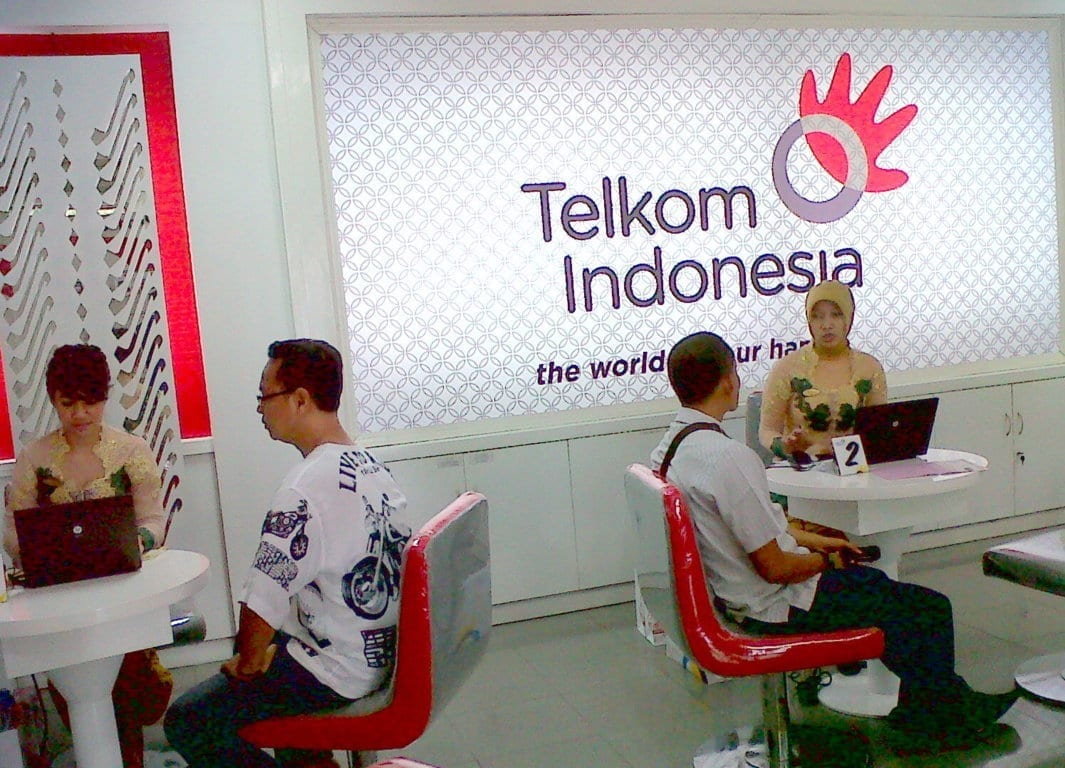
    Indonesia’s state-owned telecommunications corporation, Telkom Indonesia, recently announced that its independent shareholders have given the green light to partition the company’s wholesale fiber connectivity business and assets. The assets will be transferred to the company’s Fiber-To-The-Home (FTTH) subsidiary, Telkom Infrastruktur Indonesia (TIF), also colloquially known as InfraNexia. Telkom initially shared its plan in September and finalized it in October, with the split slated for execution in two stages.

    Details of the Split

    The initial phase will witness InfraNexia assuming control of more than half of Telkom’s fiber network infrastructure. This includes elements such as access, aggregation, backbone, and other supporting infrastructural components. The second phase involves InfraNexia obtaining the rest of the fiber assets from Telkom, a process expected to reach completion in the second half of 2026. The total asset value is projected to be IDR 90 trillion (USD 5.4 billion).

    Despite the spinoff, Telkom will maintain a hefty 99.9% ownership stake in InfraNexia. Telkom has expressed that this division will enhance operational and investment cost efficiencies. Moreover, it aims to transform InfraNexia into a new growth catalyst for the group, with a particular focus on the development of the wholesale fiber business, forging opportunities for network sharing, and forming strategic partnerships. This strategic shift is vital, given that Telkom’s wholesale fiber capacity is only approximately 40% utilized, primarily by its mobile division, Telkomsel.

    Shareholder Approval

    The partition needed approval from independent shareholders, who lent their support to the plan during an Extraordinary General Meeting of Shareholders (EGMS).

    Telkom’s President Director, Dian Siswarini, expressed that this separation is also a crucial facet of the company’s TLKM 30 strategy. This strategy is designed to metamorphose Telkom into a strategic holding firm that boasts a more niche, nimble, and internationally competitive digital telecommunications profile.

    The approval of the asset and business separation strengthens Telkom’s transformation agenda, aimed at building a more agile and focused business structure. This will enable Telkom to augment its contribution to the acceleration of national digitalization and generate added value for companies, stakeholders, communities, and the nation.

    Questions & Answers

    What is the purpose of the split in Telkom’s business?
    The split is aimed at enhancing operational and investment cost efficiencies, transforming InfraNexia into a new growth catalyst for the group, and focusing on the development of the wholesale fiber business.

    How much of the ownership stake in InfraNexia will Telkom retain after the split?
    Post-separation, Telkom will retain a 99.9% ownership stake in InfraNexia.

    What does Telkom’s TLKM 30 strategy entail?
    The TLKM 30 strategy aims to transform Telkom into a strategic holding company with a more focused, agile, and globally competitive digital telecommunications profile.

  • Netcracker Boosts AIS’s Digital Transformation with Major Cloud Deployment & Revenue Management Upgrade

    Netcracker Boosts AIS’s Digital Transformation with Major Cloud Deployment & Revenue Management Upgrade

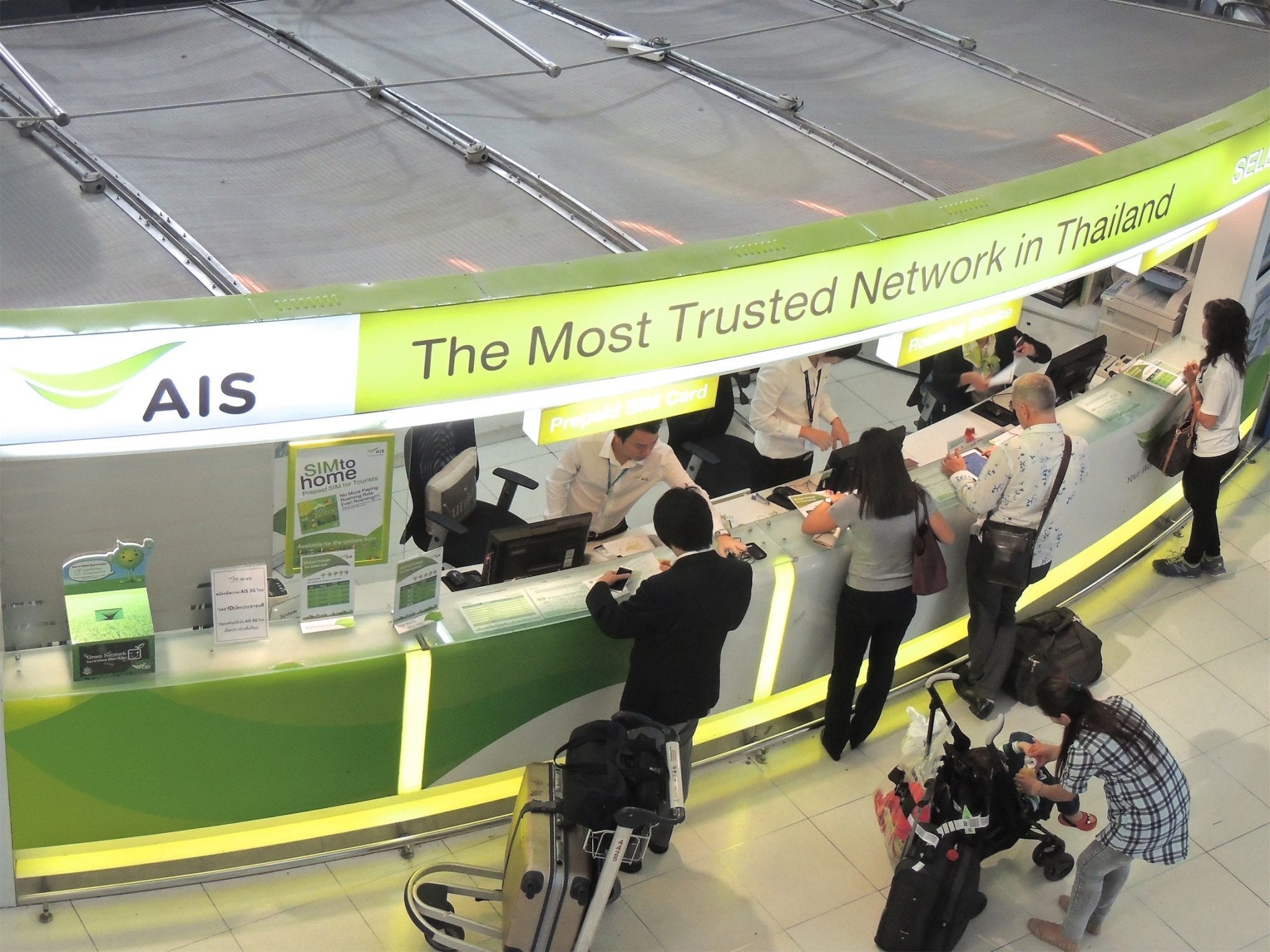
    Netcracker Technology recently completed a significant cloud-native revenue management upgrade for Advanced Info Service (AIS), establishing one of the most substantial cloud deployments in Thailand and the wider Asia-Pacific region. This update signifies a critical progression in AIS’s digital transformation strategy, as the telecom operator enhances its converged mobile and broadband services for its customer base of over 45 million.

    AIS Adopts Netcracker’s Revenue Management Platform

    AIS transitioned to Netcracker’s Cloud-Native Revenue Management platform, a component of the Netcracker Digital BSS suite, to better cater to both B2C and B2B quad-play users. The platform can facilitate flexible subscription billing on monthly, quarterly, and yearly intervals, bolstering customer preference and streamlining billing processes.

    Netcracker has indicated that the launch provides significant operational and commercial advantages, such as increased scalability, cost-effectiveness, and an expedited time-to-market for novel offerings. These features are predicted to bolster AIS’s expanding 5G aspirations, especially in the realms of enterprise 5G and IoT services, as AIS gears up for future market growth.

    Words from the Chief Information Officer and Chief Technology Officer

    AIS’s Chief Information Officer, Bharat Alva, announced that the successful full-circle delivery of the new cloud-native revenue management platform within strict timeframes has already demonstrated its stability and scalability by supporting significant launches and events, such as the most recent iPhone release, without interruption. As AIS continues to transfer customers to this new platform, it plans to capitalize on its momentum with Netcracker by introducing more features and improvements in the immediate future.

    Netcracker’s Chief Technology Officer, Bob Titus, expressed appreciation for their longstanding partnership with AIS, commending them as a genuinely advanced telecommunications operator in a region recognized for numerous innovations. He stated that this launch is the best endorsement of how their customers continue to benefit from their sustained investment in cloud and AI technologies.

    Questions & Answers

    What does the cloud-native revenue management platform do for AIS?
    The platform allows AIS to offer its customers flexible subscription billing on a monthly, quarterly, and yearly basis, enhancing customer choice and making the billing process more efficient.

    What are the benefits of this new deployment for AIS?
    The deployment offers several operational and commercial benefits, including increased scalability, cost optimization, and the ability to bring new offerings to the market at a faster pace.

    How will this upgrade support AIS’s future growth?
    The capabilities provided by this upgrade are expected to support AIS’s growing ambitions in enterprise 5G and IoT services, assisting the company in its preparations for future market expansion.

  • Turbocharging Indonesia’s Digital Journey: GSMA Calls for Heightened Investment in 5G and AI Technologies

    Turbocharging Indonesia’s Digital Journey: GSMA Calls for Heightened Investment in 5G and AI Technologies

    The GSMA has highlighted the need for a more robust, investment-focused strategy to expedite Indonesia’s digital transformation and stimulate innovation, according to its recent findings published in the reports GSMA Digital Nations 2025 and ASEAN Consumer Scam 2025.

    Moving Towards a Digital Future

    The GSMA has proposed a feasible strategy to facilitate the unlocking of private capital and hasten the roll-out of 5G spectrum, fiber backhaul, and AI-optimized data centers. This strategy is underpinned by policy consistency and cooperation across sectors. There is a strong inclination among Indonesian businesses towards digital transformation.

    Indications of such enthusiasm were evident in a recent GSMA Intelligence survey where over 580 firms spanning across ASEAN were surveyed. The results revealed that Indonesian companies intend to dedicate an average of 10% of their revenues to digital transformation between 2025 and 2030, exceeding both the ASEAN (10.4%) and global (9.8%) averages. Two-thirds of the participants prioritized AI in their top three expenditure areas, with over half deeming 5G-powered Internet of Things (IoT) vital for future growth. This underscores Indonesia’s ambition to capitalize on cutting-edge technologies to fortify its competitive edge and security.

    Economic Impact of 5G

    GSMA Intelligence anticipates that the ensuing wave of 5G investments in Indonesia could inject an extra USD 41 billion into the country’s GDP between 2024 and 2030, underlining the transformative economic potential of digital connectivity. Since 2015, mobile operators have pumped nearly USD 29 billion into Indonesia’s network infrastructure and services. Given the right investment conditions, the sector, including operators and ecosystem partners, is projected to inject an additional USD 16 billion from 2024 to 2030, primarily targeting 5G proliferation.

    Julian Gorman, Head of Asia Pacific at the GSMA, expressed his thoughts on the matter, highlighting the unique opportunities presented by Indonesia’s significant scale, entrepreneurial vigor, and youthful, tech-savvy population. The focus now should be on targeted investment in areas such as affordable, dependable spectrum; robust backhaul; and AI-compatible, sustainable data centers, coupled with clear consumer protections.

    Assessing Progress and Challenges

    The GSMA’s Digital Nations report evaluated the advancement of Asia Pacific nations in five key areas: infrastructure, innovation, data governance, security, and people. It provided insights into where investment could yield the highest returns.

    Indonesia ranked midway among the 21 nations assessed. The report underscored Indonesia’s advantages in terms of its population, digital skills, and cybersecurity, while also pointing out areas in need of enhancement, particularly in innovation and investment. Potential obstacles to progress include delays in mid-band spectrum allocation, inconsistent rural coverage, and limited AI-ready capability. Consumer trust is also a matter of concern.

    Findings from the ASEAN Consumer Scam Report 2025 indicate that Indonesia mirrors the wider ASEAN trend, with 45% of adults admitting to having been scammed at some point, and 68% of victims losing money. In Indonesia, scam contacts are predominantly mobile-oriented, with over-the-top (OTT) messaging (50%) and voice calls (44%), both exceeding the ASEAN average.

    Preventing Fraud and Enhancing Security

    On a brighter note, 81% of Indonesians endorse operators sharing minimal, purpose-specific network signals such as SIM-change and number-verification during high-risk instances to prevent fraud, thus setting the stage for a broader application of GSMA Open Gateway anti-fraud APIs. Indonesia’s three primary mobile operators, Telkomsel, Indosat, and XL Axiata, have teamed up to shield customers from scams and other cybersecurity threats by collectively adopting Open Gateway APIs, such as SIM swap, number verification, and device location, to secure payments and logins.

    Questions & Answers

    What approach does the GSMA recommend to accelerate Indonesia’s digital transformation?
    The GSMA suggests a more robust, investment-focused strategy to expedite Indonesia’s digital transformation. This includes unlocking private capital and hastening the roll-out of 5G spectrum, fiber backhaul, and AI-optimized data centers.

    What potential economic impact could the next wave of 5G investment have on Indonesia?
    GSMA Intelligence anticipates that the ensuing wave of 5G investments in Indonesia could inject an additional USD 41 billion into the country’s GDP between 2024 and 2030.

    How are Indonesia’s major mobile operators responding to cybersecurity threats?
    Indonesia’s three major mobile operators, Telkomsel, Indosat, and XL Axiata, have formed an alliance to protect customers from scams and other cybersecurity threats by jointly adopting GSMA Open Gateway anti-fraud APIs, such as SIM swap, number verification, and device location, to secure payments and logins.

  • Taiwan Launches Ambitious $838M 6G Satellite Alliance, Positions as Indo-Pacific Tech Hub

    Taiwan Launches Ambitious $838M 6G Satellite Alliance, Positions as Indo-Pacific Tech Hub

    Taiwan has initiated a significant endeavour to advance next-generation communication technology through the establishment of the Taiwan NextGen Communications Alliance (TNGCA). This alliance comprises over 50 companies and is backed by a six-year national plan involving NTD 27 billion (USD 838 million).

    The Purpose of the Alliance

    The TNGCA is a newly-formed body aiming to bring together a variety of industry players, including telecom operators, satellite developers, chipmakers, system integrators, and AI technology providers. Over 30 technical experts have also become part of this initiative, according to the Taipei Computer Association (TCA).

    The alliance will be led by Chunghwa Telecom Chairman, Chien Chih-cheng. The collective’s primary focus will be to hasten the development of domestically manufactured satellite equipment and user terminals, with the objective of reducing Taiwan’s reliance on foreign suppliers. Currently, the majority of Taiwan’s satellite-related hardware is imported from the United States and South Korea.

    Structuring for Success

    To ensure coordinated advancement, the TNGCA has implemented four committees that will concentrate on policy alignment, technology development, and collaboration across sectors involving government, academia, and industry. This strategic approach is intended to unify resources across Taiwan’s entirety of the communications ecosystem, from upstream to downstream.

    According to Chien, this initiative will position Taiwan to seize significant global market opportunities. The alliance anticipates that the next-generation communications sector will generate an impressive NTD 1 trillion in production value between 2029 and 2030. This growth is expected to come as more domestically produced components achieve international standards and integrate into global supply chains.

    Initial Actions and Future Goals

    Immediately after its inception, the TNGCA embarked on its first international outreach effort. The alliance arranged one-on-one meetings between the Philippine Space Agency (PhilSA) and 10 Taiwanese companies specializing in satellite and communications technologies, with the aim of establishing potential future partnerships.

    The formation of the TNGCA signifies one of Taiwan’s most comprehensive national efforts to date to influence the evolving 6G and satellite communications industry. This move fortifies the island’s ambition to become a strategic technology hub in the Indo-Pacific region.

    Questions & Answers

    What is the Taiwan NextGen Communications Alliance (TNGCA)?
    The TNGCA is a coalition of over 50 companies established to advance next-generation communication technologies in Taiwan. The alliance includes telecom operators, satellite developers, chipmakers, system integrators, and AI technology providers.

    What are the main goals of the TNGCA?
    The TNGCA aims to reduce Taiwan’s dependence on foreign suppliers for satellite-related hardware, accelerate the development of locally made satellite equipment and user terminals, and capture global market opportunities in the next-generation communications sector.

    What are the initial actions of the TNGCA following its establishment?
    The TNGCA immediately initiated an international outreach effort after its launch. It arranged for one-on-one meetings between the Philippine Space Agency and 10 Taiwanese companies specializing in satellite and communications technologies to discuss potential future cooperation.

  • Revolutionizing Telecom Growth: NEC’s Vision for AI-Extended Society through Optical Networks

    Revolutionizing Telecom Growth: NEC’s Vision for AI-Extended Society through Optical Networks

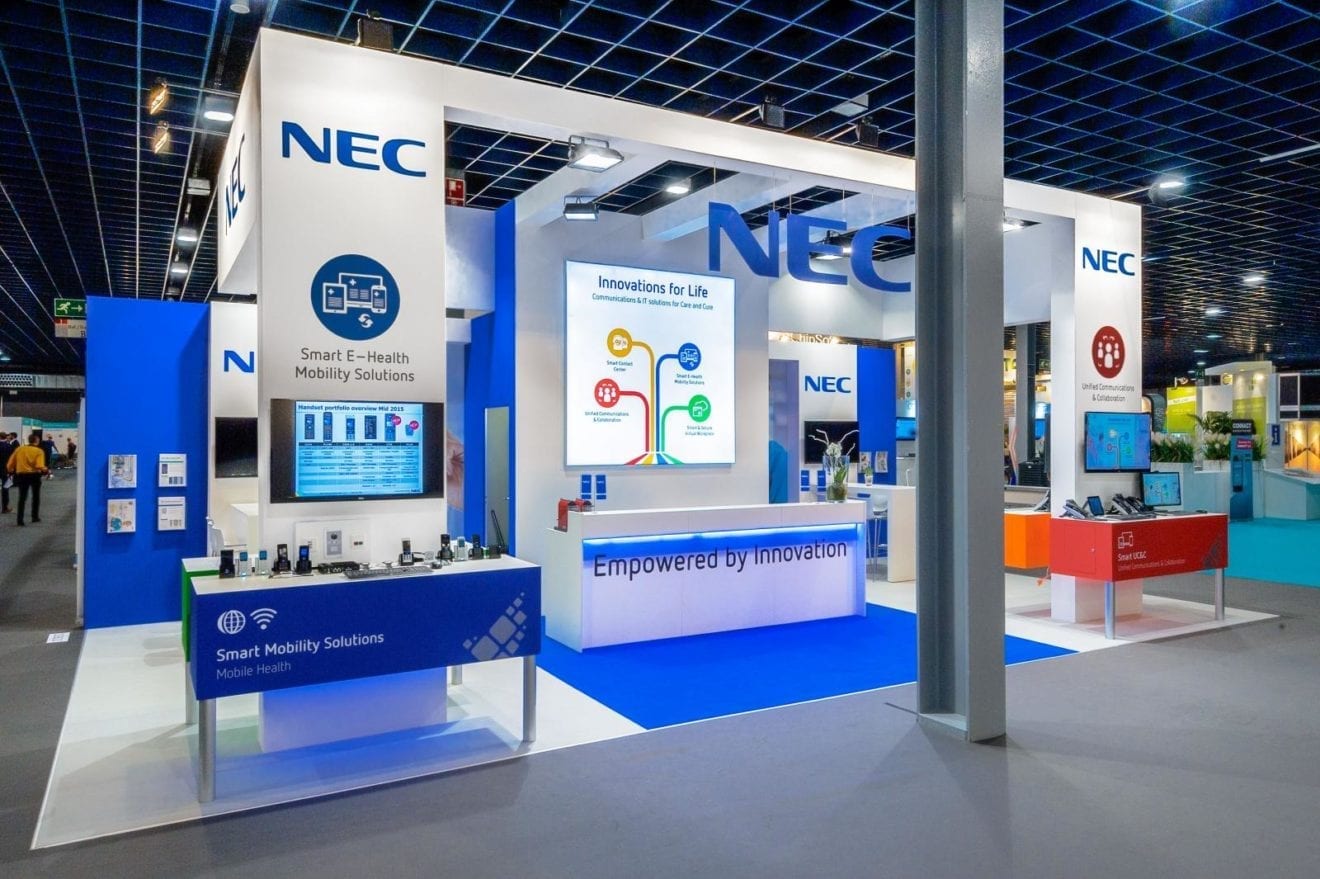
    At the 19th edition of the Telecom Review Leaders’ Summit, the topic of discussion was ‘Tech Intelligence Beyond Mobility’. This event convened in Dubai, UAE, from December 10-11, 2025. One of the key speakers was Kageshima Hideo, Director of NEC’s Open Optical Transport Network Solution. In his presentation titled ‘Redefining Optical Networks as Catalysts for Telecom Growth’, Hideo shed light on the pivotal role optical innovation will play in propelling an AI-extended society by 2030.

    NEC’s Vision for the Future

    Hideo initiated his address by outlining NEC’s long-term vision, which revolves around its corporate purpose and five societal aspirations for the year 2030. These aspirations encompass the environment, society, and human life. At the core of this vision lies the integration of AI and robotics as true human partners. NEC envisions a future where AI collaborates seamlessly with humans and robotics offer tangible real-world solutions. These technologies are anticipated to substantially extend human potential, bringing about increases in productivity, intelligence, and the quality of life.

    Progression Towards an AI-Extended Society

    Hideo traced the progression towards this future through three distinct stages. The initial stage, 2025, saw the rise of agentic AI, which began diminishing the barriers between humans and machines and launched standalone AI data centers that largely operate independently.

    By 2027, AI is expected to permeate everyday work and life, backed by multi-AI data center networking and site-to-site optical interconnections, thereby dramatically increasing connection points.

    By the year 2030, it is predicted that AI will fully amplify human potential through accelerated innovation. This will be facilitated by edge-AI networking, thing-to-thing optical connections, and a surge in network endpoints, leading to a profound evolution in AI networks.

    Optical Networks by 2030: Convergence and Intelligence

    Hideo painted a picture of a future characterized by a blend of computing and network convergence through the concept of ‘optical everywhere.’ Advancements like wavelength optimization, dynamic path provisioning, and on-demand optical networking are expected to maximize resource utilization while offering unparalleled flexibility.

    This view aligns with the Innovative Optical and Wireless Network (IOWN) concept, which rests on three pillars: the all-photonics network, a cognitive foundation, and digital twin technologies. Collectively, these will offer ultra-low latency, high-capacity, and intelligent network operations to cater to the demands of AI.

    Open Optical Networks for the AI Era

    NEC’s answer to these forthcoming challenges is its Open Optical Network Solution. This new-generation data center interconnect model is built for openness and sustainability in the AI era. The strategy lays emphasis on disaggregation and modularity, enabling operators to scale as per their requirements, thereby boosting cost efficiency and agility.

    Key components include multi-vendor whitebox transponders to alleviate supply chain risks, comprehensive multi-vendor system integration, and world-first Linux-based network operating systems that provide server-like operability. Features such as zero-touch provisioning, programmability via TIP MUST controllers, and integrated server-network management aim to streamline operations while optimizing performance.

    Sustainability by Design

    Sustainability was another cornerstone of Hideo’s presentation. NEC’s disaggregated solutions are engineered to support eco-friendly AI data centers, especially in scenarios constrained by power and space. Hardware longevity through modular upgrades and network and power optimization services were underscored as key to minimizing environmental impact while attending to growing AI workloads.

    Hideo concluded his keynote by reinforcing NEC’s strategy through real-world deployments. With global centers of excellence and extensive expertise in multi-vendor, multi-layer integration, NEC is dedicated to continuing the advancement of optical networks to amplify human potential in the forthcoming AI-driven decade.

    Questions & Answers

    What is NEC’s Open Optical Network Solution?
    NEC’s Open Optical Network Solution is a new-generation data center interconnect model designed for openness and sustainability in the AI era. It emphasizes disaggregation and modularity, allowing operators to scale as they grow, therefore improving cost efficiency and agility.

    What are the three stages of progression towards an AI-extended society as proposed by NEC?
    NEC proposes three stages towards an AI-extended society: the rise of agentic AI in 2025, AI becoming pervasive in everyday life by 2027, and AI fully enhancing human potential by 2030 through accelerated innovation.

    How does NEC’s vision for optical networks align with the IOWN concept?
    NEC’s vision aligns with the IOWN concept, which is built on three pillars: the all-photonics network, a cognitive foundation, and digital twin technologies. These elements together aim to provide ultra-low latency, high-capacity, and intelligent network operations to meet AI-driven demands.

  • Singtel Slapped with $774K Fine after Major Service Disruption Impacts Half a Million Customers

    Singtel Slapped with $774K Fine after Major Service Disruption Impacts Half a Million Customers

    The Singaporean telecommunications giant, Singtel, has been hit with a hefty fine of SGD1 million, equivalent to US$774,000, by local authorities over a significant voice service disruption in 2024 that negatively impacted roughly 500,000 customers.

    Impact of the Service Disruption

    The communications interruption also affected the public’s ability to reach customer service departments for numerous government bodies, healthcare entities, banks, corporations, and critical emergency call services, according to the Infocomm and Media Development Authority (IMDA).

    Ng Tian Chong, Singtel Singapore’s CEO, has openly accepted the ruling and monetary punishment from IMDA. He admitted the severity of the interruption to the fixed voice service in the previous October, reiterating his apology for the inconvenience and disruption experienced by the affected populace.

    Justification of the Fine

    The IMDA explained that the scale and the impact of the outage, coupled with the duration to restore the services to normal, were the critical elements taken into consideration while imposing the penalty. The regulatory body categorized the incident’s impact as “significant” and highlighted that the potential ramifications concerning public safety and security could have been very serious.

    The IMDA’s examination found deficiencies in Singtel’s monitoring systems, which lacked “adequate filters” to protect the hardware from high-intensity traffic on October 8, 2024. This inadequacy caused the voice system’s firewall to malfunction and operate intermittently. Consequently, calls were dropped intermittently as traffic alternated between the malfunctioning and functioning voice systems.

    Prior Incidents

    Before this event, Singtel experienced another setback in September when an emergency service outage from its subsidiary, Optus, led to three fatalities in Australia. This event was succeeded by a smaller mobile outage from Singtel on November 18, where more than 1,600 disruption reports were logged.

    Singtel, the largest mobile network operator in Southeast Asia, serves a massive customer base of 800 million customers worldwide.

    Questions & Answers

    What was the reason behind the fine imposed on Singtel?
    The fine was levied due to a significant voice service disruption in 2024, impacting approximately 500,000 customers.

    What was the magnitude of the fine imposed on Singtel?
    Singtel was fined SGD1 million, equivalent to US$774,000, by the Infocomm and Media Development Authority (IMDA).

    What was the major fault found in Singtel’s systems that led to the service disruption?
    The IMDA’s investigation discovered that Singtel’s monitoring systems lacked “adequate filters” to protect the hardware from high-intensity traffic, resulting in the malfunction of the voice systems’ firewall.

  • Unlocking the Future with 5G-A and AI: The Rise of the Mobile AI Era and Telco-Techco Transformation in the Middle East & Central Asia

    Unlocking the Future with 5G-A and AI: The Rise of the Mobile AI Era and Telco-Techco Transformation in the Middle East & Central Asia

    The partnership between 5G-Advanced (5G-A) and AI is crucial for unlocking the intelligent future of the Middle East and Central Asia. This strategic alliance transforms the network, allowing telecommunications operators to shift from selling capacity to offering differentiated, AI-managed services. This shift allows telcos to guarantee a quality that is essential for high-value services. This vital partnership pushes the development of Autonomous Networks (AN), ensures premium experience monetization, and propels the ‘AI-first, inside-out’ transformation for new economic benefits.

    Introduction: Catalyzing the Connected Future

    The Middle East and Central Asia (ME&CA) region has positioned itself as a global front-runner in digital innovation and transformation. From the implementation of 5G to ongoing and ambitious national digital transformation programs, no other region surpasses their pace of change and development. Building on this momentum, telecom operators now stand on the threshold of a significant technological milestone – the fusion of 5G-Advanced and artificial intelligence.

    This transformation goes beyond merely upgrading two separate technologies. It entails merging the ultimate connectivity infrastructure (5G-A) with the ultimate intelligence engine (AI) to herald the dawn of a supreme digital experience. This robust experience forms the foundation for initiating the new ‘Mobile AI Era,’ a paradigm shift that is redefining operational efficiency, unlocking unprecedented business value, and advancing the region’s socio-economic and digital inclusion objectives.

    Moving Towards the ‘Mobile AI Era’: The Essential Partnership of 5G-A & AI

    The integration of AI into mobile communications signals the rapid advent of the mobile AI era. Innovative services such as real-time multi-modal calling with AI assistants, autonomous robots with embodied AI, and real-time cloud rendering for AI-generated content are emerging as the game-changing applications of the 5G-A era.

    In this ‘Mobile AI Era’, networks are evolving beyond their traditional role as mobile data pipelines. They are becoming value platforms that underpin differentiated experiences for people, homes, vehicles, things, and industries. This evolution is where AI becomes indispensable. AI acts as the brain that operates the 5G-A network, infusing intelligence into 5G-A connections, and unlocking a plethora of new scenarios, applications, and business models.

    The shift from 5G to 5G-A is fundamentally about transitioning from best-effort services to delivering guaranteed quality and sticking to service level agreements (SLAs). However, the resulting massive increase in network complexity and data volume generated by these applications cannot be managed manually.

    5G-A Experience Management and Business Innovation: Supported by AI

    One significant change that 5G-A enables is fostering ‘intelligent connectivity,’ which means a transition from selling ‘generic bandwidth’ to selling ‘differentiated, scenario-based connectivity and experience’. This transition is the key to evolving from a ‘dumb-pipe’ to an ‘AI smart-pipe’ revenue model. However, successful monetization of this transition requires sophisticated, intelligent experience management.

    While AI empowers the network, 5G-A also empowers AI-based services and applications. Its high throughput, low latency, and edge computing capabilities allow real-time interaction and decision making. This combination of 5G-A and AI allows carriers to offer differentiated, guaranteed experiences for specific applications, thereby transitioning from a simple supplier to a vital technology partner that commands premium revenue.

    Building New Value with Al-to-X: The AI-First, 5G-A Driven Transformation

    For operators in the ME&CA region, the ultimate vision is to transform from traditional communication service providers into technology companies. This transformation requires an AI-first approach, which rests on the three pillars of ‘Servitization’, ‘Platformization’, and ‘Intelligentization’.

    Carriers are progressively integrating AI into their services to improve efficiency, productivity, and user experience, especially in the 5G-A era. However, to maximize these capabilities and ensure always-on services, carriers now need to implement these three strategies of ‘AI-to-X’, where this ‘X’ signifies one or more of ‘servitization’, ‘platformization’, and ‘intelligentization’.

    Questions & Answers

    What does the convergence of 5G-A and AI mean for the Middle East and Central Asia?
    This convergence represents a significant technological leap forward. It will allow for the provision of differentiated, AI-managed services and pave the way for the ‘Mobile AI Era’ in the region.

    How does the integration of AI into mobile communications contribute to the evolution of networks?
    The integration of AI into mobile communications transforms networks into value platforms that underpin differentiated experiences. AI becomes the brain that operates the 5G-A network, infusing intelligence into connections and unlocking new scenarios, applications, and business models.

    What is the ultimate vision for operators in the ME&CA region?
    The ultimate vision for operators in the region is to transform from traditional communication service providers into technology companies. This transformation requires an AI-first approach and the implementation of the three strategies of ‘AI-to-X’, representing ‘servitization’, ‘platformization’, and ‘intelligentization’.

  • Huawei Unveils Snow-Capped Mountain Inspired WiFi 7 Router: A Blend of Artistic Design, AI Intelligence, and Blazing Performance

    Huawei Unveils Snow-Capped Mountain Inspired WiFi 7 Router: A Blend of Artistic Design, AI Intelligence, and Blazing Performance

    Huawei has raised the bar for Wi-Fi routers with the introduction of its new product, the Huawei Wi-Fi Mesh X3 Pro. This device, which serves as a central hub for home internet connections, combines functional excellence with a stunning aesthetic design.

    An Artistic Masterpiece

    The Huawei Wi-Fi Mesh X3 Pro is endowed with an artistic design that embodies the beauty of a snow-capped mountain. This artistic look is further enhanced by lights that illuminate the router and mimic the radiant glow of sunset and sunrise. The device’s lighting system is designed to adjust automatically based on the time of day and prevailing weather conditions. It’s also customizable, allowing users to tap it on or off at will.

    A Fusion of Beauty and Power

    While the Wi-Fi Mesh X3 Pro is visually captivating, it is also a powerhouse of efficiency and cutting-edge technology. The router, equipped with the state-of-the-art Wi-Fi 7 technology, offers tremendous capabilities for a seamless and superior internet experience. It fully leverages the high-speed capabilities provided by gigabit+ fiber networks, enabling users to download large 4K/8K video files nearly instantly, enjoy lag-free 3A game streaming, and maintain simultaneous connections across multiple devices even in busy households.

    Extending Coverage and Enhancing Connectivity

    To ensure extensive coverage, the Wi-Fi Mesh X3 Pro comes with an extender that shares the router’s exceptional design. It operates using Huawei WiFi Mesh+ technology to keep devices connected to the strongest available signal as users move around the house. This ensures seamless roaming with very low latency below 50ms.

    The Huawei WiFi Mesh X3 Pro Suite, which includes the router and the extender mesh network, provides adaptable coverage suitable for various apartment layouts. It delivers up to 120+ square meters of whole-home Wi-Fi coverage, ensuring a strong signal in all rooms.

    The device supports Wi-Fi 7, which offers speeds of up to 3.6Gbps. Huawei has also incorporated advanced features such as Multi-Link Operation (MLO) for dual-band connections and 4K-QAM for efficient data transfer. Completing the device’s impressive feature set is a 2.5GE port that delivers speeds 2.5 times faster than standard Gigabit Ethernet.

    Smart Performance

    The performance of the Huawei Wi-Fi Mesh X3 Pro is powered by the first-party Gigahome SoC. The router’s operation is further optimized through the use of Artificial Intelligence (AI) capabilities, ensuring the network is smooth and efficient. This, combined with a powerful processor and 4-channel signal amplifiers, allows the router to maintain a reliable connection through multiple concrete walls.

    Questions & Answers

    What is the design inspiration for the Huawei WiFi Mesh X3 Pro?
    The Huawei WiFi Mesh X3 Pro is designed to resemble a snow-capped mountain and includes an automatic lighting system that emulates the glow of sunsets and sunrises.

    What are some of the advanced features of the Huawei WiFi Mesh X3 Pro?
    The Huawei WiFi Mesh X3 Pro comes with Wi-Fi 7, which delivers speeds of up to 3.6Gbps. It also features Multi-Link Operation for simultaneous dual-band connections and 4K-QAM for efficient data transfer, and a 2.5GE port for faster connectivity.

    How does the Huawei WiFi Mesh X3 Pro ensure extensive coverage?
    The device includes an extender that uses Huawei WiFi Mesh+ technology to maintain a strong signal throughout the home. The suite provides up to 120+ square meters of Wi-Fi coverage with a strong signal in every room.

  • Starlink Soars into South Korea: A Game-Changer for Maritime, Aviation, and Emergency Connectivity

    Starlink Soars into South Korea: A Game-Changer for Maritime, Aviation, and Emergency Connectivity

    SpaceX’s Starlink has officially extended its services to South Korea, building upon its global Low Earth Orbit (LEO) satellite system. This expansion has positioned it as a crucial facilitator of consistent connectivity for South Korea’s maritime, aviation, and emergency-response sectors.

    Starlink Korea’s Offerings

    Starlink Korea has initiated nationwide subscriptions through its official platform, providing services to both residential and enterprise customers. The residential package costs KRW 87,000 (USD 59) per month and offers unlimited data with projected download speeds of 135 Mbps and upload speeds of 40 Mbps. The pricing for customer hardware is set at KRW 550,000.

    Experts believe that Starlink’s most significant market potential in Korea is beyond residential use. Given that Korea already operates one of the world’s fastest terrestrial networks, with an LTE speed averaging 179 Mbps, LEO satellite broadband is likely to function as an additional layer in areas with limited ground-based coverage.

    The demand is anticipated to increase in the maritime, aviation, and emergency-response sectors, where traditional satellite services are expensive and provide slower performance. Despite Korea’s global rank of fifth in commercial shipping capacity, numerous vessels still encounter difficulties maintaining real-time connectivity at sea. LEO constellations, which orbit the Earth significantly closer than geostationary satellites, offer lower latency and more stable connections for ships and aircraft, thereby bolstering digital operations and mission-critical communication.

    Enterprise Services

    Starlink’s enterprise offerings aim at land-based mobile and fixed commercial users. The plans begin at KRW 90,000 per month for 50 GB and go up to KRW 755,000 for 2 TB. Data caps result in throttling to 1 Mbps download speeds and 0.5 Mbps upload speeds, although users have the option to purchase more data. These business packages incorporate prioritized bandwidth and service-level guarantees.

    Sales and technical support will be managed by local operators SK Telink and KT Sat. They will also create bespoke offerings for commercial vessels, low-cost airlines, and government agencies.

    Korea’s Strategic Direction

    The launch of Starlink also aligns well with Korea’s strategic intent to enhance disaster-resilient networks. LEO connectivity, which remains operational even when terrestrial base stations are compromised, offers a crucial backup layer for remote or mountainous areas or places with challenging infrastructure, as stated by the Electronics and Telecommunications Research Institute (ETRI).

    “This is the inception of a multi-layered communications architecture that integrates terrestrial and satellite networks,” said Song Young-geun, Head of Future Strategy at ETRI.

    Globally, Starlink operates over 7,600 satellites and caters to more than 8 million users across 115 countries, highlighting its increasing role in next-generation connectivity ecosystems.

    Questions & Answers

    What is the cost of Starlink’s residential package in Korea?

    The cost of the residential package is KRW 87,000 (USD 59) per month, which includes unlimited data with expected download speeds of up to 135 Mbps and upload speeds of up to 40 Mbps.

    Which industries are projected to benefit from increased demand for Starlink’s services in Korea?

    The maritime, aviation, and emergency-response sectors in Korea are projected to see increased demand for Starlink’s services due to their need for high-availability connectivity.

    What is the role of local operators SK Telink and KT Sat in Starlink’s operations in Korea?

    SK Telink and KT Sat will manage sales and technical support for Starlink in Korea. They will also develop tailored offerings for commercial vessels, low-cost airlines, and government agencies.

  • Starlink Powers Up South Korea: A New Era of Maritime, Aviation, and Emergency-Response Connectivity

    Starlink Powers Up South Korea: A New Era of Maritime, Aviation, and Emergency-Response Connectivity

    SpaceX’s satellite internet service, Starlink, has officially commenced operations in South Korea. By doing so, the company is expanding its worldwide low-Earth orbit (LEO) satellite coverage. It is positioning itself to be a crucial provider of high-availability connectivity across the country’s maritime, aviation, and emergency-response sectors.

    Starlink’s Korean Launch

    Starlink Korea has begun accepting nationwide subscriptions through its official website, introducing both residential and business offerings. The residential plan is priced at KRW 87,000 (USD 59) per month, providing unlimited data with anticipated download speeds of 135 Mbps and upload speeds of 40 Mbps. The cost for customer hardware is established at KRW 550,000.

    Analysts believe that Starlink’s greatest market potential in Korea is outside the domestic arena. Given that the nation already operates one of the fastest terrestrial networks globally, with LTE speeds averaging 179 Mbps, LEO satellite broadband is anticipated to serve as an additional layer in areas where ground-based coverage is limited.

    Maritime, Aviation, and Emergency-Response Sectors

    The demand is expected to increase in the maritime, aviation, and emergency-response sectors, where traditional satellite services are expensive and operate at a slower speed. Despite Korea’s ranking as the fifth largest commercial shipping capacity worldwide, many vessels continue to face difficulties in maintaining real-time connectivity at sea. LEO constellations, which orbit much closer to Earth than geostationary satellites, offer lower latency and more reliable links for ships and aircraft, supporting digital operations and crucial communication.

    Enterprise Offerings

    Starlink’s enterprise offerings are targeting land-based mobile and fixed business users. Packages start at KRW 90,000 per month for 50 GB and go up to KRW 755,000 for 2 TB. Once the data limits are reached, the speeds are reduced to 1 Mbps download and 0.5 Mbps upload, although users have the option to purchase additional data. The business packages include prioritized bandwidth and service-level guarantees.

    Local operators SK Telink and KT Sat will manage sales and technical support, as well as develop customized offerings for commercial vessels, budget airlines and government agencies.

    Aligning with National Strategy

    This initiative is in line with South Korea’s strategic aim to reinforce disaster-resilient networks. According to the Electronics and Telecommunications Research Institute (ETRI), satellite links, which remain operational even if terrestrial base stations are damaged, provide an essential backup layer for remote, mountainous, or infrastructure-challenged areas.

    Globally, Starlink operates over 7,600 satellites and provides service to more than 8 million users across 115 countries, emphasizing its growing significance in the future of connectivity ecosystems.

    Questions & Answers

    What are Starlink’s offerings in South Korea?
    Starlink has introduced both residential and business internet services. The residential plan provides unlimited data with download speeds of 135 Mbps and upload speeds of 40 Mbps. The business plans range from 50 GB to 2 TB with prioritized bandwidth and service-level guarantees.

    What sectors could benefit from the launch of Starlink in South Korea?
    The maritime, aviation, and emergency-response sectors in South Korea are expected to benefit from this launch due to the high-availability connectivity that Starlink provides.

    What is the strategic significance of Starlink’s launch in South Korea?
    The launch aligns with South Korea’s strategic push to enhance disaster-resilient networks. Satellite links can remain operational even when terrestrial base stations are damaged, providing a crucial backup layer for remote or infrastructure-challenged areas.

  • BBIX and RETN Bolster APAC Presence: Partnership Expansion Takes Digital Interconnectivity to New Heights in Hong Kong and Singapore

    BBIX and RETN Bolster APAC Presence: Partnership Expansion Takes Digital Interconnectivity to New Heights in Hong Kong and Singapore

    BBIX, Inc., commonly known as BBIX, has recently announced the growth of its strategic alliance with RETN. This enhancement of their collaboration is built upon a prosperous long-term relationship in Japan, where RETN has been serving as an official reseller of BBIX’s services. The partnership is now broadening its horizons to include Hong Kong and Singapore, both of which are key digital centers in the region.

    Driving the Value of BBIX’s Established IX Platforms

    This new development significantly boosts the worth of BBIX’s well-established IX platforms in Tokyo, Hong Kong, and Singapore. It offers RETN the opportunity to make use of BBIX’s trustworthy, high-speed interconnection environments to enhance the delivery of services to its worldwide customers. By employing BBIX’s carrier-neutral peering platforms along with RETN’s Flex IX solution, businesses can gain access to an extensive range of networks throughout Asia without the requirement of significant local infrastructure investments.

    Commitment to Strengthen Interconnectivity

    Both BBIX and RETN are committed to bolstering interconnectivity throughout the Asia-Pacific region. As part of this commitment, they strive to provide customers and partners with a reliable, high-quality international network environment.

    Lisa Lu, VP of Global Business at BBIX, noted the success of the longstanding partnership with RETN in Japan and expressed her excitement over extending this collaboration to include Hong Kong and Singapore. She emphasized that this expansion would allow them to offer better support to international businesses seeking reliable, seamless connectivity in these dynamic markets. Moreover, she underlined their shared commitment to spurring growth and innovation across the Asia-Pacific region.

    Similarly, William Manzione, Product Manager at RETN, voiced his delight over the expansion of their collaboration with BBIX beyond Japan to include Hong Kong and Singapore. He emphasized that this milestone was indicative of their commitment to expanding their global service portfolio and supporting customers with access to Asia’s vibrant markets. He also highlighted the benefits of combining BBIX’s robust network with RETN’s innovative Flex-IX solution, which would provide their customers with unparalleled connectivity options.

    Questions & Answers

    What is the significance of the expanded partnership between BBIX and RETN?
    The expanded collaboration will allow businesses to access a wide range of networks across Asia without significant local infrastructure investments. It also signifies the shared commitment of the two companies to promote growth and innovation across the Asia-Pacific region.

    What benefits will the partnership bring to the customers?
    The partnership will provide customers with a reliable, high-quality international network environment. By combining BBIX’s robust network with RETN’s Flex-IX solution, customers will gain unparalleled connectivity options.

    Which new regions are included in the expanded partnership?
    The expanded partnership now includes Hong Kong and Singapore, in addition to the existing collaboration in Japan. These two regions are seen as key digital centers in the Asia-Pacific region.

  • Revolutionizing Road Safety: Jio and NHAI Unveil Real-Time Mobile Alerts on Indian Highways

    Revolutionizing Road Safety: Jio and NHAI Unveil Real-Time Mobile Alerts on Indian Highways

    In a collaborative effort to enhance safety and enrich the travel experience along National Highways, the National Highways Authority of India (NHAI) has partnered with Reliance Jio to launch a telecom-based alert system. This system will provide motorists with real-time alerts as they approach high-risk zones such as accident-prone areas, sectors with stray animals, fog-affected strips, or regions with temporary traffic alterations.

    How the Safety Alert System Works

    The alert system will tap into Jio’s comprehensive 4G and 5G coverage, delivering notifications through various channels such as SMS, WhatsApp, and high-priority automated calls. The system will automatically cater to all Jio users traveling on or near the National Highways without any need for extra equipment.

    Future plans involve integrating this system with NHAI’s digital services like the ‘Rajmargyatra’ app and the 1033 emergency helpline, creating a unified digital safety network. Given Jio’s vast user base of over 500 million, the telecom giant’s far-reaching network will be instrumental in extending this initiative nationwide.

    Official Statements

    The Chairman of NHAI, Shri Santosh Kumar Yadav, highlighted the significance of this initiative, stating it as a significant advancement in offering timely and trustworthy information to commuters. He believes that this will allow motorists to make informed decisions and adopt safer driving habits well ahead of time, setting a new standard in tech-enabled road safety management on National Highways.

    Jio’s President, Mr. Jyotindra Thacker, further stressed the abilities of telecom networks in efficiently disseminating alerts, which can significantly contribute to reducing the number of road accidents. The initial phase of the project will concentrate on identifying high-risk areas and setting up real-time alert systems in selected NHAI regional centers, all while complying with regulatory and data protection requirements.

    Future Prospects

    In addition to the partnership with Jio, NHAI also envisions collaborating with other telecom operators to expand the alert system’s reach across the nation. This initiative exemplifies NHAI’s commitment to embracing advanced, scalable solutions aimed at improving safety, intelligence, and efficiency on India’s highways.

    Questions & Answers

    What is the purpose of the telecom-based alert system introduced by NHAI and Jio?
    The system aims to enhance safety and enrich the travel experience on National Highways by providing real-time alerts to motorists as they approach high-risk areas.

    How will the alerts be delivered to the users?
    The alerts will be disseminated through various channels such as SMS, WhatsApp, and high-priority automated calls using Jio’s comprehensive 4G and 5G coverage.

    What is the future plan for this safety alert system?
    The plan involves integrating this system with NHAI’s existing digital services and collaborating with other telecom operators to expand the system’s reach nationwide.