Category: Uncategorized

  • HSBC Switzerland Turns Profits and Cuts Jobs

    HSBC Switzerland Turns Profits and Cuts Jobs

    HSBC’s turned a profit in 2021. Planned job cuts are not expected to affect the client business.

    The Swiss subsidiary of British financial group HSBC reported a pre-tax profit of $44 million last year, more than reversing the previous year’s loss of $16 million, according to the bank’s annual report.

    The wealth & personal banking division posted a pre-tax profit of 46 million dollars, with commercial banking chipping in a further 10 million.

    Locally, the unit sees itself well positioned to benefit from rising interest rates. The roughly 100 Swiss job cuts announced in February will mainly affect IT and back-office functions, as positions are relocated to more cost-effective sites.

  • AirAsia prepares regional routes to spur intra-Asean travel

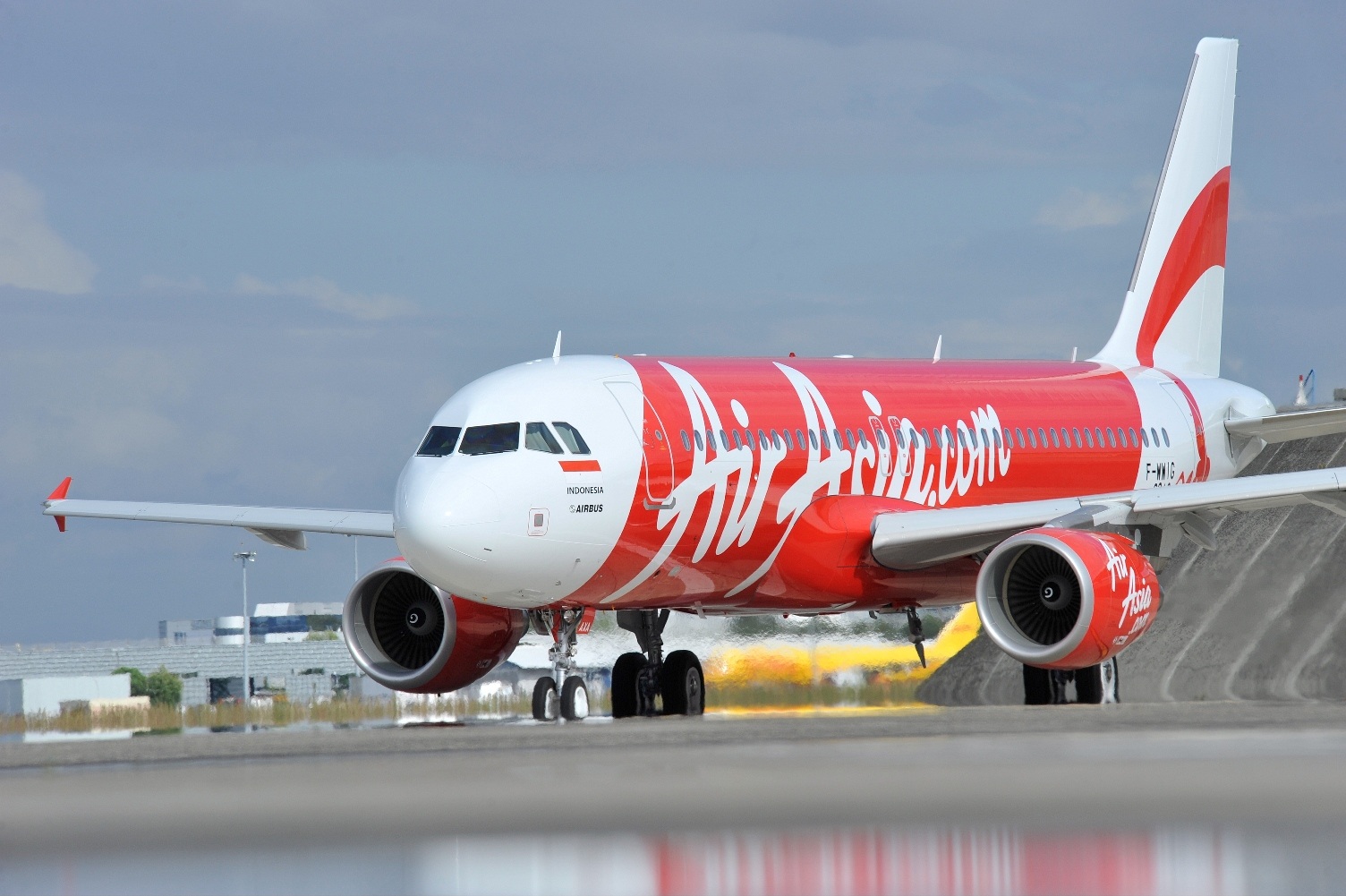
    AirAsia prepares regional routes to spur intra-Asean travel

    AirAsia aims to spur intra-Asean travel with new regional routes, while Thai AirAsia hopes the Red War football match in July will drive demand from neighbors to Thailand.

    The company is working on new destinations in Thailand, Indonesia, and Malaysia to replace the Chinese market, said Tony Fernandes, chief executive of Capital A, formerly AirAsia Group, which also owns Thai AirAsia via the AirAsia Aviation Group.

    He said he already discussed with Thailand’s ministers regarding new international routes besides well-known destinations, such as Jakarta to Hua-Hin.

    However, the implementation in Thailand will largely depend on Covid-19 tests and other travel regulations which remain the most critical obstacle for the industry.

    Tassapon Bijleveld, executive chairman of Asia Aviation, the majority shareholder of Thai AirAsia (TAA), said the airline is preparing bundle packages for Manchester United and Liverpool football tournaments which combine match tickets and airline tickets.

    The game will attract a number of sports fans, particularly from neighboring countries as the viral situation should have subsided by July.

    He said every country in Southeast Asia has to cooperate to ensure seamless tourism which can help offset the lack of travelers from China, Japan, and South Korea who might resume international travel in the second half.

    TAA plans to operate international flights to Singapore, Malaysia, and Vietnam next month with a target of 70-80% load factor in order to avoid losses.

    He said travel regulations are the main concern for the airline as travel demand could not strongly rebound despite the reopening, so mandatory RT-PCR tests must be removed by the first half.

    “We have to get back to the real world. The government must be brave because the current viral situation is not that severe compared to the previous waves as more Thais are already inoculated,” Mr Tassapon said.

    Capital A also focuses on the growth of airasia Super App, its travel and lifestyle platform, which officially launched in Thailand on Monday.

    Varut Vutipongsatorn, country head of airasia Super App (Thailand), said it has built the foundation for the platform over the past year. This year it will expand business throughout the country, starting with the Northeast.

    The goals in Thailand are to add 1-2 new services each year, increasing air travel bookings as well as bundle packages between air tickets and hotels by 20 times and 40 times, respectively, within 2026.

    This year, food delivery will expand its service nationwide, while door-to-door delivery within each province under airasia Xpress and a ride-hailing taxi service will start from March.
  • Gas stations still unable to supply normal volumes

    Gas stations still unable to supply normal volumes

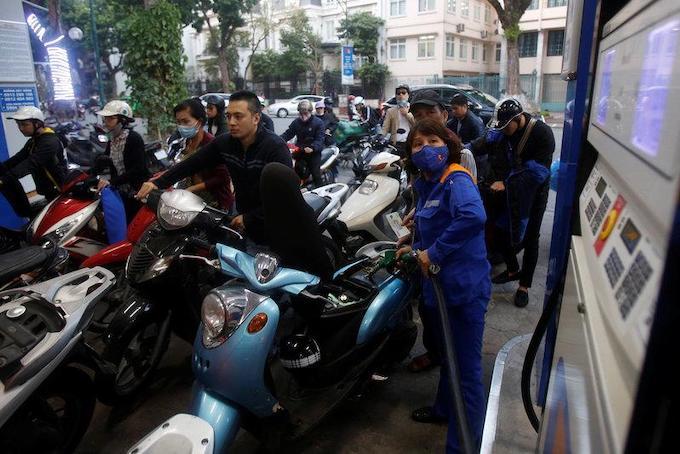
    Many gasoline stations in Ho Chi Minh City continue to face a shortage of stocks. In the last two days, a gas station in Thanh Xuan Ward in HCMC’s District 12 claimed to completely run out one time and had been rationing sales the rest of the time. Its employees said supply has been in small quantities at a time.

    Many gas stations on national road 1A in District 12 have put up signs saying they are out of fuel and re waiting for tankers to bring stocks.

    A number of stations in districts like Go Vap and 7 and Thu Duc City have also put up such signs frequently.

    Le Van My, general director of Hoc Mon Trading Joint Stock Company, which owns 11 gas stations and 21 retail agents in the city, said supply is low now.

    Each of the gas stations used to be allocated 5,000-10,000 liters a day, but are now getting only 1,000-2,000 liters, and sometimes as low as 700 liters.

    Tran Duy Dong, director of the Ministry of Industry and Trade’s domestic market department said: “This week and next week, key enterprises will receive bigger volumes of imports, making up for the reduced supply by Nghi Son Refinery. In around 10 days, market demand and supply will be balanced”.

    Nghi Son has been provided with short-term financing to resume operations, but crude oil has not arrived yet and so it is still operating at 55-60 percent of capacity, he revealed.

    On March 15, it will return to full capacity, he said.

    It will take major suppliers another 30-45 days to receive imported fuel.

    The Dung Quat Oil Refinery has increased its capacity from 103 percent to 105 percent since the Lunar New Year holiday in early February. The ministry wants it to operate at the maximum capacity possible.

    By Feb. 1, more than 205,000 cubic meters of imported gasoline and diesel had landed in Vietnamese ports.

    More are on the way. Petrolimex will get 180,000 cubic meters this month, PVOil, 66,000 cubic meters and Hong Duc, 80,000 cubic meters.

    Though Dong expects supply and demand to be balanced in the next 10 days, distributors expect the shortage to continue because it is still difficult for Vietnamese oil refineries to operate normally when the import of crude oil is slow and there is a global shortage due to the Ukraine crisis.

    In the domestic market, not only gas stations but also distributors and importers have suffered severe losses.

    My said his company racks up losses of several hundred million dong (VND100 million = $4,300) a day.

  • Samsung is first in the world to invent MRAM in-memory computing

    Samsung is first in the world to invent MRAM in-memory computing

    Samsung has long been at the forefront of tech innovation, both when it comes to mobile technology and other electronics. The Korean giant just re-affirmed that fact this week, when they became the first company in the world to demonstrate a working in-memory computing process on MRAM.

    In devices like smartphones and computers, most of the computing processes are performed by the processing chip, which exists just for this purpose and is highly efficient at it—despite additionally being one of the most power-hungry components.

    A device’s memory (or RAM) on the other hand, bears the traditional purpose of temporarily storing bits of information for the processor to access immediately, anytime it asks for it.

    This memory allows for much faster data transfer with the processor than a storage drive, but also comes in much smaller quantities—such as 4GB, 6GB, or 8GB or 16GB depending on your traditional computing device.

    For years now, however, there has been plenty of experimentation with the quest to come up with an efficient and practical in-memory computing solution.

    While many other solutions have already been found using alternative types of RAM (such as PRAM or RRAM), as SamMobile notes, MRAM in-memory computing had not yet been prototyped in working form. At least until now, when Samsung has finally managed to create the first prototype.

    Most of the computing devices we interact with from day to day—namely smartphones and computers—run with DRAM, or Dynamic Random Access Memory, as their main memory.

    This type of memory is dynamic and volatile, meaning it only stores information as long as the device is powered on with a current flowing through, and it needs to be constantly refreshed or overwritten in order to retain that data.

    MRAM, on the other hand—Magnetoresistive Random Access Memory—is a type of non-volatile memory, meaning it can retain bits of data even without an electric current flowing through. It stores memory on magnetic charges, rather than electric charges like standard RAM.

    MRAM’s main advantage is its extremely low power usage, although it has faced difficulties in practical integration in modern everyday technology, such as keeping write error rates adequately low. It is also more hostile to in-memory computing than DRAM because of its low resistance.

    Samsung’s in-house MRAM, built for the first computer to ever use it as its main memory

    The main appeal of in-memory computing as a rule, is that it allows for substantial savings of both time and power. A system that performs at least part of its computing inside the memory, will end up saving all of those milliseconds which it would otherwise take for that data to be requested by the processor, travel to the processor, and be processed there.

    Memory also takes significantly less power than a processing chip—which is responsible for a whole slew of tasks at any given time—which is why a device using in-memory computing will also save on energy.

    Samsung believes that once further developed, MRAM technology will truly shine in processing tasks for artificial intelligence. When tested in AI applications, Samsung demonstrated that its in-memory computing process produced a 93% success rate in picking out specific faces in images, and 98% accuracy in its ability to recognize handwritten numbers.

    One of the main authors of Samsung’s research paper, Dr. Seungchul Jung, made the following statement:

    “In-memory computing draws similarity to the brain in the sense that in the brain, computing also occurs within the network of biological memories, or synapses, the points where neurons touch one another. In fact, while the computing performed by our MRAM network for now has a different purpose from the computing performed by the brain, such solid-state memory network may in the future be used as a platform to mimic the brain by modeling the brain’s synapse connectivity.”

    Samsung hopes that this new invention will be revolutionary in increasing the power efficiency in AI chips more than was ever considered possible before.

  • Google to add spatial audio, auto-switching, and more to Android this year

    Google to add spatial audio, auto-switching, and more to Android this year

    Google is going to be making some changes to Android this year that according to the tech giant in a blog post, will allow the operating system to pick up some audio features that iPhone and AirPods users already have on their devices. This will reportedly be done by updating its Fast Pair technology to allow for auto-switching and spatial audio. The addition of these features and some others are expected to take place in the coming weeks and months.

    Fast Pair is Google’s system for pairing Bluetooth devices together using a pop-up window instead of forcing users to take a deep dive into the settings menu. With Fast Pair, Android users are able to sync their headphones to multiple devices that are under their account. Whereas Apple’s system for quick Bluetooth pairing is complete and works fine, Google still has some work to do on its version.

    Still, over 100 million users have already used Fast Pair in order to connect their Android phones with Bluetooth accessories. Google says that it wants to “extend Fast Pair’s functionality beyond audio connectivity with wearables, headphones, speakers, and cars by extending it to TVs and smart home devices.

    While you can now unlock your Chromebook with your Android phone, Google will bring this feature to paired Wear OS smartwatches allowing those with such a device on their wrist to unlock and access their Android handsets, Android tablets, and Chromebooks.

    What Google wants to do is put a skin on Bluetooth to make it easier for users to manage their Bluetooth devices. Google says that your Bluetooth devices should instinctively know which of them you want to use and when. The company says that it is building technology for Bluetooth-enabled headphones that will enable them to automatically switch the audio to whatever device you’re listening to.

    For example, let’s say you’re streaming the latest episode of Dexter: New Blood (which has topped all expectations, we might add) on your Android tablet using a headphone and a call comes in on your Android phone. With Auto-Switching, the television show will pause and the headphone audio will switch to your Android phone and switch back to the movie when done.

    To reiterate, when the call comes in, the streaming will pause and the audio from the phone call will be heard over the headphones. When the call ends, the streaming video picks up from where it left off and audio the television show will be heard once again over the headphones.

    Google will also offer spatial audio on Android with sound heard over compatible headphones based on users’ head movements. Which streaming music services, headphones, and versions of Android will support spatial audio is not yet clear. With this feature, audio sounds like it is coming from all of the spaces that surround you.

    Auto-switching and spatial audio will be available sometime in the next few months on supported headsets.

    A digital car key will soon allow you to use your Pixel or Samsung handset to open the door and start your compatible BMW car using your phone. And on Android handsets with Ultra Wideband (UWB) technology, you won’t have to take your phone out of your pocket to use it as a car key. In addition, when your friends and family members need to borrow your car,  the key can be shared remotely.

    Google says that it is working to bring digital car keys to more Android phones and vehicles later this year. The company is also working on developing applications for other platforms including a way to connect Android phones to Windows PCs using Fast Pair allowing users to “quickly setup Bluetooth accessories, sync text messages and share files using Nearby Share.”

    Google has partnered with Acer, HP, and Intel to have the aforementioned features available on select PCs sometime later this year.

  • Zurich Sells Life Insurance Book in Italy

    Zurich Sells Life Insurance Book in Italy

    The Swiss insurer is disposing of a life insurance portfolio in Italy. The deal lowers credit risk and boost capital.

    Zurich Insurance is selling its life and pension business to Gamalife, a Lisbon-based insurer, it said in a statement on Monday. Neither party disclosed financial details of the transaction.

    The deal encompasses traditional and unit-linked policies and will see $9.5 billion in net reserves transferred to Gamalife. Zurich said this will lead to a result of roughly $1.2 billion of capital and add 11 percentage points to its solvency ratio.

    Zurich, which said the sale lowers its exposure to credit risk considerably, expects to benefit from a $200 million boost in liquidity as well.

  • Thanks to Cook’s secret payment to China, Taiwan’s Foxconn lost some of its iPhone business

    Thanks to Cook’s secret payment to China, Taiwan’s Foxconn lost some of its iPhone business

    Earlier this month we told you that Apple and the Chinese government signed a secret deal valued at $275 billion. Apple reportedly made the payment to prevent the Communist Chinese government from taking regulatory actions against the company. And as we noted in our story about the payment, Apple is now receiving favored treatment in the country.

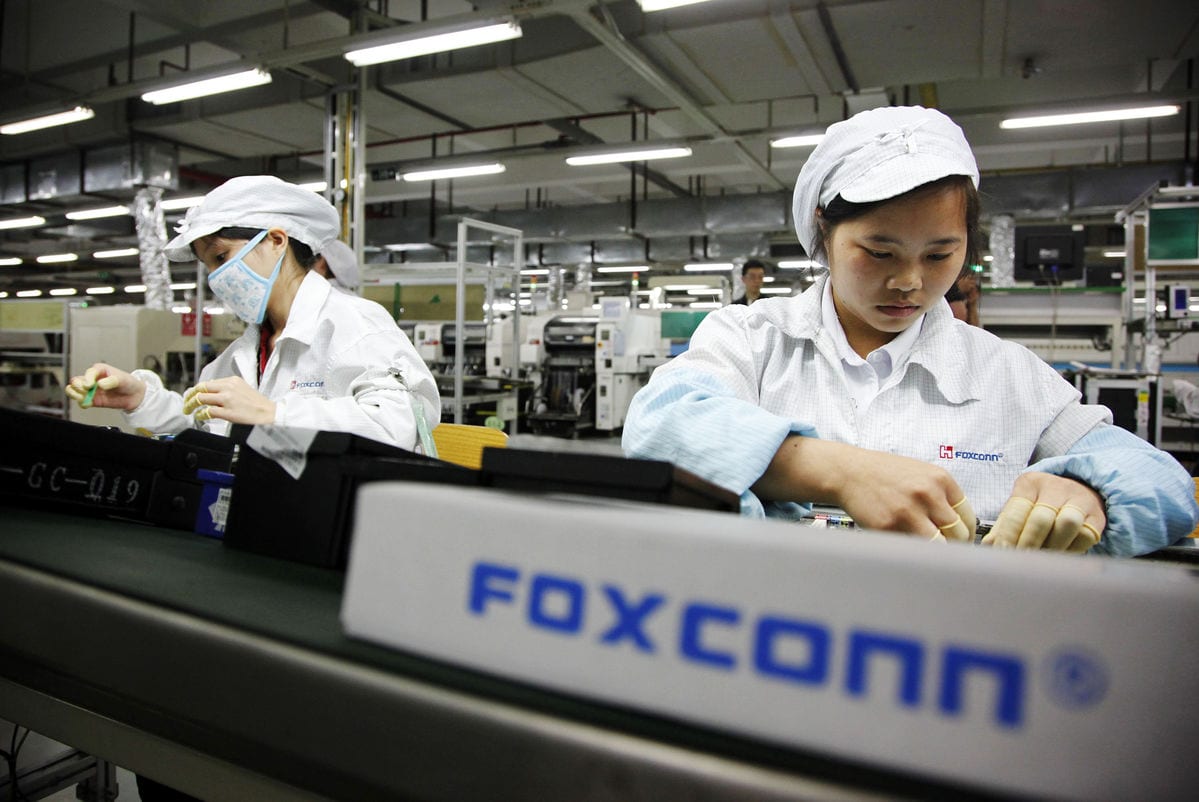
    According to The Information, since the deal was made, Apple has turned to more supply chain partners from China in order to keep up the end of the deal it made with the country. For example, a year after the $275 billion deal was made, Apple had China’s Luxshare assemble AirPods and it has pulled orders from long-time iPhone assembler Foxconn and gave them to Luxshare. The report notes that Apple’s deal with Luxshare raises the latter’s status placing it among Apple suppliers who assemble a finished product and also handle the packaging.

    With Luxshare’s star on the rise, Foxconn is understandably getting nervous about the possibility of losing Apple’s business. So, it has assembled a team to study the company which we told you about over two years ago.

    Over the last 10 years, Apple has been sending its engineers to work with Chinese companies to help them learn how to build its products. Apple is acutely aware that it needs to maintain a certain reputation in China, especially since the country is responsible for 20% of its business. It also is the largest market in the world for smartphones followed by India and the U.S.

    In a way, replacing Foxconn with Luxshare for iPhone production is a risky move by Apple since U.S.-Chinese trade relations remain volatile and you never know when the Commerce Department might decide to punish more companies in the country outside of Huawei. Currently, Luxshare manufactures some iPhone 13 models, AirPods, and the Apple Watch.

    If there is one country that Apple is heavily relying on, it is Taiwan. In addition to having Taiwan-based firms like Foxconn, Wistron, and Pegatron build its important devices, Apple is the largest customer of Taiwan Semiconductor Manufacturing Company (TSMC), the foundry that builds the chips used in Apple products. There is some concern that China might seek to “takeover” Taiwan.

    But does Apple have anything to worry about here? After all, $275 billion goes a long way and that payment seems to have provided Apple with special favors and could protect the company even in the unlikely event that China attempts to take control of Taiwan and the country’s tech manufacturers.

    When the deal with China was made, Apple CEO Cook signed a 1,250-word “memorandum of understanding” between Apple and a Chinese government agency called the National Development and Reform Commission. Apple received some exemptions from regulations in the country while it helped the Chinese develop “the most advanced manufacturing technologies.”

    Apple also agreed to use more components from Chinese suppliers, sign deals with software firms in the country, make direct investments in Chinese tech companies, work on research with universities based in China, train the country’s most talented tech workers, and more. And this is where Luxshare comes in. As far back as October 2020, Beijing felt that Luxshare was an up-and-coming company that could help China’s standing in the global tech industry and it wanted Apple to help prop up the firm.

    At the time that Reuters made its report in 2020, one of its sources said, “Luxshare is set to rise … it’s just a matter of how fast it could be. It makes sense for China to build up its own supply chain and Luxshare is in line with that state policy.”

  • Garment export won’t decline next year

    Garment export won’t decline next year

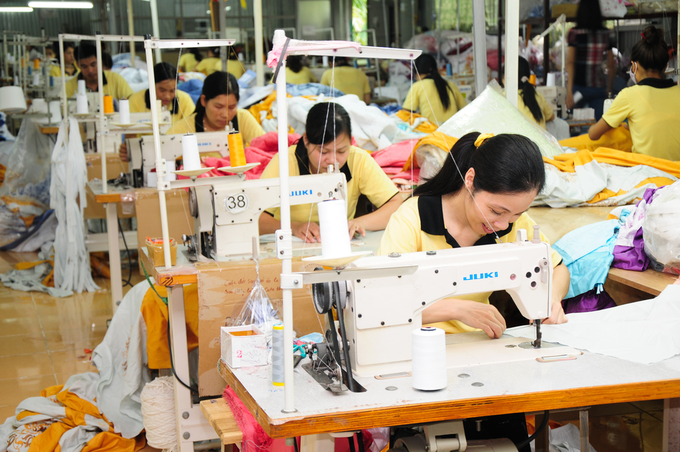
    Vietnam’s garment and textile exports next year is set to remain the same as this year even in the worst-case scenario where the Covid-19 pandemic prolongs, an association forecasts.

    Vietnam Textile and Apparel Association (VITAS) anticipates export would reach $39 billion next year, the same as this year, if pandemic impacts are major and linger until the end of the year.

    In the more optimistic scenarios that the pandemic is controlled by the second quarter, export could reach $41 billion, and by the first quarter, $43.5 billion, it stated.

    The association made its forecast as export this year expanded 12 percent from last year and 0.3 percent from 2019, indicating a recovery to pre-pandemic level.

    “This could be considered a great effort of Vietnam’s garment industry amid signs of slower global economic growth,” VITAS chairman Vu Duc Giang told a recent meeting.

    Truong Van Cam, deputy chairman of the association, said one positive sign is that major markets like the U.S., E.U. and Japan have reopened.

    Another supporting factor is that Vietnam has changed its Covid-19 fight policy from “zero Covid-19” to living with it, he added.

    In order to achieve the mentioned figures, vaccination is key, Cam said.

    Two doses of a Covid-19 vaccine should be the minimum requirement for staff to return to work, while third dose vaccinations for workers should begin, he urged.

    Fiscal and monetary policies should be more accessible and be effective for two or three years, he added.

    “Garment and textile needs an overall strategy so Vietnamese companies can export products under their own brands,” he said, adding that a plan should be made for development until 2030.

    Vu Thanh Tu Anh, dean of Fulbright School of Public Policy and Management in Ho Chi Minh City, said digital transformation has now become a must for sector survival as the Covid-19 pandemic has forced global corporations to increase the flexibility of their supply chains.

  • China Mobile International commences on Fo Tan Data Center

    China Mobile International commences on Fo Tan Data Center

    China Mobile International Limited (CMI) announced that construction of the China Mobile Guangdong-Hong Kong-Macao Greater Bay Area Hong Kong Fo Tan Data Center (Fo Tan Data Center) is now underway. Being built by CMI in Fo Tan, Hong Kong, with the Mainland as the hinterland, the new facility is expected to be operational in 2025. It will be an important part of a core data center cluster for the GBA, serving as an international communications hub to facilitate global connectivity.

    Fo Tan Data Center will directly link to China Mobile’s other five self-built core data centers in the GBA and connect to the world via five international submarine cables and five core cross-border terrestrial cable systems. The new infrastructure will further enhance China Mobile’s value in self-owned data center network, cross-border connectivity resources, and local 5G and fibre optic network.

    China’s 14th Five-Year Plan emphasizes the need to develop Hong Kong into an international innovation and technology hub, accelerate the building of an integrated national system of large data centers, with the GBA and other national hubs and nodes as preferred locations for new data center clusters. With the new Fo Tan Data Center, CMI is supporting Hong Kong’s development and empowering the intelligent digital upgrade of the GBA and provide a strong foundation for digitalization across the region.

    “Data centers are an important communication infrastructure for the development of digital economy and smart cities. In order to promote Hong Kong to become an outstanding data center hub in the Asia-Pacific region, the HKSAR government has also actively introduced preferential measures for data center development in recent years. China Mobile International has invested in this 1 million square foot site in Fo Tan. The large area of the industrial site signifies the active investment and great confidence of the communications industry, especially from China Mobile, in the development of its Hong Kong’s data center business,” said Carrie Lam, The Chief Executive of the Hong Kong Special Administrative Region (HKSAR).

    Yang Jie, chairman of China Mobile, sent his congratulations to mark the ground-breaking ceremony, saying that the company sees the construction of the Fo Tan Data Center in Hong Kong as an opportunity to fully promote new infrastructure, integrate more new elements, and stimulate new momentum to help enhance Hong Kong’s status as an international information hub and support the vigorous development of the digital economy in the Guangdong-Hong Kong-Macao Greater Bay Area.

    “China Mobile places great emphasis to the development and future roadmap of Hong Kong. We are committed to enhancing Hong Kong’s status as an international information hub and promoting the integration of 5G into Hong Kong’s diverse industries. The groundbreaking ceremony of the Fo Tan Data Center has opened a new chapter in China Mobile’s history in Hong Kong. In the future, it will further strengthen Hong Kong’s ‘new infrastructure’ advantages, add more digital intelligence to Hong Kong’s economic development, and make a greater contribution to Hong Kong’s integration into the overall development of our country.” said Dr. Li Feng, chairman of China Mobile International and China Mobile Hong Kong.

    Since its establishment in Hong Kong in 2010, CMI has ramped up its deployment of network resources to drive the digitalization of the city’s infrastructure. Following the opening of the China Mobile Global Network Center in Tseung Kwan O, Hong Kong in 2014, Fo Tan Data Center will be the second self-owned data center built by CMI in Hong Kong. The new facility will provide local and international users with seamless access to “massive” integrated services, spanning 5G communications, cloud, AI and edge computing, and other advanced technologies, enhancing Hong Kong’s position as a global hub of innovation and technology.

    CMI continues to accelerate the development of a global Intelligent Network, leveraging its extensive submarine and terrestrial cable systems, Points-of-Presence (PoPs), and internet data centers. CMI currently has four self-owned data centers: the Global Network Center in Hong Kong, Singapore Data Center, London Data Center, and Frankfurt Data Center. It has over 70 terrestrial and submarine cable resources worldwide, with a total international transmission bandwidth of over 100T and 180+ PoPs. Combining these resources, CMI provides global access with ample bandwidth, flexible connectivity and comprehensive one-stop services, accelerating the development of networking infrastructure worldwide.

  • Flash Coffee opens Outlets in South Korea

    Flash Coffee opens Outlets in South Korea

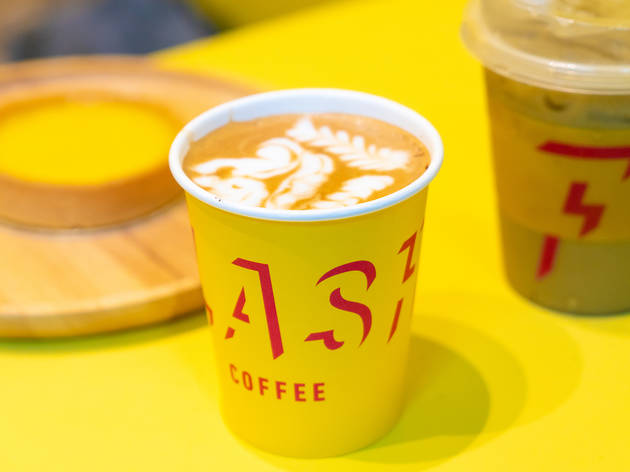
    Flash Coffee has launched its first two South Korea stores in Seoul’s Gangnam district as part of its expansion in Asia, with two more stores scheduled to open before the year ends.

    The launch marks the brand’s sixth market in the region, after Singapore, Indonesia, Thailand, Hong Kong, and Taiwan. Spanning two stories, the new Flash Coffee flagship store is located at Sinsa, while the other store is opened in Yeoksam.

    “South Korea is filled with coffee enthusiasts and our coffee consumption rate ranks within the top 10 in the world,” said Un Koh, MD of Flash Coffee South Korea.

    “We are confident that our high-quality beverages crafted by award-winning baristas at Flash Coffee will appeal to South Korean coffee lovers.

    “Our goal is to make our specialty coffee accessible to all, so for those who’ve not come across Flash Coffee yet, you will find us brewing very soon in a location near you.”

    The two new stores opening later this year will be located in Apgujeong and Yangjae. After South Korea, Flash Coffee aims to set foot into Japan with its first store in Tokyo., having recently appointed Shu Matsuo Post as its MD in Japan.

    Flash Coffee currently operates more than 200 locations across Asia.

  • Prepare to wait If You Want an Apple mixed reality headset

    Prepare to wait If You Want an Apple mixed reality headset

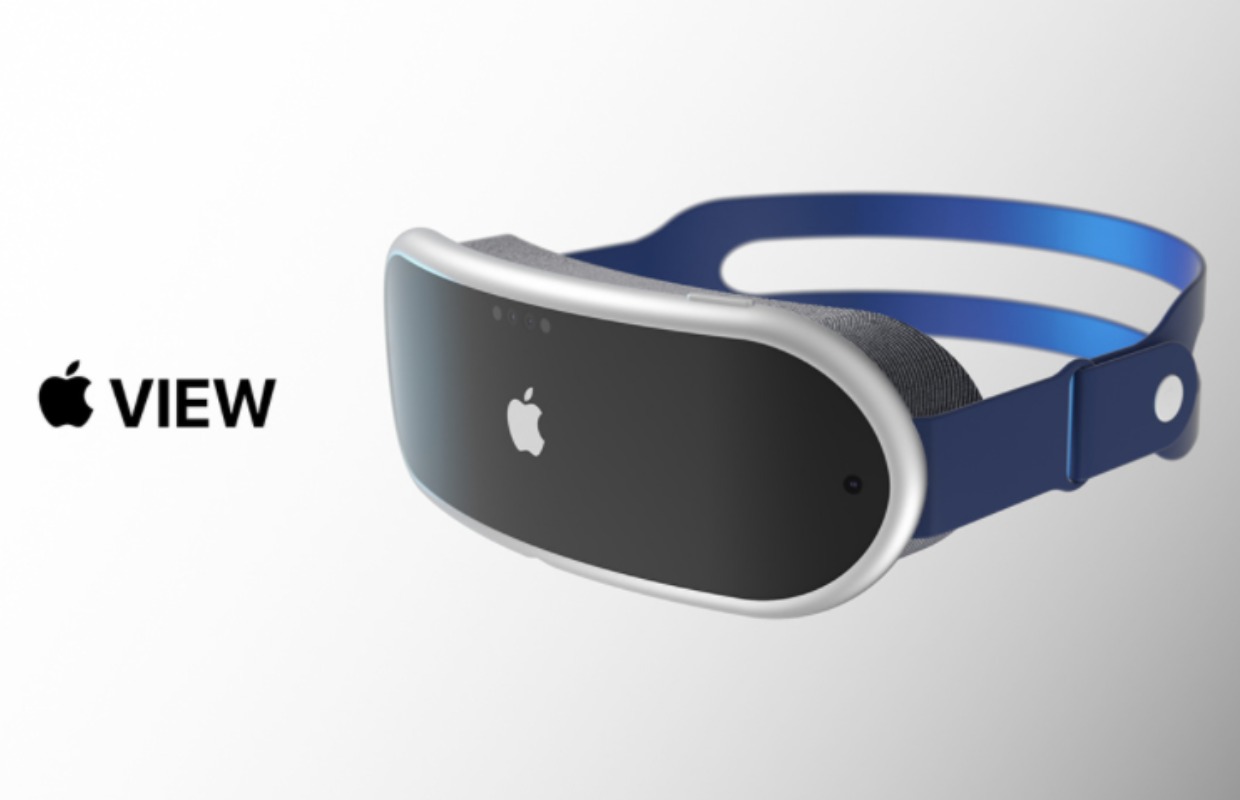
    Just the other day we told you that reliable TF International analyst Ming-Chi-Kuo told clients to expect Apple’s mixed reality headset to be introduced next year “with the same computing power level as the Mac.” Kuo believes that the device will first see the light of day during the fourth quarter of 2022 and will sport a pair of processors. But even if the device becomes official, you might not be able to buy it immediately.

    When Apple introduces a brand new product, it usually makes eager consumers wait before they can purchase the device. Gurman gives three examples of this. The OG iPhone was unveiled on January 9th, 2007, and released 171 days later on June 29th, 2007.

    The OG iPad was introduced on January 27th, 2010, and released 66 days later on April 3rd, 2010. The longest wait belongs to the OG Apple Watch at 227 days as the timepiece became official on September 9th, 2014, and was released on April 24th, 2015.

    Gurman notes that Steve Jobs has said that he didn’t want the FCC to leak the iPhone during regulatory approval, so he unveiled the smartphone early. But the truth, according to the Bloomberg writer, was that the hardware and software were not ready to be released to the public. Additionally, the iPhone needed to be tested on cell networks.

    The iPad delay was needed to make more e-books ready for the device, and give developers the time needed to optimize their apps for the larger iPad display. Also, Apple needed the time to polish off the tablet’s operating system.

    Apple has some major new devices coming including the mixed reality (AR/VR) headset, the AR glasses, and the self-driving car. Gurman expects the delay between the introduction of the mixed reality headset and the release of the product to challenge the 227 days that Apple Watch buyers had to wait. That’s because the mixed reality headset has a complex design including interchangeable lenses.

    While the mixed reality headset is going to be an interesting product, the AR glasses should be a bigger deal. That’s because Ming-Chi Kuo says that Apple will be looking to kill off its most important product in 10 years and replace it with AR. This looked to be Google’s plan when it released that now-infamous video in April 2012. But Google Glass never replaced the smartphone and anyone wearing the device ended up being called a “glasshole.”

    Google Glass wearers got tossed from theaters (for fear that they were secretly recording the movie being played) and bars (for possibly taking photos of patrons without their permission). If Apple truly sees the iPhone being replaced by AR glasses in a decade, it must be optimistic about wearers not getting the same reaction.

    And Apple might want to get the product out for the public to see before it is handed around to its manufacturing partners and its own employees any of whom might spill the beans about the device. Apple will also need the time to persuade developers to create games for the device. Gurman writes that he can see Apple introducing the product at WWDC 2022 next June with a release date later next year or even into 2023.

    Getting a self-driving car on the streets might be more of an ambitious task for Apple. you can imagine the media sensation any test drive of an Apple Car might produce. After all, testing the car in the U.S. will take years. Using Tesla as an example, Gurman pointed out that the company showed off the Model S in 2009 before it started shipping in 2012. The Model T first saw the light of day in 2016 and was released in mid-2017. And the Model Y was announced in March 2019 and was offered to buyers almost exactly one year later.

    The point is that even if Apple introduces the Apple Car in 2025 as it wants to do, it could still be years before you see the vehicle motoring down the road sans driver.
  • Royal Enfield’s Parent Company Eicher Motors Debuts On Dow Jones Sustainability Index

    Royal Enfield’s Parent Company Eicher Motors Debuts On Dow Jones Sustainability Index

    Eicher Motors Limited (EML), the parent company of Indian motorcycle brand Royal Enfield, has made its debut on the Dow Jones Sustainability Indices (DSJI) – Emerging Markets category. Eicher Motors is one among only ten global automotive companies to feature on the list for 2021, and is one among three Indian automobile companies on the list. With more than 100 percent year-on-year improvement in its score, Eicher Motors Limited is ranked at an overall 8th position in the list of sustainability leaders in emerging markets.

    The DJSI rankings highlight EML’s increased focus on developing and shaping a robust Environmental, Social, and Governance (ESG) vision, with measured commitments, targets, and direction for the future. These include improving and adopting effective and environment-friendly manufacturing processes, working towards attaining carbon neutrality, eliminating the usage of single-use plastics, focus on road safety, community development and vocational training programs, among other initiatives.

    Speaking about this achievement, Siddhartha Lal, Managing Director of Eicher Motors Ltd, said, “As we chart EML’s next stage of growth with an immense focus on our strategic business plans and goals, an effective and impactful Environmental, Social and Governance (ESG) vision is a key aspect to define this growth for us. Over the last few years, we have made significant strides across all parameters to deliver positive results in line with a renewed ESG vision. Our inclusion in the DJSI index is a testament to the success of our initiatives and direction. We are committed to making concerted efforts to further realize this vision and deliver a positive impact across the entire product value chain.”

    Royal Enfield’s highest-selling model is the Classic 350, which has sold over 40 lakh units during the past decade. The 2021 Royal Enfield Classic 350 is better in every aspect. It has better engine refinement, better dynamics, and comes with more features and color options.
    Created jointly by S&P Dow Jones Indices and SAM (Suitable Asset Management), the DJSI combines the experience of an established index provider with the expertise of a specialist in Sustainable Investing to select the most sustainable companies from across 61 industries. The indices serve as benchmarks for investors who integrate sustainability considerations into their portfolios and provide an effective engagement platform for investors who wish to encourage companies to improve their corporate sustainability practices.

    Eicher Motors Limited registered an overall score of 61 points and featured in the 76th percentile in FY21 as compared to a score of 29 points and a percentile position of 50 in FY20. The company has marked a significant uptick as compared to its previous performance in the DJSI across all parameters including Governance & Economic Dimension and Environment Dimension amongst others. A total of 360 Indian companies were invited to participate in DJSI in 2021, out of which EML made it to an exclusive list of 15 Indian companies which became a member of the DJSI Emerging Markets Index across all sectors.

  • Apple and Meta/Facebook war is coming

    Apple and Meta/Facebook war is coming

    There is no denying that Apple and Google are rivals. Think of all the battles they have fought on the field over the dead wallets and credit cards of consumers. There is the iOS vs. Android battle which has been turned by consumers posting on tech forums into the Uncivil War. There are competing apps such as the up-and-coming Apple Maps vs. the currently reigning champion, Google Maps.
    And now that Google has taken the Pixel to a new level for hardware, the Pixel 6 series is a true iPhone challenger. But as Bloomberg’s Mark Gurman reminds us in the latest edition of his weekly Power On newsletter, Apple has a newer rivalry that might lead to another tech war. This rival is Meta Platforms Inc., the company you probably still think of as Facebook.
    It’s not that Facebook and Apple haven’t had verbal battles before and we all remember when Apple CEO Tim Cook told the media that he would never make his customer the product like Facebook does (this came in the aftermath of the Cambridge Analytica scandal that saw 87 million Facebook subscribers have their personal data sold without their permission). Facebook CEO Mark Zuckerberg criticized Apple’s App Tracking Transparency feature for damaging small businesses.
    But now it appears as though the Facebook-Apple skirmish will be more than just a war of words. Back in October, we passed along a photo of a smartwatch that Meta is supposedly going to release next year. With looks borrowed from Apple, the upcoming wearable will also include a camera for video chats. As Gurman points out, if Meta can successfully integrate video chat with its timepiece, Apple will have no choice but to add a similar feature for the Apple Watch using its FaceTime platform.
    Both Apple and Facebook are rumored to release mixed-reality headsets next year. Mixed reality includes both virtual realities (VR) and augmented reality (AR). Facebook, which already makes the Oculus brand of VR headsets, calls its mixed reality device by the codename of Project Cambria. Apple’s mixed-reality product is expected to be a premium device sold at a premium price (in the area of $2,000 Gurman forecasts) vs. the Meta device which will probably be more affordable than Apple’s headset.
    Virtual reality immerses the headset wearer and makes him feel as though he is in a different location and even a different time period. Augmented reality places an overlay over a real-time image. Both companies could feature content for their mixed reality headsets that would allow users to exercise at different venues using VR. As Gurman suggests, Apple could make its Fitness+ exercise app available for its mixed reality headset.
    One area where Apple may or may not decide to get in Meta’s face is with home products. Meta has its smart display and video chat products that it calls Portal and even offers a battery-powered mobile unit called Portal Go. These devices use Facebook Messenger and WhatsApp for video chat and Alexa as its voice-activated digital assistant.
    Apple has its HomePod smart speakers. The full-sized model was released at a ridiculously high price of $349 before Apple slashed the price. A year ago it launched the HomePod mini, which at $99 has seen more demand than the OG model ever did. Gurman says that Apple is about to get more involved in such devices and points out two such products that Apple is rumored to be working on.
    One of the two devices is a smart screen that might end up competing with the Portal lineup, and the Amazon Echo Show. The other product reportedly combines a speaker and a TV set-top box with a camera.
    While the Apple-Google battles have been genteel for the most part, the Apple-Meta battles should be closer to a rough and tumble street fight.
  • OneDegree Offers Crypto-Linked Insurance

    OneDegree Offers Crypto-Linked Insurance

    Hong Kong-based OneDegree has launched a new insurance solution that provides digital asset protection for cryptocurrencies.

    Digital insurer OneDegree has partnered with crypto exchange Hong Kong Digital Asset Exchange (HKbitEX) to offer protection for digital currencies, according to a statement.

    In its bid to strengthen the exchange’s safety and security for institutional investors, OneDegree will offer up to $100 million in coverage to HKbitEX to cover covering losses from damage, hacking, and theft.

    In addition to private key loss, OneDegree will also cover misappropriation due to physical damage to wallets caused by natural events; cybersecurity threats and employee theft.

    We have witnessed a very strong inbound demand for insurance to protect against threats to digital assets, said OneDegree co-founder Alvin Kwock.

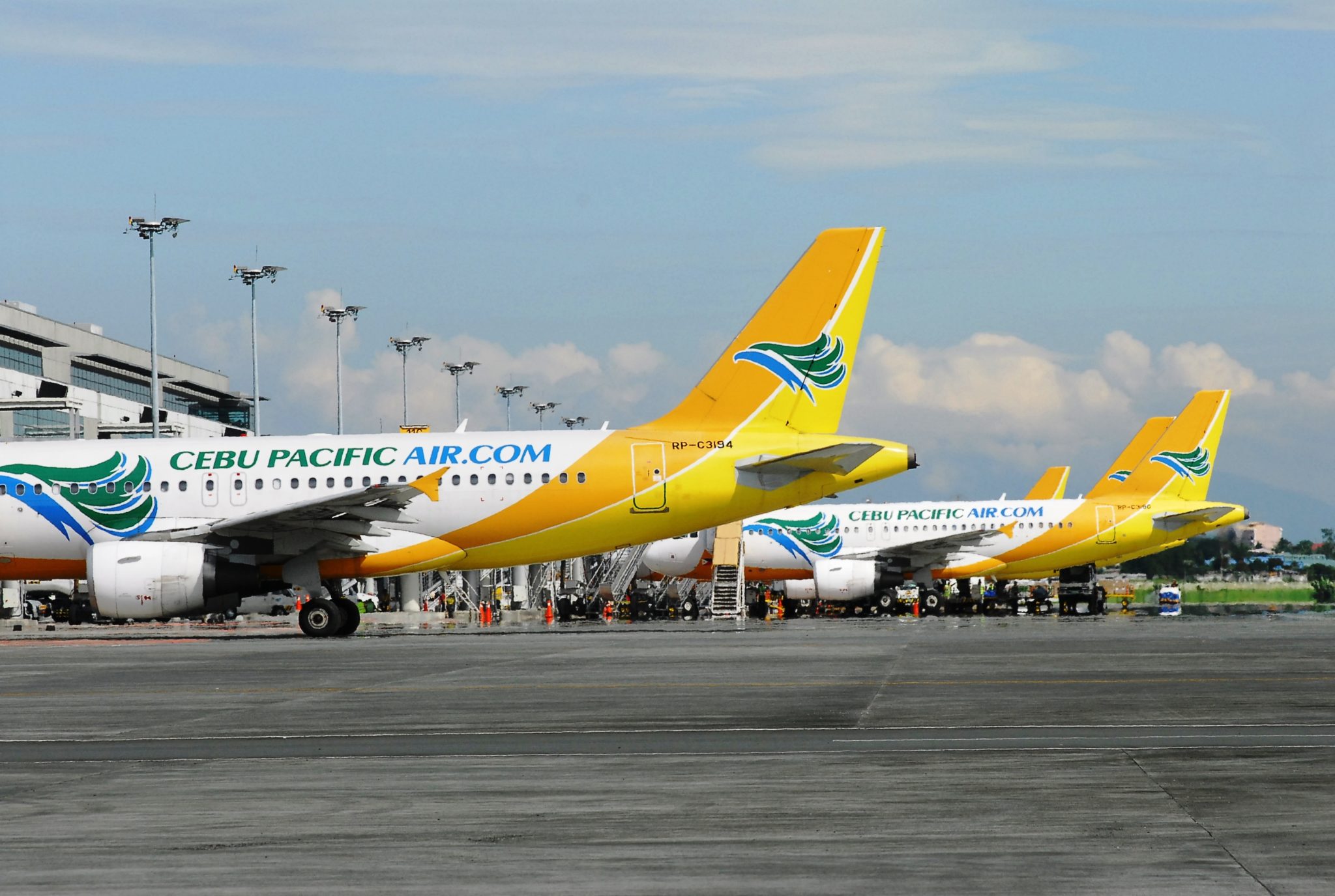
  • Cebu Pacific Enhances Payment Method Features with CellPoint Digital’s Payment Orchestration Platform

    Cebu Pacific Enhances Payment Method Features with CellPoint Digital’s Payment Orchestration Platform

    CellPoint Digital, a fintech leader in payment orchestration, today announces the next leg of its partnership with Cebu Pacific, the largest airline in the Philippines.

    Cebu Pacific is one of the most successful low-cost airlines in the world, having flown over 22 million passengers to over 60 destinations in 2019, with 70% of these bookings being made directly via the carrier’s digital channels.

    Following the successful implementation of CellPoint Digital’s cutting-edge Payment Orchestration Platform, Velocity, across all of Cebu Pacific’s digital channels last year, the airline has now implemented new alternative payment methods to provide more flexible options to their customer’s payment experience. Thanks to the PSP/acquirer agnostic Velocity platform, Cebu Pacific customers will now have access to the following popular payment methods: GCash, GrabPay and PayMaya.

    The new alternative payment methods boast wide-ranging end-user benefits, including enabling split payments between travel fund vouchers and cash, and converting local currencies in real-time. For the airline itself, providing more payment methods should increase revenues, and by optimizing card payment processing across multiple acquirers, they will be able to do real-time transaction monitoring – by market, and by payment method – all delivered conveniently in one place.

    The intelligent routing module already dynamically optimizes the routing of each transaction made via a bespoke network of acquiring banks, thereby maximizing acceptance rates and lowering transaction costs.

    Candice Iyog, Vice-president for Marketing and Customer Experience at Cebu Pacific added: “Our partnership with CellPoint Digital continues to go from strength to strength. As the world begins to open back up and consumers are more used to using flexible digital payment methods than ever before, we’re proud to be able to offer our customers a frictionless customer experience at the checkout by giving them the payment methods they most want to use.”

    Commenting on the announcement Kristian Gjerding, CEO of CellPoint Digital commented: “We’re delighted to announce this evolution in our partnership with Cebu Pacific. Airlines have, by necessity, some of the most complex payment ecosystems of modern merchants, and an equally diverse customer base to match. By utilising our comprehensive payment orchestration platform and having access to a large payments ecosystem, we have simplified the payment process for Cebu while bolstering its offering with popular alternative payment methods for its customers.”

    The news comes as the APAC airline sector gears up to take off again following the disruption caused by the COVID-19 pandemic, with 77% of APAC airline customers ready to travel as soon as restrictions fully ease. Via its access to CellPoint Digital’s growing ecosystem, Cebu Pacific is ready to maximise the payments journey for APAC travellers with payment methods covering over 40 local and global cards, and over 350 alternative payment methods.

    The future is promising for the partnership as the two companies work towards introducing more new features such as stored cards and other popular APMs, while also empowering Cebu’s B2B offering with more payment capabilities.