Category: Uncategorized

  • Google Maps adds another nifty feature for Android and iOS users

    Google Maps adds another nifty feature for Android and iOS users

    Google Maps has already become a trusty companion for many Android and iOS users as the app is no longer just helps them navigate busy traffic. Less than a week ago, Google announced that Maps will be able to monitor air quality across the United States so that you can plan your outdoor activities accordingly.

    We’re pretty sure many more new features that might not have something to do with navigation will be added to the app, but the most recent one will definitely help you fully focus on your driving without having to think about … tolls.

    Starting today, Google Maps will show toll pass prices on both Android and iOS platforms. It’s a nifty feature that will allow users to choose which road to take, either it’s going to be the shorter route needing a toll pass, or the longer road that won’t cost you a dime.

    According to Google, the new feature will display the estimated toll price to your destination before you even start driving, which is possible thanks to the company’s partnership with local tolling authorities. The algorithm that presents you with the road choices and toll prices factors different variables such as having a toll pass or not, what the day of the week it is, as well as how much the toll is expected to cost at the specific time you’ll be crossing it.

    More importantly, the new feature comes with a toggle within settings that will allow users to make it show toll prices with or without having a toll pass, since the price changes based on the payment method you use in many regions.

    Also, Google Maps users will retain the ability to avoid routes crossing toll road completely, if possible, by choosing the “Avoid tolls” option within settings.

    As far as availability goes, Google announced that Maps users on Android and iOS should start seeing toll prices for about 2,000 toll roads in the United States, India, Japan, and Indonesia. It’s probably not much, but Google said more countries will be added in the not-so-distant future.


  • FJ Benjamin to manage Cole Haan in Singapore, Malaysia

    FJ Benjamin to manage Cole Haan in Singapore, Malaysia

    Singapore-listed fashion retail group FJ Benjamin has added American footwear label Cole Haan to its portfolio, starting retailing and distributing the brand in Singapore and Malaysia from next month.

    Under the partnership, FJ Benjamin will roll out a series of Cole Haan brick-and-mortar stores in the second half of the year and a local e-commerce site for the brand. The move follows FJ Benjamin’s acquisition of luxury skincare brand MZ Skin’s rights in three Southeast Asia markets announced last week.

    “As an established manager of global fashion brands, FJ Benjamin is confident that we can deliver what the Cole Haan brand stands for and take it to the next level of growth in these two markets,” said Nash Benjamin, group CEO of FJ Benjamin.

    Cole Haan will join FJ Benjamin’s portfolio of more than 20 brands including Guess, Marc Jacobs, Superdry and Rebecca Minkoff. The Singapore retailer currently operates 158 stores.

  • The EU seems almost ready with the bill that would force all phones to use USB-C

    The EU seems almost ready with the bill that would force all phones to use USB-C

    For years we have heard talks about the European Union enforcing a common charging port for all phones, even tablets and headphones. Reuters now reports that those talks are probably about to become reality, citing unnamed sources.

    Oh my – we may finally be witnessing the end of the Lightning port (at least in Europe), if the proposal for a common charging port gets finalized and accepted as law. As you may already imagine, the common charging port will be USB-C.

    On June 7, EU member countries and EU lawmakers are reportedly going to meet and discuss the proposal in question. You may have heard (or you may suppose, rightfully so) that Apple has been criticizing this proposal.

    It may come as a surprise to some, but this single mobile charging port proposal was first introduced by the European Commission more than a decade ago. Its introduction was due to iPhone and Android users complaining about having to use different chargers for their phones.

    And it seems this proposal is on its way to become law. According to Reuters’ sources, next Tuesday will mark the final meeting between EU countries and EU lawmakers on this topic. One of the issues is whether or not to include laptops to this proposal. If this happens, it may impact Samsung and other device makers as well.

    On top of that, EU lawmakers are striving to include wireless charging systems to be ‘harmonised’ by 2025, but some EU countries and the European Commission demand a longer period for technical reasons.

    As for Apple, the company has previously criticized this proposal, underlining that if the proposal becomes law, it could cause more electronic waste. Why? Well, such a law could cause iPhone users to ditch their current Lightning accessories. Additionally, forcing users to change to new chargers would also create a mountain of e-waste.

    But Apple may actually be moving towards USB-C connector anyway. Recent rumors about the iPhone 15 (yes, the iPhone 14 is not yet out, but nothing stops rumors about the iPhone 15 to surface anyway) indicate the 2023 iPhones may ditch the Lightning connector in favor of USB-C.

  • Apple and Amazon spoke with Electronic Arts about a potential acquisition

    Apple and Amazon spoke with Electronic Arts about a potential acquisition

    Gaming studios are being acquired left, right and center. Microsoft announced in January that it had reached a deal to acquire Activision Blizzard for $68.7 billion and Sony followed a couple of weeks later with a deal to acquire Bungie for $3.6 billion.

    Now, Electronic Arts — the studio behind The Sims, Battlefield, and FIFA — is actively seeking a potential buyer or merger that’ll unlock its full potential.

    NBCUniversal approached Electronic Arts CEO Andrew Wilson shortly after the Microsoft-Activision deal was announced. The idea would be to merge both companies, with Wilson as CEO of the combined entity. It’s claimed that the media and gaming giants negotiated the terms of such a deal over several weeks, and while discussions were advanced, the proposal fell apart within the last month or so.

    This hasn’t dissuaded EA from looking for a merger or buyer, though. In fact, Puck’s report notes that the company has become more determined than ever to reach a deal following Microsoft’s agreement to purchase Activision Blizzard.

    Among the potential suitors Electronic Arts has held talks with are Amazon, Disney, and Apple. It’s unclear how advanced these discussions became, but such a deal could be of significant interest to all three.

    In Apple’s case, acquiring Electronic Arts would grant it access to a huge library of gaming IP that could be used to boost Apple Arcade, position the brand’s upcoming AR/VR headset as a gaming powerhouse, and even give the brand’s Apple TV+ streaming service more IP to play with.

    The situation with Amazon would be quite similar thanks to the Amazon Luna cloud gaming server.

  • Google Translate adds 24 languages using an incredible new technology

    Google Translate adds 24 languages using an incredible new technology

    At the Google I/O 2022 stage today, CEO Sundar Pichai announced that the company is supercharging Google Translate with 24 additional languages.
    As Translate is already quite a robust product, all 24 new languages that are being added today happen to be used by demographics around the world who aren’t all that well represented in today’s tech landscape. Even then, the company argues that these languages are spoken by a combine populace of about 300 million people every day.
    This impressive model is special because it has learned to translate these new languages by only looking at the languages themselves – meaning it hasn’t been shown any actual translation examples involving any of these languages. Google says that Zero-Shot Machine Translation has only looked at “monolingual text” – so, by just looking at text in any of these 24 languages, it seems to have gotten fluent enough so as to handle translations.
    Impressive! Still, Google warns us that while this new tech is already delivering incredible results, it’s also not perfect quite yet.
    But it sure will be better than nothing. Better than paying for a Guarani translator, that’s for use. What’s more, Google promises the model will only get better with time. If interested, here you can learn more about Zero-Shot Machine Translation.
    Finally, here’s the complete list of all 24 new languages being added to Google Translate:
    • Assamese, used by about 25 million people in Northeast India
    • Aymara, used by about two million people in Bolivia, Chile and Peru
    • Bambara, used by about 14 million people in Mali
    • Bhojpuri, used by about 50 million people in northern India, Nepal and Fiji
    • Dhivehi, used by about 300,000 people in the Maldives
    • Dogri, used by about three million people in northern India
    • Ewe, used by about seven million people in Ghana and Togo
    • Guarani, used by about seven million people in Paraguay and Bolivia, Argentina and Brazil
    • Ilocano, used by about 10 million people in northern Philippines
    • Konkani, used by about two million people in Central India
    • Krio, used by about four million people in Sierra Leone
    • Kurdish (Sorani), used by about eight million people, mostly in Iraq
    • Lingala, used by about 45 million people in the Democratic Republic of the Congo, Republic of the Congo, Central African Republic, Angola and the Republic of South Sudan
    • Luganda, used by about 20 million people in Uganda and Rwanda
    • Maithili, used by about 34 million people in northern India
    • Meiteilon (Manipuri), used by about two million people in Northeast India
    • Mizo, used by about 830,000 people in Northeast India
    • Oromo, used by about 37 million people in Ethiopia and Kenya
    • Quechua, used by about 10 million people in Peru, Bolivia, Ecuador and surrounding countries
    • Sanskrit, used by about 20,000 people in India
    • Sepedi, used by about 14 million people in South Africa
    • Tigrinya, used by about eight million people in Eritrea and Ethiopia
    • Tsonga, used by about seven million people in Eswatini, Mozambique, South Africa and Zimbabwe
    • Twi, used by about 11 million people in Ghana
  • Coca-Cola names new regional marketing VP

    Coca-Cola names new regional marketing VP

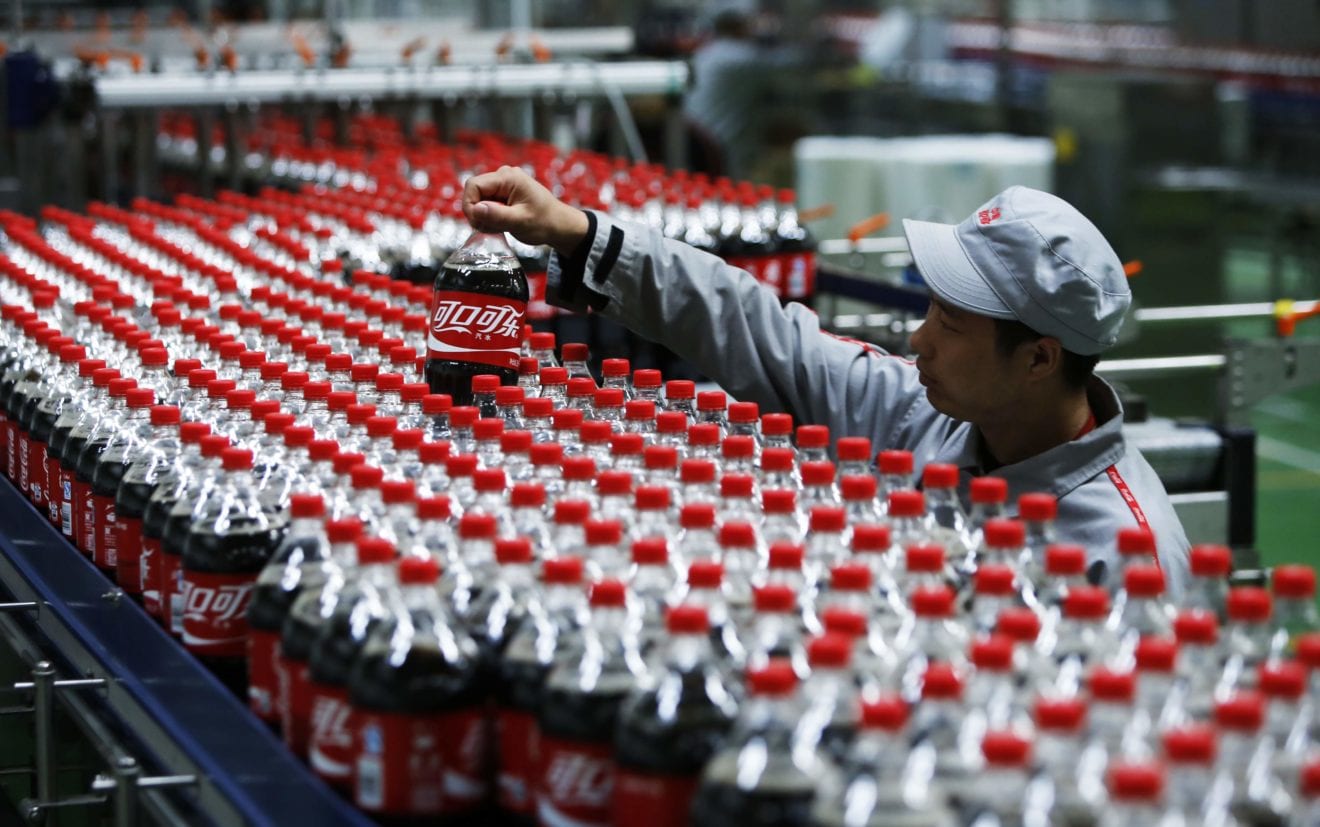
    Coca-Cola has appointed Matthias Blume as its new VP of marketing, ASEAN and South Pacific. Based in Singapore, Blume will lead the company’s marketing and brand initiatives across Southeast Asia, Australia, New Zealand, and the Pacific Islands and serve on the company’s senior leadership team in the region.

    He was most recently the frontline director for Coca-Cola’s ASEAN and South Pacific operating unit, based in Singapore. Previously, he was sparkling director for the company’s ASEAN business unit. According to the company, Blume has a detailed knowledge of the company’s business across the region and has driven growth and innovation across the company’s stills and sparkling beverage brands.

    He is also a strong supporter of integrating sustainability into the company’s portfolio of brands. Coca-Cola said Blume was “at the forefront” of the company’s introduction of a prominent “Recycle Me” call-out across all its packs as well as the move across Southeast Asia to switch its iconic Sprite brand to clear, transparent bottles which are easier to recycle. He has 24 years of international marketing experience including 21 years at Coca-Cola and three years at Danone. Blume has also held local, regional, and global roles in a range of markets across Asia, North America and Europe.

    “Blume brings a tremendous passion for marketing and people plus a superb knowledge of our bottling system,” said Claudia Lorenzo, president, Coca-Cola ASEAN and South Pacific, said. According to her, Blume also brings a combination of consumer centricity, marketing curiosity and business acumen – strengths that Coca-Cola needs and values deeply in our marketing organisation.

    Separately, on the public affairs and communications front, the company named Russell Mahoney its VP, public affairs, communications and sustainability in March. He now leads the team across ASEAN, Australia, New Zealand, and the South Pacific and looks to address “some big sustainability issues” in the company. Mahoney said in a LinkedIn post that he will be moving to Singapore in the coming months.

    With the metaverse being all the rage these days, Coca-Cola also launched a pixel-flavoured drink, the limited-edition Zero Sugar Byte, which will rolle out first in the metaverse before making its way into physical retail. Coca-Cola describes the Zero Sugar Byte as the first Coca-Cola flavour to be born in the metaverse, which will bring the flavour of pixels to life in a limited-edition beverage that transcends the digital and physical worlds. The Zero Sugar Byte is the company’s second release from its Coca-Cola creations hub, following its release of its Starlight “space-flavoured” Coke in March this year.

  • Instagram is working on a more immersive news feed

    Instagram is working on a more immersive news feed

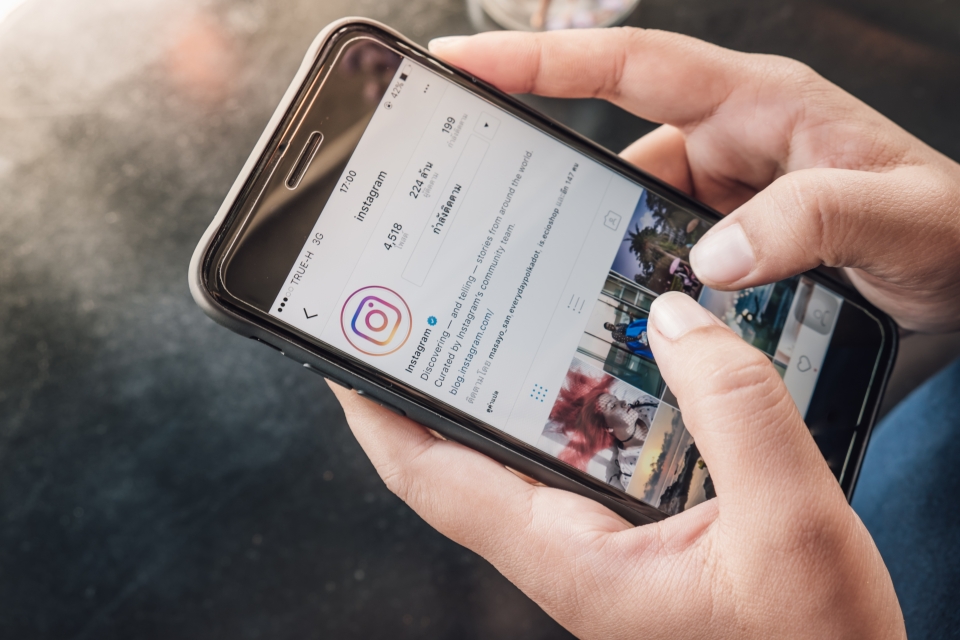
    Instagram has been implementing new features like crazy in the past couple of months. The product tagging option we told you about is now live in the US, and the new feed options announced in January are already live as well.

    Now there’s another cool feature in the works, according to Instagram chief Adam Mosseri who tweeted the following: “We’re testing a new, immersive viewing experience in the main Home feed.” This immersive experience means basically taller photos and videos in a new feed view, similar to Instagram Stories.

    Another change is the increase in post recommendations from people or accounts you don’t actually follow. While somewhat counterintuitive, this change aims to keep people engaged for a longer period of time.

    This might annoy some users but there will be an option to personalize the feed to your liking (although the details are not clear at this point) and hopefully minimize these strangers appearing in your recommendation panel.

    During the short video posted on Twitter, Mosseri also showed a glimpse of the new interface and how the new feed will look like. The experience is not full-screen per se, as users would still be able to see the home, search, Reels, and other sections under the image (take a look at the screenshot below).

    According to Mosseri, the new features will be rolling out to users that are part of Instagram’s testing program in the coming weeks. Let us know what you think about this new Instagram feed in the comments section below.

  • Hugo Boss thrives as it successfully connects with Gen Z

    Hugo Boss thrives as it successfully connects with Gen Z

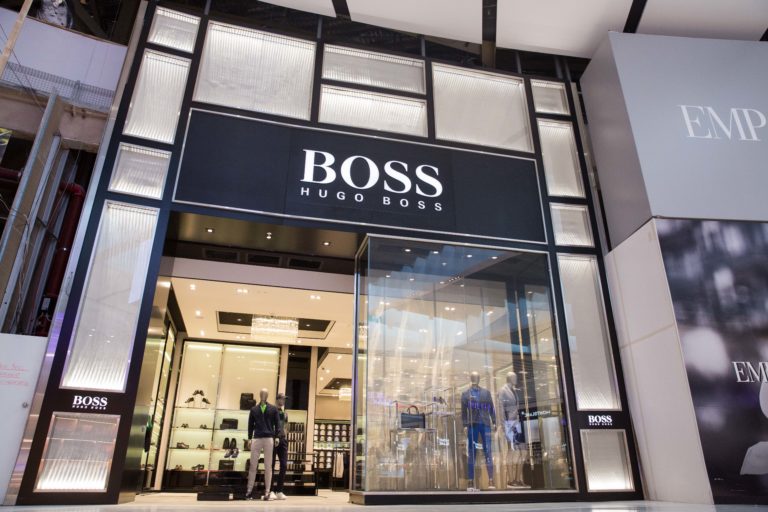
    Hugo Boss is making an executive decision. Under the leadership of CEO Daniel Grieder, who joined the almost 100-year-old German company in June of 2021, the clothing brand will get a new look aimed at millennials and Gen Z, who tend to be a more digitally wired audience. The executive who spent two decades at Tommy Hilfiger, reveals the new direction for its brand which effectively more clearly delineates Hugo Boss into two brands, Boss and Hugo, complete with new logos as part of its ambitious growth plan 2025 goal.

    While the split will result in two distinct labels, Boss and Hugo, it’s not the first time the brand had derivatives of the main brand Hugo Boss. Case in point, Hugo, Boss and Hugo Boss have all existed prior under the group with various labels such as Orange, Green, Red to denote the product’s use. In this new version, Boss will be firmly aimed at Millennials age 25-40 and Hugo at under 25 Gen Zs. It’s not clear where that leaves Boomers and Get X who appreciate the brand. Theoretically, Boss would be their go-to.

    Boss launched the new look with the Spring/Summer 2022 #BeYourOwnBoss campaign. The portrait-based series was shot by fashion photographer Mikael Jansson and shot on sets around the globe with celebrity lineup including Future, Hailey Bieber, Kendall Jenner, Joan Smalls, and more. The creative release is the first visual representation of the brand refresh. After almost 50 years, Hugo Boss is introducing a new logo for its core brand Boss along with a rebrand across all consumer touchpoints.

    The #HowDoYouHUGO campaign, also shot by Jansson, features South Sudanese top model Adut Akech, rappers Big Matthew, SAINt JHN, and American dancer Maddie Ziegler. A couple in real life, this is the very first time Akech and SAINt JHN are featured together in a campaign. Hugo also sports a new look for the first time since being first introduced in the early 1990s. Both logos feature a bolder, more graphic typeface conveying a more contemporary look and impactful visual experience.

    Grieder, based in Zurich, corresponded with me via email to share what’s driving this new shift for the slick, stylish label worn by ‘bosses’ of all kinds and genders for the last century.

  • Thailand Approves Incentives To Promote EV Shift

    Thailand Approves Incentives To Promote EV Shift

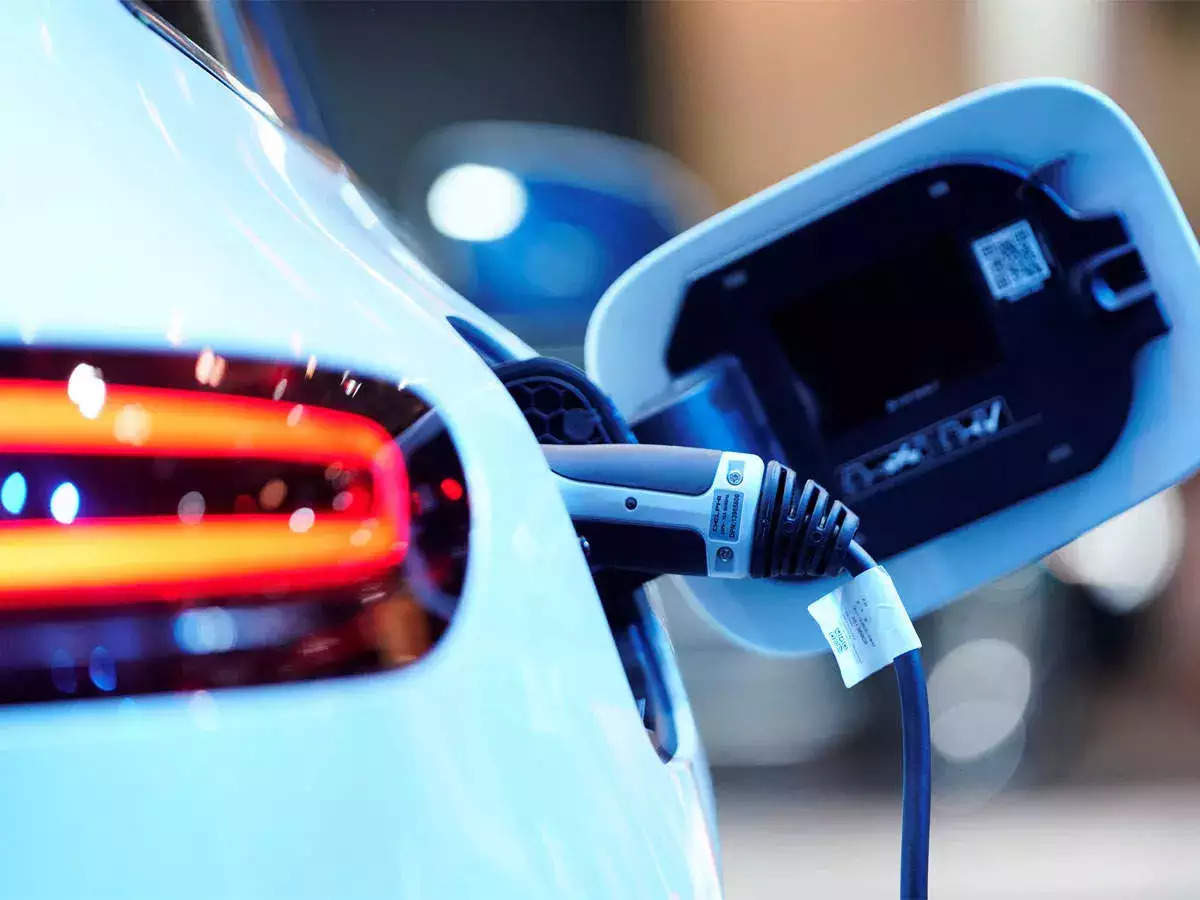
    Thailand’s cabinet on Tuesday approved a package of incentives including tax cuts and subsidies to promote a shift to electric vehicles (EVs) in Southeast Asia’s major auto production base, a government spokesperson said. The package for 2022-2025 is in line with a zero emission vehicle policy plus a goal to ensure 30% of Thailand’s total auto production are EVs by 2030, Thanakorn Wangboonkongchana told a news conference.

    In the first two years, the measures will focus on encouraging widespread domestic use of EVs by providing tax breaks and subsidies for imported models and those made locally, he said. In the last years of the package, the support will mainly be on promoting domestically produced EVs, while cancelling some benefits for imported models, Thanakorn said.

    “This is to encourage operators to accelerate the production of electric vehicles in the country to meet increasing demand,” he said. Thailand last year produced 1.7 million regular vehicles, for firms that include Toyota, Honda and Mitsubishi.

    Thanakorn did not give further details on the incentives, which he said would need to be worked out with the energy ministry. According to earlier media reports, the package will help reduce the price of each EV by between 70,000 baht ($2,165) and 150,000 baht ($4,638).

  • The Coffee House operator posts $10 mln loss

    The Coffee House operator posts $10 mln loss

    Seedcom, the operator of The Coffee House beverage chain and June fashion outlets, posted a loss of nearly VND240 billion ($10.45 million) last year due to Covid-19 impacts. The loss increased by nearly 24 percent from 2020.

    Its debt-to-equity ratio rose by 26 to 69.5. It had nearly VND1.48 trillion in debt by the end of the year.

    Last year, it raised VND50 billion in bonds with a coupon rate of 12 percent per annum.

    The negative figures came as most of Seedcom’s business, including The Coffee House, Juno and another fashion brand Hnoss, had to shut down or operated with limited capacity for months due to social distancing.

    The Coffee House last year launched a kiosk model to focus on selling takeaways in crowded areas like supermarkets or main roads.

    But so far only two such kiosks have been opened in Ho Chi Minh City, despite CEO Le Ba Nam Anh’s plans to open a large number of such facilities.

    Seedcom, established in 2014, also owns delivery companies AhaMove, Giao Hang Nhanh and retail chain Kingfoodmart.

    Last year it branched into finance by partnering with Thai bank Kvision to provide payment and loan services to small and medium companies, focusing on cashless finance.

    It also sold farming unit Cau Dat Farm, which grows and processes coffee, to Nova Consumer under NovaGroup to focus more on retail.

  • Northvolt, Volvo Cars Pick Gothenburg For New Battery Plant

    Northvolt, Volvo Cars Pick Gothenburg For New Battery Plant

    Automaker Volvo Cars and battery manufacturer Northvolt will build their joint battery plant in Gothenburg, western Sweden, the two companies said on Friday. The new 50GWh plant will create up to 3,000 jobs and make battery cells specifically developed for use in pure electric Volvo and Polestar cars, the Sweden-based companies said. Operations will begin in 2025. The two companies said last year they would form a joint venture to develop batteries, including setting up a gigafactory for production and research and development centre, a total investment of about $3.3 billion.

    Northvolt and Volvo said former Tesla executive Adrian Clarke had been appointed to lead the production company.

    “He comes with a long experience from Tesla as well as around how to build these type of factories,” Northvolt CEO Peter Carlsson, who also previously worked for Tesla, told Reuters.

    Volvo Cars head of engineering and operations, Javier Varela, said access to fossil-free energy, skills, and infrastructure had been factors for choosing Gothenburg, Volvo’s hometown.

    Competition for talent is fierce, with most battery engineers based in Asia. Tesla and Asian companies such as LG and Samsung SDI are also setting up factories in Europe.

    Northvolt’s gigafactory in the Swedish town of Skelleftea assembled its first battery cell at the end of December, making it the first European company to design and manufacture a battery in Europe.

    Carlsson said it was running as planned, although he said global supply-chain problems, semiconductor shortages, and the COVID-19 had made it more of a challenge. “It has not been the easiest of times,” he said.

    Volvo Cars, majority-owned by China’s Geely Holding, aims to sell 50 per cent pure electric cars by the middle of this decade and fully electric cars only by 2030.

    Northvolt, whose biggest shareholder is Volkswagen, has so far received more than $30 billion worth of contracts from customers such as BMW, Fluence, Scania, Volkswagen, Volvo Cars, and Polestar.

  • Thai food giant to list on Vietnam stock exchange

    Thai food giant to list on Vietnam stock exchange

    Thai food giant Charoen Pokphand Foods has green-lighted its Vietnam subsidiary’s plans to list its shares on the Ho Chi Minh Stock Exchange.

    CPF has made a filing with the Stock Exchange of Thailand, but details are unavailable about plans for an IPO and others.

    C.P. Vietnam gets around 70 percent of its revenues from processed and fresh pork and chicken products.

    It built its first processing plant in Vietnam in 1993 and now has nine around the country.

    Vietnam’s stock exchanges have eight foreign companies listed on them, and they account for 0.3 percent of their market capitalization.

    Another foreign firm, Japanese retailer Aeon, has announced its intention to list in Vietnam.

  • Amazon tipoff leads to Chinese seizure of counterfeit luxury belts

    Amazon tipoff leads to Chinese seizure of counterfeit luxury belts

    Chinese authorities have seized hundreds of counterfeit belts bearing the Salvatore Ferragamo brand with the aid of Amazon’s Counterfeit Crimes Unit (CCU).

    The belt is one of Ferragamo’s most known accessories – its link-shaped buckle is used by the brand as a logo for many other products – and it sells for more than US$320.

    The investigation was part of a worldwide probe by Amazon and Ferragamo in identifying bad actors who are trying to sell fake products. Amazon bans the sale of fake goods on its platform globally and in 2020 invested more than $700 million to reduce the incidence of it happening.

    The two companies reported the fake vendor to the Market Supervision and Administration (MSA) authority in Yiwu City, located in China’s Zhejiang Province.

    MSA and CCU said they subsequently seized hundreds of counterfeit belts and buckle accessories which may have been sold throughout retail channels around the world.

    Both companies say they will continue to focus on law enforcement and preventing counterfeit products from entering the global supply chain.

    “This should serve as a reminder that bad actors will be held accountable, as Amazon collaborates with both brands and law enforcement agencies around the world to stop inauthentic products from being sold across the retail industry,” said Kebharu Smith, head of Amazon’s CCU.

    Salvatore Ferragamo last year ran a series of offline and online anti-counterfeiting measures to protect its customers and its brand, removing more than 22,000 products and profiles on social media platforms and over 130,000 product listings on online shops.

    In February last year Amazon and Ferragamo jointly filed two lawsuits in the US against manufacturers who had allegedly used Ferragamo’s registered trademarks to deceive customers over the authenticity of the products.

    The Organization for Economic Cooperation and Development has estimated the global trade in counterfeit products was worth as much as $464 billion in 2019 and said a boom in e-commerce in 2020-21 led to massive growth in the supply of counterfeit goods online.

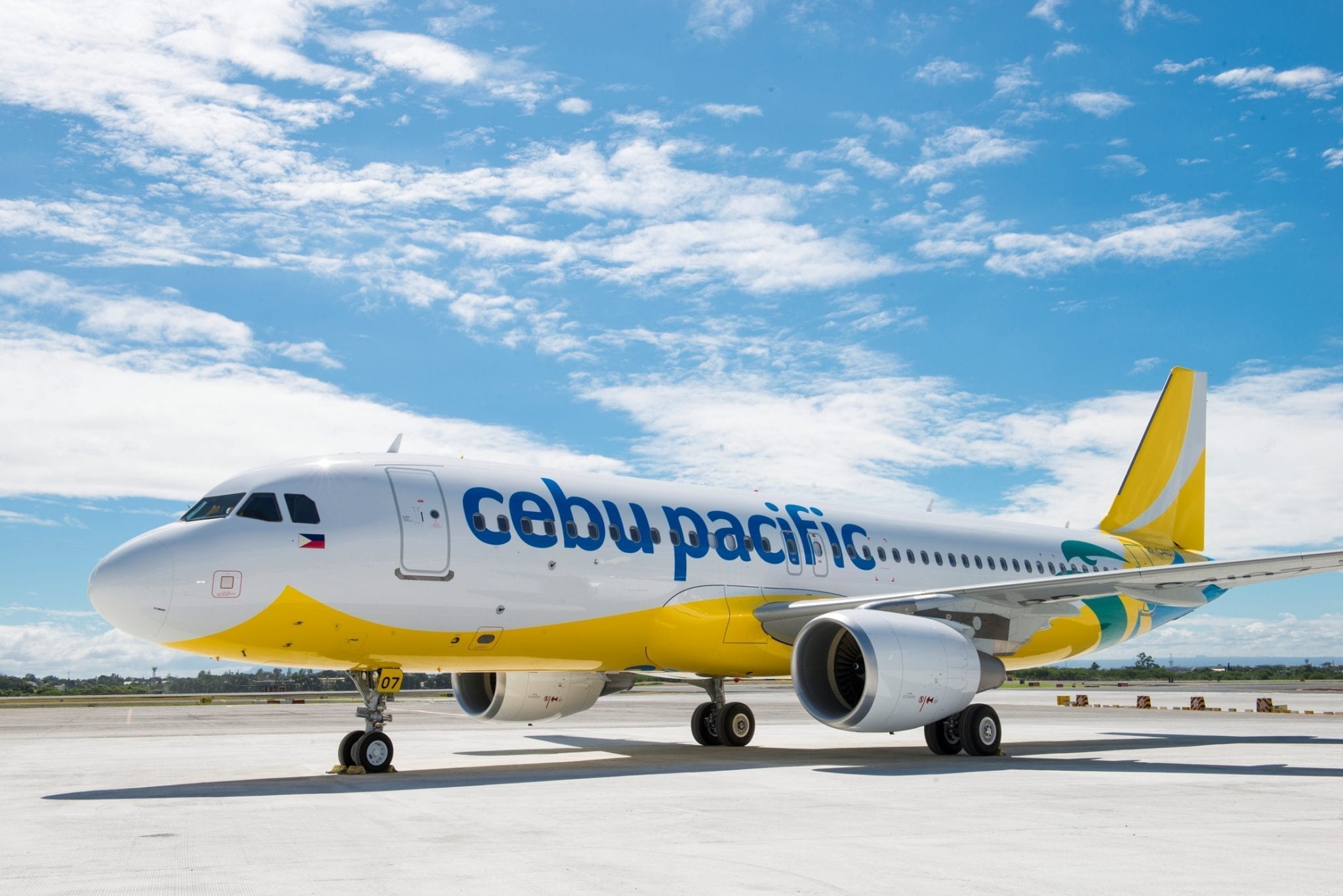
  • Cebu Pacific to resume flights to Bali, Hanoi, Sydney

    Cebu Pacific to resume flights to Bali, Hanoi, Sydney

    Budget carrier Cebu Pacific recently announced that it is resuming to key international destinations in a bid to boost its frequencies in overseas routes.

    As more countries ease travel restrictions, the airline said it is resuming flights to Bali, Indonesia; Hanoi, Vietnam and Sydney, Australia to bring the number of its international destinations to 16 by the end of June.

    The carrier said it plans to operate weekly flights on the Manila-Hanoi-Manila and Manila-Bali-Manila routes next month.

    In June, it intends to operate thrice weekly flights to and from Sydney.

    From January to April, Cebu Pacific restarted flights to six international routes namely Bangkok, Thailand; Fukuoka, Japan; Jakarta, Indonesia; Dubai, United Arab Emirates; Hong Kong and Ho Chi Minh also in Vietnam.

    It is also currently operating flights to Kuala Lumpur, Malaysia; Singapore; Seoul (Incheon), Korea; Nagoya and Tokyo (Narita), Osaka, Japan and Guangzhou, China.

    Below appears the flight frequencies of the overseas routes:

    Route Frequency
    Manila – Bangkok – Manila Every Tue / Thu / Sat
    Manila – Dubai – Manila Daily
    Manila – Fukuoka – Manila Every Tue
    Manila – Guangzhou – Manila Every Tue
    Manila – Ho Chi Minh Every Tue
    Ho Chi Minh – Manila Every Wed
    Manila – Hong Kong – Manila Daily
    Manila – Jakarta Every Fri
    Jakarta – Manila Every Sat
    Manila – Kuala Lumpur Every Mon
    Kuala Lumpur – Manila Every Tue
    Manila – Nagoya – Manila Every Tue / Thu / Sat / Sun
    Manila – Osaka – Manila Every Mon / Fri
    Manila – Seoul (Incheon) – Manila Every Thu / Sat
    Manila – Singapore – Manila Daily
    Manila – Tokyo (Narita) – Manila Every Mon / Wed / Fri / Sun
    Manila – Bali – Manila Every Mon / Fri (starting May 2)
    Manila – Hanoi – Manila Every Mon / Fri (starting May 2)
    Manila – Sydney Every Mon / Wed / Fri (starting June 1)
    Sydney – Manila Every Tue / Thu / Sat (starting June 2)

    Early this month, the country started accepting fully vaccinated foreign leisure travelers with the most relaxed entry protocols, including quarantine-free entry. The country also allowed visitors to freely travel to reopened destinations around the country.

    Cebu Pacific’s chief commercial officer Xander Lao said the airline supports the Department of Tourism’s initiatives to restore tourism.

    They invited Filipino and foreign tourists to visit the country.

    “We invite Filipinos and foreign visitors to plan their travels to the Philippines and explore its beauty, or simply visit family and friends. We look forward to welcoming everyone onboard,” Lao said in a press conference at the World Travel and Tourism Council Global Summit in Pasay City last Thursday.

    The carrier is offering flights to 34 domestic destinations which tourists may also visit. It resumed more direct local flights from major hubs Cebu and Davao, as it restored 100% of its pre-pandemic domestic capacity this month.

    “We are happy to keep enabling everyJuan to safely fly across our largest Philippine network. We are hopeful we can continue contributing to the economic and tourism agenda in and out of the Philippines,” Lao said.

    The budget carrier said it would continue to offer low fares to help the COVID-19 pandemic-hit travel and tourism industry recover while maintaining the implementation of health and safety protocols.

    The airline said it employs 100% fully vaccinated crew with 90% of them already boosted.

    Meanwhile, Lao also congratulated the DOT for hosting the 21st edition of the WTTC Global Summit. It was staged at the Marriott Hotel in Pasay City from April 20 to 22, 2022.

    WTTC also commended the country for hosting the tourism event that signified the recovery of international travel.

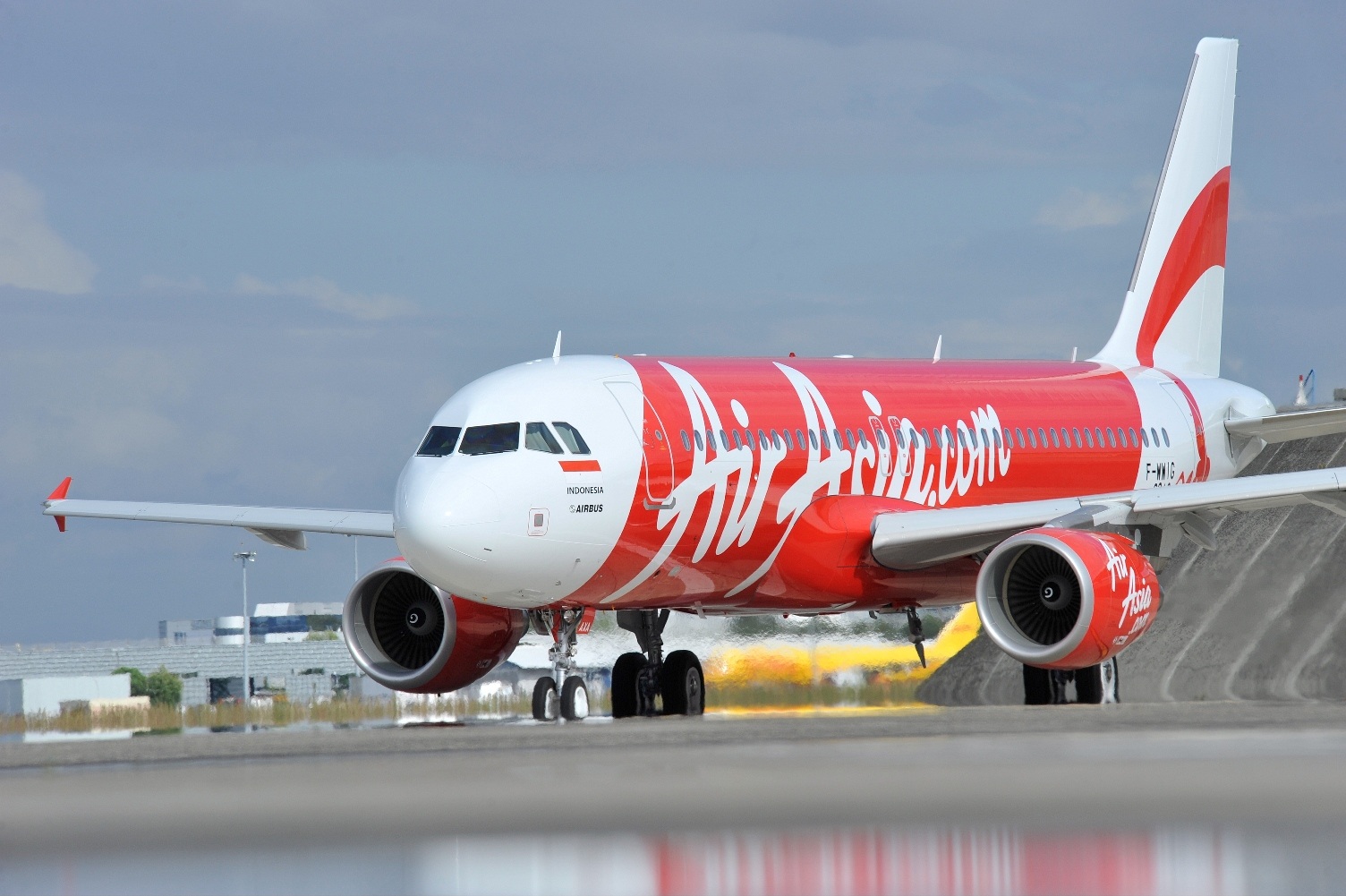
  • AirAsia resumes routes from India to Malaysia, Thailand; AirAsia X starts ops to Korea and India

    AirAsia resumes routes from India to Malaysia, Thailand; AirAsia X starts ops to Korea and India

    AirAsia announced that it is resuming flights from India to Malaysia and Thailand with flights now available from April and May 2022 onward. Six new routes from India to Malaysia include Bengaluru to Kuala Lumpur (KL) and Chennai to Kuala Lumpur,  Tiruchirappalli to KL from 5 April, Kochi – KL commencing 18 April, Kolkata – KL commencing 23 April and Hyderabad – KL commencing from 1 May, 2022.

    Five new routes launching India to Thailand will include Bengaluru-Bangkok (Don Mueang) commencing on 4 May, Chennai-Bangkok (Don Mueang) on 4 May, Kolkata-Bangkok (Don Mueang) commencing on 2 May , Kochi-Bangkok (Don Mueang) commencing on 1 May , and Jaipur-Bangkok (Don Mueang) on 1 May.

    Manoj Dharmani, AirAsia’s Regional Commercial Head for India, Sri Lanka & Bangladesh, acknowledged that “AirAsia’s resumption of international flights has been highly anticipated by both the airline and its guests. With Malaysia and Thailand reopening and travel restrictions being lifted, AirAsia will be continually re-introducing international services, starting from April 2022. In this regard, India, Malaysia, and Thailand are countries with significant potential in terms of stimulating tourism and reigniting the economy. We believe that our flight resumption will bring great opportunity and support to the countries’ economic recovery.”

    AirAsia X launching new services to South Korea and India

    Following the  resumption of passenger  services to Sydney, Australia in February, AirAsia X (AAX) is expanding its flight  network from Kuala Lumpur with new services to Incheon (Seoul), South Korea and New Delhi, India commencing from 20 April 2022. Flights to Incheon (Seoul) will initially be operated weekly on Wednesdays and returning on Thursdays. Flights to New Delhi will resume twice weekly on Wednesdays and Sundays returning on the same days. Both services are on sale now for travel between 20 April 2022 to 30 June 2022, with additional services to be added in the near future. Guests with outstanding bookings or unused credit during the pandemic, will be able to use these for future bookings, by updating their original flight booking for future travel or by utilising their credit account to book the flights.

    CEO of AirAsia X Benyamin Ismail said: “After two long years, we are thrilled to return to the skies once again with the best value airfares for medium haul travel. Now that the world is finally opening up, we are gradually resuming flights to our key markets, starting with Sydney recently and now also to South Korea and India, with more popular destinations to be announced soon. We are confident our return to these markets will be well received, particularly for those longing to visit friends and family again or for much anticipated leisure travel. With Malaysia’s international border reopening last week on 1 April, and quarantine free travel both ways on our new services, it is also the perfect time to welcome back international tourists, providing a significant boost to the nation’s tourism sector and the economy, as we did pre-pandemic.”