Blog

  • A’pieu opens first store in Thailand

    A’pieu opens first store in Thailand

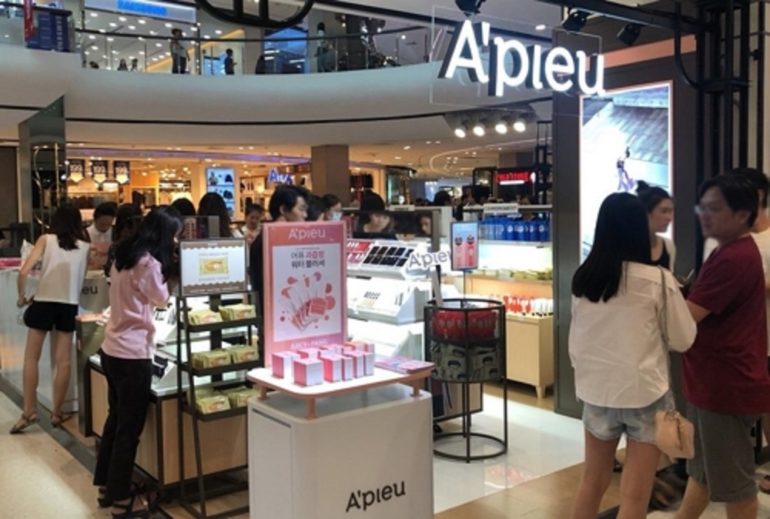
    A’pieu, a cosmetics label owned by South Korea’s Able C&C, opened its first store in Thailand last month and will speed up its plan to open more stores in the country.

    Its first stand-alone store, opened on September 29, is housed at Central Plaza Pinklao, a shopping mall located in Noi District in Bangkok and one of the most sought-after places by young visitors as it hosts many famous fashion brands, restaurants, and a cinema.

    A’pieu plans to open three more independent stores in the country by next month. It is also scheduled to open another store at Siam Square, the largest shopping and entertainment area in Bangkok, in January 2019.

    Its products are also available at five outlets of Eve and Boy, a local drugstore chain selling premium cosmetics labels such as Estee Lauder and Clinique. The Korean beauty brand plans to provide its products to total 12 Eve and Boy outlets across the nation by the end of this month.

    “We have put forward the opening schedules of A’pieu stores in Thailand as its products have drawn better-than-expected responses from Thai customers after the soft-launching event,” said an official from Able C&C. “We will take the label available at more health and beauty stores in Thailand and open more independent outlets.”

    Outbound shipments of Korean cosmetics products to the 10-member Association of Southeast Asian Nations market reached US$406 million in 2016, up 31.6 percent from the previous year, according to a report by the Korea Trade-Investment Promotion Agency.

    Thailand’s cosmetics market is the largest among them and has posted an annual growth rate of 8 percent in recent years, the company said, citing data from market researcher Euromonitor International.

    The size of the Thai beauty market was estimated at around $2.6 billion in 2016 and is expected to top $3 billion this year, it added.

  • Small Chinese cities in China are the future for luxury

    Small Chinese cities in China are the future for luxury

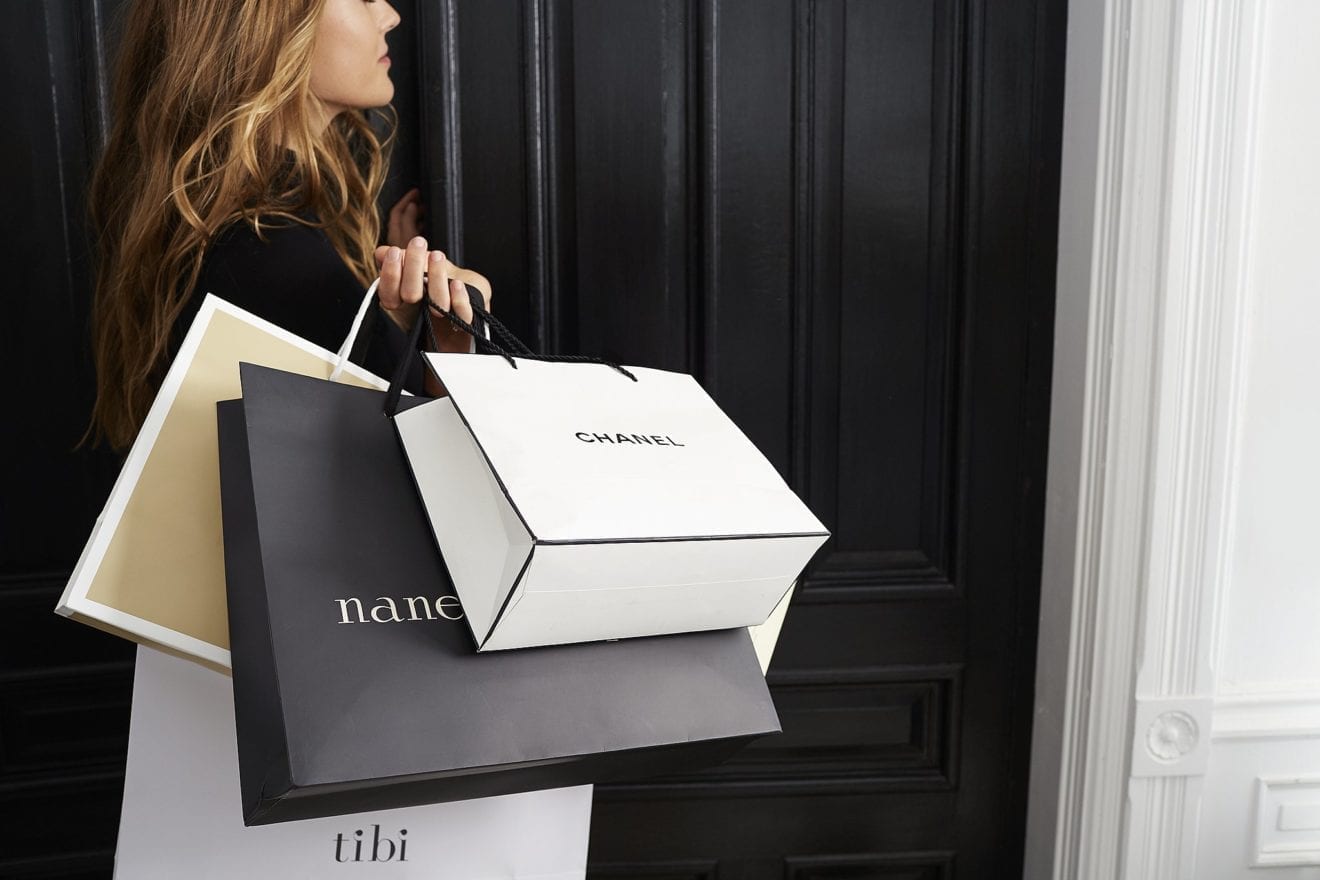
    In China, luxury goods are no longer exclusively for well-heeled city folk. In fact, the future of brands like Louis Vuitton, Chanel, Gucci and Prada may lie in smaller cities like northern China’s Hohhot, which is 10 hours by rail to the capital of Beijing and has a population of three million.

    More than half of all luxury consumers in China live outside the top 15 cities, in so-called second- and third-tier cities and other less developed ones, according to a report jointly released last week by Boston Consulting Group and Chinese internet giant Tencent.

    Luxury goods, more often associated with sophisticated city dwellers, have become commodities to be bought by the aspirational classes and strivers from the boondocks.

    Such a fragmentation was made possible after brands digitised the marketing and purchasing process, and as Chinese consumers increasingly obtained information about luxury goods online, especially via smartphones. Mobile apps and content take up more than half the online attention of luxury buyers, through engagement by social media accounts of key opinion leaders and the brands themselves, and via apps, advertisements and third party e-commerce platforms, the report shows.

    However, 58 per cent of consumers still prefer the old-fashioned way of buying in bricks-and-mortar stores after doing the research online, and around half choose to make their purchases while travelling overseas.

    “The battle for luxury consumers will shift swiftly from offline to online, and in five years, we will enter the age of Luxury Digitisation 2.0 where online and offline [marketing and sales] will knit together closely,” BCG partner Wang Jiaqian said in a statement.

    In tier-three and lower-tier cities that do not have physical luxury stores, buyers are twice as likely to make purchases online as those in the top 15 cities, but nearly 80 per cent of them said they would not mind making the trip to a physical store to shop.

    Chinese consumers have been the key target for global luxury brands for their deep pockets and the sheer size of the country’s market. China’s personal luxury goods market, worth €105 billion (US$122 billion) in 2017, is expanding at 6 per cent annually, and is expected to reach €162 billion in 2024, according to the report. By then, 70 per cent of all new growth in the world’s luxury market will be driven by China, which will account for 40 per cent of the global market.

    Chinese luxury goods buyers are mostly young and well educated – and 70 per cent are female. The average age among both genders is 28 years, and two out of three are aged 18 to 30 with a bachelor’s degree or above, the report found.

    Chinese e-commerce platforms account for half of the country’s online luxury purchases, driven by the launch of Luxury Pavilion by Alibaba Group Holding’s Tmall and Top Life by JD.com.

    However, social commerce – a new form of e-commerce that incorporates social interactions among consumers via social media such as Tencent Holdings’ WeChat – is also on the rise and currently accounts for 11 per cent of all luxury online purchase.

    The concept of social commerce has exploded in popularity over the past two years, especially among young consumers. The new model gamifies shopping so that the more friends you share the deal with, the deeper the discount. It also involves creating a platform where users share photos and videos, write posts and tag items in their pictures that link to e-commerce listings.

    The pervasive use of smartphones among mainland China’s population is a key factor enabling social commerce. Research firm eMarketer forecasts that the total number of smartphone-based online shoppers in the country will reach 443.3 million this year, making up more than three quarters of China’s online retail sales.

    The BCG/Tencent report was based on data collected from 1.8 million Chinese luxury consumers identified by BCG and Tencent, as well as a poll of 2,620 consumers who bought luxury goods in the past 12 months.

  • New York burger chain Shake Shack confirms first Singapore outlet

    New York burger chain Shake Shack confirms first Singapore outlet

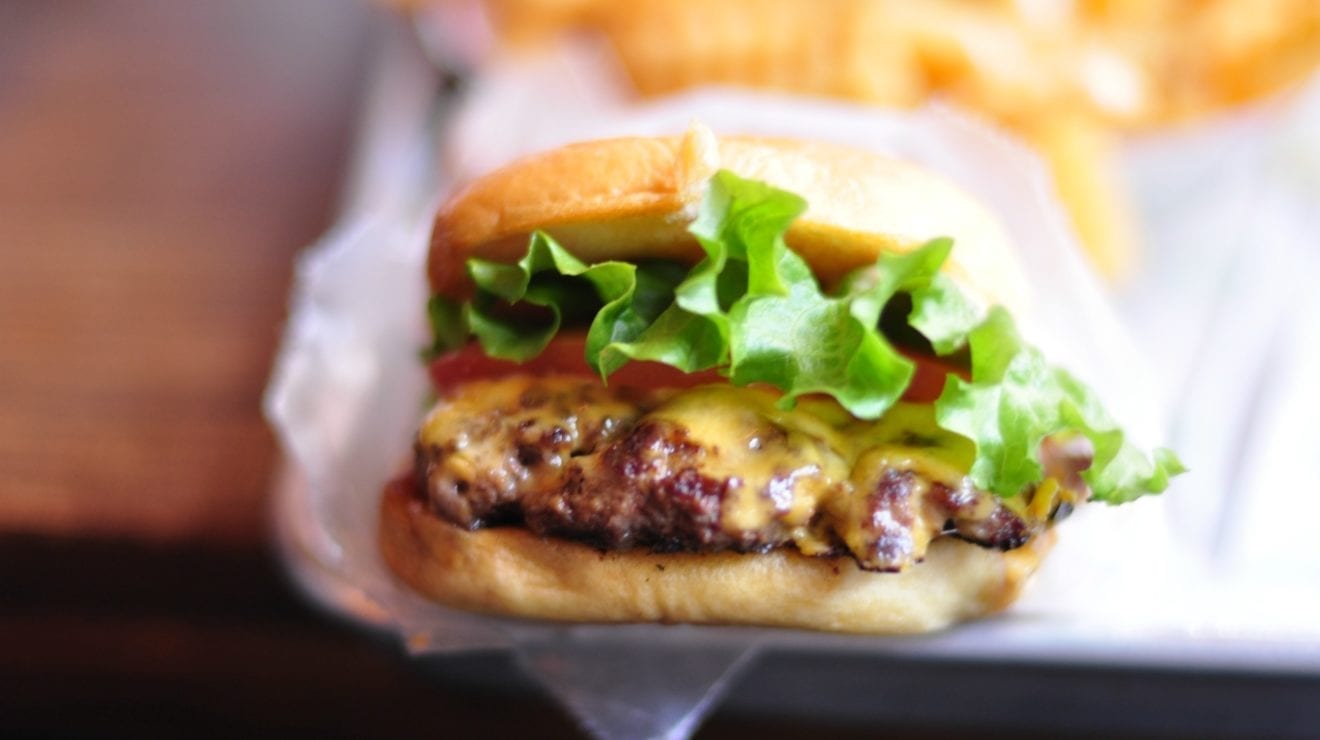
    Shake Shack has confirmed its long-ago leaked debut in Singapore, the US restaurant chain announcing overnight it will open at the new Changi Jewel shopping centre under construction.

    “We’re comin’ to the city where east meets west!” the company announced.

    As predicted back in March, Shake Shack Singapore will be launched through its South Korean franchise partner SPC Group, which operates Paris Baguette in the city. SPC has 6000 stores from 30 brands around the world, including seven Shake Shacks in Seoul.

    “We are executing our strategic plan in Asia with plans to launch in Singapore, Shanghai, and Manila next year,” said Michael Kark, VP of global licensing with Shake Shack in the US.

    “For years we’ve been looking for the right opportunity to enter the Singaporean market given its regional importance, and we’re thrilled to have found the right strategic partner and an ideal launch location. Our Shake Shack Singapore flagship site will be in the stunning Jewel Changi Airport, home to more than 2000 trees, harkening back to Shake Shack’s birthplace in New York City’s Madison Square Park.”

    The chain debuted in Asia at Tokyo’s Gaien Park in 2015, and since then has expanded to include 10 Shacks in Japan, seven in South Korea, and one in Hong Kong operated by a subsidiary of Dairy Farm International. A second Shake Shack in Hong Kong will open soon in Pacific Place.

    Shake Shack Singapore says it intends to work with local suppliers and producers to create “a one-of-a-kind Shack for the Singapore community”. The menu will feature signature items including the ShackBurger, Shack-cago Dog, crinkle-cut fries, beer, wine and frozen custard ice cream.

  • Vingroup retail arm acquires Vietnamese supermarket chain

    Vingroup retail arm acquires Vietnamese supermarket chain

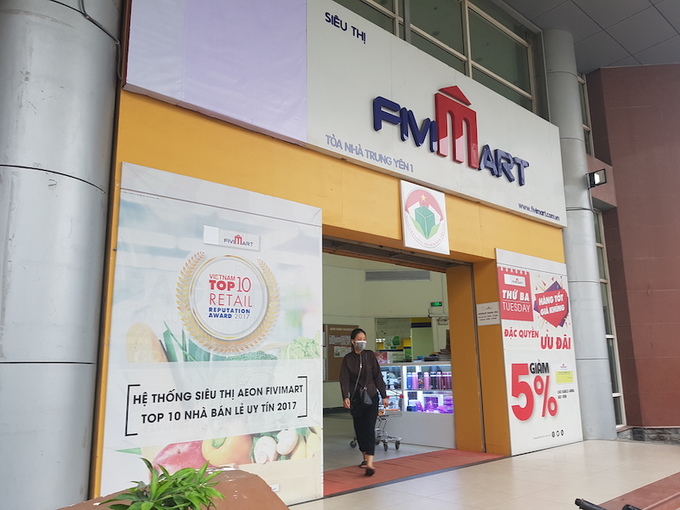
    VinCommerce, owner of the largest Vietnamese retail outlet chain, has bought out competitor supermarket chain Fivimart.

    The deal, whose value has not been revealed, delivers 23 Fivimart outlets to VinMart.

    VinCommerce, a member of the Vingroup business conglomerate, bought Fivimart from domestic company Nhat Nam JSC and Japanese retailer AEON, which held 70 percent and 30 percent stakes, respectively.

    VinCommerce CEO Thai Thi Thanh Hai said that her company’ vision is to have VinMart and VinMart+ (a chain of convenience stores) outlets not just in Vingroup’s apartment buildings and malls, but also in other neighborhoods.

    “The acquisition of Fivimart is part of how we make that vision a reality,” she added.

    The acquisition raises the number of VinMart stores to 100 and that of VinMart+ to 1,400.

    Hai said that VinCommerce plans to have 200 VinMart and 4,000 VinMart+ stores by 2020.

    Nhat Nam JSC sold a 30 percent stake of Fivimart, founded in 2007, to AEON in 2015.

    It had increased its number of outlets from 10 then to 23 now.

    The deal saw Fivimart’s revenue increase, by as much as 20 percent a year for some time.

    But the company has been reporting losses for the last three years, attributing them to high costs. Its losses amounted to VND60 billion ($2.58 million) in 2015, VND96 billion ($4.13 million) in 2016 and VND23 billion ($989,600) last year.

    At the end of last year, Fivimart reported an accumulated loss of almost VND200 billion ($8.6 million), with a debt of VND823 billion ($35.41 million), which was equal to the company’s total asset value.

  • Bearpaw Continues Ongoing Partnership With Wing’s Foot Korea, Inc.

    Bearpaw Continues Ongoing Partnership With Wing’s Foot Korea, Inc.

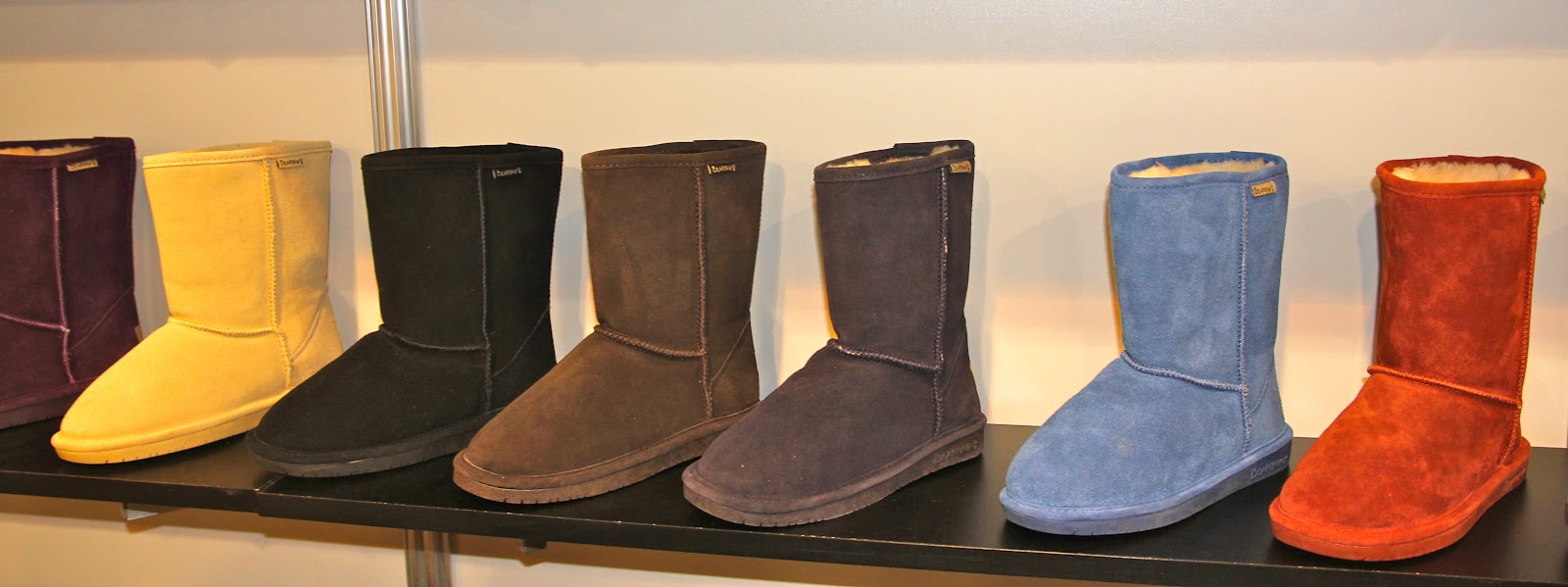
    In representing the Bearpaw brand to the consumers of South Korea and Japan, Wing’s Foot has introduced an extensive line of footwear and an assortment of apparel and outerwear to the region.

    Bearpaw’s VP of international sales Kevin McDonald said Bearpaw is extremely grateful for its partnership with Wing’s Foot as it has been a great fit for their brand and has given Bearpaw the ability to reach new and expanding markets, therefore cultivating continued growth and success.

    Bearpaw president John Pierce said Wing’s Foot has been its exclusive distributor to the Korean market for several years now, and the company is pleased to extend the partnership.

    “Bearpaw will continue to increase the company’s efforts with our existing partners across several locations outside of the US.”

    Bearpaw products are now available throughout the US and in more than 45 countries throughout the world.

  • Gordon Ramsay’s new Hong Kong restaurant

    Gordon Ramsay’s new Hong Kong restaurant

    Gordon Ramsay’s Hong Kong journey continues with the announcement of his third restaurant in the city.

    Maze Grill, set to open this October in Ocean Terminal, Harbour City, strengthens the internationally acclaimed chef’s ties with Hong Kong, and cements the city’s position as one of the world’s greatest dining destinations.

    Located in the new glasshouse extension of Ocean Terminal, maze Grill represents Ramsay’s third partnership with Dining Concepts and the first opening of the contemporary steakhouse outside of London.

    Inspired by the three maze Grill restaurants located in London, the dining experience is casual, warm and welcoming.

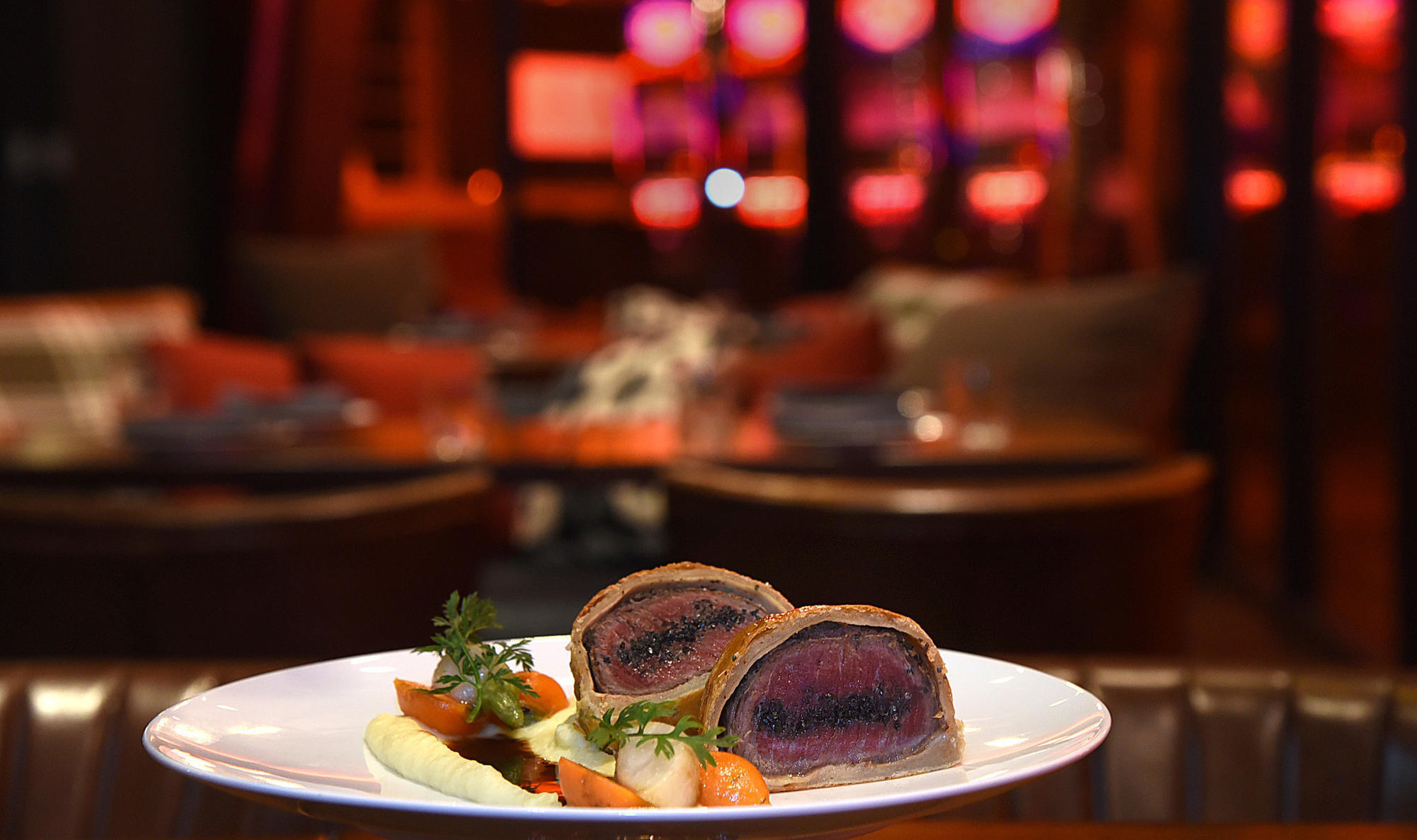
    The menu features a selection of international and rare breed cuts, fish and poultry dishes, Gordon Ramsay’s signature dish, Beef Wellington, and a range of dishes exclusive to maze Grill Hong Kong.

    Among these are an array of Japanese infused starters, a Traditional Ploughman’s Pork Pie-carved Table Side, and scrumptious desserts including a Raspberry Soufflé.

    The internationally acclaimed chef owns a number of Michelin starred restaurants across the globe, including London’s longest-running restaurant to hold a Michelin star award and is one of only four in the UK to maintain three stars.

  • Taiwan’s Tiger Sugar bubble milk tea to open in Singapore

    Taiwan’s Tiger Sugar bubble milk tea to open in Singapore

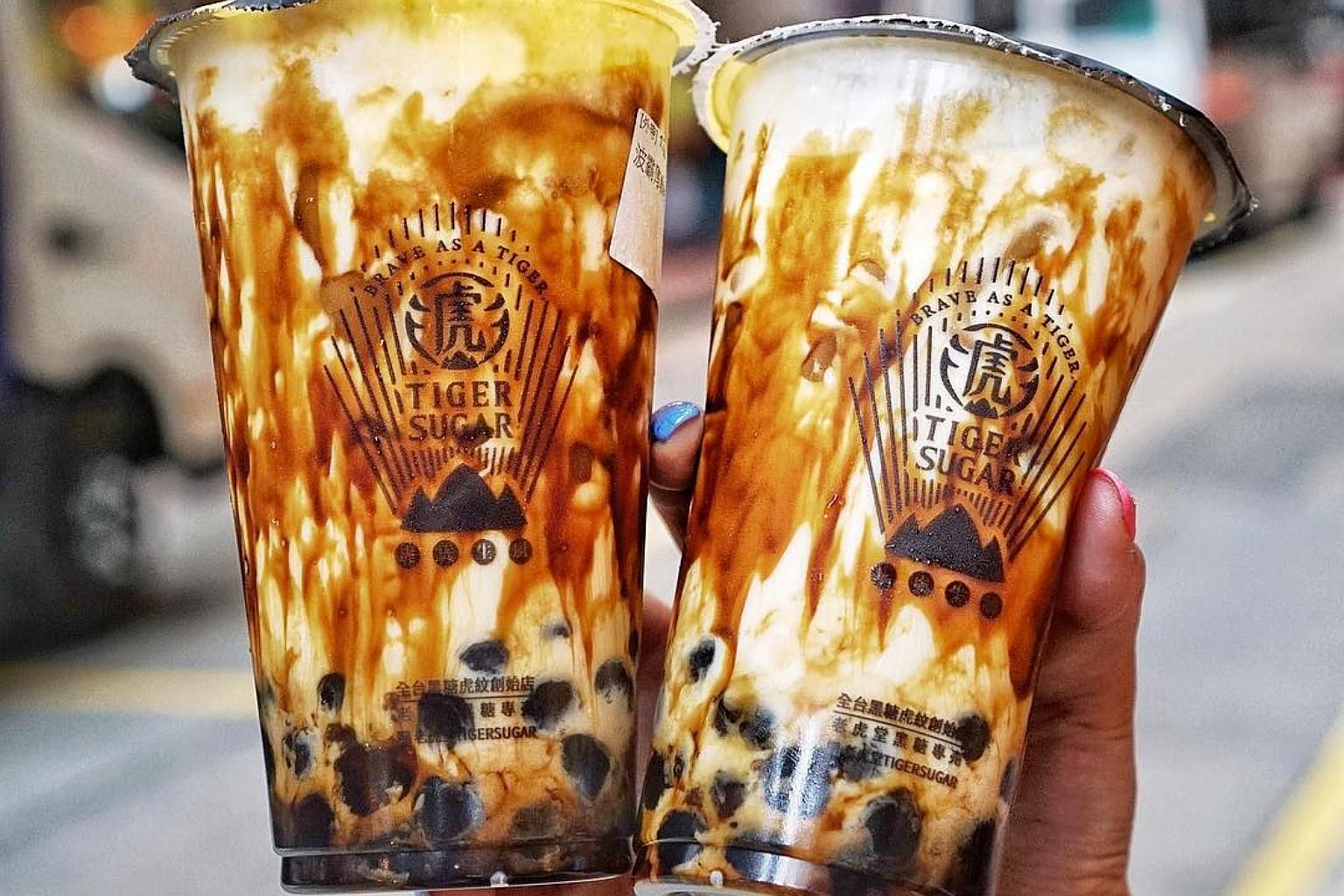
    Popular Taiwanese bubble milk tea brand Tiger Sugar is set to launch in Singapore.

    Queues with a minimum waiting time of an hour have been reported at Tiger Sugar locations both in Taiwan and Hong Kong. Photographs of customers enjoying the stripey brown sugar bubble milk drink have trended strongly on Instagram.

    The new store will be set up in the City Hall area and is scheduled to open next month. Similar queues are anticipated for the new location.

    Bubble tea has become an important trend in Singapore with 10 brands opening within the past year alone.

  • Vietnam to grow 7 percent in 2018: report

    Vietnam to grow 7 percent in 2018: report

    A report by the Standard Chartered Bank says Vietnam will top ASEAN economic growth this year.

    The report, released Friday, attributed this to manufacturing and agriculture sectors.

    Titled Vietnam: fast, not furious, growth,” it said the economy will grow by 7 percent this year.

    Other factors contributing to the high growth is the robust growth of electronics, with high foreign direct investment inflow and increasing consumption, the report said.

    It estimated next year’s growth at 6.9 percent.

    Standard Chartered economist Chidu Narayanan said that Vietnam has strong growth prospects, and an average FDI inflow of about $17 billion a year can be expected from now until 2020.

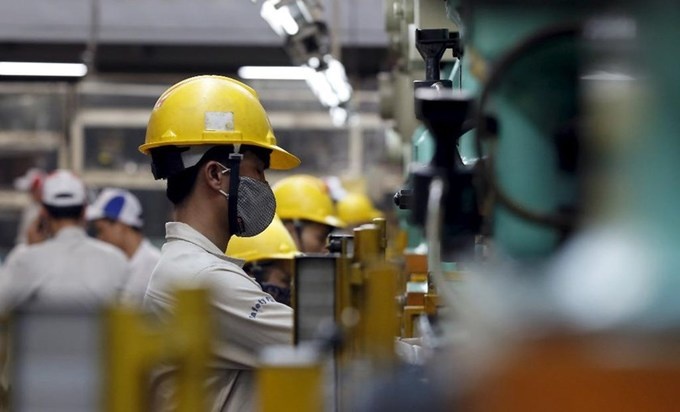
    Manufacturing is set to have a double-digit growth for the second year in a row, and agriculture will recover in the second half of this year, the report said.

    It also saw stable growth in the service sector, led by strong consumption in the country, the report said.

    The service sector, accounting for 40 percent of the economy in the first half this year, saw a 7 percent growth year-on-year growth in the same period.

    The report also said young, well-trained and low-cost human resources will play a part in boosting service growth, it said.

    Standard Chartered also forecast that the USD/VND exchange rate would reach VND23,400 by the end of this year.

    The central bank rate on Sunday was VND22,720 and VND23,310-23,390 at local banks.

    On Thursday, the World Bank upped its forecast for Vietnam’s growth by 0.3 percent to 6.8 percent.

    However, the Asian Development Bank last month lowered the growth rate from 7.1 percent to 6.8 percent, saying that the ongoing trade war between the U.S. and China could have spillover impacts on Vietnam’s export and FDI inflows.

    In the first nine months this year, Vietnam’s GDP grew by 6.98 percent, the highest nine-month growth rate since 2011.

    The economy grew by 6.81 percent last year, the highest rate in a decade.

  • Shanghai Disney Resort opens out-of-town store in Suzhou

    Shanghai Disney Resort opens out-of-town store in Suzhou

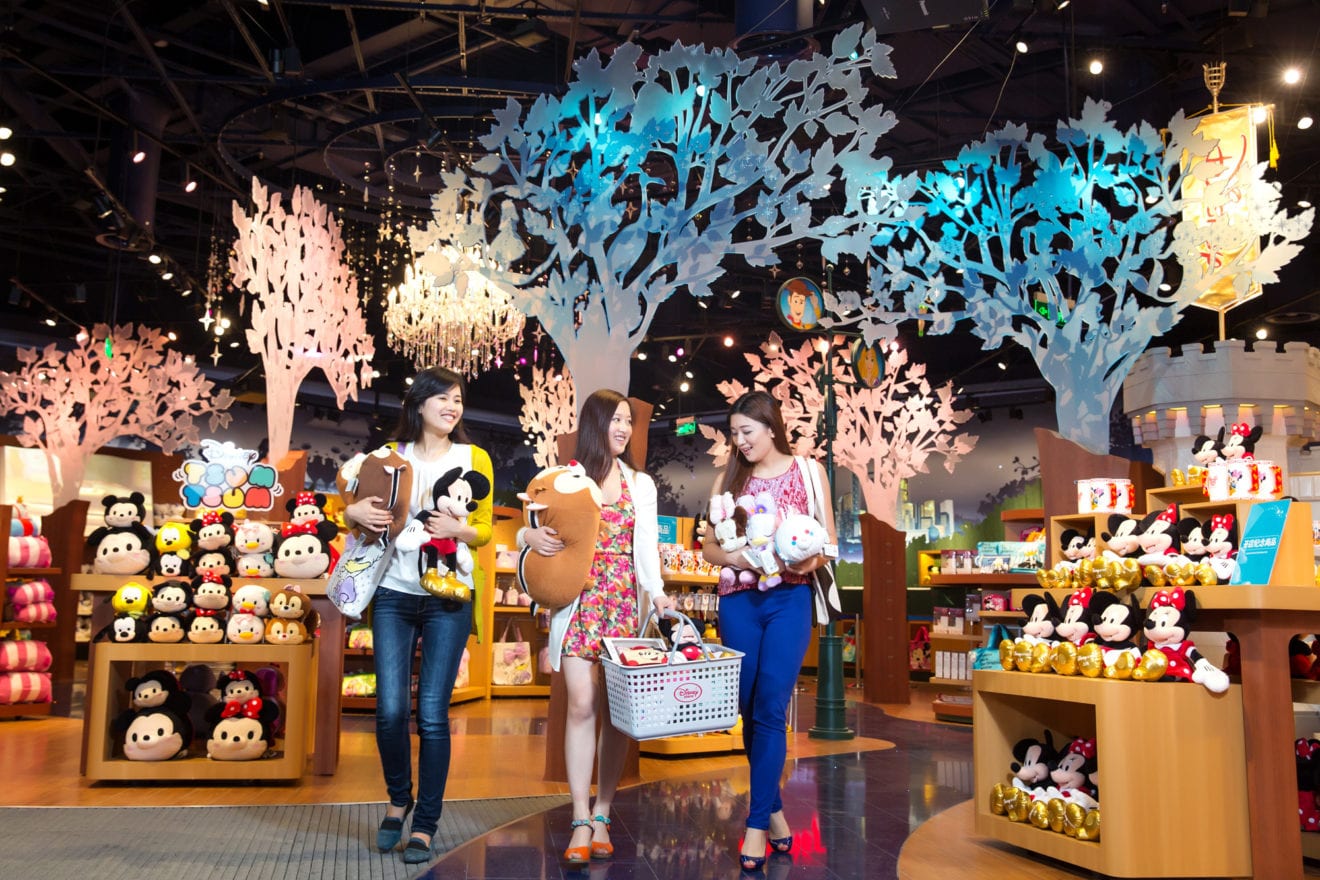
    Shanghai Disney Resort has opened its first retail store outside of Shanghai in nearby Suzhou.

    The Suzhou Village Shanghai Disney Resort Store offers more than 500 items of merchandise (some of it exclusive to the Shanghai location), immersive ambience and entertainment, with a focus on extending the brand’s current market.

    The Suzhou store is the third Disney Resort location outside of the main resort premises.

    Shanghai Disney Resort comprises a Disneyland theme park and two themed hotels, as well as a Disneytown dining and retail district and Wishing Star Park recreation area.

  • Golden Week : Chinese Millennials go for Insta-spots in HK

    Golden Week : Chinese Millennials go for Insta-spots in HK

    Hong Kong had its own influx of tourists from Mainland China. But they were not all in search of the city’s more well-trodden sights.

    Media used to report about facts and figures related to shopping expenses and how Chinese travelers were making the fortune of retailers. This year, Millennials and GEN Z contributed to HK differently.

    Tourism Board would be happy to know that HK’s Instagram spots were shared and re-shared on social media framing HK as much more than a shopping destination.

    Among the preferred spots:

    • The Rainbow Thief : When captured at an appropriate angle, a colorful building opposite with a mural design titled the “Rainbow Thief” forms the perfect backdrop.
    • Montane Mansion : The claustrophobic 46-year-old Montane Mansion is an urban photographer’s dream, as it seemingly melds into the Oceanic Building and the Yick Cheong Building on either side, forming a mishmash of juxtaposing windows, air conditioning vents and hanging laundry.
    • The Choi Hung Estate : The fresh palette of paint tones that fade into each other on the facade lives up to its namesake, and has pulled in the social media-savvy crowds.
    • The Sai Wan Swimming Shed : only one swimming shed remains in Hong Kong, on the far western edge of the island.
  • Sneakersnstuff reveals expansion plan in Asia

    Sneakersnstuff reveals expansion plan in Asia

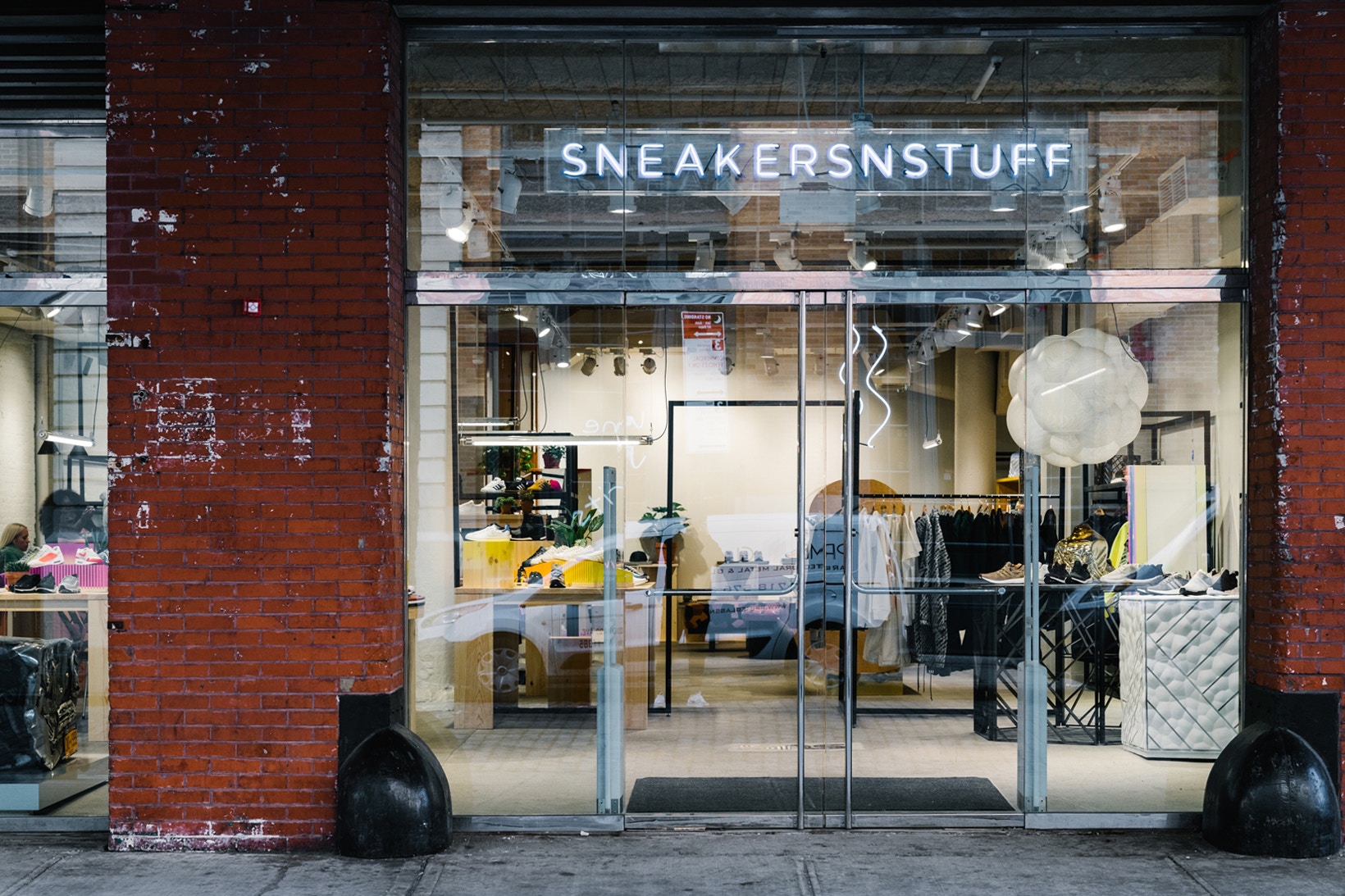
    Swedish boutique athletic footwear retailer Sneakersnstuff has announced plans for an Asian expansion.

    According to co-founder Erik Fagerlind, the brand is targeting a presence in Seoul and Tokyo next year, after opening in Los Angeles late this year. The move is designed to smooth out options for further expansion in the region.

    “It’s easier for us to open another store in Europe than another store in the US because we already have that machinery in place,” said Fagerlind. “So our focus is to build the machinery in Asia so we can open up stores.”

    Sneakersnstuff has stores in Stockholm, London, Paris, Berlin and New York City.

  • Foreign investors snap up prime office space in downtown Saigon

    Foreign investors snap up prime office space in downtown Saigon

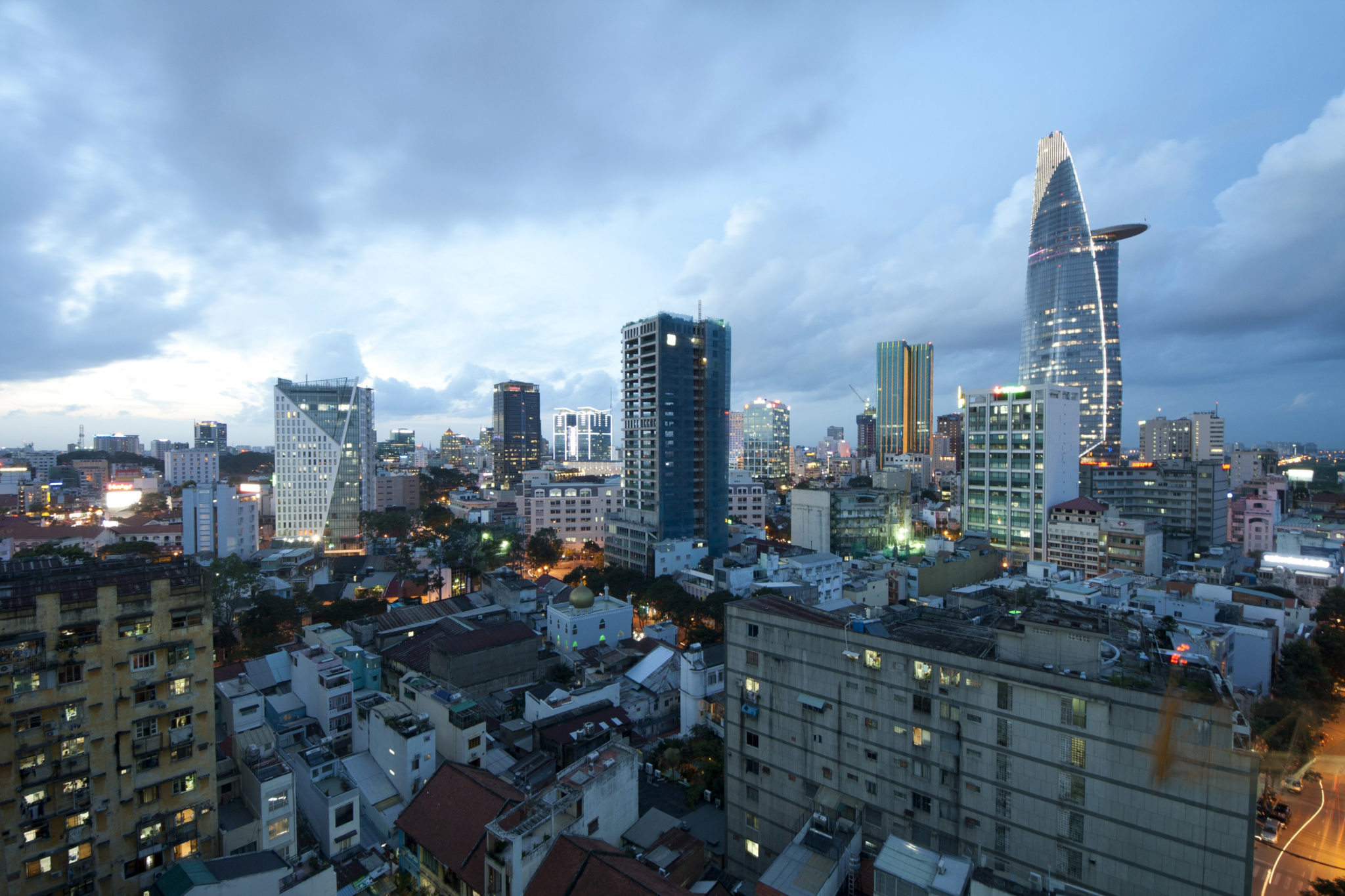
    Foreign investors currently own majority stakes in about 50 percent of high-end office buildings in downtown Saigon.

    A newly-released Savills Vietnam report said investors from Singapore, Hong Kong, Japan, South Korea, Germany and Slovakia own stakes in nine Grade A office complexes in prime Saigon locations. Asian investors hold a bigger market share than that of European companies.

    Given the scarce supply of Grade A office space in the nation’s commercial hub, current occupancy rates in this segment are above 95 percent, and monthly rents have reached their highest in nearly half a decade at $50-70 per square meter.

    This has spawned many M&A deals in this property segment. Notable among these is the purchase of a 24 percent stake in Sun Wah Tower by Japan’s Nomura Real Estate Company earlier this year. The tower is located on the Nguyen Hue walking street in District 1.

    With demand remaining high, many new real estate companies have entered the market.

    Alpha King, a Hong Kong based real estate company, announced its plan to construct a 35 storied Grade A office building on Tran Hung Dao Street in District 1, close to the Ben Thanh Market. Work on this building is expected to completed by 2020.

    Slovakian investors plan to build the Friendship Tower on Le Duan Street, also in District 1. Construction of the 21-story building began this May and is expected to finish by 2020.

    When complete, both Alpha King and Friendship Tower will respectively contribute 72,000 and 19,000 square meters of Grade A office space.

    Su Ngoc Khuong, investment director at Savills Vietnam, said there are many foreign investors in Group A projects because they are cash-rich while such projects require big investment capital.

    The limited amount land available in prime Saigon locations has also led to great interest among foreign investors looking to make profits from renting space to both foreign and local companies.

    Explaining why international corporations are boldly investing in grade A office buildings in Saigon in recent years and are likely to do so in the years to come, Khuong said that global economic integration will continue to increase demand for office space in the city, thus creating a sustainable and profitable cash flow for Group A office leasing projects.

  • Strong growth for LVMH Moet Hennessy Louis Vuitton

    Strong growth for LVMH Moet Hennessy Louis Vuitton

    LVMH Moet Hennessy Louis Vuitton boosted revenues by 10 per cent to €33.1 billion in the first nine months of this year.

    Organic sales grew 11 per cent compared to the same period last year and by 13 per cent after excluding the impact of the closed DFS concessions at Hong Kong International Airport at the end of the year. Every geographic market performed well, the company said. Third quarter revenue was up 10 per cent.

    The wines & spirits business group recorded organic revenue growth of 7 per cent during the first nine months, with Champagne volumes stable and Hennessy cognac volumes increased by 4 per cent, led by the US and Chinese markets.

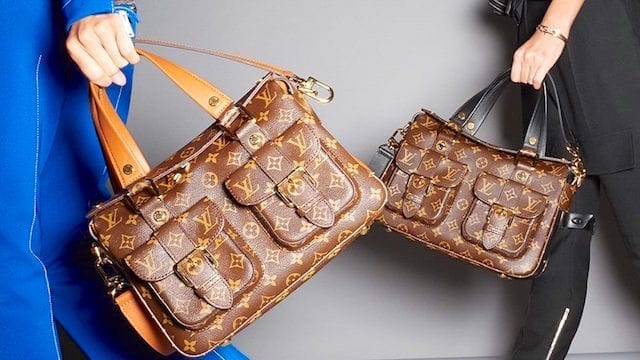
    The fashion & leather goods business group achieved organic revenue growth of 14 per cent and 20 per cent reported, with the flagship Louis Vuitton brand the standout performer.

    “Ready-to-wear and shoes, in particular, experienced strong momentum with an excellent reception of the last two fashion shows of womenswear and menswear,” the company said in a statement.  “A new communication for Louis Vuitton perfumes was unveiled, marking the launch of the brand’s latest perfume creation. Christian Dior, consolidated since the second half of last year, enjoyed an excellent performance.

    Celine made progress and began a new chapter in its history with the first runway show of Hedi Slimane, which was a great success and created enormous resonance. Fendi and Loro Piana continued to grow. The other brands continued to strengthen,” the company said.

    LVMH Moet Hennessy Louis Vuitton’s perfumes & cosmetics business group recorded organic revenue growth of 14 per cent, driven in particular by the performance of its star brands Christian Dior, Guerlain and Givenchy.

    The watches & jewellery business group achieved organic revenue growth of 14 per cent, with Bulgari delivering “an excellent performance and gaining market share”.

    The selective retailing business group achieved organic revenue growth of 8 per cent in the first nine months of 2018, and 14 per cent excluding the airport concession closures in Hong Kong.

    Sephora’s organic revenue growth was strong, particularly in North America and Asia. The expansion and renovation of its distribution network is continuing with a new store concept in China and the first Sephora-branded store in Russia.

    “DFS performed well, especially in Hong Kong and Macao. The recent openings of T Galleria in Cambodia and Italy progressed well.”

    The company said that in an “uncertain geopolitical and monetary context, LVMH will continue to be vigilant” in the months ahead.

  • Nike’s new House of Innovation in Shanghai

    Nike’s new House of Innovation in Shanghai

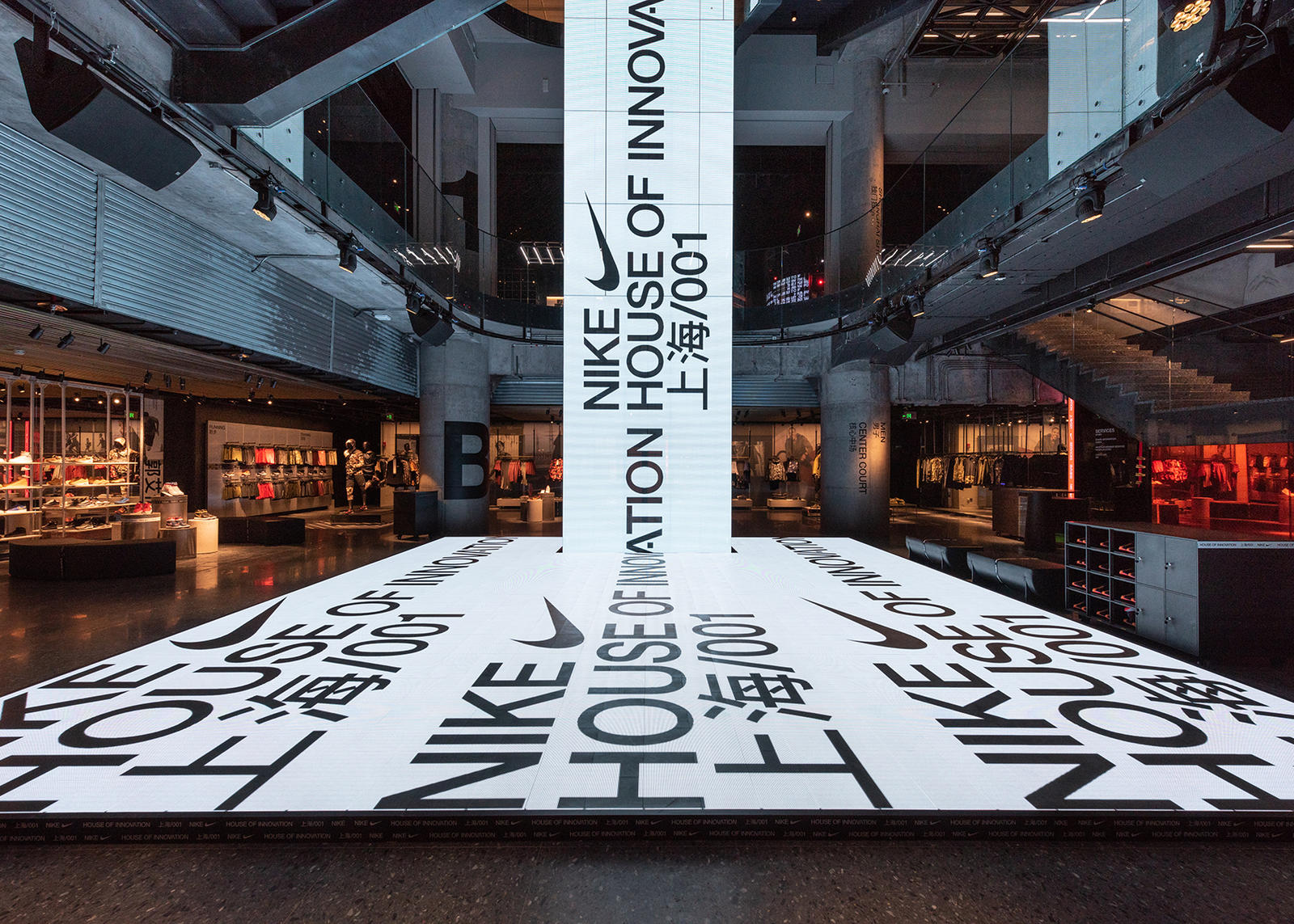
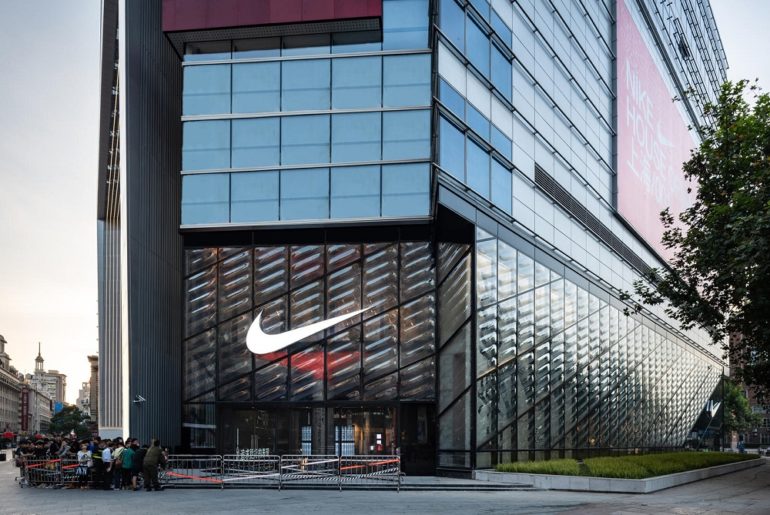
    Nike unveiled its first “House of Innovation”, located in Shanghai.

    The new store concept celebrates the brand’s innovations with rotating art installations, workshops, lectures and digitally-led trialing sessions. It also offers visitors exclusive products and collectibles that can’t be found anywhere else.

    On its website, Nike defined the retail space as “cross-category”, “consumer-focused” and “hyper-local”.

    Located in the Nanjing East Road shopping district, the store occupies four floors, spanning over more than 41,000 square feet.

    Access to the Nike Expert Studio, located on the top floor, is restricted to members of the brand’s membership club, NikePlus. There, they have access to even more exclusive items, personalized product picks and private sessions with athletes. NikePlus members can also have one-on-one sessions with a designer to customize select shoes by adding dip-dye, embroidery and other embellishments.

    The sportswear giant intends to launch several Houses of Innovation around the world, with a second store opening planned for New York City this fall. The company did not disclose where future shops will be located.

  • Vietnam’s latest fuel price hike spikes inflation concerns

    Vietnam’s latest fuel price hike spikes inflation concerns

    Last weekend’s increase in fuel prices has stoked fears that Vietnam might not meet its 2018 inflation target.

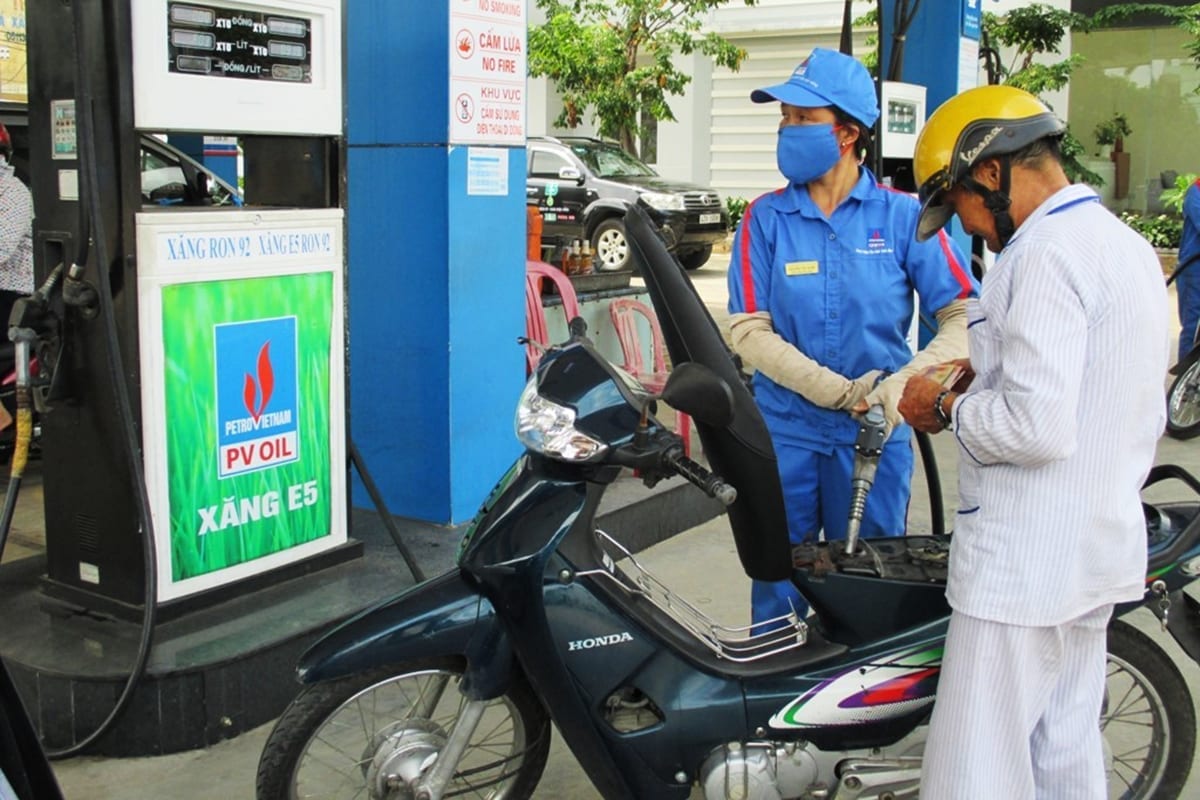
    The ministries of Industry and Trade and Finance upped fuel price last Friday, and prices of biofuel E5 RON 92 went by VND675 per liter to VND20,906 (90 cents) and that of RON 95 by VND577 to VND22,347 (96 cents).

    Kerosene prices went up by VND485 to VND17,086 (73 cents) per liter and that of mazut oil by VND752 to VND15,694 (67 cents) per kilogram.

    The ministries said that the increase in domestic prices followed a rise in world fuel prices of 3-5 percent over the last 15 days.

    They said that a RON 92 barrel costs $90.36, RON 95, $92.40 and diesel, $96.89.

    This was the third fuel price hike since early September. In this period, the per liter price of E5 RON 92 went up by VND1,296 (5.6 cents) in total, while that of RON 95 rose by VND1,170 (5 cents).

    While the latest increase has raised concerns among economists that Vietnam will not be able to meet its inflation target for the year, transportation businesses are worried about immediate impacts.

    Lam Dai Vinh, director of a cargo business said that he had to raise his service prices as fuel price accounts for 40 percent of his costs.

    Although his customers were not happy, Vinh said that he had no other choice.

    Economist Nguyen Tri Hieu said that the fuel price hike is one of the contributing factors to higher consumer price index (CPI).

    Costs will increase for businesses, which in turn, will lead to higher goods prices and therefore affect inflation, he said.

    “It is unlikely that Vietnam will be able to keep inflation below its target of 4 percent this year,” Hieu added.

    Echoing Hieu, Ngo Tri Long, former director of the Market Research Institute under the Ministry of Finance, said that there are “variables” in the market that could negatively affect inflation this year.

    Inflation was at 3.57 percent from January to September this year, according to the General Statistic Office.

    Experts are concerned about other factors that could lead to higher inflation, including the Vietnamese currency, dong, falling against the US dollar as a result of the U.S.-China trade war and natural disasters that often occur in the second half of the year, making business target more difficult to meet.

    Oil firms grow

    However, local oil firms are seeing robust growth because of higher oil and petrol prices.

    PetroVietnam Drilling (PVD) saw the price of its stock on the HCMC Stock Exchange (HOSE) increase by 65 percent in the last 30 days because of increasing world prices.

    From September 21 to October 6, crude oil prices went up from $78.9 to $88.81 per barrel, while that of RON 95 rose from $84.16 to $92.4 per barrel.

    PVD board chair Do Van Khanh said that when crude oil prices go above $60 per barrel, the company’s oil rigs will not have to be put on hold, and when it reaches over $70, business will become stable.

    PetroVietnam Gas also saw revenues up by 41.5 percent in the first half of this year, because oil prices rose 36 percent year-on-year in the same period.

    The price of its stock on HOSE has gone up by over 40 percent to VND120,000 ($5.15) since early July.

    Vietnam’s fuel price is set to increase even more next year when the new environmental tax approved by the National Assembly’s Standing Committee takes effect.

    Starting January 1 the tax on petrol will increase from VND3,000 (13 cents) per liter to VND4,000 (17 cents), and on diesel from VND1,500 to VND2,000.

    The hike was scheduled for next year so that the government could keep inflation under 4 percent this year.

    Although the plan met strong public opposition during its draft phase, authorities defended it, saying it would bring VND15.7 trillion ($676.8 million) each year to the government’s coffers, and help to deal with environmental issues.

    In the first half of this year, Vietnam imported 7.07 million tonnes of fuel worth $4.66 billion, up 40.4 percent in value from the same time last year, according to Vietnam Customs.

    The country exported 1.6 million tonnes of fuel, worth over $1 billion, up 41.7 percent in value.