Blog

  • Cos Malaysia starts the journey in Pavilion

    Cos Malaysia starts the journey in Pavilion

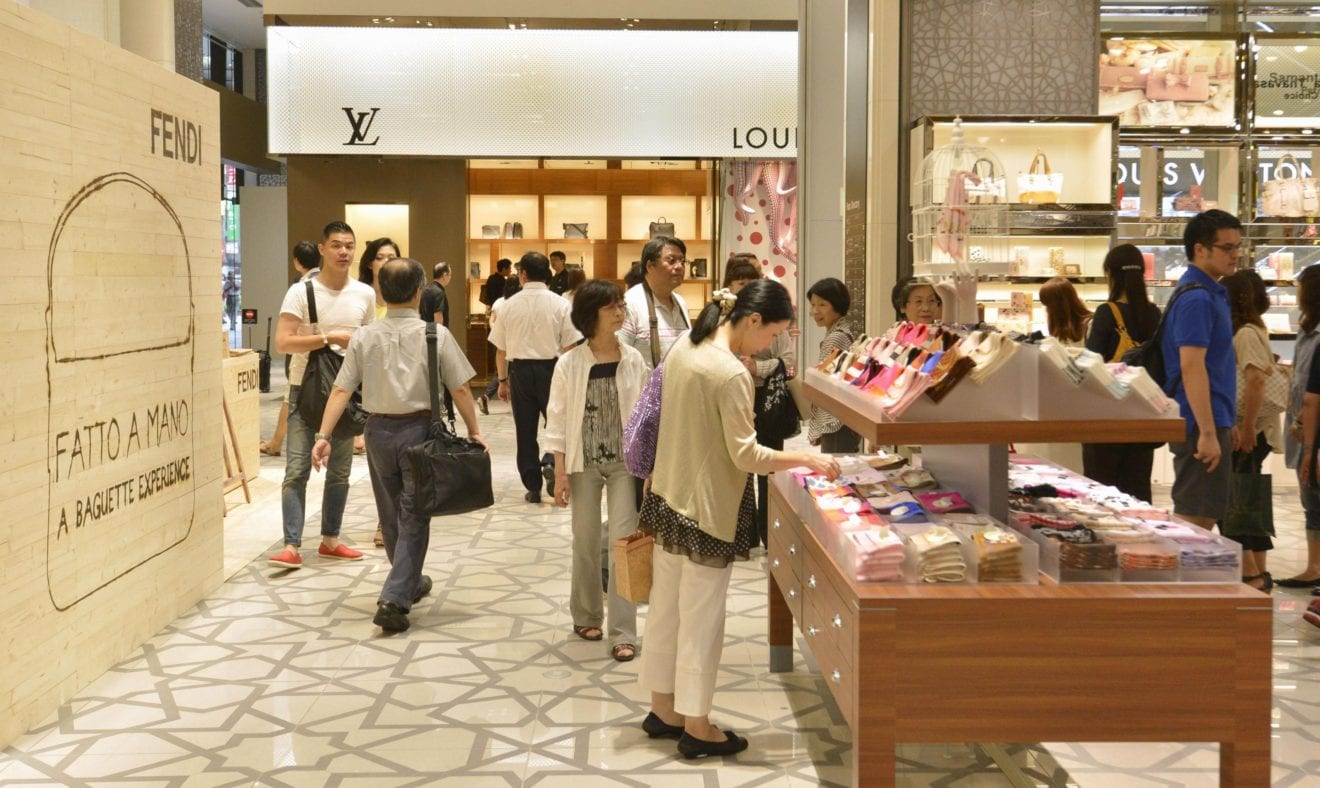
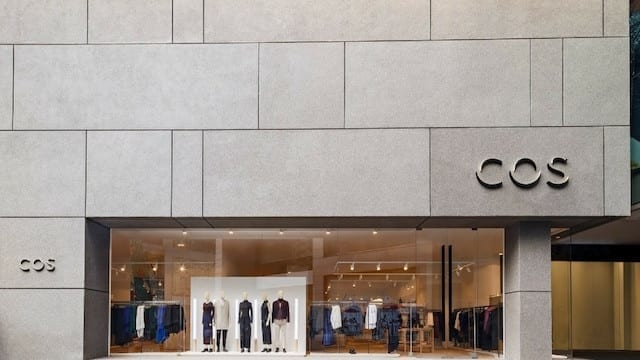
    Fashion brand Cos Malaysia has opened its first store, at the new Pavilion Elite Mall in Kuala Lumpur.

    The brand, which is part of the Swedish H&M stable, is offering menswear and womenswear from its latest autumn/winter collection. This explores hybrid garments combining wardrobe classics with the eccentric and eclectic, featuring warm colours, organic tones and draped proportions, says Malaysian beauty and wellness website Pamper.my.

    The store’s interior reflects the Cos design aesthetic of clean lines and natural elements, and features a lounge area.

    Cos MD Marie Honda describes the inaugural Malaysian store as “an exciting stage in our expansion in Asia”.

  • Salvatore Ferragamo changes the game in Asia

    Salvatore Ferragamo changes the game in Asia

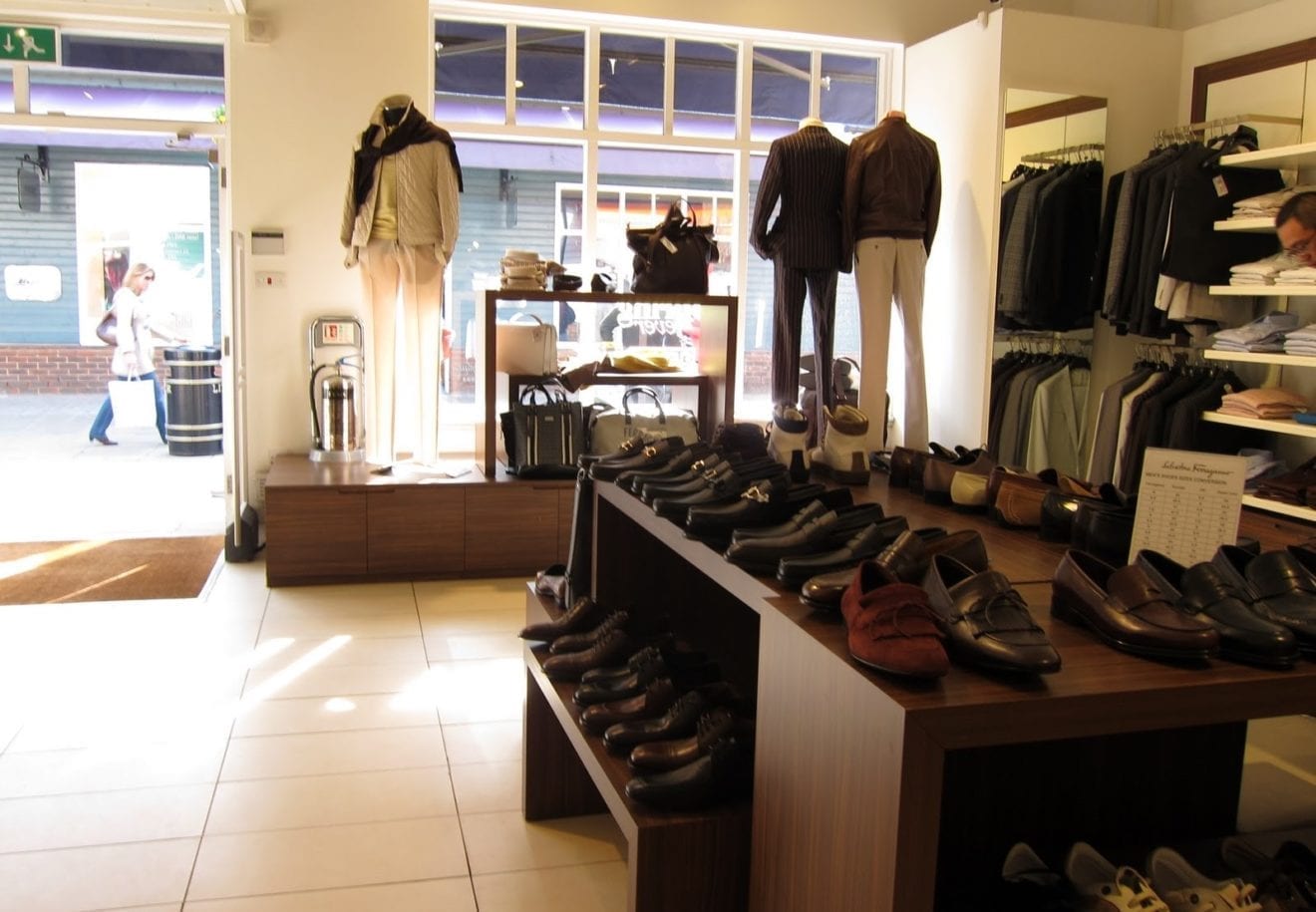
    Italian fashion label Salvatore Ferragamo has taken over four JVs created in partnership with Trinity (Fung Group), which distributes the brand in South Korea and Southeast Asia.

    Ferragamo says it has bought the companies’ 20 per cent share, still owned by Trinity through Trinity Luxury Brands Holdings and Ferrinch. The value of the transaction has not been disclosed.

    Impacting Ferragamo Korea, Ferragamo (Malaysia), Ferragamo (Singapore) and Ferragamo (Thailand), the takeover follows an agreement signed in 2012. This included a purchasing option allowing for Salvatore Ferragamo to take full control of the JV companies.

    At the time, Ferragamo had already increased its stake in the four companies to 80 per cent.

    In the past few years, the Asia-Pacific region has become Salvatore Ferragamo’s main market, accounting for 35.5 per cent of its global revenue. At the end of September, the label’s sales in the region amounted to €360 million (US$375 million), equivalent to a 0.3 per cent decrease compared to the first nine months of the previous fiscal year.

    The label has 70 monobrand stores in the region.

  • Luk Fook Jewellery Malaysia debut

    Luk Fook Jewellery Malaysia debut

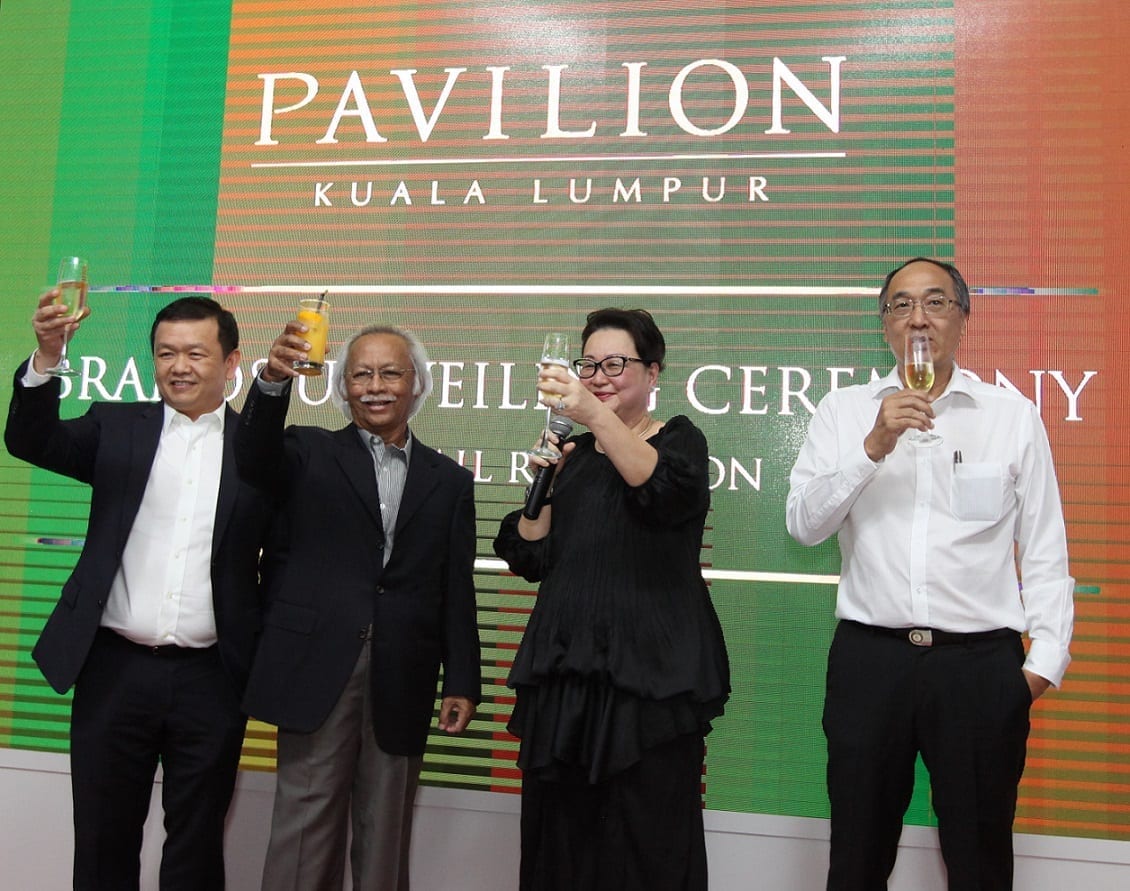
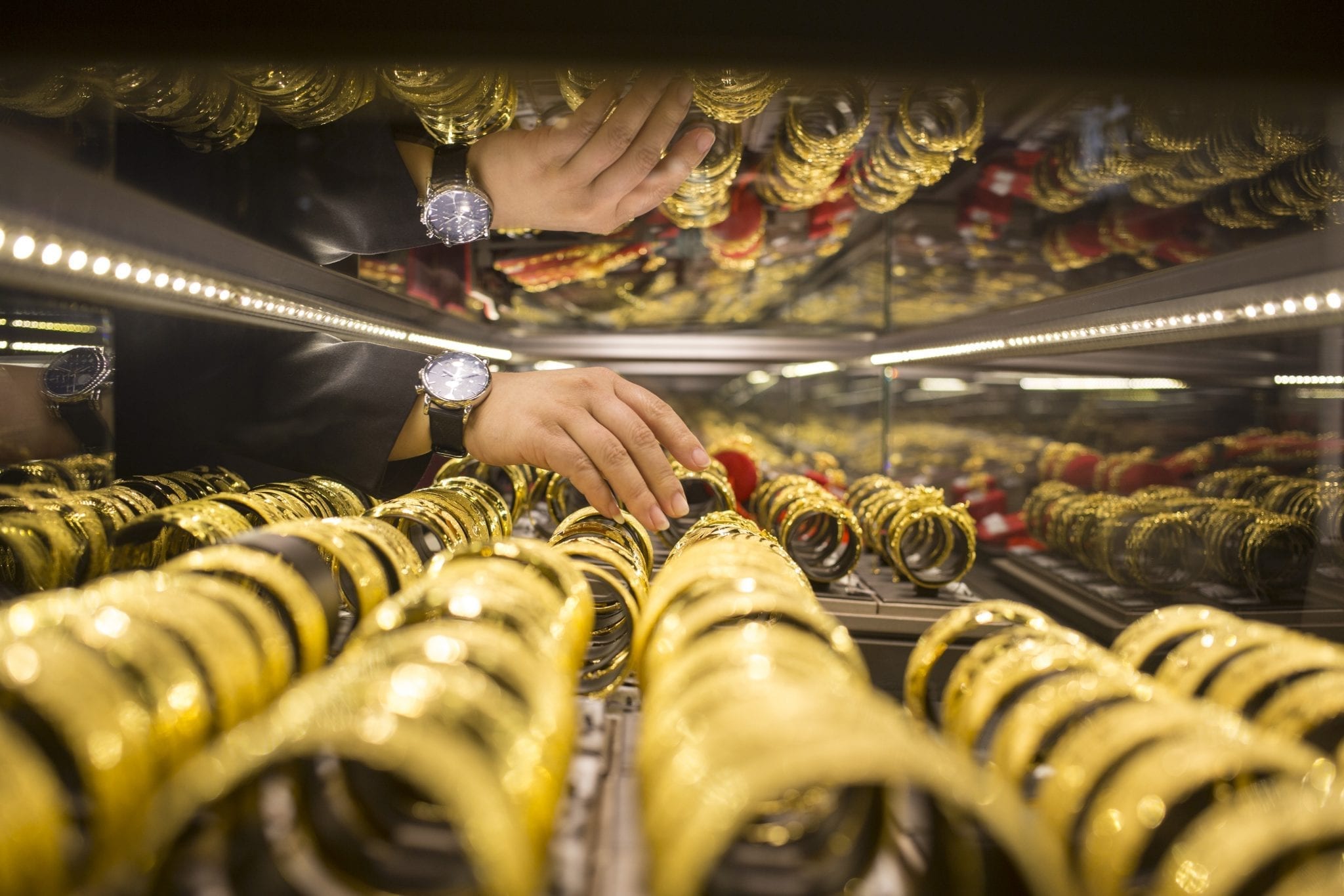
    Hong Kong luxury brand Luk Fook Jewellery has arrived in Malaysia, opening two stores – at Pavilion Elite and Suria KLCC.

    The group hosted a grand ribbon-cutting ceremony at its Pavilion Elite outlet, attended by actress Kristal Tin, Pavilion Kuala Lumpur retail CEO Joyce Yap, Hong Kong-Malaysia Business Association VP Henry Yip Choong Hung and Luk Fook Group executive director/deputy-GM Shirley Wong.

    Hosting the event was Luk Fook Group chairman/CEO Wong Wai Sheung.

    Luk Fook Jewellery first entered the Southeast Asian market in 2010 with a retail shop in Singapore. The two new outlets join its 1470 stores in the nine countries, including Australia, China, Korea, Macau and the US.

  • Singapore Cruise Centre concession goes to DFS Group

    Singapore Cruise Centre concession goes to DFS Group

    Luxury travel retailer DFS Group has been awarded the master duty-free and general merchandise concession at Singapore Cruise Centre (SCC).

    Winning the public tender process announced in June, DFS has a five-year contract covering SCC’s HarbourFront and Tanah Merah ferry terminals, with a two-year extension option.

    It is the first time SCC has awarded a master duty-free concession, consolidating several contracts including liquor and tobacco, perfumes and cosmetics, fashion, travel accessories and confectionery into a single contract.

    DFS will start trading on April 1, being allocated commercial space spanning 6000 sqft (557 sqm) across seven outlets at the terminals. The deal involves a reconfiguration of the main retail space at the arrival and departure areas of both terminals.

    Singapore Cruise Centre CEO Christina Siaw says the tender process attracted participation from the world’s leading international duty-free concession companies. “We were highly impressed with the passion, innovation and attention to detail demonstrated by participants in the tender proposal and interview stages.”

    She says passengers at the SCC terminals will soon have access to more retail space with a new store concept as well as new brands, marketing activities and services.

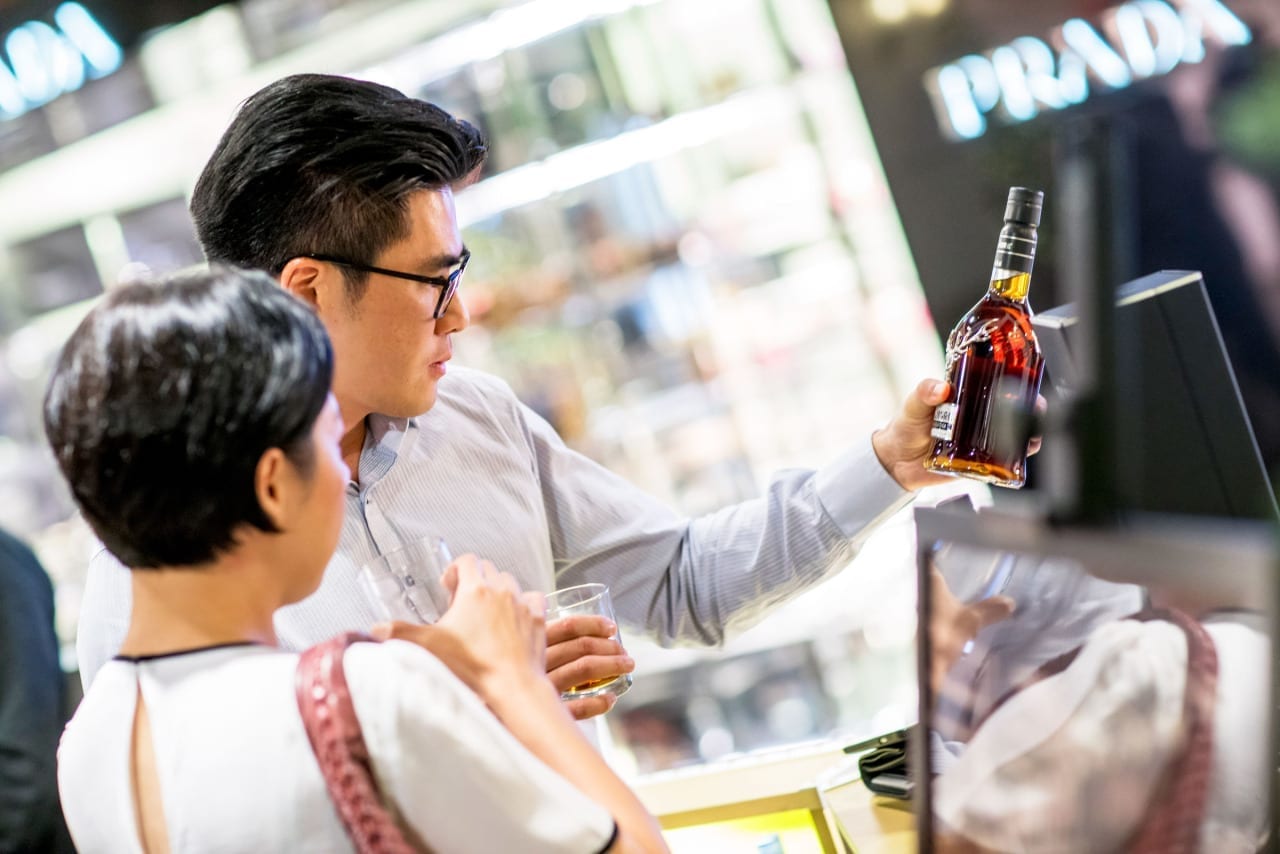
    DFS will offer products from more than 150 brands and introduce food and whisky-tasting stations as well as eCommerce, collection and home-delivery platforms.

    Outlets will undergo a phased renovation, introducing a revamped design inspired by the traditional seafront buildings nestled along Singapore’s coastline.

    More than 6.3 million ferry passengers and 560,000 cruise passengers pass through SCC’s terminals annually. DFS has had a presence at SCC for two decades.

  • Shell completes the sale of Shell Refining Company in Malaysia

    Shell completes the sale of Shell Refining Company in Malaysia

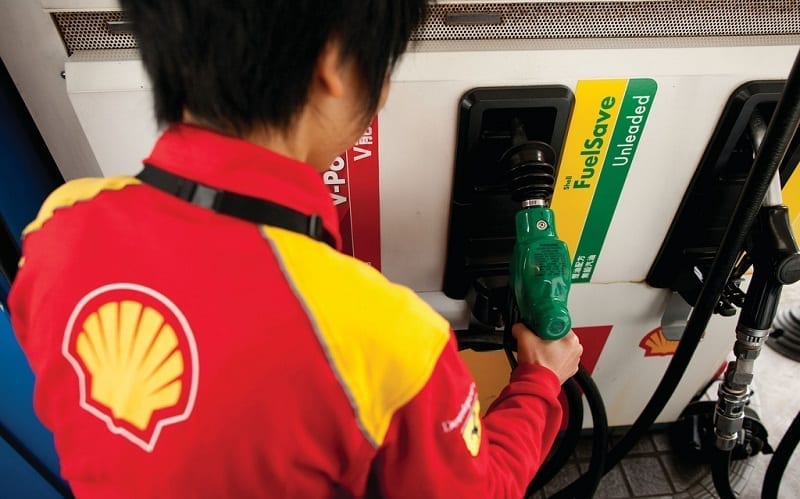
    Shell is the leading retail fuels and lubricants provider in Malaysia, which remains an important market for the company. Shell will maintain supply to its retail and commercial customers, and will honour all current commercial arrangements through existing comprehensive supply agreements in the country.

    This divestment is consistent with Shell’s strategy to concentrate its global downstream operations in areas where it can be most competitive.

  • First step in Taiwan for Ramen Iroha

    First step in Taiwan for Ramen Iroha

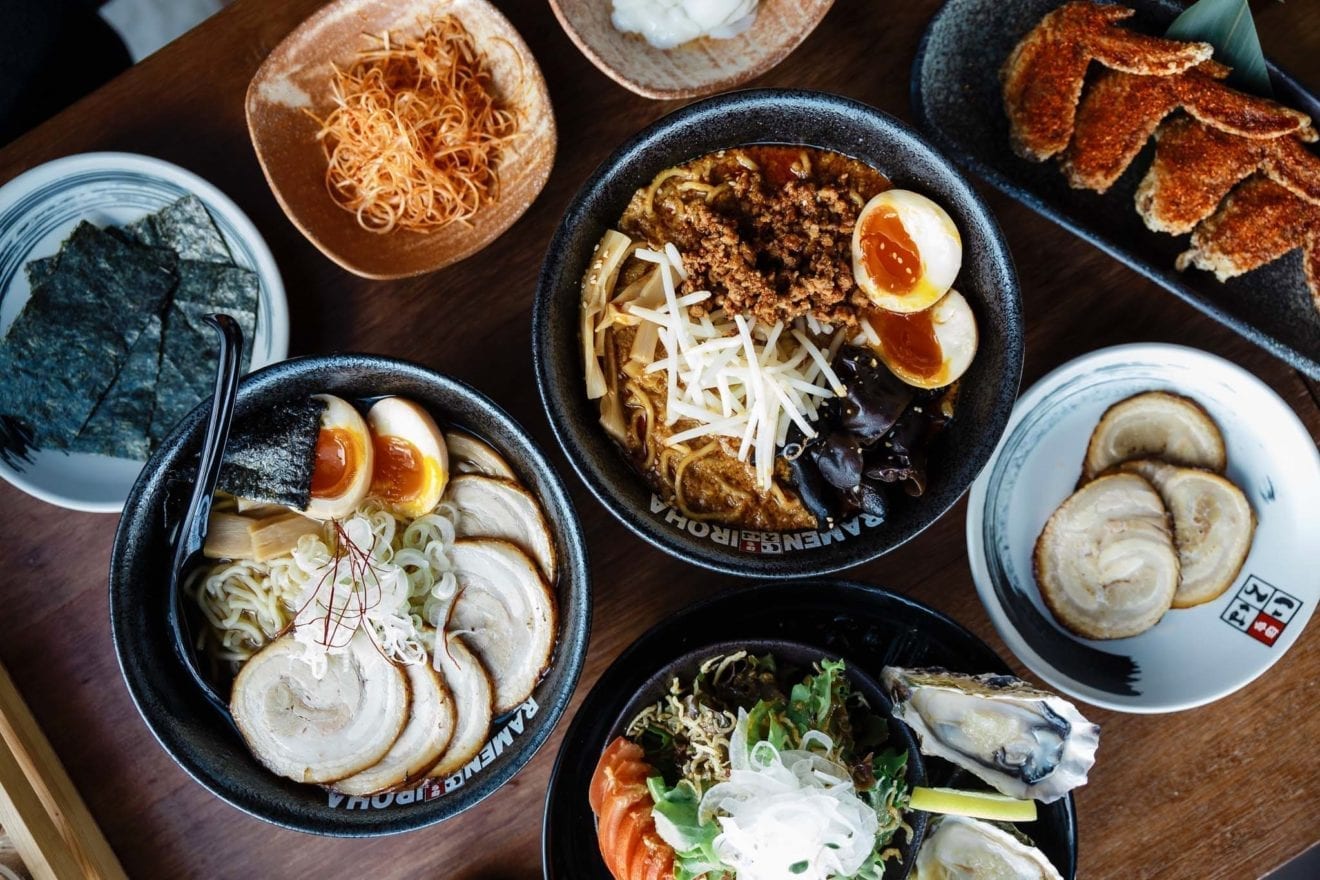
    Japanese restaurant chain Ramen Iroha has opened its first outlet in Taiwan.

    The Ramen Iroha Taiwan restaurant is a joint venture with local partner I-Mei Food which is sourcing ramen ingredients free from additives and chemical residues, and so appeal to health-conscious diners.

    Ramen Iroha, ranked number one in sales for three consecutive years in 2009, 2010 and 2011 at Tokyo Ramen Show, is gradually building a network of restaurants globally, with local partners. It recently opened in Hong Kong’s Causeway Bay.

    Signature dishes include ramen in black soy sauce and ramen with scallion and partially cooked eggs. One of the special features of its noodles is that the ramen is prepared in comparatively mild-flavour.

    The new Taiwan store is located on a street corner near Hsinchu Science Park at No 103 in Ziqiang South Road, Zhubei City, Hsinchu County.

  • Seoul Michelin Guide launched

    Seoul Michelin Guide launched

    The first ever edition of the Seoul Michelin Guide has been released.

    Seoul is enjoying a growing reputation for its eclectic dining scene ranging from royal cuisine restaurants and fine dining establishments to its many specialty Korean one dish restaurants and its popular street food.

    The new guide brings together a selection of the best of all cuisines with every establishment chosen first and foremost for the quality of cooking.  Two restaurants awarded three stars are Korean cuisine restaurants Gaon and La Yeon.  La Yeon on the 23rd floor of Shilla Hotel was named in the Best 50 Restaurants in Asia in 2016.

    Other contemporary Korean restaurants in Seoul like Jungsik and Mingles are well known for their innovative cuisine and the blending of traditional Korean ingredients into modern contemporary dishes with unique Korean flavours.

    Jungsik also made it onto the Best 50 Restaurants in Asia list in 2016 and executive chef Jungsik Yim also has a restaurant in New York.  Mingles executive chef Mingoo Kang trained under Martin Berasetegui in San Sebastian, Spain and later enjoyed stints at Nobu in Miami and the Bahamas.

    Korea is increasingly attracting foodies, not only for fine dining but for its variety of street food popular with locals and visitors alike. Specialty one-dish restaurants serving Samgyetang (whole baby chicken stuffed with ginseng and glutinous rice simmered slowly for hours) and Mandu (Korean style dumplings served with kimchi) abound.

  • SM City Tianjin open door

    SM City Tianjin open door

    SM Prime Holdings says it has opened its giant new SM City Tianjin shopping centre.

    But some property industry sources are expressing concerns that the second-tier Chinese city is already over-malled and wondering how the centre will fare.

    “The Philippines biggest retail developer must be hoping that Christmas is catching on in Tianjin,” observed property industry website Mingtandi, described Tianjin as “famously oversupplied”.

    The 565,000 sqm property is SM Prime’s seventh mall in China. More are on the drawing board as the Philippine company tries to expand its offshore interests.

    “The opening of SM City Tianjin reflects our strong confidence on China’s economy,” said SM Prime president Jeffrey Lim in a statement announcing the soft opening.

    “This gives SM Prime a wider perspective on China’s shopping culture, allowing us to capture bigger opportunities as an international integrated property developer.”

    SM Prime has malls in Xiamen, Jinjiang, Chengdu, Suzhou, Chongqing and Zibo and 60 malls in the Philippines, boasting a combined gross floor area of 9.1 million sqm both in the two countries.

  • Japanese department store facing downturn

    Japanese department store facing downturn

    Japanese department store sales fell 2.4 per cent in November, year-on-year, the ninth consecutive monthly decline.

    The Japan Department Stores Association reported total sales at 234 outlets run by 81 companies were ¥525.7 billion, (US$4.47 billion). It said it expected an improvement in December’s sales data as consumers enjoyed an end-of-year shopping spree.

    November was the third consecutive month when the rate of decline had narrowed. October’s same-store sales fell 6.5 per cent.

    The JDSA says most categories posted sales declines – with the notable exception of cosmetics.

    Meanwhile, the Japan Franchise Association says convenience store sales in November increased 0.5 per cent year on year to ¥773.4 billion (US$6.58 billion), the second consecutive monthly improvement.

  • Asian expansion plan for Burt’s Bees

    Asian expansion plan for Burt’s Bees

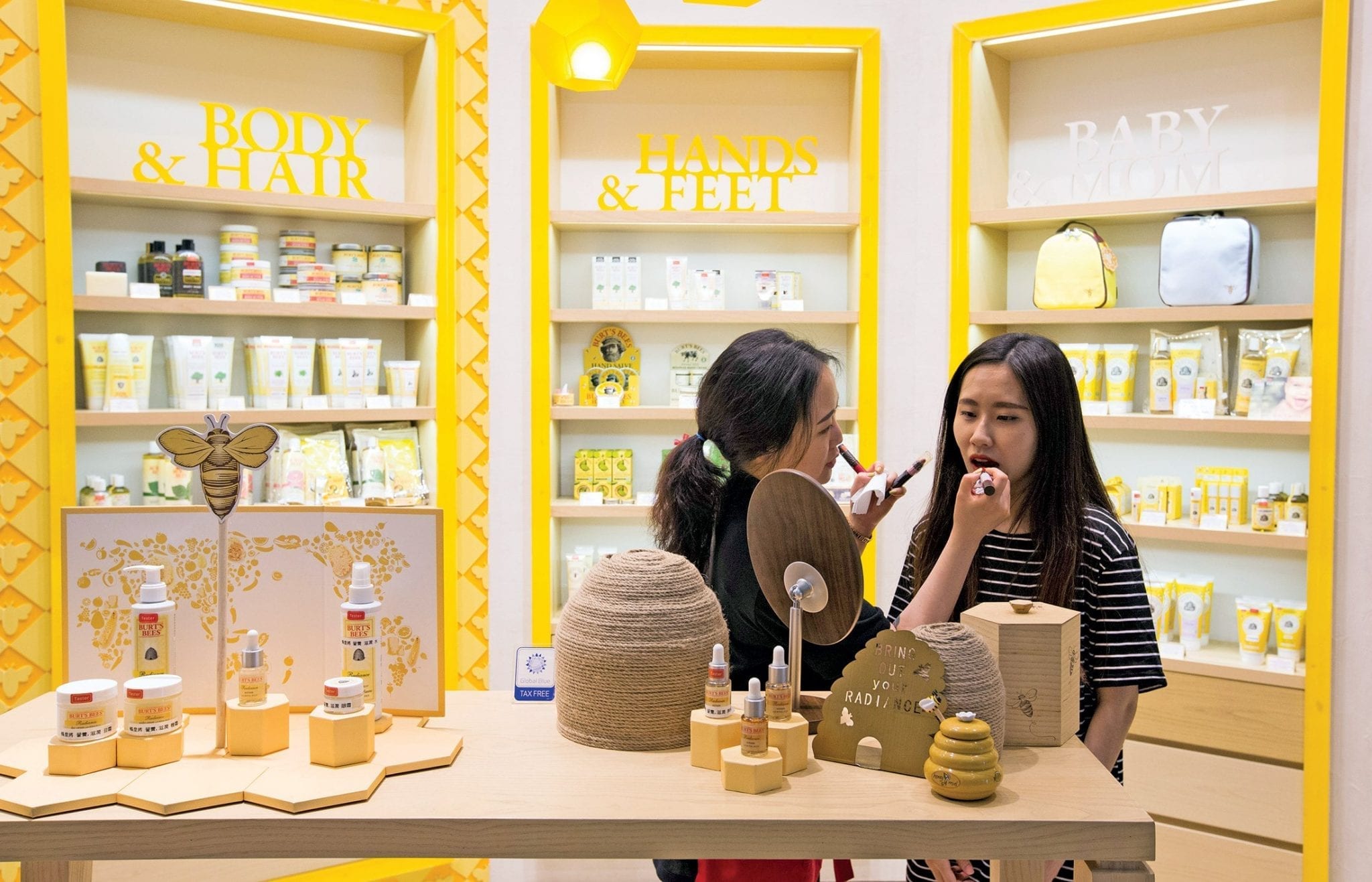
    Quirky US skincare brand Burt’s Bees is set to open stores across Asia after testing new concept formats in Hong Kong.

    The first stores are now trading at Queensway Plaza and Ocean Terminal.

    Despite its relative youth, Burt’s Bees is something of an institution in the US. Formed in 1984 in Maine by Roxanne Quimby and Burt Shavitz, Burt’s Bees started out making candles using excess wax from the latter’s honey business, before expanding into soaps and other personal care products using recipes discovered in 19th-century beekeeping books.

    burts-bees_telford-plaza_landini-associates_02

    By 2007 they’d given up the candles and were producing some 197 lines including lip gloss, shampoos, baby care lines and outdoor remedies, which were sold in 30,000 retail outlets in the US, UK, Hong Kong, Australia, Canada, Ireland and Taiwan among other countries. Late that year, industrial group Clorox reportedly paid US$925 million for the business.

    Burt died in 2014 aged 80, but his image lives on, forming a strong backdrop in the Hong Kong stores, which were designed by Sydney-headquartered design house Landini Associates.

    Landini has effectively reinvented the brand, repositioning it as a premium product, and paying tribute to the brand’s focus on sustainability and its philosophy “that everything should be for the Greater Good – good for you; good for us, good for all”.

    burts-bees_telford-plaza_landini-associates_03

    Two concepts have been created – a standalone store model and a store-in-store created for department stores.

    In tandem with the interiors, Landini has redesigned the graphics and communication: signage, ticketing and information graphics often embossed with a playful, iconic bee.

    “This is a big step for Burt’s Bees into the highly competitive Asian skincare market, explained a Landini spokesperson. “It will now roll out throughout Asia, South America and Europe.”

    Landini is also working on new packaging, designs of which will be released shortly.

  • LVMH will expand to eyewear business

    LVMH will expand to eyewear business

    Luxury brand group LVMH is thinking about taking its eyewear business in-house.

    This could be a further blow for Italian eyewear group Safilo, which lost the Armani licence in 2013 and those for the Kering Group labels (Alexander McQueen, Bottega Veneta, Gucci and Saint Laurent) at the end of 2014, reports CPP-Luxury.com.

    Italian investment bank Mediobanca has published a report about Safilo, owned by Dutch investment fund Hal, focussing on its announcement that its licence agreement with Celine has been terminated while its contract with Christian Dior has been extended until 2020. The licence for Celine’s eyeglass collections – the LVMH label joined Safilo’s portfolio in 2012 – ends on December 31.

    While the licence agreement for the design, production and distribution of eyeglasses and sunglasses for Dior and Dior Homme, also part of LVMH’s galaxy, has been extended until the end of 2020, Mediobanca says the extension is for three years only, not for seven years as was the case for the previous contract, renewed in September 2010.

    The bank’s analysts noted that the standard renewable licence contract is for five years.

    “We believe markets are much more volatile than in the past, and renegotiating contracts on a more frequent basis may be to the advantage of both parties,” says the bank. “But we think this could also signal a change in LVMH’s approach as the group has the financial strength to internalise its eyewear business, as Kering did a few years ago.”

    LVMH has been managing the eyewear collections for its leading brand, Louis Vuitton, internally for several years.

    Mediobanca estimates the sales for Celine and Dior eyeglasses collections are worth respectively €40 million (US$41 million) and €200 million. As well as these, there are the sales for the eyewear lines of Fendi, Givenchy and Marc Jacobs, all licensed to Safilo. Altogether, LVMH brands are worth €350 million in annual revenue for the eyewear group, equivalent to nearly 30 per cent of its total revenue, which Mediobanca pegs at €1.2 billion.

    The bank report also highlighted the Safilo portfolio’s “marked reliance on one single client”, plus the weakness of its own brands.

  • The plan for new Daegu Shinsegae

    The plan for new Daegu Shinsegae

    Korean retail giant Shinsegae Department Store’s new Daegu Shinsegae is a large-scale shopping and entertainment complex connected to a transportation hub in the southern city.

    Covering more than 103,000 sqm, it is Shinsegae Department Store‘s second large-scale branch outside of Seoul, following the Centum City branch in Busan. As well as traditional shopping areas, Daegu Shinsegae has a rooftop aquarium, indoor and outdoor mini theme parks, an art gallery and a concert hall.

    Shinsegae invested KW880 billion (US$755 million) in the project, the largest amount for any single Shinsegae Department Store branch.

    Daegu Shinsegae shares four floors with the new Dong-Daegu Intermodal Transfer Center, the culmination of a five-year project together with the Daegu Metropolitan City Government and the Ministry of Land, Infrastructure and Transport. It offers access to KTX and subway trains as well as buses.

    “We hope to use the transfer centre to create a network of consumers in nearby cities as we have to target consumers across the north Gyeongsang province area rather than just focussing on Daegu,” says store CEO Jang Jae-young.

    “Our market research found that Daegu consumers are unwilling to travel to other cities like Busan in order to shop, but on the other hand consumers from other cities are willing to come to Daegu,” says Daegu Shinsegae deputy chief Hong Jung-pyo.

    He says the centre will be different from the Shinsegae branches in Seoul, which gain most of their revenue from luxury products. Its strategy instead will be to attract a more mass consumer base with its family entertainment and young casual attractions.

    More than revenue, however, Jang says Daegu Shinsegae will first focus on smooth running and working with the surrounding community.

  • How Did China’s Retail Sales Look in November?

    How Did China’s Retail Sales Look in November?

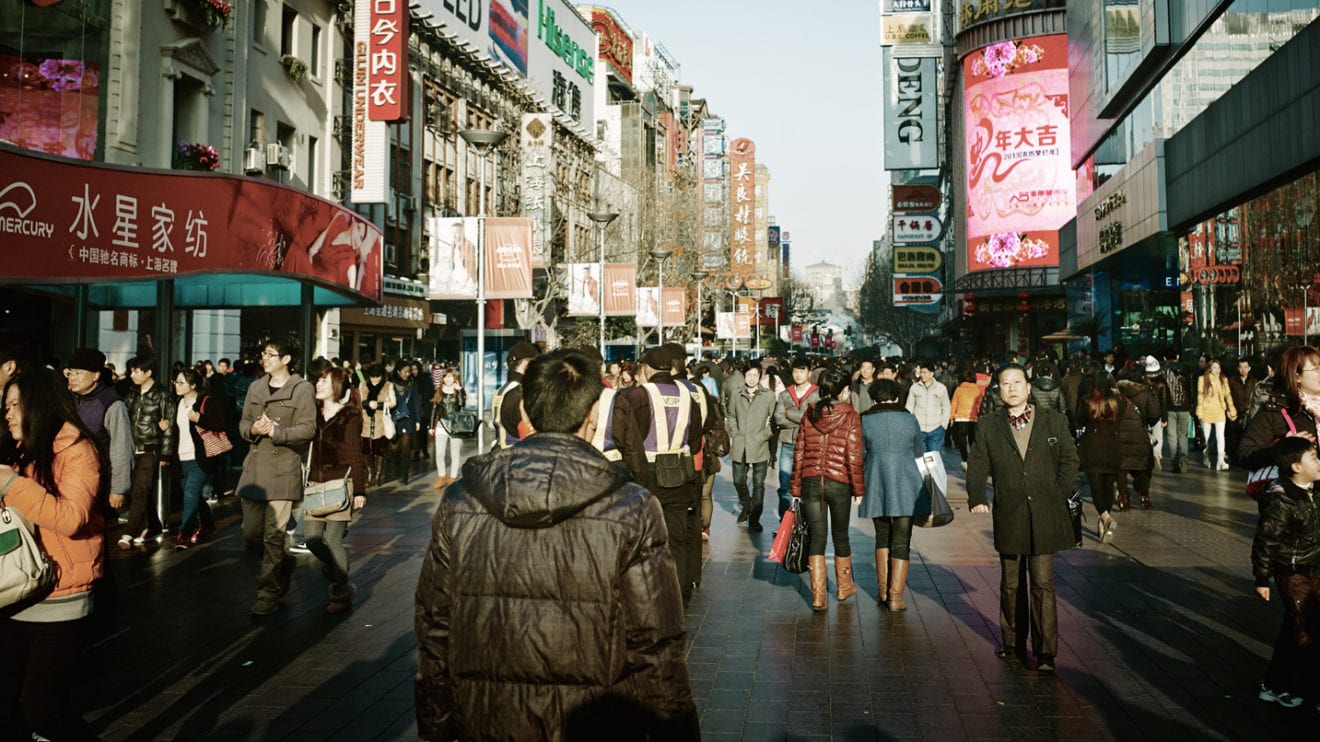
    On a year-over-year basis, China’s retail sales showed strong recovery in November 2016, according to the National Bureau of Statistics of China.

    The country’s retail sales rose 10.8% in November, compared to 10% in October. This reading was far above the market’s expectation of a 10.1% rise, and it was the highest since January 2016.

    How Did China’s Retail Sales Look in November?

    Sector-by-sector performance

    Building material sales rose 11%, furniture sales rose 8.8%, home appliance sales rose 14.7%, communications equipment sales rose 17.8%, personal care sales rose 10.7%, automobile sales rose 13.1%, and cosmetics sales rose 8.1%.

    Economic impact

    These sales improvements in different sectors signify that consumer sentiment is improving. After the slowdown in economic activity in China, the economy is going through a transitional phase. From a manufacturing hub, it’s transitioning to a consumer-based economy. Consumerism will play a large role in the country’s future economic growth.

    Consumption patterns are changing in China’s economy. Chinese consumers are becoming more selective toward the products and services that they use. As China is one of the world’s most important economies, improvement in its growth drivers could aid the global economy.

    In the next part of this series, we’ll see what indicators investors should look for this week.

  • Ethiopian Airlines to enter Indonesian aviation market in 2017

    Ethiopian Airlines to enter Indonesian aviation market in 2017

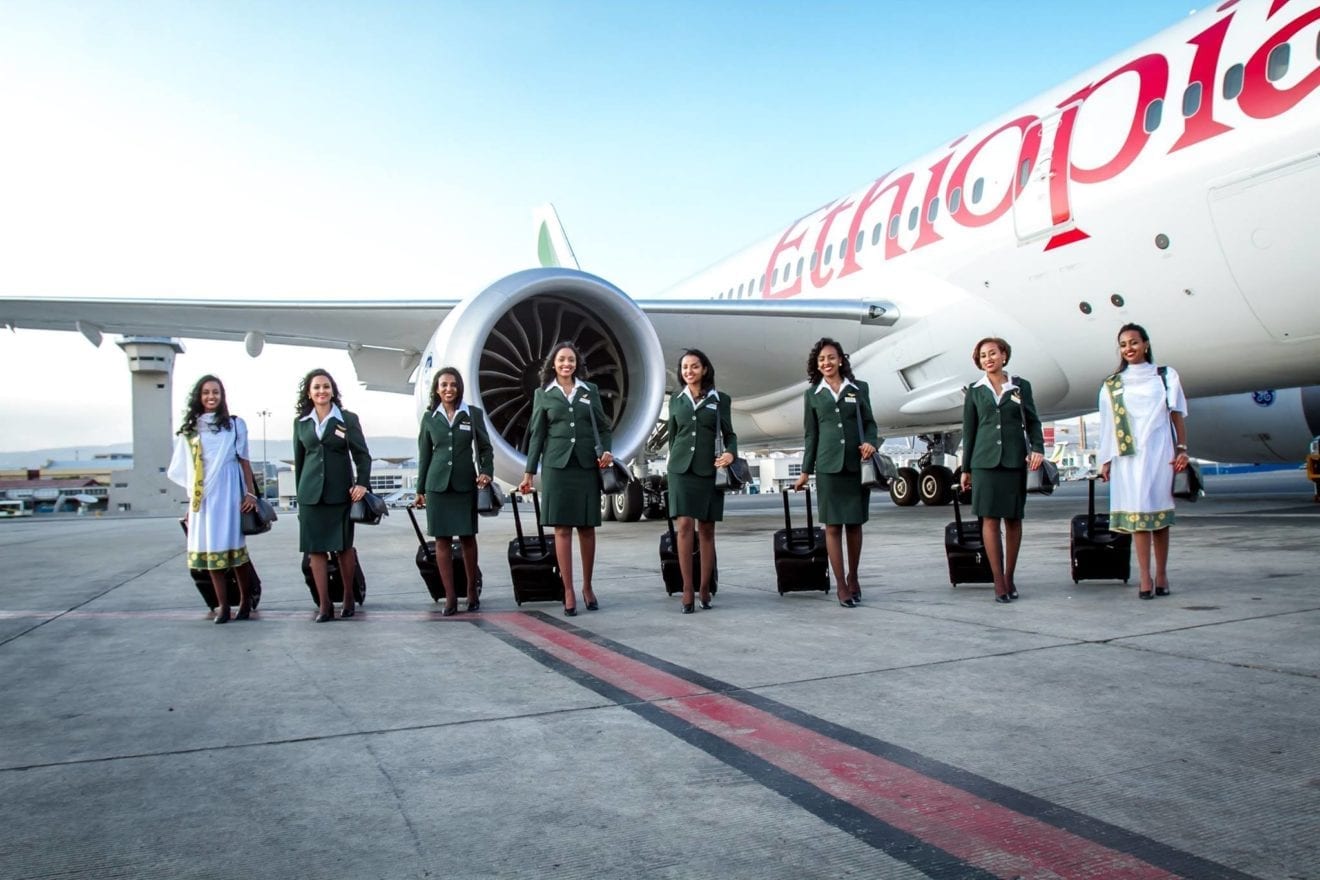
    Africa’s largest airline group, Ethiopian Airlines, on Wednesday announced its plans start scheduled flight services to Jakarta, the Indonesian, in June 2017. According to a statement released on behalf of Ethiopian Airlines by Jedidah Promotions, a travel consulting group, the African aviation giant, will be using the ultra-modern Boeing 787-800 to link up its numerous customers with Jakarta, which is Indonesia’s economic, cultural and political center.
    Indonesia, which is made up over more than 13,000 islands is the 4th most populous country in the world and, with this new service, Ethiopian Airlines will be rendering service to all five of the most populous countries on earth. Ethiopian is a multi-award winning airline, registering an average growth of 25 percent in the past seven years.
     “As the fastest growing airline in Africa, Ethiopian is pleased to offer the opportunity to business people as well as tourists to explore Jakarta’s potential both for investment and leisure. This move will further increase our presence in Asia, connecting Africa to the Asia region and in turn strengthening the tourism and trade ties between the peoples of Africa and Asia,” said Tewolde GebreMariam, who is the Group CEO of Ethiopian Airlines.
    According to him, Ethiopian Airlines is working very hard to connect Africa with the major trading centers of the world and Jakarta, Indonesia is one of them. “Moreover, pilgrims and the West African community residing in Indonesia will be enjoying hassle-free connections to Ethiopian’s vast African network via its hub at Addis Ababa,” said GebreMariam.
    Ethiopian is touted by its management as a global carrier that operates the youngest and the most modern fleet on the African continent, with an average aircraft age of less than 5 years, serving more than 90 international destinations across 5 continents through over 240 daily departures.

    The company is the fastest growing Airline in Africa and, in its seven decades of operation, Ethiopian has become one of the continent’s leading carriers, unrivalled in efficiency and operational success.

    Ethiopian commands the lion’s share of the pan-African passenger and cargo network, operating the youngest and most modern fleet to 95 international destinations across five continents. 
    Its fleet includes ultra-modern and environmentally friendly aircraft such as Airbus A350, Boeing 787, Boeing 777-300ER, Boeing 777-200LR, Boeing 777-200 Freighter and Bombardier Q-400 double cabin. It is also the first airline in Africa to own and operate these categories of aircraft.
    Ethiopian is currently implementing a 15-year strategic plan called Vision 2025, which it projects to see it become the leading aviation group in Africa with seven business centers, including the Ethiopian Domestic and Regional Airline, the Ethiopian International Passenger Airline, Ethiopian Cargo and the Ethiopian MRO.
    Others are the Ethiopian In-flight Catering Services, and the Ethiopian Aviation Academy and the Ethiopian Ground Service.
  • Toby’s Estate Indonesia Launches with North Jakarta Flagship

    Toby’s Estate Indonesia Launches with North Jakarta Flagship

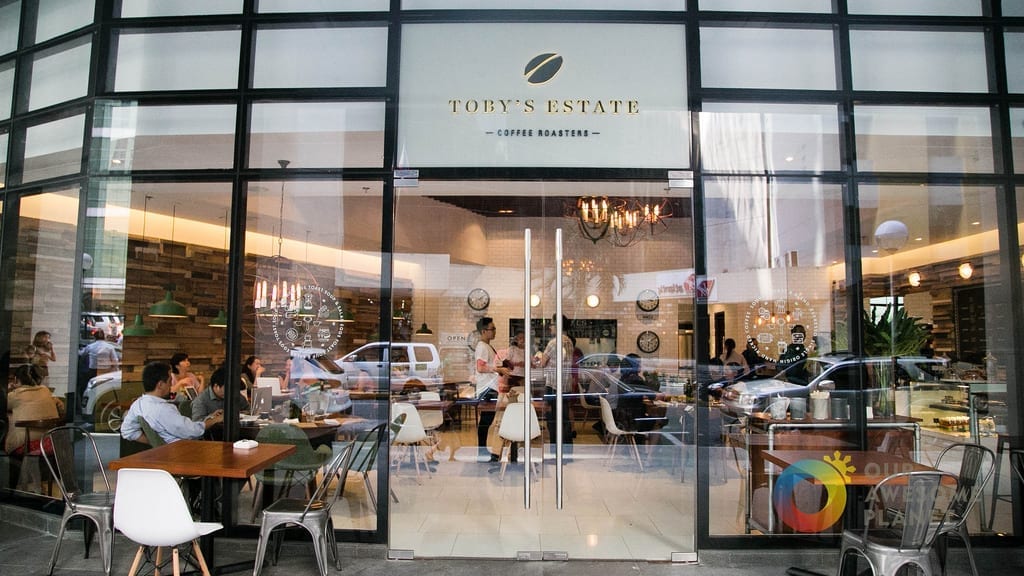
    The 15-year-old Australian-born specialty coffee powerhouse Toby’s Estate has expanded its roasting and retail presence to Indonesia, opening a flagship location in Jakarta on Dec. 10.

    Founded by Toby Smith in Sydney in 2001, the company has since expanded to New York and the Philippines, with each market receiving its own roasting division and brand under the Toby’s Estate umbrella. The company has primary Australian retail outposts in Chippendale, Brisbane and Melbourne, and the New York division has four current locations, with at least one more on the way.

    The Jakarta location is naturally the company’s second within a producing region, with Indonesia being the fourth largest producer in the world. Offering a range of single-origin coffees from throughout the world, Toby’s does source from Smith’s own Toby’s Estate farm — Finca Santa Teresa in Panama — while the Jakarta location has opened with at least one single-origin coffee from Mandheling, Indonesia.

    Toby's Estate Indonesia photo.

    In addition to a full food menu with items such as buttermilk fried chicken and Brioche French Toast — along with other Aussie café staples such as avocado toast — the Toby’s team pulled no punches on gear, with a Mavam setup and a Kees van der Westen Spirit helping to power the espresso program.

    Toby’s Estate Indonesia is now open at Pik Avenue Ground Floor, #E2 in North Jakarta.