Blog

  • LG Electronics Expands US Signature Appliance Line to 10 Categories and Wider Retail

    LG Electronics Expands US Signature Appliance Line to 10 Categories and Wider Retail

    LG Electronics has expanded its luxury appliance line to 10 kitchen and laundry categories in the United States. It is also shifting distribution from flagship showrooms into mainstream retail stores.

    The South Korean group used the tenth anniversary of its LG Signature label to push built-in ovens, cooktops and hoods across nationwide distributor networks.

    North America head Kwak Do-young unveiled the range at the Guggenheim Museum in New York on October 8. Products are tailored for flush kitchen installations. The expanded catalogue adds wall ovens, range hoods, cooktops and ranges to the brand’s established refrigerator and laundry lines.

    Kitchen Lineup and Built-In Push

    Three design treatments make up the new kitchen collection. One design pairs metallic surfaces with gold accents, while another offers custom colour panels. A flush-mount version sits flat against adjoining cabinetry without protruding hardware.

    Built-in units represent the highest-margin segment of the North American major appliances market. By broadening from standalone refrigerators and washing machines into integrated cooking suites, the manufacturer aims to capture complete kitchen renovations rather than single replacement purchases.

    Camera Sensors and Cooking Controls

    Software features in the cooking appliances focus on visual monitoring. The oven range includes an internal camera system that identifies ingredients, suggests cooking programs and tracks surface browning to alert users during cooking cycles.

    Independent testing gave an early boost to the laundry lineup. The Signature WM9900HSA washing machine scored 87 points in Consumer Reports testing, the top score among more than 100 evaluated models. That placed the washer and dryer set on the organization’s 15 best laundry sets of 2026.

    “We will continue to offer North American consumers differentiated experiences through a premium lineup that combines sophisticated design with AI-powered convenience,” Kwak said.

    Shift from Flagship Stores to Mass Retail

    Where American shoppers buy the hardware forms the core of the operational shift. LG previously restricted Signature displays to dedicated brand galleries and specialty showrooms to protect brand prestige.

    Floor displays and sales will now roll out into standard retail branches run by major national distributors. Placing luxury cooking packages directly alongside mass-market units gives retail store staff higher-ticket floor models to pitch to affluent remodelers.

    Premium Competition in North America

    This retail change brings LG into closer direct competition with European luxury specialists such as Miele, Bosch’s Thermador and Sub-Zero, which dominate North American designer kitchen channels. Samsung Electronics has pursued a similar path with its Dacor acquisition and Bespoke lines. That has forced Asian electronics manufacturers to fight over premium floor space in American stores.

    Retail channel discipline presents a major risk for the Seoul-based manufacturer. Expanding into broad retail chains increases floor traffic. However, it requires distributor floor staff to master complex built-in installation specifications that kitchen designers typically manage.

    LG introduced the Signature sub-brand in the United States in 2016. It initially focused on high-priced OLED televisions, glass-door refrigerators and twin-tub washing machines before adding cooking appliances.

    Distributors across North America will begin stocking the expanded 10-category kitchen portfolio during the fourth quarter. Retail display installations will continue through the first half of 2027.


  • Singapore Activates Haze Subsidies as PSI Hits 151

    Singapore Activates Haze Subsidies as PSI Hits 151

    Singapore opened subsidized medical care across polyclinics and participating private clinics on October 12 after transboundary smoke pushed the 24-hour Pollutant Standards Index to 151.

    The Ministry of Health activated both the Public Health Preparedness Clinic scheme and the Haze Subsidy Scheme following a sustained week-on-week rise in hospital emergency admissions for respiratory conditions.

    All Singapore citizens qualify for subsidized consultations and treatments for haze-linked ailments at government polyclinics, including allergic rhinitis, asthma, bronchitis, conjunctivitis, chronic obstructive pulmonary disease, and upper respiratory tract infections.

    How The Subsidy Pricing Structure Works

    Patients visiting participating private general practitioner clinics face tiered co-payments based on concession status. Public Assistance cardholders receive treatment at zero cost.

    Pioneer Generation and Merdeka Generation seniors pay no more than S$5 per visit. Other eligible lower- to middle-income citizens, children under 18, and adults over 65 holding Community Health Assist Scheme cards pay a maximum fee of S$10.

    The government reimburses the remaining service costs directly to participating medical operators. Close to 1,000 of the roughly 1,370 private clinics enrolled in the national preparedness network confirmed participation ahead of the Monday launch.

    Hospital Protocols and Urban Foot Traffic

    Hospitals across the island stepped up baseline containment procedures over the weekend. Staff closed ward windows and corridor openings. They ran indoor mechanical ventilators, spot coolers, and commercial air purification systems.

    A surge in influenza A infections coincided with the jump in pollution. The combined caseload drove higher patient volumes into polyclinic waiting rooms and private neighborhood practices across housing estates.

    Extended smoke haze shifts consumer footfall from open-air street precincts into enclosed, air-conditioned retail centres. Operators in suburban transport hubs absorb heavier retail traffic. Meanwhile, outdoor recreation and alfresco food venues face immediate booking cancellations.

    Comparison With Previous Severe Episodes

    Authorities last activated the full Haze Subsidy Scheme in 2015. Prolonged agricultural fires across regional peatlands blanketed the city-state for weeks during that crisis, pushing pollution readings beyond the 300 hazardous threshold.

    Health Minister Ong Ye Kung confirmed that current inter-monsoon wind patterns and low rainfall suggest the smoke haze will linger over the island for several more weeks. Prevailing wind flows prevent quick atmospheric clearing across southern Malaysia and the Singapore Strait.

    Across the border, air quality data tracked parallel deterioration. Environmental stations in Johor recorded index readings reaching 180 in Pasir Gudang, reflecting widespread exposure across the shared industrial and logistics corridor.

    Air Quality Readings Across the Island

    National Environment Agency monitoring stations registered unhealthy air quality ratings across all five island zones on October 11. Readings between 101 and 200 fall under the agency’s unhealthy classification band.

    Western districts recorded the highest 24-hour index at 151. Central commercial zones followed at 149, while eastern residential neighborhoods stood at 135. Northern and southern coastal sectors both recorded readings of 115.

    Health authorities advised residents with chronic heart or lung ailments to avoid outdoor exertion until daily readings drop below the 100 mark.

  • Chinese Chocolate Persimmon Prices Drop 70% in Vietnam

    Chinese Chocolate Persimmon Prices Drop 70% in Vietnam

    Chinese chocolate persimmons dropped to VND30,000 ($1.15) per kilogram in Vietnam, falling 70 percent year-on-year to reach their lowest level since entering the market in 2023.

    The price collapse puts the imported fruit roughly 10 percent below domestic persimmons from Da Lat and at one-third the price of Central Highlands Fuji varieties.

    Supply Surge Across Traditional Stalls

    Street stalls and wet-market vendors across Hanoi and Ho Chi Minh City sell the fruit between VND30,000 and VND60,000 per kilogram depending on grading. The Shanxi specialty, known for its brown-speckled seedless flesh, crisp texture, and lack of astringency, has shifted from a niche novelty into a volume product across urban centres.

    Importers route the fruit directly to neighbourhood shops and wet-market stalls rather than channeling volume through wholesale central markets. This direct delivery model cuts handling layers and accelerates stock turnover on retail floors.

    Upstream Pricing in Shanxi

    Farmgate economics in China explain the steep retail drops across Vietnamese cities. In Shanxi province, bulk wholesale orders trade at CNY0.8 to CNY1.2 per jin, or half a kilogram, translating to VND6,000 to VND9,300 per kilogram before transport.

    Chinese e-commerce platforms show similar pricing pressure. JD.com lists 1.5-kilogram boxes of crisp Shanxi chocolate persimmons at promotional prices of CNY14.9, equal to about VND38,500 per kilogram for domestic consumers.

    Squeezing Domestic Growers

    Direct supply lines from northern China challenge domestic fruit producers in Lam Dong and the wider Central Highlands. Local growers face higher harvest and transit costs, leaving domestic varieties unable to match the volume pricing of northern imports during peak harvest windows.

    Specialty fruit shops that previously commanded premium margins on Japanese-origin varieties now face price erosion. When standard street vendors sell comparable seedless stock at VND30,000 per kilogram, premium fruit boutiques lose their pricing use.

    Cross-Border Produce Inflow

    The persimmon surplus forms part of a wider trade shift between the two countries. Vietnam imported nearly $900 million worth of fruits and vegetables from China during the first eight months of the year, an increase of 51 percent over the same period last year.

    Persimmons arrived alongside rising shipments of Chinese grapes, apples, and pears across land border crossings. Customs clearance volumes through northern border gates over the final quarter will determine whether retail persimmon prices stabilise or face further downward pressure before the seasonal harvest concludes.

  • Vietnam Opens First Copyright Infringement Case over Japanese Media

    Vietnam Opens First Copyright Infringement Case over Japanese Media

    In October 2026, Vietnam launched its 1st copyright infringement case involving Japanese media, intensifying national efforts to combat intellectual property violations.

    Authorities in Hanoi initiated the crackdown against a website suspected of piracy following pressure from the US and Japan.

    Enforcement on illicit digital networks

    Investigators targeted an online platform that captured Japanese studio productions and distributed them locally with Vietnamese subtitles. The case represents the first formal prosecution under Vietnam’s criminal intellectual property statutes involving media assets originating from Japan.

    Unlicensed streaming hubs operating out of Southeast Asia have long undercut legitimate distributors and commercial licensing deals. Vietnamese operators frequently build high-traffic web portals that monetize foreign media catalogues through offshore display advertising networks while avoiding licensing fees.

    Bilateral pressure and international trade

    Commercial relations with Tokyo and Washington drove Hanoi to accelerate enforcement against local digital pirate rings. Both the American and Japanese governments have repeatedly pressed Vietnamese regulators to protect foreign intellectual property rights as bilateral trade and digital commerce flows expand.

    Trade officials in Washington previously scrutinized intellectual property enforcement standards in Vietnam alongside wider bilateral trade imbalances. Tokyo has similarly backed legal initiatives to assist Japanese entertainment companies in pursuing copyright lawsuits and regulatory actions across Southeast Asian jurisdictions.

    Commercial impact for digital distributors

    Licensed streaming services and entertainment companies operating in Vietnam face persistent margin pressure when competing against zero-cost pirated catalogues. Formal prosecutions alter the commercial market by raising operating risks for unauthorized platforms and establishing direct legal accountability for web hosts.

    Legitimate entertainment groups and local media platforms gain commercial ground when authorities dismantle unauthorized distribution networks. Sustained enforcement creates a clearer runway for Japanese studios, streaming networks and consumer merchandise partners seeking direct digital distribution contracts in Vietnam.

    The regulatory pipeline in Southeast Asia

    Japanese regulators have expanded regional assistance programs to help Southeast Asian emerging markets draft and enforce intellectual property frameworks. The effort aims to curb cross-border revenue leakages that cost studios and content creators billions of yen in overseas royalties annually.

    Court filings and formal trial proceedings in Hanoi will determine the scale of penalties levied against the site operators as prosecutors prepare the case for court.

  • Nvidia Explores Buyout or Expanded Stake in Reflection AI

    Nvidia Explores Buyout or Expanded Stake in Reflection AI

    Nvidia has entered early talks to buy software automation startup Reflection AI or increase its existing 800 million dollar stake in the company.

    An agreement would give the chipmaker direct control over an open-weight developer platform that was seeking new funding at a 25 billion dollar pre-money valuation in April.

    Discussions remain fluid and could collapse before any binding terms are signed. Negotiators are evaluating several transaction models, including an acqui-hire structure where Nvidia would absorb engineering talent and license Reflection AI’s core intellectual property rather than execute an outright merger. That mechanism is designed to reduce antitrust review across major regulatory jurisdictions.

    Targeting Chinese open models

    Former DeepMind researchers Misha Laskin and Ioannis Antonoglou founded Reflection AI in 2024 to build automated software engineering systems. The startup released its first open-weight model, Beam, aiming to match code generation capabilities with lower operating costs.

    The push directly targets low-cost Chinese architectures such as DeepSeek and Moonshot AI’s Kimi. Both Chinese platforms gained rapid adoption among developers and enterprises across the Asia-Pacific region by offering competitive inference performance at a fraction of Western proprietary pricing.

    Enterprise software shifts across Asia

    For enterprise developers and technology teams in Asia, Nvidia absorbing Reflection AI alters the economics of internal software development. Retailers and consumer platforms across Singapore, Japan and South Korea have tested open-weight code generation models to replace expensive commercial coding copilots.

    A direct Nvidia backing gives Reflection AI distribution scale, yet it ties open-source tooling closer to Nvidia’s hardware stack. Asian engineering teams balancing budget constraints against compute sovereignty will face a sharper choice between Western hardware-integrated models and cheaper Chinese open-source options.

    Funding and strategic steps

    Nvidia already established a position inside Reflection AI through its earlier 800 million dollar capital commitment. Reflection AI chief executive Misha Laskin disclosed the startup’s 25 billion dollar valuation target during an interview with CNBC in April.

    The current negotiations follow a broader effort by US technology groups to assemble open-source alternatives capable of preventing Chinese model architectures from dominating global developer standards.

    What comes next

    A final structure between Nvidia and Reflection AI is expected to take shape in the coming weeks. Whether the transaction proceeds as an equity expansion, a full purchase or a licensing arrangement will determine how quickly Beam’s coding tools integrate into Nvidia’s enterprise software suite.

  • Diet Coke Cans Reach Record 70 Rupees in India as Aluminium Squeeze Bites

    Diet Coke Cans Reach Record 70 Rupees in India as Aluminium Squeeze Bites

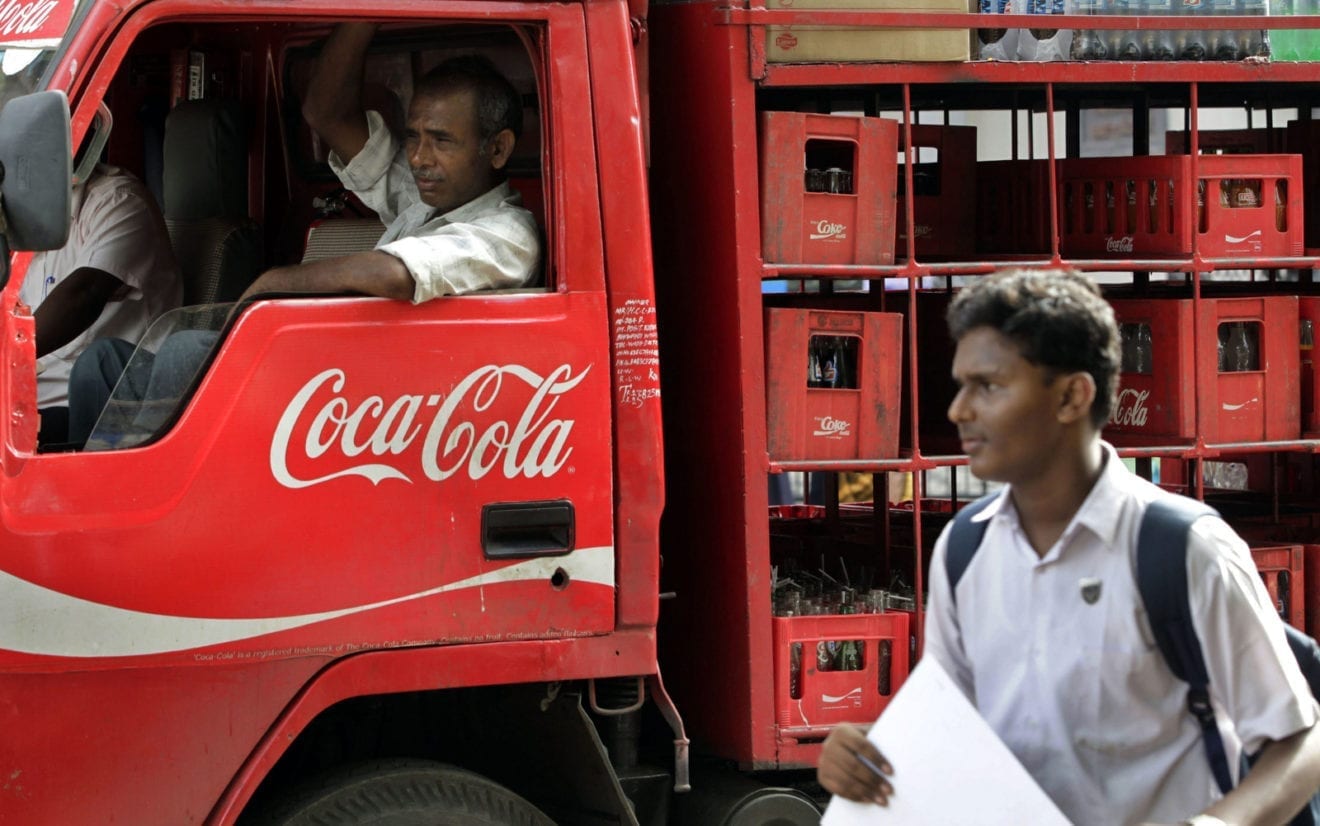
    Coca-Cola bottlers and retailers across India have raised Diet Coke prices to 70 rupees for a 330 ml can, up from 50 rupees, as metal packaging costs climb.

    The 40 per cent jump hits major urban territories, including Delhi-NCR, Mumbai, Bengaluru and Goa. Local stores there charge the new rate even on inventory printed with the earlier 50-rupee maximum retail price.

    Metal costs squeeze bottler margins

    Can-grade aluminium prices surged 30 per cent year-on-year after conflict in West Asia disrupted supplies earlier this year. That inflation forced independent packaging partners to pass costs down the distribution chain.

    Bottlers say packaging economics collapsed under higher procurement tabs for beverage cans. One independent Coca-Cola bottler stated:

    “Yes, we are selling 330 ml cans of Diet Coke at ₹70 now. The increase in prices of aluminium cans is unsustainable,”

    Divergence between store shelves and apps

    Offline retailers and neighborhood grocers applied the 70-rupee price tag across metro markets, triggering consumer pushback on social media. Quick-commerce apps like Blinkit and Zepto still fulfill customer orders at the official 50-rupee price printed on the 330 ml packs.

    This pricing split creates friction across urban retail channels. General trade grocers and supermarkets face customer disputes at billing counters. App-based delivery platforms hold to official price tags to defend basket sizes.

    Coca-Cola stated that company guidance remains tied to package labeling. A company spokesperson said:

    “In line with Indian regulations, our recommendation to all trade partners is to charge the MRP printed on the pack.”

    Surging demand outstrips can availability

    Consumer demand for zero-sugar soft drinks doubled over the past 12 months, draining bottling lines of inventory. High demand and tight can supply allowed distributors to hike rates without hurting sales volumes.

    Independent bottlers operate with separate cost bases from company-owned plants. That makes localized price hikes hard for the brand owner to rein in. A senior beverage industry executive noted:

    “Pricing being taken by independent bottlers and retailers is beyond the company’s control. The decision to hike prices is a direct consequence of demand for the zero-calorie drink having doubled over the last year,”

    The shift from smaller pack sizes

    The latest jump follows a packaging transition that began in July. Coca-Cola phased in 330 ml cans at 50 rupees to replace older 300 ml cans priced at 40 rupees, standardizing can sizes while adjusting price realization per unit.

    Attention now turns to whether quick-commerce platforms raise listing prices to match general trade as new inventory reaches warehouses. Aluminium raw-material prices heading into the next bottling cycle will decide if the 70-rupee level sticks.

  • Telcos Struggle to Scale AI as Only 13 per Cent Reach Production

    Telcos Struggle to Scale AI as Only 13 per Cent Reach Production

    Communications service providers have deployed artificial intelligence across dozens of operational trials, but only 13 per cent of operators have successfully scaled those deployments into full production environments.

    The deployment bottleneck persists even though nearly 75 per cent of companies report positive results during initial pilot phases, exposing structural friction inside legacy telecom IT stacks.

    Industry consortium TM Forum and regional operators will address the operational divide on November 5 during a joint technical briefing on autonomous network infrastructure and agentic customer experience. The session brings together Joann O’Brien, vice president of composable IT and ecosystems at TM Forum, alongside Seetha Gurunathan, global head of strategy and transformation at Vodafone, Shekhar Kulkarni, chief IT architect at Deutsche Telekom, and Seshan Krishnamurthi, vice president for Africa and Central Europe at Covalense Digital.

    The Bottleneck in Monolithic Billing Systems

    Legacy business support systems remain the central roadblock for carrier monetization. Traditional billing architectures were engineered for static monthly invoicing rather than real-time micro-transactions, non-terrestrial satellite network access, or dynamic algorithmic pricing.

    When carriers attempt to bolt generative or agentic intelligence onto these rigid systems, integration costs surge and transaction speeds falter. The industry push now centers on replacing monolithic enterprise software with modular, cloud-native components communicating through standardized application programming interfaces.

    Moving from Reactive Chatbots to Agentic Systems

    Customer service operations represent the initial testing ground for carrier autonomy. Early deployments relied on basic script-based chatbots that answered recurring billing queries, but network operators are now testing autonomous software agents capable of executing account modifications and diagnosing network faults without human intervention.

    Giving software agents execution authority introduces operational liabilities. Carriers must balance automated problem resolution against transactional accuracy, data compliance, and consumer trust across diverse regulatory jurisdictions.

    Standardizing Open Architecture Across Vendors

    Multi-vendor integration requires common software standards across global supply chains. TM Forum is pushing its Open Digital Architecture framework to establish interoperable, plug-and-play IT components that prevent telecom operators from locking themselves into single-vendor software suites.

    Standardized interfaces allow operators to deploy machine-learning models from independent software vendors directly into existing network workflows. Without open architecture standards, every software upgrade requires bespoke systems integration that slows time-to-market.

    Measuring Returns on AI Capital Expenditures

    Telecom operators face mounting investor pressure to justify heavy capital allocations to digital transformation projects. Evaluating returns requires a metrics framework that tracks real operational expenditure cuts, customer churn rates, and service provisioning speeds alongside headline revenue gains.

    Network operators will test whether these modular architectures can deliver measurable financial returns when the industry reviews production deployments in the upcoming operational cycle.

  • Singapore Regulators Fine Marina Bay Sands and Resorts World Sentosa S$175,000

    Singapore Regulators Fine Marina Bay Sands and Resorts World Sentosa S$175,000

    Singapore’s Gambling Regulatory Authority has fined Marina Bay Sands and Resorts World Sentosa a combined S$175,000 for promotional and advertising breaches.

    The penalties appeared in the regulator’s annual report for the financial year ended March 2026. Regulators targeted unapproved customer incentives tied to gaming activity.

    Breakdown of Operator Fines

    Marina Bay Sands paid S$100,000 for running casino promotions without prior regulatory clearance. Between 2018 and 2023, the operator gave selected patrons extra chances in promotional draws under its non-gaming loyalty scheme based on casino play. These perks tied directly to gaming volume. Regulators therefore classified them as casino promotions that required formal advance approval.

    Resorts World Sentosa received a S$75,000 penalty for failing to run promotions in line with regulatory terms. The property mismanaged membership tiers within its casino programme and distributed benefits outside the structure approved by the authority. Regulators also issued a separate letter of censure to Resorts World Sentosa during the same financial year for failing to implement an approved internal control measure.

    State-backed lottery operator Singapore Pools faced enforcement action as well. The agency issued a S$100,000 fine after the betting operator inadvertently allowed a self-excluded individual to place bets.

    Compliance Pressures on Integrated Resorts

    Marketing and loyalty operations face tighter scrutiny in Singapore than in neighbouring gaming hubs like Macau or the Philippines. Blending non-gaming hospitality perks with casino floor turnover is standard practice globally. Singapore’s framework strictly separates loyalty marketing unless every tier calculation receives pre-approval. That rule leaves operators with minimal room for automated loyalty reclassifications across retail, dining, and gaming divisions.

    Operational risks fall squarely on customer relationship management and compliance teams. Both properties are investing billions in expansions to capture premium international leisure traffic. Running integrated loyalty schemes across hotels, luxury malls, and gaming floors now demands manual checks against local advertising limits.

    Shifting Domestic Participation Numbers

    Local resident gambling showed steady declines alongside the enforcement action. Singapore citizens and permanent residents visiting the two casinos fell to 91,000 in 2025, representing 2.7 per cent of the adult population. That was down from 94,000 and 2.8 per cent in 2024. The count of active annual entry levy holders held steady at approximately 6,700 across both years.

    Gambling Regulatory Authority chairman Hoong Wee Teck stated in the annual report that baseline metrics demonstrated firm oversight. “These indicators, while only part of GRA’s broader efforts, reflect our sustained commitment to effective regulation, strong partnerships, and the protection of the public interest,” Hoong said.

    Enforcement Actions to Watch

    Regulators continue to police patron acquisition channels closely as island-wide tourist volumes recover. Upcoming compliance audits will examine how resort management platforms verify tier statuses and promotional draws across non-gaming and gaming databases ahead of the next review cycle.

  • China Proposes Car Design Rules Banning Hidden Door Handles from 2027

    China Proposes Car Design Rules Banning Hidden Door Handles from 2027

    China will ban fully hidden door handles and flexible interior screens from January 1, 2027. The country’s industry ministry issued the ban under draft vehicle safety standards.

    Every passenger vehicle door must retain a mechanical release mechanism. It must be accessible from both the inside and the outside.

    Automakers seeking regulatory approval for new models from 2027 onward must submit technical dossiers covering research and development testing. Regulators will reject applications backed by incomplete validation or false data. The draft was published by the Ministry of Industry and Information Technology alongside three partner agencies.

    Vehicles already approved for sale must file technical documentation on their innovative features by July 1, 2027. Manufacturers that fail to submit files face mandatory production halts and vehicle recalls if their models carry safety hazards.

    Mechanical Controls Return to the Cabin

    The draft targets minimalist cabin designs that replaced physical switches with touchscreens. Beyond outlawing flush, concealed exterior handles, the rules prohibit foldable or flexible displays in production vehicles.

    Seating comes under new limits. Automakers cannot let drivers or passengers activate swivel configurations or zero-gravity recline modes while a vehicle is in motion.

    Physical controls must remain for primary operating equipment. Drivers must be able to work headlights and windshield wipers through dedicated mechanical switches, not digital menus.

    Safety Scrutiny on Fast Product Cycles

    Regulators drafted the measures after finding aggressive development cycles led domestic brands to launch cars without adequate real-world testing. The race to cut aerodynamic drag and show off software features created mechanical flaws during severe collisions.

    Electronic latches drew public scrutiny after a fatal crash in Chengdu in October last year. Rescuers could not open the doors of a burning Xiaomi electric sedan from the outside. The driver died at the scene.

    Flush door handles, introduced at scale by Tesla on models including the 2018 Model 3, quickly became standard across Chinese electric vehicle lineups. Flush fittings smooth airflow and extend battery range slightly. However, emergency services have raised repeated concerns about exterior latches failing when 12-volt electrical systems cut out in an impact.

    Impact Across Domestic EV Assembly Lines

    The directive forces engineering overhauls across China’s crowded electric vehicle sector. Brands that built their pitch around button-free interiors must reintroduce mechanical linkages, switches and dedicated wiring looms into existing platform architectures.

    Suppliers of door modules, interior switchgear and instrument panels face immediate order adjustments. Tooling changes will add production costs to budget models. That will narrow margins in a market already hit by price discounting.

    Export models built on domestic platforms will carry the same mechanical changes into Southeast Asia and Europe. The ministry is taking public feedback on the draft regulatory framework until November 10.

  • Heineken Activates F1 Campaigns as Motorsport Returns to Malaysia After 9 Years

    Heineken Activates F1 Campaigns as Motorsport Returns to Malaysia After 9 Years

    HEINEKEN Malaysia ran trackside activations, venue watch parties, and music events at Sepang International Circuit as Formula 1 returned to Malaysia after a nine-year hiatus.

    Both core lager and zero-alcohol Heineken 0.0 featured across on-premise outlets and circuit hospitality areas during the race weekend in October 2026.

    Trackside Operations and On-Premise Venue Tie-Ins

    Sepang hosted the championship round across the weekend. Outside the grandstands and circuit bar areas, the brewer set up official viewing events at selected bars nationwide, backing partner venues with promotional packages and marketing collateral.

    Concerts anchored the circuit schedule. Swedish DJ Axwell performed on Saturday, October 3, followed by Dutch producer Martin Garrix on Sunday, October 4. The company linked the shows to its Fans Have More Friends platform, connecting live sport with nightlife entertainment.

    Trackside signage placed Heineken 0.0 at key circuit corners. The brewer tied the placement to its global transport safety campaign, reminding consumers not to drink before driving. Activations were strictly restricted to non-Muslim consumers aged 21 and older.

    Commercial Impact for Malaysian Hospitality Operators

    Major sporting fixtures deliver key volume spikes for beverage suppliers and licensed food and beverage operators in Southeast Asia. For bar operators in the Klang Valley, coordinated viewing events turned fan interest into foot traffic and longer table dwell times during race broadcasts.

    Targeting marketing budgets at zero-alcohol lines allows global brewers to stay visible under strict regional advertising rules. The category gives distributors access to venues and public spaces where standard alcoholic drinks face promotional limits.

    Regional Sponsorship Precedents and Distribution Strategy

    As a Global Partner of Formula 1 since 2016, Heineken has deployed similar event-driven marketing across Grand Prix stops worldwide. Southeast Asia serves as a proving ground for experiential marketing as beverage giants battle regional craft labels and commercial rivals for tap space.

    Motorsport’s return to Sepang tested whether fan demand can sustain hospitality revenue outside traditional tourism hubs. On the track, Max Verstappen took first place for Red Bull Racing in the Red Bull Ford Powertrains car, finishing ahead of the upcoming round in Singapore.

    Sponsorship History and Community Programs

    Malaysia hosted annual Formula 1 races until 2017, when the circuit paused its contract over rising hosting fees and shifting tourism priorities. The return to Sepang in October 2026 renewed commercial partnerships across the hospitality, logistics, and retail sectors.

    Local trade and community efforts have long anchored the brewer’s domestic work, including education fundraisers like the Tiger Chinese Education Charity Concert, which generated over RM 6.5 million for school infrastructure in October 2022.

    Outlet activations will expand across Malaysian bars as the motorsport calendar heads toward the Singapore Grand Prix.

  • Lotte Signs Blackpink Jennie as Foreign Spending Drives Record Department Store Profits

    Lotte Signs Blackpink Jennie as Foreign Spending Drives Record Department Store Profits

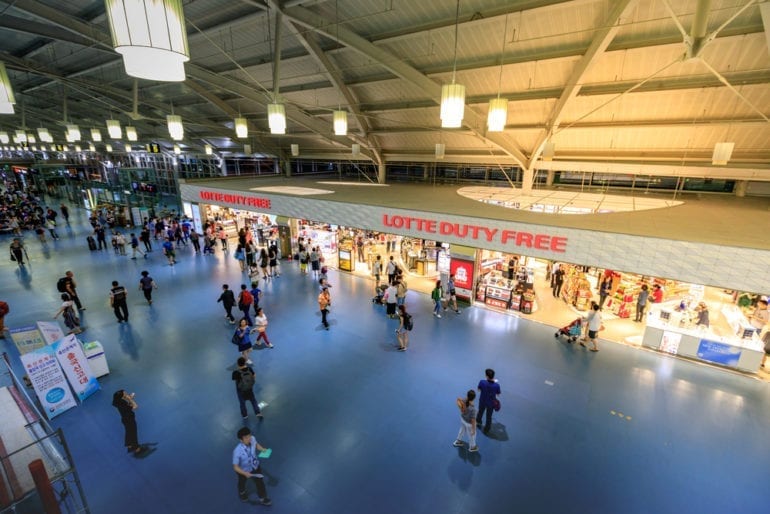
    Lotte Department Store signed Blackpink singer Jennie for a yearlong campaign. The deal follows foreign shoppers pushing international sales past 1 trillion won for the first time.

    The agreement gives South Korea’s largest department store operator its first brand ambassador in seven years. It covers 31 domestic branches and four outlets in Vietnam and Indonesia.

    Promotions launch in October across central transit hubs, including Incheon Airport and Seoul Station. Shinsegae Department Store counters without a formal contract. The rival chain, which operates 13 locations nationwide, features rookie group Allday Project member Annie on the digital screen outside its Myeong-dong flagship through Oct. 18. She is the daughter of Shinsegae Inc. Chair Chung Yoo-kyung.

    Foreign Footfall Rewrites Merchandising Strategies

    Department store operators across East and Southeast Asia spent years phasing out celebrity-driven advertising in favour of direct luxury brand partnerships. Rising tourist traffic reversed that playbook in Seoul. Floor plans evolved from standard retail halls into cultural destinations for international visitors.

    Foreign visitors spent 14.02 trillion won ($10.5 billion) on credit cards across South Korea from January through August. That represents a 48.5 percent increase from a year earlier, according to the Ministry of Culture, Sports and Tourism. Overseas visitors now generate almost 30 percent of total sales at the Myeong-dong flagships of both Lotte and Shinsegae. That share stood at 15 percent in 2024.

    “By combining our ambassador’s global influence with Lotte Department Store’s brand value, we will widen our reach to customers worldwide,” said Lotte Department Store CEO Jung Hyun-seok.

    Flagship Showdowns in Myeong-dong

    Concentrated tourist demand inside central Seoul creates intense pressure on prime retail real estate. Lotte built a dedicated hall for domestic fashion labels that draws most of its volume from inbound travellers. Shinsegae consolidated K-pop merchandise, packaged snacks, and domestic apparel labels onto a single tourist floor.

    Competition extends directly to the street. Shinsegae uses its building-scale outdoor digital media screen to display cultural and pop music content. Lotte plans to counter with an even larger outdoor display panel on its own building facade in December.

    Surging Operating Profits Across Both Chains

    Record quarterly and half-year earnings followed the spending surge. Lotte generated roughly 640 billion won in sales to overseas shoppers during the first half. Shinsegae collected 580 billion won from the same demographic.

    Second-quarter results set new records. Lotte’s department store division reported revenue of 891.2 billion won, lifting operating profit 84 percent to 119.7 billion won. Shinsegae posted store revenue of 738.5 billion won, up 17.5 percent, while operating profit jumped 53.5 percent to 108.8 billion won.

    First-half tallies confirmed the trend. Lotte expanded six-month operating profit by 54.8 percent to 295.9 billion won on revenue of 1.69 trillion won. Shinsegae grew first-half operating profit 39.7 percent to 249.9 billion won as division revenue reached 1.48 trillion won.

    Southeast Asian Footprint and Year-End Targets

    Across Southeast Asia, the celebrity campaign supports a retail footprint of four department stores in Vietnam and Indonesia. Cross-border brand recognition directly affects footfall in those assets. Korean lifestyle and beauty concepts drive the tenant mix at each location.

    Lotte had not used a single advertising model since actress Shin Min-a fronted its promotions in 2017. Its Myeong-dong flagship alone generated approximately 520 billion won of the retailer’s 1 trillion won in foreign sales this year. The chain focuses on maintaining foreign customer volumes into the final quarter.

    Both department store chains turn next to year-end campaigns for the winter travel season, led by the December opening of Lotte’s expanded media wall in Myeong-dong.

  • 85 Percent of Indian Shoppers Will Pay More for Natural Fibers

    85 Percent of Indian Shoppers Will Pay More for Natural Fibers

    Eighty-five percent of consumers in India will pay more for apparel made from natural fibers like cotton. The finding comes from research by Cotton Council International and Cotton Incorporated.

    Data from the 2025 Global Lifestyle Monitor survey of 13,026 respondents clashes with factory reality. Synthetic petroleum-based materials account for nearly 70 percent of global textile fiber production today.

    Across the globe, 75 percent of shoppers prefer garments made from cotton, cotton blends or denim over synthetics. Only 7 percent prefer polyester, followed by spandex at 5 percent and rayon at 4 percent. Willingness to pay a premium for natural fibers reached 59 percent globally and 66 percent in Mexico. India recorded the highest willingness worldwide.

    Asian garment manufacturers, spinning mills and retail brand buyers now face a sharp split between cost control and shopper sentiment. Sourcing teams across regional hubs have bought cheaper polyester and synthetic blends to protect margins against price swings. Yet consumer demand in major regional retail markets tilts toward breathability, durability and lower environmental impact.

    Brands that rely primarily on synthetic inputs risk alienating shoppers who distrust petroleum-based fabrics. The survey showed that 83 percent of respondents view cotton and other natural fibers as safe for the environment. Fewer than half held that view for rayon at 48 percent, polyester at 46 percent and Tencel at 41 percent.

    Emissions and Farm-Level Efficiencies

    Jesse Daystar, vice president and chief sustainability officer at Cotton Incorporated, presented field data tracking operational shifts among American growers who supply raw fiber to Asian textile mills. A cradle-to-gate life cycle assessment by WSP USA Inc. Calculated net negative field-to-gin emissions of -0.264 kilograms of carbon dioxide equivalent per kilogram of cotton fiber when factoring in temporary biogenic carbon storage.

    Efficiency gains over the past forty years have reduced the environmental footprint of fiber production at the farm gate. Growers now use precision agriculture, satellite monitoring, soil moisture tracking, flow meters and automated irrigation scheduling across operations.

    “Over the past four decades, U.S. Cotton has reduced soil loss by 45 percent, improved irrigation water-use efficiency by 58 percent, reduced greenhouse gas emissions by 25 percent and improved land-use efficiency by 30 percent,” Daystar said.

    Regenerative farming methods have expanded alongside technological investment. Data from Cotton Incorporated’s 2023 Natural Resource Survey revealed that cover crop usage rose from 20 percent of surveyed growers in 2015 to 48 percent in 2023. No-till and strip-till practices have steadily replaced conventional tillage systems.

    The Synthetic Cost Calculation

    Polyester remains significantly cheaper to produce and procure at scale, keeping synthetic fibers dominant across the market. That cost gap has driven fast-fashion supply chains to increase synthetic volumes across activewear, sportswear and basic apparel lines. This expansion has amplified textile waste problems throughout global supply networks.

    Figures from the United States Environmental Protection Agency indicate that 85 percent of all post-consumer textiles in America end up in landfills each year. Synthetic fabrics shed non-biodegradable microplastics during regular wash and wear cycles. This residue takes centuries to decompose in soil and marine ecosystems.

    Shoppers pick natural fibers primarily for physical comfort and longevity. Among surveyed consumers who prefer cotton, 67 percent cited comfort and 66 percent cited softness. Another 59 percent pointed to product quality, 49 percent selected sustainability and 44 percent pointed to product durability.

    Traceability Across the Asian Value Chain

    Cotton USA executive director Liz Hershfield pointed out that brand procurement decisions directly dictate the financial viability of farming infrastructure. More than 15,000 cotton farms operate across 17 US states. Family-owned businesses run 98 percent of them, absorbing volatile market pricing over consecutive growing cycles.

    Transparency programs such as the U.S. Cotton Trust Protocol provide verified farm-level environmental metrics directly to downstream textile processors and retail brands. Mill operators in Vietnam, Bangladesh and India increasingly require verified field data to satisfy upcoming corporate disclosure rules in export destinations.

    Sourcing executives face a clear choice between short-term savings from synthetic polyester and verified natural fiber sourcing that matches shopper preferences in high-growth retail territories. Purchasing allocations for the upcoming spring 2027 collection cycles will show whether brands are ready to align fiber procurement with these consumer metrics.

  • BYD Builds 150,000Th Commercial NEV as Heavy Truck Output Ramps Up

    BYD Builds 150,000Th Commercial NEV as Heavy Truck Output Ramps Up

    BYD rolled out its 150,000th commercial new energy vehicle at its Huai’an factory in Jiangsu on October 9. The milestone vehicle was a Q3 electric semi-truck.

    Commercial vehicle sales climbed 28.46 per cent year-on-year to 53,032 units across the first nine months of the year. That growth accelerates an operational pivot toward long-haul freight.

    Power Specs and Heavy Freight Demand

    The Q3 tractor unit uses a Blade Battery setup with peak motor output of 600 kW and dual-gun fast charging. Downtime on intercity logistics routes is critical. Battery replenishment speeds determine whether zero-emission heavy haulage can compete on operating margins with diesel equivalents.

    Long-distance road freight demands sustained power output and dense charging support. These requirements create high technical barriers for battery-electric platforms. The company plans to allocate additional capital expenditure to its long-haul heavy truck lines to expand across primary arterial freight corridors.

    Diverging Growth in Vehicle Lines

    Commercial vehicle volumes are outpacing the rest of the manufacturer’s catalog. Deliveries reached 6,848 commercial units in September alone. That figure rose 113.33 per cent from a year earlier, despite easing 0.88 per cent from August.

    Total group deliveries, including passenger cars, slipped 3.94 per cent to 3,131,576 units through September. Institutional fleet replacement cycles and decarbonisation mandates are cushioning commercial transport. These fleet contracts shield heavy vehicles from retail price wars curbing broader consumer demand.

    Logistics Fleet Shifts Across Asia

    Fleet operators across Asia-Pacific face tightening emissions regulations in urban centres and regional shipping hubs. These rules compel logistics providers to electrify their middle-mile and port-drayage fleets. BYD is positioning its heavy-duty trucks against regional diesel incumbents, shifting electrification from municipal transit to private commercial transport.

    Infrastructure hurdles now outweigh vehicle availability constraints for suppliers and fleet managers. Operators adopting 600 kW dual-gun heavy haulers must secure dedicated grid allocations and depot charging hardware. This requirement concentrates operational risk around depot power supply rather than vehicle range alone.

    Global Expansion Beyond Bus Fleets

    Truck production builds on an eighteen-year commercial vehicle programme that started with municipal electric buses. Dedicated truck research began in 2012. The programme gradually broadened into urban parcel delivery vans, cold-chain trucks and heavy port hauliers with battery-electric and hybrid powertrains.

    Production of the T5 light-duty truck crossed the 10,000-unit threshold in 2025, while the smaller T4 platform debuted in export markets. Commercial operations now span more than 70 countries and territories. These global operations include bundled fleet management software, maintenance contracts and depot charging equipment.

    Factory lines at Huai’an are scaling Q3 output as regional logistics firms begin scheduled fourth-quarter fleet replacements across eastern China.

  • Coca-Cola Adds Unsweetened Pu Erh Tea to Malaysia Lineup

    Coca-Cola Adds Unsweetened Pu Erh Tea to Malaysia Lineup

    The Coca-Cola Co expanded its ready-to-drink Authentic Tea House line in Malaysia on October 10. The unsweetened Pu Erh variant uses tea leaves sourced from Yunnan province.

    Across the region, the RTD tea and coffee sector is projected to expand from 124.79 billion dollars in 2025 to 232.06 billion dollars by 2035. That represents a 6.4 per cent compound annual growth rate.

    Bottled without sugar, the Pu Erh SKU joins established Ayataka green tea and Oolong variants in local chillers. Coca-Cola generated 50.13 billion dollars in annual revenue. The Atlanta-based company is targeting Malaysian shoppers seeking traditional Chinese tea profiles without artificial sweeteners or syrups.

    Yunnan tea leaves enter Malaysian chillers

    Authentic Tea House uses single-origin leaf extraction rather than powdered concentrates against mass-market sweet teas. Yunnan Pu Erh is the brand’s first dark tea in the country. It delivers a fermented profile typically found in traditional teahouses and dim sum dining rooms.

    This recipe contains zero calories and zero added sugar. By keeping the formulation plain, Coca-Cola avoids excise duties levied on sweetened ready-to-drink beverages across Southeast Asian markets.

    Sugar reduction reshapes Southeast Asian shelves

    Convenience retailers across Malaysia are turning chillers over to plain teas as shoppers abandon sugary drinks. Unsweetened variants offer higher retail margins per facing for supermarket operators and minimarket chains like 99 Speedmart and 7-Eleven. They also match government health guidelines designed to curb diabetes rates.

    Regional beverage producers who long relied on sweet formulas to drive volume face mounting pressure. Rivals are shifting quickly. PepsiCo pushed low-sugar and functional RTD coffee formulations earlier this year, while Tata Consumer Products posted 41 per cent revenue growth in its ready-to-drink unit behind zero-sugar innovations.

    Global RTD beverage shifts

    Coca-Cola operates in more than 200 countries with over 500 brands, relying on local bottling partners for regional distribution. The company has steadily diversified away from carbonated soft drinks. It wants to capture growth in hydration, tea, and ready-to-drink coffee segments across Asia-Pacific.

    Packaged tea continues to absorb functional and clean-label trends as consumers prioritize basic ingredient lists. Ready-to-drink formats let global brands monetize traditional café and restaurant occasions inside convenience channels.

    Shelf space battle in convenience channels

    Nationwide modern trade outlets, petrol marts, and independent grocers will roll out the Pu Erh variant throughout the final quarter of 2026. Retail buyers will watch whether fermented dark tea can match the volume throughput of green and oolong variants in high-traffic urban convenience stores.

  • Thai Car Plants Prepare to Restart as Flood Delays Ease in Chon Buri

    Thai Car Plants Prepare to Restart as Flood Delays Ease in Chon Buri

    Automakers across eastern Thailand will resume assembly operations on October 14 as component suppliers restore factory lines following late September floods in Chon Buri province. Major vehicle assembly plants had enough buffer inventory to maintain output until October 12 before parts shortages forced brief schedule adjustments.

    The recovery clears a bottleneck across Tier 2 and Tier 3 parts suppliers based inside the Amata City Chonburi Industrial Estate, protecting Thailand’s national target to produce 1.5 million vehicles in 2026.

    Supply Lines Clear in Chon Buri

    Floodwaters have now receded from the industrial corridors in Chon Buri, allowing parts manufacturers to bring technicians back to factory floors. Operations have not returned to full capacity immediately. Teams at dozens of small and medium-sized parts makers are inspecting machinery, rewiring electrical circuits, and reconfiguring logistics routes to move metal stampings, wiring harnesses, and sub-assemblies to assembly plants.

    Disruptions to regional road links briefly cut off parts deliveries from unflooded workshops to vehicle assembly plants across Rayong and Samut Prakan. The supply bottleneck temporarily hit factory schedules for Toyota, Isuzu, Ford, Nissan, and Honda. Assembly lines for battery electric vehicles escaped the disruption because their component supply chains rely on separate battery and motor fabrication lines.

    Combustion Engines Bear the Impact

    Traditional combustion vehicles absorbed almost all the downtime because their manufacturing footprints involve broad networks of domestic subcontractors. Missing a single bracket or fastener stops a finished vehicle from clearing the end of the line.

    Surapong Paisitpattanapong, advisor and spokesman for the Automotive Industry Club at the Federation of Thai Industries, pointed to the structural vulnerability of conventional platforms: An ICE vehicle contains more than 30,000 parts. If even a single component is missing, the vehicle cannot be delivered to customers.

    Assembly operations are structured around tight delivery windows with minimal warehouse holding costs. When water cut road access across parts of Chon Buri in late September, suppliers lost the ability to deliver sequential parts batches directly to factory bays. Carmakers weighed sourcing substitute parts directly from Japan before water levels dropped inside the industrial parks.

    Industrial Landlords Roll Out Rebates

    Industrial park operator Amata Corporation Plc is rolling out financial relief to keep tenants on schedule. The company introduced a 50 per cent reduction or waiver on industrial estate maintenance fees for one year. Factory operators will also receive a 50 per cent discount on utility bills, including industrial tap water, starting in October.

    Amata is also lowering water levels across drainage canals, running continuous drainage pumps, and tracking storm fronts across the eastern seaboard to keep runoff away from factory gates. Total industrial damage across flooded zones reached an estimated 6 billion baht, equal to roughly 178 million dollars, following heavy rainfall across 28 provinces.

    Export Schedules Hold Steady

    Thailand’s automotive sector is defending its role as Southeast Asia’s primary light vehicle assembly hub. The country locked in a total production volume of 1.5 million units for 2026. That plan allocates 950,000 vehicles for overseas export markets and 550,000 units for domestic retail buyers.

    The eastern seaboard assembly belt faced historic flooding risks during previous monsoon seasons, prompting heavy infrastructure investments in industrial drainage dykes. The rapid clearing of water at Amata City demonstrates that localized runoff can be drained before finished vehicle export schedules suffer long-term delivery cancellations.

    Parts makers will spend the coming two weeks running extra weekend shifts to replenish buffer stocks at assembly plants. Factory managers will watch export loading numbers at Laem Chabang port through the end of October to confirm that assembly lines have matched their standard output quotas.