Blog

  • Asia to Drive 59% of Global Growth as World Economy Slows to 2.6%

    Asia to Drive 59% of Global Growth as World Economy Slows to 2.6%

    Asia will generate 59 percent of global economic expansion in 2026 as worldwide growth slows to 2.6 percent, down from 2.9 percent last year.

    Higher energy prices linked to conflict in the Middle East continue to drag on performance, the United Nations Conference on Trade and Development said in its latest trade and development report. Total trade in goods and services will rise 4 percent in constant prices, lifted primarily by elevated fuel costs after global merchandise and services turnover reached a record $35 trillion in 2025.

    India and Southeast Asia Lead Regional Output

    India will lead major economies with projected growth of 7.3 percent in 2026. Indonesia follows at 5.2 percent, while China is forecast to expand by 4.5 percent. These three markets form the core of regional momentum as Western demand softens and energy bills rise.

    Regional trade networks have adjusted to sharp declines in direct transpacific shipments. Bilateral trade between China and the United States has dropped by more than 20 percent since 2024. Producers in East Asia have absorbed the shift, increasing cross-border volumes with both mainland China and North American buyers to keep consumer goods moving.

    Export Controls and Supply Chain Friction

    Policy barriers have tightened across strategic manufacturing sectors, altering the economics for component suppliers and consumer device assemblers. Trade officials pointed to rising regulatory hurdles that limit cross-border investment and factory expansion.

    Export controls, investment screening and supply-chain conditions make strategic sectors harder for new entrants to access

    Semiconductors and artificial intelligence hardware represent the largest single driver of merchandise trade across East Asian freight hubs. Yet UNCTAD warned that elevated trade in hardware components does not translate automatically into wider economic gains across emerging markets. Financial stability risks have also widened because equity markets and capital spending remain concentrated in a small group of dominant technology companies.

    Shifting Margins for Brands and Retailers

    For consumer brands and logistics operators across Asia, the data confirms a two-speed operating environment. Strong domestic wage gains and consumer spending in South and Southeast Asia balance out sluggish revenue growth in export-dependent Western markets. Retailers expanding across India and Indonesia benefit from firm local demand, while export manufacturers face higher ocean shipping fuel surcharges.

    Supply chain rerouting adds capital expense for regional distributors. Moving intermediary goods through third-party Asian hubs avoids direct tariffs but increases handling costs, inventory holding requirements, and port turnaround times. Retailers importing finished goods must price in these structural transport costs rather than treating higher shipping bills as temporary spikes.

    Differing Multilateral Forecasts for 2026

    Multilateral institutions hold diverging views on how severe the current deceleration will be. The World Bank lowered its 2026 global growth baseline to 2.5 percent in June, citing Middle East conflict risks, and estimated that an escalating crisis could cut worldwide output growth to 1.3 percent in a worst-case scenario.

    The International Monetary Fund maintains a higher forecast of 3 percent. However, the fund identified trade fragmentation, energy price spikes from the war involving Iran, and potential equity market corrections in the artificial intelligence sector as immediate threats to that baseline.

    Trade ministers and central banks across the region now track fourth-quarter energy import bills and bilateral tariff updates ahead of the next IMF and World Bank global economic outlook revisions scheduled for early 2027.


  • Honda to Sell Thai-Built Mitsubishi Pickups in Southeast Asia by 2028

    Honda to Sell Thai-Built Mitsubishi Pickups in Southeast Asia by 2028

    Honda Motor will sell Thai-built Mitsubishi Triton pickup trucks under its own brand across Southeast Asia starting as early as 2028.

    The agreement represents Honda’s first vehicle rebadging arrangement in approximately three decades, putting the company back into commercial utility segments where it lacks dedicated platform architecture.

    Reviving rebadged supply in Thailand

    Under the arrangement, Mitsubishi Motors will manufacture the Triton utility vehicle at its production hub in Thailand, supplying finished units to Honda. Honda will apply its own badging and retail the pickup through its established distribution network in Southeast Asian markets and selected export destinations.

    Sourcing fully built vehicles from Mitsubishi spares Honda the heavy capital expenditure required to engineer a body-on-frame commercial truck platform from scratch. Mitsubishi maintains deep manufacturing scale in Thailand, where its Laem Chabang plant serves as a global export base for one-tonne pickups.

    Defending share against Chinese entrants

    Japanese automakers face intensifying pressure across Southeast Asia, where Chinese original equipment manufacturers have captured rapid market share in passenger electric vehicles. Expanding commercial and passenger vehicle catalogues helps traditional brands protect dealership throughput and service revenues across key territories such as Thailand, Indonesia and the Philippines.

    The risk sits in showroom differentiation. Selling an identical mechanical platform under two competing Japanese badges risks cannibalising existing Triton sales unless Honda targets distinct commercial fleet buyers or alters cosmetic styling and interior specifications.

    Pickup demand across regional showrooms

    One-tonne pickup trucks represent the largest single vehicle category in Thailand, functioning as both work vehicles and primary family transport. While Japanese brands have long controlled more than 80 percent of the commercial truck market in the region, shifts in fleet procurement and new competitive entries have forced legacy manufacturers to consolidate their supply networks.

    Honda has built its regional dominance on passenger sedans, hatchbacks and compact sport utility vehicles. Adding a robust pickup line fills an enduring gap in its commercial retail lineup across suburban and rural dealer networks throughout ASEAN.

    Supply roadmap to 2028 rollout

    Car manufacturers in Japan previously shared passenger and commercial models through original equipment manufacturing arrangements during the 1990s, but Honda largely abandoned cross-badging passenger models to focus on proprietary global architectures. This partnership with Mitsubishi reverses that independent approach in light of shifting regional economics.

    Both companies now face the task of finalising supply volumes, regional homologation schedules and market-specific styling changes ahead of the scheduled 2028 commercial rollout.

  • Xpeng to Unveil 5.12-Metre G9L Electric SUV at Paris Motor Show

    Xpeng to Unveil 5.12-Metre G9L Electric SUV at Paris Motor Show

    Xpeng will unveil its new G9L electric SUV at the Paris Motor Show this year ahead of a European rollout. The flagship model is already on sale in China and features peak DC charging power of 540 kW.

    The 5.12-metre vehicle is 23 centimetres longer and 10 centimetres taller than the standard G9. It carries a 110 kWh battery that charges from 10 to 80 per cent in under 12 minutes.

    Dimensions and executive cabin layout

    Engineers stretched the wheelbase by 12 centimetres and added 10 centimetres of height compared to the standard G9. That yields a total vehicle height of 1.78 metres and a width of roughly two metres. Passengers enter via electrically deployed sliding side steps and automated remote doors. Outside, a revised closed front fascia and updated lighting clusters alter styling while keeping aerodynamic drag low.

    Inside, the cabin prioritises rear passenger amenities over raw cargo space. Second-row seating features two individual captain chairs with ventilation, heating, and massage functions. A thermoelectric storage unit sits between the rear seats, capable of freezing, cooling, or heating food and drinks. Overhead, a retractable ceiling display handles entertainment alongside powered side window blinds.

    Storage and configuration choices

    Luggage capacity stands at 367 litres with all three rows occupied, including a lower underfloor well. Folding down the third row expands cargo volume to 1,330 litres in the six-seater and 935 litres in the seven-seat configuration. A front trunk adds 65 litres. At the back, an electrically deployed tow bar provides up to two tonnes of towing capacity.

    European dealerships will stock both six-seat and seven-seat configurations. A five-seat version is designated strictly for the UK market. The six-seater comes exclusively with an all-wheel-drive powertrain, while seven-seat buyers can choose between single-motor and dual-motor specifications.

    Charging capability and drivetrain output

    The entry rear-wheel-drive variant generates 270 kilowatts and hits 100 kilometres per hour in seven seconds flat. It achieves a certified WLTP driving range of 591 kilometres. The twin-motor all-wheel-drive performance trim increases output to 430 kilowatts. That cuts the sprint to 100 kilometres per hour to roughly four seconds, while delivering 553 kilometres of WLTP range.

    A 22-kilowatt onboard AC charger comes standard across all versions for overnight wallbox replenishment. On fast-charging DC networks supporting 800-volt architectures, the vehicle draws up to 540 kilowatts at peak input.

    Market positioning against German rivals

    Chinese electric vehicle makers are targeting the upper tier of the European market. Higher transaction prices there help absorb logistics costs and regional trade duties. The G9L aims at executive fleet operators and wealthy private buyers who typically buy the BMW iX, Audi Q8 e-tron, or Mercedes-Benz EQS SUV.

    Official European pricing is not yet confirmed. However, the standard G9 starts at €59,600, while the dual-motor Performance model sells for €72,600. Offering rear-seat cinema screens, 12-minute charging, and three-row seating below legacy German price bands tests whether European corporate buyers will switch badges.

    Xpeng launched the original G9 platform nearly four years ago before rolling out a mid-cycle refresh last year. Full regional pricing schedules and delivery windows will follow the Paris debut.

  • Toyota Thailand Extends Suspensions at 3 Plants to Oct 19

    Toyota Thailand Extends Suspensions at 3 Plants to Oct 19

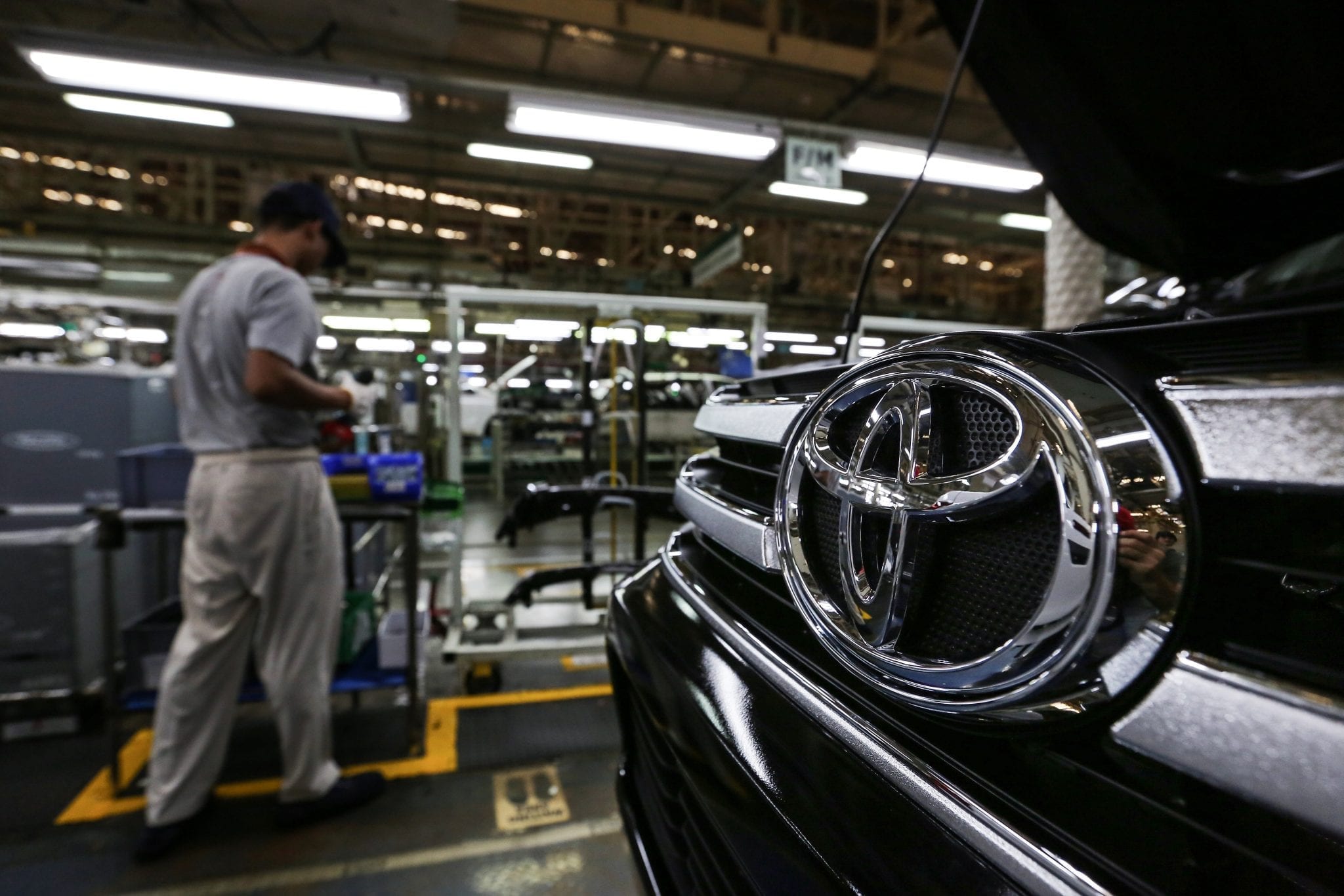
    Toyota Motor Thailand has extended production suspensions at its Samrong, Ban Pho and Gateway plants, with operations now expected to resume between Oct 14 and 19 as flooding continues to disrupt parts deliveries.

    The company initially suspended output at the three facilities from Oct 5 to 10 after flooding affected deliveries across Samut Prakan, Chachoengsao and Chon Buri provinces.

    Staggered restarts across manufacturing hubs

    In a statement released on Friday, the carmaker said production at the Samrong plant was projected to resume on Oct 14, followed by Gateway on Oct 16 and Ban Pho on Oct 19.

    Under the revised schedule, the Samrong plant will attempt to restart operations on October 14. Gateway follows on October 16. Ban Pho remains closed until October 19.

    Every restart date depends on water levels receding and parts vendors restoring shipments, Toyota stated. Dealerships have begun notifying retail buyers about delayed vehicle handovers.

    Supplier gridlock hits automotive corridor

    Disruptions tested Thailand’s tightly integrated just-in-time automotive supply chain. Heavy rains inundated central industrial clusters in late September, submerging transit corridors rather than destroying plant machinery outright.

    Roughly 10 component manufacturers across the country halted production after rising waters blocked workers from commuting. Other vendors avoided direct flooding but could not move finished inventory over submerged provincial highways.

    Total industrial damage from the floods reached 6 billion baht, or roughly 178 million dollars, according to the Federation of Thai Industries. While major vehicle plants held enough safety inventory to assemble cars through October 12, those buffer stocks have run dry.

    Supply chain strain across regional rivals

    Toyota is not the only assembler managing parts shortfalls in the corridor. Rival manufacturers including Isuzu, Honda, Ford and Nissan faced delivery delays as regional logistics networks seized up.

    The country serves as the primary export base for Japanese carmakers supplying Southeast Asia, Australia and the Middle East. Prolonged plant closures risk pinching vehicle inventory across regional dealership networks heading into the fourth quarter.

    If tier-one suppliers cannot restore operations once roads clear, assemblers will face steep air-freight bills. They must fly replacement components in from Japan to keep assembly lines running.

    Monsoon pressures on industrial infrastructure

    Monsoon rainfall dumped nearly 300 millimetres of water over Bangkok in three days during late September, matching the capital’s typical monthly rainfall. Authorities declared disaster zones across 28 provinces as floodwaters spread southward through central manufacturing provinces.

    Government officials stepped in to inspect industrial parks, with Commerce Minister Suphajee Suthumpun visiting Toyota’s Samrong plant in Samut Prakan on October 7 to assess damage to transport links.

    Plant managers and suppliers now focus on clearing logistical bottlenecks before Samrong’s targeted October 14 restart date.

  • FamilyMart Hires Lady Gaga for Nationwide Japan Recruitment Drive

    FamilyMart Hires Lady Gaga for Nationwide Japan Recruitment Drive

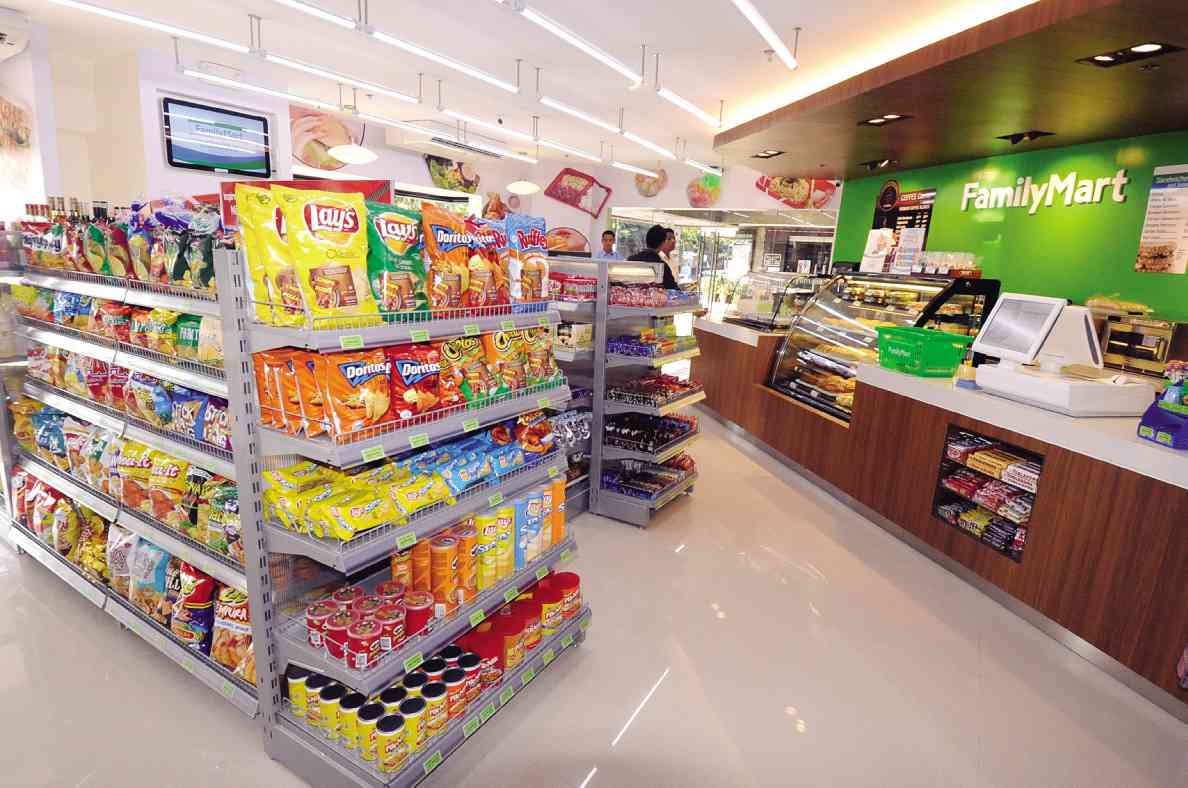
    FamilyMart launched a nationwide recruitment campaign featuring Lady Gaga across Japan on September 25, marking the convenience store chain’s 45th anniversary. The promotional push runs across approximately 11,600 stores equipped with the chain’s in-store digital network, FamilyMart TV.

    The television commercial features the American pop singer styled in an outfit inspired by the retailer’s store uniform and signature striped socks, demonstrating daily store duties in a monochrome setting. FamilyMart is pairing the broadcast spot with exclusive interview segments on its internal digital signage network, where Gaga discusses convenience store work and workplace individuality.

    Screen network and store reach

    FamilyMart is utilizing its proprietary FamilyMart TV network to deliver the recruitment messaging directly to shoppers and prospective store employees at the point of sale. Deploying the video content across 11,600 outlets gives the chain immediate nationwide reach inside high-footfall metropolitan hubs and regional locations alike.

    Using in-store retail media for human resources and brand positioning turns standard customer checkouts into direct recruitment channels. Convenience chains throughout East Asia increasingly use digital signage networks to promote private-label merchandise, app downloads and staffing needs to the same foot-traffic base.

    Changing the convenience store workforce

    Convenience store operators across Japan face severe labor shortages caused by demographic contraction, forcing chains to rethink shift structures, store automation and recruitment appeals. FamilyMart has framed this campaign around attracting workers who want a flexible workplace where staff can embrace individuality.

    Rival operators Seven-Eleven Japan and Lawson have responded to the same demographic headwind by expanding self-checkout kiosks, testing automated night operations and loosening traditional dress codes. For franchisees, staffing stability remains the single largest operational expense and risk to maintaining 24-hour schedules.

    Design push follows Azabudai Hills flagship

    The campaign follows a string of design-oriented branding projects by FamilyMart. In July, the operator opened a flagship store directed by fashion designer Nigo at Tokyo’s Azabudai Hills complex, showing updated apparel lines and experimental retail layouts.

    Pairing high-profile cultural partnerships with core convenience operations shows FamilyMart attempting to elevate its brand equity above routine neighborhood commerce. That strategy supports its Convenience Wear private-label apparel business, which has turned everyday items like socks and basic garments into high-margin revenue drivers across its domestic estate.

    What to watch in Japanese retail labor

    Japan’s convenience store sector continues to measure recruitment yield against rising minimum wage adjustments across prefectures. Operator disclosures in upcoming quarterly earnings will show whether digital recruitment pushes translate into lower franchisee turnover or reduced store operating costs as competition for frontline staff intensifies.

  • Dickson Poon Faces £100M Loss Following Sale of Harvey Nichols

    Dickson Poon Faces £100M Loss Following Sale of Harvey Nichols

    Hong Kong retail tycoon Dickson Poon faces a £100 million loss following the sale of luxury department store chain Harvey Nichols to Frasers Group. Frasers acquired the business out of administration in August in a £43 million deal covering six UK stores, the e-commerce operation and international franchise agreements.

    The transaction ended Poon’s multi-decade ownership of the British luxury institution. The retailer fell into administration after sustained operational challenges and mounting trading headwinds eroded cash reserves.

    Breakup of the Regional UK Network

    Frasers Group has begun reorganising the physical store footprint to align with its broader commercial portfolio. Chief executive Michael Murray confirmed plans to rebrand the Leeds and Bristol Harvey Nichols branches under the Flannels banner. Leeds opened in 1996 on Briggate as the chain’s first outlet outside London, while the Bristol site at Cabot Circus launched in 1998.

    Staff at both regional locations received notice of the rebranding proposals in October. The group will maintain Harvey Nichols department stores in London, Edinburgh and Manchester, keeping the historic name on flagship metropolitan assets while converting regional units to its contemporary streetwear and designer format.

    Consolidation Under Frasers Luxury Division

    The acquisition anchors a newly established £1 billion luxury division inside Frasers Group. The unit integrates Harvey Nichols with Flannels and US retailer The Webster, combining prestige department store operations with multi-brand designer retail.

    Frasers has assembled an extensive stable of premium and heritage names through distressed acquisitions. The group’s portfolio includes Savile Row tailor Gieves & Hawkes, lingerie label Agent Provocateur, House of Fraser, Jack Wills and core sporting retailer Sports Direct.

    Shift in Capital Deployment for Asian Luxury Investors

    Poon’s exit highlights the difficult economics facing Asian high-net-worth investors and holding companies that acquired legacy European department stores. High structural overheads, elevated business rates and shifted tourism spending patterns have compressed margins across traditional multi-brand department stores. Luxury consumers increasingly shop directly through mono-brand flagships or digital platforms, bypassing regional department store concessions.

    For regional operators and real estate landlords, the conversion to Flannels signals a shift in tenant mix. Flannels prioritises younger demographic designer apparel and streetwear over traditional departmental concessions. Landlords that relied on Harvey Nichols to anchor regional luxury catchments now face the test of whether younger-skewing multi-brand formats generate equivalent footfall and consumer spending.

    Earlier Restructuring and Franchise Assets

    Harvey Nichols operated under Poon’s control through periods of rapid international franchise expansion across the Middle East and Asia. The brand built outposts in regional hubs while maintaining its core Knightsbridge presence. Persistent trading pressure across the UK retail sector eventually forced the parent entity into administration earlier this summer before Frasers stepped in with the rescue transaction.

    Attention turns to how Frasers handles the existing Flannels flagship in Leeds, situated inside the former Debenhams building only yards from the Harvey Nichols site on Briggate. Landlords and retail partners await formal lease filings detailing the exact conversion timelines for both Leeds and Bristol.

  • Malaysia Allocates Cash Aid and Hikes Minimum Wage in Budget 2027

    Malaysia Allocates Cash Aid and Hikes Minimum Wage in Budget 2027

    Malaysia will disburse RM1,500 in special financial assistance to 1.3 million civil servants under the newly tabled Budget 2027. Over one million pensioners will receive RM750.

    Prime Minister and Finance Minister Datuk Seri Anwar Ibrahim announced the cash distribution in the Dewan Rakyat on October 9, 2026. The plan pairs direct handouts with broad tax adjustments.

    Civil servants in Grade Utama B and below qualify, including contract staff. Government pensioners and military veterans totaling more than one million will also receive the funds. The finance ministry will disburse the money in two equal tranches. The first lands before Hari Raya Aidilfitri. The second arrives ahead of Malaysia’s 70th Merdeka celebration. A separate allocation grants RM750 each to 70,000 religious personnel, including KAFA teachers, takmir educators, imams, bilals, and mosque staff.

    Cash Injections Target Household Spending

    The payout delivers liquidity straight into household budgets at key festive spending windows. Retailers in grocery, apparel, and consumer electronics consistently see basket sizes climb when public sector allowances land.

    Beyond the civil service payments, Budget 2027 raises individual income tax relief to RM12,000 while reducing baseline tax brackets. Treasury projections estimate these adjustments will return up to RM1,600 in extra annual disposable income to taxpayers. For fast-moving consumer goods distributors and suburban mall operators, that margin provides steadier footfall after months of cautious household budgeting.

    Wage Floor Shift Alters Retail Payrolls

    Ministers paired the cash support with a structural shift in labour costs, raising the national minimum wage to RM2,000 per month starting June 2027. Store chains, franchise restaurants, and logistics depots get eight months to adjust operational budgets.

    Supermarket chains and franchised food networks in the Klang Valley already pay near that threshold to attract staff. Secondary cities and rural retail outlets will feel immediate payroll pressure. Store operators must either lift front-line productivity through self-checkout systems and automated inventory logging, or pass cost increases into shelf prices. Last-mile logistics providers face identical pressures across their warehouse sorting floors.

    Retirement Funds and Social Safety Net Changes

    Automatic registration with the Employees Provident Fund will begin for all Malaysian citizens upon reaching the age of 18. The policy aims to bring early-career workers and gig economy couriers into standard retirement savings mechanisms.

    Officials also confirmed the 2027 launch of MediAsas, a voluntary basic medical insurance scheme. Contributors can fund premiums directly through EPF Akaun Sejahtera. This shields out-of-pocket household cash from unexpected healthcare emergencies.

    Small merchants will see regulatory adjustments under a forthcoming E-Commerce Bill. The draft law aims to protect domestic micro-traders from uneven marketplace practices and predatory pricing on digital platforms.

    Fiscal Trajectory and Policy Timeline

    This fiscal package follows targeted subsidies and progressive wage pilots rolled out over the preceding two fiscal cycles. Government planners are winding down blanket fuel and utility support. Direct cash transfers and statutory wage revisions will protect lower-income purchasing power instead.

    Parliament now takes up debate on the revenue bills and the specific draft text of the E-Commerce Bill ahead of the 2027 implementation dates.

  • Bukalapak Appoints Natalia Firmansyah Acting CEO After IDR 3.1 Trillion Profit

    Bukalapak Appoints Natalia Firmansyah Acting CEO After IDR 3.1 Trillion Profit

    Indonesian technology company Bukalapak has appointed Natalia Firmansyah as acting chief executive officer, succeeding Willix Halim following shareholder approval at the company’s 2026 annual general meeting of shareholders.

    Firmansyah, who has served as Bukalapak’s chief financial officer since 2018, will lead the company until a permanent CEO is appointed in accordance with recommendations from the nomination and remuneration committee.

    The leadership transition follows Bukalapak reporting its first annual net profit since listing, posting earnings of IDR 3.1 trillion (US$174 million) in 2025 after pivoting away from physical goods sales toward higher-margin digital businesses.

    Board Overhaul in Jakarta

    Shareholders also approved wider governance changes across the leadership team. Victor Putra Lesmana was reappointed to the board of directors. He retains his operational focus across the company’s financial services and commercial units.

    Former Indonesian National Police chief Sutarman joined the board of commissioners as independent commissioner and president commissioner. The company said his appointment strengthens oversight in risk management and cybersecurity. Meanwhile, Yenny Wahid concluded her term as independent commissioner and environmental, social and governance ambassador.

    Pivoting from Marketplace Burn

    Across Southeast Asia, the executive reshuffle reflects the end of subsidized physical e-commerce battles against deep-pocketed regional rivals. Competing directly with platforms funded by regional conglomerates drained cash for years. That pressure forced Jakarta-listed tech firms to rethink their core units.

    Bukalapak chose to retreat from direct physical goods sales. It shut down physical product operations and cut headcount to stem operating losses. That decision redirected capital into virtual items, gaming product distribution, specialized investment services through BMoney, and the Mitra Bukalapak offline merchant network.

    Turning Cash Flow Positive

    That retreat delivered the IDR 3.1 trillion net profit recorded in 2025. It proved that trimming gross merchandise value in physical retail can protect margins. Operating across gaming, online-to-offline, investment and corporate segments allowed the platform to monetize higher-margin digital traffic instead of funding delivery logistics.

    Risk now shifts from cash preservation to revenue growth. The company proved it can run profitably without subsidizing consumer deliveries. Next, the new leadership team must demonstrate that specialized digital services and offline kiosk networks can expand their revenue base in secondary and tertiary Indonesian cities.

    Next Steps for Management

    Founded in 2011, the company raised US$1.5 billion in its initial public offering in Jakarta in 2021 before burning capital in general e-commerce competition. Its pivot toward virtual items and offline merchant services then formed the blueprint for the 2025 financial turnaround.

    Looking ahead, the nomination and remuneration committee has yet to set a deadline for its permanent chief executive recommendation. Until then, Firmansyah will steer corporate strategy and product integration across all five operating divisions.

  • Japan Oshikatsu Fan Economy Reaches 4.1 Trillion Yen as Retailers Target Youth Spending

    Japan Oshikatsu Fan Economy Reaches 4.1 Trillion Yen as Retailers Target Youth Spending

    Japan’s fan-merchandising market reached an estimated valuation of ¥4.1 trillion ($25 billion). Spending on character and idol devotion has turned into a steady retail pillar despite inflation.

    Locally known as oshikatsu, the sector spans manga figurines, Hello Kitty accessories, virtual streamers, and pop idols.

    Surging Supplier Participation at Tokyo Trade Show

    Commercial interest filled the Oshikatsu Expo in Tokyo last month. More than 240 supplier booths pitched products directly to talent agencies and intellectual property managers.

    Vendor participation grew twelvefold from roughly 20 exhibitors when the trade show launched two years ago. Mainstream manufacturers and novelty producers are shifting factory capacity toward licensed character goods.

    Central Bank Tracks Dedicated Youth Outlays

    Resilient category spending caught the attention of the Bank of Japan. The central bank flagged fan-support purchases as a sustained driver of consumption among younger demographics.

    Broader retail sales face pressure from domestic price inflation and real wage drops. Spending on favorite personalities and animated figures remains steady. Fans treat these purchases as essential monthly budget items.

    Shifting Inventory Dynamics for Retail Operators

    The expansion of oshikatsu changes floor space yields for store operators and merchandise distributors. Traditional mass-market novelties are giving way to higher-margin, specialized collectibles produced in limited runs.

    Supplier financial risk sits in licensing concentration. Production runs must synchronize tightly with fast-moving entertainment cycles. Vendors face losses if a character’s popularity fades before inventory clears distribution channels.

    Next Pipeline for Character Merchandising

    Agency managers expanded commercial licensing deals across everyday consumer categories over the past two years. The subculture hobby quickly became a mainstream retail channel.

    Attention now turns to autumn merchandising orders. Brand managers will see whether the 240 trade suppliers can maintain order volumes as production costs rise across Japan’s manufacturing sector.

  • Bukalapak Captures 584 Million Dollars Across Ten Private Funding Rounds

    Bukalapak Captures 584 Million Dollars Across Ten Private Funding Rounds

    Indonesian e-commerce operator Bukalapak accumulated 584 million dollars across 10 private financing rounds before leaning into financial services and merchant digitisation in Jakarta.

    Institutional backing from 26 corporate and venture investors financed the marketplace through six late-stage rounds, three early-stage rounds and a single seed injection.

    Capital allocations peaked during a Series G sequence between late 2020 and April 2021. Microsoft led the platform’s largest single transaction with a 234 million dollar round on April 14, 2021, drawing capital from Singapore sovereign wealth fund GIC, media conglomerate Emtek, SC Ventures, South Korea’s Naver, Mandiri Capital Indonesia, BRI Ventures and Bank Rakyat Indonesia.

    The Capital Structure Behind Series G

    The final private funding push followed a 200 million dollar tranche led by Standard Chartered in January 2021 and an initial 100 million dollar Microsoft-led commitment in November 2020. The trio of late-stage injections provided Bukalapak with balance sheet stability to build out merchant banking integrations and enterprise services across secondary Indonesian cities.

    Strategic investors dominated the share register over financial venture firms. State lenders Bank Rakyat Indonesia and Bank Mandiri entered through their corporate venture arms to link offline retail kiosks, known locally as warungs, directly into banking and payment networks.

    Valuation Milestones and Early Backers

    Bukalapak achieved unicorn status in November 2017 following a Series C round backed by GIC and Ant Group that valued the business at 1 billion dollars. Subsequent rounds pushed that valuation upward, reaching 1.2 billion dollars in January 2019 after a 50 million dollar Series D round led by Naver and Mirae Asset Global Investments, with participation from Ant Group and Endeavor Catalyst.

    Valuation numbers peaked in private markets at 2.5 billion dollars in October 2019 during a Series F round led by South Korea’s Shinhan Financial Group alongside Emtek. Early development had relied on smaller regional funds, beginning with an undisclosed seed round from Batavia Incubator in July 2011 and early venture rounds from Japan’s Strive, 500 Global, Aucfan, IREP and KMK Online between 2012 and 2015.

    Shifting Focus From Consumer Marketplaces

    Competition in Southeast Asian e-commerce forced Bukalapak to pivot away from direct consumer subsidies against rivals Shopee and Lazada. The platform redirected capital into Mitra Bukalapak, supplying fast-moving consumer goods and digital billing terminals to neighborhood mom-and-pop stores that represent the bulk of Indonesia’s retail economy.

    Specialist digital investment platforms such as Ajaib, which raised 515 million dollars across six rounds including a 270 million dollar Series C to reach a 1 billion dollar valuation, increased competition for consumer retail savings. Bukalapak countered by integrating investment products and micro-insurance distribution directly into its offline agent network.

    Investor Networks and Next Operational Targets

    Global funds continue to monitor Southeast Asian digital retail assets as broader ecosystem funding recovers. Endeavor Catalyst closed its 320 million dollar Fund V to back growth-stage operators across emerging markets, maintaining a portfolio that includes Bukalapak alongside automotive platform Carsome and fintech group Advance Intelligence.

    Management attention now centers on widening transaction margins across offline retail fulfillment lines and preserving cash reserves as digital commerce platforms navigate tighter lending conditions across Southeast Asia.

  • Lactel Malaysia Launches Low Fat Smooth Yogurt in Pouch Format

    Lactel Malaysia Launches Low Fat Smooth Yogurt in Pouch Format

    Lactel Malaysia launched its Low Fat Smooth Yogurt in a portable pouch format this week.

    The easy-to-enjoy yogurt is designed for everyday routines, whether heading to work, squeezing in 1 gym session, or snacking on the go.

    Format Shifts in Chilled Dairy

    Each pouch contains live cultures in a low-fat, smooth and silky formulation. Squeeze packaging eliminates utensils. That shifts chilled yogurt into a single-handed snacking format.

    Dairy brands across Southeast Asia continue shifting traditional tub products into flexible pouches to secure convenience store chiller space. Front-of-store cold cases reward grab-and-go packaging. These items compete directly with ready-to-drink flavored milk, RTD coffee, and ambient snacks.

    Convenience Retail Dynamics

    Squeeze pouches give retailers higher refrigerated stock density than rigid plastic tubs. Urban convenience chains in Malaysia gain stock that stacks easily. Units move fast among transit shoppers during morning and evening rush hours.

    Cold-chain distribution remains a hurdle for live-culture fresh pouches. Logistics networks must keep temperatures steady from factory depot to checkout chiller. Any temperature shift can spoil texture and cut shelf life.

    Targeting Cross-Generational Snacking

    Lactel previously restricted its pouch lineup to children’s lunchboxes and infant nutrition. Expanding to adult shoppers targets consumers seeking functional benefits like live probiotics without dessert-level fat content.

    Rival Malaysian dairy producers have pursued similar packaging across drinking yogurts and cultured milk drinks. Introducing a thicker, low-fat spoonless yogurt tests whether adults will embrace squeezable pouches for breakfast and workout fuel.

    Retail Distribution Rollout

    Nationwide distribution covers hypermarkets, supermarkets, and convenience stores. Retailers are merchandising the pouches in chilled dairy bays next to Lactel tubs and bottled drinks.

    Store audits over the coming quarter will track whether pouch sales cannibalize single-serve pots or attract incremental buyers to the chilled dairy aisle.

  • Banu Skin Expands Distribution Through Sephora

    Banu Skin Expands Distribution Through Sephora

    Acne-care brand Banu Skin is expanding distribution through Sephora in October 2026, taking its specialized skincare line into physical and digital beauty retail aisles.

    The move places the emerging label directly into Sephora’s competitive personal care assortment, where consumer demand for targeted dermatological solutions continues to rise.

    Targeted Formulations for Physical Shelves

    Founded by chief executive officer Roz Samimi, Banu Skin built its early direct-to-consumer presence around specialized treatments for breakout-prone skin. The entry into Sephora transitions the company from an independent digital operator into mainstream multi-brand retail.

    Samimi developed the product lineup following her personal experience with acne treatments, designing products meant to avoid the harsh irritation common in legacy formulations. The brand pairs clinical ingredients with distinct aesthetic packaging designed to stand out on crowded retail fixtures.

    “We focused on building a distinct brand world, not just trying to sell products.”

    Securing shelf space in Sephora requires indie brands to prove clear differentiation against established clinical powerhouses. Banu Skin is betting on community engagement and visual identity to retain shoppers once they enter stores.

    The Fight for Sephora Floor Space

    Specialty beauty retailers are adjusting store merchandising to meet younger shoppers who demand transparent ingredient lists and problem-specific solutions. Acne care has shifted from a clinical chore into a dedicated segment of everyday skincare routines.

    For Sephora, adding niche acne labels helps counter pharmacy chains and direct-to-consumer startups that have captured budget-conscious younger buyers. Floor space remains limited, however, putting immediate pressure on new brands to deliver high sales velocity per square foot.

    Navigating Wholesale Expansion Costs

    Wholesale distribution carries operational hurdles that direct-to-consumer models rarely face. Indie beauty operators must fund inventory production upfront, handle strict fulfillment standards and invest heavily in in-store marketing to generate foot traffic.

    Brands that fail to move inventory off retailer shelves risk margin compression through markdowns or sudden shelf cuts. Banu Skin faces the challenge of driving sustained store visits without draining capital reserves on promotional discounts.

    Scaling the Product Portfolio

    Beauty retail buyers have accelerated the onboarding of specialist brands that carry strong social followings. Legacy personal care conglomerates have responded by acquiring clinical lines or updating their own formulations to keep pace.

    Banu Skin’s rollout tests whether targeted storytelling and focused formulations can sustain momentum across broader multi-brand store networks. Attention now turns to initial retail sell-through rates and potential geographic door expansions across Sephora’s regional store network.

  • Bukalapak Extends Positive EBITDA Streak in Q2 Despite First-Half Net Loss

    Bukalapak Extends Positive EBITDA Streak in Q2 Despite First-Half Net Loss

    Bukalapak extended its run of positive adjusted EBITDA through the second quarter, maintaining operating profitability across core business units despite reporting a net loss for the first half.

    The Indonesian tech group balanced tighter operational spending across its marketplace and merchant network against bottom-line pressures that kept first-half net earnings in negative territory.

    Operating Discipline Across Units

    Second-quarter performance showed steady cost control across business segments. Management kept overhead tight while protecting revenue from offline-to-online merchant partners and specialized online commerce categories.

    Operating expenses fell in key administrative and marketing lines. That disciplined spending allowed adjusted earnings before interest, taxes, depreciation, and amortization to stay positive for consecutive reporting periods.

    Shifting Focus to Core Margins

    Merchant solutions and offline partner services formed the primary engine for the operating result. The company focused resources on profitable transactions rather than subsidizing top-line gross merchandise value across low-margin consumer retail categories.

    For investors, the divergence between positive EBITDA and a statutory net loss points directly to non-operating factors. Net results reflect mark-to-market adjustments on investments and financial assets rather than everyday cash burn from core commercial units.

    Regional Platform Competition

    Across Southeast Asia, online marketplaces have abandoned customer acquisition subsidies to protect cash reserves. Bukalapak took that step earlier than its regional peers, pivoting away from direct competition in mass consumer e-commerce to protect its balance sheet.

    Competitors across Indonesia continue to face intense margin pressure from social commerce platforms and fast-delivery networks. By prioritizing specialized commerce niches and physical kiosk networks, the group avoided the heavy promotional spending draining rival platforms.

    Balance Sheet and Next Steps

    Earlier quarters established the foundation for this operating run as leadership cut peripheral projects and reduced headcounts. The first-half figures confirm that core operations can run without burning operating capital, even as accounting valuations weigh on statutory net income.

    Attention now turns to the third-quarter earnings release, where sustained adjusted EBITDA and narrowing bottom-line losses will determine whether full-year operational targets stay on schedule.

  • Gen Z Collectors Outspend Older Generations with $347,000 Average Art Outlay

    Gen Z Collectors Outspend Older Generations with $347,000 Average Art Outlay

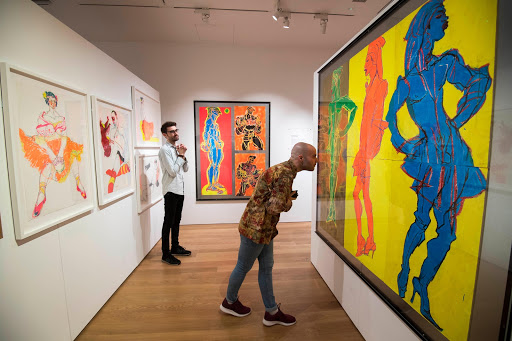
    Wealthy Gen Z collectors spent an average of $347,000 on fine art in 2025. That outlay topped every older demographic group by more than two to one.

    Spending rose 19 per cent from the previous year. That finding comes from survey data published by Art Basel and UBS, covering 3,100 high-net-worth individuals across 10 major markets.

    Baby Boomers aged 62 to 80 ranked second in spending, followed by Millennials aged 30 to 45. Gen X respondents aged 46 to 61 posted the lowest average outlay at $79,000 per collector. That is less than a quarter of the Gen Z total.

    Family Wealth Powers Million-Dollar Acquisitions

    Inherited capital among younger ultra-wealthy buyers drove the surge, rather than retail enthusiasm. Gen Z buyers made up 9 per cent of the 3,100 collectors polled. Yet they represented nearly half of all buyers who bought artworks priced above $1 million during 2025 and the first half of 2026.

    During the first half of 2026, 13 per cent of Gen Z respondents spent more than $1 million on fine art, against 3 per cent across the wider sample. About 37 per cent of Gen Z respondents reported their wealth came primarily from family sources. Another 40 per cent cited family influence as their entry point into collecting.

    Across the full sample, average fine-art spending rose 13 per cent year on year in 2025 to reach $124,265. Gen Z spending in the first six months of 2026 alone beat their full-year 2025 average.

    Traditional Mediums Retain Buyer Loyalty

    Purchases remain concentrated in classic categories rather than digital assets or non-traditional formats. Painting and sculpture dominate transaction volumes across every surveyed generation.

    “Some aesthetic preferences remain more consistent across generations than is often assumed,” Paul Donovan, chief economist at UBS Global Wealth Management, said in the report.

    Buyer motivations also diverge from institutional tastemakers. Nearly half of all surveyed buyers said an artwork’s rarity and uniqueness carried more weight in purchase decisions than critical acclaim from curators or commercial dealers.

    Digital Discovery and Direct Studio Sourcing

    Younger collectors are altering transactions across primary and secondary channels. Commercial galleries face changing habits as buyers bypass intermediaries to purchase directly from artist studios or independent platforms.

    Artificial intelligence tools are gaining traction in collector research. The proportion of collectors using AI to research potential art purchases rose from 4 per cent in 2024 to 22 per cent in 2026.

    Gallery operators and luxury auction houses must adapt digital-native marketing to clients who favor traditional tastes. Family offices managing intergenerational transfers are directing capital toward blue-chip physical inventory rather than speculative emerging categories.

    Intergenerational Wealth Transfer Shapes Market Baseline

    Survey qualification required respondents to hold at least $1 million in investable liquid assets, excluding primary residences and privately held business equity. This baseline separates the cohort from general retail consumers and highlights the mechanics of wealth preservation.

    Earlier surveys conducted after 2020 pointed to falling transaction counts among older institutional patrons. The latest data shows younger heirs are buying higher-value individual lots, maintaining dollar volume across top-tier international sales.

    Auction houses and private dealing desks now look to late-2026 auction totals to see if direct artist purchases continue to eat into dealer commission revenue.

  • Pakistan Raises Import Duties on Tyres and Motorbike Parts to Protect Local Industry

    Pakistan Raises Import Duties on Tyres and Motorbike Parts to Protect Local Industry

    Pakistan raised additional customs duty on imported tyres and motorcycle components on Thursday. The tariff on certain bike parts climbs to 31 per cent to shelter domestic manufacturers.

    Cabinet members on the Economic Coordination Committee lifted the additional customs duty on locally manufactured radial tyres and motorcycle components from 4 per cent to 11 per cent. Rates on motorbike parts imported by local assemblers surged from 11 per cent to 31 per cent.

    Finance Minister Muhammad Aurangzeb presided over the Islamabad meeting. The committee altered statutory regulatory order SRO 693(I)/2006 on the recommendation of the Revenue Division. These tariff hikes follow the first quarter of the fiscal year and coincide with a staff-level agreement with the International Monetary Fund.

    Higher tariffs on tyres and motorcycle components

    Imported parts that compete with local suppliers face direct penalties under the new structure. Components brought in by vehicle assemblers take the steepest hit, jumping 20 percentage points to 31 per cent. Finished radial tyres and replacement parts now carry an 11 per cent levy.

    Revenue Division documents confirm the amendment to SRO 693(I)/2006 targets imports where domestic manufacturing capacity already exists. Officials structured the differential to push assemblers toward local supply contracts over foreign procurement.

    Vehicle assemblers across the country have long relied on imported knock-down kits from China, Japan and Southeast Asia. The wider tariff gap raises landed costs on foreign parts. Assemblers must now absorb the higher expenses or negotiate domestic purchasing contracts.

    Protectionist shelter for domestic assemblers

    Component vendors gain a protected customer base in a volatile retail market. Two-wheelers dominate urban transport in Karachi, Lahore and Rawalpindi. Consequently, motorbike parts rank among the largest consumer replacement categories in Pakistan.

    Motorcycle manufacturers must now speed up vendor localisation programmes. Assemblers that failed to build local supply networks over the past decade face immediate cost disadvantages. Competitors with higher domestic parts content will hold an edge.

    Retail buyers will feel the impact quickly at motorcycle repair shops and tyre dealerships. Importers of Japanese and Chinese radial tyres must raise wholesale prices or lose ground to domestic tyre makers in Punjab and Sindh.

    Credit guarantees and small business funding

    Credit guarantee measures accompanied the tariff decisions. The State Bank of Pakistan designed a structure to expand lending to small suppliers and the agricultural sector. The scheme provides 20 per cent first-loss coverage on loans to small enterprises, alongside 10 per cent coverage for medium industries and small farmers.

    Risk-sharing under the programme will flow through Agency Financial Institutions, connecting non-banking lenders and microfinance firms to state guarantees. The committee also amended the Second Supplemental Trust Deed of the Credit Guarantee Trust Fund. That step expands a housing finance facility created for the Prime Minister’s Mera Pakistan Mera Ghar initiative.

    Total supplementary grants cleared during the session reached Rs57.85 billion across 11 allocations. Within that sum, the Small and Medium Enterprises Development Authority secured Rs2 billion to execute its corporate plan.

    Restructuring state retail and infrastructure

    Industries and Production Division officials secured Rs11.329 billion to shut down the state-owned Utility Stores Corporation. The state retail chain operated thousands of discount grocery outlets nationwide. The closure forms part of a wider push to rationalise state enterprises.

    Infrastructure spending took up the rest of the major allocations. The Public Private Partnership Authority received Rs8 billion for project delivery. Meanwhile, the Ministry of Railways received Rs10 billion for the Thar Coal Rail Connectivity Project, linking domestic coal reserves to power stations and industrial buyers.

    Export Development Fund balances will also be invested in government securities to earn sovereign yields on idle trade funds. Revised customs tariff schedules take effect immediately across all major customs ports.