Blog

  • Hashi Market Takes 35,715 Square Feet of Former Amazon Fresh Space in Seattle

    Hashi Market Takes 35,715 Square Feet of Former Amazon Fresh Space in Seattle

    Japanese grocer Hashi Market leased a 35,715-square-foot retail unit in North Seattle to open its first location in the city.

    The store occupies space at 13025 Aurora Avenue N previously run by Amazon Fresh. The site became available after Amazon closed its Fresh- and Go-branded brick-and-mortar grocery stores nationwide earlier this year.

    New footprint on Aurora Avenue

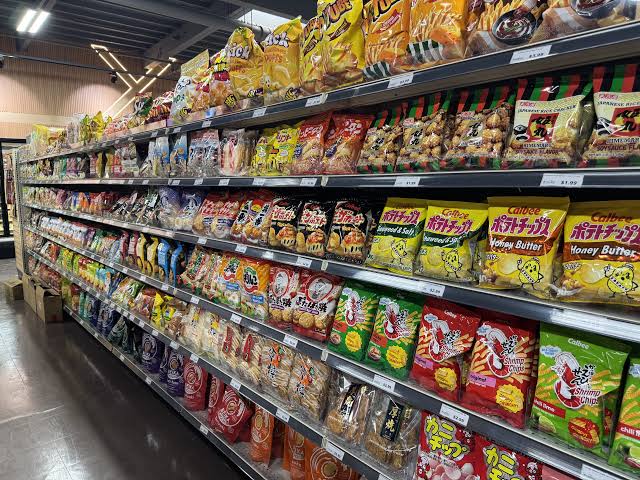
    Hashi Market plans to stock fresh Japanese produce, packaged groceries, and home goods across the single-level footprint. The North Seattle format will also run on-site catering services alongside dedicated sections for beauty products and household essentials.

    Taking over built-out supermarket real estate reduces upfront capital spending on refrigeration and distribution fixtures. Former Amazon Fresh properties feature heavy electrical infrastructure, cold storage rooms, and loading docks that grocery operators can repurpose without full structural refits.

    Filling vacancies left by Amazon Fresh

    Amazon spent years testing automated checkouts and custom grocery layouts before shuttering dozens of Go and Fresh units across US metropolitan markets. That retrenchment opened suburban strip-centre boxes to specialty food operators hunting for turnkey retail space.

    Asian grocery chains have expanded steadily into North American secondary and primary corridors, filling mid-sized footprints between 30,000 and 50,000 square feet. Hashi Market steps into a corridor where demographic demand for imported Japanese pantry staples, prepared foods, and cosmetics remains underserved by traditional supermarkets.

    Asian specialty grocers take suburban sites

    Specialty grocers benefit from higher basket sizes and stronger customer retention than conventional general merchandisers in competitive metro areas. Asian supermarket operators often rely on extensive fresh counters, hot meal programs, and imported stock keeping units that conventional chains do not carry.

    The Aurora Avenue location gives the Japanese banner highway visibility in a dense commercial corridor. Reallocating the floor plate to prepared meals and catering allows the operator to generate secondary revenue streams beyond standard shelf-stable retail sales.

    Timeline and upcoming launch

    Amazon’s decision to exit its experimental grocery formats in 2026 accelerated store turnover throughout the Puget Sound region. Landlords have moved quickly to backfill these suburban shells with established ethnic grocery operators able to draw consistent foot traffic.

    Hashi Market has begun fitting out the 13025 Aurora Avenue N property ahead of its scheduled public opening.
  • Freitag Launches Premium Reference Handbag Line Across 30 Stores

    Freitag Launches Premium Reference Handbag Line Across 30 Stores

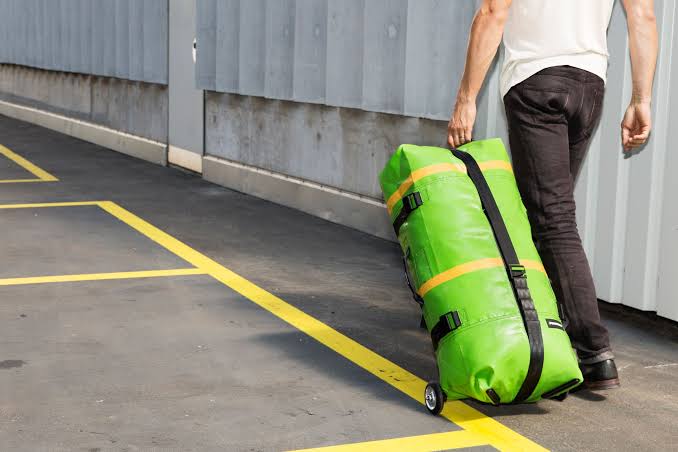
    Freitag launched a four-bag collection called Reference on Thursday. The line pushes its upcycled truck-tarp business into higher price tiers across 30 company stores and 200 retail partners worldwide.

    The Swiss brand sells its accessories primarily in European and Asian markets. In those regions, its store network also functions as a return, repair and resale ecosystem.

    Higher production costs and monochrome sourcing

    European manufacturing partners assemble each Reference handbag in small runs using single-color truck tarpaulins. The monochrome look departs from the company’s multi-colored aesthetic to target shoppers seeking minimalist design. Every bag includes a detachable repair kit made with matching tarpaulin, thread and lining to allow repairs decades later.

    Circular production economics remain tough. Markus Freitag co-founded the brand with his brother Daniel in 1993. He confirmed that preparing used tarps costs roughly three times more than purchasing new raw material. The company collects tarpaulins across Europe, inspects each piece, strips the material by hand and washes it before cutting begins.

    The retail calculation for Asian store networks

    For department store landlords and franchise partners across East Asia, the Reference line offers a way to lift average transaction values without increasing volume. Freitag has built concentrated followings in Tokyo, Seoul and Shanghai. The company avoids chasing unit growth, choosing instead to elevate product tiers and protect margins squeezed by labor and cleaning costs.

    Consumer willingness to pay luxury prices for industrial waste poses the primary commercial risk during a broader luxury slowdown. Freitag frames monochrome tarps as equal to traditional luxury leathers. Shoppers in key Asian retail hubs may scrutinize whether stripped-back upcycled items command premium price tags when competing against established designer leather goods.

    Two decades of architectural and circular retail

    The release coincides with the 20th anniversary of Freitag’s flagship store in Zurich, constructed in 2006 from 19 stacked freight containers. Swiss authorities made the temporary structure permanent in 2014. In 2025, the company added a dedicated Repair Kiosk to the site to handle product servicing.

    Chief executive Janine Weiz-Bühler said the business aims to broaden its demographic reach without abandoning its environmental mandate. “We prove that upcycling and elegance are not a contradiction,” Weiz-Bühler said. She noted that the company views the elevated collection as an expansion of its existing lineup rather than a structural rebrand.

    Road-testing circular tarpaulins and mono-materials

    Freitag is also running road tests on prototype circular tarpaulins developed with industrial partners. These materials are engineered to undergo mechanical or chemical recycling into fresh base materials once removed from commercial trucks.

    Management is monitoring customer adoption of its Mono backpack. Recyclers can shred the bag directly into nylon granules without disassembly because it is constructed entirely from a single polyamide grade.

  • ShopeePay Adds Zurich Life Insurance in Malaysia Starting at RM500

    ShopeePay Adds Zurich Life Insurance in Malaysia Starting at RM500

    In October 2026, Zurich Life Insurance Malaysia Berhad partnered with ShopeePay Malaysia to sell life insurance directly through the e-wallet app, with entry premiums starting at RM500.

    The two-year single-premium product is named the Zurich Savings & Protection Plan. It offers guaranteed cash payouts every six months. Customers receive full principal protection at maturity, along with 105 per cent of the premium paid for life and disability coverage.

    Expanding Digital Wallet Distribution

    This agreement makes ShopeePay the first digital distribution platform partner for Zurich’s life insurance division in Malaysia. It builds on an existing relationship. The platform already distributes products for Zurich General Insurance Malaysia Berhad and Zurich General Takaful Malaysia Berhad.

    Users purchase policies inside the ShopeePay mobile app under the insurance tab by selecting the endowment category. Both companies plan to lower the minimum entry premium from RM500 to RM100 to widen user adoption.

    Targeting First-Time Insurance Buyers

    Tapping an established checkout ecosystem bypasses traditional agency channels and their higher acquisition costs. Insurers across Southeast Asia bundle life protection into short-duration endowment products for a clear reason. They want to convert younger, digital-native consumers who avoid long-term premium commitments.

    For ShopeePay, the rollout creates a high-margin financial service stream within its payments ecosystem. The move mirrors regional super-apps that are diversifying beyond payment processing and micro-lending into wealth and insurance distribution.

    Building Out Embedded Finance

    Intense competition for transaction volume across Southeast Asia is pushing digital wallets to embed stickier financial products. Short-term endowment policies create recurring platform engagement. Every six months, guaranteed cashback payouts return directly into user accounts.

    Operational risks remain if claim fulfillment or cash-out requests create friction inside a third-party app. To prevent that, Zurich and ShopeePay rely on digital underwriting infrastructure called Zurich Edge to process claims and manage policy administration.

    Next Steps For Islamic Products

    Earlier rollouts between the two companies introduced digital critical illness coverage on Shopee platforms. Benefits distributed under the program remain protected by Perbadanan Insurans Deposit Malaysia up to statutory limits.

    Looking ahead, Zurich Malaysia will broaden the lineup in 2027 by introducing Syariah-compliant family takaful products across ShopeePay. Both firms are also preparing to lower the entry threshold for the current savings plan to RM100.

  • The Capital Grille Opens First Asia Venue on 50Th Floor of Bitexco Tower

    The Capital Grille Opens First Asia Venue on 50Th Floor of Bitexco Tower

    The Capital Grille opened its first restaurant in Asia last month on the 50th floor of Bitexco Financial Tower in Ho Chi Minh City. Diners reach the venue via a dedicated private lift overlooking the skyline.

    Taipei-based Ko Hospitality Group operates the steakhouse under a franchise agreement with parent company Darden Restaurants. The opening gives the Taiwanese family business its first restaurant in Vietnam.

    Steakhouse Expansion into Southeast Asia

    Darden chose Vietnam over traditional regional gateway hubs like Singapore or Tokyo for the brand’s regional debut. Guests walk straight into a dining room overlooking the city below. The kitchen serves American steakhouse staples tailored to local executives and expatriate diners.

    Ko Hospitality Group manages daily floor service, kitchen staffing, and brand standards under the licensing agreement. Securing a space in District 1 puts the operator directly in front of corporate accounts, high-net-worth diners, and private event bookings in the country’s commercial center.

    Operator Strategy and Regional Footprint

    Running an upscale steakhouse in Ho Chi Minh City challenges established independent venues and hotel dining rooms. Global brand recognition gives Darden an immediate footprint in a market where demand for imported beef and luxury dining remains steady.

    Cold-chain reliability and imported meat logistics will test the operation. Serving dry-aged beef and wine at standard requires dependable supply partnerships along international shipping routes. Import clearance delays and tariff structures can quickly squeeze kitchen margins.

    High-Rise Commercial Placement

    Securing the 50th floor of Bitexco Financial Tower anchors the property as a destination venue rather than standard mall retail. High-floor commercial tenancies command steep rents. In exchange, they offer built-in differentiation through exclusivity and panoramic views.

    Expanding into Vietnam takes Ko Hospitality Group outside its home market of Taiwan for the first time. Managing cross-border supply chains and local staffing will show whether the operator can scale Western restaurant concepts across Southeast Asian commercial centers.

    The Pipeline for Regional Dining

    Performance in Ho Chi Minh City will serve as a live benchmark for Darden as it evaluates broader franchise expansion across Asia. Fine-dining concepts carry higher overheads than casual formats. Customer retention and average check sizes will be critical in the opening quarters.

    Watch the operator’s corporate bookings and private dining receipts over the coming months to see whether Ko Hospitality Group pushes the brand into Hanoi or neighboring regional markets.

  • Aptar Beauty Adds All-Plastic Pump to Personal Care Packaging Line

    Aptar Beauty Adds All-Plastic Pump to Personal Care Packaging Line

    Aptar Beauty launched the Novus Advance all-plastic pump on October 5, widening its polyolefin dispensing line into high-volume hair and body care formats. The unit dispenses fixed doses of 350 and 500 microlitres without metal springs or mixed-material components that disrupt commercial recycling sorting lines.

    The launch extends the Advance platform the supplier introduced in 2025, which began with the GSA Advance lotion pump and PZ Advance fine mist spray. By eliminating polyoxymethylene and internal metal springs, the company targets brands facing stricter extended producer responsibility rules across international export markets.

    All-Polyolefin Engineering and Formulation Fit

    Novus Advance runs on a full-polyolefin cartridge combining polypropylene and polyethylene. When paired with high-density polyethylene, polypropylene or PET containers, the entire bottle and closure assembly passes through standard recycling streams without requiring disassembly by consumers or sorting facilities.

    Internal mechanics rely on an exterior bellows system positioned outside the dosage chamber. Keeping the mechanical spring mechanism separated from the liquid path broadens formula compatibility, allowing personal care brands to run viscous creams, oils, hair serums and short-chain alkane formulations without chemical degradation or clogging.

    The component also integrates post-consumer recycled resin options. A twist-to-lock head eliminates the need for an overcap, reducing total plastic weight per stock-keeping unit.

    Meeting E-Commerce Transit Requirements

    Online retail compliance has become a baseline requirement for mass beauty brands selling across digital marketplaces in Asia. Aptar verified the closure under ISTA-6 protocol testing to prevent leaking during air freight, parcel sorting and direct-to-consumer delivery.

    Packaging suppliers are racing to re-engineer closures that withstand pressure drops and rough handling in parcel networks without adding secondary tape, shrink wrap or outer bags. Passing ISTA-6 standards allows personal care groups to bypass secondary outer boxing, reducing packaging costs in cross-border fulfillment.

    “Novus Advance is another step in our continued focus on ensuring our products continue to support circular economy efforts. We plan to expand this innovative full-polyolefin collection to other dosages and applications to facilitate this sustainable transition for brands,” says Luigi Garofalo, Global Category Director Personal Care & Home Care, Aptar Beauty.

    Shifting Dynamics in Personal Care Packaging

    Rival packaging suppliers are pursuing similar mono-material and refill designs as fast-moving consumer goods giants cut non-recyclable components from core lineups. Silgan Dispensing rolled out its Melodie Pirouette SNI 13 pump in late September 2026, pairing a screw-neck closure with moulded glass bottles for portable refill formats in partnership with Groupe Pochet.

    For consumer goods operators across Asia-Pacific, packaging shifts carry operational trade-offs on manufacturing lines. Transitioning from conventional metal-spring dispensers to polyolefin bellows often requires retooling capping machinery and verifying seal integrity across varying liquid viscosities and factory temperatures.

    Brands face commercial risks if all-plastic pumps fail to match the tactile feel or priming speed of traditional metal springs. Contract packagers and private-label manufacturers must balance higher initial tooling costs against long-term savings on plastic packaging taxes in major consumer territories.

    Building Out the Mono-Material Portfolio

    Aptar Beauty developed the Advance line over several product cycles, shifting flagship dispensing designs to mono-material resin architectures. The rollout follows earlier iterations in fragrance and facial skincare, where the group adapted its best-selling fine mist and lotion formats to meet European and North American circular packaging mandates.

    Brand owners are accelerating procurement reviews as regional packaging regulations penalise mixed plastics. The company will expand the polyolefin cartridge platform into additional dosage volumes and closure diameters in 2027.

  • Jordan Brand Unveils Three Air Jordan 11S for Space Jam 30Th Anniversary

    Jordan Brand Unveils Three Air Jordan 11S for Space Jam 30Th Anniversary

    Jordan Brand will release three separate versions of the Air Jordan 11 starting November 5, 2026, anchoring a wider retail collection to mark the 30th anniversary of Space Jam.

    Adult pairs of the core retro will retail for $235 when they reach global store shelves on December 12, 2026, leading the brand’s crucial year-end release window.

    The collection revives the original 1996 movie partnership between Michael Jordan and Warner Bros. With both historical retros and redesigned footwear iterations. The headline retro recreates the traditional black patent leather cut with mesh uppers, incorporating Varsity Royal blue Jumpman embroidery on the lateral collar and tongue. It also restores the Jumpman Jam tongue script and features stitched number 23 branding on the heel, departing from the screen-printed numbers used in previous commercial runs.

    New builds and technical fabrications

    Two new designs sit alongside the classic silhouette. The Green Screen edition discards traditional patent leather for tonal green nubuck across the mudguard, paired with Tirrenina suede covering the midsole and inner lining. Designers added a translucent green outsole over bright orange pods that reference Bugs Bunny, packaging the model in a custom green box with film iconography.

    A third model, titled Magic Ball, targets female consumers with sizing extending up to a men’s 12.5. The upper uses a four-way color-shifting finish modeled on the glowing basketball from the film, accented by metal Jumpman hardware and specialized box art featuring the antagonist Monstars.

    “Knowing that it’s the 30th anniversary, knowing where the state of the footwear business is right now, we know we have to continue to deliver the best in class around our most coveted product,” Harvey said. “Especially with \[the significance\] of the [Air Jordan 11](https://wwd.com/tag/air-jordan-11/) in the holiday season. We can’t just release the OG and expect that 15-year-old kid to think that’s cool anymore. So we have to step into creative worlds where they are and bridge those generations.”

    Apparel lines and exclusive runs

    Terrance Harvey, Jordan global expert for Streetwear Footwear Product Management Icons, oversaw the line’s conceptual development. Alongside the footwear, the brand produced graphic heavy sportswear led by a varsity jacket decorated with sports card patches and a glossy long-sleeve Lola Bunny jersey. A separate laser-etched patent leather version of the sneaker was restricted to an internal run of 30 pairs for friends and family of Jordan Brand and Warner Bros.

    Internal teams rejected earlier concept work that borrowed Galaxy print materials from the Nike Air Foamposite One line, choosing instead to focus strictly on original movie elements. Initial proposals for 12 character-specific colorways and a design referencing Jordan’s water bottle were similarly shelved during product testing.

    Retail implications across Asian markets

    For multibrand retailers and franchise operators across Tokyo, Seoul, and Shanghai, the Air Jordan 11 remains the most dependable single-day revenue driver of the fourth quarter. Expanding the release from a single retro into a three-shoe package gives retailers more inventory depth, but it also tests whether younger consumers outside North America share the same nostalgia for 1990s cinema tie-ins.

    Jordan Brand faces rising competition across Asian department stores and specialty boutiques from technical running labels and domestic sportswear manufacturers. By layering experimental textiles and unisex sizing onto its most valuable legacy silhouette, the company is attempting to protect its allocation sell-through rates while guarding premium price tiers above the $200 mark.

    Decade-long retro cadence

    The mainline Space Jam shoe last appeared in December 2016 for the movie’s 20th anniversary, which featured Concord purple accents and number 45 stitched on the heel counter. The upcoming release returns to the blue detailing first introduced during the sneaker’s initial public retail launch in 2000.

    Retail rollout begins November 5 with initial apparel and select footwear drops on the Nike digital ecosystem, before the Air Jordan 11 Retro Space Jam arrives at partner retailers worldwide on December 12.

  • MSC Restores Direct Karachi Service to Seven European Ports

    MSC Restores Direct Karachi Service to Seven European Ports

    Mediterranean Shipping Company has reinstated its direct weekly container service linking Karachi to seven major European ports, Federal Maritime Affairs Minister Muhammad Junaid Anwar Chaudhry announced in Islamabad on Thursday.

    The return of the weekly calls at Karachi Gateway Terminal International gives apparel and textile producers a direct sea link to Felixstowe, Rotterdam, Hamburg, Bremerhaven, Antwerp, Le Havre and London Gateway via Colombo.

    Weekly Rotations on the Restored Route

    MSC reinstated the PREMIUM IPAK service after Pakistani export houses petitioned the maritime ministry for dedicated capacity to Europe. Red Sea shipping reroutings around Africa had stretched voyage times, inflated container freight rates and disrupted delivery schedules for overseas retail buyers.

    Vessels will berth weekly at Karachi Gateway Terminal International, taking aboard export cargo destined for European and British retail distribution hubs while handling regional transshipment flows through Colombo. The maritime ministry confirmed that Karachi Port will handle full-swing transshipment volume under the restored service rotation.

    Relief for Textile and Apparel Exporters

    Pakistani textile manufacturers, who generate the bulk of the country’s outbound containerised freight, faced severe margin compression throughout 2024 as longer transit times compromised order delivery dates for European fashion brands. Factory operators had informed the ministry that diverted vessels and round-Africa voyages were eroding their pricing competitiveness against regional textile exporters in South Asia.

    Restoring dedicated European sailings cuts intermediate handling delays for factory shipments leaving Karachi. Fast and predictable transit schedules allow apparel vendors to commit to seasonal delivery windows across Britain and continental Europe without building excess safety stock into supply chains.

    Port Operations and Night Clearance Upgrades

    Sustaining the restored shipping link requires faster turnaround times on the quay. At a meeting of the Working Group on Shipping Connectivity and Optimisation held at the Karachi Port Trust head office, the KPT chairman proposed standardising 24/7 electronic delivery orders alongside risk-based container inspections, joint sampling and non-intrusive scanning.

    Terminal operators at Karachi confirmed they are prepared to conduct night inspections to clear vessel backlogs quickly. Pakistan Customs has been asked to operate round-the-clock clearance shifts to match the terminal schedule and eliminate physical cargo bottlenecks before vessels dock.

    “The restored service will improve connectivity with major European ports and provide exporters with greater options for planning and moving their shipments,” he said.

    Supply Chain Pressures on Global Trade

    Chaudhry cautioned that while the dedicated carrier service restores direct capacity from Karachi, it does not resolve the wider security disruptions across international maritime lanes. Ocean carriers worldwide continue to navigate elevated operating costs and longer sailing itineraries on voyages between Asia and the West.

    The maritime ministry plans to maintain discussions with international ocean lines and domestic export lobbies to defend trade route connectivity. Customs clearance authorities in Karachi are now reviewing procedural steps to implement the round-the-clock electronic cargo inspection system.

  • Wild Turkey Redesigns Packaging Across 39 Australian RTD Products

    Wild Turkey Redesigns Packaging Across 39 Australian RTD Products

    Bourbon brand Wild Turkey unveiled redesigned packaging across all 39 of its ready-to-drink products in Australia in October 2026 to sharpen shelf visibility in liquor aisles.

    The overhaul covers the brand’s complete local pre-mixed catalogue, spanning cans, bottles, varying alcohol strengths, flavour extensions and zero-sugar options.

    Sydney design agency The Creative Method developed the system, elevating the brand’s turkey illustration and increasing the use of gold accents across the lineup. The format creates a standard visual hierarchy across formats, giving single cans, multi-packs and bottled variants a unified design language while preserving variant distinctions.

    Standardising visual cues across 39 SKUs

    Pre-mixed spirits occupy high-density shelf space in Australian liquor stores, where retail formats demand instant brand recognition. The revision consolidates disparate pack styles accumulated over years of line extensions into a single visual framework.

    By anchoring every pack to the central illustration rather than relying solely on typography, the brand aims to make full-strength, mid-strength and zero-sugar variants immediately distinct within refrigerated retail display units.

    Competitive pressure in Australian RTD aisles

    Australia represents one of the largest ready-to-drink alcohol markets globally by per capita spend, making clear retail differentiation critical for major spirit houses. Global brand owners including Beam Suntory and Diageo have similarly revamped their pre-mixed dark spirit portfolios in recent years to defend market share against craft premixes, seltzers and evolving duty structures.

    For retailers, clear tiering across alcohol strengths and sugar content reduces shopper friction at the cool-room door. The operational risk for brand owners lies in alienating loyal volume buyers when updating legacy packaging that has sat unchanged on shelves for years.

    Building on Campari’s local portfolio

    Parent company Campari Australia has steadily refined the local positioning of its dark spirit stable to protect core volumes in independent retail banners and chain store networks. The bourbon segment remains heavily reliant on canned convenience formats for off-premise volume, particularly heading into peak summer retail trading.

    “The evolved system heroes an asset that’s uniquely ours and gives us a stronger and more distinctive presence across the range,” said Mark Watson, Marketing Director at Campari Australia.

    National rollout across retail networks

    The updated 39-product packaging range is circulating into national distribution channels across bottle shops and supermarket-owned liquor networks throughout Australia. Retailers will transition inventory across all stock-keeping units as existing wholesale stock sells through.

  • Spritzer Enters Isotonic Water Market with Ion Launch in Malaysia

    Spritzer Enters Isotonic Water Market with Ion Launch in Malaysia

    Spritzer launched an electrolyte-formulated isotonic water called Spritzer ION across Malaysia on 6 October 2026, targeting functional hydration demand outside pure mineral water.

    The beverage rolls out in 500mL and 1.5L formats across two flavour options, Original and Lime, formulated with lower sugar content than conventional sports drinks.

    Flavour Formats and Packaging Specifications

    Group Chief Executive Officer Kenny Lim and Head of Marketing Shiao Chan unveiled the product line alongside brand ambassadors Aedy Ashraf and TUJU. The product uses Spritzer mineral water as its base, blending electrolytes into an easy-grip bottle styled with blue and purple labeling featuring an infinity symbol motif.

    Distribution will target retail channels nationwide, giving convenience stores and hypermarkets an isotonic alternative marketed for everyday work routines as well as athletic training.

    Positioning Against Established Sports Drinks

    Entering the isotonic market pits Spritzer directly against entrenched regional category heavyweights that dominate convenience store refrigerator shelves across Southeast Asia. By positioning ION with less sugar and using its core mineral water brand equity, Spritzer aims to capture health-conscious consumers who avoid heavier carbonated sports drinks.

    For retailers, the line provides higher-margin shelf inventory in the functional beverage category compared to standard bulk mineral water. The risk sits in execution: isotonic drinks rely heavily on habitual purchase cycles, requiring sustained marketing spend to keep retail turnover steady against established players.

    Brand Campaigns and Portfolio Expansion

    Spritzer has steadily diversified its revenue base away from standard still water over the past two years. The company partnered with Gigi Coffee on co-branded drinks in January 2025, introduced Sparkling Sea Salt & Citron line extensions in December 2025, and ran its Flow With Joy consumer campaign in May 2026.

    The launch of ION accelerates that shift into higher-value functional lines designed to lift average selling prices per litre across retail networks.

    Roadshow Rollout and Consumer Sampling

    Direct consumer engagement begins with an underwater-themed activation at Starhill Piazza in Kuala Lumpur running from 9 to 11 October 2026. The three-day event serves as the initial test site for product sampling before Spritzer expands regional retail promotions into secondary Malaysian cities through the fourth quarter.

  • Australia’s Grape House Group Goes into Liquidation Owing $43.6 Million

    Australia’s Grape House Group Goes into Liquidation Owing $43.6 Million

    Australian table grape producer The Grape House Group has entered liquidation with debts totaling $43.6 million. Regulatory notices published by the Australian Securities and Investments Commission confirmed the filing.

    The collapse ends more than seven decades of operation for the Euston-based grower. It had exported fresh fruit across international markets since its founding in 1952.

    Creditors Face Unsecured Debts

    Company members met on October 2 to vote in favor of winding up the enterprise and its related entities. The liquidation filing covers Grape House and several trading vehicles tied to the Costa family, who controlled the farm across two generations.

    Operations centered on table grape production in regional New South Wales, directing volume into export channels across Asia and other overseas markets. Liquidators must now assess plant, vineyard property, and outstanding accounts to service the $43.6 million shortfall.

    Post-Penalty Capital Strain

    This wind-up follows regulatory enforcement against the business. In 2025, the New South Wales District Court imposed a $1 million fine on the company after formal legal action.

    That financial penalty added immediate cash pressure to an operation already carrying heavy borrowing. Packaging, cold storage, and freight charges require constant working capital in export networks. The court sanctions left little margin for operational recovery.

    Export Supply Chain Exposure

    For wholesale fruit importers and retail buyers across the Asia-Pacific region, the closure removes an established supplier ahead of the southern hemisphere harvest cycle. Competing growers in the Sunraysia and Murray Valley corridors will absorb open export allocations. Still, logistics providers and local suppliers face direct exposure to the outstanding debt pool.

    Agricultural supply chains across eastern Australia continue to face tighter bank covenants and rising input costs. These pressures are accelerating insolvencies among mid-tier family operations that expanded through debt.

    Asset Realization Process

    Liquidators will now formally convene the first statutory meetings of creditors. They will present a verified schedule of assets, secured lender positions, and employee entitlements.

  • Around 100 Wooden Shophouses Drive Retail Trade in Kuala Dungun

    Around 100 Wooden Shophouses Drive Retail Trade in Kuala Dungun

    About 100 two-storey wooden shophouses built from 1933 still house active businesses in Kuala Dungun. They sustain retail trade nearly a century after the town’s mining boom began.

    These timber buildings hold restaurants, hardware stores, electrical retailers and motorcycle dealerships. Plastic goods distributors, grocers and photography shops also trade across the coastal district.

    Commercial Structure and Rental Economics

    Known locally as kedai kayu, the surviving row dates to a 1933 plan by the Dungun District Office. Officials created the commercial lots to capture trade from the Bukit Besi iron ore mine. That mine ran from the 1930s until closing in 1970.

    Tenancy turnover across the strip remains low. Family operators hold leases for decades. Restaurant operator Mohd Kamal Hamid pays RM1,200 a month for a timber unit his father first rented in 1980. A mining employee originally bought the building in the 1930s.

    Retailer Ang Ah Kiang, 76, noted that units built between 1930 and 1960 link early port commerce to modern consumer demand. Several tenants have altered interiors for modern stock and refrigeration. Core timber frames and wooden window structures remain intact.

    Immigrant Capital and Trading Networks

    Merchant migration from southern China drove the area’s early growth from around 1922, according to Wan Mohd Rosli Wan Ngah, honorary secretary of the Malaysian Historical Society’s Dungun chapter. Hokkien traders settled along the Sungai Dungun estuary. They ran rubber collection depots, seafood distribution posts and grocery shops before buying lots in the 1933 town plan.

    Municipal restructuring relocated Malay residents to Kampung Tanah Lot, clearing central plots for commercial timber buildings. Chinese capital then drove the retail footprint through the mining boom of the 1950s and 1960s.

    Retail Shifts Across Secondary Malaysian Towns

    Across peninsular Malaysia, wooden high streets face pressure from suburban developments, concrete commercial parks and franchise formats. Heritage rows in larger capitals like Kuala Terengganu or Kuantan often convert into boutique hotels or tourist cafes. Those shifts drive up rents and push out daily merchants.

    Kuala Dungun follows a different pattern. The shophouses still serve local daily shoppers rather than tourists. This shields tenants from travel market swings, though it leaves them to absorb maintenance costs on ageing timber frames.

    Mining Legacy to Modern Trade Base

    Raw material transport once anchored the local retail economy. Bukit Besi served as the primary inland iron ore source, hauling ore by dedicated rail directly to Kuala Dungun for sea export.

    When mining ceased in 1970 and rail links closed, economic activity shifted south to Kerteh’s oil and gas operations and regional palm plantations. Local retailers adapted their stock. They now serve civil servants, farm workers and maritime crews across the 154,932-resident district.

    Town commerce now centers on the surviving timber properties and a Thursday night market along the old railway line. Tenancy renewals and property valuations across these 100 registered wooden units will determine how long independent operators maintain their grip on the district.

  • Australian Counterfeit Banknotes Surge to Eight-Year High of 20 Notes per Million

    Australian Counterfeit Banknotes Surge to Eight-Year High of 20 Notes per Million

    Australian authorities detected 40,613 counterfeit banknotes in the 12 months to March 31. That pushed fake cash rates to their highest level since June 2018.

    The detection rate reached 20 notes per million in the March quarter. That is up 277 per cent in 15 months from a low of 5.3 notes per million in December 2024. Reserve Bank of Australia data shows fifty and one hundred dollar denominations accounted for 95 per cent of all seized counterfeits.

    Criminal syndicates are targeting high-turnover consumer businesses to convert fraudulent high-denomination notes into genuine legal tender and merchandise. Retailers receive zero reimbursement for accepted fake bills. Store operators absorb the full direct loss at the point of sale.

    Inflow through air cargo and mail

    Border authorities identified international logistics networks as the primary conduit for the influx. The Australian Border Force reported that counterfeit currency worth millions entered the country through air cargo consignments and international postal streams starting in early 2025.

    Importers are using more sophisticated physical concealment inside regular freight to bypass automated border screening. Law enforcement agencies warned that manufacturing standards have climbed. The higher quality makes fraudulent bills harder for retail cashiers to identify during fast transactions.

    Officials noted there has been a concerning improvement in the quality of counterfeit notes entering distribution channels.

    Retailers bear the frontline losses

    Regional retail stores, independent service stations, and hospitality venues face the sharpest exposure. In August, South Australian police charged a 32-year-old man for allegedly circulating bogus $50 bills across licensed venues, a petrol station, and shops in Mount Gambier.

    Queensland police made a separate arrest in Roma after an individual allegedly passed counterfeit $50 notes across two discount variety stores before trying to use another at a local hotel. Peer-to-peer sellers on online marketplaces have logged similar losses after handing over consumer goods for counterfeit cash.

    Large quick-service restaurant chains hold an operational advantage over smaller operators in managing this risk. Selected McDonald’s outlets and drive-through operators across Australia have run specialized counterfeit detection devices at their registers for more than ten years.

    Upgraded polymer security features

    The circulation spike comes despite Australia’s multi-year investment in polymer banknote security. The Reserve Bank of Australia rolled out its next generation banknote series between 2007 and 2020, upgrading earlier polymer designs first engineered with the CSIRO in the 1990s.

    Those newer notes feature a clear top-to-bottom window, reversing numerals, microprint, and UV-fluorescent patterns. They also carry a dynamic holographic flying bird that changes colour when tilted. Both the original 1990s polymer releases and the upgraded generation remain concurrent legal tender.

    Dual circulation creates an operational loophole. Fraudsters often replicate older polymer formats to bypass the advanced optical elements found on the newer series.

    Manual checks at checkout counters

    Central bank guidance advises retail staff to apply a three-step verification method: feel the plastic texture, hold the note to the light to confirm the clear window elements, and tilt the bill to inspect dynamic colour patches. First-generation polymer bills display a printed star and coat of arms within the window.

    Merchant protocols direct employees to refuse suspicious cash if safe to do so, record transaction details, and hand disputed notes directly to state or territory police. Operators can also file formal counterfeit detection forms through the Australian Federal Police.

    Retail loss-prevention teams are now watching upcoming quarterly Reserve Bank release data to track whether border interdictions successfully curb the circulation rate back toward its 2024 baseline.

  • Nissan to Roll Out China-Made Frontier Pro Pickup in Mexico

    Nissan to Roll Out China-Made Frontier Pro Pickup in Mexico

    Nissan Motor announced in October 2026 that it will launch the Frontier Pro pickup truck in Mexico this month, marking the 1st vehicle engineered and produced by its Chinese joint venture that the automaker will export. The model is scheduled to go on sale later in Southeast Asia and Australia.

    Engineers at Nissan’s joint venture in China developed and produced the pickup truck. The launch represents the company’s first export corridor for vehicles assembled by its manufacturing operations in China.

    Exporting From Chinese Assembly Lines

    Auto manufacturers in Japan face intense price competition and slowing retail momentum in China, where local electric vehicle makers continue to capture market share. Redirecting excess manufacturing capacity in China toward export destinations allows legacy brands to defend overall plant utilization.

    Shipping finished vehicles from Chinese joint ventures to markets in the Americas and Asia-Pacific lowers build costs compared to exporting directly from Japanese or North American factories. Mexico serves as the initial test market for the model before Nissan introduces the vehicle to buyers across right-hand-drive and left-hand-drive territories in the Asia-Pacific region.

    Expanding to Southeast Asia and Australia

    Dealerships across Southeast Asia and Australia will receive the Frontier Pro following the Latin American debut. Both regions represent established pickup truck markets where Japanese brands have long competed against American and emerging Chinese utility vehicles.

    Distributors in Australia and Southeast Asian markets face growing consumer interest in cost-competitive commercial and lifestyle trucks. Supplying those showrooms directly from China gives Nissan an established product line at price points engineered to counter recent inroads by Chinese commercial vehicle exporters.

    Managing Platform Strategy Across Markets

    Japanese carmakers are adjusting their global production footprints to counter trade barriers and shifting regional demand. Nissan is raising local production targets in North America while simultaneously using Chinese factory lines to feed price-sensitive export markets across the Pacific basin.

    The strategy places vehicle assembly in lower-cost manufacturing hubs without requiring greenfield capital expenditures in each destination country. Fleet operators and commercial vehicle buyers in target markets will see product lines sourced from joint-venture platforms originally built for the Chinese domestic segment.

    The Timeline for Regional Rollouts

    Deliveries in Mexico commence this month through Nissan’s existing commercial network. The export program tests consumer reception to Chinese-built Nissan nameplates ahead of wider distribution.

    Showroom arrival dates and market-specific trim specifications for Southeast Asia and Australia will follow the initial Mexican release schedule as export shipments ramp up from the Chinese production facility.

  • Rapidus Partners with 17 Design Firms to Secure 2Nm Chip Buyers

    Rapidus Partners with 17 Design Firms to Secure 2Nm Chip Buyers

    Japan’s state-backed chipmaker Rapidus has partnered with 17 design firms to secure buyers for its planned two-nanometre foundry. The venture holds 15 billion dollars in government funding.

    Executives must book production orders before commercial fabrication starts in the second half of the next fiscal year.

    Partners include American design software provider Synopsys and Indian technology services group Infosys. These alliances allow Rapidus to offer external customers design support alongside wafer fabrication. Early software integration resolves bottlenecks before physical manufacturing starts in Chitose, Hokkaido. Rapidus is developing its two-nanometre process with IBM and has already begun pilot line operations.

    Chasing Market Share in Advanced Silicon

    Landing customer commitments remains the primary operational hurdle. Taiwan Semiconductor Manufacturing Co dominates cutting-edge contract manufacturing. South Korea’s Samsung Electronics started producing two-nanometre chips last year, and Intel continues its own foundry expansion. Rapidus is pitching its capacity to consumer electronics and enterprise hardware designers shut out of production queues at TSMC.

    Switching supplier allocations to an untested foundry carries heavy risks for device makers. Global tech brands operate on strict product refresh cycles. Fabrication delays or yield faults quickly derail device launches across retail channels. Hardware brands want supply chain alternatives to hedge geopolitical tension around the Taiwan Strait. Still, migrating proprietary chip designs away from established foundries carries significant financial exposure.

    Rebuilding Japan’s Semiconductor Base

    National market share in global semiconductor manufacturing has fallen from roughly 50 per cent in the 1980s to below 10 per cent today. Prime Minister Sanae Takaichi is relying on Rapidus to anchor a broader industrial revival. That effort links directly to domestic artificial intelligence initiatives like the Noetra robotics project.

    Local suppliers of silicon wafers, precision chemicals and lithography equipment also gain direct demand if Rapidus succeeds. Commercial production in Hokkaido will shorten procurement cycles for regional device makers. Those firms currently export raw materials to Taiwan and South Korea for fabrication before importing finished silicon packages.

    Foundry Economics and Operational Challenges

    Fab viability depends on nonstop machine utilisation and high production yields. Even well-funded incumbents face margin compression when wafer defect rates spike during early-stage node transitions.

    Running a chip fab around the clock, maintaining stable, consistent yields and continuing production in a way that makes the business viable is extremely difficult

    Said Kazuyoshi Saito, an analyst at IwaiCosmo Securities.

    Capital recovery will take years before operations turn cash-positive. Rapidus management has set an initial public offering target for around the fiscal year ending March 2032 to open private equity participation and reduce reliance on state funding.

    Milestones Ahead of Commercial Ramp

    Engineering teams must now convert preliminary design consultations with the 17 partners into signed volume supply contracts. Pilot yields from the Hokkaido facility will face customer evaluation throughout 2027 before volume tool installations begin for commercial wafer output.

  • Vietnamese Banks Plan Nearly $7 Billion in Share Sales

    Vietnamese Banks Plan Nearly $7 Billion in Share Sales

    Vietnamese banks are planning nearly US$7 billion in share sales as the country’s fast-growing economy fuels demand for capital in October 2026.

    The planned offerings open a window for foreign investors to expand in the financial sector after Vietnam reported economic growth of nearly 10 per cent in the last quarter.

    Access to the industry remains tightly controlled by state regulations, which cap cumulative foreign ownership in domestic lenders at 30 per cent and limit individual offshore stakes to 20 per cent.

    Foreign Ownership Limits Face Fresh Scrutiny

    The capital drive arrives as international asset managers reassess their allocations to Southeast Asian financial assets. FTSE Russell reclassified Vietnam as a secondary emerging market, a technical transition estimated to channel between $3 billion and $5 billion in portfolio inflows into local equities. For global funds, commercial banking counters offer the most liquid gateway to consumer spending, industrial real estate financing and retail supply chains.

    Foreign investors still face operational friction despite high domestic credit demand. Offshore funds often pay steep over-the-counter premiums to acquire shares from existing foreign holders when a lender hits its 30 per cent ceiling. Easing or selectively lifting these limits gives local banks direct access to long-term institutional capital, but state authorities remain cautious about ceding governance control in core financial intermediaries.

    Reforms Target Capital Market Modernization

    Hanoi has accelerated regulatory overhauls to modernize its broader corporate landscape. The government enacted more than 86 laws and 300 decrees since 2025, overhauling customs, commercial tax codes, digital banking operations and judiciary procedures under an economic program led by General Secretary To Lam. The administrative updates aim to transition the economy away from basic low-cost manufacturing toward higher-value tech assembly, modern logistics and formal retail distribution networks.

    These policy shifts follow long-term structural changes that elevated Vietnam to upper middle-income status in July 2026, according to World Bank classifications. National gross domestic product per capita passed $5,000 in 2025, up from under $700 when initial market-oriented Doi Moi reforms began in 1986. Annual economic expansion averaged more than 7 per cent following pandemic reopenings in 2022, reaching 8 per cent in 2025 on high export volumes and resilient domestic retail trade.

    Credit Growth Targets and Trade Pressures

    Maintaining high balance-sheet expansion carries operational risks for commercial lenders. Vietnam runs an export-heavy trading model where total trade turnover equals roughly 170 per cent of gross domestic product, leaving corporate borrowers exposed to overseas tariff shocks, geopolitical shipping disruptions and currency volatility. The World Bank projects national economic growth of 6.8 per cent for 2026 before accelerating to 7.1 per cent in 2027, citing corporate debt use and foreign-exchange pressures as key vulnerabilities.

    Bank executives now look to upcoming legislative sessions where lawmakers will review potential adjustments to foreign investment limits across strategic commercial sectors. Lenders must balance their new equity issues against state economic targets that aim for average annual GDP growth of at least 10 per cent through 2030.