Tag: ads

  • Consumers willing to accept ads on IoT devices

    Consumers willing to accept ads on IoT devices

    The majority of consumers, at least in the US, are fine with the idea of ads on IoT devices, according to an Interactive Advertising Bureau (IAB) study on consumer adoption patterns and trends.

    In the survey of 1,200 US adults, 65% of IoT device owners said that they are willing to see ads on their IoT screens. What’s more, 62% already do, the study added.

    Devices examined in the study included connected cars, internet-enabled home control devices, internet-enabled appliances, smart watches, wearable health trackers, internet-enabled voice command systems, smart TVs, VR headsets and smart glasses.

    Incentives are the prime motivators.

    The report showed that 55% browsed through ads get coupons, while 30% searched for extra features and 22% loved playing exclusive games.

    Affluence and age matter when gauging consumers’ willingness to see ads on their IoT devices.

    According to the report, 69% of those who earn $100,000 or more and 68% of those aged 18-34 years are “more likely to see the value exchange of receiving such ads on their devices.”

    While the above results cater to only US consumers, it does indicate a growing willingness among consumers to view ads if the rewards are clear.

    It also offers valuable clues for CMOs who are looking to cash in the upcoming IoT boom and get into the living spaces of consumers.

  • Digital ads reach across APAC for 18-34 year olds improving

    Digital ads reach across APAC for 18-34 year olds improving

    The success rate of digital advertising campaigns in reaching their intended audiences has lifted significantly within a number of demographic groups across Asia Pacific, in particular for the highly sought-after 18-34 year old segment, as advertisers and their media agencies become more adept with media planning and buying, according to a new benchmarking study of the global digital advertising landscape by Nielsen.

    The Nielsen Digital Ad Ratings Global Benchmarks study, which assessed more than 47,000 digital campaigns across 17 countries in North America, Europe, Latin America and Asia Pacific, found that across Asia Pacific, digital advertising campaigns intended for consumers aged 18 to 34 years had the highest on-target success rate, with 63% of the advertising destined for these consumers hitting the mark, up from 53% in 2015.

    Campaigns aimed at females within the 18- to 34-year-old age group experienced the highest lift in on-target reach, posting a 15-percentage-point improvement to 51%.

    “The Nielsen Digital Ad Ratings benchmark report is shining new light for advertisers on how their digital advertising campaigns are faring in comparison to industry norms,” said Annette Kunst, managing director for Media at Nielsen Singapore.

    “The year-on-year performance improvement shows that an increase in independent measurement can lead to more transparency, and that ultimately improves overall reach and ad spend efficiency,” said Kunst.

    Across platforms, advertising served up via desktop still outperforms mobile advertising when reaching broad audience segments. Desktop advertising intended for people aged 18 to 49 years achieved a 70% on-target success rate, compared to 66% for mobile.

    Conversely, for more niche audiences or narrower segments such as the 18- to 34-year-age group, mobile has a higher success rate – 65% of mobile ads hit their mark, compared to 61% for desktop.

    “Mobile’s success reaching more narrowly defined audiences reinforces that mobile devices provide a highly personalized platform with the potential for more precise connections, and that’s reflected in the rapid increase we’ve seen in mobile advertising, where 45% of the digital advertising campaigns we measure today across Asia Pacific include a mobile component,” said Kunst.

    “With increasing media fragmentation, marketers need to consider all the screens at their disposal when trying to reach their audience,” she said. These benchmarks can help media buyers and sellers better evaluate total digital reach.”

    Looking across categories, Computer & Electronics and Travel marketers had an easier time reaching their desired audience, achieving an on-target success of 68% and 67% respectively. The Automotive and CPG sectors highlight opportunities to optimize reach and maximize return on ad spend, with 47% and 43% of digital ads respectively reaching their intended audience.

  • Optus offers bonus data for viewing ads

    Optus offers bonus data for viewing ads

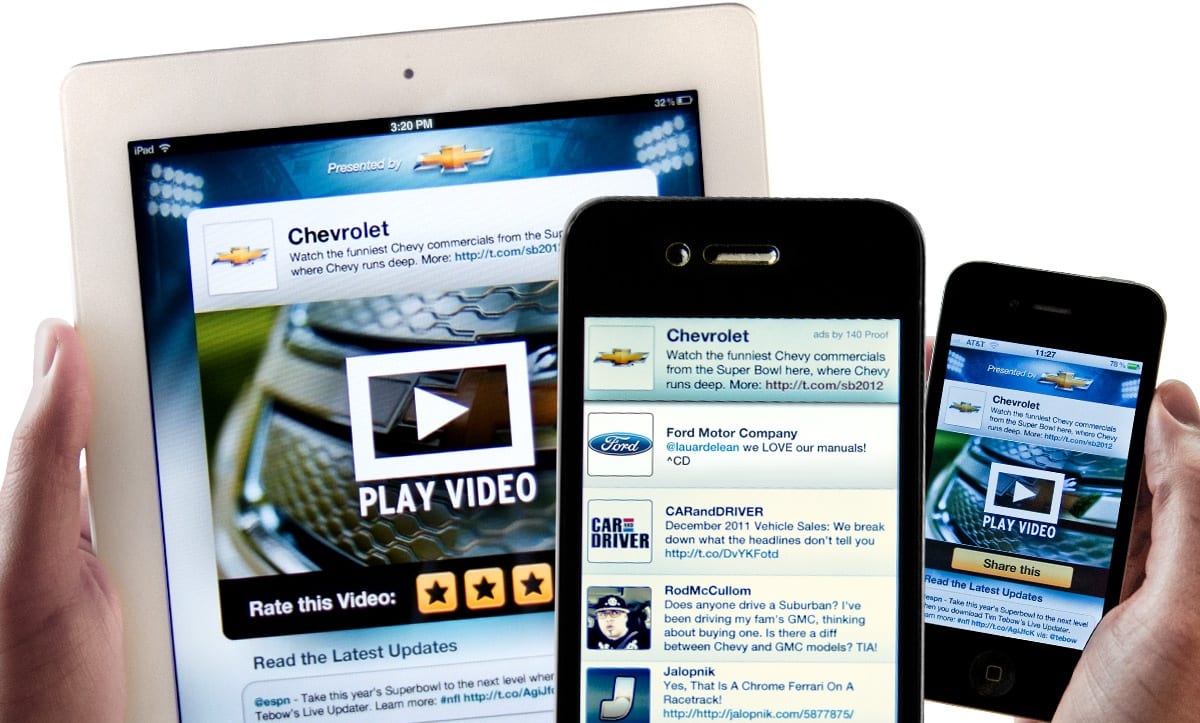
    Australia’s second largest mobile operator Optus has introduced a new ad-supported offer allowing customers to be allocated extra data or credit by agreeing to have marketing messages displayed on their device’s lock screen.

    The Singtel subsidiary has announced Optus Xtra, which gives prepaid customers the option to earn 1GB of bonus data on eligible monthly plans or $2 of extra credit on daily plans every 28 days.

    Optus has developed the service in partnership with New Zealand based mobile advertising start-up Postr. The company has developed a technical platform for lock screen advertising and has similar operator partnerships in New Zealand and Southeast Asia.

    As well as static ads, the platform can give customers the option of viewing a video version of the ad or visiting an advertiser’s website. Users can nominate interests across eight categories – beauty, employment, fashion, government and politics, health, money, technology and travel.

    Singtel’s digital marketing subsidiary Amobee manages advertising for the service.

    “Optus Xtra is a mobile advertising solution that puts mobile first and allows advertisers to reach audiences who have opted-in to see ads that are highly relevant to their interests and preferences,” Amobee managing director for Australia and New Zealand Liam Walsh said.

    “The Optus Xtra lock screen format lets brand advertisers target highly engaged audiences, where they are guaranteed a full screen creative canvas and 100% viewability.”

  • Global Advertising Spend Growth to Slow Next Year

    Global Advertising Spend Growth to Slow Next Year

    The latest Consensus Ad Forecast from Warc, the marketing intelligence service, indicates that global advertising spend will rise by 4.5% during 2016 as a whole, before the growth rate slows to 4.2% in 2017.

    With the exception of newspapers and magazines, all major media channels are expected to record adspend growth this year and next. However, the two largest, TV (+1.1%) and internet (+13.0%) are forecast to see their growth rate ease during 2017. The same is true for mobile, though it is still set to be the fastest-growing ad channel over the period.

    Warc’s Consensus Ad Forecast is based on a weighted average of adspend predictions at current prices from ad agencies, media monitoring companies, analysts, Warc’s own team and other industry bodies.

    Current sources include Carat, eMarketer, GroupM, Magna Global, Nikkei Advertising Research Institute (NARI), Pitch-Madison, Pivotal Research Group and ZenithOptimedia.

    All 13 markets covered in the report are forecast to see the amount invested in advertising rise both this year and next, though for eight of these the growth rate will be softer in 2017.

    India is expected to see the strongest annual rise in adspend this year, up 13.3%, with a similar rate of growth anticipated next year. The world’s largest ad market, the US, is expected to post adspend growth of 5.1% this year – buoyed by the presidential election campaigns and the Rio Olympics. US adspend growth is then forecast to cool next year – rising by 2.8% – as the impact of these events is lost.

    Adspend growth by country

                           2016 vs 2015     2017 vs 2016

                          y-o-y % change   y-o-y % change

    India                      13.3             13.4

    China                       7.8              7.1

    Russia                      5.8              6.1

    Spain                       5.8              5.2

    UK                          5.6              4.3

    US                          5.1              2.8

    Australia                   3.8              3.8

    Brazil                      3.3              2.1

    Italy                       2.8              1.6

    Germany                     2.1              1.8

    Canada                      2.0              2.4

    Japan                       1.7              1.7

    France                      1.3              0.8

    Global                      4.5              4.2

    Source: Warc’s Consensus Ad Forecast, November 2016 (www.warc.com)

    Despite the uncertainty surrounding the “Brexit” process by which the UK will leave the European Union in 2017, the nation’s ad market is forecast to record adspend growth of 5.6% this year and 4.3% next; both above the global respective rates.

    All four BRIC markets, India (+13.4%), China (+7.1%), Russia (+6.1%) and Brazil (+2.1%), are expected to post rises in ad expenditure this year and next. France is forecast to record muted growth of +0.8% in 2017, the softest rate of the 13 markets studied.

    All media, barring newspapers and magazines, are predicted to record year-on-year growth in 2017, with mobile expected to see the greatest adspend rise, up 34.2%. Total internet (including mobile) growth is expected to be 13.0% next year, while TV, the world’s largest ad channel by spend, is forecast to post growth of 1.1%.

    Global adspend growth by medium

                           2016 vs 2015     2017 vs 2016

                          y-o-y % change   y-o-y % change

    Mobile                     47.1             34.2

    Internet                   14.6             13.0

    Out of home                 3.4              3.2

    Cinema                      3.1              5.1

    TV                          2.8              1.1

    Radio                       0.4              0.3

    Magazines                  -5.9             -4.5

    Newspapers                 -8.0             -6.1

    Source: Warc’s Consensus Ad Forecast, November 2016 (www.warc.com)

    James McDonald, Senior Research Analyst at Warc, said: “The latest consensus results present a positive outlook for advertising investment at both a global and local level. All 13 markets studied are expected to record adspend growth in the short term, and this despite their contrasting socio-economic environments.”

    “We have identified a common trend among more mature markets whereby increasing investment in internet – particularly mobile – ad formats is driving headline growth. Applying consensus trends to Warc’s adspend data shows that mobile will grow to be the world’s third-largest ad channel by the end of 2016.”


  • Marketers prefer prudent spending on mobile advertising

    Marketers prefer prudent spending on mobile advertising

    While penetration of smartphones and mobile services continues to increase in Asian markets, mobile advertising is not as prevalent as is assumed. Brand owners still allocate a substantial amount of money to advertise on conventional media.

    According to data from the Asia Pacific branch of the Mobile Marketing Association (MMA), the average company in Asia will spend only 7 to 10 percent of their marketing budgets on mobile advertising despite rising smartphone usage across the region.

    This is particularly apparent in Indonesia as some companies increase focus on mobile advertising, but it does not necessarily translate to higher marketing dollars.

    MMA Asia Pacific managing director Rohit Dadwal explained that despite an increased percentage in mobile ad spending, the format would likely end up as the third-largest ad platform in Indonesia after television and radio in the coming years due to the size and reach of conventional media in the country.

    Dadwal explained that the average brand in Indonesia allocated between 14 and 15 percent of their marketing budget for mobile-based advertising and spent the remaining budget on broader platforms, such as television, which is considered the most popular advertising platform in Southeast Asia’s largest economy.

    Currently, in terms of an overall advertising budget, not a lot of local brands have moved into mobile marketing, as the share has yet to reach 5 percent of the marketing industry.

    “The main effect of the rise of mobile usage is that companies will start to allocate more money for mobile advertising from their budgets little by little, from 10 to 20 percent currently to about 30 percent in the near future,” Dadwal said during a recent discussion in Jakarta.

    A suitable strategy for mobile marketers, he added, is not to look at the landscape as a place where mobile advertising will triumph over other media but to see both mobile and more traditional media as integrated platforms where marketing campaigns can run parallel with each other.

    “It’s no secret that mobile advertising poses a threat to other forms of advertising. However, to succeed in marketing today, you shouldn’t use a completely mobile strategy. You need a marketing strategy that includes mobile because it will help you with your overall marketing objectives in the end,” Dadwal said.

    Previously, client leadership partner of Mindshare Indonesia media agency Wendy Soeweno commented that brands, conventional or digital, would still focus on television and radio advertising because of the scope and range television and radio provide in Indonesia.

    Television and newspapers used to be the biggest recipients of advertising spending. The tide is turning. Digital ads are poised to take 25 percent of ad spending in Indonesia by 2019 from 7.3 percent in 2015, according to forecasts by eMarketer.

    Digital ads almost tripled to US$835 million in 2015 from $234.2 million in 2013 and the figure is expected to increase more than four times to $4.9 billion by 2019.

    “We believe that communicating with consumers through the digital world is significant to building our brand,” corporate secretary of Unilever Indonesia Sancoyo Antarikso said recently.

    Unilever, one of the country’s biggest spenders on advertising, has been intensifying the placement of its product commercials through Google’s video sharing platform YouTube.

    In terms of strategies, Dadwal elaborated on how the integrated mobile-conventional approach was working currently and acknowledged that there could be a major shift to mobile marketing happening in the future.

    According to a joint study by Google and Singaporean investment company Temasek, Indonesia is poised to have the fourth-largest amount of internet users in the world with 215 million people connected by 2020. Meanwhile, smartphone usage in Indonesia currently includes approximately 43 percent of the population.

  • PT Telkom launches pay TV content and ad platform

    PT Telkom launches pay TV content and ad platform

    Indonesia’s PT Telkom, through satellite business unit Metrasat, has launched a new content and advertising solution designed to support the pay TV industry in Indonesia.

    Metrasat, itself a subsidiary of Telkom’s PT Multimedia Nusantara division, has announced the launch of Mediahub.

    The Mediahub project was initiated due to the Indonesian Broadcasting Commission’s regulations restricting foreign commercial advertisement on the foreign channels aired on local pay TV channels in Indonesia.

    MediaHub is the first solution specifically designed to help content providers, advertising agencies, the Ministry of Communication and Informatics of Indonesia, the Indonesian Broadcasting Commission and pay TV operators develop safe and convenient local content, as well as increasing revenue and optimizing cost efficiency.

    It aims to address practical solutions as a content aggregation and distribution service, helping the industry face ever-increasing distribution and monetization challenges. With its playout and ad-insertion system, MediaHub allows selected content to comply with national broadcasting regulations while distributing it in any format required by pay TV operators.

    MediaHub’s proprietary plug-and-play system means it is the only pay TV ad network to support local content developers.

    “Telkom is pleased to launch an integrated solution that not only caters to the telco industry, but is designed to create significant new value for the content and advertising industry in Indonesia,” said Telkom director of enterprise and business services Muhammad Awaluddin. He said the launch is in line with Telkom’s mission of transforming from a telco to a “digico” (digital telecommunications).

    “TelkomMetra focuses on adjacent business supporting the Telco Business and believes that the content industry will grow significantly in the years to come,” added TelkomMetra CEO Teguh Wahyono.

    “However, it will require support from efficient aggregation and distribution services. TelkomMetra will support the content industry by delivering contents effectively and efficiently while complying with Indonesian regulations. We expect local content to grow even more while global content will continue to honor and support Indonesian culture.”

  • Qihoo 360 launches new advertising initiatives

    Qihoo 360 launches new advertising initiatives

    Chinese internet company Qihoo 360 is rolling a number of initiatives to help CMOs better connect with Chinese netizens.

    The company, named by iResearch as the number one provider of internet and mobile security products in China based on user base, is looking to make advertising effective in China’s fast-growing online market.

    Many global brands are looking to capture the potential of China’s large pool of netizens. With global brands competing with large local brands, CMOs need to fine tune their digital strategy in a market where most consumers prefer to shop online, and increasingly via their mobile phones.

    Qihoo 360 has built one of the largest open internet platforms in China to monetize its massive user base, which is 99.6% of Chinese netizens, primarily through online advertising and through internet value-added services on its open platform. Through its Qihoo 360 International Advertising Unit, the company services over 250 advertising business customers in Hong Kong and overseas markets.

    The new product updates include Huajiao, a livestreaming app showcasing user-generated content that is now available in Hong Kong. Another product, 360 Mobile Security, will soon be available for advertising placement in Hong Kong for selected advertisers, allowing them to precisely target Chinese tourists during their travels.

    Six business core business strategies were also announced for 2H 2016, including “more innovative products”, “more professional support in planning”, “more responsive customer service”, “more comprehensive technology upgrades”, “more powerful voice on behalf of the market”, and “more effective tools and systems.” they aim to help CMOs to target Chinese online customers more effectively.

    “Today, we’re pleased to showcase the power of our big data analytics services, together with the announcement of our latest business strategies and future direction – assisting brand development and boosting advertising effectiveness with branded content,” said Dr. Michael Yang, chief business officer of Qihoo 360.

    “Qihoo 360 connects with 96.6% of Chinese netizens. We aim to help Hong Kong and overseas brands effectively and accurately connect with the right audience in the China market through a comprehensive product portfolio,” he said.

  • Kantar Worldpanel partners with Facebook to expand advertising measurement service

    Kantar Worldpanel partners with Facebook to expand advertising measurement service

    Kantar Worldpanel has formed a global partnership with Facebook that brings Facebook mobile ad exposure data into Kantar Worldpanel’s Consumer Mix Model (CMM) service.  In Asia, the service has launched in South Korea, Taiwan, Thailand, Philippines, and Vietnam, and will soon be available in Indonesia and Malaysia as well.

    The enhanced CMM tool combines Facebook’s mobile ad exposure data (in addition to desktop) with Kantar Worldpanel’s continuous consumer packaged goods (CPG) purchase data to provide brands with an accurate assessment of the effectiveness of their cross-media advertising campaigns. 

    The advertising landscape has witnessed rapid change in recent years as brands increasingly turn to digital formats.  In April Facebook announced that its advertising revenue had grown by 57 percent to $5.2 billion in the first quarter of 2016 alone, with advertisers drawn to its increasingly large user base. 

    The tool allows brands and advertisers to understand the real impact of individual advertising campaigns on actual sales and the contribution Facebook and other media have on their return on investment.  This in turn will help them to optimise their media planning and ultimately improve the efficiency of their media investment.

    Josep Montserrat, chief executive of Kantar Worldpanel, commented: “The partnership allows our experts to build a solid understanding of how advertising works and the role that Facebook plays in a wider campaign context.  Working with Facebook will allow us to inspire even better decisions to optimise advertising budgets and maximise advertisers’ return on investment.”

    Marcy Kou, chief executive of Kantar Worldpanel Asia, said: “It brings tremendous potential for advertisers on Facebook as the number of smartphone users continues to grow in Asia Pacific. Retail ecommerce in this region is going stronger than the rest of the world, and is still considered the “it” market. Yet there hasn’t been a reliable method to measure the effectiveness of mobile ads, and with this partnership, we will finally be able to.”

    Patrick Harris, director of Global Agency Development at Facebook, said: “We believe that strong partnerships with our agency partners are key to providing advertisers with the tools they need to measure true business value on Facebook.  We are excited to help inform Kantar Worldpanel’s Consumer Mix Model solution by bringing in our mobile ad exposure data in a privacy-safe way.”

    Kantar Worldpanel’s continuous CPG purchase panels are already widely used by the advertising community worldwide to understand the effect of cross-media advertising.  Its measures take into account in-store promotions and consumer loyalty to determine the full picture behind consumer purchase behaviour. 

    This partnership with Facebook is part of a wider alliance between WPP and Facebook to activate WPP’s data proprietary assets within Facebook, which was announced in April 2015.

  • Ooyala launches server-side ad insertion

    Ooyala launches server-side ad insertion

    Ooyala now offers live server-side ad insertion (SSAI) for broadcasters and media companies distributing live, ad-supported video.

    A part of Ooyala Live and its ad-serving platform, Ooyala Pulse, the technology provides smooth transitions between ads and content during live feeds for seamless, TV-like playback.

    SSAI helps circumvent ad blockers so customers can reclaim lost revenue. Unique to Ooyala’s SSAI technology is its focus and method to deliver hyper-personalized ad experiences to live-streaming audiences.

    Ooyala’s SSAI technology allows publishers and advertisers to merge programming and personalized advertisements together into a single video stream. As a result, the video content and advertising play continuously, eliminating any buffer time or latency between the content and ads.

    There is also no distinction between where the content ends and the ads begin, therefore it prevents video advertising from being blocked.

    Ooyala’s live SSAI technology personalizes every ad, for every user, on any device — every time, regardless if the user is watching live or catching up in DVR mode. The most relevant ad is delivered based upon the individual’s watching environment.

    Ooyala Live gives broadcasters and media companies full control over their live stream and ad experience. Customers can set their ad-monetized stream to autodetect ad markers, dictating when the stream needs to cut to an ad break and back again, or manually manage the process due to unforeseen events such as a power outages, a delay of game or injuries, which require more frequent ad breaks to fill air time.

  • Google rolls out Accelerated Mobile Pages for ads

    Google rolls out Accelerated Mobile Pages for ads

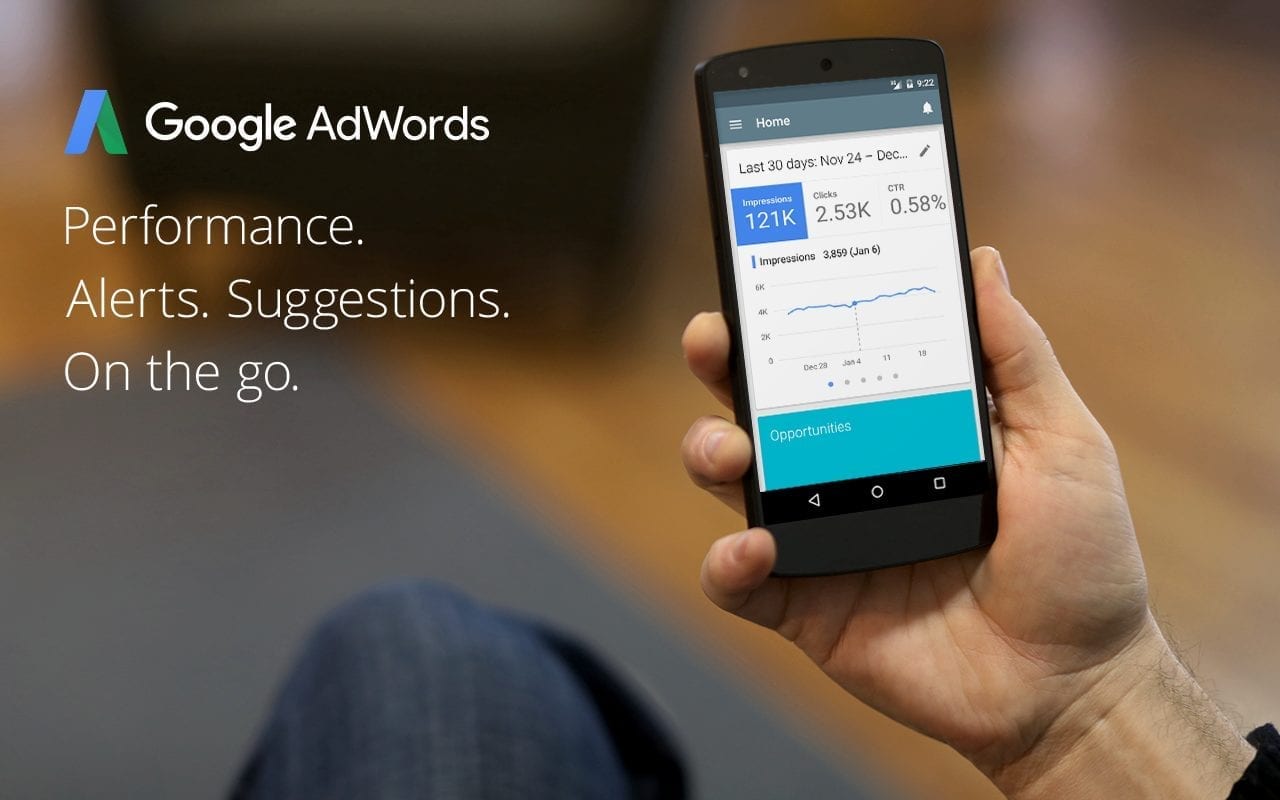
    Google first unveiled and rolled out its Accelerated Mobile Pages (AMP) project in October last year in a bid to allow content to load faster on mobile devices. Last week the company announced a solution designed to address the problem of slow loading ads.

    For the uninitiated, AMP is an open-source project that allows a mobile browser to load web pages much faster by simplifying the underlying HTML code for faster loading. In a way, the new AMP for ads (A4A) does the same by allowing marketers to create optimized ads that will load as fast as AMP-formatted content.

    “With AMP for Ads, we’re bringing everything that’s good and fast about AMP to ads. Unfortunately, most advertisers’ campaign creatives are not fully optimized for mobile experiences,” wrote Paul Muret, the vice president of Display, Video and Analytics at Google in a blog entry.

    “AMP for Ads allows advertisers to build beautifully-designed ads in AMP HTML so that the entire AMP experience, both the publisher’s content and the advertiser’s creative, load simultaneously at AMP-speed,” he wrote.

    The performance speedup is achieved by separating ad requests from ad rendering. This allows for faster ad rendering at no impact to the client CPU or memory cost. AMP pages will continue to support non-AMP ads at the moment.

    “From the client’s perspective making the request itself is super cheap, but its side effect (the rendering of the ad) is expensive,” explained Malte Ubl, who is the tech lead for the AMP project in a lengthy update. “By separating the two, A4A achieves much faster ad rendering at no additional CPU and memory cost.”

    Speeding up the loading time aside, A4A will take advantage of AMP’s features by minimizing resource impact. This is achieved by only animating display elements that are only visible on the screen, and throttling refresh rates in cases where the device is unable to achieve a specified target.

    There is no question that slow load times can drive users away, and is especially important for mobile devices. Like AMP, there is no reason that A4A will not meet with similar levels of success with marketers.

  • Voot picks Ooyala to deliver ads

    Voot picks Ooyala to deliver ads

    Ooyala is now the ad delivery provider for Voot, a new over-the-top (OTT) service from Viacom18, a joint venture between Viacom and the Network18 Group.

    The company is using Ooyala Pulse to manage and deliver video ad campaigns across its new mobile app and desktop experience.

    By moving its entire video library, including content from COLORS, MTV and Nickelodeon, to its new OTT service, Viacom18 now has a unified digital destination for the 100-million-plus viewers currently on its traditional channels.

    Voot is now the exclusive online destination for the network’s content, with a more personalized and engaging experience. It will also have the largest library of premium kids content in India along with a wide range of original series and films that Voot will create.

    With Ooyala Pulse, Viacom18 has a single platform to sell, manage and deliver ad campaigns across its entire inventory.

    Voot can use Ooyala Pulse to tailor ad campaigns with granular functionality, supporting all industry-standard ad formats as well as ad placements. With forecasting analytics pre-built into Ooyala Pulse, the customer can see in real-time the current status of all ad campaigns, adjusting details as needed to ensure goals are met.

    “As OTT offerings gain traction in India, it’s vital that content providers keep personalization in mind, tailoring services to their viewers, while maintaining a clear monetization strategy,” said Keith Budge, Ooyala VP and general manager of Asia Pacific.

  • Imposium launches cloud-based ad platform

    Imposium launches cloud-based ad platform

    Imposium has launched a platform that provides marketers, advertisers, media planners, buyers, and creative directors to harness personalized, dynamic, contextualized video.

    The eponymous platform is a real-time video ad generator that promises to deliver algorithmic video for commercials and entertainment with a highly personalized, one-to-one viewer experience.

    The platform analyzes existing customer profiles and behavior data then dynamically generates relevant, personalized ads on the fly. These ads are then delivered in the form of a data-driven “video story” that features your product, brand, or narrative using Imposium’s proven backend technology.

    As a cloud-based dynamic platform, Imposium’s delivery of ads works inside browsers or mobile apps, and even on-site for experiential installments. It uses both context and relevance to deliver the most optimized advertising experience possible to audiences.

    These personalized ads allow marketers to hyper-target prospects by things like geography, social profiles, interests, or relevant real life events. These elements allow Imposium to generate highly informed, pre-educated candidates that result in greater conversions and sales.

    “With this type of contextual marketing, we connect brands and storytellers with target demographics like never before,” said Jason Nickel, president of Imposium.

    “In a world dominated by video marketing, Imposium enables online and experiential video campaigns to be very personal, with a format that uses elements made for many, but appears to be produced just for you,” said Nickel.

  • Yooya exceeds 4b views

    Yooya exceeds 4b views

    Yooya said it has achieved over four billion lifetime views, with more than 2.75 billion added in the last seven months, driven by a combination of an increasing number of distribution partners and a growing stream of compelling new content.

    This development coincides with Yooya securing $3 million at a post-money valuation of $13 million in its Series Seed financing round.

    FastForward Innovations led the latest investment round, with previous investor Dream Incubator of Tokyo also joining the round.

    Yooya has been instrumental in helping content producers monetize China’s fragmented online video market by providing a single platform for content distribution, rights management, and advertising solutions.

    Yooya brings together many key components essential to the equation, including licensing at scale, automated ad sales, consolidated data and analytics, and simplified content distribution.

    For advertisers looking to tap into the large-scale engagement online video in China offers, Yooya provides a single point of contact to access distribution across all major video platforms and access to hundreds of channels, covering key advertising demographics and interest categories.

    “This growth means that finally there is a viable managed platform on which to build better monetization and more effective video-based advertising,” said Yooya CEO Rick Myers.

    Currently with over 200 million network views on average per month, Yooya predicts it will hit more than 800 million video views per month before the end of 2016, representing month-on-month growth of 40%.

  • Mobile ads help Facebook double Q4 profit

    Mobile ads help Facebook double Q4 profit

    Facebook last week revealed another quarter of soaring revenue and profit for the last quarter of 2015, thanks to the popularity of mobile ads on its social networking platform.

    The results come on the back of sales in Q4 2015 that rose 52% to $5.84 billion from a year ago, which contributed to profit increasing to $1.56 billion. The profit is more than double the $701 million from just a year ago.

    Mobile ads made up 80% of the company’s total ad business for the fourth quarter of 2015 compared to just 23% in the same quarter in 2012.

    “Our strategy is working and we have many more opportunities ahead,” said Mark Zuckerberg, who is back after taking two months to spend time with his newborn daughter. “So we’re going to continue investing to deliver more great results, over the long-term.”

    The company now has 1.59 billion users that log into Facebook each month, which is likely to further boost the company’s sales and revenues in the months and years ahead.

    Marketers are heading to Facebook due to its ability to get well-targeted ads that are relevant. By making sure that ads blend in with what people would like to see in their feeds anyway, Facebook was able to boost the percentage of marketing messages in the latest quarter.

    While it is not known how much of Facebook’s Q4 sales came from the Asia Pacific (APAC), we did observe a sharp increase in Facebook spending in the region last year as advertisers spend more on Facebook ads than before.

    The CPM (Cost per 1,000 impressions) for the APAC region grew 66% quarter-over-quarter in Q3 last year, more than the EMEA (27%) and the Americas (13%) regions.

  • Emarsys brings intelligent automation to Facebook Ads

    Emarsys brings intelligent automation to Facebook Ads

    Cloud-based software company Emarsys has launched Social Ads, a new product which enables brands to target customers via highly personalized social media advertisements on Facebook, giving them another channel to engage, convert and retain customers.

    The eMarketing Suite platform already offers flexible and sophisticated customer lifecycle segmentation and campaign management on the market. With Social Ads, users can now take the target segments they use for email, mobile and web, and let Facebook build corresponding Custom Audiences from the contacts it finds. Display Ads created in the Suite CMS can then target those audiences as part of a comprehensive, multi-channel engagement strategy.

    Contacts can be added to audiences in real time and removed easily, ensuring that the Facebook Ads budget is spent effectively.

    The only data exchanged between Suite and Facebook are email addresses ensuring full data integrity while creating a 1-1 customer experience on the world’s most popular social network.
    Marketers will also have the ability to build lookalike audiences of their most profitable customers, helping extend the reach of campaigns to target prospective audiences with similar interests.

    “Facebook is already a great medium for customer acquisition, and now with Social Ads it also becomes a highly effective advertising channel for retention marketing. With so many emails remaining unopened, marketers now have an additional weapon in their armoury to target unresponsive customers and decrease churn by producing highly personalized advertisements, delivered at exactly the right time,” said Ohad Hecht, COO at Emarsys.