Tag: airport

  • Changi Airport Group partners with Alipay

    Changi Airport Group partners with Alipay

    Alipay and Changi Airport Group (CAG) have signed a strategic five-year partnership agreement to roll out the Alipay mobile payment option on a wide scale at the airport.

    They have also agreed to share marketing activities by offering customised and targeted shopping and dining offers to Chinese passengers using Alipay.

    Run by Ant Financial Services Group, Alipay has more than 520 million active users and is the first Chinese mobile payment partner for Singapore’s airport.

    Changi Airport’s yearly concession sales grew 5 per cent to hit another new high at S$2.3 billion (US$1.7 billion) last year, with travellers from China accounting for a third of all retail sales. The new mobile payment option will offer travellers more convenience when shopping and dining at the airport, including duty-free shops for cosmetics and perfumes, and wines and spirits.

    Progressively introduced at the airport since May, the Alipay mobile payment service is now available at more than 78 shopping and dining outlets. Under the joint marketing agreement, Alipay and CAG will collaborate to create information and promotions for passengers, as well as location-based information about shopping and dining options at the airport.

    Alipay will also partnering CAG in the eighth season of the “Be a Changi Millionaire” anchor shopping promotion. Shoppers who use Alipay as a payment mode will double their chances of winning the $1 million cash prize or an all-new Volvo S90 luxury sedan.

    “Changi Airport provides a myriad of customised services for our Chinese travellers including our Mandarin-speaking shopping concierge services and Chinese version of the airport’s online shopping portal,” says CAG senior VP for airside concessions Teo Chew Hoon.

  • Face scans, robot baggage handlers – airports of the future

    Face scans, robot baggage handlers – airports of the future

    Planners are seeking to transform the exhausting experience in ageing, overcrowded terminals into something far more pleasant. Passengers’ baggage is collected by robots, they relax in a luxurious waiting area complete with an indoor garden before getting a face scan and swiftly passing through security and immigration — this could be the airport of the future.

    It’s a vision that planners hope will become reality as new technology is rolled out, transforming the exhausting experience of getting stuck in lengthy queues in ageing, overcrowded terminals into something far more pleasant.

    The Asia-Pacific has been leading the way but faces fierce competition from the Middle East as major hubs compete to attract the growing number of long-haul travellers who can choose how to route their journey.

    The regions “are the two leading pockets of technology growth because they are really competing to be the global hubs for air transportation,” Seth Young, director of the Center for Aviation Studies at Ohio State University.

    “If I’m going to fly from New York to Bangalore, do I transfer through Abu Dhabi or Dubai or do I transfer through Hong Kong? That’s a huge, huge market.”

    But the changes also represent major challenges that could upend decades-old business models at major airports, with analysts warning operators may face a hit to their revenues to the tune of billions of dollars.

    Facial scanning in particular is generating a lot of buzz. Changi in the affluent city-state of Singapore, regarded as among the world’s best airports, is set to roll out this biometric technology at a new terminal to open later this year.

    Passengers will have their faces scanned when they first check in and at subsequent stages, theoretically allowing them to go through the whole boarding process quickly without encountering another human.

    Australia announced in July an investment of Aus$22.5 million ($17.5 million) to introduce face recognition technology at all the country’s international airports, while Dubai Airport is also trialling it.

    Robot baggage handlers

    Self-service check-in and printing of boarding passes is already common, with many people printing their passes at home or at airport kiosks, and some hubs are now introducing self-service baggage drop points.Robots are appearing at some major hubs, including at Seoul’s Incheon airport, where they carry out tasks including cleaning and carrying luggage, while Changi’s new terminal will have robotic cleaners complete with butlers’ uniforms.

    The service, which allows passengers to print and tag their baggage and then send it off on the conveyor belt, is available at airports including Australian hubs, Hong Kong, London Heathrow and Amsterdam’s Schiphol.

    Airports are also trying to overhaul their image as dreary places that must be endured in order to get from A to B, to somewhere travellers can enjoy spending time.

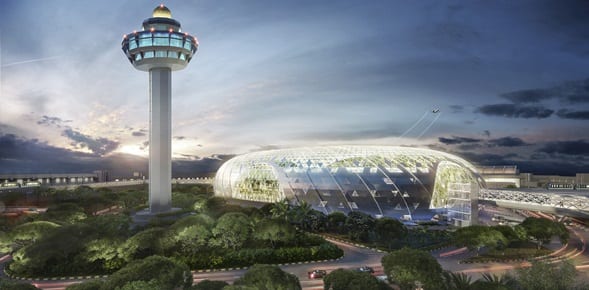
    Changi is building a new terminal complex called Jewel, a 10-storey development filled with shops and restaurants whose centrepiece will be a 40-metre (130-foot) indoor waterfall surrounded by an indoor garden.

    The complex will make the airport look more like a shopping mall than a traditional hub, and is aimed at cashing in on transitting passengers.

    “They are looking at retail, non-aeronautical profits,” said Shukor Yusof, an aviation analyst from Endau Analytics.

    But while hubs in Asia-Pacific and the Middle East surge ahead, airports in the United States and Europe are being left behind.

    “Europe and the US were the leading aviation markets for the last 75 to 100 years, and it’s very difficult to revolutionise your infrastructure when you are on a foundation that is 75 years old,” said Young of the Center for Aviation Studies.

    He added it was also a matter of “political will”, as emerging economies see building cutting-edge airports as a way of raising their status globally.

    Ageing hubs

    Some US and European airports are nevertheless trying to up their game.

    New York’s ageing airports have long been criticised as old-fashioned, cramped and dirty but JFK, the main international hub serving the city, hopes to shed its dire reputation with a proposed $10 billion redevelopment.

    Amsterdam’s Schiphol is aiming to become the world’s leading digital airport by 2019, and has been testing hand luggage scanners that allow passengers to keep liquids and laptops in their bags. It is also looking at biometric technology.

    Despite the buzz surrounding new technology, there are concerns that rapid innovation could threaten long-held ways of doing business.

    A report from consultancy Roland Berger warned that airport revenues from retail and parking could fall by between two and four billion dollars due to the new innovations.

    Automated, more predictable check-in procedures threaten retail outlets as passengers are likely to reduce the “buffer” they build in to trips to the airport, meaning less shopping time, while developments such as ride-hailing apps could undercut parking revenues, it said.

    Still, the landscape may not transform so quickly as many airports face difficulties in introducing new technology, from resistance to change to availability of financing, said Xavier Aymonod, a transport expert at Roland Berger and lead author of the report
  • Japanese airline partnering in Changi Airport food court

    Japanese airline partnering in Changi Airport food court

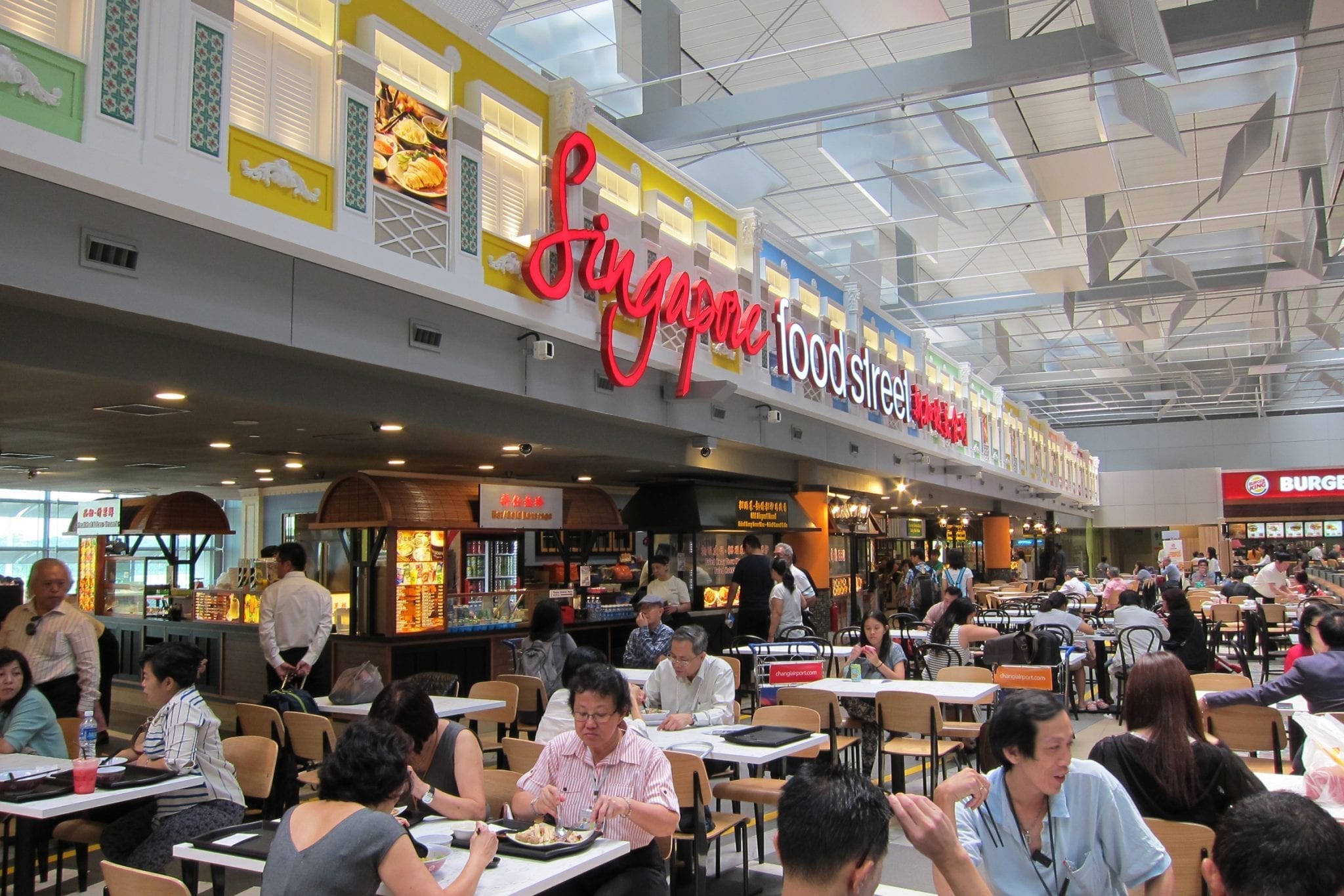
    A Japanese airline with a Singapore partner will open an all-Japanese food court at Changi Airport by the end of this year.

    Japan Gourmet Hall Sora is a joint venture between a subsidiary of All Nippon Airways (ANA) and specialty consultant Komars Group. It takes over the space formerly occupied by Seafood Paradise and Fish & Co in the public area on the third floor of Terminal 2.

    It is the first time the airport has awarded a lease for two amalgamated units, says Changi Airport Group (CAG).

    With a floor area of 721 sqm and an estimated seating capacity of 300 people, Japan Gourmet Hall Sora will be the largest restaurant space in Changi Airport. No official opening date has been set, but an ANA Trading spokesperson says the target is early November.

    ANA says there will be six Japanese restaurants in the food court, serving such fare as okonomiyaki pancakes as well as ramen, and tendon and seafood bowls. Customers will be able to order at multiple restaurants and pay for everything in one transaction.

    With its partners, ANA will be investing about ¥200 million (S$2.5 million/US$1.8 million) into Japan Gourmet Hall Sora. The lease will be for three years with an option to extend for another three. The venture will be run SG Retail, the ANA Trading/Komars JV.

    ANA Trading says it chose Changi Airport for the project because of its size, passenger count and its winning of the Skytrax World’s Best Airport title last year.

    “We are planning to expand the business to other Asian countries, based on the success of the project,” a spokesperson says.

  • Hong Kong International Airport retail spaces available

    Hong Kong International Airport retail spaces available

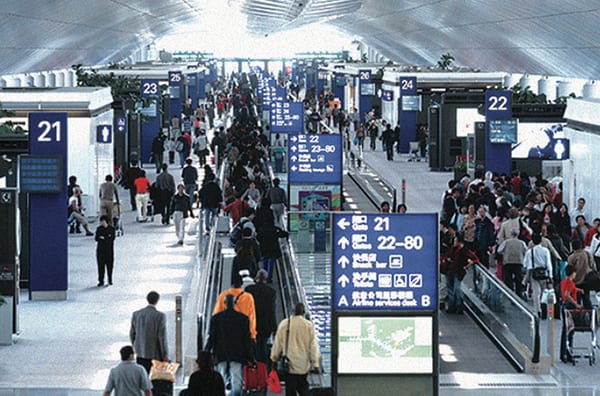
    Three Hong Kong International Airport retail spaces are available for tender for a smart-living and audio/visual/electronic products concession.

    All spaces are in Terminal 1 restricted areas – 102 sqm on Level 7 of Departures East Hall, South; 164 sqm on Level 7 of Departures East Hall, North; and 40 sqm on Level 6 of Departures South Concourse.

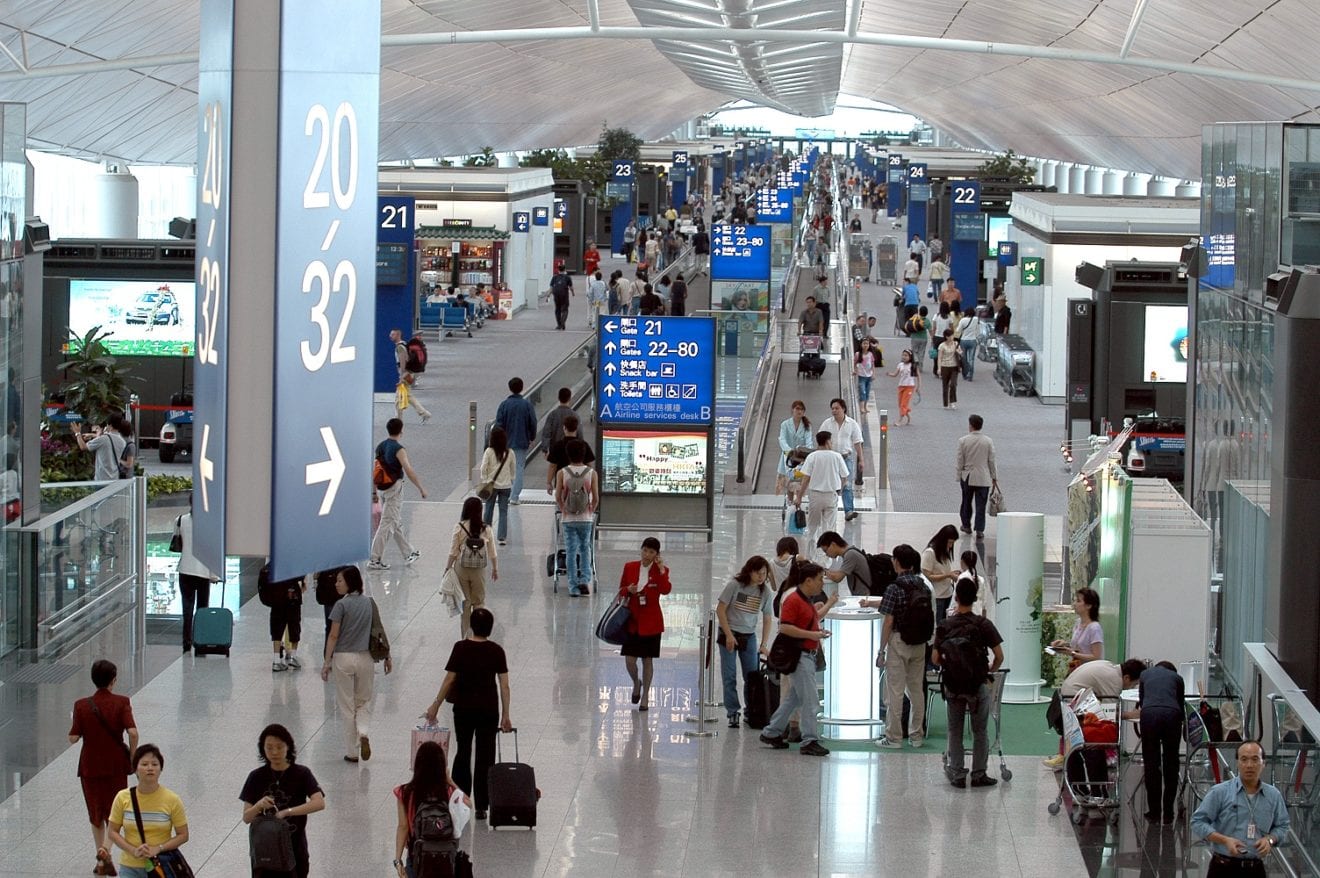
    With air, sea and land links, Hong Kong International Airport is open round the clock, serving more than 100 airlines and 70.5 million passengers annually.

    Tender requests must be accompanied with a non-refundable cashier’s order of HK$500 (US$64). Tender submissions must be in by August 31.

  • Changi Airport to open Terminal 4, AirAsia to shift there

    Changi Airport is on track to open its new Terminal 4 (T4) later this year with nine airlines, including AirAsia Group, moving their operations there. Besides AirAsia Group, Cathay Pacific, Cebu Pacific, Korean Air, Spring Airlines and Vietnam Airlines will also move to T4.

    Together, they serve an estimated eight million passengers at Changi Airport each year and collectively operate close to 800 flights a week to over 20 regional destinations.

    Changi Airport Group (CAG) on Tuesday organised a special media preview of T4 with the session conducted by its director (corporate  and  marketing communications) Dennis Yim.

    Yim said CAG would decide on the starting date for T4 operations when operational readiness trials – currently in the final stage – had been completed.

    “These trials will involve commercial flights operated by airlines moving to the terminal,” he said.

    He said with T4, the total handling capacity of Changi Airport would be raised to 82 million passengers per annum.

    “There will thus be more capacity at Changi’s terminals to support the growth plans of all airlines,” he said.

    T4 project, which was completed after three years of construction, has a total floor area of 225,000 sq  metres, including the two-storey terminal, car parks and taxi deck.

    According to Yim, although just half the size of Terminal 3 (T3), the planners and designers of T4 have managed to deliver a terminal that will have a capacity of 16 million passenger movements a year, two-thirds that of T3.

    Yim noted that T4 would be the first terminal at Changi Airport to offer end-to-end Fast and Seamless Travel (FAST) for departing passengers.

    “With the extensive use of technology, including facial recognition software, FAST redefines the passenger’s travel experience, enhances operational efficiency and raises productivity.

    “Passengers will enjoy the flexibility of checking in at their own convenience, without having to wait for counters to open,” he said. FAST will also yield productivity gains with manpower savings of about 20% expected in the longer term, when operations have stabilised, said Yim.

    T4 houses two lounges — Cathay Pacific’s First and Business Class Lounge and SATS PPG Blossom Lounge. Changi Airport is the world’s sixth busiest airport for international traffic, serving 58.7 million passengers from around the globe in 2016.

    Including the soon-to-be-opened T4, Changi Airport will have 400 retail and service stores, as well as 140 food and beverages (F and B) outlets. Yim said T4 alone would be home to over 80 retail and F & B outlets.

    With over 100 airlines providing connectivity to 380 cities worldwide, Changi Airport handles about 7,000 flights every week, or about one every 90 seconds.

  • Biz leader asks airlines to make Davao City hub for international flights

    Biz leader asks airlines to make Davao City hub for international flights

    Davao City Chamber of Commerce and Industry trustee Arturo Milan has asked airline companies to make the Davao International Airport, also known as the F. Bangoy International Aiport, the hub for international flights in Mindanao to decongest traffic at the Ninoy Aquino International Airport (NAIA).

    Milan told a press briefing Friday that NAIA must be devolved of some international flights and distribute these to provincial airports like Cebu and Davao because the congestion in the airport in Manila results in flight delays, causing discomfort to passengers.

    He said it is not practical to place all international flights in NAIA when some destinations are closer to Davao City than Manila, like Australia, Palau, and other member countries of the Association of Southeast Asian Nations (ASEAN).

    SilkAir flies directly to Singapore from Davao City.

    “That’s overdue. Look at the traffic in Metro Manila. Flights are delayed because you cannot just put them in one airport, all (passengers) keep coming. It will certainly affect the flight schedules,” he said.

    Milan believes there is a market for Davao-Australia route because many tourists would want to visit a tropical country like the Philippines during winter season.

    He said Australia is located just below the Philippines on the global map.

    “There should be a flight emanating from Australia that will go to Davao because you are making a route that is attractive to foreigners. Australia by itself has too many tourists,” he said.

    He said Western tourists either go to Bali, Indonesia or Palau in the Micronesia. Both are closer to Davao in terms of proximity.

    He said reviving the Manado-Davao flights would also help sustain the Davao-General Santos- Bitung, Indonesia roll on/roll off (RORO) that was launched in April.

    “For RORO to be sustainable, we should encourage the revival of the flight of Davao to Manado and back because I don’t think if you invest or you trade you don’t wanna see the area,” he said.

    He said the direct flight to Manado will also make transactions between Indonesians and their counterparts from Davao to discuss business deals.

    On June 15, Milan urged the House of Representatives to pass into law House Bill 2002 which seeks to create the Davao International Airport Authority to decentralize management of the airport from the national government to enable a faster implementation of development programs.

    He said the management of the airport cannot implement projects on its own because it is dependent on the national government.

    He said the government can replicate the model of Mactan Cebu International Airport Authority “to make Davao City airport inviting” to both tourists and business executives visiting the city.

    Once approved, he said the “authority,” a body that will take over the management, can immediately plan out development projects and implement them on its own.

    The F. Bangoy International Airport, also known as the Davao International Airport, is currently being managed by the Civil Aviation Authority of the Philippines (CAAP).

    “When it is ‘authority’, the Davao International Airport will have flexibility rather than the current set up where you depend so much on the national (office). It’s really a must now, if we want a more responsive Davao airport,” he said.

    “We need to upgrade our airport because it is where the first contact of the investors is. They need to have a good impression of our region by way of our airport terminal. We are pushing to improve airport. Overall passenger experience has to be improved a lot, in terms of aircon, ventilation, and X-ray machines. They have to work efficiently all the time,” he said.

  • AWPL opens outdoor apparel store at Sydney Airport

    AWPL opens outdoor apparel store at Sydney Airport

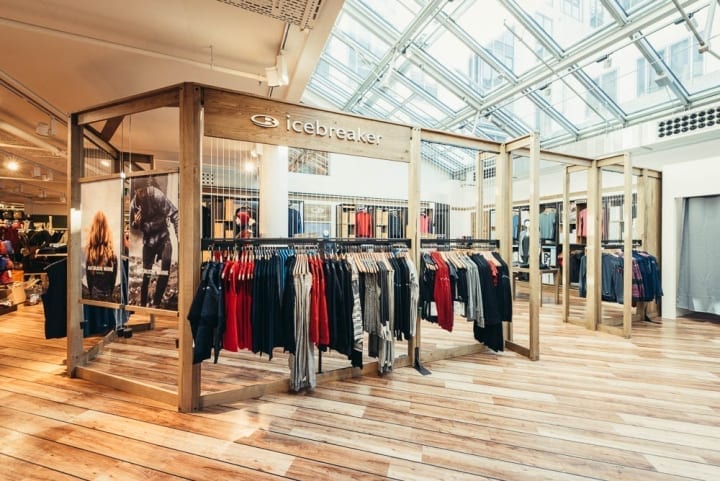
    AWPL has opened Australia’s first Icebreaker airport store in Sydney Airport’s T1 International Departures.

    New Zealand’s Icebreaker offers a range of outdoor apparel. The Sydney Airport concept store will feature Icebreaker’s merino wool apparel, including socks, underwear, base layers, performance ski gear and travel wear.

    The products are made from merino wool sourced from over 180 stations along New Zealand’s Southern Alps. According to the company, the lightweight fabric breathes in hot weather and locks in heat during icy spells, making the gear suitable for all conditions.

    “We are delighted to be the first airport in Australia to welcome Icebreaker to T1 International Departures, further bolstering our selection of global brands and offering our customers the opportunity to shop a great range of high-performance outdoor clothing,” said Sydney Airport General Manager Retail Glyn Williams.

    AWPL Managing Director Costa Kouros commented: “We at AWPL are proud to further strengthen our relationship with Icebreaker – one of the world’s most wonderful brands. Our commitment to enhancing the customer experience at Sydney Airport is unwavering, and our Icebreaker concept is another step on that journey.”

  • HKIA unveils plans for new shops in multi-million dollar upgrade

    HKIA unveils plans for new shops in multi-million dollar upgrade

    Hong Kong International Airport has unveiled a series of enhancements including new shops and retail options as part of its multi-million dollar upgrade programme.

    The Airport Authority Hong Kong revealed the plans, which include the introduction of new anchor duty free shops in Terminal 1 for liquor, cosmetics and accessories. The stores are set to open soon and airport bosses promise they will include experiential concepts such as a whisky bar and interactive zones.

    The work will also create more space in Terminal 1, with expansion work to the building’s north side, 40 new check-in counters and two more baggage reclaim carousels. There will also be more seats, shops and catering outlets.

    A fresh look

    The scheme is set to cost HK$7billion – equivalent to almost $898million. It also includes the creation of a roof garden and play area, a recreational zone with technology for travellers, along with 1,400 more car parking spaces and staff facilities including a sports hall and canteens.Airport Authority CEO Fred Lam said: “The enhancement projects for Terminal 1, together with the three-runway system in 2024, will increase the airport’s handling capacity, as well as bringing a fresh look and feel. Passengers from around the world will enjoy an experience tantamount to travelling through a new airport.”

    Crossing in style

    A spokesman for the Airport Authority added: “The authority is also planning to build a weather-proof footbridge connecting Terminal 1 and the North Satellite Concourse, known as ‘Sky Bridge’, which will reduce passengers’ travelling time and the need for using shuttle buses.

    “Rising 28 metres above ground, Sky Bridge will allow the largest A380 aircrafts to taxi underneath. The 200-metre long footbridge with travelators will feature an observation deck and catering outlets in the towers at both sides, providing scenic spots and relaxation spaces for passengers.”

  • Change of guard as new CEO takes Malaysia Airports’ reins

    Change of guard as new CEO takes Malaysia Airports’ reins

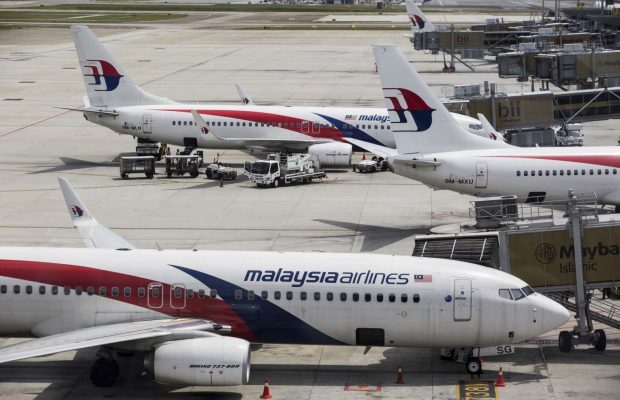
    The new Director and Chairman of Malaysia Airports is YAM Tan Sri Dato’ Seri Syed Zainol Anwar Ibni Syed Putra Jamalullail, who took over from Tan Sri Dr Wan Abdul Aziz, who has served in the position for the last five years.

    Commenting on the contribution made by its former chairman, Malaysia Airports said: “Tan Sri Dr Wan Abdul Aziz has held the position for five years and during his stewardship has seen to the company’s significant achievements such as the successful opening of klia2 and full acquisition of Istanbul Sabiha Gokcen International Airport in Turkey – as well as the opening of Mitsui Outlet Park KLIA as a catalyst to KLIA Aeropolis.

    “His guidance and commitment at the Board has also steered the company towards charting its next phase of growth in Malaysia Airports’ five-year business plan Runway to Success 2020 (RtS2020) and launching of the KLIA Aeropolis Master Plan.”

    Adding his remarks at the end of his tenure at the airports company, Tan Sri Dr Wan Abdul Aziz said: “I believe Malaysia Airports has the capability to continue to create value for the ever-evolving aviation landscape – way into the future.

    “I am also confident that it will continue to reap the success of its innovative plans and hard work. This is the right time for me to make way for another leader at the helm to pursue the company’s vision and steer it towards achieving even greater heights.”

    The new incoming Chairman YAM Tan Sri Syed Zainol Anwar was formerly the Chairman of Nestlé (Malaysia).

  • Hong Kong International to add stores as part of Terminal 1 upgrade

    Hong Kong International to add stores as part of Terminal 1 upgrade

    Airport Authority Hong Kong has unveiled details of a major upgrade programme in Terminal 1. A number of “anchor” retail stores and F&B outlets will be added as part of the improvement work, which aims to offer a “vibrant new experience for passengers”. New duty free shops for liquor, cosmetics and accessories will be open for business “soon”, Airport Authority Hong Kong said, offering experiential concepts such as interactive zones and a whisky bar.

    The food hall in the East Hall area will be revamped with a new design (as illustrated immediately below).

    Over 40 new check-in counters with self-bag drop facilities and two new additional baggage reclaim carousels will be installed. The project also includes an extension building adjacent to the existing Car Park 4 to provide approximately 1,400 additional parking spaces, as well as premises for the Hong Kong International Aviation Academy and HKIA Preschool. The new building will also house other staff-related facilities including a community centre, a multi-purpose sports hall and fitness centre, and staff canteens for the airport community.

    The authority is also planning to build a weather-proof footbridge connecting Terminal 1 and the North Satellite Concourse. Known as ‘Sky Bridge’, it will reduce passengers’ travelling time and the need for using shuttle buses. The 200 metre long footbridge with travellators will feature an observation deck and catering outlets in the towers at both sides.

    New features in the expanded East Hall of Terminal 1 will include a roof garden and a children play area that spans two levels in the restricted area. There will also be a dedicated recreational zone featuring new technologies for travellers, the authority said. Themed areas may be introduced in the boarding gate areas at Terminal 1.

    “The enhancement projects for Terminal 1, together with the three-runway system in 2024, will increase the airport’s handling capacity, as well as bringing a fresh look and feel,” said Airport Authority Hong Kong Chief Executive Officer Fred Lam. “Passengers from around the world will enjoy an experience tantamount to travelling through a new airport.”

  • Tiffany & Co. opens Hong Kong airport pop-up

    Tiffany & Co. opens Hong Kong airport pop-up

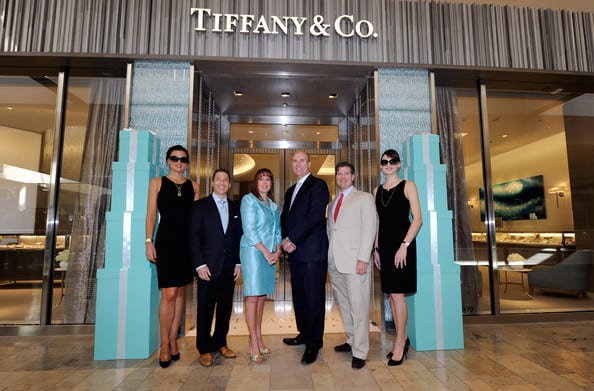
    Tiffany & Co. has opened its Hong Kong international airport pop-up store earlier this month.

    Located at Shop 6E188A, Departures East Hall on Level 6 of Terminal 1, the temporary boutique is situated right next to the famous New York jeweller’s standalone airport store.

    Inside, the pop-up store is divided by floor-to-ceiling glass panels, to increase openness and light. From a bird’s eye view, the store is designed like a diamond and is mostly white, with graphic embellishments coloured in the house’s signature Tiffany blue.

    Moreover, the store hosts special Tiffany’s collections, which will be launched consecutively to maintain interest in the store. First up, is the Wedding Diamond Series, followed by the themes Stylish Accessories, Christmas Season and Valentine’s Day.

    The new Tiffany’s pop-up serves as a convenient second shopping avenue for departing travellers leaving Hong Kong, in particular, tourists returning to mainland China.

    Hong Kong’s visitor numbers increased 1.9% in April 2017 on the same month last year, according to data from Hong Kong Tourism Board. Mainland Chinese visitor numbers increased 1.8%, while non-mainland visitor numbers lifted 2.2%, said HKTB.

  • Changi Airport Group showcases Jewel project in virtual video tour

    Jewel Changi Airport (Jewel), the lifestyle destination being developed at Singapore Changi Airport and set to open in 2019, is the subject of a striking new video.

    Developed by Jewel Changi Airport Trustee Pte. Ltd. (JCAT), a joint venture between Changi Airport Group and CapitaLand Mall Asia, Jewel is a mixed-use complex featuring a broad offer. It includes a five-storey indoor garden, play attractions, shopping and dining options, a hotel and facilities for airport operations.

    There are two main centrepiece attractions in Jewel – the Forest Valley, a five-storey garden filled with thousands of trees, plants, ferns and shrubs, and the 40m high Rain Vortex, currently the world’s tallest indoor waterfall.

  • AOT concession revenues up by 6.49% across Thai airports

    AOT concession revenues up by 6.49% across Thai airports

    Non-aeronautical revenues accounted for 43% of the total generated by Airports of Thailand (AOT) within its HY1 fiscal year period, at the country’s 38 airports (October 2016 to March 2017).

    These include the most significant civil aviation airports of Suvarnabhumi and Don Mueang in Bangkok, plus AOT’s four regional airports handling international traffic, including Chiang Mai, Phuket, Hat Yai and Mae Fah Luang-Chiang Rai.

    Over the six-month period the two main airports of Suvarnabhumi and Don Mueang respectively handled 29.9m passengers (+4.36%) and 18.5m (+7.47%).

    Concession revenues for the six months, including those from King Power International Group (KPIG), came in at Bht27,277.86m (+6.49%) as net profits over the same period were recorded at Bht11,496.13m (+14.26%). At the same time, EBITDA was reported at Bht17,066.87m (+6.37%).

    In a statement, Airports of Thailand said: “The overall aviation industry of Thailand during October 2016 to March 2017 improved compared to the same period last year.

    Chinese Tourist Numbers Increase

    “The number of Chinese tourists who visited Thailand has recovered after an extreme decline around the end of the year 2016 as a consequence from the repressive measures against illegal tours by the government.

    “The recovery of Chinese tourist numbers resulted from an adaption of the entrepreneurs. The entrepreneurs offered high quality tour packages which attracted potential tourists to Thailand.

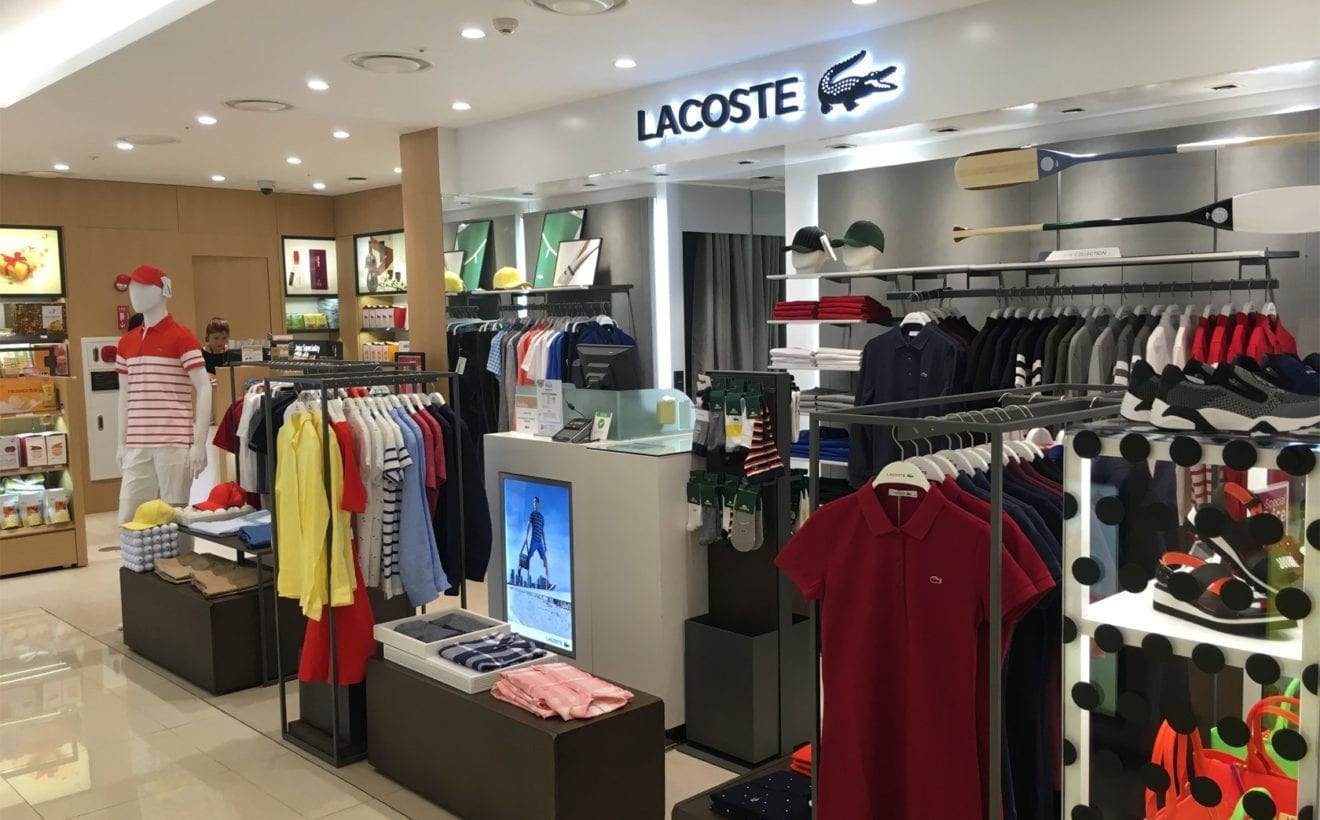
  • Lacoste unveils expanded retail space at Don Mueang International Airport

    Lacoste unveils expanded retail space at Don Mueang International Airport

    Lacoste has opened its revamped Sport corner at Don Mueang International Airport Terminal 1.

    Lacoste kicks off its new Sport concept at Don Mueang Airport.

    The space has been enlarged and upgraded to feature Lacoste’s new Sport concept. It now offers additional options for customers alongside the brand’s signature polo shirts and leathergoods ranges.

    Don Mueang International Airport, Asia’s oldest international airport, recorded 35 million passengers in 2016.

  • New Guangzhou Baiyun Airport T2 duty free concession goes to tender

    New Guangzhou Baiyun Airport T2 duty free concession goes to tender

    A tender for the duty free concession at Guangzhou Baiyun Airport’s new Terminal 2, due to open in 2018, was issued this week.

    Guangzhou Baiyun International Airport is China’s third-busiest and the world’s 16th-busiest airport, with 59.78 million passengers in 2016, up +19.3% year-on-year. Of those, some 13.58 million were arriving and departing international passengers. By 2020 total traffic is projected to reach 80 million and by 2030 100 million. China Duty Free Group is the incumbent retailer at the existing airport facilities.

    The tender is being organised by GMG International Tendering Co. It covers 25 stores across the vast terminal, embracing some 3,544sq m of duty free space. While the tender has been divided into two bids, one winner can win the whole concession.

    At TFWA’s recent China’s Century conference, Guangzhou Baiyun International Airport Co President Qiu Jiachen painted a bold picture of the airport’s traffic and retail prospects, pledging a “complete commercial eco-system” once T2 is open

    The vast Chinese gateway is set to boom in coming years as passenger numbers surge and the new terminal eases capacity pressures.

    Qualifying bidders must fulfil a series of criteria, including having had established duty free business in Mainland China on a profitable basis for the past three years.

    Bid 1: 14 shops totalling 1,943sq m (first year); monthly guaranteed sales RMB15,860,000 (US$2.3 million); minimum concession fee 31%.

    Bid 2: 11 shops total 1,601sq m (first year); monthly guaranteed sales RMB13,070,000 (US$1.9 million); minimum concession fee 31%.

    Interested parties must register to bid between 2 and 8 May.

    CDFG’s new contract covers 300sq m of retail space at T1 before the T2 opening. Once open, T2 will offer 700sq m of space and T1 will be extended to 400sq m.

    Duty Free Expert Publisher Jason Cao commented: “This is the second duty free departure projects tender following on from Beijing Capital International Airport which is showing the future trend – i.e. more departure shops will adopt the bidding system for their duty free concessions.”