Tag: airport

  • Apple AirPort Base Stations begin to get out-of-stock

    Apple AirPort Base Stations begin to get out-of-stock

    AirPort base stations are beginning to sell out or disappear entirely from Apple’s online and retail stores in select countries, a few weeks after Apple announced it has discontinued the lineup of routers.

    The first casualty is the AirPort Extreme, now listed as “sold out” on Apple’s online store in the United States, and unavailable for pickup at Apple’s retail stores across the country. The base station remains available in limited quantities in select other countries, including Australia, Canada, Japan, and Singapore.

    AirPort Express and AirPort Time Capsule models remain in stock on Apple’s online store in the United States, and select other countries, but they will eventually sell out too as inventory continues to dwindle.

    In addition, the entire AirPort lineup is no longer listed on Apple’s online store in several European countries, such as France, Germany, Italy, Spain, and the United Kingdom. It’s possible that some of Apple’s retail stores still have inventory remaining in those countries.

    Apple said that its AirPort products would only remain available while supplies last, so this was to be expected eventually.

    Prior to being discontinued, Apple hadn’t refreshed its lineup of AirPort base stations in five to six years. The high-end AirPort Extreme and AirPort Time Capsule were last updated at WWDC 2013, while the smaller AirPort Express was last updated in June 2012 and still uses the old 802.11n Wi-Fi standard.

    The end of the road for AirPort products comes roughly a year and a half after it isreported that Apple ceased development of the base stationsto “sharpen” its focus on other major products.

    While the AirPort lineup has been discontinued, Apple will be providing service and parts for the current-generation base stations for up to five more years. Apple also shared a new support document offering tips on choosing a router to use with its devices, and now sells the Linksys Velop mesh system.

  • Roxy to co-develop with SkyCity project

    Roxy to co-develop with SkyCity project

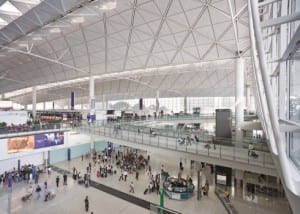
    Airport Authority Hong Kong has awarded Roxy Limited the right to design, develop and manage the SkyCity project at Hong Kong International Airport (HKIA).

    It will be the largest integrated retail, dining and entertainment development in the colony.

    Roxy is a wholly owned subsidiary of New World Development Company, while the project itself is regarded as a crucial part of the overall long-term development of HKIA. The award follows an open tender exercise that attracted bids from local and international developers and retail companies.

    Next to HKIA’s passenger terminals, the development is scheduled to open in phases from 2023 to 2027. It will have a maximum gross floor area of 350,000sqm, with retail, dining and entertainment for visitors and local residents of all ages.

    SkyCity covers about 25ha at the airport, which served 72.9 million passengers in the past year. Passenger traffic is projected to rise to more than 100 million by 2030 with the completion of a three-runway system.

    SkyCity will also tap into the potential of the Tuen Mun-Chek Lap Kok Link and Hong Kong-Zhuhai-Macao Bridge, embracing the Pearl River Delta.

  • Cebu Pacific to cancel flights during 6-month Boracay closure

    Cebu Pacific to cancel flights during 6-month Boracay closure

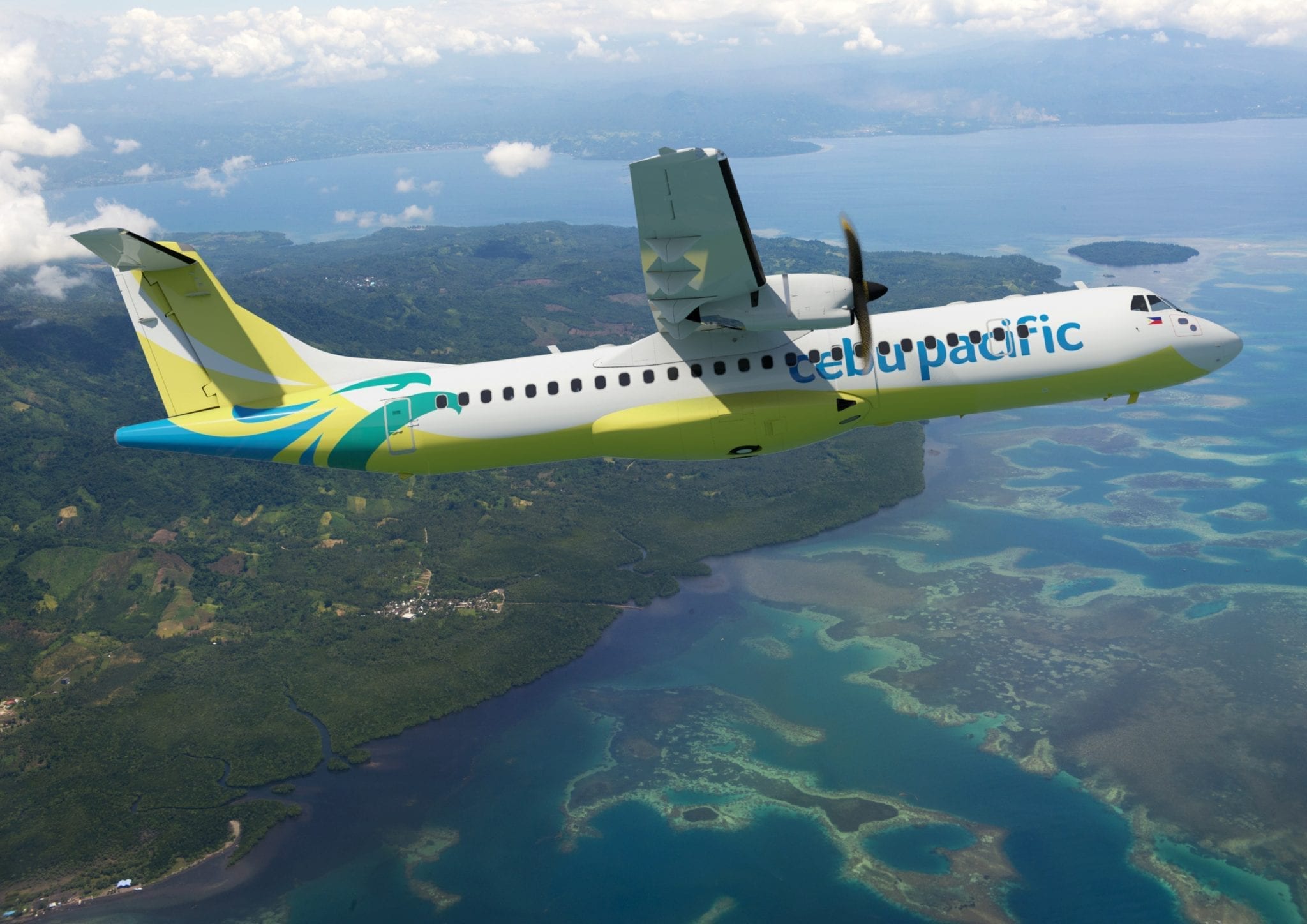
    Cebu Pacific will cancel its flights to and from Caticlan and Kalibo over the 6-month period that Boracay Island, the world-famous tourist destination, will be closed.

    The airline made the announcement close to midnight of Thursday, April 5, a few hours after President Rodrigo Duterte announced in a Cabinet meeting that he had accepted the recommendation of 3 agencies to shut down the island amid environmental concerns.

    In a statement on April 5, Cebu Pacific listed 19 flights – mostly catering to tourists – that would be stopped from April 26 to October 27.

    However, there are 6 flights it would retain “to serve local residents and ensure continuity of commerce in Northern Panay island” during the period.

    Flights canceled from April 26 to October 27:

    Manila-Caticlan-Manila (daily)

    • 5J 891/892
    • 5J 895/896
    • 5J 899/900
    • 5J 901/902
    • 5J 905/906
    • DG 6241/6242
    • DG 6243/6244
    • DG 6247/6248

    Cebu-Caticlan-Cebu (daily)

    • 5J 132/133

    Caticlan-Clark-Caticlan (daily)

    • DG 6298/6299

    Manila-Kalibo-Manila (daily)

    • 5J 331/332
    • DG 6317/6318

    Manila-Kalibo (Sunday-Thursday)

    • 5J 339

    Kalibo-Cebu

    • 5J 413 (daily)
    • 5J 415 (Sunday/Friday)

    Cebu-Kalibo-Cebu

    • 5J 416/417 (Sunday)

    Clark-Kalibo

    • 5J 351 (Tuesday/Thursday/Saturday)

    Kalibo-Clark

    • 5J 352 (Monday/Wednesday/Friday)

    Kalibo-Incheon-Kalibo (starting June 1)

    • 5J 180/181 (daily)
    • 5J 182/183 (daily)

    Cebu Pacific will operate the following flights from April 26 to October 27:

    • Manila-Kalibo 5J 337 – daily (except May 1-4)
    • Kalibo-Manila 5J 338 – daily (except May 1-4)
    • Manila-Caticlan DG 6245 – daily
    • Caticlan-Manila DG 6246 – daily
    • Cebu-Caticlan DG 6272 – daily
    • Caticlan-Cebu DG 6273 – daily

    The airline advised affected passengers to take any of the following options:

    • Get a full refund
    • Place the full value of the ticket in a travel fund for future use
    • Rebook the flight, subject to seat availability (via the ”Manage Booking” section in the Cebu Pacific website)
    • Reroute to any domestic destination, subject to seat availability

    “Guests who booked through a travel agent or any other third party are encouraged to provide us with their own contact details so they are directly advised about any flight changes,” Cebu Pacific said.

  • Hong Kong Airport seeks tenders for cafe concession

    Hong Kong Airport seeks tenders for cafe concession

    F&B companies have been invited to offer tenders for a lifestyle cafe concession in a restricted area at Hong Kong International Airport (HKIA).

    It covers 100sqm on level six of the Northwest Concourse of Terminal 1.

    HKIA has air, sea and land links and works around-the-clock serving more than 100 airlines and 72 million passengers.

    Tenders close on 24 May, and requests for tender documents must be accompanied by a non-refundable cashier’s order of $500.

  • Hermes’ New H5 Version Goes Live at Hanoi Airport

    Hermes’ New H5 Version Goes Live at Hanoi Airport

    Hermes Logistics Technologies (HLT) has gone live with its new Cargo Management System (CMS) version, called Hermes 5 (H5), at ALS Cargo Terminal Co., Ltd (ALSC), Noi Bai International Airport in Hanoi, Vietnam.

    H5, which will be rolled out globally, future proofs Hermes’ CMS application by modernising its framework to allow for simpler integration with new technologies and opening up Hermes through APIs and new messaging channels.

    Additionally, the ability to run within any Cloud, private or public, makes H5 simpler to implement for Cloud ready customers.

    ALSC and its customers benefit from a faster and more controlled service, with hand-held device functionality, intelligent warehouse task steering and real-time Service Level Agreement (SLA) monitoring.

    “Our new version offers ALSC bespoke, pre-advice messaging between its hub and satellite warehouses to gain key task visibility and efficiencies in cargo transfer times,” said Yuval Baruch, Chief Executive Officer (CEO), Hermes Logistics Technologies.

    “In driving the ALSC implementation, the HLT team of cargo and technical experts provided on-site support to ALSC contributing to successfully getting the system live with a number of its customers.

    “The preparation and training towards this go-live, as well as working together shoulder to shoulder with the ALSC team during the go-live week, enabled ALSC to independently roll out its remaining airlines efficiently and on schedule, with remote support from Hermes.

    “We provided best-in-practice process framework for the handling of sensitive and special cargo, in addition to a wealth of Big Data that is used to effectively analyse and demonstrate the quality of service provision.”

    H5 is the latest version in a suite of Hermes’ applications and includes HERMES Cargo Management System (CMS), HERMES Hub Management System (HMS) and HERMES Business Intelligence (HBI).

    “With the vision of becoming the pioneering cargo handling terminal in the region, ALSC chose H5, the newest version of Hermes’ CMS,” said Le Thanh Binh, Deputy Director, ALS Cargo Terminal Co., Ltd.

    “Thanks to the support from Hermes, from business study to on-site and remote support, we have successfully implemented the new system for all of our customers.

    “The innovative design of H5 brings us a new experience in terms of service provision, performance control and user interaction.

    “We strongly believe that under the customer-oriented leadership of Mr. Yuval Baruch, HLT and Hermes 5 shall continuously be upgraded to offer a competitive advantage to our Terminal and bring more value to our Airline, Consignee and Shipper customers.”

    Hermes recently appointed Alexis Labonne as its new Chief Technology Officer to lead the Hermes team in rolling out H5.

  • ​AirAsia X seeks to move operations to secondary airports

    ​AirAsia X seeks to move operations to secondary airports

    By moving to secondary airports, airlines can save on expensive landing fees and slot fees while potentially receiving subsidies and creating an overall easier travel experience for their passengers. Passengers can still benefit though, as most secondary airports are just on the outskirts of large cities.

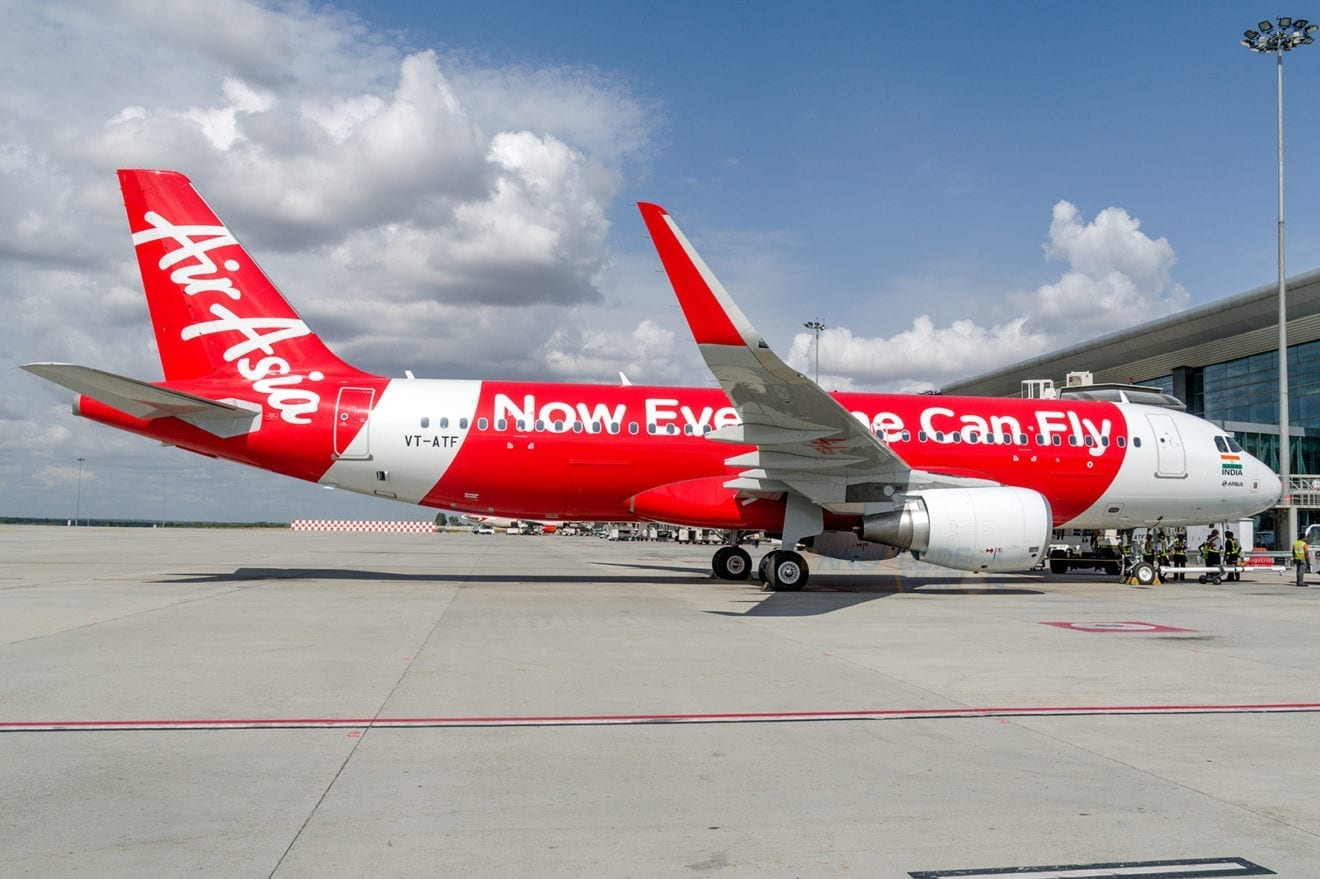
    AirAsia X Chief Executive Benyamin Ismail told FlightGlobal that the airline is expecting to save “around 40-50% in cost savings” by moving to smaller airports.

    Currently, the airline has only solidified one move to a smaller airport after they announced that they would be shifting their operations from Melbourne’s Tullamarine airport to Avalon later this year.

    The airline has also stated that it is evaluating whether or not they will move to Nagoya Airport, a smaller airport compared to Nagoya’s Chubu International Airport, as well as Toowoomba Wellcamp airport, 81 miles west of Brisbane.

    With a growing wide-body fleet, seven Airbus A330s being added this year, and its order for an additional 66 A330neos and 10 A350-900s, the airline has also been eyeing expanding their operations to smaller airports in India, China, and the United States.

    While the announcement of moving to smaller airports is new, the practice of “budget airports” has been a key principle for Air Asia, Air Asia X’s sister company, for quite some time now.

    According to Tony Fernandes, Air Asia’s CEO, the airline doesn’t “need [all of the] facilities, and new cities should build facilities to attract low cost airlines. We don’t need aerobridges, we don’t need expensive facilities. Our passengers want to go in and out as cheaply and quickly as possible.”

    The business model for “budget airports” allows low operating and building costs for the airports which in turn allows low-cost carriers to offer even cheaper tickets to their passengers.

  • Van Don airport Vietnam aims to serve 5m passengers

    Van Don airport Vietnam aims to serve 5m passengers

    The Ministry of Transport on Saturday announced a detailed plan for Van Don International Airport in the north-eastern province of Quảng Ninh for the 2020-30 period.

    Earlier, the Prime Minister had approved the airport’s plan to become one of the country’s top 10 international airports after he gave his nod to develop Van Don into a special administrative-economic unit (special economic zone) in the northern region.

    Under the detailed plan, the airport will be designed to serve both civil and military flights and will be able to receive 2-2.5 million passengers every year by 2020 as well as large aircrafts such as B777, B787, B747-400 and A350. The airfield will be expanded to serve five million passengers annually by 2030.

    The airport will be able to handle at least 51,000 tonnes of goods per year by 2030.

    By 2020, the airport’s runway will be 3.6km long and 45m wide. This will make it the longest runway in Việt Nam.

    Speaking at the announcement ceremony, Deputy Minister of Transport Lê Đình Thọ said the project was the result of the strong determination shown by the Government and ministries of the province in ensuring necessary infrastructure for its socio-economic development.

    Thọ has asked the concerned departments and units to inspect and manage the project.

    Nguyễn Văn Thành, vice chairman of the People’s Committee of Quảng Ninh Province, affirmed that the provincial authorities will ask the investor to speed up the construction process in accordance with the plan approved by the Prime Minister.

    Van Don International Airport will be built on 290ha in Đoàn Kết Commune, Van Don District, under the build-operate-transfer format, with an estimated investment capital of VNĐ7.5 trillion (US$351.8 million). This will include some VNĐ640 billion for site clearance. The project will be divided into three phases. In the first phase, the total investment will be VNĐ3.9 trillion.

    Sun Group has been chosen as the strategic investor for the project, which began in 2015 and is expected to become operational in the second quarter of 2018.

    Van Don International Airport will be the first airport where a province has mobilised capital by itself.


  • Bali ready to welcome more tourists

    Bali ready to welcome more tourists

    Indonesian private-sector company Bandara Internasional Bali Utara plans to build a new international airport in northern Bali to accommodate growth in foreign tourist arrivals.

    The airport will be built offshore to avoid interference with rice fields, temples and villages.

    Bali receives around 6 million foreign tourists annually, with most visiting the southern part of the island where the only international airport is located.

    Bali Governor I Made Mangku Pastika has met with President Joko “Jokowi” Widodo on several occasions and they have agreed to build a new airport in Bali on a reclaimed island off Buleleng district.

    “One advantage of building an airport offshore is that we do not need to waste time on land acquisition, which is often very expensive,” Freddy Numberi, a former environment minister and now strategic advisor to Bandara Internasional Bali Utara (BIBU), said at a press conference in Jakarta on Thursday (22/02).

    The project is currently awaiting approval by the Ministry of Transportation.

    BIBU is partnering with Airports Kinesis, a Canada-based airport development consulting company, which also helped design Kertajati Airport in West Java.

    “Bali’s northern airport will be funded privately by investors from Canada and the Middle East, involving a total investment of $2 billion,” said Shad Serroune, chief technical officer at Airports Kinesis.

    Beside opening opportunities for overseas investors, BIBU also hopes to attract local investors who may be interested in the project.

    “Basically, we’re open to anyone who wants to inject money into this project, even the regional government,” BIBU operations director Tulus Pranowo said.

    “But at the moment, we’re purely a privately owned company,” he said, confirming that they plan to build the airport without funding from the state budget.

    Responding to a question of when the airport construction project will break ground, Tulus said BIBU was still waiting for the Transportation Ministry to stipulate the exact location before the company will proceed to the next step.

    According to the Transportation Ministry, Bali’s Ngurah Rai International Airport can only accommodate 17 million arrivals per year, while the provincial government hopes to attract 35 million to boost tourism development.

  • Duty Zero by CDF off to strong start in Hong Kong

    Duty Zero by CDF off to strong start in Hong Kong

    CDF-Lagardère (CDFL), the joint-venture from China Duty Free Group (CDFG) and Lagardère Travel Retail, which won the contract to operate the duty-free liquor and tobacco stores at Hong Kong International airport (HKIA) has revealed initial performance of its Duty Zero by CDF-branded stores has been better than expected.

    As reported, the six Duty Zero by CDF stores, spanning 1,631sq m were launched by CDFL on November 18. According to the joint-venture, business performance in the first 10 days has been booming with sales revenue higher than expected.

    Purchasing strengths

    The succssful opening is believed to be due to the purchasing strengths of China Duty Free Group (CDFG) and Lagardère Travel Retail, which have been fully exploited in the commodity procurement process. This has led to a wider range of Chinese liquor and tobacco and imported liquor and wine collection being offered to consumers.

    CDFL also suggested the implementation of the most “competitive pricing strategy” in the Asia/Pacific airport market contributed to its early success; liquor and tobacco products are now 15%-30% lower in price.

    Another key factor was the decision of CDFL to equip HKIA with an international management and operation team. This has ensured the smooth and successful operation of the newly opened stores.

    CDFG and Lagardère Travel Retail are also understood to have provided support and assurance to HKIA in relation to commodity mix, supply of goods, pricing strategy and personnel support. This was after CDFG adopted a similar strategy in terms of commodity procurement and pricing following its triumph in the recent Beijing Capital International airport tender.

    In addition, support from parent company China National Travel Service Group, the largest travel service provider in China, on elements such as passenger flow and integrated marketing also helped, according to the retailers.

    “Injected new confidence and expectation”

    When interviewed by Chinese media, China National Travel Service Group vice general manager Li Gang said: “The operation of HKIA represents a milestone and touchstone for the development of China’s duty-free industry.”

    Following its triumph in the HKIA tender, CDFG president Chen Guoqiant vowed to do everything possible to deliver a “satisfactory result” for HKIA and its customers.

    Hong Kong Airport Authority is understood to be please with pleased with the initial performance of the liquor and tobacco stores, which have “injected new confidence and expectation in the international development of China’s duty-free companies”, according to CDFL.

    Over 3,000sq m

    Meanwhile, two Duty Zero by CDF stores, have opened in the East and West lobbies targeting domestic passengers from airlines such as Air China and Hong Kong, European and American passengers respectively.

    Ultimately, eight duty-free liquor and tobacco stores covering 3,400sq m will be introduced, including the “most complete single malt whiskey mix among Asia Pacific airports” and “most complete Asian alcohol and beverage product mix among global airports,” according to CDFL.

    A Hennessy counter and store featuring Hong Kong afternoon tea and local food will also open, with all stores set to be operational by June 2018 and present a “more beautiful” image to consumers.

  • Malaysia Airports reports +17.0% year-on-year surge in retail revenues

    Malaysia Airports reports +17.0% year-on-year surge in retail revenues

    Malaysia Airports Holdings Berhad (MAHB) has reported a +17.0% year-on-year surge in retail revenue to RM623.5 million (US$151.8 million) in the nine months ended 30 September 2017.

    Group retail and food & beverage sales per passenger increased +12.3%.

    Non-aeronautical revenues at the group, which runs Malaysia’s major airports as well as having a stake in Istanbul Sabiha Gökcen Airport in Turkey, rose by +13.9% to RM1,169.2 million (US$284.7 million).

    Retail and F&B sales at Kuala Lumpur International Airport (KLIA) and low-cost terminal klia2 combined – the key locations for commercial activities at the group –increased +26.7% to RM1,546.8 million (US$376.6 million).

    Malaysia Airports’ retail arm Eraman posted revenue of RM536.3 million (US$130.6 million) across KLIA and klia2, up +15%. Sales per passenger increased +2.0% to RM12.37 (US$3).

    At Istanbul Sabiha Gökcen Airport, where the concessionaire is Setur Duty Free, duty free spend per passenger fell -5.5% to €8.81. Non-aeronautical revenue slipped -7.8% to €62.9 million.

    MAHB said group passenger traffic increased +8.6% to 95.3 million. International traffic growth in Malaysia (+14.7%) and Turkey (+6.6%) outpaced respective domestic growth.

    MAHB group revenue was up +10.1% to RM3,405.5 million (US$828.4 million). EBITDA increased +10.6% to RM1,478.4 million (US$359.6 million).

    Travel retail seems to be gaining a continuous growth, not only in Malaysia, but all Asia Pacific, without ignoring the high number of tourists purchasing goods in the country of origins of the brands.

  • Terminal 4 brings new retail brands to Changi Airport

    Terminal 4 brings new retail brands to Changi Airport

    Changi Airport retail has received a boost, with some 20 new retail brands making their debut at the new Terminal 4 (T4) which opened yesterday.

    The retail mix at the terminal, which was five years in the making, spans 81 shops, 62 of them retail and service outlets and 19 food and beverage operators. About a quarter of them are making their Changi Airport retail debut.

    Centrestage are integrated cosmetics and perfumes and liquor and tobacco stores operated by The Shilla Duty Free and DFS respectively. In a first for the airport, shoppers are able to pay for all their purchases from the two stores in a single transaction.

    In the departure transit area, there are several “double volume retail outlets” with frontages spanning up to 11 metres high.

    One of the main retail attractions at T4 is the Heritage Zone, with its facades of old Singapore shop houses, as well as the row of F&B outlets exuding nostalgia through their local delights and old-school furnishings. They serve up traditional Singaporean breakfast and snack items such as kaya toast, mee siam and kopi. At Live Prata Station, Indian roti is prepared right in front of customers.

    “We have received very encouraging feedback from passengers that the offerings curated for T4 are refreshing and bring a new dimension to shopping and dining at Changi Airport,” said Teo Chew Hoon, CAG’s group senior VP for airside concessions.

    “Our commercial team has paid attention to bringing in innovative concepts and new experiences for passengers spanning a range of categories, from the live cooking stations for prata and BBQ pork, to the sampling of cocktail mixes and the test-flying of drones. We will continue to work with our tenant partners to create a fun, vibrant and positively surprising experience for passengers and visitors at T4,” she said.

    On its first day of operations yesterday, following extensive testing, the terminal handled 19 arrivals and departures, carrying about 4200 passengers. Cathay Pacific and Korean Air are the first two of nine airlines scheduled to use the new facility.

    Tan Lye Teck, Changi Airport Group’s executive VP for airport management said the new terminal will increase Changi Airport’s capacity by 16 million passenger movements per annum, taking the total capacity to 82 million.

    Japanese theme

    Meanwhile, Changi Airport retail welcomed a Japanese Farmers Market to Terminal 3 last month, along with other retailers.

    Located in the Departure Hall, the market sells an extensive range of produce including Wagyu beef cuts, fruits, and bento boxes imported from Japan.

    Across from the Farmers Market, Kalms’ automated retail machines offer a range of gifts such as flower bouquets, soft toys and jewellery.

    And in the public area of T3, local beverage store LiHo opened its first airport outlet last month.

    In Terminal 1’s transit area, Michael Kors opened its second Changi Airport store.

  • AirAsia to operate from Changi Airport’s new Terminal 4

    Low-cost carrier AirAsia is set to relocate its operations at Singapore’s Changi Airport from Terminal 1 to the new Terminal 4 on Nov. 7.

    Starting on that day, all AirAsia flights will depart from and land at Terminal 4. No changes will occur in the airline’s schedule at the airport.

    According to a press release issued on Thursday, passengers are advised to arrive at Terminal 4 at least three hours prior to their departure to ensure a smooth process at the new terminal. Those traveling to the airport using the MRT can make their way to the Terminal 2 arrival area and use a free 24-hour shuttle bus that runs every 10 minutes to reach Terminal 4.

    AirAsia Singapore CEO Logan Velaitham said the move was in line with the carrier’s vision to become a “digital airline.”

    “Our focus this year is to implement a Fast and Seamless Travel service,” said Velaitham.

    At Terminal 4, AirAsia is said to provide 19 check-in desks, 14 bag-drop machines, two document-screening counters and two payment counters at Line 4 and a group check-in service at Line 5.

    The newest terminal of Changi is set to open on Oct. 31.

  • Isaac Toast lands in Malaysia – at KL airport

    Isaac Toast lands in Malaysia – at KL airport

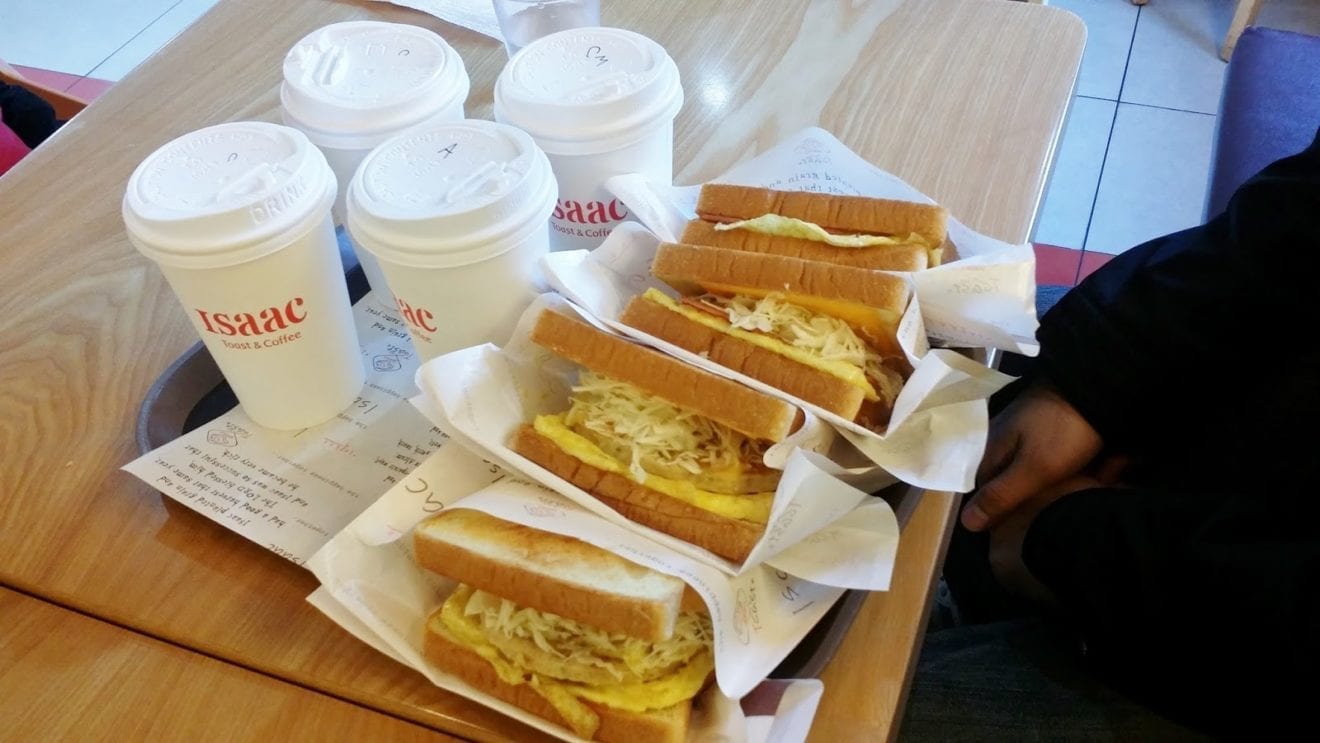
    South Korean sandwich outlet Isaac Toast opened yesterday at Kuala Lumpur International Airport (KLIA2) Arrival Hall – its debut for Malaysia.

    Starting out as a sandwich stall in Seoul in 1995, Isaac Toast now has 700 retail outlets in South Korea, with a scattering of stores also in Macau and Taiwan.

    It is known for its filling sandwiches that feature different meats and toppings. Its most popular sandwiches include Bulgabi, Bulgogi, Bacon Best and Ham Special, plus some branches offer specialties like Double Cheese Potato and even Shrimp.

  • Costa Coffee Vietnam makes debut at airport

    Costa Coffee Vietnam makes debut at airport

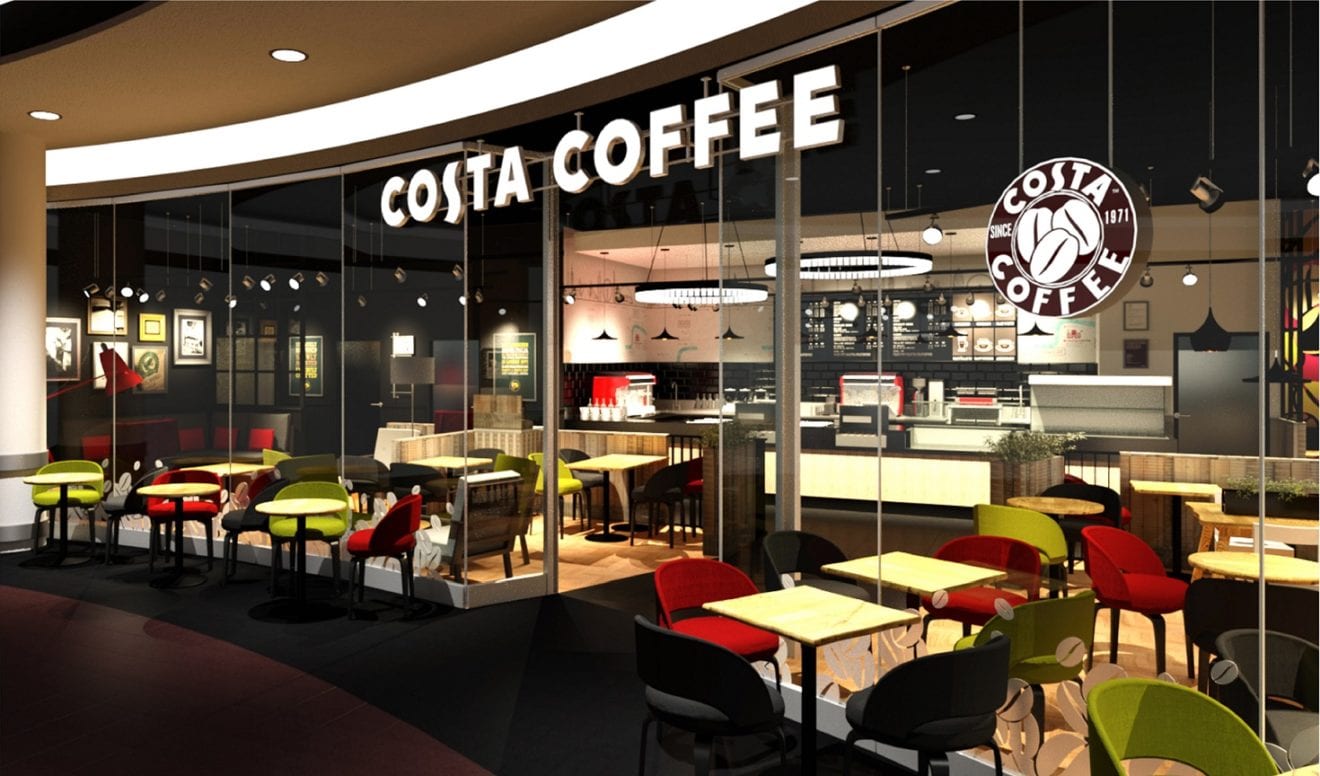
    Costa Coffee Vietnam has made its debut with an outlet at Da Nang International Airport.

    The outlet has been opened by British multinational coffeehouse company’s global partner, Italian catering company Autogrill.

    Costa Coffee says the store is part of its expansion in Southeast Asia. It opened a store in Jakarta last month, with a second to open in the next few months.

    For Vietnam, the menu includes its range of blended iced drinks and creamy Frostinos, such as the Double Chocolate Cookie Mocha. There are also Costa classics such as salads, toasties and sandwiches, European and Southeast Asian cakes, desserts and healthy treats.

    “Costa is all about great people and great handcrafted coffee,” says Costa Coffee Southeast Asia head Matt Kenley.

    Founded in London in 1971, Costa has more than 2200 coffee shops in the UK and more than 1200 in 29 international markets.

  • Sydney Airport to introduce new retailers

    Sydney Airport to introduce new retailers

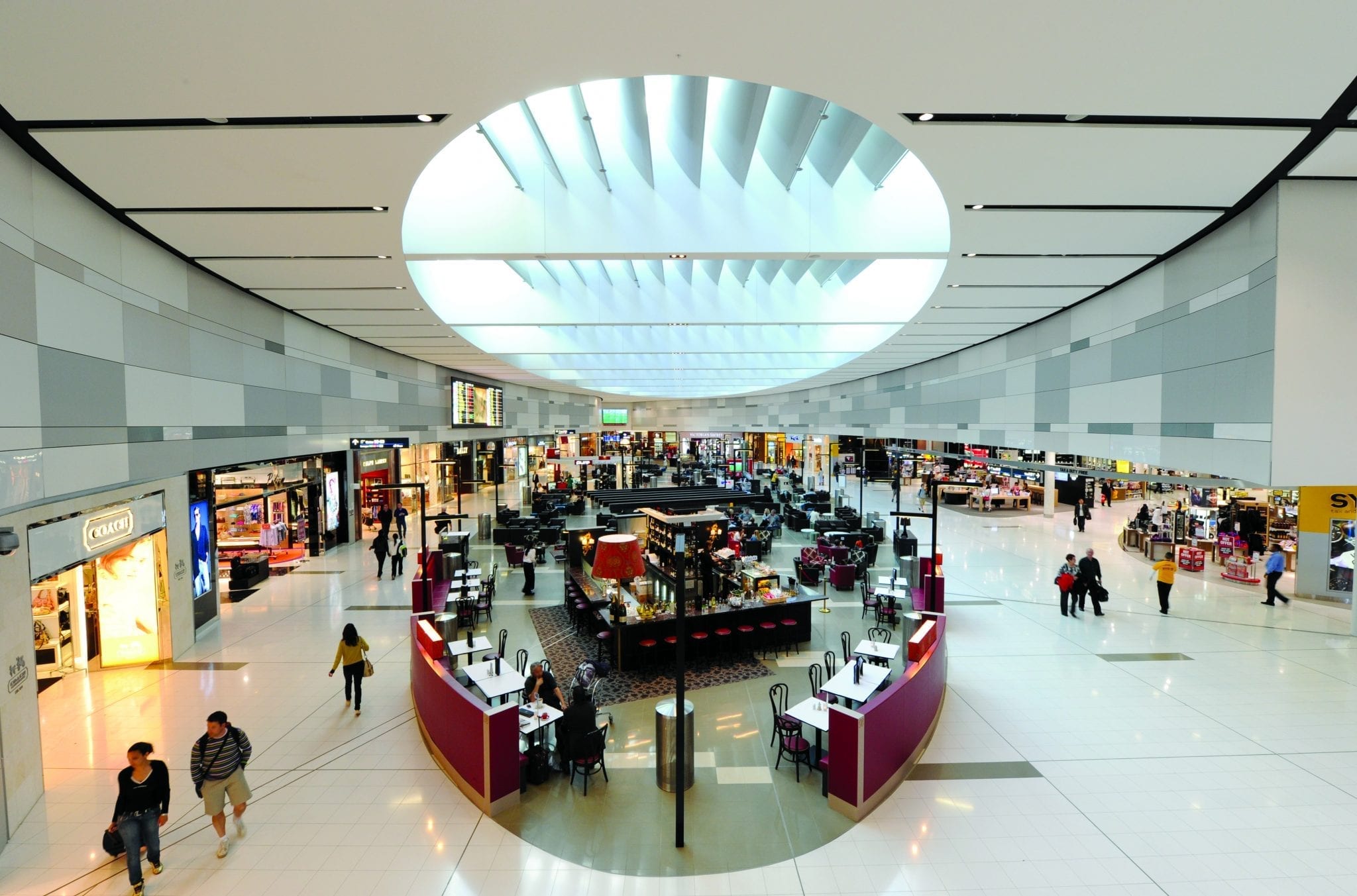
    Sydney Airport has commenced work on the next stage of its T2 Domestic terminal, which, when completed will see the introduction of new retail tenancies in the precinct.

    Kerrie Mather, Sydney Airport managing director and CEO, welcomed the next phase of terminal improvements, which follows the transformation of the airport’s casual dining precinct.

    “We’ve had such fantastic feedback about our new T2 casual dining precinct and I look forward to seeing the terminal’s continued transformation as part of our commitment to enhance the customer experience,” Mather said.

    “These improvements will deliver a consistent look and feel across the terminal, with a greater sense of space and light.”

    Mather said the new T2 Domestic terminal will have better wayfinding and improved sightlines.

    “Exciting new retail concepts and relaxing dwell areas will create more ambience,” she said.

    The improvements will see the introduction of 10 new retail tenancies to deliver a revitalised mix of lifestyle brands for visitors.

    Areas of the terminal will be expanded and redesigned to create dwell areas with upgraded flooring, columns, lighting, ceiling finishes, and contemporary furniture with textural finishes. There will also be significant upgrades to key bathroom amenities across T2 while a new mezzanine level will offer additional commercial floor space.

    The next stage of retail and dwell area improvements were designed by Australian design firm Landini Associates and follows the revitalised T2 casual dining precinct.

    The precinct features first-to-Australia offerings, sushi brand YO! Sushi and popular Danish juice bar concept Joe & The Juice, as well as Krispy Kreme and Soul Origin.

    The next stage of works are due for completion by end of 2018.

    Last month, Country Road opened its first menswear pop-up store at the domestic terminal.