Retail News CRM

Tag: Alibaba

  • Online China luxury goods mall expands

    Online China luxury goods mall expands

    Xiu.com, an online China luxury goods mall, has raised another US$30 million in funding, according to 36kr.

    The investment was led by Jardine’s, followed by KPCB China and others.

    Founded in 2008, Xiu specialises in high-end clothing, footwear, bags, accessories, and cosmetics from international brands. Headquartered in Shenzhen, it also has offices in fashion capitals like New York, San Francisco, London, Milan, and Hong Kong. The store has over 600 brands, and at least 200 of them are exclusive to Xiu in China.

    Xiu’s investment comes just days after French luxury goods retailer Kering, parent of Gucci and Yves Saint Laurent, amongst others, filed a lawsuit against China’s biggest eCmmerce company, Alibaba, alleging it is profiting from the sales of counterfeit goods in wholesale quantities on its Taobao site.

    Xiu.com says it will use the new funds to create a better shopping experience, improve its supply chain, and strengthen international ties.

    Founder Jiwen Hong says Xiu’s strength lies in the relationships it has with brands. By going directly to the brands and cutting out middlemen, it can offer better prices than competitors. 36kr says most items on Xiu sell for less than the retail cost in Hong Kong and the US.

    The startup has 10 million registered users with a repeat purchase rate of 85 per cent. The average customer spends about RMB 1,500 (US$242) per purchase.

    In 2012, US auction site Ebay launched a joint venture with Xiu to list products on a subdomain of Xiu’s site. That collaboration has since closed shop.

  • Nuance India unveils new duty-free idea

    Nuance India unveils new duty-free idea

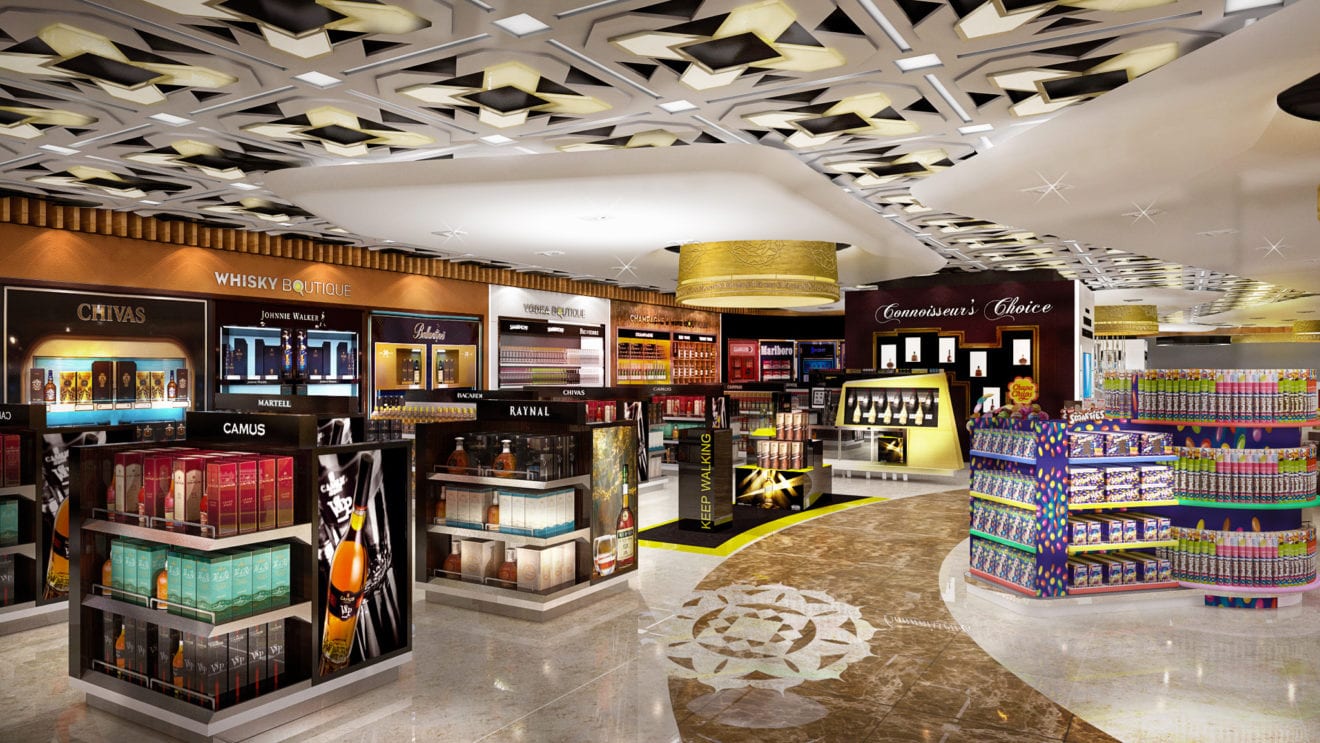
    Travellers flying out of Kempegowda Worldwide Airport in Bengaluru, India might be handled to a stroll of nostalgia and wealthy South Indian custom in Nuance’s new Obligation Free Retailer on the departure lounge.

    Nuance India has opened a 900 sqm purchasing expertise which it says – aside from providing the perfect worldwide merchandise and the perfect costs – will showcase Bengaluru’s opulent heritage and tradition.

    “We consider journey is all about new experiences and airports are a touch-point for the travellers to work together with the area,” stated G V Sanjay Reddy, MD of Bengaluru Worldwide Airport.

    “Our try is to make it possible for each business area on the airport supplies a way of place and embodies the native tradition, heritage and aesthetics. The Nuance group has carried out justice to our imaginative and prescient and developed the brand new Obligation Free expertise to fulfil a memorable buying expertise to our passengers.”

    Anirban Dutta Chowdhury, nation head of Nuance India, stated the brand new purchasing expertise “represents the town and showcases an eclectic mix of conventional values coupled with world class design.”

    That design consists of unique Chettinnad pillars from Kalaikudi, kolam-inspired patterns and jhumka-influenced lighting.

    “Our purpose was to make a retailer based mostly on our international Obligation Free Retailer idea, that might be anyplace on the planet, however is proud to be at KIAB and we really feel we now have been capable of ship that to the discerning Bengaluru traveller.

    “The brand new retailer will supply a world boutique-style atmosphere, with a mix of know-how together with an intimate and welcoming environment, which can elevate the buying expertise of the travellers to the subsequent degree.”

    The shop shares perfumes, cosmetics, liquors, confectionaries, electronics and extra and can later introduce trend and equipment.

    “The target is just not solely to offer a singular and unique buying expertise but in addition to supply unmatched offers. Bengaluru Obligation Free has launched a Merely Cheaper Pricing Technique, with assured financial savings in comparison with different regional worldwide airports,” Chowdhury stated.

    Your complete product vary can also be obtainable on-line. Passengers can merely e-book on the firm’swebsite and gather their purchases from the airport retailer.

  • Alibaba aims to slash wine prices

    Alibaba aims to slash wine prices

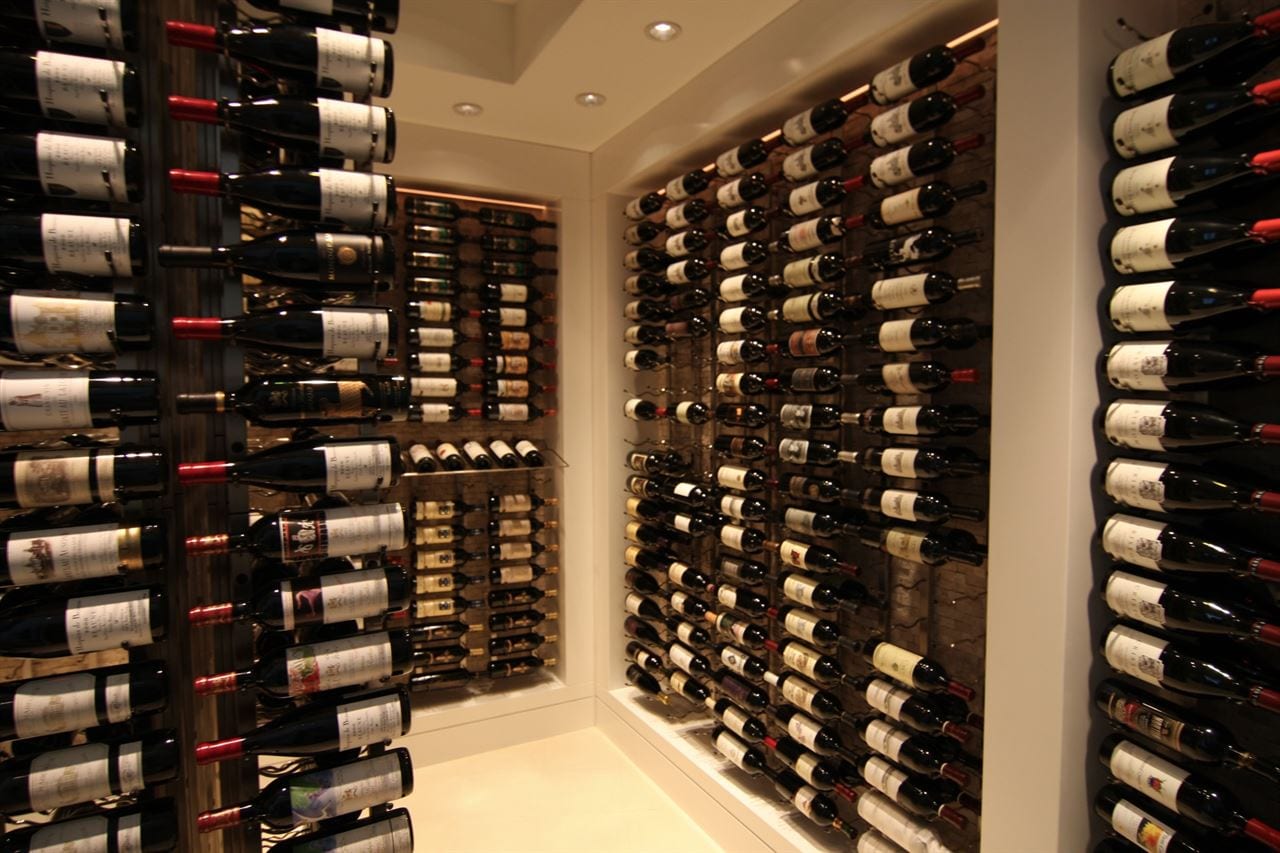
    Online retailer Alibaba believes it has found a way to cut the retail prices of wine in China.

    Using its business to business website 1688.com Alibaba has commenced selling wine direct to retailers, short-circuiting a raft of middlemen currently adding margins yet no value to the supply chain.

    Buyers from 1688.com are negotiating to buy wine in bulk direct from Spanish exporters which it then sells online to retailers.

    According to China news service Xinhua, in an article published on Alibaba’s own news website, a bottle of wine sold for 10 euros (68.54 yuan) in Spain can cost more than 240 yuan in China. That’s because the wine is often sold and on sold exporters to general agents, regional agencies and wholesalers before it finally reaches the retail shelf for consumers to buy. Each time the wine changes hands some 15 per cent margin is added to the price, along with additional freight charges and duties.

    Alibaba estimates that using 1688.com to link exporter and retailer, the same 10 euro bottle of wine in Spain could be retailed in China at just 116 yuan – that’s less than a half of the price traded through traditional channels, according to Liu Fei, a department manager at 1688.com.

  • Kingold Jewelry opens on Tmall

    Kingold Jewelry opens on Tmall

    Kingold Jewelry, one of China’s leading manufacturers and designers of gold jewellery, ornaments and investment-oriented products, has launched an online retail flagship store on Tmall.com.

    Nasdaq-listed Kingold expects to leverage the Chinese eCommerce platform to sell the Company’s 24-karat gold jewelry and products, including rings, necklaces, bracelets and pendants.

    Additional categories may be added in the future.

    Zhihong Jia, chairman and CEO of the company, said having a presence on Tmall allows Kingold to interact directly with consumers and builds brand awareness in China.

    “We will continue to introduce new products and designs in our online flagship store on a regular basis.”

    Tmall.com provides an online shopping experience for increasingly sophisticated Chinese consumers in search of quality branded merchandise. It was launched in April 2008 as part of Taobao Marketplace and became an independent platform in June 2011.

    Thousands of international and Chinese brands and retail merchants have established storefronts on Tmall.com, part of the Alibaba Group. According to iResearch, Tmall.com was the largest B2C online retail platform in China based on the value of goods transacted as of September 2013.

    Kingold Jewelry, located in Wuhan City, was founded in 2002 and is now one of China’s leading designers and manufacturers of 24-karat gold jewelry, ornaments, and investment-oriented products. The Company sells both directly to retailers as well as through major distributors across China.

  • China’s Alibaba names Daniel Zhang new CEO

    China’s Alibaba names Daniel Zhang new CEO

    China’s e-commerce giant Alibaba Group on Thursday named Daniel Zhang, currently Chief Operating Officer, CEO of the group, effective on 10 May 2015.

    Current CEO Jonathan Lu will remain on the board of directors of Alibaba Group as Vice Chairman. He will work with Daniel to ensure a successful transition in the coming months.

    “In this capacity Jonathan will play an important role in developing future leaders of Alibaba Group. This role is especially important as Alibaba Group continues to build the necessary talent to enable the company to grow and thrive in a rapidly changing environment,” the Chinese largest e-commerce company said in a statement.

    Daniel Zhang has been with the company for eight years and has held top management positions across the organization. He is also one of the founding members of the Alibaba Partnership. Zhang has been Alibaba’s chief operating officer since September 2013. In his role as COO, he oversaw the operations of all Alibaba Group businesses in China and internationally.

    Zhang first joined the company as Chief Financial Officer of Taobao Marketplace in August 2007. In 2008, he was appointed Chief Operating Officer of Taobao Marketplace and general manager of Taobao Mall.

    Under his leadership, Taobao Mall rapidly became one of Alibaba’s most important businesses and was highly recognized by consumers and brands in China and around the world. In 2011, he was named president when it first became an independent business unit, Tmall.com, which has become one of world’s largest online B2C platforms. Zhang was also a key architect of the 11 November Shopping Festival, and led it to become the world’s largest online shopping event.

  • Open Sesame? Jack Ma’s Alibaba loses $US70b in market worth as progress disappoints

    Open Sesame? Jack Ma’s Alibaba loses $US70b in market worth as progress disappoints

    After Alibaba Group raised a document $US25 billion ($31 billion) final yr, founder Jack Ma stated the Chinese language e-commerce firm confronted the hazard of excessive expectations. He is perhaps proper.

    About $US70 billion of market worth has evaporated since Ma made that assertion in November as buyers fear about slowing progress. Alibaba’s dominance at residence as a market for consumers and sellers of products is being undermined by a Chinese language financial system projected to develop on the slowest tempo since 1990 and a shopper shift to cellular buying that crimps promoting income.

    Ma’s push outdoors China additionally has but to realize traction — its presence within the US and far of Europe stays negligible. Outcomes due Thursday are anticipated to point out that the tempo of Alibaba’s income enlargement fell under the typical of the earlier seven quarters. Shares of Alibaba closed Tuesday at $US79.54 in New York, a 3rd under their November peak and the bottom because the Hangzhou-based firm bought inventory at $US68 apiece in its preliminary public providing in September.

    “With the general Chinese language financial system slowing down and the market saturating in giant cities, abroad enlargement appears much more essential,” stated Cao Lei, director of the China E-Commerce Analysis Middle in Hangzhou

    Alibaba’s success in China made it the nation’s largest e- commerce operator, with every little thing from garments and meals to jets and automobiles being bought throughout its platforms.

    Russia, Brazil

    Ma needs to duplicate that all over the world, setting a objective of producing half of gross sales and servicing greater than 10 million small companies outdoors China. However whereas the corporate has made inroads into Russia and Brazil, Alibaba at present will get lower than 5 per cent of its income from outdoors China, Ma stated in March on an organization Twitter account.

    Alibaba’s gross sales in all probability rose 41 per cent within the fourth quarter to 16.9 billion yuan ($three.four billion), in line with the typical of 23 estimates compiled by Bloomberg. That compares with a mean of about 50 per cent in the course of the previous seven quarters.

    The corporate’s technique of increasing in under-served areas of China and abroad is driving up advertising prices as extra shoppers store on cellular units, the place advertisements sometimes generate much less income than these on desktop computer systems. Working revenue will in all probability shrink 18 per cent to four.5 billion yuan, based on the estimates.

    ‘Credibility disaster’

    “They’ve confronted hurdles and difficulties that they should overcome to succeed in the subsequent degree of progress,” stated Matthew Kwok, chief strategist at China Yinsheng Asset Administration in Hong Kong. “It has reached such success in China, it will make sense for them to duplicate that enterprise mannequin abroad.”

    Alibaba declined to remark in an e-mail, citing quiet interval restrictions forward of the earnings launch.

    Including to considerations round Alibaba’s progress outlook is the resurfacing of allegations that the corporate’s platforms, together with Taobao Market and Tmall.com, are a haven for counterfeiters. The Chinese language authorities this yr stated Alibaba faces a “credibility disaster” for failing to crack down on shady retailers, pretend items and deceptive promotions.

    Whereas buyers have punished Alibaba, an index of US- traded Chinese language corporations has jumped by 17 per cent this yr. Rival e-commerce operators have additionally surged with JD.com rising 46 per cent in New York and Tencent Holdings gaining 40 per cent in Hong Kong by means of Tuesday.

    The 2 corporations have joined forces to compete towards Alibaba. Tencent is making an attempt to drive the 1 billion customers of its WeChat and QQ chat apps to JD.com, which lately began a service to hurry imports to Chinese language consumers.

    As JD.com, China’s second-biggest e-commerce firm, “ups its recreation,” stated Mark Tanner, founding father of China Skinny, a Shanghai-based analysis and advertising company, Alibaba’s earlier progress “appears unsustainable within the medium time period.”

  • Tmall Global launches duty-free platform

    Tmall Global launches duty-free platform

    Alibaba’s Tmall Global is to launching a prepaid duty-free service for Chinese travellers going abroad in the hopes of boosting international eCommerce opportunities.

    Under the World Duty Free service, Chinese travellers can buy prepaid cards online before they go abroad, then purchase items from duty-free shops in the country they’re visiting. Tmall said the service will eventually allow customers to buy specific duty-free products online and pick them up at the airport.

    The service will launch with Thailand’s King Power duty free monopoly.

    Duty-free companies in South Korea, Japan and Europe are working with Tmall to open storefronts on the platform, Tmall says.

    “Cross-border e-commerce has great potential in China and Tmall Global will continue to help brands and retailers sell into China through innovative solutions, at the same time providing Chinese consumers a wide variety of product choice,” Tmall Global head Maggie Wu said in a release.

  • ‘Go mobile’ urges Alibaba

    ‘Go mobile’ urges Alibaba

    Mobile and differentiation were the key words when Alibaba Group Holding’s top executives introduced their strategy to 800 merchant attendees last week at the annual meeting of sellers on Taobao, its largest Chinese web marketplace.

    About 9 million merchants sell 1 billion items on Taobao.com, according to Alibaba, and mobile has become the marketplace’s major shopping venue. Alibaba reported that purchases from mobile devices accounted for 42 per cent of sales on its Chinese retail marketplaces in the quarter to December 31, 2014.

    Taobao.com is responding by creating new mobile services for merchants, including some that focus on social media marketing. In March, Taobao.com launched Xiaopu (which means “small booth” in Chinese), a feature in the Taobao app that enables merchants to upload product listings more quickly through mobile devices and connect more effectively with consumers through social media.

    “Xiaopu simplifies the steps to manage a store and could reduce the time to upload a product listing from 20 minutes to three minutes. For example, merchants can scan a bar code on a product to post a product,” says Zhang Kuo, director of Alibaba’s mobile business.

    “Xiaopu also allows merchants to post messages on Chinese social network Weibo to reach followers based their location. Consumers could buy products that are close to them, and even get the product from a merchant in person.”

    More than 2 million merchants have begun to use Xiaopu, according to Taobao.com.

    The focus on social media reflects its growing role in driving traffic to Taobao merchants, and the declining traffic from mobile consumers using Taobao’s internal search engine. “The mobile traffic from searches is decreasing. Now only 50 per cent of our mobile traffic comes from search, and more traffic is coming from recommendations in online communities and social media,” Zhang says.

    Alibaba also is taking steps to promote products that are unique or novel, as it tries to move away from its reputation as a wide-open online bazaar where sellers compete solely on price. In its latest move in this direction, Taobao.com launched a promotional event in March called Week of New Forces to sell about 100,000 apparel products through banners in prominent positon on the home page of the marketplace. Almost all the products come from youthful designers or rising web-only apparel brands that target a specific group of young consumers, according to Alibaba.

  • Alibaba freezes hiring as Ma says company needs to be efficient

    Alibaba freezes hiring as Ma says company needs to be efficient

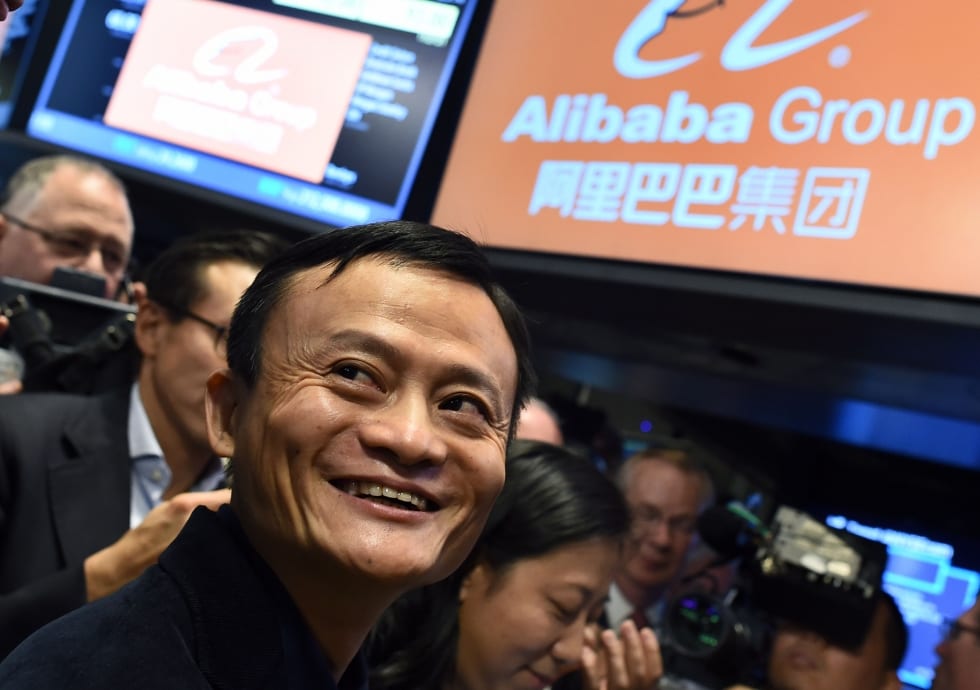
    Billionaire Jack Ma said he is freezing all hiring at Alibaba Group Holding because the e-commerce company is expanding too quickly.

    The hiring freeze also applies to some companies controlled by Alibaba, Ma said in a speech to employees. The current level of 30,000 workers should be enough to maintain operations, Mr Ma said in a transcript posted to an official Alibaba account on the social-media application Laiwang.

    Alibaba, which is Asia’s largest Internet company, processes more than 11 billion orders a year from 334 million active buyers. Mr Ma, who has ambitions to service more than 2 billion consumers by 2019, said Alibaba would only hire a new employee when a current one quits.

    “This year our entire group’s headcount won’t increase by one person,” Ma said in the speech posted Tuesday. “The purpose is simple: we need to get into formation. I think 30,000 people is efficient.”

    Alibaba faces slowing revenue growth in China and is boosting spending to develop its overseas business. Mr Ma wants more than 50 per cent of sales to come from outside China, and the company aims to connect with more than 10 million small businesses abroad.

    The company is betting on emerging markets – including Russia, Brazil and India – to sustain the next wave of exports, and it is trying to help Chinese buyers gain greater access to brands from the US and Europe.

    AliExpress, the company’s market for customers outside of China, was founded in April 2010 and is already the top shopping site in Russia and Brazil.

    As China introduces more policies to make it cheaper to import overseas goods, Alibaba is competing with JD.com Inc to introduce more brands from the U.S. and Europe. The customs agency is allowing seven cities, including Shanghai and Guangzhou, to test cross-border e-commerce.

  • Taobao uses “Small Shop” to expand sales

    Taobao uses “Small Shop” to expand sales

    Alibaba seeks to grow by encouraging small and medium-sized vendors to open stores on its retail site Taobao easily through their smartphones.

    Taobao’s new tool, “Small Shop”, allows vendors to manage their online stores easily and helps the e-commerce giant drive growth on the mobile internet to match Tencent’s move in the “micro business” area.

    The new tool also allows better interaction between store owners and buyers, Zhang Kuo, head of Alibaba’s wireless business division, said at a press briefing on Tuesday.

  • China fines Alibaba USD129,000 for pricing violations

    China fines Alibaba USD129,000 for pricing violations

    China’s e-commerce giant, Alibaba Group, has been fined CNY800,000 (USD129,000) by the price bureau in eastern Zhejiang province for violations by third-party sellers during promotions on its e-commerce platforms.

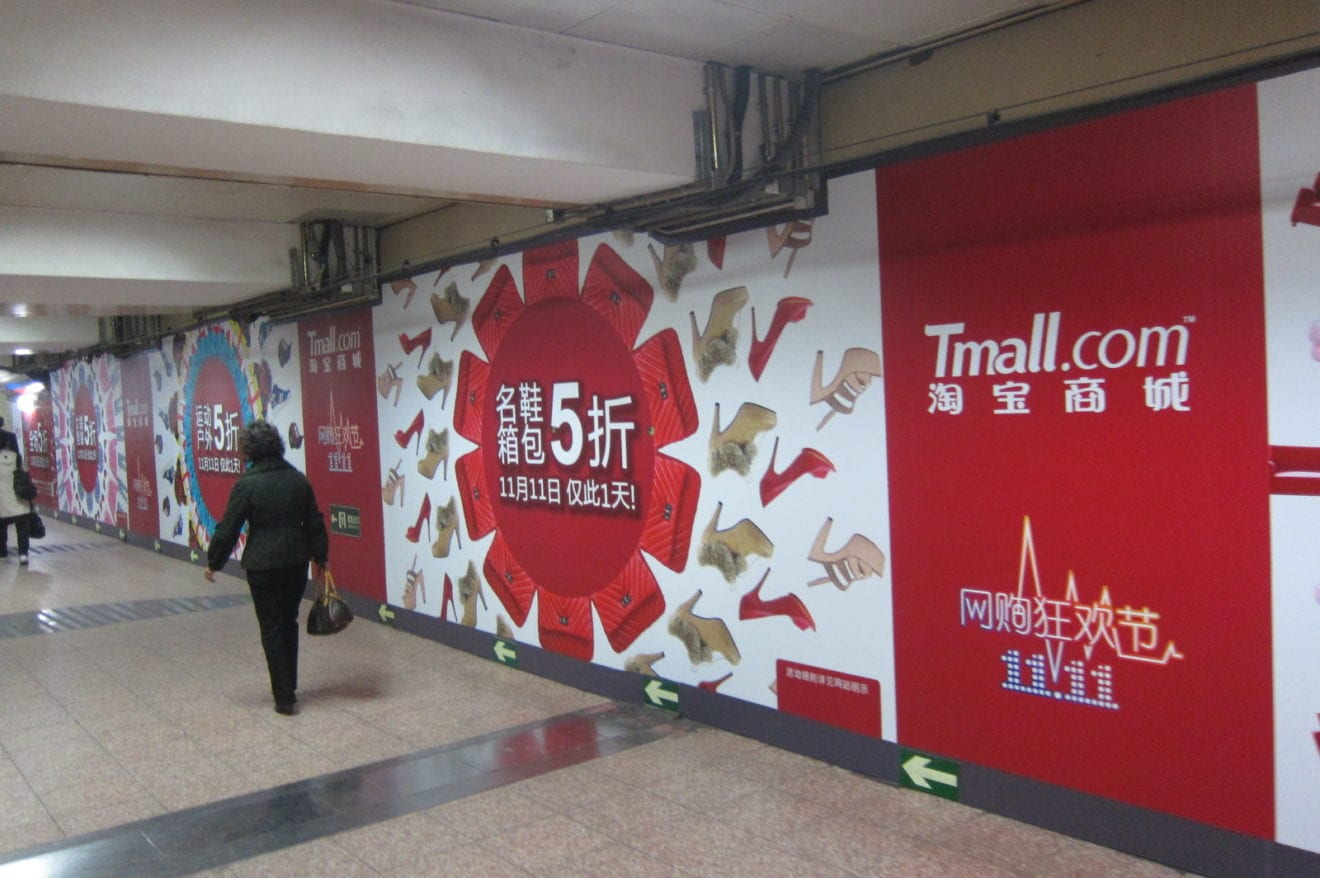
    Since Alibaba turned “Singles’ Day”, a November 11 Chinese response to Valentine’s Day, into an online shopping festival in 2009, the event has grown to similar proportions as Cyber Monday and Black Friday in the United States.

    Sales of more than USD9 billion were achieved at last year’s event, and the company has copyrighted the phrase “Double 11”, a reference to the date (11/11), which in turn, refers to the status of single people.

  • Grocery to be next gateway for Paytm

    Grocery to be next gateway for Paytm

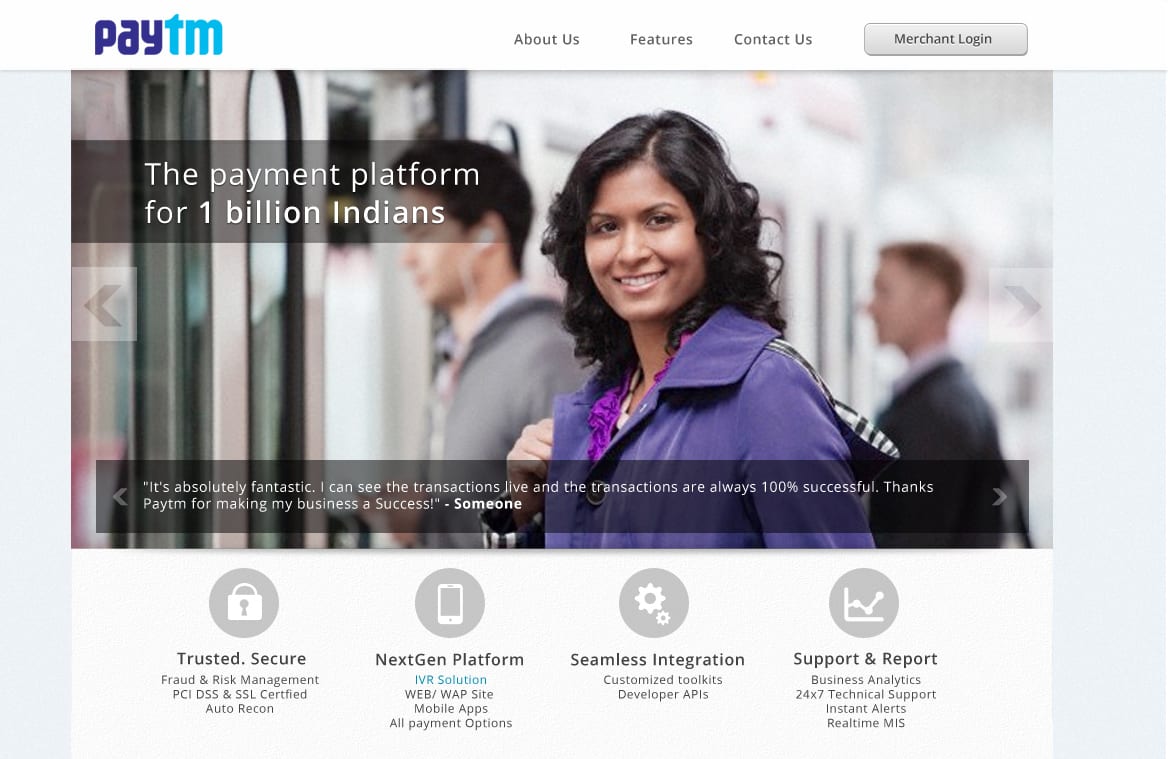
    Alibaba-backed payment platform Paytm is set to enter the online grocery market under a new business vertical to be headquartered in Bengaluru. The development, at a time when domestic e-commerce giant Flipkart is also preparing to start grocery retailing, a space currently dominated by small and mid-sized players, suggests investors and analysts are viewing grocery as the next big growth avenue in e-commerce.

    Through affiliate Ant Financial Services, Chinese e-commerce giant Alibaba is infusing USD575 million in Paytm, whose wallet user base recently touched 50 million. Paytm is going to use part of the fresh funding for its foray into the new business of grocery retailing.

    Paytm’s grocery segment, initially with a team of about 20, is likely to begin operations soon. Online grocery is expected to help boost its transaction rates and customer acquisition, both important benchmarks for investors at the time of valuing a company for fresh funding.

  • Alibaba thinks small

    Alibaba thinks small

    Smaller orders and microloans to retailers have boosted Alibaba’s business-to-business eCommerce trade.

    The Chinese internet giant’s sales on its 1688.com site are up significantly as suppliers are offering customers more flexible ways to place small and customised orders through Alibaba’s Tao Factory program, which also allows retailers to apply for loan finance to make purchases.

    The program, which is geared toward retailers who also sell through Alibaba’s Taobao.com and Tmall.com retail eCommerce sites, includes a system through which suppliers automatically replenish a retailer’s inventory of particular products when they fall below specified levels.

    Alibaba has declined to say if a similar program will be made available to international buyers on Alibaba.com, the company’s global wholesale marketplace that connects Chinese manufacturers with retailers and wholesalers around the world.

    Tao Factory also is set up to let buyers and suppliers share information about production capabilities and consumer demand, enabling retailers and suppliers to match special orders with production schedules.

    Through the program, small as well as large factories are receiving more sales, according to AliResearch, a research affiliate of Alibaba. In 2014, the total transaction volume on 1688.com was US$22.7 billion. Figures for the previous year were not immediately available.

    Factories involved in the program are flexible regarding order volume and can turn around orders quickly, Alibaba says. For example, retailers can place orders just one week ahead of their expected arrival date.

    This is especially useful for retailers looking to offer big discounts on high-traffic online shopping days such as Singles’ Day, the high profile shopping holiday that occurs every November 11. Some called last year’s Singles’ Day China’s “Black Tuesday” because the huge sales surge makes retailers profitable for the year. Alibaba reported that consumers purchased $9.3 billion worth of goods on Singles’ Day last year, just on Alibaba sites like Taobao and Tmall, up 60 per cent from the $5.8 billion of a year earlier.

    The minimum order size through Tao Factory is just 30 units, a number which allows retailers to test demand before ordering hundreds of items, minimising the risk of overstocking a product and eliminating storage costs, says Alibaba.

    Outside of the Tao Factory program, most factories require a minimum order of 5000 items, according to AliResearch.

    To promote the advantages to retailers of purchasing through the Tao Factory program, manufacturers and other suppliers selling through 1688.com have begun advertising how quickly they can manufacture products. Some have lowered the minimum quantity of items retailers must order, allowing retailers to maximise their sales opportunity and minimise the risk of overstocking unpopular goods, Alibaba says.

    Launched in December 2013, Tao Factory is named after Alibaba’s retail marketplace, Taobao.com, which is China’s largest retail e-marketplace.

    Tao Factory includes 11,500 factories and 19,624 production lines, many of them located in southern China’s Pearl River Delta region, particularly in the manufacturing hub city of Dongguan. These manufacturers can see their retailer customers’ inventory levels on Taobao.com and Tmall.com, Alibaba’s two retail online shopping portals.

    Once a customer’s stock falls to or below a previously identified minimum, Tao Factory recognises that change in its order processing system and starts working to fill an order for more products for the customer. By connecting retailers’ inventory levels to the factory that manufactures their products, Tao Factory frees up retailers from having to call the factory, talk to a manager and order more items, Alibaba says. Alibaba guarantees that a customer’s entire stock will be manufactured in one week or less.

    Chao Yi, director of the Tao Factory program, says factories that benefit the most from Alibaba’s initiative have between 50 and 100 employees. Guangzhou Qianku Clothing Co, for example, receives more than 1 million yuan (US$162,721) in orders through Tao Factory per month, he says.

    For companies looking to place orders through Tao Factory, Alibaba offers microloans, and gives these smaller business owners several months to pay back the cost of their first few orders. The maximum loan size is 1 million yuan (US$162,721), and there is no minimum.
  • Alibaba: Microsoft, Amazon are friends – not rivals

    Alibaba: Microsoft, Amazon are friends – not rivals

    Amazon and Microsoft are “friends” not rivals of Alibaba in the cloud computing space, a top exec at the Chinese e-commerce giant told CNBC.

    The comments come just a few days after Alibaba opened a data centre in Silicon Valley – its first on US turf in a cloud market dominated by Amazon, Google and Microsoft.

    But Ethan Yu, the international head of Alibaba’s cloud division, Aliyun, told CNBC that the company was not in competition with its US counterparts.

  • Pay by face: Jack Ma’s new frontier

    Pay by face: Jack Ma’s new frontier

    Alibaba executive chairman Jack Ma has shocked the IT world by demonstrating technology allowing shoppers to ‘pay by face’.

    The concept is simple: using facial recognition technology consumers can have their face scanned to prove their identity and settle for goods they’ve purchased when shopping online on their smartphone.

    Alibaba news service Alizila describes the technology as “what might be a mobile-tech match made in heaven: selfies and online-payment security”.

    Ma unveiled the concept, still under development by Alibaba Group researchers, after a presentation at the opening ceremony for CeBIT, the annual IT and business expo in Hannover, Germany.

    The demonstration is included in this full length video of his presentation – fast forward to the 1:17:45 mark to watch the short pay by face section.

    As the smartphone increasingly becomes the digital tool of choice for the average Chinese, eCommerce giant Alibaba Group has been pushing the development of several technologies that make it easier and more secure to shop using mobile devices.

    “Online payment to buy things is always a big headache,” Ma said in a Steve Jobs-like “one more thing” moment following his keynote speech.

    “You forget your password, you worry about the securities… today we show you a new technology in the future how people can buy things online.”

    As yet, there is no word from Alibaba on when Ma’s beta version will be ready for prime time testing.