Tag: amazon

  • Amazon listed as most valuable brand

    Amazon listed as most valuable brand

    E-commerce giant Amazon has clinched the top spot in the world’s most valuable brand ranking, surpassing Google and Apple, according to a recently released ranking of global companies.

    The Seattle-based retailer has been valued at US$315.5 billion, up 52 per cent on last year with tech giant Apple coming in second, valued at $309.5 billion and Google in third place at $309 billion, Brand Z’s Top 100 Most Valuable Global Brand 2019 ranking (compiled by WPP research agency Kantar) revealed.

    Google and Apple had spent a combined 12 years at the top of Brand Z’s list, with Google taking the top spot last year.

    “Amazon’s smart acquisitions that have led to new revenue streams, excellent customer service provision and its ability to stay ahead of its competitors by offering a diverse ecosystem of products and services, have allowed Amazon to continuously accelerate its brand value growth,” Brand Z’s report indicated.

    Chinese e-commerce company Alibaba has overtaken Tencent for the first time to become the most valuable Chinese brand, moving up two places to number seven, growing 16 per cent to $131.2 billion.

    Tencent dropped three places to number eight, declining by 27 per cent to $130.9 billion year-on-year.
    Social media platform Facebook has retained its sixth spot while Instagram, at number 44, was named as this year’s fastest riser, climbing 47 places with a massive 95 per cent growth in brand value with $28.2 billion.

    Athleisure retailer Lululemon was named the second fastest riser, showing a 77 per cent growth year-on-year to $6.92 billion.

    “We’re seeing a move from individual product and service brands to a new era of highly-disruptive ecosystems,” said David Roth, CEO of The Store WPP EMEA and Asia and chairman of Brand Z.

    “Brands need to understand the value this type of model can create and should embrace its approach to be successful in the future,” Roth said.
  • Amazon Fashion drops first influencer collection

    Amazon Fashion drops first influencer collection

    Amazon Fashion has just released the first collection from an influencer as part of its new shopping experience, The Drop.

    For the next 30 hours, customers will be able to purchase pieces made on-demand from the collection designed by influencer Paola Alberdi via the Amazon app or mobile browser. The Drop collections are available in more than 100 countries and regions.

    Fashionistas are encouraged to sign up for Amazon text alerts, as the next Drop influencer collaboration could be released at any time. Other influencers slated to design future collections include Emi Suzuki, Sierra Furtado, Leonie Hanne and Patricia Bright.

    “Influencers are able to turn their creativity and style into beautifully designed collections that capture the latest street style trends from around the world,” said a statement from Amazon.

    “Amazon Fashion is excited to enable influencers to be designers and bring fresh Fashion assortments directly to customers via The Drop.”

    Amazon Fashion is also offering Staples By The Drop, wardrobe staple pieces to complement the influencer collections.

    “I am beyond grateful to Amazon for entrusting me to be the first influencer to launch The Drop, their innovative new shopping experience. I have worked hard for many years to create a brand that is true to myself and did the same with this collection,” said Alberdi.

    “Fashion can be so expensive but my belief is that it should not have to be expensive to feel beautiful. The primary goal of my collection is simply to help women feel good about themselves. I’m so excited to share these pieces with the world!”

    Other retail brands have been tapping into the power of influencers and collaborating with them on collections for some time, such as Nordstrom, which is currently selling the Cupcakes and Cashmere range from fashion blogger and designer, Emily Schuman.

    When the department store engaged with influencer Arielle Charna in 2017, her collection reportedly brought in $1 million in sales in less than 24 hours, according to an article from Fashionista.

  • Walmart hires former Amazon executive on new role

    Walmart hires former Amazon executive on new role

    Retail giant Walmart has hired former Amazon exec Suresh Kumar as its new chief technology officer and chief development officer as it aims to compete more with other tech savvy retailers.

    Kumar, who will take on the newly expanded role on July 8, has held senior positions in Google, Microsoft and Amazon. He has recently been working at Google where he serves as vice president and general manager of display, video, app ads and analytics and before that, he was corporate vice president of Microsoft’s cloud infrastructure operations.

    Before he joined Microsoft, Kumar was with Amazon for 15 years, holding several roles including vice president of technology for retail systems and operations and head of Amazon’s retail supply chain and inventory management systems.

    He will report to company CEO Doug McMillion and will be based at the company’s Sunnyvale, California office.

    According to Walmart, Kumar is joining the company at a time when it is rapidly transforming its customer and associate experiences.

    “The technology of today and tomorrow enables us to serve our customers and associates in ways that weren’t previously possible. We want to take full advantage of those opportunities,” McMillon said.

    “Suresh has a unique understanding of the intersection of technology and retail, including supply chain, and has deep experience in advertising, cloud and machine learning,” he said. “And, he has a track record of working in partnership with business teams to drive results.”

  • Pic’s Peanut Butter lands in Amazon stores

    Pic’s Peanut Butter lands in Amazon stores

    New Zealand food brand Pic’s Peanut Butter is one of the brands involved in Amazon’s ‘Clicks & Mortar’ initiative, which launched this week in the UK.

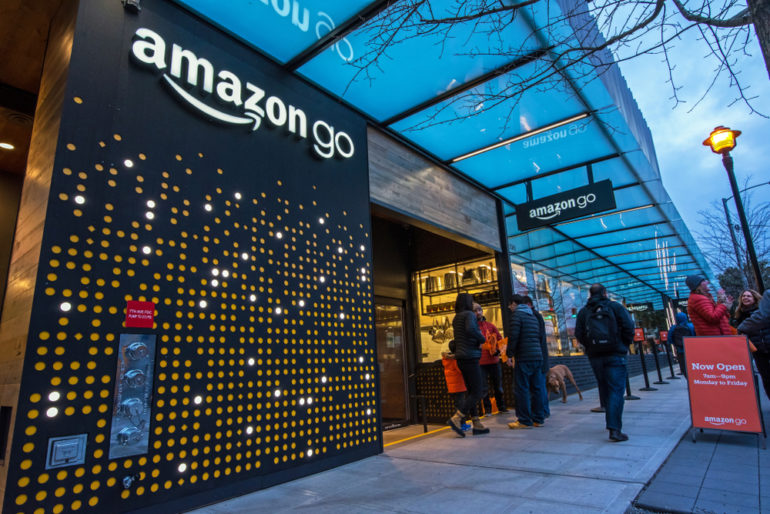
    The e-commerce giant is rolling out pop-up shops across the UK, giving small online business brands the opportunity to reach the high street market.

    More than 100 small online brands will be sold across the UK with pop-up shops set to open in Wales, Scotland, the Midlands, Yorkshire and the Southeast.

    The first pop-up store has opened in St. Mary’s Gate, Manchester, selling the wares of 12 businesses, including Pic’s Peanut Butter.

    According to Amazon, the year-long pilot programme will explore a new model to help up-and-coming online brands grow their high street presence. Independent research on the success of the pilot will be submitted to the British government, following the call for new ideas to develop the Future High Streets strategy.

    “Small businesses are one of our most important customer groups, and we’re thrilled to work with Enterprise Nation to design a comprehensive package to help entrepreneurs across the UK grow their businesses, both in-store and online,” said Doug Gurr, UK Amazon country manager.

    “From giving up-and-coming online British brands the chance to experience physical retail, to funding the training of full-time apprenticeships and helping to increase SME exports, Amazon is committed to supporting the growth of small businesses – helping them boost the economy and create jobs across the UK.”

    The project, in partnership with small business support group Enterprise Nation, Amazon, Direct Line for Business and Square Amazon will help create over 150 full-time apprenticeships at small online businesses through a new £1 million SME Apprenticeship Fund, while the Amazon Academy training programme will provide free digital training to help grow their sales and boost exports.

  • Amazon Starts to sell fresh produce online in Japan

    Amazon Starts to sell fresh produce online in Japan

    Amazon Japan is partnering with local supermarket operator Life Corp to sell fresh foods online.

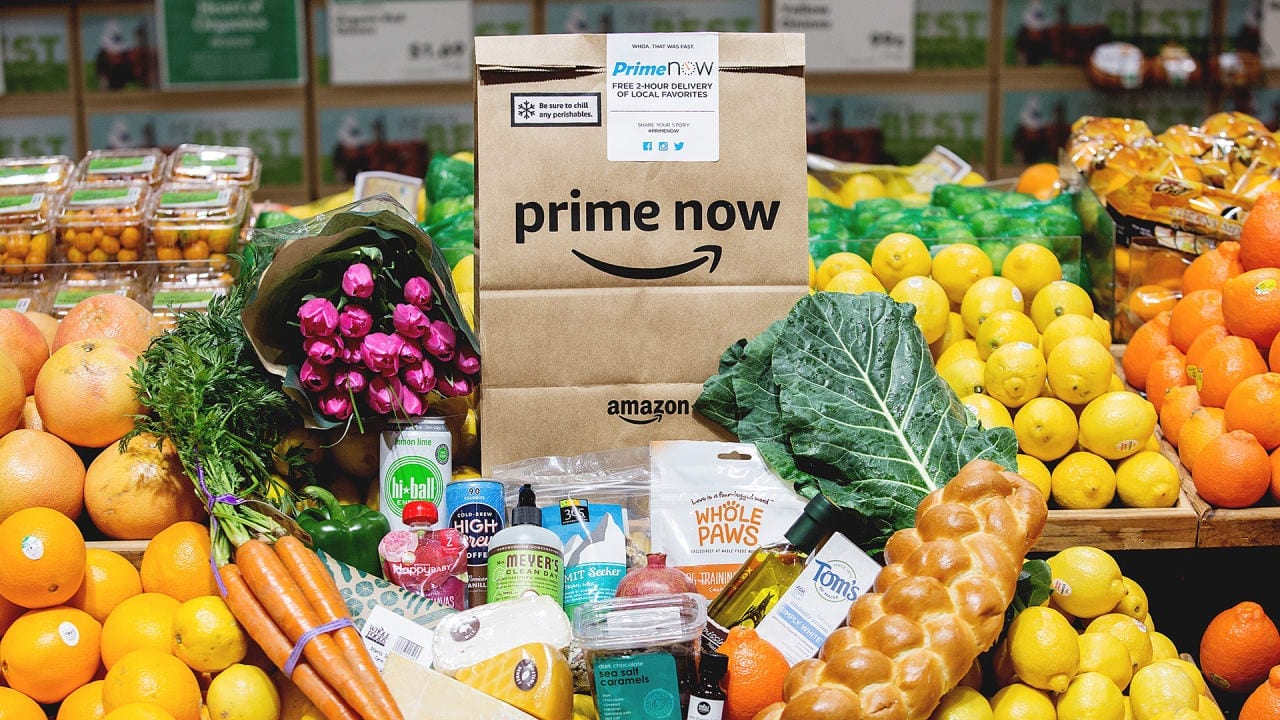
    The project will commence in parts of Tokyo later this year and provide a range of produce to Amazon’s Prime Now subscribers in Japan, offering order times as prompt as two hours for delivery. It is the first time the internet giant’s Japanese unit has partnered with a supermarket chain.

    Amazon Japan will handle all deliveries and process payments under the new venture, which targets those who face challenges leaving home to go shopping, such as the elderly or busy working professionals. The firm is hoping to use the service to meet a broader demographic for its Prime Now subscriptions.

    The arrangement is an opportunity for Life to extend its current online reach, which currently covers just over half of the Tokyo metropolitan zone. Profitability remains a limiting factor for supermarkets investing in online order infrastructure in Japan.

  • Amazon cutting prices on thousands of online items

    Amazon cutting prices on thousands of online items

    Amazon Australia is holding its second mid-year sale, slashing prices on tens of thousands of products from Friday, May 31, through the month of June. The deals include up to 50 percent off select clothing, shoes and accessories from brands such as Calvin Klein, Berlei and Bonds; discounts on select TVs, video games and books; and 15 percent off household and pantry essentials when you spend $50 or more.

    Savings are advertised across all of Amazon’s 29 product categories, including kitchen, baby and pets.

    “With tens of thousands of products available at discounted prices and new deals going live every day throughout June, we hope our Mid-Year Sale provides something for everyone,” Rocco Braeuniger, country manager of Amazon Australia, said in a statement about the sale.

    Since launching in December 2017, Amazon Australia now claims to offer over 125 million products.

    This is the second time Amazon Australia has held a mid-year sale, joining many retailers in marking down stock for End of Financial Year (EOFY) sales during the month of June.

    Recent research from PayPal shows that EOFY sales are the most popular times for Aussies to pick up a bargain online, alongside Boxing Day.

    That same report also revealed that while some retailers are starting to move away from markdowns, most shoppers are still driven to purchase by discounts.

    PayPal found that 68 percent of Australian consumers are always on the lookout for an online sale or discount, and half of the consumers have waited for an item to go on sale before buying it online. Among Gen Z and Gen Y shoppers, that figure increases to 73 percent and 65 percent, respectively.

    But this doesn’t have to be bad news for retailers. According to PayPal, online sales present an opportunity for brands to build awareness and reach new customers: 39 percent of consumers have bought a brand online they wouldn’t usually buy because it was on sale, and 39 percent of retailers said online sales increase revenue.

    But it’s necessary to take a strategic approach. For instance, Amazon’s biggest sales – including its Mid-Year Sale, Prime Day sale, and Black Friday and Cyber Monday sales – are all about driving app downloads and Prime subscriptions. In turn, this drives more frequent purchasing on the platform.

    According to Retail Dive, Amazon saw more than 1 million consumers use its app for the first time on Prime Day 2018.

  • Cafe Amazon Opens in Singapore

    Cafe Amazon Opens in Singapore

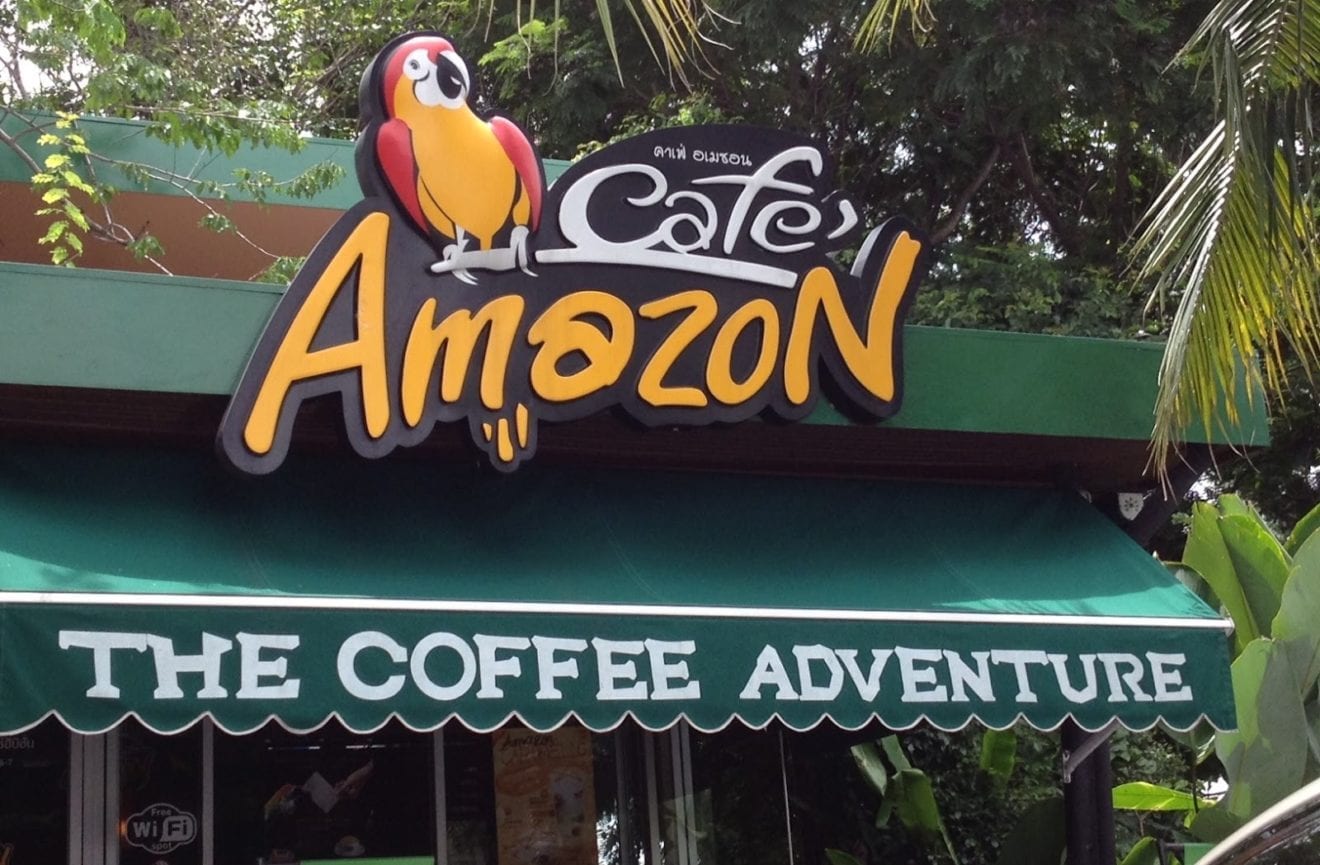
    Thai coffee chain Cafe Amazon has opened its first outlets in Singapore.

    One store is located at Jewel Changi, the other at Jurong Point shopping center.

    An opening ceremony was held at Cafe Amazon Jewel Changi, which marked the 2750th branch of the franchised chain worldwide. The chain was founded in 2002 to provide beverages and food to travelers refueling at the company’s gas stations.

    PTT Oil and Retail Business Public Company Limited (PTTOR) chairman Auttapol Rerkpiboon said the company was pleased to open in the Lion City.

    “Throughout 15 years of business, we’re proud to say that Cafe Amazon has received an overwhelming response in every country it operates.”

    Singapore joins Laos, Cambodia, Myanmar, the Philippines, Japan and Oman on the list of countries Cafe Amazon has entered. It has about 2500 stores in Thailand and nearly 200 abroad.

    To adapt to Singaporean taste, Cafe Amazon has adjusted its snack and beverage menu, making Yin Yang, a premium matcha latte its signature drink.

    PTTOR plans to invest US$1.3 billion to open 20,000 branches of Cafe Amazon over the next five years under a franchise business model.

  • Amazon helps with Deliveroo funding round

    Amazon helps with Deliveroo funding round

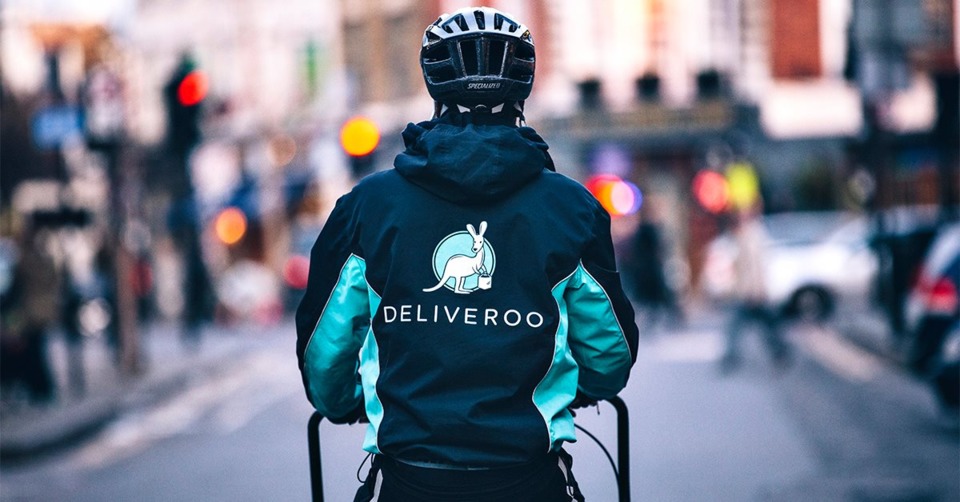
    Amazon is leading another funding round in international food-delivery startup Deliveroo.

    The US online retailer and existing shareholders including T Rowe Price, Fidelity Management and Research Company, and Greenoaks will invest US$575 million in the company, taking the cumulative total raised to date to $1.53 billion.

    “With this funding, Deliveroo will continue to build its world-class service – bringing customers the food they want whenever and wherever they want it, offering even more work for riders, and helping restaurants to grow their businesses by reaching new customers,” the company said in a statement.

    The funds will be deployed to growing Deliveroo’s London-based engineering team, expanding Deliveroo’s delivery reach, innovations such as the company’s delivery-only super kitchens called Editions and the development of new products providing customers with a more personalized experience.

    “This new investment will help Deliveroo to grow and to offer customers even more choice, tailored to their personal tastes, offer restaurants greater opportunities to grow and expand their businesses, and to create more flexible, well-paid work for riders,” said Will Shu, founder, and CEO of Deliveroo.

    “Amazon has been an inspiration to me personally and to the company, and we look forward to working with such a customer-obsessed organization. This is great news for the tech and restaurant sectors, and it will help to create jobs in all of the countries in which we operate.”

    Amazon UK country manager Doug Gurr said the company was impressed with Deliveroo’s approach and its innovation in delivery options.

    “Will and his team have built an innovative technology and service, and we’re excited to see what they do next.”

  • Amazon accelerates Australian Online Fashion Offerings

    Amazon accelerates Australian Online Fashion Offerings

    Amazon Australia has been connecting with fashionistas in Sydney this week, where thousands of designers, retailers, celebrities and fans have gathered to see the latest looks at the Mercedes-Benz Fashion Week Australia (MBFWA).

    As an official sponsor of the event, along with the likes of Moet & Chandon, Swarovski and Superga, Amazon has built an Instagram-worthy pop-up at Carriageworks.

    Visitors can try on some of the local brands available on Amazon and capture the perfect ‘selfie moment’ against four different backdrops, including a mint green oasis based on the products available through Amazon’s Travel range, a Bonds jungle, and a resort-style changing room.

    Amazon said the activation is designed to provide a memorable and educational experience for both industry and consumer guests.

    “We are really excited to be a part of the Mercedes Benz Fashion Week, alongside established and emerging brands,” Angela Langmann, head of Amazon Fashion, said in a statement.

    Since launching in December 2017, Amazon Fashion has rapidly grown its range. It now has tens of millions of products across clothing, shoes and accessories from over 1000 brands.

    In addition, the number of Australian brands on the platform has quadrupled from 33 to 150, with that number continuing to grow, according to Langmann.

    “At Amazon Fashion we celebrate local Aussie brands and build a shopping experience that helps our customers discover emerging and established Australian brands,” she said.

    Some of the more established Australian fashion brands on the platform include Talulah, Stevie May, Senso, Oroton, Three of Something, Finders, Bendon, Review and Lorna Jane, alongside small and medium-sized local businesses like sunglasses brand Local Supply, hat brand Will & Bear and footwear brand Wild Rhino.

    “One of the most powerful things about Amazon Fashion is that a customer can shop from major brands like Calvin Klein and Levis, buy from small and medium-sized local businesses like Local Supply, Will & Bear and Wild Rhino and from more established Aussie brands like Talulah, Stevie May, Senso, Oroton, Three of Something, Finders, Bendon, Review and Lorna Jane,” Langmann said.

    In terms of what’s next for Amazon Fashion in Australia, Langmann said the company is constantly looking for new ways to innovate within the fashion space and is exploring various avenues.

    In the US, the e-commerce giant has launched services like Prime Wardrobe, which gives customers seven days to order clothes and shoes and try them on at home, before they need to pay for the items they want to keep.

    This service so far is not available in Australia.

  • Amazon’s Alexa Guard Arrived to Guard your Home

    Amazon’s Alexa Guard Arrived to Guard your Home

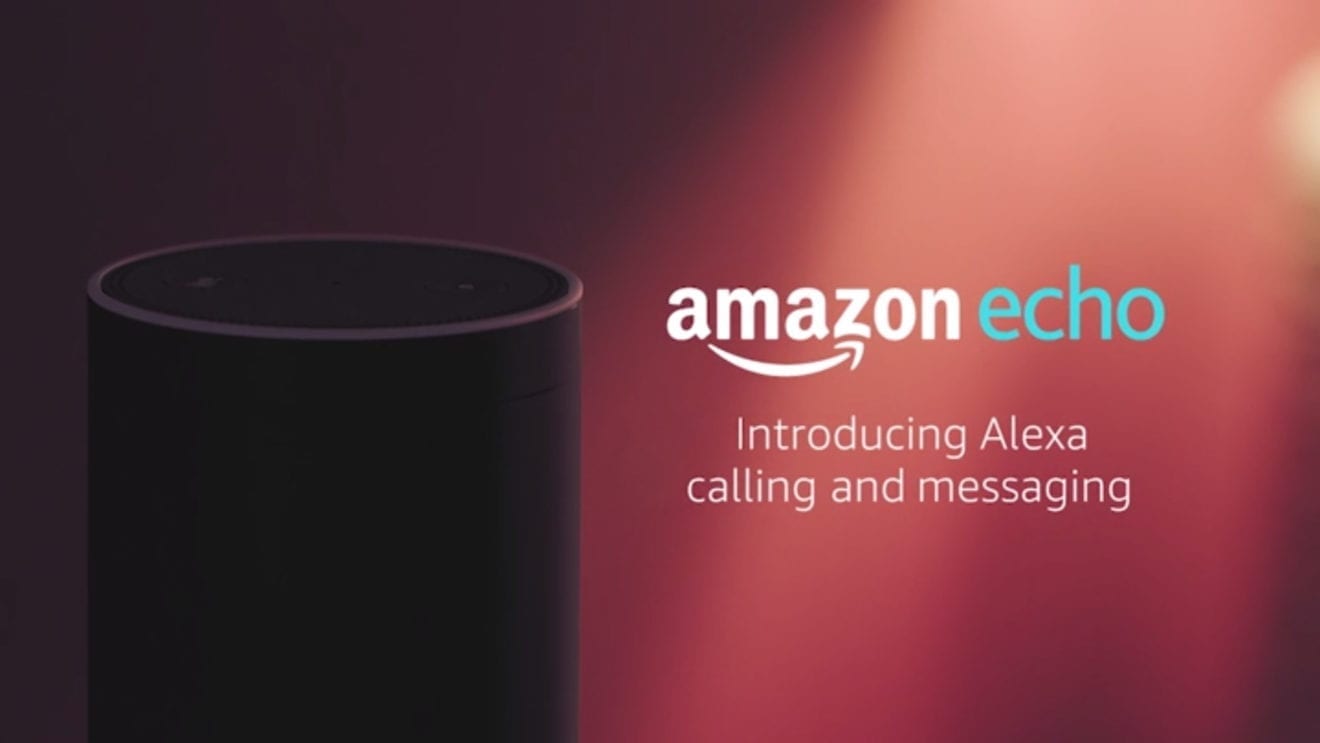
    Even though music streaming remains the primary use case for Amazon and Google’s insanely popular smart speakers, it goes without saying Alexa and Google Assistant can do many other cool, innovative, and practical things simply by listening to your voice. The Echo lineup arguably maintains its superiority in the living room, hiding plenty of neat smart home tricks up its sleeve, the latest of which is specifically designed to keep an eye on things while you’re away.

    Formally unveiled way back in September and made available by invitation only a couple of months after that, the very ingenious Alexa Guard feature is now rolling out more widely in the US at last. All you have to do to activate this functionality is remember to say “Alexa, I’m leaving” every single time you exit the premises of your house and want your digital assistant to keep its virtual ear to the ground.

    After setting Guard to “away mode” with the aforementioned magic phrase, your Echo device will stay alert and send notifications to your phone if it detects the sound of smoke alarms, carbon monoxide alarms, or glass breaking. Obviously, you shouldn’t panic as soon as you get a “smart alert”, and instead try to determine if the danger detected by Alexa is actual cause for concern by listening to a 10-second audio recording from your house or even “drop in” on your Echo remotely to check exactly what its microphone is picking up.

    By no means a replacement for a real security system, Alexa Guard can enhance the capabilities of popular setups from Ring and ADT, while also working in tandem with connected smart lights to discourage burglary attempts. Most importantly, the feature naturally doesn’t cost a thing. The latest version of the mobile Alexa app lets you enable it from the “Settings” menu, where you’ll find a Guard-dedicated subsection containing simple step-by-step setup instructions.

  • Forever New Building Ouit Presence in North America

    Forever New Building Ouit Presence in North America

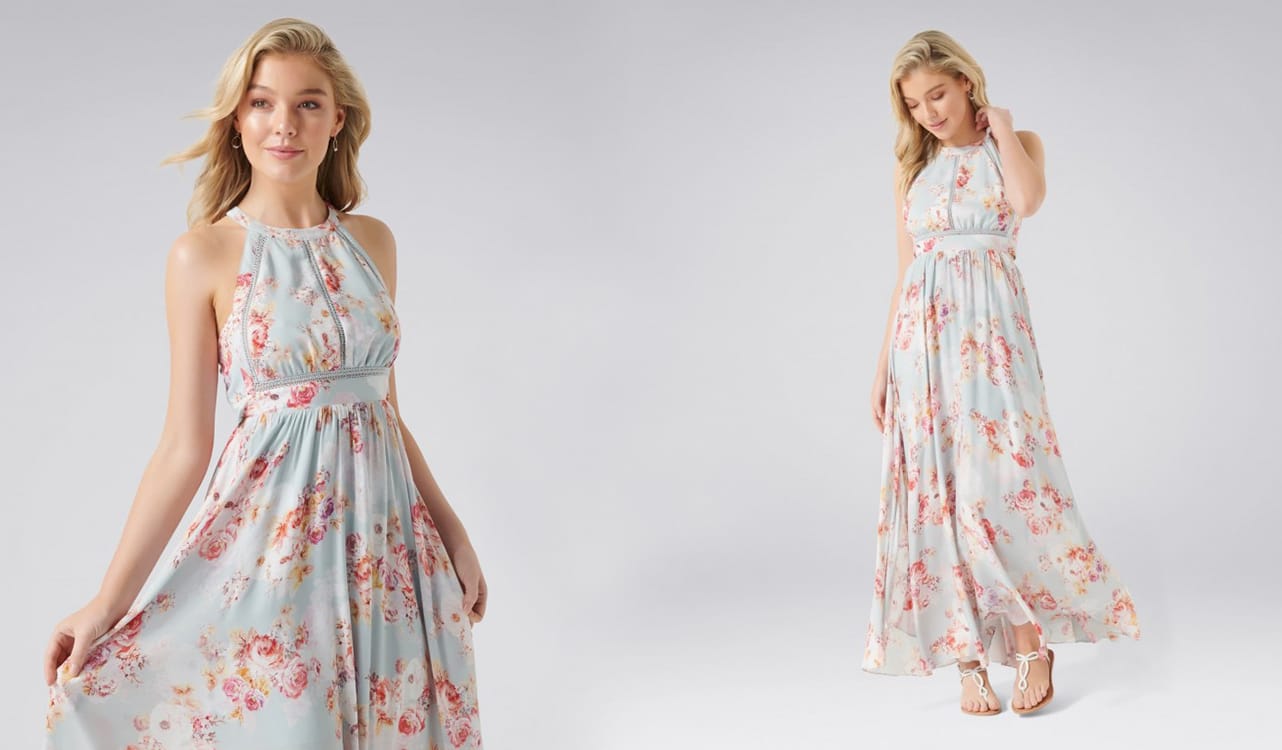
    Australian retailer Forever New is ramping up its presence in North America, with plans to launch a standalone website in the US, sell through major department stores, including Bloomingdales and Nieman Marcus, and open two new stores in Canada.

    The news, announced on Monday, is the latest sign of Forever New’s global aspirations. The brand has formed a string of partnerships with retailers around the world, including Asos and Next in the UK, Zalora in Singapore and Zalando in Europe, and last year, it revamped its website to better serve international customers.

    “Forever New has a unique product offering and our handwriting is not only relevant to the markets in the Southern Hemisphere but also in the Northern Hemisphere. We offer a real point of difference,” Carolyn Mackenzie, managing director of Forever New, told Inside Retail.

    Focus on third-party expansion

    According to Mackenzie, the retailer’s presence in the Canadian market over the last few years has sparked interest from American retailers.

    Forever New, which trades as Ever New in North America, appears to have four bricks-and-mortar stores in Canada – three in the Vancouver area, and one in Toronto. The retailer plans to open a second store in Toronto a new location in Calgary this year.

    The retailer started selling in the US market via Nordstrom.com in 2018, and on Monday, it announced it will launch a standalone website in the coming months. It will also launch offline in Bloomingdales and Nieman Marcus department stores, and expand its online presence via Nordstrom, Lulus, South Moon Under and Amazon.

    Mackenzie said the privately-held business is currently focusing its efforts on third-party and digital expansion, but that it may open standalone stores in the US in future.

    “Being an agile and fast-moving business means there is always the possibility…” she said.

    Broader transformation underway

    The ramp-up overseas is just part of the multi-faceted transformation currently underway at Forever New.

    In late 2018, it overhauled its global e-commerce platform to make the online shopping experience more seamless, and in 2019, it unveiled two first-to-market digital initiatives: a reserve-in-store option and visually-similar product recommendation tool.

    It has also launched a new high-end store concept designed by Hecker Guthrie, featuring terrazzo tiled floors, brushed brass detailing and fluted glass panels.

    “[T]he new store concept embodies the feminine signature of the brand,” Mackenzie said, calling it “the perfect backdrop to the brand’s distinctive designs and prints”.

    Next up for Forever New? More inclusive sizes.

    “Following on from the success of Forever New Petite and to ensure the accessibility of Forever New for all, we’re planning on expanding our category offering with ‘Forever New Curve’,” Mackenzie said.

    “Stay tuned for more details on these exciting initiatives.”

  • Amazon doubles Quarterly Profit

    Amazon doubles Quarterly Profit

    Global online marketplace Amazon has grown its net income 118 per cent during the first quarter of 2019, from US$1.6 billion to US$3.56 billion ($2.28 billion to $5.07 billion).

    The three months to March 31 2019 also delivered operating income of US$4.4 billion ($6.27 billion), compared to US$1.9 billion ($2.7 billion) the year prior. These increases come off the back of a 17 per cent growth in sales to US$59.7 billion ($85.09 billion).

    However, while the company grew its North American operating income over the period to US$2.28 billion ($3.25 billion), its international performance led to a US$90 million loss ($128.2 million) – though this can be positively compared to the same period last year, during which Amazon’s international business lost US$622 million ($886.5 million).

    Research firm eMarketer estimates that Amazon holds almost half of the US e-commerce market, which is set to grow 20 per cent to US$282.5 billion ($402.6 billion).

    EMarketer principal analyst Andrew Lipsman said the quarter was fuelled by the strength of Amazon’s cloud and advertising business, which continues to inflate the company’s margins.

    “While AWS’s momentum continues unabated and is clearly the bigger driver of this profit story at the moment, the advertising flywheel now appears to be in full effect for Amazon and will only be a bigger part of the growth story over the near term,” Lipsman said.

    Amazon’s AWS segment saw net sales grow 40 per cent year-on-year, from $5.4 billion to almost US$7.7 billion ($7.7 billion to $10.97 billion), contributing US$2.2 billion ($3.14 billion) in income to the business’ quarterly results.

    Looking ahead, Amazon notes it expects second quarter sales to land between US$59.5 and US$63.5 billion ($84.8 and $90.5 billion) – an annual growth of between 13 and 20 per cent.

    The business is leaving room for its operating income to decline over the period, however, expecting between US$2.6 and US$3.6 billion ($3.7 and $5.1 billion) – compared to the US$3 billion ($4.28 billion) earned in the second quarter of 2018.

  • Huawei taps Infosys to help its build cloud ecosystem

    Huawei taps Infosys to help its build cloud ecosystem

    Huawei’s continued quest to be one of the world’s largest cloud players took a small step forward with the announcement of a new partnership with Infosys.

    Huawei Cloud has signed a memorandum of understanding (MOU) with India-based IT firm Infosys in order to help enterprises transition to the digital cloud. As part of the MOU, Infosys will join the Huawei Cloud Partner Network (HCPN) in order to better blend Infosys’ products with Huawei Cloud’s offerings.

    “Combining Huawei Cloud’s product innovation and Infosys’ strengths in next-generation digital services, we will help our clients accelerate their transition to the cloud,” said Infosys President Ravi Kumar, in a prepared statement. “As part of this engagement, we will provide a suite of technologies hosted on Huawei Cloud, such as workload migration solutions including SAP and other enterprise workloads.”

    Over the past several years, Huawei has made a determined effort to become one of the world’s largest cloud providers, but it faces stiff competition from Amazon Web Services, Microsoft Azure, and Google Cloud. Closer to home, Huawei also competes with China-based Alibaba. Alibaba has been making a concerted effort to expand its cloud business into Europe.

    According to a February report by Synergy Research Group, Amazon Web Services increased its market share at the end of last year to the point where it is equivalent in size to the next four competitors combined. In order, Microsoft, Google, IBM and Alibaba held the top spots after AWS, according to Synergy Research Group.

    While Huawei wasn’t mentioned among the top cloud providers in the report, it has been trying to build a cloud ecosystem since at least 2016 when it first launched its “All Cloud” strategy for ICT infrastructure. A year later, Huawei announced it was seeking cloud computing partners to become the world’s fifth largest cloud provider behind AWS, Azure, Google and Alibaba.

    Given its size, Huawei Cloud may be able to muscle its way into cloud markets that are currently underserved by the top four companies, but there are also a host of medium and regional cloud companies.

    In this week’s first quarter earnings report, which was the company’s first, Huawei touted the artificial intelligence capabilities that are in Huawei Cloud.

    “Huawei CLOUD remains committed to innovation. It aims to build the best possible hybrid cloud, provide full-stack AI solutions for intelligent industries, and make inclusive AI a reality,” the company said in its earnings report. “More than one million enterprise users and developers have chosen to work with Huawei Cloud. In Q1, Huawei Cloud services were launched in Singapore, and Huawei Cloud released its AI model market.”

    In yesterday’s press release, Huawei said the number of HCPN partners had exceeded 6,000. Working with those partners, Huawei Cloud has added 2,800 applications that are available in 23 regions around the world.

  • Music Streaming on Amazon for free using Alexa

    Music Streaming on Amazon for free using Alexa

    If you love music and own an Amazon Echo or another device that uses Alexa as a virtual assistant, we have some good news. Late last week, Amazon announced that those in the U.S. can stream top playlists and stations for free, without having to pay for an Amazon Prime or Amazon Music Unlimited subscription. Instead, a free-ad supported tier of music is available for Alexa-enabled devices.

    Alexa will play for free stations based on a song, artist, genre and era. Playlists like Country Heat, Fuego Latino and others are available without any charge. Amazon says that even without a paid subscription, Alexa will respond to the following commands:

    • Say “Alexa, play the playlist Pop Culture” to stream global pop hits.
    • Say “Alexa, play the Imagine Dragons station” to stream a station that plays music “inspired” by the band.
    • Say “Alexa, play 80s music” to stream a station filled with music from that decade.
    • Say “Alexa, play country music” to stream a station playing that style of music.

    Note that with the free ad-supported service, you cannot request specific songs on demand. You can do that if you sign up for Amazon Prime. The cost of the service is $12.99 per month, or $119 a year. Besides streaming ad-free tunes on demand from your Alexa device, you’ll be streaming Prime Video on your phone, tablet or smart television. You also get free two-day shipping, unlimited photo storage, unlimited reading and free same-day delivery (when available).

    You might also consider Amazon Music Unlimited, which gives you unlimited and on-demand access to 50 million songs. After a 30 day free trial, the service is priced at $7.99 a month, undercutting both Spotify and Apple Music by $2.00 a month.

  • Amazon to close China mainland store

    Amazon to close China mainland store

    Amazon China is about to stop selling local goods to local shoppers. According to multiple financial-news services, the global e-commerce giant is about to announce the closure of its dedicated Mainland China store, however Chinese consumers will still be able to order goods from Amazon’s global store.

    The dedicated Amazon China platform will close in July, meaning shoppers will no longer be able to buy goods listed by third-party local suppliers.

    According to “people familiar with the matter” quoted by Bloomberg, exiting the intensively competitive Mainland China market will allow Amazon to shift its focus to more lucrative businesses selling imported goods to Chinese and developing its successful cloud services operation.

    The withdrawal comes 15 years after Amazon entered China, purchasing local online store Joyo.com for US$75 million. Seven years later it rebranded the site under its own banner.

    The company estimates it will take about three months to close down its mainland fulfilment centres and delist local vendors as appropriate.

    With Alibaba and rival JD accounting for a combined 82 per cent of the Mainland China online market, there was little room for Amazon to eke out a commercially viable market share within a reasonable time frame.

    Michael Pachter, an analyst at Wedbush Securities, said Amazon was pulling out of the Chinese domestic market, “because it’s not profitable and not growing”.

    “The domestic Chinese online retailers just have huge advantages that Amazon can’t compete with.”

    Amazon has yet to officially confirm the China plan.