Tag: apparel

  • Levi Strauss Expands in China After Asia Revenue Rises 10 per Cent

    Levi Strauss Expands in China After Asia Revenue Rises 10 per Cent

    US apparel retailer Levi Strauss & Co plans fresh capital investment and new store openings across China, moving against broader retail headwinds as multinational rivals shutter underperforming outlets. The San Francisco-based group is expanding its network after steady demand from younger consumers.

    Asian net revenues rose 10 per cent year on year in the third quarter, representing a third consecutive period of double-digit expansion for the territory. Markets outside North America now account for more than 60 per cent of total global business, though regional management still classifies Asia as a small contributor with long-term expansion potential.

    Executive vice-president and chief commercial officer Gianluca Flore confirmed that mainland operations have improved markedly over the past 12 months, allowing the company to reset commercial targets. “We are going to be able to see China become a much bigger portion of our business globally,” Flore said. “I’m aware of other brands, even luxury brands, that are reducing [their footprint]. I’m personally and professionally bullish on China.”

    Flore added that Levi’s remains a relatively small brand insulated from direct macroeconomic shifts, noting he expects China’s broader consumer environment will eventually improve.

    Tier-One Hubs and Franchises

    Levi Strauss is directing direct capital expenditure toward first-tier metropolitan hubs while partnering with local operators to scale franchise locations. Core demand centers on fashion-conscious consumers aged 20 to 30, prompting regional merchandising teams to adapt global assortments.

    “Within the global assortment, we have some fine tuning, some nuances that we bring to the products in certain cases,” Flore said. “We are really open, and we try … To be flexible and agile to adapt to that nuance.”

    Execution risks remain centered on product responsiveness and inventory control. Wang Tianshi, an analyst at Shanghai-based LeadLeo Research Institute, noted that foreign operators must flatten operational hierarchies to navigate rapid consumption shifts.

    “Merchandising must cater closely to local niche preferences in China, reduce standard global sourcing and expand locally developed products,” Wang said. “Only by keeping pace with China’s fast-shifting consumption trends can foreign retailers turn their brand equity into sustainable competitive advantages.”

    Earlier Footprint Moves

    The push follows targeted brick-and-mortar marketing pilots across key regional shopping corridors. In September, Levi’s opened a pop-up store at Leighton Centre in Hong Kong’s Causeway Bay district to show localized assortments ahead of broader regional store rollout initiatives.

  • Cotton on Pays $19,800 Penalty over Late Safety Incident Filings

    Cotton on Pays $19,800 Penalty over Late Safety Incident Filings

    Cotton On Australia has paid $19,800 in penalties after failing to report customer injuries linked to products sold by its subsidiaries within the mandatory two-day deadline.

    This week, the Australian Competition and Consumer Commission penalised the retail group following reporting delays on incidents tied to its Supré and Typo brands. The regulator issued two infringement notices over the late filings.

    Under the Australian Consumer Law, suppliers must notify authorities within 48 hours of learning that a product may have caused death or serious injury. Cotton On missed that cut-off on both counts before submitting the paperwork. Company risk assessments and safety tests later confirmed neither product had a defect or safety hazard.

    The Two-Day Rule and Regulatory Scrutiny

    Regulators penalised the administrative failure rather than product performance. The statutory deadline exists to prevent companies from withholding incident logs while conducting their own internal reviews.

    “While the ACCC has not identified any safety concerns about the products, Cotton On’s alleged reporting failures delayed important product-safety information reaching us,” said ACCC commissioner Luke Woodward.

    The watchdog treats mandatory reporting protocols as an early warning tripwire rather than a post-investigation formality. Waiting to verify technical fault before notifying authorities breaches the statutory threshold.

    What It Means for Regional Retail Operations

    For large apparel and lifestyle chains operating across the region, product reporting compliance has become a direct operational risk. Cotton On operates under brands including Cotton On, Cotton On Kids, Cotton On Body, Factorie, Rubi, Supré, Typo and Ceres Life. A multi-brand structure multiplies customer contact points, meaning customer service desks often receive injury reports before technical compliance teams know an incident occurred.

    Retailers operating multi-concept store networks face stricter scrutiny across their quality assurance pipelines. Fast fashion and gift retailing carry rapid inventory turnarounds and volatile sourcing cycles, leaving very little margin for slow internal escalations. Regulators in Australia and neighboring Asian markets increasingly examine digital intake systems to ensure that frontline customer service interactions immediately flag safety complaints to compliance executives.

    Earlier Scrutiny and Corporate History

    The penalty is not the first time the group has faced regulatory enforcement over merchandise standards. In December 2012, the Federal Court ordered Cotton On Kids Pty Ltd to pay $1 million in penalties following an ACCC prosecution over children’s nightdresses and pyjamas that failed mandatory fire safety labelling standards.

    Enforcement has also widened across competing retail chains in the domestic market. The ACCC took Kmart Australia to court in October 2026 over separate product safety allegations, focusing on cosmetic nail glue packaging and button battery compliance standards.

    Three Years of Consumer Complaint Audits

    Cotton On, owned by parent entity COGI Pty Ltd, cooperated with regulators to overhaul its safety notification workflows following the notices. The retailer agreed to run regular audits of all customer complaints that record an injury or illness for the next three years to verify ongoing compliance with mandatory reporting laws.

  • Singles’ Day Spending Lifts Asia-Pacific Merchant Volume 16 per Cent

    Singles’ Day Spending Lifts Asia-Pacific Merchant Volume 16 per Cent

    Online spend across Asia-Pacific merchants climbed 16 per cent above daily averages during Singles’ Day 2025, driven by department stores and apparel sales. The spike measured transaction processing volumes on 11 November compared to daily averages over the previous seven days.

    Department store processing volumes across the region surged 70 per cent during the period, while general retail expanded roughly 20 per cent and clothing transactions gained 16 per cent. Combined volume across those three segments rose nearly 25 per cent in Asia-Pacific, outpacing the 4 per cent increase recorded for identical retail categories in markets outside the region.

    Department Stores Drive Regional Gains

    Payment flows processed by Checkout.com demonstrate that retail drove the concentrated activity across Asian seller accounts rather than services or digital subscriptions. The data tracks seller settlement regions, isolating domestic and cross-border merchant accounts established within APAC territories.

    Clothing retailers operating in the region saw steady gains, matching the wider 16 per cent baseline uplift. The figures show spending stayed focused on physical goods categories, reversing soft pre-holiday volumes reported earlier in November across regional merchant accounts.

    European Spillover Widens Promotional Reach

    The China-born shopping event generated secondary transaction gains for sellers outside its primary Asian heartland. British merchants recorded a 31 per cent gain in general retail, a 23 per cent rise in clothing, and a 37 per cent jump in food and drink spend compared with the prior Tuesday.

    Central and Eastern Europe emerged as the fastest-expanding international territory by cardholder volume, generating a 24 per cent spending bump on the day. Individual cardholder transaction volumes advanced 36 per cent in Poland, 30 per cent in Croatia, 26 per cent in the Czech Republic, and 23 per cent each in Slovakia and Lithuania.

    Western European consumer activity presented sharper geographic divergence across card accounts. Italian card spend rose 19 per cent and Norwegian transactions surged 52 per cent, while surrounding major continental markets registered flat payment volumes.

    Singles’ Day is the first real test of the peak season, and last year’s data shows exactly where shoppers are ready to spend: fashion, department stores and general retail. Merchants who get their promotions and their checkout right will be best placed to turn that early demand into lasting growth through Black Friday and beyond.

    Operational Pressures Shift to Fulfillment

    For APAC store operators and e-commerce aggregators, an early seasonal bump concentrates warehouse packing windows ahead of late-November global discounting periods. Regional merchants relying on cross-border logistics face immediate inventory reallocation demands to satisfy delivery commitments before western peak order books open.

    Aggressive promotion schedules pulled forward consumer outlays rather than simply creating incremental fourth-quarter volume. Merchants balancing discounted inventory clear-outs during early November risk margin compression if logistics surcharges rise before peak year-end shipments conclude.

    Payment Networks Expand Enterprise Footprint

    The annual singlehood event, which began as an alternative university observance in mainland China, now anchors the opening phase of fourth-quarter trade ahead of Black Friday. Checkout.com, which handles payment infrastructure for enterprise clients including Samsung, Sony, and ASOS across more than 150 processing currencies, expects its total platform volume to reach $500bn during 2026.

    Merchant operators now watch conversion rates across Asian checkout gateways as Black Friday approaches on 27 November 2026. Retailers across the region are tracking whether the early 16 per cent promotional bump carries into broader end-of-year inventory clearance.

  • Black Milk Enters Voluntary Administration After 17 Years

    Black Milk Enters Voluntary Administration After 17 Years

    Brisbane-founded fashion brand Black Milk has entered voluntary administration 17 years after its launch, appointing Apex Advisory to oversee operations and explore a potential sale.

    Co-founder Linda Lillis confirmed that trading remains uninterrupted and all staff stay in place while administrators review the business.

    Established in 2009 by Linda Lillis and the late James Lillis, the online-first label grew around a devoted fanbase known as ‘Sharkies’ before mounting costs forced a restructuring.

    “Voluntary administration gives the business an opportunity to explore what comes next,” she added. “We don’t yet know what the outcome of that process will be, and I don’t want to make promises about something that is now in the hands of the administrators.”

    “What I can say is that entering administration does [not necessarily mean the end of Black Milk](https://insideretail.com.au/careers/blackmilks-ceo-on-the-importance-of-being-prepared-diligent-and-measured-202512), and we very much hope it isn’t.”

    The company said it is exploring a potential sale.

    Earlier this year, Black Milk faced backlash from its community when it closed the last of its manufacturing operations in Australia, offshoring the process to China and moving on from its ‘Made in Australia’ label.

    “Over the past few years, BlackMilk has undertaken significant change to respond to a very different retail environment and build a more sustainable business,” Lillis said. “The team has worked incredibly hard and made meaningful progress, but the combination of a challenging consumer environment, rising costs and increasingly complex global trading conditions has continued to place pressure on the business.”

    Lillis asked customers to respect Black Milk employees’ privacy. “They are processing this news themselves while continuing to pack your orders, answer your emails, and look after our customers,” she added. “The people behind Black Milk care deeply about this business, and they are facing uncertainty too.”

  • Songzio and Egonlab Debut Military-Inspired Collection Online

    Songzio and Egonlab Debut Military-Inspired Collection Online

    South Korean fashion house Songzio launched a collaborative apparel collection with Paris-based label Egonlab online on Monday, drawing on historical French military silhouettes across outerwear and tailoring.

    The capsule, titled “The Art of Dark Poetry,” follows about eight months of the teams working together, after finding common ground in the Paris design scene.

    Physical retail rollouts accompany the digital release. Songzio hosts an opening presentation at its Seoul flagship store on Wednesday, followed by a European retail show scheduled for Dec. 3 at its boutique in the Marais district of Paris.

    Sculptural Tailoring and Military Reworks

    The collection focuses on structured forms, contrasting Songzio’s architectural garment construction with Egonlab’s romantic detailing. Garments feature exaggerated shoulder padding, cinched waists, lengthened officer coats, and wider cavalry jackets.

    Traditional military uniform fixtures appear throughout the line in shifted placements. Rather than designating status or rank on shoulders and chests, elements such as frogging, soutache embroidery, braids, and decorative cord work sit across trouser legs and outer seams.

    Songzio creative director and chief executive officer Jay Song explained the creative tension behind the project.

    “Rather than compromising those identities, we wanted to challenge one another and create something that neither house could have achieved independently,” he said.

    Cross-Border Retail Positioning

    For South Korean luxury houses, collaborative releases with European independent labels serve as a vehicle to test customer demand outside domestic department stores. Songzio has run dedicated runway shows on the official Paris calendar while preserving its flagship footprint in Seoul.

    Independent labels face elevated production costs when combining bespoke tailoring components like soutache braiding with low-volume runs. By coordinating simultaneous launches across domestic and European company stores, both brands split developmental exposure while pooling customer bases across two distinct high-end shopping hubs.

    Building Presence in the Marais

    The Paris flagship in the Marais has served as Songzio’s primary distribution beachhead in continental Europe. That physical footprint anchors the French leg of the collaboration, giving the Korean house direct commercial access to Parisian foot traffic during the winter retail corridor.

    Egonlab gains reciprocal physical visibility inside the Korean capital, where local shoppers drive high sales volumes for imported independent menswear. The joint effort tests whether avant-garde design crossover can convert into sustained international wholesale interest.

    Attention shifts to in-store sell-through rates at the Seoul flagship on Wednesday before retail inventory reaches the Marais location on Dec. 3.

  • Bill Wavish Rescues Cue Clothing After 31 Store Closures

    Bill Wavish Rescues Cue Clothing After 31 Store Closures

    Former Myer executive chairman Bill Wavish has acquired collapsed Australian fashion retailer Cue Clothing Co, pulling the 60-year-old apparel group out of receivership after administrators shut down more than half of its retail network.

    The purchase gives the veteran retail leader control of both the Cue label and sister brand Veronika Maine, concluding an insolvency process that reduced the business from 51 retail locations to just 20 doors.

    Investment firm Hilco Capital placed the business into administration and receivership in September after a one-month sales campaign failed to secure a buyer, leaving receivers from FTI Consulting to manage operations amid “insufficient sales”.

    How the Receivership Unfolded

    Hilco Capital initiated the insolvency proceedings after private sale efforts stalled. Receivers from FTI Consulting took charge of the operating business as customer traffic softened and sales failed to cover overheads.

    The company suffered severe executive departures during Hilco Capital’s one-month sales campaign, losing both its chief executive officer and chief financial officer. FTI Consulting kept the registers running at a rump of viable locations while looking for bidders with the balance sheet to take on long leases.

    Store closures came swiftly. In mid-October, receivers confirmed the shuttering of 26 locations across the country, cutting lease obligations and staff rosters to stop operating losses while negotiations continued.

    Rival Bidders and Family Ties

    Wavish, who led department store chain Myer as executive chairman ahead of its listing on the Australian Securities Exchange, stepped in to beat competing interest from fashion brand operator Brand Collective. Justin Levis, son of Cue founder Rod Levis, had also pursued the assets during the bidding process.

    The transaction returns the company to an executive closely connected to its originators. Wavish is a long-standing personal friend of Rod Levis, who started the fashion group six decades ago and built it into an anchor apparel tenant across prime Australian shopping strips and department store concessions.

    Turnaround duties now fall directly on Wavish, whose background spans department store merchandise overhauls and grocery operations. Reviving the label will require stocking floors that consumers abandoned for cheaper online imports and premium specialty brands.

    What the Balance Sheet Carries

    Cue produced top-line gains in the financial year prior to its collapse, but the margin was too thin to survive modern rental structures. Revenue rose from $98 million in fiscal 2024 to $103.2 million in fiscal 2025.

    Net losses narrowed from $14.1 million down to $5.1 million over the same period. That operating improvement proved too slow when rising store wages, softer discretionary foot traffic, and mounting finance charges squeezed liquidity at the end of winter.

    For shopping centre landlords and apparel suppliers throughout the region, the deal stops an outright liquidation. A network of 20 profitable doors offers a cleaner base for wholesale partners and garment makers than the legacy network, which carried too many underperforming leases signed before post-pandemic office patterns altered corporate workwear demand.

    The Preceding Collapse

    Hilco Capital’s ownership ended abruptly when it became clear the label could not fund its working capital requirements into the spring selling season. The private equity backer pulled support after internal cost cuts failed to outpace declining sales volumes.

    Trade creditors and property groups watched the rapid wind-down over September and October as administrators cut non-performing concessions and standalone shops. Without immediate scale, regional apparel labels have struggled to match the sourcing power and digital logistics of global fast-fashion platforms.

    Formal transfer of the trading entity and any restructured lease terms between Wavish and shopping centre landlords across the remaining 20 doors will determine how quickly fresh inventory reaches store shelves for the summer season.

  • Only 35 Percent of Gazipur Garment Factories Open on Friday

    Only 35 Percent of Gazipur Garment Factories Open on Friday

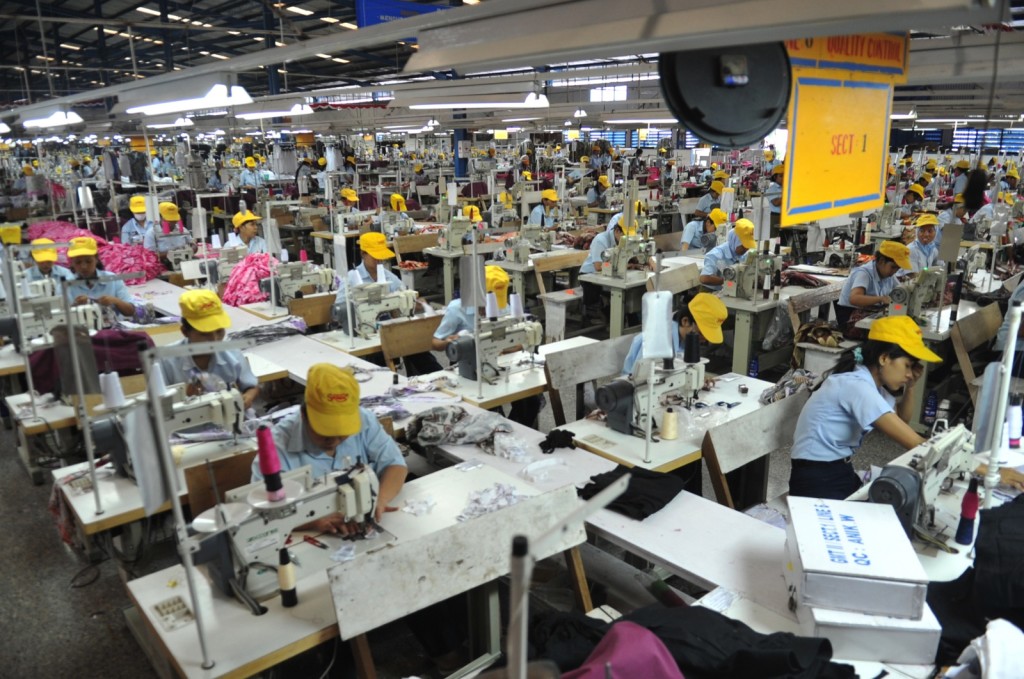
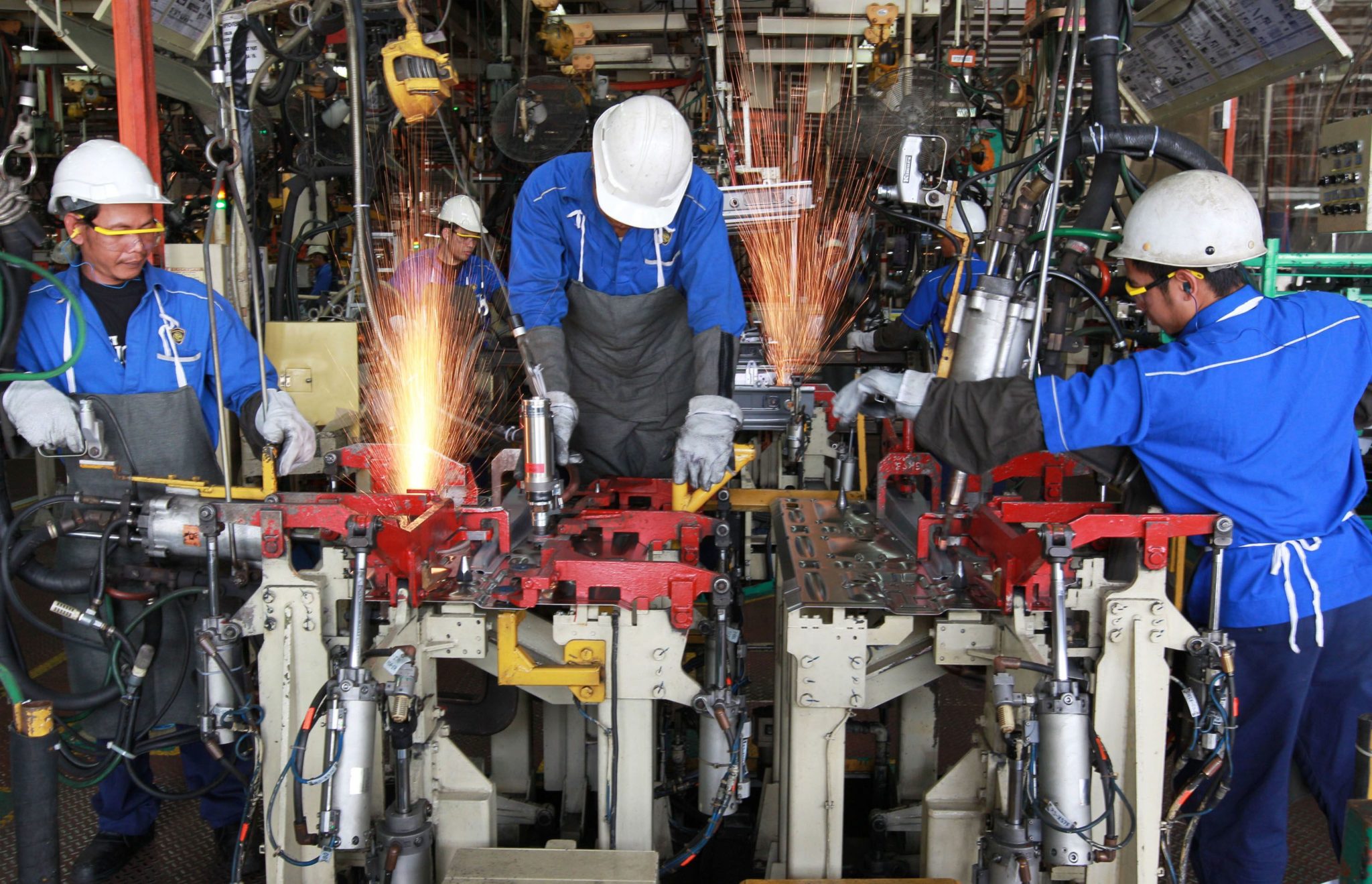
    Garment manufacturers in Gazipur operated only 35 percent of their production facilities on Friday as widespread factory shutdowns sent assembly line workers home across Bangladesh’s core apparel belt.

    Amjad Hossain, superintendent of Gazipur Industrial Police, confirmed the operating rate at 10:00am, leaving roughly two-thirds of the district’s export factories idle along key transport arteries including the Dhaka-Mymensingh Highway.

    Workers emptied out of the Taragachh industrial zone early in the morning after plant managers declared two-day closures. Ananta Garments suspended work at its Taragachh site, directing staff to leave the compound. Matrix Sweater in the Hajipukur area similarly halted operations for two days, citing local tensions.

    Uneven Operations Across the Cluster

    Disruptions remained selective rather than total across the manufacturing cluster. Parkstar Apparels and Parksin Bangladesh kept lines running in Barabari and Gachha, logging standard morning shift arrivals without incident.

    Freight corridors showed little physical obstruction despite the stoppages. Traffic Inspector Tarikul Islam reported clear vehicle movement through the Chandana Chourasta interchange, with commercial freight lanes operating normally throughout the morning.

    Sourcing Risks for International Buyers

    Sourcing directors across Europe and North America face immediate production bottlenecks when Gazipur pauses. The industrial hub accounts for a major share of Bangladesh’s readymade garment exports, serving global mass-market fashion brands that run tight inventory turns.

    When plants declare sudden multi-day shutdowns, delivery schedules for spring collections slip, forcing suppliers to absorb air freight penalties or renegotiate shipment windows. Sourcing desks at global fashion retailers are already monitoring South Asian capacity after months of volatile operating conditions in Dhaka’s satellite hubs.

    Production Continuity in Question

    Factory floors in Gazipur have experienced repeated friction between management and labour over working conditions, wage settlements, and local safety. Industrial police superintendent Amjad Hossain noted that Saturday coincides with a scheduled government holiday, giving operators a natural operational pause.

    A decision on whether garment factories would remain closed on Saturday would be announced this afternoon.

  • Ralph Lauren Asia Revenue Surges 28% to $571 Million

    Ralph Lauren Asia Revenue Surges 28% to $571 Million

    Ralph Lauren Corporation reported a 28 percent surge in Asia revenue to $571 million for the second quarter of Fiscal 2027, outpacing all other international operating divisions.

    Regional comparable store sales climbed 24 percent during the quarter, driven by a 23 percent rise in brick-and-mortar locations and a 31 percent jump in digital commerce.

    Group-wide net revenue grew 9 percent on a reported basis to $2.2 billion, prompting the New York-based fashion house to raise its full-year outlook on November 5, 2026.

    Mainland China Drives Regional Outperformance

    Mainland China revenue climbed more than 35 percent on both a reported and constant-currency basis, defying broader luxury sector softness across top-tier shopping malls. New retail real estate supported the volume, including a standalone shop at Beijing’s Hopson One shopping center, alongside existing city footprints.

    The company opened 22 new owned and partnered stores during the quarter, deploying capital into physical formats while introducing localized digital infrastructure. In Japan, Ralph Lauren deployed a dedicated brand mobile application designed to capture consumer transactions directly, avoiding third-party marketplace commissions and capturing customer data.

    Brand momentum across the wider territory leaned heavily on localized marketing campaigns. Direct consumer activations included hosting a documentary screening event in Seoul and styling pop group BTS during appearances at MetLife Stadium, while global properties such as the Wimbledon and U.S. Open sponsorships retained high traction among affluent Asian travelers.

    Full-Price Disciplines and Margins

    Direct-to-consumer average unit retail rose 9 percent across the global store network, driven by full-price transactions and product mix improvements across women’s wear and leather accessories. Adjusted gross margin reached 70.5 percent, up 250 basis points, aided by cheaper raw material expenses and favorable geographic distribution.

    Reported gross margins widened even faster, jumping 620 basis points to 74.2 percent, though that figure incorporated non-recurring duty refunds received during the period. Inventory holdings finished the quarter down 9 percent at $1.2 billion, giving regional commercial managers leaner backrooms heading into peak winter promotions.

    Ralph Lauren Chief Executive Officer Patrice Louvet pointed to structural demand across geographic divisions during the company’s results presentation. “Through a dynamic global operating environment, we continue to invest in the strategic priorities that are bringing our _Next Great Chapter:_ _Drive_ plan to life, strengthening our brand desirability and delighting multi-generational customers in every geography around the world to drive sustainable long-term growth and value creation. We remain confident in the strength of our brand, our teams and our diversified engines of growth through this fiscal year and beyond.”

    Divergence from Western Markets

    Asia’s performance provided essential operating insulation against sluggish retail activity in mature Western economies. North American revenues grew 6 percent to $885 million, aided by an early wholesale inventory delivery schedule, while European revenue edged up just 1 percent to $696 million as brick-and-mortar store comps fell 4 percent.

    For retail landlords and franchise partners throughout East Asia, Ralph Lauren’s results demonstrate durable middle-class appetite for heritage American prep aesthetics when combined with localized luxury positioning. Ralph Lauren broadened high-potential lines including outerwear and its new Polo Blaze leather collection, lifting sales in those sub-segments by low double digits.

    Regional margin strength sits against immediate supply chain and macro risks. Sourcing shifts, currency swings, and trade friction remain liabilities for global fashion houses importing western-designed apparel lines into Asian retail malls, even as regional operating margin widened to 27.4 percent despite a 10 basis point foreign exchange hit.

    Fiscal Trajectory and Capital Deployment

    The second-quarter acceleration extends an operational playbook begun under the group’s Drive strategic framework, which shifted resources toward core apparel lines and Tier 1 Asian cities over the past two fiscal years. In the second quarter of fiscal 2026, Ralph Lauren generated diluted earnings per share of $3.32 on a reported basis and $3.79 on an adjusted basis, trailing the $4.87 and $4.64 recorded in the current period.

    Shareholder returns drained cash balances through planned repurchases. The company bought back $250 million of Class A common stock during the quarter, bringing year-to-date buybacks to $500 million and completing its approved repurchase authorization for fiscal 2027 while preserving $1.8 billion in cash reserves and short-term holdings against total debt of $1.2 billion.

    Looking toward the holiday trading cycle, Ralph Lauren expects third-quarter group constant-currency revenue growth to moderate between 3 percent and 4 percent as wholesale delivery timing pulls revenue forward. Investors and regional commercial partners will watch whether mainland China’s 35 percent growth pace holds through the Lunar New Year trading window, when full-price retail traction faces its steepest seasonal test.

  • Hugo Boss Slashes Earnings Outlook as Q3 Profit Slumps 15%

    Hugo Boss Slashes Earnings Outlook as Q3 Profit Slumps 15%

    Hugo Boss lowered its full-year earnings guidance after third-quarter revenue fell 5 per cent to 946 million euros, dragged down by European weakness and flat sales across Asia-Pacific.

    Operating profit dropped 15 per cent to 81 million euros in the three months to Sept. 30, pulling the group operating margin down to 8.6 per cent from 9.6 per cent a year earlier.

    Currency-adjusted group revenue fell 4 per cent. Group management cut its full-year operating profit expectation to between 250 million euros and 300 million euros, down from an earlier target band of 300 million euros to 350 million euros. Full-year sales are now projected to decline in the high single digits, compared with prior expectations of a mid- to high-single-digit drop.

    Flat Demand Across Asia and Regional Pressure

    Performance across Asia-Pacific generated zero top-line growth during the quarter, mirroring flat results in the Americas and offering no counterbalance to the downturn in Europe. The core European, Middle Eastern and African operations saw revenue fall 7 per cent to 598 million euros, with deep declines in Britain and France outpacing relative resilience in Germany.

    For retail landlords and department store operators across key Asian shopping hubs, stagnation at the German brand points to stubborn hesitation among upper-middle-income apparel buyers. Premium fashion labels positioned just below traditional luxury houses face a specific squeeze. Shoppers either trade down to fast fashion or hold back discretionary spending entirely, leaving mid-tier luxury square footage exposed to lower inventory turns.

    The slowdown puts immediate operational pressure on Asian concession partners and franchise operators who committed to expanded floor space during earlier expansion drives. Holding inventory that moves slowly through high-rent retail corridors eats into working capital, forcing local merchants to reconsider promotional timing and order sizes for upcoming seasons.

    Casual Lines Suffer as Formal Wear Holds Up

    Core Boss collections eased 2 per cent to 813 million euros. Menswear maintained stronger footing, while Boss womenswear continued to feel the disruption of an operational reboot initiated ahead of the fall 2027 collection.

    Casualwear took the heaviest beating across global retail networks. Sales for the youth-oriented Hugo label tumbled 16 per cent during the three-month period, reflecting what management characterized as an ongoing strategic refinement of the brand footprint.

    “In the third quarter, our top line performance reflected both the deliberate strategic realignment of our business and a persistently subdued consumer environment,” Hugo Boss chief executive officer Daniel Grieder said in a statement, referring to a strategic “quality over quantity” reset initiated late last year. “At the same time, we made further progress in improving our gross margin and operating efficiencies.”

    Shift Away From Promotional Spending

    The revised full-year numbers follow a deliberate pivot away from aggressive marketing outlays that drove post-pandemic revenue spikes on soft historical comparables. The company had previously warned that 2026 would be difficult, pointing to 2027 as the earliest window for a return to meaningful expansion.

    Earlier quarters showed initial signs of operational discipline, which won over institutional backers including majority owner Frasers Group. The 100 million euro change in operating profit guidance tests that patience and increases pressure on management to protect store-level profitability rather than chasing top-line volume.

    Store networks across the region now face tighter merchandising budgets as the company manages inventory levels heading into the final quarter. The primary figure to track is whether full-year operating profit can clear the bottom of the revised 250 million euro floor when annual results close.

  • Factory Fires Hit Apparel Suppliers in Cambodia and Bangladesh

    Factory Fires Hit Apparel Suppliers in Cambodia and Bangladesh

    A fire ripped through a fabric storage facility at YTC Corporation’s garment factory in Cambodia’s Kampong Speu province, destroying the building and 150 sewing machines. The site shipped apparel to multinational retailers including Gap Inc as recently as January.

    Emergency crews deployed 10 fire engines, 107 personnel and 61 truckloads of water over five hours to stop the flames from spreading across the industrial compound. No injuries were reported, though the primary storage building was lost.

    Disruption Hits Cambodian Apparel Hub

    The facility in Kampong Speu forms part of Cambodia’s export network for womenswear and children’s garments. Fabric stock and primary assembly hardware suffered heavy damage before municipal teams contained the blaze.

    Worker safety is the ministry’s top priority. Senior ministry officials, together with representatives of the provincial labor department and the National Social Security Fund, arrived at the scene immediately and coordinated with local authorities to facilitate workers’ evacuation from the factory and their safe return home, Sun Mesa, spokesman for the Ministry of Labour and Vocational Training, told local media. Police have not determined the cause of the ignition.

    Warehouse Fires in Gazipur

    Industrial disruptions extended to South Asia over the same weekend. In Bangladesh, fires struck two export operations in the manufacturing hub of Gazipur.

    Flames gutted a carton storage facility belonging to Supreme Stitch Limited, also operating as Supreme Garments. The blaze spread to a yarn warehouse owned by DBL Garments before nine firefighting units controlled the incident after three hours. The fire caused structural collapses in tin-shed units, though managers reported zero worker casualties.

    Supply Chain Volatility for Global Buyers

    The incidents hit suppliers at a time when apparel brands demand faster turnarounds and tighter audit compliance across Southeast and South Asia. For brands sourcing basic apparel across Phnom Penh and Dhaka, unexpected facility shutdowns trigger shipment delays and force immediate production reallocations.

    Replacement costs for machinery and lost textile inputs fall directly on local contract manufacturers already managing margin pressure. Factory operators face heightened scrutiny from regional safety inspectors and international audit teams assessing fire safety equipment and evacuation standards.

    Labor and Environmental Headwinds

    Operating conditions across Asian garment corridors face concurrent regulatory and environmental strains. In India, police in East Delhi arrested nine factory owners after freeing 19 minors working extended shifts in unlicensed garment and jewelry workshops in Gandhi Nagar.

    Climate pressures compound these workplace compliance challenges. International Labour Organization projections show heat stress risks stripping 145,000 full-time jobs in Sri Lanka even under a low-emissions pathway, and up to 6,100 positions in the Maldives under severe warming scenarios. In Kampong Speu, municipal investigators continue their inspection of the YTC Corporation site to clear debris and assess whether structural damage extends to adjacent production lines.

  • H&M Fined $138,600 over Children’s Fire Hazard Labels in Australia

    H&M Fined $138,600 over Children’s Fire Hazard Labels in Australia

    H&M Australia has paid $138,600 in penalties after the Australian Competition and Consumer Commission issued seven infringement notices for alleged breaches of the Consumer Law.

    The regulator cited the retailer for supplying 4,473 items across four types of children’s nightwear that failed mandatory fire safety requirements. Under Australian standards, children’s nightwear must display explicit hazard ratings of either ‘high fire danger’ or ‘low fire danger’, dictated by fabric makeup and rigorous flammability testing.

    The enforcement action follows voluntary recall notices that H&M Australia issued for the non-compliant lines in July 2024, April 2025 and June 2025.

    Inspection Failures and Label Deficiencies

    Some garments reached store shelves with no warning tag at all. Other items carried labels with inaccurate warning wording or displayed the tags in unauthorised positions, obscuring critical hazard information from shoppers.

    H&M admitted to the conduct following the enforcement action. The retailer has committed to funding a public awareness campaign explaining fire hazard labels on children’s clothing, advertising its recall notices further, and overhauling internal compliance checks via a formal safety compliance program.

    “Without the correct labelling, parents or carers may have been unaware of the severity of the risk to children wearing these garments and being close to heat or flame. This creates an unacceptable risk of serious injuries to children,” said ACCC deputy chair Catriona Lowe.

    Operational Exposure Across Fast-Fashion Supply Chains

    For international apparel groups operating in Asia-Pacific, the penalty exposes the operational vulnerability of global inventory pipelines entering strictly regulated domestic jurisdictions. Global fashion networks depend on centralized sourcing hubs across Asia, but local safety rules do not tolerate harmonized, one-size-fits-all factory tagging.

    When fast-fashion retailers push thousands of seasonal units through distribution hubs into regional retail networks, manual inspection lapses trigger immediate statutory liability. The fine itself is modest for an international brand, but mandatory corrective advertising and safety audits disrupt merchandising cadence and draw sharp regulatory scrutiny.

    Stricter Regulatory Enforcement in Australia

    The enforcement follows three separate voluntary recall rounds executed by H&M Australia in July 2024, April 2025 and June 2025. Those recalls pulled the four affected nightwear lines from stores after internal audits and regulatory queries identified the missing and misplaced warning tags.

    Australian watchdogs have systematically targeted children’s sleepwear over the past two years. Davie Clothing, the firm behind loungewear label The Oodie, paid $101,280 in 2024 after failing to attach mandatory high fire danger warning labels to its children’s products.

    Attention now shifts to H&M’s rollout of its court-enforceable compliance program and the public launch of its mandatory safety awareness campaign across Australian retail channels.

  • Mulberry Lifts Asia Pacific Like-for-Like Sales 24% as First-Half Demand Rises

    Mulberry Lifts Asia Pacific Like-for-Like Sales 24% as First-Half Demand Rises

    Mulberry lifted its Asia-Pacific like-for-like sales by 24 per cent in the 26 weeks ended September 26, 2026, as international demand pulled first-half group sales up 18 per cent.

    Total regional revenue in Asia Pacific grew 5 per cent over the period, pointing to a sharp divergence between existing store productivity and overall footprint changes across regional shopping malls.

    Group sales climbed 18.1 per cent at actual exchange rates and 18.2 per cent on a constant-currency basis. The United States led global gains with like-for-like sales up 34 per cent, followed by Asia Pacific at 24 per cent, continental Europe at 21 per cent, and the British domestic market at 9 per cent. Franchise and wholesale operations across all markets rose 52 per cent, lifting wholesale and third-party channels to 17 per cent of total group turnover compared with 16 per cent in the prior-year period.

    Margin Discipline and Full-Price Trading

    Mulberry protected profitability by curbing markdowns across international store networks. Outside of planned clearance events, promotional sales accounted for a share of revenue 300 basis points lower than a year earlier, lifting gross margin across direct-to-consumer operations.

    Stronger consumer uptake centred on seasonal releases such as Raffia and Crochet lines, alongside the Stevie range and Darley Camera Bag. Legacy leather goods retained traction, with core handbag lines Bayswater and Lily generating sustained volumes across Asian concession counters and standalone flagships. Footfall in key commercial centres also drew support from an international visibility push tied to the Mulberry by Christopher Kane collection presented at London Fashion Week.

    Wholesale distribution expanded through partner channels, including the launch of a digital storefront on Bloomingdale’s Marketplace in North America, complementing wholesale supply arrangements in regional department stores.

    Store Productivity Versus Network Expansion

    The gap between Mulberry’s 24 per cent like-for-like sales growth in Asia Pacific and its 5 per cent total regional revenue increase highlights an operational pivot. Rather than pouring capital into new floor space across prime Asian shopping streets, the British leather goods maker is squeezing higher sales densities out of its existing boutique network. Luxury department store landlords face brands that are increasingly unwilling to open marginal doors simply to buy market presence.

    For regional retail operators and franchise partners, the 52 per cent surge in wholesale and franchise turnover shows where commercial risks are shifting. Mulberry is leaning harder on local distribution partners to absorb inventory risk while keeping its direct store balance sheet light. That strategy insulates corporate cash flow against sudden luxury spending slowdowns in East Asia, but it places margin pressure directly on franchise operators who must shift stock at full price without heavy seasonal discounting.

    Turnaround Milestones

    The first-half performance builds on a modest recovery booked during the previous financial year. Mulberry posted annual group revenue of £125.5 million for FY2026, an increase of 4 per cent from £120.4 million recorded 12 months prior.

    Chief Executive Andrea Baldo has spent the past year restructuring operating overheads and scaling back markdown activity across physical and digital storefronts to reposition the label in the affordable luxury tier.

    “The strength of our performance reflects the work undertaken over the past year to refocus the Group around product, brand and customer, while maintaining a disciplined approach to trading and cost management.”

    Baldo stepped into the second half of the fiscal year by introducing Delilah, Oxblood, and Vintage Oak colour palettes across core leather accessories to sustain full-price momentum through the winter holiday shopping season.

    Medium-Term Financial Targets

    Management maintained its medium-term financial objective to surpass £200 million in annual group revenue, equivalent to roughly $266.7 million. The executive team is pairing that top-line target with a goal to reach an adjusted earnings before interest and taxes margin of 15 per cent.

    Mulberry will release its full first-half results on November 19, 2026.

  • Philippine Brand Rags2Riches Overhauls Finances After Near Closure

    Philippine Brand Rags2Riches Overhauls Finances After Near Closure

    Philippine fashion and lifestyle label Rags2Riches overhauled its business fundamentals to stay afloat after nearing collapse in its ninth year, preserving livelihoods for hundreds of community weavers.

    Co-founder Reese Fernandez-Ruiz warned staff at a December 2016 gathering that the enterprise faced potential closure, prompting an internal pivot toward disciplined financial management and self-sustained operations.

    The company, which launched with a P10,000 donation transforming factory scrap cloth into rugs, had expanded by 2013 to engage more than 900 artisans across Payatas, Tondo, Caloocan, and Sucat.

    Rewiring the production supply chain

    Rags2Riches operates a decentralized production footprint designed around domestic labor constraints. Most early artisans were mothers unable to work conventional factory shifts, prompting the business to divide manufacturing into home-based piecework and centralized finishing.

    Weavers produce designated panels at home during fixed daily windows, then send finished panels to local community centers for inspection. Certified pieces travel to an assembly workshop for final stitching into bags, apparel, and home goods.

    Production compensation shifted substantially under the structured schedule. Weavers previously earned between 12 and 16 pesos for a full day producing 10 foot rugs under merchant middlemen. Under the formal brand setup, two to three hours of assembly yielded 350 to 500 pesos daily by 2013, supplemented by automatic savings accounts via CARD Bank, micro-insurance under CARD’s CaMia unit, and mandatory three- to six-month vocational training cycles.

    Designer partnerships and commercial retail

    Commercial viability hinged on shifting customer demand away from charity purchasing toward design-led buying. Filipino fashion designer Rajo Laurel joined as an initial unpaid design adviser two months after foundation, followed by collaborations with Amina Aranaz-Alunan, Oliver Tolentino, Olivia d’Aboville, and furniture designer Kenneth Cobonpue.

    Product offerings shifted from rudimentary floor rugs into premium woven handbags, travel pieces, and home accessories using upcycled factory textiles. Retail footprints extended beyond domestic shopping malls and direct online sales to overseas distribution partners in London and Edinburgh, launching international deliveries in February 2013.

    Corporate partnerships also supported wholesale volume. An AirAsia Foundation grant funded commercial airline collections sold inflight across 2013 and 2014, while Swedish furniture retailer IKEA tapped the Manila enterprise for commercial upcycling and sewing contracts. Cross-border design partnerships followed with Thai social enterprise DoiTung and visual artist Leeroy New.

    Operational shifts across Southeast Asian ethical retail

    The restructuring at Rags2Riches highlights a persistent squeeze across Southeast Asia’s artisan retail sector. Mission-driven apparel labels frequently scale community headcounts during grant-funded cycles, only to run into working capital shortfalls when domestic demand plateaus and export logistics eat operating margins.

    For regional operators and retail landlords, maintaining artisan-focused retail spaces requires predictable inventory delivery. Rags2Riches addressed production volatility by standardizing components and building direct financial literacy into artisan hubs, insulating core product lines against output drops while keeping retail orders on back-order waitlists.

    The structural vulnerability sits squarely in raw material sourcing and production handoffs. Integrating rural indigenous weaves, such as Ilocos inabel, Mindoro Mangyan ramit, and South Cotabato T’boli abaca, links finished consumer goods to fragmented, small-batch weaving communities outside Metro Manila. Disruptions in weaving traditions or transport bottlenecks quickly delay seasonal collections, elevating fulfillment risk across e-commerce channels.

    Milestones and structural oversight

    Capital injections historically matched the label’s operational expansions. In 2015, the firm became the first Asian enterprise outside North America to secure a women-owned business grant from United States clothing label Eileen Fisher, following previous backing from regional aviation funds.

    Boardroom governance also changed after the 2016 fiscal squeeze. The company installed seats on its governing board for artisans, subcontracted suppliers, and internal staff, accompanied by open-book financial reviews shared directly with community leaders at annual assemblies.

    Fernandez-Ruiz is now structuring operational workflows so product lines survive future management handoffs, with an overarching objective to establish a self-sustaining century-old Philippine heritage label.

    “Even if I’m not going to be the president of R2R in the future, if somebody else will be, it’s already in the DNA.”

    The enterprise is tracking artisan retention rates across its rural textile hubs while maintaining continuous back-order waitlists across its flagship online storefront.

  • Forever New Reaches $400 Million Turnover as Global Sales Match Australia

    Forever New Reaches $400 Million Turnover as Global Sales Match Australia

    Australian womenswear retailer Forever New lifted annual group turnover to approximately $400 million, driven by international store expansion across Asia, North America and the Middle East. Revenue outside its domestic home market now accounts for half of total group sales, up from an aggregate turnover of $270 million in fiscal 2019.

    Group founder and chief executive Dipendra Goenka confirmed the figures as the Melbourne-based brand completed its twentieth year of trading. The business operates roughly 466 retail doors, concessions and outlets across 24 countries, managed alongside managing director Carolyn Mackenzie. Trading showed improved momentum across Australian stores in the second half of the year, while India, South Africa, Canada and the United Kingdom posted positive trading contributions.

    Shifting revenue beyond domestic territory

    For fashion retailers founded in Australia, crossing the $400 million threshold while generating half of that turnover overseas is an uncommon outcome. Mid-market apparel brands from Melbourne and Sydney frequently stumble when trying to duplicate local shopping mall formats offshore, caught out by opposing seasonal cadences, aggressive rent demands, and supply chain bottlenecks. Forever New counteracted those hazards by designing dual-hemisphere collections and relying on department store concessions before committing capital to full retail leases.

    The commercial risk now sits in margin retention across overseas wholesale partnerships. Concession networks and digital platforms offer fast unit volume, but they extract steep commissions and restrict discounting flexibility when inventory builds up. Competitors targeting identical mid-market demographics have struggled to protect full-price sell-through rates across India and the Middle East, where local department operators command premium mall space and dictate floor productivity terms. The company must keep production volumes tightly matched to regional sell-through curves to avoid eroding margins.

    Sourcing and seasonal coordination present an ongoing operational test. Running physical networks across both Northern and Southern hemispheres requires staggered factory bookings, separate fabric allocations, and split shipping schedules. Retailers that misjudge the volume balance between winter collections in Canada and summer deliveries in Australia face discounting stock before full margin realization takes place.

    Broadening wardrobes beyond occasion dressing

    Product mix adjustments run parallel to the geographic rebalancing. The company built its initial customer base around formal dresses and event wear, but commercial leadership is intentionally reallocating store space to everyday office wear, knitwear, jackets, tailored separates and casual apparel. Internal customer data showed that shoppers unfamiliar with the label still view it purely as an events destination, leaving regular wardrobe categories undersold.

    Occasion dressing delivers high average transaction values but creates lumpy, seasonal foot traffic linked to spring racing and wedding calendars. Transitioning the range toward weekly office wear and casual layers increases repeat customer visits, providing steady store receipts across historically quiet months. Multi-brand department store partners such as Nordstrom and Bloomingdale’s also demand steady replenishment rhythms that single-purpose party wear cannot sustain.

    Format testing and the US standalone entry

    North America serves as the immediate testing ground for the brand’s standalone store model outside its traditional Commonwealth footprint. Trading as Ever New in select international markets, the company launched a dedicated direct-to-consumer online store and a digital partnership with Bloomingdale’s in April 2026. Those platforms build upon existing Nordstrom concession counters and lead into the opening of the retailer’s first standalone American store, located in Texas.

    Store formats under evaluation across global territories range from large flagship units down to compact, curated boutiques intended to maximise revenue per square metre. Management maintains that rapid footprint additions will remain secondary to unit profitability. As Goenka stated:

    “The objective is not to chase a large store count immediately, but to establish a profitable and scalable foundation for the next phase of growth”

    Pruning mature stores for network productivity

    Founded in Melbourne in 2006, Forever New expanded through regional shopping centres across Australia before opening stores in New Zealand, South Africa and India over the following decade. Group turnover stood at approximately $270 million in fiscal 2019, prior to pandemic trade interruptions that compelled store portfolio reviews and accelerated digital concessions. Marking its two-decade milestone on October 13 at The Cutaway in Barangaroo, Sydney, executive leadership outlined a three-year plan to reshape retail real estate.

    Over the coming three-year period, management will review Australian locations to close shopfronts that do not meet store productivity benchmarks. That network trimming is intended to redirect working capital toward store additions in India, the Middle East and North America, where the initial trading numbers from the Texas opening will determine the pace of future standalone roll-outs.

  • Australian Auto Retailers Fetch 11.2X Valuation as Apparel Slips to 6.4X

    Australian Auto Retailers Fetch 11.2X Valuation as Apparel Slips to 6.4X

    Australian automotive retailers traded at 11.2 times earnings in 2026 while apparel multiples slumped to 6.4 times, according to Grant Thornton Australia’s Dealtracker transaction data.

    The five-turn valuation divide reflects an aggressive buyer preference for cash-generative operations with locked-in distribution over discretionary fashion merchants struggling with discount cycles.

    Grant Thornton released the findings in the final installment of its four-part transaction study, warning retail boards that chasing top-line sector expansion will not insulate them from acquisition discounts. Dealmakers are pricing businesses based on procurement controls, balance-sheet resilience, and customer retention rather than broad category growth projections.

    Multiples Split Discretionary Categories

    Valuations across consumer discretionary assets show stark divergence within the same retail spending pools. Automotive businesses commanded double-digit multiples by pairing vehicle sales with parts supply, workshop servicing, and rigid customer replacement cycles.

    Apparel operators faced steep discounts as selective shoppers trimmed discretionary wardrobes and forced merchants into promotional price battles. Brand equity alone no longer commands premium deal pricing without evidence of repeat purchase loyalty that survives inflationary pressure.

    Tam Goldin, financial advisory partner at Grant Thornton Australia, pointed out that category classification accounts for only part of a target’s pricing. “The sector matters, but the underlying business model matters more,” Goldin said.

    Private capital in Australia has pivoted toward specialized operators that scale distribution networks without multiplying administrative overhead. Scaled retailers with integrated inventory pipelines hold pricing power, whereas mid-tier general merchants face margin compression across both physical stores and digital storefronts.

    Capital Discipline Replaces Platform Sprawls

    Technology spending in the sector has shifted from speculative platform rollouts to strict return hurdles. Retailers are halting open-ended artificial intelligence trials to focus on inventory visibility, demand forecasting, and operational productivity.

    Kirsten Ridgway, management consulting partner and head of retail and consumer products at Grant Thornton Australia, stated that board-level technology choices cannot center on software procurement alone. Executive teams must identify specific operational bottlenecks before committing capital to enterprise platforms or machine-learning tools.

    Enterprise cleanups now take priority over front-end digital additions. Merchandisers are overhauling fragmented legacy databases because untested algorithmic tools compound pricing errors when fed inconsistent stock records.

    RetailNews Asia sees this operational retrenchment as a defensive realignment across Australasia. Regional retail conglomerates in Singapore, Tokyo, and Sydney spent three years buying disparate commerce software packages, only to find that operational complexity wiped out expected margin gains.

    Second-Hand Marketplaces Erode Price Power

    Traditional clothing chains face mounting margin erosion from circular commerce platforms. Second-hand marketplace Vinted entered the Australian market and disrupted established local resale channels, drawing cost-conscious consumers away from full-price fast-fashion and mid-market apparel racks.

    Resale platforms operate without inventory carrying costs or physical store lease liabilities. That structural cost advantage lets them reset shopper expectations around everyday apparel pricing, penalizing conventional store operators whose rent and utility charges remain fixed.

    Online commerce penetration continues to anchor these digital shifts. Australia Post eCommerce data recorded that 82 percent of Australian households made online purchases during 2025, with 41 percent shopping online fortnightly or more.

    High e-commerce participation allows overseas circular platforms to scale rapidly across Australian metropolitan centres. Traditional apparel chains unable to justify their price premiums risk losing volume permanently to these asset-light competitors.

    Payment Reforms Squeeze Margin Buffers

    Regulatory mandates are compounding pressures on retail margins. The Reserve Bank of Australia removed payment surcharges on eftpos, Mastercard, and Visa transactions on October 1, 2026, forcing merchants to absorb payment processing fees rather than passing them directly to shoppers at the checkout.

    This surcharge prohibition hit high-frequency merchants immediately, narrowing cash gross margins that were already compressed by wage rises and freight volatility. Operators without volume-based acquiring discounts must now extract operating efficiencies elsewhere in their supply chains.

    Stored-value and loyalty instruments offer partial relief from transaction friction. Australia’s gift card market is projected to reach US$8.22 billion in 2026, expanding 10.9 percent annually as supermarket chains and department stores deploy closed-loop digital balances to defend basket sizes.

    Woolworths integrated its Everyday Gifting system directly into its rewards smartphone application, letting loyalty members buy and redeem electronic cards with stored loyalty balances. Supermarkets and department chains use these closed networks to capture prepaid sales, avoid merchant terminal surcharges, and keep spend locked within their retail ecosystems.

    The Australian Retail Council convenes its supply chain summit on October 27, 2026, where national logistics directors will assess port freight disruption and inventory holding costs ahead of the peak November shopping weekend.