Tag: apparel

  • Stax Names New CEO and Issues 1.7 Million Dollars in Customer Credit

    Stax Names New CEO and Issues 1.7 Million Dollars in Customer Credit

    Australian activewear label Stax will relaunch online on November 6. The business is offering 1.7 million Australian dollars in store credits to settle 13,000 orders stranded by its collapse. A private syndicate led by Pushas founders Justin Truong and Sandy Li-Truong bought the brand assets after Stax collapsed with more than 24 million Australian dollars in liabilities.

    Former Turo marketing director Anna Cheng steps in as chief executive officer to run the restructured direct-to-consumer business. Former head of product Georgia Bachmann returns as creative director alongside lead designer Jaclyn Benson. Customer service staff completes a lean team of 10 employees.

    Converting stranded orders to store credit

    Reviving the brand hinges on resolving customer backlash from late June. At the time, the original company took payments until lender National Australia Bank appointed receivers from FTI Consulting. Under the recovery plan, Stax is granting full credit balances to affected buyers without assuming formal legal liability for the old entity’s debts.

    Management retrieved transaction records from Shopify and past vendors, emailing affected buyers in late September to confirm balances. Around 8,500 customers have verified their details so far. Remaining shoppers have until December 31, 2026, to confirm accounts. Issued store credits will remain valid until June 30, 2027.

    Orders placed through third-party financing platforms are excluded from the internal credit ledger. Shoppers who used Afterpay, PayPal, Klarna, or Zip must seek resolution through provider buyer-protection programs. Stax customer service agents will supply purchase records to support those claims.

    Lean operating model and new leadership

    Cheng’s appointment establishes an independent management tier apart from Pushas, the sneaker marketplace operated by the Li-Truongs. Her primary focus is tightening fulfillment controls. Supply chain delays and inconsistent production quality damaged customer retention during the label’s prior expansion.

    Bachmann oversees design and inventory architecture after managing product lines during the brand’s peak valuation period. Her team is consolidating suppliers. The push aims to shorten production cycles and ensure consistent garment sizing across manufacturing batches.

    Relaunch collection and product lineup

    The digital storefront resumes trade at 9am on November 6 with the Girls Gone Wild collection. Registered waitlist members receive early access on the evening of November 5.

    Core proprietary textiles return with the range, including high-compression Nandex and lightweight Airlyte fabrics. Sizing spans Australian sizes 4 to 24. Updated garments will also feature a wider, bolder logo as part of the visual repositioning.

    Navigating brand trust in direct-to-consumer fashion

    Don and Matilda Robertson founded Stax in 2015, pivoting from a bankrupt sports supplement venture into apparel that reached a 52 million Australian dollar valuation by 2022. Aggressive physical store expansion, high commercial rents, and falling discretionary retail spending triggered a cash crunch. The company entered receivership in June.

    Across the Asia-Pacific region, the bailout serves as a test case in rebuilding consumer trust after insolvency. Offering store credits rather than leaving shoppers as unsecured creditors represents a direct customer acquisition cost. The strategy aims to convert burnt shoppers into repeat buyers.

    Customer account verifications remain open through December 31, 2026, ahead of redemptions running into mid-2027.

  • Pakistan Cotton Arrivals Rise 7.5 Percent to 4.08 Million Bales

    Pakistan Cotton Arrivals Rise 7.5 Percent to 4.08 Million Bales

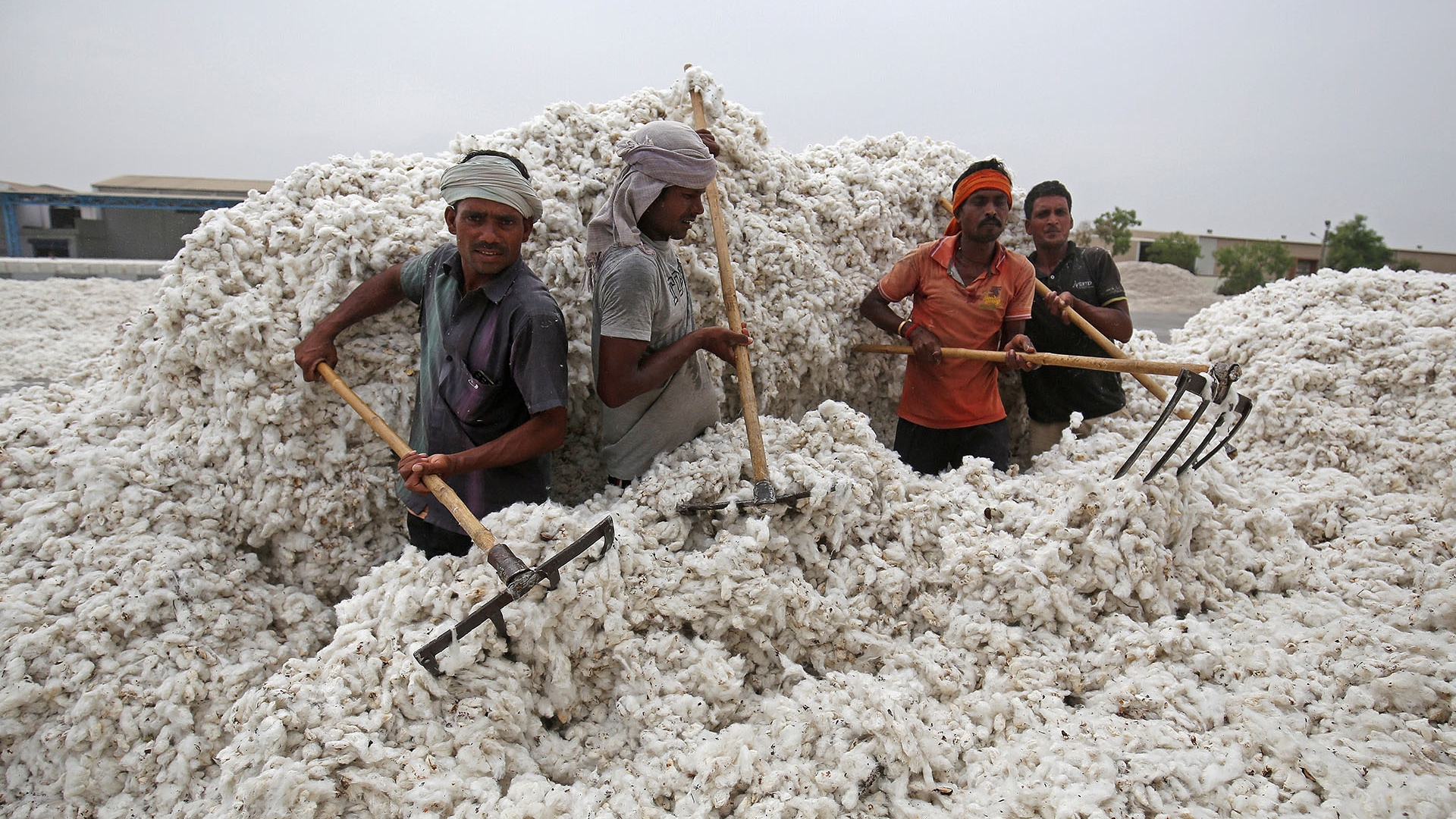
    Cotton arrivals at Pakistani ginning factories reached 4.08 million bales by October 15, rising 7.53 percent year-on-year despite widespread textile plant shutdowns.

    Data from the Pakistan Cotton Ginners Association shows total intake climbed to 4,081,265 bales, up 285,628 bales from the 3,795,637 recorded in the same period last season.

    Domestic mills bought 3.45 million bales and exporters booked 97,000 bales, leaving 531,530 bales unsold across active yards. Total arrivals during the preceding fortnight stood at 872,863 bales, processed by 471 operational ginning facilities nationwide.

    Regional Yields and Mill Disruption

    Sindh drove the bulk of volume with 2.44 million bales, up 7.35 percent from last year, led by Sanghar district at 1.14 million bales. Sukkur followed with 264,500 bales, Naushehro Feroze with 223,200 and Khairpur with 213,900.

    Punjab recorded arrivals of 1.64 million bales, representing a 7.79 percent increase. Bahawalnagar posted 418,750 bales, Bahawalpur delivered 294,606, Dera Ghazi Khan produced 236,514, Rahim Yar Khan reached 169,949 and Layyah logged 122,327.

    The higher volume arrives against severe industrial curtailment. Trade bodies report approximately 500 ginning factories and more than 150 spinning and weaving mills have shut operations, while roughly half of Pakistan’s power looms remain idle.

    Synthetic Influx Distorts Local Pricing

    Local processors blame soaring energy tariffs and leakages under the Export Facilitation Scheme for depressing domestic fiber demand. Under the programme, duty-free imported yarn and fabric intended for export finishing are instead diverted into the local market, bypassing the standard 18 percent sales tax paid by domestic suppliers.

    Import figures from the All Pakistan Textile Mills Association reveal man-made yarn shipments jumped to 12,773 tonnes in the first quarter of the 2026-27 fiscal year, up from 3,056 tonnes a year earlier. Man-made fabric imports surged from 660 tonnes to 8,628 tonnes over the identical timeframe.

    Cotton Ginners Forum Chairman Ihsanul Haq noted that traders brought an estimated 40 million to 50 million metres of fabric from China alone under the concessionary system without generating matching finished garment export growth.

    Crop Estimates and Farmer Margins

    Discrepancies in official output tracking complicate procurement planning for regional apparel makers. The Punjab Crop Reporting Service estimated provincial crop output at 2.983 million bales, creating a sharp divergence against the ginners association tally of 1.638 million bales received by mid-October.

    Central Cotton Research Institute transfer of technology head Sajid Mahmood warned that higher raw output will not stabilize the supply chain if farmgate returns fall below cultivation costs. Farmers facing compressed margins are expected to shift acreage toward competing crops next spring if lint prices fail to cover inputs.

    Karachi Cotton Brokers Forum leader Naseem Usman urged authorities to establish a direct floor price and an official buying mechanism to prevent distressed sales if open-market rates slide further.

    Harvest Run Out

    Picking operations enter their final 15 to 20 days across core farming belts in southern Punjab and upper Sindh. The Central Cotton Research Institute has instructed growers with plants bearing eight to 10 green bolls to apply a foliar spray of two kilograms of urea per 100 litres of water to accelerate boll opening before seasonal temperatures drop.

    Customs authorities have initiated targeted inspections against trading firms suspected of misusing import exemptions, while mills push Islamabad for formal quota caps on incoming synthetic yarn before second-quarter contracts settle.

  • Boody Adds $700,000 in Annual Sales by Replacing Tape Measures with Guided Sizing

    Boody Adds $700,000 in Annual Sales by Replacing Tape Measures with Guided Sizing

    Australian apparel brand Boody generated an estimated $700,000 in extra annual revenue across Australia and New Zealand after replacing static size charts with guided sizing software.

    A split test run across 230,000 shopper sessions from August 28 revealed that roughly one in eight first-time buyers abandoned purchases when forced to use traditional measurement tables.

    The Conversion Cost of Tape Measures

    Boody started testing Magic Fit software in March 2026 to resolve sizing drop-offs across its bamboo viscose underwear and wire-free bra collections. Because the brand produces bras in sizes XS to 4XL across three cup ranges rather than traditional band-and-cup measurements, shoppers struggled to match their dimensions to products.

    A post-purchase survey of 816 shoppers who used the tool found that 41 per cent did not own a soft measuring tape, could not locate one, or refused to use it while shopping online. For the remaining 59 per cent who owned measuring tapes, confusion over non-standard sizing categories remained the primary barrier to purchasing.

    Repeat Orders and Lower Return Rates

    Shoppers assigned to the guided sizing tool reordered 19 per cent more frequently over a 90-day tracking window than those who used standard size charts. Of the survey respondents whose parcels had arrived, 97 per cent kept their items, with fit-related returns and exchanges dropping to 3 per cent.

    Magic Fit generates size recommendations in two clicks by drawing on a proprietary dataset of more than 100,000 body scans compiled over a decade by sister apparel label Citizen Wolf. The tool aims to cut friction before checkout rather than relying on post-purchase return logistics to sort out sizing mismatches.

    What Sizing Friction Means for Online Retailers

    For direct-to-consumer apparel brands across Asia-Pacific, static measurement guides have become an expensive point of friction. Online shoppers increasingly purchase on mobile devices where switching tabs to look up body dimensions reliably kills conversion.

    Retailers that rely on proprietary fabrics or non-standard fit profiles carry the highest risk of abandonment. When brands force customers to calculate their own measurements, they transfer the burden of fit accuracy to the buyer, driving up customer acquisition costs and depressing lifetime value.

    Evolution of Boody’s Digital Operations

    The sizing overhaul follows Boody’s broader push to expand its basic-wear footprint across regional digital channels. The brand previously relied on manual dimension tables across its localized storefronts in Australia and New Zealand before rolling out algorithmic recommendations.

    Magic Fit co-founder Zoltan Csaki is now offering 30-day split tests to other regional apparel merchants to benchmark checkout drop-offs against their existing size tables.

  • FamilyMart Opens Famima Park Azabudai in Tokyo for 45Th Anniversary

    FamilyMart Opens Famima Park Azabudai in Tokyo for 45Th Anniversary

    FamilyMart launched its new concept store, Famima Park Azabudai, in Tokyo last Friday, drawing two-hour queues and purchase limits on exclusive merchandise. The opening marks a fresh design departure for the convenience chain, which operates 16,400 shops across Japan.

    Devised for FamilyMart’s 45th birthday on the fringes of the Azabudai Hills development, the project brings together creative director Nigo, Masamichi Katayama of interior studio Wonderwall, and fashion designer Hiromichi Ochiai.

    Apparel and layout overhaul

    The store layout alters standard convenience floorplans by integrating clothing fitting rooms, dedicated retail staff for garments, and a takeaway window branded Famima Stand. Outside seating borders the pick-up hatch, where staff serve hot food lines including Fami-Chiki boneless fried chicken directly to street pedestrian traffic.

    Merchandise runs from basic consumables to limited-edition selvedge denim jackets and jeans, stocked alongside Ochiai’s Convenience Wear line of packaged socks and basic garments. Staff wear cotton-look striped uniforms instead of traditional synthetic workwear. Structural additions include a planted rooftop garden with an elevated view of a rooftop brand emblem visible to surrounding commercial towers.

    Pressure on traditional margins

    Japan’s convenience store sector comprises roughly 56,000 stores nationwide, leaving operators with limited room for physical network expansion. Saturation in major urban centers forces chains to lift basket sizes rather than rely on opening new front doors. Seven-Eleven, Lawson and FamilyMart face structural margin pressure from rising store-level wage costs and higher utility expenses, making commodity food and beverage sales alone insufficient to maintain franchise returns.

    Pushing higher-margin lifestyle categories into small formats gives FamilyMart an edge in customer acquisition among younger urban shoppers. Apparel and branded lifestyle accessories carry significantly higher gross margins than packaged beverages and chilled bento meals. The risk sits in franchise economics: regular store operators operate inside tight footprints and cannot easily afford dedicated fitting rooms or inventory risk on slow-moving seasonal garments.

    The Convenience Wear trajectory

    The Azabudai launch builds on a multi-year effort to expand non-food lines that began with the nationwide rollout of Convenience Wear in 2021. That basics range has sold more than 30 million pairs of socks, establishing that convenience shoppers will purchase wardrobe staples from refrigerated grocery stores if the price and material quality align. FamilyMart recruited actor Tadanobu Asano as brand ambassador to widen the commercial appeal of its apparel range.

    Executive leadership views format redesign as essential to differentiating the business in mature consumer sectors. Tatsuo Odani, representative director and president of FamilyMart, pointed to the need for long-term structural changes across the company’s operating model.

    “To achieve sustainable growth in the future, transformation and evolution are essential,” he said.

    Store elements head to franchise fleet

    FamilyMart has not committed to rolling out full-scale standalone concept flagships in secondary metropolitan districts. Management confirmed instead that selected interior fixtures, retail displays and merchandise categories trialled at the Azabudai store will be integrated into the broader Japanese store network over coming financial quarters.

    RetailNews Asia will track whether conversion rates and merchandise sales density at the Azabudai flagship prompt FamilyMart to formalise dedicated non-food retail sections across its standard franchise portfolio.

  • Oeko-Tex Records 13 Percent Rise in Made in Green Demand

    Oeko-Tex Records 13 Percent Rise in Made in Green Demand

    Oeko-Tex launched its Trust in Every Thread consumer campaign on Oct. 12 after the European Union introduced regulations restricting unverified sustainability claims across apparel and textiles.

    Demand for the group’s Made in Green standard rose 13 percent during its 2025-26 fiscal year.

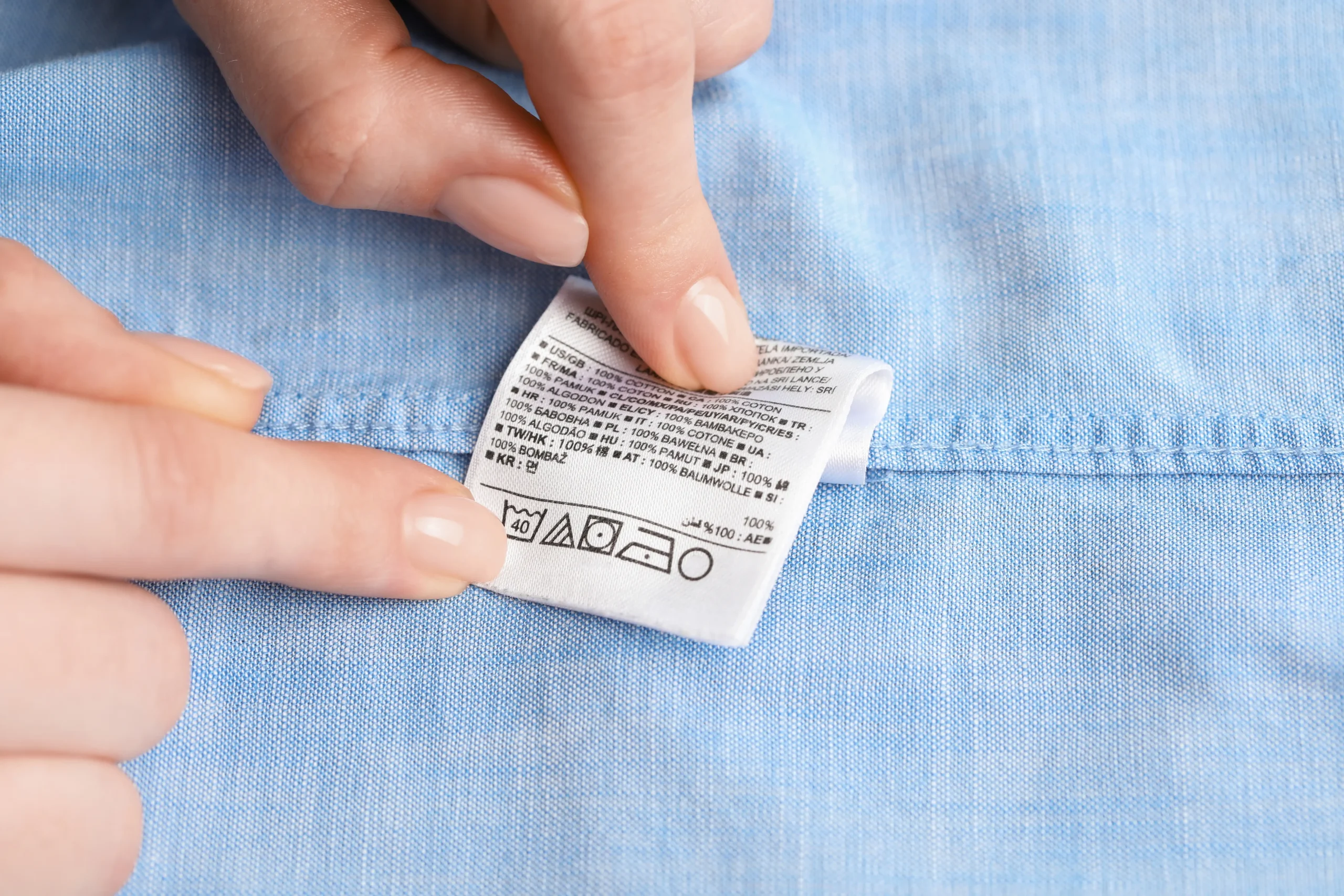
    At the centre of the campaign is a 35-second film and consumer education drive. It directs shoppers to inspect garment tags and verify claims through digital traceability tools. The European Union’s Empowering Consumers for the Green Transition Directive took effect on Sept. 27. It outlaws sustainability labels lacking backing from public authorities or accredited third-party certification bodies. Private schemes must now maintain publicly accessible criteria, enforce third-party monitoring, and provide mechanisms to suspend non-compliant users.

    Stricter verification rules for textile certification

    Generic environmental buzzwords face outright bans under the new European framework unless backed by verified data. Brands can no longer present a single product characteristic as proof of whole-garment sustainability. Verification systems must also operate independently from scheme owners and commercial clients.

    Standard 100, the core certification from Oeko-Tex, tests raw materials, intermediate goods, and finished items for more than 1,000 harmful chemicals. Criteria cover every component of a finished product, including sewing threads, zippers, and buttons. Limit values undergo mandatory annual reviews. The tightest thresholds apply to baby and toddler clothing up to three years of age.

    Quality control procedures require retesting for 25 percent of all issued certificates each year. The group enforces compliance through unannounced site inspections and factory audits across its global network.

    Supply chain transparency and chemical screening

    The broader Made in Green certification links Standard 100 product testing with facility-level audits under the STeP program. That framework evaluates chemical management, working conditions, and environmental performance inside processing mills and cut-and-sew units. Each certified item carries a dedicated product ID and QR code. Shoppers can use them to track production stages back through the manufacturing chain.

    Rival standards take different approaches. The Global Organic Textile Standard requires a minimum of 70 percent organic fibres, while Bluesign focuses on facility chemical management and specific inputs. Oeko-Tex designed its dual-track testing and facility tracking system to satisfy European regulators demanding end-to-end evidence.

    Garment suppliers and global brands sourcing from manufacturing hubs across Asia face immediate compliance pressure. Exporters operating without accredited third-party verification risk regulatory fines and product suspensions at European ports of entry.

    Governance overhaul and structural separation

    Oeko-Tex revamped its operating structure ahead of the European directive to protect its certification status. In an announcement on Aug. 19, the organization separated standard-setting operations from conformity assessments. The restructuring introduced an independent oversight council and an anonymous whistleblowing platform for reporting compliance breaches.

    Inga Bleyer, head of marketing and communication at Oeko-Tex, outlined the rationale behind the verification drive in an official statement:

    “Trust is not a word you can put on a label. It is built in the places nobody looks: in the button, the zipper, the thread, in the limits we revise every year because the science moves, in a quarter of our certificates we go back and retest.”

    What buyers and suppliers face next

    Chief executive Alfred J. Beerli stated that independent verification remains the only mechanism to safeguard consumer trust under the new regulatory climate. The group’s digital Label Check portal lets retailers and shoppers enter certificate numbers to verify validity in real time.

    European member states must now transpose and enforce national penalties under the directive as customs authorities inspect incoming shipments. Brand compliance audits across autumn and winter retail collections will test how strictly European regulators apply the documentation standards.

  • EU Supply Chain Rules Target 37 Percent of Inaccurate Clothing Labels

    EU Supply Chain Rules Target 37 Percent of Inaccurate Clothing Labels

    European Union sustainability and forced-labour laws will penalise apparel brands and their global suppliers, with new packaging rules rolling out in August. Companies must track materials down to individual farms and component mills. Regulators in Brussels are introducing strict enforcement rules, empowering border authorities to seize non-compliant garments and name offending companies publicly.

    A European Commission testing campaign found that 37 percent of clothing labels failed to reflect material composition accurately. That finding has accelerated regulatory scrutiny across Asian textile export hubs supplying European fashion groups, prompting brands like Tod’s to partner with sustainability-data management firm Renoon.

    Forced Labour Import Bans Target Factory Floors

    The EU Forced Labour Regulation gives European investigators direct authority to inspect supply chains. Officials can ban non-compliant goods from entering the single market. Older disclosure laws required only annual corporate reports. The new framework mandates product-level proof of compliance before shipments clear customs.

    Marissa Brock, senior director of policy and government affairs at supply chain software firm Sourcemap, said: The EU has already indicated that it will target large brands and retailers for forced labor enforcement.

    For manufacturers in China, Vietnam, Bangladesh and India, documentation is now a strict condition for export. Ignorance of subcontracting practices or raw material origins no longer shields buyers or vendors from penalties.

    Digital Passports Shift Burden to Component Makers

    Compliance pressure will mount as the Ecodesign for Sustainable Products Regulation introduces mandatory Digital Product Passports. These digital records attach directly to physical goods. They log raw material extraction, chemical treatments and repairability standards.

    Upstream suppliers carry the operational burden. European fashion houses hold legal liability under EU law. Yet Asian tier-two and tier-three vendors must produce and standardize the operational data required for every production batch.

    Fast Fashion Faces Inspection Bottlenecks

    Standard fast-fashion retailers benefit from agile, digitized supply networks when integrating digital passport systems. Ultra-fast-fashion businesses face acute exposure. Compressed production schedules and minimal chemical auditing create immediate risks for their low-cost models.

    Luxury brands face separate hurdles. Milan courts placed Italian operating subsidiaries of major fashion houses under judicial administration after investigations uncovered illegal subcontracting. High price points do not guarantee upstream transparency.

    Tight Timelines for Single Market Access

    Brussels began applying its Packaging and Packaging Waste Regulation in August. Full enforcement of the Empowering Consumers for the Green Transition Directive takes effect in September. Farm-level traceability mandates under the Deforestation Regulation follow by the end of next year.

    Broader requirements arrive next, with full implementation of the Corporate Sustainability Due Diligence Directive and digital product passport mandates taking effect across 2028 and 2029.

  • Pakistan Textile Exporters Seek 6% to 8% Support Amid Export Slump

    Pakistan Textile Exporters Seek 6% to 8% Support Amid Export Slump

    Pakistani textile makers face a steep decline in goods exports during the second quarter from October to December, driven by weakening Western demand, surging shipping costs, and escalating production expenses.

    According to Pakistan Textile Exporters Association (PTEA) Patron-in-Chief Khurram Mukhtar, ocean freight charges have climbed by 1.5 to 2.5 times, severely squeezing profit margins.

    The downturn is affecting the country’s entire textile value chain, from ginning and spinning to weaving, knitting, and processing, compounded by weak domestic demand amid high inflation.

    Squeezed margins and export rebate demands

    PTEA Patron-in-Chief Khurram Mukhtar said inflation in major Western consumer markets has depressed wholesale orders from international retail brands. Rising input costs and higher transport expenses have also hurt competitiveness. Pakistani apparel and textile goods now struggle against goods from regional manufacturing hubs across South and Southeast Asia.

    To stop factory shutdowns and protect export volumes, the association wants an immediate temporary Duty Drawback of Local Taxes and Levies rebate of 6 per cent to 8 per cent. Exporters are also demanding the quick release of delayed tax refunds across government heads to resolve working capital shortages.

    Mill operators also want authorities to eliminate cross-subsidies embedded in industrial electricity and gas tariffs. They say these surcharges push local production costs above regional rivals.

    Financing bottlenecks hit textile supply chain

    Credit access remains another friction point for garment suppliers. The federal government set a fixed 4.5 per cent financing rate under the Export Finance Scheme in the FY27 Finance Bill. Commercial lenders have not implemented the concessionary rate.

    Banks continue to charge exporters borrowing costs ranging from 5.5 per cent to as high as 8.5 per cent. Mukhtar said approximately Rs200 billion in concessionary financing went to yarn exporters, even though yarn is on the scheme’s negative list. Sugar exporters also received allocations despite operating in a regulated sector.

    Value-added garment producers that beat State Bank of Pakistan mandatory export volume targets by five to six times have been denied loans under the facility.

    Allocations miss export volume reality

    State planners increased credit allocations for small and medium enterprises by Rs300 billion, but industry groups say the qualification rules make the money unusable. Accessing that pool requires incremental export performance of Rs600 billion. Under current global demand patterns, that hurdle is unachievable.

    A previous SME export allocation of Rs100 billion lapsed unused during the prior fiscal year for the same reason. Mukhtar urged the central bank to rebalance credit distribution to match actual trade performance. The country’s top 100 exporters account for up to 60 per cent of total export volume.

    The decline in export trade volume is unprecedented,

    Mukhtar warned that only the most resilient operators will survive current conditions. Lost international retail accounts will prove difficult to recover once global apparel sourcing desks shift contracts elsewhere.

    Modernisation funding and ten-year strategy

    Seeking to prevent broader factory closures, the association proposed a targeted modernisation financing package of Rs140 billion for technological upgrades across four production segments. The plan allocates Rs20 billion each for cotton ginning and sizing, alongside Rs50 billion each for weaving and fabric processing.

    The funds would pay to balance, modernise, and replace aged machinery, deploy automation, and meet international buyers’ sustainability and resource-efficiency standards. Mill groups want the State Bank of Pakistan and the federal government to build this lending framework directly with trade bodies.

    Beyond emergency relief, the association called for a 10-year strategic export blueprint focused on industrial surplus capacity and structural competitiveness reforms. The immediate test is whether the central bank enforces the 4.5 per cent lending cap before second-quarter export data registers the projected downturn.

  • Lacoste Ousts CEO Eric Vallat as Thierry Guibert Takes Helm

    Lacoste Ousts CEO Eric Vallat as Thierry Guibert Takes Helm

    French sportswear label Lacoste ousted chief executive Eric Vallat after 16 months, reinstating group chief Thierry Guibert to steer the business toward its four-billion-euro revenue target.

    The abrupt leadership change took place days before the brand staged its runway collection at Paris fashion week. Guibert, who led Lacoste for a decade before Vallat took over in June 2025, resumes direct control while retaining his role as head of Swiss parent company Maus Freres.

    Premium push meets wholesale reality

    Vallat joined Lacoste from French spirits maker Remy Cointreau with a mandate to take the crocodile brand upmarket. That strategy focused on trimming lower-margin wholesale distribution, elevating store presentation and raising average selling prices across footwear and apparel.

    Two people familiar with the departure said commercial performance did not cause the exit. A company spokesperson confirmed the dismissal, stating that the label will maintain its operational strategy on robust fundamentals without detailing the reasons behind the management switch.

    Maus Freres tightens operational control

    Guibert built the foundation for the current retail footprint during his previous ten-year tenure at the French label. His return puts direct operational authority back into the hands of the parent holding group.

    For multi-brand retailers and department store concessionaires, the reshuffle reduces uncertainty over wholesale accounts. Vallat’s aggressive push to cut wholesale allocations had strained relations with regional distributors who rely on core polo shirt and activewear volumes.

    Managing wholesale versus direct retail

    Balancing brand prestige with commercial volume remains a delicate exercise for heritage athletic labels. Moving too fast away from wholesale channels risks leaving money on the table in secondary retail markets where monobrand boutiques are difficult to justify.

    Maus Freres faces the challenge of protecting gross margins while defending volume in competitive mall locations. Premiumisation drives often face friction when consumer spending on mid-tier luxury softens and shoppers push back against higher ticket prices.

    The road to four billion euros

    Lacoste hired Vallat in June 2025 after his turnaround work at Remy Cointreau, betting that luxury drinks experience would translate into higher brand equity on apparel racks. His departure marks one of the shortest chief executive tenures in the label’s recent history.

    Guibert now takes full operational responsibility for delivering on the group’s target of four billion euros in annual revenue between 2028 and 2030.

  • China BCI Cotton Prices Fall 0.96%

    China BCI Cotton Prices Fall 0.96%

    China Better Cotton Initiative certified cotton prices fell 0.96 per cent this week. The drop brings immediate relief to regional textile mills and apparel makers sourcing sustainable fibre across Asian supply networks.

    Factory operators face strict sustainable sourcing quotas set by international brands. Cheaper raw fibre helps spinning mills and garment producers meet those targets without extra cost pressure.

    Input Costs for Asian Spinning Mills

    Downstream yarn producers feel the price shift first. Mills in major regional processing hubs track Chinese BCI benchmarks closely as they plan procurement strategies for upcoming production runs.

    Export clients demand verified traceability. Lower fibre prices allow spinning facilities to protect operating margins while keeping those standards intact.

    Pressure on Apparel Export Margins

    Asian garment exporters face persistent cost competition in North America and Europe. Raw cotton accounts for a major share of fabric production costs, so fractional price shifts matter to volume suppliers.

    Global apparel labels are negotiating seasonal contracts right now. Suppliers that locked in higher procurement rates in recent weeks face tighter pricing pressure during these talks.

    Sourcing Adjustments Across Asian Hubs

    Regional manufacturers balance local buying against imported certified fibre, weighing freight rates and tariff differences. Cheaper Chinese cotton gives domestic mills a brief edge over competitors relying on imported bales.

    Procurement teams are adjusting forward contracts. They must avoid inventory depreciation while still securing required volumes of verified sustainable stock.

    Market Metrics to Track

    Traders now watch raw fibre auction clearance rates in Chinese hubs. Those figures will show whether the 0.96 per cent drop extends into deeper price cuts.

    Spinning mills will track order intake from garment exporters over the coming weeks to determine if raw material price adjustments trigger wider contract renegotiations.

  • Japan Convenience Stores Boost Apparel as Footfall Drops for 14 Months

    Japan Convenience Stores Boost Apparel as Footfall Drops for 14 Months

    Japan’s major convenience store operators, including Seven-Eleven Japan, FamilyMart, and Lawson, are expanding dedicated fashion ranges to pull younger shoppers through their doors as same-store customer footfall has fallen for 14 straight months.

    Shoppers aged 50 and older accounted for roughly 40 percent of visitors to Seven-Eleven Japan outlets last fiscal year, while customers aged 20 and younger represented just 17 percent.

    That demographic squeeze is forcing the country’s dominant chains to treat clothing as an everyday destination rather than an emergency purchase for stranded commuters. Instead of stocking items strictly for bad weather or travel, merchandisers are allocating shelf space to designed casualwear, branded collaborations, and street accessories.

    Seven-Eleven Targets Younger Demographics

    Seven-Eleven Japan introduced 28 limited-edition apparel items on Sept. 25 through a partnership with fashion group And ST. The rollout features merchandise from youth brands nico and… And Lowrys Farm, focusing on T-shirts, scarves, and hair accessories across domestic outlets. The chain wants to double total apparel sales compared with fiscal 2025 levels.

    “Attracting younger customers is essential for us to continue growing over the long term,” Junko Watanabe of Seven-Eleven Japan’s merchandising division said.

    Merchandise buyers are using lower price points and impulse gift items to draw young women. That demographic has drifted toward specialist drugstores and online platforms.

    FamilyMart Targets ¥30 Billion in Sales

    FamilyMart began the sector’s clothing push in 2021 by hiring an external designer and rolling out its Convenience Wear line nationwide. It built early sales with brightly striped socks and packaged handkerchiefs before expanding into outerwear and daily essentials.

    A flagship Tokyo store opened in July with fitting rooms and roughly 300 apparel stock-keeping units. Management targets a 50 percent year-on-year increase in apparel revenue, aiming for ¥30 billion in fiscal 2026.

    Clothing floor space brings higher basket values and wider gross margins than packaged drinks or boxed meals. Non-refrigerated displays also cut electricity overheads for franchise operators.

    Lawson Expands Partnership Lines

    Lawson took a partner-led approach by expanding shelf space for Ryohin Keikaku’s Muji apparel range in April. It supplemented those basics by adding winter accessories, including gloves, through a tie-up with lifestyle brand Bruno.

    Brand partnerships shield operators from the inventory risks of full private-label production. Sourcing branded lines passes design and markdown liabilities back to partners while giving store managers steady replenishment cycles.

    Convenience networks across East Asia face similar demographic and basket-size pressures. Japan’s apparel strategy offers a template for franchise operators in South Korea and Taiwan.

    Footfall Headwinds Across Franchise Networks

    Data from the Japan Franchise Association shows sector-wide same-store customer traffic down year-on-year for 14 consecutive months. Inflation and a shrinking population have squeezed visits, forcing operators to lift revenue per transaction.

    Upcoming fiscal 2026 winter quarterly results will deliver the verdict on whether higher-priced apparel can lift total store receipts without cannibalising traditional convenience sales.

  • Bangladesh Garment Shipments to Russia Drop to $257 Million

    Bangladesh Garment Shipments to Russia Drop to $257 Million

    Bangladesh apparel exports to Russia plunged to $257.26 million in fiscal year 2025-26, down 61 percent from pre-war highs as banking restrictions and shipping hurdles severed trade corridors.

    The export drop from $665.31 million in fiscal 2020-21 ends a decade of rapid expansion that local suppliers hoped would reach $1 billion in annual sales. Garments account for more than 95 percent of all goods Dhaka ships to Moscow, led by knitwear and sweaters.

    Payment Bottlenecks and Trapped Capital

    Trade ground to a crawl after Western sanctions disconnected major Russian lenders from the SWIFT international payment messaging network following the invasion of Ukraine in February 2022. Exporters in Dhaka cannot collect funds through normal interbank channels, forcing transactions into complicated third-country clearing systems.

    Bangladeshi apparel makers now hold more than $1 billion in unpaid receivables from Russian accounts, according to Mohammad Hatem, president of the Bangladesh Knitwear Manufacturers and Exporters Association. Individual small and mid-tier knitwear suppliers carry between $3 million and $4 million each in uncollected dues, with payments stalled even on indirect shipments handled through European intermediaries such as Polish retail group LPP.

    Transit Rerouting Adds Freight Costs

    Direct ocean shipments to Russian ports have stopped entirely. Manufacturers now route consignments through overland and sea corridors across Poland, Finland, Belarus and Germany, adding transit time, border handling fees and third-party forwarding costs.

    Attempts to settle trade in alternate currencies such as Chinese yuan or Turkish lira create separate liabilities for suppliers. Factory owners face the risk of secondary sanctions or international blacklisting if transactions cross sanctioned Russian entities or non-compliant payment conduits.

    “Because of payment problems, I stopped exporting to Russia, although I used to export more than $1 million worth of garments to the country before the war,” said Rajiv Chowdhury, managing director of Young4ever Textiles, a local apparel exporter.

    Pivot to Alternative Asian Markets

    For factory operators in Dhaka and Chittagong, the collapse of direct Russian business forces a structural shift in capacity allocation. Rather than carrying the credit risk of trapped receivables, large manufacturing houses are redirecting production lines to established and emerging buyers in Japan, India, South Korea and Turkey.

    This shift increases competition across Asian consumer markets as Dhaka seeks volume buyers to replace lost European orders. Exporters that built specialised heavy-knit capacity for cold-climate markets must either convert machinery for year-round collections or compete for tighter margins in East Asia.

    Tariff History and the Line to Sanctions

    Direct garment flows between Bangladesh and Russia originally took off after 2011, when Turkey imposed a 17.5 percent safeguard duty on Bangladeshi clothing to protect domestic producers. Prior to that duty, Bangladeshi factories shipped basic garments to Turkish intermediaries, who rebranded and re-exported the finished apparel to Moscow. The Turkish tariff forced Dhaka suppliers to bypass Istanbul and establish direct commercial links with Russian retail buyers, building export volumes from nominal levels to $638.30 million by fiscal 2021-22.

    Trade bodies including the Bangladesh Garment Manufacturers and Exporters Association maintain that Russia remains a viable long-term outlet once geopolitical conditions normalize. BGMEA president Mahmud Hasan Khan noted that factory groups will focus on expanding market share across Asian retail corridors while monitoring unresolved payment settlements on outstanding Moscow shipments.

  • LVMH and Prada Shares Trade at Deep Discount to Zara and H&M

    LVMH and Prada Shares Trade at Deep Discount to Zara and H&M

    Shares in luxury powerhouses LVMH and Prada traded at an unusually deep valuation discount to fast-fashion retailers Zara and H&M in October 2026. Investors hesitated to buy the dip amid growing concern that the luxury sector’s strongest growth period has passed.

    The valuation gap marks a sharp reversal after trends that made high-end luxury groups a standout investment over the past 20 years began fading. Top fashion houses are increasingly exposed as demand cools across broader consumer segments, leaving them reliant on a narrow group of ultrawealthy spenders.

    Valuation gap widens

    Stock multiples for top luxury names historically commanded a heavy premium over mass apparel operators. That pricing power built on high gross margins, tight inventory control, and reliable price increases on leather goods and apparel.

    Equity markets have flipped that relationship. Fast-fashion groups Inditex, which owns Zara, and H&M now trade at higher comparative multiples than both Paris-listed LVMH and Hong Kong-listed Prada.

    Fast fashion takes market momentum

    Mass-market retailers have defended turnover by turning inventory quickly and adjusting collections within weeks. Zara and H&M adjusted prices more conservatively while capturing spend from middle-income households managing tighter budgets.

    Luxury brands took the opposite path over the last four years. Aggressive price increases on core handbags and accessories pushed aspirational shoppers out of the market entirely.

    Squeeze on aspirational spenders

    Department stores and flagship retail malls across Asia report softer footfall in premium corridors as middle-class consumers cut discretionary purchases. The pullback leaves luxury groups reliant on top-tier VIP clients who buy haute couture and high jewelry.

    That customer base is too narrow to sustain the double-digit revenue growth rates equity investors came to expect. Mall operators in major retail hubs are already reassessing space allocations as mass-market and sports labels post steadier sales densities.

    Earnings reports to watch

    The downturn follows consecutive years of record revenues across European luxury houses between 2021 and 2023. Those gains unraveled as post-lockdown shopping splurges faded and mainland consumer sentiment turned cautious.

    Market watchers are tracking upcoming third-quarter revenue updates from LVMH and quarterly trading figures from Prada to gauge whether holiday order books show any signs of stabilization.

  • Asia-Pacific Expands Market Share in Netherlands Apparel Imports

    Asia-Pacific Expands Market Share in Netherlands Apparel Imports

    Asia-Pacific manufacturers captured a larger share of the Netherlands’ apparel imports during the first seven months of 2026, outperforming European suppliers despite falling overall trade values.

    Sourcing intelligence data from TexPro shows Asian suppliers retained the top position in Dutch garment procurement between January and July 2026, extending a multi-year market share gain over regional European competitors.

    Europe held the second-largest share of Dutch clothing procurement over the same period. While European regional shipments also edged higher in percentage terms, the wider multi-year shift continues to favour Asian manufacturing hubs across South and Southeast Asia.

    Cotton and Trouser Shipments Anchor Volume

    Cotton garments remained the largest product category by value entering Dutch ports during the seven-month period. Trousers and shorts led specific product categories, confirming that core high-volume basic lines continue to dominate retail order books.

    European fashion buyers have concentrated purchase orders into core everyday categories rather than expanding speculative fashion inventory. For Asian fabric mills and garment factories, volume resilience in woven and knit trousers provides steady production runs even when retailer demand softens in value terms.

    Pressure on European Garment Sourcing

    The steady shift toward Asia-Pacific production highlights cost advantages that nearshore European suppliers struggle to match under current retail pricing pressures. Dutch retailers and cross-border e-commerce hubs operating out of Amsterdam and Rotterdam continue to route base volume through Asian supply chains.

    Nearshore suppliers in Southern and Eastern Europe retain speed advantages for short-cycle replenishment. However, Asian producers have steadily upgraded logistics links and compliance standards, narrowing the operational gap for standard seasonal collections.

    Shifting Trade Policy and Regional Flow

    The import pattern across the Netherlands reflects wider European retail adjustments ahead of prospective changes to low-value parcel duties across the European Union. Similar procurement shifts toward Asian production hubs have appeared in neighbouring markets including Austria.

    For Asian apparel associations in markets such as Bangladesh, Vietnam, India, and China, maintaining Dutch market share provides critical stability. The Netherlands acts as a primary logistics gateway for re-exporting fashion goods into Germany, Belgium, and Northern Europe.

    Order Books for the Final Quarter

    Garment exporters across Asia now face the critical fourth-quarter delivery window for winter stock and preliminary manufacturing runs for spring 2027 collections.

    Trade desks will track Dutch full-year customs filings and European retail sell-through rates through December to gauge whether Asian volume gains translate into margin recovery for supplier factories.

  • Fashion Leaders from over 60 Countries Gather in Moscow for BRICS+ Summit

    Fashion Leaders from over 60 Countries Gather in Moscow for BRICS+ Summit

    Fashion industry leaders from more than 60 countries gathered in Moscow on Sept. 28 for the BRICS+ Fashion Summit. They sought direct trade links across emerging consumer markets.

    The event ran through Sept. 30 alongside Moscow Fashion Week, bringing delegations from across Asia, Africa, and the Arab world.

    Building South-South Trade Channels

    Delegates focused on commercial ties between regional production hubs and consumer markets across Asia and the Middle East. Talks covered cross-border logistics, textile supply chains, and retail distribution networks that bypass traditional Western wholesale channels.

    For Asian apparel manufacturers and brand owners, the summit offered an alternative path into non-Western markets. Operators face shifting global trade patterns. They also contend with higher tariffs in mature markets and changing consumer demand in traditional export destinations.

    Shifting Market Focus

    The gathering reflects a wider pivot toward emerging market alliances. Chinese cashmere producer Erdos and Indian jewellery retailers preparing for initial public offerings are targeting regional market depth rather than relying on European or North American partners.

    European luxury groups face their own headwinds. Kering reported a 39 per cent decline in first-half recurring operating income to €969 million. Brands such as Saint Laurent are lifting select prices to protect margins against trade friction and tariff pressures.

    Next Steps for Regional Brands

    Domestic apparel sectors across Asia and partner markets want higher-value retail positioning. Broadening bilateral distribution agreements allows manufacturers to retain higher margins than contract manufacturing affords.

    Participating delegations will review bilateral trade arrangements and regional retail partnerships before the close of the current fashion market season.

  • Australian Retail Spending Climbs 7% as Stronger Dollar Eases Import Costs

    Australian Retail Spending Climbs 7% as Stronger Dollar Eases Import Costs

    Australian retail spending grew 7.0 per cent year on year in July, driven by consecutive monthly gains across all major discretionary merchandise categories.

    Monthly household expenditure expanded 1.1 per cent in July, marking a third straight monthly advance and providing merchant relief ahead of fourth-quarter trade.

    Official Australian Bureau of Statistics data showed apparel and footwear leading the monthly lift with a 1.6 per cent increase, while recreation and culture gained 1.5 per cent. Discretionary spending climbed 7.8 per cent compared to July 2025, even as higher price points accounted for part of the top-line dollar expansion.

    Currency Relief on Sourced Inventory

    Landed costs across consumer electronics, toys, apparel and homewares have eased as the Australian dollar moved above 70 US cents in late September. That contrasts with an average exchange rate near 64 US cents throughout 2025, lowering procurement expenses on goods invoiced in US currency.

    For regional supply chains and Asia-based manufacturers supplying Australian retail networks, a stronger local currency alters order timing and pricing use. Importers that locked in inventory during early 2026 faced compressed margins, whereas buyers placing late-year purchase orders now capture direct landed savings.

    GDP Expansion and Capital Investment

    Broader economic output expanded by 0.4 per cent during the June quarter, bringing annual gross domestic product growth to 2.1 per cent. Across the full 2025-26 financial year, the economy grew 2.4 per cent, outpacing performance recorded across the prior two fiscal periods.

    Capital allocations also widened during the period. Private business investment reached 12.7 per cent of gross domestic product, the highest level recorded in a decade, underpinned by capital outlays in data centres, renewable power installations and commercial aircraft fleets.

    Labour Market Resilience and Household Buffers

    Consumer cash reserves showed slight replenishment as the household saving ratio ticked up to 6.5 per cent in the June quarter from 6.4 per cent. Total employment expanded by approximately 39,000 positions in August, while the national participation rate stood at 67.1 per cent.

    Unemployment rose to 4.6 per cent as additional jobseekers entered the market, a level Reserve Bank of Australia Governor Michele Bullock noted sits within a range capable of cooling lingering price pressures. Headline inflation tracked at 3.5 per cent in July, with the trimmed mean indicator registering at 3.6 per cent.

    Interest Rate Pressures Heading into Peak Season

    Monetary policy remains the primary headwind for merchant balance sheets and household debt servicing. The central bank entered its late September policy review with the cash rate target at 4.35 per cent, having already executed three rate hikes earlier in 2026.

    Department store operator Myer flagged persistent market uncertainty, with executive chair Olivia Wirth noting consumer behaviour is likely to stay volatile across the coming 12 months. Australia’s four largest domestic commercial banks forecast a 25 basis point cash rate increase to 4.60 per cent at the next monetary policy determination.