Tag: apparel

  • Giordano Profit Drops 9% to HK$121 Million as Middle East Sales Slump

    Giordano Profit Drops 9% to HK$121 Million as Middle East Sales Slump

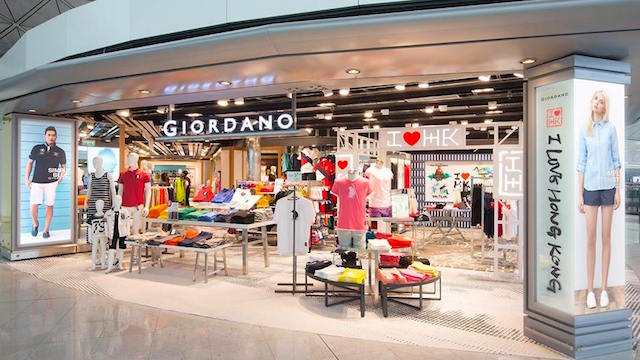
    Giordano’s first-half profit after tax dropped 9 per cent to HK$121 million as revenue slipped 1 per cent to HK$1.9 billion (US$243 million). A sharp sales contraction across Gulf Cooperation Council markets dragged down the Hong Kong-listed retailer during the six months ended June 30.

    Management pinned the downturn on Middle Eastern disruptions that began hitting regional trade in March. Excluding the Gulf business, underlying revenue rose 0.4 per cent, supported by steady demand in core Asian territories and a 12.5 per cent expansion in online sales.

    Pricing Shifts and Margin Gains

    Gross margin climbed 1.6 per cent during the period. The margin improvement followed a deliberate channel shift away from lower-margin wholesale volume, tighter product pricing, and cost reductions across production.

    For Asian apparel chains running international store networks, regional diversification usually provides insulation from domestic slumps, but leaves earnings vulnerable to distant geopolitical shocks. Giordano protected its unit margins through tighter price discipline, yet lower store turnover in the Middle East quickly eroded operating profit.

    Rebranding and Western Push

    The business is currently in the second year of its five-year “Beyond Boundaries” restructuring plan. Management wants to restore top-line momentum by overhauling existing lines and entering new regions.

    Execution now turns to the rollout of the Giordano 2 brand refresh, while the company prepares digital launches in North America and Europe alongside a brand relaunch across India.
  • Lovisa Lifts Full-Year Profit 10.7 per Cent as Network Reaches 1,136 Stores

    Lovisa Lifts Full-Year Profit 10.7 per Cent as Network Reaches 1,136 Stores

    Australian fast-fashion jewellery retailer Lovisa increased net profit after tax by 10.7 per cent to $95.6 million for the 2026 financial year.

    Total revenue rose 17.6 per cent to $938.8 million, supported by 160 store openings and a 2 per cent rise in global comparable store sales. Gross margin widened by 60 basis points to 82.6 per cent, helped by lower sourcing costs and tighter promotional spending, while earnings before interest, tax, depreciation and amortisation grew 20.9 per cent.

    Offshore sales outpace domestic trade

    Western markets delivered the bulk of the growth. Sales in the Americas rose 29.6 per cent, while European revenue increased 29.5 per cent over the twelve-month period.

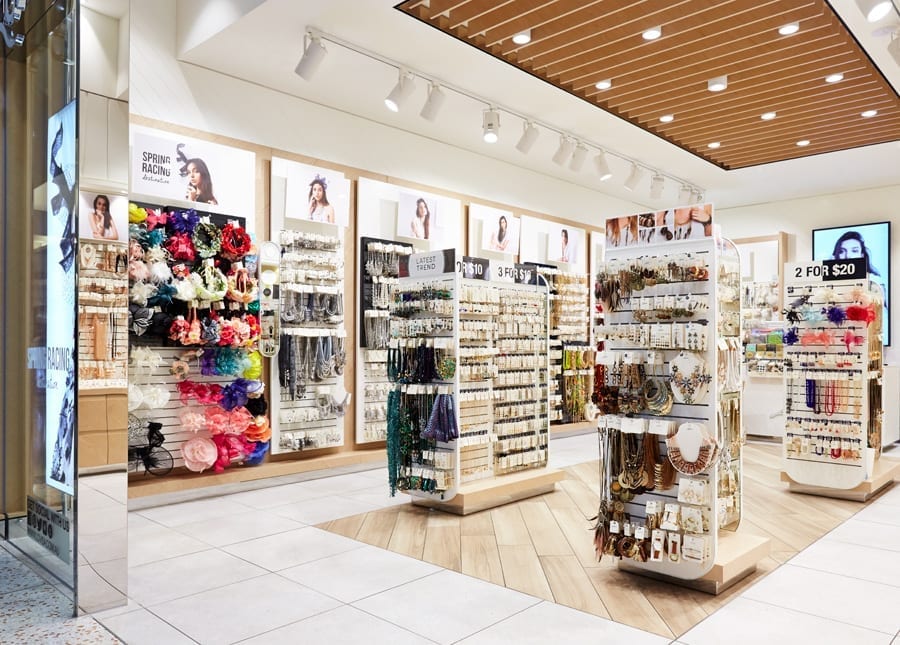
    The company accelerated its physical expansion by launching 160 locations and shuttering 43 underperforming sites. That netted 117 additions and lifted the total footprint to 1,136 stores across more than 50 markets. Lovisa relies on small-format stores with low fitout costs to enter new territories quickly, a model that allows it to exit unprofitable leases without heavy capital losses.

    Early momentum in the new financial year

    Trading in early fiscal 2027 maintained that pace. Total sales climbed 16.4 per cent over the first eight weeks of the new financial year, with comparable store sales up 3 per cent and momentum accelerating through August.

    Management plans to add further physical and digital stores across both established and new territories. Investors will track whether store opening targets hold as the group rolls into additional franchise and company-owned markets in the first half.

  • Puma Relocates and Expands Flagship Store at VivoCity Singapore

    Puma Relocates and Expands Flagship Store at VivoCity Singapore

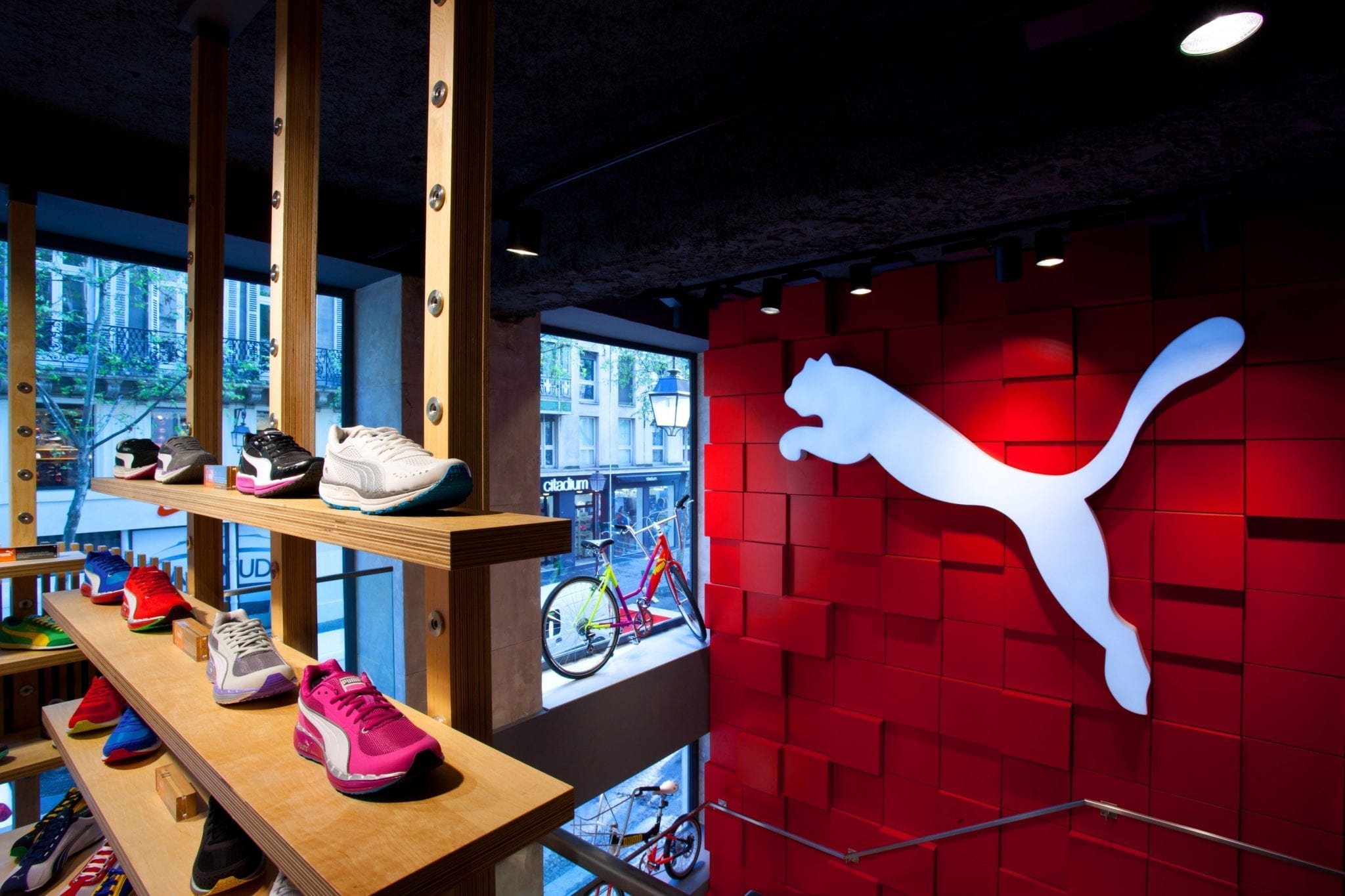
    Puma has opened its renovated flagship store at VivoCity in Singapore. The label shifted operations to a larger space on the mall’s ground level.

    Trading previously took place on level two. The new location sits on level one to capture heavier shopper traffic.

    Floor shift and category layout

    The expanded store houses the brand’s footwear, apparel, and accessories across distinct sections. Key product zones show running, training, team sports, and motorsports merchandise.

    “VivoCity is an important retail destination in Singapore, and this new flagship allows us to bring the full breadth of Puma to consumers in a more engaging and accessible way,” said Sanjay Roy, managing director of Puma Southeast Asia and Oceania.

    Sportswear footprint in regional malls

    Sports brands across Southeast Asia continue upgrading mall tenancies from upper levels to prime ground-floor units. The strategy targets casual lifestyle buyers alongside performance athletes. RetailNews Asia has observed similar moves across core retail nodes in Singapore, where flagship expansions anchor marketing and broader wholesale distribution.

    At VivoCity, the store is now fully operational with the brand’s complete seasonal line-up ahead of the final quarter retail cycle.

  • City Chic Lifts Underlying Earnings 92% to $12.3 Million Despite US Sales Drop

    City Chic Lifts Underlying Earnings 92% to $12.3 Million Despite US Sales Drop

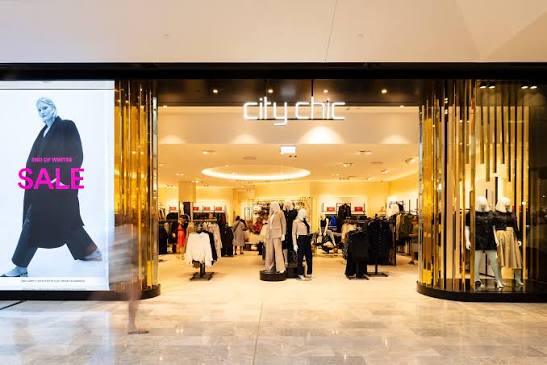
    City Chic Collective nearly doubled its underlying core earnings to $12.3 million in the fiscal year ended June 28, despite total group revenue slipping 3 per cent to $130.5 million.

    Margin expansion and strict operational discipline drove underlying earnings before interest, taxes, depreciation, and amortisation up 92 per cent from the previous year.

    Australia and New Zealand anchored the turnaround. Revenue across the home market rose 7.6 per cent to $113.8 million, with comparable sales lifting 5.6 per cent across physical stores and digital channels. Higher average selling prices and steady customer acquisition cushioned the group while its overseas operations took a hit.

    Retreat from American Tariffs

    The United States delivered a sharp contraction. US sales plunged 42 per cent after management deliberately throttled purchasing activity to limit exposure to import tariff volatility.

    To fix the unit economics, City Chic converted its US Amazon operation from a wholesale setup to a direct marketplace model. Group inventory fell 11 per cent to $24.1 million by the close of the financial year, reflecting reduced capital tied up in North American stock.

    The Sydney-based apparel retailer has deployed automated forecasting and software tools to sharpen buying decisions and lower product return rates. Chief executive Phil Ryan said the company has built a simpler and more resilient operating base after clearing out high-risk inventory channels.

    Trading Momentum in Early FY27

    Cross-border apparel brands have faced intense margin pressure across international channels over recent reporting cycles, forcing operators to protect local margins rather than chase unprofitable foreign volume. City Chic’s retrenchment in North America reflects a broader shift among Australasian specialty chains refocusing on core domestic trade.

    Early numbers indicate the strategy is holding. Comparable store sales in Australia and New Zealand rose 11.4 per cent through the first seven weeks of FY27, with management forecasting a return to revenue and margin growth in the US during the first half.

  • Levi’s Expands India Store Footprint and Women’s Wear to Chase Global Sales Target

    Levi’s Expands India Store Footprint and Women’s Wear to Chase Global Sales Target

    Levi Strauss & Co. Is expanding retail floor space across major Indian cities, targeting higher-margin women’s apparel and non-denim categories to fuel regional revenue growth.

    The apparel maker recently crossed 500 stores in India, which now ranks among its top six markets globally. Rather than simply adding shop fronts, the company is increasing the square footage of existing and new locations in metros including Mumbai, Bengaluru, and Delhi, alongside secondary hubs such as Chandigarh, Pune, Ahmedabad, and Chennai.

    Direct-to-consumer sales through its larger ICON store format now generate approximately 20 per cent of the brand’s India DTC revenue. Hiren Gor, managing director for South Asia, Middle East, and Africa at Levi Strauss & Co., noted that adding retail space in high-performing locations delivers equivalent commercial returns to opening separate doors.

    Category Shift Toward Women and Tops

    Consumer buying habits in India are diverging sharply from global denim baselines. Indian shoppers purchase more than one top for every bottom, compared to a global average of one top for every three bottoms sold.

    Demand patterns reflect that split. While both denim and non-denim lines are expanding at mid-double-digit rates, women’s apparel is advancing at high double digits. The company’s upscale casual line, Red Loop, now accounts for roughly 15 per cent of its Indian menswear sales, also expanding at a high double-digit pace.

    Supply chain localization underpins the category push. More than 95 per cent of the products Levi’s sells in India are manufactured domestically, supported by an in-house design team of 10 that creates 85 per cent of its product range specifically for the local market.

    Direct Retailing and Regional Reach

    International fashion labels in South Asia have routinely faced floor space constraints when attempting to sell complete lifestyle collections rather than single staple items. Shifting capital expenditure into large-format direct retail allows multinational brands to show complete lines, capture higher basket values, and protect margin against wholesale discount cycles.

    Parent group Levi Strauss & Co. Recorded $6.3 billion in global revenue for fiscal year 2025. The company is leaning on higher square footage and expanded apparel assortments in India to close the gap toward its stated $10 billion global revenue target.

  • Uniqlo to Open First Kyoto Global Flagship Store on Kawaramachi-Dori

    Uniqlo to Open First Kyoto Global Flagship Store on Kawaramachi-Dori

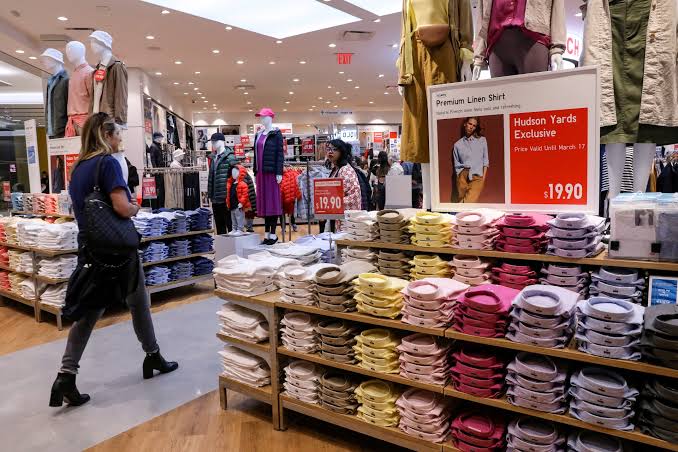
    Uniqlo will open its first global flagship store in Kyoto on 6 November. The new site replaces the retailer’s existing Kyoto Kawaramachi shop, which is currently its largest location in the city.

    Located on Kawaramachi-dori, central Kyoto’s primary shopping boulevard, the new store trades on a strip packed with major retail complexes and heavy pedestrian traffic from both domestic shoppers and international tourists. Fast Retailing plans expanded sales floors at the location to carry its full LifeWear apparel range alongside interior features drawn from Kyoto’s traditional craft culture.

    Upgrading Prime Street Footprints

    Upgrading an existing high-street location to flagship status mirrors Fast Retailing’s broader store strategy across key Asian metros. Rather than multiplying smaller satellite outlets in secondary suburban hubs, the apparel group concentrates capital into dense, high-visibility corridors where large-format stores capture heavy tourist footfall.

    Flagship formats in major Japanese tourist cities serve a dual commercial purpose. They generate steady baseline trade from residents while reinforcing brand awareness for inbound visitors who shop the label across greater Asia, Europe, and North America.

    Focus on Inbound Travel Hubs

    Kawaramachi-dori serves as Kyoto’s main commercial artery, linking central rail transit to the city’s key retail and hospitality zones. Replacing the older Kawaramachi shop provides Uniqlo with modernized floor space built to handle heavy transaction volumes during peak travel periods.

    The company scheduled the launch for 6 November, positioning the expanded sales floors to trade directly into Kyoto’s busiest autumn tourism weeks.

  • ALO Enters China with Tmall Debut After RMB10 Million First-Minute Sales

    ALO Enters China with Tmall Debut After RMB10 Million First-Minute Sales

    Alo Yoga entered the mainland Chinese market on August 12 through an exclusive storefront on Alibaba Group’s Tmall platform, generating over RMB10 million in its opening minute.

    Pre-sales opened at 12:30 a.m., setting a record for the fastest launch sales in Tmall’s sports and outdoor category.

    Targeting high-spend shoppers

    The premium activewear label is retailing women’s and men’s apparel, footwear, accessories and wellness products through the flagship store. The partnership gives Alo direct access to Tmall’s 88VIP program, an active pool of more than 62 million top-tier spenders across the platform.

    “The partnership reinforces Tmall’s position as the go-to choice for global brands in China seeking high-value customers and scalable growth,” said Gu Di, general manager of sports and outdoors at Taobao and Tmall Group.

    Digital-first route into activewear

    Selling online first allows Alo to test product demand across Chinese provinces without committing capital upfront to prime shopping mall leases. Rival athletic apparel brands established their presence in China by building city-by-city community hubs before opening physical stores, whereas Alo is relying on Alibaba’s customer database to build scale immediately.

    The Chinese online rollout follows Alo’s wider expansion across Asia-Pacific, which recently included a physical store launch in the Philippines. The next test for the company is whether early online demand will translate into brick-and-mortar locations in tier-one retail hubs.