Tag: apparel

  • Wego Scraps My Hero Academia Line After Backlash in China

    Wego Scraps My Hero Academia Line After Backlash in China

    Tokyo-based fashion brand WEGO has scrapped plans to launch an exclusive apparel range in collaboration with hit anime and manga franchise My Hero Academia in September 2026 following an angry backlash from Chinese consumers.

    Shoppers across Chinese social media condemned the planned launch, prompting the Japanese apparel retailer to cancel the release immediately.

    Controversy Over Wartime References

    WEGO had announced an exclusive clothing line based on the popular franchise, but Chinese users quickly cited a 2020 controversy involving a character linked to lethal human experiments that killed thousands of prisoners.

    Chinese audiences previously condemned the anime in 2020 over a storyline featuring a character who conducted lethal human experiments. Viewers linked the narrative to Unit 731. That covert Japanese military medical unit ran fatal biological warfare experiments on thousands of prisoners, most of whom were Chinese.

    Outrage centered on the character’s original name, Maruta Shiga. In Japanese, the word maruta means log. It served as the wartime code name for human subjects used in the unit’s experiments. Social media users also connected the surname Shiga to bacteriologist Kiyoshi Shiga.

    Brand Risk in Cross-Border Retailing

    Licensing domestic intellectual property carries acute reputational risks for Japanese apparel brands selling into Greater China. Fast-fashion chains rely heavily on anime collaborations to draw younger demographics. Even so, historical sensitivities in China frequently cut through commercial campaigns.

    Retailers that misjudge consumer sentiment in mainland China face rapid boycotts and online delisting. WEGO pulled the entire collection early to limit commercial fallout before production and distribution expanded.

    Previous Franchise Fallout

    Distribution for the My Hero Academia franchise previously broke down in China after the 2020 character name dispute. Chinese streaming platforms and digital manga distributors removed the series from their catalogues once that controversy emerged.

    WEGO has halted marketing for the collection across its retail network while clearing out promotional materials.

  • Only 10 of 60 Top Independent Stores Make a Brand Argument

    Only 10 of 60 Top Independent Stores Make a Brand Argument

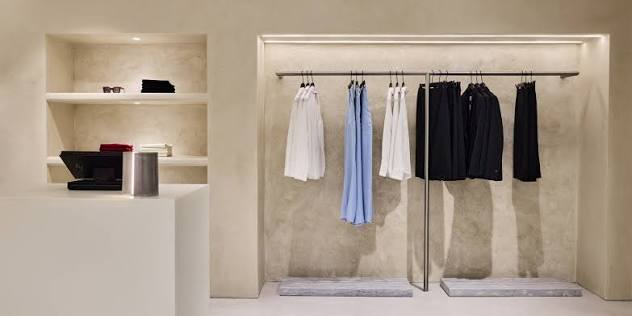
    A global review of 60 premier independent retail stores by Nick Gray in September 2026 found that only 10 build spaces enforcing a genuine brand argument.

    Standard retail metrics like sales per square metre and the ICSC occupancy cost benchmark of 8 to 15 per cent fail to capture whether physical rooms build customer loyalty or merely collect pre-decided transactions.

    The Limits of Square Metre Metrics

    Drawing on observations at Westfield Sydney between 2018 and 2022, retail property evaluations routinely confuse aesthetic execution with brand positioning. Apparel retailers commonly allocate more than 12 per cent of sales to occupancy costs, yet landlord scorecards measure space strictly by immediate financial yields rather than behavioural shift. Dwell time metrics count customer minutes without distinguishing between deliberate browsing and checkout friction, while year-one fitout uplifts inevitably register temporary newness rather than sustained productivity.

    High-conviction physical retail demands structural constraints that traditional finance departments often query. Andreas Murkudis in Berlin operates a former printing hall with museum-scale product spacing that permanently increases monthly floor holding costs per item. In Los Angeles, Maxfield operates without display windows and relies on unapproachable floor staff to filter casual traffic, while Dover Street Market executes a scheduled annual teardown where independent designers control internal pod architecture.

    Thresholds and Fixture Control

    Physical store performance splits across three operational choices: entry thresholds, fixture manufacture, and change cadence. Entry points represent low-cost positioning tools that select qualified buyers before entry. Los Angeles retailer Departamento routes shoppers through an active coffee shop entrance, while Darklands in Berlin operates unmarked doors strictly by appointment.

    Procuring standard fixtures from shared commercial shopfitters reduces a brand to generic category storage. Retail spaces function as commercial arguments only when bespoke display units cannot transfer into a competing tenancy. At the same time, scheduled annual teardowns keep retail floors on the same release cycle as seasonal buying, avoiding the delayed, reactive renovations common among regional department stores and mall tenants.

    Operational Gaps in Regional Malls

    For shopping centre operators across Asia-Pacific, the gap between landlord guidelines and store identity remains wide. Luxury activations and pop-up tenancies in prime centres frequently exhaust negotiations on ceiling heights, sightlines, and perimeter finishes rather than customer engagement. The result is uniform warm minimalism and portable design choices that fit generic landlord criteria but fail to distinguish rival brands.

    This disconnect originates early in commercial planning cycles. Corporate brand briefs routinely mandate broad concepts like modern luxury and effortless presentation, offering no actionable instructions for doorway thresholds, custom furniture, or thirty-second staff routines. Design partners consequently deliver attractive decorations because the initial brief provided no structural rules to engineer into the room.

    Between 2018 and 2022 at Westfield Sydney, Brand Space activations showed how strict fitout rules repeatedly prioritised aesthetic compliance over functional brand differentiation. Commercial landlords in prime Asian retail districts face the same recurring pattern across short-term luxury leases.

    Property directors tracking upcoming retail lease renewals will see whether tenant fitout budgets shift capital from decorative cosmetic upgrades into purpose-built spatial architecture.

  • Cue Clothing Loses CEO and CFO as Hilco Puts 51-Store Retailer on Market

    Cue Clothing Loses CEO and CFO as Hilco Puts 51-Store Retailer on Market

    Cue Clothing Co is operating without a chief executive or chief financial officer as owner Hilco Capital attempts to sell the 51-store Australasian fashion retailer.

    CFO Josephine Barbaro departed during the sale process, followed shortly after by CEO Melanie Remai, leaving the Sydney-founded owner of Cue and Veronika Maine without top executive leadership.

    Executive Exits During FTI Advisory Mandate

    Advisory firm FTI Consulting is managing the sale on behalf of Hilco, which placed the retailer on the market just over a year after acquiring it. Both departing executives spent less than two years combined at the company.

    Hilco put the retail network on the market despite a 5 per cent annual sales increase that internal forecasts project will continue. The UK turnaround firm has not issued an official rationale for the rapid divestment.

    Operational losses at the business have narrowed over the past year. They remain substantial enough to weigh on cash flow, while inflexible long-term store leases across Australia and New Zealand restrict further rent reductions.

    Turnaround Friction and Portfolio Track Record

    For private equity buyers and turnaround specialists in the Asia-Pacific apparel sector, the breakdown highlights the structural risk of inherited retail footprints. High street landlords across major Australian shopping centres continue to enforce long lease terms, limiting the room private owners have to restructure cost bases without formal insolvency processes.

    Hilco has run into similar operational friction across its consumer portfolio in recent cycles. The firm placed UK homeware chain Homebase into administration in 2024, and it offloaded accessories brand Cath Kidston to Next Plc in 2025 for 16 million Australian dollars, equivalent to 8.5 million British pounds.

    Legacy Leases and the Next Ownership Phase

    The Sydney fashion house built its reputation over five decades on local design and premium department store distribution before selling to Hilco. The private investment firm took control with plans to stabilise the brand following post-pandemic trading shifts.

    Prospective bidders reviewing the FTI sale memorandum must now price in executive recruitment costs alongside fixed store lease commitments across the 51 operating locations.

  • Thai Label Gentlewoman Opens First Singapore Store at 313@Somerset

    Thai Label Gentlewoman Opens First Singapore Store at 313@Somerset

    Thai apparel brand Gentlewoman opens its first Singapore boutique inside Orchard Road’s 313@Somerset on October 15. The launch adds a second international market to the Bangkok retailer’s network of 29 domestic stores.

    The unit will stock core ready-to-wear lines, swimwear, activewear, accessories, and exclusive collaboration ranges. It also brings the signature canvas tote bags that built the brand’s regional profile. Management plans to use the Somerset location as an anchor for a wider Singapore store rollout.

    Securing prime space on Orchard Road

    Sitting directly above the Somerset MRT station gives the store heavy youth and tourist footfall. That matches the brand’s regional customer base. For years, local shoppers bought its products through third-party resellers or traveled directly to Bangkok flagships.

    Orchard Road landlords view popular direct-to-consumer labels as a useful counterweight to slowing sales at traditional mid-market chains. Mall operators continue reallocating ground- and mid-level floor space to regional cult brands that generate instant social media interest and steady physical foot traffic.

    Testing Southeast Asian demand beyond Bangkok

    Expanding across Southeast Asian borders brings clear operational hurdles. Gentlewoman built its following on accessible price points and recognizable canvas totes. Running physical stores in Singapore demands far higher sales densities to offset steep local rents and wage bills.

    The critical test is whether Singapore shoppers will buy full seasonal apparel lines as readily as entry-level accessories. Competing with established fast-fashion chains and local contemporary brands requires rapid stock turnover. Constant product refreshes will also tie up more working capital across the regional supply chain.

    “As we continue to grow beyond Thailand, our ambition is to build a brand that feels relevant across cultures and communities, while remaining unmistakably Gentlewoman,” said co-founder Raya Wannapinyo.

    Building regional scale from Malaysia to Singapore

    Raya Wannapinyo, Siripa Rueangwutthisakulchai and Jitpon Siriwattanamathangkul launched Gentlewoman in Bangkok in 2018. It scaled swiftly from an e-commerce shop into a nationwide network, eventually adding multi-storey flagships in central shopping hubs like Siam Square.

    Malaysia served as the retailer’s first foreign market earlier this year. After testing logistics and warehousing in Kuala Lumpur, the company is committing capital to Southeast Asia’s most expensive retail market to build regional scale.

    Leasing teams are already evaluating additional Singapore mall sites ahead of the October 15 debut at 313@Somerset.

  • Skechers Expands Asian Performance Lines 1 Year into Private Ownership

    Skechers Expands Asian Performance Lines 1 Year into Private Ownership

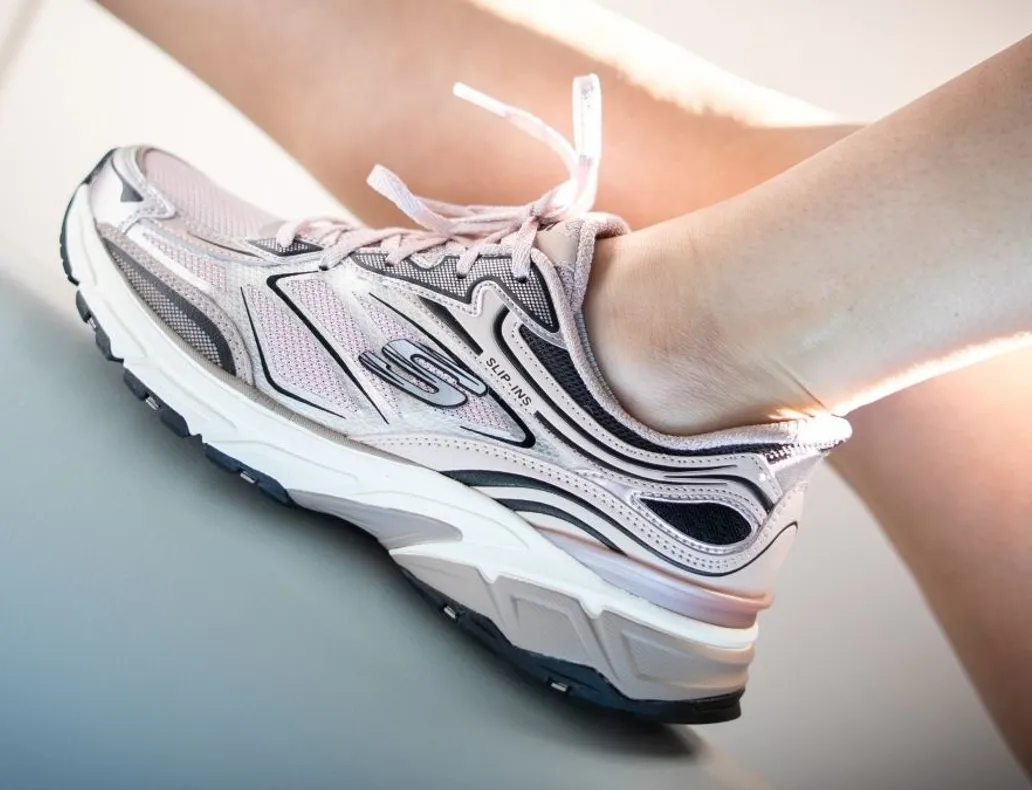
    Skechers is pushing deeper into performance categories across Asia as it evolves from a footwear brand into a broader lifestyle and sportswear business. In an interview with Inside Retail in September 2026, Cedrick Tan explained how the company adapts its strategy across diverse regional markets.

    The push comes 1 year into life as a privately held company. Skechers is expanding its focus beyond footprint expansion to deepen customer relationships through retail experiences, sports, entertainment, communities and local partnerships.

    Tan said the company sees room to grow across running, golf, football and emerging sports like pickleball, supported by proprietary technologies such as Hands Free Slip-ins, Arch Support and Glide-Step. The assortment also incorporates apparel, accessories and market-specific items like sports hijabs across Southeast Asia.

    Splitting Performance and Mass Retail

    Sportswear growth in Asia requires a divided merchandising model. Mature metro markets demand technical running and convenience-oriented shoes. Developing hubs, meanwhile, require sharper entry price points and everyday utility.

    Rivals like Nike and Adidas have faced inventory clearing cycles across Asia when pushing uniform global performance lines into secondary cities. Skechers aims to avoid those markdowns. It pairs its walking foundation with sport-specific entry models, lowering the price barrier for recreational runners and weekend athletes.

    Shifting Channel Strategies for Mall Landlords

    For shopping centre operators across Southeast Asia, the broader sportswear lineup alters floor space requirements. Skechers stores now compete for larger inline units instead of standard footwear bays. That footprint growth pressures traditional multibrand sports retailers that depend on basic sneaker sales.

    Growth should not be about expansion for its own sake. It needs to be relevant, sustainable and grounded in consumer demand.

    Apparel and sports accessories carry different margin profiles than molded footwear, raising supply chain demands for regional franchisees. Localized collections like modest athletic wear give the company an edge. The approach targets shoppers in Indonesia and Malaysia whom Western performance brands often overlook.

    Transition to Private Operations

    This merchandise pivot builds on a restructuring completed in September 2025, when Skechers shifted to operate as a privately held entity. Free from quarterly reporting pressure, regional managers recalibrated distribution networks. They moved away from door-count growth to focus on experiential stores and category-specific sports marketing.

    Distribution speed will test operations next as autumn performance collections roll out to flagship stores in Singapore, Bangkok and Jakarta.

  • Sydney Fashion Label Asta Resort Opens Permanent Flagship in New York

    Sydney Fashion Label Asta Resort Opens Permanent Flagship in New York

    Sydney luxury label Asta Resort opened its first permanent US flagship in Manhattan’s SoHo. Helena and Jasmine Ammitzboell founded the brand in 2021. The permanent boutique converts an earlier New York pop-up trial into a long-term presence.

    The retail launch coincides with a back-office buildout in Williamsburg, designated as the operational base for North American distribution.

    From Sydney Harbour to Manhattan

    Designers Joel Harding and Yuria Kailich of Studio of Enso planned the SoHo space around a Mediterranean resort aesthetic. The boutique features a quartz-clad champagne bar and a dedicated bridal podium. Ceramic plates hand-painted by the founders line one wall.

    Sydney is where Asta Resort began. New York is where we are laying down roots for our North American home.

    Wholesale Bypass and Direct Retail

    High digital customer acquisition costs push Australian resortwear labels toward physical flagships in global hubs. Securing permanent SoHo space lets independent brands bypass wholesale intermediaries. It also captures higher direct margins from affluent shoppers who first discovered the label online.

    Operating in New York brings steep lease commitments in a commercial market far costlier than Sydney. Operators expanding abroad also face inventory exposure across two hemispheres with opposing seasonal apparel demands.

    Building the US Operations Base

    Asta Resort opened its first permanent flagship boutique in Sydney in December. That domestic store served as the testbed for translating its online catalogue into an experiential physical space.

    Centralising regional management in Brooklyn gives the label direct control over inventory dispatches, styling appointments and client services across North American time zones.

    RetailNews Asia will track whether the label follows Manhattan with dedicated resort outposts in Florida or California retail corridors.

  • Funday Natural Sweets and Cotton on Kids Partner on Apparel Range

    Funday Natural Sweets and Cotton on Kids Partner on Apparel Range

    Confectionery brand Funday Natural Sweets has partnered with Australian childrenswear retailer Cotton On Kids in September 2026 to launch a limited-edition apparel collection based on its core product range.

    The apparel run is designed for children aged two to 10 years and sells exclusively through the Cotton On website. Graphic designs across the garments replicate four confectionery variants: Strawberry & Cream, Sour Peach Hearts, Sour Cola, and Fruity Koalas.

    Candy Graphics for Digital Shelves

    Cotton On is keeping the release confined to its online channels rather than distributing inventory across its physical store fleet. Digital exclusivity lowers supply chain overhead for short-run collaborative merchandise while testing customer demand before committing floor space in suburban shopping centres.

    For Funday, the partnership puts grocery-aisle branding into everyday childrenswear. Apparel licensing gives fast-moving consumer goods makers repeated household visibility without requiring an increase in trade marketing expenditure inside supermarkets.

    Brand Collaborations in Childrenswear

    Fashion retailers across Asia-Pacific continue to use branded novelty drops to drive direct web traffic. Cross-category partnerships between food brands and apparel chains have expanded rapidly as fast-fashion operators look for distinctive graphic intellectual property that appeals directly to parents buying for young children.

    The operational risk in food-to-fashion licensing sits squarely on inventory velocity. Themed capsule collections lose consumer appeal quickly once seasonal promotional cycles end, making web-only fulfillment a calculated choice to prevent discounted stock overhang in physical stores.

    Licensing Growth in Apparel

    Cotton On has built a steady business model around limited licensing deals across its adult and youth divisions, drawing on entertainment properties, beverage brands, and food labels to refresh basic garment blanks.

    Online performance data from this initial confectionery run will determine whether Cotton On expands the licensed grocery range into retail stores across Australia and its broader Asia-Pacific store network.

  • China Luxury Label Icicle Hires Former Gucci Head Sabato De Sarno

    China Luxury Label Icicle Hires Former Gucci Head Sabato De Sarno

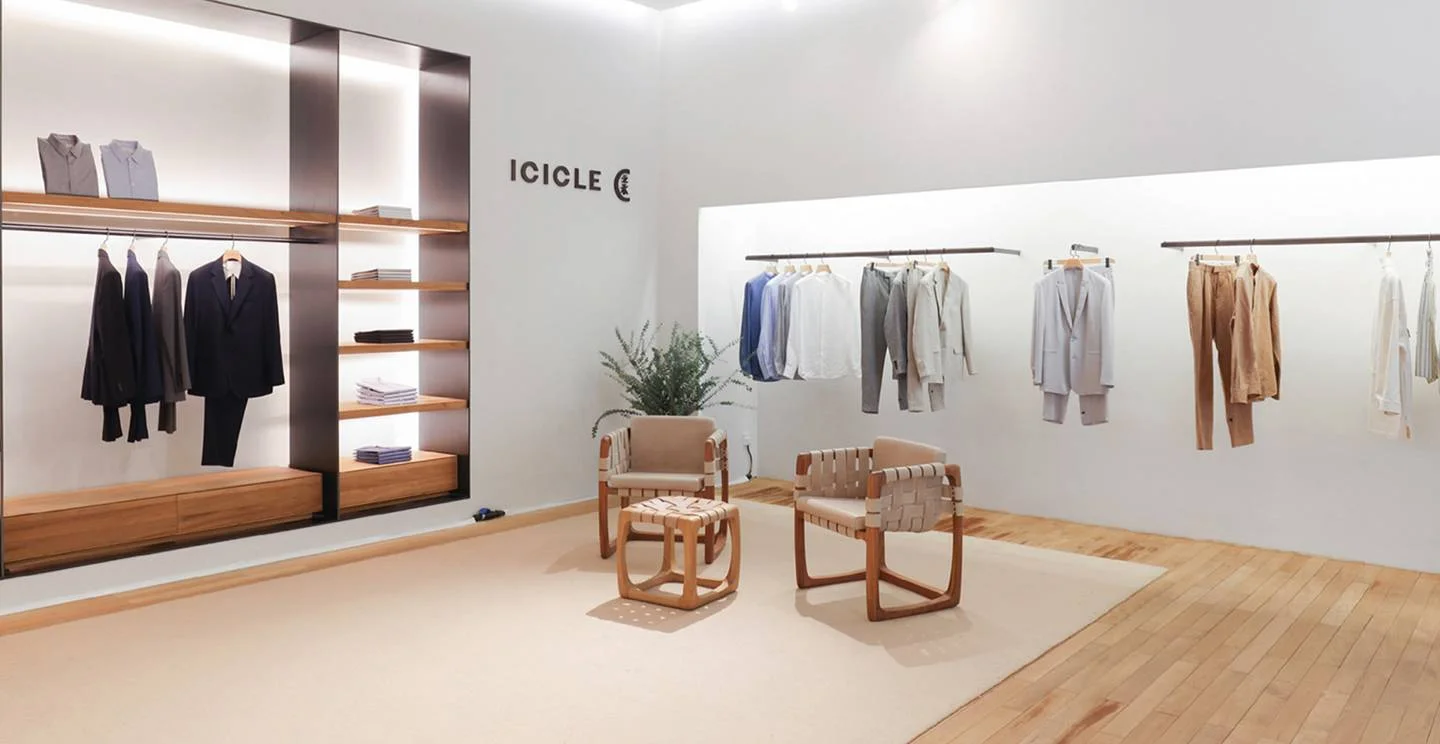
    China’s Icicle hired former Gucci creative director Sabato De Sarno on Monday to lead its design operations across ready-to-wear, accessories and eyewear.

    His debut collection for the Shanghai-based fashion house will arrive for the autumn/winter 2027-2028 season.

    The Kering connection and design scope

    De Sarno takes direct control of creative direction for both women’s and men’s lines. The Italian designer previously ran design at Gucci, the flagship label of French luxury group Kering.

    The appointment deepens ties between the two businesses. Kering took a minority stake in Icicle in April 2026, giving the Chinese brand financial backing and direct access to European luxury executive networks.

    Chinese brands buying European prestige

    Chinese fashion groups are increasingly hiring established European designers to push their brands upmarket and expand outside mainland China. Icicle built its domestic business on high-end natural fabrics and understated cuts, but matching European heritage houses requires international design pedigree.

    The approach carries clear execution risks. Integrating European creative directors into Chinese corporate structures has produced mixed commercial returns, requiring labels to balance Western aesthetic direction with a core domestic customer base that values different proportions and styling.

    Precedents across the domestic sector

    Down-jacket specialist Bosideng followed the same playbook in 2025 when it hired British designer Kim Jones to lead its luxury line, Areal. French luxury group Hermes took a similar path with Shang Xia, which hired London-based designer Yang Li in 2021.

    Icicle is now preparing its production pipeline and marketing rollout ahead of De Sarno’s first autumn/winter 2027-2028 show.

  • Zara Opens 2,100-Square-Metre Flagship Store in Seoul’s Gangnam District

    Zara Opens 2,100-Square-Metre Flagship Store in Seoul’s Gangnam District

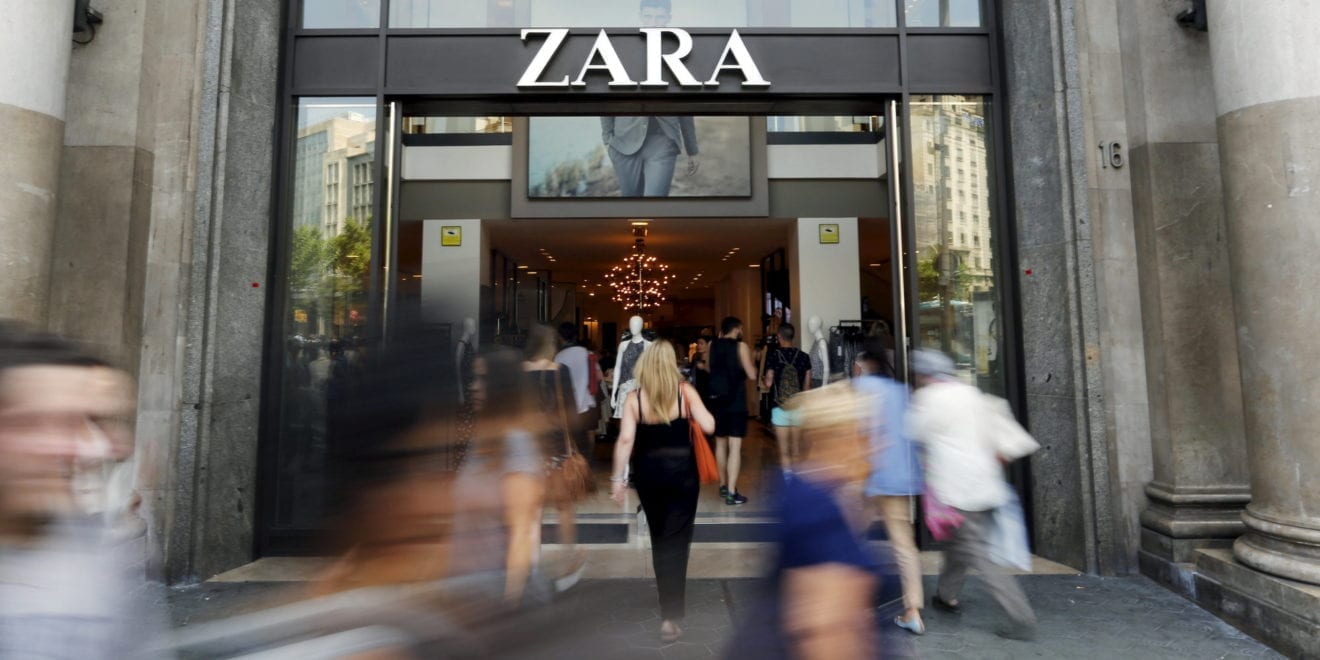
    Zara opened a flagship store spanning more than 2,100 square metres in Seoul’s Gangnam district on September 8. The three-storey space is part of the retailer’s push into larger, experience-driven flagships across key Asian commercial hubs.

    Designed by Zara’s Architecture Studio, the interior uses stone, wood, concrete, and metal finishes to segment product categories across three levels. Womenswear and youth collections occupy the ground floor. The second floor carries an expanded women’s range, plus dedicated footwear and handbag sections. Menswear lines sit on the third floor, including Zara Origins, Athleticz, and limited collaboration releases.

    Floor Layout and In-Store Cafe

    The Gangnam store incorporates a Zacaffe outpost with an outdoor terrace and a book collection focused on Korean authors. It also houses a site-specific art installation titled Imugi, created with Seoul-based creative studio Our Labour. The artwork spans all three floors. It draws on Korean folklore, traditional timber construction, and dancheong decorative painting.

    Digital retail functions are embedded across the sales floor. Shoppers can check real-time store inventory through the Zara mobile app. They can also pick up online orders at dedicated counters and process refunds at automated return terminals alongside assisted checkout lanes.

    Store Rationalisation and Format Upgrades

    Across prime Asian shopping corridors, global apparel brands are trading smaller mall units for high-visibility, multi-category flagships. By bundling hospitality, local art, and specialized collections into destination spaces, operators aim to drive physical footfall against domestic e-commerce platforms. Seoul high street landlords face rising demand for experiential tenants who can draw sustained weekend crowds.

    This format brings operational complexity. Running in-store cafes and custom art installations alongside fast inventory cycles demands higher operating expenditure than standard retail units. It also requires tighter inventory turn rates. Fast-fashion retailers must balance these interior costs against strict store-level margin targets.

    Expansion Across East Asian Flagship Hubs

    The Seoul opening follows the June debut of Zara’s flagship on Huaihai Road in Shanghai, which introduced the brand’s updated global format to mainland China. Both openings show the company’s focus on prime retail corridors across North Asia rather than secondary market expansion.

    Attention now turns to how Inditex manages its remaining South Korean store fleet as leases expire. Industry watchers are also tracking whether the group brings the Zacaffe concept to other major metropolitan locations across the region.

  • Lululemon Appoints Heidi O’Neill as CEO After Comparable Sales Drop Nine per Cent

    Lululemon Appoints Heidi O’Neill as CEO After Comparable Sales Drop Nine per Cent

    Former Nike executive Heidi O’Neill took charge of Lululemon on September 8 after second-quarter comparable sales dropped nine per cent.

    Net revenue fell four per cent year over year. In the United States, comparable store sales sank 12 per cent.

    The Vancouver-based activewear company lowered its full-year financial outlook and scaled back its physical retail pipeline. Lululemon now plans to open 35 net new stores in 2026, down from an earlier target of 40. It will also trim its operational pop-up fleet to about 40 locations, down from 65 at the end of last year.

    Slowing Demand Hits Global Expansion

    For landlords and retail operators across Asia and the Pacific, the pullback signals that premium athleisure no longer guarantees footfall. Rapid international sales growth previously cushioned softening retail demand in North America. That buffer eroded in the second quarter when international comparable sales slipped into decline.

    Fast-growing rivals such as Vuori and Alo Yoga continue to capture shelf space and customer loyalty across key metropolitan hubs. Lululemon must defend high price points without the product novelty that originally justified them. That leaves franchise partners and department store landlords facing softer conversion rates.

    Product Fatigue and Pricing Pressure

    Expansion into non-core lifestyle categories failed to resonate with shoppers looking for technical performance. High price tags compounded the problem as consumers rejected premium pricing on basic assortments.

    “The reason they are is that Lululemon has gone firmly off the boil,” said Neil Saunders, managing director at GlobalData.

    O’Neill’s operational task centres on rebuilding the product engine rather than relying on discounts. Americas revenue slipped three per cent in the first quarter, then dropped eight per cent in the second quarter. Core customer fatigue is accelerating.

    Targets for the Turnaround

    Momentum has slowed over several quarters. The brand built its original market dominance on proprietary yoga fabrics and studio ambassador networks. Aggressive international scaling then diluted its product focus and slowed its development cycles.

    Investors and retail property operators are tracking O’Neill’s initial 90-day operating review and the third-quarter earnings release. Progress against the revised 35-store opening plan will show whether core product fixes can stabilise full-price sales.

  • EU Warns Pakistan That GSP Plus Benefits Cannot Be Taken for Granted

    EU Warns Pakistan That GSP Plus Benefits Cannot Be Taken for Granted

    The European Union has warned Pakistan that trade preferences under the Generalised Scheme of Preferences Plus cannot be taken for granted as the current framework expires at the end of this year.

    EU Ambassador Raimundas Karoblis told Dawn that Islamabad must address compliance issues under 27 international conventions before reapplying for the successor regime ahead of the Dec 31, 2028 transition deadline.

    Tariff Exposure for Apparel Suppliers

    European buyers take roughly 28 per cent of Pakistan’s total exports. Nearly 90 per cent of those shipments qualify for duty relief under the Generalised Scheme of Preferences Plus framework, known as GSP Plus.

    Textile and apparel factories generate between 70 per cent and 76 per cent of sales to the European market. Leather goods, processed foods, and beverages also rely on zero-tariff access. Without it, local producers struggle against rivals in South and Southeast Asia.

    Pakistan has held GSP Plus status since 2014. The current regulation expires at the end of this year, but existing beneficiaries receive a transition window running until December 31, 2028. European officials stress that the transition does not guarantee automatic inclusion in the next cycle.

    The situation is not certain. And, of course, GSP+ preferences cannot be taken for granted.

    New Benchmarks and Regional Competition

    For European fashion brands and sourcing heads, losing preferential tariffs on Pakistani cotton and knitwear would shift costs overnight. Standard tariffs would add immediate import duties on garments. That would wipe out margins against competitors in Bangladesh, India, and Vietnam.

    Brussels has stripped trade perks before. Sri Lanka lost its GSP Plus standing in 2010 over human rights issues, forcing clothing exporters there to renegotiate pricing across European retail accounts. Pakistan faces partial or full suspension during the transition window if regulators find compliance failures.

    Stricter Conditions for Islamabad

    A European Commission review covering the 2023 to 2025 period cited compliance problems in Pakistan, noting regression on forced labour, judicial independence, and civil rights. Outgoing Foreign Office spokesperson Tahir Andrabi stated that the report understates the country’s reform progress across international treaties.

    The successor framework expands qualifying criteria from 27 international conventions to 32. Islamabad has ratified the five additional treaties. Still, European monitors require a detailed action plan with verified metrics before granting approval under the new system.

    Formal European Commission monitoring reviews will run ahead of the December 31, 2028 transition deadline. Those findings will determine whether Pakistani garment manufacturers retain zero-tariff access to European ports.

  • Chinasquad Expands Global Cross-Border Sales with Curated Chinese Fashion

    Chinasquad Expands Global Cross-Border Sales with Curated Chinese Fashion

    Chinasquad is scaling international distribution for domestic apparel designers, offering direct deliveries across global markets with a free shipping threshold set at $99.

    The platform has accumulated more than 7,200 verified customer reviews while targeting shoppers seeking curated streetwear, statement dresses, and modern Hanfu-inspired collections.

    To address cross-border fulfillment friction, the operator provides optional DHL Express transport with delivery times between two and four days. Returns operate on a 14-day window supported by a checkout protection add-on that covers return handling and exchanges across multiple international territories.

    Sizing Standards and Cross-Border Logistics

    Cross-border apparel exporters from China routinely face high return rates tied to sizing discrepancies. Chinasquad produces its inventory to Asian sizing specifications, advising international buyers to size up on fitted garments and evaluate flat measurements across shoulders, bust, and waist. Flat garment measurements published on the site account for manual variations between one and three centimetres.

    Discounts on the storefront reach up to 90 percent on clearance lines. The merchandising mix focuses on structured trousers, outerwear, and dresses that emphasize tailored cuts rather than disposable basics.

    The Shift Toward Niche Chinese Aesthetics

    Direct-to-consumer fashion exporters in China are shifting away from pure low-cost volume to focus on distinctive regional aesthetics, including contemporary interpretations of traditional Hanfu tailoring. While mass-market players compete primarily on bottom-tier pricing, specialised curators seek higher basket sizes by pairing distinctive cuts with express air freight.

    Customer service operations and global return intake remain centred on managing cross-border garment fits as the platform tests overseas appetite for contemporary Chinese designer labels.

  • Pomelo Operator KCG Collects 231 Kilos of Garments in Indonesian Take-Back Push

    Pomelo Operator KCG Collects 231 Kilos of Garments in Indonesian Take-Back Push

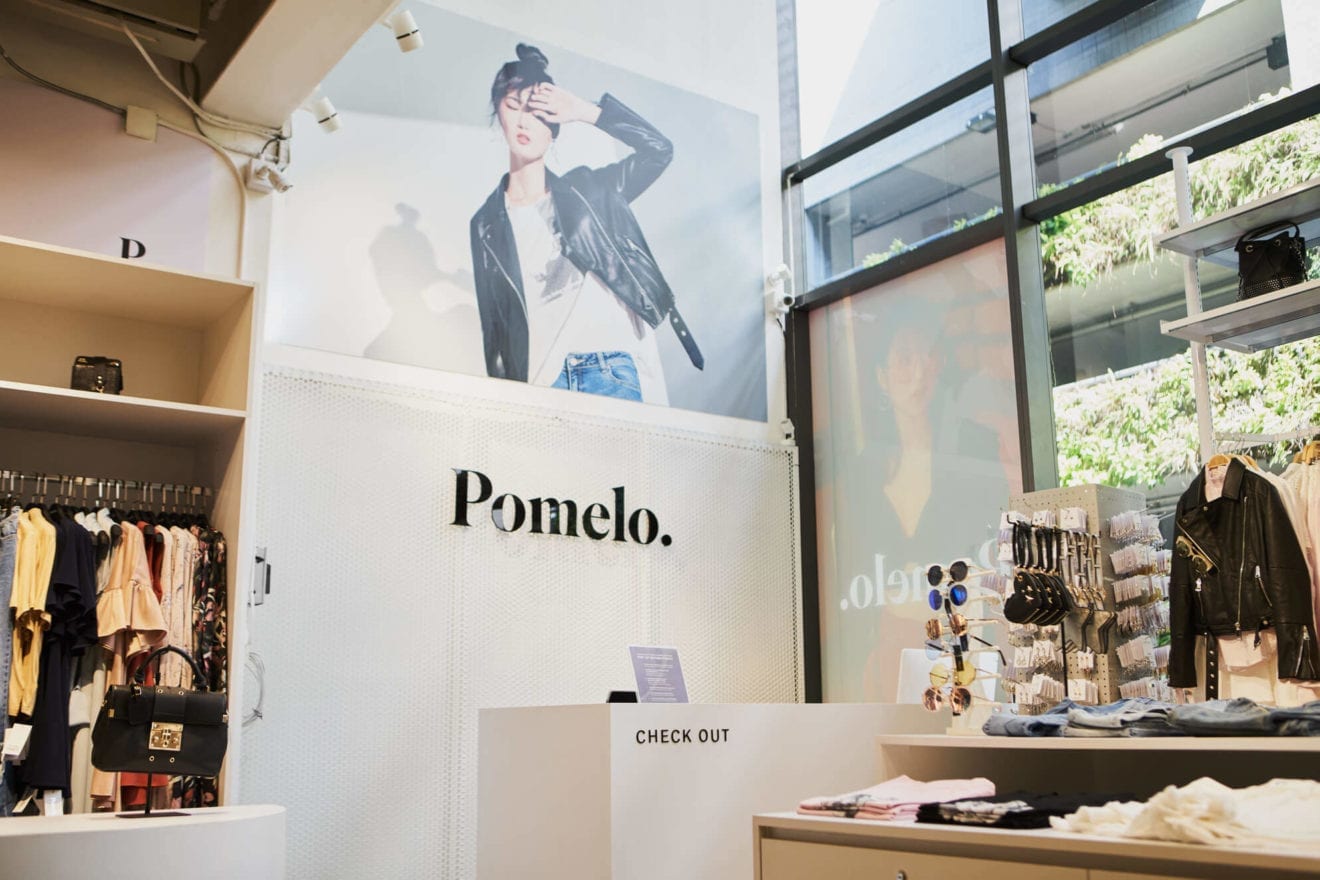
    PT Kurnia Ciptamoda Gemilang collected 231 kilograms of used clothing across eight Pomelo stores in Indonesia during the first month of its in-store take-back programme.

    The haul more than doubled the retailer’s initial 100-kilogram target despite launching without promotional marketing.

    KCG installed drop-off boxes in every Indonesian Pomelo branch to collect apparel directly from shoppers. Wearable items go to the Cinta Laura Foundation for distribution to orphanages and local communities. Unwearable, damaged pieces head to domestic textile recyclers Lestari and New Factory for industrial processing.

    Haryanto Pratantara, business and operations director at KCG, said the intake relies on repeat donors seeking practical reuse for old apparel. Turning ruined garments into usable raw material carries high processing costs that the company cannot sustain alone. KCG is seeking corporate social responsibility funding and state backing to expand the processing chain.

    High Processing Costs and Policy Gaps

    Pratantara expects garment recycling to shift from a competitive differentiator to standard retail practice within five years. Government policy will dictate how fast that transition happens.

    “The key is the government,” Pratantara said. “Regulation cuts the timeline. Without it, this cannot work.”

    Fashion operators across Southeast Asia frequently launch circularity pilots to retain younger shoppers, but few manage to scale mechanical recycling without state subsidies or formal producer responsibility rules. While donation bins clear closet space and bring foot traffic back into stores, true fibre-to-fibre recycling remains bottlenecked by local sorting and processing infrastructure across the region.

    Expanding Beyond Store Bins

    KCG has not yet measured the direct revenue impact of the programme on overall apparel sales. The operator is now tracking repeat drop-offs while waiting for state policy clarity and corporate partners to fund the next stage of textile processing.

  • Victoria’s Secret Profit Tripled in Second Quarter Despite Sales Miss

    Victoria’s Secret Profit Tripled in Second Quarter Despite Sales Miss

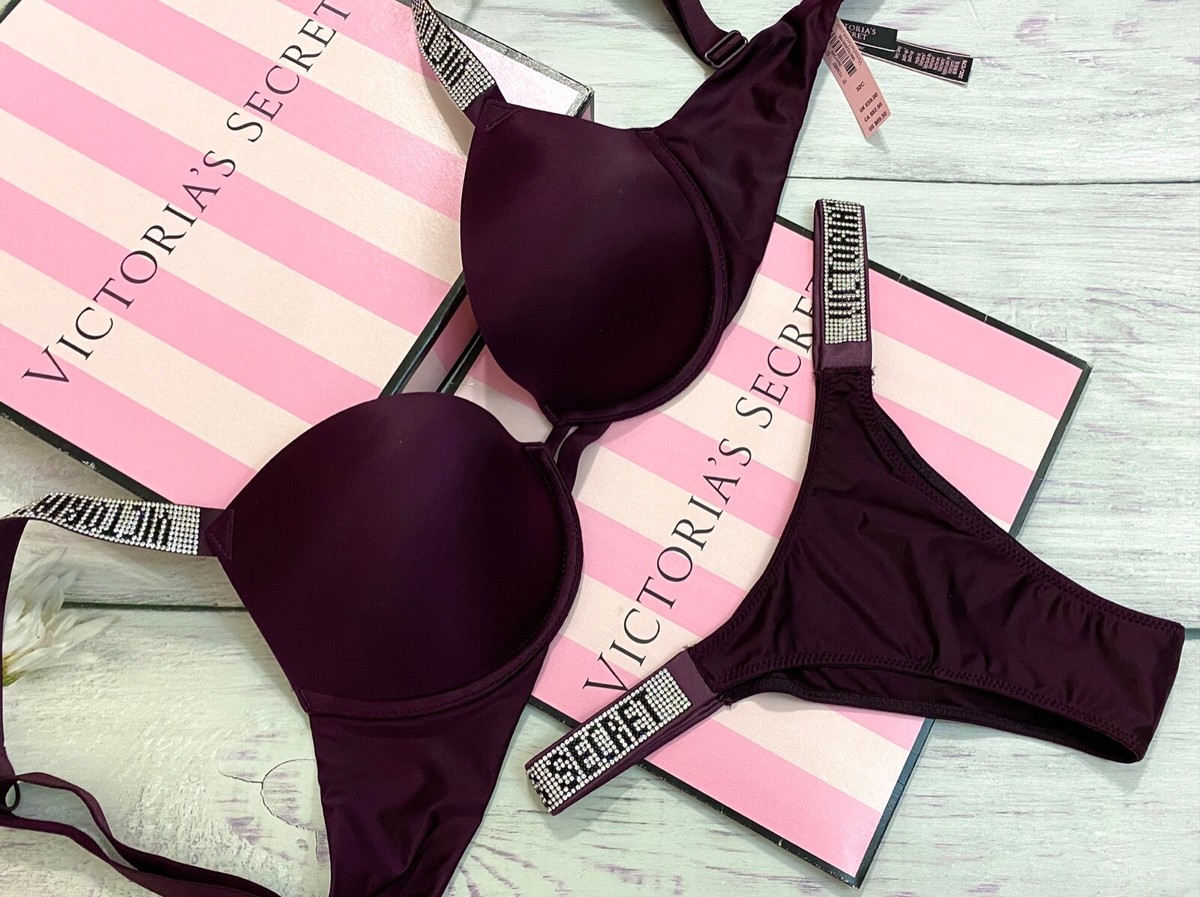
    Victoria’s Secret nearly tripled its profit in the second quarter and lifted its full-year earnings guidance, overcoming a narrow top-line sales miss that rattled equity investors.

    Higher merchandise margins drove the profit surge as shoppers bought more lingerie and apparel at regular price points rather than clearance discounts.

    Margin Gains and Product Overhauls

    Chief executive Hillary Super faces scrutiny from financial markets to prove that the turnaround plan can deliver consistent revenue expansion alongside margin gains. The recovery strategy relies on fresh product lines, tighter brand positioning and the return of a revamped fashion show.

    Full-price sell-through provided the foundation for the quarterly improvement. By pulling back on heavy discounting, the apparel group protected profitability across its physical store fleet and digital sales channels.

    The Balance Between Price and Volume

    For store operators and regional franchisees, the profit rebound confirms that higher retail pricing can offset sluggish foot traffic and cautious consumer spending. Yet relying entirely on margin expansion without broad sales volume growth carries structural risk in competitive markets.

    Rival innerwear and athleisure brands continue to fight for floor space and customer wallet share across shopping centres. Landlords and retail partners need steady transaction volume to support retail footfall, not just cleaner balance sheets from lower inventory markdowns.

    The Turnaround Path

    The latest quarterly report follows multiple management efforts to reposition the brand away from outdated marketing concepts and rebuild credibility with mainstream apparel shoppers. Earlier restructuring phases focused on rationalising store networks, overhauling product assortments and adjusting wholesale partnerships.

    Attention now shifts to whether the upcoming fashion show and new seasonal merchandise can lift revenue through the second half of the financial year.

  • Adidas Reopens 569-Square-Metre Chadstone Store Under Home of Sports Concept

    Adidas Reopens 569-Square-Metre Chadstone Store Under Home of Sports Concept

    Adidas reopened its Chadstone store in Melbourne with 569 square metres of selling space, making it the first location in the region built around the Home of Sports concept.

    The store returned to trading following a three-month renovation designed to expand floor capacity and introduce new merchandising layouts.

    Customisation and Footwear Ranges

    Part of the expanded floor plan houses a dedicated Originals shop-in-shop, using the brand’s Collection V2 design for the first time in the Australian market. Two main footwear walls show inventory spanning running, training, football and lifestyle lines.

    Shoppers can also use a dedicated Made for You counter near the point of sale. The station applies heat-pressed patches and personalised name sets directly onto apparel and shoes during purchase.

    Foot Traffic and Format Rollouts

    Securing prime space matters for sportswear operators chasing high-volume sales. The Chadstone shopping centre draws more than 22 million visitors each year, giving the brand direct exposure to one of the highest-density retail corridors in the country.

    Sportswear majors across Asia-Pacific continue to replace standard mall units with larger experience-led stores that combine performance categories with lifestyle streetwear under one roof. Nike and Puma have followed similar paths across regional gateway hubs, using flagship remodels to push direct-to-consumer sales and higher-margin personalised gear.

    The business opened the upgraded doors with a weekend roster of local pop-up collaborations, with attention now turning to how the Home of Sports layout performs ahead of wider network updates across Australia.