Tag: apparel

  • Japan Retail Sales Rise 4.0% in July as Department Stores Beat Formats

    Japan Retail Sales Rise 4.0% in July as Department Stores Beat Formats

    Japan’s retail sales rose 4.0 per cent year on year in July, driven by vehicle demand and strong department store receipts. Data released on August 31 by the Ministry of Economy, Trade and Industry (METI) showed department stores expanded 4.3 per cent, outperforming convenience stores at 1.3 per cent and supermarkets at 0.8 per cent.

    Wholesale sales across the country climbed 9.0 per cent over the same period, pointing to steady business-to-business inventory movement alongside consumer channels.

    Autos and Machinery Lift Totals

    Gains varied sharply by product line. Motor vehicle retail jumped 16.2 per cent year on year, delivering the fastest expansion among all retail sectors tracked by METI. Machinery and equipment retail climbed 6.3 per cent, while general merchandise sales rose 3.1 per cent and medical and cosmetics retail gained 1.6 per cent. Fuel retail turnover remained flat.

    Apparel and textile retail dropped 6.6 per cent year on year. That was the steepest contraction in the survey and the only major retail category to decline in July.

    Department Stores Lean on Inbound Spend

    The gap between falling clothing sales and rising department store receipts reveals a split in consumer behavior. Department store operators historically rely on apparel for a large share of their floor space, yet their revenue expanded while domestic clothing retail contracted. Tax-free transactions, luxury goods, and jewellery purchases by foreign visitors filled the shortfall left by cautious local fashion shoppers.

    Department stores across East and Southeast Asia have navigated similar pressures, leaning into high-margin luxury concessions and tourist footfall to offset sluggish domestic volume in apparel. For Japanese operators, sustained gains now tie closely to exchange-rate levels and international passenger arrivals rather than domestic wage spending.

    METI will publish its finalized July commerce figures in mid-September, with retail watchers monitoring whether vehicle order backlogs and inbound tourist spending hold up through late summer.

  • Giordano Net Profit Drops to HK$108 Million as Asian Margins Lag

    Giordano Net Profit Drops to HK$108 Million as Asian Margins Lag

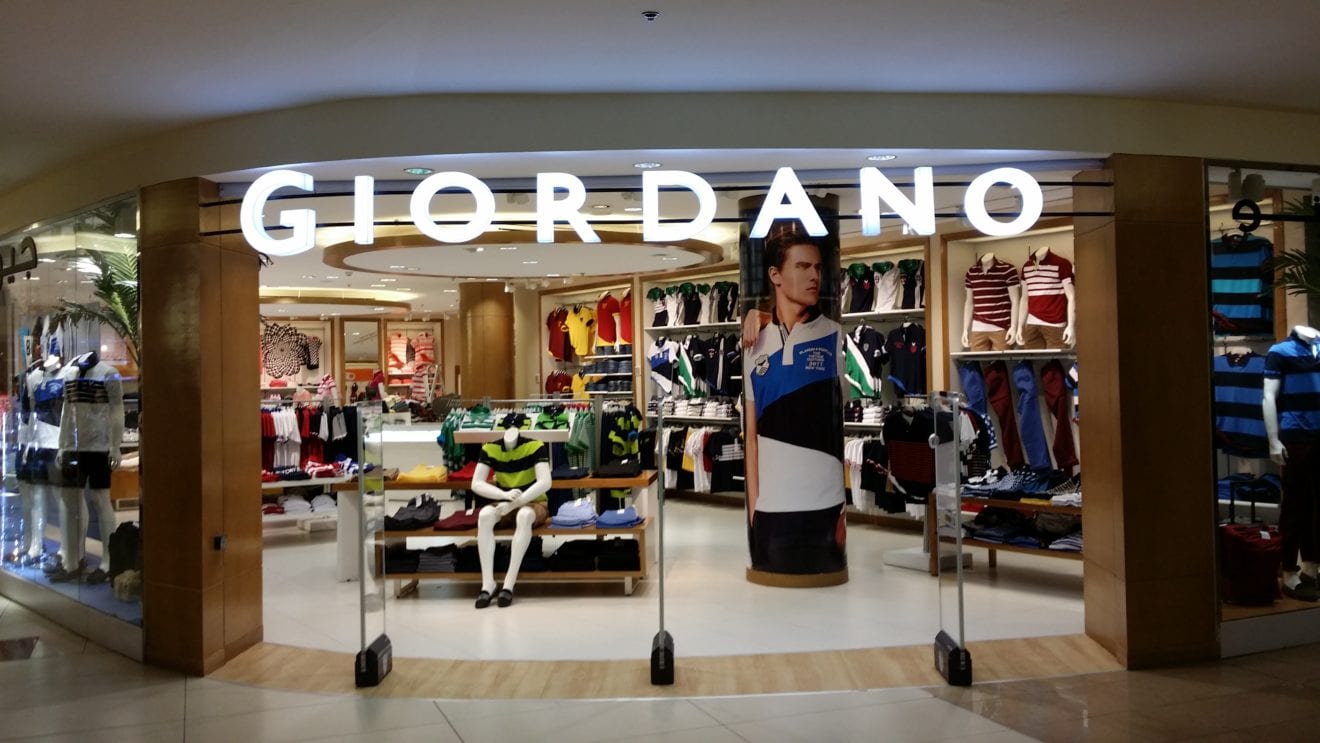
    Giordano International reported a net profit drop to HK$108 million for the six months to June 30, down from HK$121 million a year earlier.

    Group revenue slipped 1 per cent to HK$1.914 billion as store counts dropped across Mainland China and Indonesia, leaving the apparel retailer heavily dependent on earnings from the Gulf Cooperation Council.

    The geographic split reveals an uneven business. Greater China, Southeast Asia and Australia generated HK$1.572 billion, representing 82.1 per cent of total sales, but produced only 61 per cent of segment results. In contrast, the GCC delivered HK$62 million in segment profit on just 18 per cent of revenue, even after traffic in Gulf stores fell by up to 40 per cent following regional disruption in late February.

    Pruning China and Sourcing Locally

    In Mainland China, Giordano cut its store footprint to 239 doors from 359 a year earlier, halving its directly operated outlets to 48. The downsizing helped narrow the mainland segment loss from HK$16 million to HK$9 million, with constant-currency revenue down 0.9 per cent at HK$334 million. Management cleared older stock through VIP.com and shifted higher-margin product lines to Tmall, intending to rebuild physical retail starting in southern China.

    Southeast Asia and Australia remained the largest regional earnings contributor at HK$86 million in segment results on revenue of HK$699 million. Indonesia, the anchor market, brought in HK$330 million after import restrictions slowed merchandise shipments and forced store closures from 199 locations to 176. The company countered the disruption by shifting production to Indonesian factories, which began delivering local stock in June.

    Taiwan proved the regional exception. Segment profit climbed to HK$21 million from HK$15 million on a 5.9 per cent constant-currency revenue gain, meaning Taiwan generated more profit than Hong Kong, Macau and Mainland China combined.

    Korean Drag and the Next Overhaul

    The company faced additional pressure from its 48.5 per cent-owned South Korean joint venture, where revenue slid 8.9 per cent to KRW59.7 billion and 19 stores closed. Giordano deliberately restricted wholesale shipments into the venture to clear excess stock, causing group wholesale revenue to decline 12.2 per cent and cutting royalty income.

    For years, Giordano relied on high-density physical networks in lower-tier Chinese cities and steady franchised wholesale to support its balance sheet. With those legacy channels retreating under fierce domestic e-commerce competition and supply chain friction, the group is now forced to extract higher gross margins from a much smaller physical footprint across Asia.

    Management plans to launch its Giordano 2.0 concept in the fourth quarter, rolling out revamped store layouts and core product lines in Hong Kong and Singapore before expanding to overseas digital channels in Europe and North America.

  • Lululemon Cuts Full-Year Forecast to US$10.35 Billion as Sales Slide

    Lululemon Cuts Full-Year Forecast to US$10.35 Billion as Sales Slide

    Lululemon Athletica lowered its full-year sales forecast to between US$10.35 billion and US$10.5 billion, posting its second consecutive guidance downgrade in three months.

    Comparable store sales dropped 9 per cent across the second quarter ended August 2, falling below market estimates and marking the company’s first quarterly decline on that metric since the pandemic.

    Shares tumbled 15 per cent in extended trading in New York following the announcement. The activewear maker has seen its equity lose more than 40 per cent of its value in 2026, trading at less than a quarter of its late-2023 record high.

    Slumping Americas and Rising Rivals

    Revenue in the Americas contracted 8 per cent during the quarter, while women’s apparel sales slipped 4 per cent. International revenue offered the lone bright spot, rising 4 per cent across overseas markets.

    Discounts and design missteps have eroded the brand’s pricing power across primary markets, opening space for fast-growing athleisure competitors such as Alo and Vuori. In Asia-Pacific, where premium sportswear demand has remained relatively steady, Lululemon faces a tight battle against agile regional entrants alongside these expanding Western labels.

    “While we continue to navigate some challenging dynamics, we are taking a prudent approach with our revised full-year outlook,” interim co-chief executive Meghan Frank said.

    Leadership Handover and Boardroom Truce

    Former Nike executive Heidi O’Neill assumes the chief executive role next week, concluding a four-month transition period after her appointment. She inherits depleted executive ranks following several senior departures this year.

    O’Neill must also manage relations with billionaire founder Chip Wilson. Wilson entered a cooperation pact with the board in May, agreeing to regular strategy sessions with O’Neill and an 18-month freeze on public criticism.

    Her first major operational milestone arrives with the release of third-quarter earnings in December, when investors will assess whether the product pipeline can arrest the slide in North American foot traffic.

  • Uniqlo to Double Japanese Flagship Count to 20 in Ten-Year Strategy Shift

    Uniqlo to Double Japanese Flagship Count to 20 in Ten-Year Strategy Shift

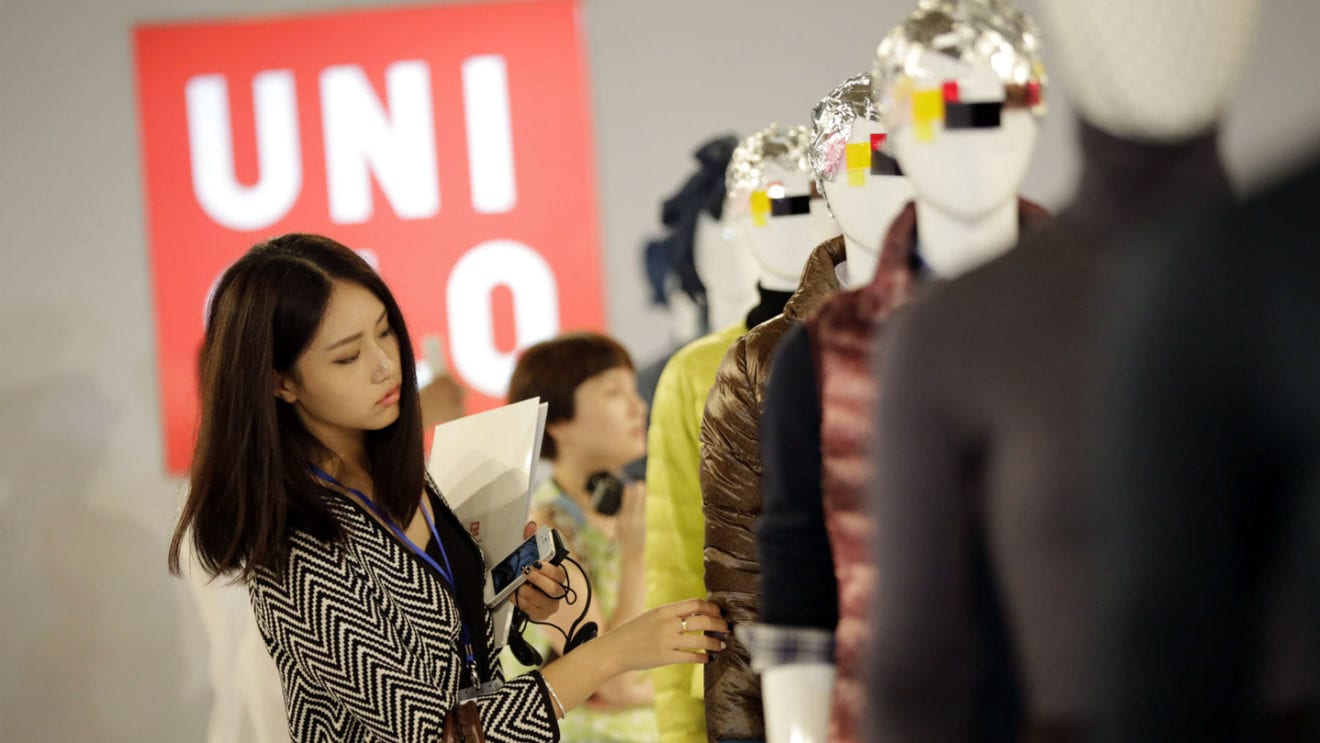
    Uniqlo will double its network of Japanese flagship stores to roughly 20 locations over the next decade as parent Fast Retailing pivots away from standard shopping mall outlets.

    The apparel group currently runs about 10 flagship or flagship-equivalent premises across domestic city centres, anchored by 3,000-square-metre destinations in Tokyo’s Ginza and Osaka’s Umeda districts. Future domestic openings will focus on major regional hubs such as Nagoya and Sapporo alongside central Tokyo retail corridors, targeting local foot traffic and spending from inbound foreign tourists.

    “Every major city in Japan needs a flagship store,” Fast Retailing chairman and chief executive Tadashi Yanai said. He added that the group sees little value in opening conventional stores that function solely as transaction counters.

    Demographic pressures reshape store networks

    As of late May, Uniqlo operated 785 retail locations across Japan. That count reflects an 8 per cent drop from its peak of roughly 850 outlets in August 2013, following years of flat domestic store numbers.

    A shrinking domestic population and the rise of digital commerce have forced the company to rethink its physical footprint. Stores in Japan now operate less as basic distribution points and more as brand showrooms where customers handle garments and interact with services before buying across omnichannel channels.

    Exporting the Western retail model

    The domestic overhaul mirrors Fast Retailing’s recent playbook in Europe and the United States, where it secured historic buildings and prominent high-street addresses. Those two Western regions together account for nearly 20 per cent of total group revenue and have delivered double-digit sales growth since the pandemic.

    RetailNews Asia views this as a clear signal that the era of aggressive suburban store expansion in mature Asian markets is over. Just as department stores in regional Japan have retreated, fast-fashion operators must concentrate capital into higher-yielding, destination-scale flagships that can capture international tourism spend while digital channels absorb routine replenishment sales.

    Fast Retailing is also preparing to apply this revised large-format strategy to its broader store networks across Southeast Asia and mainland China over the coming fiscal years.

  • Shein Shares Close Flat in Hong Kong After Raising US$1.7 Billion

    Shein Shares Close Flat in Hong Kong After Raising US$1.7 Billion

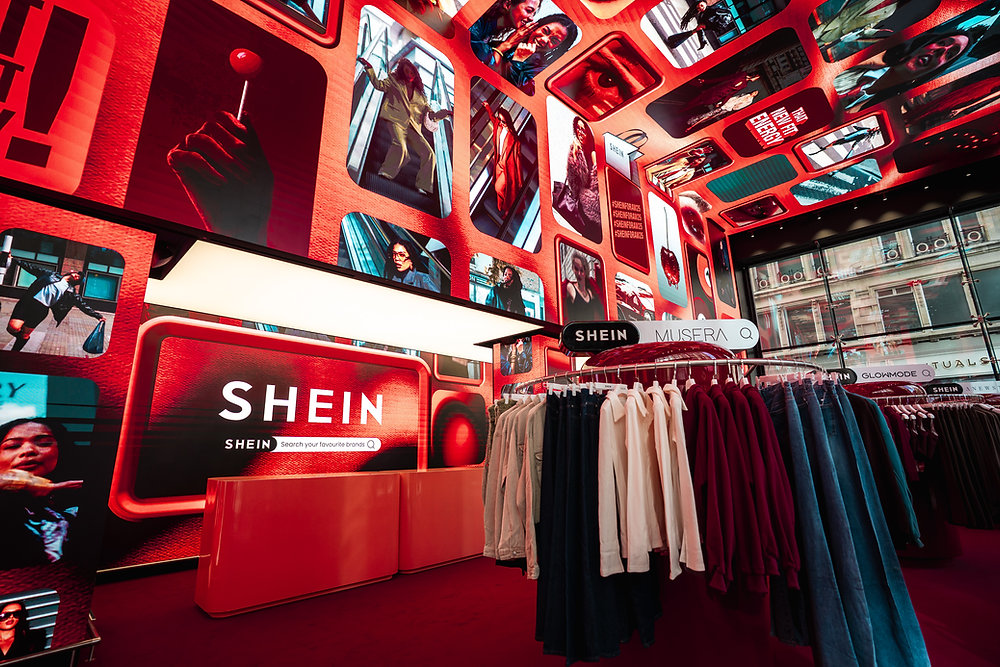
    Shein shares closed broadly flat on their Hong Kong debut after opening at HK$48.56, raising US$1.7 billion in an offering that valued the retailer at US$26.5 billion.

    The listing price matched the initial offer level after early trading saw the stock drop as much as 10 per cent to HK$43.8. The final valuation sits well below the nearly US$100 billion private valuation the company achieved in 2022.

    Management allocated 40 per cent of the IPO proceeds to technology infrastructure and another 40 per cent to global brand expansion. The remaining funds will cover corporate responsibility programs and general corporate needs. The public debut follows years of regulatory hurdles after Shein abandoned listing attempts in New York and London before securing Chinese regulatory approval in July.

    Tariffs and the End of Tax Exemptions

    The company built its business on exporting small, low-value parcels directly from mainland China to consumers overseas under duty exemptions. More than 90 per cent of Shein’s 2025 revenue came from inventory held in central Chinese warehouses.

    That channel has narrowed quickly. The United States removed its duty exemption on commercial imports valued under US$800, leaving Shein’s China-origin shipments facing import tariffs between 10 and 87.5 per cent. The European Union has also increased charges and tightened controls on low-value e-commerce packages.

    To counter border duties, Shein now imports bulk containers into regional hubs and operates 18 fulfillment warehouses across Europe. Shipping containers once rather than millions of individual parcels daily forces the group to absorb higher local storage and handling costs.

    Slowing Sales and Margin Pressures

    Top-line momentum has dropped sharply over the past three years. Revenue grew 41.1 per cent in 2023, 20.7 per cent in 2024 and 8 per cent in 2025 to US$41.8 billion. First-quarter revenue in 2026 reached US$9.05 billion, up just 1.1 per cent from the prior year.

    Profitability shrank over the same stretch. Net income fell 38.7 per cent in 2025 to US$2.06 billion. The company posted a net loss of US$99 million in the first quarter of 2026, compared with a US$395 million profit a year earlier, weighed down by a US$328 million fair-value charge on convertible preferred shares.

    RetailNews Asia views the shift toward onshore inventory as a fundamental change in Shein’s cost profile. Moving inventory closer to Western consumers erodes the asset-light advantage that allowed Chinese cross-border platforms to outprice established domestic department stores and apparel chains.

    To broaden its customer reach, Shein acquired US apparel brand Everlane for roughly US$100 million, alongside earlier deals for Missguided and an equity stake in Forever 21. Investors will track whether second-quarter operating margins recover as these acquired brands integrate with its third-party marketplace platform.

  • Singapore Fashion Boutiques Pivot from Thrift to Regional Multi-Label Stores

    Singapore Fashion Boutiques Pivot from Thrift to Regional Multi-Label Stores

    Singaporean boutique owners in their twenties are converting second-hand stores into multi-label outlets anchored by emerging Southeast Asian fashion brands. The shift replaces vintage racks with small-batch imports from Vietnam, Indonesia, and China to capture shoppers looking beyond standard shopping mall chains.

    Multi-label retail models give small operators flexibility. Instead of relying entirely on unpredictable thrift sourcing, shopkeepers import limited runs directly from independent designers discovered via social media platforms such as TikTok and Instagram.

    Shifting Shelf Space to Regional Labels

    In November 2025, 26-year-old retailer Audrey Hong rebranded her Haji Lane vintage store, previously operating under the Un.wastelands banner, as Uno Collectives. Hong shifted inventory from purely second-hand garments to an even split between curated vintage and Vietnamese apparel brands, expanding her supplier roster from two to five rotating labels, including Tiemmem, Push Push, Twenti, Migcool, and 777angels.

    Other independent operators are adopting similar sourcing structures. At Zabu Boutique on Hamilton Road, co-owner Cherry Pretty has built a roster of six consignors, shifting inventory toward Indonesian labels to balance curated vintage. Plop Apparels founder Jermaine Ho, who set up her multi-label concept in 2022, built the business on offering multiple variations of niche indie garments to mirror online search behaviour in physical spaces.

    Along Jalan Berseh, 21-year-old Kalen Piamthipmanus opened Incoleur in August 2025. Piamthipmanus invested S$30,000 from savings and loans into the 800-square-foot ground-floor unit, stocking 10 to 12 independent labels alongside second-hand Japanese designer pieces from labels such as Junya Watanabe and Yohji Yamamoto. The brand selection includes Shanghai label Read Moh In Red, Vietnamese streetwear brand The Idiot, and local knitwear creator String of Kisses, with garment prices spanning S$10 to S$200.

    Capitalising on Regional Sourcing

    For independent fashion retailers across Southeast Asia, the multi-label boutique model provides a low-overhead buffer against high commercial rents in prime districts. Sourcing directly from regional manufacturing hubs like Ho Chi Minh City and Bangkok allows operators to maintain higher gross margins than consignment-heavy vintage retail, while offering exclusivity that mass-market fast-fashion chains cannot replicate.

    Uno Collectives plans to add at least two more Southeast Asian apparel brands to its Haji Lane roster before the end of the year.

  • South Korea Fashion Market Targets $25.15 Billion by 2029 as Domestic Labels Scale

    South Korea Fashion Market Targets $25.15 Billion by 2029 as Domestic Labels Scale

    South Korea’s fashion market is projected to reach US$25.15 billion by 2029, driven by an expanding roster of independent designer labels scaling across wholesale and retail channels.

    The figure reflects more than two decades of steady commercial development since Seoul Fashion Week debuted in 2000.

    Exporting Seoul’s Contemporary Aesthetic

    Seoul-based labels are capturing market share by combining technical fabrics with clean, structured tailoring. Amomento, founded in 2016 by designer Lee Mee-Kung, operates standalone stores in Seoul and sources textiles from South Korea and Japan. Open YY, launched by sisters Jiyoung and Boyoung Kim after rebranding from TheOpen Product, has secured global stockists through international luxury e-commerce platforms.

    Footwear and accessories have carved out dedicated niches. Heejin Kang established handbag label Osoi to target contemporary shoppers across Seoul. In jewellery, Numbering produces sterling silver and 14k gold-plated pieces. Eyewear specialist Gentle Monster built international presence through art-installation concept stores and high-profile product collaborations with Maison Margiela and Blackpink’s Jennie.

    Global Trajectories and Wholesale Reach

    Several Korean designers have anchored operations directly in major European fashion capitals. Rok Hwang, an alumnus of Celine, Louis Vuitton, and Chloe, established his label Rokh in Paris after training in London. Hyein Seo launched her utilitarian label in 2014 following graduation from the Antwerp Royal Academy of Fine Arts, staging runway presentations in London and New York.

    Veteran designers maintain long-running commercial runs at home. Former K-pop artist Seung Gun Park founded Pushbutton in 2003, making it one of Seoul’s most established independent brands. Other labels, including Lee Myoung Shin’s Low Classic, Hyunwoo Kim and Myungjun Shin’s Kijun, and outerwear specialist Dunst, continue to build volume through department store channels and multi-brand boutiques.

    For department stores and specialty stockists across Asia-Pacific, Korean contemporary labels offer mid-tier luxury price points with high cultural resonance among younger consumers. This commercial momentum increasingly challenges established Japanese and Chinese designers for shelf space across regional retail hubs.

    Buyers now track the upcoming seasonal order books, where South Korean labels must prove they can convert international runway visibility into steady wholesale reorders.

  • Indian Sneaker Brand Zaydn Raises Fresh Capital for Expansion

    Indian Sneaker Brand Zaydn Raises Fresh Capital for Expansion

    Indian sneaker brand Zaydn has secured fresh capital to accelerate retail expansion across the domestic market.

    The investment will support the brand’s production scale and broader distribution network as consumer appetite for homegrown footwear labels increases across Indian urban centres.

    Targeting domestic sneaker demand

    Capital from the round will go directly toward expanding retail channels and widening the brand’s core product lineup. Indian consumers continue to shift casual wardrobe budgets toward sneakers and athletic styling, opening room for domestic players to compete alongside established global labels.

    Distribution strategy for direct-to-consumer and lifestyle footwear in India relies heavily on blended retail channels. Brands must balance online marketplaces with dedicated brand outlets to build repeat purchase rates and maintain stock efficiency in metro regions.

    The race for shelf space

    Homegrown footwear brands in India face stiff competition from multinational sporting goods giants and local value manufacturers alike. Established international brands hold the bulk of premium mall space, leaving younger labels to build loyalty through direct channels and targeted offline footprint before pushing into Tier-2 retail corridors.

    RetailNews Asia will track Zaydn’s subsequent channel rollout and store openings as the new capital deployment begins across regional markets.

  • Uniqlo Plans 20 Urban Flagship Stores Across Japan over Next Decade

    Uniqlo Plans 20 Urban Flagship Stores Across Japan over Next Decade

    Fast Retailing plans to expand Uniqlo’s flagship store network in Japan to around 20 locations over the next decade. The apparel group is shifting capital away from standardised suburban shopping centres to focus on multi-storey urban showpieces in prime metropolitan districts.

    The strategy alters the retail footprint that built Uniqlo into Japan’s dominant clothing chain. For decades, the brand expanded by opening uniform formats along roadside corridors and inside suburban shopping complexes across provincial prefectures. Future capital expenditure will prioritise high-traffic urban centres designed to deliver higher sales density and elevated brand visibility.

    Shifting capital from roadside formats

    Standard suburban outlets offer limited scope to show the brand’s full product range or create distinctive customer experiences. Flagship formats allow the group to display complete seasonal collections, test specialty service concepts, and handle heavier transaction volumes per square metre.

    Across Asian retail markets, apparel groups face maturing domestic suburban populations and rising store operating overheads. Flagship locations in transit hubs capture both regular daily commuters and high-spending international tourists, delivering better returns on lease costs than distributed suburban networks.

    New locations and tourist hubs

    Uniqlo currently runs global flagship stores in Tokyo’s Ginza district and Osaka’s Umeda commercial hub. Future openings under the revised 10-year plan will target prime retail corridors in Nagoya and Sapporo, along with additional high-footfall central Tokyo districts such as Shibuya.

    The urban rollout begins in western Japan, with Uniqlo scheduled to open its first global flagship store in Kyoto in November.

  • Lululemon Launches Wellbeing Garden Activation in Shanghai

    Lululemon Launches Wellbeing Garden Activation in Shanghai

    Lululemon launched its Wellbeing Garden activation in Shanghai on October 10, bringing its global Wellbeing for All campaign to mainland consumers. The project anchors community gatherings around physical movement and mental wellness across the city.

    The Canadian athletic apparel maker designed the installation to merge mindfulness exercises with product shows. Shoppers and fitness participants can access instructor-led sessions, interactive wellness spaces, and product trials on site.

    Community Building in China

    Experiential retail remains central to how international sports brands build customer loyalty in Tier 1 Chinese cities. Rather than relying solely on conventional store formats, sportswear labels deploy outdoor pop-ups, run clubs, and yoga sessions to keep foot traffic connected to physical stores.

    Lululemon has built its mainland presence around store ambassadors and free community workouts. The Shanghai garden activation extends that playbook by creating a dedicated destination outside standard shopping mall footprints.

    Competition in Premium Activewear

    Mainland China continues to attract intense competition among premium athletic and outdoor brands. Global names face rising domestic sportswear labels that are expanding their own lifestyle and technical apparel ranges.

    The Shanghai activation runs as retail operators across China watch fourth-quarter foot traffic patterns and community participation figures closely.

  • SKIMS Opens Flagship Store at Times Square in Hong Kong

    SKIMS Opens Flagship Store at Times Square in Hong Kong

    SKIMS opened a flagship store at Times Square in Hong Kong, establishing a dedicated physical location in one of the city’s busiest shopping destinations. The opening brings the brand’s core shapewear, loungewear, and apparel lines directly to local shoppers in Causeway Bay.

    Causeway Bay Footprint

    The Times Square location anchors the brand’s direct retail operations in Hong Kong. By securing floor space in a prime commercial mall, the company shifts from wholesale and regional e-commerce fulfilment toward standalone branded storefronts that handle higher foot traffic.

    Shoppers gain direct access to the full product catalogue across sizing ranges and seasonal collections. Physical fitting and immediate inventory availability remain central to the store format, addressing sizing demands that online channels cannot replicate.

    Expansion Across Regional Hubs

    Western direct-to-consumer labels continue to target top-tier retail properties across Asia to capture resilient domestic consumer spending. Hong Kong remains a testing ground for international fashion brands gauging appetite before committing to broader rollouts across mainland China and Southeast Asia.

    Retail property managers in Causeway Bay have adjusted tenancy mixes over the past two years, replacing legacy luxury concessions with high-engagement lifestyle and specialty apparel names. Mall operators look to these direct-to-consumer openings to lift younger demographic footfall and weekday mall conversion rates.

    Attention turns to foot traffic numbers and sales productivity per square foot through the opening quarter, alongside any future site announcements across Greater China.

  • Regatta Opens Refreshed Flagship at SM Mall of Asia

    Regatta Opens Refreshed Flagship at SM Mall of Asia

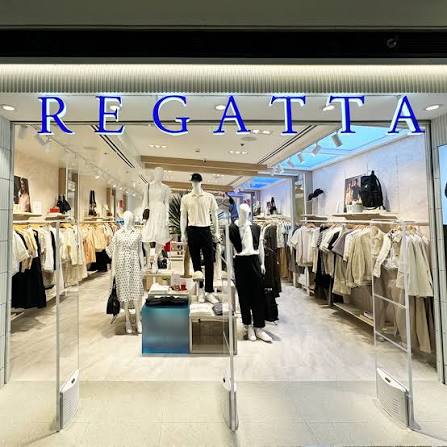
    Filipino lifestyle apparel brand Regatta opened a refreshed flagship store at SM Mall of Asia in Metro Manila, expanding its footprint inside one of the country’s largest retail centers.

    The store occupies space on the third floor of the South Main Mall, introducing an updated coastal retail layout paired with a new apparel sub-category.

    Inside the unit, merchandise is organized into dedicated product zones. A central accessories display carries lifestyle goods, including fragrances, headwear, drinkware, and towels, while an entire wall shows the retailer’s core polo shirt collection next to a customer lounge section.

    Athletic range expands casual lineup

    Alongside the store launch, Regatta introduced Regatta Sport, a product line targeting daily activewear. The collection includes quarter-zip pullovers, polo dresses, sweat shorts, lightweight nylon shorts, and jackets designed to bridge classic country club styling with functional athletic wear.

    The apparel rollout gives the brand broader coverage across technical fabrics and leisure categories as consumer demand for hybrid sportswear grows across Southeast Asia.

    Mall footprints anchor local brands

    Domestic apparel brands in the Philippines continue to renovate key metro flagships to hold floor space against competing international fast-fashion chains. High-traffic centers such as SM Mall of Asia serve as testing grounds for local operators seeking to expand product categories into lifestyle accessories and performance apparel.

    Regatta will monitor sales performance from the sports range at the South Main Mall location before rolling the inventory across its wider domestic store network in subsequent seasons.

  • Lovisa Hits $938.8 Million in FY26 Sales on Fast Jewellery Demand

    Lovisa Hits $938.8 Million in FY26 Sales on Fast Jewellery Demand

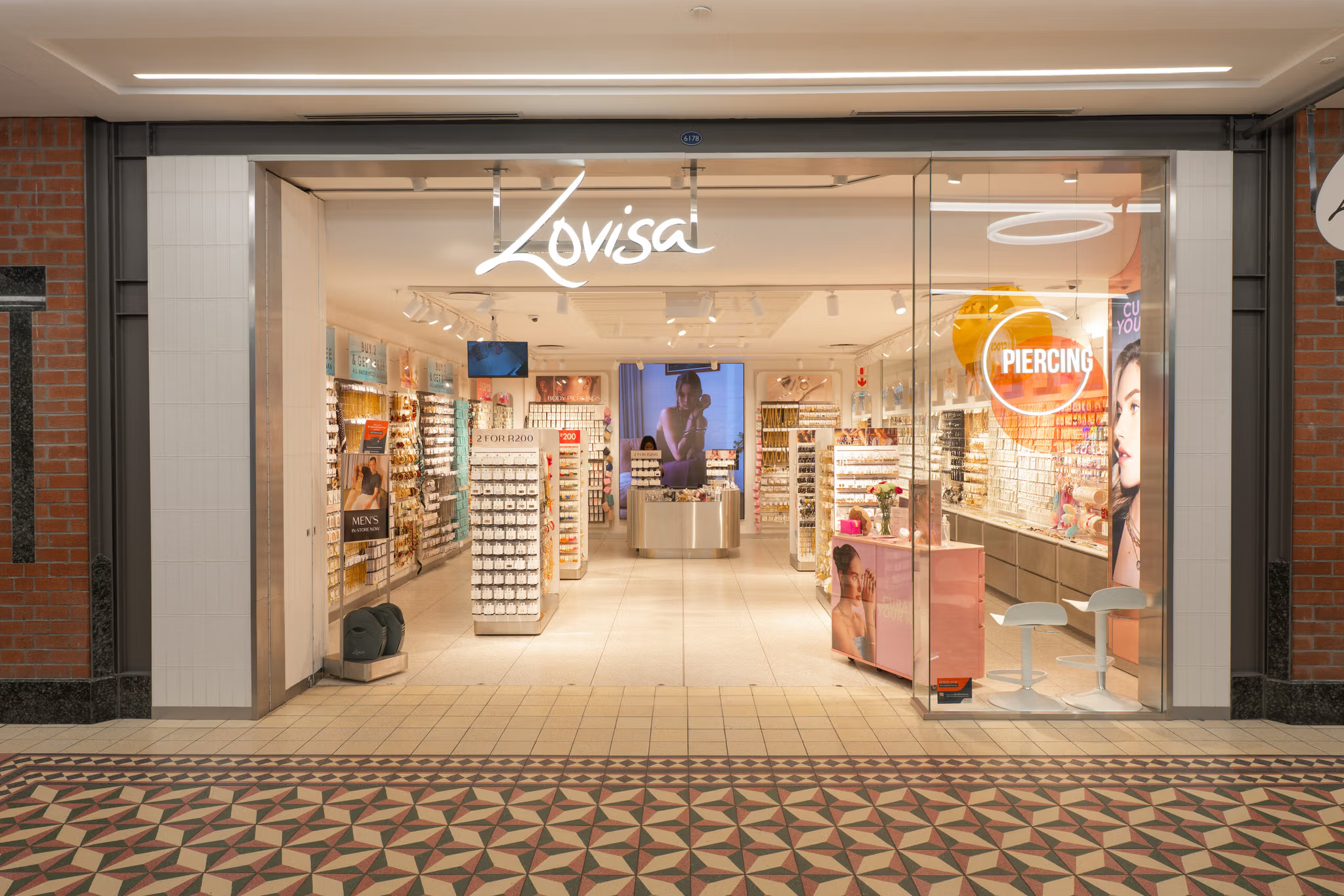
    Lovisa posted double-digit revenue and profit growth for fiscal 2026, generating $938.8 million in total sales across its global store network. The result shows budget-conscious shoppers continued buying affordable accessories despite persistent cost-of-living pressure in Australia and key overseas markets.

    Tightened household budgets did little to slow store turnover. Fast-fashion jewellery continues to capture discretionary spending from consumers who pull back on higher-priced apparel and luxury goods, giving mass-market operators sustained foot traffic across shopping centres.

    Demand across budget accessories

    Lovisa relied on its high-turnover model to drive revenue across its retail footprint. Low price points allowed the brand to maintain transaction volume even as inflation squeezed general consumer spending.

    The performance reflects a broader split in retail spending across the Asia-Pacific region. While big-ticket discretionary categories face softer demand, impulse-driven accessory purchases continue to clear inventory rapidly.

    Market rivals and category pressure

    Competition in the affordable jewellery segment is intensifying across major retail hubs. New challenger brands, including ventures launched by former Lovisa executives, are expanding store networks and targeting the same demographic with rapid product drops.

    Sustaining double-digit expansion will depend on how effectively the chain defends mall real estate and controls store operating costs. Market watchers will track upcoming store rollout milestones and regional trading updates in the next financial reporting cycle.

  • FamilyMart Relaxes Dress Code to Allow Dyed Hair and Hijabs in Japan

    FamilyMart Relaxes Dress Code to Allow Dyed Hair and Hijabs in Japan

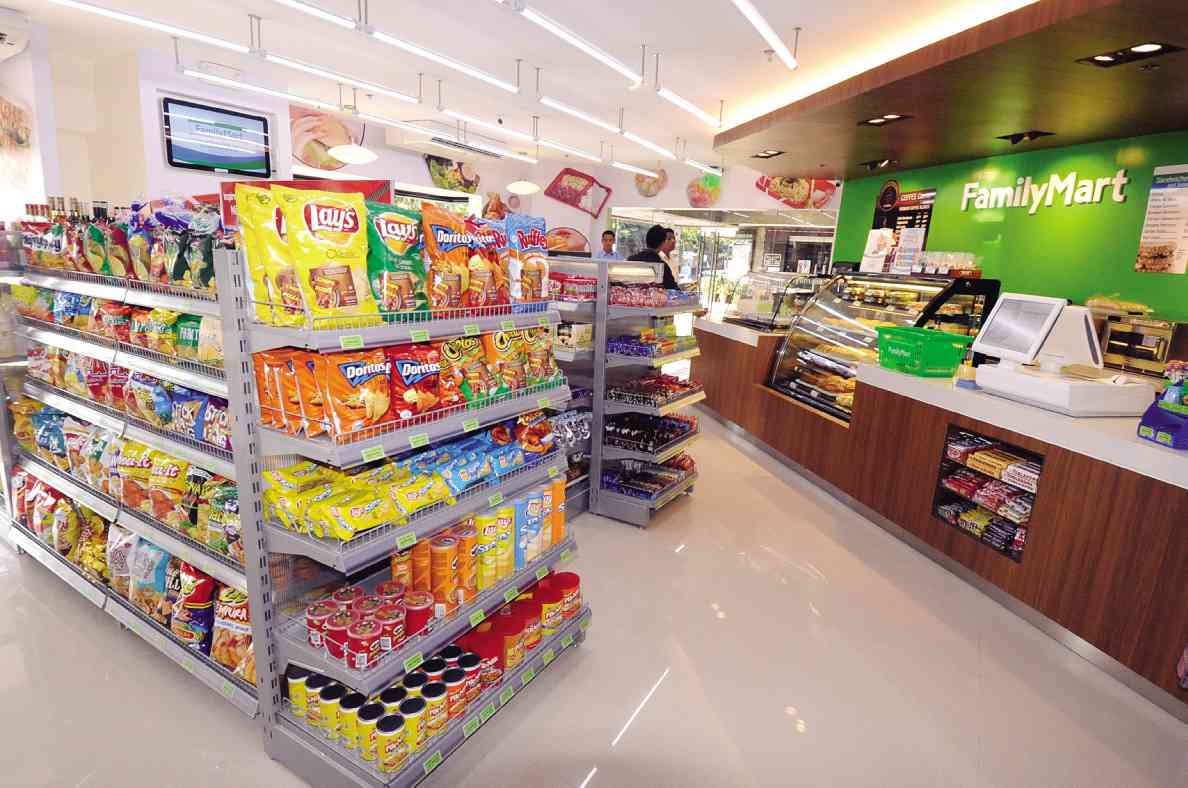
    FamilyMart will allow store staff in Japan to dye their hair and wear hijabs starting next Tuesday, easing strict appearance standards to widen its hiring pool.

    The policy overhaul comes alongside a complete uniform revamp, the chain’s first redesign in 10 years.

    New Uniforms and Digital Hiring

    Store clerks will have the option to choose any hair color, and Muslim female staff can wear hijabs on shift. The updated uniform line-up introduces a T-shirt design, a first for the Japanese convenience sector, alongside a standard long-sleeved alternative.

    Recruitment processes are also shifting to speed up hiring. Store operators will begin using recorded and online video interviews to screen candidates across the network.

    Convenience operators across Japan have faced mounting staffing pressures as demographic declines shrink the domestic labor supply. Rivals Seven-Eleven Japan and Lawson have similarly tested automated checkouts and relaxed employee rules over recent years to attract younger workers and foreign nationals, who make up an increasing share of night and weekend shifts in major metro areas.

    Expanding Private Label Lines

    Beyond workforce changes, FamilyMart is pushing deeper into non-food merchandise. The retailer plans to expand Convenience Wear, its proprietary apparel brand, and roll out pet products including dog leashes and collars.

    The new grooming rules and uniform options take effect on Tuesday across the chain’s nationwide network.

  • Esprit Posts HK$87.7 Million First-Half Loss as Licensing Pivot Stumbles

    Esprit Posts HK$87.7 Million First-Half Loss as Licensing Pivot Stumbles

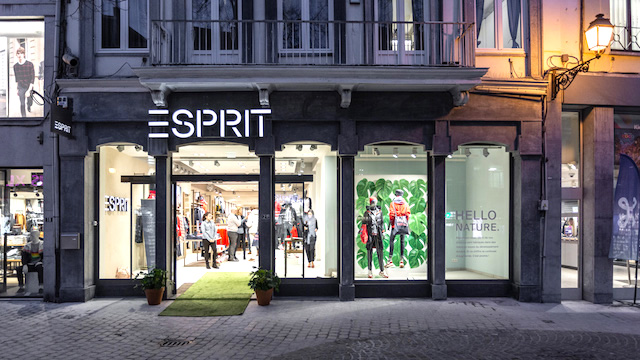
    Esprit Holdings swung back into the red with a net loss of HK$87.7 million (US$11.2 million) for the first half of 2026. Revenue for the six months to June totaled just HK$14.9 million ($1.9 million), reflecting the brand’s radical downsizing into a pure licensing shell.

    The result reverses a brief HK$1.3 million profit recorded a year earlier. Esprit has booked a full-year profit only once since 2016, racking up more than $1 billion in cumulative losses while shuttering store networks and liquidating units across Europe and North America. In June, the company deconsolidated its Canadian business following local insolvency filings.

    Balance-sheet cash generation was minimal, with net cash inflow standing at $712,000 for the period. Total assets stood at HK$295.45 million against liabilities of HK$232.19 million, supported by HK$335 million in total credit facilities, of which HK$125.13 million was drawn at the end of June.

    Accumulating Legal Claims

    Legal liabilities from defunct operational entities continue to drain group reserves. In July, the International Court of Arbitration ordered Esprit to pay $3.93 million and HK$40,900 plus interest over disputed 2024 legal fees, forcing an additional HK$22.5 million charge on top of earlier provisions.

    A Dutch bankruptcy trustee handling the collapse of Esprit Europe is seeking up to 49 million euros ($57.1 million) over contested intra-company transfers. Esprit contends the claim is unenforceable in Hong Kong courts. A separate dispute over an early lease termination poses an estimated HK$14 million exposure.

    Retail Partners and Royalties

    Under acting chairman Bradley Wright, the company has staked its survival entirely on collecting royalties from third-party partners. Licensees handle inventory, logistics, and store operations across Asia and the Americas while Esprit trades as an asset-light trademark owner.

    In Hong Kong, Esprit’s licensee opened a second location with a flagship store at Olympian City. Mainland Chinese partners sell across Tmall, Douyin, Vip.com, and JD.com while pushing the brand into activewear. In North America, the local licensee placed retro logo fleece sweatshirts into Costco in the United States and Walmart in Canada in July.

    The shift mirrors the path taken by troubled apparel names across the region that abandoned direct retail in Asian markets in favor of wholesale brand licensing. Stripping away direct operating costs lowers overhead quickly, but the model leaves Esprit dependent on wholesale discounters and cut-price online channels that risk diluting whatever brand equity remains from its 1980s peak.

    Attention turns next to the legal jurisdiction dispute in Hong Kong, where proceedings on the 49 million euro Dutch trustee claim will test whether Esprit’s offshore corporate structure can protect its remaining HK$63.26 million in net assets from European creditors.