Tag: apparel

  • Newme Expands Indian Store Footprint Targeting Break-Even

    Newme Expands Indian Store Footprint Targeting Break-Even

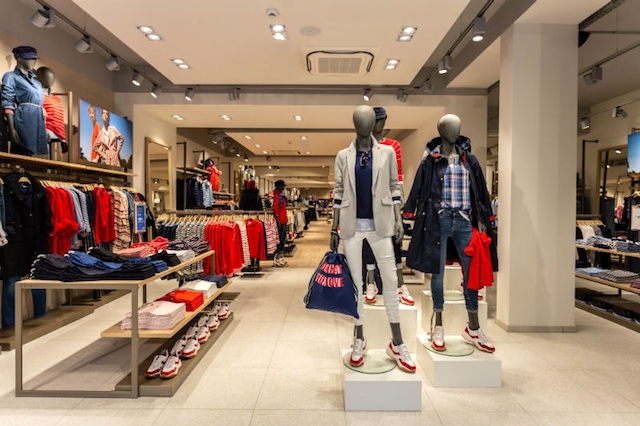
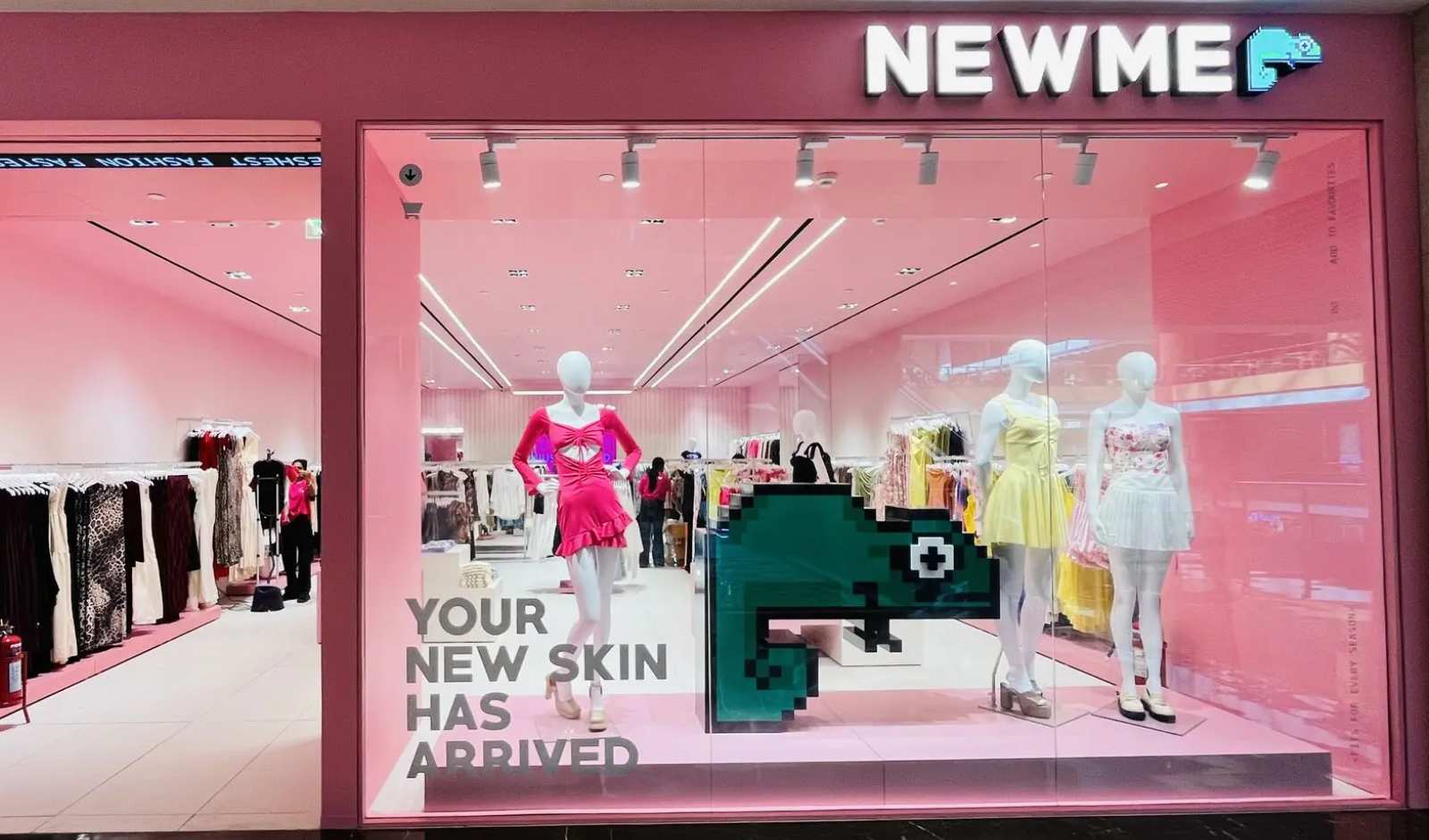
    Indian apparel brand Newme is expanding its brick-and-mortar footprint across secondary cities to reach young female shoppers and achieve break-even this year.

    The Bengaluru-based fast-fashion startup recorded revenue gains through the financial year ended March 31, 2025, and is pushing into regional markets where digital sales are accelerating ahead of physical retail supply.

    Targeting Underserved Regional Hubs

    Chief executive officer and co-founder Sumit Jasoria said the company is opening stores in cities that established apparel chains often overlook. The brand focuses on affordable Western wear designed for Gen Z women.

    Physical expansion is targeting tier-two and tier-three centers, including Ahmedabad and markets across northern India, where online customer acquisition has outpaced physical retail space.

    “Ahmedabad is a market which is underserved by every brand. North is a market underserved by every brand. We feel there is a very big space for us to go and build a very big brand there,” Jasoria said.

    Balancing Unit Economics and Expansion

    Opening physical stores across non-metro cities lowers customer acquisition costs compared to pure-play online marketing, but it introduces fixed overheads and inventory risks.

    For retail landlords in secondary Indian cities, fast-fashion brands targeting young shoppers offer high footfall and reliable rental yields. The risk for Newme sits in managing inventory turnover across a wider physical network while keeping prices low enough to retain Gen Z buyers.

    The Shift to Omnichannel Retailing

    Direct-to-consumer apparel labels across India have increasingly moved offline after reaching digital growth ceilings. Rising digital ad rates on social platforms have made pure-play online customer acquisition prohibitively expensive.

    By setting up storefronts in high-density shopping districts, Indian fashion startups are converting digital brand awareness into immediate cash flow, mirroring strategies deployed by regional value-fashion competitors.

    Financial Targets and Next Steps

    Newme recorded revenue gains through the financial year ended March 31, 2025, and is prioritizing operational profitability over growth at any cost.

    Management is tracking store opening targets through the end of the calendar year as the company works to deliver its first break-even financial year.
  • Bangladesh Garment Factory Cooling Costs Recovered Within Four Years

    Bangladesh Garment Factory Cooling Costs Recovered Within Four Years

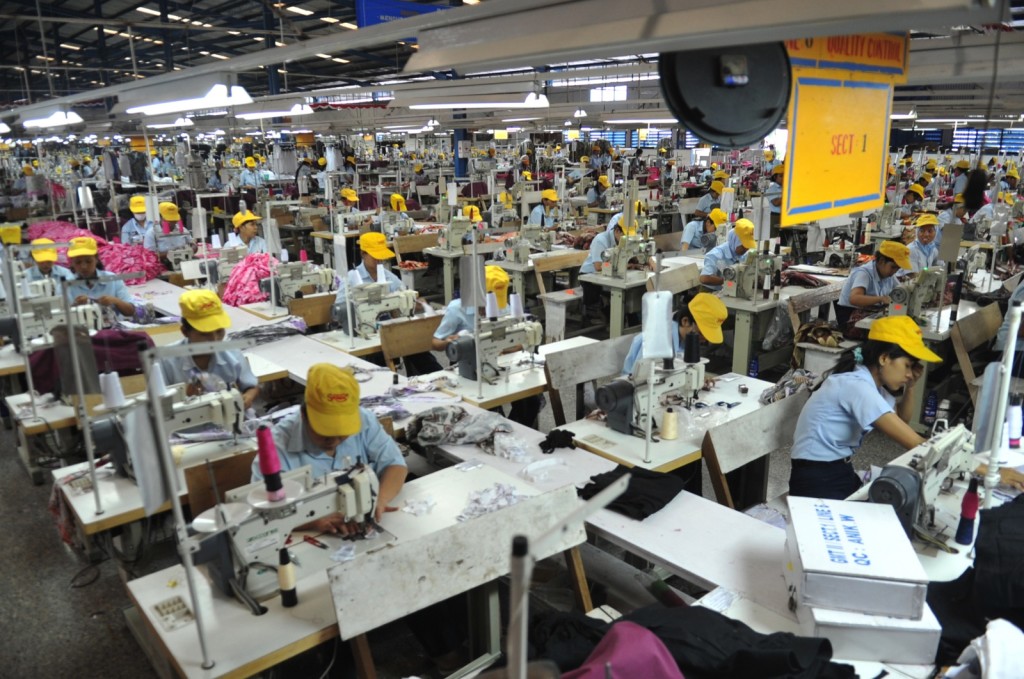
    Investments in cooling systems across Bangladesh garment factories pay back capital costs within four years, according to a study released on Sunday. Temperature data collected over a six-month period across eight manufacturing facilities in Dhaka showed that indoor heat stress erased an average of 4.1 per cent of annual factory revenue.

    Researchers at Cornell University’s Global Labor Institute found that physical modifications, including reflective roof paint, overhead insulation, and airflow ventilation, are commercially viable. Factory temperatures regularly climbed higher than outdoor readings, with the heaviest thermal load concentrated in pressing, ironing, and finishing lines.

    The Math on Shop Floor Cooling

    Jason Judd, executive director of the Global Labor Institute, noted that suppliers considering heat mitigation have struggled to weigh upfront spending against operational savings. Over the past year, apparel brands have sought verified payback timetables while discussing mitigation costs, emissions targets, and alternative energy sources with manufacturers.

    Apparel brands have spent years negotiating greenhouse gas targets and energy efficiency standards with suppliers. Adding physical climate adaptation to commercial contracts changes the financial equation. It shifts the focus from pure regulatory compliance to protecting factory throughput.

    Buyer Pricing and Cost Sharing

    Paying for factory retrofits creates friction between Asian garment manufacturers and Western fashion labels. Factory operators run on thin unit margins. They hesitate to fund facility upgrades without long-term order commitments or higher purchasing prices from international buyers.

    A heat resilience toolkit from the American Apparel and Footwear Association recommends that global brands co-fund factory modifications when direct commercial returns fall short of total setup costs. Nate Herman, executive vice president at the trade group, stated that brands must help protect workers across manufacturing networks as extreme heat events become frequent.

    Regional Export Exposure

    Earlier trade assessments showed severe climate risks across Asian manufacturing hubs. Heat stress and seasonal flooding threaten to wipe out $65 billion in combined apparel export earnings across Bangladesh, Cambodia, Pakistan, and Vietnam by 2030 if industrial zones fail to adapt physical infrastructure.

    Suppliers in Dhaka and regional production belts face a clear timeline to integrate cooling into capex plans. Retail buyers and factory operators will test the financial returns of these ventilation and insulation upgrades as contract pricing rounds open for upcoming production cycles.

  • Tommy Hilfiger Launches Dedicated E-Commerce Platform in India

    Tommy Hilfiger Launches Dedicated E-Commerce Platform in India

    Tommy Hilfiger launched its official India e-commerce website, in.tommy.com, this week, marking the brand’s first dedicated Tommy.com experience in the country.

    PVH Arvind Fashion Private Limited, the joint venture between PVH Corp and Arvind Fashions, operates the digital storefront alongside the brand’s physical retail network.

    Direct digital channel in India

    The new website gives Tommy Hilfiger direct control over 1 unified channel for customer data, catalog presentation, and promotional pricing in the Indian market. Shoppers gain access to the brand’s complete apparel, footwear, and accessories collections through a single proprietary digital hub.

    Local fulfillment routes through PVH Arvind Fashion’s domestic logistics infrastructure. Orders ship directly across Indian pin codes from warehouses that also supply the brand’s standalone brick-and-mortar stores.

    Shifting away from marketplace dependence

    Premium global apparel brands in India long relied on third-party marketplaces such as Myntra, Tata Cliq Luxury, and Ajio to build digital sales volume. Those platforms deliver footfall, but they compress wholesale margins and limit direct consumer engagement.

    Setting up a proprietary site shifts the economic equation for PVH Corp. Direct-to-consumer sales protect full-price sell-through rates and allow the operator to manage inventory clearance without diluting premium brand positioning.

    Joint venture operational footprint

    Arvind Fashions and PVH Corp have operated their Tommy Hilfiger partnership in India for two decades, building an extensive physical network in Tier 1 and Tier 2 metro hubs. The brand sells through hundreds of retail touchpoints across the country, including company-run stores, franchise doors, and department store shop-in-shops.

    Adding in.tommy.com unifies physical store loyalty programs with online accounts. Customers can access brand-specific promotions, cross-channel returns, and unified customer service through the JV’s centralized system.

    Execution targets and rollout

    Managing direct fulfillment across diverse Indian delivery zones requires tight inventory synchronization between central hubs and physical stores. PVH Arvind Fashion must maintain service speed against domestic e-commerce aggregators that offer same-day delivery in major metros.

    The joint venture will track online conversion rates, average order values, and repeat purchase frequencies as the platform scales across non-metro regions over the coming quarters.

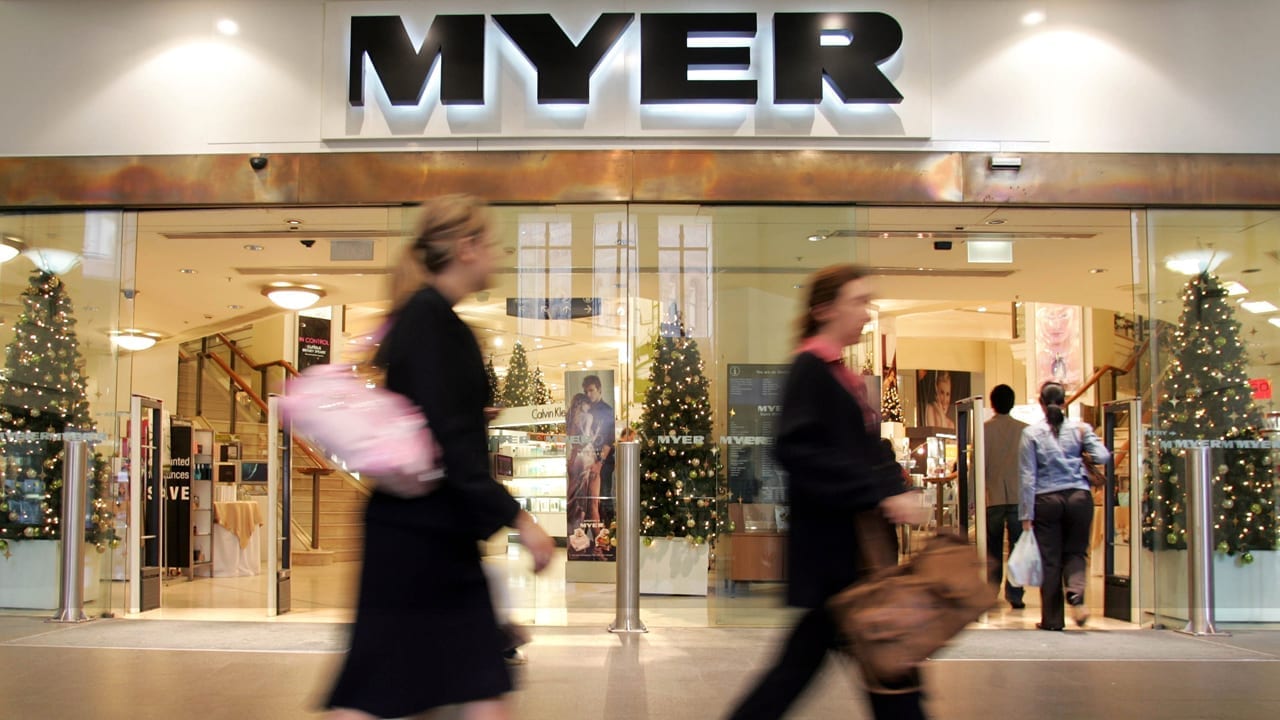
  • Myer Posts AU$276.5 Million Loss on Impairments as Solomon Lew Joins Board

    Myer Posts AU$276.5 Million Loss on Impairments as Solomon Lew Joins Board

    Department store operator Myer posted a statutory net loss of AU$276.5 million for fiscal 2026. The result followed AU$319 million in one-off write-downs and expenses.

    Total group revenue surpassed AU$4 billion, rising 11.3 per cent over the year after consolidating apparel chains acquired from Premier Investments. An asset impairment of AU$279.6 million drove the bulk of the bottom-line hit. Stripping out exceptional charges, underlying net profit after tax stood at AU$42.5 million.

    Retail magnate Solomon Lew joins the Myer board on September 24 as a non-executive director. Lew controls Premier Investments, which holds approximately 30 per cent of Myer equity. Premier executive Mark Middeldorf joins alongside him as an alternate director.

    Apparel Brands Show Mixed Integration

    Revenue in the consolidated Apparel Brands division, spanning Just Jeans, Jay Jays, Jacqui E, Dotti and Portmans, fell 1.3 per cent during the period. Just Jeans sales rose 6 per cent. That gain failed to offset weak customer demand at other former Premier labels like Portmans. Core department store operations under Myer Retail booked a 0.7 per cent sales increase year on year.

    Consumer demand shifted abruptly during the final quarter of the financial year across Australian shopping centers. Group executive chair Olivia Wirth cited steep slowdowns in June and July as household budgets tightened across the country.

    “The second half of FY26 was characterised by a volatile and significantly more challenging macroeconomic and retail environment than 1H26 or FY25,” said Myer Group executive chair Olivia Wirth.

    Asset Impairments and Market Pricing

    The AU$279.6 million impairment resets the balance sheet after years of structural pressure on department store floor space and portfolio valuations. Writing down those assets clears accumulated legacy costs ahead of integrating supply chains and loyalty programs across hundreds of regional storefronts. Equity investors took the writedowns in stride. They bid the stock higher on the underlying earnings figure, despite a 61 per cent share price drop over the preceding twelve months.

    Operating costs across Australian retail supply chains remain high as freight contracts, store rent escalations and award wage adjustments squeeze gross margins. Competing department store and apparel groups have trimmed inventory orders and turned to promotional discounts to clear seasonal stock. Myer must now extract distribution savings from its newly absorbed specialty brands before overheads erode specialty store cash flows.

    Earlier Steps in the Premier Transaction

    That restructuring traces back to December, when Myer completed the purchase of the Apparel Brands portfolio from Premier Investments in exchange for equity. The deal made Lew the retailer’s dominant shareholder and granted him board observer status while regulatory reviews concluded. Lew was initially slated to assume a formal directorship in April before the company finalized its full-year accounts.

    Earlier trading updates in July had warned of soft first-half momentum across discretionary retail categories. The full-year results confirm the winter retail slowdown deepened, leaving margins compressed across multiple apparel lines.

    Board Oversight and the Next Trading Window

    With Lew taking a direct seat in boardroom deliberations, capital allocation decisions will focus on store footprint rationalisation and digital integration across the combined portfolio. Management expects volatile consumer sentiment to persist across the domestic retail sector throughout the next twelve months. The upcoming November promotional period and December Christmas trading quarter will test whether the expanded brand lineup can stabilize operating cash flows.

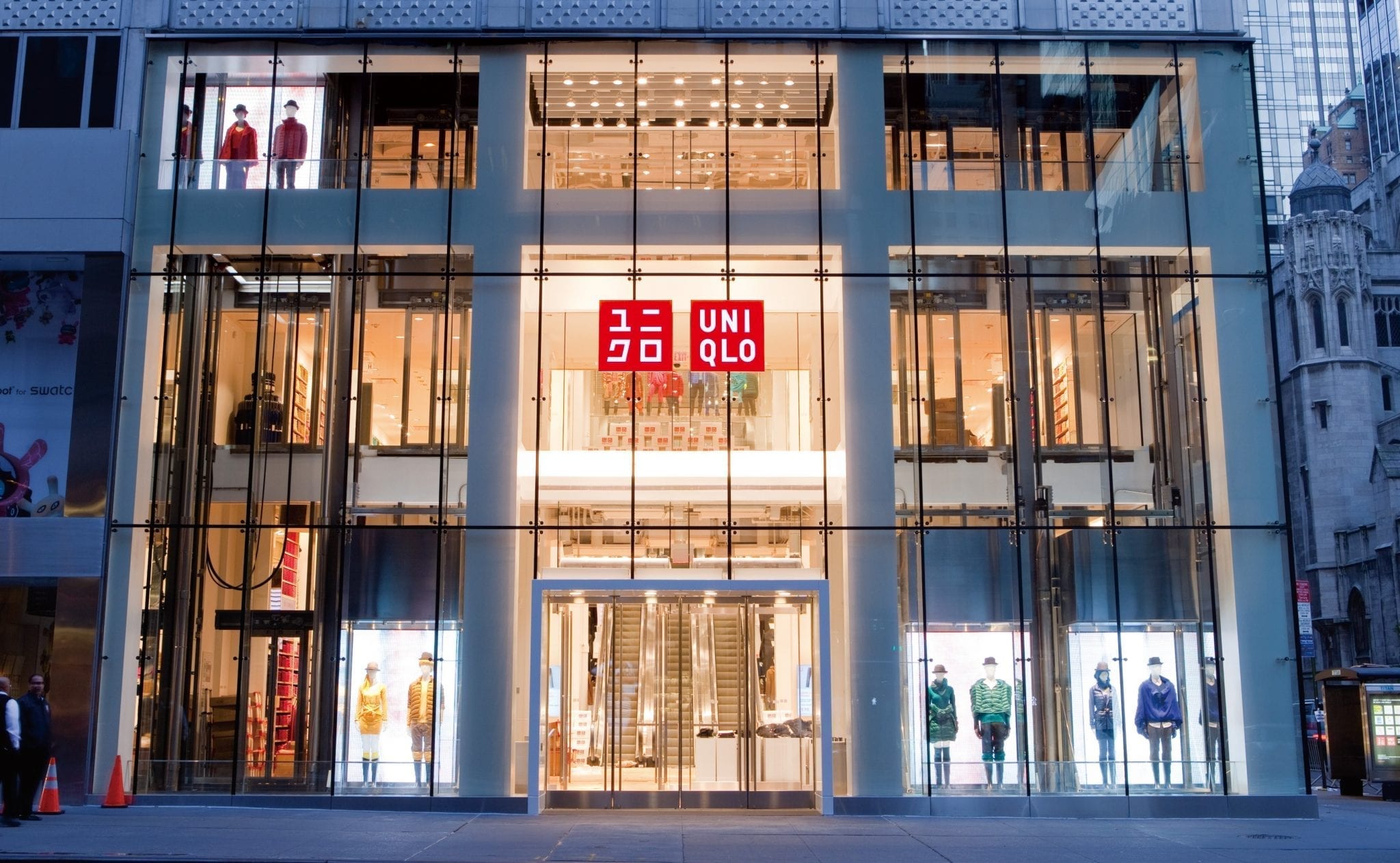
  • Uniqlo Expands in Queensland with 777-Square-Metre Sunshine Plaza Store

    Uniqlo Expands in Queensland with 777-Square-Metre Sunshine Plaza Store

    Uniqlo will open its first store on Queensland’s Sunshine Coast on October 15, anchoring a 777-square-metre space at Sunshine Plaza. The site introduces the Japanese apparel brand’s full LifeWear lineup to the coastal region across men’s, women’s, children’s and baby categories.

    The store features an updated layout alongside digital interactive elements designed to streamline foot traffic and product discovery. It will also sell exclusive UT graphic T-shirts developed with a local Sunshine Coast artist.

    Regional Expansion Across Australia

    Satoshi Naito, chief operating officer of Uniqlo Australia, said the location reflects how the brand adapts its physical format as it broadens coverage outside core metropolitan centres. The Sunshine Coast site extends the retailer’s footprint beyond Brisbane and the Gold Coast, capturing population shifts toward regional commercial hubs.

    This store represents the evolution of Uniqlo in Australia, offering not only our full range of LifeWear essentials, but also a dynamic and interactive shopping experience that reflects our Japanese roots and global vision.

    Fast Retailing continues to push Uniqlo into regional Australian shopping centres where stable domestic spending balances volatile tourist footfall. By securing mid-sized formats under 1,000 square metres, the retailer limits inventory holding costs while maintaining full product category presentation.

    Shifting Demographics and Suburban Leases

    Shopping centre landlords across Queensland face heightened competition for reliable international fashion tenants as departmental store footprints shrink. Securing Uniqlo at Sunshine Plaza gives the asset a resilient traffic driver capable of drawing everyday basics shoppers from across the Maroochydore catchment.

    Rival international fast-fashion operators face higher pressure to refresh regional mall presences. Where competitors rely heavily on rapid turnover trends, Uniqlo’s core staple strategy provides steady sales volumes, though managing supply chain distribution to non-metro sites introduces minor freight overheads.

    Building on Decade-Long Groundwork

    The Sunshine Coast rollout follows a major reinvestment phase across Australia’s eastern seaboard. Late last year, the company reopened its refurbished Emporium Melbourne flagship after extensive works, marking ten years since Uniqlo entered the Australian retail sector.

    Trading begins at the Sunshine Plaza location on October 15, with trading hours and regional footfall performance over the fourth quarter set to inform further outer-metro site selections across Queensland.

  • Uniqlo Rolls Out Life Wear Week in Singapore for Fall/Winter 2026

    Uniqlo Rolls Out Life Wear Week in Singapore for Fall/Winter 2026

    Uniqlo rolled out Life Wear Week across its Singapore stores in September 2026, tying local promotions to its global Fall/Winter launch. The campaign spanned the island. It featured in-store installations, consumer styling sessions, and tiered gift-with-purchase incentives for apparel shoppers.

    Activations supported the retailer’s ‘Modern City Feelings’ theme, aimed at urban shoppers tracking digital fashion trends. The Japanese chain built the campaign around social media’s role in spreading local city styles across borders.

    Localizing global seasonal campaigns

    Paulene Ong, marketing director of Uniqlo Singapore, led the islandwide drive. The rollout paired physical floor displays with local wardrobe advice. That helped pull shoppers into stores during the seasonal changeover.

    Apparel retailers in Southeast Asia face a clear challenge with autumn and winter lines. Tropical climates do not require heavy cold-weather coats for daily wear. To counter this, Uniqlo focused its Singapore displays on lightweight layering, versatile city travel pieces, and functional innerwear for local commuters and regional travellers.

    The shifting mechanics of city retail

    This push reflects a wider operational shift across Southeast Asian hubs. Rather than relying solely on standard regional distribution, global fast-retailing brands now use experiential marketing, tailored visual merchandising, and timed gifts to lift basket sizes.

    Competitors across Singapore and Malaysia have also expanded experiential floor space to protect margins against online pure-plays. For mall landlords, interactive setups like styling sessions boost repeat visits and keep shoppers in flagship stores longer.

    What to watch across the network

    Parent company Fast Retailing continues to expand Uniqlo’s Southeast Asian footprint. It uses gateway markets like Singapore to test consumer response to global collection themes before widening regional promotions. Core LifeWear lines remain crucial to keeping up sales momentum across the regional fleet.

    Attention now shifts to sell-through rates for the Fall/Winter 2026 assortment across Southeast Asia as year-end travel demand builds toward the fourth quarter.

  • Fashion Brands Influence 30 Percent of Global Farmland, Oxford Study Finds

    Fashion Brands Influence 30 Percent of Global Farmland, Oxford Study Finds

    Global fashion brands hold purchasing influence across 1.45 billion hectares of agricultural land, representing 30.15 percent of the world’s farmland, according to a joint study by the University of Oxford and Dirt Charity.

    Livestock grazing for leather and wool accounts for almost 97 percent of that total footprint, linking apparel buyers directly to commercial livestock farming networks worldwide ahead of European Union due diligence enforcement starting Sept. 27.

    Researchers at Oxford’s Smith School of Enterprise and the Environment and Dirt Charity analyzed five natural fiber categories to measure the full territory shaped by textile demand. Leather production ties into 876 million hectares of grazing land, while wool involves 528.4 million hectares. Cotton farming occupies 34.7 million hectares, linen and hemp cover 5.9 million hectares, and silk accounts for 2.3 million hectares.

    Allocating Land Across Shared Commodity Chains

    The calculation counts the entire agricultural area involved in growing crops or grazing animals rather than isolating the textile portion alone. Cotton lint makes up roughly 40 percent of harvested seed cotton, with the rest processed into cottonseed oil and animal feed, yet farm-level chemical inputs and soil practices apply to the entire crop. Because livestock systems serve meat, dairy, and leather markets simultaneously, the researchers treated the whole grazing area as subject to brand procurement requirements.

    Industrial leather processing reached more than 2.9 billion square meters globally in 2024. Footwear, apparel, and leather goods consumed 1.2 billion square meters of that output, while automotive interiors and furniture manufacturers bought the remaining volume.

    “We are not measuring blame. We are measuring power, and it turns out fashion has far more of it than anyone has been telling us.”

    Supply Chain Gaps Across Asian Sourcing Hubs

    For Asian garment hubs and raw material producers, the findings place commercial responsibility squarely on brand purchasing offices. Sourcing directors across Europe and North America often treat raw material agriculture as an unmanageable Tier-4 liability, leaving farm-level investments to local growers in India, China, and Pakistan. That separation is ending as buyers face mandatory supply chain due diligence rules in their home retail markets.

    Asian yarn spinners and fabric mills now face conflicting pressures from Western clients. Buyers demand verified low-impact cultivation methods such as organic or regenerative farming, but rarely offer long-term price premiums or multi-year purchasing volume guarantees. Without committed off-take contracts, smallholders across South Asian cotton belts bear the entire capital risk of switching soil management practices.

    Carbon Variations Outweigh Material Selection

    Production methods create wider environmental gaps within the same fiber category than the switch between alternative materials, the report found. Life cycle reviews cited in the study showed leather emissions ranging from 8.5 kilograms to 151.9 kilograms of carbon dioxide equivalent per square meter. Viscose emissions spanned 0.20 to 8.30 metric tons of carbon dioxide equivalent per metric ton of fiber, governed by feedstock origin and local electricity grids.

    Agricultural trials cited in the research show operational benefits from alternative soil methods. Long-term cotton trials running over 12 years in India demonstrated stronger soil microbial activity under biodynamic management systems. A five-year project at Egypt’s Sekem initiative cut chemical pesticide use to below 10 percent of previous levels, lifted cotton yields by almost 30 percent, and reduced soil salinity by 18 percent.

    European Compliance Deadlines Press Brand Filings

    The Oxford assessment builds on earlier NGO audits of fashion supply chains, which identified persistent traceability blind spots between Tier-1 assembly plants and upstream agricultural holdings. European retailers are now scrambling to document farm-level provenance as the European Union begins enforcement of its Empowering Consumers for the Green Transition Directive on Sept. 27.

    Dirt Charity and Biodynamic Federation Demeter International are finalizing the Demeter Textile Standard, a commercial framework covering 11 raw material categories across agricultural production, processing, and garment compostability. Apparel groups face mounting scrutiny to verify farm-level environmental claims before the next round of statutory sustainability disclosures opens in 2027.

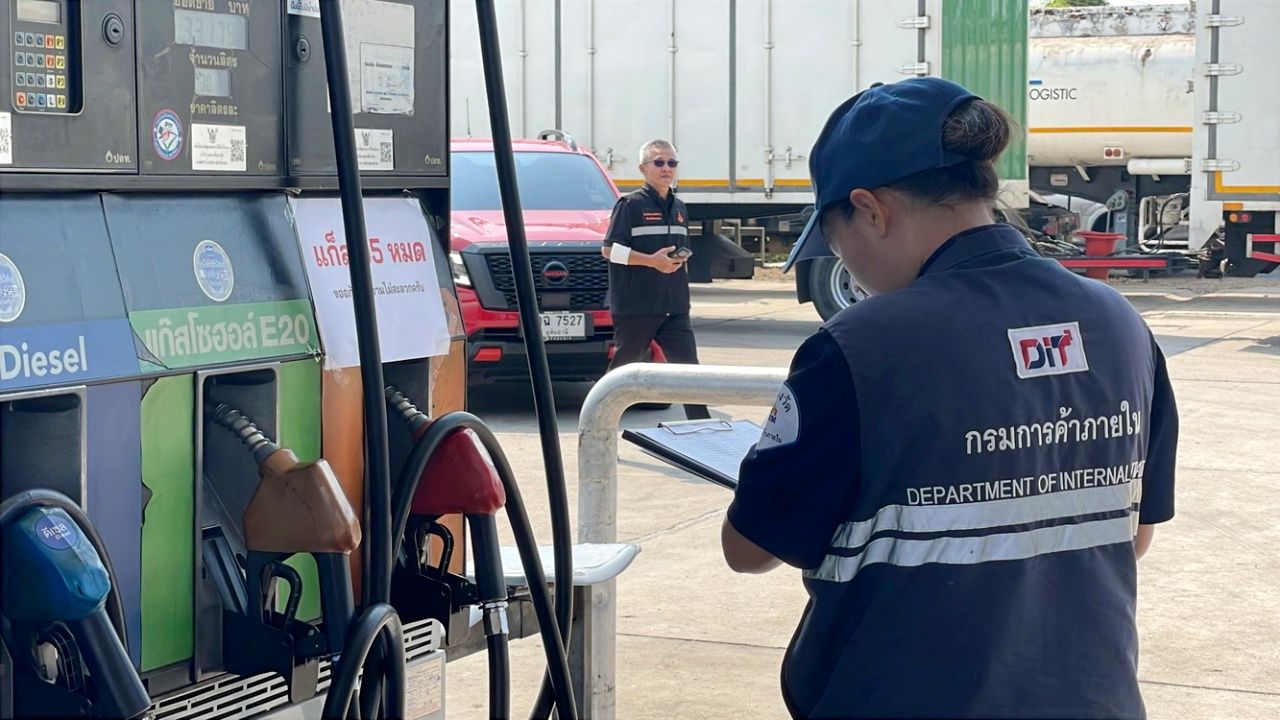
  • Bangladesh Raises Fuel Prices by up to 17.4 Percent as Import Costs Surge

    Bangladesh Raises Fuel Prices by up to 17.4 Percent as Import Costs Surge

    Bangladesh raised domestic fuel prices by up to 17.4 percent on Monday, targeting state energy import losses as crude prices and ocean freight rates climbed.

    The price adjustments took effect immediately across petrol pumps nationwide, lifting diesel to 135 taka ($1.11) per litre from 115 taka.

    Under the revised schedule, 95-octane gasoline increased to 165 taka per litre from 145 taka, petrol climbed to 160 taka from 140 taka, and kerosene rose to 155 taka from 135 taka. The Energy Ministry said international fuel prices have more than doubled since March 2026, while shipping disruptions linked to Middle East conflict increased landed supply costs.

    Cutting State Losses at the Pump

    State-owned Bangladesh Petroleum Corporation accumulated losses of 228.76 billion taka ($1.9 billion) between March and August 2026. Ministry officials estimate the revised retail pricing will reduce the agency’s annual deficit by approximately 100 billion taka. The adjustment aims to protect central foreign exchange reserves and discourage cross-border fuel smuggling to neighbouring markets where retail prices trade higher.

    Dhaka continues to fund heavy subsidies on imported liquefied natural gas to maintain power generation and industrial gas distribution. Rising procurement costs across both liquid fuels and gas have steadily eroded the state treasury balance over the last two quarters.

    Factory Floors Face Margin Compression

    For consumer goods manufacturers and the apparel export network, the price increase hits operations already coping with unstable grid power and factory fuel rationing. Garment suppliers rely on diesel generators to prevent assembly line stoppages during power cuts, meaning higher pump prices translate directly into elevated unit production costs.

    Mohiuddin Rubel, additional managing director of Denim Expert Ltd, which supplies international fashion retailers including H&M, noted that fast turnaround times and low manufacturing overhead remain critical to retaining brand contracts.

    “Staying in business means staying competitive: the buyer who gets a product onto the shelf fastest and cheapest wins, and gas, power, and fuel costs all feed into that equation,” said Mohiuddin Rubel, additional managing director of Denim Expert Ltd.

    Transport Rates and Consumer Inflation

    Domestic trucking fleets and river transport operators face immediate overhead increases that will push up wholesale and supermarket shelf prices across Dhaka, Chittagong, and secondary cities. Higher logistics expenses reduce operating margins for retail distributors who are unable to pass full cost increments onto price-sensitive shoppers.

    Anwar-ul Alam Chowdhury, president of the Bangladesh Chamber of Industries and chairman of apparel exporter Evince Group, warned that elevated operating expenses risk prompting industrial downsizing and job cuts across production clusters.

    The Third Adjustment Since April

    Monday’s increase represents Dhaka’s third upward fuel revision in five months, following earlier price rises enacted in April 2026 and June 2026. Each successive step attempted to narrow the gap between fixed domestic pump rates and volatile global energy benchmarks without extinguishing factory activity.

    The Energy Ministry will review Bangladesh Petroleum Corporation import invoices and domestic refinery runs next quarter to determine whether the 100 billion taka annual loss reduction target holds.

  • Pakistan Cotton Arrivals Rise 19 Percent to 2.39 Million Bales

    Pakistan Cotton Arrivals Rise 19 Percent to 2.39 Million Bales

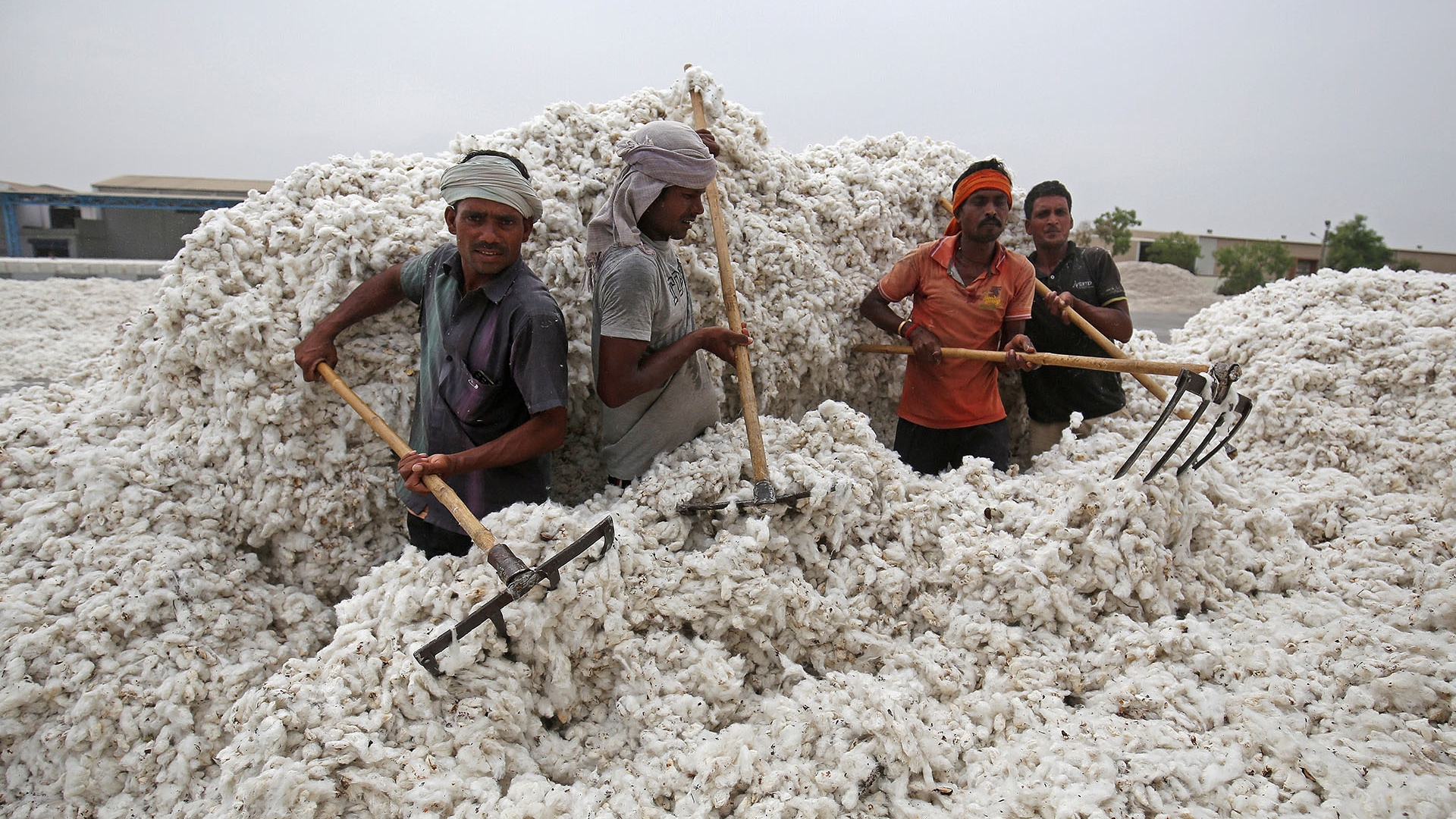
    Cotton arrivals at Pakistani ginning factories reached 2.389 million bales by September 15. That volume is up 19 percent from 2.004 million bales during the same period last year.

    The early surge lifts industry projections for full-year national output above six million bales. Last season yielded roughly 5.5 million bales.

    Provincial receipts showed uneven growth across primary growing regions. Punjab deliveries jumped 24.73 percent to 860,942 bales, while Sindh processed 1.528 million bales, a rise of 16.25 percent. Active facilities totaled 205 ginning factories in Punjab and 207 in Sindh.

    Regional Splits and Factory Volumes

    Sindh led early harvesting through intensive picking in key southern districts. Sanghar district alone delivered 888,607 bales to local ginners by mid-September. That single district outpaced the combined intake of all ginning units in Punjab.

    Steady field conditions across Matiari, Tando Allahyar, Hyderabad, Mirpurkhas, Nawabshah and Naushahro Feroze supported the southern haul. In Punjab, picking concentrated across Bahawalpur, Bahawalnagar, Dera Ghazi Khan, Multan, Vehari, Rahim Yar Khan, Muzaffargarh and Rajanpur.

    Mill Demand and Price Competition

    Domestic spinning and textile mills secured the bulk of intake, buying 2.035 million bales by the reporting deadline. Raw cotton exporters booked 93,000 bales. Ginners were left holding an unsold inventory of approximately 261,000 bales.

    Spot prices dropped sharply across trading hubs despite steady buying by domestic spinners. Over seven days, lint prices fell by about Rs1,000 per maund. Rates settled near Rs18,600 in Punjab and Rs18,400 in Sindh.

    Lower import parity prices for Brazilian raw cotton prompted several Pakistani mills to place overseas orders, dampening local price support. Cheaper imported fiber caps production costs for downstream yarn and fabric makers. Domestic growers, however, face tighter margins at the farm gate.

    This price squeeze creates supply chain risks for regional fashion retailers who rely on Pakistani mills for yarn and finished garments. Falling domestic lint prices could erode farm profits. That risk threatens to reverse acreage recovery in future planting cycles and drive higher import dependency across the South Asian textile corridor.

    Data Gaps and Acreage Shifts

    Cotton acreage in Punjab faces land competition from sugarcane, which has expanded into traditional cotton tracts. That shift explains part of the volume gap between the two provinces.

    Official production figures also show large reporting discrepancies between agencies. The Pakistan Cotton Ginners Association recorded 860,942 bales in Punjab through September 15. The Punjab Crop Reporting Service estimated 1.483 million bales by September 17. That represents a 72 percent gap between factory receipts and provincial field estimates.

    Pest Control and Final Crop Risks

    Early arrivals do not guarantee an unbroken harvest, field specialists warn. Agronomists have identified pink bollworm infestations in both provinces. Whitefly, jassid and thrips also apply localized pressure.

    Pest management over the coming weeks will determine whether crop yields hold.

    “The next few weeks will be critical,” Mahmood said, stressing continuous monitoring of bolls, timely pest-control measures and picking to protect both yield and lint quality.

    Growers and ginners are tracking pest counts and late-season rainfall across southern Punjab and Sindh. The next fortnightly arrival report will confirm whether picking maintains the six-million-bale trajectory.

  • Hyundai Department Store to Open 10 Overseas Multi-Brand Stores by 2030

    Hyundai Department Store to Open 10 Overseas Multi-Brand Stores by 2030

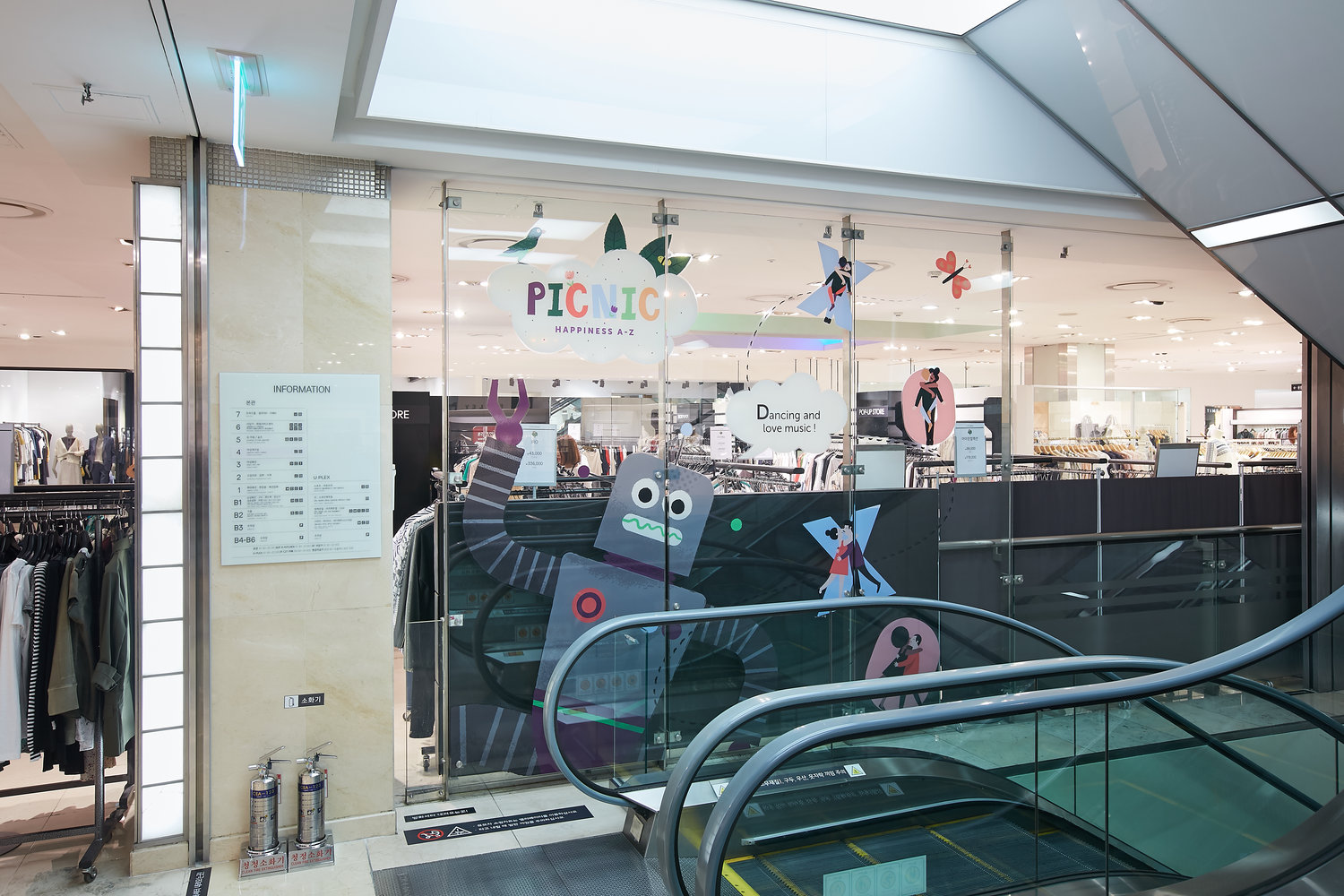
    Hyundai Department Store will open 10 large multi-brand retail stores across Japan, Europe, and the United States by 2030. It is partnering directly with domestic apparel labels. These partnerships create permanent multi-brand platforms outside South Korea.

    The rollout begins in Tokyo. The company established a permanent location inside the Omokado shopping center in the Omotesando fashion district. That site puts multiple Korean fashion brands onto a single operated floor plan.

    Building an Export Channel for Korean Labels

    South Korean department store operators face slowing domestic consumption and saturated prime retail zones in Seoul. Exporting curated fashion spaces creates a secondary revenue channel. It also cuts market-entry risk for smaller independent labels.

    Individual Korean fashion brands frequently struggle with overseas lease negotiations, local regulatory compliance, and foreign staffing. Hyundai acts as the master tenant and operational umbrella. This structure gives smaller labels turnkey access to high-footfall international corridors.

    Tokyo Footprint as the Launchpad

    The Omokado location tests foreign shopper demand in Tokyo before the company expands into Western markets. Japanese shoppers already represent a solid buyer base for Korean consumer culture, cosmetics, and street apparel.

    Floor space in Omotesando positions the business directly against Japanese department store groups and specialty concept stores. Results in Tokyo will shape the retail layout and brand mix for planned European and American flagships.

    Shifting Away from Short-Term Pop-Ups

    Domestic retail groups spent years testing overseas appetite through short-term pop-ups in major Asian gateway cities. Permanent real estate requires consistent foot traffic and higher baseline sales to cover fixed operating costs.

    Landlords in Tokyo, London, and New York want differentiated international tenants to draw shoppers offline. Hyundai is pitching its Korean apparel curation as an anchor draw for commercial property operators overseas.

    Milestones Toward the 2030 Target

    Execution risks center on international supply chains, localized inventory management, and sustained sales momentum. Store profitability hinges on balancing prime retail rents against the average order values of youth fashion brands.

    Site reviews are underway in European and US retail capitals. Performance data from the Omotesando site over coming quarters will guide the next phase of store openings.

  • Japanese Lolita Fashion Sales Boom on Chinese E-Commerce Platforms

    Japanese Lolita Fashion Sales Boom on Chinese E-Commerce Platforms

    Young Chinese consumers are driving a surge in Lolita fashion sales across major domestic e-commerce platforms, embracing Japanese kawaii culture with a local twist.

    Demand for the doll-like, lace-trimmed aesthetic was on display in July when 1 woman from Sichuan province showed her Lolita look at a Shanghai anime event photographed by Tomoko Wakasugi.

    Online platforms capture subculture demand

    Online marketplaces carry the bulk of this transaction volume. Specialized domestic apparel merchants list localized versions of Victorian- and Edwardian-inspired garments, shipping directly to buyers across top-tier metros and interior provinces such as Sichuan.

    Events focused on animation, gaming and comics serve as physical show hubs for these collections. Gatherings in Shanghai bring subculture communities together, converting digital engagement into real-world wardrobe displays.

    Cross-border aesthetics reshape domestic apparel

    For fashion brands and apparel manufacturers, the category demonstrates how subculture aesthetics migrate from niche enthusiast circles into broader consumer consciousness. Chinese manufacturers adapt foreign cultural trends quickly, shortening production lead times and lowering entry price points compared to imported Japanese originals.

    Suppliers face distinct operational dynamics in this segment. The garments require complex patterning, specialized lace trim and multi-layered construction, forcing garment factories to maintain higher craftsmanship standards than standard fast-fashion runs demand.

    Subculture commerce and consumer identity

    Younger shoppers in China increasingly allocate discretionary apparel spending toward identity-driven niche fashion. The growth of Lolita fashion builds on earlier waves of Japanese pop culture imports, including anime licensing and cosplay apparel, which established distribution channels on local online platforms.

    Consumer demand persists independently of broader diplomatic frictions between Beijing and Tokyo, reflecting the durable pull of specialized lifestyle subcultures among generation Z buyers.

    Merchant execution and next steps

    Merchants now face the task of retaining customers beyond seasonal animation conventions. The key operating metric to watch is repeat order volume across dedicated subculture storefronts during upcoming fourth-quarter platform sales campaigns.

  • David Jones’s 2012 Mystery UK Takeover Approach: Historical Context

    David Jones’s 2012 Mystery UK Takeover Approach: Historical Context

    Historical context correction (8 November 2026): This article concerns the takeover approach reported on 29 June 2012, not a new approach in 2026. ABC’s report from that date subsequently identified the bidder as EB Private Equity and described an initial A$1.65 billion proposal. ABC’s updated report recorded a 14.6% share-price rise; it does not verify the 12.3% / A$2.54 snapshot retained below. References to a forthcoming offer describe expectations at the time, not a live transaction. The broader commentary about online competition and lease risks is analysis, not a finding established by that ABC report.

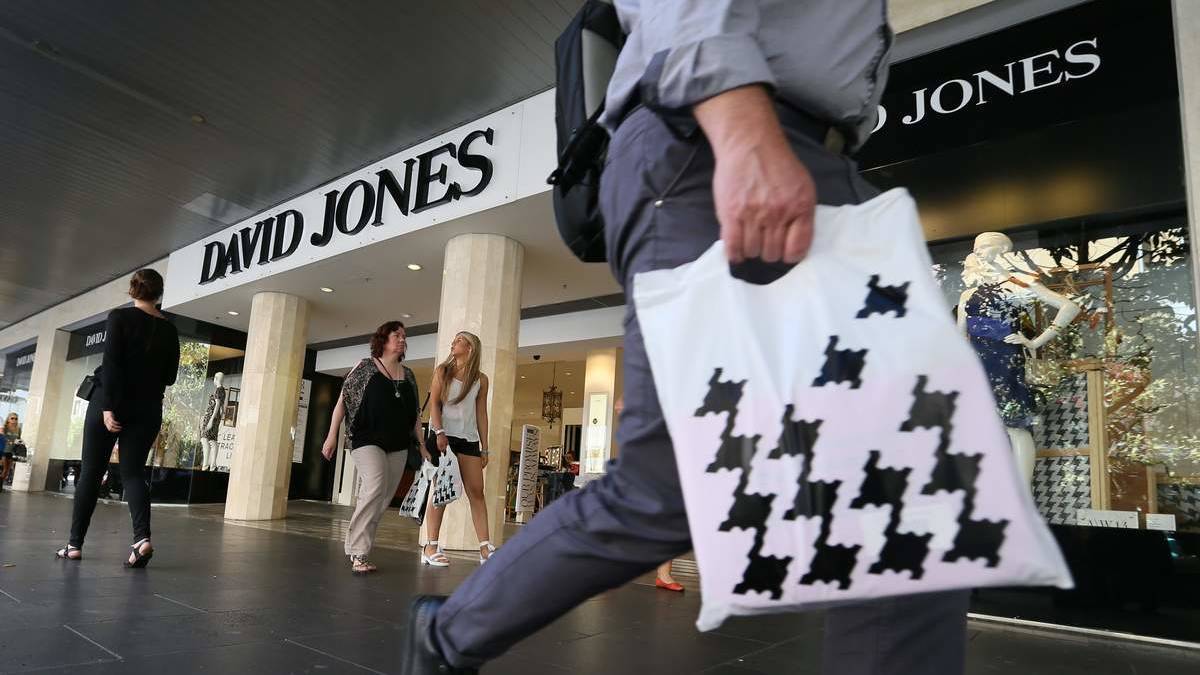
    David Jones shares surged 12.3 per cent to Aus$2.54 on 29 June 2012 after the upmarket Australian department store received an unsolicited takeover approach from a mystery British bidder.

    Early trading peaked with an intraday gain of more than 17 per cent before easing in the afternoon.

    Unsolicited letter from an unincorporated entity

    The Australian retailer confirmed receipt of an indicative letter from a non-incorporated UK business seeking to explore a buyout of the company. Board members stated they lack sufficient operational and financial detail to evaluate the proposal at this stage.

    The directors do not believe they currently have relevant information to enable them to qualify or value the approach but, should this change, will advise the market accordingly.

    Sector-wide rally across department store rivals

    Trading desks reacted immediately across the broader Australian discretionary retail sector. Shares in key domestic rival Myer advanced more than four per cent to Aus$1.61 following the announcement.

    Investors view the approach as an opportunistic bid to acquire prime retail footprint at discounted valuations. Department store operators across the region face margin compression, elevated leasing costs and intensifying competition from foreign e-commerce platforms.

    Balance sheet pressures and online competition

    Traditional multi-brand retailers in Australia continue to grapple with sluggish household spending and shifting shopping patterns. Physical department stores carry substantial fixed property overheads while digital pure-plays capture market share in apparel and beauty categories.

    For institutional shareholders, an offshore buyout approach tests whether current trading prices reflect underlying asset backing. Commercial landlords face lease renegotiation risks if new ownership chooses to rationalise underperforming store space.

    Profit downgrade set the stage for opportunistic bids

    The takeover approach follows a difficult operational stretch for the Sydney-based retail group. In March, David Jones warned that full-year profit could drop by up to 40 per cent as stalled consumer demand and accelerating digital sales weighed heavily on store traffic.

    At the time, attention focused on whether the approach would develop into a formal offer; this was a 2012 development, not a current transaction.

  • Esprit Faces US$4 Million Statutory Demand in Hong Kong over European Arbitration Loss

    Esprit Faces US$4 Million Statutory Demand in Hong Kong over European Arbitration Loss

    Creditors have served Hong Kong-listed Esprit Holdings with a statutory demand for nearly US$4 million following an arbitration defeat over its collapsed European operations. The apparel brand manager has three weeks to settle the debt or face a winding-up petition in Hong Kong.

    The claim stems from an ICC International Court of Arbitration award tied to the 2024 failure of Esprit’s European business. Esprit disclosed the liability in half-year results published last month. The formal demand sharply escalates immediate legal exposure.

    The Three-Week Liquidation Clock

    Under Hong Kong insolvency rules, a debtor has 21 days to satisfy or reach terms on a statutory demand. Miss that window, and the creditor can petition the High Court for compulsory liquidation. The law firm owed the arbitration award can start those proceedings if Esprit fails to pay.

    A winding-up petition would freeze asset transfers, disrupt banking relationships, and threaten the group’s listing status on the Hong Kong Stock Exchange.

    European Restructuring Fallout

    Heavy store overheads and sustained losses forced Esprit’s European operating subsidiaries into insolvency in 2024. Management tried to cut those liabilities loose. The board then shifted focus to brand licensing, e-commerce, and joint ventures in Asia.

    Legacy disputes continue to dog the holding company. Unresolved contractual claims from European counterparties remain a direct drain on cash reserves already strained by years of turnaround attempts.

    Mounting Financial Pressure

    The demand arrives as Esprit forecasts another annual loss. Prolonged operational restructuring has failed to reverse revenue declines across core channels, leaving the balance sheet vulnerable to unexpected cash calls.

    Regional retail partners and suppliers face renewed counterparty risk as European liabilities reach the parent entity in Hong Kong.

    Next Steps on the Docket

    Esprit must now decide whether to settle the US$4 million claim in full, negotiate a payment plan, or apply to the court to set aside the demand before the 21-day countdown expires.

  • Guangzhou Fashion Label Mithridate Plans Retail Expansion and Footwear Push

    Guangzhou Fashion Label Mithridate Plans Retail Expansion and Footwear Push

    Guangzhou fashion label Mithridate will open new physical stores this year. It is also expanding into commercial accessories and footwear categories.

    The Chinese brand announced the retail push alongside its Spring 2027 ready-to-wear runway presentation at London Fashion Week.

    Store Openings and Category Growth

    Management is using the international runway schedule to back a broader commercial build-out. Creative director Daniel Fletcher confirmed the label will add brick-and-mortar locations this year to capture domestic and regional demand.

    Teams spent recent seasons developing production lines for shoes and accessories. Those categories carry higher margins and faster replenishment cycles than runway garments.

    “We have new stores opening this year, we’re really growing, and when you look at what we’re doing with accessories and shoes, categories that have taken some time to develop, the ambition is big,” Fletcher said.

    Runway Format and Product Lineup

    Its latest women’s and men’s collection mixed British tailoring with casual separates to anchor the retail mix. Looks included Victorian-style uniform tailoring, bubble-hem party dresses and headwear designed by milliner Noel Stewart.

    Commercial pieces centered on British preppy sportswear. Offbeat rugby jerseys, ribbed polos, school-style scarves, striped micro shorts and relaxed studded denim formed the core line for retail distribution.

    Shifting Playbook for Chinese Labels

    Chinese independent designer houses have overhauled their expansion strategies over the past two seasons. Instead of relying solely on domestic multi-brand stockists and wholesale showrooms, brands based in Guangzhou and Shanghai are funding direct store networks.

    Standalone shops require reliable footwear and leather goods to lift revenue per square meter. Ready-to-wear draws foot traffic. Leather goods and shoes protect operating margins when department store wholesale orders drop.

    Building Foundation Beyond Domestic Wholesale

    Earlier, the company established its production base in Guangzhou before tapping Fletcher to lead design and raise its profile in European markets. Early collections tested international wholesale interest before management committed capital to retail leases and category diversification.

    Mithridate will roll out its Spring 2027 footwear and accessories lines as the upcoming retail locations open later this year.

  • Melbourne Fashion Week Schedules 100 Events Across City Retail Precincts

    Melbourne Fashion Week Schedules 100 Events Across City Retail Precincts

    Melbourne Fashion Week will show more than 600 looks across seven runways next month as the annual municipal event rolls out over 100 commercial and cultural programs.

    The schedule features more than 300 designers and retailers occupying city streets, public venues, and commercial precincts under the theme Wear the Moment.

    Runways and retail capsules

    Organisers split the program across ticketed runway presentations, free public events, and retail activations. Participating Australian labels include Bianca Spender, Búl, Clea, Elk the Label, Perple, and Sean Rentero, alongside First Nations brands Clothing The Gaps, Gammin Threads, Grace Lillian Lee, and Ngali.

    Independent events woven into the lineup include a fashion dining session at Pastuso, an Amnesty International runway show, and a textile sustainability swap organized with the United Nations Association of Australia. A series of Fashion Capsules will run separately from September 28 to October 25, staging installations from over 30 local designers across five public sites.

    Melbourne doesn’t just follow the fashion trends; we create them. For a week, Melbourne becomes a runway.

    Commercial exposure and independent labels

    Municipal fashion programs in the Asia-Pacific region increasingly serve as direct-to-consumer sales engines rather than strictly trade-buyer shows. Melbourne’s decentralized model pushes foot traffic directly into central business district retail hubs, supporting domestic labels that rely on local brand engagement rather than wholesale department store orders.

    The mix of established commercial brands and independent micro-labels reflects the realities of the Australian apparel market. Rising operating overheads and tight consumer discretionary spending have pressured mid-tier retail networks, making high-visibility municipal stages critical for independent designers seeking consumer conversion without heavy marketing budgets.

    Industry dialogues and rollout dates

    Business discussions during the week will focus on commercial scaling and demographic representation. The Collarts-presented M/FW Conversations series, moderated by journalist Virginia Trioli, will cover the logistics of growing an apparel business alongside sessions addressing the representation of women over 50 in fashion retail.

    Melbourne Fashion Week begins its full calendar next month following the launch of the Fashion Capsules installations on September 28.