Tag: apple pay

  • VIB introduces easy, secure, private payment via Apple Pay

    VIB introduces easy, secure, private payment via Apple Pay

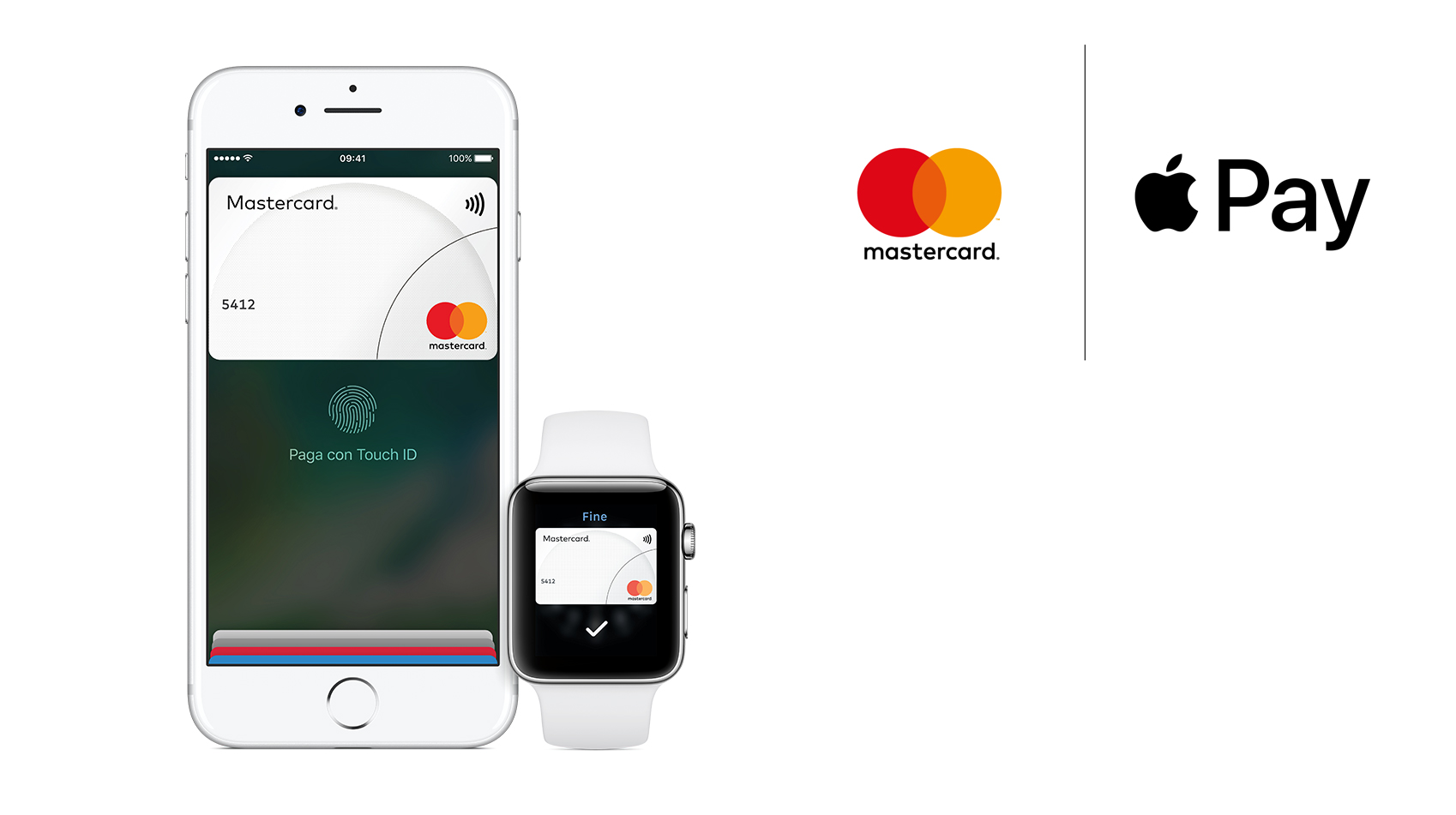
    Apple Pay is now available with the VIB Mastercards, bringing to card holders an easier, safer and more secure way to pay.

    Each Apple Pay transaction takes a few seconds and is done in just three simple steps. Beyond that, facial recognition (FaceID) technology will enhance security and privacy for cardholders.

    “Now, customer can easily pay for everything you love, from everyday purchases like groceries and coffee, to online shopping and travel, using just your Apple devices,” a VIB’s representative said.

    Apple Pay leverages tokenization to safeguard credit and debit card information. Upon adding a credit or debit card to Apple Pay, the actual card number remains undisclosed; it is neither retained on the device nor Apple’s servers.

    A distinct device account number is created, encrypted, and safely stored on the user’s device. Each transaction is authorized using a unique, dynamic security code.

    With Apple Pay now available on VIB Mastercard, users can expect a multitude of benefits, most notably the top-tier easy, secure, and private payment features that Apple provides, ensuring the protection of personal information, transaction data, and credit/debit card details.

    Tuong Nguyen, Head of the Card Strategy and Operation Center at VIB, said that they bring contactless payment methods via Apple Pay to customers based on their understanding, grasping the needs of customers, and offering financial solutions that suit their modern lifestyle.

    “With Apple Pay, VIB Mastercard cardholders enjoy a seamless and trustworthy payment experience every day,” she said.

    VIB Mastercard cardholders can now easily add Apple Pay to their Apple devices, such as the iPhone, iPad, MacBook, and Apple Watch. This can be done by adding their VIB Mastercard through either the Apple Wallet app on their devices or the MyVIB app, and enjoying the ease of paying anytime, anywhere.

    Getting started takes just a few simple steps. First, customers should open the Apple Wallet app on their Apple devices, tap the “+” icon on the top right corner, or access their Mastercard card on the MyVIB app, and click the “Add to Apple Wallet” button right below the card image.

    Then, they should scan or enter the VIB Mastercard information. They will not to go through this if they start via MyVIB in Step 1.

    Next step is to follow the on-screen instructions, make the VIB card the default card, and they are all set to use Apple Pay.

    VIB is now offering a VND50,000 cashback for the first Apple Pay transaction of at least VND100,000. The promotion is valid until May 5.

  • Apple Pay is down for some users forcing them to pay for purchases like a Luddite

    Apple Pay is down for some users forcing them to pay for purchases like a Luddite

    Some social media users are complaining that they are unable to use contactless payment system Apple Pay to ring up a transaction using a Chase credit card. On Apple’s System Status page, it notes that Apple Pay is undergoing some maintenance at the moment and adds that some users in Maryland may have issues with the feature. However, the problem appears to be preventing Apple Pay users from hearing that satisfying “ding” indicating that their credit card has been accepted in other states as well.

    Nilay Patel, editor-in-chief of The Verge stating that his Chase card was declined when using Apple Pay. Patel noted that when he called Chase, the bank told him that the problem is an “unexpected Apple Pay upgrade” which matches the reason for the issue posted by Apple on the System Status page. Other Thread users weighed in complaining about the same problem including one poor (and possibly hungry) iPhone user who wrote, “Yup, Chase Apple Pay declined getting my baguette and vegan cheese.”

    Considering that the weekend is usually prime time for shopping, we wonder whether Apple should have performed the maintenance on Apple Pay during a time when shoppers are less likely to be tapping their iPhones on POS (point of sale, not what you thought the abbreviation stood for) machines. For example, at 1 am PST (4 am EST), most Americans are sleeping and charging up their iPhone units.

    If this is a problem that happens to you today whether you are shopping in Maryland or Massachusetts, or anywhere else in the U.S., there is the perfect workaround but only if you are up to doing this. Once your Apple Pay payment is declined, follow these directions precisely:

    • Put your iPhone in your pocket.
    • Reach into your other pocket and remove your wallet.
    • Open the wallet and remove the Chase card that is connected to Apple Pay.
    • Run the card through the POS terminal like you might have done years ago before Apple Pay was launched.

    If this happened to you today, we’re sure you were sweating and trying hard to remember how you paid for purchases made before October 20th, 2014 when Apple Pay launched. But those with a memory of a bygone era have been able to pay for their purchases today by simply using their Chase credit card without bringing Apple Pay into the picture. Or, you could pay for your purchases with cash.

  • Lowe’s finally adds support for Apple Pay

    Lowe’s finally adds support for Apple Pay

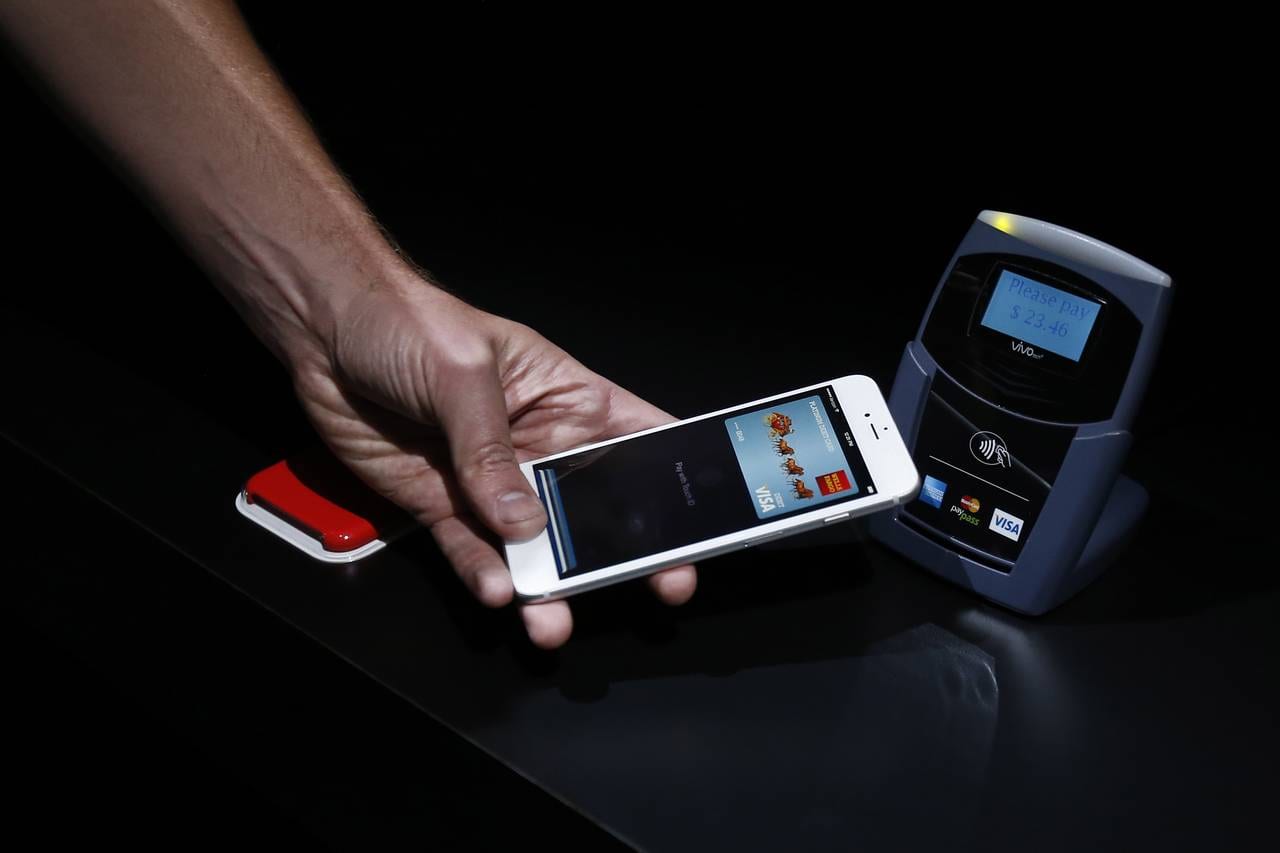
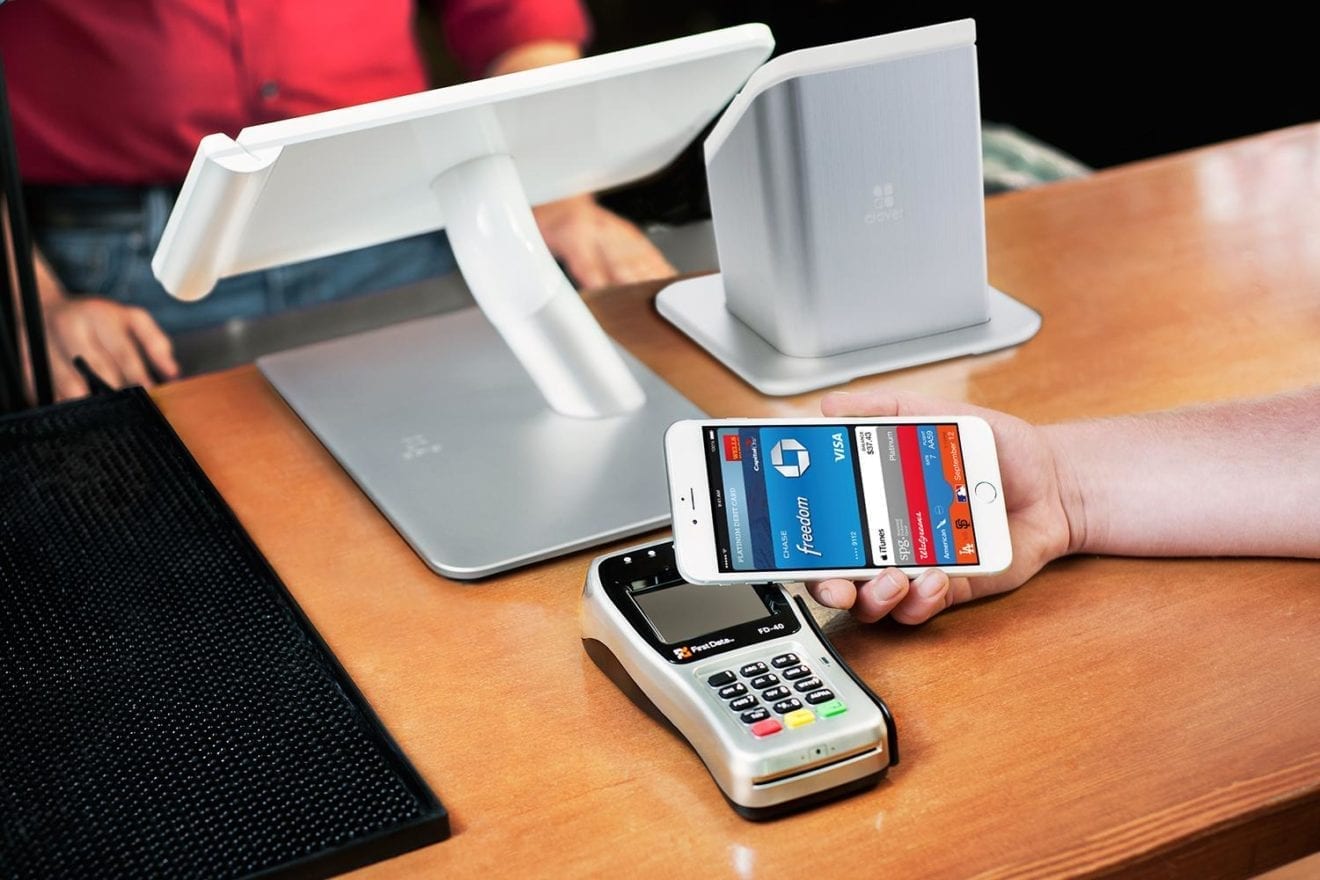
    The second-largest hardware chain in the U.S. has finally decided to support Apple Pay. For those who don’t know what Apple Pay is, it is the mobile payment service that allows an iPhone user to select a credit, debit, or prepaid card from the Wallet app and tap the phone against a POS machine to complete a transaction at a retail store.

    You don’t have to fumble for your wallet to grab your credit card, especially when you’re bundled up to stay warm in the bitter cold, and you don’t have to worry about your card’s information being stolen by a skimmer placed inside a card slot by a criminal. It’s just so darn convenient and it costs you nothing to use it. Apple collects .15% of the value of every transaction rung up with Apple Pay. That means that on a $100 transaction, Apple earns the princely total of 15 cents.

    But this is a volume business after all and with so many people using Apple Pay, the service is expected to generate $4 billion in revenue for Apple this year which is more than double the $1.9 billion that Apple Pay raked in for Apple in 2022. Earlier this year Apple promoted Apple Pay with a series of ads. And now, after a long absence, Lowe’s is adding Apple Pay support to its 2,100 retail locations in the U.S.

    This is a shrewd move by Lowe’s and an attempt to take some business away from the number one hardware chain in the U.S. since Home Depot does not support Apple Pay. Another huge retailer that doesn’t support Apple Pay is Walmart. Eight years ago we told you when the largest discount retailer in the states launched its own mobile payment service imaginatively titled Walmart Pay.

    Using Walmart Pay requires you to install the iOS or Android version of the Walmart app on your phone. Earlier this year Kroger tried to apply some pressure to competitor Walmart by accepting Apple Pay for the first time starting last April.

    It would be quite a big deal for Apple if Walmart were to add support for Apple Pay like Lowe’s did because, eventually, continued growth for Apple Pay will have to come from the addition of more retailers, especially those huge chains that previously held back support for the service.

    If you’re like me, there is that feeling when Face ID verifies you and that “ding” goes off indicating that your payment via Apple Pay has been accepted. And we have no doubt that Apple loves that sound too since it means more money, albeit in nickels and dimes, is being added to its coffers.

  • Your PayPal credit and debit cards will now support Apple Pay

    Your PayPal credit and debit cards will now support Apple Pay

    If you have a PayPal debit or credit card, starting today you can add them to your Apple Wallet app where they can be selected for use with the Apple Pay mobile payment service. There are two ways that you can accomplish this. Number one, you can open the iOS PayPal app and find the banner on the app’s homepage that screams, “Pay with your iPhone.” Tapping this will take you to the Apple Wallet app from where you can add your PayPal debit or credit cards.

    The second way to add your PayPal cards to your Apple Wallet is to open the app and press the plus icon in the upper right corner of the display. Follow the directions to add your PayPal credit card, debit card, or both to your Wallet app. Once listed in the app, you can choose either one to handle the transactions that you pay using Apple Pay. Once again, we would like to inform you that Apple keeps .15% of the value of each transaction which means that the tech giant keeps 15 cents out of every $100 rung up using Apple Pay.

    Venmo, which PayPal owns, is also supposed to add Apple Pay support to its Venmo credit and debit cards although this has yet to occur. All of this is taking place as Apple recently started a promotion for its Apple Pay service by releasing two 30-second videos and two shorter 15-second versions of the same ads.

    According to one analyst, Apple could generate as much as $4 billion in revenue from Apple Pay this year. Last month we told you that Apple Pay is the fifth-most widely used payment method worldwide after PayPal, Visa, Mastercard, and American Express.

    PayPal’s move to support Apple Pay was belated, especially compared to all of the other banking and financial services cards that have added Apple Pay support over the years. Perhaps, as the number one method of payment globally, the company was skeptical about how its business could be improved by allowing the cards to be used with Apple Pay. It’s fair to say that with today’s announcement, whatever concern was stopping PayPal from adding Apple Pay support in the past has now been overcome.

  • Apple Pay has many mountains to climb before it can become the world’s top payment option

    Apple Pay has many mountains to climb before it can become the world’s top payment option

    A few days ago we showed you some video ads that Apple has put together for a promo campaign it is running for Apple Pay, its mobile payment service. Apple does keep .15% of the value of a transaction that has been paid for with Apple Pay. That means if you use your iPhone or Apple Watch to pay for a $100 purchase, Apple collects the princely sum of 15 cents. But don’t worry about Apple; because Apple Pay is so often employed, one analyst says the company will take in $4 billion from the feature this year.

    And Apple feels that there is so much potential upside to Apple Pay that it is worth it to spend the money promoting the service. Hence, the new promotion campaign for the feature. According to data from the U.K.’s Merchant Machine, Apple Pay is only the fifth most-used payment method in North America based on the number of transactions. Visa is number one on the continent with a market share of 15.08% followed by MasterCard (10.98%), PayPal (10.70%), American Express (9.97%), and Apple Pay (9.22%).

    Globally, PayPal is number one with a market share of 20.53% with Visa and MasterCard second and third with market shares of 15.67% and 10.49% respectively. American Express is fourth (8.77% market share) with Apple Pay rounding out the top five (7.37%). Other tech-related firms that appear in the global rankings include Amazon Payments (6th place, 6.04% share), and Google Pay (8th place, 4.30% share).
    The best showing for Apple Pay is in Africa where Apple’s mobile payment service is third with a 9.49% market share. PayPal (25.06%) is on top on the continent with Visa next (17.14%). Interestingly, in Africa, both Apple Pay and Amazon Payments (9.23%) are ahead of Master Card’s 8.42% share. And in Asia, Apple Pay is fourth with 7.65% of transactions on that continent.
    So Apple is hoping to pump up usage of Apple Pay by using its new tagline, “Pay the Apple way.”It also is promoting the service on the social media platform that used to be called X and on other online sites as well. Mobile payment services are a convenience since you can whip out your phone or flick your wrist (assuming you’re wearing a smartwatch) to make a payment instead of struggling to take a credit card out of your wallet.
  • Check out the new promo videos for Apple Pay

    Check out the new promo videos for Apple Pay

    Last month when Apple started promoting hashtags for Apple Pay on X, we wondered whether this was the start of a marketing campaign for the service. Apple has indeed started to promote Apple Pay using a tagline that was one of those seen with a hashtag on X: #PayTheAppleWay. For the tech giant, it is a volume business; Apple gets .15% (not 15%) of the value of each transaction that is paid using Apple Pay. So for every $100 invoice paid by Apple Pay, the company gets 15 cents.

    That might not sound like a lot, but the feature is expected to gross Apple $4 billion this year. There is no denying that it is a convenience and with the Apple Watch, you don’t even need to pull your iPhone out of your pocket to settle up at the cash register. Using Apple Pay means that there is no more fumbling for your wallet so you won’t drop all of your credit cards on the tile floor while the long line of shoppers behind you starts grumbling.

    Most retail stores do accept Apple Pay, and Android users can use Google Pay or Samsung Pay if they own a Galaxy device. But since it is Apple promoting its mobile payment service, let’s focus on Apple Pay. The company has produced two 30-second spots and two 15-second spots (perfect for YouTube) to promote Apple Pay.

    The first ad, titled “The Dance,” shows a woman trying to pay for a purchase at the register, but she’s having issues. She’s either inserting her credit card into the terminal too fast or too slow. The cashier explains that there are two beeps that she needs to listen for, and, well, you can guess the rest. There’s a long line of disgruntled shoppers behind her. Meanwhile, at an adjacent register, a shopper uses Apple Pay and completes his transaction in seconds. Cue the tagline: “Pay the Apple way.”
    The next 30-second spot for Apple Pay is called “Captcha” which is the test that all of us have been put through to prove that we are human and not a robot. Sometimes it involves clicking on a small square, other times we have to click on the three squares out of nine that show a railroad crossing, a bridge, a car, etc. By the way, Captcha is owned by Google. In this ad, a woman is ready to buy a product online when asked to complete a Captcha by clicking the squares showing a traffic light.

    The woman, who might be overthinking her responses, keeps giving incorrect answers and can’t be confirmed as a human. This might feel very familiar to many of our readers; I’ve experienced this too many times to count. Finally, she visits another online retailer and buys a completely different product. This retailer has a payment option that reads “Pay with Apple Pay.” One tap and the transaction is completed.

    The two 15-second spots are just edited versions of the above 30-second ads. You will surely see these, if you haven’t already, while watching your favorite television shows and sporting events over the next few weeks.
    Apple Pay is part of Apple’s second-largest business segment, Services. This business unit generated $21.21 billion in revenue for Apple during the fiscal third quarter which not only topped the figure that Wall Street analysts were estimating but was also an 8.2% increase year-over-year. Per Forbes, the “Pay the Apple Way” campaign is rolling out in two countries right now, the U.S. and the U.K.
    Apple Pay’s success relies on recurring use of the service and like most of the businesses found under the Services umbrella, it relies less on selling more new iPhone units every year. Most of the offerings found in this business segment depend on monthly subscriptions (like Apple Music, or Apple TV+). Since Apple Pay is a volume business, it makes sense for Apple to promote it every now and then.
  • Apple Pay launched in Vietnam

    Apple Pay launched in Vietnam

    Apple Pay has arrived in Vietnam, enabling users to make contactless money transactions through an iPhone or Apple Watch.

    Vietnam is the third country in Southeast Asia to allow Apple Pay after Malaysia and Singapore.

    Several lenders such as MB Bank and Techcombank now support Apple Pay services at some establishments such as Starbucks, Phuc Long, Mc Donald’s, Highlands Coffee, CGV, and Winmart.

    Users can add their credit or debit card information to Apple Pay using the Apple Wallet app.

    At least an iPhone 6 or Apple Watch Series 4 is required to use it.

    Apple Pay was first launched in the U.S. in 2014.

    Apple assures that users’ credit data is only stored on their devices and not transmitted to Apple’s servers.

    In Vietnam, Samsung Pay was launched in 2017 and Google Wallet in November 2022.

  • Apple Pay all set to come to Vietnam

    Apple Pay all set to come to Vietnam

    Digital wallet Apple Pay will soon be available in Vietnam. At least one bank has announced that it will soon support Apple Pay services.

    Sources have told VnExpress that three other major banks will also launch Apple Pay by the end of this month.

    Users can add their credit and debit card information to Apple Pay and make payments through their iPhone or Apple Watch.

    Devices connect through near-field communication and are authenticated by users’ FaceID or fingerprints.

    In most markets, users do not have to pay Apple Pay fees since their banks cover them.

  • Apple launches Apple Pay in South Korea

    Apple launches Apple Pay in South Korea

    After a years-long wait, Apple Pay today launched in South Korea, allowing those living in the country to use Apple’s payment system to make contactless payments using the iPhone or Apple Watch.

    Apple has been working to bring ‌Apple Pay‌ to South Korea since 2017, but Apple was unable to be registered as an electronic financial business operator because regulators were investigating whether ‌Apple Pay‌ violated local regulations and laws. Apple was finally approved by financial regulators back in February.

    NFC terminal adoption was also low in retail stores in South Korea around when ‌Apple Pay‌ first launched, which continues to be an issue. There are more NFC terminals than there were six years ago, but The Korea Times suggests ‌Apple Pay‌ will face “significant challenges” in Korea due to the limited number of NFC terminals.

    With ‌Apple Pay‌, credit and debit cards from supported banks in South Korea can be added to the ‌iPhone‌ and Apple Watch to make purchases at stores that have contactless payment options. ‌Apple Pay‌ cards can be used on ‌iPhone‌, iPad, and Mac to make ‌Apple Pay‌ purchases on the web.

    At the current time, ‌Apple Pay‌ is limited to Hyundai Card users, which could see South Koreans interested in using the service picking up a Hyundai Card. No other card companies are participating in ‌Apple Pay‌ as of yet.

  • Upgrade to Apple Pay tightens fraud prevention features

    Upgrade to Apple Pay tightens fraud prevention features

    Apple Pay is the company’s mobile payment platform. It’s a brilliant money-making scheme because Apple receives a cut of .15% of the value of each transaction that uses the feature (15 cents for each $100 purchase). With more than a million retail stores, gas stations, supermarkets, and restaurants accepting Apple Pay in the U.S. alone at the start of this month, the volume of transactions that run through the platform is large enough to generate big bucks for Apple.
    Some Twitter users noted that a notification badge showed up on their payment credit card inside the Wallet app today. That is because Apple has upgraded Apple Pay to improve the fraud prevention for some credit cards. According to Apple, “For cards with certain enhanced fraud prevention, when you attempt an online or in-app transaction, your device will evaluate information about your Apple ID, device, and location (if you have enabled Location Services), to develop fraud prevention assessments which are used by Apple to identify and prevent fraud.”
    Apple adds that it will share “fraud prevention assessments as well as information about your transaction (such as purchase amount, currency, and date) with your payment card network for fraud prevention.” You can avoid having to share this data with your payment card’s network by changing the payment card that you use for purchases made with Apple Pay to one that doesn’t sport the notification.

    To remove your payment card on the Wallet app, open the app and tap on the image of that card. Press on the three dots in the upper right of the display and when the new page loads, scroll to the bottom and tap on Remove This Card to well, remove this card. To add a new card, open the Wallet app and tap the “+” icon on the upper right of the display. You then scan the card and follow the directions to add it to the Wallet app.

    While this writer doesn’t see the notification badge on a Visa card placed in the Wallet app, some Visa users worldwide have started to see the badge. With so much cash tumbling into Apple’s coffers from Apple Pay, anything that Apple can do to get more users to pay using the platform brings more money to Apple’s bottom line. If that means making the card used for Apple Pay transactions safer to use thanks to enhanced fraud notification, so be it.


  • US retailer removes Apple Pay support after two years

    US retailer removes Apple Pay support after two years

    JCPenney has finally released an official statement. This offers a technical explanation for the retailer’s decision to “suspend all contactless payment options until a later date.” While that suggests there’s a good chance Apple Pay support will be reactivated at some point in the future, JCPenney is also hinting at modest popularity for the digital wallet app in its stores, claiming the “vast majority” of shoppers continue to rely largely on “inserting or swiping their physical credit cards at point-of-sale terminals” to complete their transactions. Original article follows.

    While Apple is still selling plenty of iPhones, iPads, and smartwatches around the world, the tech giant’s “services” and software are suddenly growing at an unrivaled pace, generating revenues of nearly $11 billion between October and December 2018, up from $9.1 billion during the final three months of the previous year. Apple Pay, Apple Music, and the iOS App Store are by far the most successful and lucrative such services, at least until the Apple Arcade and TV+ platforms actually become available for end users.

    Released less than five years ago, Apple Pay powered a mind-blowing 1.8 billion transactions in the last 90 calendar days of 2018, continuing its aggressive expansion stateside and worldwide with a long overdue debut in Germany, as well as major new partnerships with the likes of CVS, Target, and Taco Bell.

    Curiously enough, another big US retailer confirmed on Twitter over the weekend its “decision to remove Apple Pay for our stores.” JCPenney’s move is certainly unusual (if not unprecedented), as there are still a few holdouts in Apple’s race to US ubiquity, but we can’t really remember anyone that supported the digital wallet platform for a couple of years to then reconsider without offering any sort of justification.

    While not the earliest supporter of the increasingly popular app, JCPenney did embrace the service back in 2017, helping it reach 74 of the top 100 US retailers by revenue as of January 2019. That included Target and Taco Bell, so we’re guessing the count is now down to 73. That’s still an impressive number, as is the 70 percent touted by Tim Cook as the platform’s target for later this year as far as all US retailers are concerned.

    Hopefully, we’ll get an explanation from JCPenney soon as to what made the department store chain pull the plug on Apple Pay support in both its retail locations and iOS app.

  • Google Pay is catching up with Apple Pay

    Google Pay is catching up with Apple Pay

    Google’s proprietary digital wallet service has done a pretty good job of keeping up with Apple Pay over the last year or so in terms of both US availability and international expansions, frequently spreading its wings to new banks, as well as major retailers like Target.

    Before long, Google Pay will also catch up with its arch-rival as far as eBay support is concerned, according to an official announcement issued earlier today. After relying almost entirely on PayPal for payment processing on its extensive e-commerce platform, eBay started a transition in 2018 that’s scheduled to be completed by 2021. The eventual goal is to manage transactions on its own with the help of a lesser-known company called Adyen.

    From customers’ perspective, this gradual move seems to be improving the flexibility of the shopping experience, which is certainly a welcomed change. Apple Pay already joined eBay’s list of PayPal alternatives several months back, with Google Pay availability set to be offered to Android users “starting in early April.” To complete an eBay purchase using the search giant’s digital wallet app, you’ll need to shop from a seller enrolled in this new “payments experience”, and something tells us that will only include a small piece of the huge marketplace to begin with.

    But rest assured, as eBay plans to make both Google Pay and Apple Pay “increasingly available to shoppers as the program grows to process more volume in additional geographies.” And if you prefer the “classic” e-shopping experience, you have no reason to fret either, as PayPal is not going anywhere. Not today and not in 2021. eBay is simply branching out, offering customers more payment options on their end, from Android and iOS devices, as well as computers running all sorts of operating systems.

  • Chinese QR payments booming

    Chinese QR payments booming

    Nuwemaru Street in Yeon-dong, Jeju City, was known as Baojian street until it was renamed in April. The street had been called Baojian from 2011 when the Chinese pharmaceutical company of the same name sent 12,000 employees to the southern tourist island as a reward.

    Despite the sharp drop of visitors since 2017 – when tensions between the two countries peaked with the deployment of a U.S. missile defense system – it still looks very much like Chinese territory today, with many store signs in Chinese.

    Upon closer examination of the shopfronts, Chinese QR codes are also evident.

    The QR codes for Chinese mobile payment services have gained popularity on the Korean tourist island over the last couple of years. Even a restaurant selling seollongtang – Korean beef-broth soup – in the middle of the street has a QR code for Chinese mobile payments.

    “Half the Chinese visitors use Alipay or WeChat pay,” said a store clerk of one of the cosmetic stores on the street.

    Currently 1,000 stores on Jeju accept Chinese QR mobile payments. The Jeju government said it was promoting the use of Chinese mobile payments in hopes of attracting more Chinese tourists.

    On Dec. 10, it signed a memorandum of understanding with the China’s Tencent, which operates WeChat, to attract more Chinese visitors to the island.

    One part of the agreement calls for tourism promotions on the WeChat platform, including discount events, while a blog will be run to introduce the island to potential visitors from China.

    The Jeju government and the tech company also agreed to share information on the consumption patterns of Chinese tourists who made payments through WeChat pay.

    Seven top officials from Tencent attended the signing ceremony, including company vice president Zhang Ying. During the ceremony, Zhang said that the only thing he carried with him when coming to Korea was his smartphone, demonstrating that he didn’t need cash or a credit card as long as he had WeChat Pay.

    “Once WeChat Pay is available at traditional markets in Jeju, it will be a great help in promoting traditional Korean culture and goods to Chinese tourists,” said Yoon Chang-ho, head of tourism and marketing at the Jeju government.

    According to convenience store CU, in the first half of 2018 87.2 percent of Chinese tourists used mobile payments when making electronic purchases at CU outlets in Korea. Only 12.8 percent used credit cards. In 2016, 65 percent used credit cards.

    Many institutions are accepting Chinese QR code mobile payments.

    Starting in September, Hanyang University will accept tuition fees via WeChat Pay. The program is being developed with Shinhan Bank. Roughly 900 or so convenience stores and restaurants at train stations in Korea have started accepting WeChat payments.

    One of the reasons Korean businesses are willing to accept mobile phone payment systems is because people tend to spend more when using them. When they buy something by simply waving their phone, they feel as though they are spending less.

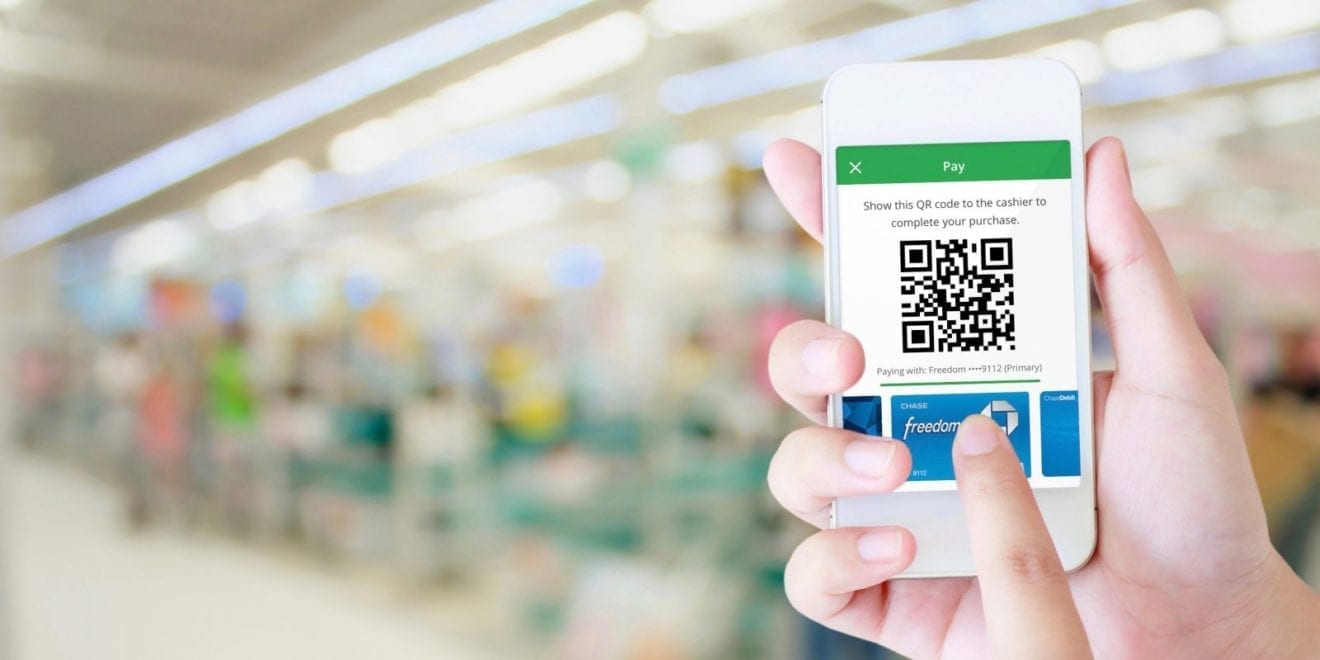
    To make a payment, a customer places the store’s QR code – similar to a bar code – in front of their phone camera for 10 to 20 seconds.

    Chinese QR code mobile payment systems are not only used in Asian countries, such as Korea, Vietnam and Thailand. They are also being used in other places visited by Chinese tourists, such as the United States and Europe. These payment systems are even accepted at Amsterdam Airport Schiphol in the Netherlands.

    Roughly 78 percent of Chinese are said to use these payment systems, while only 21 percent use either credit cards or cash.

    While visiting a small restaurant in China late last year, President Moon Jae-in was surprised at the convenience of QR-code payments.

    One reason the QR-code payment system has rapidly grown in China is the country’s lack of a telecommunication infrastructure needed for credit-card processing. The QR code system doesn’t require a credit card terminal, which makes it cost effective and convenient.

    Although WeChat Pay joined the game late compared to Alibaba, it currently has 40 percent of the Chinese mobile-payment market, while Alipay has 54 percent. WeChat may overtake Alipay because of the popularity of its mobile messenger.

    Not all commercial districts in Korea accept the Chinese mobile payment systems. One such place is Myeong-dong, which attracts huge numbers of Chinese tourists. The street vendors in Myeong-dong only accept cash.

    Some critics question the growth of the Chinese payment systems. One concern is that since the networks are Chinese, it may be hard to track down the payment records, and that could lead to tax evasion.

    A person who has been installing Chinese mobile payment systems for years said this is not true as the payments made in Korean stores are deposited in local accounts, and the Korean stores have to report the payments to the Korean financial authorities.

    Loopholes do exist. If a Chinese company decides to open a branch and use a payment terminal from China, it would bypass the local institutions, making it difficult for Korean authorities to keep track of the payments.

    Because of such problems, the Vietnamese government in June banned the use of Alipay and WeChat Pay. It found that some money spent domestically by tourists did not go through local financial institutions.

    In 2016, the tax evasion question became an issue in Thailand as well. The Thai government at the time found that Chinese businesses were evading taxes through mobile payment systems. Several travel agencies were penalized.

    Some cases have been reported in Korea. In 2016, a plastic surgeon in Nonhyeon-dong, Gangnam, only accepted cash or credit cards from his Chinese patients, and the credit cards were processed using a Chinese terminal. More than 70 percent of the revenue was from Chinese patients. The hospital was found to have evaded more than 10 billion won ($8.9 million) in taxes.

    Overseas customers also present a problem. According to Korea Custom Service, more foreigners are buying goods directly from Korean online shopping malls. In 2013, 67,000 purchases were made in this way, but that figure has surged to more than 7 million.

    Chinese customers were the top purchasers and were especially big on Korean cosmetics. Last year about 2 trillion won worth of Korean cosmetics were purchased directly online by foreign buyers. That’s 10 times the 203.5 billion won worth of cosmetics purchased directly online in 2014.

    With the growing popularity of direct purchases, many online shopping malls have started accepting mobile payment systems. Since 2015, Alipay has been supporting Korean SME exporters in terms of payments and logistics.

    This could result in Korean exporters evading taxes.

    “There is major tax evasion going on with the significant increase of foreigners buying Korean goods directly online thanks to the Korean Wave,” said Lee Hye-hoon, then ruling Saenuri Party lawmaker, during the National Assembly’s audit on the Korean National Tax Service in October 2016. “We need to take action.”
  • Wirecard expands cooperation with Singtel’s Dash to enable mobile payments with Apple Pay

    Wirecard expands cooperation with Singtel’s Dash to enable mobile payments with Apple Pay

    Wirecard, the global innovation leader in digital financial technology, has deepened its partnership with Singtel’s Dash to support the Dash mobile wallet’s Visa Virtual Account on Apple Pay. From now on, Dash’s customers can make payments using Apple Pay at millions of participating on- and offline merchants worldwide.

    Brigitte Haeuser-Axtner, Executive Vice President, Sales Asia, Digital & Telecommunications at Wirecard said, “As leaders in digital financial technology, we are proud to work with Singtel to bring Dash to an even larger group of potential customers, and to connect consumers with merchants around the globe. Asia continues to be the leader of the digital payments revolution worldwide, and we are excited to be at the forefront of these innovations.”

    “With the increasing popularity of mobile and online payments, Dash enables easy, secure and seamless payment options between our partner merchants and our more than half a million Dash customers on the platform of their choice,” said Gilbert Chuah, Head of mCommerce at Singtel. “Our expanded partnership with Wirecard to bring Dash to Apple Pay reflects our commitment to enhance the digital payment experience for both merchants and customers.”

    Singtel Dash is Singapore’s only all-in-one digital wallet which provides a safe and secure mobile payments solution for shopping, commuting, and remitting money. Dash’s Visa Virtual Account is the first of its kind in Singapore and was introduced in 2017.

    The inclusion of Dash into Apple Pay complements the increasing popularity of online shopping in Singapore. Wirecard’s 2018 International Holiday Shopping Report found that 67% of Singaporeans surveyed prefer shopping online, either via desktop or mobile, while 20% prefer shopping in-store. The ability to use mobile payments in-store is also a welcome innovation with 51% of respondents saying it would improve their shopping experience.


  • Remodeled M&M’S World Shanghai reopened

    Remodeled M&M’S World Shanghai reopened

    M&Ms World Shanghai reopened yesterday in Shanghai Shimao International Plaza. The newly remodeled 1600sqm interactive store, which offers an immersive, personalised experience with the M&M brand to residents and tourists, remains the only one based in Asia.

    The store is part of the global M&Ms retail business, which includes My M&Ms’ e-commerce sites and a B2B channel in the US and Europe.

    The M&Ms World Shanghai experience store features a “Great Wall of Chocolate” made out of more than 1 million M&Ms, a personalised printer, and a device that scans customers to create a personalised M&Ms avatar. It also features an improved checkout experience that allows mobile payment options from Alipay, WeChat and Apple Pay.