Tag: apple pay

  • To match Apple and Google, retailers ready mobile-pay system

    To match Apple and Google, retailers ready mobile-pay system

    After almost three years in development, the retail industry’s answer to Apple Pay is finally getting off the ground.

    A mobile payment app developed by Merchant Customer Exchange – a company founded in Aug. 2012 with funding from Wal-Mart Stores Inc., Target Corp. and Best Buy Co. – has been tested by employees of the retailers and will get a limited trial run next month in stores, according to three people familiar with the situation.

    That means shoppers will soon be able to use the technology, called CurrentC, to pay for items with their phones.

    The challenge for CurrentC now is playing catch-up against established apps from Apple Inc., Google Inc. and others, and explaining to customers why they should use it. When Apple Pay rolled out last year, CurrentC was derided by critics as a lower-tech alternative that retailers supported because it would give them tighter control over shoppers’ transactions.

    Customers also will need assurances that the technology is safe, given the high-profile data breaches at retailers over the past few years, said Julie Conroy, a payments security analyst at Aite Group.

    CurrentC itself was hacked last year during an early test.

    “Trust is going to be a huge issue for them,” Conroy said.

    Merchant Customer Exchange (MCX), expects to formally introduce CurrentC some time in the third quarter, a spokeswoman for Lowe’s, part of the consortium, said in an e-mail.

    But Lowe’s will not be part of the initial rollout.

    Scott Rankin, MCX’s chief operating officer, confirmed in an e-mail that CurrentC will begin public tests this year, without being more specific. He also said MCX was “making good progress” on bringing the app to the market.

    “We expect there to be more than one successful player in mobile payments, and we expect to be one of them,” said Rankin, a former executive at Staples Inc.

    At stake is a fight over money and customer data. Retailers have long loathed paying fees for credit card use in their stores. That has led to battles on multiple fronts, including multibillion-dollar lawsuits and a successful lobbying effort that cut fees in the 2010 Dodd-Frank financial reform.
  • Samsung tests mobile payment service

    Samsung tests mobile payment service

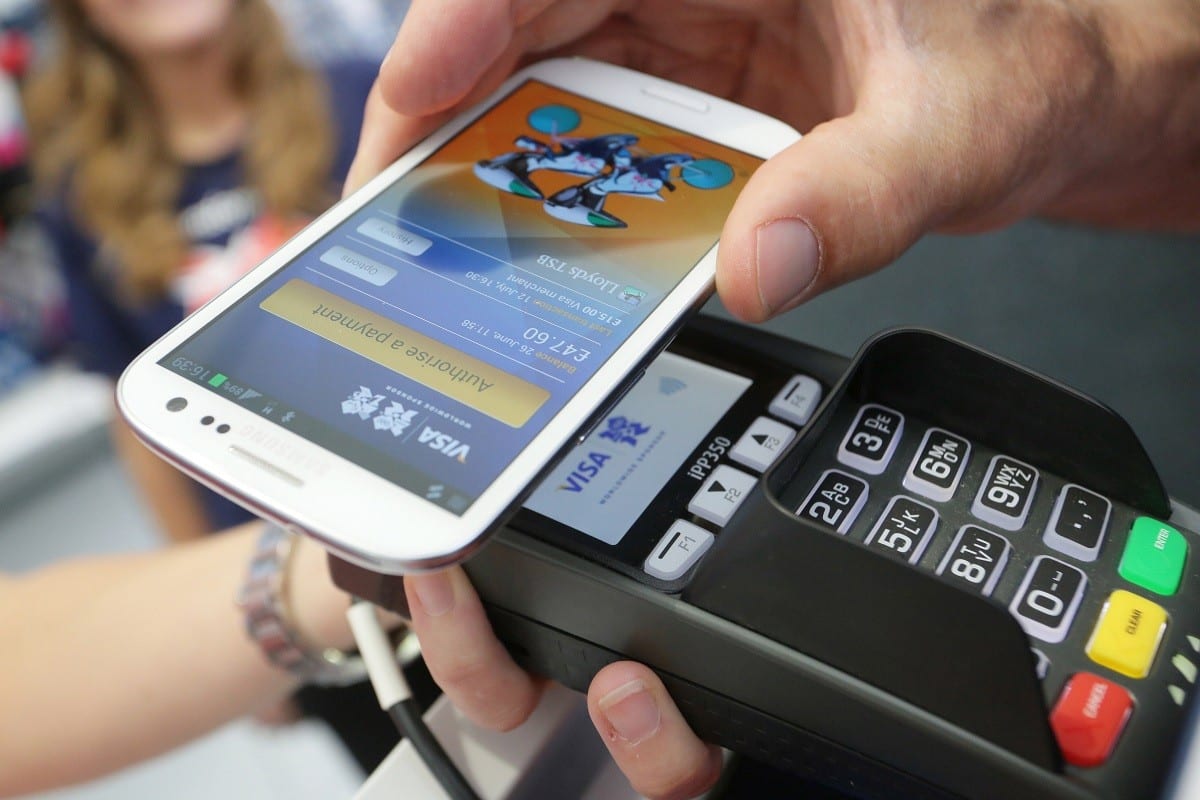
    Samsung has launched a short, live beta test of its new mobile payment service.

    Samsung Pay, developed by Samsung Electronics, will soon be launched in its home market soon as a beta service for a 36 day trial period.

    Samsung Card says it will recruit beta testers for Samsung Pay until July 10. The testers will experience the Samsung Pay service at various major offline member stores of Samsung Card from July 15 to August 20.

    The card company will provide 10,000 points to those beta testers who spent more than 50,000 won through the payment solution. In addition, the company will hold a special event offering up to 50,000 points to active beta testers who use the service often.

    Samsung Pay, which is to be available in September, stands out from other competitors as the service supports virtually all forms of payment – near field communication (NFC), magnetic secure transmission (MST) and barcode technologies – which reaches far more point-of-sale devices than those of its rivals.

    Currently, other mobile payment services are used mainly online as they lack offline affiliates.

    Meanwhile, Samsung is planning to introduce the payment platform in the US later this year to compete with overseas mobile payment services like Apple Pay and Alipay.

  • Six percent of Apple Pay purchases believed to be fraudulent

    Six percent of Apple Pay purchases believed to be fraudulent

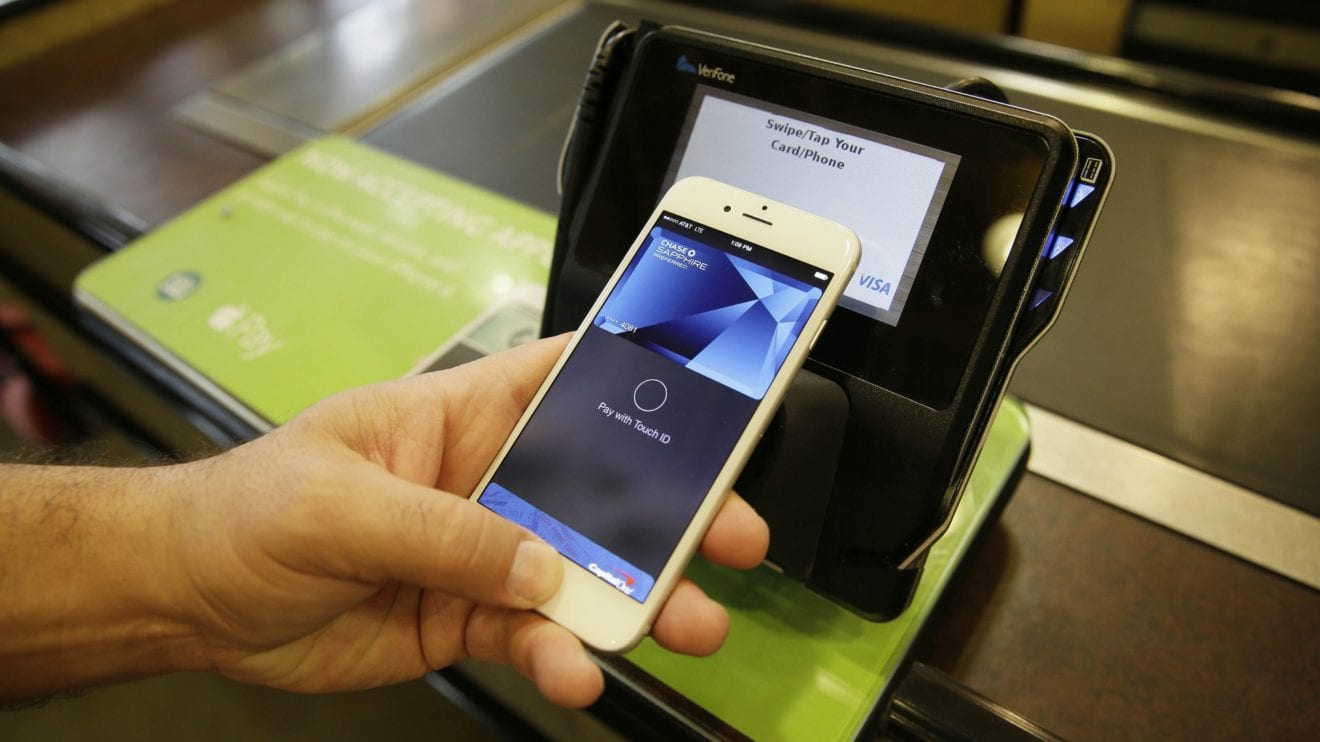
    When Apple introduced its pay-by-smartphone feature last year , the company touted the simplicity of the setup. All shoppers needed to do was wave their iPhones in front of a special scanner at the cash register – no need to fumble through pockets and purses for plastic cards or identification.

    But a sharp rise in reports of fraudulent Apple Pay transactions is now raising questions about the security of the first mobile payment system to find a measure of popular success. One payments analyst, Cherian Abraham, estimated that as many as 6 per cent of Apple Pay purchases are completed with stolen credit cards, or 60 times the rate of the old-fashioned plastic swipe.

    The problem is Apple Pay may be too simple to set up, security analysts said. Fraudsters have been loading stolen cards onto iPhones to buy things in shops. As it turns out, it may have been better if Apple Pay required users to do more to prove their identities when they sign up for the service, these experts said.