Tag: apple pay

  • Apple Pay Singapore launched

    Apple Pay Singapore launched

    Apple Pay Singapore is now live – the second Asian market in which the tech giant’s new payments system is now accepted.

    The cardless, cashless payment system debuted in China last month and more Asian markets are expected to follow after negotiations are concluded with partnering banks and card systems.

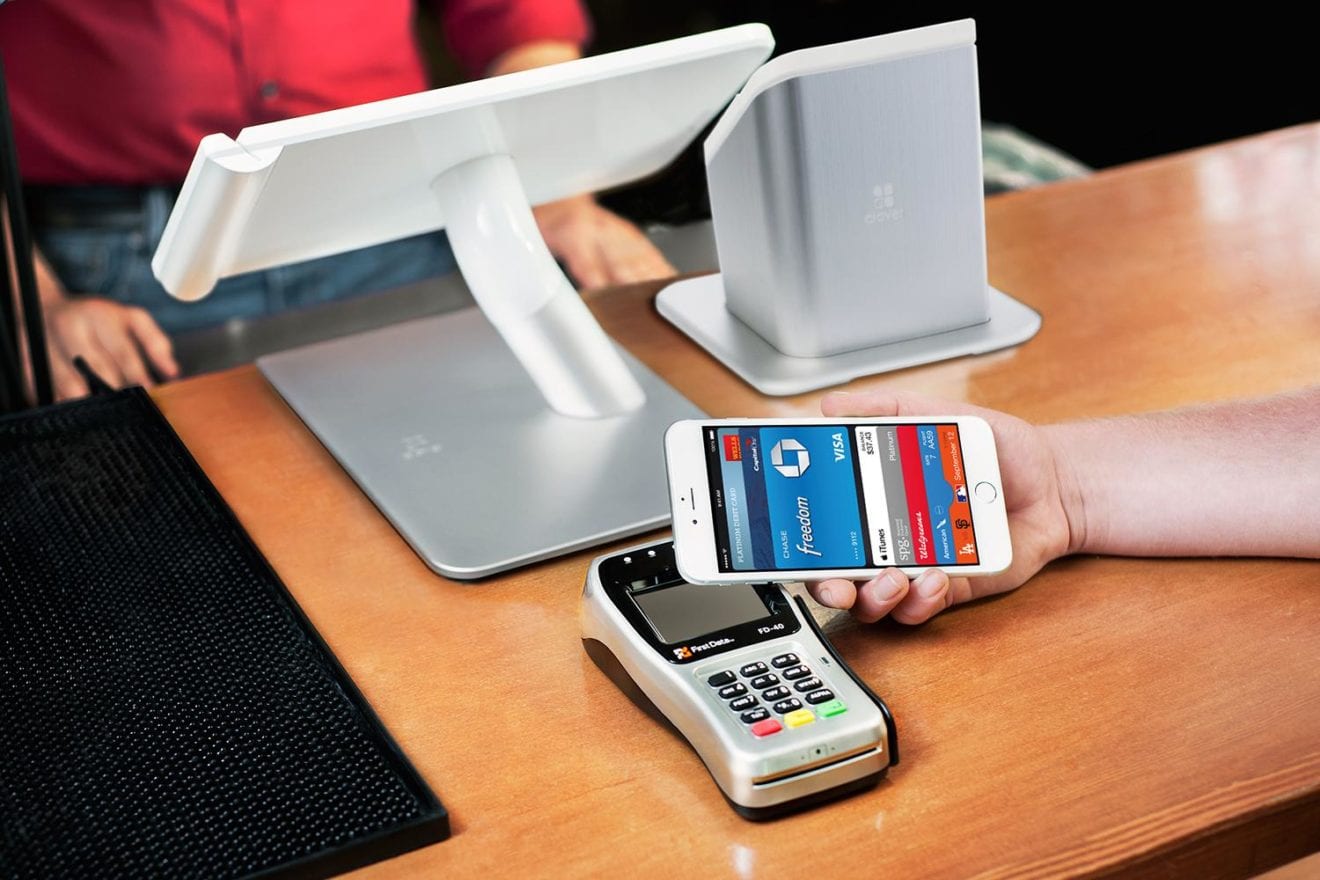
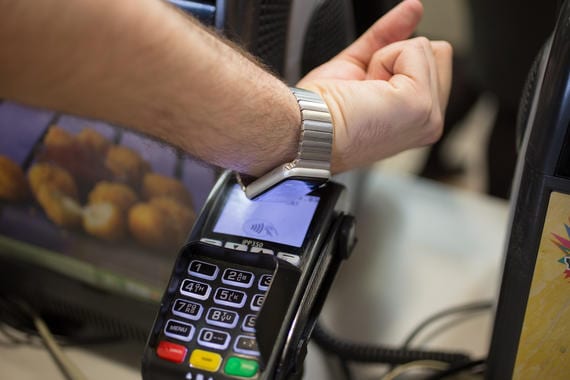
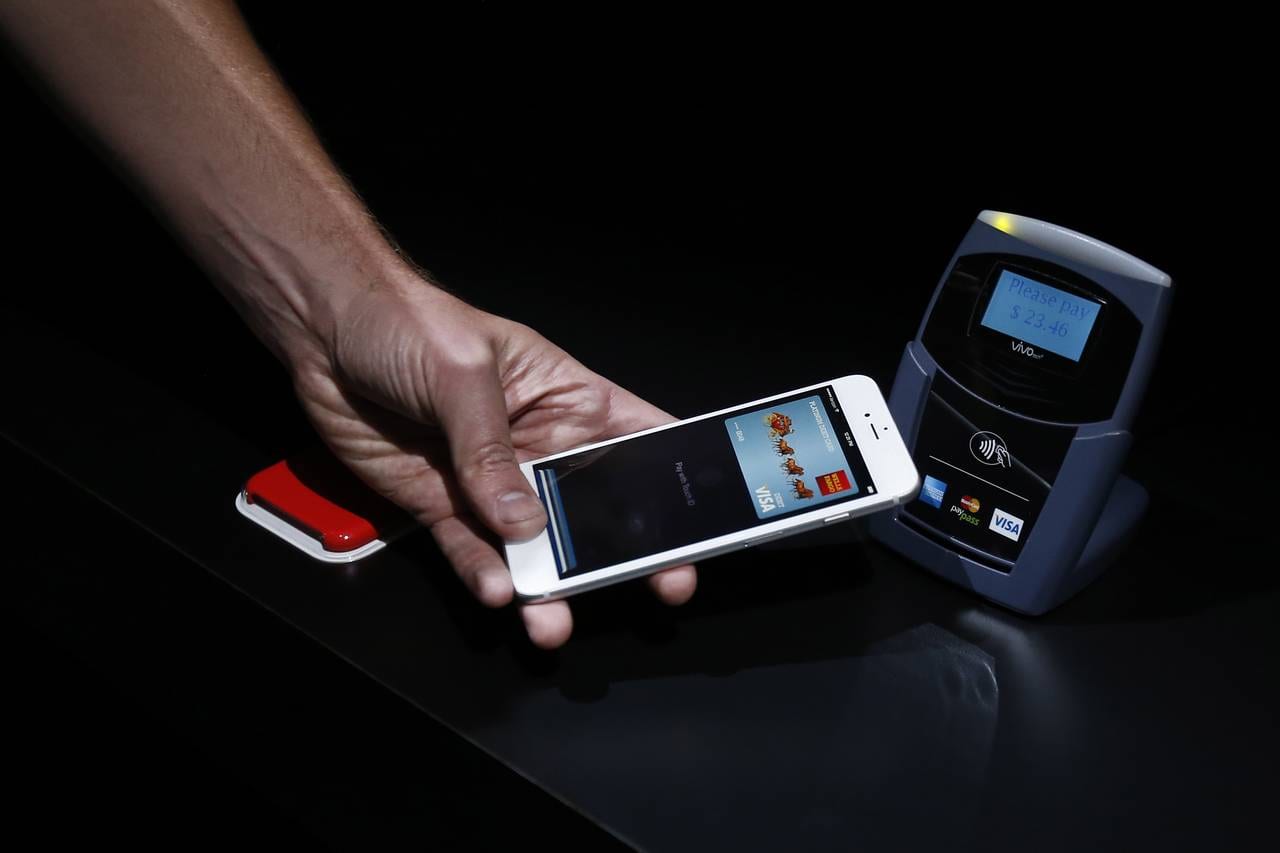
    Apple Pay allows shoppers to buy goods using their iPhone, iPad or Apple Watch – but in Singapore only American Express card holders can use the facility, for now.

    Apple pay

    “Credit and debit cards from Singapore’s most popular banks, including DBS, UOB and Standard Chartered will work with Apple Pay in the coming months,” Apple Singapore said in a statement.

    But Forrester researcher Zhi Ying Ng believes consumer adoption of Apple Pay will be slower than expected in Singapore.

    “The use of contactless card payments is increasing in Singapore, and consumers are comfortable with using it. While there are still significant barriers to consumer adoption of digital wallets today, it will take time before these wallets become more convenient for customers and as customers realise the benefits and additional value that digital wallets bring,” he said in a statement.

    Apple Pay is also now accepted in the US, Canada, Australia and the UK.

  • Singapore’s StarHub adds support for Apple Pay

    Singapore’s StarHub adds support for Apple Pay

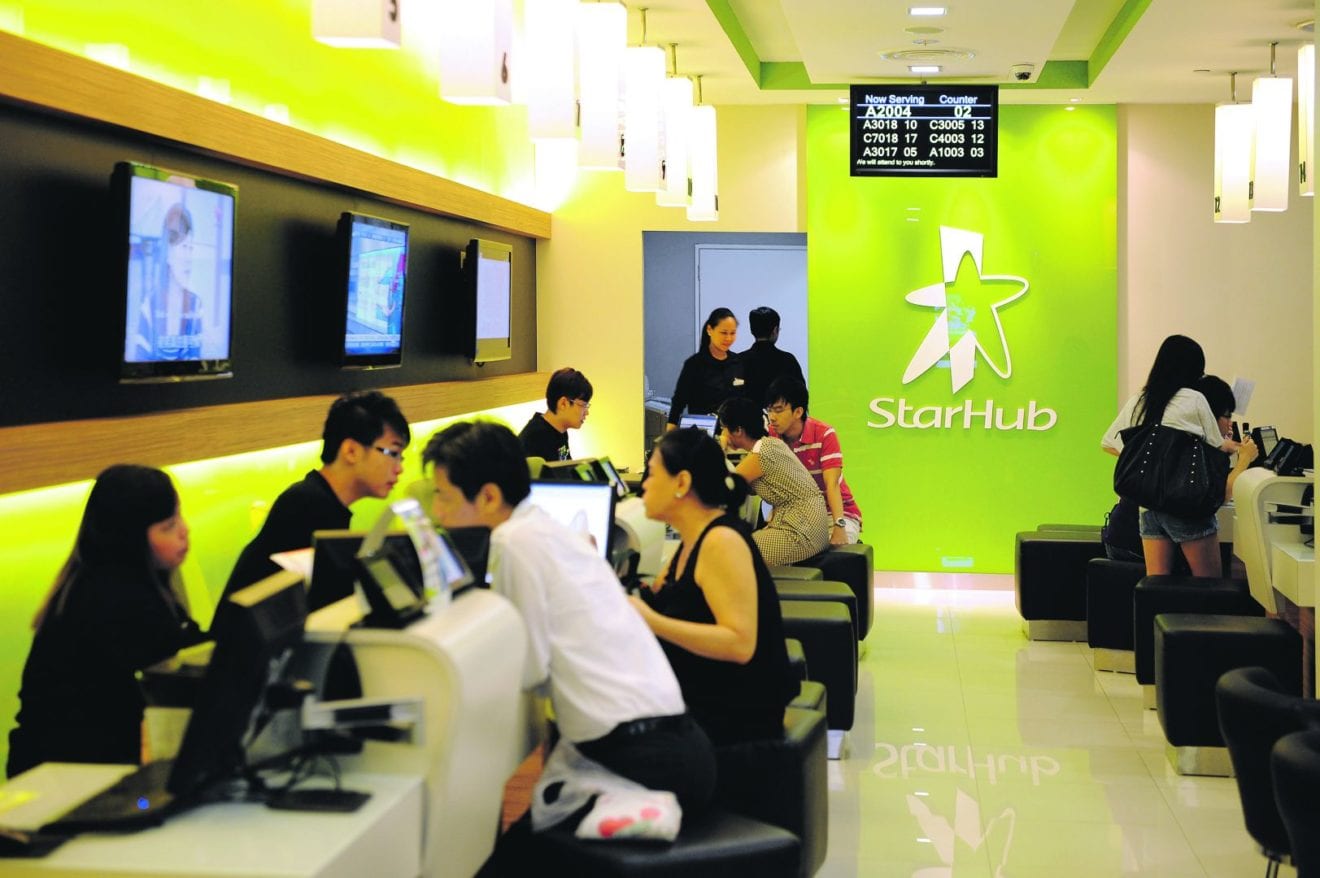
    Singapore’s StarHub has introduced the ability for its customers to use Apple Pay for secure mobile payments.

    When customers use a credit or debit card with Apple Pay, the actual card numbers are not stored on the device, nor on Apple servers.

    Instead, a unique Device Account Number is assigned, encrypted and securely stored in the Secure Element on the device. Each transaction is authorised with a one-time unique dynamic security code.

    “Digital commerce is fast catching on with Singapore consumers, and we want to be at the forefront of enriching our customers’ lifestyles using technology,” StarHub’s head of business strategy Yeong Mun-Ling said.

    “Being among the first Apple Pay-enabled merchants in Singapore, we are pleased that customers can now conveniently tap to pay at StarHub Shops using their iPhone and Apple Watch,” said Yeong.

    In stores, Apple Pay works with iPhone SE, iPhone 6s, iPhone 6s Plus, iPhone 6, iPhone 6 Plus and Apple Watch.

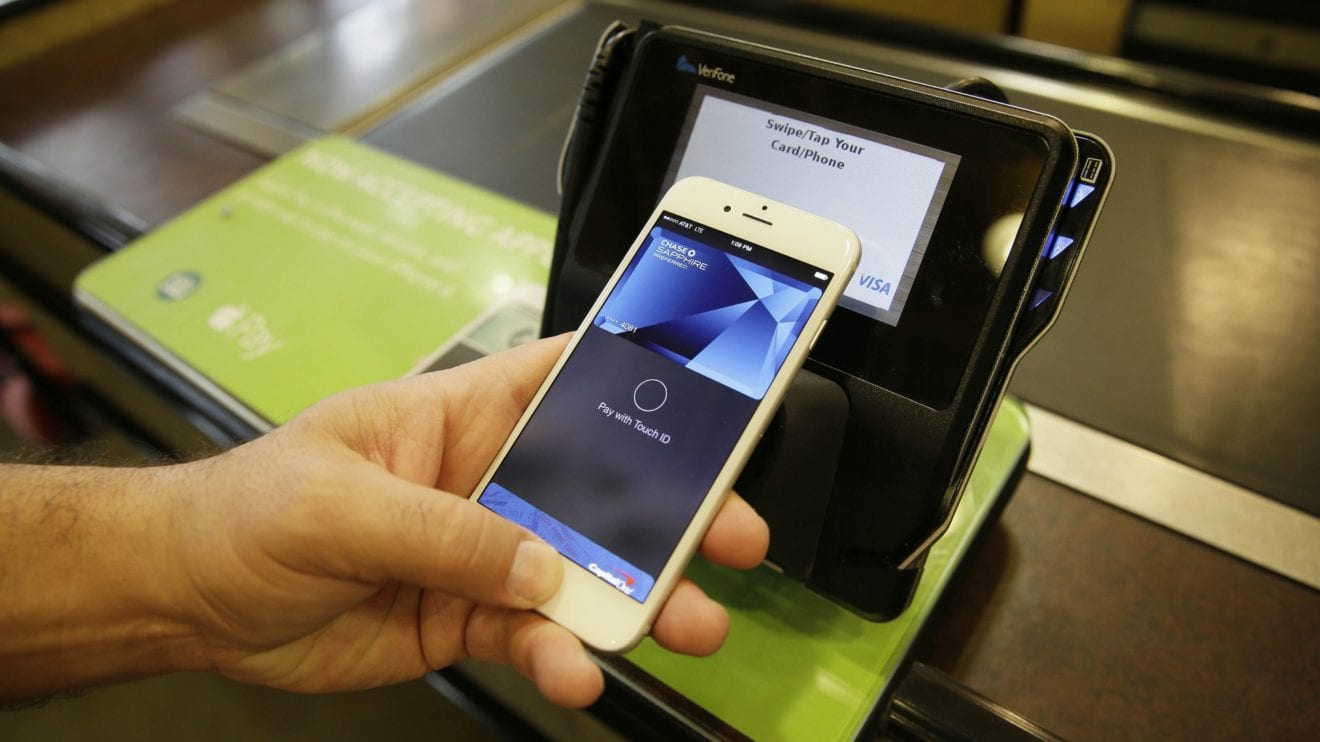
    Online shopping in apps accepting Apple Pay can be authorized with the touch of a finger with Touch ID.

  • Samsung Pay China goes live

    Samsung Pay China goes live

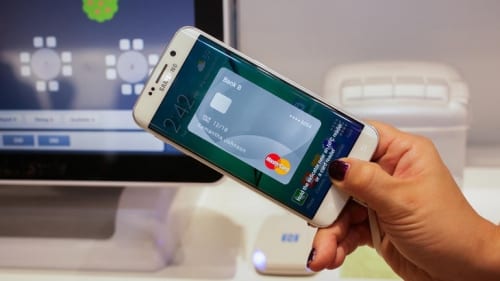
    Samsung Pay China is live after being launched by the South Korean smartphone giant this week.

    Samsung Electronics said Tuesday the introduction of the Samsung Pay China mobile payment service will speed its efforts to expand the scope of its flagship mobile payment platform globally.

    The South Korean tech company said Chinese users of high-end Galaxy smartphones can now use Samsung Pay in cooperation with China-based bank card giant UnionPay.

    The mobile platform supports magnetic secure transmission technology that works on traditional credit card machines. Like rivals Apple Pay and Android Pay, it also supports near field communication technology that requires a separate transaction device.

    Users of UnionPay debit and credit cards can now use Samsung Pay-equipped smartphones to make purchases, including the Galaxy S7 and Galaxy S7 Edge just released earlier this month.

    Samsung Pay joined forces with nine major Chinese banks, while six more partners will be added in the near future, Samsung added.

    Samsung said it will also make efforts to roll out more devices that support its mobile payment platform.

    Samsung Pay, first released in South Korea and the US last year, currently boasts around 5 million users. Samsung said last month it is also preparing to launch in Australia, Brazil, Spain and a handful of other countries.

  • Apple Pay launched in China

    Apple Pay launched in China

    Apple has confirmed that its alliance with China’s state-owned bankcard association, China UnionPay, will allow the lender’s cardholders to use Apple Pay from 3rd week of February.

    The union between Apple and UnionPay was announced late last year, but was subject to various approvals.

    Shoppers around the world are being encouraged to use smartphones instead of cards to pay for in-store purchases.

    Alibaba’s Alipay currently dominates China’s electronic payments market.

    Apple confirmed its expansion into China on its website.

    “You can now support Apple Pay for your customers in China, providing an easy, secure, and private way for them to pay using their China UnionPay credit and debit cards,” the firm said.

    Apple’s head Tim Cook later announced the launch of Apple Pay in China early on Thursday via his Weibo account.

    Several reports have indicated that as many as 20 China-based lenders will be supporting Apple Pay, including the Industrial and Commercial Bank of China (ICBC).

    ICBC had not responded to written inquiries on Thursday, however.

    Growing market

    There has been a rapid take-up of smartphones in China, with an estimated 68% of the population now owning one – and digital wallets are becoming a more popular way to pay for goods and services.

    UnionPay’s alliance with Apple is an extension of its plans to make the most of that growing market.

    However, analyst Bryan Ma of research firm IDC told the BBC that Apple was likely to garner a smaller user base in China compared to competitors like AliPay and Tencent’s WeChat Payment.

    “This is in part because Alibaba and Tencent payment systems are used for more things, like money transfers, whereas Apple Pay might be limited to just retail point-of-sale and possibly App Store transactions for now,” he explained.

    “There will be a natural, gravitational pull though for some people to Apple Pay – particularly people in big cities – because of Apple’s brand. So they will be able to attract a selected customer base that way.”

    Mr Ma said another issue was that Apple Pay would use the Near Field Communication (NFC) method of contactless communication, rather than the barcode-like method of electronic payments using QR codes.

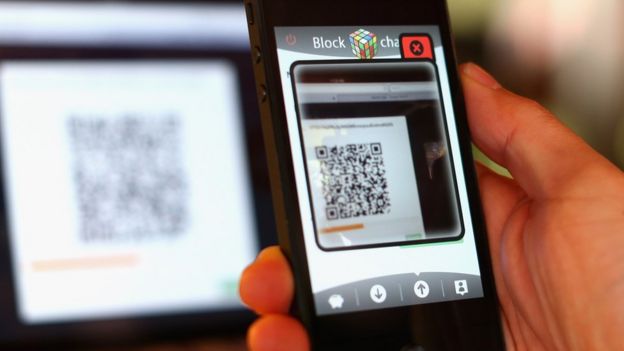
    QR codesImage copyrightCameron Spencer
    Image captionQR codes are used by a wider market because more phones can read them compared to phones that can read NFC tags, IDC’s Bryan Ma said

    QR codes were widely used by Apple Pay’s China-based competitors like Alipay, Mr Ma said, and could reach a wider market because more phones could read them compared to phones that could read NFC tags.

    By 2017 it is estimated the global mobile payments market will be worth some $1tn (£650bn).

    In addition to Apple Pay, Google’s Android Pay is available at more than one million locations in the US, while Samsung Pay was launched in South Korea in August, followed by a launch in the US the following month.

  • Apple Pay gets off to a fast start in China

    Apple Pay gets off to a fast start in China

    China this month became the fifth country where consumers can use smartphones to pay with Apple Pay, and Chinese shoppers quickly embraced the Apple Inc. payment system.

    In the first two days after the Feb. 18 launch, 3 million consumers linked their bank cards to Apple Pay according to China Merchants Bank, one of 19 Chinese banks involved in the rollout. The payment method can be used to pay in stores with compatible terminals and in mobile apps that link to Apple Pay.

    Every Chinese consumer with a debit card and many with credit cards are eligible to use Apple Pay because Apple is collaborating with the country’s sole debit card network, China UnionPay. Banks have issued 5 billion cards that are accepted on the China UnionPay network, including 500 million credit cards, UnionPay says.

    China Merchants Bank says its customers connected 1 million bank cards with Apple Pay in the first two days of the launch, representing 35% of cards connected with Apple Pay in China. Apple and China UnionPay both declined to confirm this data from China Merchants Bank.

    Apple did say it is quite happy with the launch. “I would rate our first-day performance as 1,000, if the full score is 100,” Jennifer Bailey, vice president of Apple Pay, said at a mid-February press conference in China. Apple also has rolled out Apple Pay in the United States, the United Kingdom, Canada and Australia.

    Apple says the 19 Chinese banks offering Apple Pay, including such major institutions as Bank of China and the Agricultural bank of China, represent about 80% of bank cardholders in China.

    In addition, 16 retail chains, restaurants and online retailers in China have begun accepting Apple Pay. They include Starbucks, McDonald’s, Kentucky Fried Chicken, Circle K and the French department store chain Carrefour. Almost all of those merchants have launched promotions for Apple Pay users. For example, Starbucks offered a 15 yuan ($2.30) discount to Apple Pay users who spend 65 yuan ($10) or more.

    But consumers used Apple Pay the most on the first day of its introduction to pay on the mobile app of Meituan.com, a Groupon-like Chinese service in China, according to China UnionPay. Apple says the new payment method may double the conversion rate for e-commerce apps.

    Starbucks came in second in terms of Apple Pay payments on the launch day, followed by convenience store chain FamilyMart, McDonald’s and another daily-deal site, Dianping.com.

    China UnionPay reported that Apple Pay users’ spent 101 yuan ($15.5) on average on the first day of the service and about 47% of purchases were above 10 yuan ($1.5).

    Web-only e-retailer Vipshop, No. 4 in the Internet Retailer 2015 China 500, is among of retailers accepting Apple Pay in its mobile app, and says it received 10,000 Apple Pay orders on the first day. The company says Apple Pay could help Vipshop offer faster services to online shoppers.

    Apple Pay is hardly the first payment method in China based on mobile phones and wallets. Alibaba Group Holding Ltd.’s payment affiliate Alipay says there are about 300 million bankcards linked to its mobile wallet app, and Chinese online game and social media powerhouse Tencent Holdings Ltd. says the number of banking cards connected with its mobile apps has topped 200 million.

    However, Apple Pay requires fewer steps when paying in a store. An Alipay user must open the app on her phone and then click several times to generate a bar code that the cashier scans. With Apple Pay the consumer need only place her iPhone near a terminal and verify the payment by touching a finger on a button on the phone or by inputting her password. Apple Pay users don’t need to open an app or access the Internet to make a payment, Apple says.

    In stores, Apple Pay runs on China UnionPay’s Quick Pass service network, launched in 2013, which uses wireless Near Field Communication technology to establish a connection between a mobile phone and a terminal. There are 4 million NFC-compatible terminals in the Quick Pass network that can accept Apple Pay, of the 20 million payment terminals that accept UnionPay cards, according to China UnionPay.

    Besides Apple’s iPhone, other smartphones that consumers can use on the Quick Pass network include NFC-enabled phones from manufacturers like Samsung Group and Huawei Technologies Co. Ltd.

    Apple Pay works on the iPhone 6 or 6S, the Apple watch and some versions of the iPad. Consumers can use Apple Pay with an iPhone 5 and 5S if they pair the phone with an Apple Watch.

  • Mobile, millennials to drive retail innovation

    Mobile, millennials to drive retail innovation

    Mobile commerce, millennials and faster fulfilment will drive retail innovation this year, according to commercial supply chain specialist Manhattan Associates.

    It predicts a rapid migration to more personalised shopping, with mCommerce presenting big challenges as well as inspiring innovation.

    Emerging Asia is still the fastest-growing region of the global economy, says the company, with strong labour markets and a growth in disposable income expected, especially in Southeast Asia. This means a continued rise in consumer spending along with mounting pressure for retailers to keep up with consumers and their rising expectations.

    “Millennials particularly demand seamless experiences across multiple channels, as well as more and slicker order and fulfilment options,” says Manhattan’s Southeast Asia MD Richard Wright.

    This means retailers must make informed choices about not only what is right for the consumer, but also right for the business.

    Wright says retailers will have to make some fundamental changes this year to address growing consumer demand, expectations for a more personalised shopping experience and increased use of mobile technology.

    “We have identified five key areas in which retailers can focus attention, not only to achieve customer satisfaction but also to drive business growth and profitability.”

    He defines the five key areas as:

    • Making the shopping experience personal and frictionless,
    • Recognising the power of millennials,
    • Embracing mobile technology to achieve customer-centric retailing success,
    • Delivering faster; and
    • Being more flexible with returns.

    “The anonymous shopping experience has had its day,” says Wright. “On the back of digital personalisation success, retailers are turning their attention to the in-store experience, recognising both the rise in customer expectation and the differentiation personal service can offer.”

    He says this experience can range from recipe ideas and ingredients lists in supermarkets to intuitive, customer-inspired fashion recommendations. “Retails have the chance to transform the in-store engagement.”

    Research by the group last month has shown that tailored shopping experiences will encourage more shoppers to engage with the in-store experience. In a consumer survey, 49 per cent of respondents said they would interact more with store staff members if the shopping experience was personalised.

    “When a shopped reaches the point of sale, give them tailored discounts, recommendations based on their shopping history, and even style tips matched to their recent purchases,” the group suggests.

    Manhattan Associates also says personal shopping is back. “It is time for retailers to redefine the role of stores, embrace technological innovation that drives both service enhancements and operating margins, and engineer a cultural shift that will enable staff to reinforce brand value and deliver personalised service across every channel.”

    There is a need to redefine the role of the store assistant. As consumers become ever more connected, store assistants need the knowledge, skills and desire to offer the best possible shopping experience.

    Dissatisfaction impacts brand reputation

    “Failing to give customers what they want will result in dissatisfaction and more complaints, which can have a longer-term impact of brand reputation and sales.”

    In Malaysia alone, says the company, the National Consumer Complaints Centre received 41,531 complaints in 2014, a 28 per cent increase for the previous year.

    Retailers can avoid such dissatisfaction by educating their store staff, but more is needed than just product information, says Manhattan Associates.

    Frontline staff need access to stock levels across all stores, warehouses and distribution hubs so they can sell the entire network of available inventory rather than just the stock in an individual store.

    Having an overview of enterprise stock and being able to offer delivery alternatives will keep customers loyal.

    “We predict that many retailers will being emulating the experiences of companies like Parkson, and change their structure so the store assistant plays a fundamental part in the buying process from start to finish, and acts more as a personal advisor.

    “However, a cultural change such as this cannot happen unless it is championed from the top down. Board-level executives need to buy into the potential results possible from investment in staff and customer experience initiatives.”

    Manhattan Associates believes millennials, who constantly interact with the online world, are frequent yet demanding shoppers.

    “We think it is time for millennials to take the lead on what they would like from a retail experience, and help retailers drive new strategies and initiatives. With 40 per cent of Millennials happy to give up cash completely, and 91 per cent opting to use a self-service checkout, it is clear these 18 to 34-year-olds shop differently to the traditional retail model. They adapt to technology quickly and expect retailers to do the same.”

    Another finding from the company’s research is that customers shopping via mobile devices spend up to 66 per cent more than those solely shop in a store. But as mobile devices now play a more important role in not only browsing and buying, but also paying for goods, the potential is even greater.

    Manhattan Associates predicts that retailers will use more beacons this year to augment the in-store experience.

    “Not only are these devices cost-effective, they communicate directly with smartphones through Bluetooth, meaning stores can lure in passing customers with offers and discounts.”

    Store assistants can also use mobile technologies to enhance the shopping experience. Tablet devices can enable assistants to deliver a personalised experience. They can access an online product catalogue populated with a shopper’s purchasing history, wish lists, online shopping cart and return history, improving their ability to up-sell and cross-sell.

    Meanwhile, POS technology is transitioning from fixed-point transactions to mobile engagement, offering payment acceptance “on the go” for all of a customer’s orders in a single transaction. This can be by cash, cheque, credit or such systems as Apple Pay.

    Advanced mobile POS technology can handle the most complex return situation with the least amount of friction, regardless of which channel initiated the order or how the customer chooses to receive credit.

    While price is the main attraction for 67 per cent of shoppers, across both online and in-store shopping, fast delivery is important for 51 per cent, and flexible returns for 42 per cent.
  • Apple Pay’s China Launch: Who Will Win Over Chinese Luxury Consumers’ E-Wallets?

    Apple Pay’s China Launch: Who Will Win Over Chinese Luxury Consumers’ E-Wallets?

    With an optimistic plan to take on entrenched Chinese mobile payment rivals, Apple Pay made its move into mainland China on Thursday this week in hopes of making the country its biggest market.

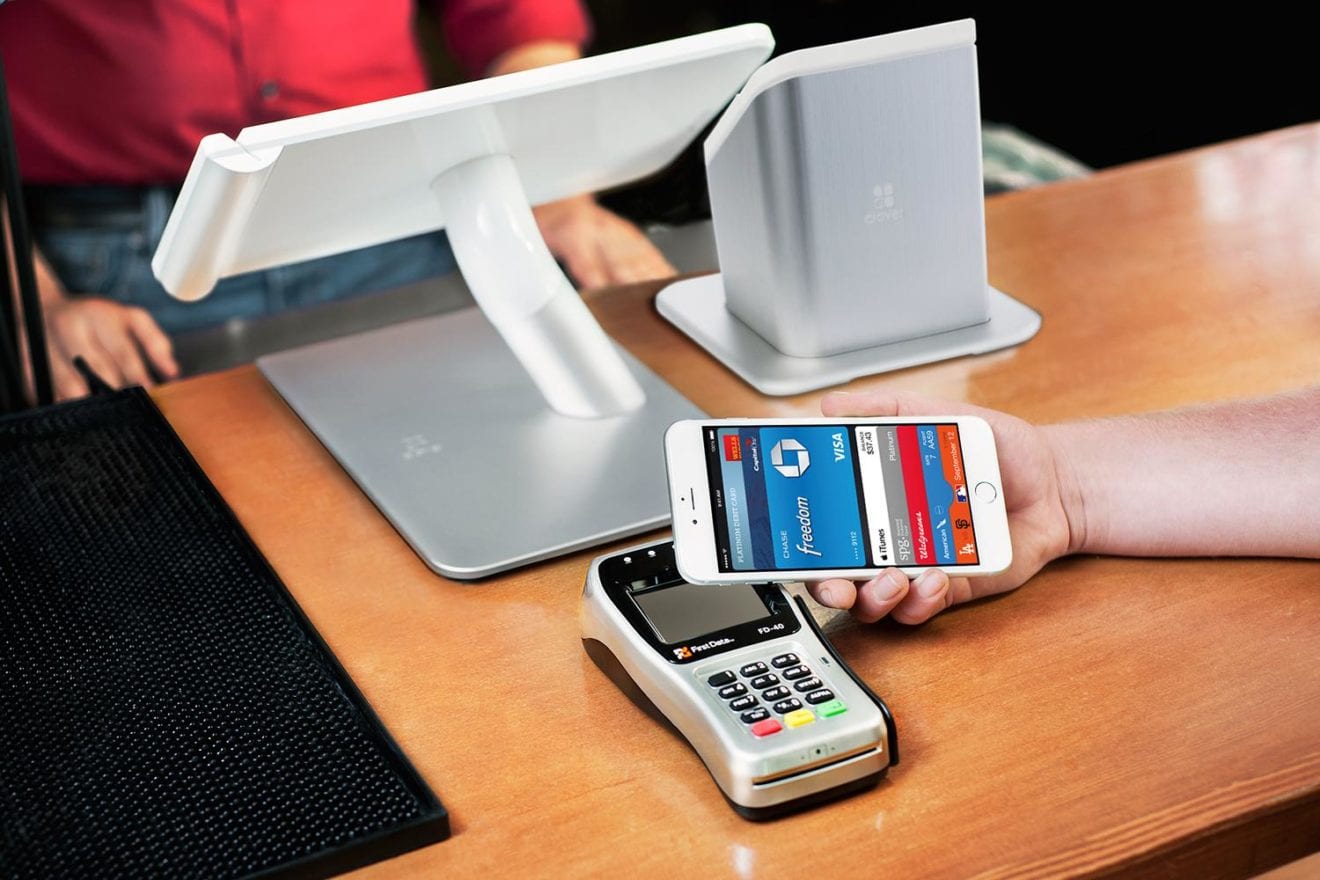
    While some experts doubt the prospects of Apple’s high-tech payment system to compete with local giants including Alipay and WeChat, luxury retail is taking notice of the method. On the date of Apple Pay’s launch, Lane Crawford announced that all of its mainland China locations will offer Apple Pay, making it one of the first retail locations in the country to offer the service. “Offering Apple Pay as a payment option to our customers is another important step towards an even stronger connected commerce strategy, constantly evolving and leveraging on the digital and mobile world which is vitally important in Asia,” said Lane Crawford President Andrew Keith in a press release.

    The launch allows China’s only credit card company UnionPay, which has teamed up with Apple Pay, to take on Alipay and Tencent’s TenPay as they compete to win over Chinese consumers’ e-wallets.

    Limited to the iPhone, some experts are saying Apple Pay faces an uphill battle in China as local mobile options have already become incredibly popular. In addition to the fact that Apple will have to take on local giants, experts have found that many Chinese netizens are wary of Apple Pay for a variety of additional reasons. Online comments suggests that many are suspicious of giving their bank card number to a U.S. company and show a preference to earn interest from Alipay. Meanwhile, Apple Pay doesn’t have built in “shopping app” features and discounts found on Alipay and WeChat Wallet, including WeChat’s direct link to dining app Dianping.

    But as the iPhone remains a luxury status symbol for Chinese consumers, Apple Pay could possibly find a niche among affluent urbanites, depending on whether or not more retailers like Lane Crawford choose to make it available.

    The development of this competitive landscape is of equal importance to luxury retailers not only in China, but also abroad, which are scrambling to keep up with payment methods most popular with Chinese tourists. Many international luxury retailers now offer UnionPay, but a growing number of them are allowing Chinese customers topay with Alipay or with WeChat, giving them an advantage over those who haven’t moved past UnionPay. Regardless of whether or not Apple Pay manages to catch on with China’s jet-setting iPhone owners, retailers across the world will need to up their payment technology to keep up with their Chinese VIPs’ preferences.

  • Apple Pay to go live in China on February 18

    Apple Pay to go live in China on February 18

    Apple Inc’s Apple Pay mobile payment system will be available in China from February 18 for Industrial and Commercial Bank of China Ltd (ICBC) customers, bank representatives said in social media posts on Tuesday.

    The technology giant had previously said the system would launch in China in early 2016, making it Apple Pay’s fifth country as it accelerates development of a planned new revenue stream. ICBC is China’s biggest lender by assets.

    An Apple spokeswoman declined to comment on ICBC’s posts on the projected launch. The lender is set to be joined by a raft of peers: Apple’s China website lists 19 Chinese lenders as official Apple Pay partners, and state media reported two other lenders will also go live with the service from February 18.

    Greater China is Apple’s second-largest market by revenue, but the company faces an uphill battle to match that prowess quickly in mobile payments.

    Apple Pay’s beginnings have been less than auspicious in other markets, including scepticism from retailers in its home market. But in China, Apple Pay’s issue will be how to compete with dominant and entrenched players, serving shoppers well used to paying for goods and services with their handsets.

    China is the world’s biggest smartphone market. By the end of 2015, 358 million people, more than the population of the United States, had already taken to paying by mobile phone, according to the China Internet Network Information Center.

    Dominating those payments are China’s two biggest Internet companies: social networking and gaming firm Tencent Holdings Ltd and e-commerce company Alibaba Group Holding Ltd , through its Internet finance affiliate Ant Financial Services Group.

    Tencent operates WeChat Payment, while Ant Financial runs Alipay.

    Apple Pay has also struggled to gain traction with banks in some countries. In Australia, the four main banks are holding out against the new entrant. The company in Britain faced resistance from big banks over fees before relenting.

    Earlier on Tuesday, China’s state radio reported on its website that China Guangfa Bank Co Ltd and China Construction Bank Corp said on social media they would also launch Apple Pay on Feb. 18.

    A China Construction Bank spokesman declined to comment, while Guangfa could not be reached for comment.

  • Cross-border deals, connected shoppers, and mobile payments

    Cross-border deals, connected shoppers, and mobile payments

    Black Friday, the day after the Thanksgiving holiday in the US (celebrated on the fourth Thursday in November), and Cyber Monday, the first Monday after Thanksgiving, mark the start of the year-end holiday shopping season.

    Figures from the United States National Retail Federation shows that over 151 million consumers made purchases online and in physical stores during the most recent Black Friday and Cyber Monday shopping seasons.

    The trend, however, is becoming global. In Asia, where connected shoppers are constantly searching for the best deals, often crossing physical and geographical boundaries, Black Friday and Cyber Monday have been integrated into the retail experience. This, despite the popularity of China’s own Single’s Day online shopping festival that is also being adopted by many retailers across the region.

    Warren Hayashi, President, Asia-Pacific, Adyen, said this is partly due to the growth of cross-border e-commerce, which is giving Asian consumers access to both US and European retailers, who market Black Friday and Cyber Monday promotions in the region and ship to Asia.

    The trend has also been driven by the growing reach of US e-commerce giants like Amazon, which has meant that e-commerce companies based in other markets, such as Lazada, Qoo10, Rakuten, Alibaba, and Zalora, are rolling out similar promotional periods.

    “An interesting effect of this trend is that rather than adversely affecting transactions during the non-promotion period, we are seeing that seasonal shopping promotions actually expand the size of the market. They provide consumers with even more opportunities to shop,” he explained.

    Ayden’s data shows that in Asia, sales volumes increased by 170 percent in a year-on-year comparison over the course of the Black Friday weekend. Meanwhile, shoppers in China spent twice the amount during Black Friday 2015 as compared to the same period in 2014. In Japan, the average transaction value increased by 50 percent.

    Interestingly, the payments industry for online and offline retail is also innovating to keep up with these developments in the retail scene. Ayden sees that companies are also going global with a payments first approach.

    “For example, we have Asian merchants expanding into Europe with their English-language website and local payment methods, such as iDEAL in the Netherlands (which accounts for over 60 percent of transaction volume in that market), SOFORT in Germany, and so on,” Hayashi shared.

    “Likewise, we have global customers selling in Asian markets from their global website, but offering targeted payment methods such as Alipay, which are dynamically offered at the checkout stage according to the shopper’s geographical location. This is a huge opportunity for retailers to expand globally,” he added.

    Interestingly, he said one of the most innovative payments technologies that is changing the user experience is the zero-click transaction – which takes place in the background, without any action required by the customer. An example is how Uber is accepting payments.

    “When passengers take an Uber, they do not need to take any specific action for the payment to be made, everything happens in the background. This kind of frictionless connectivity brings businesses closer to their customers and will spread rapidly,” he explained.

    In 2016, Hayashi sees the retail landscape in the region as going more on mobile, especially in the area of payments.

    Citing Ayden’s own data – tracked quarterly through the Mobile Payments Index – shows that Asia-based payment methods such as Alipay, UnionPay, and JCB have among the highest proportions of mobile payments globally.

    “With everything they do around payments, retailers should simply be asking themselves, how does this improve the customer experience? One key goal should be to provide a frictionless payment experience across channels,” he said.

    “For mobile, along with optimizing the size of the page, many merchants find that a “less is more” approach drives conversion increases, with page layout minimized to ensure the smoothest possible payment flow,” he continued. “It’s also important to remember that the checkout stage of the shopper should be the beginning of an on-going relationship with the consumer. Merchants that have created a frictionless checkout experience, regardless of the channel, see sustained increases in their repeat customers and purchases.”

  • Government stuck in past in retail shop payment systems

    Government stuck in past in retail shop payment systems

    Mr. Park, a 50-year-old manager of a coffee shop in Yeouido, western Seoul, recently bought an integrated circuit (IC) card reader for 400,000 won ($343). Last summer, the country’s financial authority required shops to use them so customers could pay with credit cards with an IC chip embedded in them.

    However, as more locals use the Samsung Pay mobile payment system, IC card readers are fast becoming dinosaurs. The card reader that Park bought recently does not have ability to process Near Field Communication (NFC) payment system. If Apple decides to expand its mobile payment system in Korea, shops will have to buy new card readers with NFC capabilities.

    “I don’t understand why the government told us to buy the new card reader so early in the transitional process,” Park said. “They could have waited until the different mobile payment systems were established.”

    Many industry insiders are critical of the financial authority forcing shop owners to buy IC card readers in July. They say the government is behind in the latest technological trends.

    The government’s decision came after an information leakage scandal last February. Financial authorities believed that it was safer to use cards with IC chips compared to traditional magnetic strips, which are thought to be more vulnerable to financial crimes, including card duplication.

    Due to the government’s decision, approximately 2.47 million credit card company affiliates, or 95 percent of the total 2.6 million stores, were forced to buy the new card reader. The credit card companies chipped in 100 billion won to support their affiliated stores.

    Unfortunately, Samsung Pay, which Samsung Electronics introduced in August, turned the market upside down. Samsung Pay can work with cards that have magnetic strips and allows its customers to secure their identities with fingerprint recognition authentication.

    Samsung Pay users have grown significantly thanks to its ease and safety. Samsung Pay does not require stores to have IC card readers.

    “We did not consider Samsung Pay prior to commercializing IC card readers,” said a representative for the Financial Supervisory Service (FSS). “We intended to adapt the magnetic payment system just in case IC chips run into trouble.”

    IC card readers currently cannot process NFC. The payment system enables a portable device such as a smartphone to establish radio communication with the card readers nearby. Currently, Google’s Android Pay and Apple’s Apple Pay are using this system. Samsung Pay has NFC payment systems in its smartphones as well.

    The financial authority failed to include NFC payment systems in the new IC card readers because there was discord between the major credit card companies. Hana and BC agreed to adapt the system while others were unwilling due to extra charges the companies would have to pay mobile service providers.

    Some industry insiders argue that a lack of government’s efforts further complicated this situation. “Financial authorities failed to ease or mediate the tension between credit card companies,” said a representative for a credit card company.

    Many worry that store owners will have to pay another 100,000 won or so for a new card reader if NFC gets popular.

    Moreover, Kakao Bank and K-Bank – the first two Internet banks in Korea – are expected to open next year and shake up the existing payments market. They would not require any type of credit card readers in transactions. Customers could pay directly using their registered banking accounts, which would save them transaction fees as well.

    Experts recommend the government consider upgrading the existing card readers to enable mobile transactions.

    “As the credit card industry develops rapidly, we also need to adapt to new technologies such as NFC as fast as possible,” said Kim Jong-hyun, a senior researcher at Woori Finance Research Institute.

    “As of now, more people use traditional plastic credit cards, and we need to prioritize them in our policies,” said a representative at the FSS.

    BY LEE TAE-KYUNG [kim.youngnam@joongang.co.kr]

  • Apple Pay to debut in smartphone mecca China next year

    Apple Pay to debut in smartphone mecca China next year

    Apple and Samsung said Thursday they had secured separate deals with China UnionPay that will let their users in China add credit or debit cards to the respective mobile-payments services. Both companies said their services would launch in China as soon as early 2016 after testing and certification required by regulators.

    “China is an extremely important market for Apple, and with China UnionPay and support from 15 of China’s leading banks, users will soon have a convenient, private and secure payment experience,” Eddy Cue, Apple’s head of Internet software and services, said in a statement.

    A few hours later, Samsung announced a similar partnership with China UnionPay.

    “The collaboration with China UnionPay, coupled with the support from major UnionPay partner banks in China, will bring this secure and easy-to-use mobile payment solution to more Samsung mobile users,” Injong Rhee, the global chief of Samsung Pay, said in a statement.

    Launched last year in the US and then in other countries, Apple Pay enables owners of the iPhone 6, iPhone 6S or Apple Watch to pay for items on the go via the wireless technology NFC (near-field communication). Meanwhile, Samsung Pay, which hit the US this past September, doesn’t require NFC technology needed by Apple Pay and can work with any magnetic-strip card reader.

    Companies are eager to push mobile payments in the belief that the additional service will build consumer loyalty. Users of electronic-payments services might be more likely to stick with their current smartphone if they could store their payment data and use the device to buy shampoo, beer, gum or whatever else.

    As the largest smartphone market in the world, China represents a significant business opportunity for mobile-payments systems. The country’s massive population of 1.35 billion and growing middle class have created a lucrative market for companies like Apple and Samsung. For Apple, China is a key market, accounting for $12.5 billion in revenue during its fourth quarter.

    Apple had been trying to reach an agreement with Chinese bank UnionPay, which is the only bank in China that conducts interbank payments, according to a report in MarketWatch. That monopoly on credit- and debit-card processing effectively locks out MasterCard and Visa.

    Since last year, Apple has also been chatting with at least eight major Chinese banks about adopting Apple Pay. But those talks hadn’t gone well either, a source close to them told MarketWatch. One bank expressed no interest in any deal.

  • Apple Pay coming to China in 2016

    Apple Pay coming to China in 2016

    Apple and China UnionPay Thursday announced a partnership to bring Apple Pay to China in 2016. UnionPay cardholders will be able to add their bank cards to Apple Pay on iPhone, Apple Watch and iPad, according to a press release.

    Apple Pay will roll out to UnionPay cardholders as soon as early 2016 following relevant tests and certification required by Chinese regulators, with the service itself in compliance with the applicable national mobile payment and financial industry standards in China, according to the announcement.

    “China UnionPay is dedicated to promoting payment innovations and providing secure, convenient mobile payment experiences for its hundreds of millions of cardholders, aligning multiple parties in the industry,” said Chai Hongfeng, executive vice president of China UnionPay. “We’re very excited to offer Apple Pay among a diverse set of innovative payment options that work with China UnionPay QuickPass.”

    “Apple Pay has revolutionized the way millions of people pay every day with their iPhone, Apple Watch and iPad,” said Eddy Cue, Apple’s senior vice president of Internet software and services. “China is an extremely important market for Apple and with China UnionPay and support from 15 of China’s leading banks, users will soon have a convenient, private and secure payment experience.

  • Apple Pay China launch slated for February

    Apple Pay China launch slated for February

    Tech giant Apple will launch its mobile payment system Apple Pay in China by early February, according to a report in the Wall Street Journal.

    Citing people familiar with the discussions, the newspaper says Apple has reached agreement with China’s four state-run banks to clear the way for the payment system to be used via its iPhone smartphones.

    The move will place it in direct competition with local online payment platform Alipay, run by Alibaba Group, and its affiliated company Ant Financial, and UnionPay, the state run monopoly credit card system.

    But while the banks are on board, the Wall Street Journal claims Apple may yet face more hurdles before it can launch the service, with banking and eCommerce regulations overseen by a number of government agencies.

  • Apple to launch online payment in China

    Apple to launch online payment in China

    Apple will launch an online payment service in China, as the tech giant seeks to expand in its largest market outside of the US despite fierce competition from local rivals.

    An Apple Company offering online payment has launched in the Shanghai Free Trade Zone (FTZ), an area set up as a testbed for financial reforms, China News Service reported late Thursday.

    Apple didn’t give a date for the launch, but the company told AFP that CEO Tim Cook hopes to set-up Apple Pay in China “as quickly as possible”.

    Cook previously said that he expects China one day to surpass the United States to become Apple’s largest market.

    But China’s e-commerce giant Alibaba dominates the country’s online payment sector, with the Paypal-like Alipay taking around 80 percent of the market.

    Internet firm Tencent is also catching up with a similar service provided via its popular messaging application WeChat.

  • Korean banks back Samsung Pay

    Korean banks back Samsung Pay

    South Korean tech giant Samsung Electronics says the country’s 10 credit card companies have agreed to support its new mobile payment system, slated for launch today, Thursday.

    Korea will be the first market in which the Samsung Pay service is launched. It supports not only the near field communication (NFC) technology like its rivals but also magnetic secure transmission (MST) and bar code technologies.

    The MST technology is significant as it is compatible with conventional credit card devices, and therefore, it can be used in a larger number of shops compared with Apple Pay. Samsung’s progress was made possible as it had bought US mobile technology firm LoopPay, which has patent rights related to MST.

    Samsung Pay is available through the Galaxy Note 5 and the Galaxy S6 Edge+ that were showcased last week, and software upgrades will be provided to the users of the two smartphones.

    The service will officially reach the United States on September 28.