Tag: apple

  • Foxconn investing in other countries helps Apple diversify iPhone production out of China

    Foxconn investing in other countries helps Apple diversify iPhone production out of China

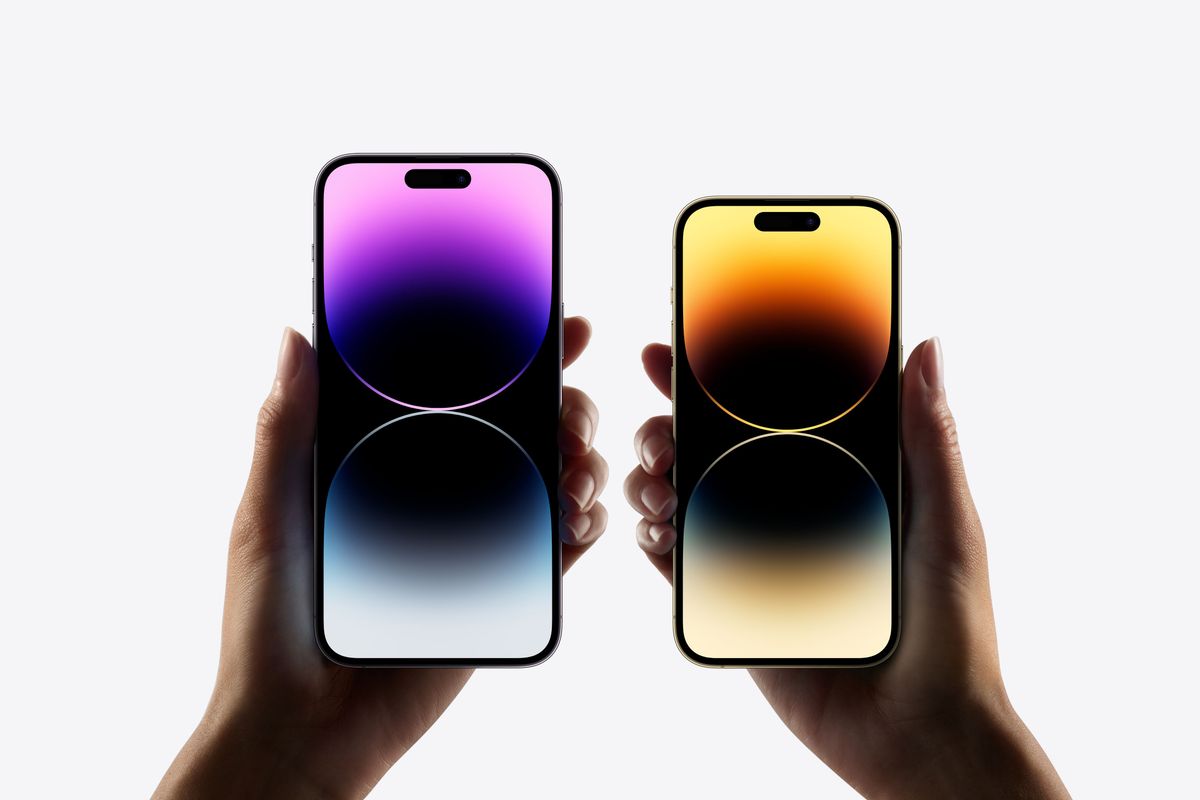
    Apple would love to diversify iPhone production out of China. Not only is Apple concerned about the region in terms of geopolitics, it is also worried about the Chinese government doing things like cracking down on COVID like it did last month in Zhengzhou where contract manufacturer Foxconn has its largest iPhone factory. As a result, workers started leaving the campus forcing Apple to admit that consumers will face a delay in receiving ordered iPhone 14 Pro and iPhone 14 Pro Max models now through the beginning of next year.
    At the beginning of this month, China started to relax its COVID crackdown and Foxconn says that it will soon allow workers at the Zhengzhou facility to return to their rental apartments just outside the campus. During the crackdown, Foxconn refused to allow workers on campus to eat in the company dining room and forced them to consume their meals inside their dorms.
    Apple can’t just pick up iPhone production and move it to another country. It needs to find an area where factories can be built, qualified workers can be found, and suppliers are nearby to deliver components in the quantity and quality that Apple needs. One country where Foxconn already builds certain iPhone models is India. Originally, Foxconn built older iPhone models in the country to avoid an import tax on units shipped into the country.
    Foxconn has been producing the iPhone 14 in India and wants to assemble more current models, some for global distribution. Last month, Foxconn announced that it was planning to increase the headcount at its Indian factory from 17,000 to 70,000 over the next two years.
    Foxconn has invested $500 million in its Indian subsidiary. The company was able to inject the cash into Foxconn Hon Hai Technology India Mega Development Private Limited from its Foxconn Singapore Pte Ltd. unit.

    Apple has to be concerned. With production in Zhengzhou using just 20% of its manufacturing capacity in November (says TF International’s reliable analyst Ming-Chi Kuo), the iPhone 14 Pro series is going to be in short supply this month and into January. That’s not good, especially when you’re in the holiday shopping season. This month, Kuo expects Foxconn to utilize 30% to 40% of its iPhone 14 Pro production capacity in Zhengzhou. That’s better, but still far from normal.

    Besides investing in India, back in August Foxconn agreed to sink $300,000 into a plant in Vietnam that will expand production there. Vietnam is another country, besides India, that Apple has reportedly considered as a replacement for China.
    Apple is getting more aggressive with its plans to move out of China completely. The article mentioned a couple of countries that we’ve discussed often as possible landing places for iPhone production (and we even mentioned the pair in this article), India and Vietnam.
    Foxconn appears to be spreading its investments all over the place. Last week it spent $58.98 million on an investment in the Czech Republic. That is where the manufacturer makes smartphones, displays, and cloud servers. Foxconn also has research and development centers in that region. At the same time, Foxconn put $142 million into its unit in Taiyuan, China which it considers a long-term investment.

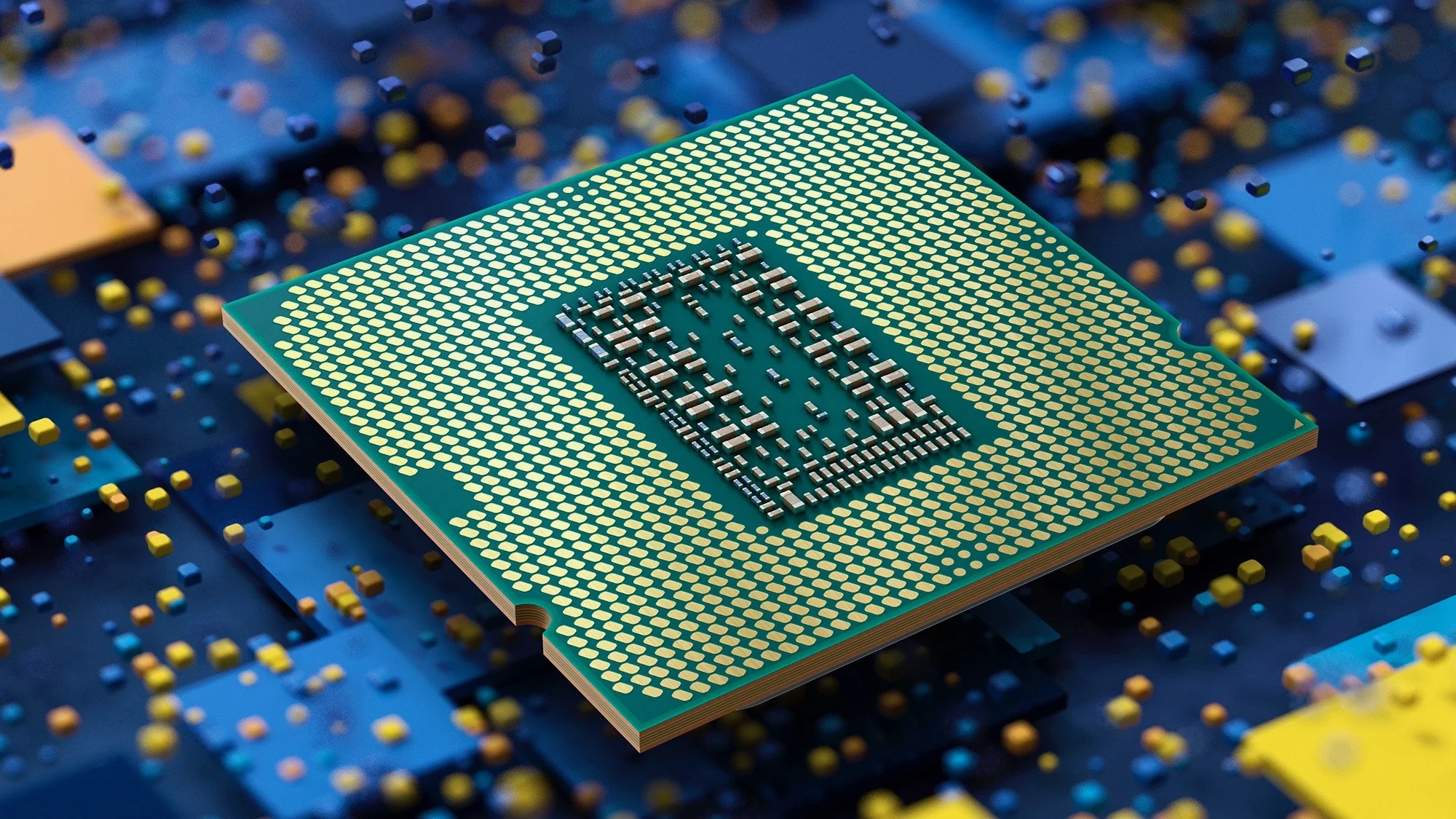
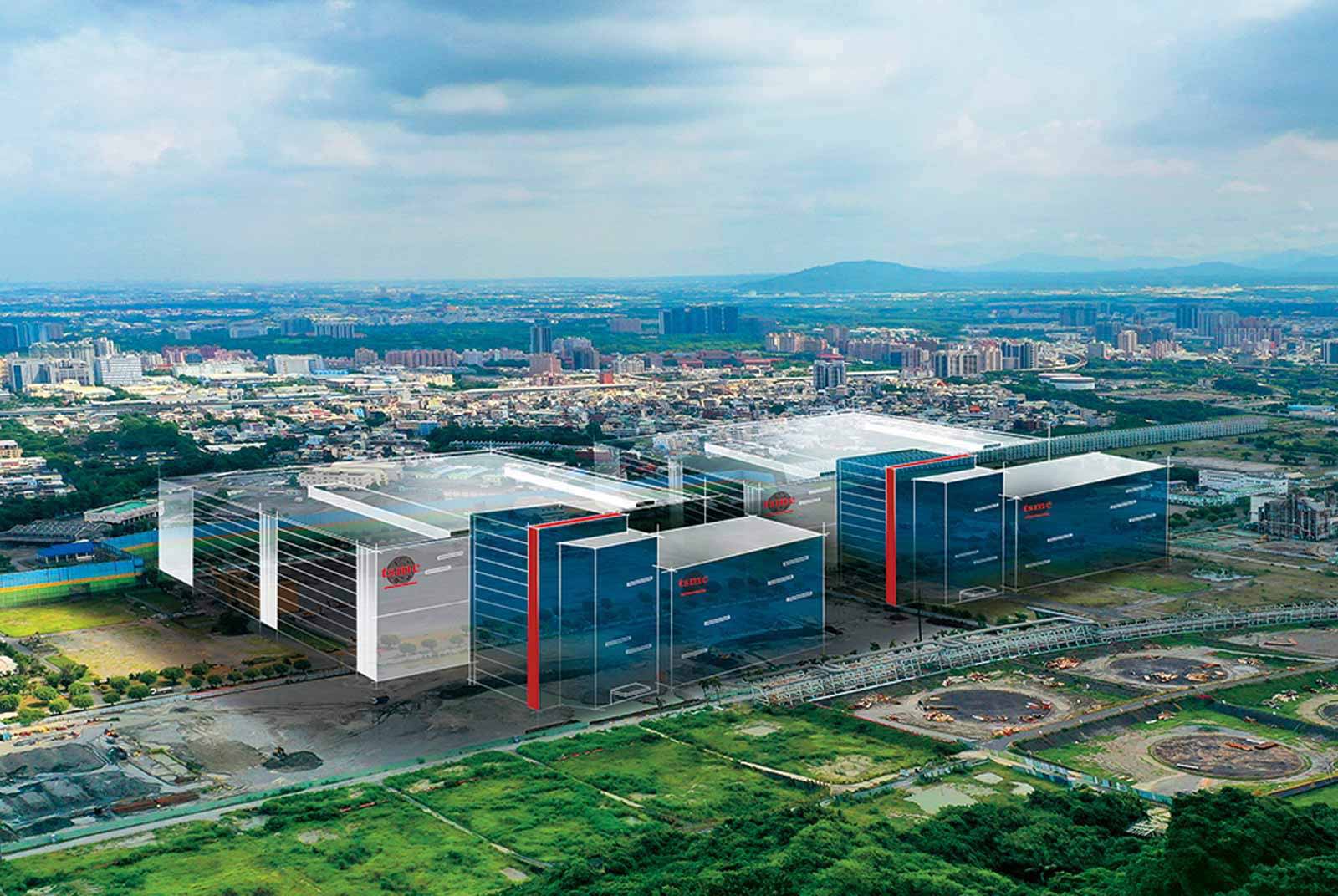
    Apple is already moving some chip production from Taiwan to TSMC’s U.S. fabs in Arizona. One facility will produce 4nm chips starting in 2024 while the second plant will go online in 2026 and churn out 3nm chipsets. Apple CEO Tim Cook spoke during a TSMC press conference held in Arizona last week and confirmed that Apple plans on buying chips made in the U.S.A. by TSMC.

    Apple is hoping that in five years, its supply chain looks a lot different than it does now.
  • Apple confirms it will buy chips made in the U.S.A

    Apple confirms it will buy chips made in the U.S.A

    Confirming rumors that we first reported last month, Apple CEO Tim Cook spoke this morning in Arizona and said that Apple will buy chips made in the U.S. by TSMC. The world’s largest chip foundry will start producing chips at its U.S. fab in 2024 and Apple has been looking to reduce its reliance on chips produced at TSMC’s Taiwan facilities.
    After all, as TSMC’s largest customer (responsible for about a quarter of the firm’s annual revenue), Apple has to be sensitive to reports that China has been eyeing Taiwan. And while U.S. President Joe Biden has promised to help Taiwan defend itself, any type of military conflict will make it harder for Apple to obtain the chips it needs. So to help Cook, other Apple executives, and iPhone fans sleep better at night, the decision has been made by Apple’s CEO to purchase chips made in the USA.
    Tim Cook said, “And now, thanks to the hard work of so many people, these chips can be proudly stamped Made in America. This is an incredibly significant moment.” And the executive is 100% correct. The U.S. has been looking to become self-sufficient when it comes to semiconductors and the ability to churn out cutting-edge chips on U.S. soil is a massive step toward that goal.
    TSMC originally planned on spending $12 billion on its Arizona plant which was expected to turn out 5nm chips by 2024. Now, TSMC will add a second factory and will spend $40 billion on the pair. The second facility will be ready by 2026. The fabs will turn out 600,000 wafers each year which will be enough to meet American demand according to the National Economic Council.
    The 600,000 wafers made in the U.S. will be a small percentage of what TSMC turns out in Taiwan where production in 2020 came to 12 million wafers. Joining TSMC is Intel. The American chipmaker has already said that it will surpass TSMC and Samsung in process leadership by 2025 and is planning on building new fabs in Arizona and Ohio in an attempt to win business from Apple. Both TSMC and Intel’s plants will be partially subsidized by the U.S. government under the CHIPS act.
    Ronnie Chatterji, National Economic Council acting deputy director for industrial policy, said today, “It’s the foundation of our personal electronics, and also the future of quantum computing and AI. At scale, these two [factories] could meet the entire U.S. demand for U.S. chips when they’re completed. That’s the definition of supply chain resilience. We won’t have to rely on anyone else to make the chips we need.”
  • Tesla readies revamped Model 3 with project ‘Highland’

    Tesla readies revamped Model 3 with project ‘Highland’

    According to four people with knowledge of the effort, Tesla is developing a revamped version of Model 3, as the top EV maker aims to cut production costs and boost the appeal of the five-year-old electric sedan.

    One focus of the redesign codenamed “Highland” is to reduce the number of components and complexity in the interior of the Model 3 while focusing on features that Tesla buyers value, including the display, according to the people, who asked not to be named because the revamp has not been announced.

    The previously unreported redesign comes as the electric sedan faces increased competition from models from the likes of China’s BYD, Hyundai, and coming releases from other major automakers.

    The revamp of the battery-powered sedan, which could also include some changes to the Model 3’s exterior and powertrain performance, will go into production at Tesla’s factory in Shanghai and the company’s Fremont, California plant, two of the people said. They said that Tesla’s Shanghai Gigafactory will put the redesigned Model 3 into production in the third quarter of 2023.

    It was unclear when production would start at the Fremont plant or how much a cost savings Tesla would achieve from the redesign as it works with suppliers.

    The effort spotlights an approach to vehicle development pioneered by Tesla and now being copied by other automakers, including Toyota Motor, that removes complexity – and cost – in production.

    It is also an example of a key project at Tesla that has rolled ahead even as Chief Executive Elon Musk has focused on his troubled acquisition of Twitter in recent months, an area of concern for Tesla investors.

    The redesign for the Model 3 builds on the revamp of the Model S — Tesla’s premium EV sedan — that was released last year. That redesign added an airplane-style yoke in place of a traditional steering wheel and removed buttons and traditional air vents as part of a minimalist interior where the centerpiece is a 17-inch electronic display.

    The Model 3, Tesla’s cheapest EV starting at just under $47,000 in the United States, had been the automaker’s best-seller but is being overtaken by the Model Y crossover. With only four models in production, styling changes to any part of Tesla’s lineup carry an outsized importance compared to established automakers.

    Ed Kim, president of AutoPacific Group, which tracks market trends and production, said the current Model 3 has already been updated from the version that first went on sale in 2017 because of the way Tesla updates battery performance, information and entertainment options through software, even if it still looks the same.

    “Having said that, consumers still tend to equate visual changes with newness,” he said. “Tesla knows visually tangible changes are in order.”

    “The upcoming changes that potential customers can see and feel will be very important in ensuring that EV customers still have Tesla at the top of their minds as truly excellent alternatives to Tesla are starting to flood the market,” he said.

    Musk has pushed a simplified approach to design and production at Tesla that the Highland project extends, said the people with knowledge of the development.

    Tesla has pioneered the use of massive casting machines known as Giga Press and built by IDRA Group in Italy to make single, larger pieces of a vehicle in assembly, reducing cost and speeding production. It has also designed a structural battery pack that does away with more expensive modules.

    Musk has said Tesla is looking to drive costs down through simplification and working on a small-car platform that would be half the cost of the Model 3.

    “Over and over, we found parts that are not needed. They were put in there just in case or by mistake. We eliminated so many parts from a car that did nothing,” Musk said in an interview at a Baron Funds conference earlier in the month.

    The approach is part of what has made Tesla the most profitable electric vehicle maker while many rivals are still running at a loss. In the third quarter, Tesla made a profit of just over $9,500 for every car sold, compared to roughly $1,300 for Toyota, according to disclosures by both companies.

    The revamp of the Model 3 comes at a time when sales in China, its second-largest market after the United States, are under pressure. Sales for the Model 3 in China fell 9% in the first ten months from a year earlier, while BYD’s Qin and Han electric sedans outsold the Model 3, according to China Passenger Car Association.

    To boost sales, Tesla cut prices for Model 3 and Model Y in China by as much as 9% in October and offered an additional rebate for buyers who took immediate delivery.

    Sam Fiorani, who tracks Tesla and industry-wide production at Auto Forecast Solutions, said the upcoming changes to the Model 3, which he understood were coming, showed the power of Tesla’s approach in taking out complexity.

    “They are always looking for ways to make EVs profitable, and more profitable,” he said.
  • Foxconn chaos to leave Apple short 6 million iPhone 14 Pro and Pro Max units this year

    Foxconn chaos to leave Apple short 6 million iPhone 14 Pro and Pro Max units this year

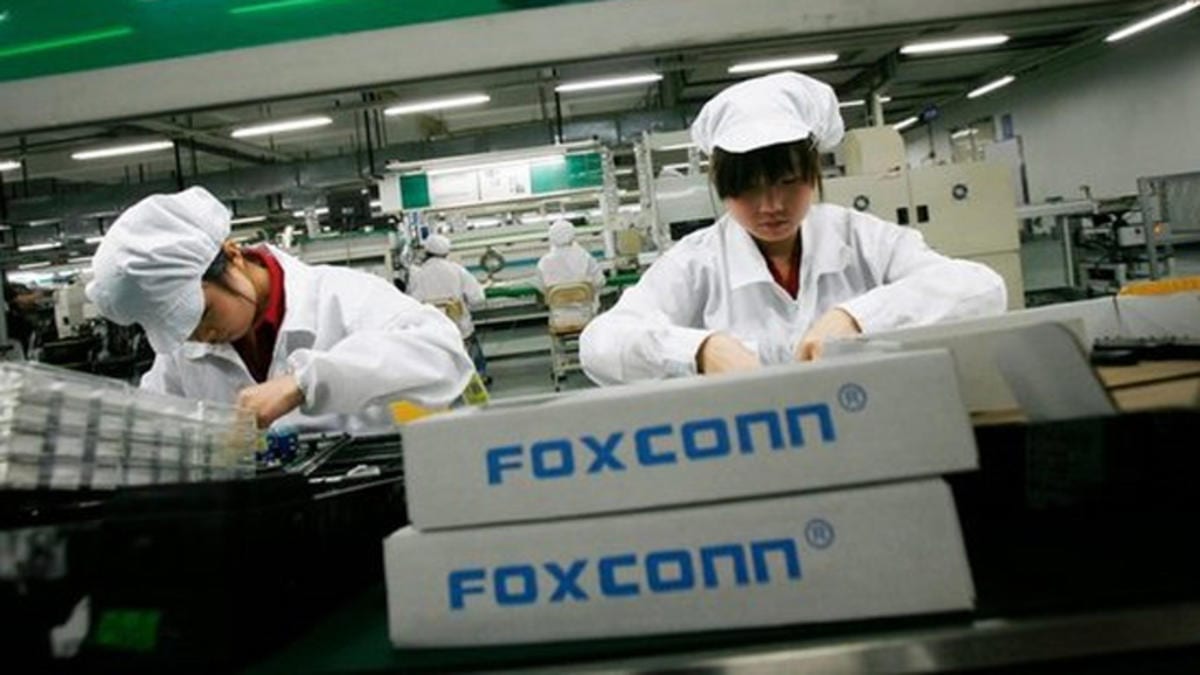
    We’ve closely monitored the events at Foxconn’s largest iPhone assembly facility in Zhangzhou, China. The factory reportedly produces half of the iPhone units made worldwide, and this year the plant is turning out iPhone 14 Pro and iPhone 14 Pro Max models. But production has slowed thanks to the exodus of workers who weren’t enamored with China’s COVID lockdown in the city.
    COVID has returned to China, forcing the country to lockdown certain areas. As a result, Foxconn now bans the consumption of meals in the communal dining room, forcing everyone to eat in their dorm. Workers also felt closed in, forced to stay on campus 24/7. After a large number of workers escaped, even Apple had to admit that the production of its pricier iPhone 14 Pro models this quarter would be less than expected. Apple did not specifically give an estimate of how many units it will be short but it did say, “customers will experience longer wait times to receive their new products.” Some reports called for as much as a 33% shortfall.
    Foxconn tried to entice new and former workers to man the assembly lines by offering bonuses for employees who stay for 30 and 60 days, and the Chinese government asked veterans and Communist party members to recruit new employees for Foxconn. And all of these things, the bonuses and the pressure from the government might have worked until last Tuesday night. That’s when a major clash between workers and security guards at the Foxconn grounds in Zhengzhou occurred.

    Workers said that the contracts they were offered would have paid them bonuses only after more than 60 days had gone by, and the employees also said that they weren’t being separated far enough away from older workers who might have COVID. In an attempt to quell the violence, Foxconn offered new employees cash to quit their jobs and leave the Foxconn campus. The company later said that a “technical error” was made relating to the bonuses and it apologized. Supposedly, 20,000 workers took the offer.

    Today, a new report from Bloomberg gives us a better idea about how Apple will be impacted by the chaos we’ve seen in Zhengzhou. The report indicates that Apple will be short nearly 6 million iPhone 14 Pro units this year. And make no mistake about it, the iPhone 14 Pro and iPhone 14 Pro Max are the more expensive 2022 iPhone models. Apple could take a $6 billion revenue hit during the current quarter. That would be 8.4% of the $71.6 billion in iPhone revenue generated during the fiscal first quarter of 2022 (October-December 2021).

    Considering that this shortfall would occur during the holiday shopping season, consumers worldwide could end up frustrated in their attempt to purchase one of the 14 Pro models as a holiday gift. Two weeks ago, even before the issues in Zhengzhou reached a fever pitch, UBS analyst David Vogt said that wait times for the iPhone 14 Pro and iPhone 14 Pro Max in the U.S. and China had hit “extreme levels.” In the U.S., the wait time was 34 days for these models while in China the wait was up to 36 days.

    Vogt pointed out that 35% to 40% of Apple’s calendar fourth quarter iPhone production is assembled during December which could lead to shortages during the fourth quarter of this year and extending into the first quarter of 2023. The analyst expects Apple to ship 83 million iPhone units during the fiscal first quarter of 2023 which already takes into account “recent disruptions.”
    However, Vogt made this comment before the violence broke out at the factory and before Foxconn paid 20,000 workers to leave the facility. If he does have a new updated figure, we will update this story.
  • Apple might be building its own version of the metaverse

    Apple might be building its own version of the metaverse

    At this point, it is somewhat obvious that Apple is done with new hardware releases for 2022. After quietly launching a couple of new iPads and a new Apple TV, the American tech giant has decided to call it a year.

    Many are bound to be disappointed by the lack of a dedicated November/October event, as is the norm and the fact that we will not be getting new MacBooks this fall. Still, it seems Apple could be building momentum for something big – namely, its VR/AR headset.

    The latter is set to make its debut sometime next year, possibly at the company’s first event for 2023 in Spring. It is hardly a secret that Apple has big plans for AR/VR technology – Tim Cook even went as far as saying that that could be the “next big thing”.

    Now we are getting the first taste of just how far the Cupertino company is willing to go. Bloomberg’s Mark Gurman reports that Apple is now beginning to work on a whole “3D mixed-reality world” and is seeking new talent.

    This information is based on a recent Apple job listing and was first brought forward by Gurman himself in the latest edition of his Power On newsletter. According to the prominent tech pundit, whose track record concerning Apple leaks is impeccable, the Cupertino company could be building a virtual environment similar to Mark Zuckerberg’s “metaverse”.

    Gurman jokingly quips that the controversial term will never be officially used by the company. Regardless of how Apple decides to name this virtual universe, one thing is certain – the rumored VR/AR headset is only the beginning.

    With Google also set to enter the fray with a headset of its own sooner rather than later, no less than three American tech giants will be looking to pave the way for our VR/AR future. It seems Tim Cook was right – that truly is “the next big thing”.

  • Apple reportedly working on a way to shorten Siri trigger phrase

    Apple reportedly working on a way to shorten Siri trigger phrase

    Siri has become a signature feature of the Apple ecosystem. While the virtual assistant has become a part of almost every product the Cupertino company manufactures, its allure has somewhat lagged behind in recent years.

    At least a part of that seems to be attributed to the less-than-ideal phrase that users need to utter in order to access Siri – ‘Hey, Siri’. A notorious pet peeve of numerous Apple users is the plethora of phrases that can trigger Siri by mistake.

    Apple seems to have identified this problem and is reportedly working on a solution. According to Bloomberg’s Mark Gurman, the final authority on all things Apple, the tech giant is developing a simplified way to access Siri. This information was first brought forward in Gurman’s Power On newsletter.

    The main goal is to find a way to drop the ‘Hey’ in the trigger phrase, so as to enable users to directly initiate a command, following the word ‘Siri”. For example, instead of the whole “Hey Siri, play some music”, users could simply say “Siri, play some music”. This is similar to how Amazon’s Alexa currently works.

    As mundane a change as this might seem like, according to Gurman, it is a ‘technical challenge that requires a significant amount of AI training and underlying engineering work’. The change is supposed to roll out sometime in the next couple of years – Gurman gives a rather rough estimate for a launch date in either 2023 or 2024.

    The biggest complexity is making sure that the single word ‘Siri’ can be picked up regardless of the speaker’s accent and/or dialect. By making the trigger phrase shorter, the likelihood of the phrase not being properly detected increases significantly – hence, the programming difficulties.

    Siri has come a long way since it made its debut and Apple is continuously working on ways of improving its virtual assistant. This seems like the logical next step in that direction.

  • Dollar hike spikes iPhone prices

    Dollar hike spikes iPhone prices

    Electronic retailers have hiked iPhone prices by around VND1 million (around $40) as the U.S. dollar strengthens against the Vietnamese dong.

    The prices of iPhone 11 has increased from VND10.7 million last week to VND11.3-11.7 million this week, that of iPhone 13 from VND18.5 million to VND19.1-19.3 million, and iPhone 13 Pro Max from VND27 million to VND28-28.5 million.

    The U.S. dollar has risen 8.55% over the Vietnamese dong since the beginning of this year.

    Most retailers have hiked prices of older models like iPhone 12 and iPhone 13 Series by more than 5%, but kept those of the latest model, iPhone 14, unchanged to attract customers.

    However, many dealers say that the selling prices of iPhone 14 will also increase sooner than later because of the exchange rate.

    A 24hStore manage told Tuoi Tre newspaper that iPhone 14 prices are likely to go up by more than VND1 million, and that of iPhone 14 Pro by more than VND2 million.

    Since the U.S. dollar has risen against the Vietnamese dong to nearly VND25,000, the selling prices of other new products of Apple, including iPad Pro M2, iPad Gen 10, MacBook and Apple Watch, as well as their accessories such as styluses and keyboards, have increased by 5-7%.

    A CellphoneS store manager said most importers and distributors of Apple products and related accessories such as charging cables and speakers have hiked their selling prices by 5-10%.

    Some others, which have yet to increase prices, have cut promotions.

  • Vietnam contributes to Apple’s sales boom

    Vietnam contributes to Apple’s sales boom

    Apple’s chief financial officer said iPhone sales was particularly impressive in several large emerging markets, including Vietnam.

    Luca Maestri as saying Saturday: “We set September quarter records in the vast majority of markets we tracked. And our performance was particularly impressive in several large emerging markets, with India setting a new all-time revenue record and Thailand, Vietnam, Indonesia and Mexico more than doubling yearly.”

    Apple’s fourth financial quarter ended when iPhone 14 was just launched. Strong growth in iPhone sales in large emerging markets contributed to the company’s revenues of US$90.1 billion and profit of $20.7 billion during the quarter.

    For the full fiscal year revenues were $394.3 billion, up 8% from the previous year.

    Apple CEO Tim Cook said: “Across nearly every geographic segment, we reached a new revenue record for the quarter.”

    Recently Vietnamese retailers reported a boom in iPhone sales, with FPT Shop, The Gioi Di Dong, and CellphoneS seeing huge sales of the 13 Pro Max, which costs more than VND30 million ($1,200).

    The manger of a retail chain said the second and third quarters are usually the slowest in the smartphone market, but the discount and other promotions to clear stocks to prepare for the iPhone 14 have helped older models achieve bigger sales.

    Experts predicted strong growth for Apple in the last quarter, with the iPhone 14 continuing to sell well.

    However, the management acknowledged it is difficult to buy the 14 Pro and Pro Max models because production speed has not caught up with demand in many markets.

  • Apple announces new clean energy investments, asks suppliers to decarbonise

    Apple announces new clean energy investments, asks suppliers to decarbonise

    Apple said on Tuesday it would make fresh investments to set up solar and wind projects in Europe and called on its suppliers to decarbonize operations related to the production of iPhones and other products.

    The company in 2020 had pledged to remove carbon emissions from its entire business, including products and its sprawling supply chain – which spans from Vietnam to Brazil – by 2030.

    The iPhone maker will now require its supply partners to report on progress on carbon neutrality goals, specifically, Scope 1 and Scope 2 emissions reductions, related to the production of Apple products and will audit their progress annually.

    More than 200 suppliers, representing 70 percent of Apple’s direct manufacturing spending, including Corning Inc, Nitto Denko Corp, SK Hynix Inc, STMicroelectronics, TSMC, and Yuto, have committed to using clean power such as wind or solar for all Apple production, Apple said.

    Apple had previously asked suppliers to commit to 100 percent renewable energy for Apple’s production.

    “We’re determined to be a ripple in the pond that creates a bigger change,” Chief Executive Officer Tim Cook said. Apple has been carbon neutral for its global corporate operations since 2020.

    Many multinational companies are increasingly looking into global supply chains to reduce their carbon footprint as climate change becomes a bigger focus for investors and regulators.

    Apple said the European investments are part of a strategy to address about 22 percent of its carbon footprint coming from the electricity customers use to charge their devices.

    With the construction of new European projects, the company aims to power all Apple devices on the continent with low-carbon electricity, it said.

    In total, the planned investments will add 3,000 gigawatt hours per year of new renewable energy on the grid, Apple said.

  • TSMC suspends production of powerful GPU chip for Chinese tech firm

    TSMC suspends production of powerful GPU chip for Chinese tech firm

    Taiwan Semiconductor Manufacturing Company Ltd. is known throughout the planet as TSMC. The largest foundry in the world produces chips based on the designs presented to it by companies like Apple, Qualcomm, Nvidia, MediaTek, and more. In fact, Apple is TSMC’s largest customer and accounts for approximately 25% of the company’s revenue.
    TSMC currently produces powerful and energy-efficient chips such as the Apple A16 Bionic found inside the iPhone 14 Pro series, and the Qualcomm Snapdragon 8+ Gen 1 found in newer high-end Android phones including the Samsung Galaxy Z Fold 4, Galaxy Z Flip 4, and the Motorola Edge 30 Ultra. TSMC has suspended production for Chinese start-up Biren Technology.
    The reason for halting production for this company is that TSMC is following U.S. regulations that prevent it from making chips for the Chinese-based firm. Part of the reason for this is that Biren’s products outperform Nvidia’s A100 Graphics Processing Unit (GPU) silicon based on what the English language South China Morning Post calls “information in the public domain.” The U.S. is trying to keep cutting-edge chips away from China.
    This past September, the U.S. ordered that Nvidia stop shipping the A100 chip to China to “…address the risk that products may be used in, or diverted to, a ‘military end use’ or ‘military end user’ in China.” The A100, according to Nvidia, is used to “power the world’s highest performing elastic data centers for AI, data analytics, and high-performance computing (HPC) applications.”
    The U.S. Commerce Department last month expressed a goal to “keep advanced technologies out of the wrong hands.” China called it a “tech blockade.” At the same time, commerce ministry spokesperson Shu Jieting said that “the U.S. continues to abuse export control measures to restrict exports of semiconductor-related items to China, which China firmly opposes.”
    Biren was trying to raise funds earlier this year at a valuation of $2.7 billion. The company designs its BR100 and BR104 processors to be competitive with GPUs designed by Nvidia and AMD that work with AI and Machine Learning models and algorithms.
    TSMC itself isn’t sure that Biren’s chips are covered by U.S. regulations but has decided to halt their production anyway. Biren, of course, says that its AI chips are not covered by U.S. export restrictions. A TSMC spokesperson made a limited statement noting that the foundry complies with all relevant rules. The U.S. Commerce Department’s Bureau of Industry and Security (BIS) announced new semiconductor restrictions on October 7th.
    A spokesperson for the U.S. Commerce Department said, “While BIS cannot comment on company-specific actions, we expect all companies to comply with export controls. Since the rule’s release on October 7, BIS has been undertaking a vigorous outreach effort to educate those impacted by it to aid compliance efforts.”
    One of the Biren GPU chips that TSMC was going to produce for the company was the BR100 GPU which was manufactured using TSMC’s 7nm process node and features 77 billion transistors in each chipset. This particular component was said to be 2.8 times faster than Nvidia’s A100.
    Export rule changes have been used before to restrict the distribution of silicon to China. A restriction announced by the U.S. Commerce Department in 2020 prevents foundries using American technology to manufacture advanced chips from shipping these chips to Huawei. The latter is considered a national security risk by both major political parties and the restriction has forced Huawei to abandon its own Kirin 5G Application Processor (AP) chips. Its current flagship Mate 50 and Mate 50 Pro handsets are powered by the Snapdragon 8+ Gen 1. While this is Qualcomm’s current top-of-the-line mobile AP chipset, the chip sold to Huawei is tweaked to prevent it from working with 5G networks.
  • Apple reportedly cuts iPhone 14 Plus production

    Apple reportedly cuts iPhone 14 Plus production

    Last year Apple announced that it was doing away with the iPhone mini. The model with the 5.4-inch display twice (with the iPhone 12 mini and iPhone 13 mini) failed to gain any traction with the phone-buying public. So the crew in Cupertino had an epiphany; if going small doesn’t work, we will go LARGE. Apple decided to replace the iPhone 13 mini this year with a 6.7-inch non-Pro model that Apple named the iPhone 14 Plus.
    The 6.7-inch panel gives the iPhone 14 Plus the same screen size as the iPhone 14 Pro Max although the quality of the display is better on the pricier model. The iPhone 14 Plus also features the boring and static notch instead of the shape-shifting and entertaining Dynamic Island. It also doesn’t have the spectacular camera setup found in the iPhone 14 Pro Max, nor does it offer the 120Hz refresh rate of the ProMotion display.
    You might think that the outstanding battery life of the iPhone 14 Plus (it has a 4325mAh battery which is slightly larger than the 4323mAh battery powering the iPhone 14 Pro Max) and the lower price ($899 and up compared to the starting price of $1,099 for the iPhone 14 Pro Max) would have helped to generate some big time sales of the phone. But Apple had some manufacturing issues with the device which forced a delay in the handset’s release to October 7th. The rest of the line was in stores on September 16th.
    Apple has decided to cut production of the iPhone 14 Plus. The report alleges that Apple has already told one supplier in China to halt production of the components they make for the iPhone 14 Plus. In late September, another report indicated that demand for the entire iPhone 14 series was less than what Apple expected.
    That report also said that the iPhone 14 Pro and iPhone Pro Max have been outselling the non-Pro phones and that Apple has decided to shift some production to the more expensive models. In late September, those familiar with Apple’s plans said that the company had changed its production target for the second half of the year to 90 million units which would be flat with the number of iPhone 13 models that were produced during the second half of 2021.

    Some of the problems that Apple is seeing has to do with softening demand for smartphones in general. Research firm Canalys says that the smartphone market declined 9% during the third quarter on a year-over-year basis. The firm also says to expect weak smartphone demand over the next six to nine months.

    Some critics will point out that almost every year Apple is rumored to cut iPhone production for one reason or another. Within a few weeks afterward, another story comes out denying that Apple sliced production. The timing of this story is interesting considering that Apple is expected to report its fiscal fourth-quarter earnings on October 27th. This is a very volatile time for the stock as professional traders are taking positions on Apple’s shares based on what they believe the fiscal fourth quarter results will be.
    The possibility of Apple cutting production along with a weak general market has pushed the company’s shares down slightly this afternoon. Some traders will fade stories like this and buy the stock or call options paying a cheaper price because of the decline in the stock generated by this news.
    Some Apple investors (more like gamblers to be honest with you) consider reports like today’s to be created as a way to manipulate the price of Apple’s shares. However, considering that we have been seeing a slowdown in smartphone demand in general due to economic conditions worldwide.
  • New M2 iPad Pro expected to launch today

    New M2 iPad Pro expected to launch today

    Apple’s flagship tablet has been due for an update for quite some time. Last year, the iPad Pro received arguably the biggest upgrade in its entire history. The 2021 lineup saw the implementation of the M1 chipset (a full-fledged, desktop-class SoC) and the bigger 12.9” model in particular received a gorgeous mini-LED panel.

    Some one and a half years have passed since then, however, and, given Apple’s consistency with regards to refresh cycles, an update was expected before the end of 2022. It seems that the announcement is just around the corner.

    Mark Gurman, the final authority on all Apple-related leaks, confirmed last Saturday, in the latest edition of his Power On newsletter, that the 2022 iPad Pro is only “days away” and asserted that an announcement would take place before the end of this week.

    Now, it seems that Gurman is certain that the new iPad Pro will be revealed today (Tuesday, October 18th). The information was first brought forward in a tweet by Gurman himself.

    It should be noted that the announcement will be taking place via an official press release, as Apple is unlikely to hold another dedicated launch event before the end of 2022. This implies that the 2022 iPad Pro will be an incremental update over its predecessor.

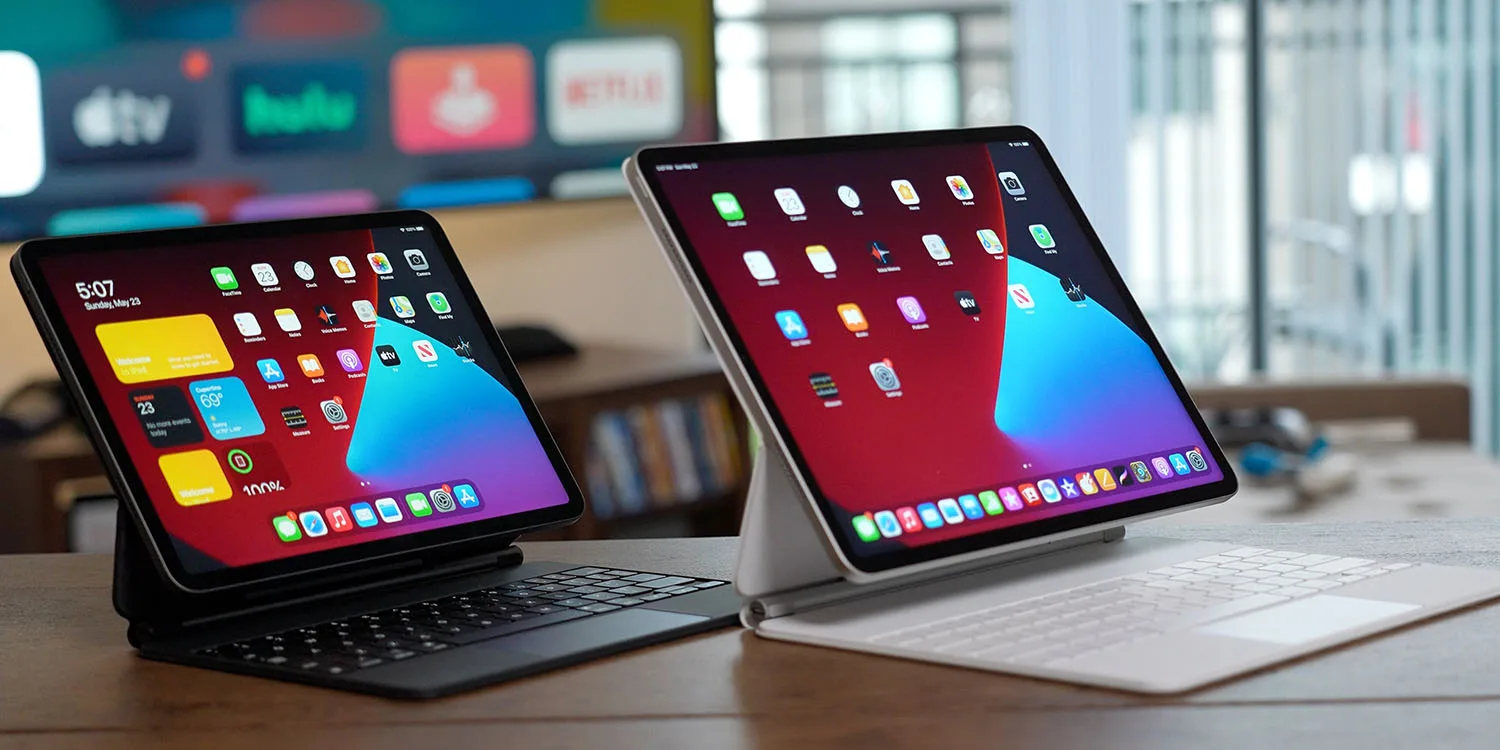
    For reference, the biggest new addition is going to be the M2 chipset. The M2 processor will increase the performance of the new iPads by about 20%, which is unlikely to make much of a difference in day-to-day use, especially in the context of iPadOS.

    There are also rumors that the new models could support new charging capabilities, and possibly reverse wireless charging. Major design tweaks are not expected, barring the possible enlargement of the Apple logo on the back (in order to facilitate MagSafe compatibility).

  • Apple admits to SIM bug on iPhone 14 line

    Apple admits to SIM bug on iPhone 14 line

    Apple is admitting in an internal memo that there is a problem with the iPhone 14 series that results in a pop-up message that says, “SIM Not Supported” which is often followed by the freezing of the device. While Apple said that it is investigating the issue, it did rule out the possibility that it is a hardware problem. The company is asking its customers to make sure that they keep their software up to date.
    You can always check to see if there is a system update for your iPhone by going to Settings > General > Software Update. Meanwhile, Apple is also recommending that those who see the “SIM Not Supported” pop-up message wait a few minutes to see if the message disappears. Now here is the important thing to remember. If you do get the message about the SIM card and it doesn’t go away, do not try to restore the device.
    If you’re in this situation and the message persists, you need to head over to the nearest Apple Store or authorized service provider and arrange to have the issue fixed. Apple has already had to deal with several bugs since the release of the iPhone 14 series including one issue that made the iPhone 14 Pro models shake and grind when users recorded video on them over third-party apps like Instagram, TikTok, and Snapchat.
    Late last month Apple released iOS 16.0.2 to exterminate that bug and several others. A week ago, iOS 16.0.3 was disseminated by Apple and among the issues it fixed was one that allowed a bad actor to send an email using two double quotation marks in the “from” field instead of the first part of a valid email address. The recipient, upon opening this email in the Apple Mail app, would see the app crash and the user would also get locked out of his Apple Mail account.
    Apple is currently working on iOS 16.1 and has a beta program underway with the stable version of the build expected to be released at the end of this month. Will it contain a patch to fix the issue of the SIM pop-up screen? After all, Apple has admitted that this is a real thing and not everyone is going to feel like heading to the Apple Store or an authorized repair center to get the issue fixed.
    Additionally, with Apple reminding users to stay up to date with the software on their phones it sure sounds like the company might be working to exterminate this bug via a software update. Stay tuned.
    We should remind everyone that Apple put the kibosh on physical SIM cards with the iPhone 14 series. Instead, the 2022 iPhone models feature eSIM (embedded SIM) which is a chip that gets soldered to the phone’s motherboard. With an eSIM, switching networks is easier requiring just a phone call or a visit to a website. Up to five virtual eSIM cards can be stored on a single eSIM at a time. If your usual network is down for some reason, you can quickly switch to another one.
    You can also have the same advantage that dual-SIM phones offer; the ability to have two numbers on a single handset. One number can be for work and another for play. You’ll be able to receive phone calls and texts on both numbers all of the time while you’ll choose which number to use to make calls, send texts, or use data.

    Using an eSIM also gives the phone manufacturer more internal room to work with because the SIM card tray is no longer needed.

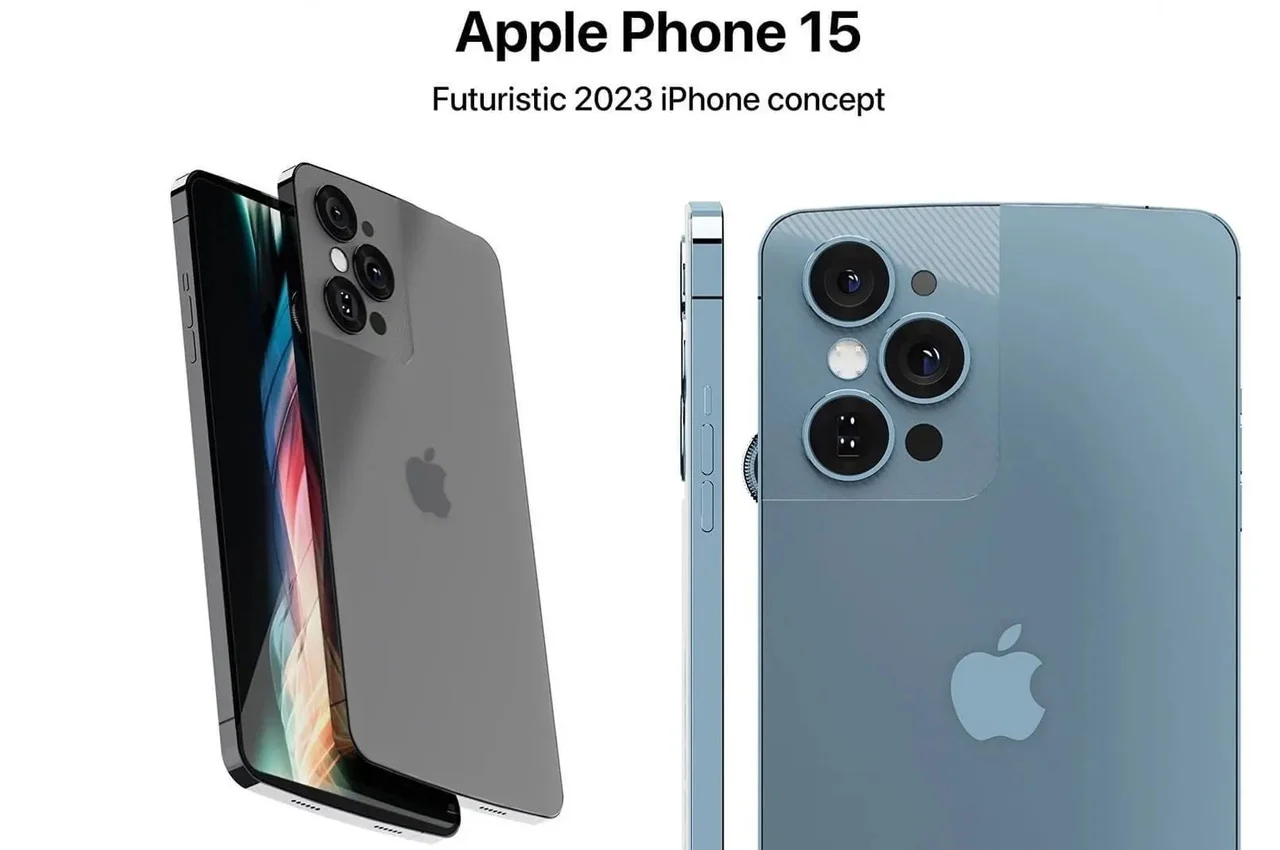
  • Apple has started preparing a UK store for the iPhone 15 launch

    Apple has started preparing a UK store for the iPhone 15 launch

    The iPhone 14 lineup is finally here, but, unfortunately, this year’s iPhones are just a slight upgrade from the previous generation — especially the regular iPhone 14 and the iPhone 14 Plus. So, if you have decided to skip this one and wait for the iPhone 15 to come out, you might want to know when you could expect Apple to release the next iPhones.

    Sadly, we can’t tell you an exact date, but a new report suggests that the release date of the new iPhones might be sometime between September 15th, 2023, and October 7th, 2023.

    Employees from the UK Apple store in Milton Keynes have received a memo coming from “above the store” telling them that they won’t be able to take a leave between September 15th, 2023, and October 7th, 2023, and December 2nd, 2023, and the start of January 2024. The reason is that Apple wants to be better prepared for next year’s “high velocity moments.”

    In most cases, Apple forbids taking time off before the launch of new devices as well as during the holiday season, and it usually tells its employees about its decision via an internal communication app shortly before it goes into effect.

    Although we can’t confirm how widespread Apple’s new instruction is, the fact that it comes from above the store suggests it might affect other Apple shops as well. Also, it doesn’t look like Apple has chosen these dates randomly. Most likely, the tech giant is preparing early for its next iPhone launch event. Furthermore, iPhones traditionally release in September, so it’s very probably Apple might also launch its next iPhone in this period as well.

    Of course, we can only speculate at this point. The iPhone 15 is still a whole year away, and a lot can change in a year.

  • Apple adds 4 companies in Vietnam to supplier list

    Apple adds 4 companies in Vietnam to supplier list

    Apple has added four new suppliers in Vietnam for the 2021 financial year, bringing the total to 25 out of its 190 suppliers worldwide.

    The most popular Apple suppliers in Vietnam include Foxconn and Luxshare and subsidiaries of Samsung, Intel and LG.

    The only supplier it excluded from the list was Foster Electric with factories in Binh Duong and Da Nang.

    China remains the most significant manufacturing hub for Apple, accounting for half of all manufacturers.

    The biggest company in the world by market cap is said to be increasing its manufacturing activity in Vietnam, and is set to produce Apple Watch and Macbook in the country.

    Vietnam will make 65% of Apple wireless AirPods by 2025 as the U.S. tech giant continues to shift its production away from China, JP Morgan analysts have forecast.