Tag: apple

  • Apple quietly and sharply reduces the free-trial period for Apple Music

    Apple quietly and sharply reduces the free-trial period for Apple Music

    For years, Apple has given first-time subscribers to Apple Music a free three-month trial. The free trial period has been reduced to just one month in countries including the U.S., Canada, Australia, Japan, the U.K., and other markets as well. It should be noted that this has no impact on the six free months of Apple Music that are awarded for a limited time to buyers of certain Apple devices like the AirPods, HomePod mini, and Beats products.

    There is no change in the pricing of the service which kicks in following the end of the free trial. Each month will cost you $9.99. For $14.99 a month, you and five other family members can subscribe to the Family Plan. Students pay $4.99 monthly, but this price is available to college students only and this must be verified.

    Apple has added a new tier of service called the Apple Music Voice Plan. For $4.99 per month, you can access and navigate Apple Music using your voice and Siri. This plan doesn’t offer spatial audio, nor is the full catalog available with lossless audio as offered with the other plans.

    Apple’s biggest competitor in the music streaming industry, Spotify, also offers a one-month free trial for its premium tier. However, in the U.S. and other select countries, Spotify is offering two free months for a limited time. And those subscribing to Spotify’s premium service via PayPal are entitled to three free months.

    The tech giant hasn’t promoted the reduction in the trial period as you might imagine. The change takes effect starting this week and for the first time since the service debuted in 2015, those who have never subscribed to Apple Music will get just one month to decide if they want to pay for it.

    Will this lead to stronger growth for Apple Music; trial subscribers will have to whip out their wallets two months earlier if they want to continue streaming the service. Or will more trial subscribers give up after one month and look for some other platforms to stream music over. Knowing Apple, we would imagine that the company did some research before making this move.

    You may not know that Apple Music is behind Apple’s most expensive acquisition. In May 2014, the company purchased Beats Audio for $3 billion. Apple usually makes smaller purchases of companies with products or innovations that can be used with the iPhone or other products in the following year or two. That is the blueprint Apple used to buy SRI International in 2010 which led to the launch of digital assistant Siri on 2011’s iPhone 4s.

    In October 2012, Apple bought biometric security firm Authentec for $356 million. The next year, Apple debuted the Touch ID fingerprint scanner on the iPhone 5s. As the first quarter of 2013 was ending, there were leaks indicating that what some were calling “iRadio” was coming.

    Apple itself had to be a bit nervous as the Beats Audio streamer had just 111,000 paying customers before the acquisition by Apple was announced. The headphones division was taking in $1 billion on an annual basis at the time Apple bought the company.

    All things considered, Apple Music should be considered a success. Last month, MIDia Research released a report estimating that Apple’s streaming music platform had 78 million paid subscribers. This makes the service the second largest music streamer in the world but puts Apple well behind the industry’s top streamer Spotify.

    Spotify’s market share has declined from 34% in 2019 to 33% in 2020 and 31% last year. Apple Music has a 15% slice of the streaming market pie worldwide followed by Amazon’s 13%. Despite the current trends, for Apple to catch up and overtake Spotify it will have to take a long term, patient approach to the business of streaming music.

  • World Trade Center replaces its access cards with a virtual employee badge in Apple Wallet

    World Trade Center replaces its access cards with a virtual employee badge in Apple Wallet

    Following the integration of ID cards and driver’s licenses into Apple Wallet, it looks that the next thing to find its way into Apple Wallet will be workplace authorization cards.

    Customers and employees who visit the 7 World Trade Center will now be able to use an employee badge stored in their Apple Wallet app to access the building and all of its amenities. This was announced by Silverstein Properties, the company that owns the trade center.

    With their virtual badges, employees and customers will be able to use office buildings, tenant floors, fitness centers, and amenity spaces only by using their iPhone or Apple Watch.

    According to Silverstein Properties, integrating employee badges in Apple Wallet will bring:

    • Seamless Setup: Employees and tenants won’t wait to receive physical authorization cards. Instead, they can add their employee badge directly to their Apple Wallet after an initial setup through Silverstein’s Inspire app. After that, they will have clearance to the areas inside the building.
    • Unlocking doors more easily: After adding the badge to Apple Wallet, users only need to hold their iPhone or Apple Watch near the door’s lock to unlock the door. If Express Mode is enabled, users won’t even need to unlock their devices to use their badge. Also, the feature can be used in Power Reserve mode, so the tenants may access areas even when their iPhones are low on battery.
    • More security and privacy: Because the employee badge is saved on the tenant’s personal devices rather than a cloud server, the authorization to the building is also safeguarded by the privacy and security features built into Apple’s devices. Also, if a tenant loses their iPhone or Apple Watch, they can use the Find My app to locate and block their device.
    • Easier management of the office space: With the use of virtual badges, Silverstein can control who and at what time has clearance to various parts of the building. In its statement, Silverstein gave an example of how one company could lease an office suite on Monday and Tuesday, and then another company could use the same office suite on Wednesday through Friday.

    The new virtual employee badge will be first implemented at the 7 World Trade Center, and after that, the new technology will be expanded to other Silverstein offices in New York, Philadelphia, and Los Angeles.

  • Apple News is launching its first daily local newsletter

    Apple News is launching its first daily local newsletter

    Apple News has begun sending out its first daily local newsletter, and the first to receive its own Apple News bulletin is the San Francisco Bay Area. Up until now, Apple News offered regional news but didn’t have a dedicated newsletter. The bulletin includes a variety of local news across topics such as sports, politics, and dining. The news comes from various publications like the San Francisco Chronicle, SF Gate, Eater San Francisco, KQED, and the Oaklandside.

    By using actual people to curate articles rather than algorithms, Apple News is making sure that the newsletter will only include relevant news, not clickbait or news without much value.

    The daily newsletter is currently available only in the Bay Area and is published at the end of the day. Apple News is planning to release local newsletters in other regions as well.

    Apple News offers local news in 11 parts of the country. Some of these parts are New York, Houston, Los Angeles, San Diego, Miami, and Washington, DC.

  • Apple to celebrate Valentine’s Day with new health features

    Apple to celebrate Valentine’s Day with new health features

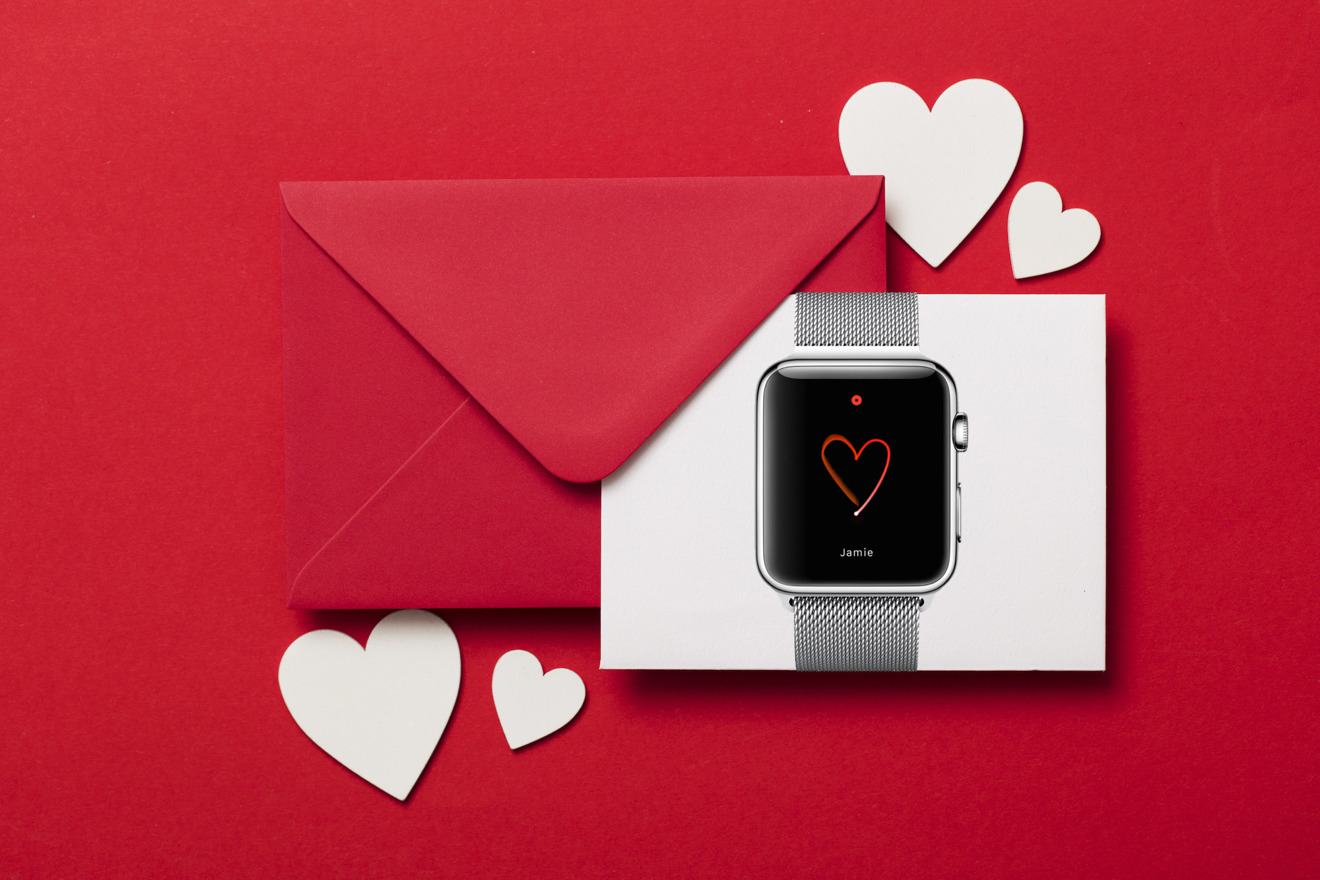
    Valentine’s Day may be on February 14th, but American Heart Month is set to last the entire month—and Apple is greeting it with a few aces up its sleeve.

    Needless to say, all of Apple’s Heart Month specials are health-related, and the Apple Watch in particular is getting a few new limited-time features to encourage users to get up and moving—all with the goal of having a healthier body and mind.

    For starters, if you complete Apple’s new Health Month Activity Challenge on Valentine’s Day, you will win a custom iMessage sticker coupled with an exclusive award. The challenge isn’t daunting by any means; it’s just 30 minutes of exercise to complete Apple’s activity ring that wins you these prizes.

    Apart from that, all month long, Apple will be including a special featured set of 30-minute workouts on Apple Fitness+. The “Time to Walk” experience, which was unveiled at around the same time last year, is receiving a new episode featuring Georges St-Pierre, a former Canadian mixed martial arts champion.

    To make use of these additions, you’d need an Apple+ membership—which comes with a free trial for three months, then costs $9.99 a month afterward.

    “We’re strong believers at Apple that if you can empower people with information about their health, you can change the trajectory of their well-being,” stated Jeff Williams, Apple’s chief operating officer.

    “Keeping your heart healthy requires a holistic approach — something we’ve focused on since the first generation of Apple Watch with the inclusion of activity and workout apps, in addition to heart rate. Today, people of all ages can use our products and services to learn more about staying healthy, work toward their personal goals, and have a lot of fun along the way.”

    Along with the Apple Watch-exclusive features, Apple is also going to be offering new custom compilations across Apple Fitness+, the App Store, Apple TV, Apple Podcasts, and Apple Books, according to Apple’s newsroom post.

    You’ve got to give it to Apple for giving users’ health some extra attention this month; both physical and mental health have been difficult to maintain in light of recent events, and this may just make things just a tad easier.

  • WhatsApp CEO hints at iPad app release

    WhatsApp CEO hints at iPad app release

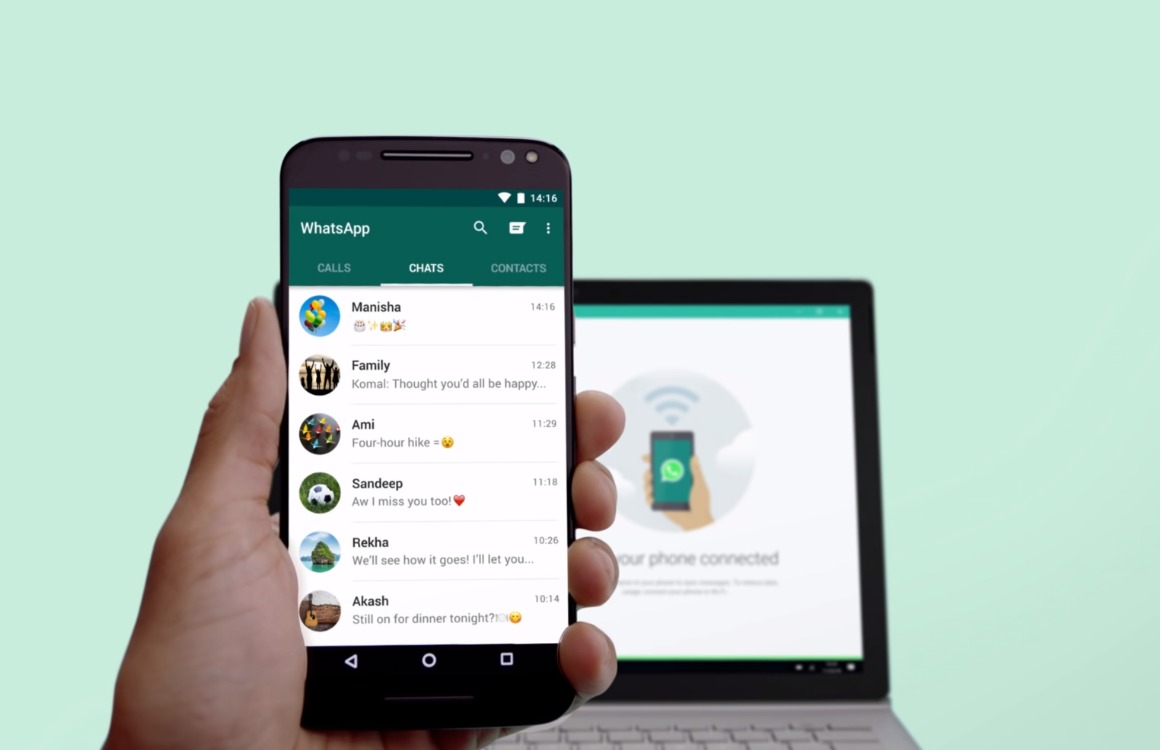
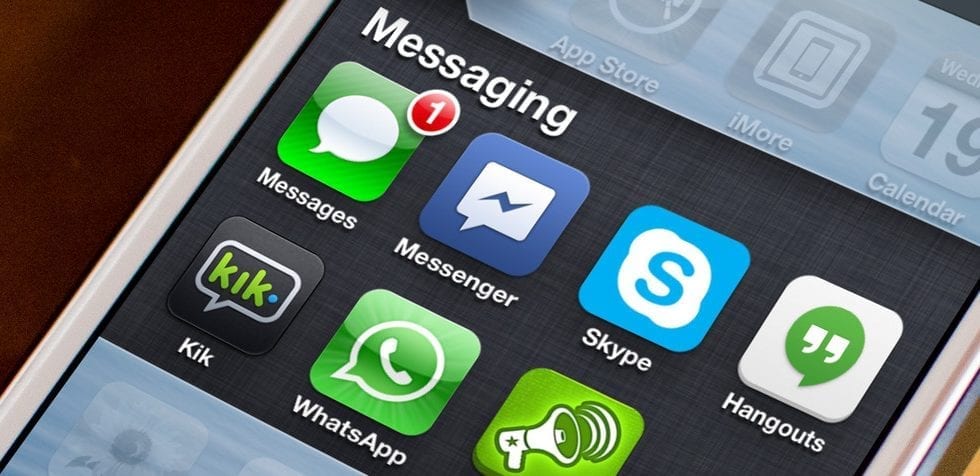
    WhatsApp CEO Will Cathcart lent some hopeful words to fans of the messaging platform during an interview this week, when he announced that the company is looking into creating a native iPad WhatsApp app.

    WhatsApp users have long been nagging the Facebook-owned company to make a viable app for Apple’s iPad, but WhatsApp has been holding off—just like Instagram still lacks a native iPad app as well.

    The reason for this is that until now, the way that data was encrypted on the WhatsApp platform didn’t allow for the company to safely sync it across multiple devices while maintaining the same level of encryption. However, according to Will Cathcart, the underlying technology has been evolving, and WhatsApp has been hard at work to make this possible in the future.

    “We did a lot of work on the technology for supporting multiple devices,” Cathcart said in the interview.

    “Our web and our desktop apps now have that. If I have a multi-device on, I can turn my phone off or lose my network connection and still get messages on my desktop. That would be really important for a tablet app, to be able to use the app even if your phone isn’t on. So the underlying technology is there.”

    WhatsApp’s beta version of multi-device support, created last year, allowed users to link up to four devices at a time to their account. However, the downside was that you needed your phone to be connected to the internet the whole time for it to work—and even the beta version didn’t include any iPad support.

    With the new technology allowing for data to remain encrypted while syncing, and Cathcart’s positive outlook, it seems that a native WhatsApp app may just be looming on the horizon after all.

  • Apple Makes Easy Escape From Supply Crisis, But Others Like Tesla May Have To Wait

    Apple Makes Easy Escape From Supply Crisis, But Others Like Tesla May Have To Wait

    Apple Inc’s triumph over the global chips supply-chain shortage has signaled good news amid troubled markets around the world. Not so fast, say analysts. The iPhone maker, which had warned three months ago that supply issues would dent its holiday-quarter revenue, on Thursday posted record results largely boosted by sales of its premium phones. It sees an improving situation, if some remaining shortages.

    “Most of the supply-constrained issues are over for Apple, but not necessarily for everybody else,” said Bob O’Donnell, chief analyst at TECHnalysis Research.

    Companies from electric automaker Tesla Inc to wafer fabrication equipment supplier Lam Research have warned again that supply chain issues, which crippled several industries, would continue to limit production this year.

    Semiconductor companies tend to give priority to bigger players such as Apple, for its massive buying power, huge demand for its products, and the company’s ability to place custom orders for components used in its products. And Apple’s high-end chips are costly, an attraction for the chip makers.

    This essentially means Apple has an advantage and can procure components relatively faster than rivals.

    Still, while Apple got better service for more sophisticated chips, like many others, it faced troubles with some of the older technology chips, Daiwa Capital Markets analyst Lou Miscioscia said.

    Chips used in Apple iPads, which saw a 14% drop in revenue, use chips with older technology, and supplies of those older chips were particularly tight, Apple Chief Executive Tim Cook told analysts.

    Cook said the constraints on the older chips, or nodes, were very significant in the holiday quarter. “Overall, we do see an improvement in the March quarter in terms of the constraints going down versus what they were in the December quarter,” he said.

    Tesla CEO Elon Musk this week said supply chain woes would limit manufacturing output in all company factories. “So the chip shortage, while better than last year, is still an issue,” he told analysts.

    Semiconductor equipment maker Lam Research noted new supply challenges, with the Omicron surge adding more disruption to freight and logistics operations. The company said it was seeing scarcity of certain components and parts, including semiconductors, a few weeks into 2022.

    Analysts and market leaders in the semiconductor space held out hopes that supply issues would ease later this year.

    “That’s going to remain a concern for the industry, but Apple may be the exception to the rule,” said Romeo Alvarez, technology analyst at William O’Neil + Co.

  • Apple reports 11% gain in iPhone sales, 24% hike in Services during fiscal Q1 2022

    Apple reports 11% gain in iPhone sales, 24% hike in Services during fiscal Q1 2022

    Apple got fiscal 2022 off to a great start as the tech giant reported its earnings for the fiscal first quarter of 2022. Apple set a record during the three months from October through December by reporting revenue of $123.9 billion which easily topped Wall Street estimates of $118.66 billion, and was 11% higher than the top line of $111.4 billion recorded during the same period last year.

    Apple iPhone sales rose 11% on an annual basis during the first fiscal quarter of 2022

    Let’s go right to the device that everyone wants to know about, the iPhone. The surging smartphone took in $76.63 billion which surpassed Wall Street’s guess of $68.34 billion. During the same quarter last year, Apple reported $65.60 billion in handset sales giving the company a 9% increase year-over-year.

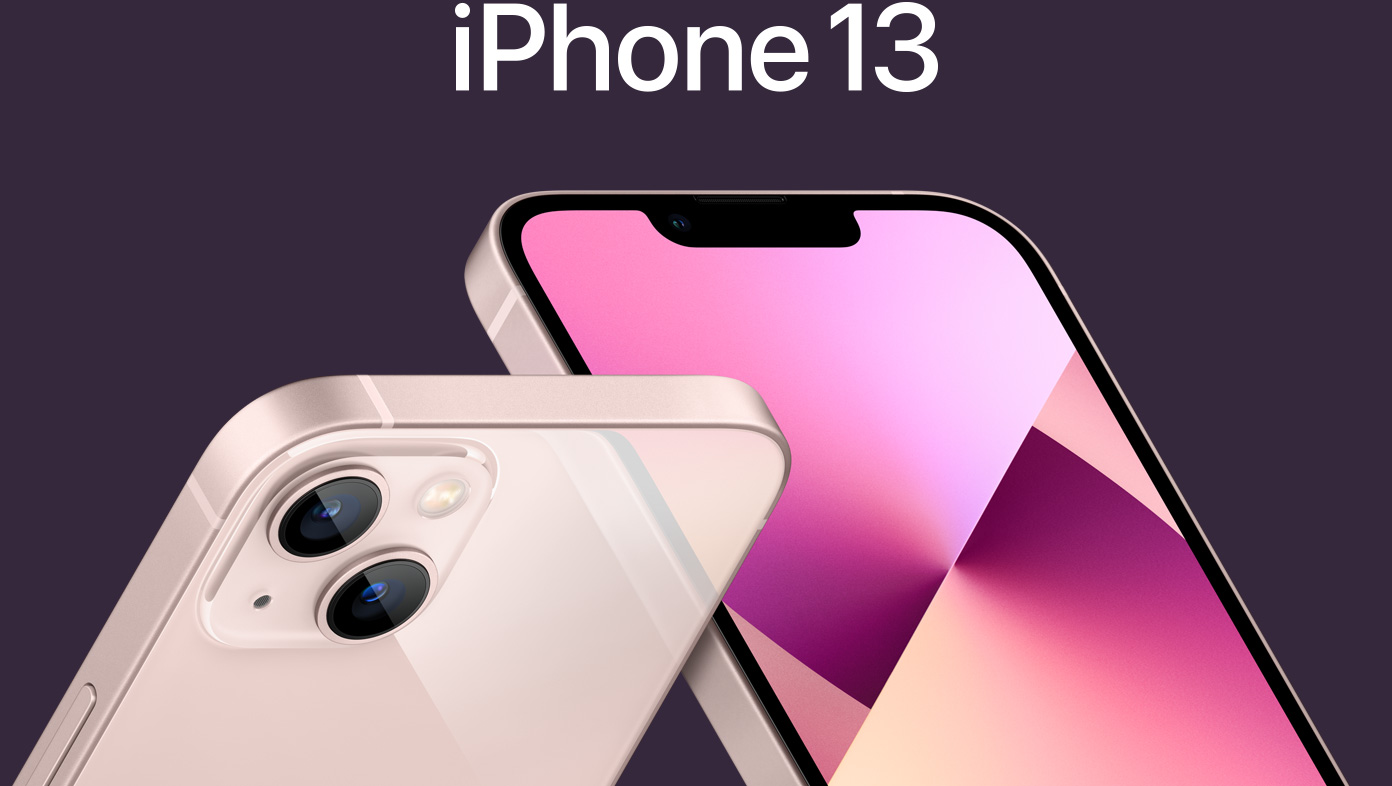
    The iPhone 13 Pro series offers 120Hz ProMotion displays, upgraded cameras, much-improved battery life, and more. This is the second generation of iPhone models that support 5G connectivity.

    The iPhone continued to have a strong quarter to kick off fiscal 2022 – Apple reports 11% gain in iPhone sales, 24% hike in Services during fiscal Q1 2022
    The iPhone continued to have a strong quarter to kick off fiscal 2022
    Even though the pandemic continues, fewer people are being told to work from home and schools are open. As a result, iPad revenue declined 14.10% in the quarter to $7.25 billion from $8.44 billion during the first fiscal quarter of 2021. Wall Street expected Apple to report $8.18 billion in tablet revenue so this was one area that was a failure for Apple in Wall Street’s eyes.

    Wearables, Home and Accessories, the business segment that includes the Apple Watch and the AirPods, took in $14.70 billion in the quarter vs. $12.97 billion last year. That works out to an increase of 13.34% year-over-year. Later this year, we could see Apple introduce three new timepieces including a rugged model and add a sequel to the AirPods Pro.

    What was Apple’s strongest business segment last quarter?

    Apple’s Services unit, which includes a wide variety of offerings including the App Store, Apple Pay, Apple Music, Apple TV+, Apple Care+, Apple News, and more, saw revenue rise from $15.75 billion last year to $19.52 billion this year. That figure topped Wall Street forecasts of $18.61 billion. For the year, Services gross rose a tremendous 24% which shows how Apple expects to continue making money even when iPhone sales turn south permanently, something that might not happen for years and years to come.

    Sales rose in all segments except for Japan. In the U.S., Apple took in $51.50 billion vs. $46.31 billion last year. In Greater China, revenue was $25.78 billion ($21.31 billion in 2021) and rose in Europe to $29.75 billion vs. $27.31 billion during the fiscal first quarter of 2021.

    Apple’s total net income for the fiscal first quarter of 2022 rose 20.41% on an annual basis to $34.63 billion or $2.11 per share. Last year’s figures were $28.76 billion and $1.70 a share, respectively.

    CEO Tim Cook says that the chip and supply chain shortages for the upcoming March quarter will be less than what Apple experienced during the December quarter. Cook stated, “This quarter’s record results were made possible by our most innovative lineup of products and services ever. We are gratified to see the response from customers around the world at a time when staying connected has never been more important.”

    He added, “We are doing all we can to help build a better world — making progress toward our goal of becoming carbon neutral across our supply chain and products by 2030, and pushing forward with our work in education and racial equity and justice.”

    On Wall Street, Apple concluded the regular trading session by declining 47 cents or .29% to $159.22. After the earnings report was released, the stock soared $7.89 or 4.96% to $167.11.

    Luca Maestri, Apple’s CFO, said, “The very strong customer response to our recent launch of new products and services drove double-digit growth in revenue and earnings, and helped set an all-time high for our installed base of active devices. These record operating results allowed us to return nearly $27 billion to
    our shareholders during the quarter, as we maintain our target of reaching a net cash neutral position over time.”

  • Apple to further enhance Face ID with iOS 15.4 update

    Apple to further enhance Face ID with iOS 15.4 update

    Following the release of iOS 15.3 update, Apple has kicked off a new set of beta trials for the next version of its operating system – iOS 15.4. The first beta is now rolling out to developers via an over-the-air update, but without a changelog, it’s impossible to say what’s included without spending several hours with 15.4 beta 1.

    Apple to further enhance Face ID with iOS 15.4 update, here’s what to expect
    Luckily, YouTuber Brandon Butch has already found a couple of interesting improvements that are now being tested by Apple via the iOS 15.4 beta 1 build. The most important one is Face ID support while wearing a mask, a feature that makes perfect sense in these troubled times.

    According to the screenshot above, “Face ID is most accurate when it’s set up for full-face recognition only. To use Face ID while wearing a mask, iPhone can recognize the unique features around the eye to authenticate.” There’s also a new toggle in iOS 15.4 that lets iPhone users enable “Face ID With a Mask” via the Settings / Face ID menu.

    But that’s not all the interesting stuff people using iOS 15.4 beta 1 have found. 9to5mac reports that Apple added even more improvements to Face ID recognition by allowing iPhone users to wear glasses and a mask at the same time.

    Using Face ID while wearing a mask works best when it’s set up to recognize each pair of glasses you wear regularly. Face ID with a mask doesn’t support sunglasses.

    While the feature still doesn’t work with sunglasses, it remains incredibly useful for those who wear regular glasses and a mask at the same time.

  • iPhone 14 might be the last iPhone with a SIM tray, Apple to go full eSIM forwards

    iPhone 14 might be the last iPhone with a SIM tray, Apple to go full eSIM forwards

    Apple is no stranger to making radical decisions with its phones. While not the first to do so (OPPO did it before it was cool), ditching the headphone jack with the release of the iPhone 7 was without a doubt a risky decision, especially back in 2016.

    Well, another hole in the iPhone is said to soon face the same fate as the headphone jack. There have been some rumors of Apple ditching the SIM card tray for a while, and now an analyst Emma Mohr-McClune has predicted the same, further cementing this statement.

    Mohr-McClune, a Technology Service Director at GlobalData, believes Apple will start slow with this initiative, beginning with the iPhone 14 that’s expected to come out this September.

    The tech giant won’t immediately force future iPhone owners to move to eSIM. Instead, it will give the option to carriers to decide what type of iPhone they want to sell—a nano/eSIM hybrid that includes the SIM card tray, or an eSIM-only version.

    We don’t believe that Apple will take the ‘big bang’ approach—getting rid of existing systems and transferring all users to eSIMs—but rather launch an eSIM-only variant of its upcoming new model—retaining the dual eSIM-plus-physical SIM slot model for the mass market and its key carrier channel. To that end, we believe telecom companies will be given the choice of whether to stock and sell a new eSIM-only iPhone variation alongside more cellular business-friendly dual eSIM/physical SIM support models.

    Following the path of logic here, it would then be natural for Apple to make the next generation, the iPhone 15, eSIM only. After all, the option is already available on today’s iPhones (since iPhone XS) and is how iPads can have 4G and 5G connectivity.Unlike when Apple ditched the headphone jack, the lack of a SIM card tray should be less of an issue for future owners. Admittedly, it would be a slight bother for people who are not as tech-savvy, but when put into perspective the pros should outweigh the cons.

    One less entry inside the phone means better rigidity, fewer ways for water and dust to get in and ruin the phone’s parts, and more space for other ones.

    A “seemingly legitimate document” discovered by the folks at 9to5Mac in December last year supports the rumor of an eSIM-only iPhone. It states that we will see one this September.

  • Woman obsessed with Tim Cook accuses him of fathering her twins

    Woman obsessed with Tim Cook accuses him of fathering her twins

    There are Apple fans, there are Apple fans, and then there are those that need some kind of mental help. A woman named Julia Lee Choi has been stalking Apple CEO Tim Cook since October 2020 according to court documents. Choi, who lives in Virginia, claims that Cook was the father of her twin children. Choi calls herself Julia Lee Cook and threatened the executive on social media.

    Choi has sent approximately 200 emails to Cook with some of them including photos of loaded handguns. On Monday, Santa Clara County Superior Court issued a restraining order against Choi on behalf of Cook and all Apple employees. A court hearing has been scheduled for March 29th.

    Choi, 45, started tweeting about Apple’s CEO on Halloween in 2020 when she sent out 18 tweets calling him her “husband” and “bed man.” Posting about Cook on that one day, she wrote, “‘My bed MAN! My bathroom MAN! My kitchen MAN! My Cleaning MAN! My Husband! My MAN is Tim Cook ! My kids Daddy~!’” It is no secret that Cook is gay, having announced his orientation back in 2014.

    It seems obvious that Choi has some issues. She got upset at Microsoft CEO Satya Nadella for sending a  tweet to Cook and wrote, “You should unfollow my husband Tim Cook as soon as possible.” She also sent a tweet to Google CEO Sundar Pichai apparently thinking that he was a female named Sandra Pichia. With her claws out, Choi wrote, “While we two of us reached our love final decision, and in progress, Sandra Pichia, CEO of Google insisting to interrupt Cook’s love and tried to hurt me several times.”

    The court said that the emails demonstrated ‘a significant escalation in tone.’ Some of the messages, described by Cook’s attorney as ‘threatening and highly disturbing,’ were sexual in nature, and some were downright violent. One of the messages reportedly read: ‘What you have done is criminal defense, murdered.’

    Lawyers for the Apple CEO, in a petition for a restraining order, stated that on November 3, 2020, she emailed him a photo of a package of ammunition: the following day, she wrote: “I warned and told you stop trying to kill me. You made me to buy this instead of going for Christmas. I will NEVER forgive forget you.” Choi then started to register fake corporation names described as “highly offensive.”

    The fake corporations that she filed were located in California, New York, and Virginia, and each one listed Cook as a chief executive or director and used his home address or an Apple corporate address. And her actions became even more frightening. Last September she sent Cook an email that said that she was filing to become his roommate in Palo Alto.

    And in the application for the restraining order, it was noted that “she drove from Northern Virginia to Palo Alto twice within two months in a Porsche Macan; the second time, in October 2021, she showed up at Cook’s home and told security officials that she wanted to speak to Cook. She remained on the property until Palo Alto police arrived on the scene, and said she ‘could be violent’.”

    Last month Choi amped up her threats by sending an email to Cook that said, ‘we do not have to meet. give me 500 millions cash. then I will forget and forgive all better listen to me.’ She continued to threaten the CEO and even sent a tweet threatening to burn down Cook’s home. Apple believes that she is still in the South Bay and might be armed.

    The temporary restraining order was filed last Thursday and was granted on Friday. It requires Choi to stay away from any Apple employee or any Apple-owned building.

  • Another Apple Car engineer quits, this time, joining Meta

    Another Apple Car engineer quits, this time, joining Meta

    Okay, so far, we’ve had a lot of information about the reported turnover at Apple’s mysterious project for self-driving vehicles. Many engineers have reportedly left the project to join other firms. Now, AppleInsider reports about yet another Apple Car engineer leaving the company, and this time, he will be joining Meta (former Facebook).

    The long-rumored project for a self-driving car from Apple seems to be having a lot of setbacks recently, mainly due to losing engineering managers and other key staff and an overall quite consistent employee turnover.

    It seems this pattern is continuing in 2022. This time, it’s the head of software engineering of Apple Car, Joe Bass, who has reportedly left Cupertino to go join Meta. Joe Bass was the Lead Engineering Program Manager for Autonomous Systems over at Apple since the beginning of 2015. According to his LinkedIn profile, he has now left Apple for a new start.

    His new position is Director of Technical Program Management, Mixed Reality Technologies over at Meta (formerly Facebook). The departure of Bass comes after several other engineers did the same back in December, with a majority of them seemingly going to air-taxi startup Archer Aviation, and another similar company, Joby Aviation.

    Keep in mind that the Apple Car project is still just rumored, and has not had an official announcement. The most recent news about it is the report that the company is looking to announce its key partners for the project sometime this year. This information is coming from South Korean sources: it seems Cupertino has been looking into South Korean carmakers to possibly strike a deal with them for Apple Car components.

    This information seems to indicate Apple has plans to ship an Apple Car by 2025. The possible announcement of the partnerships could give us more information about the time frame in which we expect to see this ever-so-mysterious self-driving car. And from this high level of turnover, one can not help but assume things aren’t going exactly according to plan for the Apple Car.

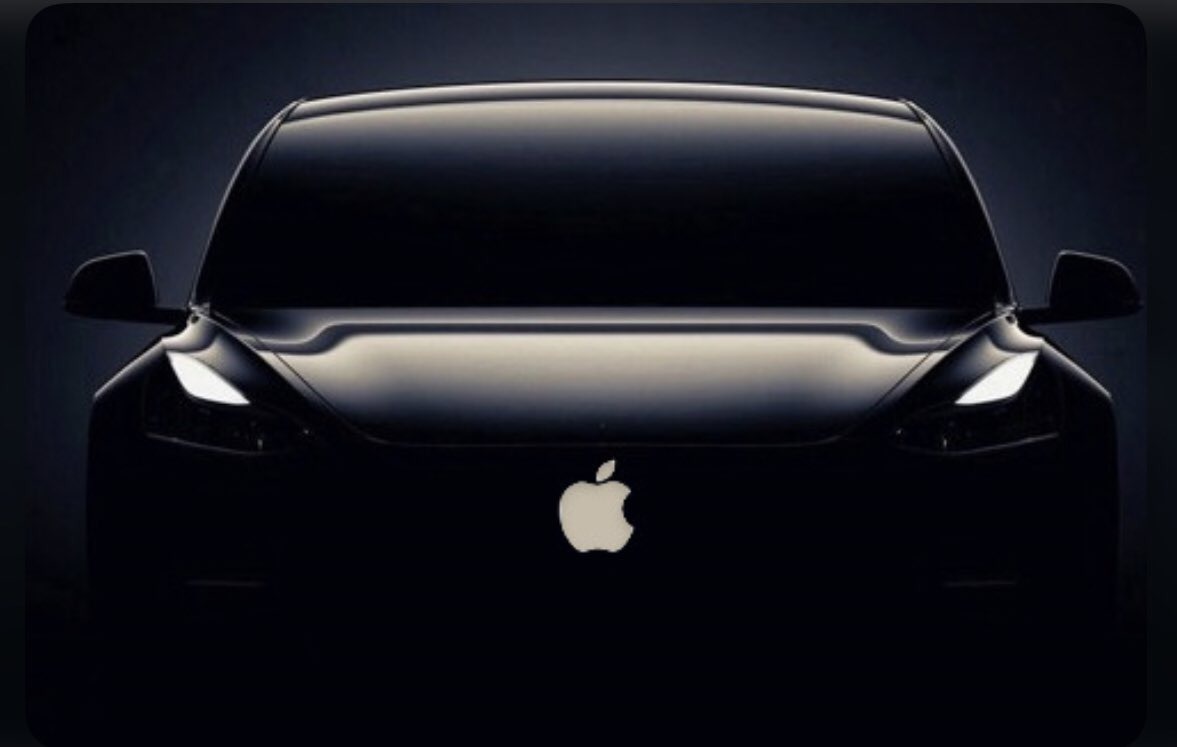
    This image is a part of the newly-created Apple Car renders that we reported on earlier, coming from British car leasing firm Vanarama, and of course, they are based on patents filed by Apple plus previously released Apple devices.

    It is, indeed, a very early stage to know for sure if the Apple Car will look anything like the image shown above, but it looks cool, don’t you agree?

    There have been many people leaving and joining the supposed Apple Car project in recent months, especially in November and December of last year. Some of its key engineers have been leaving to join air taxi startup companies, while other ex-Tesla engineers have joined to take their place.

    Just to name a few, Eric Rogers, who was Apple’s chief engineer for radar systems for the project for the self-driving vehicle has left to go join Joby Aviation Inc, a flying taxi startup. Alex Clarabut, who was an engineering manager for the team’s battery systems group, has now joined Archer Aviation, another company working on air taxis.

    The third person who recently left Apple is Stephen Spiteri, who was a hardware engineering manager, and he has also gone ahead and joined Archer. The two flying taxis companies have confirmed the appointments.

    All these staff changes serve to show how many challenges the Cupertino tech giant is facing as it is expanding into an entirely new industry. Of course, building and selling a self-driving car represents a massive new sales opportunity, one of its famous “next big thing”. We will see how Apple will face the challenges coming with it.

  • Apple seeks patent on automatic transparency mode for AirPods Pro

    Apple seeks patent on automatic transparency mode for AirPods Pro

    According to TF International’s highly reliable analyst Ming-Chi Kuo, the AirPods Pro 2 True Wireless Stereo earbuds should be released later this year, perhaps during the third quarter. The major difference between your average garden variety pair of AirPods and the premium-priced Pro model is the Active Noise Cancellation (ANC); the latter prevents ambient noise from getting mixed in with the streaming content heard via the Bluetooth-powered earbuds.

    But just in case you need to hear what’s happening in the background while streaming music to your AirPods Pro, transparency mode will allow you to hear a car honking to alert you to get out of the way, a police siren in case you’re being pulled over, or a friendly “hello” from a pal who has spotted you walking on the street. The problem with turning on the transparency mode is that it allows all background noise regardless of what it is.>

    But what if you could choose which sounds make it through to you via the transparency mode? That could improve your enjoyment of using the AirPods Pro knowing that the transparency mode will remain off until someone you selected is trying to talk to you, or an event takes place that needs your immediate action.

    Apple has filed a patent application titled “Interrupt for noise-canceling audio devices” that details a more selective method of letting in outside noise to be heard through your AirPods Pro. With the technology discussed in the patent application, a user will be able to determine in advance who is allowed to break through the ANC. As Apple states in the documentation, “For example, the user may desire to be interrupted by one or more pre-designated contacts that are identified at an associated electronic device as interrupt-authorized contacts, or by a person who speaks a designated keyword to the user.”

    In other words, the Active Noise Cancellation would remain in effect until people authorized by the user start talking. The voice of the other person could be recognized, or that person’s name could be mentioned by the user, or both the user and the contact could devise a specific password that would flip on transparency mode.

    The patent also notes that the user can train the system to recognize certain important sounds that you would want to hear right away “such as police or ambulance sirens, or smoke or fire alarms.” It is like having transparency mode set on “automatic.”

    There are other differences between the AirPods and AirPods Pro besides the latter offering ANC. For example, the “Pro” variant includes the ability for the user to enjoy a customizable fit. Ironically, the third-generation AirPods offer longer battery life than the AirPods Pro but we expect that to change with the AirPods Pro 2. We also could see the new premium version of the earbuds feature a new design, possibly dropping the iconic and recognizable stem from the device. This might make the AirPods Pro 2 look like some of the earbuds manufactured by competitors’s not to mention Apple’s own Beats Fit Pro.

    Other possible changes for the AirPods Pro 2 include the addition of new sensors that will allow the device to perform some type of fitness tracking. Also expected is a new chip that will make it easier for the wearables to connect with other devices. And Apple is reportedly looking at a way to use the AirPods Pro 2 as a device to measure certain health metrics just as the Apple Watch now does.

    The patent application was originally filed by Apple with the U.S. Patent and Trademark Office (USPTO) last July.

  • Apple says the pink screen iPhone 13 Pro issue is a software problem

    Apple says the pink screen iPhone 13 Pro issue is a software problem

    Several iPhone 13 series owners are continuing to report an issue with the screen on their phones. The display on affected models turns pink or purple and these handsets cannot be used.
    Posts in the Apple Communities Forum about this problem started in October when a user named DPigar wrote that “I use an iPhone 13 pro for a two day (sic) and my screen turns pink for a few seconds and then reloads. It happens all the time, so I can’t use my iPhone. Why?” Two images were attached to the post showing the user’s iPhone 13 Pro with a fully purple display,
    That message was followed up by one from another iPhone 13 Pro user claiming to have the very same problem. Apparently, Apple did some maneuvering behind the scenes to replace these malfunctioning phones since a post from the company added to both messages said, “The issue has been resolved. Replacement of the device (authorized service conclusion).”
    But here’s the thing. Many more iPhone 13 users complained about this problem and not all of them were lucky enough to get a replacement from Apple. Check out this sad story posted in the Forum by an iPhone 13 Pro Max user who goes by the name “Calisthrone.” He owns an expensive handset for less than two months when the device starts performing unexpected restarts with the screen off, randomly his screen turns pink, and the device becomes unstable.
    Apple diagnosed the problem as being a faulty motherboard. But here is where Apple drops the ball. It promises to give the owner a “Back System Replacement” which means that the owner keeps the screen and the camera system and the faulty parts are replaced.
    This should not be acceptable because this man spent good money on Apple’s top-of-the-line handset and now he will get back from Apple (after being left without a phone for 7 to 14 business days) a Frankenstein handset put together by the mad scientists at Apple. “Calisthrone” writes, “Problem is the phone is only active for less than 2 months and I would be so happy if they can offer a brand new replacement unit.”
    Now here is one of the main reasons why what Apple is doing is not fair. Returning to the post, the iPhone 13 Pro Max owner says, “It is not so nice to have my iPhone guts out after this brief amount of time. And my iPhone would be marked as “fixed” so I will lose the value of my device when trying to sell it in the future.”

    His final thought does not present Apple in a good light. “Apple customer care is not as wonderful as before. I’m now with no decent device in my pocket and I paid a premium device expecting to find a premium kind of service. Something very natural is a replacement unit.”
    The list of similar stories goes on and on. “Disappointed_User8” wrote a long post in which the pink screen surfaced on his device after just six days. After exclaiming that it was a hardware device and having the owner bring the phone into the nearest service center, Apple reversed its position and had the owner pick up the device after doing nothing but charging it.
    While charging it did stop the issue, it was a temporary cure. Forced to set up his phone from scratch after Apple had reset the device, the problem started all over again. Here is this disappointed iPhone owner’s take on the situation:”The phone is very expensive but unreliable. The stress that it is causing me and its effects on my mental health thinking about how I trusted Apple and paid a hefty amount for a malfunctioning unit but not getting proper post sales support is very very disappointing.”
    The latest date on the thread is January 16th of this year which means that this is an ongoing problem. Because most of the pink screen issues occurred in China, MyDrivers noted that Apple made a statement on Weibo this past weekend which said, “We didn’t notice relevant problems in the hardware of the devices because this situation [pink screen] is caused when the system is locked.”
    Apple recommends that users backup their data, join the iOS Beta Software Program and install the latest iOS 15.3 beta update in case the pink screen is being caused by an incompatibility between an app version and the iOS version. However, it appears that the changelist for the latest beta version of iOS 15.3 doesn’t mention a fix for a pink screen bug. Hopefully, Apple gets to the bottom of this and issues a fix. And if that is impossible, replacing affected models with new replacements would be the proper thing to do.
  • Apple To Expand CarKey With Hyundai Partnership

    Apple To Expand CarKey With Hyundai Partnership

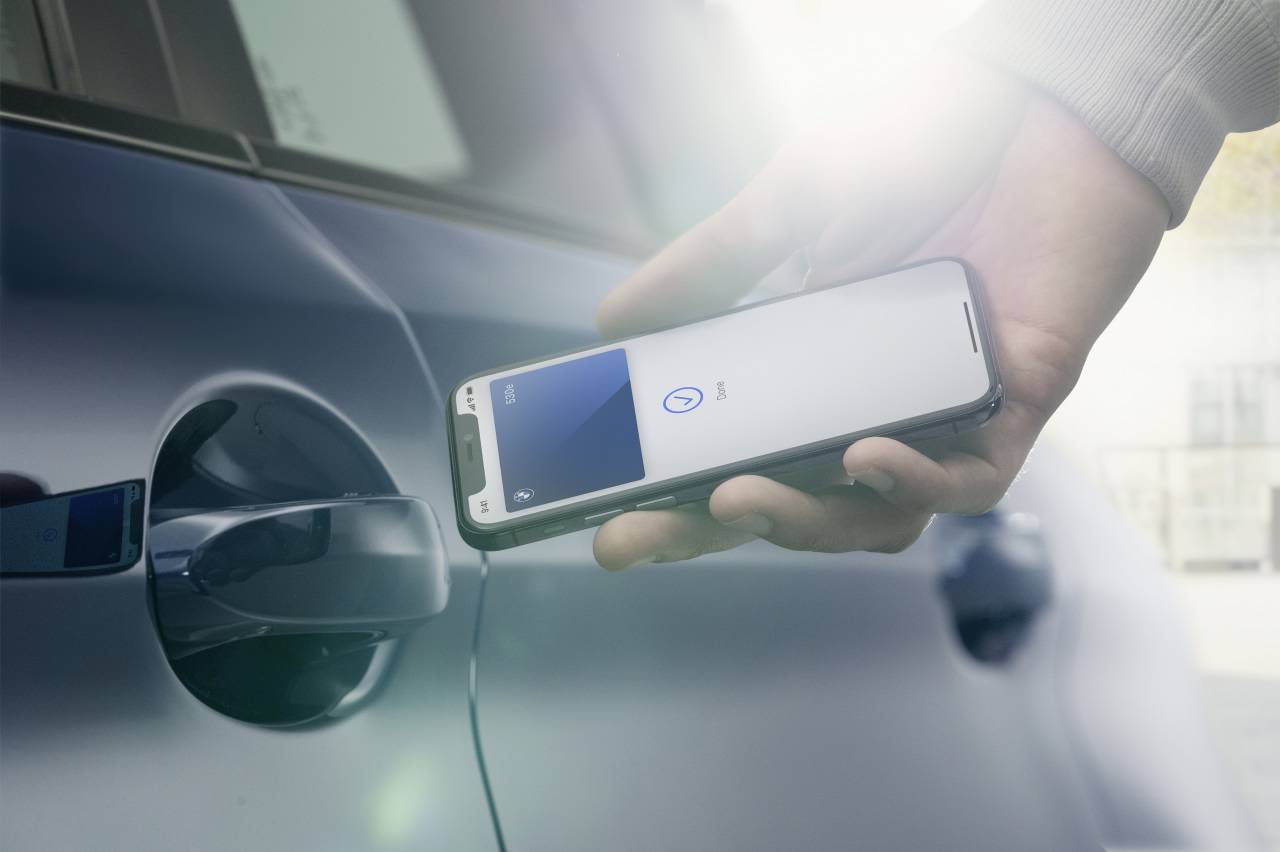
    Apple is preparing to expand its CarKey feature which was first announced at WWDC 2020. The feature, two years into its unveil, has been relegated to select BMW models in limited countries but now according to famed Apple watcher Mark Gurman, the feature could be coming to Hyundai vehicles and cars from its premium luxury brand Genesis. The feature is expected to roll out by summer 2022, and likely will be announced at Apple’s 2022 WWDC conference which could happen in June.

    This is interesting as Apple and Hyundai have become strange bedfellows after Hyundai revealed that it was in talks with the Cupertino-based gadget maker for the manufacturing of the Apple Car project which has been in limbo for a long time. Apple is said to have pulled back from any engagement after Hyundai made unsolicited disclosures.

    But this expansion of CarKey is crucial as Google has made more headway with Android Auto and a similar feature that was announced last year at Google I/O. On top of this Google has also managed to onboard several key manufacturers for Android Automotive – like Volvo and Ford – which is its operating system for the car infotainment system. Google of course is also the pioneer of self-driving technology as Waymo spawned out of its skunkworks Google X unit and has since been the flag bearer of autonomous cars.

    Google, Apple’s prime rival in the modern computing rival has had the leg up on the in-car experience and Apple has to make moves to catch up. Luckily, Apple has been building towards an expanded CarKey rollout as codebase leaks in iOS 15 have also suggested the same, though this could happen with iOS 16 which is around the corner.

  • In one country, the Apple Tax appears to be crushed for certain apps

    In one country, the Apple Tax appears to be crushed for certain apps

    Sundar Pichai and  Mark Zuckerberg, the CEOs of Google and Facebook respectively, allegedly signed off a secret and illegal ad deal according to BuzzFeed. As a result, Facebook was given “information, speed, and other advantages” during auctions for ad space run by Google. Yesterday, unredacted court documents revealed the involvement of the two CEOs in the deal.

    The documents are from a complaint originated by Texas and other states in December 2020 that accused Google of committing “false, deceptive, or misleading acts” while running its buy-and-sell auction system for digital ads. The complaint states that Google teamed up with Facebook in 2018 that Google called “Jedi Blue,” a name that riffs on the Star Wars movie franchise.

    Facebook unnerved Google by promoting a method called “header bidding” that was a threat to Google. With “header bidding,” publishers offer inventory to multiple ad exchanges before calling their ad servers. By hiking demand for limited inventory, publishers make more money.

    According to the complaint that was released on Friday, “Google understood the severity of the threat to its position if Facebook were to enter the market and support header bidding. To diffuse this threat, Google made overtures to Facebook.” The deal was made at the highest level of both companies and the complaint notes that “Google CEO Sundar Pichai also personally signed off on the terms of the deal.”

    The complaint also revealed that Facebook CEO Zuckerberg wanted to meet with the company’s COO Sheryl Sandberg before making a decision. While employees’ names were redacted in the court documents, their titles weren’t.

    Both Google and Facebook are under pressure for using anti-competitive methods. Google says that the lawsuit isn’t accurate, and company spokesperson Peter Schottenfels said, “We sign hundreds of agreements every year that don’t require CEO approval, and this was no different. And contrary to AG Paxton’s claims, the fact of this agreement was never a secret — it was well-publicized. It simply enables FAN [Facebook Audience Network] and the advertisers it represents to participate in Open Bidding, just like over 25 other partners do.”

    Facebook’s corporate parent Meta agreed with Google that the deal between the two tech giants did not call for Facebook to receive any particular advantages that other companies were not being given. “Meta’s non-exclusive bidding agreement with Google and the similar agreements we have with other bidding platforms, have helped to increase competition for ad placements,” said Meta spokesperson Stephen Peters. “These business relationships enable Meta to deliver more value to advertisers while fairly compensating publishers, resulting in better outcomes for all.”

    As you might have expected, Google is planning to ask a judge to toss the case. Both Google and Facebook have been under fire from lawmakers for antitrust issues. Last summer, bills were introduced in Congress with lawmakers worried that firms like Google, Facebook, Amazon, and Apple were using their dominance in businesses like online shopping, search, and entertainment in order to crush their competition.

    Additionally, Congress is concerned that these firms are making acquisitions that never should have received approval from antitrust regulatory agencies. As a result, there has been a call in Washington D.C. to force tech giants to break up into smaller companies.

    Last year, the filing fees imposed on transactions valued at over $1 billion rose while the same fees for transactions valued at less than $500,000 would decrease. The idea is to give tech giants the incentive to purchase smaller firms instead of larger ones. In addition, the higher fees are expected to generate $135 million for antitrust enforcement agencies in its first year.