Tag: apple

  • Microsoft to partner with Samsung over HoloLens 3 development

    Microsoft to partner with Samsung over HoloLens 3 development

    This summer, Samsung has apparently entered into a partnership with Microsoft over its HoloLens augmented reality project, and the two companies are expected to work on the next generation of the VR headgear for at least two years.

    Microsoft already has a strong partnership with Samsung over preinstalled Office Mobile and other apps on the handsets of the world’s largest phone maker, so taking advantage of its hardware expertise could only be beneficial, too.

    Back in March, Samsung reportedly assembled a task force to probe the viability of the HoloLens partnership, involving multiple departments and has subsequently been given the green light to take on the challenge to be Microsoft’s AT/VR gear maker.

    Commercialization of Microsoft’s HoloLens wearable that takes advantage of Samsung’s engineering prowess will happen after the end of the development contract, in 2024, report the insiders. Samsung’s purchase of AR company DigiLens, along with its display expertise may be what prompted Microsoft to partner with it over the next HoloLens endeavor.

    DigiLens was known for its waveguide technology “used to bend the light from the video playing on a display to the glasses, which is transparent in AR display devices as users need to see the real surrounding around them simultaneously with the virtual items on display.”

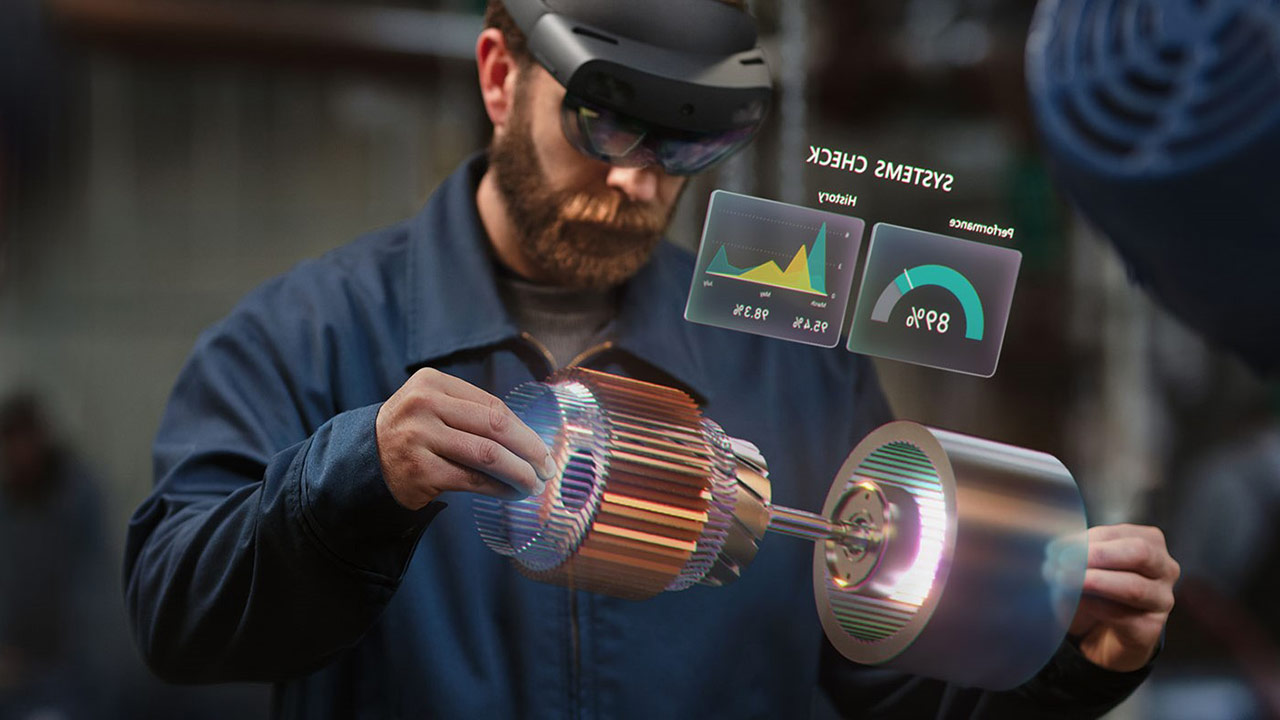
    This strongly suggests that the HoloLens 3 may be conceived as a direct answer to the purported Apple Glasses AR/VR headset which is expected to land as soon as next year. Microsoft sold about 200,000 HoloLens 2 devices this year, and it will have to pour a lot of resources to make the third edition stand out as not only Apple, but also Facebook’s Meta, are expected to release their own augmented reality contraptions very soon.

  • Apple warns of weak demand for iPhone 13 lineup

    Apple warns of weak demand for iPhone 13 lineup

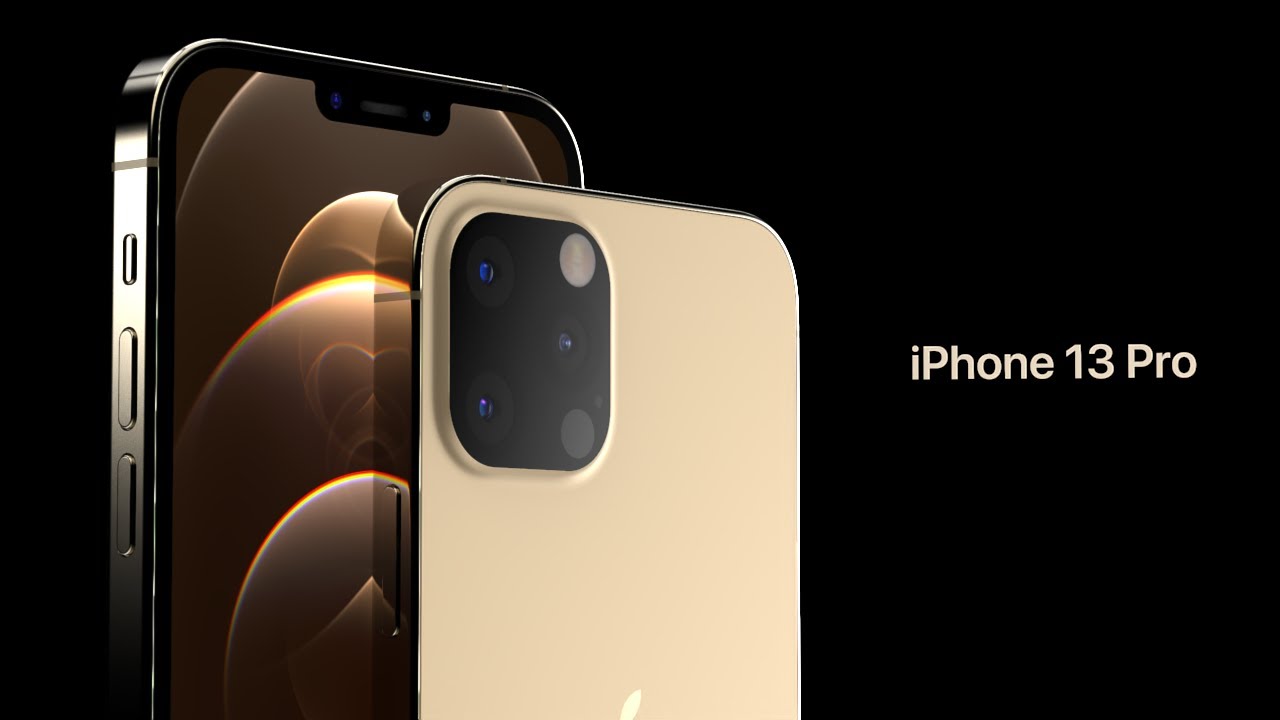
    Apple has told its parts suppliers to demand the iPhone 13 lineup has slowed, Bloomberg News reported on Wednesday, a move that signals a declining interest among consumers for the usually coveted latest upgrades.

    The company had cut production of iPhone 13 by as many as 10 million units, down from a target of 90 million, due to a global chip shortage, but now it has informed vendors even those numbers look unlikely, the report said.

    Apple’s shares fell over 3%, dragging down those of iPhone component and semiconductor suppliers Qualcomm, Skyworks, Europe’s ASML, and Infineon.

    The holiday season is Apple’s biggest quarter and typically so, for its most important product, the iPhones, which start at $699 and go as high as $1,600.

    Analysts had expected demand to remain steady for new products but lowered shipping estimates as supply-chain issues burdened the company as well as many retailers who faced inventory shortages.

    Consumers, who splurged on new phones and laptops during the peak of the pandemic as they stayed indoors, are now spending more on vacations and outdoor activities.

    “As lockdowns eased, spending returned on these experiential activities, so maybe less for the new iPhone. We believe that (iPhone) demand is likely to be pushed out in 2022,” Counterpoint Research analyst Tarun Pathak said.

    IDC analyst Ryan Reith believed it is not so much as demand for smartphones was drying up, but U.S. consumer spending was slowing due to the pandemic.

    Apple Chief Executive Officer Tim Cook warned in October that the impact of supply constraints, which cost the company $6 billion in sales in the fourth quarter, will be worse during the holiday quarter even as demand for the new lineup was robust.

  • Intel to meet this month with TSMC to avoid a fight with Apple

    Intel to meet this month with TSMC to avoid a fight with Apple

    It appears as though TSMC is back on track and is aiming to start mass production of chips using the 3nm process node starting in the second half of 2022. As a result, there is still a good chance that the Apple A16 Bionic chipset will be built with the 3nm process although earlier talk centered on the use of the 4nm process for the component. The difference is the number of transistors inside each chip which drives performance and energy efficiency.

    Intel plans on paying a visit to TSMC soon, and not just to personally give them holiday greetings. Intel is one of the foundry’s largest customers (along with Apple, AMD, NVIDIA, MediaTek, and Qualcomm) and they want assurance that TSMC will have enough capacity to make 3nm chips in the quantity that Intel needs.

    Intel is not a fabless company like Apple is, for example. That means that while Apple designs its own chips, it does not own equipment and fabrication facilities to manufacture them. While Intel does own its own foundry, it cannot produce cutting-edge chips as TSMC can. In January there was a report that TSMC was prepared to offer Intel capacity at 4nm while testing at 5nm.

    High-level Intel executives plan to travel to Taiwan in the middle of this month to meet with TSMC. On the agenda is the amount of 3nm capacity that Intel needs. While the American chip giant might have to outsource some of its production through TSMC, it also has indicated a desire to upgrade its own production capabilities.

    The meeting is being held so that Intel can “avoid fighting with Apple.” Reportedly, Apple has already worked out a deal with TSMC for all of the latter’s initial 3nm production capacity. This means that Intel most likely would not have access to TSMC’s 3nm capacity until 2023 at the earliest.

    Assuming that there is some urgency on Intel’s part (their executives aren’t flying to Taiwan for a vacation), it will be interesting to see whether Intel’s meeting with TSMC is productive. TSMC is the world’s largest independent foundry and last year it generated revenue of $45.51 billion which produced net profits of $17.60 billion. The company is valued at $565 billion.

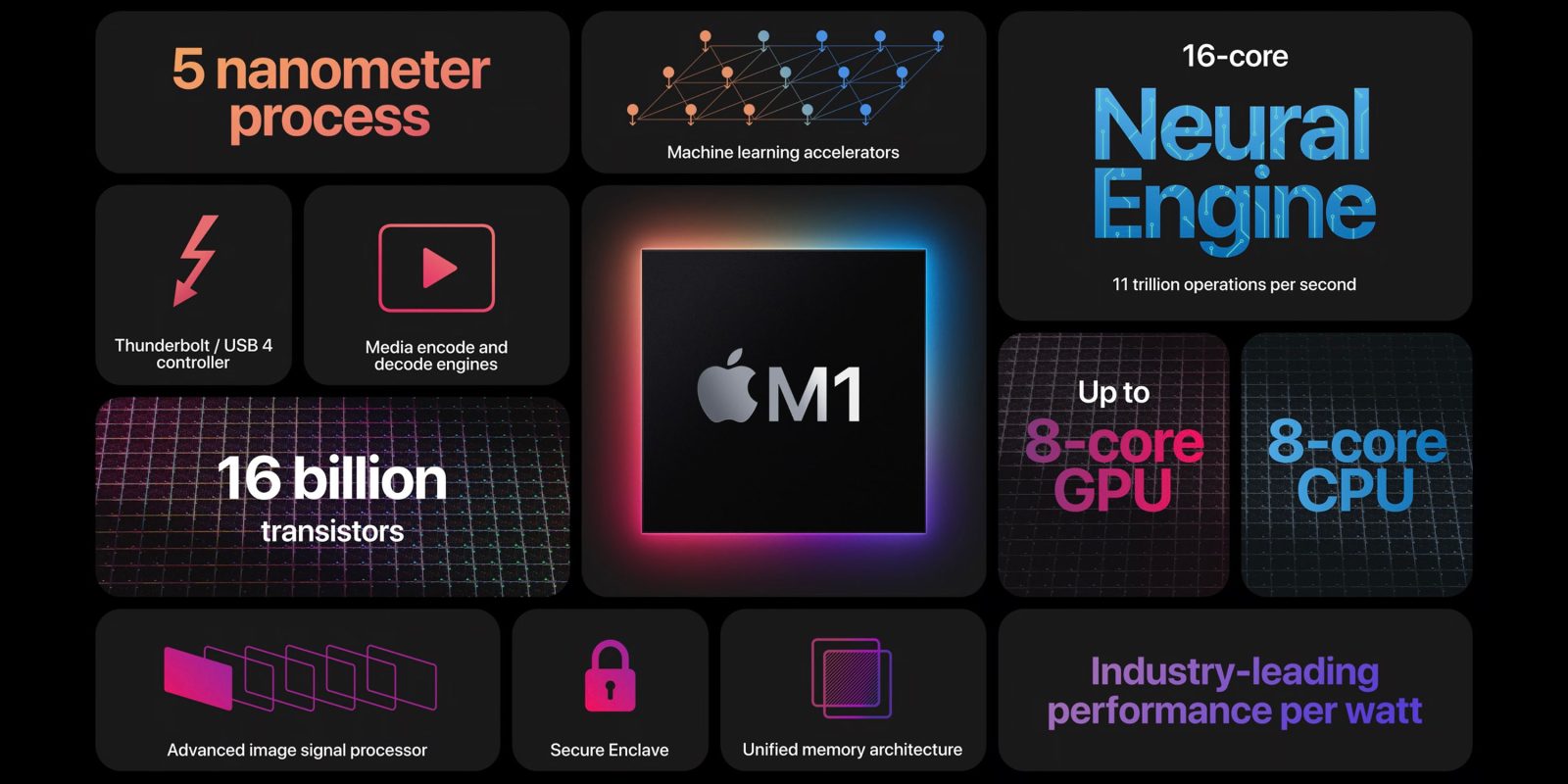
    Now that Apple has created its own high-powered chips for the Mac that replace Intel processors, the company relies on TSMC even more. The Apple M1 chip contains 16 billion transistors which are one billion more than the number found in the A15 Bionic. The latter is used on the iPhone 13 series.

    Earlier this year, Apple introduced the M1 Pro, a 5nm chip that features 33.7 billion transistors, and the 5nm M1 Max with 57 billion transistors. Both are manufactured by TSMC.

    Apple is also rumored to be replacing Qualcomm’s 5G modem chip with one it will design itself.

    The new 5G modem chip will be built by TSMC using its 4nm process node, and it should debut in the 2023 iPhone 15 series. While Apple undoubtedly feels as though it now has no worries about obtaining enough chips in the future, it might have not considered how all roads lead to TSMC. And late yesterday we passed along a report from Fox News that noted how some experts fear that China might look to take back Taiwan to create a unified China.

    In such a scenario, the Chinese Communist Party (CCP) could create some serious global chaos by taking control of TSMC. China itself has realized that it needs to boost the chip production on the mainland. While the U.S. has also come to this conclusion about itself, it is trying to increase American production by having TSMC build a foundry in Arizona that could eventually grow to be a huge fabrication facility.

  • Apple is now the biggest smartphone brand in China

    Apple is now the biggest smartphone brand in China

    It seems that Apple has finally conquered China (again). According to new research by Counterpoint, the Cupertino brand saw the highest growth of all smartphone brands on the Chinese market, scoring 46% month-over-month growth. Apple surpassed Vivo in October 2021 to become the largest smartphone OEM in the country.

    “Apple could have gained more if it were not for the shortages, especially for the Pro versions,” commented research director Tarun Pathak. “But still, Apple is managing its supply chain better than other OEMs.”

    The iPhone 13 series is the major culprit behind the growth, as iPhone 13 sales grew 46%, while the entire Chinese smartphone market saw only a minor 2% month-to-month increase in October 2021.

    Of course, looking at the graph it’s clear to see that Huawei has lost its dominance in China since the US trade ban, and that’s another reason for Apple’s rise in the country. Apple is retaking the number 1 place in China for the first time since December 2015.

    “Due to supply issues, the normal wait time for the iPhone 13 Pro and iPhone 13 Pro Max ranges between four and five weeks in China. Some Chinese customers choose to pay premiums to get the new phones delivered immediately. Overall, the China market has been slow throughout the year and Apple’s growth is a positive sign. It indicates that Chinese smartphone users are maturing fast and are looking to buy more high-end devices, which can be a good opportunity for brands. The supply chain is also prioritizing higher-end and higher-margin devices amid the shortages,” said Counterpoint analyst Varun Mishra.

  • Prepare to wait If You Want an Apple mixed reality headset

    Prepare to wait If You Want an Apple mixed reality headset

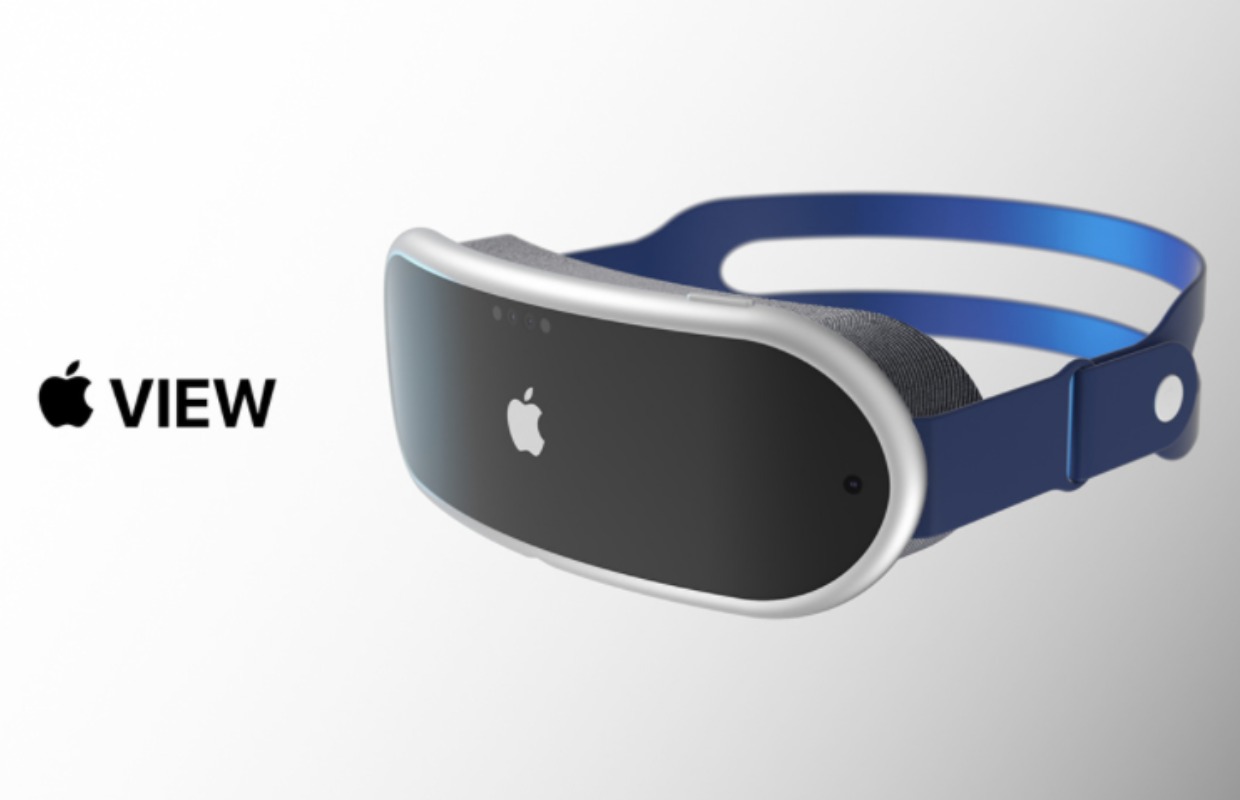
    Just the other day we told you that reliable TF International analyst Ming-Chi-Kuo told clients to expect Apple’s mixed reality headset to be introduced next year “with the same computing power level as the Mac.” Kuo believes that the device will first see the light of day during the fourth quarter of 2022 and will sport a pair of processors. But even if the device becomes official, you might not be able to buy it immediately.

    When Apple introduces a brand new product, it usually makes eager consumers wait before they can purchase the device. Gurman gives three examples of this. The OG iPhone was unveiled on January 9th, 2007, and released 171 days later on June 29th, 2007.

    The OG iPad was introduced on January 27th, 2010, and released 66 days later on April 3rd, 2010. The longest wait belongs to the OG Apple Watch at 227 days as the timepiece became official on September 9th, 2014, and was released on April 24th, 2015.

    Gurman notes that Steve Jobs has said that he didn’t want the FCC to leak the iPhone during regulatory approval, so he unveiled the smartphone early. But the truth, according to the Bloomberg writer, was that the hardware and software were not ready to be released to the public. Additionally, the iPhone needed to be tested on cell networks.

    The iPad delay was needed to make more e-books ready for the device, and give developers the time needed to optimize their apps for the larger iPad display. Also, Apple needed the time to polish off the tablet’s operating system.

    Apple has some major new devices coming including the mixed reality (AR/VR) headset, the AR glasses, and the self-driving car. Gurman expects the delay between the introduction of the mixed reality headset and the release of the product to challenge the 227 days that Apple Watch buyers had to wait. That’s because the mixed reality headset has a complex design including interchangeable lenses.

    While the mixed reality headset is going to be an interesting product, the AR glasses should be a bigger deal. That’s because Ming-Chi Kuo says that Apple will be looking to kill off its most important product in 10 years and replace it with AR. This looked to be Google’s plan when it released that now-infamous video in April 2012. But Google Glass never replaced the smartphone and anyone wearing the device ended up being called a “glasshole.”

    Google Glass wearers got tossed from theaters (for fear that they were secretly recording the movie being played) and bars (for possibly taking photos of patrons without their permission). If Apple truly sees the iPhone being replaced by AR glasses in a decade, it must be optimistic about wearers not getting the same reaction.

    And Apple might want to get the product out for the public to see before it is handed around to its manufacturing partners and its own employees any of whom might spill the beans about the device. Apple will also need the time to persuade developers to create games for the device. Gurman writes that he can see Apple introducing the product at WWDC 2022 next June with a release date later next year or even into 2023.

    Getting a self-driving car on the streets might be more of an ambitious task for Apple. you can imagine the media sensation any test drive of an Apple Car might produce. After all, testing the car in the U.S. will take years. Using Tesla as an example, Gurman pointed out that the company showed off the Model S in 2009 before it started shipping in 2012. The Model T first saw the light of day in 2016 and was released in mid-2017. And the Model Y was announced in March 2019 and was offered to buyers almost exactly one year later.

    The point is that even if Apple introduces the Apple Car in 2025 as it wants to do, it could still be years before you see the vehicle motoring down the road sans driver.
  • Apple warns Thai rapper of state hacking

    Apple warns Thai rapper of state hacking

    Apple has sent messages to a Thai rapper and at least five other government critics warning that state-sponsored hackers could be accessing their data remotely, as well as accessing their iPhones’ camera and microphone.

    Previously arrested for sedition but subsequently released, Dechathorn “Hockhacker” Bamrungmuang from the Rap Against Dictatorship group, expressed shock of a possible hack. He posted a screenshot of the message that read: “Apple believes you are being targeted by state-sponsored attackers who are trying to remotely compromise the iPhone associated with your Apple ID.”

    On Tuesday, Apple filed a lawsuit against NSO Group, an Israeli company, for surveilling and targeting Apple users. Apple is also seeking a permanent injunction to ban NSO Group from using any Apple software, services or devices to safeguard the interests of its users.

    After Dechathorn spoke out on this, two political activists in Ghana, an opposition politician in Uganda, and a dozen journalists from Salvadoran have stepped forward with similar warning messages from Apple.

  • Update to Shazam makes the app more useful

    Update to Shazam makes the app more useful

    It is hard to believe that nearly four years have passed since Apple paid a reported $400 million for the music recognition app Shazam. Whether this was a move made by Apple to compete with Pixel’s Now Playing feature is unknown. At the time that the deal was announced, Apple said that it ” has exciting plans for Shazam which was one of the first apps in the App Store.

    Apple did add Shazam to the iOS Control Center in iOS 14.2, which is not really exciting. In iOS 14, Apple added a feature allowing Shazam to recognize music playing inside an app. Again, excitement is in the eye of the beholder and we’re not sure that this would qualify as such. We noticed that Shazam had received an update that will, according to the release notes, allow the app to listen “longer” and “harder.”

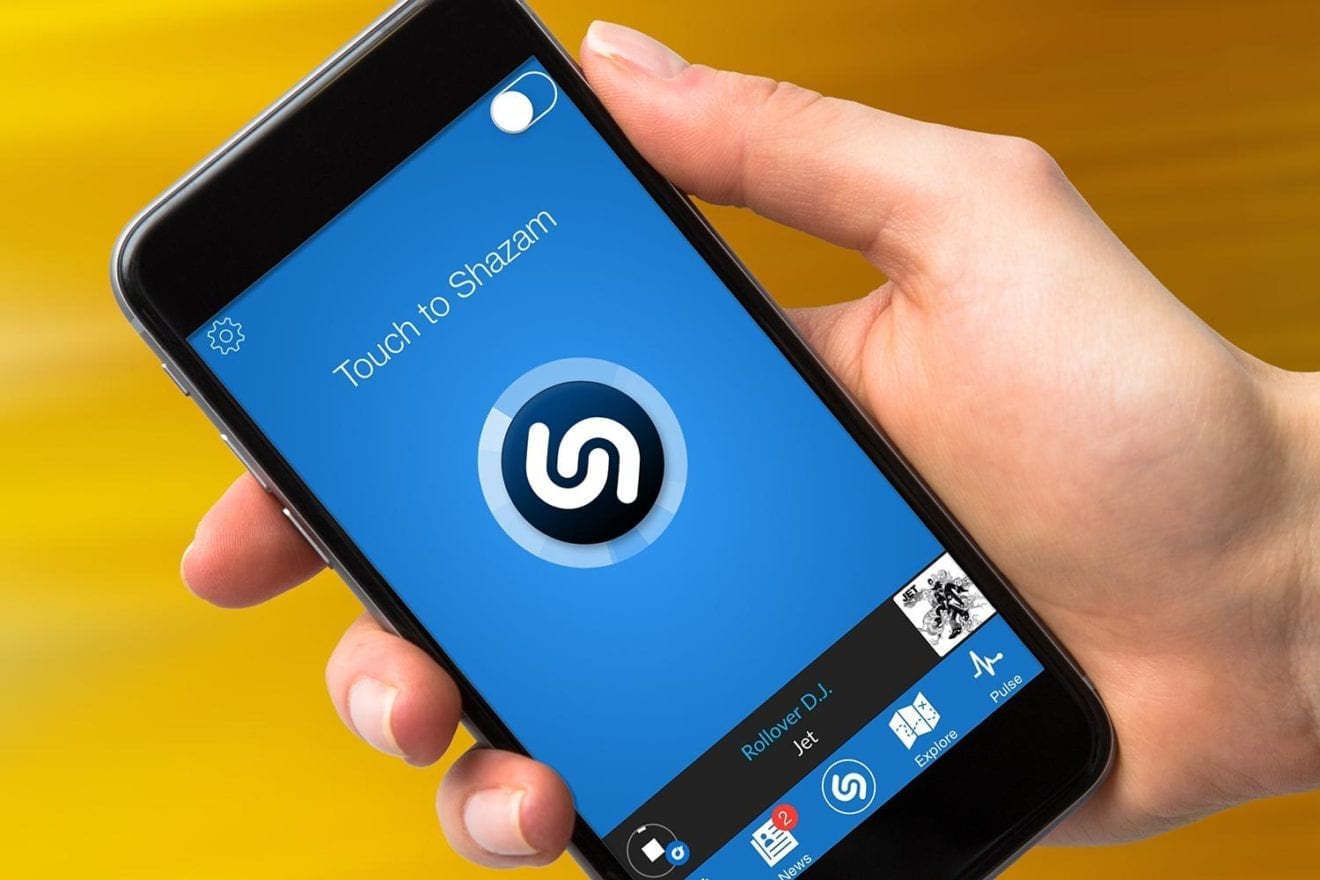
    Apple says that by working harder, Shazam will find more songs. The company stated, “Shazam now finds more songs by trying harder, for longer. Tap to Shazam to give it a go.” While Shazam is supposed to be able to match just a few seconds of a song with that tune’s title, sometimes the app can be stumped at first and that is why hearing just some additional seconds of a tune could make the difference between being unable to learn the name of that song you just heard or Shazam finding out the name of that song you can’t get out of your head, and the artist.

    You might have been unaware that Apple offers a widget for Shazam. Depending on which size widget you choose, you could see up to four songs recently discovered by Shazam. To add the widget, long-press on an empty space on your iPhone screen. That puts the phone into “jiggle mode.”

    While in “jiggle mode,” tap the “+” button in the top-left corner and search for the Shazam widget which showed up first when we looked for the widget (see accompanying photo). Select which size widget you want and tap on “Add Widget.”

    Apple is currently running a promotion now through January 31st. Simply visit this website and use the camera on your iPhone to scan the QR code and redeem the offer. The five free months are available to new Apple Music subscribers only.

    The Shazam app is also available for the Apple Watch.

  • Apple reportedly accelerates ‘Project Titan’ as fully self-driving car could arrive by 2025

    Apple reportedly accelerates ‘Project Titan’ as fully self-driving car could arrive by 2025

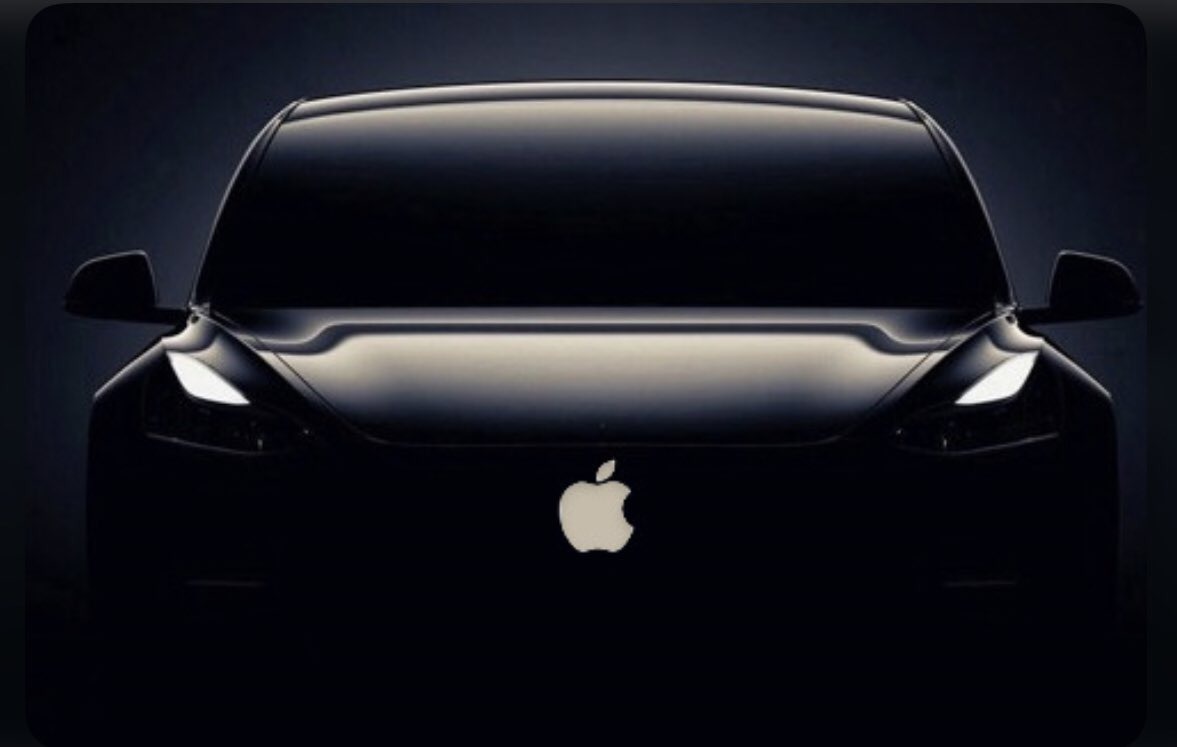
    It might not fit in your pocket, but you might consider the Apple Car to be a mobile product. And today Apple has decided to produce a car that will be able to drive without any help from humans. Apple reportedly had been deciding between producing a car with limited self-driving capabilities similar to models currently available, and an auto that requires no human intervention.

    Sources familiar with the situation told Bloomberg that under team leader and VP of technology Kevin Lynch, Apple is working to take humans out of the equation right off the bat with its first vehicle. And we might see the Apple Car released as soon as 2025. But today’s report says that this date can change and Apple also could decide to offer limited autonomy (steering and acceleration) with its first model if need be.

    Many inside the team are not optimistic that the product will be available to consumers as soon as 2025. The timeline is aggressive and Apple still needs to find partners to help it build the vehicle. Still, investors liked the sound of what they were hearing and Apple’s shares hit an all-time high today of $158.40, up over 3% on the day.

    Apple has called its work on a self-driving car “Project Titan” as it competes with Tesla and others who are racing to complete what is obviously a complex task. Still, the company has shaved some years off of its timeline from the five-to-seven years that Apple engineers had been planning to the four years mentioned in today’s report. Apple’s car would be expected to go without a steering wheel and a large iPad-like touchscreen would be placed in the middle of the vehicle for the passengers to use.

    In case of an emergency, Apple has considered the inclusion of an emergency takeover mode. The company also has finished much of the work required to develop the chip needed to, uh, drive the car. The same team inside Apple that designed the chips used on the iPhone, iPad, and Mac did the work for the car’s processors instead of the Project Titan team. This component is the most advanced ever designed by Apple and consists mostly of neural processes needed for the vehicle to self-drive.

    Apple is also looking to include stronger safeguards for its self-driving cars than those available from Tesla and Waymo. This includes layers of backup systems just in case something in the car fails while it is going 65 miles per hour on the highway with your family inside. The tech giant is looking to hire engineers to develop test and safety features related to Project Titan.

    A recent job posting for engineers says, “The Special Projects Group is seeking an accomplished mechanical engineer to lead the development of mechanical systems with safety-critical functions. You will use your passion for figuring things out to help design safety systems and to lead the testing and countermeasure of those systems.” Apple also recently hired Tesla’s former self-driving software director CJ Moore.

    Another Apple job listing for software engineers mentions that those hired will work on “experiences for human interaction with autonomous technology.” The listing also hints that the software being developed will be based on similar technology used on the iPhone’s iOS operating software.

    Apple also has talked about using the combined charging system (CCS) to power up the vehicle allowing it to be used with a “global network of chargers.” This would be a big change from the firm’s current use of its proprietary Lightning charging platform used for the iPhone and iPad.

    With Apple looking to sell the cars for individual ownership, it will have to develop a global network of dealers, repair centers, and more. Apple might also be counting on more availability of faster 5G signals in order to make sure that there is no lagging with the mapping and navigation systems that will be used for the vehicle.

  • Qualcomm’s Apple M1-rivalling silicon arriving in 2023

    Qualcomm’s Apple M1-rivalling silicon arriving in 2023

    Qualcomm revealed plans to bring to the market an Apple M1-beating chip by 2023 during its 2021 investor conference.

    The processor will be based on technology from Nuvia, a chip startup that was founded by ex-Apple engineers who had worked on Apple A and M series chips and was bought by Qualcomm earlier this year. We can hope to see Nuvia’s tech in smartphone chips too at some point in the future.

    For now, the focus is on the next generation of Arm-based processors which Qualcomm claims will set a new performance benchmark for Windows PCs. The chip will offer industry-leading sustained performance and battery life, or so Qualcomm hopes. It will feature Arm-based CPU cores, Adreno graphics, 5G modem, Hexagon DSPs, and Spectra imaging core.

    If you look at what Apple has done with the M-series, on the upper hand it even has the performance of an [Nvidia] RTX 3080 at discrete graphics.” – Qualcomm CEO Cristiano Amon.

    Qualcomm will also work on improving its Adreno GPUs to offer a desktop-like gaming experience on PCs. The chip giant is aiming to have samples out for customers in around nine months, with the official launch planned for 2023.

    Whether the chip will be able to live up to the claims or see the same fate as the Qualcomm Snapdragon 8cx and Microsoft Surface SQ2 PC chips that failed to make a mark remains to be seen.

    Apple meanwhile has already launched even more powerful versions of the M1 chip, the M1 Pro and M1 Max, and is now reportedly working on the third-generation of Mac chips that will likely offer significantly better CPU performance than the latest chips. The M series chip power a slate of new Apple products, including some of the best tablets that money can buy.

  • Korean lawmaker says Apple and Google need to do more to comply with new law

    Korean lawmaker says Apple and Google need to do more to comply with new law

    Apple and Google are both failing to fully comply with South Korean legislation that prevents app store operators from forcing developers to use their own payment platforms. As you already know, Apple and Google, with the App Store and Play Store respectively, forced developers to route all in-app payments through their own systems to collect as much as a 30% slice of in-app payments.

    When legislation in South Korea passed, it became the first country to pass a law in an attempt to block the tech giants from imposing this “tax” on developers. An official at the Korea Communications Commission (KCC) said that tomorrow (Wednesday), South Korea will reveal what changes tech firms will need to follow in order to comply with the legislation.

    Korean lawmaker Jo Seoung-lae is the person who directed an amendment to the Telecommunication Business Act in August in an attempt to prevent Apple and Google from taking a cut of in-app payments. While the law went into effect in September, the Korea Communications Commission (KCC) still has to announce what tech firms have to do to be considered in compliance with the law.

    Google said that it would allow third-party payment processing systems to run Play Store charges in South Korea. But the Alphabet subsidiary also said that it would reduce the cut that it takes by four percentage points when such a platform is used instead. Apple told the South Korean government that it was already complying with the law and that no changes had to be made.

    Jo, the South Korean lawmaker who helped get the legislation passed, said, “Frankly, we are not satisfied… Apple’s claim that it’s already complying is nonsensical. Excessive fees take away developers’ chances for innovation … parliament is to be closely informed as the government drafts detailed regulations to make sure there is accountability.”

    Epic Games CEO Tim Sweeney, who dared to take on Apple and Google by including a link to Epic’s own payment system inside the app for its popular Fortnite game, is a vocal critic of both tech firms. Fortnite ended up getting kicked out of both the App Store and the Google Play Store. The executive said, “This is the first legislation worldwide with the chance to transform the market from a duopoly with Apple and Google.

    But Sweeney won’t be pleased just being able to promote third-party payment platforms in the App Store and Google Play Store. He wants Apple and Google blocked from charging any fees to developers promoting third-party payment platforms. This is what Google is doing in South Korea and “ruins the point of competition,” the CEO says.

    The KCC is preparing the details of an ordinance that will be reported to a parliamentary committee tomorrow according to KCC Vice-Chairman Kim Hyun. At this stage though, it is not clear what penalties tech firms like Apple and Google will face if they do not follow the law. An early draft called for a penalty of up to “2% of revenue” for app store operators who fail to abide by the law.

    But that penalty is certainly not clear. Is it based on global revenue, in-country revenue, or app store revenue? The wording here can be the difference between a stiff but affordable fine, and a hefty payment that actually takes a bite out of a company’s financials. Still, no matter what the fine is based on, Apple and Google are big enough that any fine won’t feel like anything more than a mosquito bite.

    That is the point of Meghan DiMuzio, executive director of advisory group Coalition for App Fairness who says, “We’ve seen in other jurisdictions that these monetary penalties actually don’t deter companies like Apple and Google because to them, it’s a drop in the bucket.”
  • Apple quietly buys ads for subscription apps as it profits from an arbitrage play

    Apple quietly buys ads for subscription apps as it profits from an arbitrage play

    Several app developers say that Apple is secretly purchasing Google ads for iOS subscription apps found in the App Store without approval from the apps’ developers. The report claims that Apple is doing this to help it collect millions of dollars in subscription revenue and calls it “ad arbitrage.” Arbitrage is the practice of making a hedged bet on Wall Street by buying and selling the same shares in different markets to profit from a small difference in price.

    What Apple is doing, according to Forbes, is paying its own money to advertise an app. Let’s say for example that Apple is paying to advertise HBO Max on Google, spending its own money. Now you might think that having Apple advertise your business would be great, but there is a catch. If the app in question allows subscribers to make their payments through Apple’s in-app payment process, the tech giant gets 30% of the subscription cost for the first year, and 15% for each subsequent year that the subscription runs for.

    Some subscriptions can cost users hundreds of dollars a year. Apple could be paying $5 to $10 for each ad that leads to a new subscription and the revenue could be $50 or more. One source said, “The customer doesn’t know, the user doesn’t know that $54 is going to Apple, not the developer.” And there is more. When a subscriber pays for a subscription through Apple’s in-app payment platform, they are considered Apple’s customers and Apple doesn’t reveal information about them making it hard for the developers to handle customer service.

    A marketing executive from one app developer pointed out the difference between dealing with a customer signed up through Apple and a customer whose subscription was processed by the developer. “The user experience is much worse. When you buy with the developer, they have a relationship with you … when you buy from Apple: sorry, you’re Apple’s customer, not ours, and if you have a problem with a subscription … we can’t really help them.”

    And this doesn’t take into account the hike in ad prices that Apple is causing when it bids for the same slots. While Apple is spending money on advertising HBO Max in order to get that percentage of subscription fees that run through its platform. This forces HBO to spend more than Apple to get the top ad slot so it can be noticed by consumers.

    Another source explains how Apple’s little arbitrage game is negatively affecting developers. “It hurts the advertiser LTVs (life-time value of a customer) are lower, so it doesn’t just cost more to advertise, but you can’t spend as much. Apple is not just making more money off developers, it’s hurting their business.”

    Some analysts have told clients that Apple’s App Tracking Transparency feature is a smokescreen to cover up Apple’s own advertising ambitions. As one source says, “Anyone that understands the basics of arbitrage could invent this. We all know what Apple’s doing for its privacy stuff is for its own pockets. It didn’t sit right that in the background they’ve been doing this to developers, it’s not ethical.”

    You can tell whether an ad for a subscription service was placed by Apple or the app developer by clicking the link. If it takes you to the App Store, the ad came from Apple. If the link takes you to the developer’s website, the ad came from the app’s developer.

  • Apple and Meta/Facebook war is coming

    Apple and Meta/Facebook war is coming

    There is no denying that Apple and Google are rivals. Think of all the battles they have fought on the field over the dead wallets and credit cards of consumers. There is the iOS vs. Android battle which has been turned by consumers posting on tech forums into the Uncivil War. There are competing apps such as the up-and-coming Apple Maps vs. the currently reigning champion, Google Maps.
    And now that Google has taken the Pixel to a new level for hardware, the Pixel 6 series is a true iPhone challenger. But as Bloomberg’s Mark Gurman reminds us in the latest edition of his weekly Power On newsletter, Apple has a newer rivalry that might lead to another tech war. This rival is Meta Platforms Inc., the company you probably still think of as Facebook.
    It’s not that Facebook and Apple haven’t had verbal battles before and we all remember when Apple CEO Tim Cook told the media that he would never make his customer the product like Facebook does (this came in the aftermath of the Cambridge Analytica scandal that saw 87 million Facebook subscribers have their personal data sold without their permission). Facebook CEO Mark Zuckerberg criticized Apple’s App Tracking Transparency feature for damaging small businesses.
    But now it appears as though the Facebook-Apple skirmish will be more than just a war of words. Back in October, we passed along a photo of a smartwatch that Meta is supposedly going to release next year. With looks borrowed from Apple, the upcoming wearable will also include a camera for video chats. As Gurman points out, if Meta can successfully integrate video chat with its timepiece, Apple will have no choice but to add a similar feature for the Apple Watch using its FaceTime platform.
    Both Apple and Facebook are rumored to release mixed-reality headsets next year. Mixed reality includes both virtual realities (VR) and augmented reality (AR). Facebook, which already makes the Oculus brand of VR headsets, calls its mixed reality device by the codename of Project Cambria. Apple’s mixed-reality product is expected to be a premium device sold at a premium price (in the area of $2,000 Gurman forecasts) vs. the Meta device which will probably be more affordable than Apple’s headset.
    Virtual reality immerses the headset wearer and makes him feel as though he is in a different location and even a different time period. Augmented reality places an overlay over a real-time image. Both companies could feature content for their mixed reality headsets that would allow users to exercise at different venues using VR. As Gurman suggests, Apple could make its Fitness+ exercise app available for its mixed reality headset.
    One area where Apple may or may not decide to get in Meta’s face is with home products. Meta has its smart display and video chat products that it calls Portal and even offers a battery-powered mobile unit called Portal Go. These devices use Facebook Messenger and WhatsApp for video chat and Alexa as its voice-activated digital assistant.
    Apple has its HomePod smart speakers. The full-sized model was released at a ridiculously high price of $349 before Apple slashed the price. A year ago it launched the HomePod mini, which at $99 has seen more demand than the OG model ever did. Gurman says that Apple is about to get more involved in such devices and points out two such products that Apple is rumored to be working on.
    One of the two devices is a smart screen that might end up competing with the Portal lineup, and the Amazon Echo Show. The other product reportedly combines a speaker and a TV set-top box with a camera.
    While the Apple-Google battles have been genteel for the most part, the Apple-Meta battles should be closer to a rough and tumble street fight.
  • Apple settles with Qualcomm outside of court

    Apple settles with Qualcomm outside of court

    Ever since 2017, Apple and its primary modem chip supplier Qualcomm have been dealing with some severe falling-outs. First, Apple had accused Qualcomm of charging it unfairly high prices compared to other competitors.

    Then after Apple had diversified its partnerships with other modem suppliers to curtail its sole reliance on Qualcomm, the chipmaker, in turn, launched multiple lawsuits against Apple, alleging that it was stealing trade secrets and passing them along to competing suppliers Intel.

    The quarrels haven’t stopped since then, with the latest court case consisting of Apple suing Qualcomm for forcing it to pay licensing fees in order to even be allowed to buy Qualcomm 5G modem chips for its iPhones. Apple attorney Ruffin Cordell equated this policy to asking Kentucky Fried Chicken customers to buy licenses to eat fried chicken before it would sell them any.

    The two companies managed to reach a settlement on Tuesday, however, right when things were about to get heated in the courts. Apple and Qualcomm struck a deal that put a stop to further prosecution for both parties (Qualcomm was also simultaneously running a case against Apple’s contracted manufacturers), at least for the time being.

    And on Wednesday (the day following the settlement outside of court), the Federal Circuit officially ruled that as a consequence to Apple’s agreement to the settlement, the Cupertino giant has lost its right to invalidate Qualcomm patents.

    This is in reference to a series of claims Apple had previously made on Qualcomm intellectual property, which were first rejected but then re-appealed by Apple to the Patent Trial and Appeal Board (PTAB).

    And now that Apple has chosen to make peace with Qualcomm—in a deal which includes a global patent license and a chipset supply contract for years to come—Apple has now precluded its ability to continue pursuing its patent claims on Qualcomm.

    “We do not write on a blank skate in assessing Apple’s standing here,” the Federal Circuit stated in the ruling yesterday. “Rather, as presaged above, the writing is already on the wall.”

  • Apple Hires Tesla’s AutoPilot Software Pilot Boss

    Apple Hires Tesla’s AutoPilot Software Pilot Boss

    Apple has hired CJ Moore who was Tesla’s head of software for its AutoPilot autonomous driving system. CJ Moore recently had disputed Elon Musk’s claims around AutoPilot and said that it was fundamentally a level 2 ADAS system while Musk has been pitching it as an autonomous driving system. CJ Moore will be reporting to another ex-Tesla executive Stuart Bowers who is the Vice President of engineering at Apple.

    In January Musk had claimed that Tesla’s autopilot will be able to operate reliably to a level better than that of a human driver. Tesla’s FSD driving beta went live only earlier this year but still, it doesn’t make Tesla’s cars fully autonomous. Tesla is also facing an investigation from authorities in the US in relation to crashes while its cars have been in AutoPilot mode. Moore was called in as a witness after a Tesla crash that left two people dead in April.

    The Apple Car project which has been called Project Titan has been in the works for more than half a decade – and has been riddled with issues. Apple recently lost its day-to-day chief of the project Doug Field who also left for Ford. Apple placed operational control in hands of Kevin Lynch the former Apple Watch software chief.

    Apple has also hired Ulrich Kranz, the co-founder of Canoo, and the former Vice President at BMW who helped create its electric cars. Apple has also poached Tesla’s Andrew Kim, Michael Schewkutsch, and Steve MacManus.

    Apple has been struggling to close battery supply from the likes of BYD and CATL while it also still doesn’t have a manufacturing partner having spoken to many players like Magna and Nissan.

  • Siri’s Konami Code Easter Egg has three different responses to tell you

    Siri’s Konami Code Easter Egg has three different responses to tell you

    A new Easter Egg has been discovered for iOS and the iPhone that is based on the Konami Code. The latter is a sequence of controller button presses that was created as a cheat by games developer Kazuhisa Hashimoto, who used to work for Konami. Hashimoto died last year at the age of 79 and one of the games he worked on was Gradius.

    The sequence of the Konami Code, Up Up Down Down Left Right Left Right B A, was used by video game players to power up their characters in Gradius and other games. Now, that sequence is an Easter Egg for iOS users. Simply activate Siri by saying, “Hey, Siri” and read the directions of the cheat to the Virtual Assistant.

    Siri will respond by calling you a “cheater,” or a “nerd. Or Siri might say, “I’m getting dizzy.” The Konami Code also works on other platforms. Try it with Alexa and Amazon’s voice assistant will say, “Super Alexa mode: Activated. Starting reactors: Online. Enabling advanced systems: Online. Raising dongers. Error: Dongers missing. Aborting…”

    Back in 2003, Hashimoto said that he created the code to make it easier for him to play-test the game. Another game called Contra gave 30 extra lives to those who used the Konami Code on their controller when the title screen appeared. Keep in mind that the code also worked with non-NES games. On the PlayStation, the code would be Up, Up, Down, Down, Left, Right, Left, Right, O, X.