Tag: apple

  • China’s move to fight video game addiction will hurt Apple and Google in their pocketbooks

    China’s move to fight video game addiction will hurt Apple and Google in their pocketbooks

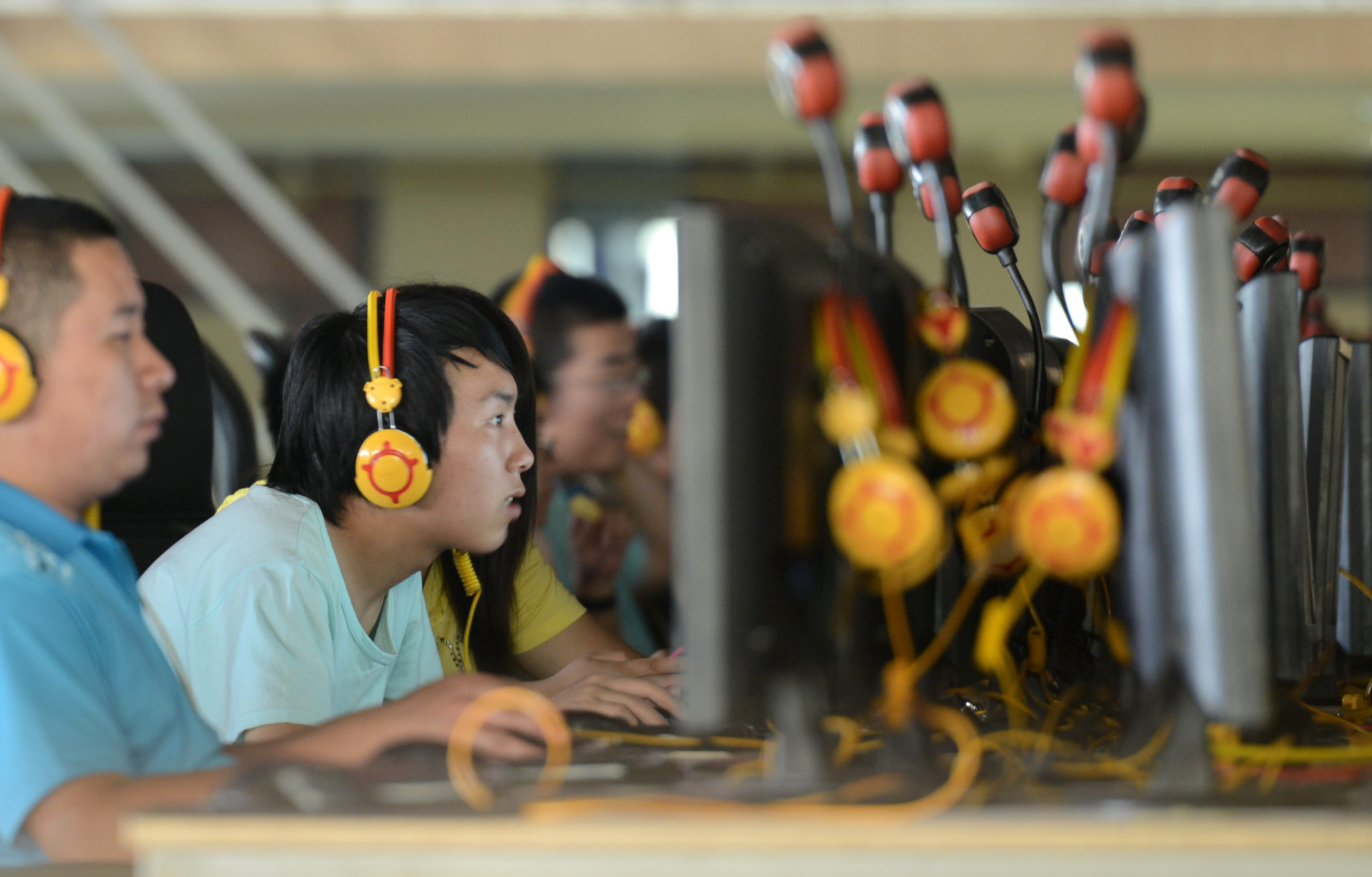
    If you love playing mobile video games, China is not the place to be. At the end of last month, the country issued new Draconian rules that severely limit the amount of playing time that kids and those under 18 can spend each week playing video games. The new rules announced by China’s National Press and Publication Administration limit video gameplay by those under 18 to one hour per day between 8 p.m. and 9 p.m. on weekends and legal holidays.

    This is a huge reduction from the previous rules that were out in place back in 2019 which allowed those under 18 to play video games for an hour on most days. Niko Partners senior analyst Daniel Ahmad said, “There are over 110 million minors that play video games in China today, and we expect the new limits to lead to a decline in the number of players and a reduction in the amount of time and money spent in-game by those under 18.”

    A publication related to the state ran an article with a headline referring to video games as “opium.” This comment was later removed and the article revised. Niko’s Ahmad says that there are 720 million gamers in China with 110 million under the age of 18. “Gaming addiction has affected studies and normal life…and many parents have become miserable,” the National Press and Publication Administration said in a statement.

    China has stopped handing out licenses to video games so that they can be listed online. This includes games available on the App Store. Regulators made the decision to stop issuing the necessary licenses. Sources who were briefed on the meeting said, “everything is on hold.” One source said that regulators halted licensing video games because they felt that approval of new games had been “a bit too aggressive” during the first half of this year.

    While the move is believed to be temporary, one source says that the plan is to keep the new rules in place “for a while.” China is hoping to reduce video game addiction in the country and the state believes that cutting the number of available new games will help it achieve its goal. Another source stated that there were discussions related to delaying the issuance of licenses for video games so that China could undergo “a smooth and successful deployment” of its plans to reduce video game addiction.

    From March 2018 to December 2018, China refused to issue any video gaming license. And again, last month, the country refrained from awarding a license to any video game. While the previous ban on video games lasted 9 months, there has been no time frame announced for the current ban.

    China requires video game developers to have a license issued by the Chinese government. While Android-based app stores like the Google Play Store started checking for the license in 2016, the App Store didn’t require that developers had the license until last year.

    When the country stopped issuing video games licenses for most of 2018, there was some financial impact on App Store earnings according to Apple CEO Tim Cook and CFO Luca Maestri. The executives commented again when China had resumed licensing games and said at the time that the company was having fewer issues with App Store revenue. While Apple and Google will see a decline in revenue for their iOS and Android storefronts respectively, Chinese video game companies like Tencent and NetEase will also be affected financially by China’s crackdown on video game addiction.

    Chinese state-run media have not yet disseminated the news about the country’s latest efforts to keep teens away from what the Chinese see as a highly addictive pastime.

  • Apple set to open newest China store in Changsha

    Apple set to open newest China store in Changsha

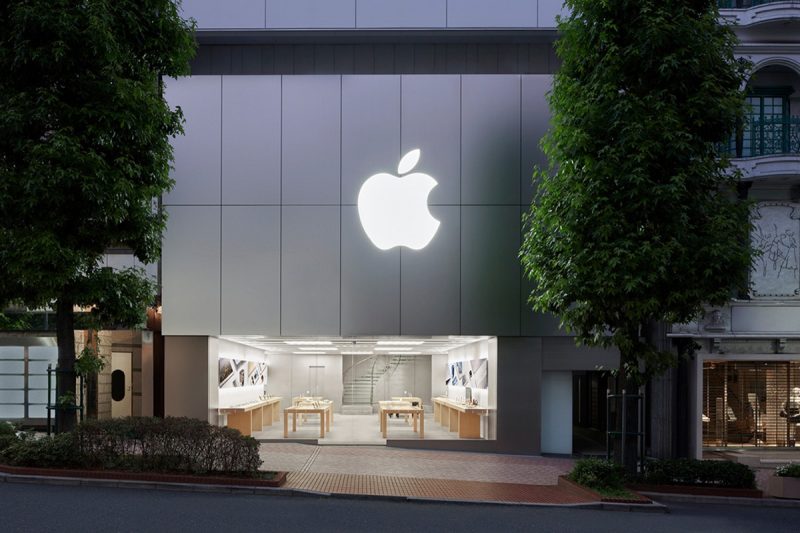
    Apple today previewed Apple Changsha, the first Apple Store in Hunan province. Situated in the heart of the provincial capital city, Apple Changsha’s location provides easy access for customers across central China.

    “We are thrilled to be opening in Changsha, a community filled with creativity and profound cultural heritage,” said Deirdre O’Brien, Apple’s senior vice president of Retail + People. “So many of our team members already call Hunan province home, and they are ready to welcome and support their neighborhood at Apple Changsha.”

    The new store is located in the popular Changsha IFS shopping mall and faces the bustling Huangxing Road, one of the top urban attractions in the city. Visitors entering the store from outside will encounter the uniquely designed double-height façade, which features a completely new gradient frit and mirrored coating treatment that blurs the transition from top to bottom and shifts in appearance during different times of day or seasons. The all-new glass façade was sustainably manufactured in Tianjin, China, and is the first Apple Store in the world to utilize this façade technique.

    From the interior mall entrance, customers will immediately come across the Forum and the freestanding video wall, home to Today at Apple sessions. Led by Apple Creative Pros, free daily sessions provide creative inspiration, teach practical skills, and help customers learn how to go further with their Apple products. To celebrate the grand opening, Creative Pros will host the exclusively tailored Today at Apple session “Art Walk: Discover the Colors of Changsha” beginning September 5, giving customers an opportunity to explore the city and capture its vibrant colors on iPad Pro. Visitors are able to register for the session today at apple.com.cn/today/event/art-walk-discover-the-colors-of-changsha.

    Surrounding the Forum are display tables and avenues, where customers can explore curated Apple products and accessories or receive personal technical support from Geniuses. Throughout the store, customers can get shopping help from Apple Specialists and learn more about monthly financing options, Apple’s trade-in program, or try the newly launched Apple Pickup service.

    The new store includes nearly 100 highly trained retail team members, who collectively speak many languages including Chinese, English, Japanese, Korean, and French.

    Apple Changsha opens Saturday, September 4, at 10 a.m. CST in China. The store will open with the same health measures for both retail team members and visitors as seen in all Apple Store locations across China, including a mask requirement, temperature checks, and social distancing.

  • South Korea set to ban Google, Apple in-app payment dominance

    South Korea set to ban Google, Apple in-app payment dominance

    South Korea is likely to bar Google and Apple from requiring software developers to use their payment systems, effectively stopping them from charging commissions on in-app purchases, the first such curbs on the tech companies by a major economy.

    An amendment of the Telecommunications Business Act, dubbed the “Anti-Google law,” that takes aim at app store operators with dominant market positions, is being considered by lawmakers in South Korea, who have pushed the issue of the commission structure since mid-2020.

    In a statement, Apple said the bill “will put users who purchase digital goods from other sources at risk of fraud, undermine their privacy protections, make it difficult to manage their purchases.”

    The iPhone maker said it believes “user trust in App Store purchases will decrease as a result of this proposal — leading to fewer opportunities for the over 482,000 registered developers in Korea who have earned more than KRW8.55 trillion to date with Apple.”

    Adam Hodge, the spokesman for the U.S. Trade Representative’s office, said U.S. officials were still considering how to balance the views of the U.S. tech companies with the Biden administration’s push to increase competition in the industry.

    “We are engaging a range of stakeholders to gather facts as legislation is considered in Korea, recognizing the need to distinguish between discrimination against American companies and promoting competition,” Hodge said.

    Both Apple and Google have faced global criticism because they require software developers using their app stores to use proprietary in-app payment systems that charge commissions of up to 30% on in-app purchases.

    “For gaming apps, Google has been forcing app developers to use its own payment system … and it wants to expand its policy to other apps like music or webtoon,” said Kwon Se-hwa, a general manager at the Korea Internet Corporations Association, a nonprofit group representing Korean IT firms.

    “If the new bill becomes the law, developers will have options to use other independent payment systems,” Kwon said.

    Naomi Wilson, vice president of policy for Asia at the Information Technology Industry Council, a trade group that includes Apple and Google, said the legislation would violate South Korea’s multilateral and bilateral trade commitments.

    “If enacted, the bill would present challenges both for app developers and app stores seeking to do business in the Korean market,” she said, urging Korean legislators to re-examine the obligations for app markets and ensure they do not disproportionately affect U.S. companies.

    The European Union last year proposed the Digital Markets Act, taking aim at app store commissions. The rules are designed to affect large companies, but some European lawmakers are in favor of tightening them to specifically target American technology giants.

    Earlier this month in the United States, a bipartisan trio of senators introduced a bill that would rein in app stores of companies that they said exert too much market control, including Apple and Google.

    In South Korea, the home market of Android phone maker Samsung Electronics, Google Play Store earned revenue of nearly 6 trillion won ($5.15 billion) in 2019, according to a government report published last year.

    Earlier this year, Google said it would lower the service fee it charges developers on its app store from 30% to 15% on the first $1 million they earn in revenue in a year. Apple has made similar moves.

    For Apple too, commissions from in-app purchases are a key part of its $53.8 billion services business and are a major expense for some app developers.

    In May, an antitrust lawsuit filed by the maker of the popular game Fortnite against Apple revealed that the game maker paid $100 million in commissions to Apple over two years.

  • Hulu Originals adds HDR support for Apple TV 4K, Roku and other devices

    Hulu Originals adds HDR support for Apple TV 4K, Roku and other devices

    When it comes to adopting new technologies, Hulu is clearly behind the curve. For example, HDR support is one of the many features that users have been requested for a long time. While we’re happy to report that Hulu has finally implemented the feature, HDR is only available for some of its Originals on select devices.

    Spotted by an AVS Forum user, the new addition to the service specifically works for select Hulu Originals such as Nine Perfect Strangers, The Handmaid’s Tale, Little Fires Everywhere, Castle Rock, Four Weddings and a Funeral, The Runaways, and several others.

    Hulu also revealed that HDR support is only available to viewers with select devices, including Roku, Fire TV, Fire TV Stick, Fire TV Cube, Apple TV 4K, Vizio, and Chromecast Ultra. The new feature requires the latest version of Hulu’s app.

    HDR streaming should provide viewers with a higher contrast range for much finer picture details. If you want to make sure that the content you’re watching is streamed in HDR, you should look for a special badge that typically appears on the details page of the TV show or movie.

  • Apple could release surprise update before dropping iOS 15 next month

    Apple could release surprise update before dropping iOS 15 next month

    Developer Brendan Shanks posted a tweet recently in which he noted that according to a beta of Apple’s Xcode software development platform, the tech giant is planning to release iOS 14.8 which is something of a surprise considering that iOS 15 is currently being beta tested with the final version expected to drop as soon as next month. The update could be needed to set up the iPhone to work with a new feature that Apple has already announced.

    As Apple says, “iOS now offers a choice between two software update versions in the Settings app. You can update to the latest version of iOS 15 as soon as it’s released for the latest features and most complete set of security updates. Or continue on iOS 14 and still get important security updates until you’re ready to upgrade to the next major version.” The update to iOS 14.8 could contain the software necessary to make this possible.

    Other possibilities include adding the software needed for the child sexual abuse material (CSAM) detection system that Apple recently announced. While most people would be in favor of ending the spread of material that would be considered sexual child abuse, some would consider this the beginning of a slippery slope. The fear is that Apple will exploit the system to scan pictures taken by users that have nothing to do with child abuse.

    A website containing an Open Letter to Apple shares concerns about photo scanning by stating that “Apple’s proposal introduces a backdoor that threatens to undermine fundamental privacy protections for all users of Apple products.” The letter goes on to say that Apple’s measures could turn every iPhone into a device that is always scanning images thus turning the handset into a “a radical new tool for invasive surveillance, with little oversight to prevent eventual abuse and unreasonable expansion of the scope of surveillance.”

    Apple released iOS 14 on September 16th, 2020 which gives us a possible release date for iOS 15 sometime over the next five weeks.

  • Spotify no longer plans to add AirPlay 2 support

    Spotify no longer plans to add AirPlay 2 support

    Spotify backtracked on its initial statement and now claims it will eventually add AirPlay 2 support for its iOS app. Spotify says that it’s already working on AirPlay 2, but does not offer any ETA: “A post on one of Spotify’s Community pages contained incomplete information regarding our plans for AirPlay2. Spotify will support AirPlay2 and we’re working to make that a reality.”

    In an unfortunate turn of events, Spotify has decided against adding AirPlay 2 support to its music streaming service. The reason behind the decision is purely technical and has nothing to do with any possible rivalries between Apple Music and Spotify.

    A Spotify rep says that while the company has discussed the idea of adding AirPlay 2, it decided against implementing it because of audio driver compatibility issues.

    We’ve discussed this idea internally and while we are working on supporting AirPlay 2 in a proper way, we have decided to close it for now. The reason for this is that due to audio driver compatibility issues, this seems like a bigger project that we won’t be able to complete in the foreseeable future.

    Although the wording might suggest that adding AirPlay 2 support is possible with a bigger budget, it looks like that won’t happen any time soon. We can’t help but wonder if Spotify completely shelved the project or it will come back to it at a later time.

    AirPlay allows streaming between devices of audio, video, device screens, and photos. It was originally launched as AirTunes and only used for audio. AirPlay 2 made its debut three years ago and added more improvements like multi-room audio, Siri support, and better buffering.

  • Apple working on exclusive Apple services promotions for Apple Card users in the US

    Apple working on exclusive Apple services promotions for Apple Card users in the US

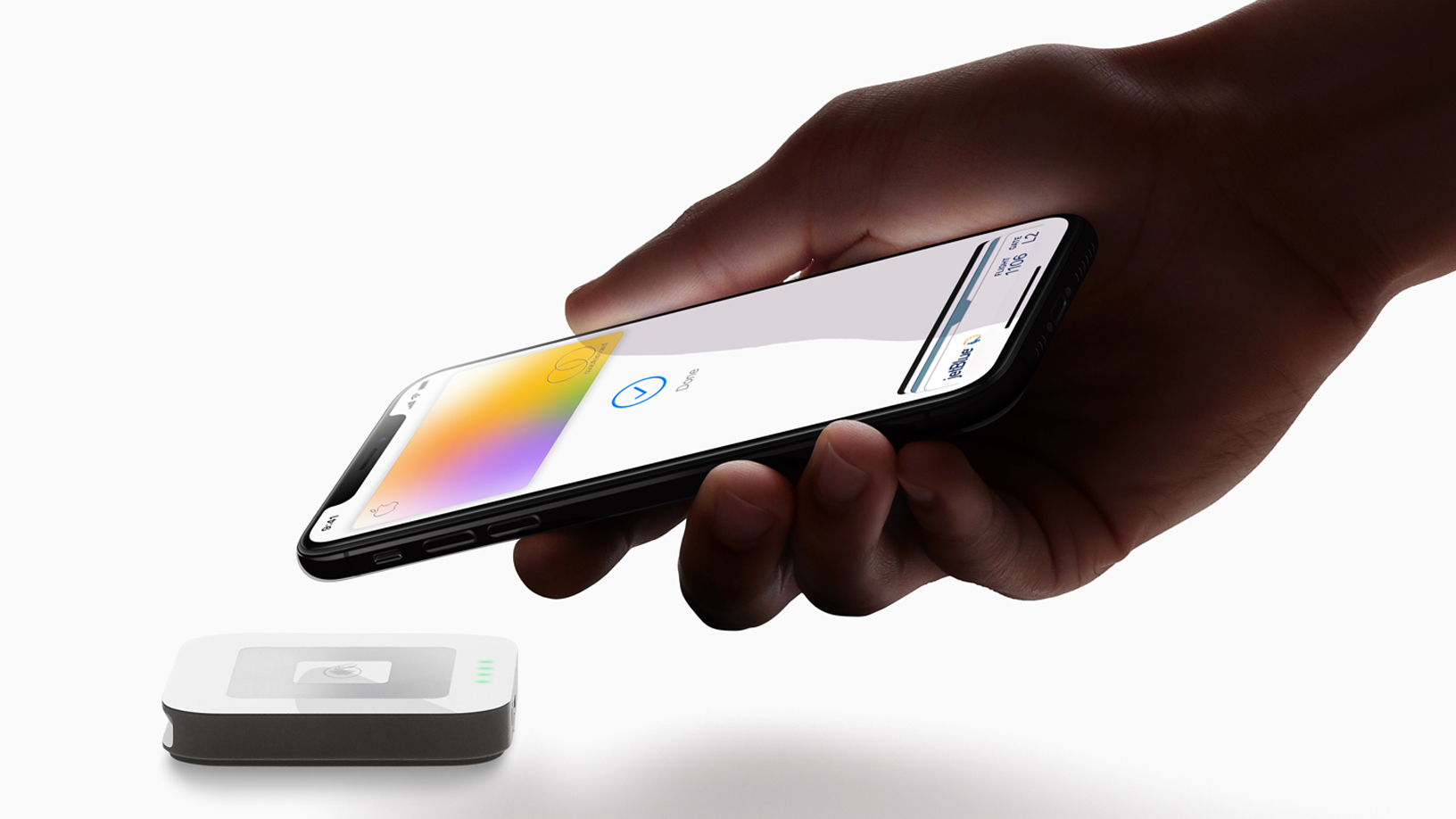
    Apple has now set up a new way of promoting its services to Apple Card owners in the US. The company has now started giving users promotions of services in the Wallet app, in a special section of the app with special offers.

    The new feature was spotted by Mark Gurman on iOS 15 and the Wallet app. Currently, the promotion available was regarding a News+ offer; however, the link does not lead anywhere so it is possible it is still in development.

    It seems the new feature is not only available to iOS 15 but it is also shown to Apple Card users in the US with iOS 14.

    Until now, Apple Card users could benefit from exclusive benefits, but usually, these were related to other stores or services. Now, Cupertino is more aggressively promoting Apple News+ or possibly other Apple subscriptions in the future.

    Apple News+ is a subscription for the News app, that allows you to read newspapers and magazine articles ad-free. The price of the subscription is $9.99 a month, giving you access to more than 300 titles, online and offline browsing, and even News+ audio stories for the week’s best articles.

  • Apple releases watchOS 7.6.1 to fix serious security issue

    Apple releases watchOS 7.6.1 to fix serious security issue

    Apple is urging owners of the Apple Watch to install the update to watchOS 7.6.1. Why the urgency? A flaw called the IOMobileFrameBuffer may have been actively exploited, according to a report that Apple is aware of. With the flaw, an application may be able to execute arbitrary code with kernel privileges which means that an attacker could gain unrestricted access to the timepiece.

    With watchOS 7.6.1 disseminated to patch the vulnerability, it would behoove those with a Series 3 or newer Apple Watch to install it ASAP. To do that, open the Watch app on your iPhone, tap on General > Software Update and you should see the prompt for the update. To install the update, your Apple Watch needs to be on its charger and in range of your Wi-Fi connected iPhone.

    Once the timepiece is charged to at least 50%, the installation will begin. Do not restart the watch or remove it from its charger until the update is completed. The patch delivered by watchOS 7.6.1 addresses the memory corruption issue using improved memory handling.

    Earlier this week Apple released iOS and iPadOS 14.7.1 to patch the same serious security issue that the watchOS 7.6.1 update is patching. The update weighs in at 64.6MB.

  • Apple recruits more Vietnamese staff

    Apple recruits more Vietnamese staff

    Apple is recruiting 25 people in Vietnam, mostly for posts pertaining to operations and supply chain.

    Most of the job opportunities had been posted on Apple’s career website this month. On July 23 and 29, the U.S. tech giant posted information for the three posts of new product introduction-operation program manager (NPI OPM).

    Most of the 25 posts are for operations and supply chain workers in Hanoi, and sales and business development staff in Ho Chi Minh City. Some posts are for hardware engineers in charge of camera development working in both cities.

    For managerial posts, Apple requires candidates to have five to 10 years’ experience in hi-tech industries and a good command of English.

    Since early 2020, Apple has recruited some engineers and managers for software, screen quality, operation and product management units in Hanoi and HCMC.

    Apple recruitment started when it shifted production of new products to Vietnam, which currently hosts 21 suppliers of the U.S. giant, up 1.5 times against 2018. These suppliers include Samsung, LG Display, Intel, Biel Crystal, Foxconn, Luxshare, Goertek and Compal.

    Many big assembling partners of Apple have factories in the three northern provinces of Bac Ninh, Bac Giang and Vinh Phuc. Many factories assemble AirPod headphones, Apple watches and Homepod Mini speakers.

    Early this year, Foxconn signed a $270-million project on producing laptops and tables in Bac Giang. According to many sources, Foxconn’s new facility would assemble iPads and MacBooks for Apple.

  • Apple reportedly insists on having car batteries made in the US for the Apple Car

    Apple reportedly insists on having car batteries made in the US for the Apple Car

    There have been some rumors and talks about the Apple Car, from its price to Tim Cook hinting at it. Now, a report from DigiTimes industry insiders states that Apple may be producing batteries for the Apple Car in the US instead of using China-based manufacturers.The report states that Apple wants the batteries for the autonomous car to be manufactured in the States, and partnerships with China’s two largest battery suppliers, CATL and BYD, seem unlikely.

    Instead, Apple may work with Taiwan-based Foxconn or Advanced Lithium Electrochemistry, both companies planning to set up factories in the US, claim DigiTimes sources. Many of you may know that the majority of Apple’s products are assembled in China. Many components for Apple products are sourced from suppliers all around the world.

    Earlier, Tim Cook stated that many things can be done with autonomous vehicles, and he slightly hinted Apple may, indeed, be working on one – “we’ll see what Apple does”. However, Apple is experimenting in a lot of different product areas, and some of these projects never see the light of production, so keep that in mind.

    Nevertheless, the Apple Car is likely years away from being announced or introduced to the public.

  • AirPods Max hit a new all-time low price

    AirPods Max hit a new all-time low price

    The AirPods Max are Apple’s most expensive headphones, but if you’re a fan of the brand, you’re probably going to get them anyway. Luckily, Amazon is making the experience of purchasing a pair of AirPods Max headphones more gentle for your wallet by offering a nearly 15% discount.

    The only catch is that you’ll have to specifically choose the Space Gray model to save a bit more than $70. The other four color options – Green, Pink, Silver, and Sky Blue are on sale as well, but the discount is slightly smaller.

    A $70+ discount on a pair of headphones that costs $550 might not seem too much, but this is the best AirPods Max deal we’ve been able to track to date. Not to mention that Apple’s products rarely get massive discounts, especially so close after launch.

    In any case, if you’ve been eyeing Apple’s expensive AirPods Max, now would be a good time to make your purchase. Just keep in mind that prices at Amazon change all the time, so you might not get the highest discount we’ve spotted at the time of writing.

  • Apple might add a way to measure temperature with your iPhone

    Apple might add a way to measure temperature with your iPhone

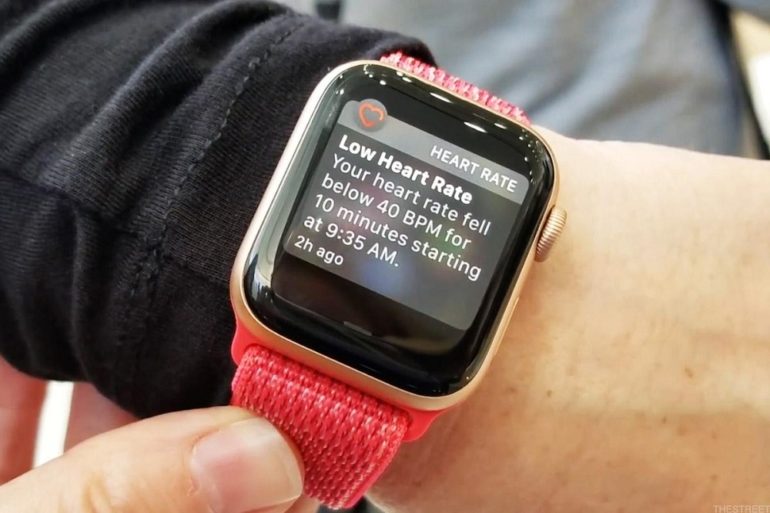
    We all know how serious Apple is about the impact its devices have on our health. They’ve been consistently providing more ways for us to track our heart rate, sleep, stress, and other vital stats. Most of the technology enabling this, like the blood oxygen sensor, Apple offers only on the Apple Watch.

    Yes, you do get a very detailed health tracker on iPhone, but that’s all software. Now, we might be getting hints at possible future hardware that could improve the phone’s health tracking capabilities even more.

    A patent application titled “Camera attachment and image data processing for temperature measurement” has been revealed. It shows that the American tech giant has been investing in camera technology that would be capable of analyzing an iPhone image to determine the temperature of a subject.

    The application states that “given the ubiquitous nature of smartphones, the attachment can be used to convert a smartphone into a temperature measurement device to provide readily accessible temperature measurements. In some embodiments, the attachment is a passive one (without electronics or need for a power supply) and may thereby reduce manufacturing costs and increase availability.”

    It looks like this innovative technology won’t be an integrated part of the iPhone itself but an attachment that can be added only when it is needed. “For example, in some embodiments, a camera attachment is provided that includes a frame configured to couple with a camera,” the patent mentions.

    The frame is explained to be the part that will be carrying all the tech required to determine said temperature. The text goes on to say that “the camera attachment includes a temperature reactive material (TRM) that is coupled with the frame. The frame is configured to position the TRM within the field of view of the camera such that images captured by the camera include at least a portion of the TRM.”

    The Apple Watch has been used by medical professionals and has aided them in their work and their ability to track their patient’s health. Similarly, this temperature measuring attachment that the company is looking into sounds like something that could make that whole process even easier.

    Let’s not also pretend we don’t notice the connection with the COVID-19 pandemic and the distance rules it’s imposed on society. Many places, from stores to country borders, use devices that can measure temperature from a distance, and Apple’s patent application highly resembles them.

  • M1 battery life was so good, Apple marketing thought it was a bug

    M1 battery life was so good, Apple marketing thought it was a bug

    The Apple M1 chip is probably one of the hottest new things to come out in the world of mobile tech in the last year. We are used to being excited about stellar cameras or pristine screens, but when Apple announced that the M1 is coming to the latest iteration of the iPad Pro, we were pumped.

    What’s the big deal with Apple M1? Well, there are two things that are really exciting. For one, it’s powerful — in fact, it’s so powerful that it was first introduced in the MacBook Air, MacBook Pro, and Mac mini, then added to the new iMac and then installed in the iPad Pro (2021).

    But what it’s really valued for is its low power consumption. The M1 MacBook Air became an instant hit and users love it for the massive boost it provides in battery life over the Intel chip models. The new iPad Pros are also really, really tough to kill, regularly giving us 10 hours of heavy (multitask) usage.

    Battery life is an extremely important quality for devices meant to be worked on the go, so with the M1 having such an amazing performance per watt ratio, it quickly became a hit.

    The guys over at Tom’s Guide recently posted their breakthrough and device awards for 2021 and M1 is at the very top. The team spoke with Mr. Bob Borchers — VP of worldwide product marketing for Apple — and Mr. Borchers recollected a fun story from when the team first got their hands on a prototype M1 system.

    “When we played with it for a few hours and the battery didn’t move, we thought “Oh man, that’s a bug, the battery indicator is broken” — he said. However, Tim Cook was in the room with him and found the reaction pretty funny. “Nope, that’s the way it’s supposed to be”, Mr. Cook replied.

    The Apple M1 is the logical evolution of Apple’s work with processors. The company has been making its own Apple A chips since the acclaimed iPhone 4 — powered by the good old Apple A4. The chips are the main driving force behind the iPhones — often climbing to the top of benchmark scores for that year. Since the chips are so powerful, the iPhones have a lot of headroom to work with, which is why they can usually receive major iOS updates for years on end and still work without a hitch (but you will very probably need a battery refresh a couple of years in).

    After seeing the success of the Apple A silicon, Cupertino got to work on the M1 with a very clear goal in mind — it needs to be noticeably better than what Intel has to offer. After all, why spend all the time on R&D and making your own silicon if it will make little difference in the end?

    Well, the M1 arrived with a splash. The tech community is currently excited over rumors about a possible Apple M1X chip, which would allegedly power the next 16″ MacBook Pro, and we’ve been hearing whispers about an Apple M2 in 2022. Will they deliver a massive performance boost compared to the M1? I would wager not, but who knows — we might be pleasantly surprised yet again.

  • EU may force Apple to allow app side-loading

    EU may force Apple to allow app side-loading

    Apple has been in some hot water around the world for a while now, regarding its monopolistic practices in the App Store (not to even mention the whole right-to-repair movement).

    The inability for mobile developers to offer iOS apps anywhere outside the official App Store has been a long-standing issue and the cause for many a lawsuit so far. Now, Reuters reports Apple has received a special warning by Margrethe Vestager, who is both Tech Chief and Executive Vice President of the European Commission.

    Vestager has accused Apple of “using privacy and security concerns to fend off the competition on its App Store,” which is the driving reason the company cites for forcing all developers to publish through the App Store, where Apple can approve or reject them, and levy the 30% commission fee from one and all (Apple has since loosened up a bit in that regard, to its credit).

    Apart from the official warning to Apple last Friday, since 2020, Vestager has also been working on implementing a new Digital Markets Act (DMA), which is a set of rules meant to force Apple into allowing the side-loading of apps from outside Apple’s native App Store onto iOS devices, be that from external app stores or downloaded straight from the web.

    While Tim Cook rejected the idea at a public speech in June, saying that this would destroy the privacy and security of the iPhone ecosystem, Vestager agreed about the importance of security but claimed that the argument is not necessarily always relevant.

    The important thing here is, of course, that it’s not a shield against competition because I think customers will give up neither security nor privacy if they use another app store or if they sideload… I think privacy and security is of paramount importance to everyone.

    Vestager’s proposal is open to change, and would have to go through multiple EU countries and lawmakers in order to be finalized and leave Apple legally bound to allow apps outside the App Store within countries in the European Union.

  • Apple blocks TikTok’s attempt to track iPhone users

    Apple blocks TikTok’s attempt to track iPhone users

    Ever wonder how you could look up a product online and all of a suddenly targeted ads for that product pop up on your phone and other connected devices? This, not witchcraft, readers. Third-party apps and websites track your travels across the internet and also know which apps you’ve been viewing. When Apple released iOS 14.5 in May, it gave iOS users the opportunity to opt-out of getting tracked with the App Tracking Transparency (ATT) feature.
    This feature gives iPhone users the ability to decide for themselves whether they want to be tracked by third-party apps and websites for the purpose of receiving online ads. More importantly, the ATT feature allows users to opt-out of being tracked which is the option that the vast majority of iOS users have selected. Facebook CEO Mark Zuckerberg was not pleased that Apple was giving users a way out of being tracked, but that isn’t surprising since the social media giant took in over $84 billion in ad revenue last year and 96% of iOS users had decided to opt-out of tracking in the early going.
    Another company decimated by ATT is TikTok and the popular short-form video app attempted a workaround to get around App Tracking Transparency called device fingerprinting. The latter can collect user data through the use of an algorithm and the entire workaround is called CAID for short.
    The Financial Times said that Apple was left with certain options: it could decide to look the other way and allow CAID to be used by app developers to obtain personal data, or it could block apps like TikTok from the App Store as long as the workaround continued to be employed. The latter is what Apple decided to do as it rejected TikTok updates that contained the CAID build.
    Alex Bauer, head of product marketing at adtech group Branch, told the Times that “The Chinese app ecosystem was collectively baiting the bull with CAID, under the theory that Apple couldn’t afford to ban every major app in the market. Apple called their bluff, and seems to have reasserted control over the situation by aggressively rapping knuckles on early adopters before the consortium gained any real momentum.”
    While TikTok tried to use a back door to get past Apple’s ATT, the tech giant was able to slam that door shut. The company remains serious about promoting privacy on the iPhone and its other devices.