Tag: apple

  • Apple will not force you to update to iOS 15 if you’re happy running iOS 14

    Apple will not force you to update to iOS 15 if you’re happy running iOS 14

    With the 2021 edition of WWDC (Worldwide Developers Conference) finally underway earlier today, all the media attention is naturally directed at the next versions of Apple’s many popular operating systems, set to be released in their stable form at some point in the fall.

    But in an unusual move, the Cupertino-based tech giant is keeping iOS 14 in the limelight after unveiling and fully detailing its sequel by… essentially taking a page out of Google’s book.

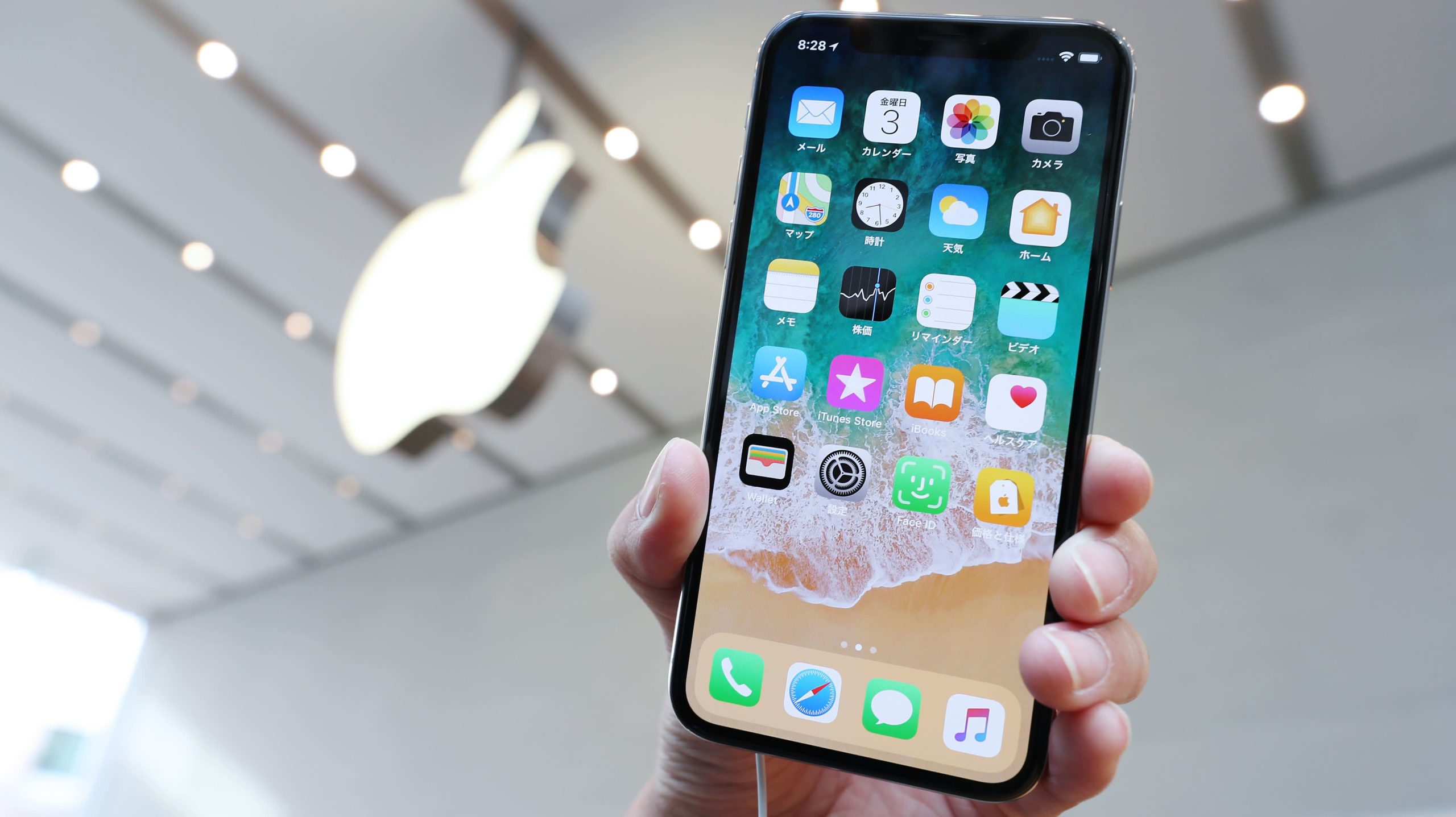
    Apple plans to make the iOS 15 update optional for every single owner of all current and previous-gen iPhones eligible to make the software leap starting in September. Obviously, no one was ever forced at gunpoint to install iOS 14 or any older OS builds as soon as they were made generally available.

    But until this year, if you wanted to keep your handset’s security up-to-date, you had to first embrace whatever major iOS version was latest. In other words, you could refuse to jump on the iOS 14 bandwagon, for instance, until you felt comfortable leaving iOS 13 behind, but from a security standpoint, it was pretty dangerous to hold off for too long.

    That will no longer be the case when iOS 15 rolls out to the masses, as said masses will be offered a real choice between “the latest features and most complete set of security updates” on one hand and slightly older features nonetheless combined with “important security updates” on the other.

    While that may feel like a no-brainer for many users, others will undoubtedly relish the opportunity to wait and see just how stable and smooth iOS 15 proves at launch before committing to an update. You can also hang onto your beloved iOS 14 if you fear your ancient iPhone 6s, 6s Plus, first-gen SE, or iPhone 7 will have trouble making the most of Apple’s “latest features.”

    Separately delivering major OS promotions and “important” security patches for the exact same devices, of course, is what Google and its mobile hardware-making partners have been doing since, well, forever. In the short run, Apple’s very uncharacteristic move is bound to impact the adoption rate of iOS 15, but after a while, we don’t expect many people to stick with the older version.

    Besides, something tells us the company is fully aware that this could lead to a mini-fragmentation problem of sorts, which probably means you will eventually need to get iOS 15 to continue receiving security updates.
  • Apple updates AirTags to fix major privacy issues

    Apple updates AirTags to fix major privacy issues

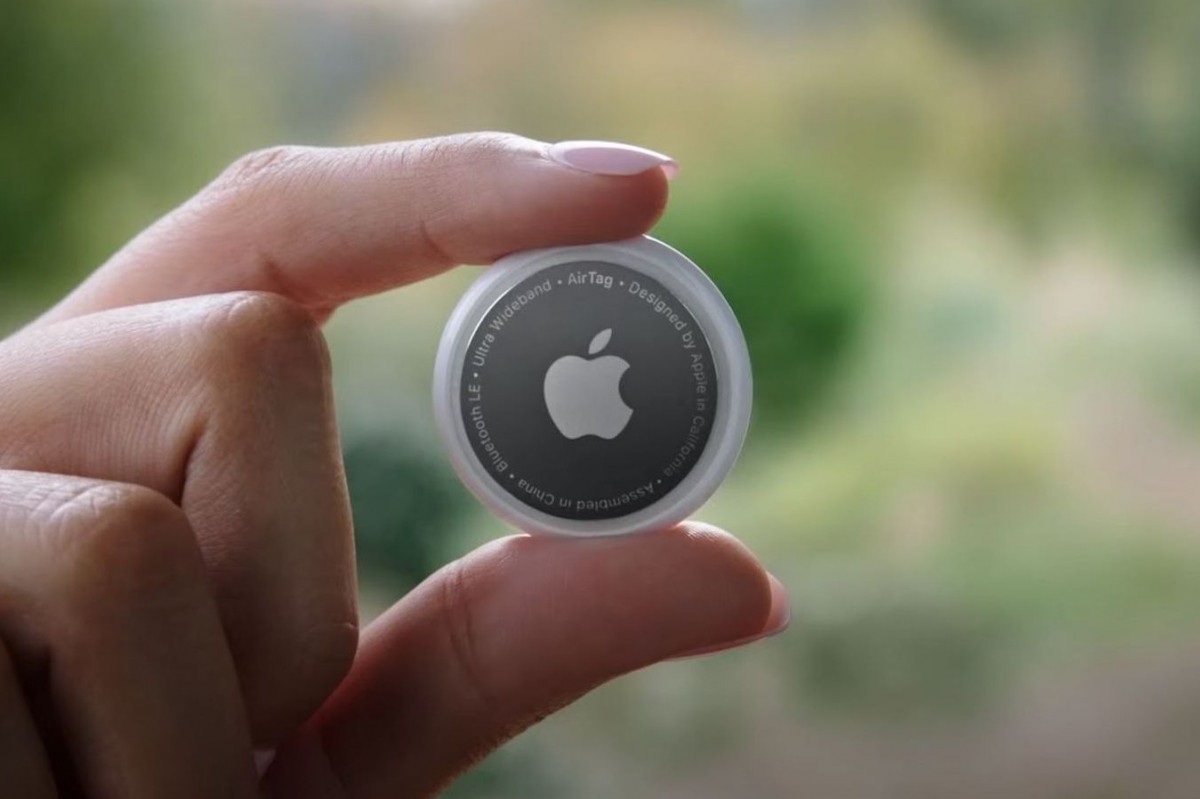
    Apple announced earlier today that an important update is rolling out to its new AirTags, which is meant to address privacy concerns raised by many users soon after the gadget’s market launch.

    It’s enough to slip an AirTag into someone’s backpack and you’ll be able to track the person for as long as it carries it. The privacy issue doesn’t affect iPhone users, since they will be notified if a stranger’s AirTag is moving with them for a certain period of time (usually several hours).

    Until now, Android users would only be notified after three days if they would be stalked/tracked by someone with the help of an AirTag. Thankfully, Apple announced that it’s now rolling out an update that addresses this privacy issue.

    Following up on our commitment to continue to improve AirTag’s privacy and security, starting today we will be updating the time period after which an AirTag that is separated from its owner will play a sound when moved. This time period is changing from three days to a random time between 8 and 24 hours.

    Obviously, Apple is referring to Android users who will now be notified if any AirTags are moving with them for up to 24 hours. In addition to the new update, Apple confirmed that an Android app that will be able to detect AirTags will be released soon.

  • App Store billings and sales hit a whopping $643 billion last year

    App Store billings and sales hit a whopping $643 billion last year

    Based on an independent study of the App Store, the iOS app storefront generated $643 billion in sales and billings last year (which includes Apple’s cut of in-app purchases and ad sales), up 24% from the $519 billion that the App Store brought in during 2019. The study, titled “A Global Perspective on the Apple App Store Ecosystem,” reveals that not only did iOS app developers expand their business in 2020, they also expanded their customer base.

    It also turns out that since 2015, the number of small developers on the App Store has grown by 40%. The definition of a small developer is one with fewer than 1 million downloads and less than $1 million in earnings and 90% of App Store developers fit this definition. And of those small developers, 25% of them have managed to increase their earnings by 25% a year over the last five years.

    The report also shows that close to 80% of small developers have apps in App Stores across different countries. On average, App Store developers get paid from customers located in more than 40 countries. Overall, the App Store is available in more than 175 countries and regions, supports more than 40 different languages, 45 different currencies, and over 200 different payment methods.

    Apple CEO Tim Cook says, “Developers on the App Store proves every day that there is no more innovative, resilient or dynamic marketplace on earth than the app economy.” Cook adds that “The apps we’ve relied on through the pandemic have been life-changing in so many ways — from groceries delivered to our homes, to teaching tools for parents and educators, to an imaginative and ever-expanding universe of games and entertainment. The result isn’t just incredible apps for users: it’s jobs, it’s an opportunity, and it’s untold innovation that will power global economies for many years to come.”

    We should point out that the App Store has also generated conflict between Apple and developers because of the company’s in-app payment system under which Apple snags as much as a 30% cut of in-app transactions. And any developer that offers its own platform to compete with Apple and get around the 30% Apple Tax will find its app removed from the App Store. This is what happened with Epic Games and its popular Fortnite title.

    Last month Epic and Apple wrapped up a two-week trial and we expect the judge to announce her decision sometime during the third quarter. Apple and the App Store have been called anticompetitive since Apple doesn’t allow iOS and iPadOS users to install apps from any other app storefront outside of the App Store. This is one area where there is a big difference between iOS and Android since Android users are allowed to sideload apps from third-party app stores.

    Apple’s in-payment platform did get a thumbs up from the CEO of Snapchat parent Snap, Evan Spiegel. The executive said that Snap is “happy” to pay Apple’s 30% cut noting that Snapchat would not be around if it weren’t for Apple and the App Store. This is the minority view, but another developer has praised Apple’s app ecosystem.

    Wakeout! is an app that offers 1,500 exercises to keep users active and its founder, Andres Canella, called Apple’s in-app payment system “essential” for a small business. He states that “It’s enabled us to expand globally without having to worry about calculating things like local taxes or currency conversion. And using it is so transparent for our customers — we’re able to reach everywhere, China, France, you name it. We get all the benefits of selling globally without ever having to think about it, which is priceless.”

    Still, for every Snapchat and Wakeout! there is a Fortnite, a Netflix, or a Spotify that publicly attacks the App Store and Apple calling the setup a monopoly and anticompetitive.

  • Apple’s job search hints at a possible involvement with cryptocurrency

    Apple’s job search hints at a possible involvement with cryptocurrency

    Will you eventually be able to pay for a new Apple iPhone with Bitcoin? That is one of the conclusions that you might come to following a peak at the “Jobs at Apple” website where Apple posted a listing for a Business Development Manager for Alternative Payments. The job posting says that the Apple Wallets, Payments, and Commerce (WPC) team is looking for someone to hold up Apple’s end in Alternative Payments Partnerships.

    The new employee will be working at Apple’s headquarters in Cupertino, California and will be given the task of negotiating with potential partners, signing and executing commercial contracts, and developing new programs. The person that Apple is looking for should have five or more years working for an alternative payment provider with expertise in digital wallets, BNPL (buy now, pay later), fast payments, and cryptocurrency.

    Apple CEO Tim Cook has talked about a future in which all payments are made digitally, and the iPhone, iPod touch and the Apple Watch have a digital Wallet app that comes with the devices. Apple says that with the app “you can keep your credit, debit, and prepaid cards, store cards, boarding passes, movie tickets, coupons, rewards cards, student ID cards, and more in one place.” And through the Messages app, Apple device owners can make peer-to-peer payments.

    Some analysts have suggested that Apple invest some of its cash in cryptocurrency following in the footsteps of Tesla. A couple of years ago, an Apple Pay executive said that the company saw “long-term potential” in cryptocurrency technology, but has no plans to use it at the moment. Back in February, RBC Capital Markets Analyst Mitch Steves suggested that Apple create a crypto-exchange and invest in alternative currencies.

    Steves’ analysis said that if Apple were to get heavily involved in cryptocurrency, it will help the U.S. become the technological leader in this market for as long as 10-20 years. The analyst also forecast that if Apple were to develop a wallet-based crypto exchange, it could generate as much as $40 billion in revenue for Apple.

  • Tidal launches Apple Watch app, adds offline playback

    Tidal launches Apple Watch app, adds offline playback

    Tidal follows in the footsteps of other music streaming services like Deezer and Spotify, which recently announced new offline playback features for the Apple Watch. Beginning today, Tidal subscribers can download the new Apple Watch app and start listening to their favorite tunes.

    Although Tidal was until recently the only music streaming service to offer lossless audio format, that will not be available on the Apple Watch. Tidal announced that subscribers using its Apple Watch app will be limited to 96 Kbps.

    It’s important to mention that the new Tidal app is only compatible with Apple Watch Series 3 or later running WatchOS 7.1 and up. To start listening to music on your Apple Watch, simply download the Tidal app on the smartwatch, head to link.tidal.com, and use the code shown on your watch screen.

    Keep in mind that you can also download music on your Apple Watch and listen offline from anywhere without internet connectivity. Also, you can control the playback of Tidal directly from your Apple Watch independent of your iPhone.

  • Music lovers are getting a “small” present in iOS 14.6

    Music lovers are getting a “small” present in iOS 14.6

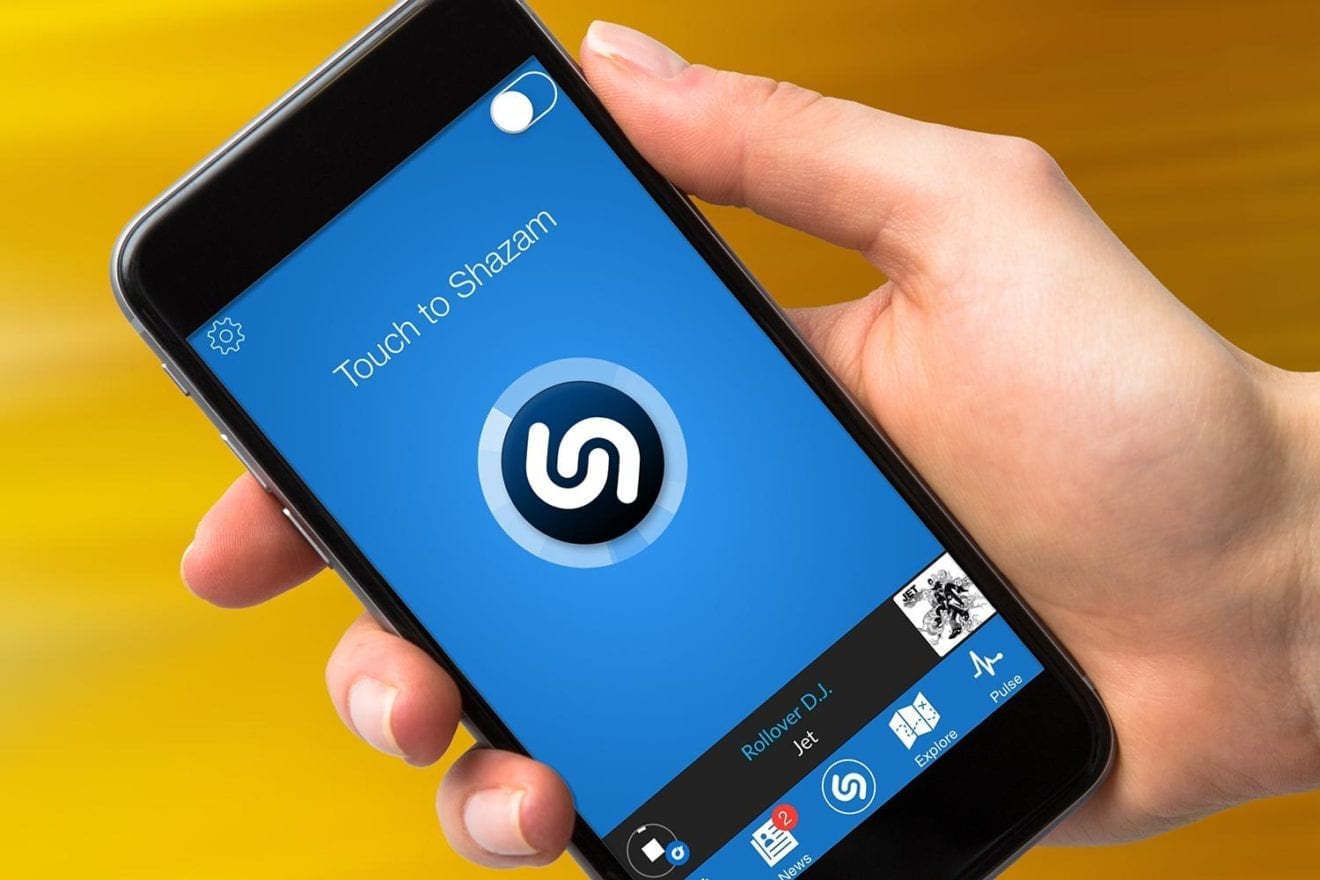
    Has this ever happened to you? You hear a song that you like and want to find out the name of the tune and the artist. So you start navigating your iPhone’s screen looking for Apple’s own Shazam app, but by the time you find it and tap on the icon, the song has come to an end and it is too late. Until you hear that song again, it will probably remain a mystery in your mind.

    Sure, you can try to speed up this process by adding Shazam to the Control Center, something that has been available to iPhone users since the iOS 14.2 update. Go to Settings > Control Center and look for Music Recognition and the Shazam logo.

    An App Clip is a small part of an app that can be downloaded to your device quickly, and it contains the part of the app that you need without having to install the whole thing. With the Shazam App Clip, the next time you just have to know whether that song playing at the mall was an old Guster tune, go to the Control Center and tap on Shazam. After iOS 14.6 is disseminated, you will see a tile-shaped prompt asking if you want to “explore your music.”

    Tap on the prompt and you’ll get all of the information about the mystery song that you want to know including the lyrics, the ability to play it on Apple Music, and a link to download the full Shazam app. The update to iOS 14.6 is due to be released very shortly, so if you’re music curious, you might want to install the Shazam App Clip as soon as you update your iPhone. Don’t forget that you don’t have to wait for an invitation from the App Clip to install the full Shazam app which is available right now in the App Store.

    By the way, when you hear a song you like and don’t know the name or the artist, instead of using Shazam, you can always ask Siri “What is the name of this song?”

  • Chip delays reach crisis territory; Apple, Qualcomm and others are affected

    Chip delays reach crisis territory; Apple, Qualcomm and others are affected

    The worldwide chip shortage is about to hit a benchmark indicative of more serious problems ahead for tech companies. This benchmark measures the lead times for chip orders, or the time it takes between ordering semiconductors and actually receiving the shipment. Bloomberg reports that this measure hit 17 weeks last month according to Susquehanna Financial Group which says that it is a sign that users are getting desperate to obtain the needed components

    Su.squehanna Financial notes that the 17 weeks is the longest period of time it has recorded for this measure since it started tracking it in 2017. Based on that figure, the research firm says that when it comes to purchasing sufficient chips, consumer electronic firms and automobile outfits are in “the danger zone.” Last year at this time, the lead time was 12.53 weeks.

    Susquehanna analyst Chris Rolland disseminated a note to clients yesterday in which he wrote about lead times for analog chips, power management chips, and others. “All major product categories up considerably. These were some of the largest increases since we started tracking the data,” he stated. Apple has said that it could lose up to $4 billion in revenue during the current quarter thanks to shortages of chips and other components, while automakers are on track to report a revenue shortfall of $110 billion this year.

    Rolland wrote that demand for chips might be overstated by actions taken by customers afraid of missing out on supplies. “Elevated lead times often compel ‘bad behavior’ at customers, including inventory accumulation, safety stock building and double ordering. These trends may have spurred a semiconductor industry in the early stages of over-shipment above true customer demand.”

    The analyst said that the 17 week lead time expanded from the previous 16 week lead time and marks the fourth consecutive month that lead time has risen by a “sizeable” amount. Power Management chips lead time weighs in at 23.7 weeks, up about four weeks over the last month. Industrial microcontroller’s order lead times have recently risen by three weeks.

    Susquehanna says that delays are longer for smaller manufacturers; for example, headphone manufacturers have lead times longer than 52 weeks! The expanded lead times has forced firms to redesign, and even drop projects. Rolland says that 70% of the companies he tracks in the chip industry are reporting expanding lead times while 20% have seen lead times drop.

    NXP Semiconductors NV, a company that supplies chips to automakers, has seen lead times rise from 12 weeks late last year to 22 weeks. And STMicroelectronics, another chip supplier for the auto industry, had its lead times rise by 4 weeks in April to 28 weeks.

    Taiwan, the home of the world’s largest independent foundry TSMC, has been dealing with a couple of issues that could impact chip production in the country. The number of COVID-19 cases in the country has been rising and in addition, drought has impacted the country. Water is an important ingredient when it comes to chip making and TSMC has ordered huge deliveries of the ultra-pure water required to run its assembly lines.

    TSMC has plenty of important customers that rely on it to turn chip designs into chips. Among those firms are Apple, Qualcomm and MediaTek. Today, Taiwan’s Centers for Disease Control raised the island’s alert level which spreads COVID-containment measures to the whole country.

    Also today, Taiwan’s Water Resources Agency said that the country needed to use more aggressive water-saving methods thanks to the low amount of rain that has fallen in the country. TSMC responded by saying that it will continue to tighten up its water usage, although it doesn’t believe that it will have to make any changes to its operations even with the countries’ new measures announced today.

  • Apple tries to dismiss $800 million lawsuit over coronavirus app

    Apple tries to dismiss $800 million lawsuit over coronavirus app

    Although Apple continues to enjoy booming business worldwide, it doesn’t seem very fortunate when it comes to the number of lawsuits filed against it this year. We’ve already lost count of all the anti-trust violation lawsuits that have bombarded the company, including its “battle royale” with Epic Games, and others.

    This time, the tech giant is dealing with a pretty serious lawsuit coming from the developers of an app called “Coronavirus Reporter.”

    Earlier this year, Coronavirus Reporter planned to be the first COVID-related app in the App Store, intending to “capture and obtain critical biostatistical and epidemiological data as it happened” by collecting self-identified COVID symptoms from people, and presenting symptomatic regions on a map.

    After the app was rejected once in January, the developers filed an appeal, and requested that Apple allow the kind of content that Coronavirus Reporter would offer into the App Store.

    After the rejection, the plaintiff asked Apple to “expand the rule to allow corporations other than insurance companies, such as biotechnology or bioinformatics firms. Apple agreed, and added health care corporations to the list of permissible entities.”

    After Apple acquiesced, the app applied a second time to be offered in the App Store, even after providing additional documentation—but was promptly dismissed “for no good reason,” its developers claim.

    Following the second rejection, the app’s developers sued Apple again on the grounds that it rejected what could have been an important contribution to society, in order to maintain its monopoly on COVID exposure notifications (which Apple already channels).

    Apple responded that monopoly had nothing to do with it, but that Apple’s policy forbids applications from companies that are not part of approved healthcare organizations.

    The developers countered that their company “includes the ex-NASA cardiologist responsible for creating the ‘gold standard test’ for detecting heart attacks.” They issued a second, amended complaint, where they emphasized anti-trust accusations against Apple.

    In the latest development of the case, Apple has fired back once again, claiming that the developers of Coronavirus Reporter are blindly drawing on irrelevant antitrust cases in an attempt to play the white knight, in a case that is an isolated scenario.

    Apple argued that Coronavirus Reporter’s revised $800 million lawsuit [simply repeated its original allegations, that the developer erroneously added five unnamed apps purporting to be plaintiffs, and copied and pasted claims from at least three other pending antitrust cases against the company in the Northern District of California.

    Apple’s new filing, calling for the case to be dismissed, is constituted by a public 26-page long document—apart from that, Apple has issued no comment on the matter.

  • Apple practically begged Netflix to allow new subscribers to pay using the App Store’s platform

    Apple practically begged Netflix to allow new subscribers to pay using the App Store’s platform

    As game developer Epic continues its legal battle against Apple, some emails, documents and other internal communications have appeared in the courtroom. Among this treasure trove is evidence that demonstrates how Apple tried to convince video streamer Netflix to continue using Apple’s App Store In-App Payment (IAP) system. As many of you know, Apple takes a 15%-30% cut of transactions that are rung up through this platform and doesn’t allow developers to use their own IAP system (which is what Epic did).

    You might recall that in December 2018, Netflix no longer allowed new users to sign up for service via the App Store. An internal Apple email thread has come to light revealing discussions that were taking place as Netflix rolled out an A/B test to determine whether it should stop offering new subscriptions via the App Store.

    An email thread that ran from February through April of 2018 kicked off with a missive from Carson Oliver, the Director of App Store Business Management who said that subscribers paying for a Netflix subscription using Apple’s In-App Payment system were more likely to cancel their subscription than those who signed up using other platforms. Apple blamed this on those who received Netflix gift cards which forced them to pay using the Netflix website.

    Oliver wrote in one email, “Do we want to take any punitive measures in response to the test (for example, pulling all global featuring during the test period). If so, how should those punitive measures be communicated to Netflix?” Both companies tried to get together to talk things over and Apple Services Chief Eddy Cue tried to meet with Netflix CEO Reed Hastings.

    Five months before Netflix dropped support for Apple’s IAP, Apple created a presentation to show to Netflix trying to get the streamer to commit to Apple’s App Store payment platform. Apple also tried to show Netflix why it deserves the cut it takes from in-app payments run through its platform. Apple also pointed out the things that it was doing to help promote Netflix in the App Store such as featuring it more than any other partner.

    Another presentation showed how Apple and Netflix could work together if the latter would agree to use Apple’s IAP. Among the suggestions, Apple said that it would allow Netflix to determine which shows Apple would feature in Netflix promos. Apple also pointed out other things that the two firms could do together including the bundling of Netflix with an Apple service and more.

    The bottom line is that Apple could not convince Netflix to use the App Store IAP. In late 2018, Netflix said, “We no longer support iTunes as a method of payment for new members.”

  • Both Epic and Apple land solid blows as the court battle begins

    Both Epic and Apple land solid blows as the court battle begins

    Today was the first day of the court battle between Apple and game developer Epic. The latter sued Apple after the tech giant tossed its red hot Fortnite game out of the App Store. Apple did this after Epic violated Apple’s rules and gave its customers access to the developer’s own in-app payment platform.

    Seeking Alpha reports that during Epic’s opening statement, the developer explained that Apple has made iOS “a walled garden” which not only blocks competition but also makes it harder for iPhone users to switch to Android. And speaking of anti-competitive behavior, Epic says that Apple’s demand that apps offering in-app purchases use its payment platform violates federal anti-trust laws. Apple collects 30% of in-app purchases and at the same time, it is forcing developers to run in-app payments through its platform.

    Other companies who have complained about the so-called Apple Tax include Netflix and Spotify. The latter brought its argument to the European Union a couple of years ago saying that thanks to the 30% Apple Tax, Apple Music has an advantage over Spotify and other streaming music apps that have to cough up the additional 30% that Apple Music doesn’t have to pay.

    Epic says that requiring third-party apps to sell their wares through the App Store and forcing them to tack on 30% for processing in-app payments is actually a violation of federal antitrust law that prohibits companies from tying a product or service to the sale of another. Epic attorney Katherine Forrest’s highlight phrase of the day: “When they pick up the iPhone, users enter a different world. They are locked into a closed platform where they can only download apps from Apple, and each and every time they purchase in the app, a 30% tax is imposed.”

    Epic also refuted Apple’s claims that the rules Apple created for the App Store help it maintain the quality and security of iOS apps. This is a claim that Apple has made before.

    In its opening arguments, Apple stated that its 30% fee is in line with industry standards and that allowing apps like Fortnite to side-load its own in-app platforms could lead to security issues. Where Apple might have scored points with the judge is when it noted that Epic never informed Apple about its in-app payment system until the day it launched while Microsoft was given advanced notice.

    Apple Attorney Karen Dunn said during Monday’s court session that “A $20 billion company has decided that it doesn’t want to pay for Apple’s innovations anymore. So Epic is here, demanding that this court force Apple to get into its App Store untested and untrusted apps — something that Apple has never done.”

    In giving the court reasons why Epic can’t win the case, Apple claims that the game developer is using the incorrect version in its antitrust claim. Apple states that Epic is unable to show anti-competitive behavior on the part of Apple and the latter says that it can show pro-competitive justifications.

    Apple also mentioned that the appeals court that sided with Qualcomm in its case against the FTC, a case that the FTC decided not to take back to the Supreme Court, ruled that “while anti-competitive behavior is illegal, hypercompetitive behavior is not.” Apple obviously believes its actions are in the latter category.

    Epic’s CEO Tim Sweeney took the stand today and said that Epic isn’t asking for Apple to eliminate the compensation it receives from in-app purchases. But he pointed out that the Apple Tax can result in Apple making more money from an app than the app’s own developers.

    While Apple has been trying to show that there are plenty of other app stores that Fortnite can be listed in, Epic’s top executive said that Fortnite is more than a game. He called Fortnite a “phenomenon that transcends gaming” and a “social and entertainment experience that includes a variety of gaming experiences and non-gaming experiences within it.” This means that such a title needs a top app storefront like Apple’s App Store to help promote it.

    While Apple’s App Store takes as much as a 30% cut of in-app purchases, Epic’s own app store grabs a 12% cut and is “hundreds of millions of dollars short of being profitable.” Sweeney says that Epic’s app store could turn profitable some time over the next two to three years.

  • Apple & Samsung continue to dominate the tablet market

    Apple & Samsung continue to dominate the tablet market

    The Coronavirus affected and continues to affect all kinds of businesses. The tech industry is no exception. There are various component shortages, delayed shipments, and delayed product releases, most notably Huawei’s P50 series of phones that were supposed to arrive almost two months ago (expected to arrive this May/June).

    However, the need to work from home has helped certain businesses do much better than before. Unsurprisingly, that’s the tablet and Chromebook market. Tablets had an exceptional first quarter of 2021 (1Q21) with 55.2% year-over-year growth and a total of 39.9 million units shipped, according to initial data from the International Data Corporation (IDC).

    This is exceptional in and of itself, but it’s even more impressive when put into some context. For example, the last time the tablet market grew to such an extent was in 2013, when it surged by 56.9% year over year. Although Chromebooks are becoming more popular, they’ve only managed to sell about 13 million units in 1Q21, up from 2.8. million the year before. Tablets remain more popular, but the competition is real, and we are here for it since it always results in better products and value for the end-user.

    Unsurprisingly, Apple remains on top of the food chain when it comes to tablet shipments. Its year-over-year growth is 64.3%, and the Cupertino-based company holds 31.7% of the global market share. Samsung has seen a very similar growth – 60.8% year-over-year, and it currently holds exactly 20% of the global market share for tablets.

    However, it’s not Apple or Samsung that saw the most significant growth, compared to last year. Amazon and Lenovo hold the first two spots if we take into account the year-over-year increase in tablet sales. Amazon is first, with 143.0% growth, with Lenovo being close second with a 138.1% surge in shipments.

    As expected, Huawei’s influence in the market has died out due to the fact that its latest devices don’t run Google Services due to the US trade ban. If it weren’t for that, Huawei and Honor would have been one company, and the combined entity likely would have been on the second spot when it comes to market share, second only to Apple.
  • Apple Music plans on challenging Spotify

    Apple Music plans on challenging Spotify

    Last week, Spotify announced that during the first quarter of this year, the number of its paid subscribers rose 21% to 158 million. During that quarter, Spotify HiFi was unveiled which will give subscribers the option to listen to lossless streaming music in select markets later this year. Spotify says that the feature will allow subscribers to “listen to their favorite songs the way artists intended,” and that this is “consistently one of the most requested new features.”

    Apple recently released iOS 14.6 developer beta 1. Code found in the release mentioned things like “Dolby Atmos,” “Dolby Audio,” and “Lossless.” The references do not appear in iOS 14.5 and in iOS 14.6 beta 2 which means that Apple could be trying to make this a secret.

    Besides Spotify, whose high-quality stream will be available later this year, Amazon Music HD offers a higher-quality stream at 320kbps for $14.99 a month ($12.99 for Prime members), $5 more a month than its standard plan. Tidal has a lossless service priced at $19.99 monthly that streams at 1,411 Kbps.

    Apple could introduce the lossless streaming tier for Apple Music during virtual WWDC 2021 which is scheduled to kick off on June 7th. Additionally, some believe that Apple will announce the new Apple Music tier at the same time that it introduces new AirPods which might include the AirPods 3, the AirPods Pro 2 and two other possible models. However, TF International analyst Ming-Chi Kuo said back in March that the third-generation “earable” won’t see the light of day until the third quarter (July-September) of this year.

    Speaking of AirPods, if you can’t wait for the next generation models to launch, check out the best sales and deals on the most popular TWS earbuds in the world.

  • Samsung overtakes Apple in smartphone shipments as Xiaomi closes in

    Samsung overtakes Apple in smartphone shipments as Xiaomi closes in

    Samsung Electronic reclaimed its crown as the world’s biggest smartphone maker from Apple in the first quarter, cornering a fifth of overall global shipments.

    China’s Xiaomi rounded out the top three positions with its best quarterly performance ever as shipments surged 62% to 49 million phones and its market share rose to 14%, market research firm Canalys said.

    Overall, global shipments surged 27% to 347 million units in the first quarter as the Chinese economy opened up after the pandemic and a swift vaccine rollout in the United States raised hopes of an economic recovery.

    South Korea’s Samsung shipped 76.5 million smartphones in the quarter to grab a 22% share of the market, Canalys said. The company on Thursday reported a 66% surge in quarterly profit in its mobiles business, thanks to robust sales of its flagship Galaxy S21 smartphone series.

    Canalys said Apple shipped 52.4 million iPhones in the January-March period, falling to the second spot with a 15% share of the market.

    Apple still grabbed record market share in the United States, China, India and Japan, Counterpoint analyst Varun Mishra said, adding that the iPhone Pro Max was a top seller in the United States.

    Smartphone sales have surged over the past year as people stayed and worked from home. But the shopping frenzy has fuelled a global shortage in semiconductor chips that has roiled industries including autos and large appliances.

    “Supply of critical components, such as chipsets, has quickly become a major concern, and will hinder smartphone shipments in the coming quarters,” Canalys analyst Ben Stanton said.

    Apple said on Wednesday that the chip shortage could cost the company $3 billion to $4 billion in revenue in the April-June quarter, affecting primarily iPads and Macbooks.

    March-quarter smartphone shipments for China’s Oppo and Vivo brands also surged, Canalys said. But Huawei, the former No. 1 that remains shackled by U.S. sanctions, took only seventh place after selling its Honor brand last year.

  • AirTag order arrives two days before the release date

    AirTag order arrives two days before the release date

    Apple opened pre-orders for its new AirTag item tracking system on April 23rd with shipments slated to start this Friday, April 30th. But a lucky customer said that his order for a 4-pack placed with Best Buy on Friday has already arrived. The product was shipped on Monday, April 26th, and arrived on Wednesday April 28th.

    Most likely, those who ordered from Best Buy have a better shot at receiving their order early as Apple would be least likely of the two to ship the product early. In addition, it would seem highly probable that there are more AirTag purchasers who received their order early than just one person. The product can help you find a missing item using the new items tab in the Find My app or by asking Siri to find it.

    If the missing item is close by, you will hear a sound from the AirTag’s speaker that you can follow until you are reunited with the missing item. If the item you’ve “AirTagged” is nearby and you have an iPhone 11, iPhone 11 Pro, an iPhone 11 Pro Max, an iPhone 12, iPhone 12 Mini, iPhone 12 Pro and an iPhone 12 Pro Max, you can use Precision Finding to receive precise directions to the item. That’s because those models contain the U1 Ultra Wideband chip.

    If you’ve left an item far behind, nearby Apple devices in the Find My network will receive a secure Bluetooth signal sent out by the AirTag you’ve attached to your item. These devices send the location of your AirTag to iCloud allowing you to find the location on a map in the Find My app.

    Now if you put your AirTag into Lost Mode, you’ll get a notification if it has been discovered by a device in the network. And you can also set your AirTag to cough up your contact information when it is placed alongside any handset that is NFC capable. Yes folks, that means both iOS and Android handsets, as long as they support NFC, can help you get in touch with someone who finds your missing or lost item.

    Information is encrypted and the AirTag will even alert you if someone is trying to stalk you with their AirTag. A 1-pack is priced at $29, and a 4-pack will cost you $99. The AirTags are water-resistant and have a replaceable battery.

  • Here’s why Apple iPhone users need to install Signal even if they don’t use it

    Here’s why Apple iPhone users need to install Signal even if they don’t use it

    It has recently been revealed that Israeli company Cellebrite had nothing to do with the unlocking of the Apple iPhone 5c belonging to alleged San Bernardino shooter Syed Farook back in 2016. That honor and the $900,000 payday reportedly went to a little-known firm named Azimuth, now a part of L3Harris Technologies. But that hasn’t stopped Cellebrite from continuing to crack open iPhones on behalf of law enforcement.

    However, something has stopped Cellebrite dead in its tracks forcing it to stop using its top-of-the-line machine to open iPhone models. Cellebrite’s Physical Analyzer has been called “the industry standard for digital data examination,” but it can no longer be used to collect data from Apple’s iOS-powered smartphones. That’s because messaging app Signal, as detailed in its blog discovered several vulnerabilities in Cellebrite software which corrupted scans of the iPhone.

    These vulnerabilities, if exploited, would not only call into question the results of a current scan but also past and future scans are done with the same machine. It would be a prosecutor’s nightmare and a dream come true-with extra whipped cream on top for defense attorneys. And all Signal had to do was to place a file into the Cellebrite machine.

    With Signal installing the file for all of its users, this has proven to be an incentive for iPhone users to install the messaging app even if they never use it. In its aforementioned blog, Signal explained the process of kicking Cellebrite where it hurts. This is done “by including a specially formatted but otherwise innocuous file in an app on a device that is then scanned by Cellebrite, it’s possible to execute code that modifies not just the Cellebrite report being created in that scan, but also all previous and future generated Cellebrite reports from all previously scanned devices and all future scanned devices in any arbitrary way (inserting or removing text, email, photos, contacts, files, or any other data), with no detectable timestamp changes or checksum failures. This could even be done at random, and would seriously call the data integrity of Cellebrite’s reports into question.

    The ease with which Signal can do this is apparent from its comment that states “Any app could contain such a file, and until Cellebrite is able to accurately repair all vulnerabilities in its software with extremely high confidence, the only remedy a Cellebrite user has is to not scan devices. Cellebrite could reduce the risk to their users by updating their software to stop scanning apps it considers high risk for these types of data integrity problems, but even that is no guarantee.”

    One interesting discovery by Signal revealed that Cellebrite was using Apple DLL files to help it extract data from iOS devices. As Signal says in its blog, it is “unlikely” that Apple would give Cellebrite permission to use these files. The messaging app says that this use of Apple’s files without permission “might present a legal risk for Cellebrite and its users.”

    Explaining how the DLL files are used, Signal notes, “The Cellebrite iOS Advanced Logical tool loads these Apple DLLs and uses their functionality to extract data from iOS mobile devices. The screenshot below shows that the Apple DLLs are loaded in the UFED iPhone Logical.exe process, which is the process name of the iOS Advanced Logical tool.”

    Signal was able to find the vulnerability by getting its hands on Cellebrite’s software, including the powerful Physical Analyzer. Signal found the vulnerabilities it discusses in its blog.

    Signal said that it would be willing to “responsibly disclose the specific vulnerabilities we know about to Cellebrite.” In return, Signal wants Cellebrite to do reveal all of the vulnerabilities that it uses to physically extract data and provide all of its services now and in the future to its “respective vendors.”