Tag: apple

  • Apple Watch heart rate monitor saves woman from blockage that had 88% chance of killing her

    Apple Watch heart rate monitor saves woman from blockage that had 88% chance of killing her

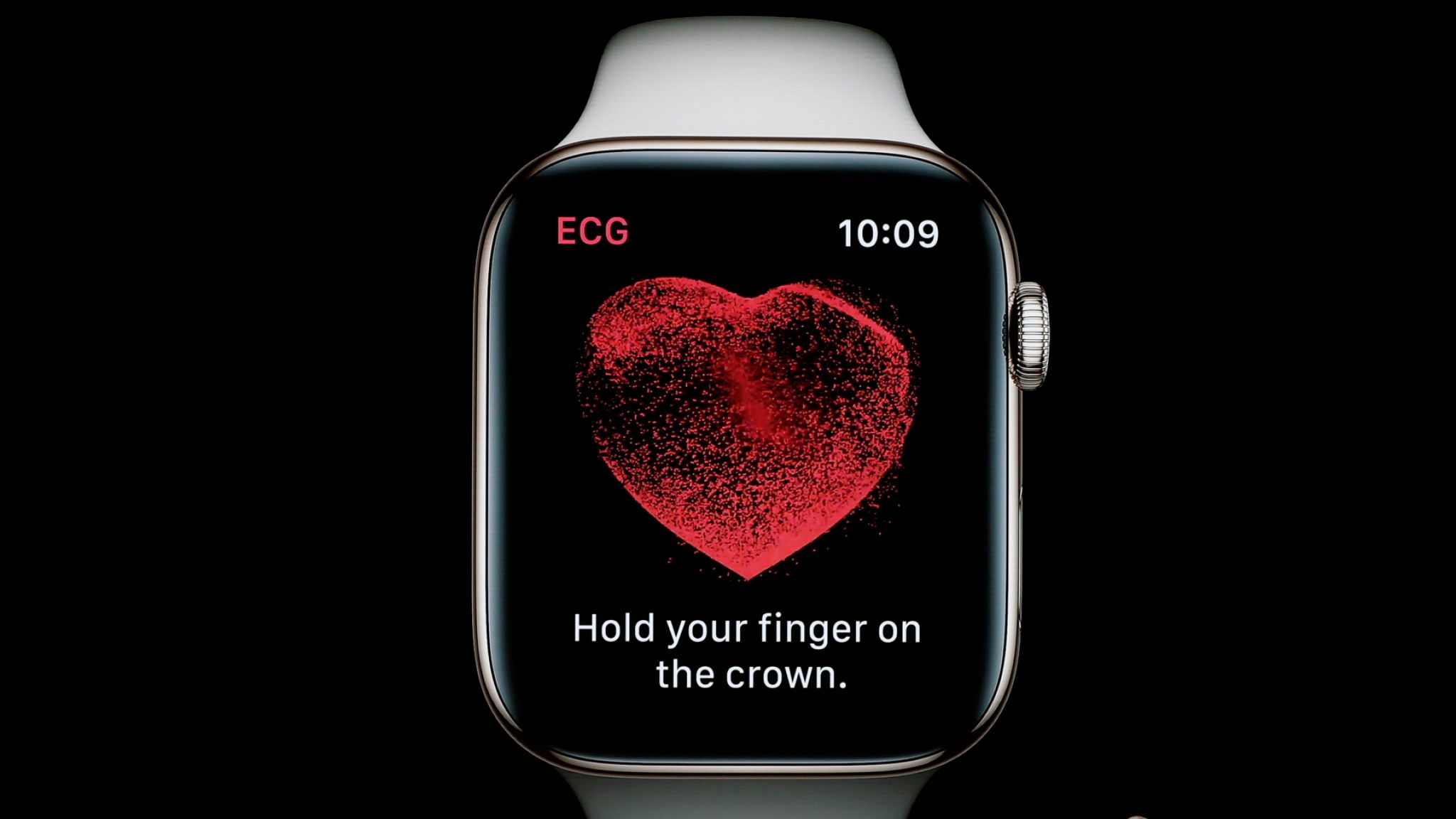
    Of all the life-saving features on the Apple Watch, perhaps the most employed one is the heart rate monitor because it is the easiest to use and understand. When your heart rate rises above a certain level or falls below a certain level, it means that you need to visit the ER immediately. ABC13 in Michigan reported the story of Diane Feenstra, a woman from Norton Shores Michigan whose Apple Watch allowed her to survive the kind of massive heart attack that only 12% survive according to the AHA.

    This type of heart attack, which affects what is known as the widow-maker artery, is fatal 88% of the time when it happens outside of the hospital. Diane explains what happened on April 22nd, the day that she nearly died. ” The day in question, April 22, I had 169 beats per minute heart rate even though the most vigorous exercise I had done was to walk up 12 steps. So I called my husband at work and said do you think this is concerning? And he said call your doctor.

    At the hospital, an EKG revealed that she had recently had a heart attack, but didn’t know it. “Unlike men who feel an elephant on their chest many times, a woman’s symptoms are very different. I had pain going down my left hand, I had a little swelling in my left foot, I had indigestion that I just explained away as acid reflux that I was experiencing as I got older.”

    Pain in her shoulder she explained away as coming from a recent bit of vacuuming that threw her muscles out of whack. But the truth was that she was experiencing a life-threatening medical emergency. “I think God used that watch to alert me to the fact that my heart wasn’t functioning properly,” she said.

    It turned out that Diane suffered a full blockage in the widow-maker artery. A stent procedure was done and today she is alive and well. Now she and her husband will be able to celebrate their 48th wedding anniversary this coming August.

    Diane had purchased an Apple Watch for her husband Gary and even though she didn’t want one, he bought it for her anyway and all the gesture did was save her life. Feenstra said, “It’s such an easy thing to see what your heart rate is, had I not done that that morning who knows but I may have had another heart attack that would have been fatal.”

    Just the other day, we told you how the timepiece’s fall detection feature helped save a 78-year old man who had fallen, breaking his nose and becoming unconscious. Thanks to the fall detection feature, he was able to receive medical assistance and credited the watch with saving his life.


  • Samsung to sell business that made a specific iPhone component

    Samsung to sell business that made a specific iPhone component

    Apple does depend on Samsung to supply it with certain iPhone components although Apple has made a point of trying to reduce its reliance on its rival over the last few years. But there is a business that Samsung plans on exiting over the next year forcing Apple to change the mix of suppliers for rigid-flexible printed circuit boards (RFPCB). According to TheElec, Samsung will provide Apple with only 30% of the RFPCB that will be used on this year’s iPhone 13 series.
    As a result of Samsung’s decision to stop production of the component in November, South Korea’s BH will deliver approximately 55% of the RFPCB ordered by Apple with Youngpoong Electronics expected to chip in roughly 15% of the total. In 2022, BH could be called on to supply Apple with 70% of its RFPCB needs with the remaining 30% coming from Youngpoong Electronics.
    The component is used to connect the main circuit board with the phone’s OLED panel. Being rigid and flexible might sound like a contradiction, but the combination helps companies like Apple more easily design their products. Compared to FPCB, RFPCB sends electric signals faster but is more expensive.
    Samsung’s RFPCB production facilities are located in Vietnam and the company could start the sales process in August. Samsung is apparently planning to sell the unit in two parts. The business has been losing 50 billion won ($44.2 million USD) a year. Samsung originally planned on disposing of the division last year but decided to keep production going for another year.
  • Apple now allows the App Store to host apps for firms that deliver weed

    Apple now allows the App Store to host apps for firms that deliver weed

    Apple has decided to change its mind and is now allowing apps for marijuana delivery services to be listed in the App Store. Apple made the change last month and the tech giant says that apps related to the consumption of marijuana are restricted to areas where cannabis is lega. In addition, they must be submitted to the App Store “by a legal entity that provides the services, and not by an individual developer.”

    Apple’s original policy said “Apps that encourage consumption of tobacco and vape products, illegal drugs, or excessive amounts of alcohol are not permitted on the App Store. Apps that encourage minors to consume any of these substances will be rejeacted. Facilitating the sale of controlled substances (except for licensed pharmacies), marijuana, or tobacco is not allowed.”

    But on June 7th, Apple changed the policy to read, “Apps that encourage consumption of tobacco and vape products, illegal drugs, or excessive amounts of alcohol are not permitted on the App Store. Apps that encourage minors to consume any of these substances will be rejected. Facilitating the sale of controlled substances (except for licensed pharmacies and licensed or otherwise legal cannabis dispensaries), or tobacco is not allowed.”

    While Apple appears to be more open to the changing policies in the U.S. regarding weed, Google is not. The latter updated its policy in 2019 to prohibit the listing of any app that connects Play Store users with marijuana even if it is legal in the jurisdiction where the user lives. Google says that some examples of violations would be “allowing users to order marijuana through an in-app shopping cart feature” or “assisting users in arranging the delivery or pick up of marijuana.”

    Google also says that “facilitating the sale of products containing THC (Tetrahydrocannabinol), including products such as CBD oils containing THC” is against its policies. So what changed Apple’s policies toward allowing marijuana services apps in the App Store? According to Chris Vaughn, CEO of the California delivery service Emjay, the recent legalization movements in states like New York along with Amazon’s decision to stop testing workers for the substance led Apple to change its mind. Vaughn believes that Google will choose to join Apple and update its policies in favor of listing Pot delivery apps in the Play Store rather quickly.

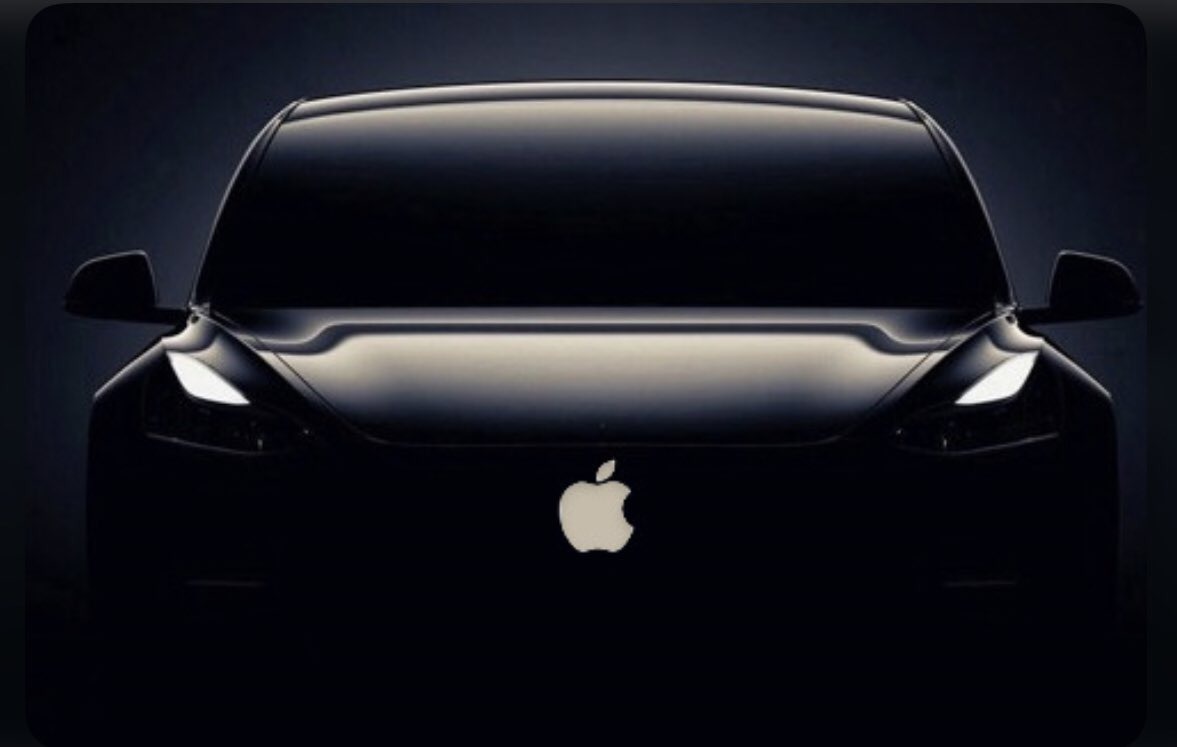
  • Apple Car Team Rejigged Again

    Apple Car Team Rejigged Again

    The one thing that the Apple Car project at the legendary company has lacked is consistent management. After more changes late last year, a slew of executives left the Cupertino-based giant earlier this year revealed a report by Bloomberg. Three top members of the tear Benjamin Lyon, Jaime Way, and Dave Scott left, but Apple has made amends by hiring some more people like Ulrich Kranz who helped BMW make the i3 and i8 and was more recently the co-founder of Canoo.

    Apple has promoted Hanns Teppeiner, who was the co-founder and former president of robotic toy car startup Anki that was even featured by Apple at WWDC 2013. Similarly, Tim Cheng, formerly of Drive.Ai, a self-driving company Apple acquired two years ago has also been promoted.

    Apple also recently hired Hans Lee, the co-founder of Freedom Robotics which creates software to control fleets of robots. Martin Levihn, who now leads AI-based decision-making for self-driving cars has also been promoted. Apple also promoted Paul Costa who has been a longtime Apple hardware engineer.

    Day-to-day operations of the Apple Car project is run by Doug Fields who was a VP at Tesla for the Model 3’s development.  He spent five years at Telsa before returning to Apple where he used to be the VP for Mac hardware engineering. Before Apple, he used to be the CTO at Segway. He reports to Apple’s AI boss John Giannandrea who joined Apple previously in 2018 from Google. Giannandrea was handed reigns of the project from Bob Mansfield, an Apple veteran and a trusted confidant of Steve Jobs who used to run hardware engineering, before Dan Riccio.

    Bob Mansfield had retired but was pulled out of retirement by Tim Cook to run the project, but he has retired again and this time around it seems like it is for good. Recently at a conference, Tim Cook eluded to keep some secrets when asked about the Apple Car. In the past, he has called the self-driving car the mother of all AI projects.

  • Google Fi enables VPN service on Apple’s iPhone

    Google Fi enables VPN service on Apple’s iPhone

    Google Fi has been offering customers a VPN service to protect their data while they’re browsing the internet for quite a while. Unfortunately, the said service was only available to those using Android devices.

    Today, Google Fi announced that it’s expanding the VPN service to iPhone. Those using Apple’s smartphone will be happy to know that Fi’s VPN service is included in all the carrier’s plans. It will allow Fi’s customers to stream, browse and download on an encrypted, private connection.

    More importantly, the service is meant to protect Fi customers against hackers on unsecured networks, as well as prevent websites from using their IP addresses to track their location. To enable Fi’s VPN service on an iPhone, you’ll have to go to Phone settings, tap Privacy & security, and enable Protect your online activity.

    You’ll get a pop-up, so make sure to choose Got it, and then Allow. You will then be required to enter your device passcode or fingerprint. If everything went well, you should see a VPN icon in the status bar when you’re connected.

  • Apple protects email users from having their personal data collected

    Apple protects email users from having their personal data collected

    When you open an emailed newsletter, there are images that are not included in the message but are stored on a separate server. When you open the email, this server gets a message to  open the image along with information such as your approximate location, the device you are using, and the time that you opened the email. Bloomberg says that the data is used by publishers and brands as a way to determine how well their marketing strategy is working.

    But in its new role as internet privacy cop, Apple has a feature called “Mail Privacy Protection” that will automatically download the data held on the separate server whether you opened the email or not. But Apple will not give away your personal data such as location and the name of the device you are wielding. Considering that roughly 50% of all email is opened on an Apple app (says analytical firm Litmus Software), Apple is once again using its power to keep user data from getting into the hands of advertisers.

    According to data from marketing firm Warc, from this past March 22nd, ad spending on iOS rose 10%. During the same time period, ad spending on Android rose 21%. But how much is Apple really getting hurt?

    Andy Yen, CEO of encrypted email provider Proton Technologies says about Apple that “They’re making a big focus on privacy, but Apple is interested in the advertising market and already makes a lot of money there.”

    The thing to remember is that Apple can afford to accept fewer ads than Google and Facebook because of how each of the tech firms make the bulk of their profits. Apple sells devices while companies like Google and Facebook sell ads. Not only do ad sales provide those companies with big bottom lines to appease stockholders, they also help subsidize the price of the Google and Facebook devices you buy allowing them to be more affordable.

  • Apple may use AirPods to track health data

    Apple may use AirPods to track health data

    Apple’s Vice President of Technology, Kevin Lynch, recently held a lengthy interview regarding the company’s advancements and aspirations within the health sphere.

    In 2014, Apple came out with the Apple Health app to allow users to track and record their heart rate, which was first collected with the original Apple Watch. However, Apple quickly realized the potential in fusing this software with its constantly improving hardware, to bring a whole slew of personal health data to people’s fingertips—and it’s been expanding ever since.

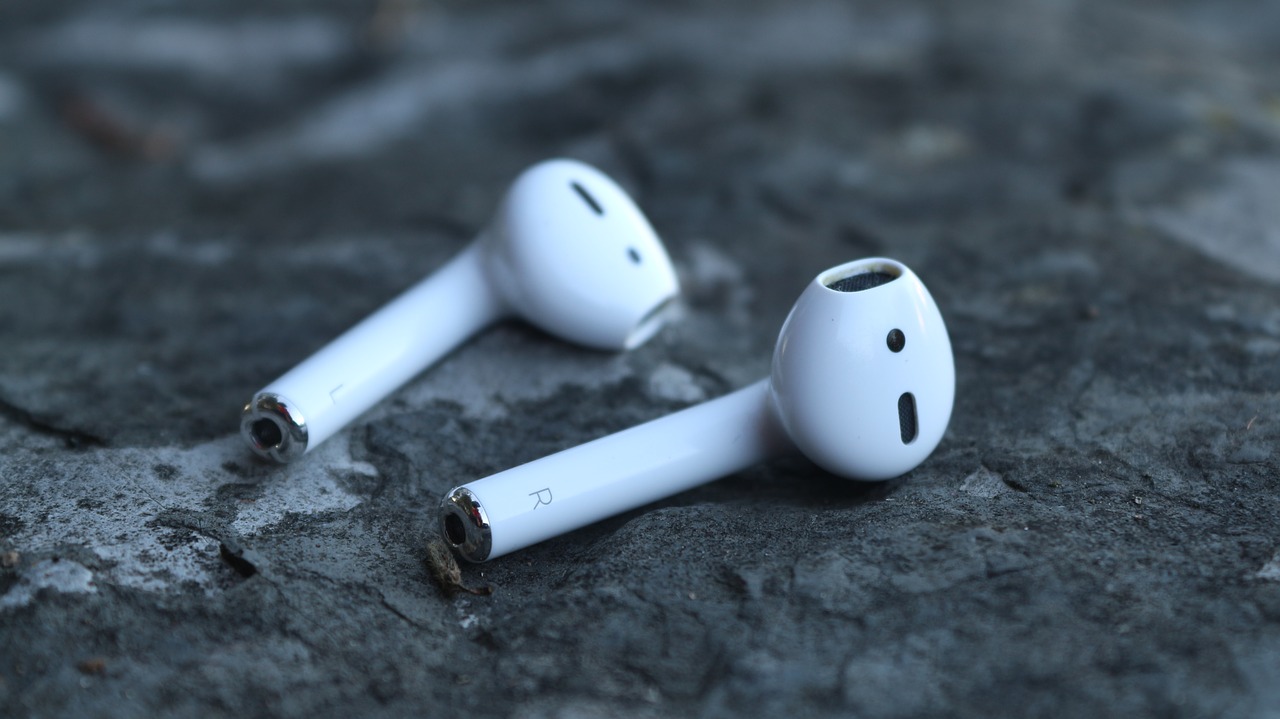
    One of the new sensor-equipped gadgets to bring health-relevant data to users may be none other than Apple’s AirPods, as Lynch slipped to the TechCrunch reporter near the end of yesterday’s interview.

    The latest model of the AirPod earbuds, the AirPods Pro, already feature a pair of dual optical sensors, a motion-detecting accelerometer, a speech-detecting accelerometer, and a force sensor, all inside the tiny chasse fitted inside the ear.

    While we don’t know of any new sensors coming to AirPods Pro in the near future, these existing ones could well be leveraged to monitor a variety of things related to one’s overall health, just like the iPhone and Apple Watch already do.

    Supporting this new information is a Bloomberg report from last month, which promises that next year’s second-generation AirPods Pro are going to have their motion sensors updated with particular attention to fitness tracking. Once they do, this data is sure to be integrated into the Health App—which would be another growth spurt for Apple’s evolving health system.

    Reliable Apple analyst Ming-Chi Kuo has also reported similar information in a separate statement in the past. Kevin Lynch hinted that Apple sees lots of potential for leveraging as many devices as possible to monitor health data—and is likely going to be adding AirPods to the mix.

    Apple’s entire health-monitoring ecosystem all started with a heart rate monitor integrated into the Apple Watch, and a consequent iPhone app developed to easily deliver users that information.

    At first, we were showing people their heart rate, and you could look at it — we were using it for calorimetry. But some users actually were looking at their heart rate when they weren’t working out, and noticed it was high. They would go talk to their doctor, and the doctor would find a heart issue, and we would start getting letters about this. We still get letters today about our work in the space, which is amazing. But some of those early letters were clueing us into ‘Wait, we could actually look for that ourselves in the background’.

    Since then, the existing fusion of Apple’s technologies has come a long, long way. It now not only simply tracks your heart rate, but matches it to your currently assessed level of activity, and comparing that to known health data, can notify you if you have a dangerously low or high heart rate.

    >Of course, that’s only the beginning. Leveraging Apple’s devices, the Health app can also keep track of your activity intensity, calorie burn, metabolic rate—it can even take your sleep metrics. This means that you can monitor your blood oxygen levels during sleep, track how much time you spend asleep, as well as your sleeping respiratory rate.

    We’ll also be seeing mobility metrics being taken later this year, tracked in terms of “walking steadiness,” which assesses your balance, strength, step symmetry, and gait. It will let you know if it detects a lack of balance or symmetry in your walk, or other abnormalities, and let you know if you are at an increased risk of falling.

    With iOS 15 this year, the Health app will also be able to track your food and calorie intake for you. It will also allow you to share your health data both privately (with loved ones worried about your health, for example), or publicly, such as with your doctor.

    There is even talk of a blood sugar monitor coming to the Apple Watch, although it has been confirmed that we’ll have to wait until after the Apple Watch 7 to see it. A temperature sensor may also be coming with the Apple Watch Explorer/Adventure Edition in 2022.

    All of this has become possible in the span of only a few years, but Apple is clearly already looking towards the future for more possibilities and ways to expand its health monitoring services.

  • Apple scores big Health Records app win by partnering with the Mayo Clinic

    Apple scores big Health Records app win by partnering with the Mayo Clinic

    While the Wall Street Journal was waxing poetic how Apple’s health industry push has stalled, we wouldn’t be underestimating its transformative potential in the field. Apple, after all, has proven numerous times that it may start slow and tread carefully, but the sheer scale of its market size eventually overcomes the pushback from new industries it is trying to break into.

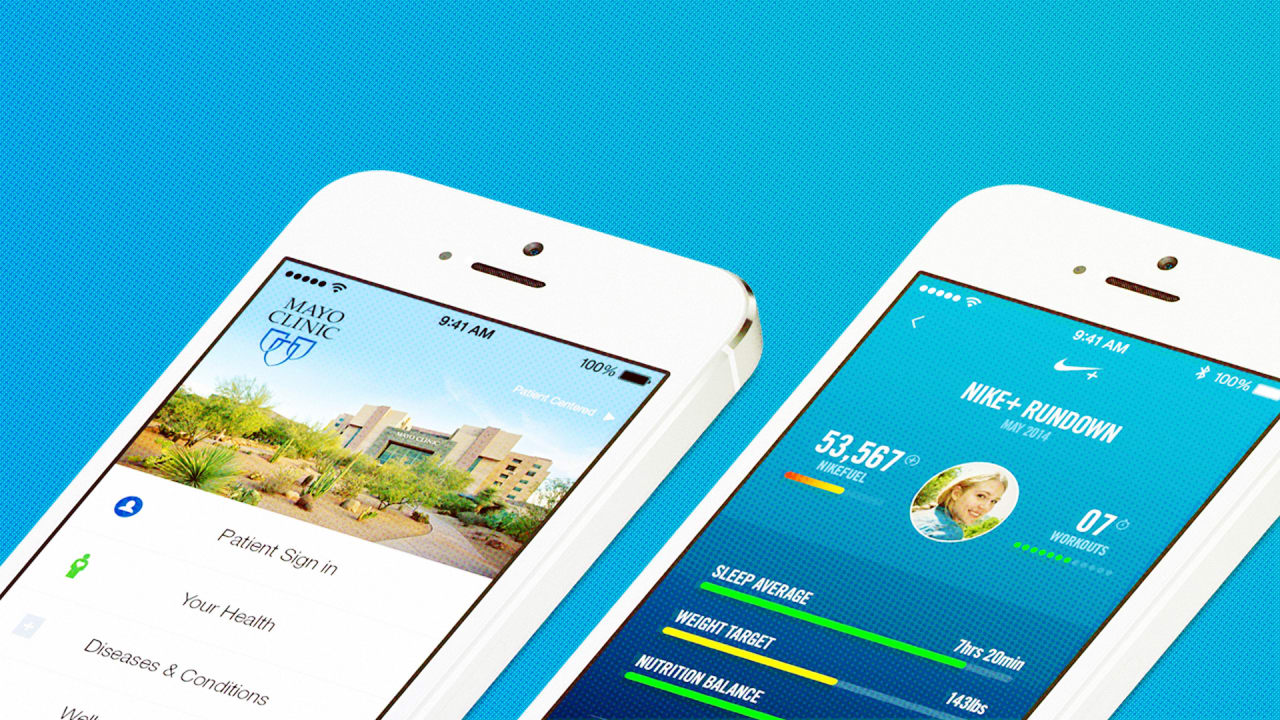
    The latest case in point are its Health Records app that now has access to your patient portal in the renowned Mayo Clinic network, adding to the list of the already announced Apple Health partners in the HMO intermediary realm.

    The Mayo Clinic access would undoubtedly add plenty to the street cred of the Health Records app, and we don’t need to extoll the institution’s numerous virtues to back up this claim. This partnership is what resulted in the still-unsurpassed ECG function of the Apple Watch that took years to master with the help of Mayo Clinic physicians and databases that spearheaded the algorithm’s creation.

    What can a Mayo network patient can expect from the integration of their data in the Apple Health Records app when the service becomes live this fall? Well, those with an online patient portal account at the Mayo Clinic now have the alternative of the Health Records app to view their health data from multiple providers.

    Android users have the option of a similar app called CommonHealth but Apple has the advantage of sharing the health data derived from its Apple Watch like heart rate and detected falls directly with their physicians.

    While Google hasn’t given up on digitizing your personal health data with a new hospital chain partnership, Apple may eat its lunch in the field by simply leveraging the abundance of information collected in its Health app.

    That’s where all the Apple Watch sensor readings go, for instance, and Apple is now offering you the option to share your health data not only with your doctor, but with friends and family as well, so that users have “a trusted partner on their health journey.”

    New Apple Health app data features in iOS 15:

    • Walking Steadiness – new Mobility algorithms assess balance, stability, and coordination via the iPhone/Watch sensors.
    • Trends – long-term changes in various health and fitness metrics that the Apple Health app integrates.
    • Better Labs – bloodwork lab data tracking and analysis.

    All of these new and old data points can now be securely shared with either your doctor, or your loved ones, so you can have both a specialist and a person that is closer to you, be up to date with your health and fitness points at the same time, for an increased scope of coverage in case something unforeseen happens.

    By the fall, when iOS 15 and watchOS 8 hit your palm and your wrist, respectively, Apple will have likely scooped up many more partners for its Health Records sharing initiative, so we wouldn’t count them out in the health industry realm just yet.

  • Foxconn Invests $36 Million In EV Partnership With Gigasolar

    Foxconn Invests $36 Million In EV Partnership With Gigasolar

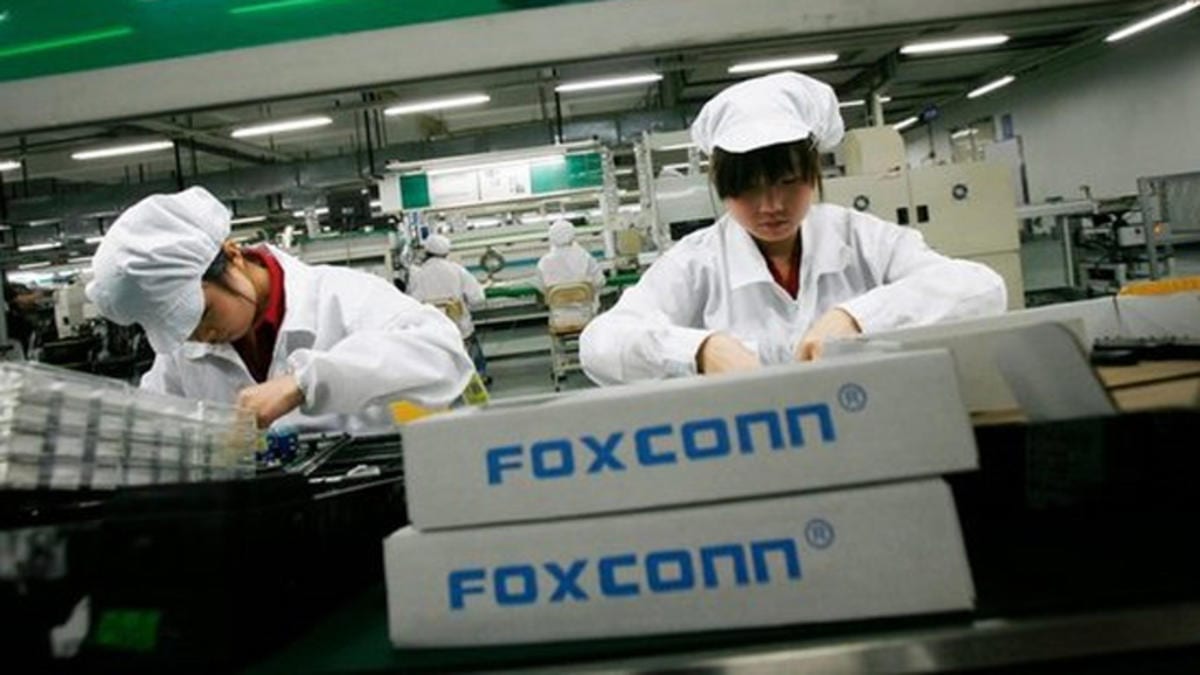
    Taiwan’s Foxconn said a subsidiary has invested T$995.2 million ($36 million) in Gigasolar Materials Corp to develop electric vehicle (EV) battery materials.

    Foxconn, Apple’s main iPhone maker, said the investment via a private placement through a Taiwan-based subsidiary will make it the second-largest shareholder in Gigasolar, known for manufacturing solar cell materials.

    The two companies will jointly develop materials for electric cars, Foxconn said in a statement on Tuesday.

    Foxconn has identified electric vehicles as a key new business and has struck several deals with companies, including Italian carmaker Stellantis and Thailand’s state-run energy group PTT.

    The Taiwanese company aims to provide components or services to 10% of the world’s electric cars by 2025 to 2027, Foxconn chairman Liu Young-way said in October, vowing to lower manufacturing and other costs with its assembling know-how as the world’s largest contract electronics manufacturer.

  • Apple manipulated App Store search to favor its own apps over the competition

    Apple manipulated App Store search to favor its own apps over the competition

    Back in 2019, after investigations done by the New York Times and the Wall Street Journal, it appeared that Apple was ranking its own apps ahead of competitors’ similar apps in the App Store search feature. This is an issue that lawmakers are seriously concerned with and it has been associated with other companies that sell their own products alongside third-party brands such as Google and Amazon. Apple denied that it had done anything wrong. The company pointed to a secret algorithm it uses with 42 variables to prevent it from manipulating the App Store search results.

    But now it appears that Apple did boost App Store search results. Email that was released during the Epic vs. Apple lawsuit showed that the tech giant apparently admitted that it had boosted the placement of its own Files app above listings for the competition during a time period that lasted 11 months. Apple app search lead Debankur Naskar hinted that some hanky panky was going on at Apple when he wrote in an email “We are removing the manual boost and the search results should be more relevant now.”

    Naskar was responding to an email from Epic Games CEO Tim Sweeney who was a major Apple partner at the time. Sweeney had “confronted” Apple after the latter’s Files app landed first in the App Store’s search results when he searched for Dropbox. While you might not be able to tell the executive’s tone from written words, you can imagine Sweeney sounding incredulous when he emailed Apple to say that “Dropbox wasn’t even visible on the first page of search results.”

    Apple explained away the issue by telling The Verge that its Files app had a Dropbox integration. Thus, Apple included “Dropbox” in the metadata for its Files app and as a result, Files was always ranked ahead of Dropbox. This response doesn’t match Naskar’s comments about “removing the manual boost.”

    Dropbox has been a problem for Apple going back to 2009 when then Apple CEO Steve Jobs said that iCloud would help kill off Dropbox after Jobs could not convince Dropbox CEO Drew Houston to sell what was then a start-up company to Apple.

    One engineer at Apple changed the algorithm for App Store search in July 2019 dropping the placement of Apple’s own app in the search results. The New York Times back in September 2019 showed how those searching the App Store for “music” would see streamer Spotify at the top of the list with Pandora eighth. Repeating the same search in 2016 resulted in Apple Music appearing at the top of the list with Spotify fourth.

    Two years later, the top six results under “music” consisted of Apple’s own music-based apps. Pandora remained in eighth place. By December 2018, the first eight search results were all for Apple’s own apps, some unrelated to music: (Apple Music, Garage Band, iTunes Remote, Music Memos, Logic Remote, iTunes Store, iMovie, Clips) while Spotify was number 23.

    After Spotify complained to European regulators, the results for April 2019 were much different with iTunes and Apple Music numbers 1-2, but with Spotify fourth and YouTube Music fifth. Apple had no other apps appearing under a search in the App Store under “music.”

    Apple released a statement to The Verge that says, “We created the App Store to be a safe and trusted place for customers to discover and download apps, and a great business opportunity for all developers. App Store Search has only one goal — to get customers what they are looking for. We do that in a way that is fair to all developers and we do not advantage our apps over those of any developer or competitor. Today, developers have many options for distributing their apps and that’s why we work hard to make it easy, fair and a great opportunity for them to develop apps for our customers around the world.”

  • Apple previews tech for passwordless website sign-up using just Face ID or Touch ID

    Apple previews tech for passwordless website sign-up using just Face ID or Touch ID

    Apple is set on making things simple for its users and now, a new feature announced during a developer session will make it possible for your to sign up on websites using just Face ID or Touch ID, no passwords required.

    The developer session is part of the WWDC 2021, and introduces the new technology in order to make the user experience more intuitive while at the same time, assuring security.

    The new tech is called Passkeys and will make it possible for you to sign up for services and websites without the need for a password. Of course, the website will have to support this new tech, and when you enter your username of choice during the signup process, you will be able to use Face ID or Touch ID to authenticate yourself.

    iPhone, iPad, and Macs will have this tech in a preview coming later this year, and it will be off by default.

    Passkeys is a part of the iCloud keychain, providing a secure method for authentication and at the same time, protecting you against phishing attacks. However, if you use other devices apart from Apple ones, you may still need to use passwords.

  • Giphy’s Clips now integrated with Apple’s iMessages

    Giphy’s Clips now integrated with Apple’s iMessages

    GIF database and search engine Giphy announced today that its “Clips” content (short GIFs with sound) will be supported by Apple’s iMessage and in the Android Keyboard. In a press release disseminated today by Giphy, the company said, “You know that moment when someone sends you the perfect GIF and you can practically hear it. Whether it’s a familiar character or simply the perfect visual representation of your emotions, there is a very specific sound you associate with it. At Giphy, we definitely know the feeling.”

    Giphy says that it has been working hard to bring Clips to every platform where conversations happen. The company adds that “You can already share Giphy Clips anywhere using the video’s URL and can even access them in places like Slack and Medium. But, starting today, you can find and share Clips even more easily in messaging via Giphy’s iMessage Extension and in the Android Keyboard.”

    Version 4.2.5 of the iOS and Android Giphy apps have just been launched from the App Store and Google Play Store respectively. Giphy says that “it is the fastest, simplest way to search and share GIFs and stickers across all of your favorite social channels. Enjoy our powerful GIF Keyboard and iMessage extensions that put Giphy at your fingertips. Spruce up boring conversations with our Emoji and Text libraries – exclusively available in the mobile app.”

    Giphy states that Clips brings a whole new dimension to self-expression. The world’s largest library of free GIFs, Clips, & Stickers, Giphy for iOS is the fastest, simplest way to search and share short-form content and animated reactions across all of your favorite social channels such as Facebook Messenger, Instagram, Snapchat & more.”

  • Apple In Talks With CATL And BYD For Batteries

    Apple In Talks With CATL And BYD For Batteries

    The Apple Car project or as it is called internally at Cupertino – Project Titan has been in the works for now 7 years. But in the last year, work on it has progressed and Apple has been actively courting potential suppliers, but this process has been a struggle. Now a fresh report comes via Reuters, which claims that the Cupertino-based giant is courting Chinese battery maker CATL which has become the world’s largest supplier of EV batteries. In addition to this, Apple is also engaging BYD which is the fourth largest manufacturer of batteries. The Cupertino-based company is said to be in the early stage of discussions with the Chinese majors.

    Reportedly, Apple has moved so far ahead that it has started making battery factories but it needs suppliers to run them -this is similar to how Tesla has Panasonic running a big chunk of the Nevada Gigafactory. Apple is working on lithium-ion phosphate batteries that are cheaper to produce because they use iron instead of nickel and cobalt. It has also been working on self-driving technology and has targeted 2024 as the production year for the Apple Car.

    Apple has been developing its own battery technology but it is not known if these discussions involve CATL or BYD using Apple’s battery designs. Likely, this will be the case as that’s how Apple has historically operated and this is becoming a common practice in the EV space with Tesla also adopting such tactics with its custom battery chemistry.

    President Joe Biden has proposed a $174 billion budget for attracting EV manufacturers in the US. Apple wants to cash in on this. Many battery makers are also ramping up production in the US thanks to the incentives being offered by the newly minted Biden government, reversing the anti-environment trend of the Trump government.

    China’s rise as the world’s biggest EV market has also given a boost to its local suppliers which have elevated players like CATL and BYD. Apple previously was also in talks with LG Chem, so there is a possibility that it will use a combination of Chinese manufacturers and South Korean manufactures. In China, the government has given subsidies to companies like CATL which makes it an ideal partner especially if a facility is to be set up in China.

    Apple has been in talks with Foxconn and even traditional companies like Magna for manufacturing the car. It could also use BYD as a manufacturing partner for the Apple Car. Apple will likely need a mix of different players to make the Apple Car project come to life.

  • Facebook takes another shot at Apple

    Facebook takes another shot at Apple

    Facebook continues to take aim at Apple for the latter’s introduction of the App Tracking Transparency (ATT) feature in iOS 14.5. With the majority of iPhone users in the U.S. (94%) and globally (84%) opting out of being tracked, Facebook says that damage is being done to small businesses who depended on the tracking to promote their wares to consumers.

    Since Facebook generated approximately $84 billion of its revenue last year from ads, it naturally was against Apple’s ATT feature. CEO and co-founder Mark Zuckerberg was so upset about it that he wrote two full-page newspaper ads blasting Apple. However, it turns out that some companies are doing the same amount of data tracking as they were before ATT launched.

    As we told you yesterday, marketing strategy consultant Eric Seufert says that third-party apps are still able to collect data from 95% of its iOS users by using IP addresses obtained from their phones and the networks they employ. A technique called “fingerprinting,” banned by Apple, is employed. Zuckerberg yesterday took a shot at the 30% cut of in-app payments that Apple collects in the App Store by forcing developers to use its in-app payment platform for such transactions.

    The beleaguered executive said in a Facebook post-Monday, “To help more creators make a living on our platforms, we’re going to keep paid online events, fan subscriptions, badges, and our upcoming independent news products free for creators until 2023. And when we do introduce a revenue share, it will be less than the 30% that Apple and others take.” Zuckerberg added that “We’re also launching a new payout interface so creators can see how different companies’ fees and taxes are impacting their earnings,” another shot at Apple.

    But Apple was able to get some revenge by announcing new features yesterday for iOS 15 that will interfere with Facebook’s own app assets. Take the Messages app for iOS which is receiving new features that will allow users to share photos, tunes from Apple Music, articles from Apple News, weblinks and more. These are things that Instagram, Facebook, and WhatsApp users would be more apt to share (all three of those apps are owned by Facebook).

    Zuckerberg has called Apple a major competitor because of apps like FaceTime and Messages which come pre-installed on the 1 million+ active Apple devices in use today. And with that in mind, Apple previewed some new features for FaceTime that will start working with the release of iOS 15 this coming fall. For example, Android and Windows users will be able to tap into FaceTime videos for the first time.

    SharePlay will allow a user to host a FaceTime call while sharing with his buddies a streaming video, streaming audio and more. Apple is trying to take the features that you otherwise might find on Instagram, WhatsApp and Facebook and place them on iOS 15 with additional privacy features.

  • Apple supplier Pegatron to expand Vietnam operations

    Apple supplier Pegatron to expand Vietnam operations

    Pegatron Corp, an assembler for Apple, Microsoft and Sony, plans to increase its investment in Vietnam for electronics production by $101 million.

    Taiwan’s Ministry of Economic Affairs, which has to approve overseas investments by local companies, as saying Pegatron’s investment in Vietnam would be for the production of computers and peripherals, communications equipment and electronic components.

    The company has not disclosed details of the investment.

    It invested $19 million to build its first plant at the Dinh Vu Industrial Zone in Hai Phong City in March last year to produce computers, communications equipment and consumer electronic products.

    It plans to build its second and third plants at a cost of $481 million and $500 million and also move its research and development center from China to Vietnam.