Tag: apple

  • Android users can help an AirTag user reunite with a missing item

    Android users can help an AirTag user reunite with a missing item

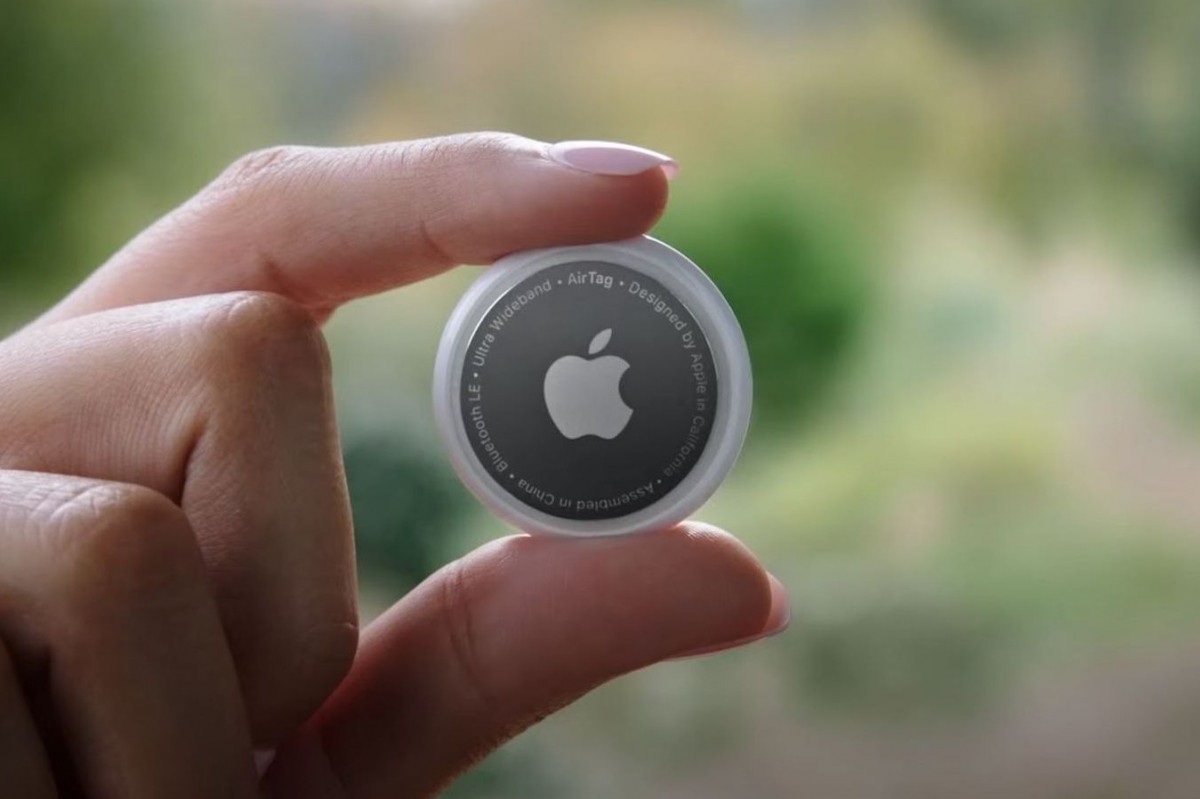
    Apple yesterday finally unveiled its long-awaited AirTag item tracker. The accessory uses the U1 chip (found on the iPhone 11 and iPhone 12 series) and the Find My app to help navigate you to a tagged item using AR overlays. This “precision finding” feature is not available on phones older than the iPhone 11 series since those models don’t sport the UI chip and rely on Bluetooth LE to find an item.

    Enabling the Lost Mode setting will alert you or one of the nearly billion members of the Find My network when an AirTag is back within range of an iOS device. A tag that has been discovered and is in Lost Mode can be tapped on its white side by an iPhone or an NFC capable Android handset. A notification should then appear on the screen and when tapped on, it opens a website that shows the serial number of the AirTag and possibly a phone number so that the owner of the tagged item can be called and told that his missing item has been found.

    Apple itself says this about the Find My app; “The Find My app makes it easy to keep track of your Apple devices. Locate items you’ve attached AirTag to. And keep up with friends and family. It works on iPhone, iPad, and Mac — even if your missing devices are offline. And your privacy is protected every step of the way.”

    Apple itself notes that “You can view a Lost Mode message on any NFC-capable smartphone, such as an iPhone or Android phone.” Apple didn’t make much of a deal about this yesterday during the Spring Loaded event, but it did publish a support page that includes this information. The AirTag owner will have to include his contact information during the setup process as well as activate Lost Mode.

    If you hear a sound from an AirTag, Apple explains in simple terms what it could mean. “When moved, any AirTag separated for a period of time from the person who registered it will make a sound to alert those nearby. If you find an AirTag after hearing it make a sound, you can use any device that has NFC, such as an iPhone or Android phone, to see if its owner marked it as lost and help return it.”

    So that you don’t get stalked by an unknown person’s AirTag,the  Find My app will send you a notification if an unknown AirTag is moving along with you. The latter will also generate a sound, even on an NFC-enabled Android phone, so that the alien tag can be found.

    On the support page, Apple adds, “If you can’t play a sound, the AirTag might not be with you anymore. If it was with you overnight, its identifier might have changed. Find My uses the identifier to determine that it’s the same AirTag moving with you.”

    Apple goes on to say that “If you believe the AirTag is still with you, look through your belongings to try to find it, or wait to see if another alert appears as you move from location to location during the day. If the AirTag is within range of the person who registered it, you also won’t be able to play a sound.”

    AirTag orders begin 5 am PDT on Friday, April 23rd and the item tracker will be available on April 30th. Engraving is free and a one-pack will cost you $29. A four-pack is priced at $99.

    Speaking of Android handsets (especially those with NFC capabilities), these are the models that we consider to be the best in 2021.
  • Apple launches iPhone 12 MagSafe leather, silicone cases

    Apple launches iPhone 12 MagSafe leather, silicone cases

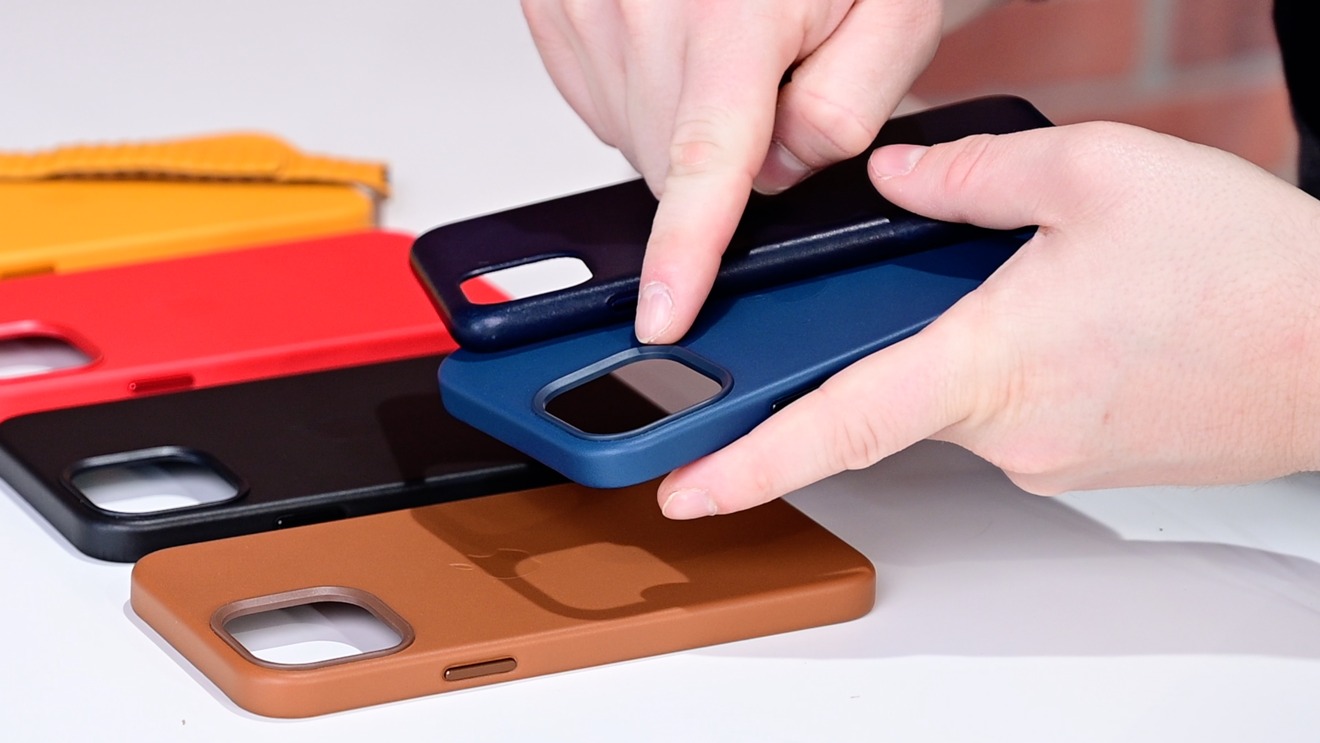
    We’ve got a whole new slew of MagSafe-compatible cases up in the Apple Store today, now that the official event has ended.

    Apple’s online site was down in the last hours leading up to today’s event, where we found out plenty of juicy tidbits about the upcoming iPad Pro 2021, AirTags, and more. By the time the event ended, the site was back up, revealing plenty of new goodies for sale to accessorize your iPhone 12, iPhone 12 Pro, or iPhone 12 mini.

    First up are cases, with two newcomers in the Leather Case line, and three new Silicone Cases. For the Silicone Cases, we’ve got the vibrant summery Cantaloupe, Amethyst, and for the iPhone 12 mini—Pistachio, pictured below.

    We also have a new leather sleeve color released for the iPhone 12 mini: Deep Violet, same as the Leather Cases.

    d 12 mini are going to be getting a whole new color, come April 30. That gives us even more options to mix-and-match with the new color cases, if you don’t have an iPhone 12 yet and plan to upgrade.

  • Apple launches in-app subscriptions in its Podcasts app

    Apple launches in-app subscriptions in its Podcasts app

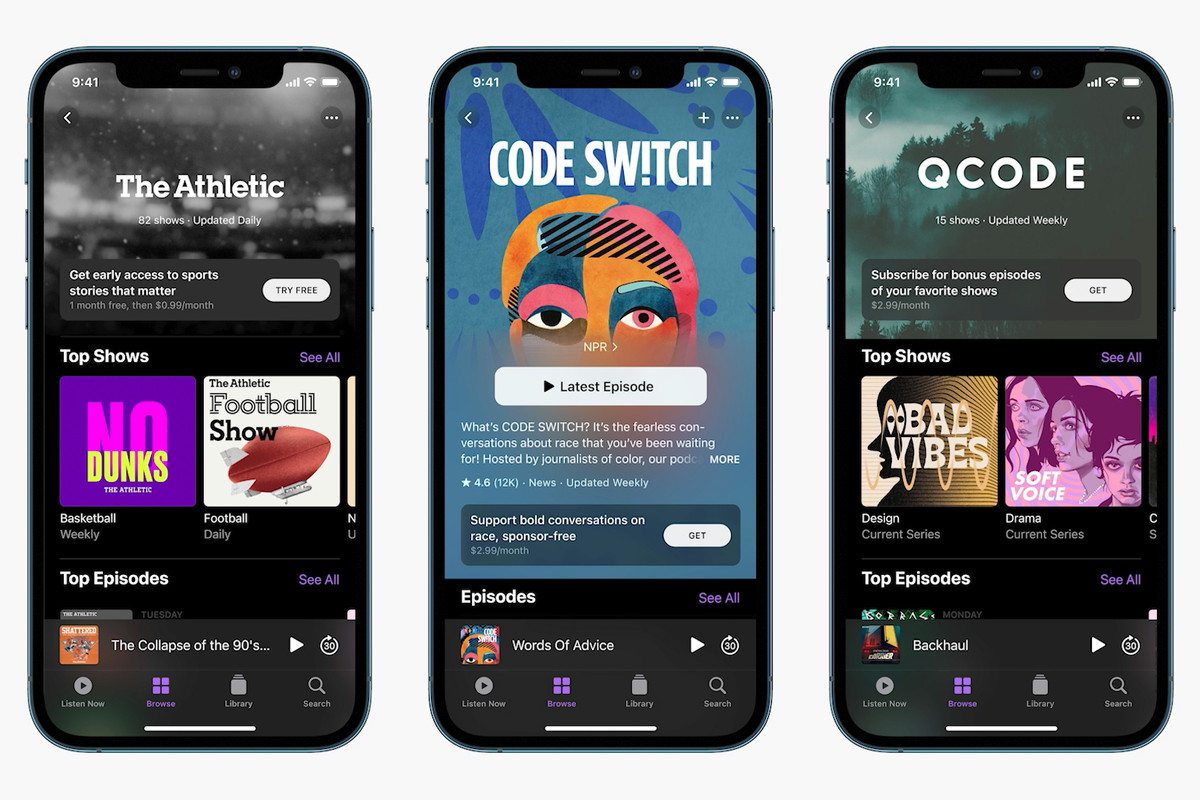
    Apple has just announced a major overhaul to its Podcasts app: within the app, it’s launching Apple Podcasts Subscriptions where people will be able to subscribe to premium content from their favorite creators and get perks like ad-free listening, bonus content, and exclusive access to new series.

    Apple Podcasts Subscriptions launches with partners like Pushkin Industries, QCODE, SME, and NPR, and this list will only grow with time.

    The whole Podcasts app is also getting a fresh design with channels where your favorite creators will recommend you new content, and each channel will have unique artwork, titles and descriptions.

    Initial partners with channels include the likes of Luminary, which was one of the first apps to offer subscription-based podcasts.

    As for prices, they will be set by creators for each subscription, but you will be getting a free trial and sample episodes before you sign up. Billing will happen monthly by default, but creators can also offer annual billing if they decide. On the other side of the fence, content creators will have to pay $20 per year to participate in the program, and Apple will be taking a 30% cut of the revenue the first year and drop that to 15% in the following years.

    Apple Podcasts remains one of the most popular ways listeners reach podcasts, not least because the app comes pre-installed on iPhones. However, Spotify has recently made a big entry in the space attracting some of the big names in the industry like The Joe Rogan Experience, and the latest data from eMarketer showed that this year 28.2 millions of listeners in the US tuned in to Spotify versus 28 million for Apple Podcasts.

    The new Apple Podcasts Subscriptions option is launching in an impressive over 170 countries and it will go live next month.

  • Former Apple executive “rips” the App Store

    Former Apple executive “rips” the App Store

    Over the last few days, we’ve passed along some interesting horror stories about the Apple App Store and certain iOS apps. These were discovered by FlickType creator Kosta Keleftheriou who is having problems of his own with Apple. In fact, the company that Kleleftheriou runs with his business partner is suing Apple after the latter promoted FlickType copycat apps and scams.

    Just this past week, Kosta tweeted about a children’s app that doubled in certain countries as an online casino where gamblers had real money at risk. He also posted about XGate VPN, an app that did nothing it promised while ripping off iOS users at a rate of $5 million a year. How do these apps jive with Apple’s proclamation that “the App Store has proved to be a safe and trusted place to discover and download apps.”

    On Friday, Apple’s former Senior Director of Worldwide Product Marketing, Michael Gartenberg, tweeted some comments about the App Store. Gartenberg, who worked as a tech analyst for Gartner at one time, said yesterday about the App Store that “The ecosystem that is often praised is breaking at the seams IMHO.” He also stated that he hopes that “Apple gets its act together soon.”

    Both the App Store and the Google Play Store appear to have issues keeping malware out of their respective app storefronts and protecting their users from paying ridiculously high prices for apps that offer features available for free on other apps. Apple and Google should be doing their best to make sure that their valued customers aren’t getting ripped off by bad actors.

    The App Store in particular has been called a monopoly with users blaming Apple’s walled garden for keeping app prices higher than they should be. That’s because Apple’s 30% cut of in-app payments has lead some developers to hike their prices. And while Google also takes a 30% cut from in-app payments, Android allows users to sideload apps from a third-party app store while Apple doesn’t.

    Apple’s App Store is also the center of another legal issue involving Epic Games, the developer behind the popular Fortnite game. Players purchasing special in-app currency for the game were prompted by Epic to pay less for the currency over its own payment platform. This happened to violate Apple’s own rules that prevent apps listed on the App Store from offering its own in-app payment system.

    As a result of Epic’s actions, Apple removed the game from the App Store leading Epic to take legal action against Apple. Speaking of apps, what are the weirdest ones that you can install on your phone?

  • Tim Cook slams Facebook in an interview, iOS 14.5 is coming to iPhone this month

    Tim Cook slams Facebook in an interview, iOS 14.5 is coming to iPhone this month

    Kara Swisher, “Silicon Valley’s most feared and well-liked journalist”, is back with another interview, part of the Sway podcast, produced by The New York Times Opinion Audio.

    This time, she spoke to one of the most powerful men in the world, who isn’t a Disney character, Tim Cook. The majority of the conversation revolved around data privacy and security, but the two also discussed tech, politics, Steve Jobs, Apple’s failed social media platform, Ping, as well as Tim Cook’s successor.

    The important news for the end-user, at least in the short term, is that iOS 14.5 is definitely coming out in just a few weeks (before the end of April), as promised by the company’s CEO.

    Cupertino is expanding on their already existing security features with ‘Privacy Nutrition Labels’, which will come to third-party apps. Cook explained what Privacy labels are, by comparing them to a nutrition label on foods, except Apple’s will tell you what kind of data the app developer wants to gain access to, instead of how much sugar it contains.
    His rationale was based on the fact that all privacy agreements are a few pages long, and people never read them. Privacy labels are supposed to solve this inconvenience, and we are fully on board for that!

    In fact, PL already exists within Apple’s own apps. You’ll see them upon setting up your iPhone, iPad, Mac, Apple Watch, or Apple TV, as well as before you start using an app for the very first time. Here’s a full list of them on Apple’s official website.

    Cook also talked about Apple’s relationship with Facebook, and app developers. He stated that he doesn’t see the social media giant as competition, and laughed when Swisher reminded him of Apple’s failed social network platform, Ping, which lasted two years between 2010-2012.

    In case you didn’t know, Apple’s being sued by a few big companies, such as Facebook, and Epic Games. Mark Zuckerberg and the company are suing in relation to the above-mentioned privacy features, which will become part of iOS very soon.

    Facebook isn’t happy with the fact that users will be ‘encouraged’ to turn off tracking, upon launching the Facebook app. Cook said he views privacy as ‘a basic right’, and wants to let people choose which information to share, and which not to.

  • Tim Cook comments on Elon Musk, and AR/VR and Apple Car

    Tim Cook comments on Elon Musk, and AR/VR and Apple Car

    In case you missed it, Apple’s CEO gave a 30-minute interview with Kara Swisher, which is available on all major streaming platforms in the form of a podcast.

    The majority of the conversation revolved around data privacy and security, but they also touched on other important topics for Cook and Apple.

    The boss commented on Elon Musk’s claims that Tesla’s boss offered to sell the company to Apple, but Cook ‘wouldn’t even take a meeting with him’. Apple’s head said he hasn’t met up with Musk, but strongly admires what Tesla’s been able to achieve, touching on the company’s consistency over the years.

    He finally shed some light on Apple’s own electric car! He expressed a strong opinion that ‘autonomous cars are robots’. He said there are many things that can be done with autonomous vehicles and ‘we’ll see what Apple does’.

    When Swisher asked if it is going to be ‘a technology within a car’ or a car, he laughed and avoided answering the question. He said: “We love to integrate hardware, software, and services”. This is indeed a very Apple thing to say. He added that he wants to have complete control of all of the three components, so the final product works as seamlessly as other Apple products.

    Kara Swisher mentioned the upcoming WWDC21 conference with a tagline ‘Glow and behold’, and asked if this sentence is supposed to hint at a VR headset. Cook said that he strongly believes in AR, and he’s already seeing use for it even on a smartphone. Therefore, this is definitely part of Apple’s future plans in a big way.

    When he was questioned about the new administration in the US, Apple’s boss stayed very politically correct, and said that he’ll seek involvement in policy, and not politics (if he does at all).

    The interviewer teased him with a question about people being able to vote from their iPhones, and he was positive about it, underlining the fact that most of our data is already on our phones, so using a phone for voting for the next president, might not be so far fetched of a concept.

    Yet, he doesn’t like the idea of moving into politics, but said he wants to advance work on climate change, job creation and ‘retraining’. He is willing to work with whoever is keen on helping Apple to achieve these goals.

    He also spoke about coming out as gay, highlighting the idea of being able to help young people feel safe about being themselves. He said he is going to speak out about discriminatory laws.

  • Apple to accredit independent repair shops in Vietnam

    Apple to accredit independent repair shops in Vietnam

    U.S. consumer electronics giant Apple will extend to Vietnam a program that provides independent repair shops with access to genuine parts.

    In a blogpost Monday, the company said it would open registrations for the program later this week for Vietnam and 37 other markets including Australia, South Korea and the UAE.

    In other countries like China, it will begin later this year.

    This means customers will not need to visit Apple authorized service providers to get their iPhone and Macbook problems fixed and can instead go to third-party repair providers.

    Interested businesses can join the program for free but must have an Apple-certified technician (certification is also free) doing the repairs.

    The technicians must pass exams through an online authorized testing center and the certification is updated on a product basis annually.

    Apple said further applicants must be an established business with documents available for review by it, and have easily accessible premises and not a residential address.

    “Qualifying repair providers can purchase genuine Apple parts and tools at the same price as [authorized service providers] and receive free access to training, repair manuals and diagnostics,” Apple wrote.

    There are already over 1,500 accredited independent repair shops in the U.S., Canada and Europe.

  • Apple iOS 15 release date and expected new features

    Apple iOS 15 release date and expected new features

    The next iOS 15 update is expected to be revealed on June 7 at Apple’s annual WWDC dev-centric summit at an online keynote. As is tradition, we are certain that most all new features of iOS to be demoed on stage, but the most intriguing ones would likely be unraveled as soon as the first developer beta of iOS 15 arrives on the day of the announcement.

    Now, what’s to expect about the new version of Apple’s OS? Given that iOS 14 was a pretty important update for iOS that overhauled a slew of things, most importantly the interface by adding widgets to the home screen, we don’t really believe that iOS 15 will add that much to that visual overhaul. This doesn’t mean you should curb your enthusiasm though, there’s plenty of spicy talk regarding iOS 15!

    • June 7, 2021 for iOS 15 developer beta release
    • September 2021 iOS 15 final release

    This year’s June 7 WWDC developer summit will be an online-only event, says Apple, and will “offer unique insight into the future of iOS, iPadOS, macOS, watchOS, and tvOS.” Aside from releasing a beta, this early reveal of iOS also gives plenty of headroom to app developers to prepare their apps for the upcoming changes and get up to speed on all the new features.

    As far as the final launch of the official version of iOS 15, it will undoubtedly take place alongside the release of the iPhone 13 (iPhone 12S) series. Traditionally, iPhones are released in late September/early October, so expect the next version of iOS along those lines.

    Word on the street is iOS 15 will open up the operating system to even more customization by allowing users to change even more of the default apps. iOS 14 kickstarted this trend by letting Safari and Mail be changed and an alternative be used instead. The latest iOS 14.5 beta lets you change your default music platform of choice as well, substituting Apple Music for Spotify, for example. This opening of iOS will likely persist in iOS 15 as well.

    Interactive widgets

    iOS 14 introduced widgets, which are a great new addition to Apple’s OS, but in their current state, widgets are simply not as useful on iOS as they are on Android because they aren’t interactive. iOS 15 is rumored to be introducing interactive widgets that the user will be able to interact with, i.e. change volume, enable specific toggles, and so on. More sizes are also reportedly coming to widgets in iOS 15: currently, we have small, medium, and large, but a bunch of new in-between sizes could arrive. This will make the widget support on iOS 15 much more useful and more customizable.

    Redesigned Settings

    The Settings menu is a staple of iOS that houses all of the possible device settings you might want to tinker with. It’s been largely kept the same for the past years, scoring tons of new features and menus that have gradually made it less and less intuitive. A redesign could help Apple solve that problem and make things a bit more intuitive once again.<

    Always-on display and redesigned lock screen

    One of the big rumors about the iPhone 13 is that it would score a always-on display similar to the one found on the Apple Watch, which can scale down the refresh rate all the way down to 1Hz and waste just a minuscule amount of battery. The always-on display will certainly be hardware-dependent and won’t arrive on old iPhones, but iOS will also have to change to accommodate the new feature. Rumor is the lock screen will be updated so as to display notifications in a more friendly manner to suit the always-on display.

    iOS 15: Supported devices

    iOS updates tend to drop support for older iPhones. This wasn’t the case with iOS 14, which was supported on the same devices on which iOS 13 was available, but this won’t be reiterated by Apple’s next iOS version.

    The iOS 15 update support will be dropped for the last iPhones with a headphone jack, the iPhone 6s and 6s Plus, as well as the original iPhone SE as only devices with an A10 or newer chipset will still remain supported.

    Here’s what iPhones will most likely get iOS 15:

    • iPhone 12 Pro Max
    • iPhone 12 Pro
    • iPhone 12 mini
    • iPhone 12
    • iPhone 11
    • iPhone 11 Pro
    • iPhone 11 Pro Max
    • iPhone XS
    • iPhone XS Max
    • iPhone XR
    • iPhone X
    • iPhone 8
    • iPhone 8 Plus
    • iPhone 7
    • iPhone 7 Plus
    • iPhone SE (2020)
    • iPod touch (7th generation)

    iOS 15: Privacy

    The latest iOS 14.5 beta pumped up the privacy of the iOS even further by automatically redirecting safe browsing data through Apple’s own servers and acting as a proxy of sorts, protecting you from the prying eyes of the advertising monstrosities prying for your data (looking at you, Google). Supposedly, we can expect similar privacy features to be part of iOS 15 as well.

  • Firmware update kills bug draining Apple AirPods Max battery

    Firmware update kills bug draining Apple AirPods Max battery

    The Apple AirPods Max is an over-ear headphone that turns on automatically when it detects that they are over the user’s ears. Each ear cushion uses memory foam to create a seal that Apple calls an important factor in creating immersive sound. The AirPods Max also borrows the Digital Crown from the Apple Watch to allow for precise volume control, to activate Siri, play or pause music tracks, and answer or end phone calls.

    This past Tuesday Apple released firmware version 3C39 for the AirPods Max. Since Apple did not include any release notes with the update, many were forced to blow the dust off of their Magic 8 Ball to find out what good the update did for their AirPods Max. Some believe that the update exterminated a bug that causes the battery to drain rapidly whenever the device is placed in its Smart Case.

    When the AirPods Max is placed in their Smart Case, they are supposed to go immediately into “low power mode” followed18 hours later by moving into “ultra-low-power mode.” But since the wearable was released in December, some users have complained that the battery life on their AirPods Max drops from 100% to 1%-or even down to 0%-overnight even when the device was sitting in the Smart Case all night. A pair of graphs depicting battery usage on the AirPods Max prior to and then after the update to 3C39 reveals that before the update, the AirPods Max battery was draining every 30-minutes. The graph covering the battery drain following the update showed a very little drop in battery life for the over-ear headphone every half-an-hour.

    The reason for the improvement can be traced back to one big adjustment. Prior to the update, with the AirPods Max in their Smart Case, it would take 18 hours for the “ultra-low-power mode” to kick in. However, after installing the firmware update, it takes only 30-minutes for the “ultra-low power mode” to start working. That means that the battery stops draining too fast 17 and a half hours earlier than before. The update also exterminates a bug that causes the AirPods Max to crash when connected to a device running iOS 14.5.

    So how can you install the firmware update on your AirPods Max. What would you say if we told you that it is not possible to do it manually? The headphones update automatically when connected to a power source while located right near your iPhone.

    It is always good to know exactly which firmware version your AirPods Max are running. To find out, open the Settings app on your iPhone and go to your Bluetooth menu. In the list of your Bluetooth-connected devices, look for the listing for the AirPods Max and tap on the i next to that listing. You will then see the firmware version of the Apple AirPods Max that your headphones are running. The most current version is 3C39. If this is the firmware version that shows up after following the above steps, you have nothing to change as your AirPods Max is completely up to date.

    The Apple AirPods Max are available in Space Gray, Silver, Green, Sky Blue, and Pink. If purchased from Apple, you can have the device engraved for free with a combination of emoji, text, and numbers. The price of the device is $549 or six monthly payments of $91.50.

    If you feel as though the battery is draining too rapidly on your AirPods Max, make sure that you install the new update. Allowing the “ultra-low-power mode” to kick in earlier could be the difference between having enough battery life to use the over-ear headphone with your iPhone and enjoying its Active Noise Cancellation.

  • Apple’s entire iPhone 13 family is ‘likely’ to bring a highly anticipated feature to market

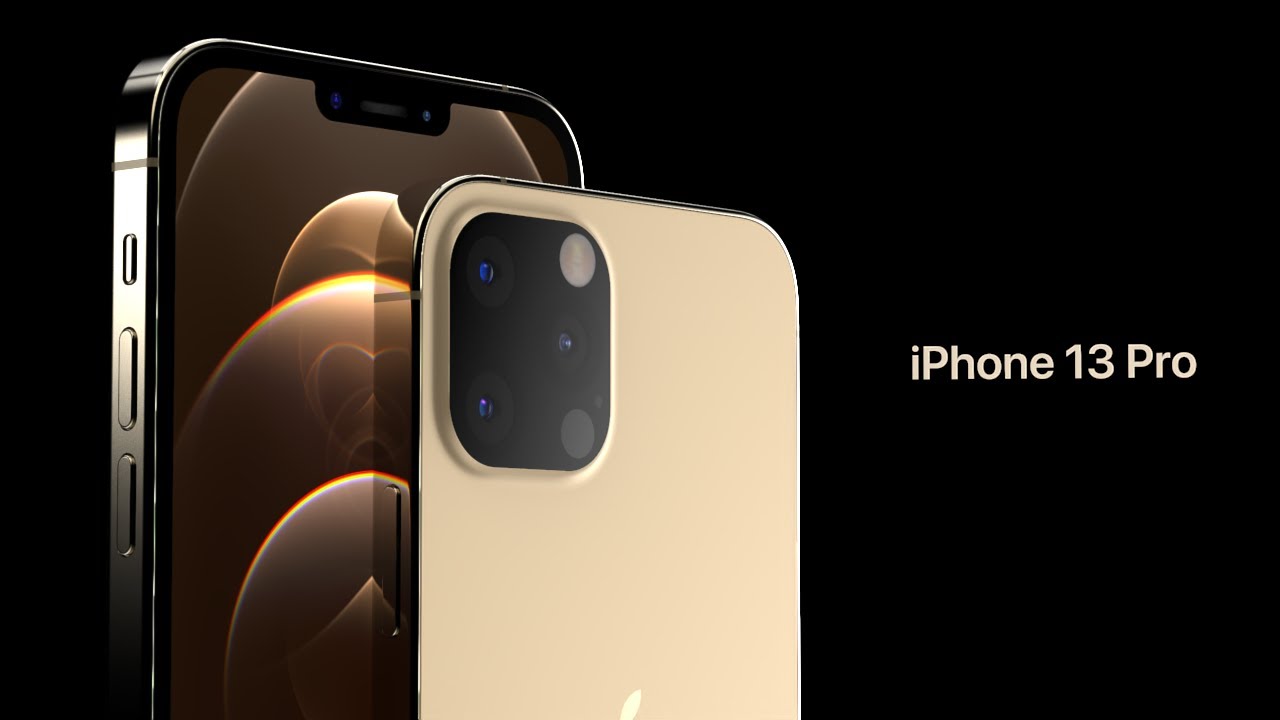
    Apple’s entire iPhone 13 family is ‘likely’ to bring a highly anticipated feature to market

    While there’s clearly no room for Apple’s traditional fingerprint recognition method on modern-day high-end iPhones, the Cupertino-based tech giant has been reportedly working on adapting its classic Touch ID sensor for mobile devices with little to no screen bezels for a number of years now.

    Of course, there are no plans to abandon the increasingly sophisticated, secure, convenient, and yes, beloved Face ID technology either, with Apple instead most likely aiming to put both state-of-the-art fingerprint and facial scanning features on the same handsets… eventually.
    The return of the popular Touch ID functionality could take place later this year, at least according to several reputable sources, although other well-known analysts and trusted insiders seem hesitant the iPhone 13 family will indeed make this important leap forward.
    We know exactly what you’re thinking. Why is everyone making such a big deal out of Apple’s tardy potential adoption of a feature that’s been standard on premium Android handsets for quite some time now? Put simply, the answer is because Apple could do it better than everyone from Samsung to Huawei, LG, Motorola, OnePlus, and Google.
    Google, mind you, has been the other big holdout of the in-display fingerprint sensor movement, opting for a traditional rear-mounted biometric authentication method on last year’s Pixel 4a, 4a 5G, and 5 after experimenting with an Apple-rivaling 3D face unlock system on 2019’s Pixel 4 and 4 XL.
    In theory, that means this year’s Pixel 6 may well challenge the iPhone 13 lineup in terms of screen-embedded fingerprint recognition accuracy and reliability, but something tells us that’s unlikely to ultimately be the case.
    For what it’s worth, there are no words on how Apple’s internal testing of the under-glass Touch ID technology is going or what companies will supply the necessary parts and components to make this upgrade possible in the latest report anticipating “2H21 iPhone” changes and beyond.
    All that Barclays analysts are ready to predict today is the hidden fingerprint sensor is coming this year alongside a slightly smaller notch on all iPhone 13 models. Said notch should be able to accommodate a “more tightly integrated version of the existing structured light system”, which essentially means the Face ID feature will largely go unchanged in 2021.
    2022’s iPhone 14 roster, however, could make a radical “architectural shift from structured light to time-of-flight, allowing for an even smaller footprint.” In other words, 2022 is expected to be the year of the first iPhone with a hole punch display… if all these predictions come true.
    Speaking of time-of-flight (ToF) technology, it seems practically etched in stone that the vanilla iPhone 13 and the diminutive iPhone 13 mini will follow in the footsteps of their predecessors with no such 3D LiDAR scanner on their back.
    That, in turn, emphasizes Apple’s plan to release a compact iPhone 13 mini model even after the underwhelming sales numbers of the 5.4-inch iPhone 12 mini, as well as the pretty much guaranteed integration of the aforementioned LiDAR sensor into the quad rear-facing camera system of both the iPhone 13 Pro and 13 Pro Max.
    That obviously doesn’t mean the imaging setups of the four 5G-enabled iPhone 13 variants will be identical to the camera components of their 12-series forerunners, with important upgrades also rumored in the screen technology department and the overall design language unlikely to be radically transformed.
    It remains to be seen if Apple will indeed go the divisive portless route this year after already stirring controversy with its 2020 decision to drop the bundled charger and earphones from the iPhone 12 series boxes. If that happens, at least you have things like improved battery capacity and expanded storage space to look forward to.
  • The EU comes after Apple with list of antitrust charges

    The EU comes after Apple with list of antitrust charges

    Apple is taking hit after hit in its continued struggle against antitrust accusations, as only last week Arizona passed a bill forcing the App Store to allow third-party payment systems within apps to circumvent the 30% commission fee.

    Reuters has revealed that EU antitrust regulators are currently finalizing a list of charges against Apple for violating antitrust laws. Apparently, Spotify, the Swedish music streaming service, had jumpstarted a set of four cases against Apple when it filed a report against the tech giant two years ago.

    Spotify had initially complained to the European Commission that Apple was giving an unfair advantage to Apple Music by restricting alternative platforms to keep them in its shadow. This has since galvanized further complaints against Apple’s 30% commission fee imposed on all apps without allowing alternative payment systems or other app stores onto the iOS.

    If Apple loses to these charges, it could spell the end of its App Store monopoly. In the US, Apple is waiting to go on trial in only two months to face Epic Games in a lawsuit for antitrust practices, which was launched last August. It looks like a freer mobile app publishing platform may loom on the horizon after all, which would be fortunate for smaller developers and businesses who have been impacted the most by this monopoly.

    Reuters states that the document listing the charges is set to be delivered to Apple sometime before this summer.

  • Apple is moving up to 10% of iPhone 12 5G production to India

    Apple is moving up to 10% of iPhone 12 5G production to India

    Apple and its partners have already moved some iPhone 11 and iPhone XR production to India, and the iPhone 12 could too be manufactured in the region as the company looks to further reduce its dependence on China.

    iPhone 12 production is soon going to start in India, where devices for both the domestic market and export will be manufactured.

    The move means Apple will be able to avoid India’s hefty smartphone import tariffs. It might be able to lower the starting price of its flagship iPhone 12 in India as well, in turn providing a much-needed boost to its business.

    Apple doubled the size of its Indian business in the final quarter of 2020, but Tim Cook himself admitted that the company’s presence in the market is still very small considering its overall size.

    Apple’s initial goal is to shift between 7-10% of total iPhone 12 production to India from China. The Silicon Valley-based giant has discussed moving iPhone 12 mini production to India too, but a final decision is yet to be made.

    Foxconn is leading these local efforts and is planning an expansion to its factory in Tamil Nadu, where two of the best cheap iPhones — iPhone 11 and iPhone XR — are assembled, to accommodate for Apple’s iPhone 12.

    Later in 2021, Pegatron is expected to start manufacturing the iPhone 12 in India too. However, partner Wistron doesn’t seem to be involved at this stage, likely due to recent riots at an Indian factory that led to it being put on probation by Apple.

  • How Apple’s iOS 14 privacy-friendly update is helping Twitter out

    How Apple’s iOS 14 privacy-friendly update is helping Twitter out

    We have all learned to question our privacy in this day and age of constant online activity, Alexa and Siri always listening, and advertisers spewing ads at us about things we hadn’t even yet realized we wanted. The whole Facebook fiasco over data privacy violation didn’t help our sense of security much, either.

    However, Apple seems to be taking a step in the right direction with its next update to give us a little more peace of mind. Apple’s iOS 14.5 (to be released in the very near future) is including a significant and commendable change in its privacy policy. As of the update’s release, all apps will be required to ask for explicit permission before using IDFA (a unique identifier all iPhones and iPads have to allow device tracking) for advertising (or other) purposes.

    According to Apple, users will have complete control over who is able to track their activity and data. Of course, that doesn’t guarantee we’ll always have full use of an app before consenting to data collection, but it does provide a significantly better sense of security.

    Twitter CEO Ned Segal voiced his approval for the coming update as well yesterday at the Morgan Stanley Technology, Media & Telecom Conference, claiming it will provide a more even playing field between social media companies. Segal acknowledged Twitter has not been as streamlined in leveraging its use of users’ data as other platforms (e.g. Facebook and Instagram), putting it at a disadvantage. However, this update will put all media companies back at the same starting point, requiring user permission to begin collecting data which most have been freely gathering left and right until now.

    “IDFA in a way is going to level the playing field. We’re in an industry where many were much better than Twitter historically at leveraging all of the data that was available to them, from the device ID to what people were doing on other websites. When we all have the same set of new challenges that we have to face, leveling the playing field will be a really interesting impact on the broader industry.”

    Segal promises that Twitter will not begin asking users for access to their devices right away, a restraint which other companies are unlikely to show. Instead, he plans to scope out and “learn from the industry and the broader ecosystem” before making such a move.

  • Ex-Nokia and Apple camera expert joins Microsoft’s Surface Team

    Ex-Nokia and Apple camera expert joins Microsoft’s Surface Team

    Ex-Apple employee Ari Partinen announced on Twitter that he has joined the Microsoft Surface Imaging team. A well-known name in the mobile camera industry, he’s worked for Nokia from 2017 to 2014 as an Image Quality engineer and later as the Lumia Photography Lead. After that he was hired by Apple for their camera team as a Senior Imaging Engineer from 2014 to 2015 and a Senior Manager of camera validation and testing from 2015 to 2018.

    Ari Partinen has worked on some incredible camera performers in the past. His work on the Nokia 808 PureView and its Windows Phone successor, the Lumia 1020, is his most notable accomplishment. Both devices were innovators in the camera department with their 41MP cameras breaking the limits of how good a phone camera could be.

    Since leaving Apple, he has been working as a Senior Manager at AAC Technologies, an electrical and electronic manufacturing company, until now.

    The Surface lineup has not been the greatest in the camera department. The Surface Duo had a disappointing 11MP camera on the front and none on the back. The device also had some other major flaws in the software, performance and battery departments. The Surface Duo’s starting price of $1,199 and the lack of 5G support didn’t help the company’s new mobile endeavor either.

    With the dual-screen device’s successor already in development, Ari Partinen could bring big improvements in camera performance in the Surface Duo 2. It is not yet clear if he is going to work only on the Duo or also on other Surface devices, like the successors to the well-known Surface Pro 7, Surface Laptop 3 and Surface Book 3 devices.

    The Nokia devices that Ari Partinen has worked on had innovative cameras, more megapixels and greater zoom performance. These achievements meant a jump in picture quality, especially in pixel quality, zooming and low-light performance. Many of the concepts these cameras experimented with are commonplace in high-end phones today.

    The Surface Duo 2 is expected to improve on its predecessor’s shortcomings, like the poor camera, software and battery performance. The lack of 5G is also expected to be addressed in the next generation of the device. It is not yet known when the device is going to be announced.

  • Apple is discovered fighting Arizona antitrust bill

    Apple is discovered fighting Arizona antitrust bill

    Recently, Apple thanked its lucky stars when North Dakota voted down a proposed bill that would have forced the company to allow 3rd-party payment processes for apps in the App Store. The bill’s objective is to let companies bypass Apple’s 15%-30% commission fee (like Epic Games did back in August, unsanctioned) on all applications and transactions on the platform. Apple has always stringently filtered the apps allowed in its store, on top of the commission which developers are calling “highway robbery.” The approval of this bill would give small businesses a much greater chance of survival, especially during the pandemic. However, the victory in North Dakota was only one small battle, and Apple’s fight is far from over.

    Not long after that, Minnesota introduced a similar bill, which Apple is currently lobbying against as well. And now, Apple has extended its efforts to Arizona—which hadn’t even introduced the proposed legislation officially yet before Apple came at them, torches and pitchforks waving. Apple and Google know well that if these bills are passed, they will lose billions of dollars which their duopoly has guaranteed them up until this point. According to them, these bills are “unconstitutional,” and Regina Cobb (the Arizona State Representative who introduced the bill) claims she is facing a nonstop onslaught from Apple and Google’s plethora of hired lobbyists over the past two weeks, as well as free-market groups and the Arizona Chamber of Commerce.

    Apple might be putting everything into fighting these small battles now, bill by proposed bill, state by state, but the deciding battle comes in May when the case between Epic Games and Apple goes to trial. If Minnesota and Arizona end up passing the bill, there’s a chance this (and consequent reactions) may affect the court’s decision, but it is not certain for now. Although much of the world is rooting for a future with a freer market, the North Dakota Senate voted off their proposed bill at a one-sided 36-11 ratio—so nothing is certain, and Apple certainly won’t stop fighting tooth and nail to keep its multi-billion-dollar app revenue from declining.