Tag: asia

  • Viber rolls out a new suite of business tools and they’re free

    Viber rolls out a new suite of business tools and they’re free

    Following WhatsApp, Viber announced a new set of business tools for small and medium-sized businesses. In an attempt to turn its app into a “communications hub for a wide range of businesses,” Viber is now rolling out several new features that will be available for free for small and micro businesses.

    Inspired by the company’s successful Viber Business Accounts for enterprise-sized level businesses, the free offering includes new features such as:

    • Public business profiles (Businesses can create a public, searchable business page featuring all essential information. The profile can be shared with customers inside the app or even with people who are not Viber users yet.)
    • 1:1 customer chats (Businesses can respond to customer requests right away over instant messaging.)
    • Discoverability through Viber search (Businesses can find and retain loyal customers on their preferred day-to-day conversations app, where customers can discover local products and services by searching for the business name or category.)
    • Dedicated chat folders (Businesses can conveniently store customer messages separately from personal messages with family and friends. Users will also have easy access to a separate Business Inbox folder for storing their conversations with businesses.)
    • Product catalog (Business owners can effortlessly add new products or services to their business page’s catalog. Customers can explore and inquire about the items by sharing the link to the product directly in the chat.
    According to Viber, these free business-oriented features will be followed soon by more services aimed at medium-to-large business accounts. It’s not clear if these will also be available for free, but it’s unlikely.

    The company’s new self-serve business accounts are only available in Greece and the Philippines for the moment, but they will be launched in additional countries soon.

    Viber also plans to add more useful features like broadcast messages, voice calls, as well as quick and automatic replies for small businesses. More importantly, Viber says that “tailored pricing plans” will be offered based on market feedback to expand the initial set of free self-serve business features.

  • Nespresso creates special blend with Blue Bottle Coffee

    Nespresso creates special blend with Blue Bottle Coffee

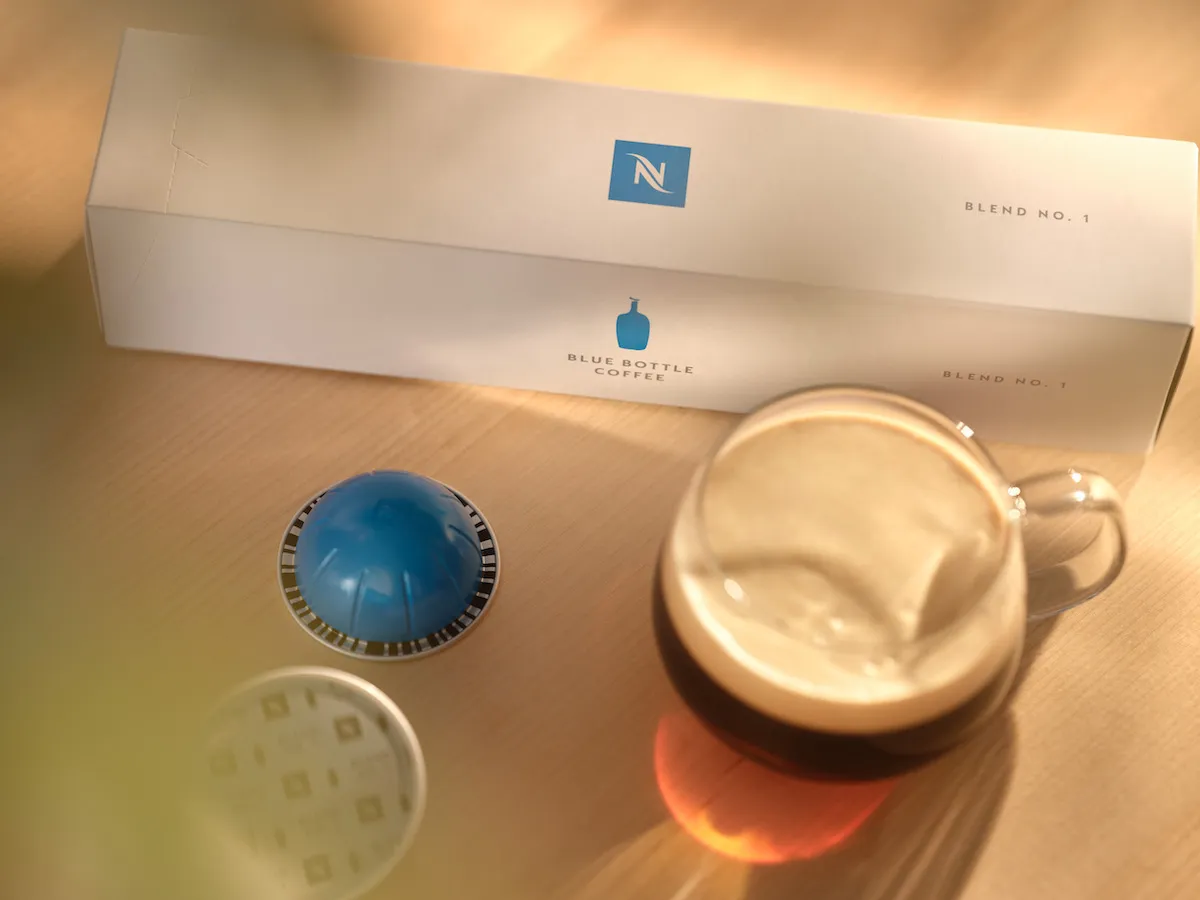
    Nespresso has collaborated with Blue Bottle Coffee in the US to develop Blend No. 1, the first limited-edition capsule combining the specialties of both brands.

    Blend No. 1 is a blend of organically processed coffee from two distinct origins, Ethiopia and Uganda, and is notably light and short-roasted in two splits, separated by origin.

    According to the brands, although Ugandan beans are given more time to develop intensity, Ethiopian beans are roasted lighter to maintain the finer aromatics. This is a delicate combination with aromas of jammy, ripe fruit, sweet caramel, gentle white florals, and a hint of cereal.

    “Symbolic of these two coffee worlds coming together, even more coffee drinkers can now enjoy the quality and exquisite taste of this exceptional creation,” said Alexis Rodriguez, head of coffee development at Nespresso.

    Blend No. 1 is available for Nespresso Vertuo machines and will be available for purchase on October 18 online and at Nespresso locations across the US.

    Nespresso introduced its seasonal limited-edition Pumpkin Spice Cake taste for both Original and Vertuo machines earlier this year.

  • Vietnamese fruit faces tougher competition in China

    Vietnamese fruit faces tougher competition in China

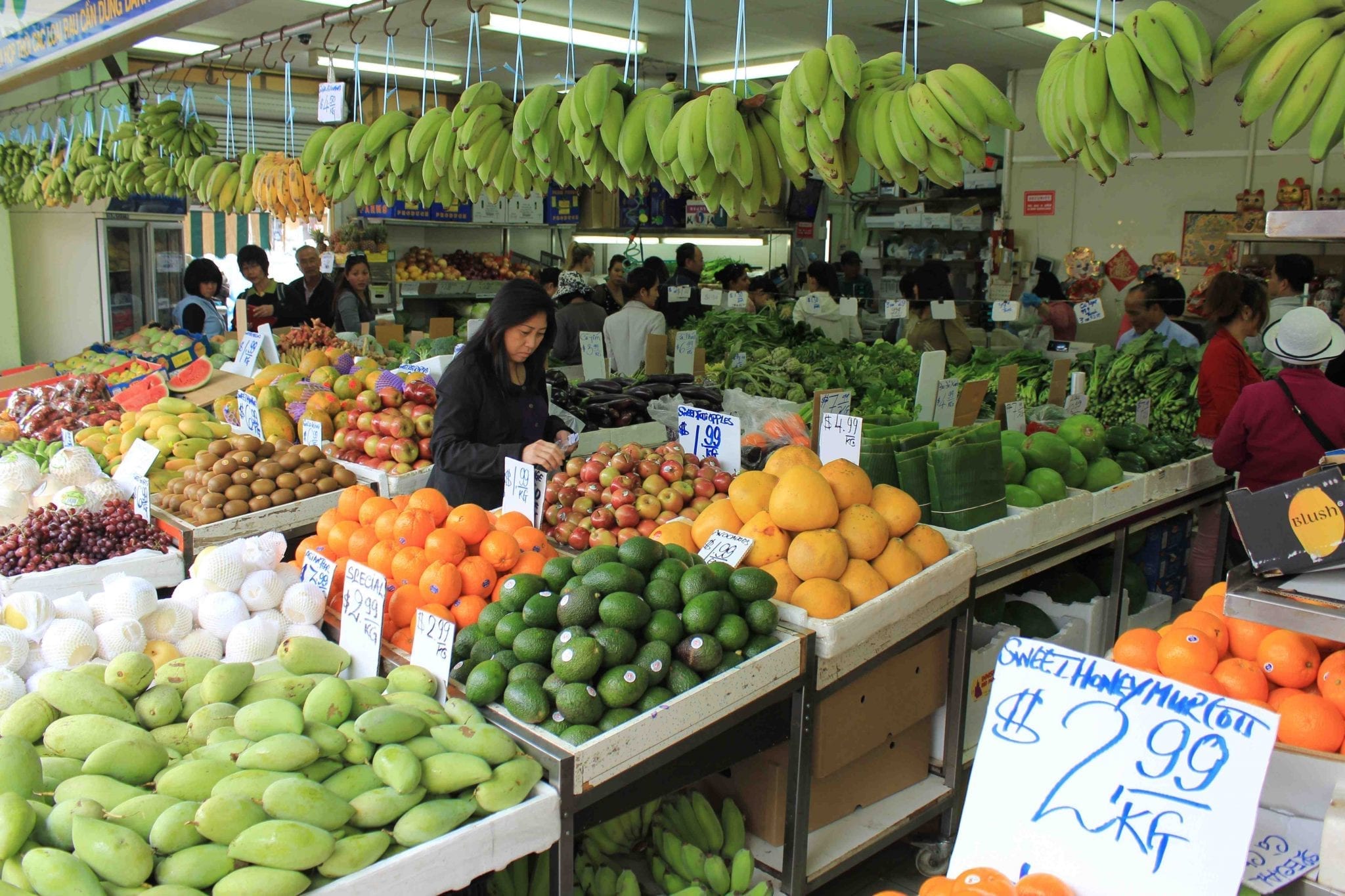
    Vietnam exported less fruit to China as the northern neighbor increased dragon fruit cultivation and allowed official import of passion fruit from Laos and longan from Cambodia.

    Data from Vietnam Customs showed dragon fruit exports to China totaled US$442 million, posting a year-on-year decrease of 4.4%. Specifically, red-fleshed dragon fruit exports fell by 38%.

    Currently, China’s dragon fruit output exceeds Vietnam’s, and its selling price is lower than that of the Vietnamese fruit.

    Passion fruit exports from Vietnam to China dropped 36.5% to $29.5 million.

    Vietnamese fresh passion fruit used to have the leading market share. Recently China has reduced import of the Vietnamese passion fruit because it has grown the fruit, and allowed Laos to export the fruit to the market on official quota since 2022.

    The Chinese agricultural product export news site Produce Report cited data from China Customs showing the country annually supplies 600,000 tons of passion fruit to the market.

    With longan, Vietnam’s annual output of over half a million tons is oversupplied and continuously sold at cheap prices as China has new suppliers from Cambodia.

    Cambodia has exported longan to China on official quota since late 2022. Data from the Cambodian Ministry of Agriculture showed their fresh longan exports to China in the first eight months of the year surpassed 8,100 tons, including 3,250 tons in August alone.

    Vietnam is the 7th largest coconut-producing country in the world, but it has not been allowed to export the fruit to China on official quota.

    Cambodia, a country outside the top 10 with only 17,000 hectares of coconut, and an output of 248,000 tons in 2022, has exported fresh coconuts to China on official quota since September.

    Vietnam’s avocado, mango, and jackfruit are also at risk of competing with other countries for the Chinese market.

    Recently, Venezuela, the 15th biggest avocado producer in the world, was allowed to export the fruit to China on official quota. Meanwhile, Vietnam still has to export avocado to China on unofficial quota at low output values via under the table border trade.

    Malaysia has recently been approved jackfruit exports on official quota to China, just like Thailand and Vietnam.

    The director of a fruit export business in the Mekong Delta province of Long An predicted that the market share and selling prices of Vietnamese dragon fruit, passion fruit, and longan in China will continue to decrease sharply.

    Dang Phuc Nguyen, general secretary of the Vietnam Fruit and Vegetable Association, said Vietnam should re-plan dragon fruit and passion fruit growing areas to control quality and output of the two fruits.

    The country should facilitate negotiations with China to have avocado exported on official quota, and export the fruit to other markets such as Japan, South Korea, and the U.S., he said.

  • UPS to expedite pharma, AOG handling with new acquisition

    UPS to expedite pharma, AOG handling with new acquisition

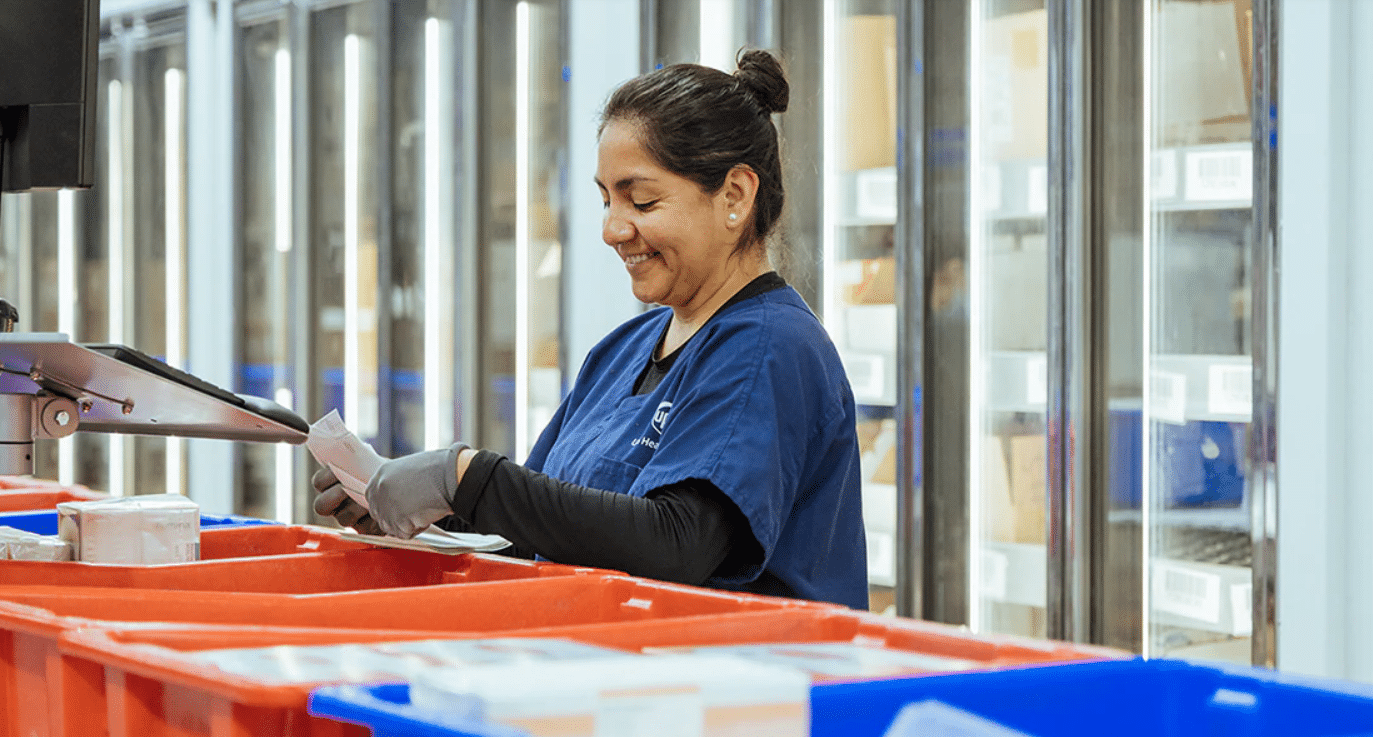
    UPS has entered into an agreement with private equity firm Quad-C Management to acquire MNX Global Logistics (MNX), a time-critical logistics provider with clients in the aerospace, healthcare and pharma industries.

    UPS will look to leverage MNX’s specialist capabilities in airport on ground (AOG) delivery services and temperature-controlled logistics for its healthcare unit and clinical trial logistics subsidiary Marken.

    The company will also offer industry-leading time-critical, temperature-sensitive logistics services together with UPS Express Critical. The transaction is expected to close by year-end, subject to customary regulatory review and approval. UPS has not declared the value and terms of the transaction at the time of writing.

  • Instagram tests Stories with multiple audience lists

    Instagram tests Stories with multiple audience lists

    Instagram’s Stories is one of the standout features on the social media platform. Data shows that more than 500 million people engage with Stories daily, and a whopping 85% of all Instagram users post a Story every single day. Considering the platform boasts over 2.3 billion active users, that’s quite a substantial number, don’t you think? It’s understandable if you’re not keen on having your Story visible to everyone, especially after seeing these staggering figures. The good news is there might be a solution on the horizon.

    Instagram is currently testing the capability to share Stories with multiple audience lists. The goal is to allow you to share Stories with smaller, more specific groups, providing better control over who gets to see your Stories. Adam Mosseri, Instagram’s head, shared details about testing this new feature on his Instagram broadcast channel.

    Previously, Instagram introduced the Close Friends feature, allowing you to share Stories exclusively with a select group of your closest friends, keeping them hidden from the wider audience. To use the Close Friends feature, you first need to specify who you want in your Close Friends list. You have complete control over this list since no one can request to be added.

    The new feature being tested goes beyond the Close Friends concept, enabling users to create multiple lists, not just one for close friends. For instance, you can have a list exclusively for your classmates, another for your co-workers, or one for family members. This way, you have the power to decide who sees what, emphasizing the importance of privacy (after all, not everyone wants to share their moments with over 2.3 billion people, right?).

    A recent report revealed that Meta used public Facebook and Instagram posts to train parts of its new Meta AI virtual assistant. If this raises concerns, using features like Close Friends or the upcoming one being tested might be a wise choice. The new AI assistant is already rolling out to WhatsApp, Instagram, and Facebook.

  • Indonesia bans e-commerce transactions on social media

    Indonesia bans e-commerce transactions on social media

    Indonesia has banned e-commerce transactions on social media platforms, the trade minister said on Wednesday, in a blow to short video app TikTok, which is doubling down on Southeast Asia’s biggest economy to boost its e-commerce business.

    The government said the move, which takes effect immediately, is aimed at protecting offline merchants and marketplaces, adding that predatory pricing on social media platforms is threatening small and medium-sized enterprises.

    The move comes just three months after TikTok pledged to invest billion of dollars in Southeast Asia, mainly in Indonesia, over the next few years in a major push to build its e-commerce platform TikTok Shop.

    TikTok, owned by China’s ByteDance, has US$125 million active monthly users in Indonesia and has been looking to translate the large user base into a major e-commerce revenue source.

    A TikTok Indonesia spokesperson said it would pursue a constructive path forward and was “deeply concerned” with the announcement, “particularly how it would impact the livelihoods of the 6 million” local sellers active on TikTok Shop.

    Indonesia Trade Minister Zulkifli Hasan on Wednesday told reporters that the regulation is intended to ensure “fair and just” business competition, adding that it was also intended to ensure data protection of users.

    He warned of letting social media become an e-commerce platform, shop, and bank all at the same time.

    The new regulation also requires e-commerce platforms in Indonesia to set a minimum price of $100 for certain items that are directly purchased from abroad, according to the regulation document reviewed by Reuters, and that all products offered should meet local standards.

    Zulkifli said TikTok had one week to comply with the regulation or face the threat of closure. Indonesia Deputy Trade Minister Jerry Sambuaga earlier this month named TikTok’s live streaming features as an example of people selling goods on social media.

    Research firm BMI said TikTok would be the only business affected by the transaction ban and the move was unlikely to harm the digital marketplace industry’s growth.

    Indonesia’s e-commerce market is dominated by the likes of homegrown tech firm GoTo’s Tokopedia, Sea’s Shopee and Chinese e-commerce giant Alibaba’s Lazada.

    E-commerce transactions in Indonesia amounted to nearly $52 billion last year and of that, 5 per cent took place on TikTok, according to data from consultancy Momentum Works.

    Indonesia is among the few markets where TikTok has launched TikTok Shop, as it seeks to leverage its large user base in the country.

    Its 125 million active monthly users in Indonesia is almost on par with its user figures for Europe and behind US users of more than 150 million. TikTok launched an online shopping service in the United States earlier this month.

    Reactions from retailers were mixed.

    Fahmi Ridho, a vendor selling clothes on TikTok, said the platform was a way for stores to recover from the blow dealt by the Covid-19 pandemic.

    “Sales don’t have to be necessarily through (brick and mortar) shops, you can do it online or wherever. … Everything will still have a portion,” he said.

    But Edri, who goes by one name only and sells clothes at a major wholesale market in Jakarta, agreed with the regulation and stressed that there should be limits on items sold online.

  • Uniqlo to open Rome flagship store at the Galleria Alberto Sordi

    Uniqlo to open Rome flagship store at the Galleria Alberto Sordi

    Uniqlo will open its first store in Rome’s Galleria Alberto Sordi on Via del Corso, a key boulevard in the city’s historical heart, in the spring of next year.

    The new store will feature clothing labels for women, men, and children and have a total sales floor area of more than 1300sqm divided across three floors. Following the opening of its first location in Milan’s Piazza Cordusio in September 2019, this will be Uniqlo’s second store in the country.

    “It is an honour for us to open in the capital of Italy, a city with such a strong cultural heritage, and increase our presence in the Italian market with a store in the Galleria Alberto Sordi, an important retail location that first opened 100 years ago,” said Mark Barnatovic, Uniqlo Italy COO.

    “We look forward to offering our Uniqlo LifeWear, apparel that is created from our Japanese values of quality, simplicity, and longevity and helps improve people’s daily lives, to Uniqlo fans and customers in Italy as well as visitors from abroad.”

    Uniqlo has also increased its presence in India, opening its first store in Mumbai in July, bringing the brand’s total store count in the nation to 11.

  • Eximbank names new acting CEO

    Eximbank names new acting CEO

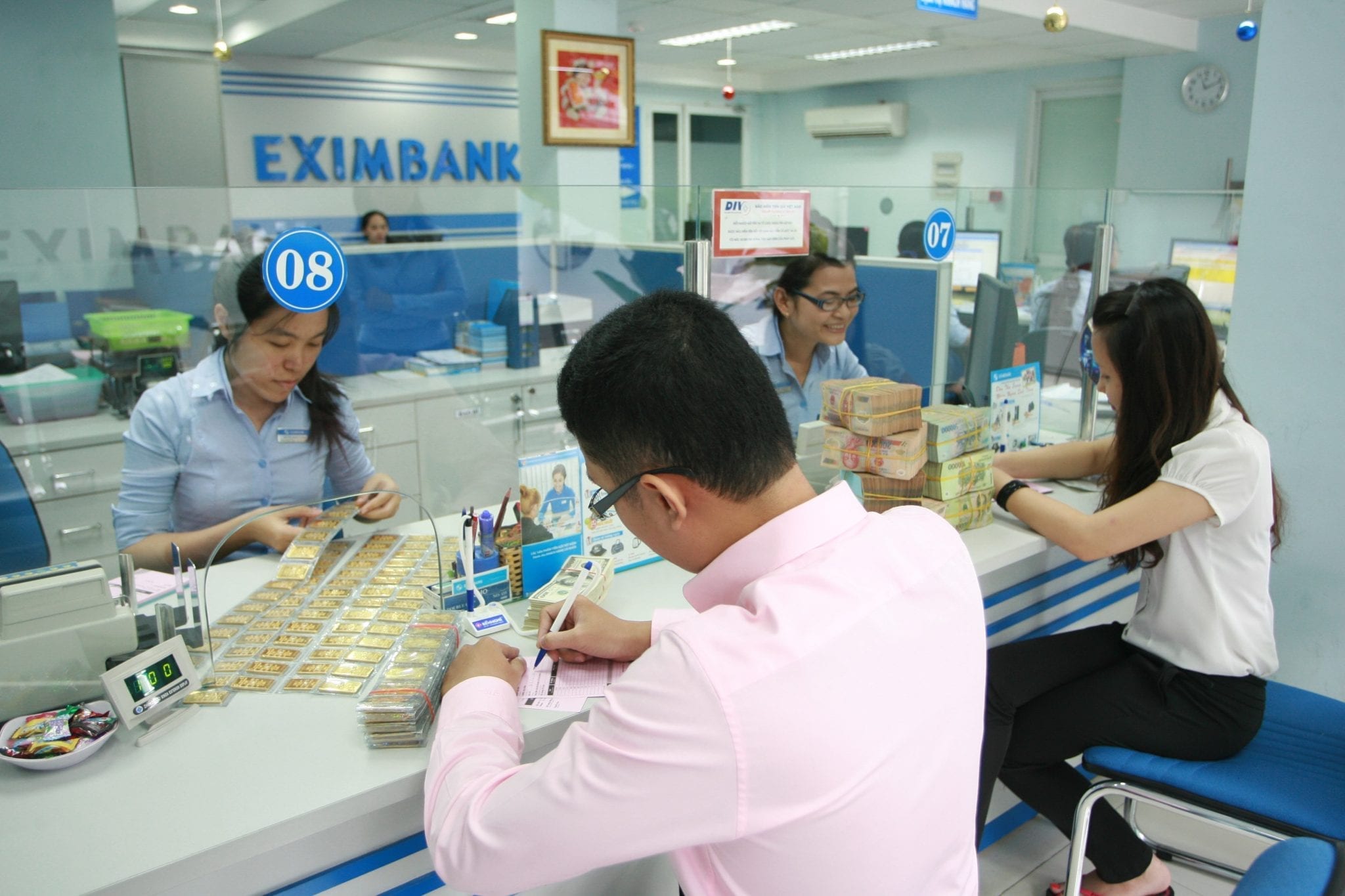
    Lender Eximbank has appointed Nguyen Hoang Hai as acting CEO for a year to replace Tran Tan Loc who resigned Monday.

    Hai, 45, who has worked for ABBank and EVN Finance, had become deputy CEO of Eximbank in early August.

    Loc remains a director.

    Also on Tuesday the bank dismissed another deputy CEO, Pham Quang Dung.

    Last month it had appointed Nguyen Canh Anh as a director. He too has worked for EVN Finance in the past.

    It has been a game of musical chairs for the Eximbank leadership in recent years.

    Do Ha Phuong became its chairwoman in June in place of Luong Thi Cam Tu, who had only taken over in February 2022.

  • China grows more dragon fruit, reduces imports from Vietnam

    China grows more dragon fruit, reduces imports from Vietnam

    China is expanding the cultivation of red-fleshed dragon fruit, which sells at lower prices than imports from Vietnam.

    Last year, it said it grew the fruit on 67,000 hectares and produced 1.6 million tons, which exceeded Vietnam’s output.

    The People’s Daily newspaper reported that farmers in Cixi in Zhejiang Province in eastern China worked all night to pollinate dragon fruit, ensuring a bumper crop artificially.

    Chinese news site Produce Report said July-August is the peak season for the fruit, and in Guangxi, the largest producer in the country, dragon fruit prices have dropped to record lows.

    Red-fleshed dragon fruit is selling at some seven renminbi (nearly US$1) per kilogram and white-fleshed dragon fruit imported from Vietnam at around nine renminbi in Nanning, the capital of Guangxi.

    The local produce has also flooded markets in other Chinese localities, and mostly costs less than the Vietnamese imports.

    With the jump in domestic production, imports from Vietnam are falling.

    According to data from China Customs, 206,000 tons had been imported in the first half of this year, mostly from Vietnam, for 1.37 billion renminbi ($187 million), a year-on-year decrease of 50.4% and 42.9% and the lowest levels in nearly a decade.

    In August, Vietnam’s dragon fruit exports were down 20.5% year-on-year and 34% from July to $40.6 million. Exports in the first eight months declined 4.4% year-on-year to $442 million. In the first eight months, red-fleshed dragon fruit exports to China dropped by 36.5%.

    The director of a dragon fruit export company in the central Binh Thuan Province said while dragon fruit has always been a key export item with annual shipments exceeding $1 billion, they have been sluggish this year.

    Nguyen Dinh Tung, general director of Vina T&T Export-Import Service Trading Company, said exporting dragon fruit to China is not as lucrative as before. The U.S., Canada and Mexico have also started growing the fruit, causing Vietnam’s exports to them to shrink.

    Dang Phuc Nguyen, general secretary of the Vietnam Fruit and Vegetable Association, said the dragon fruit supply chain faces two challenges.

    Farmers overuse pesticides, whose residues exceed prescribed levels and fail to not meet food safety regulations in some countries, he said.

    After harvest, the fruit needs to be preserved properly to ensure quality, but Vietnam has limited technology for this, and could only preserve it for less than 60 days, making exports by sea to distant countries difficult, he said.

    Businesses need to persuade research institutions to create better preservation technologies, he added.

    Experts have called on authorities in dragon fruit-growing areas not to expand the area under the fruit, but to replace existing plants to improve productivity and quality.

    “Bedsides, processing facilities need to research into using dragon fruit in cosmetic products such as facial masks and skin creams for both domestic consumption and export like South American countries have done,” Nguyen said.

  • Siam Piwat commits to using 100 per cent renewable energy by 2030

    Siam Piwat commits to using 100 per cent renewable energy by 2030

    Retail developer Siam Piwat Group has pledged to target net-zero greenhouse gas emissions by 2050, starting with a commitment to using 100 percent renewable energy by 2030.

    Siam Piwat – the owner and operator of Siam Paragon, Siam Center, and Siam Discovery, and a joint venture partner of IconSiam and Siam Premium Outlets Bangkok – says it wants to “lead the charge” in developing a smart ecosystem across its properties.

    As part of its net-zero journey, the company will sign a memorandum of understanding with world-class companies on sustainability by early next year as it works to reinforce its leadership in world-class sustainable destination development.

    “Siam Piwat has long been recognised by various world-class brands for centring its business on sustainable concepts and practices,” said Naratipe Ruttapradid, COO of Siam Piwat Co.

    “Guided by the vision to benefit society at large and elevate the quality of life for all, we strive to use our business as a platform of opportunities, for developing individual capabilities, and to ensure that all parties involved grow and succeed with us. We also prioritise environmental conservation everywhere we operate and promote resource efficiency and reutilisation.”

    Siam Piwat will develop partnerships with government bodies, universities, suppliers, local authorities and tenants to connect its business to people, society, and the environment as it accelerates projects that will power the business with clean energy. It anticipates this will push forward the Siam Piwat 360° Waste Journey to Zero Waste waste management program, and help develop the Bangkok commercial district of Pathumwan into a model of a smart eco-district.

    Naratipe said Siam Piwat wants to become Thailand’s first retail property developer to collaborate with the world’s premier brands and organisations on sustainability in pursuit of the United Nations’ sustainability goals and meet new global standard of business practice.

    Siam Piwat continues to be as committed as ever to leveraging its capabilities and business networks to create an urban model for environmental revitalisation and to drive the adoption of renewable energy and 360° waste management.

    Associate Professor, Dr Singh Intrachooto, a consultant and expert in the field of sustainability, has been a key driver and co-developer of Siam Piwat’s sustainability initiatives and eco-projects for more than a decade. He said Siam Piwat has long been a pioneer in championing sustainability and is now embracing new eco initiatives across its operations.

    Among the green initiatives that Singh has worked with Siam Piwat to develop are eco-projects aimed at transforming shopping centres into learning centres on sustainability, and Kheo Siam, a book explaining environmental issues in Thailand and worldwide, eco-trends, and Siam Piwat’s approaches to environmental management.

    He also played a pivotal role in advancing eco-community development and bringing to life Ecotopia at Siam Discovery – Asia’s first and largest eco-lifestyle retail hub. This initiative was born from Siam Piwat CEO Chadatip Chutrakul’s vision to empower communities and producers of eco-friendly product at all levels.

    “I can say with confidence that Siam Piwat has robust and concrete environmental practices that meet and often endeavour to surpass internationally accepted standards,” said Singh.

    Clean power towards net-zero

    Siam Piwat has incorporated environmental management into its business operations, starting with energy conservation and energy efficiency enhancement. For example, it has replaced lighting with LED bulbs to save energy and it uses AI-powered environmental control systems within its buildings.

    The company has expanded its use of clean energy – as can be seen from the installation of rooftop solar panels at IconSiam which produce more than 1 million kWh annually and reduce greenhouse gas emissions by about 550 tCO2e per year. Siam Piwat also collaborated with Gunkul Engineering to develop and install a rooftop solar PV system covering more than 20,000sqm at Siam Premium Outlets Bangkok, generating more than 4.8 million kWh of electricity annually and reducing greenhouse gas emissions by approximately 4300 tCO2e per year.

    Working with partners, Siam Piwat has installed electric vehicle charging stations to serve customers of its shopping centres.

    All these initiatives form part of Siam Piwat’s efforts to lower greenhouse gas emissions and contribute to the creation of a low-carbon society.

    Currently, the company is collaborating with several leading clean energy organisations in Thailand – including SCG Cleanergy, a subsidiary of the Siam Cement, and B.Grimm Power – to procure renewable energy, with the goal of enabling every shopping centre under Siam Piwat Group to successfully transition towards renewable energy and reduce its reliance on electricity generated from fossil fuels. The target is to increase the use of renewable energy compared to the total electricity consumption across all areas under Siam Piwat’s direct management to 30 per cent by 2026 and to achieve 100 per cent renewable energy in all areas by 2030.

    Meeting waste management challenges

    Meanwhile, Siam Piwat is working to address Thailand’s waste management challenges by promoting the optimisation of resource efficiency by way of circular economy through the Siam Piwat 360° Waste Journey to Zero Waste. This program aims to promote efficient waste management through setting up a Recycle Collection Center in collaboration with various partners to collect and sort cleaned waste for recycling to be repurposed or upcycled for added value.

    Some of the upcycled products are also available for sale in Ecotopia, the group’s retailer of green products inside Siam Discovery. Siam Piwat’s goal is to divert 50 per cent of its waste from landfill by 2030.

    Aware of Thailand’s growing volume of electronic waste (e-waste), Siam Piwat has partnered with Synnex’s Trusted by Synnex E-Waste program to set up collection points for e-waste in Siam Paragon.

    Strategy for the development of Pathumwan as a smart model

    Along with a focus on its own properties, Siam Piwat is working to involve various communities in the Pathumwan business community in the heart of Bangkok to help create a world-leading smart ecosystem.

    To this end, the company is collaborating with Associate Profesor Niramon Serisakul, director of the Urban Design and Development Center, Center of Excellence in Urban Strategies (UddC-CEUS) at the Faculty of Architecture, Chulalongkorn University.

    “Pathumwan is the epicentre of shopping destinations for Thai and international visitors of all ages,” said Niramon. “It offers a diverse range of shopping centres, department stores, and community malls – both vertical and horizontal – catering to every individual’s lifestyle.

    “The area is home to educational institutions, tutoring schools, offices, mixed-use buildings, and more, so Siam Piwat’s role as a leader in elevating Pathumwan into a smart eco-district will enhance its competitive edge and enable it to maintain its position as a premier creative economic district and a driver of Thailand’s economy.”

    Siam Piwat’s key mission is to advance sustainability in order to enable Thailand to achieve its sustainable development goals and create a better world for all.

  • Jollibee Singapore opens first drive-thru store

    Jollibee Singapore opens first drive-thru store

    Jollibee Singapore has opened its 20th location in Singapore – and its first in the city to feature a drive-thru service – at Caltex Jurong Spring station.

    “This milestone coincides with our 10th anniversary in Singapore, during which time we have expanded from a single outlet in Lucky Plaza to 20 stores across the country, growing our consumer base from serving primarily Filipinos, to now serving the mainstream Singaporean market who comprise the predominant majority of our customers today,” said Dennis Flores, president of Jollibee Europe, Middle East, Asia and Australia.

    The launch of Singapore’s first drive-thru restaurant follows the recent opening of a Jollibee store in neighbouring Malaysia, its 10th in the country, located at the Kuala Lumpur International Airport.

    Jollibee launched 38 locations internationally in the first half of 2023, with 23 of them located outside of the Philippines.

    Last month, Jollibee Foods Corporation (JFC) completed the acquisition of a 60 per cent stake in Jollibee Hong Kong’s master franchisee Meko Holdings Limited, which is valued at US$16.08 million.

  • iPhone 15 sales top $42M on opening day

    iPhone 15 sales top $42M on opening day

    Sales of the newly released iPhone model surpassed the VND1-trillion (US$42 million) mark for a second year in a row, despite the economic downturn.

    The iPhone 15 came to Vietnam on Sept. 29, the first time the country was included in Apple’s second round of sales a week after starting in markets like the U.S., India, Singapore, Japan, and Thailand.

    Most Vietnamese retailers said sales were “much better than expected” in what has been a gloomy year for the phone market.

    The Gioi Di Dong sold more than 15,000 for worth VND500 billion, accounting for nearly 50% of the market.

    Other retailers such as FPT Shop, CellPhoneS, ShopDunk, and Hoang Ha Mobile reported sales of 2,000-7,000 each.

    In all, according to statistics from an importer, on Sept. 29 alone, 35,000 iPhone 15s worth more than VND1 trillion were delivered to customers. The phones were sold out within hours.

    FPT Shop did not disclose revenues for the full day, but merely said over 5,000 devices worth VND150 billion were delivered just after midnight.

    CellphoneS delivered 1,500 phones in the first two hours.

    The most popular variant, also the most expensive, has been the Pro Max, which accounted for 50-70% of sales.

    But their sales were 10-20% from last year due to the smaller supply but also because consumers have started to pay more attention to the two regular versions with their eye-catching colors and nearly similar features, according to a CellPhoneS executive.

    Most retailers sold out the 15 Pro and 15 Pro Max in natural titanium color.

    Users only have a choice between blue and black for the 1 TB version. Meanwhile, the 15 and 15 Plus had better sales than their predecessors though the most popular color, pink, is also in short supply.

    Overall, sales on the first day were lower than last year, when the iPhone 14 fetched VND1.5 trillion.

    A Hoang Ha Mobile executive said the number of devices allocated to the country by Apple was not as high as last year.

    The color options were also low, leading to the most popular models soon selling out, he said.

    Retailers still have iPhone 15 devices in stock, mostly the regular versions and less popular colors like black.

  • Analysts expect property market to recover early next year

    Analysts expect property market to recover early next year

    The property market has overcome its most difficult period and will recover from early 2024, analysts concur.

    Speaking at the first-ever Autumn Real Estate Forum in Hanoi recently, Can Van Luc, chief economist at state lender BIDV and a member of the National Financial and Monetary Policy Advisory Council, said: “There are more opportunities [now] for the real estate market than challenges because it has overcome the most difficult period.”

    The central bank has reduced policy interest rates four times this year, leading to lower lending interest rates, and policies have been launched to support businesses and individuals such as debt restructuring and preferential credit for social housing, he said.

    He said that tax breaks have also helped companies overcome cash flow and liquidity difficulties. Tax exemptions, reductions and extensions this year are estimated to be worth VND200 trillion (nearly US$8.5 billion), he said. “These are unprecedented policies for businesses, including those in the real estate sector.”

    A lot of corporate bonds will fall due in March 2024, but the situation is under control, seems to be the consensus among analysts.

    Meanwhile, inflation and interest rates tend to gradually decrease, creating conditions for the central bank to loosen monetary policy.

    By August inflation was at 4.6% and the overnight interest rate had decreased to nearly the level of the beginning of 2021.

    The property sector also ranked second in attracting FDI with its US$2 billion accounting for nearly 10% of total inflows.

    Nguyen Van Dinh, president of the Vietnam Association of Realtors, said the market has improved.

    A number of new projects put properties on sale in the second quarter and there were 3,700 successful transactions, while there had almost been no new supply in the first quarter and only around 1,000 transactions, Dinh said.

    Between July and August there were another 5,000 transactions, 70% in the apartment segment. Supply is gradually increasing again mainly from 300 old projects.

    Many investors have restructured their products, lowering prices to attract buyers.

    Dinh said: “In the beginning of this year many developers and investors stopped launchingproducts because they were afraid no one would buy. But since the third quarter their confidence has returned.”

    Experts said the signs indicate the market would start recovering at the beginning of 2024. Luc forecast the economy to grow at nearly 6% in the third quarter and 7.5% in the fourth quarter, and the property market will perform better from the beginning of next year.

    He believed early 2024 would be a favorable time to make investment decisions as interest rates and land and housing prices are decreasing.

    Economist Dinh Trong Thinh said the market would see clear changes from the end of the first quarter and the beginning of the second quarter of 2024 when there is stronger supply of social housing.

    He said developers and buyers would focus on affordable housing rather than luxury projects like apartments, villas and resorts to ensure cash flow.

    Since the end of 2022 over 400 social housing projects have been under way. One of them, a project to build one million social and workers’ housing units is expected to contribute to the market’s recovery.

    According to the Vietnam Real Estate Research Institute, the market will make a V-shaped recovery starting in the middle of the second quarter of 2024.

    The supply of apartments is expected to soar by 20-25% annually during the recovery period in 2024-26.

    In Hanoi and Ho Chi Minh City, apartment supply during the period will be 70,000-85,000 units a year, equivalent to pre-pandemic levels.

    Experts admitted however that the market would continue to face challenges until 2030 since there is no national strategy for the housing market with a long-term vision.

    They said long-term challenges include overlaps in policies and legal mechanisms, a resource shortage, inflation and high interest rates, and modest quality of planning, infrastructure, market information, and human resources.

  • Dutch competition regulator rejects Apple’s objections to $53 million in fines

    Dutch competition regulator rejects Apple’s objections to $53 million in fines

    Apple may be the favorite phone brand in the Netherlands, but the Dutch regulators lately think little of the iPhone makers.

    The Cupertino giant has faced rejection from the Dutch competition regulator ACM (Authority for Consumers and Markets). Apple objected to fines that currently add up to $53 million, but the Dutch ACM is adamant on the issue.

    Internally, this “objection-rejection” thing has been known from July 13, 2023, when ACM decided to say “No!” to Apple’s objections, but it has only now been published.

    Apple is ready to take this to court: “We disagree with the ACM’s original order, which degrades investment incentives and is not in the best interests of our users’ privacy or data security. As the ACM has denied our administrative appeal, we will appeal to the Netherlands courts”, Apple told Reuters.

    The ACM vs. Apple beef in the Netherlands is a long-standing dispute over… dating apps in the App Store. The problem Dutch authorities saw in the way Apple was conducting its business was due to it not allowing alternative payment systems for Dutch dating apps. That’s all they wanted – an alternative payment system to be allowed on the App Store, because Dutch people were not happy with the commission fee that the App Store takes on purchases.

    The ACM says that Apple has now complied with “most of its demands”, but there’s an additional – undisclosed one – that they haven’t complied with.

    It’s still unknown what’s the character of that final order that Apple failed to comply with, but the ACM regulator has promised to publish details should it win in court.

  • Thaco H1 profit falls as auto market remains listless

    Thaco H1 profit falls as auto market remains listless

    Automaker Thaco Group reported first half profits of VND1.076 trillion (US$45.6 million), or less than a quarter of last year’s figure, amid an auto market slump.

    Its profit margin of 2.1% was a fifth of the rate in the first half last year, the company said in a financial report it sent to the Hanoi Stock Exchange.

    The car market has been sluggish since the last quarter of 2022. Thaco Group recently slashed the prices of many models it manufactures and distributes by hundreds of millions of dong (VND100 million = $4,114) to stimulate demand.

    Thaco Group still has a sales target of over 120,000 vehicles for this year, including 96,000 passenger cars, 23,500 trucks and 1,500 buses and mini buses.

    According to statistics from the Vietnam Automobile Manufacturers Association, Thaco sold some 58,000 cars in the first eight months of this year, down 40% year-on-year and only 48.3% of its target.