Tag: asia

  • Bonanza for sweet potato farmers as prices double

    Bonanza for sweet potato farmers as prices double

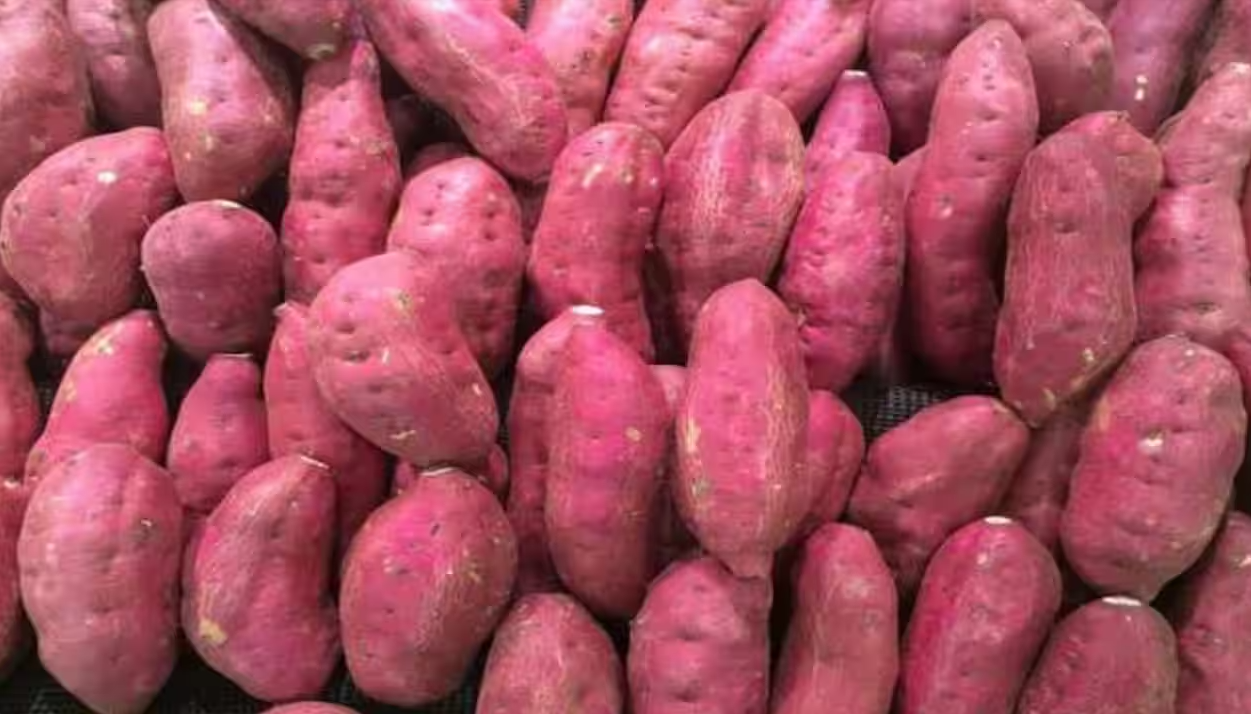
    Sweet-potato growers in the Central Highlands are enjoying a windfall as prices have doubled from last year to VND15,000–20,000 ($0.61-0.82) per kilogram on higher demand and declining output.

    Hoa, a farmer in Kon Tum who has three hectares of land, said last week he harvested 12 tons of Le Can sweet potato on one hectare, and, at VND18,000 per kilogram for type 1 quality and VND13,000 for type 2, made a profit of VND100 million.

    “I have two hectares left to harvest in a month. If prices stay this high, the harvest this year will benefit my family greatly.”

    Luong, who has been growing Japanese sweet potato for 10 years in Gia Lai, said though her yield was below expectations, she would still harvest 40 tons on her two hectares of land. Thanks to the higher prices, her profits this year might reach VND400 million.

    Thanh Mai, a trader who buys Central Highlands sweet potatoes, said when prices were VND8,000–10,000, farmers either made losses or low profits, but this year prices have doubled.

    They fetch farmers VND80–100 million profits per hectare, rising to VND100–200 million in the case of Japanese sweet potato, she said.

    She said most growers in the Central Highlands are getting high prices of VND14,000-20,000 per kilogram. This year the sweet potato is also of higher quality, he added.

    Traders said demand is higher in both the domestic and export markets, but supply is low since farmers are planting less than before.

    >General Secretary of the Vietnam Fruit and Vegetable Association Dang Phuc Nguyen, said China’s new quarantine requirement for Vietnamese sweet potatoes since late last year has driven up their prices.

    The first batch of sweet potatoes was exported to China at the end of April.

    According to its Department of Agriculture and Rural Development, Gia Lai Province has around 5,000 ha under sweet potato.

    Dak Lak has 10,000 ha. Its output is estimated at nearly 300,000 tons this year, with growing zones with area codes allotted accounting for 50,000 tons. Farmers have completed around 50% of the harvest.

  • Mercedes-Benz Unveils New MBUX-Based In-Car Payment Tech

    Mercedes-Benz Unveils New MBUX-Based In-Car Payment Tech

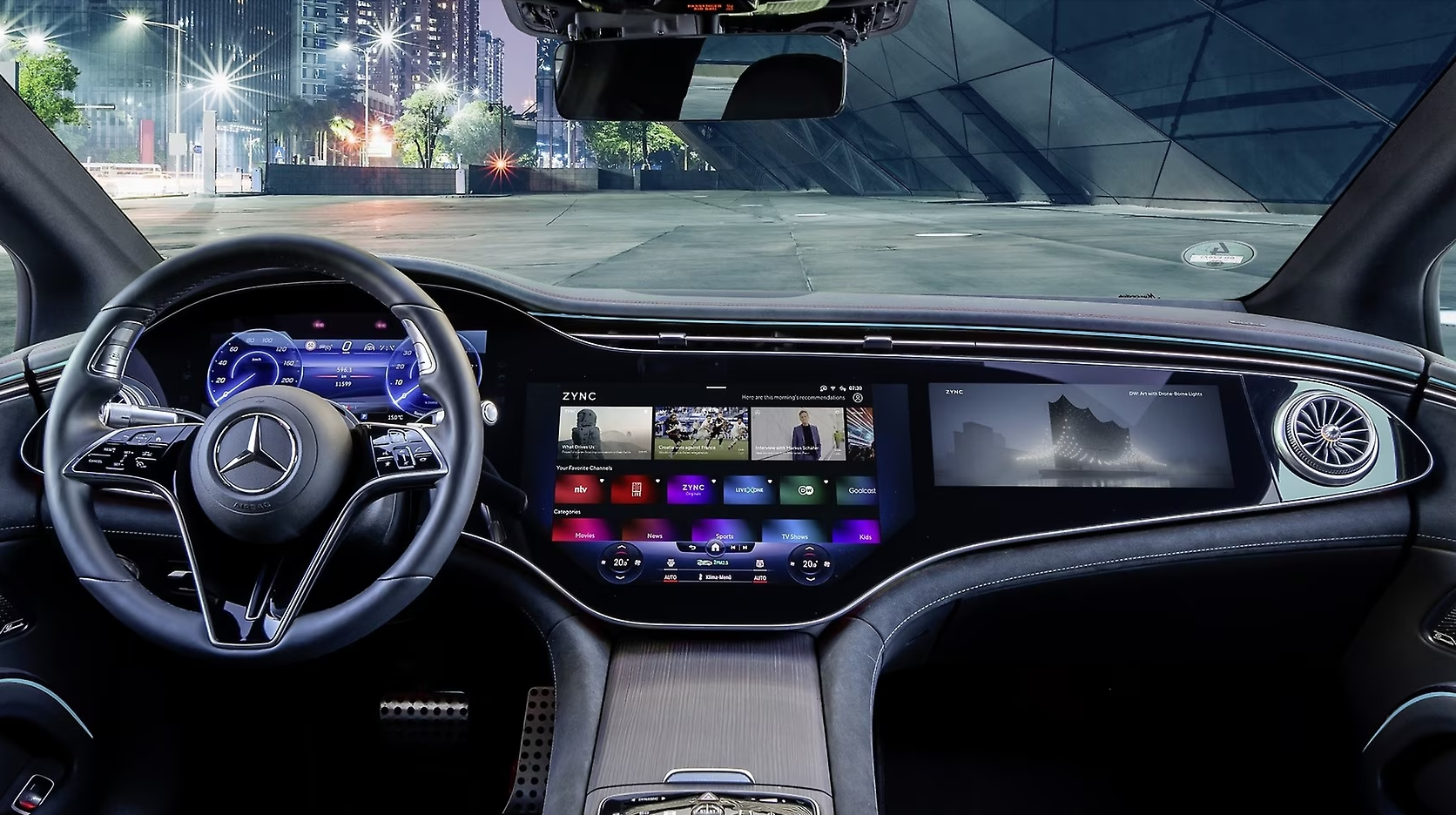
    Mercedes-Benz has introduced a new feature in Germany that allows customers to initiate digital payments via the MBUX system using fingerprint authentication. The company has tied up with Mastercard to offer the embedded payment service which for now will be useable across 3,600 service stations in the country. The tech uses a dedicated Mercedes Pay+ app to offer the service and uses the fingerprint sensor built into the MBUX system to authenticate payments.

    When a driver arrives at a connected service station and turns off the engine, the Mercedes me Fuel & Pay service will automatically activate on the MBUX infotainment system where the driver can then select the appropriate gas pump. Before refueling, the system calculates the maximum total amount based on the current fuel price and the tank’s current fuel level.

    Upon refueling, the driver can view the amount of fuel added and the invoice amount on the MBUX display. Payment is automatically processed, allowing the driver to leave the gas station without visiting the checkout area. The invoice is subsequently sent to the customer via email.

    “With Mercedes pay+, we are making everyday life easier for our customers. From now on, they can pay their fuel bill directly from their car using their fingerprint –, securely, and conveniently,” said Franz Reiner, Chairman of the Board of Mercedes-Benz Mobility AG.

    Customers with Mastercard and Visa credit or debit cards issued in Germany can utilise native in-car payments by registering their card in the Mercedes me user account and activating Mercedes pay+ via the MBUX infotainment system. The use of fingerprint payments from the car is expected to expand to other vehicle-related services and European markets in the near future.

  • Vietnam probes wind towers imported from China, weighs anti-dumping tax

    Vietnam probes wind towers imported from China, weighs anti-dumping tax

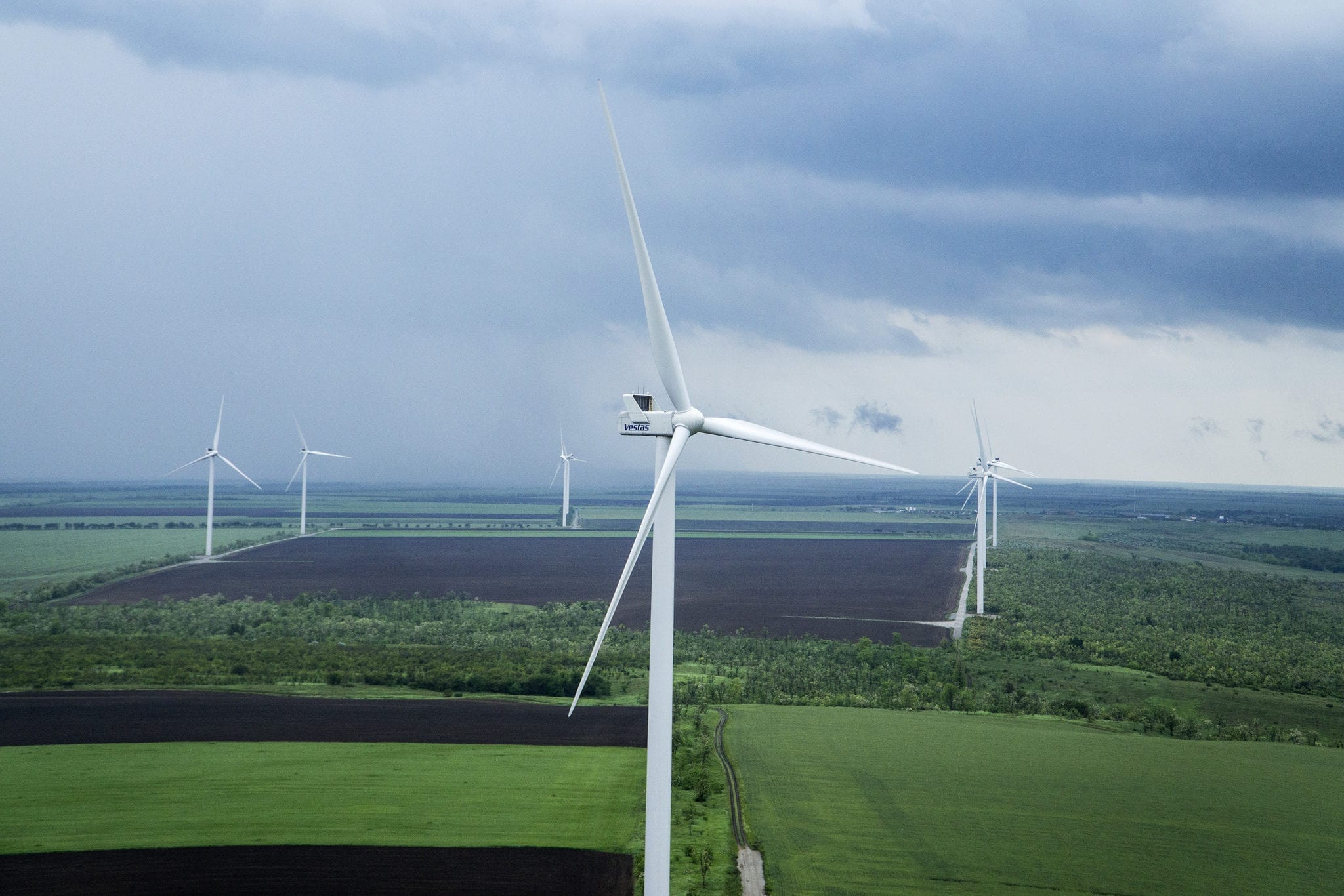
    Vietnam’s industry ministry has launched an investigation that could lead to anti-dumping duties on wind towers originally from China, following a complaint by domestic producers, the government said on Saturday.

    Producers in Vietnam have claimed that dumping of Chinese-origin towers has caused “significant damage” to them, the government said in a statement, without elaborating.

    “In case of necessity, based on preliminary investigation results, the trade ministry can apply temporary anti-dumping measures to prevent dumping activities that hurt domestic manufacturing,” the statement added.

    The government gave no timeline for completing the investigation.

    Neither Vietnamese customs nor the statistics office provide data on wind tower imports.

    According to the trade ministry, local producers were proposing an anti-dumping tax rate of 97%.

    Wind towers imported to Vietnam currently enjoy a most-favored nation (MFN) tariff of 3%.

    Vietnam is looking to boost wind energy as it begins the transition to becoming carbon-neutral by mid-century, aiming for wind, most of it onshore, to account for 18.5% of the total power mix by 2030.

    The Chinese embassy in Hanoi did not immediately respond to a request for comment outside of business hours.

  • Tahi seeks to expand into Australian market

    Tahi seeks to expand into Australian market

    New Zealand-based skincare oil brand Tahi is seeking to expand into the Australian market.

    Tahi’s products, which make use of plant extracts found in native New Zealand forests, are currently sold through stockists Blackbird Goods in Hastings, Infinite / Definite in Christchurch Central, and Wander & Sons in Dunedin.

    Tea and Tonic and Matakana also serve as stockists for the skincare brand.

    “I just researched what those plants had been used for in the past by Māori and others and why, and experimented with them myself – how they felt together, how they smelled together, and the mixture of different things that can benefit people’s skin,” said Jackie Lee, founder of Tahi.

    Lee added that she envisions collaborating with experts to develop blends on a more scientific level as she intends to expand the company’s footprint.

  • Apple and Microsoft discussed selling Bing to Apple in 2020

    Apple and Microsoft discussed selling Bing to Apple in 2020

    You might already know that Google pays Apple some obscene amount of money to have Google’s search engine be the default option on the iPhone. But according to Bloomberg, in 2020 Apple and Microsoft held talks to discuss the possibility of Apple acquiring Microsoft’s Bing search engine. Apple’s Services VP Eddy Cue represented the Cupertino-based company in the talks. Bloomberg called the talks “exploratory” and said that they “never reached an advanced stage.”

    The talks with Microsoft stalled had much to do with the large amount of money Apple was receiving and still receives from Google each year. We’ve seen estimates of this payment ranging from $4 billion to as much as $20 billion. The DOJ believes the actual range is $4 billion to $7 billion annually. Apple did not want to lose this cash flow. Considering that Google is not in the business of giving away money, you can imagine how much the company and its parent Alphabet must make from being the default search engine on the iPhone.

    However, some of the reasons Apple had for not acquiring Bing had nothing to do with the big check Apple receives from Google every year. While it was the main reason, Apple was also said to be concerned that Bing could not compete with Google Search in quality and capabilities.

    Interestingly, when Microsoft first added Generative AI feature ChatGPT to Bing, there were rumors that Samsung would drop Google as its default search engine for the Galaxy line of handsets and replace Bing. Google has been the default search engine on Galaxy handsets since the first Galaxy S device was released in 2010. A month after this rumor started spreading, it was reported that Samsung decided to suspend an internal review dealing with this possible change.

    Google’s deal with Apple for its search engine has become part of the testimony heard during the trial now underway between the Justice Department and Google over antitrust issues. Microsoft VP Jon Tinter said under oath that in 2016 Microsoft CEO Satya Nadella met with his counterpart at Apple, Tim Cook, to discuss Bing replacing Google everywhere on iOS. Since Bing was much smaller than Google Search, Tinder said on the stand that Microsoft would have “had to offer Apple a far larger percentage of the revenue than Google.”

    As a result, a deal with Apple to replace Google Search with Bing would have resulted in a multi-billion loss for Microsoft. Executives at Microsoft met with the company’s Board to try and figure out how they could explain to stockholders why it was in the company’s best interest to take a hit on such a deal.

    Under oath, Tinder told the court, “In the short term, it would have been highly negative. We told the board we are considering making a multi-billion negative investment to support this. It was all around trying to make them confident that we could make the switch.” Two years later, in 2018, Microsoft and Apple discussed using Bing instead of Google on iPhone units outside of the U.S. But once again, nothing came of it. And after another two years had gone by, the aforementioned exploratory talks between the two tech giants about Apple acquiring Bing started and quickly ended.

    Even though Microsoft seems to acknowledge that Apple will never buy Bing, another Microsoft executive, Mikhail Parakhin, in charge of ads and web services at Microsoft, said that Apple makes more money from Bing than Bing does if only because keeping Bing around keeps Google worried enough to continue cutting those big checks to Apple. The guys in Redmond still continue to speak to Apple about replacing Google with Bing, with the last conversation taking place in 2021.

    From time to time, there have been reports about Apple developing its own search engine, and last November, designer Tom Hyoos shared on Twitter his design concept for an Apple search engine called ViewPoint.

    The DOJ vs. Google trial started on September 11th and will run for a total of 10 weeks. U.S. District Judge Amit Mehta is presiding over the trial and after a break in November, more papers will be filed with the court; the judge is expected to make a ruling early next year. If the judge rules against Google, another trial will be held to determine what penalties Google should face. The company might be required to break up some of its search-related businesses along with other business units that generate advertising revenue for the company.
  • Indonesia proceeds with ban on e-commerce transactions via social media

    Indonesia proceeds with ban on e-commerce transactions via social media

    Indonesia has banned e-commerce transactions on social media platforms, the trade minister said on Wednesday, in a move intended to protect traditional retail and which will mostly impact short video platform TikTok and its shopping platform.

    The government says the move is aimed at protecting offline merchants and marketplaces in Southeast Asia’s biggest economy, adding that predatory pricing on social media platforms is threatening small and medium-sized enterprises.

    Trade Minister Zulkifli Hasan told reporters the regulation, which takes effect immediately, is intended to ensure “fair and just” business competition, adding it was intended also to ensure data protection of users.

    He warned of letting social media become an e-commerce platform, shop, and bank simultaneously.

    The regulation also requires e-commerce platforms in Indonesia to set a minimum price of $100 for certain items directly purchased from abroad, according to the regulation document reviewed by Reuters, and all products offered should meet local standards.

    Zulfikli did not mention TikTok, although his deputy Jerry Sambuaga named TikTok’s “live” features as an example of people selling goods on social media.

    BMI, a unit of Fitch Solutions, said earlier on Wednesday that TikTok will be the only business affected by the transaction ban because its model relies on social e-commerce, although “it will not harm the digital marketplace industry’s growth.”

    A TikTok Indonesia spokesperson did not immediately respond to a request for comment on Wednesday. On Monday the spokesperson said the government should consider “the livelihood of more than six million” local sellers active on TikTok Shop.

    The company said its app had 325 million Southeast Asian users that were active every month, and 125 million of them were in Indonesia – on a par with its user figures for Europe and not too far behind the US, where it has 150 million.

    According to data from consultancy Momentum Works, Indonesia, with a population of more than 270 million, accounted for nearly $52 billion worth of e-commerce transactions last year. Of that, 5 percent took place on TikTok, principally through live-streaming, it said.

    Chinese tech company ByteDance owns TikTok.

  • South Korea sees retail sales grow in August

    South Korea sees retail sales grow in August

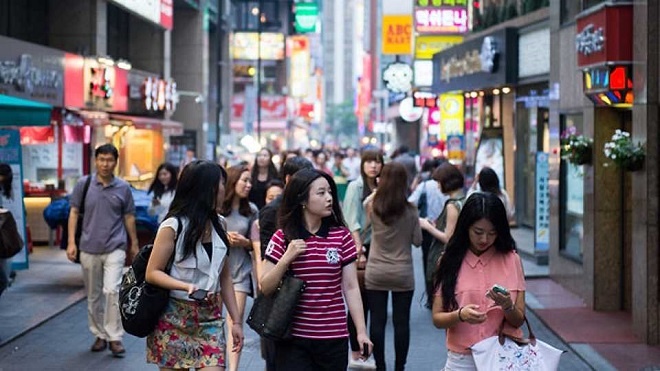
    South Korea’s retail sales grew 3.3 percent year over year in August on the back of higher sales in convenience stores super super market (SSM) operators, and online cosmetics and food retailers.

    The Ministry of Trade, Industry, and Energy (MOTIE) surveyed 13 brick-and-mortar retailers and 12 online retailers and saw a 7.6 percent increase in convenience stores sales due to close proximity, small purchase shopping, and increased outdoor activities during the summer holiday season.

    SSM operators reported a 3.2 percent increase due to higher demand for fresh/prepared food products and processed food products, however, flagging a sales decline in daily necessities.

    Overall online sales during the month increased 8.1 percent, thanks to sales in cosmetics and food, which grew 14.1 percent and 13.0 percent, respectively. Online home/living sector grew 8.7 percent, while online services sold jumped 13.3 percent.

    Overall brick-and-mortar hypermarket sales fell 8.4 percent as home/living and food sales dropped 12.8 percent and 7.9 percent, respectively, due to slow demand for gift sets, and fresh and processed food products.

    Total department store sales 4.9 percent as food products, foreign designer labels and men’s clothing sold declined.

    The data also noted a 2 percent decrease in fashion/clothing sales and 5.6 percent decline in sports sales as consumers cut purchases of non-essential items amid lower consumer sentiment.

  • Indonesian cafe chain Kenangan Coffee enters Singapore

    Indonesian cafe chain Kenangan Coffee enters Singapore

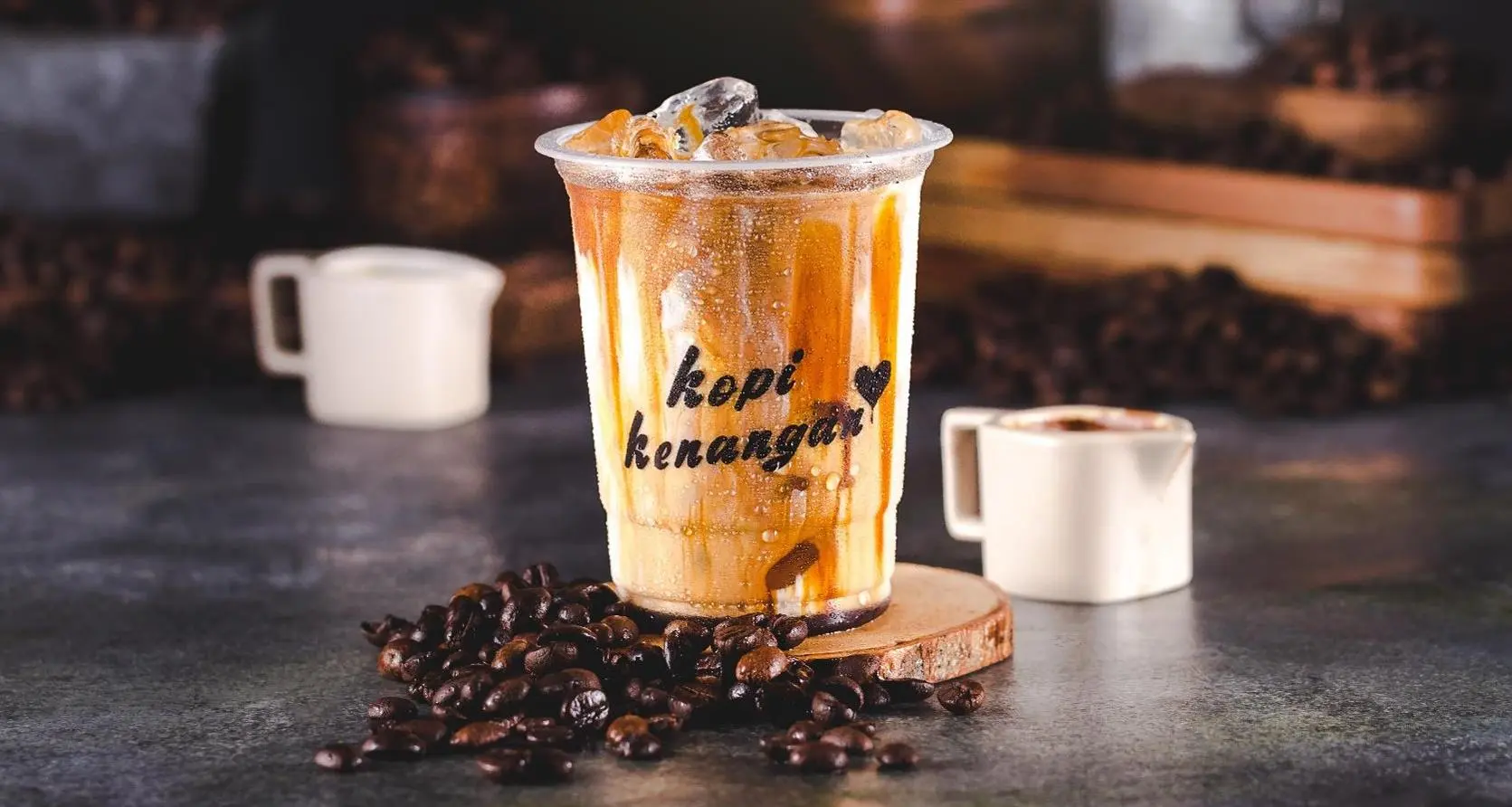
    F&B unicorn Kopi Kenangan, known as Kenangan Coffee outside Indonesia, has expanded its footprint into Singapore, opening its first store at Raffles City Shopping Centre.

    The Singapore expansion follows Kenangan Coffee’s international debut last year in Malaysia, where it currently has more than 20 stores.

    “The profound love that Singaporeans have for coffee, from kopitiams to contemporary cafes, inspired Kenangan Coffee’s leap into this vibrant market,” said Edward Tirtanata, group CEO and co-founder of Kenangan Coffee. “The city’s diversity and its global F&B prominence make our expansion here a pivotal milestone.”

    The company said it plans to expand its presence to other Southeast Asian countries before expanding globally.

    “…We aspire to be the most-loved consumer brand in Southeast Asia, and Singapore will be a key foothold in helping us achieve this mission,” said James Prananto, co-CEO and co-founder of Kenangan Coffee.

    Kopi Kenangan became the first F&B unicorn in Southeast Asia early last year after raising US$96 million in a Series C funding round, which valued the company at more than $1 billion. The coffee chain, founded in 2017 by Tirtanatam, Prananto, and Cynthia Chaerunnisa, has more than 900 stores across Malaysia, Singapore and Indonesia.

  • Maison Kitsune opens first store in Vietnam

    Maison Kitsune opens first store in Vietnam

    Luxury fashion house Maison Kitsune has opened its first physical presence in Vietnam in conjunction with local distributor Tam Son International.

    The store, located on Trang Tien, one of Hanoi’s busiest streets, combines French and Japanese influences, as well as Vietnamese fine arts and local cultural identity.

    The store features a stone-paved facade and a warm colour tone running throughout, with four interconnected sections divided by wooden walls inspired by wicker art, furniture, and ceiling lighting, trying to commemorate Vietnamese heritage and workmanship.

    According to the firm, Maison Kitsune’s store setting captures the essence of the “Paris – Tokyo meets” lifestyle. Kitsune’s signature is light oak, herringbone floors, and marble counters, which highlight the brand’s minimalist design philosophy.

    Created in 2002 by Gildas Loaëc and Masaya Kuroki, Maison Kitsune offers a variety of brands, including Art de Vivre, integrating a fashion brand (Maison Kitsune), music label (Kitsune Musique), and coffee shops (Cafe Kitsune).

    The company operates in several countries and territories, including Thailand, Hong Kong, Japan, and the United States. In 2021, the brand made its debut in Beijing, China.

  • Bamboo Airways set to downsize fleet

    Bamboo Airways set to downsize fleet

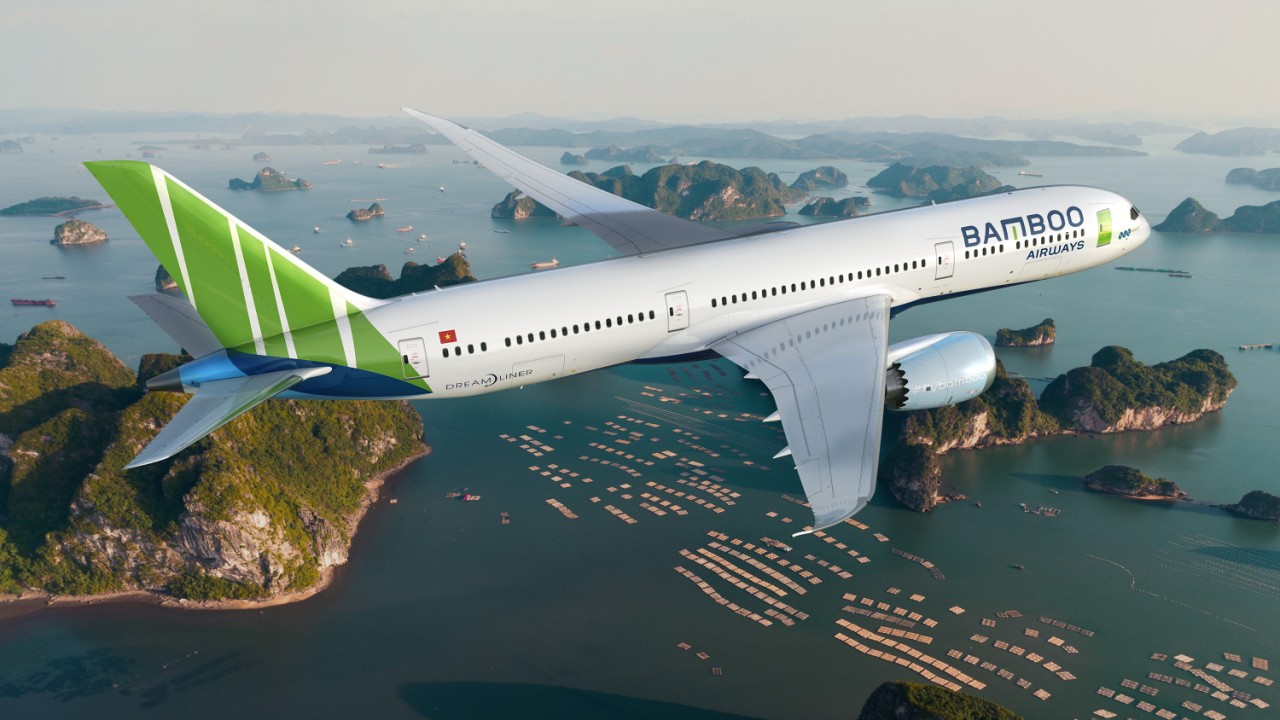
    After restructuring its flight network, Bamboo Airways has said it will also reduce the number of aircraft to lower costs.

    An executive at the airline said the restructuring in the past two months included discontinuing unprofitable routes.

    The airline has not yet announced the number or type of aircraft that will be grounded.

    According to German civil aviation database Planespotters, Bamboo Airways currently operates 23 aircraft, seven fewer than last year.

    It plans to seek approval from regulatory authorities to increase the size of its fleet to over 30 in future, though again, no concrete plans have been announced.

    In a recent report to the Ministry of Transport, the Civil Aviation Authority of Vietnam said it supports the expansion plan but added the airline needs to ensure it has the financial capacity, human resources, and aviation infrastructure.

    By flying three different aircraft – Airbus, Boeing, and Embraer – that do not allow interoperability, Bamboo Airways has additional costs in terms of hiring pilots, technicians, and training instructors for each of them.

    Many other Vietnamese carriers, such as Vietjet, Pacific Airlines, and Vietravel Airlines, only fly Airbus aircraft.

    All of Vietnam Airlines’ narrow-body aircraft are from Airbus, while its wide-body ones are a mix of Airbus and Boeing.

  • Qatar Airways marks 20 years of freighter operations

    Qatar Airways marks 20 years of freighter operations

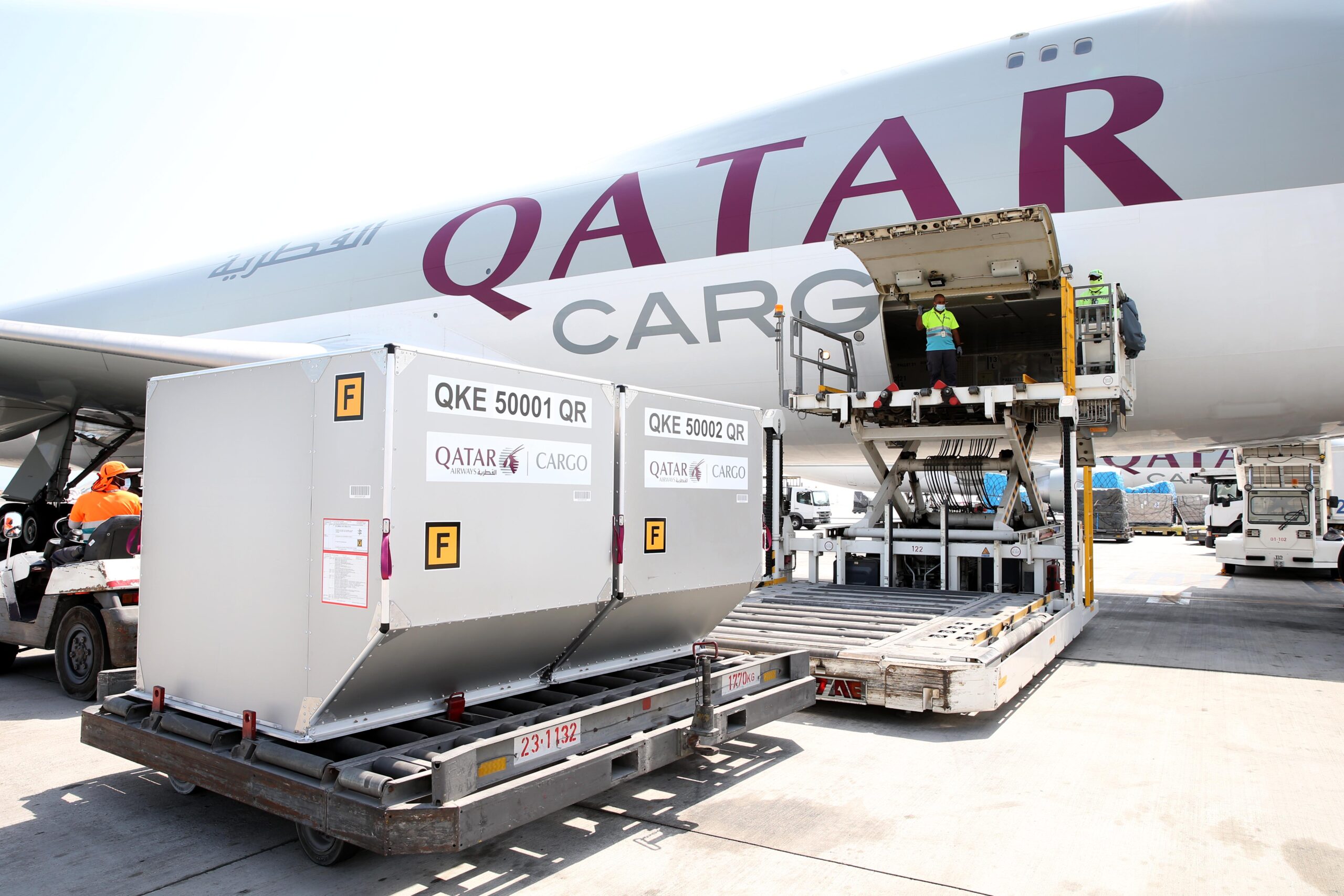
    Qatar Airways Cargo is celebrating its 20th year of dedicated freighter operations. Over the past two decades, Qatar Airways Cargo has continuously expanded its fleet, network, and product portfolio in a bid to become the world’s #1 cargo carrier.

    In 2003, Qatar Airways Cargo delivered its first freighter, an Airbus A300-600, a converted passenger aircraft. It began regular operations to Amsterdam and Chennai, and shortly thereafter, to New Delhi.

    Today, the cargo airline operates to more than 160 belly-hold and over 70 freighter destinations with over 200 passenger aircraft and 31 dedicated cargo freighters.

    With the launch of its Next Generation strategy, Qatar Airways Cargo has defined its role in the air cargo industry through enhanced products and services, cutting-edge technology, a commitment to sustainability and diversity, investing in existing talent and attracting new ones.

    Qatar Airways Cargo has achieved significant accomplishments, including being the first airline globally to complete the suite of IATA CEIV certifications, the launch of the Kigali Africa hub in partnership with RwandAir, and the introduction of innovative products like Pharma, Fresh, Courier, and SecureLift.

    Being one of the early adopters of digital transformation, it has launched a new website and online booking portal Digital Lounge and partnered with marketplace platforms The airline has also committed to sustainability through its WeQare program, championing initiatives such as ‘Rewild the planet’ and launching a CO2 emission calculator.

    As the airline enters the next decade, Qatar said it remains dedicated to digitalization and sustainability and looks forward to continuing to be at the forefront of air cargo’s innovation and customer-centric solutions.

  • Gordon Ramsay’s group set to open 14 restaurants in Thailand

    Gordon Ramsay’s group set to open 14 restaurants in Thailand

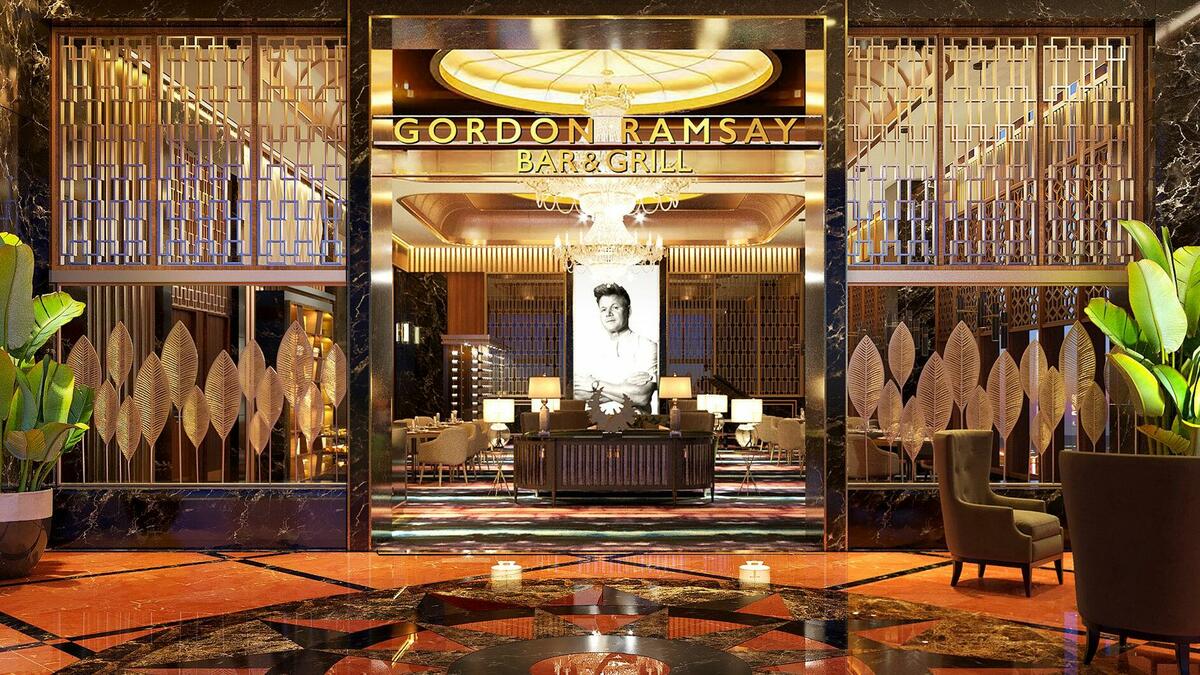
    Gordon Ramsay Restaurants, owned by the namesake world-renowned chef, is expected to open 14 locations in Thailand as part of its expansion in Asia.

    The first two restaurants will open at Emsphere Mall in Bangkok in December through a partnership with Tanachira Group. Twelve more outlets are to be opened in the coming years.

    Located on the mall’s ground floor, the Bread Street Kitchen & Bar will feature a sophisticated all-day dining experience, with the menu consisting of Gordon Ramsay classics such as Beef Wellington and Fish & Chips.

    The Street Pizza will be on the first floor, offering bottomless sourdough pizzas, hot wings, fries, beers and cocktails, along with live music in a vibrant atmosphere.

    “This new partnership with Tanachira Group continues our global growth, whilst bringing our fantastic casual and premium casual brands to a new audience in Bangkok,” said Andy Wenlock, CEO of Gordon Ramsay Restaurants.

    The expansion into Thailand follows the group’s recent openings of four restaurants in South Korea and two in Malaysia.

    Gordon Ramsay Restaurants currently operates 37 restaurants in the UK and 35 restaurants internationally, including the US, South Korea, Malaysia, France, Dubai, and Singapore.

  • EVN seeks to speed up electricity imports from Laos

    EVN seeks to speed up electricity imports from Laos

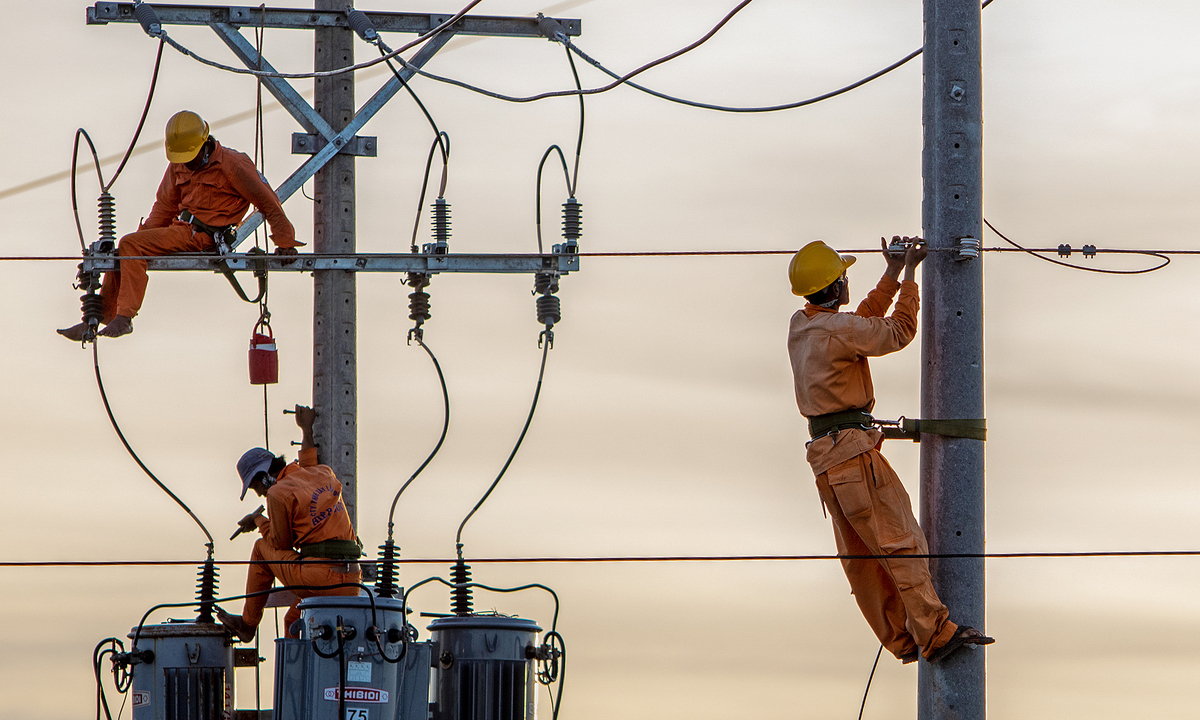
    Vietnam Electricity (EVN) is seeking approval from the government to speed up the import of electricity from Laos since shortages are forecast in the northern region.

    It plans to import electricity equivalent to 225 MW from the Nam Mo and Houay Koauan hydropower plants.

    It is also seeking permission to link up the Savan 1 and 2 wind power plants in Laos with the Vietnamese grid.

    Until 2025 no new major power plant is set to enter the grid in northern Vietnam, which is expected to face shortages.

    By 2025 the shortage is estimated to be 3,630 MW.

    Purchasing from Laos is economical since its hydropower costs only 6.95 cents per kilowatt-hour, lower than local prices, EVN said.

    In August Prime Minister Pham Minh Chinh approved a proposal to import 2,698 MW worth of power from Laos, with EVN signing purchase contracts for around 83% of it.

    The north suffered a crippling power shortage in summer this year, with many localities resorting to load shedding. Imports from Laos and China met 10% of demand during the period.


  • iPhone 15 prices plunge 20% in three days

    iPhone 15 prices plunge 20% in three days

    An iPhone 15 Pro Max brought from overseas is now sold at around VND40 million (US$1,650) in Vietnam, down 20% in three days.

    Smartphone shops in Hanoi and Ho Chi Minh City on September 26 offered the VND40 million price for 256GB storage option. Higher storage options of 512GB and 1TB cost VND45 million and VND58 million, respectively.

    Traders queued up to buy the product at Apple stores in Singapore and Thailand and brought them to Vietnam unofficially.

    The first ones were available on Friday last week, one week before they are sold officially in Vietnam, at prices around VND70 million, or nearly 50% higher than official prices in Vietnam.

    Nguyen Hieu, owner of an unofficial Apple shop in Hanoi, said that he had anticipated the drop in prices this year as the iPhone is sold in Vietnam only one week later than Apple’s tier-1 markets, compared to several weeks in previous years.

    He only bought 20 iPhone 15s to sell in the last three days.

    Retail chains are reporting a shortage of the most expensive option, the iPhone 15 Pro Max, due to high demand from preorders.

    Customers will have to wait until the end of October for more supply, retailers said.

  • Fertilizer prices surge after China imposes export ban

    Fertilizer prices surge after China imposes export ban

    Urea prices have risen by 10% in September and 30% since July after China banned the export of the fertilizer to keep domestic prices under control.

    Petrovietnam Camau Fertilizer raised urea prices by 10% this month to VND11,200 per kilogram.

    Petrovietnam Fertilizer and Chemicals Corp hiked prices by 4.8% to VND11,000.

    Other chemical producers also effected similar hikes. Some such as HCMC-based Viet Au have raised prices to VND12,500.

    Urea provides plants with nitrogen to stimulate leaf growth.

    Phung Ha, deputy chairman of the Vietnam Fertilizer Association, said China, the biggest producer and consumer of urea globally, ordered some manufacturers earlier this month to stop exports and this caused prices of the key fertilizer to surge globally including in Vietnam.

    Vietnamese farmers are buying fertilizers for their winter-spring crops, and the rising demand is exacerbating the rise in prices.

    In the first eight months of the year, Vietnam imported nearly 2.5 million tons of fertilizers worth US$833 million, up 13% in volume but down 19% in value year-on-year.

    Nearly half of the imports came from China.