Tag: asia

  • Nazir Razak steps down as CIMB chairman, succeeded by Mohd Nasir Ahmad

    Nazir Razak steps down as CIMB chairman, succeeded by Mohd Nasir Ahmad

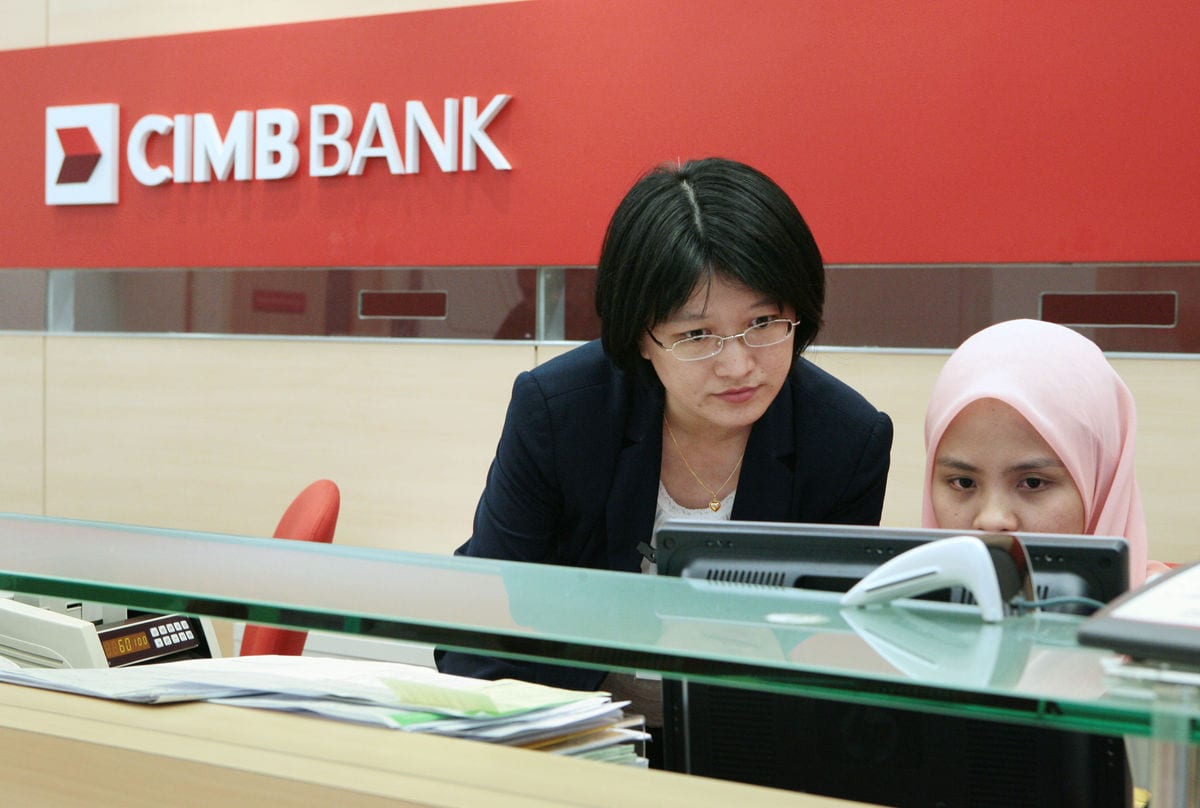
    CIMB Group Holdings Bhd has received Bank Negara Malaysia’s approval for the appointment of Datuk Mohd Nasir Ahmad as the group chairman effective tomorrow. He will succeed Datuk Seri Nazir Razak, who is stepping down last week.

    On Sept 24, Nazir announced his intention to retire from his position as the group chairman and all other positions within the CIMB group of companies by year-end.

    Nazir had served CIMB for 29 years since 1989, including as group CEO for 15 years and as group chairman since 2014. Under his leadership, CIMB grew from a fledgling corporate finance franchise into a top Malaysian investment bank, and was later transformed into a leading universal bank in Asean.

    Meanwhile, Mohd Nasir has been a member of the group’s board of directors (BOD) since 2015, and its senior independent director since April 2016.

    As part of this appointment, he will relinquish his positions as senior independent director and chairman of the audit committee. However, he will remain as a member of the group BOD’s audit committee, risk committee and group nomination & remuneration committee.

    Mohd Nasir is a chartered accountant by training and a fellow of the Association of Chartered Certified Accountants (ACCA), UK. He is also a council member of the ACCA Global Council. He has 39 years of corporate experience through companies such as Tenaga Nasional Bhd, including in CEO positions at Syarikat Permodalan Kebangsaan Bhd and Perbadanan Usahawan Nasional Bhd. He is the group chairman of Media Prima Bhd, as well as an independent director of CIMB Bank Bhd, SIRIM Bhd and Sistem Televisyen Malaysia Bhd.

    “I am delighted that following the Sept 24 announcement of my intention to retire, the board has been able to appoint my successor quickly from within the group board, and someone capable of taking over immediately. I am, therefore, relinquishing all my positions in the CIMB group with effect from today. Naturally, I will make myself available to assist the new chairman in any way to ensure a smooth transition,” Nazir said in a statement on Mohd Nasir’s appointment.

    CIMB group’s BOD and chairperson of group nomination & remuneration committee Teoh Su Yin said Mohd Nasir’s substantial corporate experience in various capacities and leadership roles, coupled with his three-year directorship on the CIMB group board, will provide valuable guidance and continuity during this time of transition and CIMB’s continued evolution.

    “The board looks forward to his stewardship as the group shapes its next mid-term growth strategy. The board would also like to record its appreciation to Nazir under whose tenure CIMB grew and became a leading Asean financial institution, and we wish him all the very best for the future.”

    CIMB group CEO Tengku Zafrul Aziz said the group looks forward to being guided by Mohd Nasir as it starts executing its next mid-term growth plan in 2019, which will focus on, among others, the people, customers, digital and sustainability.

  • ZALORA nabs Myntra CMO Gunjan Soni as new CEO

    ZALORA nabs Myntra CMO Gunjan Soni as new CEO

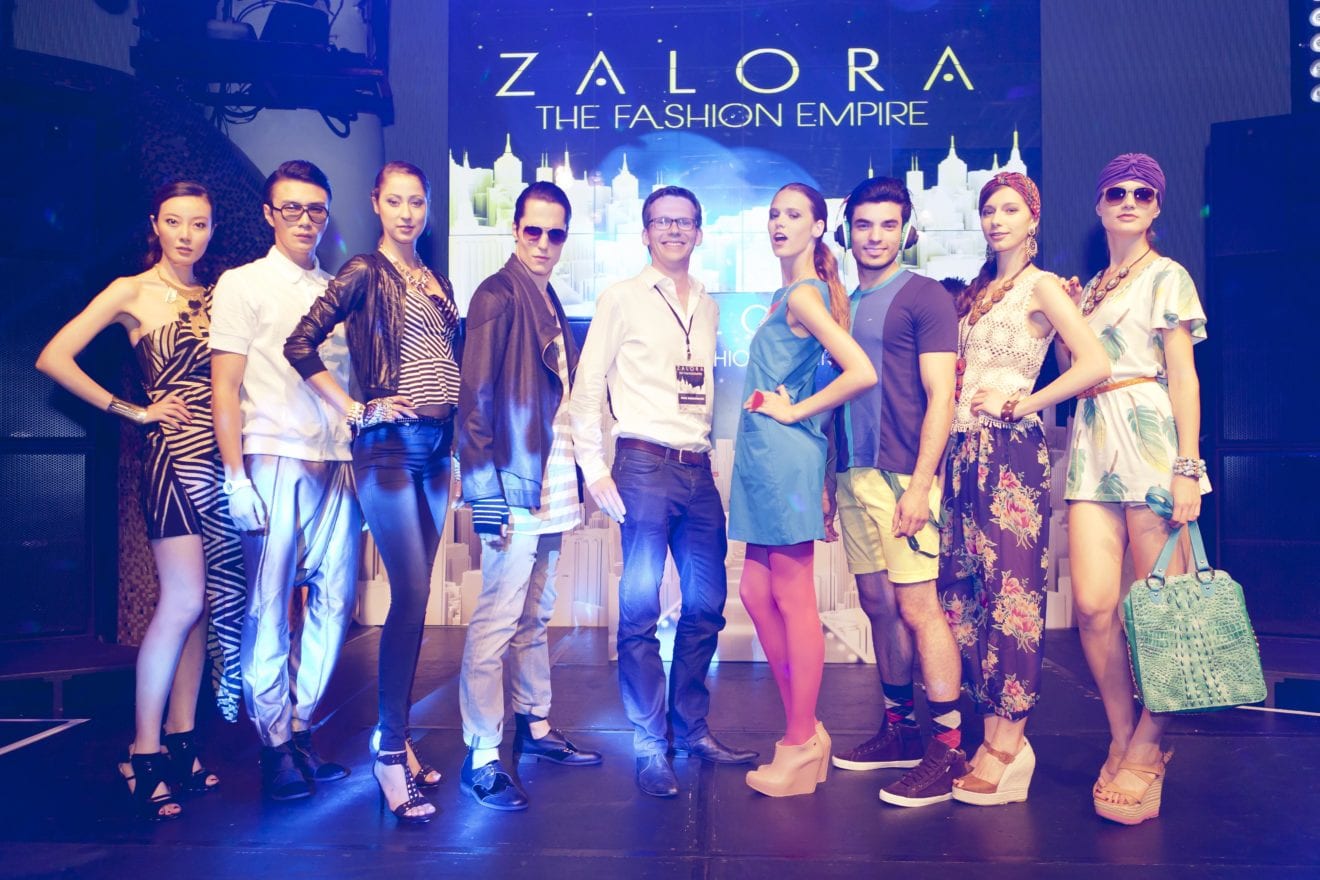
    Global Fashion Group has chosen the head of Jabong India as the new Zalora CEO. Gunjan Soni will over the helm of the Southeast Asian e-commerce portal early next year after she completes her combined tenure as chief marketing officer with India’s largest fashion e-commerce business, Myntra, and the Jabong role.

    Soni has more than 13 years of leadership experience in marketing, strategy and operations and a passion for building new-age consumer businesses.

    “It is truly a huge privilege to lead Zalora, which is already the leading fashion and sports destination, at a time when Southeast Asian markets are poised for increasing fashion and e-commerce consumption,” she said in a statement.

    “When I see Zalora, I see a company with limitless potential and ability to shape the future of fashion commerce in one of the most exciting markets globally. This makes it both exciting and humbling to take on this role.”

    At Myntra, Soni was instrumental in positioning the brand as a leader in fashion and lifestyle and leading the turnaround of the Jabong business post acquisition.

    Prior to joining Myntra, the next Zalora CEO was executive VP for strategy & CEO office with Star India. She also spent a large part of her career at McKinsey where she was a partner, working across multiple consumer sectors and geographies including the UK, Singapore and Bhutan.

    She is a recognised leader in business having featured in Spencer Stuart-Economic Times young leaders 40 under 40 list, Fortune India 40 under 40, and named one of the most influential women leaders in media.

    Patrick Schmidt, Co-CEO of Global Fashion Group, Soni’s experience in leading operations, strategy and marketing in fashion e-commerce and her strong leadership skills will be instrumental in strengthening Zalora’s position as market leader in Southeast Asia’s e-fashion space.

    “She has a deep and broad understanding of the complexities of e-commerce and has contributed to building one of the world’s biggest fashion e-commerce companies.”

  • Tod’s chairman denies rumours about a possible sale

    Tod’s chairman denies rumours about a possible sale

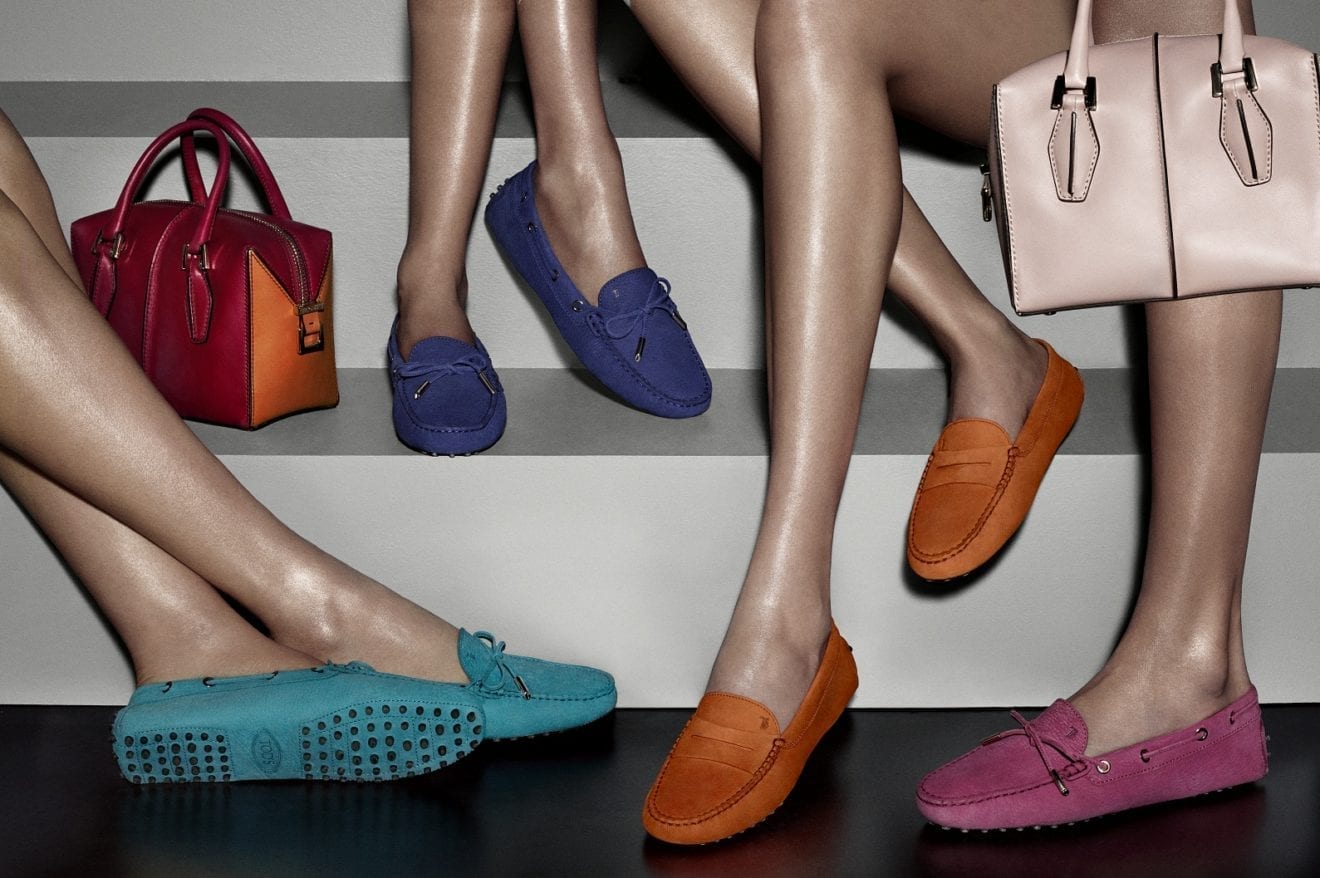
    Speaking at the 2018 Milano Fashion Global Summit, Tod’s Chairman and CEO Diego Della Valle denied rumours surrounding a possible sale of the Tod’s group, reports WWD. The report quoted Della Valle saying: “This rumor is a “recurring” one, but “if we really had to do an operation, it would be to buy, not to sell. “We are preparing the company for the next 10 years, when we will surely be attentive to new consumers, but carefully avoiding going overboard in chasing trends. We must not lose sight of who we are,” he added.

    Speculations followed after an Italian newspaper reported on Monday that Della Valle’s reorganization of the family’s holding companies may be an indication to a future sale of the group.

    The Della Valle family currently owns majority 60 percent of the Tod’s group through two separate holding companies – the Di.Vi. Finanziaria vehicle and the Diego Della Valle & C.

    For the first six months, Tod’s reported a 2.8 percent decline in its net profit to 33.7 million euros, while sales decreased 1.3 percent to 477 million euros compared to 483 million euros in the first half of the previous year but increased 1.8 percent at constant exchange.

  • Vietnam becomes less competitive on global index

    Vietnam becomes less competitive on global index

    Vietnam has fallen three places on the competitiveness index from last year, a new World Economic Forum report says. The country was ranked 74th in last year’s global competitiveness index, but fell three places to 77th this year, according to a WEF report released Wednesday.

    The 2018 Global Competitiveness Index 4.0 report said that Vietnam’s overall competitiveness score of 58.1 was lower than the world average of 60.

    The report defines competitiveness as the set of institutions, policies and factors that determine the level of productivity.

    It added that Vietnam scored highest in the factors of health (81 points, ranked 68th), macro-economic stability (75 points, 64th) and market size (71 points, 29th).

    The report ranked Vietnam 102nd among 140 countries in terms of product market and 101st in business dynamism.

    The product market index components include the extent of market dominance, competition in services and trade tariffs.

    Vietnam’s innovation capability was the weakest among twelve factors used in determining the competitiveness index, at just 33 points, ranked 82nd.

    The country’s adoption of information and communication technology (ICT) had the second-lowest score of 43 points, ranked 43.

    The report added that globalization has contributed to reducing global poverty and inequality between countries. It cited Vietnam as an example, saying the U.S.-Vietnam bilateral trade has helped reduce poverty by increasing wage premiums in export sectors.

    The trade pact also reallocated Vietnamese labor from agriculture to manufacturing, stimulating enterprise job growth, it said.

    The report also cited Vietnam as an example of one of the fastest growing economies in the East Asia and Pacific (EAP), which is the fastest-growing region in the world, accounting for one-third of global growth last year.

    Vietnam, along with Cambodia, China, Laos and the Philippines, had a growth of over 6 percent last year, it added.

    The EAP also contributed three countries/territories to the world’s most competitive economies: Singapore (scored 83.5, ranked 2nd), Japan (82.5, 5th) and Hong Kong (82.3, 7th).

    The U.S. topped the ranking with a score of 85.6 thanks to vibrant entrepreneurial culture and high scores in the labor market and the financial system.

  • JD.com expands logistics services to include parcel delivery

    JD.com expands logistics services to include parcel delivery

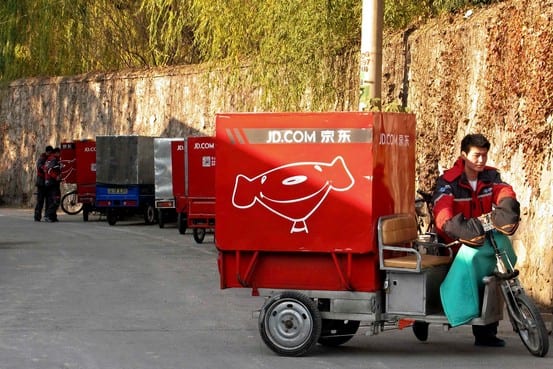
    Chinese e-commerce company JD is opening its logistics network up to consumers to send parcels around the country, marking the first entry by an e-commerce company into the parcel delivery business. The new JD parcel delivery service announced enables users of the company’s app in Beijing, Shanghai and Guangzhou to send items intra-city and throughout Mainland China, using the same fast and reliable delivery service JD offers with online purchases. The company, which will expand the program to include high-value items like luxury products and high-end consumer electronics, as well as more diverse options based on delivery timing, aims to eventually make residential and business deliveries for shippers from anywhere to anywhere within Mainland China in the future.

    JD is the only large-scale e-commerce company in the world to operate a nationwide in-house logistics network, down to the last mile. The company says its network, powered by its proprietary supply chain management technology, is able to deliver more than 90 per cent of orders same- or next-day, and reaches 99 per cent of China’s population.

    The new JD parcel delivery service includes a range of competitively priced options, including same-day delivery between different cities; same-day intra-city delivery; standard next-day or two-day delivery and next-day delivery between cities.

    “Depending on the delivery option chosen, packages may be sent by high-speed rail or air,” the company said in a statement. “Individual shippers can use the same JD app they use for shopping to schedule a pickup by one of JD’s full-time logistics staff, and have a parcel delivered thousands of miles away at the speed they choose. They will even be able to select JD’s luxury ‘white glove’ delivery service if they want to make the delivery extra special.”

    Zhenhui Wang, CEO of JD Logistics says the JD parcel delivery service marks the next step in leveraging the nationwide logistics network that JD has built over the past decade, to expand the range of services offered to its customers.

    “JD is known throughout China for the fastest and most reliable delivery, and we are confident that users will appreciate the convenience of this new service.”

    The program has already begun user trials with multiple ways for customers to request pickups. In addition to the JD app, shippers can request pickups on a JD Delivery mini program in WeChat, China’s largest social network operated by JD’s partner Tencent, and a JD “Delivery Team” WeChat account.

    JD unveiled the parcel delivery service at its 2018 Global Smart Supply Chain Summit held in Beijing today. Other initiatives announced at the summit – part of JD’s Global Smart Supply Chain Network Strategy – include JD’s smart warehouse management system initiative, an expansion of the company’s green initiatives, and the formation of a new energy union with 20 industry partners.

  • Samsung opens its incubation

    Samsung opens its incubation

    Samsung Electronics is opening up its internal incubating program, C-Lab, to young entrepreneurs from outside the company, and it plans to help 300 of them over the next five years. It will incubate 200 internal start-up projects during the same period, bringing the total to 500 by 2023. Expanding support to start-ups is part of Samsung’s massive 180-trillion-won ($158-billion) investment plan announced in August.

    “There were lessons learnt during our last six years running C-Lab inside the company, so we suggested sharing our experience and know-how externally as a way to contribute to solving the problem of youth unemployment,” said Lee Jai-il, vice president of the company’s Creativity & Innovation Center, at a press event held Thursday at Samsung’s R&D center inside Seoul National University.

    Started as an internal program to encourage young staff to freely suggest new ideas, C-Lab has produced substantial results.

    Of a total 230 ideas suggested to C-Lab, 78 eventually became a Samsung product or service while 36 people who had those ideas quit their jobs to establish start-ups of their own.

    Some went as far as to set up offices in Silicon Valley or show their products at the Consumer Electronics Show.

    “Another thing I noticed working with 200 C-Lab teams is that there is a type of person more suited than others to do innovative work,” said Lee. “When it comes to realizing their own idea, these people have a tendency to completely immerse themselves in that task and I believe these are the type of people that will lead this country’s future.”

    Opening the one-year program up to outsiders, Samsung will select 20 external teams every year, mainly in their early stages.

    It already has chosen 15 teams this year and they are working inside the R&D center, which the company built in partnership with Seoul National University last November.

    The center looks more a co-working space, not the typical feel for an office at Samsung, which has a reputation for a hierarchical and inflexible corporate culture.

    Several groups were having discussions inside meeting rooms while smaller groups of three to four worked on laptops on random tables in open spaces.

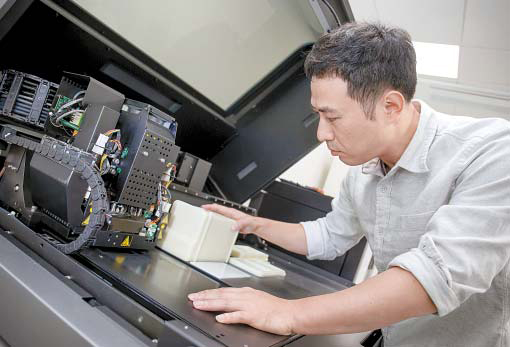
    The building also has a space equipped with 3-D printers and laser cutters to create prototypes.

    There’s a cafeteria that serves three meals a day on the fourth floor, and across from that is a meeting space that offers a wide view of trees in the campus.

    A Samsung staffer said they tried to create “a soft and cozy space fit for young start-ups.”

    All the facilities in the building are offered for free for a year to C-Lab teams. Other advantages include financial support of up to 100 million won and mentoring from various experts from Samsung.

    “What I’m looking forward to, even more than the infrastructure and financial support, is the possibility to find collaboration points with existing Samsung services or businesses and possibly find new service ideas we couldn’t think of before,” said Jinu Kim, CEO of the mobile app Liner, which is one of the 15 external C-Lab teams.

  • Dada-JD Daojia, Carrefour to collaborate online

    Dada-JD Daojia, Carrefour to collaborate online

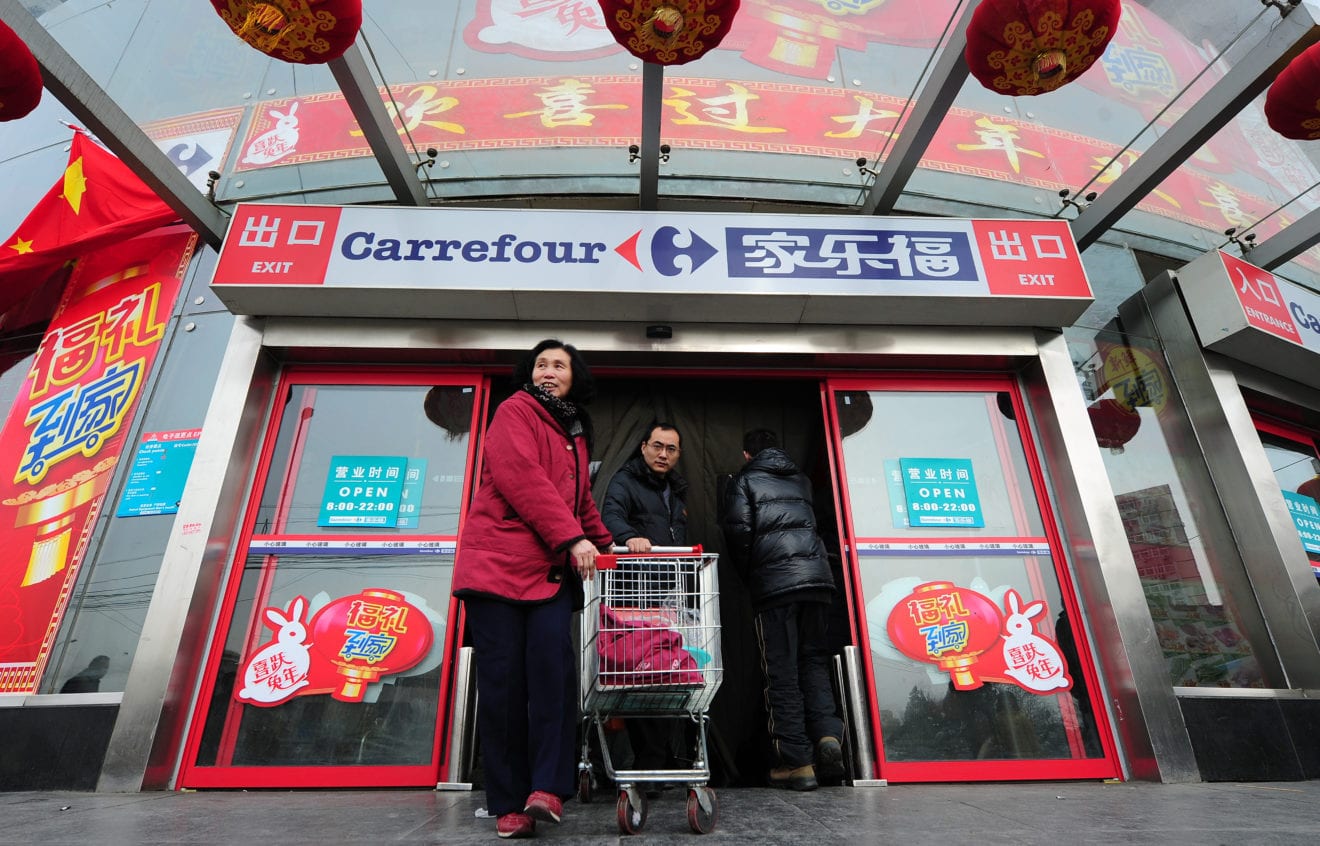
    Chinese online grocery and delivery firm Dada-JD Daojia is partnering with French hypermarket chain Carrefour. The collaboration, which involves listing Carrefour China stores on the Dada-JD platform, has already resulted in a 720 per cent increase in the chain’s online sales compared with the month previous. Some 4000 Carrefour products are available to be traded on the platform.

    So far, 158 Carrefour stores are listed on Dada-JD, with plans being to have 200 listed by the end of the year.

    Dada-JD Daojia offers two distinct services, the “Dada” on-demand logistics platform (which covers 400 major Chinese cities) and the “JD Daojia” e-commerce platform that has more than 50 million users. It has collaborated with Walmart since 2016 as well as other chain supermarkets.

  • US-China trade spat will exert exchange rate pressure on Vietnam

    US-China trade spat will exert exchange rate pressure on Vietnam

    If US-China trade tensions drag on, Vietnam will still see good growth but face strong exchange rate pressures exerted by two major currencies. After GDP growth reached 6.98 percent in the first 9 months of 2018, the highest in the past 8 years, it is relatively clear that the Government will reach its 6.7 percent growth target by the end of the year. Only a 6.11 percent growth in the fourth quarter to meet this objective.

    Usually, the fourth quarter will have the highest quarterly GDP of the year, thanks to the rise in exports, production and consumption. Consequently, some experts are optimistic that this quarter’s growth is likely to exceed the third quarter (6.88 percent) to bring GDP in 2018 to 6.9 – 7 percent as predicted by major international financial institutions.

    In its forecast, HSBC Vietnam made a rather safe prediction that GDP growth in 2019 would stand at 6.7 percent, equivalent to the bank’s forecast of growth for this year.

    In line with this, GDP per capita is expected to improve from $2,321 in 2017 to $2,734 next year. However, inflation will rise to 4.2 percent, the bank said.

    “The US economy is seeing strong growth, but the global economy is in decline and stagnating. However, while other countries in the region are showing signs of decline, Vietnam remains an exception,” said Pham Hong Hai, CEO of HSBC Vietnam at the ‘Infrastructure Outlook 2018’ conference last week.

    The International Monetary Fund (IMF) has lowered its forecast for global economic growth in 2018 and 2019 due to the escalating trade war. In a recent development, President Donald Trump has reiterated his threat to impose tariffs on another $267 billion in Chinese goods, which comes on top of the $200 billion in goods he has already targeted earlier this year.

    “Vietnamese companies, with the exception of the rubber industry, are increasing their capacity to export to the U.S. while the capacity of Chinese companies is decreasing,” said Hai on prospects for 2018.

    “Moreover, FDI will remain the main driver of growth as investors are likely to prioritise targeting Vietnam as opposed to other economies in the region.

    “Investors have traditionally preferred China, but now they are paying more attention to Vietnam because of its free trade agreements (FTAs),” he said.

    Although the outlook for 2019 is positive, the U.S.-China trade war still creates an unstable global economic environment. Vietnam has been trapped between the two major currencies, which both have extensive trade ties, economists said.

    At the end of September, the U.S. Federal Open Market Committee (FOMC) raised the refinancing rate by 0.25 percent to 2.25 percent. This is the third interest rate hike this year, and another is scheduled to happen before the end of 2018.

    This has led to an appreciation in the dollar, higher prices on imports into Vietnam, higher input costs and more pressure on exchange and interest rates.

    Meanwhile, the yuan is likely to continue to depreciate if tensions drag out, aimed at limiting the damage done from the effect U.S. tariffs have on the price of Chinese goods. With export turnover to China reaching $35.5 billion, accounting for 17 percent of Vietnam’s export turnover last year, exports in general will likely suffer.

    Vietnam also lies in the top 5 countries in the crosshairs of the U.S.’ protectionist policies given Vietnam’s high trade surplus with the U.S.

    However, experts believe it is highly unlikely for Trump to launch a trade war against the country as Vietnam is willing to be flexible. Recent announcements from Prime Minister Nguyen Xuan Phuc also indicated that Vietnam is very willing to welcome investors as well as consume more goods from the U.S.

    “We are also excited to know how you plan to do business or expand in Vietnam,” the Prime Minister declared in front of 40 leading U.S. firms in New York last September.

    As the fourth quarter has just commenced, there are still many variables yet to be ascertained to make predictions for next year. Even the U.S.-China trade war with its global economic implications, is unpredictable, not to mention other risks not associated with the trade war itself.

    “Vietnam has a great outlook, but the risk lies mainly in public debt. However, public debt has been falling. In addition, CPI at 4 percent or higher is also a risk for 2019,” Hai of HSBC noted.

    In the medium and long term, the future of Vietnam’s economy, according to specialists, remains a big question. HSBC offers two scenarios by 2030. The first is optimistic, predicting growth of over 8 percent while the other sees GDP growth deceleration to a level below 4 percent.

    According to Hai, the final outcome will depend on Vietnam’s ability to solve challenges in such issues as policy, productivity and infrastructure.

    “We are looking forward to Government reforms because we are in the Industry 4.0 era,” he added.

  • Kakao starts carpool recruitment

    Kakao starts carpool recruitment

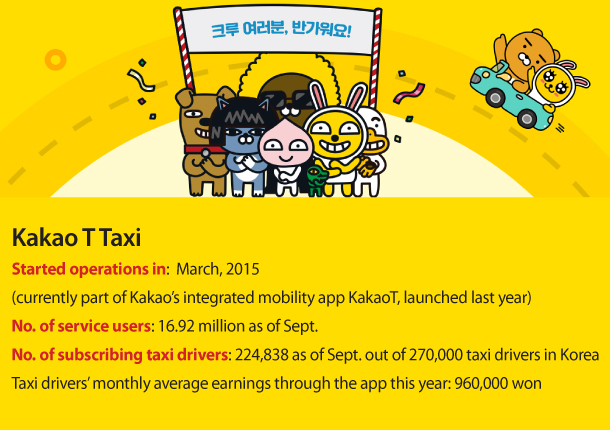
    Kakao Mobility has opened recruitment for its carpool app, infuriating taxi drivers who are vehemently opposed to the move. According to the mobility company that operates taxi-hailing app Kakao T, recruiting drivers is one of the crucial steps in preparation for the launch of its carpool service. The hiring process opened on Tuesday with the launch of a driver registration app, dubbed Kakao T Carpool for crews.

    Kakao Mobility was quick to point out that recruitment does not mean it will immediately launch a carpool app, adding that there is no set date for release. Instead, Kakao is looking to move drivers registered on Luxi to the new Kakao app, although this process will mean that it has a pool of drivers readily available, allowing it to immediately launch the app whenever it wants.

    Kakao Mobility has actually been attempting to launch its own carpool service since it acquired Luxi for 25.2 billion won ($22.4 million) in February. At the time, the company made it clear that it would only use the carpool service to cover shortages in taxis during peak hours, “within the legal boundaries.”

    Kakao’s statement did little to appease taxi drivers back in February, and they’re not any happier with the service now. Korea’s taxi drivers are fiercely opposed to ride-sharing apps, which they consider an unlicensed threat to business.

    This is the main reason why popular international ride-hailing companies like Uber are illegal in Korea under Article 81 of the Passenger Transport Service Act, which says that personal vehicles cannot be exploited for business purposes.

    Carpooling services, however, have been operating by taking advantage of a loophole that says that carpooling during commuting hours is permitted. Still, the vagueness of the term “commuting hours” has caused conflicts between carpool service providers and taxi drivers.

    Taxi drivers argue that Kakao is taking work away from them. As Kakao operates Kakao T, which thousands of taxi drivers rely on for work, the feeling of betrayal is even stronger.

    “It feels as if we are being backstabbed by Kakao, who we have been thinking of as a business partner,” said a spokesperson from the Korea National Joint Conference of Taxi Association, a group representing over 100,000 corporate taxi drivers nationwide, in a phone call Tuesday. “I can’t believe Kakao is making this announcement without delivering any message to drivers who have been holding a series of rallies against the company’s plan to start the carpool business.”

    The drivers held two rallies in Pangyo, Gyeonggi, where the Kakao Mobility office is located, on Oct. 4 and 11. About 500 people gathered at the second rally from four taxi driver unions, including the Korea National Joint Conference of Taxi Association. Tomorrow, a bigger protest is due to take place in Gwanghwamun Square in central Seoul at 2 p.m.

    To participate in tomorrow’s rally, about 4,000 drivers from Incheon, about half the city’s taxis, are expected to walk out, according to Incheon’s taxi association. About 2,000 taxis in Jeonju, the capital city of North Jeolla, are also due to stop operations for the rally, according to the city’s government.

    Some other cities are also facing similar problems as taxi drivers say they will leave for the rally.

    Despite the controversy, Kakao Mobility maintained Tuesday that carpool apps could be a great complementary service for taxis, citing data that on Sept. 20 there were 205,000 calls for taxis on the Kakao app from 8 a.m. to 9 a.m., but only 37,000 taxis were available.

  • First Victoria’s Secret Lingerie Store to open in Malaysia

    First Victoria’s Secret Lingerie Store to open in Malaysia

    The first full-range Victoria’s Secret Malaysia store has opened. Located in Mid Valley Megamall, the boutique has been launched by the US brand’s regional partner Valiram Group, which is also behind Victoria’s Secret stores in Macau, Bali and Singapore, (but not Hong Kong and Mainland China). It is reportedly planning more stores in Jakarta, Bangkok and Melbourne, Australia.

    The Kuala Lumpur store takes up 8233sqft, and has dedicated space for diffusion lines Pink and Victoria Sport, as well as the beauty products and perfume ranges stocked in earlier Victoria’s Secret stores in Malaysia.

    Many celebrities attended a formal opening earlier this month and social media key influencers including Joi Lynn have been photographed at the store.

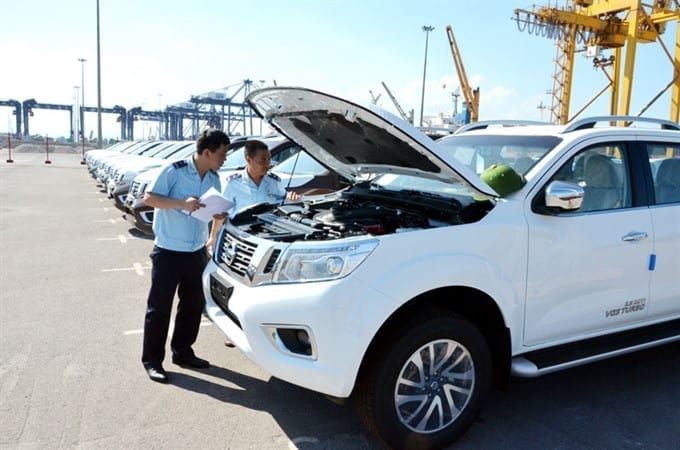
  • Why Vietnam’s auto industry never stepped on the gas

    Why Vietnam’s auto industry never stepped on the gas

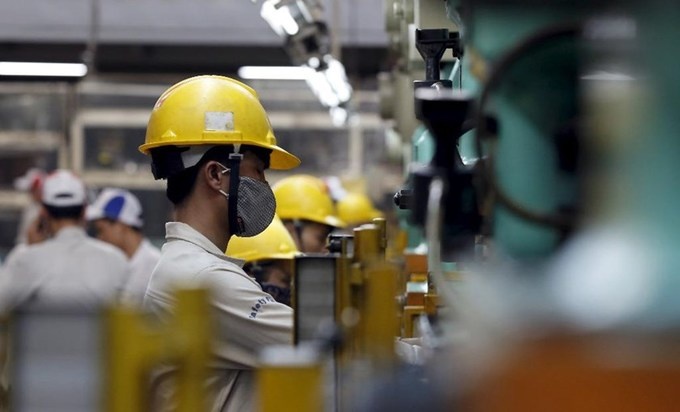
    Vietnam’s auto industry has suffered from rewards not being connected to production and the neglect of domestic suppliers.

    It is evident that while joint ventures have continually received financial support and incentives without developing production, domestic suppliers have been ignored.

    In this context, the emergence of VinFast – the year-old auto-making subsidiary of Vietnamese realty and retail giant Vingroup – is being seen as a keystone element in the development of the Vietnamese auto industry.

    Standing alongside Vingroup are major incumbents, like Truong Hai Auto Corp and Hyundai Thanh Cong. Although it seems the right time has come for Vietnam’s car industry to move to a new level, the industry has failed to take shape for the last 20 years.

    Car making projects in Vietnam have been around since the 90s. Production was first undertaken by the Hoa Binh (Vietnam Motors Corporation-VMC) and Mekong Auto Corporation in the form of business cooperation contracts (BCC) with other automobile manufacturers.

    VMC assembled and manufactured different product lines for BMW, Mazda and Kia, while Mekong produced for Fiat and Ssangyong.

    Subsequently, foreign companies began to invest in Vietnam in the form of joint ventures, like Toyota, Honda, Daihatsu, Ford and Mercedes.

    The developmental strategy for the first stage of the industry was clear: attract FDI, create jobs, and create a favorable environment to nurture local producers of materials needed to produce cars.

    The social rationale for this strategy was also to use the projects to provide growth opportunities for low-income provinces such as Vinh Phuc and Hai Duong.

    At that time, even though consumption was primarily in the south of Vietnam, most manufacturers were located up north. To protect the fledgling joint ventures, which primarily manufactured CKDs (completely knocked down cars, to be assembled by the buyer), the government enforced a protectionist policy, closing the market for imported CBUs (completely built up cars).

    In the early 2000s, tariffs on imported CBUs were very high, at 120 percent. This rate was reduced to around 60-80 percent after Vietnam joined the WTO in 2007; and it was to be further lowered pursuant to the ATIGA trade agreement’s reduction schedule.

    2018 is the first year in the schedule where imported cars of ASEAN origin (C/O form D) are subject to zero percent tariffs.

    Since the Common Effective Preferential Tariff (CEPT) agreement was signed between ASEAN countries in 1992, car manufacturers have been forced to reconsider the strategy of producing and consuming cars within this region.

    With Vietnam’s accession to ASEAN, a country with a large population and unrealized market potential, car makers revised their long-term business strategy, reducing CKD production and moving towards 100 percent importing of CBUs from other countries in the region.

    The only manufacturing hope lay with Korean firms Kia and Hyundai, both of whom had just begun to establish production and consumption in the Vietnamese market.

    The emergence of Vietnam’s first home-made brand, VinFast, is a notable step forward, but it is still far too early for this to mean anything.

    A strategy that failed

    The strategy of using FDI to foster growth of the auto industry and increase localization has not been successful. Why?

    A new car must go through a rigorous testing process by the manufacturer and the relevant independent accreditation bodies. Therefore, manufacturers are very careful when choosing components for their car models. Original Equipment Manufacturing Suppliers (OEM), otherwise known as parts suppliers, are selected at the development stage of the model, long before the car is introduced to the market.

    Each vehicle has a Homologation Document that contains a complete set of vehicle assembly information. This kit must be approved by an independent body after testing, prior to the issuance of a Vehicle Type Approval. Compliance with technical documentation is compulsory to ensure quality and safety of the car.

    Because Vietnam’s auto market is small and production is predominantly in CKD form, models are usually introduced to the markets one to two years late. This makes it impossible to change component suppliers. There have been many cases of joint ventures in Vietnam suggesting replacement of components with those sourced from inside the country, but not getting the parent company’s approval.

    The Kia models sold in Vietnam are a good example. They run on Continental tires from Germany instead of Kumho, a Korean brand produced locally.

    In 2006, import taxes on CKD cars were restructured. Instead of being taxed per whole kit, the tax was levied on individual components to make it more favorable for manufacturers who source components locally. Despite this, the localization ratio has not increased as desired by policy makers.

    According to statistics compiled by McKinsey & Company, components sourced overseas make up 55 percent of the total cost of a car. Manufacturers cannot achieve the 40 percent localization rate required by the ATIGA trade agreement if the supply source is not available.

    Because of the failed developmental strategy for domestic manufacturers, Vietnam is instead becoming a market for major production centers based in Thailand and Indonesia.

    Over a long time, policies and resources have been poured into automotive joint ventures, but OEM Suppliers are key players in shaping the game. Most companies in the list of the 100 largest OEM suppliers are from Japan, Germany or the United States.

    While China is the largest market for automobile production and consumption, accounting for 30 percent of the world market, only two companies make the above list, mainly producing aluminium chassis components.

    So how can any real change happen?

    If local OEMs, not joint ventures, receive these huge resources and are facilitated to build factories in Vietnam, then the production and business strategies of automakers in the ASEAN region might not be what they are now. -Bui Sinh-
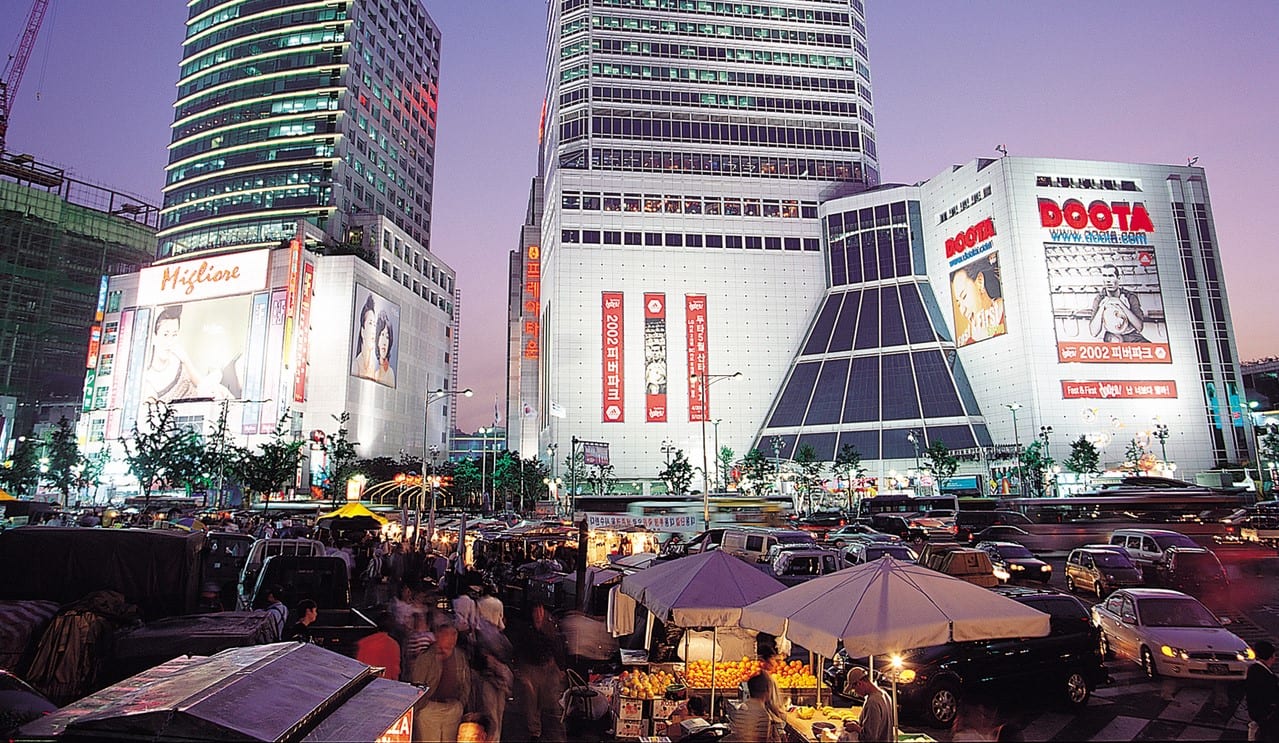
  • Spotlight on ASEAN for Korean retail, beauty and entertainment biz

    Spotlight on ASEAN for Korean retail, beauty and entertainment biz

    With Southeast Asia becoming the center stage for South Korean businesses in expanding their global presence, retail conglomerates like Lotte, Shinsegae and CJ have been successfully tapping into the markets. Lotte Group has focused its investments on its retail arm Lotte Shopping’s entrance to the Indonesian market. According to the company, the Indonesia market accounts for 17 percent of total sales earned from overseas Lotte Group businesses.

    Lotte Mart, a discount chain operated by Lotte Shopping, currently runs 46 stores in 25 cities in Indonesia. These stores raked in 1.1 trillion won (US$971 million) in sales as of the end of last year.

    By 2020, the company aims to open 36 more stores in 10 additional Indonesia cities.

    Following a successful entrance in the Indonesian market, Lotte Shopping now targets large-scale investment in Vietnam.

    The company will inject 330 billion won to complete the construction of Lotte Mall Hanoi by 2020.

    Shinsegae Group has been also speeding up its expansion into countries in the Southeast Asia.

    In 2015, Shinsegae’s discount chain operator E-mart opened a two-story mall located in the heart of Ho Chi Minh City at Go Vap District, one of the most developed and densely populated areas in the capital.

    The Go Vap branch marks E-mart’s first overseas store since the brand redirected its focus to the Southeast Asian market in 2011 after officially exiting the Chinese market.

    For over the next three years, E-mart will invest 549 billion won to open four more stores in Vietnam by 2020.

    The second outlet in Ho Chi Minh will open in the first half of next year, the group said.

    Singapore is another crucial country — geographically and economically — for the groups.

    SPC Group opened the first Paris Baguette store in Singapore in 2012. Now nine outlets are operated there, including one at Changi Airport.

    The group said its Singaporean branch Paris Baguette Singapore PTE marked a 12 percent increase in sales from 12.9 billion won in 2015 to 14.4 billion won in 2016.

    SPC Group said it has taken care to localize its services as much as possible to meet the needs and lifestyle of Singaporean consumers.

    Entertainment businesses have also penetrated Southeast Asian markets.

    CJ ENM, a merged corporation of CJ O Shopping and CJ E&M that officially launched in July, will open Asia’s largest virtual commerce content production center in Ho Chi Minh City, Vietnam, targeting audiences in Southeast Asian countries.

    The center, called DADA Studio Vietnam, will create and distribute at least 1,000 pieces of virtual commerce content from early next year.

    Focusing on making use of the low-cost production system and high efficiency of the talent pool in Vietnam, CJ ENM said its attempt to operate a content hub abroad would lead to boosted content sales from the global market.

    “CJ O Shopping and CJ E&M had already witnessed the possibility of the v-commerce content business through our DADA Studio and online creators’ platform DIA TV. To dominate the expanding global content market, a merger of the two CJ companies will show the synergized effect of CJ’s digital content and channel operation,” said Kim Do-han, a director at CJ O Shopping.

    Following the K-pop boom and popularity of Korean style makeup trends, Amorepacific opened an outlet of its high-end makeup and skin care brand Hera this year at the Takashimaya Department store in the heart of Singapore’s shopping district.

    “Targeting the Singaporean market is important with the K-pop and Korean culture wave’s sensational influence to surrounding countries. Hera’s trendy brand image will suit well with Singapore consumers’ taste,” said Na Jung-kyun, head of Amorepacific’s Southeast Asian region division.

  • Honestbee risk losses with new experimental offerings

    Honestbee risk losses with new experimental offerings

    Online grocery service Honestbee has opened a retail space which merges cashless grocery store with a restaurant and a testbed for new retail technologies.

    Habitat by Honestbee in Pasir Panjang is billed as “the world’s first tech-integrated multi-sensory grocery and dining destination of its kind”. While Chinese online behemoth Alibaba may well challenge that claim, Habitat is certainly a revolution in Southeast Asia, boasting a cashless checkout experience and a fully automated robotic collection point, called RoboCollect.

    Spanning 60,000sqft, Habitat by Honestbee is a full supermarket with more than 20,000 Asian and global foods and ingredients as well as daily essentials, which can be purchased both online and offline.

    The store also features 15 unique food and beverage concepts ranging from grain bowls and grilled wagyu meats to Japanese souffle pancakes and homemade kombuchas, all available to eat on site or take away.

    More features are under development, including an invitation-only private dining space, an oyster bar, an entire section devoted to charcuterie and cheese, and a hidden bar.

    Honestbee says the new space heralds the arrival of NewGen Retail, a concept defined as “innovation in retail technology that inspires more human engagement for a multi-sensory experience” and not hugely dissimilar to Alibaba’s New Retail concept.

    For purchases of 10 items or less, shoppers can use the Scan & Go function on the Honestbee app, so they can skip the checkout line and get their items on the spot. Those with bigger shopping lists can drop off their trolleys at the convenient AutoCheckout and Habitat will take care of the scanning and packing, with bags ready for collection at the RoboCollect Stations.

    Honestbee says customer orders can be processed between checkout and collection in as little as five minutes.

    Online grocery orders are fulfilled by ‘Shopper Bees’ (Honestbee staff) using overhead conveyor belts for greater productivity before ‘Driver Bees’ pick them up for delivery.

    Purchases can be paid for securely using BeePay, Honestbee’s own digital wallet, either online or offline.

    “Habitat by Honestbee is a beautiful, physical extension of the honestbee brand we all love,” said VP and MD at Habitat by Honestbee, Pauline Png.

    “With its launch, we now provide tech-enabled convenience, value and quality through food in both the online and offline experience. It is a unique combination of a full supermarket, speciality grocer, dining and interactive lifestyle destination. In this innovative space, one can expect a multi-sensorial food experience that nourishes, educates and inspires. We designed it so that customers can get their groceries and meals efficiently but also linger and enjoy the experience.”

    View the full gallery of the newest Habitat store below (16 images) :

  • The 15 hottest online luxury brands in 2018

    The 15 hottest online luxury brands in 2018

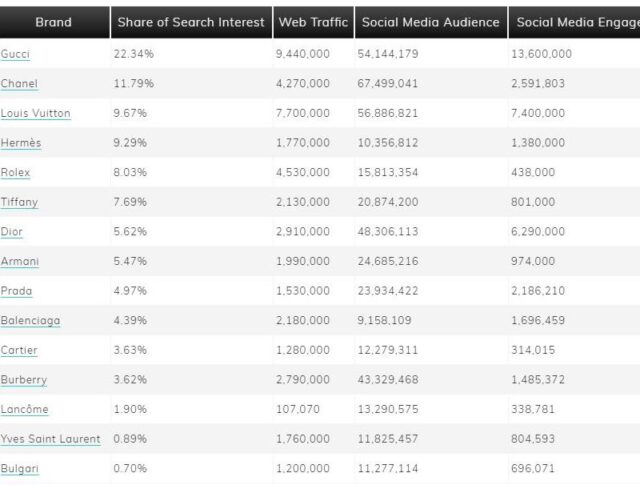
    Some brands have embraced digital better than others, as evidenced by their popularity online. According to a new report by Luxe Digital, the top 15 most popular luxury brands online are particularly successful at building online awareness but also at forging deep emotional connections with their audience—particularly young affluent consumers.

    The ranking provides a good gauge of the sales potential of the brands for this coming year-end.

    It’s also a great source of inspiration and best practices for luxury leaders. By exploring how the top high-end brands are performing online, one can understand the reasons for their popularity and how their approach could be replicated.

    Gucci is leading the 2018 ranking, followed by French houses Chanel and Louis Vuitton.

    Interestingly, it is Italian fashion brand Balenciaga that saw the most impressive growth thanks to its fresh take on luxury streetwear.

    The Direct-to-Consumer approach emerges as a winning strategy for luxury

    The ranking is largely dominated by fashion brands, although Rolex and Tiffany made it to the top 10.

    It is worth noticing that Lancôme is the only beauty brand to appear in the list, finishing at the 13th position.

    A noticeable trend is the Direct-to-Consumer retail model which is increasingly more adopted by luxury brands. The DTC approach emerges as a great way for high-end brands to control their brand identity online and own their customers’ data.

    Influencer marketing is also playing a key role in 2018. Virtually every brand in the top 15 has collaborated with social media influencers to shape the conversations online and drive brand discovery amongst untapped audiences.

    For luxury fashion specifically, high-end streetwear is clearly making the buzz this year.

    Other noticeable trends for 2018 include more interest in sustainable practices and social causes. Natural cosmetics, natural and vegan beauty products, in particular, are also generating a lot of online interest.

    The rising share of affluent Millennials and Gen Z consumers

    These trends are mainly driven by the growing portion of more socially-conscious, affluent Millennials and Generation Z consumers.

    This shift in consumers’ values and preferences combined with the disruptive impact of new technologies are challenging the traditional notions of luxury.

    As the sophisticated younger generations become important luxury shoppers, modern luxury brands are evolving their offerings to appeal to their specific tastes.

    Luxury brands are also adapting their marketing strategy to offer a seamless shopping experience both online and offline in line with the younger affluent consumers’ growing expectations.

    Conscious of the essential role that new technologies play in driving their narrative, luxury leaders are finally embracing digital technologies.

    For brands, it is clear that the ability or inability to pivot to this new reality will continue to widen the gap between the successfully agile luxury brands and the slow adopters.

  • H&M lingerie line that fits Asian lauched

    H&M lingerie line that fits Asian lauched

    H&M has launched its first Asian-fit lingerie collection. The collection, now available at H&M stores with lingerie departments within Hong Kong as well as on hm.com, has been designed to impress Asian women with its comfortable fabric and skin-friendly design.

    The label’s 44-stitch superfine fibre has been used to bring a soft touch to the skin, while the wire-free feature and triangle-cup design is intended for comfort and fit for all sizes and cups, with side support for comfortable body shaping.

    Promotional materials for the collection emphasises the use of superior materials to offer a high level of skin-friendly, breathable comfort.