Tag: asia

  • Easing price of gold gives Luk Fook sales some shine

    Easing price of gold gives Luk Fook sales some shine

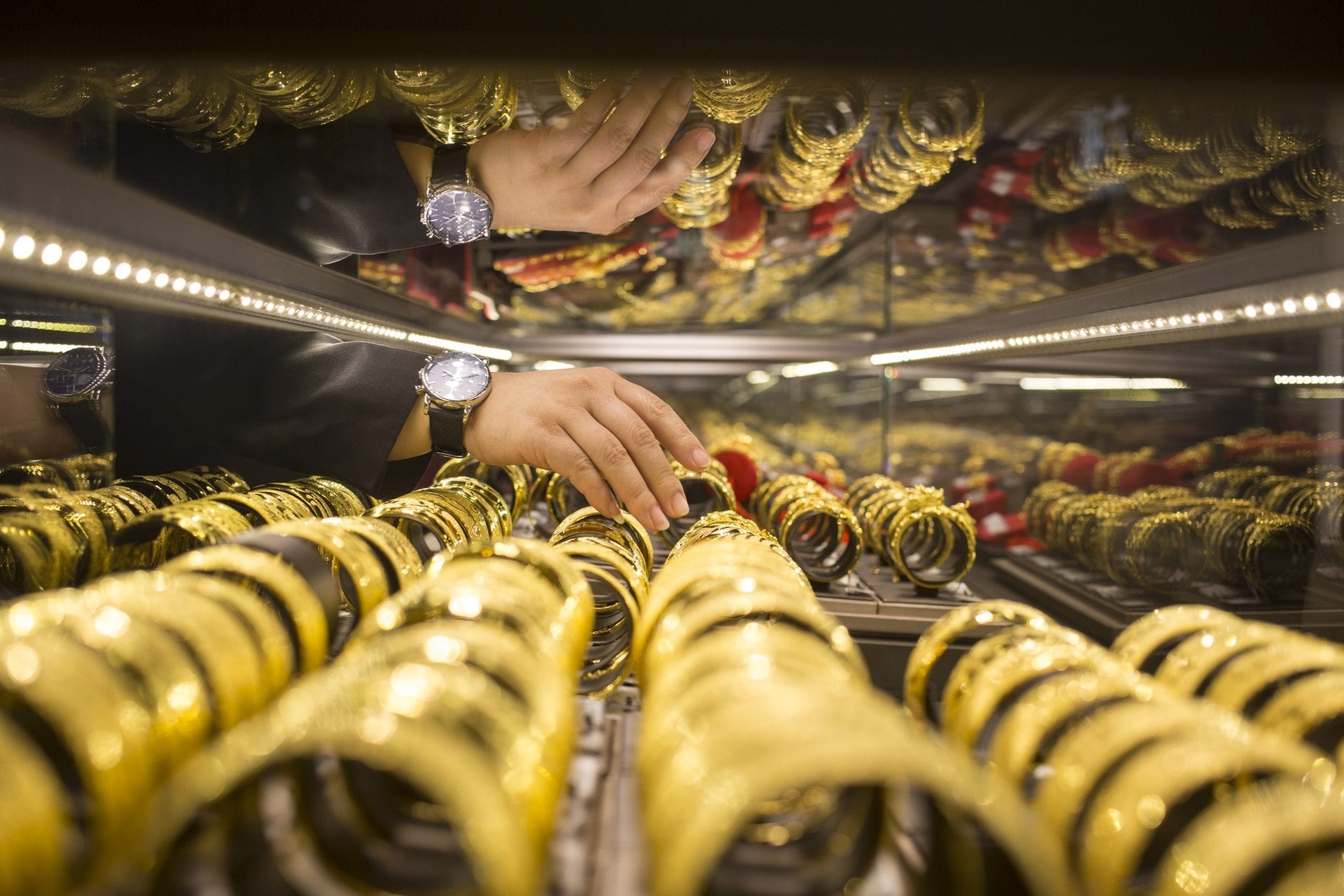
    Luk Fook achieved same-store sales growth of 14 per cent in its latest quarter, thanks to lower gold prices, good market sentiment and a successful sales strategy. In a note to shareholders, chairman and CEO Wai Sheung Wong said same-store sales of gold products rose by 23 per cent and of gem-set jewellery by 5 per cent.

    Luk Fook Hong Kong and Macau sales led the way, rising 17 per cent, with gold products up 30 per cent, during the three months to September 30.

    However, depreciation of the Renminbi led to a higher tendency for customers to purchase lower-value items, resulting in a single-digit drop in the average selling price of gem-set jewellery products.

    The jeweller’s fortunes appear to have endured after the quarter ended.

    “In the first two weeks of October, the growth momentum of Hong Kong and Macau market

    continued, with same-store sales sustained at a double-digit growth. As for the mainland market, because of the large number of outbound travellers during the long holiday period and a high base, same-store sales of self-operated shops recorded a double-digit drop in the first two weeks of October,” said Wong.

    During the quarter, there was a net addition of 57 Lukfook shops on the mainland: 62 more licensed shops and five fewer self-operated shops.

    At the end of the quarter, Luk Fook had 223 self-operated shops, including 151 in Mainland China, 50 in Hong Kong, 11 in Macau and 11 overseas. It had a further 1500 licensed shops on the mainland, one in Cambodia and one in the Philippines, taking the total network to 1725.

  • Vietnam urged to cut dependence on crude oil

    Vietnam urged to cut dependence on crude oil

    A prime ministerial advisory body has said the state budget is overly dependent on crude oil, an unsustainable income source. The National Financial Supervisory Commission (NFSC) recently said crude oil is not a sustainable income source, both in the short and long term.

    In the short term, crude oil revenue can be affected by global oil prices and mining output; and the state budget has been significantly impacted by such fluctuations over the years, the NFSC noted.

    In the long run, this source of income is also unsustainable as national reserves are limited, it added.

    Earlier, Deputy Prime Minister Vuong Dinh Hue had said at a meeting of the legislative National Assembly that Vietnam needs to stop relying on crude oil and focus on tourism to ensure its economic growth.

    “It is better to welcome one million tourists than trying to find one million tons of crude oil because tourism is more eco-friendly and safe for the economy,” he’d said.

    Vietnam’s September crude oil exports totaled 375,000 tons, down 21.1 percent year-on-year, according to the General Statistics Office. This brought crude oil exports in the first nine months of this year to 2.97 million tons, down 45.2 percent from a year earlier.

    From early this year to September 15, accumulated budget revenue is estimated to be at VND898.3 trillion ($39.06 billion), of which VND43.5 trillion ($1.89 billion) or about 5 percent comes from crude oil, according to the General Statistics Office.

    Vietnam’s domestic crude oil production reached its peak in 2004 with an output of more than 20 million tons, but has declined to an estimated 14.2 million tons in 2017.

    It is forecast that around 11 million tons will be produced in 2018. Crude oil exports have contributed 0.25 percent to the country’s GDP in recent years.

  • Flipkart corners more than 50 pc share in India festive sale: RedSeer Consulting

    Flipkart corners more than 50 pc share in India festive sale: RedSeer Consulting

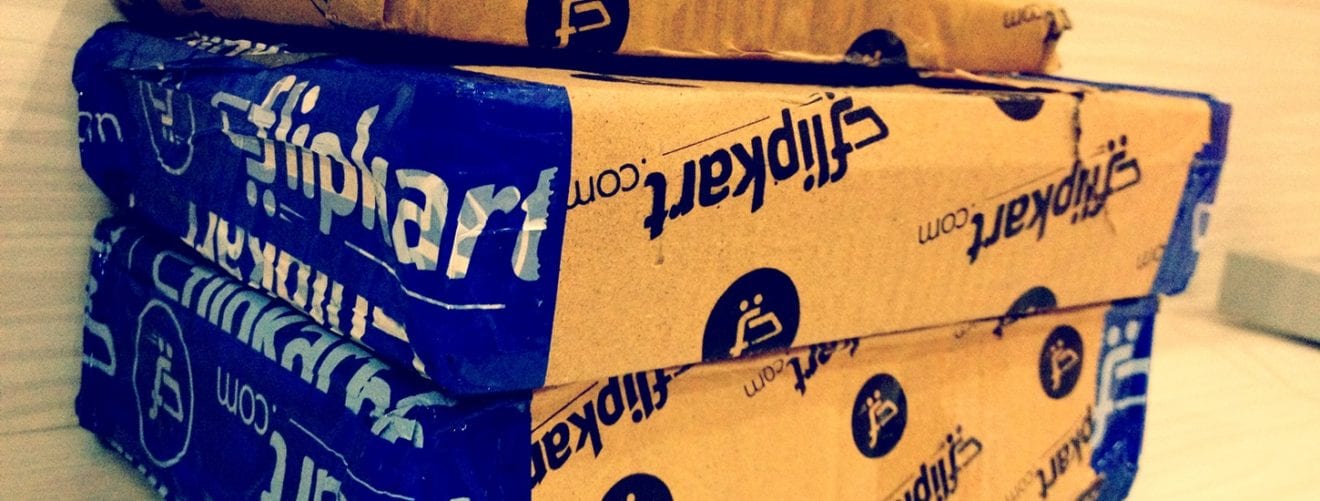
    Increased buying in smartphones and fashion verticals helped Walmart-backed Flipkart corner over 50 percent share during the first leg of the festive sale, according to research firm RedSeer Consulting. As per RedSeer’s latest report, Flipkart had a 51 percent share, while Amazon India had 32 percent share of the festive sale from October 9-14.

    “Flipkart accounted for more than half of GMV for the entire industry. Between Flipkart and Amazon, the share was 62-38. Higher share for Flipkart was driven by higher sales in both mobiles and fashion verticals,” RedSeer said.

    An Amazon spokesperson termed the report as ‘speculative’ that ‘lack robust and credible methodology’.

    “We received an overwhelming response to the Great Indian festival, with first 36 hours nearly surpassing the entire first wave last year and the entire wave growing by 96 percent versus last year…the festive season so far has exceeded our most aggressive plans,” the spokesperson said.

    Other players like Snapdeal, Paytm Mall and ShopClues also ran their festive offers and accounted for 17 percent share of the sales.

    Flipkart in a statement said the company “pushed the boundaries on many fronts and hit some of our biggest-ever numbers during its Big Billion Days (BBD).

    “We maintained a clear leadership in deep-penetrated and high ASP categories,” it added.

    As per the RedSeer report, the fashion and smartphone verticals grew by 78 percent and 70 percent, respectively.

    However, consumer electronics grew by only 45 percent despite large investments by both players in supply chain and affordability initiatives like debit card EMIs, it added.

    RedSeer said its report is based on interview with experts from supply chain, banking ecosystem and brands, seller views, customer surveys and other research.

    The report said Day 2 of the five-day sale was the biggest in terms of gross merchandise value (GMV) as it saw the launch of multiple new exclusives in mobile phones and offers on other platforms as well.

    Post second day, the growth of GMV stalled a bit with last three days accounting for only 42 percent of sales compared to 60 percent in the first two days, it added.

  • EU pushes for approval of trade agreement with Vietnam

    EU pushes for approval of trade agreement with Vietnam

    The European Commission submitted for approval on Wednesday a free trade agreement with Vietnam. The E.U.-Vietnam trade and investment agreements will need approval from the E.U.’s 28 members and from the European Parliament.

    The parties have agreed a related accord to promote democracy and human rights, including commitments, dialogue and possible sanctions. E.U. Trade Commissioner Cecilia Malmstrom said no one denied there were human rights problems in Vietnam.

    “We are talking openly about this with our Vietnamese counterparts and the trade agreement will not make Vietnam a fully fledged democracy overnight. It is one tool in the toolbox that we have in relations with Vietnam and other countries,” she said.

    The European Union will sign a trade deal on Friday with Singapore, another member of the Association of Southeast Asian Nations (ASEAN), and is in talks with Indonesia.

    It is unclear whether the European Parliament, which is expected to debate and vote on the Singapore agreement as well as the E.U.-Japan free trade deal, will have time to pass the Vietnam accord before E.U. elections in May.

    The trade deal would eliminate 99 percent of all tariffs, although some staged over a time period and some, notably agricultural products, limited by quotas.

    Vietnam, for example, would cut its duty on E.U. car imports from 78 percent to zero over 10 years and for wines and spirits, from around 50 percent, over seven years. E.U. companies would also be able to bid for Vietnamese public contracts.

    In return, the European Union would take seven years to eliminate its duties on certain Vietnamese products, such as its major textiles, clothing and footwear exports.

    Vietnam has pledged to protect 169 European food and drinks products, such as champagne or Parmigiano Reggiano cheese, meaning such names could only be used for E.U. imports.

    The agreement includes a chapter on sustainable development, such as implementing international standards on labour rights and the Paris climate accord.

  • OnApp launches upgraded cloud management platform

    OnApp launches upgraded cloud management platform

    UK-based cloud platform software company OnApp has launched version 6.0 of its OnApp cloud management platform for telcos and MSPs.

    OnApp 6.0 includes a new version of OnApp accelerator, which boasts an up to 100% performance improvement for websites hosted in OnApp clouds.

    The new version also introduces buckets,  a combined role-based access control and billing engine designed to give cloud service providers flexibility in how they package and price cloud services.

    Other features include new SDN capabilities, enhanced cloud workload import, notification and automation features and support for the VMware vCenter suite.

    “OnApp makes cloud easy for telcos, MSPs and other service providers who have struggled to make cloud profitable – either because of the cost and complexity of building and managing their own open source clouds, or because of the commercial limitations of reselling hyperscale clouds like AWS,” OnApp chief commercial officer Tim Meredith said.

    “The new version of OnApp makes it even easier to build a cloud with OnApp, integrate cloud billing models with your existing billing systems and processes, and get to market fast with your own accelerated cloud services.”

  • KT secures $26.5m smart meter project in Uzbekistan

    KT secures $26.5m smart meter project in Uzbekistan

    South Korean telco KT has signed a 30 billion won ($26.5 million) contract with state-run power electricity supplier Uzbekenergo to install smart meters in Uzbekistan. Under the deal, KT will install smart meters in 360,000 households throughout the central Asian country over the next two years. KT has made its foray into Uzbekistan’s energy sector since it secured a 120 billion won deal ($106 million) with Uzbekenergo to provide its smart energy meters in 2015.

    The company so far installed its smart meters in 1 million Uzbek households throughout the three provinces of Samarkand, Jizzakh and Bukhara as a result of the first contract.

    Smart meters are electronic devices that record electricity consumption and have a two-way, real-time communication feature between the power company and its customers.

    With the smart energy meters, Uzbek households can monitor their real-time power usage and view online billing, enabling them to use electricity in a more efficient and effective way, KT said in a statement.

    Following the deal with Uzbekenergo, KT said it hopes to expand its smart meter business to the energy sectors in other Eurasian countries.

    “This project shows KT’s success in building trust in Uzbekistan with our technological excellence,” said Yoon Kyoung-Lim, head of KT’s global business office.

  • China Unicom more than doubles nine-month profit

    China Unicom more than doubles nine-month profit

    China Unicom has revealed it expects to report a more than doubling of its profit for the first nine months of the year, despite facing significant pressure on mobile service revenues. The operator’s unaudited results show a 116.6% increase in net profit for the first three quarters of 2018 to 8.87 billion yuan ($1.28 billion).

    Mobile service revenue grew an estimated 7.2% year-on-year to 125.42 billion yuan, despite the company’s ongoing implementation of a national policy requiring operators to upgrade network speeds while reducing tariffs for customers.

    The nation’s operators have agreed to reduce the cost of mobile data services by at least 30% by the end of the year.

    China Unicom also stopped charging domestic data roaming fees from July in response to another government directive. Roaming fees for domestic long distance calls were abolished last year.

    In a statement to the Hong Kong Stock Exchange, China Unicom said it was able to mitigate these pressures on its mobile revenues by optimizing tariff packages and more heavily promoting large data bundles to its customers.

    Fixed line revenues are meanwhile expected to have grown 5.2% year-on-year to 73.22 billion yuan.

    China Unicom’s profit for the nine month period also includes a 1.47 billion yuan influx resulting from an increase in its share of the profit from tower infrastructure joint venture China Tower following its public listing and new share issuance.

    The company added that it is anticipating a seasonal increase in competition during the fourth quarter, but it has strategic plans in place to cope with any challenges.

  • Rebranding for luxury resale site Vestiaire Collective

    Rebranding for luxury resale site Vestiaire Collective

    Vestiaire Collective is refreshing its image as the luxury resale site looks to grow sales in Europe and Asia. The branding changes involve a new, black-and-white logo, that will feature on updated packaging. Vestiaire Collective is also launching a campaign which promotes resale as a modern alternative for the luxury and sustainability-conscious consumer. It will roll out in Europe and Asia Pacific spanning television, print, digital and social media.

    Vestiaire Collective’s new look comes after a US$62 million funding round last year, which the company is using to expand internationally. The past 18 months have seen the company enter Asia, open logistics hubs in France and Hong Kong. This month the company is opening a new head office in Paris, on the back of 100 new hires in 2018.

    “It will allow us to speak to a wider audience,” said chief marketing officer and vice president for EMEA Ceanne Fernandes-Wong of using traditional forms of advertising — including black cabs in London and television in France — alongside digital.

    “Resale is not new, it’s not niche, and we want to bring that education that resale is chic and cool… and bring people who would otherwise say, ‘it’s luxury and not for me.’”

    However, Vestiaire Collective faces increased competition from other players in the luxury resale market, which is on track to hit $6 billion in global sales this year, according to Bain.

    Competitors have piled into the space in recent years, including ThredUp, Poshmark and Grailed. The biggest is TheRealReal, which opened its first permanent retail and consignment space in New York in November 2018, after hosting a pop-up a year earlier, and has raised $173 million funding.

    “We want to extend the category in the right way,” said chief operating officer Olivier Marcheteau. “There is €250 billion worth of luxury product sold every year — we’ve probably only scratched that surface.”

  • Specialized Bicycle opened first store in Philippines

    Specialized Bicycle opened first store in Philippines

    Bicycle brand Specialized has opened the first of three stores planned for the Philippines. The first Specialized Manila store is trading now at SM by the Bay at the Mall of Asia in Pasay City.  More are planned for Quezon City and Pasig by the end of this year. More will follow in other cities from next year.

    Billed as “a bicycle brand made for riders by riders”, the 44-year-old company describes the stores as “a cyclist’s haven”.

    “We want to serve the riders where they are, and at the same time make it convenient for them to get that one-stop bike shop experience,” said Ritchie Santayana, customer development director of Gruppo Innovare Corp, the local distributor of the brand.

    Specialized makes bicycles for triathletes and sports people as well as enthusiasts of cycling as a means of maintaining fitness

    The Specialized Manila stores will stock technically advanced models including the trail bike Stumpjumper, e-mountain bikes Turbo Levo and Kenevo, the fast road bike the Venge; and the lightweight Tarmac racing bike.

  • SK Group continues to focus on social value

    SK Group continues to focus on social value

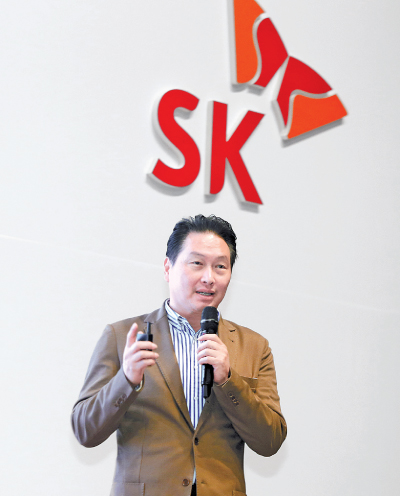
    SK Group is reevaluating its business models in a bid to ensure that all of its affiliates create social value along with economic value. SK Chairman Chey Tae-won and the heads of all SK affiliates discussed ways to renew their business models so that doing business leads to increasing benefits for the public as well as SK shareholders and employees during a three-day meeting on Jeju Island that ended Friday.

    “Creating social value is a way to earn strong trust from our customers and society,” Chey said. “By social value, I mean increasing the benefits of all stakeholders in our business including our customers, shareholders and employees.”

    Chey then ordered the chief executives to think over whether there was any part of their business that they are tricked into believing is sustainable.

    “Rethinking business models that you believe are sustainable is the beginning of a deep change that we are trying to accomplish,” the chairman added.

    SK has been making small steps into realizing Chey’s vision from earlier this year. The group’s oil refining arm SK Energy opened up the idle space at its gas stations so a logistics start-up can move in and use the space as storage.

    However, many other SK affiliates still need to come up with ideas to create social value.

    To renew business models, the CEOs agreed that sharing data and resources between SK affiliates is crucial. The heads also said that all members of SK should be a part of the movement for the vision to materialize.

    The chief executives first decided to improve human resources management policies and the research and development system. Details of the discussion weren’t revealed, but Chey ordered the chief executives to rethink the work environment for employees and to bolster R&D capabilities.

    As SK has businesses in a range of industries, the group is also thinking about business convergence among affiliates.

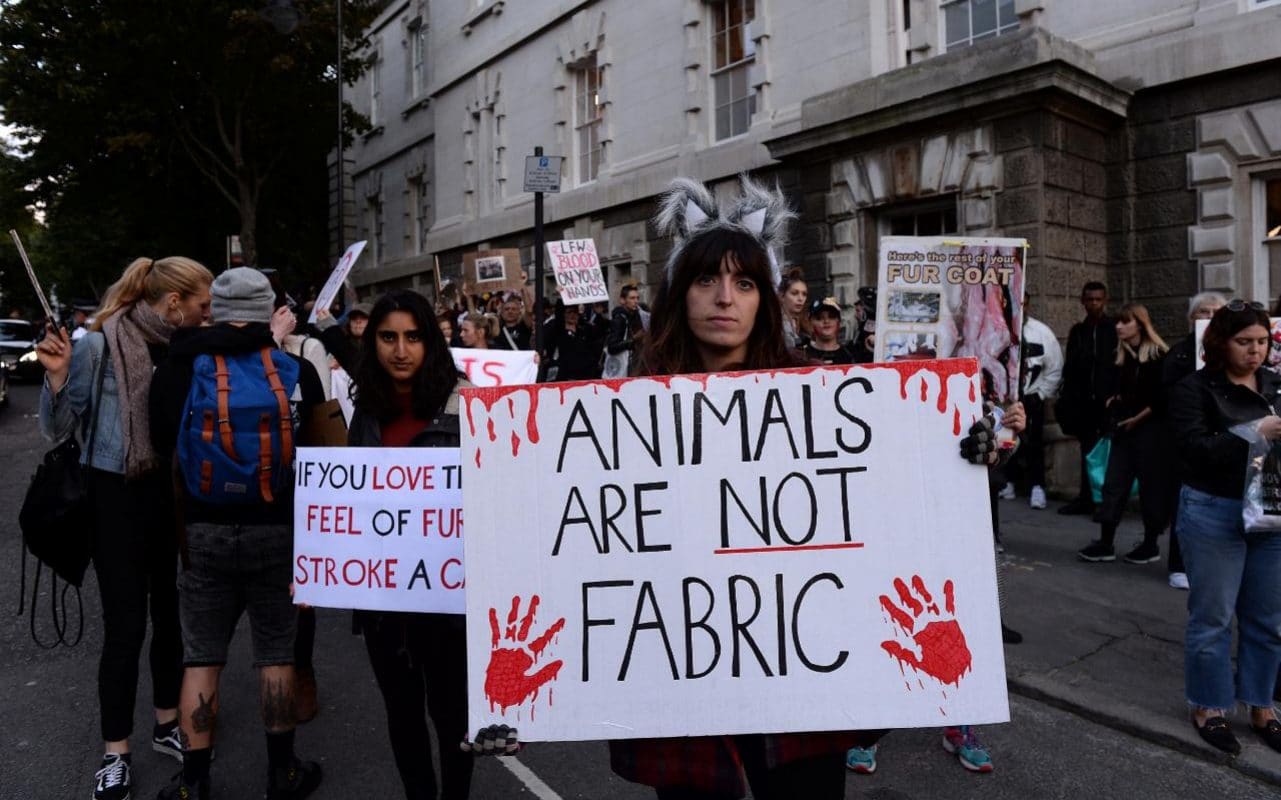
  • More brands join anti-fur movement

    More brands join anti-fur movement

    Among the investors who snapped up shares in luxury e-commerce marketplace Farfetch after its September IPO was one buyer with little interest in operating profits or projected revenue. People for the Ethical Treatment of Animals pounced on shares in the newly public company so it could make its case directly to ban fur sales on the platform. They needn’t have bothered.

    Farfetch quietly committed to going fur free in May, inserting a promise in the terms and conditions section of its website to stop selling items made with fur by the end of next year.

    Farfetch joins a growing list of luxury brands and retailers turning their backs on animal fur.

    Within the past 18 months, Yoox Net-a-Porter, GucciMichael Kors, Versace, Furla, Burberry and DVF have all announced anti-fur policies, while this year’s September London Fashion Week became the first of the major fashion weeks not to show any fur on the catwalk.

    Within the luxury space, the balance has tilted against fur.

    In the 1980s, fur was synonymous with luxury, representing a status symbol for many women.

    The global fur trade is valued at $40 billion, but today fur is central to the image — and revenue — of only a handful of major brands.

    Meanwhile, anti-fur messaging is being amplified by social media and a millennial customer base that is paying closer attention to the values represented by the products they buy.

    For brands like Gucci, the goodwill generated by banning fur outweighs the sacrifice of a few million dollars in sales of fur-trimmed loafers.

    “[It’s about] being more modern in our thinking and our approach to business and how we talk and engage with our consumer and our community of women,” Sandra Campos, chief executive at DVF, said of the decision earlier this month to stop using fur, exotic skins, mohair and angora in upcoming collections.

    “No one really wanted to associate the brand with [fur]. We don’t need real fur to have a status symbol anymore.”

    The anti-fur movement has ebbed and flowed for decades.

    Calvin Klein stopped using fur in 1994, the same year Peta ran a campaign featuring supermodels including Naomi Campbell and Christy Turlington, who claimed they would “rather go naked than wear fur.”

    Ralph LaurenTommy Hilfiger and Selfridges barred fur in the mid-2000s.

    More recently, Hugo Boss joined the no-fur list in 2015, followed by Armani the following year.

    Gucci kicked off the latest wave of brands announcing fur bans in October 2017.

    Winning over luxury’s hottest brand was a coup for animal-rights activists who had been targeting specific companies for almost a decade via a mix of behind-the-scenes talk and public protest.

    In July 2017, more than 20 animal rights activists heckled Michael Kors during a speech, while in September 2017, Burberry’s London Fashion Week show was disrupted by about 250 anti-fur protesters.

    Michael Kors agreed to ban fur in December, Burberry last month.

    The rise of social media has provided the general public with a direct line of communication to companies and a platform for opinions and protest, making it harder for brands to ignore targeted activism.

    It’s also given animal rights organisations a platform for mobilising consumers into action.

    The global fur industry is fighting back, launching its own campaign making the case for fur as a natural, sustainable product that is better for the environment than alternatives, which are often made from plastic.

    One recent campaign featured Fendi and Oscar de la Renta, among other brands.

    “Brands are under huge pressure to respond to social media and avoid any controversy,” says Mark Oaten, chief executive of the IFF.

    “Even in a five year period that has changed … the fear of reputational damage is increased at the moment.”

    Studies show activism is impacting purchasing decisions.

    Prior to announcing its fur-free policy last June, Yoox Net-a-Porter surveyed 24,000 customers: 72 percent said social or environmental considerations drove their purchasing decisions at least some of the time, while 58 percent said having more information about the ethics and sustainability of a product would influence their shopping choices.

    Indeed, the idea of what luxury means to consumers today has evolved.

    “It’s become synonymous with social responsibility and innovation,” said PJ Smith, fashion director at the Humane Society US.

    “Companies that want to position themselves as corporate social responsibility leaders are seeing the marketing potential of going fur free, especially with new luxury consumers.”

    For a brand like Michael Kors or Burberry, going fur free won’t have much impact on the bottom line, while providing a marketing boost.

    For DVF, fur was “a very minimal percentage” of the overall business, said Campos.

    “It wasn’t something we relied on heavily at all,” she said. “It made sense for us to walk away from it in total.”

    Similarly, Gucci’s decision to bet on animal rights activism wasn’t much of a trade-off, as the brand sold only €10 million ($12 million) in fur products last year, less than 0.2 percent of revenue.

    Gucci’s Instagram post announcing the news was among the brand’s top performing posts at the time of the announcement, amassing 179,524 likes.

    Even brands that still use fur are acknowledging shifting attitudes.

    Fendi, which started as a furrier in 1925, rebranded its Couture Week show this past July as haute couture, rather than the haute fourrure description it used in recent seasons.

    And while fur was still present in the label’s Spring 2019 collection, it was less prominent than in past seasons.

    Prada, too, has been decreasing its use of fur.

    Recently the brand has come under pressure as a result of a targeted campaign spearheaded by the Fur Free Alliance, a coalition of 40 animal rights groups.

    According to the company, thousands of e-mails demanding it bans animal fur have been sent to the Prada Group and personal addresses of employees.

    However, the company has not announced plans to stop using fur.

    “We believe it is important to stress that all the advertising campaigns of the Group’s brands, together with the fashion shows and displays in the shop windows, have not been presenting these products for some time, in order to discourage demand from consumers,” the Italian house said in a statement.

  • Vietnam’s per capita GDP long way away from 2020 target

    Vietnam’s per capita GDP long way away from 2020 target

    Vietnam’s GDP per capita is set to increase this year, but its 2020 target of $3,200-3,500 looks distant. Minister of Planning and Investment Nguyen Chi Dung said at a National Assembly meeting Monday that if Vietnam’s GDP increases by 6.7 percent this year, per capita GDP will reach $2,540, up $155, or 6.1 percent year-on-year, and 1.21 times that of 2015.

    However, the number is still far away from the country’s target of $3,200-3,500 by 2020, he conceded.

    According to World Bank Group statistics, Vietnam’s GDP per capita in 2017 is $2,343. The figure for Singapore is $57,714, Malaysia ($9,945), Thailand ($6,594), the Philippines ($2,989) and Myanmar ($1,298).

    Minister Dung estimated that Vietnam’s GDP would grow by 6.57 percent on average in the 2016-2018 period, meeting the National’s Assembly target of 6.5-6.7 percent growth.

    However, he expressed concerns about the increasing number of businesses that stopped operations in the first nine months of this year.

    While 96,610 new businesses opened, 73,100 closed, up 48 percent year-on-year.

    These figures worried government officials at the meeting. Vu Hong Thanh, Chairman of the National Assembly’s Economic Committee, said that the goal of having one million businesses by 2020 will be “difficult to achieve.”

    Last year Vietnam had over 560,000 active businesses, up 11 percent year-on-year, according to the General Statistics Office.

    But in another meeting last week, Deputy Prime Minster Vuong Dinh Hue said that the goal “is full of challenges, but achievable.”

    Hue said that how strong these businesses are and how much they can contribute to the economy is more important.

    “The government aims to practically improve the business environment by not imposing more conditions,” he said.

    In the first nine months this year, Vietnam’s GDP grew by 6.98 percent, the highest nine-month growth rate since 2011. The economy grew by 6.81 percent last year, the highest rate in a decade.

  • UK fashion retailer New Look to exit China

    UK fashion retailer New Look to exit China

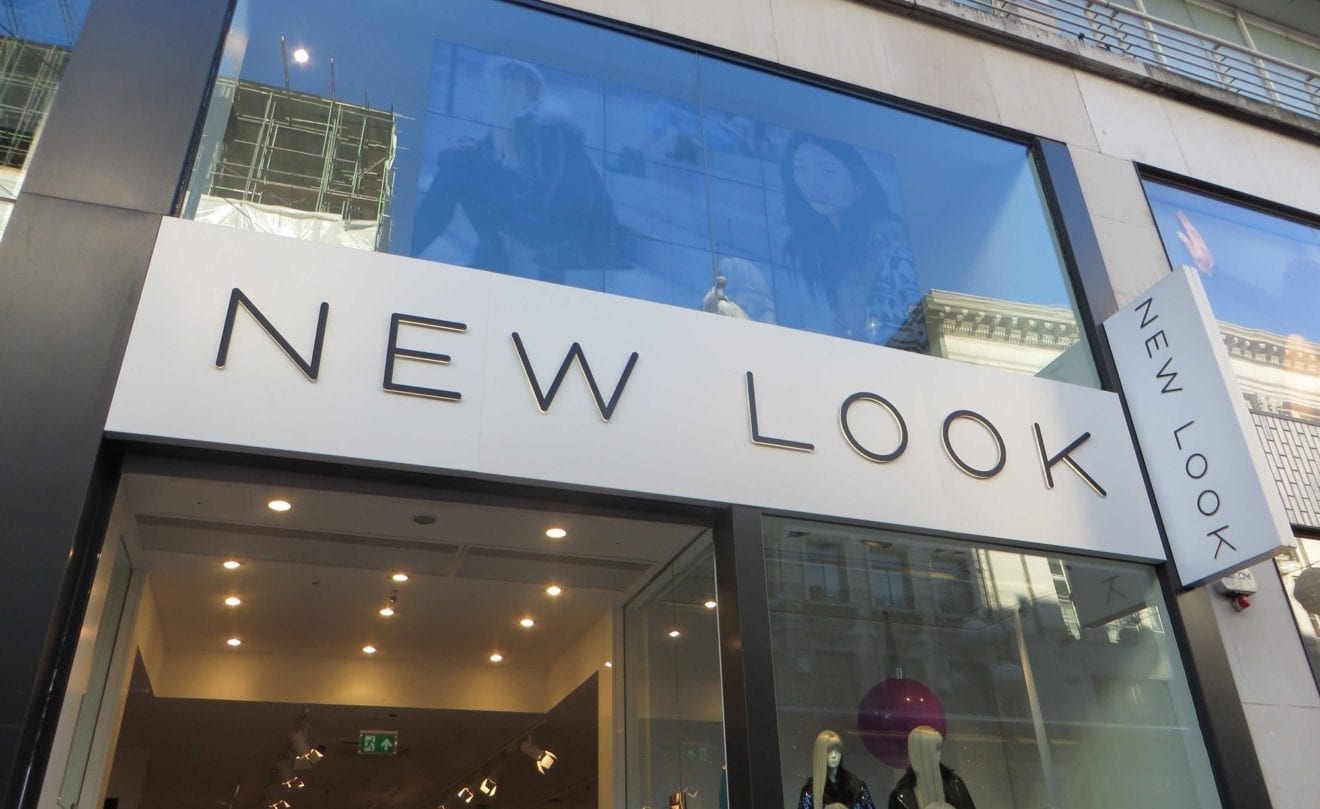
    Embattled UK fashion retailer New Look is to quite China, closing some 130 remaining stores. The move follows a strategic review of the China business announced back in June, when the company put the brakes on an ambitious 450-store rollout plan after opening just 148.

    New Look has appointed property specialist CBRE to find new tenants for the 130 remaining stores in the country.

    In March, South African-owned New Look signed a Company Voluntary Arrangement with its creditors and landlords in the UK allowing 60 stores there to be closed. Chairman Alistair McGeorge at the time cast doubt on the future of the China plans announced by former CEO Anders Kristiansen.

    New Look’s China exit comes two months after rival chain Topshop terminated a franchise agreement with local partner Shangpin “by mutual agreement”.

  • Beauty brand 3INA launches in Hong Kong

    Beauty brand 3INA launches in Hong Kong

    Beauty brand 3INA, following its success in the  Chinese platform Xiaohongshu, launched in Hong Kong yesterday. Since the 3INA customer is the Millennial, the digital platforms have been a large part of the brand’s marketing and selling strategy. Social media and influencers have been key to its success.

    Launched in 2016 by Eve and Pablo Rivera, the very first 3ina makeup store was opened in London in February last year. Offering professional grade European-made cosmetics at an accessible price tag, 450 products across six categories, and trend-savvy products launching every four weeks, the British beauty brand was an instant hit.

    Hong Kong people will enjoy 3INA colorful mood at its first flagship store in T.O.P This is Our Place in Mong Kok with an assortment of over 700 products.

    3INA already has 27 stores in over nine countries around the world, including Australia, Belarus, Greece, Italy, India, Malta, Spain, South Africa, UK, and now Singapore.

  • KT’s Kids’ Land is now available on the move

    KT’s Kids’ Land is now available on the move

    KT’s Kids’ Land will soon be available on the move, as the mobile carrier tries to take on YouTube Kids by moving its popular child-friendly content service to smartphones.
    Kids’ Land, which launched in May on KT’s internet-protocol TVs, is now used by 3.6 million customers, according to KT. By creating a mobile app that is connected with the IPTV, the carrier said that kids will now be able to enjoy their favorite content anywhere they want.

    New content was also been added to the service, now upgraded to Kids’ Land 2.0, on Tuesday. While most of the content on the original Kids’ Land was for children, the new version comes with new videos dedicated to parenting, made for KT in cooperation with Dr. Oh Eun-young, a famous figure in the field of child care in Korea.

    Oh’s content will cover 10 big topics in parenting, spanning about 50 video clips, so that parents can easily learn how to behave with their children in specific situations, like when they won’t sleep.

    “There is so much, in fact, too much information on parenting that parents these days can’t really tell between reliable content and those that are not,” Oh said. “KT’s platform offers curated and reliable content that parents can always turn to.”

    Kang In-sik, vice president of the media content department at KT, said KT will be working to provide more original content to beat competition from other platform providers like YouTube. KT is currently contacting experts to make videos specifically targeting infants as well as the elderly and those hoping to learn a new language.

    The new Kids’ Land app will be ad-free and filter out harmful content for children.