Tag: asia

  • Jil Sander unveils new store format in Tokyo

    Jil Sander unveils new store format in Tokyo

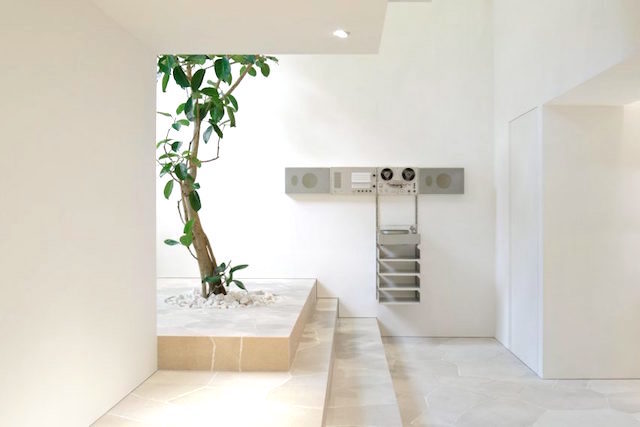
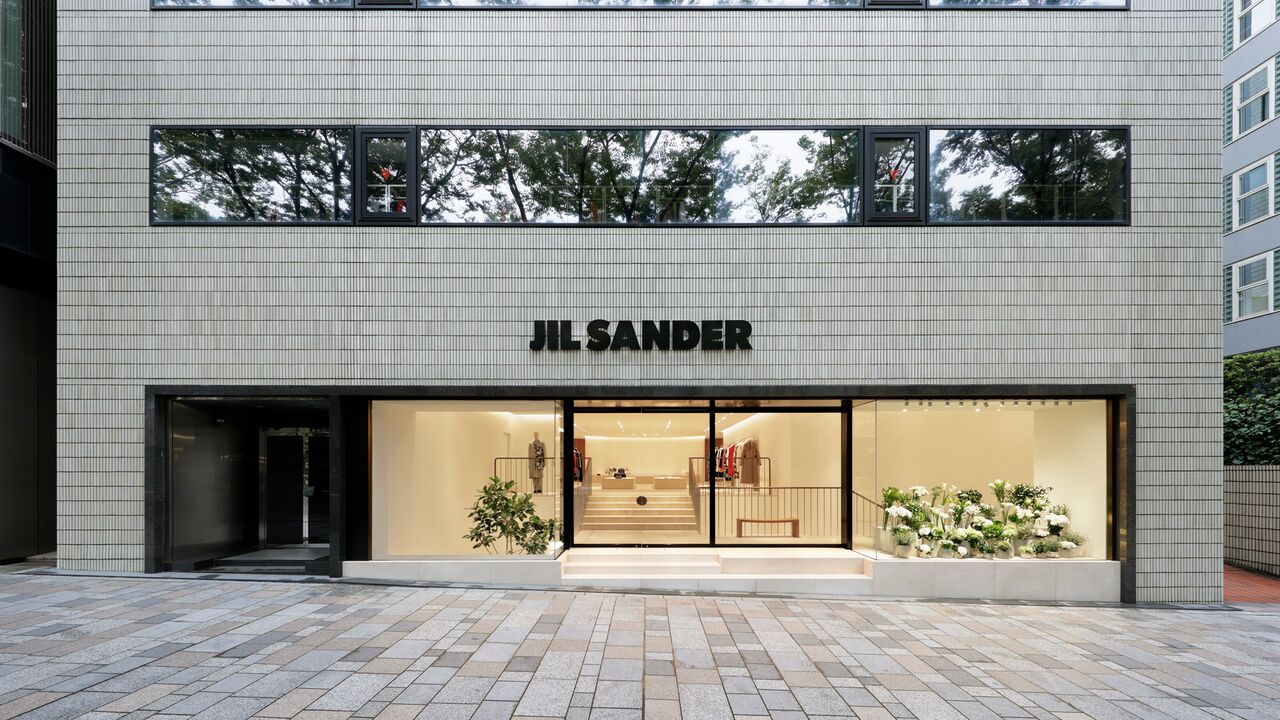
    German fashion label Jil Sander has introduced a new store format in Tokyo. The Onward Luxury Group-owned brand has inaugurated the new 268sqm flagship in the fashionable Omotesando district with a redesigned interiors concept that will be used to revamp the label’s existing stores worldwide.

    The new store interior design is the work of British architect John Pawson, who has adopted the minimalist essence of the brand’s fashion aesthetic in the new format – using limestone and cherry wood features and a large glass facade – and showcasing just one or two looks at a time.

    Jil Sander operates 11 stores worldwide, including a flagship in Paris. A new opening in Moscow is planned for next year.


  • JD.com’s green initiative for sustainable consumption

    JD.com’s green initiative for sustainable consumption

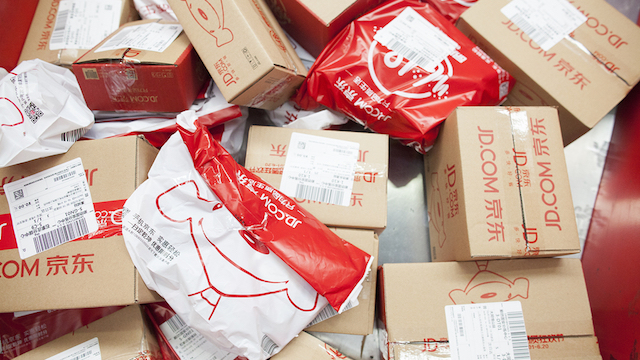
    JD.com, China’s largest retailer, the World Wide Fund for Nature (WWF) and The China Children and Teenagers’ Fund (CCTF) are partnering to launch a second annual Green Planet-Sustainable Week, raising awareness about sustainable consumption in the world’s most populous nation. The seven-day program, which kicked off this week, will reinforce JD’s commitment to help the retail industry develop more sustainably, reducing the impact of China’s booming consumption on the environment.

    For the event, JD will promote pollution reduction through the use of reusable shopping bags, created from the fabric of discarded apparel in response to a call from WWF to reduce pollution caused by plastics. The bags, which are also regularly used in JD operations, will be distributed free during the event and include RFID Chips that can be scanned as coupons in offline stores through JD’s partners.

    JD’s Green Planet-Sustainable Week also kicks off a new clothing drive for the company’s recycling program. Taking advantage of its nationwide in-house logistics network, which covers 99% of China’s population, JD will collect both used and unused clothing from customers either to be sent to recycling facilities or distributed to those in need. Proceeds will be donated to lower-income families, people with disabilities and charity groups. Last year, a similar drive led to the collection of nearly 400,000 items, or 20 tons, of clothing, from 150 million people in four cities. This year’s program will expand to cover 47 cities.

    Customers will be able to trade in major appliances for recycling as well, by third-party companies through JD’s platform. The appliances will be disassembled, after which parts will be used for repairs, helping to reduce the waste generated by household appliances as well as pollution created by their production. Working with JD’s charity affiliate, JD Foundation, the participating companies will donate a portion of any proceeds to support charitable activities on behalf of customers, while customers are eligible for payment for their used devices, plus coupons from JD in exchange for the trade-ins.

    Meanwhile, all logistics information for tracing donations and trade-ins are available through JD.com’s proprietary supply chain management technology.

    “The spectacular rise of Chinese consumption has been a major force behind the country’s incredible economic story but has also contributed to unprecedented environmental challenges,” said Zhonghao Jin, Head of Market Practice, WWF China. He believes this week’s activities will help “raise consumer awareness and accelerate the mainstreaming of sustainable consumption.”

    Libo Ma, head of the CSR department at JD.com disclosed the company is in the midst of an effort to convert its entire vehicle fleet to new energy vehicles while being involved in other efforts to reduce emissions. The company is also is developing biodegradable packaging to further reduce waste in the supply chain.

  • Malaysia to focus more on pollution charge on single-use plastics by 2021

    Malaysia to focus more on pollution charge on single-use plastics by 2021

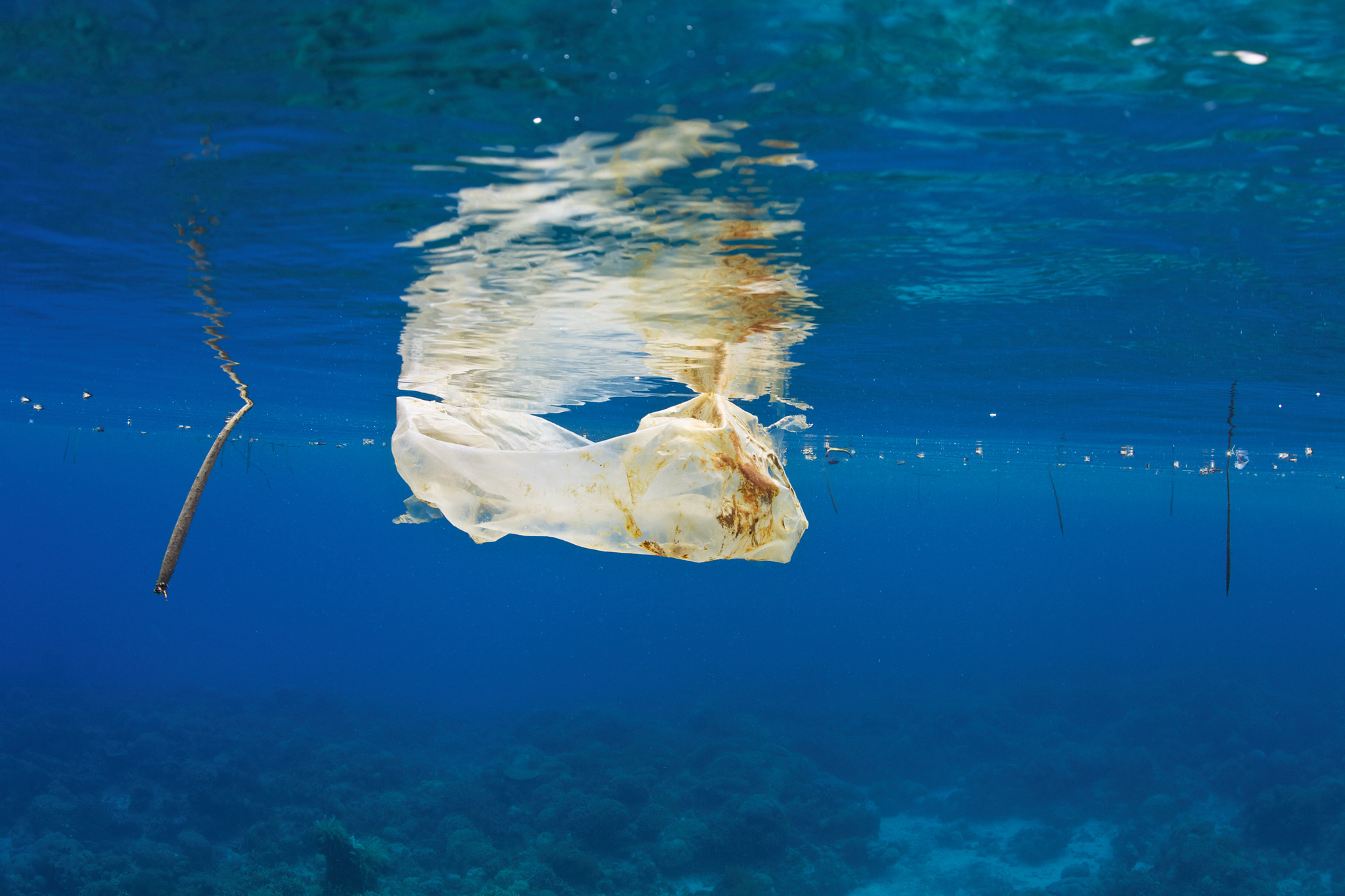
    The government is working towards implementing a pollution charge for single-use plastics which will be imposed on fixed premises at a rate of 20 sen or higher, to be determined by state governments through local councils. They include premises such as hypermarkets, supermarkets, department stores, convenience stores, fast food restaurants, petrol station convenience store, chain stores and pharmacies.

    Minister of Energy, Science, Technology and Climate Change Yeo Bee Yin said the federal government is giving state governments the liberty to determine the rate, and to decide the implementation time frame between 2019 until 2021, marking the first phase of the Roadmap Towards Zero Single-Use Plastics 2018-2030, which was launched in conjunction with the Greentech & Eco Products Exhibition & Conference Malaysia (IGEM 2018) today.

    “We have already engaged with the ruling government states as well as the opposition states. Everyone has already agreed to the plan and said they want to do this as well together,” she said at the event.

    Yeo said the goal is to address the lack of uniformity in the use of single-use plastics with such initiatives already being in effect in some states and result in the improvement and increase in the production and use of bio-degradable bags.
    She believes the charges will not be passed on consumers but instead encourage a change in behaviour and lead to people eventually using shopping bags.

    Yeo said the money collected from the levy will be ploughed back for green initiatives, creating awareness and reusable shopping bags.

    Phase two of the roadmap which will go on between 2022 and 2025 may see the levy being extended to manufacturers and non-fixed premises.

    Meanwhile, the government has cancelled 155.7256 megawatts (MW) of renewable energy feed-in tariff (FiT) projects due to unfavourable response in September 2018 and instead opened up 114.5682 MW FiT projects for qualified applicants.

    Additionally, the Sustainable Energy Development Authority of Malaysia rolled out the country’s first solar photovoltaic (PV) monitoring system, which is a database connected to grid’s nationwide meant to monitor the performance of solar PVs on a real-time basis.

    Keeping up with that, the country’s first insurance plan for solar PVs was launched this week.

    The initiative is under Seda in collaboration with Allianz Malaysia Bhd and the Malaysian Photovoltaic Industry Association. This scheme is aimed at protecting residential solar PV users.

    On another note, the government will introduce Building Energy Intensity labelling as part of its efforts to promote voluntary adoption of energy efficiency in the building sector. This is along with a renewed push for the adoption of energy performance contracting for government buildings next year.

    Yeo said capital for the retrofitting projects will be derived from the private sector, with any cost savings derived to be shared between both parties.
    She said there can be savings if the government is able to save some 20% of its annual electricity costs. This in turn will translate into a return of investment and profit for investors.

  • Fast Retailing profit soars, mainly Uniqlo

    Fast Retailing profit soars, mainly Uniqlo

    Uniqlo parent Fast Retailing has reported a record full-year profit, due to strong growth in Asia and lessening losses in the US. And the company says current year performance to date suggests even better results lie ahead. Fast Retailing profit rose 34 per cent to US$2.11 billion in the year to August.

    In July the company reported a solid third-quarter, again based on strong sales across Asian markets. Across the first nine months, sales outside Japan rose 28 per cent year on year and operating profit outside Japan soared 65 per cent, driven largely by Uniqlo Asia.

    Online sales were also strong as the Uniqlo brand expanded its reach to new markets.

  • Apple is opening its first flagship store in Bangkok soon

    Apple is opening its first flagship store in Bangkok soon

    Various Thai media outlets are reporting that not one but two Apple Bangkok stores are under construction. The US tech giant is notorious about not commenting on its store plans anywhere in the world, even when branding appears on barriers covering its construction sites. However, the first Apple Bangkok store is scheduled to open at IconSiam, the massive retail and entertainment destination being built on the banks of the Chao Phraya River, which will officially begin trading on November 9.

    Thai business magazine Positioning Magmeanwhile, is reporting a second Apple Bangkok store is being developed outside the giant CentralWorld shopping centre in the heart of the city.

    This will be constructed underground, in similar style to the Apple store near New York’s Central Park, with a glass canopy above the courtyard through which customers can enter, before descending down a curved staircase.

    The Icon Siam store will bear more of a resemblance to the Apple store on Singapore’s Orchard Road, featuring a two-story high glass frontage and most likely overlooking the river.

    Both stores were probably designed by Foster + Partners which has a long pipeline of unique Apple store designs around the globe. Its most recent work was Apple Macau.

    Apple now operates about 500 of its own stores in 24 countries.

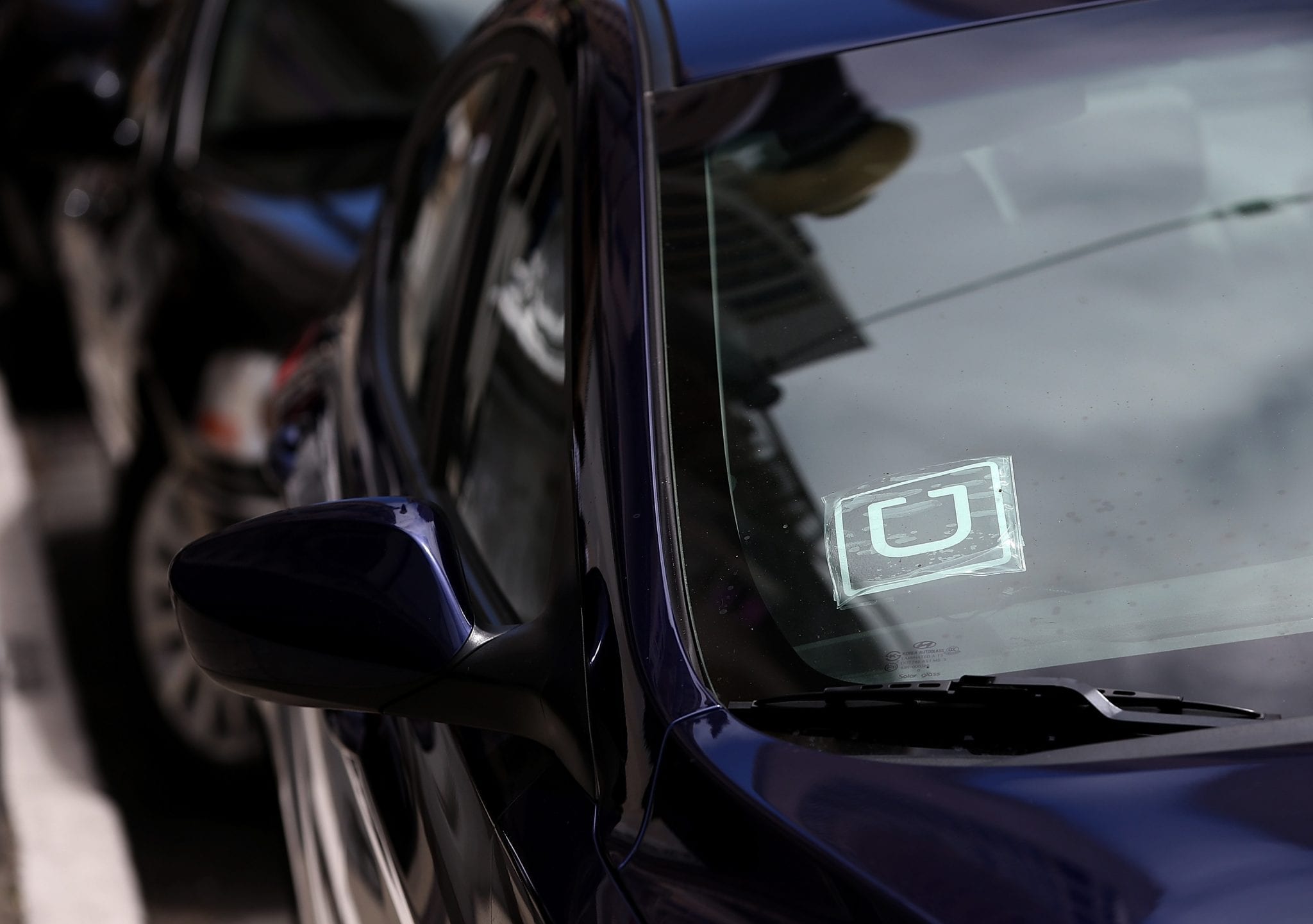
  • Bank proposals value Uber at US$120b in possible IPO: Report

    Bank proposals value Uber at US$120b in possible IPO: Report

    Uber Technologies Inc could be valued at US$120 billion (RM498 billion) when it finally goes public next year according to recent proposals made by US banks, citing people familiar with the matter. The ride-hailing company’s most recent valuation was pegged at US$76 billion, following a US$500 million investment from Toyota Motor Corp in August.

    As reported in late September that Goldman Sachs and Morgan Stanley were in pole position to secure top roles in Uber IPO.

    Goldman Sachs and Morgan Stanley last month delivered the valuation proposals to Uber, the report said.

    Uber and smaller rival Lyft have been actively preparing to go public next year. While Lyft has hired IPO advisory firm Class V Group LLC, Uber is behind in its preparations.

    Uber hired Nelson Chai as its chief financial officer in August, filling a long-standing vacancy and clearing the way for its much-anticipated IPO.

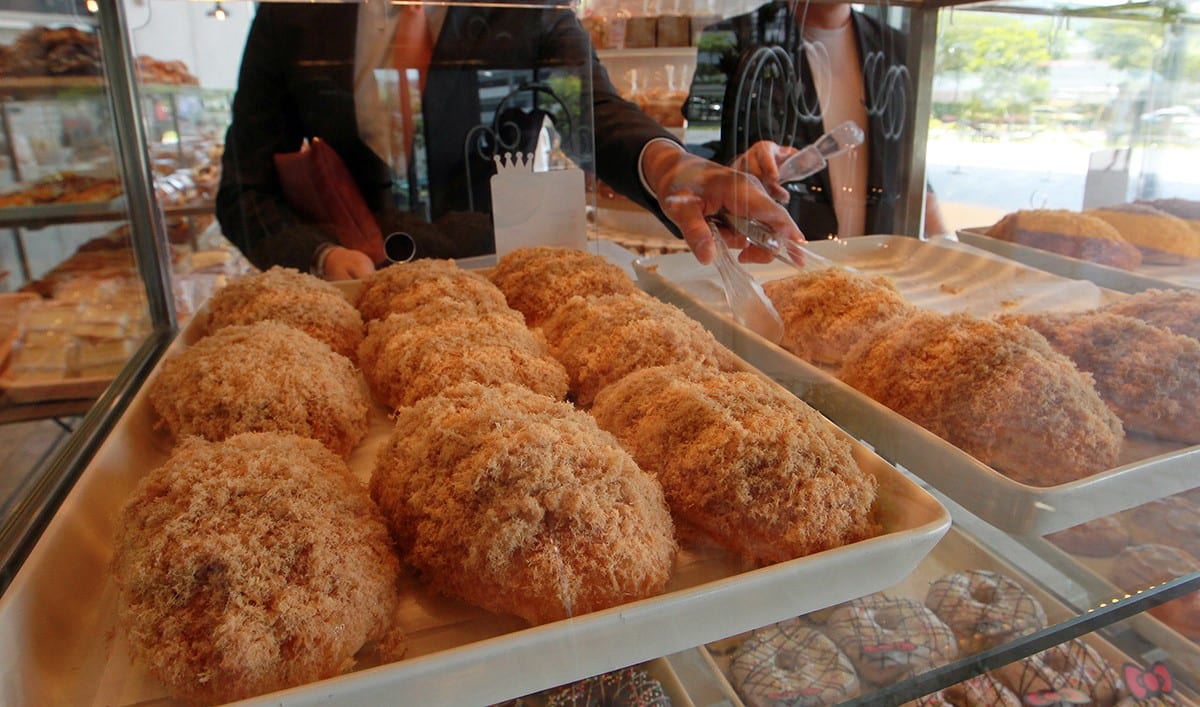
  • First BreadTalk India has opened

    First BreadTalk India has opened

    BreadTalk India has opened its first store, in the capital New Delhi. The inaugural BreadTalk India store opened on Wednesday on the first floor of the Select Citywalk shopping centre, the company said in a statement. India marks BreadTalk’s 18th international market. It now has stores all over Asia, including in Mainland China, Hong Kong, Indonesia, Malaysia, Philippines, Thailand, Vietnam, Myanmar, Cambodia and Sri Lanka.

    “We are very excited to work with SomDatt Group to open our first BreadTalk outlet in New Delhi,” said founder Tan Aik Peng.

    The Singapore-headquartered chain is promising to deliver the same authentic taste of the brand’s signature breads, including its Flosss bun, Hokkaido Roll, Chilli Pepper Dog, Pumpkin Loaf, Japan Light Cheesecake, Salted Egg Lava Croissant, Tuna Bun and Raisin California Dry Cake.

  • Amazon is preparing its private lingerie label

    Amazon is preparing its private lingerie label

    Inside the Aerie pop-up shop in Soho, the body positive, post-Victoria’s Secret message that has become the brand’s calling card since it released its first photoshop-free campaign in early 2014 is perfectly packaged up and displayed on walls covered in bralettes or one-piece bathing suits. “No Retouching. No Makeup. No Problems,” reads one sign, next to a cushion-covered banquette.

    By the checkout counter, pins reading “Keep it Real!” and “Can’t Retouch This” fill colourful buckets. They are free to shoppers who donate to the National Eating Disorders Association.

    Aerie, just a small slice of parent company American Eagle’s overall business, is resonating with a consumer base that’s growing tired of traditional, sexy lingerie brands like Victoria’s Secret.

    Aerie grew sales revenue by 20 percent year-over-year in 2015 and 23 percent year-over-year in 2016.

    Meanwhile, Victoria’s Secret — the goliath which still dominates the lingerie market, worth at least $12 billion in the US alone — has struggled to maintain momentum.

    Sales decreased 13 percent in March, year-over-year, as the company continues to feel the impact of discontinuing its non-athletic apparel and swimwear ranges in 2016.

    The business has since been reorganised around three buckets — lingerie, the Gen Z-targeted Pink range and beauty — and pulled back on promotions.

    As Victoria’s Secret has stumbled, a series of disruptive niche lingerie brands — such as Lively, Naja, Negative Underwear and Third Love — have also entered the playing field, peddling a new kind of inclusive, female-centric identity that’s more about the wearer and less about who might be looking at her.

    They also offer a broader swath of nude shades — serving a wider range of ethnicities — and aim to undercut competitors on price with direct-to-consumer distribution.

    Mass market brands like Aerie and Madewell, which launched intimates in February, have taken notice.

    In March, Phillips Van Heusen acquired True & Co, a vertically integrated online brand that prides itself on fit, for an undisclosed amount.

    “The category has been so overlooked for so long,” says Michelle Cordeiro Grant, founder of direct-to-consumer niche brand Lively, who previously worked at Victoria’s Secret. “It still is run by old-school retailers.”

    Now, Amazon is entering the market with a private label lingerie brand. The line, called Iris & Lilly has already launched in the UK with a limited assortment of sizes and colours.

    Amazon has several advantages. The sophistication level of its data operation allows the company to birth and swiftly iterate its private labels in response to market feedback. And once a label gets traction, Amazon’s scale means it can negotiate the lowest prices from suppliers.

    The company is already offering bras costing as low as $8 while competitor Target’s offerings average about $15 and Victoria’s Secret’s average around $40.

    Amazon also has an estimated 63 million registered Prime member households, a group dominated by households earning over $112,000 a year meaning its lines have the potential to gain market share fast.

    The question becomes: will Amazon disrupt lingerie’s disruptors before they have a chance to reach significant scale? And what are they doing to defend themselves?

    “It’s something we talk about every day,” says Aerie global brand president Jennifer Foyle. “The Aerie Real platform has certainly set us apart and there are so many ways to utilise that platform.”

    For one, Aerie is doubling down on physical stores, aiming to have a total of 200 standalone locations by the end of the year as a way to further differentiate itself from online-only players — including Amazon.

    Still, 40 percent of Aerie’s sales take place online.

    “I think what’s important today is to really leverage this omni-channel customer… The nice thing about a fit intensive category, like intimates, is that a lot of women do want to go into the store and get the experience,” says Foyle.

    Fit is just one of the many challenges of both making and selling lingerie, specifically bras — the more structured of which can have anywhere from 18 to 25 components.

    “Because lingerie is such a technical product… you can’t just take a mold from a size 36D and scale it up and think that it’s going to hold,” explains explains Catalina Girald, chief executive and co-founder of Naja.

    Predicting demand across the range is another challenge. “We would love to carry a broader range of sizes, but from an inventory management perspective… the capital costs of carrying that much investors at once are prohibitive,” she says.

    The popularity of bralettes has come at a great time for lingerie retailers looking to appease price-conscious shoppers.

    For one, they often come in traditional sizes of small, medium, large, reducing complexity.

    “They are a more value-oriented product, sort of cheap and cheerful, fun fashion,” says Aerie’s Foyle.

    Cordeiro Grant says the bralette category is here to stay, but that current growth will plateau at some point. “Skinny jeans are a mainstay, not a trend,” she says. “I think bralettes are the same way.”

    Amazon has a history of tackling complicated and expensive categories, but will the particular challenges of lingerie prove tricky?

    “People do tend to want a level of service or insight or knowledge or instruction around lingerie,” says Kit Yarrow, a consumer psychologist and professor at Golden Gate University in San Francisco.

    “Women are willing to pay for solutions that are comfortable and are going to last with quality,” says senior vice president of marketing Kimberly Grabel. The retailer, which carried third-party brands and private label, is parent company Chico’s healthiest business.

    “Aerie is a brand that we’re proud of, and when you think about Amazon, they probably couldn’t have an Aerie Real campaign and stand for something,” adds Foyle
  • Uny to make discount operator Don Quijote its affiliate

    Uny to make discount operator Don Quijote its affiliate

    Japanese discount store operator Don Quijote is approaching an agreement to take over 100 per cent of the Uny general merchandise store business, making it the country’s fourth-largest retailer. The firm already controls 40 per cent of the Uny business, and the acquisition of the remaining 60 per cent would add 190 locations to its network, most likely converting the existing stores into discount outlets.

    Don Quijote took sales revenue of ¥941.5 billion (US$8.35 billion) in the last financial year. Uny’s sales reached ¥712.8 billion ($6.35 billion).

  • Malaysia govt to introduce building energy intensity labelling this Saturday

    Malaysia govt to introduce building energy intensity labelling this Saturday

    The government will be introducing building energy intensity (BEI) labelling for buildings as part of its efforts to promote voluntary adoption of energy efficiency in the building sector. It is likely to start with government buildings for starters.

    The initiative will be launched at the energy efficiency town hall session to be held on Saturday.

    Energy, Science, Technology and Climate Change Minister Yeo Bee Yin said during her speech at the International Greentech & Eco Products Exhibition & Conference Malaysia (IGEM) that the initiative will entail the rating of buildings with between 1-5 stars for energy efficiency.

    “This is the first step where we want government buildings to be labelled between 1-5stars for energy efficiency,” she added.

    In addition, Yeo said the government will also be aggressively stepping up the adoption of energy performance contracting (EPC) for government buildings next year. The initiative was initiated in 2013.

    “There are about 5,000 government buildings in Malaysia. Just imagine how much money we can save by retro-fitting (these) buildings by making the building electricity efficient,” she noted.

    Malaysia’s energy consumption in buildings comprised 14% of total energy consumption and 52.4% of electricity consumption in 2016.

    Internationally, the building sector is regarded as one of the most cost-effective sectors to reduce energy consumption.

  • Starbucks Taiwan Recycled Shipping Containers Shop Opened

    Starbucks Taiwan Recycled Shipping Containers Shop Opened

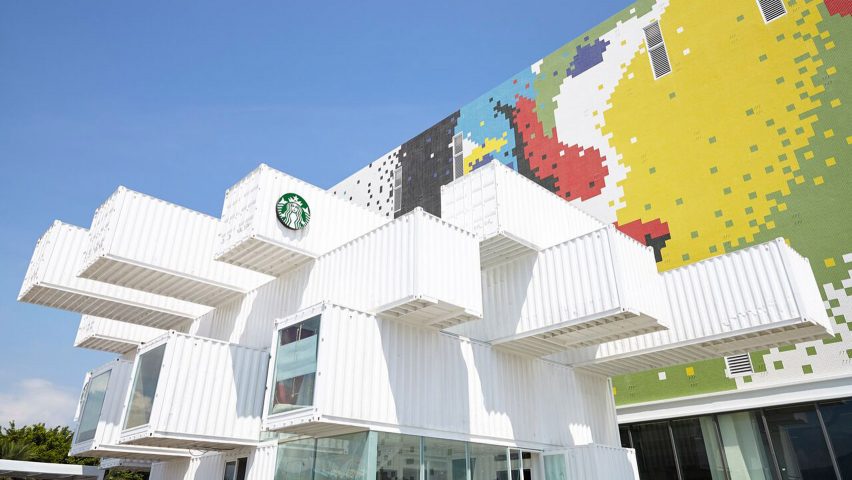
    Starbucks Taiwan has opened a store made entirely of shipping containers in Hualien Bay Mall.

    The 29 containers have been stacked as building blocks designed to resemble the uneven foliage of a coffee bush at the yet-to-open mall that will launch as a tourist spot with views of the Pacific.

    The new Starbucks Taiwan cafe is constructed following the “Starbucks Greener Stores” initiative for sustainable store building using reclaimable materials and green design principles. The interior features a large mural celebrating the aboriginal Amis people of Hualien.

    According to the brand’s press release, “The stacking of the shipping containers created a much taller space and provides natural sunlight throughout the various skylights found throughout the structure.”

    Starbucks has now opened 40 locations built from shipping containers. This 320sqm structure is the first to be designed by Japanese architect Kengo Kuma, known for his reinterpretation of traditional styles. Kuma has designed multiple iconic locations for Starbucks.

  • Alibaba Cloud to Work with Kenyan Ministry to Protect Wildlife

    Alibaba Cloud to Work with Kenyan Ministry to Protect Wildlife

    Alibaba Cloud, the cloud-computing arm of Alibaba Group, and the Ministry of Tourism and Wildlife of the Republic of Kenya today agreed to explore a strategic collaboration to deploy Alibaba Cloud’s technology to support the Kenya Wildlife Protection Project. The first project under the collaboration in discussion will take place at a designated area inside the Tsavo East and West National Parks, one of Kenya’s oldest and largest protected area with over 13,500 square kilometres.

    Leveraging Alibaba Cloud’s powerful computing, artificial intelligence (AI) and Internet of Things (IoT) capabilities; the project will work to protect the park’s endangered elephants, rhinoceroses and lions. “It is our great honour to support the Kenyan government and make a contribution to the country’s wildlife conservation efforts. The collaboration underscores the positive impact that technology, including cloud computing, AI and IoT, can have on the planet and on wildlife protection.” said Simon Hu, Senior Vice President of Alibaba Group and President of Alibaba Cloud. “We look forward to joining our global partners and stakeholders in improving the protection of Kenya’s wildlife and vital ecosystems through technology innovation.” “Wildlife is the main attraction to tourists visiting Kenya. Among the key species attractions are the elephant, rhino, giraffe, and buffalo among others.

    Currently, Kenya has a population of about 35,000 elephants, and about 42% of this population (12,843) elephants occur in the Tsavo ecosystem. In addition, the ecosystem also provide critical habitat for rhinos, giraffe and lions among other species. It is therefore important for the Government of Kenya to use technology to protect wildlife and their habitats in the Tsavo ecosystem”.

    As a country, we are indeed happy to embrace such technology from Alibaba Group to enhance our wildlife security and protection, said Dr. Margaret Mwakima, Principal Secretary from the Kenya’s Ministry of Tourism and Wildlife. Both parties will explore using a wide range of features connected to Alibaba Cloud’s IoT platform for the project. Animal tracking sensors, infra-red trap cameras, smart weather stations, ranger devices and wide-area drones are among the technologies that will be considered to be installed to collect real-time data of the movements and general health of the animals.

    The platform would then analyse the data and predict their behaviour and travel routes, alerting the command center about potential risks or dangers, such as illegal poaching and human-animal conflicts. This could help direct the deployment of ground teams to act more quickly and better manage the park. In addition, both parties will explore ways to combine the local operator’s GSM telecommunications network with government-licensed satellites to build the infrastructure, which could make data transmission more intelligent and less costly, achieving near real-time updates. Advanced hardware would be used as well, such as light-weight solar-powered trackers that are easier for the animals to wear.

    The project in Tsavo is only the first step in exploring the partnership between Alibaba Cloud and the Kenyan Government. The parties have agreed to explore the potential to expand the protection project to more parks across Kenya, and, ultimately, build a nationwide, digital ecological protection platform. Both parties will also explore cooperation in staff training and the development of educational-tourism opportunities in Kenya. This latest initiative follows the visit of Jack Ma to Africa earlier in 2018, as well as the company’s support of a fund to support entrepreneurs in the region.

  • Zong 4G Continues The Momentum of F-16

    Zong 4G Continues The Momentum of F-16

    Pakistan’s No. 1 Data Network, Zong 4G has risen to earn the distinguished title of being the “F-16 of Pakistan” on account of its fastest 4G speed and matchless connectivity. The genesis of the F-16 lies in its unmatched speed, precision and accuracy and so are the underlying features of Zong’s 4G network that offers blazing speed at the same reliability level of F-16 to more than 8 million subscribers. With the manoeuvrability like F-16, Zong 4G is enabling people to reach new heights and accelerating the tech-empowered young people to adopt digital lifestyle on the go.

    In telecommunication arena, network coverage outreach and speed are two key characteristics for being a market leader, particularly in 4G domain. Zong 4G is equipped with both these attributes; it is the largest 4G operator in Pakistan having widest network coverage ensuring seamless data connectivity.

  • Sendo partners with DHL eCommerce for domestic delivery in Vietnam

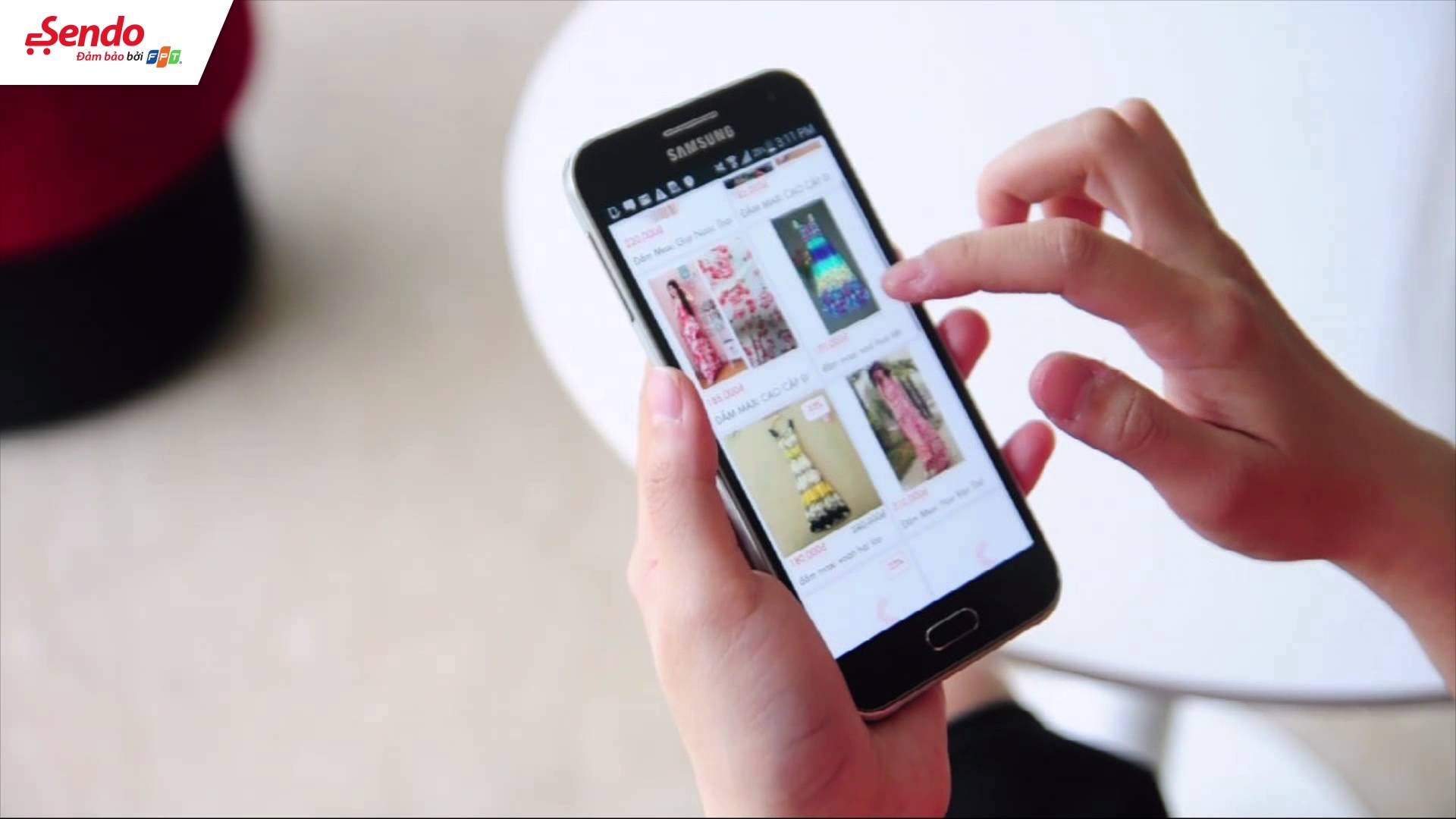
    Sendo partners with DHL eCommerce for domestic delivery in Vietnam

    DHL eCommerce, a division of the world’s leading logistics company, Deutsche Post DHL Group (DPDHL), announced its partnership with Sendo, Vietnam’s #1 local e-commerce platform. The successful integration between the two companies means sellers on Sendo will now be able to access DHL’s excellent domestic delivery network, and deliver to their buyers same-day or next-day in Ho Chi Minh, Hanoi and other primary markets.

    “Being a homegrown company allows Sendo to have deep understanding of the Vietnamese local market and culture. Sendo aims to support over 300,000 individual vendors, micro-entrepreneurs, and small businesses to initiatively sell their goods online and deliver them affordably throughout Vietnam. With our collaboration with DHL eCommerce, we will provide not only the sellers but also several million buyers on our platform with an international quality delivery experience in Vietnam.” said Mr. Tran Hai Linh, CEO, Sendo.

    To support small businesses, DHL eCommerce also offers market leading cash-on-delivery (COD) services with next-day remittance to sellers. With more than 300 DHL ServicePoints located conveniently across Vietnam accessible to Sendo, sellers can also choose to drop-off their parcels at these locations instead of waiting for a pick-up as well as enjoy discounts of up to 20%. Alternatively, sellers can also arrange for a pickup by DHL for direct door-to-door delivery service to their buyers.

    “Micro, small, and medium-sized enterprises continue to play a major role in Vietnam, accounting for 98 percent of all enterprises, 40 percent of GDP and 50 percent of employment.[1] However, they face unique challenges such as access to finance and international partners. DHL is passionate about supporting small businesses and we are excited to work with Sendo to support their sellers with an excellent, high quality domestic delivery network.” said Thomas Harris, Managing Director, DHL eCommerce Vietnam.

  • Touché forms strategic partnership with Seed into the Middle East market

    Touché forms strategic partnership with Seed into the Middle East market

    Singapore-based technology company Touché has signed a Cooperation Agreement with SEED Group as their local sponsors and partners, to expand the reach of the world’s first fingerprint biometric-based payment and loyalty management solution to the Middle East. Based in Dubai, United Arab Emirates (UAE), SEED Group is a diversified group of companies owned and chaired by The Private Office of Sheikh Saeed bin Ahmed Al Maktoum. It establishes strategic partnerships with organisations in various sectors and accelerates their presence within the Middle East.

    Through this agreement, Touché hopes to leverage the local expertise of SEED Group to reach potential target customers, bringing personalised and seamless experiences to more merchants and consumers in the region.

    This marks a key milestone for Touché in the Middle East, which also received the Commercial License to engage commercial trade activity in the UAE. Issued by the Department of Economic Development in Dubai, the licensing enables Touché to perform business activities and introduce its solution in a compliant manner, further cementing Touché’s commitment towards the region.

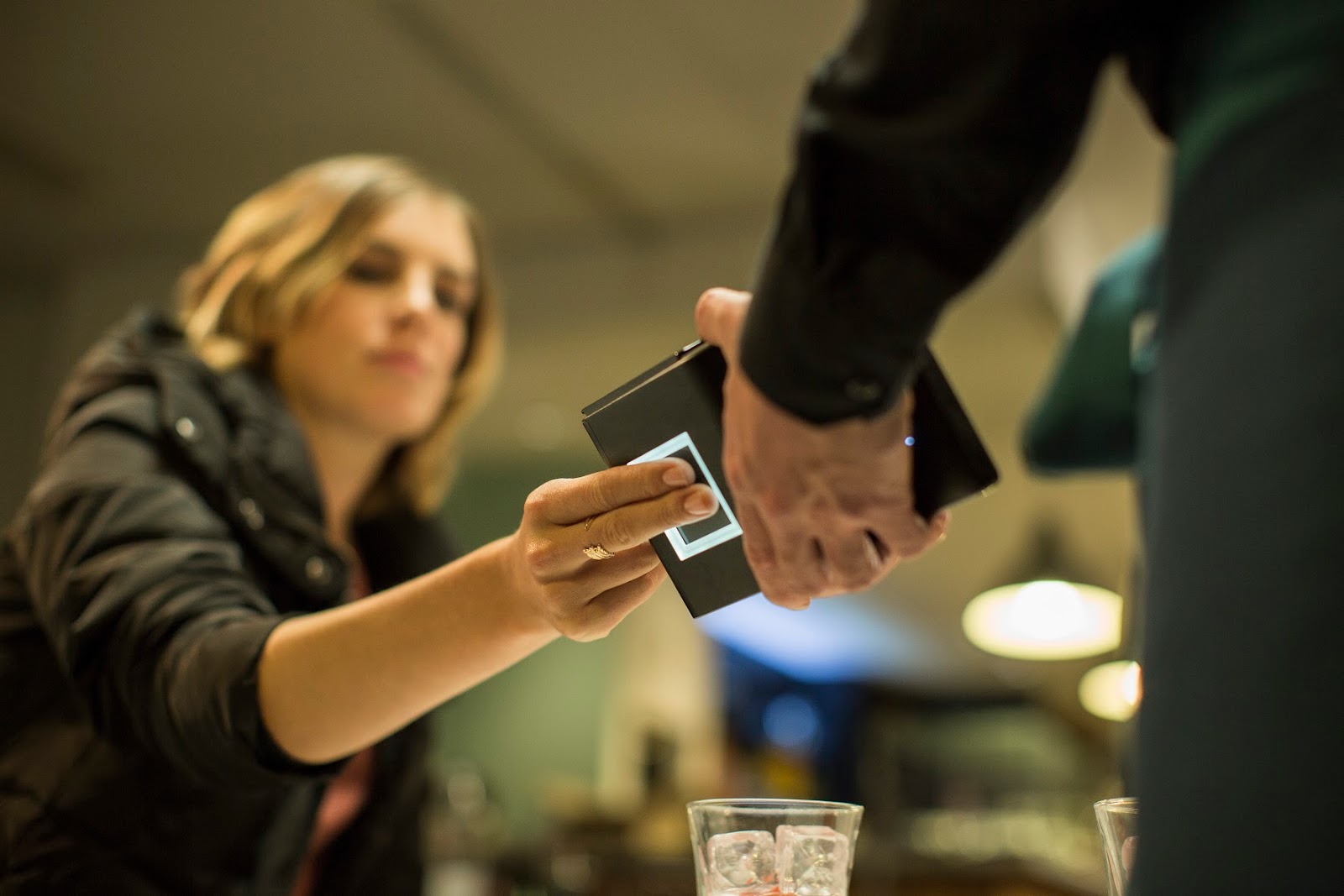
    Developed in Singapore, with offices in Barcelona, Tokyo and now Dubai, Touché provides both an elegant and innovative device and a robust software solution that delivers highly secure, convenient and personalised point-of-sale transaction services using fingerprint biometrics or recurring cards.

    Touché’s solution also connects and manages loyalty programmes, and points and discounts are instantly applied for qualifying customers at the point of interaction without the need for vouchers or membership cards. This provides the customers a unique experience. Its data analytics component enables merchants to access historical and predictive purchasing habits and buying patterns of customers, creating bespoke, personalised, offers and recommendations for them.

    “We are delighted that such a high calibre and impressive organisation as SEED Group will be supporting Touché in redefining point-of-sale transactions in the Middle East. The partnership, together with our incorporation in the UAE with our trading license, will bring a new dimension to personalisation in the region, where customers can enjoy unique in-store experiences,” said Sahba Saint-Claire, Chief Executive Officer and Co-Founder, Touché.

    “The Middle East is well prepared to enter a new age of digitalisation and push the boundary in digital payment customer experience. We believe that Touché could serve as a key differentiator to transform the growing payment scene and offer a more secure, convenient and efficient payment and loyalty management solution for consumers,” said Hisham Al Gurg, CEO of SEED Group and of The Private Office of Sheikh Saeed bin Ahmed Al Maktoum.

    The partnership between Touché and SEED Group is supported by Enterprise Singapore, which as part of its mandate, champions internationalisation of Singapore companies. Enterprise Singapore has provided great assistance to Touché through facilitating introductions to potential partners and clients in its target markets, including the Middle East.