Tag: asia

  • Google makes a small change to the Android version of the YouTube app

    Google makes a small change to the Android version of the YouTube app

    Google likes to fool around with YouTube like a person who can’t stop scratching an itch. Unlike changes made to Google Maps that are helpful, some of the changes made to YouTube appear to be done for no real reason. Recently, the web version of the video stream moved from square corners to rounded corners on the thumbnails and the video player, and the feedback from YouTube users was not exactly favorable.

    Now it appears that YouTube is making the same change to videos on the YouTube Android app. The result is a more blinding white light in the background which might lead some users to turn on Dark theme. Open the YouTube app on Android and tap the profile picture in the upper right corner. Next, tap on Settings > General > Appearance. A popup box will ask you to choose from using the device theme, Light theme, or Dark theme. Make your choice.

    Since the rounded corners extend to the video player on the web and not just the thumbnails, we can assume that this will be the case for the Android app as well. Right now, the new look hasn’t been pushed out to many Android devices and it has yet to appear on my Pixel 6 Pro using Android 14 Beta 5.3.

    On the YouTube website, the rounded corners do not appear when you are watching a video in full screen or in Theater mode. But once you return to Default view, they do return. Now we don’t know exactly when Google plans to roll this out more widely to Android users and whether it will follow through by rounding the corners on the iOS YouTube app.

  • Electronic retailer Mobile World grows revenues in Indonesia

    Electronic retailer Mobile World grows revenues in Indonesia

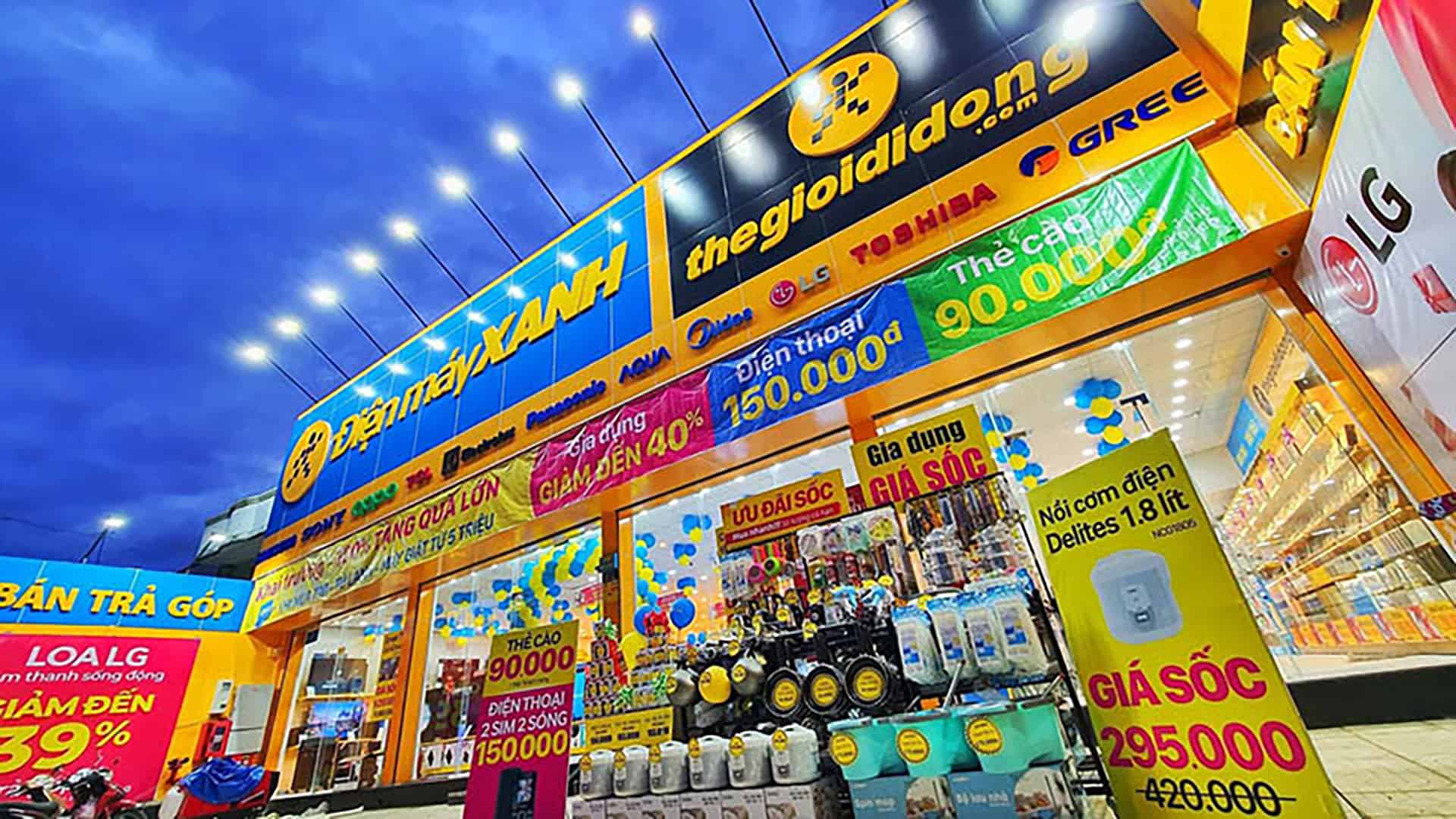
    Erablue, the electronics retail chain of The Gioi Di Dong (Mobile World ) in Indonesia, has increased its monthly sales to VND30 billion from VND17.5 billion (US$0.7 million) in the latter part of 2022.

    With five stores, it reported monthly revenues of VND25 billion ($1.05 million) in the first half of this year.

    The VND5 billion ($0.2 million) per store represents higher sales than in Vietnam, Doan Van Hieu Em, CEO of two of the country’s leading electronics retailers, The Gioi Di Dong and Dien May Xanh, said. The latter also sells home appliances.

    While the amount is only equivalent to 0.5% of that of a Dien May Xanh store, it is enough to achieve positive EBITDA (earnings before interest, tax, depreciation, and amortization), he noted.

    Erablue is a joint venture between The Gioi Di Dong and Erafone Artha Retailindo, a subsidiary of Indonesia’s largest technology product retailer.

    It opened its first store in Jarkata late last year before expanding to Tangerang, an area considered a new economic driver.

    Erablue, which opened its sixth store this month, targets 25 more by the end of this year, halving the plan it made at the beginning of the year.

    Em said it is very hard to find showroom-sized properties in Indonesia, and the joint venture has to rent five to seven adjacent buildings and turn them into a big enough place for an Erablue store.

    But the potential of Indonesia’s electronics market is double or even triple that of Vietnam, he added.

    The Vietnamese electronics retailer has determined that sales and after-sales services, especially delivery and installation, will be a strong point of Erablue stores.

  • Lender Sacombank eyes Bamboo Airways investment

    Lender Sacombank eyes Bamboo Airways investment

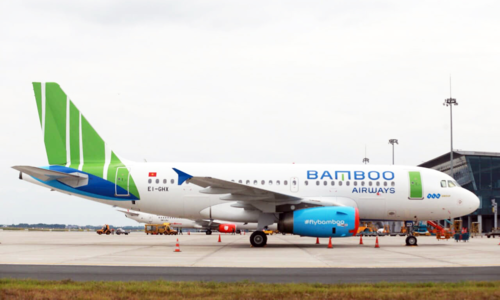
    Sacombank, a major creditor of Bamboo Airways, is seeking approval from economic regulators to invest in the local carrier.< Phan Dinh Tue, a Bamboo Airways board member, said at an unusual meeting on Friday that acombank is a credit institution supporting Bamboo Airways with capital. Hence, Sacombank is genuinely interested in the restructuring process of the airline and is expecting it to grow. Tue said Sacombank had expressed interest in providing more capital for Bamboo Airways. But being a credit institution, Sacombank’s move considered an outside-industry investment. That is why the bank is speeding up the processes to have regulators’ consent before the investment is possible. Bamboo Airways approved items related to the board’s new structure and changes to the company’s charter and the board’s operating regulations. The company also issued management regulations and directions to select strategic shareholders. Bamboo Airways’ general meeting of shareholders also agreed with Board Chairman Le Thai Sam’s recommendation on helping the board organize and review the company’s capital holdings, raise-reduced charter capital to serve the airline’s restructuring goal and mobilize capital from strategic shareholders. The goal is to expand the company’s flight network, and the quality of services. Bamboo Airways’ board now has five members: Le Thai Sam, Le Ba Nguyen, Nguyen Ngoc Trong, Phan Dinh Tue and Le Thi Truc Quynh. After dismissing three members, Bamboo Airways' supervisory board also elected three new people: Nguyen Thi Hong Cam, Pham Van Phung and Nguyen Dang Khoa. The number of company’s legal representatives was also reduced from three to two, including the board’s chairman and the director.

  • Korean Air mandates e-AWBs for general cargo starting January

    Korean Air mandates e-AWBs for general cargo starting January

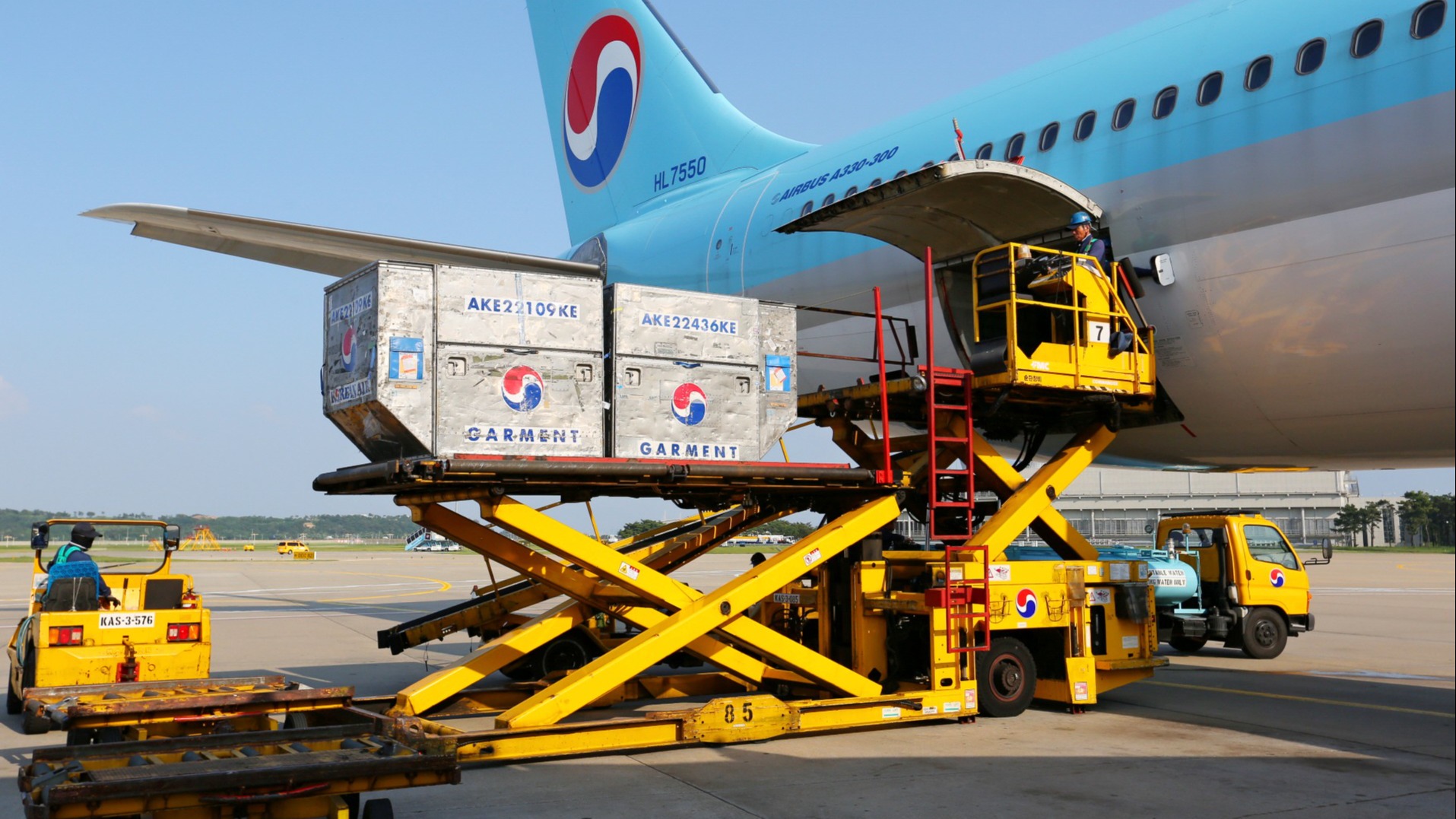
    Korean Air will begin its full-scale digital transition to electronic air waybill (e-AWB) to replace conventional paper documents and will apply to general cargo departing from Korea bound for North America, Europe, Japan and other select markets.

    The airline said the paperless transition will streamline the entire process from reservations to final delivery and enhance data quality and accuracy. It will also enable the airline to practice its ESG initiatives.

    Korean Air held consultations and completed trial operations with all stakeholders, cargo clients and forwarders to prepare for the transition. The airline will mandate e-AWB for Korea-outbound cargo starting January next year, with plans to include all loaded cargo departing from global stations in due course.

  • UBS Job Cuts Hit US Investment Bankers

    UBS Job Cuts Hit US Investment Bankers

    The reorganization of UBS investment banking is proceeding. It’s eliminated some duplicate US staffing, but the big cutback is looming.

    According to a Bloomberg report, UBS has eliminated about a dozen investment banking jobs in the US in connection with the integration of Credit Suisse. The bank declined to comment to the news outlet on the matter.

    According to the sources who asked not to be named, many of the affected positions are in overlapping areas. No names were given.

    If the report is true, the reorganization of traditional investment banking with corporate advisory and capital market transactions is proceeding. UBS is trying to combine the best of both banking worlds, but when it comes to Credit Suisse trading, UBS will show little mercy and will wind up the unit.

    At the same time, numerous UBS investment bankers in New York are about to move, with the entire team decamping to the former Credit Suisse offices at 11 Madison Avenue.

  • Poor training makes up to 200,000 IT engineers unemployable

    Poor training makes up to 200,000 IT engineers unemployable

    A gap between IT engineers’ skill levels and market requirements is making 150,000-200,000 of them unemployable every year, a report by IT jobs platform TopDev warns.

    The recently published “Vietnamese IT market report in 2023” on TopDev says most recruiters look for three types of developers: back end, full-stack (who will build the interface), and front end.

    The top five skills that are sought are java script, Java, PHP, C# or .NET, and Python.

    TopDev says by 2025 Vietnam will need close to 700,000 IT engineers. The country has around 530,000 now. The number of new IT graduates is increasing steadily, but do not meet the job market’s demands.

    Of more than 57,000 graduating annually only 30% have the required skills and expertise required by companies, and the rest need additional training by employers for three to six months.

    A long-term supervisor at a company based in the Quang Trung Software City in HCMC said recently that the market has few experienced developers and an excess of “freshers.”

    Between inadequate training in schools and a shortage of experienced people, quality candidates are always scarce and desirable.

    Nguyen Thi Thu Phuong, the Hanoi director of recruitment for Adecco Vietnam, said firms intensified their search for experts in the year’s first half. Vietnam saw a 35% decrease in the number of vacancies in IT jobs in the same period in 2022.

    Despite the economic downturn, the average salary of IT personnel has increased since 2022, albeit marginally, according to TopDev.

    More than 70% of new hires earn US$600-1,000 a month, and the salaries go up to $1,100-1,500 for mid-level jobs and $1,100-2,000 at the top level, with 10% getting around $2,500.

    Information and communication technology is one of the fastest-growing industries in Vietnam. Its revenues have risen from less than $103 billion in 2018 to $136.15 billion in 2021.

    In the 2021 Global Innovation Index, Vietnam ranked 44th out of 132 economies.

    According to Tran Thi Nguyet Oanh, HSBC Vietnam’s head of human resources, plenty of future jobs are linked to IT fields like artificial intelligence (AI) and machine learning, information security and financial technology.

    TopDev recommends that developers should improve their understanding of new technologies such as cybersecurity, DevOps, AI, and machine learning, and cloud computing and soft skills such as critical thinking, communication, time management, and foreign languages.

  • Rice exports all set for record high this year

    Vietnam’s rice exports are likely to reach record volumes this year on the back of burgeoning global demand and its large output.

    Le Thanh Tung, deputy head of the Ministry of Agriculture and Rural Development’s farming department, expected global demand to exceed Vietnam’s export capabilities.

    India’s recent rice ban has caused several countries such as Indonesia to increase imports, and the Philippines is considering a cut in rice import tax from 35% to 10% to ensure supply, he said.

    “But Vietnam’s availability for exports is not too high.”

    Its paddy production is expected to increase by 1.8% from last year to 24 million tons this year, according to the ministry.

    Rice exports in the first eight months jumped by 20%year-on-year to 6 million tons.

    Nguyen Ngoc Nam, chairman of the Vietnam Food Association, said at least 1.2 million tons would be exported from now until the end of the year.

    The Philippines would remain a key market and account for around 40% of the exports, and demand from China would rise due to low production, he said.

    Around 400,000 hectares could be harvested in the final crop of the year, and they include many high-quality varieties, he added.

    Demand for Vietnamese rice has been growing in recent years.

    Vietnam has an 80% share of the Philippines rice market.

    With demand from other countries rising, its rice exports are now fetching high prices.

    Nguyen Viet Anh, CEO of Phuong Dong Food, one of the top exporters, said prices have surged from VND3,000 per kilogram in 2019 to around VND8,000 ($0.12) now.

    “Rice is an essential product, but many countries are not able to produce it and therefore prices are high,” he said, adding that India does not intend to lift its ban until next year.

    Some of Vietnam’s rice varieties are now better than Thailand’s, and so at times exporters do not have enough stocks to ship, he added.

  • Threads by Instagram will now let you turn on notifications for posts you want to follow

    Threads by Instagram will now let you turn on notifications for posts you want to follow

    Threads by Instagram, the Meta app launched back in July, continues on its pursuit to dethrone its competition — namely X, formerly known as Twitter. In its newest rollout of features, the app is implementing notifications for threads you want to keep an eye out.
    The new feature was made public today via a post on the platform, announcing that users can now turn on notifications to follow a thread for 24 hours. This is a feature that is meant exclusively for the mobile apps, and not for the web client.
    The news was simultaneously shared by Instagram boss, Adam Mosseri, adding that this hasn’t been the only feature rolled out to the platform this week. On the web, you can also now quote other posts, which was not possible when Threads first rolled out its web client.
    To follow a thread and get notified when someone replies, you just need to tap the bell in the top right of a thread. When someone does reply, you’ll get a notification in your activity tab.

    If you are concerned about privacy, you’ll be glad to know that there will be no need to follow the account whose thread you are following, and there will be no way for others to know that you are. Additionally, you will be able to turn the notification off anytime you like by tapping the same bell icon again.

    This is the latest in a string of new features the platform has been rapidly deploying to its user base in order to combat its decline in daily active users. One of the most notable releases recently being keyword search, a glaring omission on the platform when it originally launched. I am excited to see what Threads rolls out next from the long list of features they have stated are in their roadmap.
  • Wood export likely to hit $14.5B in 2023

    Wood export likely to hit $14.5B in 2023

    Vietnam’s wood export is likely to hit about $14.5 billion this year, lower than the yearly target of $17 billion, said Vice Chairman of the Handicraft and Wood Industry Association of Ho Chi Minh City (HAWA) Nguyen Chanh Phuong.

    The figure could reach roughly $6 billion between now and the year’s end.

    Since early this year, wood and wooden furniture export has been dull, with a shortage of orders common in most businesses. In the past eight months, the export turnover neared $8.3 billion, down around 26% annually, Phuong told a local press conference on September 13.

    Since May this year, the Vietnamese firms have been importing a significant amount of raw wood materials which rise by 5-10% per month. This is a sign that they are actively preparing for end-of-year orders, he added.

    Citing data from the International Trade Centre (ITC), Phuong revealed that the Vietnamese wood enterprises are also importing a substantial amount of machinery and equipment, totaling approximately $240 million, mostly from China, Europe, the Republic of Korea and Japan, among others.

  • Little Creatures Bright Ale returns after seven-year hiatus

    Little Creatures Bright Ale returns after seven-year hiatus

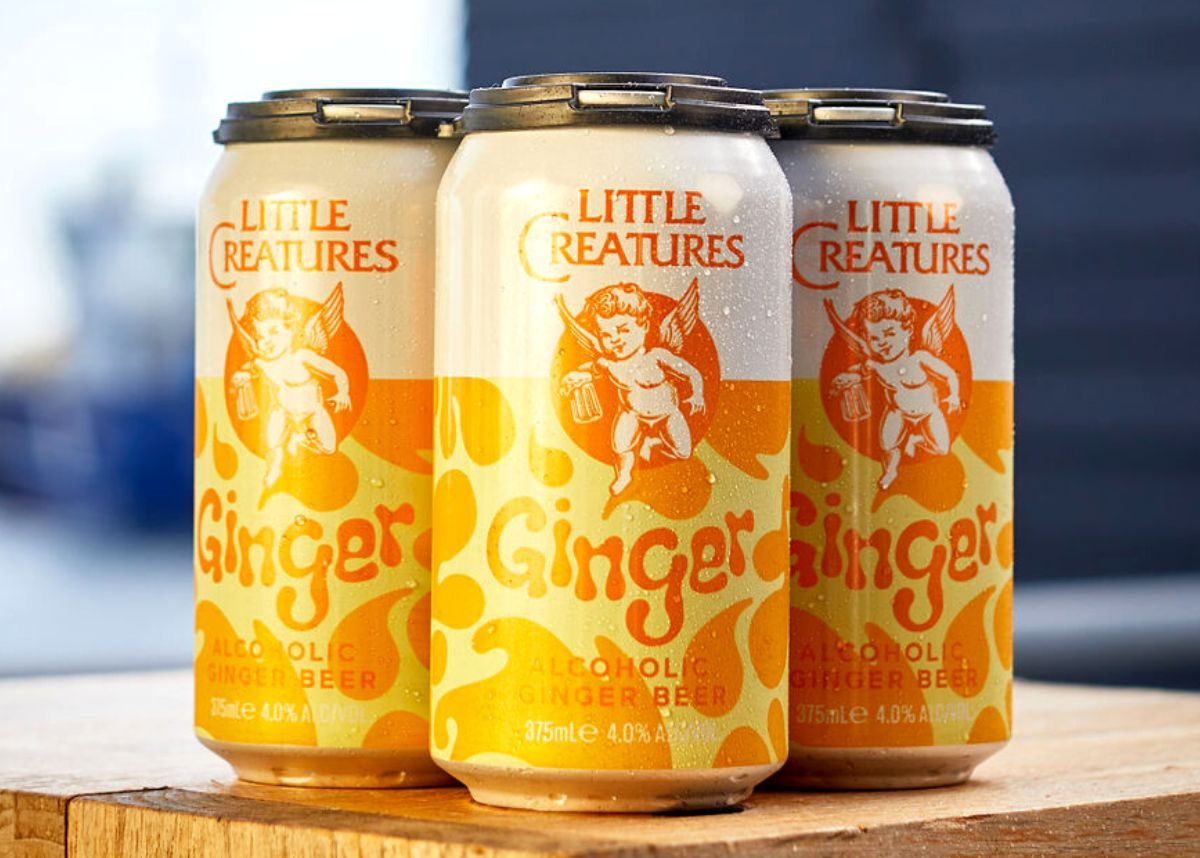
    Craft beer brand Little Creatures has brought back its award-winning beer, the Bright Ale, after a seven-year break.

    The Bright Ale has a 4.5 per cent ABV, offering a “refreshingly clean” taste profile with a subtle malt character and a fruity and spicy hop aroma. Its blend of four gentle malts and select whole hop leaf creates a crisp, well-balanced brew with a “well-attenuated and balanced” design.

    It was in the top 50 in the annual GABS Hottest 100 Craft Beers list, ranking fifth in 2008.

    Ed Jamison, head of marketing – craft, said: “We are excited to bring back Little Creatures Bright Ale to fans this spring as a true favourite among craft beer enthusiasts nationwide.”

    “Although Bright Ale will be returning for a limited time, we’re confident to receive a positive response from consumers on this crowd pleaser.”

    Little Creatures Bright Ale is available at an RRP of $19 for a four-pack of 375ml cans and $63 for a 16-pack in all LMG outlets, including Bottlemart, SpinSave, Harry Brown, and Thirsty Camel, nationwide. It will also be available on tap at Little Creatures Fremantle and Geelong while supplies last.

  • Blue Bottle Coffee opens kiosk popup in Hong Kong

    Blue Bottle Coffee opens kiosk popup in Hong Kong

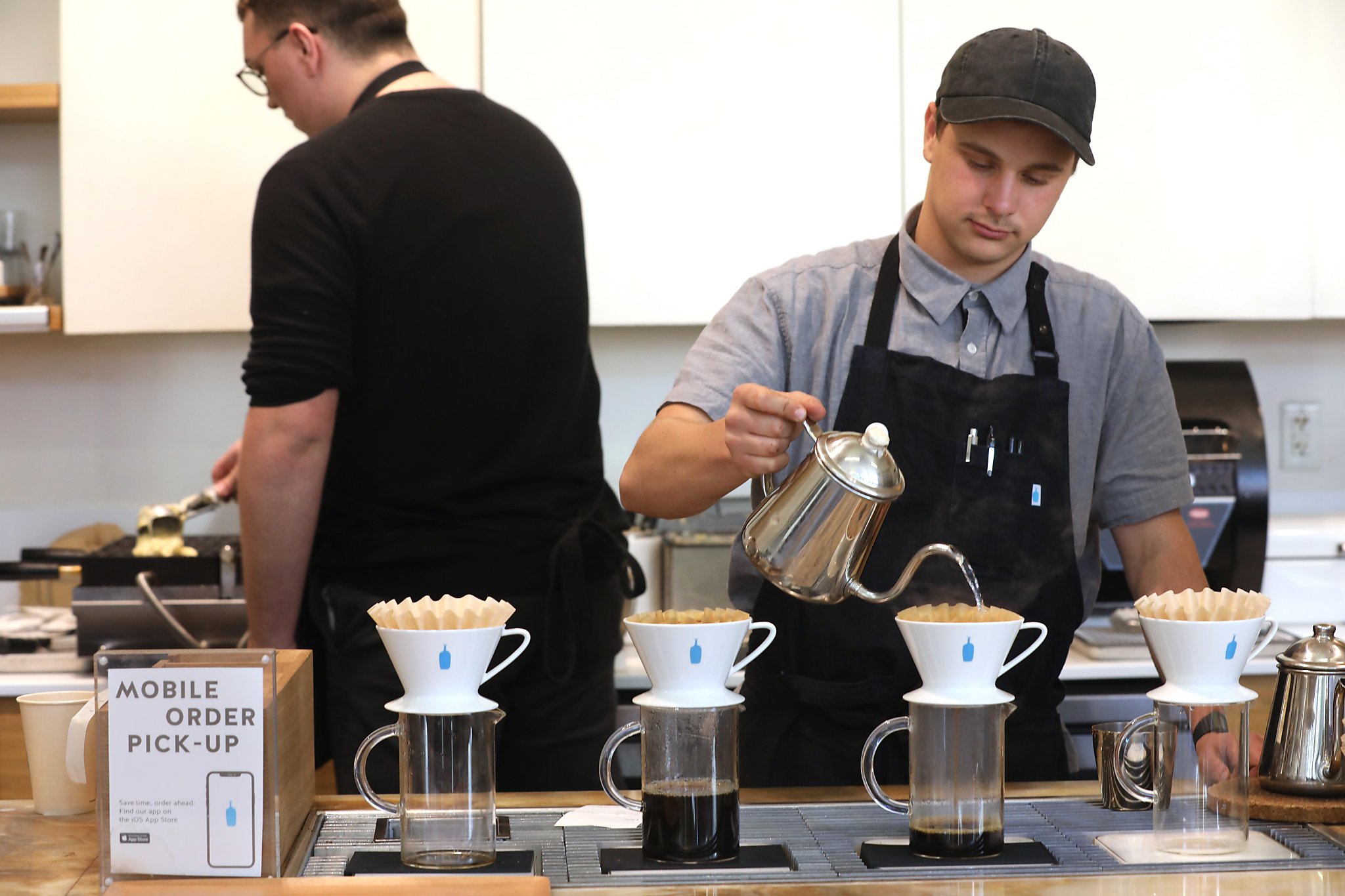
    Coffee brand Blue Bottle Coffee has launched a new pop-up café at Hong Kong International Airport (HKIA) to connect travellers with unique coffee-to-go experience amidst their travels.

    This comes as the brand saw Hong Kong International Airport as a bustling hub for travellers from around the world. By setting up the kiosk at the airport, Blue Bottle aims to cater to a diverse audience of coffee enthusiasts and provide them with a moment of respite and enjoyment amidst their travels.

    Another reason behind the move was Blue Bottle’s ambition to expand its reach in Hong Kong and offer its meticulous craft and care in each cup to travellers passing through the airport. Starting from 5 September 2023, the Blue Bottle  Coffee Kiosk offers travellers enhanced coffee experience ahead of their flights through this coffee-to-go experience from the morning to midnight hours.

    Done in collaboration with local PR agency Dynamic Duo PR (DDPR), the setup of the pop-up kiosk comes along with the brand’s mission of “meeting coffee lovers everywhere so they can experience the best of what coffee has to offer at their convenience”. The pop-up kiosk is promoted via Blue Bottle’s Instagram.

    Fiona Yu, director, global kiosk formats, Blue Bottle, said: “With the opening of our new pop-up kiosk at Hong Kong International Airport, it’s a privilege for us to bring our deep passion for delicious coffee to travellers. At Blue Bottle, our dedication has always revolved around making specialty coffee more accessible, and we’re excited to reaffirm this commitment to connecting people with exceptional coffee experiences with this new location.”

    Founded by James Freeman in Oakland, California, in 2002, Blue Bottle has expanded its footprints across the U.S., Japan, Korea, and Hong Kong over the past 15 years. ⁠Most recently, Blue Bottle Coffee Hong Kong partnered with drinkware brand MiiR to unveil new straw lids to contribute towards sustainability and elevate consumers’ drinking experience. According to Blue Bottle, the flexible silicone straw adjusts to different cup models, while the vacuum-sealed lid ensures spill-free portability. ⁠

  • Inditex sees higher sales, profit across all brands

    Inditex sees higher sales, profit across all brands

    Zara owner Inditex on Wednesday beat expectations with a 40% jump in half-year net profit despite the world’s biggest fast fashion company slowing the pace of its price increases.

    Inditex has widened its lead over Swedish rival H&M this year by delivering fashion trends faster from nearby suppliers at prices that allow it to cope with inflationary pressures. The company posted a net profit of 2.5 billion euros ($2.7 billion) for the six months to July 31, outpacing a 2.38 billion euro market forecast, according to data from LSEG.

    However, its shares fell 1.5% in early trading in Madrid as investors booked profits following a 58% rise over the past year.

    “Given recent performance, many investors just question how long the strength can go on for,” said Bernstein analyst William Woods.

    Most analysts expect Inditex’s strong financial position will allow it to keep prices stable or even cut them in the face of weakening demand and lower inflation

    The retailer’s flagship brand Zara plans further store expansion in the United States, a market that two years ago became Inditex’s biggest after Spain.

    Inditex sales rose 13.5% to 16.9 billion euros and a gross margin of 58.2%.

    The group, which also owns Bershka, Pull & Bear, and other brands, said sales at constant currencies between Aug. 1 and Sept. 11 were 14% higher than a year earlier, showing that the pace of summer sales continues as autumn collections start to arrive.

    “I expect pricing increases to moderate now through the course of the next year,” said RBC analyst Richard Chamberlain, adding that the results beat his expectations.

    With a big share of its costs in euros, Inditex said it expects currencies to have a -3.5% impact on sales this year, worse than the -2.5% impact it expected previously.

    The company kept its outlook unchanged, saying it “continues to see strong growth opportunities” as it currently has low market share in the 213 countries where it has a presence.

    Inditex was among the first fashion retailers to raise prices in response to surging inflation early last year. Its higher and more diverse pricing strategy outside its home market of Spain helped it post record margins.

    With inflation easing, analysts at Bank of America and the Royal Bank of Canada are betting that Inditex is better placed than its peers to compete by offering stable prices and even lowering them next year to continue growing globally.

    Worldwide Inditex reduced its stores to 5,745 from 5,801 in the second quarter, showing how the retailer has managed to increase sales while reducing space.

    Zara has sought to attract more aspirational shoppers by associating its brand with luxury instead of fast fashion. Last week it launched a collection with celebrated fashion photographer Steven Meisel, with a campaign featuring supermodels, including Linda Evangelista.

    Since July, Inditex has been renewing anti-shoplifting devices at its stores, replacing tags with chips sewn into garments in the autumn and winter collections, the company said.

    The switch to a soft-alarm system aims to reduce checkout times by up to 50%, though only a few items have them now.

  • Siam Piwat unveils US$28 million plan to attract visitors to Thailand

    Siam Piwat unveils US$28 million plan to attract visitors to Thailand

    Siam Piwat Co Ltd, has unveiled a four-pillar strategy it says will help boost its strengths as Thailand’s leading real estate and retail developer and maintain its leadership as a developer of global destinations, as part of its move to underpin the government’s plan to draw overseas visitors back in the post-pandemic era.

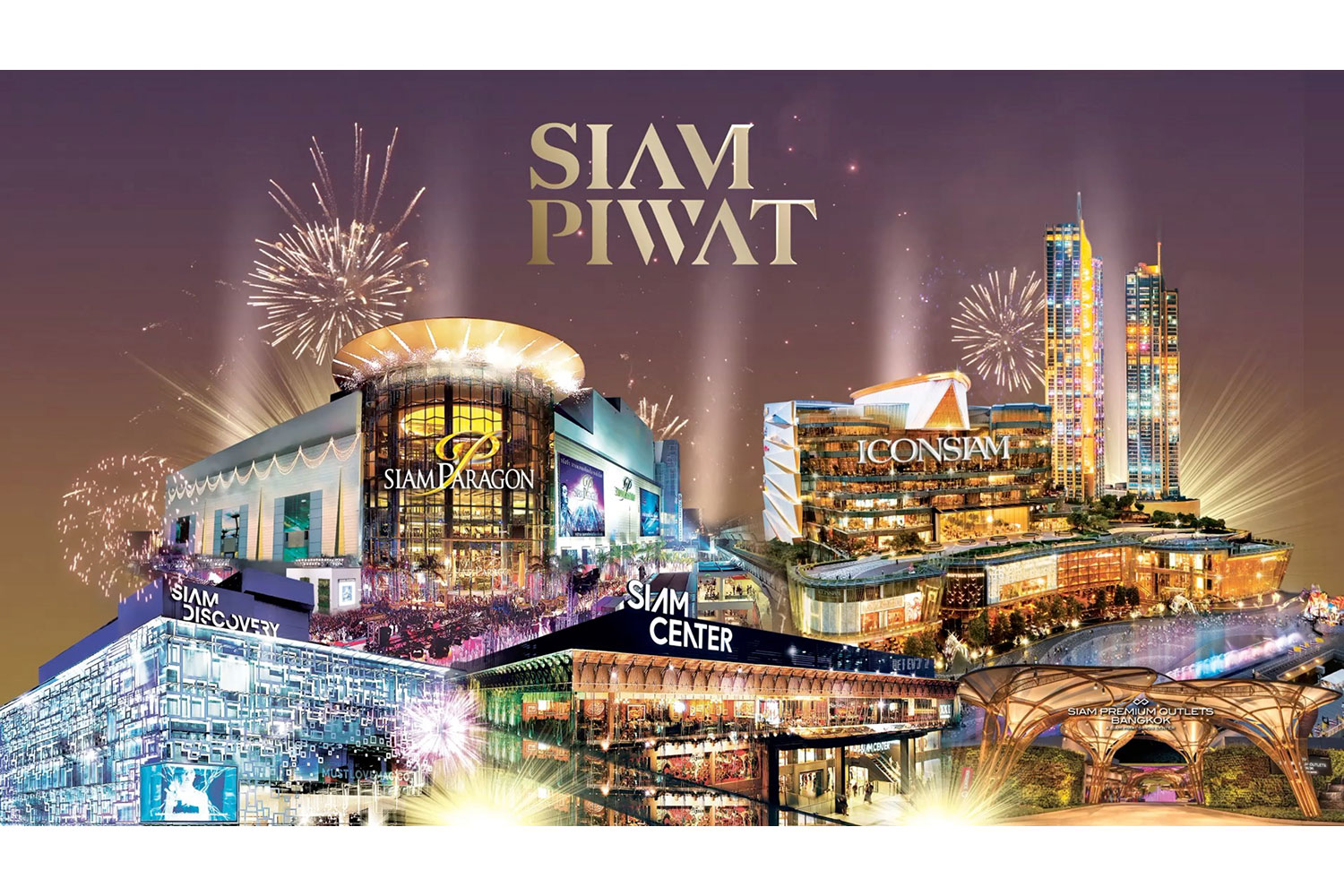
    As the owner and operator of world-renowned retail destinations including Siam Paragon, Siam Center, and Siam Discovery – and a joint venture partner of IconSiam and Siam Premium Outlets Bangkok – the company is well placed to support the government’s new tourism promotion policy.

    The company will invest more than 1 billion THB (US$28 million) during the fourth quarter to help the government achieve its target of 30 million overseas visitor arrivals into Thailand – and plans to double that investment next calendar year.

    “Siam Piwat is the leading developer of global destinations that have not only served as tourist magnets and solidified Thailand’s position as the top destination among global visitors for a long time, but are also highly successful and widely recognised in the global real estate industry,” said Chadatip Chutrakul, CEO of Siam Piwat Group.

    “Siam Piwat is prepared to move forward at full throttle. We are confident that the government will be able to transform our tourism sector into a formidable asset and create phenomena that will firmly establish Thailand as a premier destination on the map for travellers from all over the world,” she concluded.

    Siam Piwat’s four strategic pillars comprise world-class shopping leadership and leadership in luxury retail; hosting world-class events and MICE leadership; elevating Thai art and establishing Bangkok as a global art hub; and introducing Thailand’s soft power to the global stage.

    During the first eight months of this year, Siam Piwat’s shopping malls combined welcomed 14 million visitors, representing a 46 per cent increase over last year. Those visitors spent an average of 8500THB (US$238) each. The company also hosts the most affluent customer base in Thailand.

    As it works to help realise the country’s inbound tourism targets, Siam Piwat has developed four-pillar strategies of its own, in concert with the government’s.

    Leadership in creating extraordinary shopping experiences and strengthening its dominance in the luxury retail segment: Siam Piwat will join forces with luxury brands, tenants, and business partners to open 20 new shops of luxury brands during the fourth quarter – many of them making their Thai debut. The company will launch pop-up stores and world-class events in collaboration with more than 40 brands between now and the end of next year. All the leading luxury brands at Siam Paragon and IconSiam are preparing to expand their store spaces to become the regionally largest flagships.

    Leadership in world-class events and global MICE: Siam Piwat is working with state agencies, the Thailand Convention and Exhibition Bureau (TCEB) and the private sector to attract business travellers and high-spending tourists from across the world. The Royal Paragon Hall on the fifth floor of Siam Paragon and True Icon Hall on the seventh floor of IconSiam have this year hosted about 40 major events, while bookings are already at 70 per cent for next year. Siam Piwat will work within a global ecosystem of partners across businesses including airlines, hospitality, tourism and restaurants, to accommodate diverse event formats, and support Thailand in becoming the leading international MICE destination in Southeast Asia. In addition, Siam Piwat is currently in talks with a world-class event organiser to jointly invest and build a new convention centre in Bangkok.

    Leadership in promoting Thai art and establishing Bangkok as a global art hub: Siam Piwat has been a pioneer in supporting and hosting Thai artists for more than 15 years. It was the first company to publicly exhibit the works of Thai artists in shopping centres and has enhanced the role of Thai artists in supporting quality tourism. The company plans to work with the government and state agencies to establish Bangkok as Southeast Asia’s art hub to exhibit global art pieces, such as Art Basel and Frieze, in order to attract global artists to Thailand and create an opportunity for Thai artists to showcase their art alongside their global peers.

    In 2026, Siam Piwat plans to open the 8000sqm River Museum on the eighth floor of IconSiam. As Thailand’s first international-grade museum it will be able to showcase global masterpieces at the same level as leading museums in Europe and North America. This is part of a strategy to attract public art industry figures as well as collectors of artworks from around the world. In doing so, Siam Piwat hopes to attract a new category of affluent travellers that will help strengthen Thai tourism in the long term.

    Leadership in introducing Thailand’s soft power to the global stage: Over the past decade, Siam Piwat has developed a platform of opportunities to promote Thailand’s soft power and bring together the best of the best that Thailand has to offer from across industries including food, film, fashion and design. In addition, Siam Piwat has created SookSiam, bringing together more than 6000 independent SME businesses from across all 77 of Thailand’s provinces to showcase the many forms of Thai identity. SookSiam attracts at least 70,000 visitors daily and is widely shared by visitors on social media channels worldwide. Siam Piwat has also worked to develop Thai brands through its retail business, including IconCraft, ODS and Ecotopia – which have successfully helped businesses expand overseas. The company will continue working with Thailand’s Ministry of Commerce and Ministry of Interior and world-class partners to elevate Thailand’s soft power and draw global recognition.

    “Siam Piwat is ready to join hands with all parties to promote the tourism and hospitality industry, establish Thailand’s position as the top global destination, and support the government’s policy to bolster the tourism industry,” said Chadatip. “This will play a vital role in driving the Thai economy, stimulating economic activities, generating income, and creating employment for many people.”

    Siam Piwat says the tourism industry is vital to the nation, attracting many international visitors. The presence of those visitors yields far-reaching benefits, not only to tourism

  • Malaysia’s Zus Coffee to make international debut in the Philippines

    Malaysia’s Zus Coffee to make international debut in the Philippines

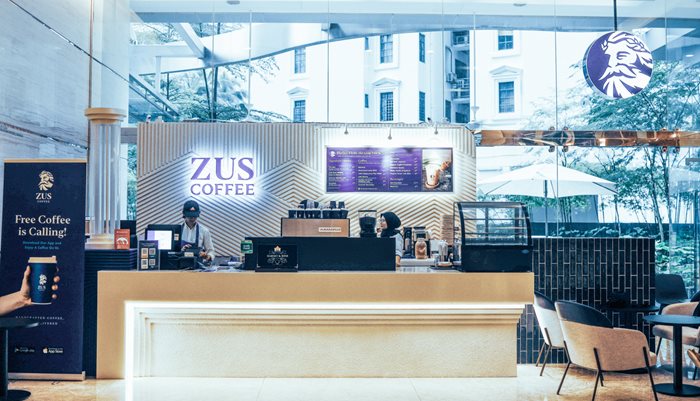
    Malaysia’s ZUS Coffee is set to make its international debut this month with an outlet in Quezon City, the Philippines. The technology-focused coffee chain opened its first store in Binjai in late 2019 and now operates approximately 290 stores across Malaysia.

    In a LinkedIn post, Chief Operating Officer Venon Tian said ZUS Coffee plans to open six outlets in the Philippines by the end of 2023.

    ZUS Coffee’s international debut in the Philippines has been on the cards since March 2023, when Filipino restaurant group Choi Garden Restaurant Company acquired a 35% stake in the coffee chain.

    Speaking at the signing of the agreement, Choi Garden’s Chief Operating Officer Janica Lao said: “ZUS Coffee’s growth in Malaysia has been very quick in the last three years and they are incredibly determined in serving the local Malaysian market with localized flavors. We believe that they will do the same thing in the Philippines market.”

    ZUS Coffee is the latest Asian coffee chain to seek expansion in the Philippines this year as competition between Southeast Asia’s coffee chains heats up. Japanese boutique café group % Arabica relaunched in the Philippines in July 2023, 18 months after closing its three stores in the country. The Manila outlet is expected to preclude the launch of a % Arabica roastery in the Filipino capital before the end of the year.

    The following month, fast-food group Jollibee Foods Corporation (JFC) formed a joint venture company with Singapore-based Food Collective Pte. Ltd. (FCPL) to launch Common Man Coffee Roasters in the Philippines. The first site of the partnership, which also includes a deal to bring Tiong Bahru Bakery to the country, is set to open within the next few months.

    Meanwhile, Malaysia’s Berjaya Food is set to open the first Paris Baguette store in the Philippines in the fourth quarter of 2023, with five outlets expected within the next 12 months. Berjaya Food previously brought the South Korean bakery café chain to Malaysia in January 2023.

  • Gentle Monster’s cafe brand expands in South Korea

    Gentle Monster’s cafe brand expands in South Korea

    Luxury companies are becoming serious about the restaurant business here as a way to maintain their posh image and continue to attract attention from young, trend-savvy consumers, according to industry officials, Tuesday.

    Italian high-end luxury fashion house Gucci has opened Gucci Osteria restaurant in Itaewon, Seoul, where it serves dishes cooked by a Michelin three-star chef. A burger costs 27,000 won ($18.91) and a course menu ranges from 120,000 won to 170,000 won there. Despite its high prices, reservations for the restaurant were sold out four minutes after it opened.

    French luxury firm Louis Vuitton also opened a pop-up restaurant called Pierre Sang at Louis Vuitton for just one month in May and it was fully booked as soon as reservations opened up. Global K-pop band BTS member J-Hope’s visit to the restaurant also played a key role in making it into one of the hottest places in Seoul.

    With this momentum, in September, Louis Vuitton opened a second pop-up restaurant in the posh district of Cheongdam-dong, Seoul. Despite most of its prices being in the 300,000-won range, it was fully booked as soon as it opened and people are now selling their reserved times to make a profit.

    Swiss luxury watchmaker Breitling introduced a restaurant and a coffee shop together with its brand shop, which opened early this year. The company expressed its luxury brand image in its food and beverages and has grabbed the attention of watch fans.

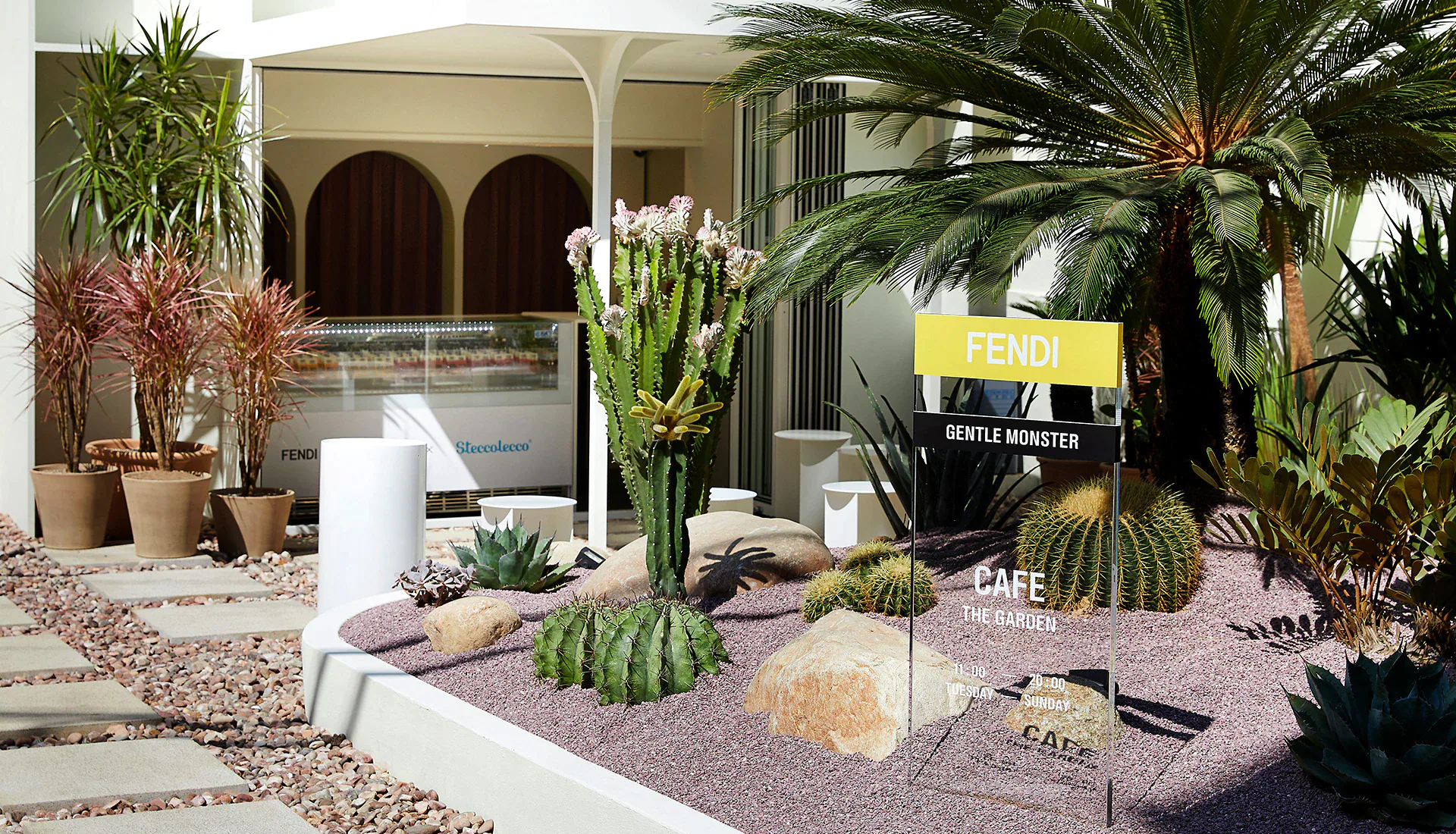
    Korean popular eyewear brand Gentle Monster did not fall behind the trend, opening dessert cafe Nudake at its flagship store in Apgujeong, Seoul, where it has attracted dessert lovers from across the country.

    The COVID-19 pandemic has pushed luxury brands to promote its fashion items in digital space, which turned out to be successful among not only among those in their 20s and 30s, but also those in their 60s and 70s.

    Amid this major paradigm shift, luxury brands have begun investing to offer experiences of their brands in various ways. However, companies have also learned that there is a limit for customers to experience fully their brand identities and products online.

    Thus, top-tier firms have begun opening restaurants and coffee shops. It costs less for customers to experience the luxury brands through food and desserts, compared to purchasing a handbag or clothing at a boutique. Such visits to restaurants are temporary but customers can experience the brand with their five senses without spending tens of millions of won.

    In short, opening a restaurant and coffee shop can lower the entry barrier for customers to experience luxury brands. This strategy has been proven with young customers of Korea’s MZ generation, millennials and Generation Z, who are emerging as a main consumer group of luxury goods.

    Luxury brands are strengthening their food and beverage (F&B) business because they want to expand their brand experience into the lifestyle sector. Companies can show their brand value and identity through a new gourmet field.

    “Luxury brands running restaurants and coffee shops focus more on the brand experience than its profitability. Food and beverages leave a strong impression for consumers and they naturally lead to creating bonds with the brand. In another words, this is good marketing strategy to build customers’ loyalty to luxury brands,” a luxury firm official said.

    Unlike restaurants in five-star hotels, luxury brand stores offer various consumer experiences through architecture, interior design and the cutlery items used at their restaurants.

    “As an extension of going to fashion shows, experiencing luxury brand restaurant cuisine provides opportunities for customers to experience the lifestyles of the upper class by eating the same food in the same spaces with them,” the official said.