Tag: asia

  • Qatar Airways, DSV open new cargo route from HSV

    Qatar Airways, DSV open new cargo route from HSV

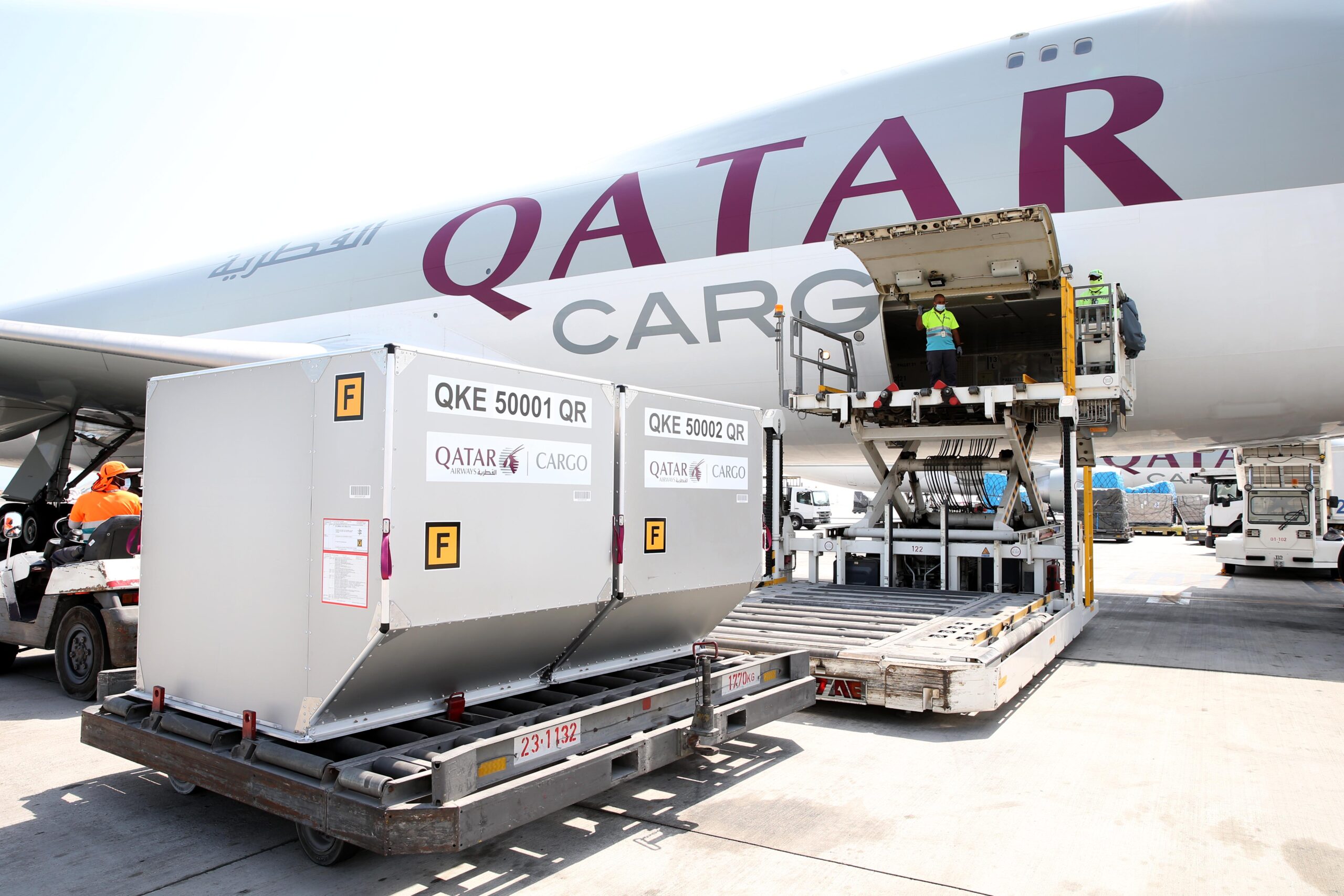
    Qatar Airways Cargo and DSV Global Transportation and Logistics have teamed up to launch a new route from Huntsville airport (HSV) in the US with two freighter services each week.

    The carrier will operate its Boeing 777 freighters twice a week from Felipe Ángeles International Airport in Mexico to Huntsville en route to Doha via Luxembourg. The freighters from HSV will operate on Thursdays and Sundays every week, offering 200 tonnes of capacity.

    Mads Ravn, executive vice president at DSV, said the collaboration will not only extend the forwarder’s market presence but also allows access to the Middle East with a keen focus on the oil and gas sectors.

    The strategic initiative also establishes a direct scheduled service from Mexico City to Europe, the Middle East and beyond via Huntsville and Luxembourg. The carrier expects to transport major exports like auto parts from Huntsville for various manufacturers in Europe along with perishables and cars from Mexico.

    With the addition of Huntsville, Qatar Airways Cargo now serves 22 destinations in the Americas with freighter and passenger belly-hold flights, providing a combined weekly cargo capacity of over 5,500 tonnes

  • Raiffeisen Aims Big by Thinking Small

    Raiffeisen Aims Big by Thinking Small

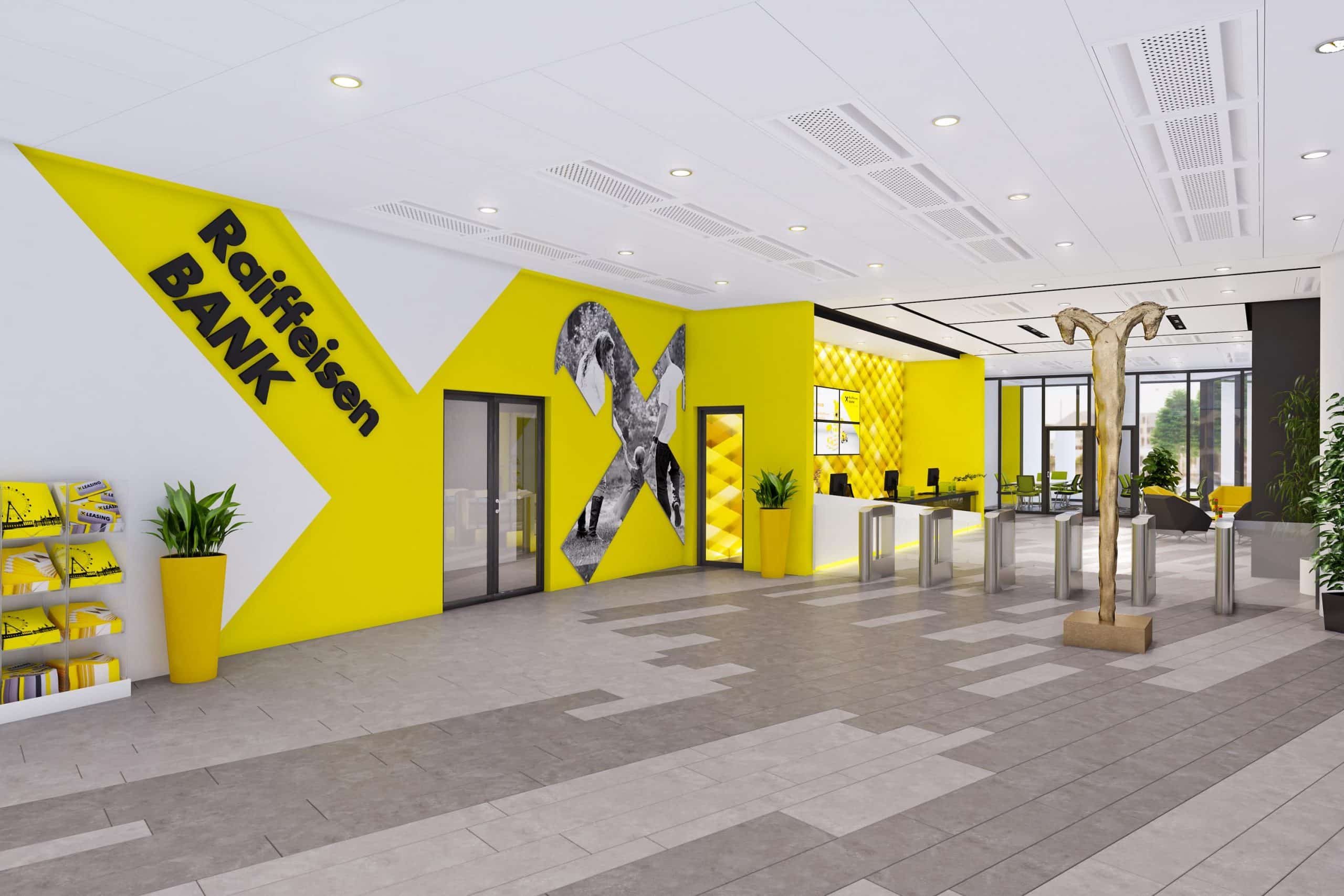
    After the takeover of Credit Suisse, cooperative banks reluctantly found themselves thrust into Swiss banking’s number two role. In a business dominated by major banks, Raiffeisen has ambitions.

    In a recent interview, Heinz Huber said the Raiffeisen Group has no interest in becoming an international player like UBS and Credit Suisse. We don’t want to be a big bank, said the CEO of Raiffeisen Switzerland, the country’s largest mortgage bank.

    Even so, the group’s moving into the number two slot in Swiss banking after the demise of Credit Suisse is grudgingly acknowledged, which isn’t to say that Huber’s not aiming high in some areas.

    The group made up of 219 individual institutions, is preparing to make its mark in asset management, an area dominated by UBS and Credit Suisse.

    Raiffeisen Group attracted 1.8 billion Swiss francs of new custody assets in the year’s first half. With client assets under management of 246.6 billion francs, it’s equivalent to the portfolio of a medium-sized Swiss private bank. Driven by asset management, net income from commission and service fees rose to 310.9 million francs.

    There’s more to come. In the first half of the year, we passed the mark of half a million custody accounts. With 3.65 million customers, I still see some potential, Huber said at a conference.

    Compared to UBS, which netted $15.3 billion of client assets in Switzerland in the past second quarter alone, Raiffeisen’s volumes look tiny. The Group reoriented its wealth business following a strategic turnaround when it sold its private banking subsidiary, Notenstein La Roche, and relaunched its mandate offerings four years ago.

    Two aspects of Raiffeisen’s new money should give the market leader pause. One is the dynamism the investment and pension business is showing, as 16,600 accounts were opened in the first six months of the year, while asset management mandates saw 15.6 percent growth.

    Then there’s the money’s source. Mandates are available from Raiffeisen for as little as 50,000 francs; in the case of the Rio digital asset management service, the minimum investment is 5,000 francs targeted at affluents.

    Raiffeisen wealth management’s results suggest cooperative members succeeded in cracking a notoriously difficult market.

    Other banks have been trying to accomplish that for years. If consulting firms like Oliver Wyman are to be believed, the potential in private banking for the masses is enormous, By 2026, the market is expected to generate revenue streams of $45 billion globally, and in four years, two-thirds of all private banking revenue could come from the affluents.

    Challenges remain, however, because it’s quite difficult for large asset managers with expensive structures to gain a profitable foothold. Raiffeisen’s advantage lies in being able to approach the affluent market from the bottom. With its enormous retail banking reach, it knows its customers long before they’re wealthy. Clients are already in the door when assets come into play upon retirement, inheritance, or the sale of a house or company.

    Still, it’s not quite that simple. We’ve invested a lot in consulting, says Huber. We want to ensure a basic understanding of issues among customers so decisions are made together.

    Rapid investments were made in products and services. The Group launched Rio digital asset management in 2020, and a digital pillar 3a pension offering was integrated into e-banking the following year. Last year, the product range was expanded with sustainable index-tracking funds, with around 95 percent of Raiffeisen’s fund volume invested sustainably.

    Huber attributes the rapid growth in recent months to this groundwork. We focus on investment solutions that are easy to understand and geared to the needs of our customers, which are already available for small assets.

  • Tic Tac unveils new Berry Mix flavour

    Tic Tac unveils new Berry Mix flavour

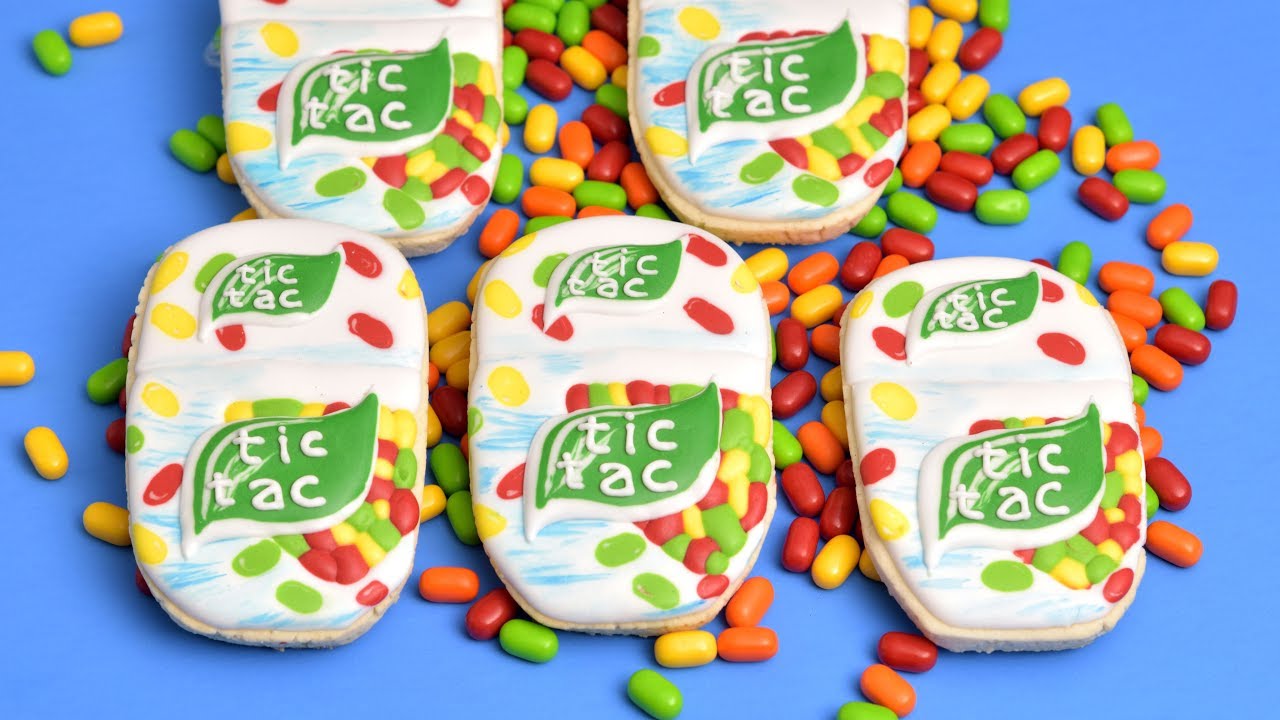
    Mint confectionery brand Tic Tac has unveiled a new flavor inspired by “warm spring days”.

    The new Tic Tac Berry Mix flavor is a combination of raspberries and blueberries, creating a harmony of sweet and tangy notes.

    The new products and other novel flavors like Tropical mints and Coca-Cola are available across Australia and New Zealand.

    The breath-freshening mints have been manufactured in Lithgow, NSW, since 1976.

  • Vietjet signs $550m funding deal for aircraft order

    Vietjet signs $550m funding deal for aircraft order

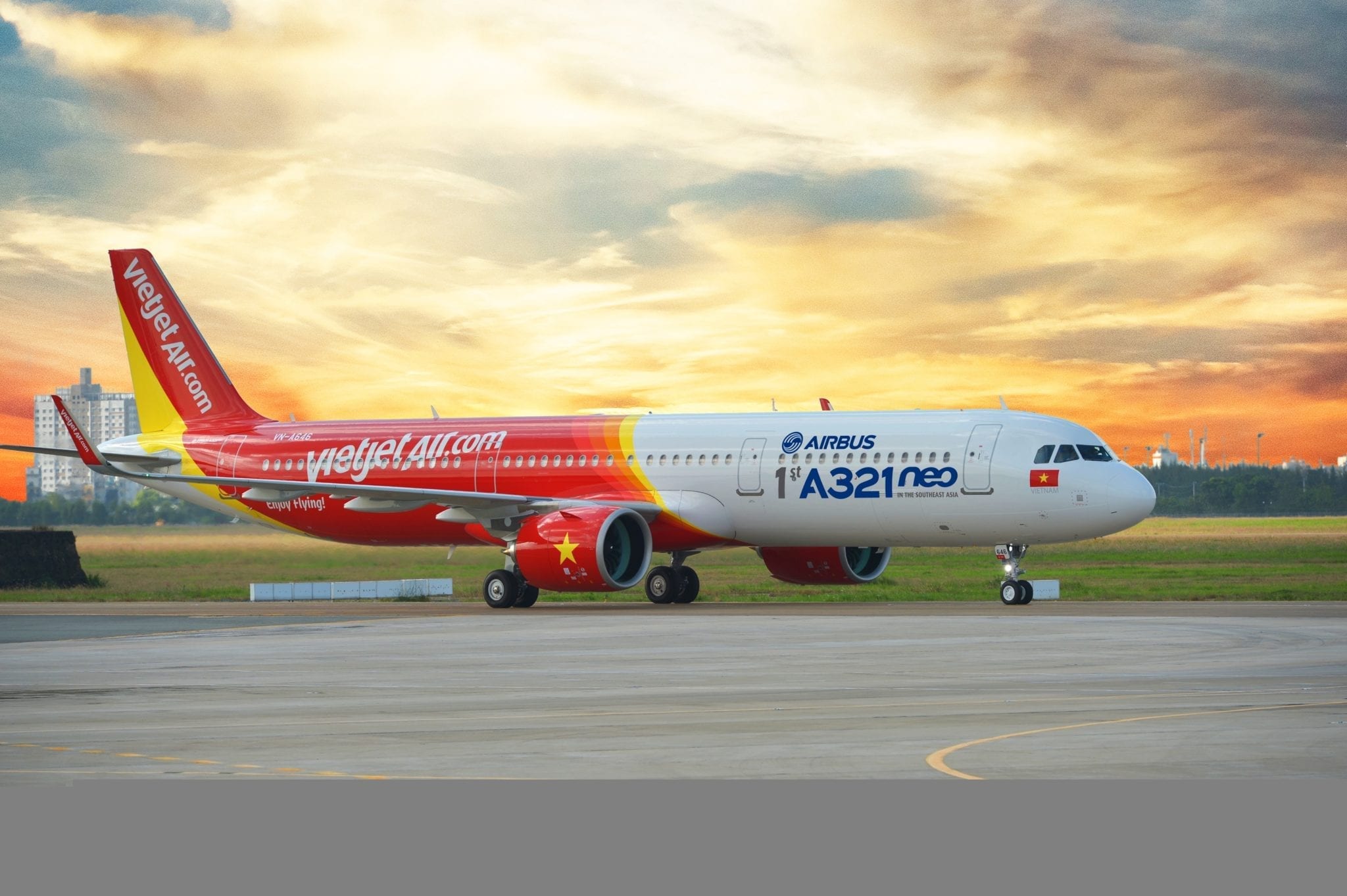
    Vietjet and Carlyle Group, a US-based financial firm, have signed an aircraft financing agreement worth US$550 million during the official visit of the US President Joe Biden to Vietnam.

    The agreement will see Carlyle Aviation Partners, a subsidiary of the Carlyle Group, finance the 200-aircraft order announced earlier between Vietjet and Boeing. The order is considered one of the largest commercial contracts to date and one that contributes greatly to the trade balance between Vietnam and the United States.

    This order, which is worth over US$25 billion, will be implemented in five years with the first delivery of 12 aircraft scheduled for 2024. The first batch of 737 Max will be delivered to Bangkok-based affiliate Thai Vietjet.

    “Carlyle Aviation Partners has been a long-term strategic partner of Vietjet,” said Robert Korn -Co-Founder & President of Carlyle Aviation Partners. “We are pleased to accompany and witness Vietjet’s aggressive growth over the last decade. The airline has offered passengers reasonable fares and convenient travel options; thus contributing positively to the aviation and tourism development; also fostering investment between Vietnam and the international community.”

    Founded in 2002 with headquarters in Miami, Carlyle Aviation Partners is in the business of global aircraft finance and leasing. It currently manages a fleet of 396 aircraft in 59 countries and is owned by Carlyle Group, which manages US$385 billion in total assets.

  • Vietjet partners 2023 Sydney Marathon

    Vietjet partners 2023 Sydney Marathon

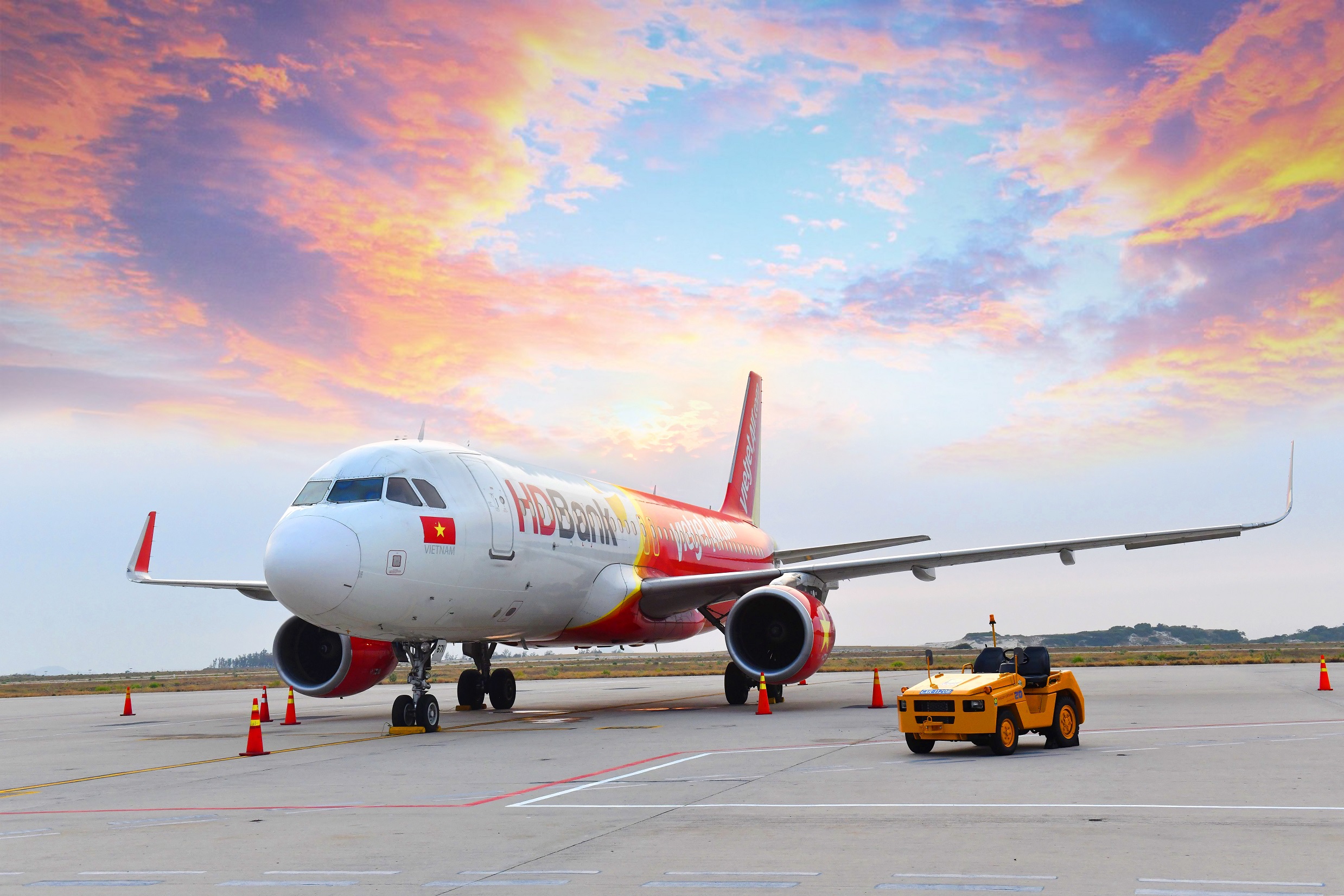
    Vietjet has become the air transport partner for the Sydney Marathon, and is offering free tickets to the event.

    The Sydney Marathon takes place from September 14 to 17 in the Australian city, and will feature many activities for athletes, locals and tourists.

    The runners will pass through famous landmarks like Milsons Point, the Sydney Harbor Bridge, Centennial Park, the Royal Botanic Gardens, the Sydney Opera House…

    The race is expected to attract more than 40,000 runners from more than 75 countries.

    It will also raise funds for charities supporting children and people with disabilities.

    To mark the occasion, Vietjet is selling tickets for zero dong (excluding taxes and fees) to Australia on Wednesday, Thursday and Friday every week from now until March 31, 2024, on its website and app.

    According to the airline, besides the 2023 Sydney Marathon, it is also collaborating with other global cultural and sporting events, demonstrating its desire to bring new values by spreading the message of humanity and sporting spirit to hundreds of millions of customers and people in Vietnam and elsewhere.

    With an extensive flight network and flexible flight times, Vietjet offers many options to international passengers with its new routes from HCMC to Jakarta (Indonesia), Kochi and Tiruchirappalli (India), and other destinations and leading entertainment destinations in the region in Australia, Japan, Korea, Taiwan (China), Hong Kong (China), Singapore, Thailand…

    Flight tickets come with Sky Care travel insurance. All flights are supported by experienced crew and fresh, hot food.

  • iPhone 15 to cost up to $1,950

    iPhone 15 to cost up to $1,950

    The iPhone 15 will be sold in Vietnam from Sep. 29 with the highest-priced model costing VND46.99 million (US$1,950).

    Apple Store Online Vietnam and other authorized resellers listed the prices of four models soon after U.S. tech giant Apple unveiled its latest smartphones early Wednesday.

    The lineup includes iPhone 15, 15 Plus, 15 Pro, and 15 Pro Max, and they range from VND22.99 million (iPhone 15 with 128 GB of storage) to VND46.99 million (Pro Max, 1 TB).

    For the first time Vietnamese can buy an iPhone the same month it is released. In the past they had to wait for one or two months before the phone made its official way into the country.

    Preorders start on Sep. 22 and first deliveries will be on Sep. 29.

    Apple Store Online buyers can only preorder a maximum of two per model.

    The fact that Apple has started early sales in Vietnam shows that it considers the country a key market, Doan Viet Dung, a media representative at electronics retail chain ShopDunk, said.

    “We predict that the iPhone 15 Pro Max will lead in sales like in previous years.”

    FPT Shop expects sales to exceed that of the previous model, the iPhone 14, by 20%.

    Retailers plan to offer promotions and discounts to compete with the official Apple store.

    Hoang Ha Mobile and Di Dong Viet plan to sell the phones at VND500,000-1.5 million lower than the Apple Store prices.

    The iPhone 15 is made of titanium, not aluminum and steel like previous models. It also has a USB-C connection instead of the traditional Lightning port.

  • Vietnam Electricity and the conundrum of establishing a competitive market

    Vietnam Electricity and the conundrum of establishing a competitive market

    Vietnam has been making policy changes to open up the electricity industry to private investors, but still remains far from creating a competitive market.

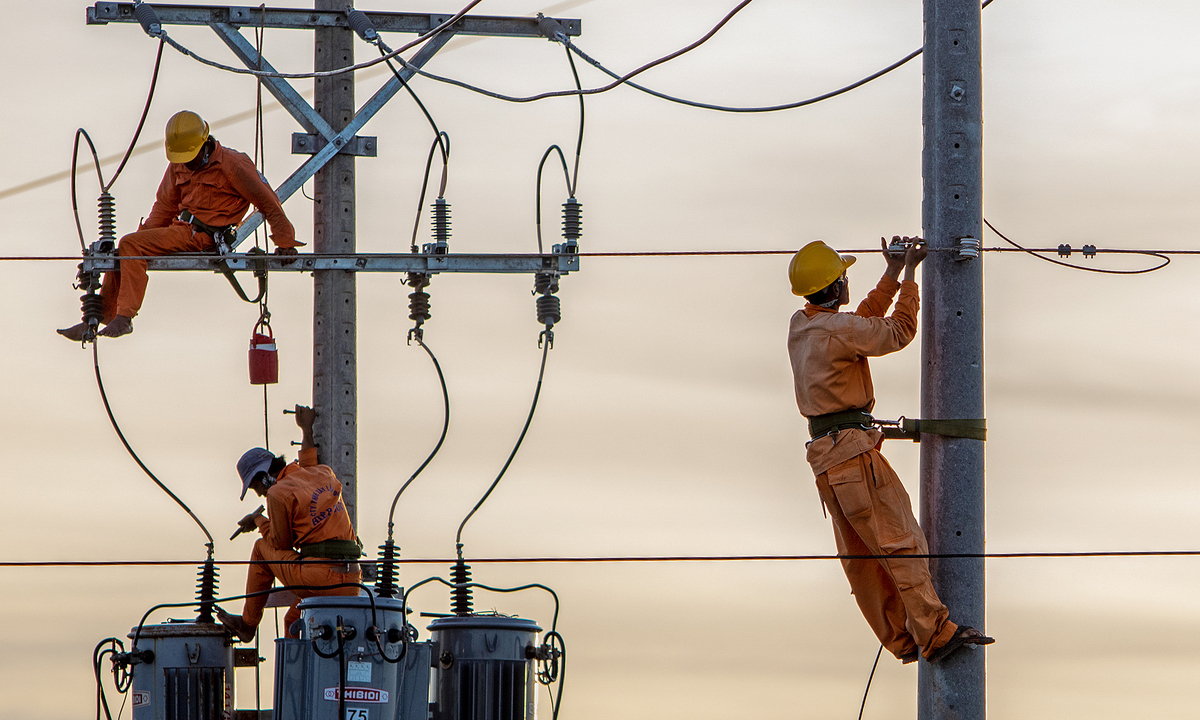
    Until 2006 state-owned Vietnam Electricity (EVN) owned all power plants in the country, but its monopoly has been reducing since, and it now only accounts directly or indirectly for around 37.6% of the country’s installed capacity of 80,000 megawatts.

    This means it has to pay for the remaining 62% of power supplied, mainly to gas and oil giant Petrovietnam, coal mining company Vinacomin and a number of private companies.

    The dilution of EVN’s ownership came about as private companies began to invest large amounts in power generation, especially in the last five years thanks to the boom in renewable energy.

    Private players now own 42% of installed capacity.

    But EVN retains a monopoly in electricity transmission, and owns and operates all transmission lines and substations.

    Though changes in the laws last year allow private companies to invest in transmission, so far only one company has done so, connecting its solar plant with the national grid.

    Analysts say land acquisition problems, low profit margins and red tape deter private companies from entering the transmission business.

    “The monopoly in transmission is a natural monopoly of the state” and not of EVN, Nguyen Minh Duc, a member of the Vietnam Federation of Commerce and Industry’s legal department, said.

    The government needs to retain a monopoly over transmission to ensure national energy security and prevent private companies from taking over and raising prices, he said.

    Evidently, EVN is also the sole buyer of electricity from private power plants.

    This means that the state, not EVN, actually has a monopoly in selling and transmitting electricity, Tran Van Binh of the School of Economics and Management at the Hanoi University of Science and Technology said.

    This explains why EVN has to suffer losses: Retail prices are not determined by it but by the government.

    Last year, the Ministry of Industry and Trade reviewed EVN’s operations and found that the cost of electricity production had actually by increased more than 9% since 2021, but the government eventually approved a retail price hike of only 3%, leaving EVN selling power at a loss of VND112 per kilowatt-hour.

    The government has been making policy changes for over 10 years now to create a competitive energy market, but has yet to complete the task.

    EVN remains the only buyer of electricity.

    This means that when suppliers increase prices due to higher costs, EVN will have to absorb them since it does not have the authority to increase retail tariffs.

    In the event, last year it reported a loss of VND26 trillion.

    Nguyen Dinh Cung, former head of the Central Institute for Economic Management, said production costs are set to increase considerably in the coming years, and if the same model remains in place EVN would continue to make big losses.

    If EVN is not financially healthy, it will not be able to invest in new power plants or ensure transmission stability.

    At US$0.08 per kilowatt-hour, Vietnam’s electricity prices are lower than those of several other countries in the region like Indonesia, Thailand, the Philippines, and Singapore, according to Global Petrol Prices.

    Yet the public often criticizes authorities when prices are raised, Cung said.

    Bui Xuan Hoi, principal of the Northern Electricity College, said Vietnam could “not dream” of having a competitive electricity market if the government keeps making the final call on retail prices.

    Binh of the Hanoi University of Science and Technology said: “In many countries, retail prices go up when a competitive electricity market is established. The same thing will definitely happen to Vietnam.”

    The cost of producing electricity is rising as fossil fuels like coal, oil and gas are running out while hydropower generation has reached maximum capacity.

    Duc said another downside to a competitive market is that underdeveloped areas, such as mountainous regions, would not attract private companies who prefer investing in big cities with high profits.

    This means the government will still need to intervene directly or indirectly to provide electricity to such places.
  • Kellogg board approves company’s split into two listed entities

    Kellogg board approves company’s split into two listed entities

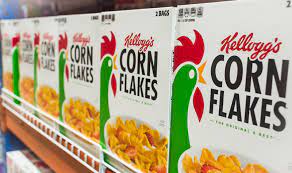
    Kellogg’s board of directors has approved the FMCG giant’s split into two independent, publicly traded entities: Kellanova and WK Kellog Co.

    From October 2, Kellogg Company will be renamed Kellanova and will continue to trade on the New York Stock Exchange under the ticker symbol “K”, while WK Kellogg Co will trade under the ticker symbol “KLG”.

    Kellog chairman and CEO Steve Cahillane said the decision was made after more than a year of comprehensive planning and execution.

    “We are more confident that the separation will produce two stronger companies and create substantial value for shareowners,” said Cahillane.

    Kellanova will focus on an expanding portfolio geared towards snacks and emerging markets, led by various brands.

    It is projected to generate net sales of an estimated US$13.4 to $13.6 billion and an adjusted-basis EBITDA (earnings before interest and tax, depreciation, and amortization expenses) of $2.25 to $2.3 billion next year.

    “We are looking forward to a new era as Kellanova, marked by a more growth-oriented portfolio, a renewed vision and strategy, and an energised organization grounded by a winning culture and our founder’s values,” continued Cahillane, who will serve as chairman and CEO of Kellanova.

    “These elements build on what has already been a track record of strong and consistent financial performance for the Kellanova portfolio.”

    Meanwhile, WK Kellogg Co will continue to build on the foundation of its “iconic” cereal brands and will focus on integrating its commercial strategy and execution while modernizing its supply chain.

    Gary Pilnick will serve as its chairman and CEO following the separation.

    The business is expected to earn an estimated $2.7 billion in net sales and adjusted-basis EBITDA of approximately $225 to $265 million in 2024.

    Pilnick explained that as a standalone company, it will immediately benefit from the advantages of increased focus and end-to-end integration while modernizing its supply chain.

    “WK Kellogg Co has a 117-year legacy of innovation and the soul of a start-up, with an organization incredibly energized by our future,” he concluded. “We’re on a profitable journey to take this great business to the next level.”

    Kellogg Shareowners of record will receive one share of KLG for every four shares of K owned.

  • UBS to Cut Asian Wealth Jobs

    Swiss bank UBS is cutting wealth jobs in Asia following muted client activities and the slowing economy in China.

    Over the past months, UBS has reduced some overlapping roles in the wealth business in Asia, after the completion of Credit Suisse’s takeover. The roles include relationship managers in Hong Kong and Singapore, mostly from Credit Suisse’s team.

    The bank is also expected to have further cuts through November 2023, but the number of cuts has not been finalized.

    The lender plans to keep the majority of private bankers in Australia and India for now, according to a report. Since June 2023, UBS has outlined major targets for the integration of its former rival, including 3,000 domestic job cuts and more than $10 billion in cost savings.

    Pre-tax profit at the bank’s wealth management unit in the region fell by 8 percent year-on-year in the second quarter of 2023.

  • Future of Google Search will depend on who wins this antitrust battle

    Future of Google Search will depend on who wins this antitrust battle

    Something related to the tech world is supposed to take place later today. But it isn’t the event that you’re thinking about. Sure, Apple will be unveiling the iPhone 15 line later today, along with the Apple Watch Series 9 and the second-generation Apple Watch Ultra. But in a Washington D.C. federal courthouse, prosecutors will be putting on a case starting Tuesday that will run for 10 weeks in an attempt to prove that Google’s search business is a monopoly.
    During the 10 weeks, both sides will be testifying before U.S. District Judge Amit Mehta. We expect Alphabet CEO Sundar Pichai to appear in the witness box, and court documents show that Apple executive Eddy Cue might also be called to testify. The trial’s first phase will end in November, and after more documents are filed, Judge Mehta will make a ruling, although this is not expected to occur until early next year.
    If the judge rules against Google, another trial will be held, and this will be the penalty phase, where it is determined what penalties Google will be forced to comply with. As noted by the AP, Google has come a long way since Sun Microsystems co-founder Andy Bechtolsheim became Google’s first investor 25 years ago. Bechtolsheim gave Google co-founder Larry Page a $100,000 check, allowing Page and Sergey Brin to start Google in a Silicon Valley garage.

    Google parent Alphabet is now worth $1.7 trillion and generates $224 billion in ad revenue led by its search engine. While Google says that it is the top search engine in the world with a 90% share because it is the best search engine and beats out competitors like Bing and Duck Duck Go fair and square, the DOJ wants to bring up deals that Google has with companies like Apple. Google pays Apple a huge sum to be the default search engine on the iPhone and Safari. It also points out that Google pays Mozilla and Samsung as the default search engines on Firefox and Galaxy devices, respectively.

    Google doesn’t mind shelling out this kind of money because it makes more than it pays as millions of iPhone, Safari,Galaxy and Firefox users use Google Search allowing Google to charge big bucks to advertisers to reach these consumers. Google also demands that phone manufacturers who want to use the Google Mobile Services version of Android for their handsets use Google Search as their default search engine. All the data that Google collects from its search engine allows it to prevent Bing and Duck Duck Go from obtaining information that could improve their search results.

    Google says that consumers can easily switch their default search engine to another search provider. It also says that it faces competition from Bing’s use of AI although Google has also started adding AI-based results to its search results. Google also says that it has never stopped looking to improve its search capabilities, which explains why “Google it” has become such an iconic phrase and the company has become synonymous with search.

    In 2019 Google was fined billions of dollars by the EC for restricting Android users to selecting Google as their default search engine and Chrome as their default browser. To comply with the EU, Google showed two screens to Android users the first time they opened the Google Play Store app following an update that was about to be disseminated. The screens allowed these Android users to choose a default search engine and default browser from a list that included four Google Search competitors and four Google Chrome competitors.
  • Diesel price continues to rise

    Diesel price continues to rise

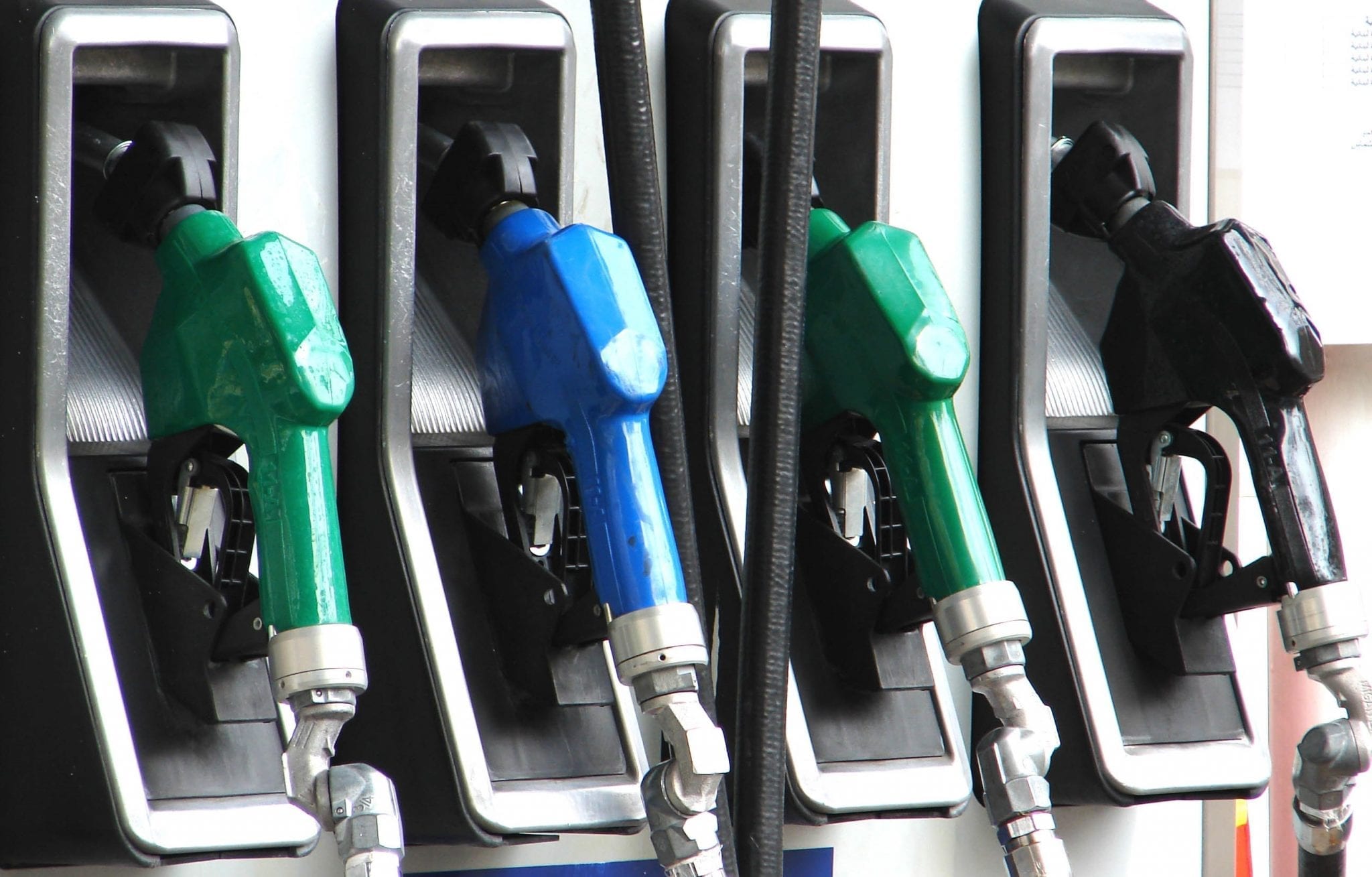
    Diesel price went up 1.81% to VND23,050 per liter on Monday, continuing its climb, which began four months ago.

    The fuel has seen its price increase by over 30% since May 11.

    Authorities said that fuel prices have been fluctuating amid concerns about tightened fuel supply after Russia extended its production cut as OPEC+ countries continued to scale down production, while China’s demand recovery has been slower than expected.

    RON92 gasoline fell 0.1% to $103,14 per barrel last week, while RON95 dropped 0.16% to $108.94.

  • Businesses suffer as durian farmers seek higher prices

    Businesses suffer as durian farmers seek higher prices

    Businesses are crying foul as farmers are not honoring deals with them to sell durian and are instead seeking to sell their produce to others for higher prices.

    Van Hoa, a durian packaging and exporting company with a capacity of 100,000 tons a year, has lost out on many contracts recently.

    “We committed early to pay VND60,000-80,000 (US$2.49-3.32) per kilogram, but close to harvest season traders came and offered up to VND100,000, which resulted in many farmers canceling their deals with us,” Van Hoa director of foreign affairs Le Anh Trung said at a forum Monday.

    Van Hoa therefore could not fulfill its export orders and has suffered losses on each shipment.

    The company has decided not to make early commitments to farmers in future, meaning there is no guarantee they will be able to sell their harvests.

    Nguyen Huu Chien, director of trading company Tan Lap Dong in Dak Lak Province, said he did not have enough durian to sell to two export partners after farmers dishonored their deals with him.

    “When we businesses give farmers a price quote in the morning, traders will come in the afternoon and offer higher prices.”

    These traders are often not precise in following Chinese origin tracing standards and therefore could cause Vietnam to lose this major market, he warned.

    Speculators need to be penalized, he added.

    Ngo Xuan Nam, deputy director of the Vietnam Sanitary and Phytosanitary Notification Authority and Enquiry Point, said authorities are reviewing the process of producing and exporting durian.

    He also ordered local authorities to suspend the activities of farmers who do not follow origin tracing protocols.

    Minister of Agriculture and Rural Development Le Minh Hoan called on businesses and farmers to establishing stronger commitments starting in the early phase of a crop.

    Local authorities need to ensure that farmers follow origin tracing protocols since durian is the face of Vietnamese agriculture, he added.

  • Freshwater Farm launches Indigenous-inspired products

    Freshwater Farm launches Indigenous-inspired products

    Freshwater Farm, the family-run bath and body care company, has launched limited-edition products designed by an Indigenous artist to commemorate a partnership with the Indigenous Literacy Foundation (ILF).

    Worimi artist Brittney Paulson made the limited edition packaging designs. The artwork is present on six items, including the body bars, hand washes, and 1L body washes from Freshwater Farm with Lemon Myrtle and Rosewater.

    Paulson added that this is her second time working with Freshwater Farm to produce these special items that honor her background.

    Freshwater Farm will donate 50 cents for every limited edition product purchased to the ILF, up to $50,000, which will be used to provide 5000 books to children in isolated Indigenous communities.

    “The farm where we grow many of the plants which are used in our products is based on Worimi Country on the NSW Mid North Coast,” said Freshwater Farm GM Al Hutcherson.

    “This is the second year running where we’ve donated to the Indigenous Literacy Foundation, to acknowledge the Worimi Aboriginal Community as the Traditional Owners of the land that Freshwater Farm is on.”

    The Indigenous Literacy Foundation (ILF) is a national non-profit organization that works with Aboriginal and Torres Strait Islander remote communities in Australia.

    The products are available for purchase through the brand’s website, as well as in-store and online at Woolworths.

  • Vietnam Airlines to buy 50 Boeing 737 Max jets

    Vietnam Airlines to buy 50 Boeing 737 Max jets

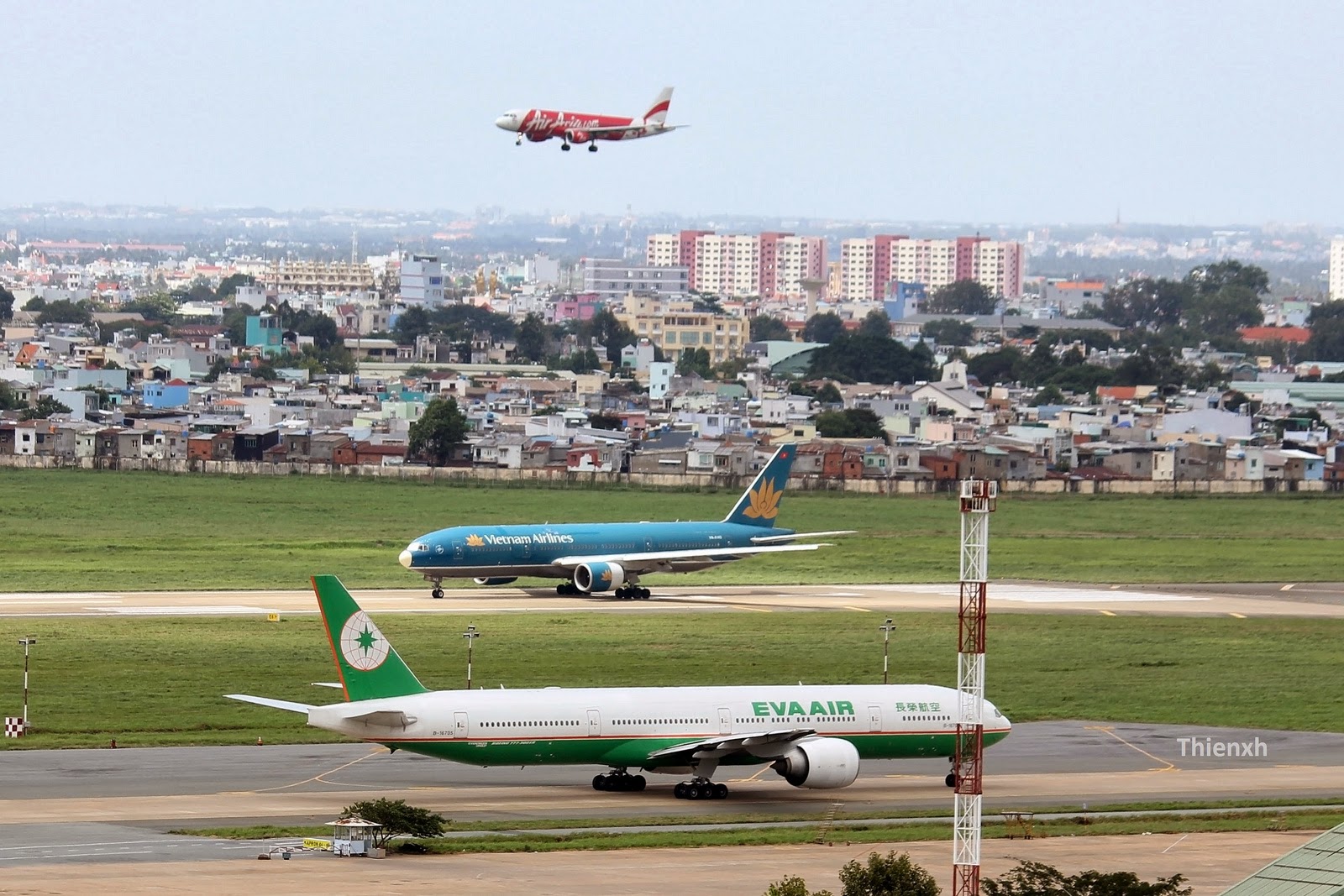
    Vietnam Airlines is set to sign a US$10-billion deal with U.S. aviation giant Boeing to buy 50 737 Max narrow-body aircraft.

    The signing is set for Monday during U.S. President Joe Biden’s state visit to Vietnam, an anonymous source told VnExpress.

    The deal is part of Vietnam Airlines’ plan to renew its fleet, in which many aircraft are over 10 years old.

    Four years ago the state-owned carrier received approval from the Civil Aviation Authority of Vietnam to buy 50 narrow-body aircraft from Boeing or its European competitor, Airbus.

    Vietnam Airlines and other carriers in the country do not currently use any Boeing narrow-body aircraft.

    Vietnam Airlines’ 90-jet fleet is made up of the narrow-body Airbus A321 and wide-body Boeing 783 Dreamliner.

    The Boeing 737 Max can carry between 210 and 230 passengers and has a range of around 3,000 kilometers.

    Budget airline Vietjet signed a deal with Boeing in 2016 to buy 100 737 Max aircraft during former U.S. President Barrack Obama’s visit.

    It then signed a similar deal in 2018.

    Industry insiders say buying new jets is not easy now since Boeing and Airbus have full orders booked for until 2030.

  • Belgium toasts its beer riches with new visitor centre

    Belgium toasts its beer riches with new visitor centre

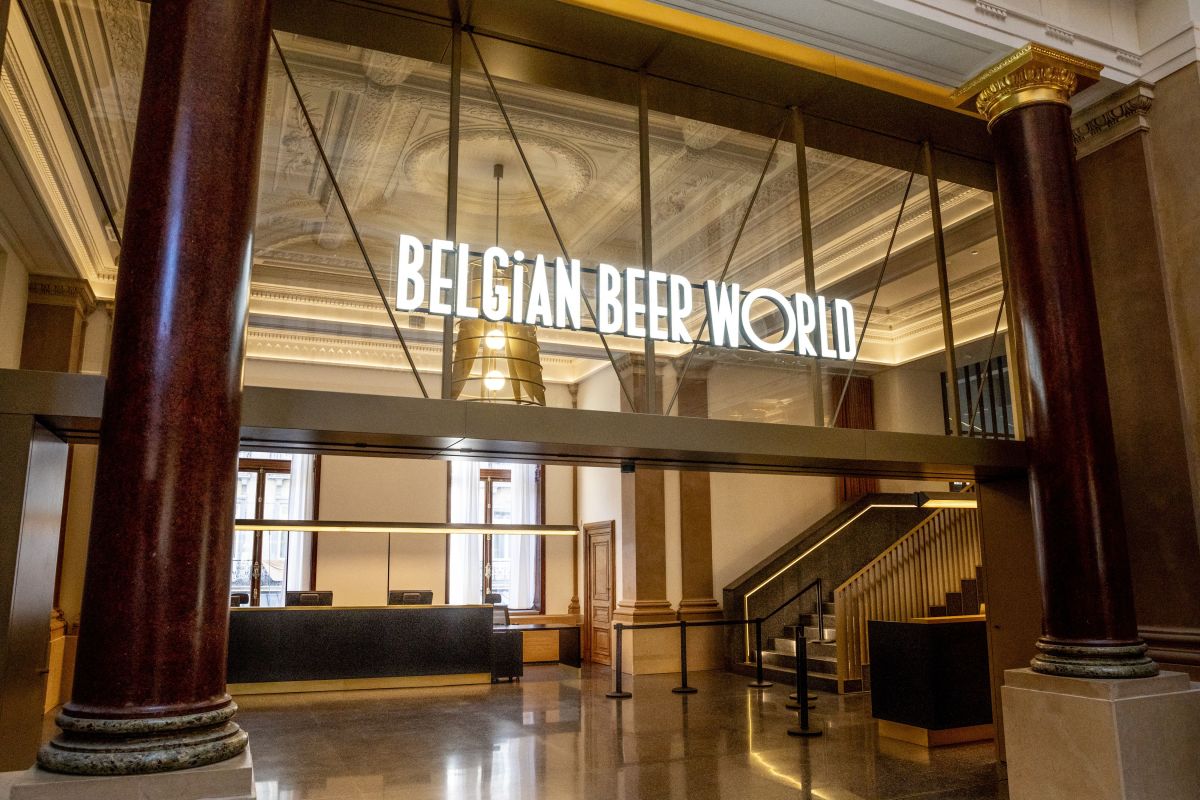
    Belgium is promoting its centuries of beer-making and 430 breweries with a new visitor centre in Brussels that recounts the history of Belgian production and aims to show what is unique about the country’s beer and beer culture.

    Belgian Beer World will open on Saturday in the neoclassical former Brussels Stock Exchange, renovated at a cost of $96.25 million.

    Visitors will learn about “Belgitude” – Belgian identity – and what distinguishes Belgian beer from others – such as the four different fermentation methods and the culture of each beer having its own branded glass.

    “In Belgium there’s more to it than the liquid in the glass,” said Krishan Maudgal, director of the Belgian Brewers Association.

    Belgium produces some 1,600 beers, and its beer culture secured a place on the UNESCO global list of traditions worthy of preservation in 2016.

    The new center shows production in the Middle Ages, when beer was a safe alternative to contaminated water, and hops were introduced as a preservative, and up to the modern day. The tour ends with a beer, suggested by a virtual barman, in the building’s rooftop terrace bar.

    Brussels already has a beer museum, but is unassuming, with old brewing equipment and some insight into beer-making.

    “It’s very typical of Belgium. We are too modest. We are someone who says ‘maybe it’s not necessary’,” said Brussels city Mayor Philippe Close, adding Dublin and Amsterdam were active in promoting their beer cultures.

    He said the center expected to welcome 300,000 visitors in its first year, with adult tickets costing 17 euros.