Tag: asia

  • Grab launches grocery delivery service

    Grab launches grocery delivery service

    It will kick off in Indonesia in July, followed by Thailand and Malaysia by late 2018.

    Grab teamed up with Indonesian start up HappyFresh to launch its grocery delivery services, an announcement revealed. The move is part of Grab’s open platform strategy as it eyes to become Southeast Asia’s first everyday superapp.

    Through GrabFresh, consumers can pick grocery products which will be delivered by GrabExpress drivers and other delivery partners within an hour or at a pre-arranged time.

    “We’ve gone from offering our tech as a booking platform for taxi operators, to providing a fleet of delivery drivers for e-commerce companies,” Grab CEO and co-founder Anthony Tan said.

    Available through the main Grab app, the on-demand grocery delivery platform will kick off as a beta service in Jakarta from July. Thailand and Malaysia can access it by late 2018.

    “Grocery delivery is a huge opportunity in Southeast Asia,” HappyFresh CEO Guillem Segarra said. “From our research, 70% of grocery delivery app users shop at least once per week, and they like to shop from the stores that they are familiar with.”

    The platform includes a selection of about 100,000 grocery products from over 50 large supermarket chains and specialty grocery chains as well as trained personal shoppers who could help pick items for customers.

  • OANDA named world’s Best Retail FX Platform

    OANDA named world’s Best Retail FX Platform

    OANDA has been named the world’s Best Retail FX Platform at the prestigious e-FX awards, which are presented by leading industry publication FX Week each year. This marks the second time the OANDA® platform has been recognised at the awards, which celebrate excellence in the electronic foreign exchange industry.

    A global leader in online multi-asset trading services, OANDA combines cutting-edge trading technology and exceptional execution across a wide range of asset classes, enabling clients to trade global market indices, commodities, treasuries, precious metals and currencies on OANDA’s multi-award winning institutional-grade OANDA trading platform and MT4.

    Vatsa Narasimha, President & CEO of OANDA Corporation, said, “We are truly honoured to receive this distinguished award, which recognises our ongoing commitment to better serving our clients. Over the course of our 22-year history, we’ve worked hard to meet the ever-changing needs of our clients through enhancements to our institutional-grade trading platform, cutting-edge trading tools, advanced charting solutions and award-winning educational material. Looking to the future, we’ll continue to combine our passion for innovation with ground-breaking technology in order to continue to provide the best trading experience for our clients.

    Now in its 15th year, the 2018 e-FX Awards recognise excellence, innovation and superior customer service in foreign exchange, focusing on quality rather than quantity and traded volumes. The winners are decided by a panel of industry experts.

  • Fashion Tech explores application at HK Fashion Week

    Fashion Tech explores application at HK Fashion Week

    Fashion Tech zone explored the latest technological application on the 1st day of the ongoing Hong Kong (HK) Fashion Week. Going forward, the corporate fashion and uniforms zone also debuted at the four-day fashion event. As many as 1,100 exhibitors from 14 countries are participating in the international exhibition that will run till July 12.

    Exhibits at the Fashion Tech zone include luminous fabrics made with an innovative trademarked technology from first-time exhibitor Lumisonata; an application from Hong Kong exhibitor Key Links that monitors clothing qualities across various production lines; a 3D human modelling application from another Hong Kong exhibitor TOZI Technology that provides accurate body measurement with just two pictures uploaded by the user; Konica Minolta is also presenting their cutting-edge clothing printer and MiR (Mobile Industrial Robots).

    The fair this year, introduced corporate fashion and uniforms zone to provide a wide range of choices for the hospitality, food and beverage, retail and security industries. A fashion parade will be held on Wednesday to showcase fashionable workplace uniforms. The popular ‘World of Fashion Accessories’ section presents fashion accessories such as bags, accessories, belts, footwear, socks, leggings, gloves and scarves. The ‘Fashion Gallery’ features about 85 high fashion brands. The ‘Clothing Accessories, Fabrics & Yarn’ zone showcases quality raw materials. In addition, the show has once again set up an hktdc.com Small Orders zone, featuring nearly 100 showcases and garment racks with about 300 products available for orders in minimum quantities of between five and 1,000 pieces.

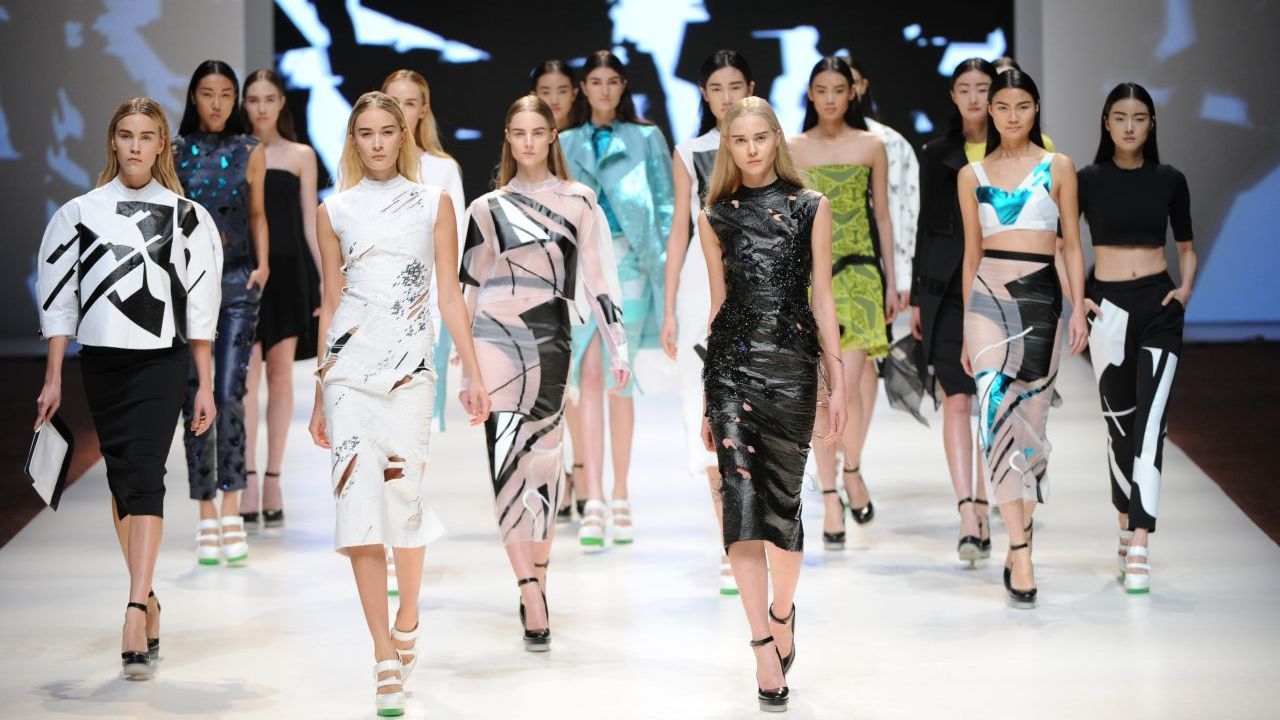
    In the coming days, a number of runway shows will be staged, including a fashion parade held today by students from the Chinese University of Hong Kong’s School of Continuing and Professional Studies. For product launches, four designers from Sri Lanka presented their latest collections which combine traditional local fabrics with modern designs at today’s first ‘International Fashion: On Parade’ session. In addition, Macau Productivity and Technology Transfer Centre will host an international fashion parade on Tuesday to showcase the latest collections from budding designers.

    Under the theme ‘Happy Collage’, about 15 fashion events are being held during the fair, including fashion shows, trend forecasting seminars, buyer forums and a networking reception, presenting the latest market intelligence and fashion items. This year’s show also features new exhibitors from Singapore, Sri Lanka and the United States along with 9 pavilions including India’s Apparel Export Promotion Council and The Synthetic & Rayon Textiles Export Promotion Council, the Chinese mainland’s Haining, Humen and Keqiao, Japan, Sri Lanka and Thailand’s Department of Industrial Promotion and Thailand Textile Institute.

    To create more business opportunities for exhibitors, the HKTDC has organised 90 buying missions from 45 countries and regions to the show, including buyers from over 3,600 companies. A series of seminars and forums will be held during the show, including a presentation by international trend forecasting group Fashion Snoops on their Autumn/Winter 2019/20 fashion forecasts for women’s and men’s wear and accessories. A seminar titled Online Shopping Reshapes the Fashion Industry will feature seasoned industry experts discussing recent online retailing market’s development and opportunities, while a seminar on Essential Testings and Ratings for Textiles and Garments will see experts detail testing requirements for textile chemistry, restricted substances for green textiles, as well as introduce a new rating system that can improve the purchasing practices and achieve sustainable supply chains.

  • Luggage brand VIP eyes online expansion

    Luggage brand VIP eyes online expansion

    VIP, a world-renowned company that specializes in offering secure, cutting-edge luggage and baggage products to its customers for over four decades has chosen BuyMore, a brand of Counfreedise Retail Services Ltd, India’s leading e-commerce aggregator for the online retail sector in India to expand their online reach. Counfreedise will help VIP in getting listed on its base of 10 e-commerce websites in the Indian marketplace and 8 websites across 12 countries around the world.

    VIP will also avail the brands services of multi-portal selling, warehousing and big data analytics in order to benefit the best of the online retail environment. BuyMore will also serve as a one-stop solution provider for VIP for increasing transparency in inventory management, pricing and accounting through its comprehensive ERP solution (Enterprise Planning Software). VIP aims to take the benefit of BuyMore’s services and expand its reach to the unchartered territories through their online presence.

    With this association, Counfreedise Retail Services Ltd, which already boasts of over 350 brand associations, has its eyes set on exceeding the Rs 100 crore turnover mark for the 2018-19 fiscal. It has also launched its new mobile application BuyMore Seller App which reduces vendors workload as they can manage their e-commerce business while on the go. With the help of the app, vendors can track details of the sales, payments and stock, know exactly the number of products selling online, get insights on last week’s payments and next payment date and estimate the stock value of the products selling through Buymore.

    Akshath Tiwari, Ecom Manager, VIP said, “Counfreedise is the pioneer in advanced retail software solutions in India and that is why they were our preferred choice when we decided to go the online route. Our association with them will enable us to start and manage effectively our eCommerce operations and reach audience that has been out of our reach till now. VIP and Counfreedise share similar values and we look forward to sharing the benefits that our association will bring.”

    Abhinandan Mahesh, Director and CEO of Counfreedise Retail Services Ltd, commented, “Today, Counfreedise is technologically robust with Artificial Intelligence (AI) being integrated with most of our eCommerce and retail software solutions. We have developed over 50 indigenous software solutions to help brands track and estimate sales, minimize returns post-purchase, automate tedious financial processes and automate and integrate most of the processes in our warehouses. All this will only bolster our tie-up with VIP and help us capitalise the best of online customer base for them.”

    Sidharth Mahesh, Managing Director of Counfreedise Retail Services Ltd, states, “We are glad to associate with VIP and add it to our already existing brands’ list. This association and agreement is fuelled by our renewed confidence about our infrastructure and technologically advanced software solutions. With our BuyMore Seller product suite, we aim to provide VIP the best of retail and eCommerce solutions that will help them gain market leadership.”

    Counfreedise recently also announced its transformation to a public limited firm from a private one. The company will be filing for listings at the BSE and the NSE in the coming months. The price of their shares is estimated to be at a premium 18 to 25 times the face value. It is India’s first firm to go public in its domain. The company aims to raise issues with the total market capitalisation of Rs 250 crore. The investment raised would be used in building and managing warehouses and managing state of the art software systems.

  • Starbucks to stop using disposable plastic straws

    Starbucks to stop using disposable plastic straws

    Starbucks has announced plans to eliminate plastic straws globally by 2020.

    According to a statement released by the brand, Starbucks’ focus on adapting to consumer trends has led it to take notice of the “tremendous momentum” of the global movement to eliminate plastic straws.

    “Going strawless is the right thing to do for our environment, our partners and our business,” the statement read.

    The brand plans to introduce strawless lids and alternative-material straws in its 28,000+ stores around the world. The lids are already available in more than 8000 stores throughout North America for certain menu items. Straws made from alternative materials will soon be available on request for its Frappuccino beverages.

    Starbucks is the largest food and beverage retailer to make such a commitment, which will eliminate more than 1 billion plastic straws per year from Starbucks stores.

  • South Korean convenience stores to sell more own brand

    South Korean convenience stores to sell more own brand

    More South Korean c-stores are set to launch in-house products as local retailers move to attract more consumers with price competitiveness.

    E-Mart24, the convenience-store arm of South Korean retail giant Shinsegae, said it is planning to unveil its own private-label product within this year. Ministop Korea, operator of Ministop, is set to launch its own branded products in September.

    The moves are part of the companies’ broader efforts to find a breakthrough in the saturated South Korean c-store landscape. The size of South Korean convenience stores private-label product market is estimated at around 3.5 trillion won (US$3.15 billion).

    CU, South Korea’s largest convenience-store chain, operated by BGF Retail, released its own brand, Heyroo, in 2015, and GS25, another major convenience-store chain, joined the move with You Us in 2016.

    BGF Retail said sales of its private-label products rose 35.3 per cent year-on-year in 2016. Last year’s revenue was up 19.1 per cent from 2016.

    GS Retail, operator of GS25, said sales of its private-brand items accounted for 36.6 per cent of its total revenue in the first half of this year, excluding revenue generated from cigarettes and services. The company has around 2000 products under private label.

    Another major convenience store chain, 7-Eleven, said sales of its in-house products accounted for 35.9 per cent of this year’s total revenue as of Sunday. It currently has some 1500 products under its private brand.

    “The companies will be able to survive in this saturated market only if they manage to secure consumers who are highly loyal to their private label products,” an industry source said.

    The market size for convenience stores in South Korea surpassed 20 trillion won in 2016, up 18.6 per cent from the previous year, according to industry data.

  • DRB-Hicom studying Proton-Indonesia joint venture

    DRB-Hicom studying Proton-Indonesia joint venture

    DRB-Hicom Bhd is studying the proposed collaboration between Malaysia and Indonesia to produce an Asean car.

    Group managing director Datuk Seri Syed Faisal Syed Albar said a discussion on the matter is taking place as a memorandum of understanding was signed in 2015 between its subsidiary, Proton Holdings Bhd, and an Indonesian company to undertake the joint effort.

    “There is no cost involved and we need to study it a lot,” he said.

    Proton is 50.1% owned by DRB-Hicom and 49.9% by China-based automaker Zhejiang Geely Holding Group via its wholly-owned subsidiary, Geely International (Hong Kong) Ltd.

    It was reported earlier that the joint effort between Proton and Indonesia to produce an Asean car would be revived following talks between Prime Minister Tun Dr Mahathir Mohamad and Indonesian President Joko Widodo during the former’s visit to Indonesia last month.

    Meanwhile, Syed Faisal, who is also Proton chairman, disclosed that Geely has invited Mahathir to visit the company’s facilities in China during the prime minister’s visit to the country next month.

    Syed Faisal gave an assurance that the launch of the first Proton sport utility vehicle (SUV) will take place as scheduled in October.

    He said the briefing today also covered future technology offered by Geely.

    “Tun Mahathir likes the SUV that we loaned to him earlier, which indirectly shows that he has confidence in Geely’s technology in Proton,” he said.

    On the Mahathir’s plan for another national car, Syed Faisal said he believes that Proton, as the national car, has secured the confidence of banks, vendors and dealers. “In that regard, we will think of Proton first, and there will be no change in direction on that.”

    Syed Faisal reiterated the group’s commitment to pursue a 30% price cut from its automotive parts suppliers by year-end.

    Also present at the briefing was Dr Li Chunrong, CEO of Proton’s manufacturing arm, Perusahaan Otomobil Nasional Sdn Bhd.

  • Vietnam to suffer collateral damage in China-US trade war

    Vietnam to suffer collateral damage in China-US trade war

    The first salvo in the latest trade war between the U.S. and China was fired by the former last Friday, when it slapped a 25 percent duty on about $34 billion worth of Chinese goods.

    China retaliated “immediately” with a similar action, the country’s foreign ministry said.

    However, the tariffs that the U.S. has slapped on China will likely see Chinese products “flood into Vietnam,” including textiles, garments and wood products, said Tran Tuan Anh, Minister of Industry and Trade.

    This is not only a trade war but also “a war on power, technology and currency policy between the world’s two largest economies,” Anh said at a recent government meeting.

    Cheaper yuan

    The trade war will have negative impacts on Vietnam’s economy as China will take the opportunity to export in large quantities to Vietnam, according to local economists.

    The Chinese yuan has lost 4.18 percent against the U.S. dollar over the last two weeks, while the Vietnamese dong has only lost a little above one percent, so Chinese goods will be 3 percent cheaper than before when exported to Vietnam. This will increase Chinese exports and gradually take away jobs and manufacturing facilities in Vietnam, they said.

    Another worrying aspect of the situation is that low quality products from China, which are labeled as residual inventory of exports to the U.S., will rush into Vietnam and be bought by Vietnamese consumers, said Robert Tran, CEO of global business advisory firm RBNC.

    Some experts also fear that Vietnam might be one of the next targets of the U.S.

    When the world’s two largest economies slap tariffs on each other, other countries will be affected in trade, said Dr. Pham Sy Thanh of the Chinese Economic Studies department under the Vietnam Institute for Economic and Policy Research.

    “When Vietnamese exports to the U.S. originate from China, the U.S. can also impose the same tariffs on Vietnam,” Thanh said.

    This will be a big challenge for Vietnam as the U.S. is one of Vietnam’s top export markets, he added.

    Industry leaders in Vietnam have also expressed similar concerns. Many Chinese clothes, shoes or bags are entering Vietnam illegally to be exported to the U.S., said Pham Xuan Hong, chairman of HCMC Association of Garment, Textile, Embroidery and Knitting (AGTEK).

    “Local firms should not buy these items for short-term benefits as the reputation of Vietnam’s textile industry will be affected,” Hong said.

    The Vietnamese government should get involved in preventing local firms from importing Chinese products to export to the U.S., he added.

    The bright side

    Beyond the potential threats, Vietnamese business leaders also see great opportunities in the trade war.

    AGTEK chairman Hong noted that Chinese textile is one of the items affected by the U.S. tariffs, so there are chances that foreign investors will transfer orders to Vietnamese firms.

    The animal husbandry sector is also looking at the bright side of the trade war.

    With China saying it will impose an additional 25 percent tariff, on U.S. pork, the total tariff will rise to 71 percent, exclusive of VAT, said Doan Xuan Truc, vice chairman of the Animal Husbandry Association of Vietnam (AHAV).

    “This will definitely be a great opportunity for Vietnam, as China has huge demand for pork,” Truc said, adding that it imports over 2 million tons of pork each year.

    Exports to the U.S. reached $41.6 billion last year, accounting for 20 percent of Vietnam’s total exports, according to Vietnam Customs.

    Meanwhile, it exported $35.4 billion worth of goods to China, a growth of 61.5 percent from 2016.
  • L Catterton Asia, JD.com Invest In Secoo

    L Catterton Asia, JD.com Invest In Secoo

    LVMH-linked L Catterton Asia and JD have jointly invested US$175 million into Asian luxury fashion platform Secoo, via convertible notes.

    L Catterton and JD together will have the right to appoint a director and an observer to Secoo’s board of directors. But in a broader tie-up, Secoo will have access to L Catterton’s network of luxury leaders and strengthen relationships with leading luxury brands in the L Catterton stable, including Pepe Jeans and eyewear brand Gentle Monster.

    “We are excited about this strategic partnership with L Catterton Asia and JD,” said Richard Li, Secoo’s chairman and CEO. “L Catterton is the leading consumer-focused investment firm in the world, and JD is China’s largest retailer and the leading e-commerce giant in China. By establishing relationships with leading partners in the consumer, luxury goods and e-commerce spaces, Secoo is poised to gain invaluable name recognition and further boost the company’s reputation in the international luxury consumer space.

    Through this partnership, Secoo will be able to leverage L Catterton and JD’s operational expertise and vast resources to expand and deepen our market presence not only in China, but across the globe.”

    Shengli Hu, president of JD fashion & lifestyle, said the partnership will help JD enhance its luxury capabilities and provide the best possible luxury shopping experience to consumers in China.

    “Chinese consumers are increasingly discerning about their luxury purchases, demanding more variety and choice than ever. As we look to continue to meet this demand, we see many potential areas for future collaboration with Secoo.”

    Secoo sells a wide collection of authentic, upscale products and lifestyle services on Secoo.com, mobile applications and offline experience centers, offering more than 300,000 SKUs, covering over 3000 global and domestic brands.

  • Replay seals the deal with Reliance brands to enter India

    Replay seals the deal with Reliance brands to enter India

    Replay, Italian leader in the premium denim segment, has announced a strategic distribution partnership in India with Reliance Brands Limited.

    The agreement signed with Reliance Brands Limited for the distribution of Replay apparel, footwear and accessories will start with a Spring-Summer 2019 collection.

    Reliance Brands Limited will have the exclusive distribution rights to the Replay brand in the country. The first two flagship stores are targeted to open in Delhi and Mumbai in 2019.

    Matteo Sinigaglia, CEO and owner of Fashion Box S.p.a. — the company that owns Replay — said: “In the brand’s ongoing internationalisation process, India represents a strategic country, and joining forces with Reliance Brands Limited, leader in the fashion and casual wear segments, will allow us to take a premium positioning in the Indian market.
    “I am very excited to start our cooperation. The first flagship store in Delhi is scheduled to open next year.”

    Darshan Mehta, President and CEO, Reliance Brands Limited, added: “Denim is the most versatile garment. It’s a way of life and Replay has been a synonym for the highest standards in the denim sector for more than 30 years now. Our young population, well-travelled consumers and increased purchasing power are perfect catalysts for Replay’s growth in India.”

  • Tmall Fashion, Eurovet to Support Global Lingerie Makers

    Tmall Fashion, Eurovet to Support Global Lingerie Makers

    The fashion unit of Alibaba Group-owned B2C marketplace Tmall and Eurovet, the world’s leading organiser of trade shows for lingerie, swimwear and active brands, are teaming up to help industry players sell into China.

    Tmall and Eurovet signed a memorandum of understanding in Paris on Saturday, pledging to “leverage the respective expertise and international reach to explore innovative ways to collaborate”. The partnership will also work to educate trade-show participants to better understand the unique characteristics and preferences of shoppers in the world’s second-largest consumer market.

    Headquartered in Paris, Eurovet is the largest trade show company in the global undergarment and swimwear industry, with shows in its home city, New York and Las Vegas. It has had a presence in China for 15 years, and two shows are planned, in Shanghai in late September and Hong Kong in March next year.

    “Together, our two companies will explore joint initiatives to accelerate the local and international underwear business and ultimately support companies and brands accessing and thriving in the Chinese market,” said Anita Lu, VP of Tmall Fashion.

    With the expansion of China’s middle class and its growth in purchasing power, analysts say many of the country’s consumers, especially women, are getting choosier about their undergarments. Instead of seeing bras and underwear as just functional pieces, women are buying them to feel both comfortable and sexy. According to Euromonitor, China’s retail undergarment market is likely to reach $33 billion by 2020, an estimated 32 per cent jump from 2017.

    Chinese consumers’ growing love affairs with high-end bras and panties have also stoked global brands such as Victoria’s Secret, La Perla, Maidenform, Wolford, Aubade and Zimmerli to open their own Tmall flagship stores in recent years.

    “At the end of the day, lingerie is more than an outfit. It’s a way to express inner desire,” Lu said. “The younger generations of Chinese women, in particular, are looking to be more independent and free in their choices and lingerie is a good way for them to express themselves but also to take care of their body.”

    The Tmall and Eurovet partnership will also allow trade-show participants to harness Tmall’s insights to better engage with Chinese consumers, streamline the shipping and logistic process, improve supply-chain management and communicate with their local partners, said both companies. This know-how will better empower foreign brands to run a smoother and more efficient operation in China, they said.

  • Tiki.vn attracts investors despite $26 million in accumulated losses

    Tiki.vn attracts investors despite $26 million in accumulated losses

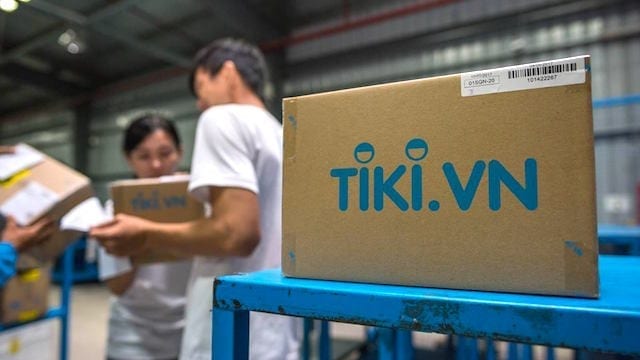
    A prominent case in instance is that of Tiki.vn, a popular e-commerce platform in the country.

    Tiki Jsc. (Tiki) started off as an online book store in 2010 before venturing into e-commerce. Just six years later, the firm was valued at $45 million, following domestic tech firm VNG injecting some $17 million in a 38 percent stake acquisition deal.

    However, at the end of that year, 2016, Tiki’s financial statement showed accumulated losses of nearly VND308 billion ($13.39 million). Tiki had posted revenues of nearly VND62.4 billion ($2.71 million) in 2016, a six-fold increase over 2015. However, this was accompanied by a loss of around VND179 billion ($7.78 million) because of high operational costs.

    In its annual report for 2017, VNG showed Tiki making a loss of VND282 billion ($12.26 million) for the year, raising its aggregate losses to VND590 billion ($25.65 million).

    Despite its losses, Tiki has remained attractive to investors as a leading brand in the market. In mid-January this year, JD.com Inc., a giant retailer in China, injected an unspecified sum into Tiki. The Chinese firm had announced last November that it would pump $44 million into the Vietnamese e-commerce platform, making it Tiki’s largest shareholder.

    Unlike other types of firms, startups like Tiki are not valued on the profit it makes, but on other key elements like market growth, market share, sales, average purchase value, and customer retention rates.

    Tiki, which ships goods across the length and breadth of Vietnam, has annual sales of about $240 million, according to the Financial Times. And it is not the only e-commerce firm recording continual losses in Vietnam.

    Ralf Matthes, managing director of market research company Infocus Mekong said that e-commerce platforms are in the red largely because of their fragmented logistics chains.

    He said that with up to 80 percent of consumers paying cash on delivery, the logistics required in just collecting payment leads to losses.

    E-commerce firms in the country were also drawn into a cash-burning battle as they spent on massive sales and marketing campaigns to promote their platforms, he said.

    The Vietnam E-commerce Association (VECOM) said that the local e-commerce market grew 25 percent last year and that this growth is expected to continue through 2020.

  • Hai Di Lao will open first London store

    Hai Di Lao will open first London store

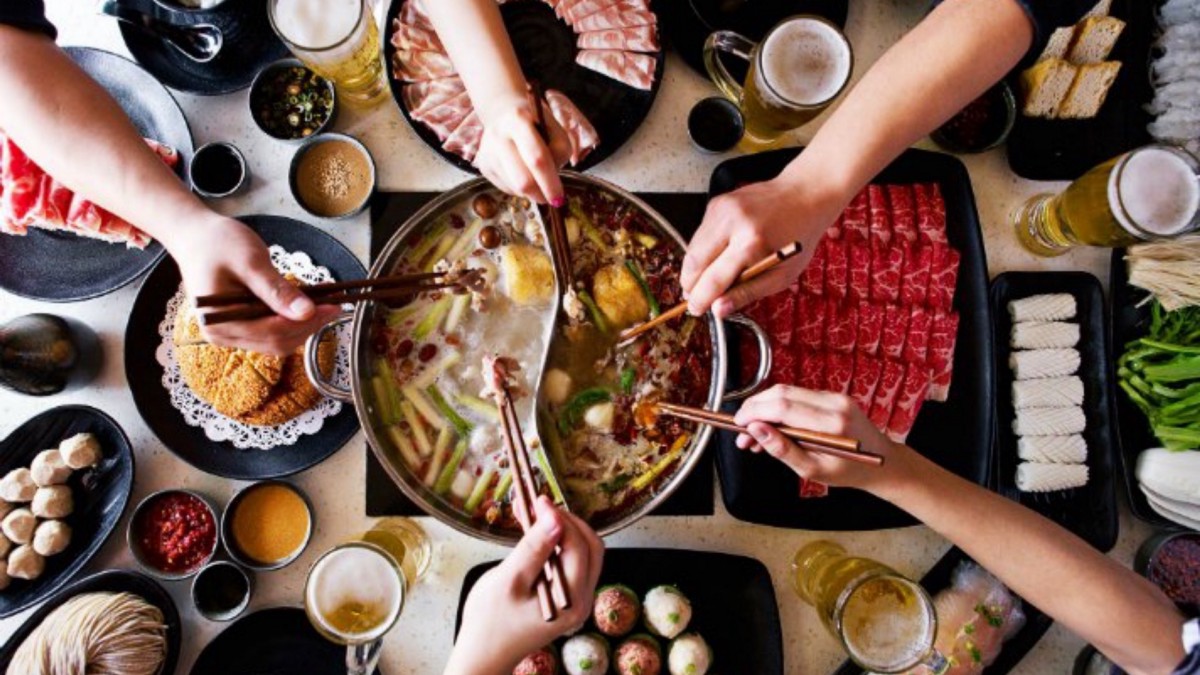
    Chinese hot pot chain Hai Di Lao will open its first UK restaurant at the Trocadero in Piccadilly Circus, London.

    In a deal facilitated by real estate firm Savills, the brand has signed a 15-year lease of an almost 10,000sqft site. It is the chain’s first venue in Europe and follows the opening of its New York restaurant in Times Square.

    Savills’ leisure team associate director Richard Thomas said “Hai Di Lao is a globally recognised brand with fans of the concept worldwide… the chain already has its sights set on expansion both in the UK and across Europe and we are very pleased to have secured this prime spot for its flagship restaurant.”

    To date, Hai Di Lao has opened 310 locations around the world.

  • Bank Negara Malaysia seen holding policy rate

    Bank Negara Malaysia seen holding policy rate

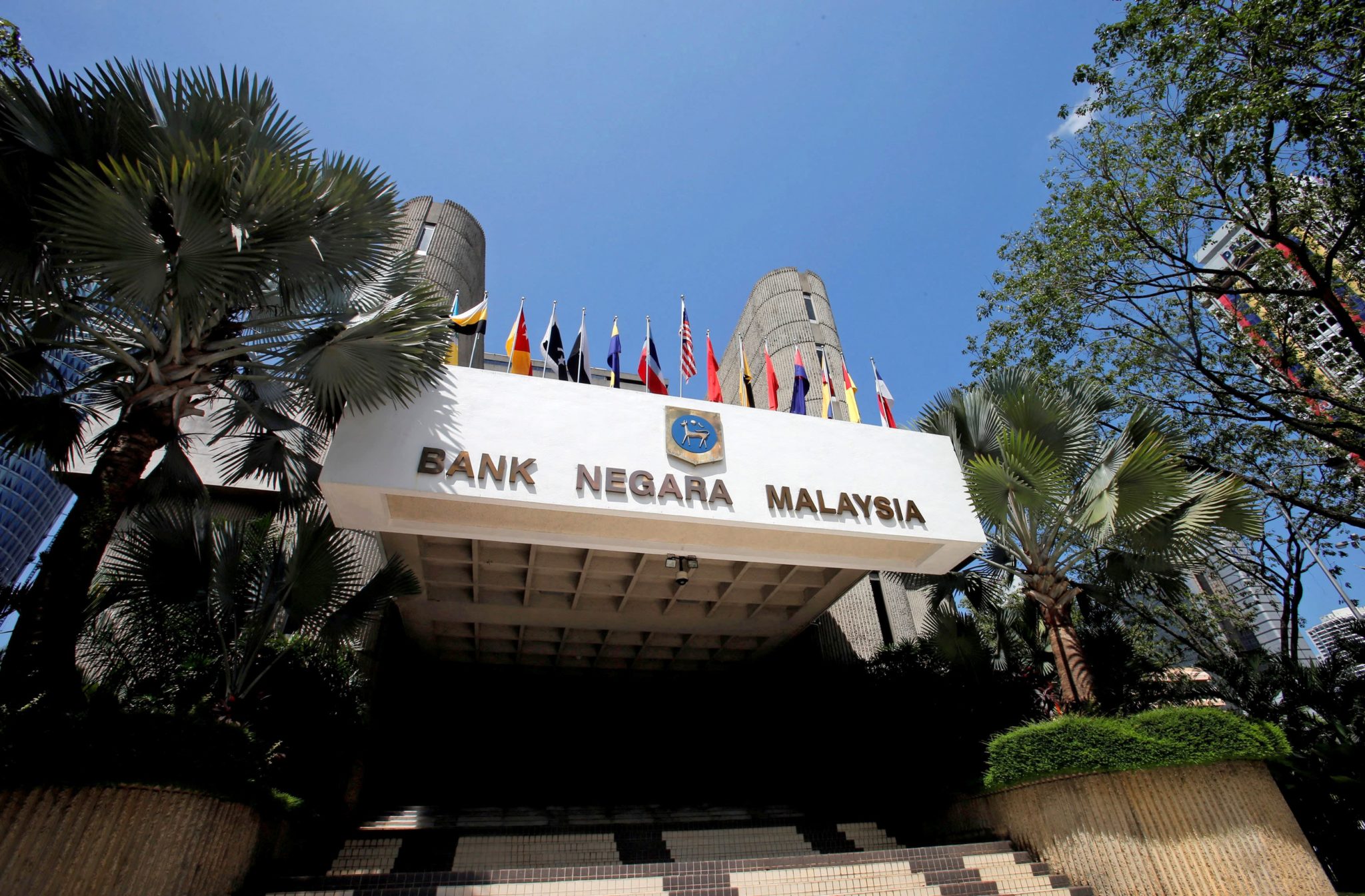
    Malaysia’s central bank is expected to leave its benchmark interest rate unchanged at a meeting on Wednesday, as growth remains firm and a short-term dip in inflation is expected after the new government removed a much-maligned consumption tax.

    All 10 economists polled by Reuters forecast that Bank Negara Malaysia (BNM) will hold its overnight policy rate at 3.25%.

    Unlike Indonesia and the Philippines, Malaysia has hiked its policy rate just once this year, by 25 basis points in January.

    That increase was the only hike since July 2014.

    Wednesday’s meeting will be the second since May 9 elections brought a stunning change of government and the return of Tun Dr Mahathir Mohamad, premier from 1981 to 2003, as prime minister.

    It will be the first BNM policy meeting with Datuk Nor Shamsiah Mohd Yunus as governor. She assumed the post on July 1.

    Soon after taking office, Mahathir scrapped the 6% Goods and Services Tax (GST) imposed in 2015, which Malaysians said was a major contributor to rising living costs and a key reason to reject Datuk Seri Najib Abdul Razak and his long-ruling coalition.

    Scrapping GST will likely bring a significant fall in inflation rate, expected to average around 1% in 2018’s second half, Capital Economics said in a note.

    As a result, it said, “another rate hike is probably off the table”.

    In May, BNM said scrapping GST would impact inflation, but it was too early to say by how much. It projected 2018 full-year headline inflation at 2-3%.

    May’s annual inflation rate was 1.8%.

    Standard Chartered, in a note on Friday, said external pressure may push the central bank to hike its key rate, should it become a drag on the ringgit currency, though it did not say when this could happen.

    The ringgit traded at 4.033 to the dollar at midday today. It has weakened about 4.5% since April 2, a peak for the year.

    StanChart has maintained its 2018 full-year economic growth projection at 5.3%, saying the pace would “moderate from strong levels in 2017, but remain firm”.

    Prior to the election, BNM forecast 2018 growth at 5.5-6%, and has not made a fresh projection since the voting.

    The government reported 2017 growth at 5.9%.

  • 7-Eleven boosts parents profit growth

    7-Eleven boosts parents profit growth

    Overseas growth in the 7-Eleven convenience store business drove a modest increase in profit for Japanese retail group Seven & I Holdings in the first quarter.

    While the challenges of a shrinking population, falling household spending and corresponding lacklustre economy in its home market subdued local performance, offshore growth continues to underpin the company’s results.

    Operating profit of 86.4 billion yen (US$781.2 million) was 2.7 per cent higher year-on-year in the three months to May.

    While 7-Eleven Japan is the nation’s largest convenience store chain, with more than 20,000 stores, the c-store sector is struggling to make headway amid growing competition from drugstores, and Seven & I Holdings’ Ito-Yokado supermarket chain, and its department stores are essentially standing still.

    That makes overseas growth critical for Seven & I Holdings. While 7-Eleven Japan operating profit fell 6.9 per cent to 55.4 billion yen, overseas 7-Eleven profits surged 33 per cent. In Thailand, the chain has about 11,000 stores operated by local partner CP All. It has another 9500 stores in the US and more still under franchise agreements in markets including Malaysia, Australia and, more recently, Vietnam.